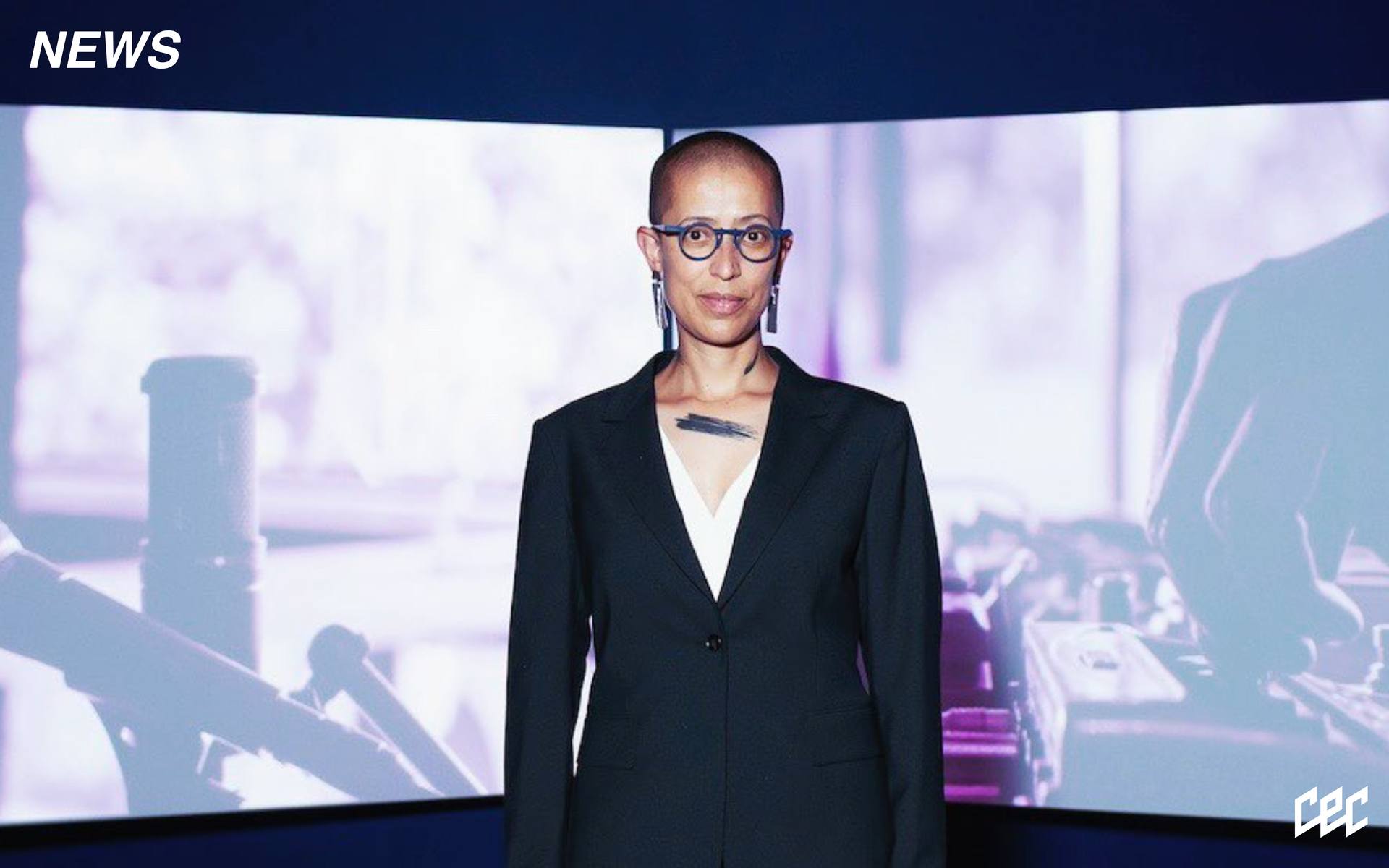
In early December 2025, Gabrielle Goliath was confirmed as South Africa’s official representative at the 61st Venice Biennale, arguably one of the most prestigious art and cultural events in the world. Selected by a national curatorial committee to present Elegy, her decade-long body of work rooted in collective mourning and remembrance, and developed in collaboration with curator Ingrid Masondo – the project was scheduled for presentation in Venice in May 2026.
Just weeks later, that decision was abruptly reversed; following what has widely been reported by direct political interference from the office of Minister Gayton McKenzie, after his office, the Department of Sports, Arts and Culture, withdrew its support from the pavilion, effectively collapsing South Africa’s participation and triggering Goliath’s participation from the programme.
Elegy is an ongoing performance and video installation series that engages with historical and contemporary violence, moving across multiple registers of grief, from femicide and hate crimes against LGBTQ+ people in South Africa to the genocide of Nama and Ovaherero people under German colonial rule. More recently, the project was expanded to include a component reflecting on the deaths of tens of thousands of civilians in Gaza since October 2023, referencing Palestinian poet Hiba Abu Nada, who was killed in the genocide.
Just days after Goliath’s Biennale selection was made public, Goodman Gallery announced it was ending its decade-long representation of the artist. The gallery’s director, Liza Essers, stated that the decision formed part of a broader structural business review aimed at reducing the gallery’s roster from 50 to 40 artists in response to difficult global market conditions. She emphasised that the gallery had no involvement in the Biennale selection process or the national pavilion. The separation took place on 18 December 2025, shortly before the culture ministry’s first formal intervention — a timing that immediately fuelled speculation within arts circles, despite Goodman maintaining the move was commercially motivated.
On 22 December, South Africa’s Minister of Sport, Arts and Culture, Gayton McKenzie, wrote to Art Periodic — the organisation contracted to manage the national pavilion — objecting to the inclusion of Gaza-related material in Elegy, describing it as divisive and inappropriate for a national platform. He requested changes to the work, which Goliath declined.
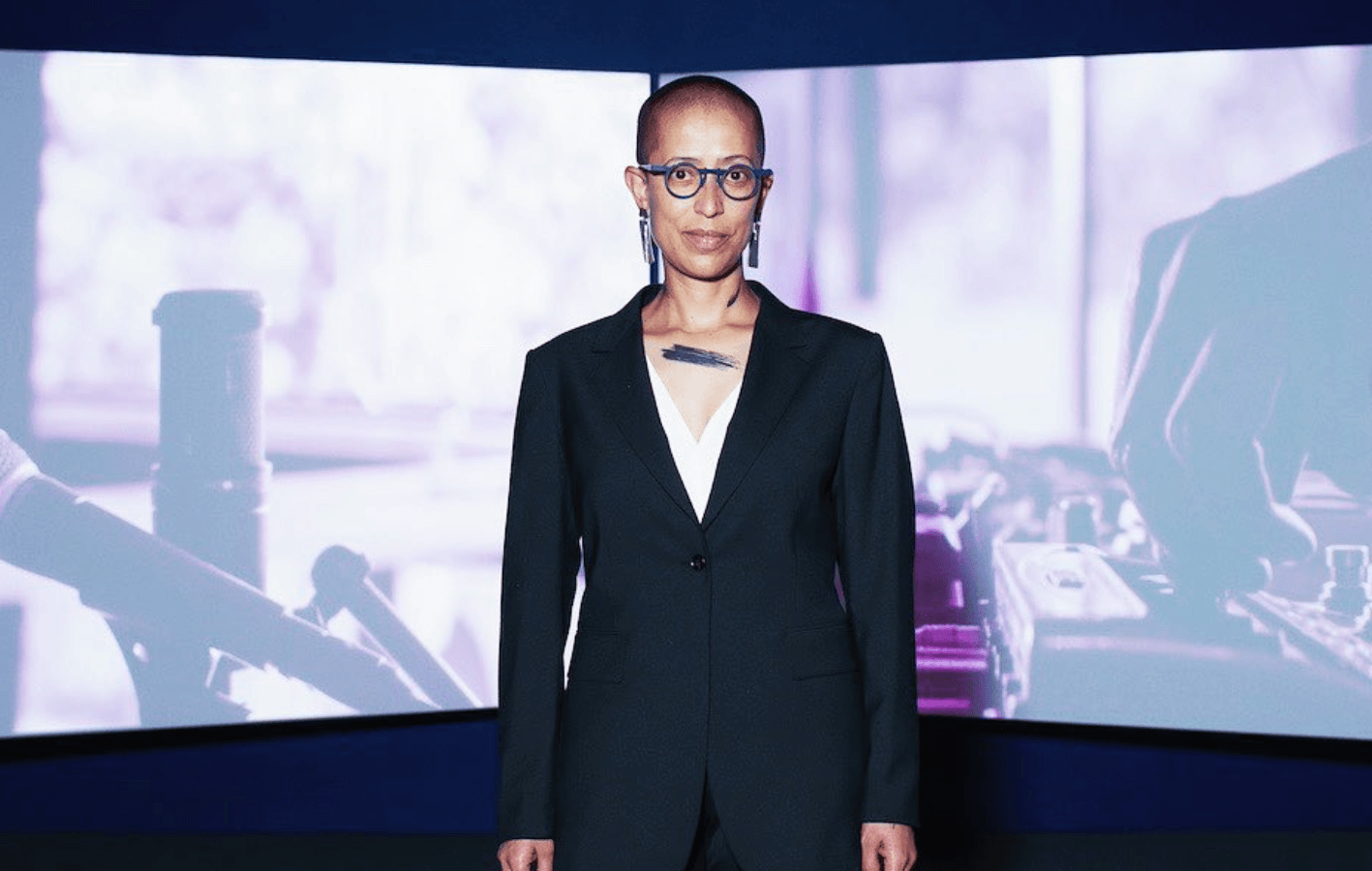
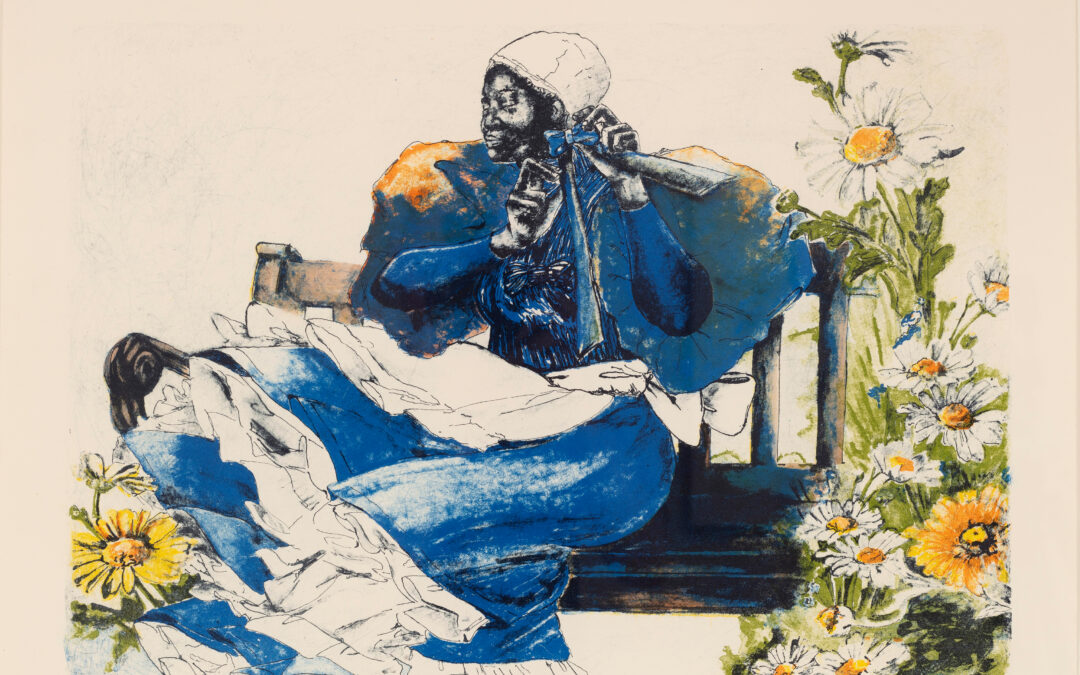
Gabrielle Goliath via @gabriellegoliath IG
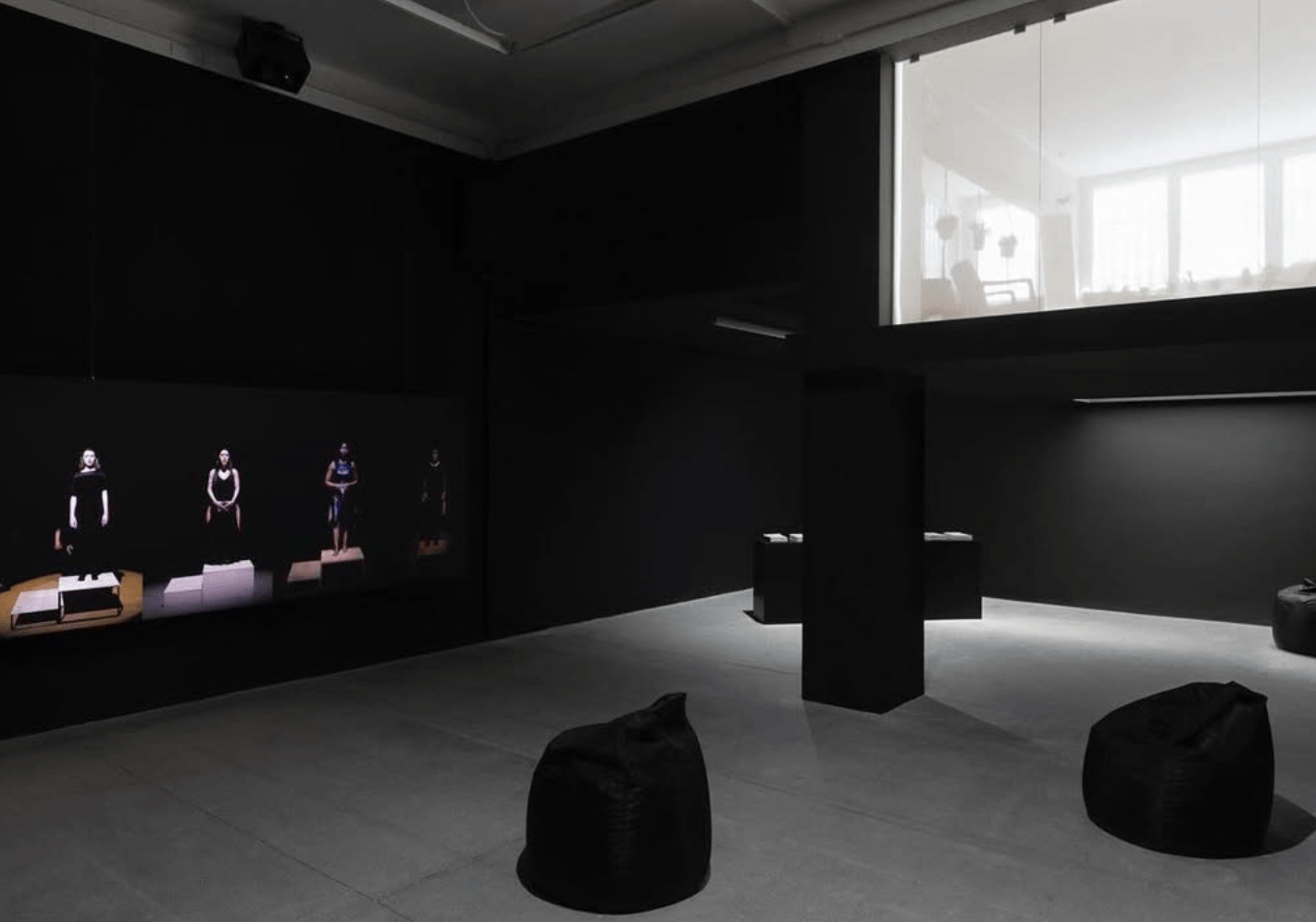
Elegy, an ongoing performance and video installation series, showcased at Galleria Raffaella Cortese, via @gabriellegoliath IG
On 2 January 2026, McKenzie formally withdrew South Africa’s submission to the Venice Biennale, effectively cancelling the pavilion just days before the deadline for final entry lists. He cited concerns about foreign influence and the use of a national platform to advance geopolitical narratives, referring to the alleged involvement of a foreign government — widely reported to be Qatar.
The cancellation has triggered widespread condemnation. Goliath, Masondo and their collaborators have framed the intervention as a violation of artistic freedom and constitutional rights, arguing that Elegy speaks directly to South African histories of violence, loss and remembrance. Many in the cultural sector have described the decision as censorship rather than cultural policy.
The Democratic Alliance has also entered the fray, accusing the minister of political interference in an independent curatorial process and warning that the decision sets a dangerous precedent for state control over cultural expression. Critics have further pointed to the contradiction between McKenzie’s actions and South Africa’s official foreign policy stance in support of Palestinian rights.
Most recently, the Public Protector, Advocate Kholeka Gcaleka, confirmed that her office is processing a formal complaint against McKenzie over his handling of the Biennale decision. The complaint, lodged by the DA, argues that the minister may have acted improperly by overriding an independent selection process and potentially abusing his authority. The Public Protector’s office has now begun assessing whether his conduct amounts to maladministration or an abuse of power, placing the government’s role in the affair under formal legal scrutiny.
McKenzie has denied accusations of censorship, insisting that national pavilions should not be used to advance polarising geopolitical positions and maintaining that public funding has not been withdrawn. He has stated that South Africa still intends to participate in the Biennale, though no alternative plan or curatorial direction has yet been announced.
As international arts organisations and prominent cultural figures continue to rally behind Goliath, the fate of South Africa’s participation in the 2026 Venice Biennale remains uncertain. What is clear, however, is that the episode has opened a much larger and more troubling debate about artistic freedom, political power, and the conditions under which culture is allowed to speak in South Africa today — particularly when government begins to intervene directly in curatorial and cultural processes that are meant to remain independent.
This is a developing story.
Written by Holly Beaton
For more news, visit the Connect Everything Collective homepage www.ceconline.co.za