Ultraviolet Gallery presents Pretty Boy, the first solo photography exhibition by Josie Borain and a focused retrospective of work produced between 1983 and 1989.
Best known as South Africa’s first global supermodel, Borain developed a sustained photographic practice alongside her international fashion career. Working primarily in black-and-white film during her years in Paris and New York, she produced an extensive archive spanning street photography, intimate portraiture, and self-observation.
Pretty Boy brings this largely unseen body of work into public view. The exhibition traces Borain’s movement between two worlds: the highly stylised environments of fashion and celebrity, and the street — demonstrations, subcultures, and fleeting encounters with strangers. Her photographs resist glamour, favouring closeness, vulnerability, and psychological attentiveness.
Co-curated with her daughter, Willow Borain, Pretty Boy presents approximately forty photographs that reveal Borain as a perceptive and critically overlooked photographic voice, whose work feels newly urgent today
The photographs presented in Pretty Boy were produced between 1983 and 1989, a period of profound transformation in Josie Borain’s life. Raised in a conservative South Africa during a time of political isolation, she was suddenly thrust into an entirely different realm: the bohemian, hyper-charged cultural worlds of Paris and New York in the 1980s. These were cities defined by excess, ambition, experimentation, and reinvention — environments that would later become iconic of the era’s zeitgeist.
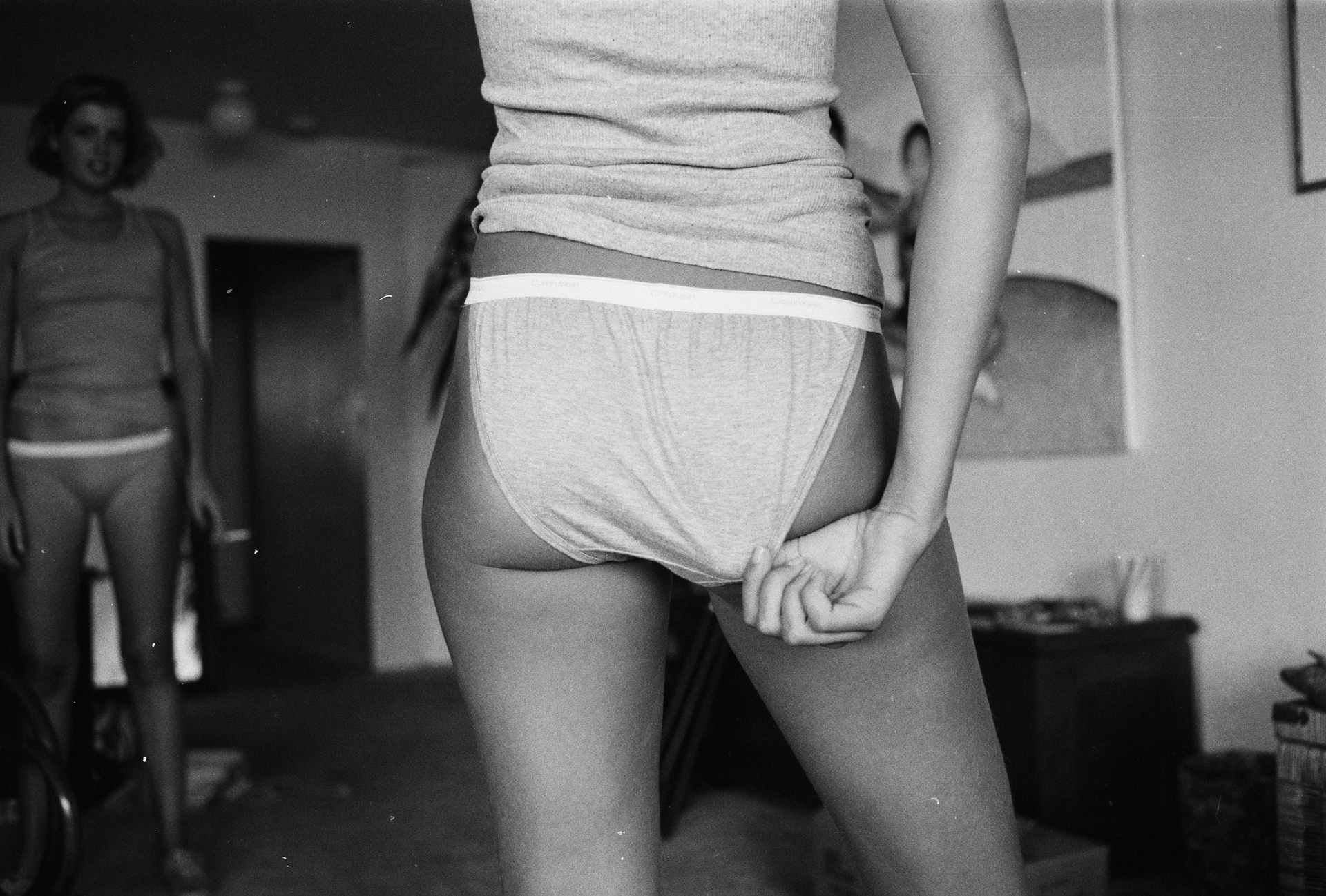
Images courtesy of Josie Borain / Courtesy Ultraviolet Gallery
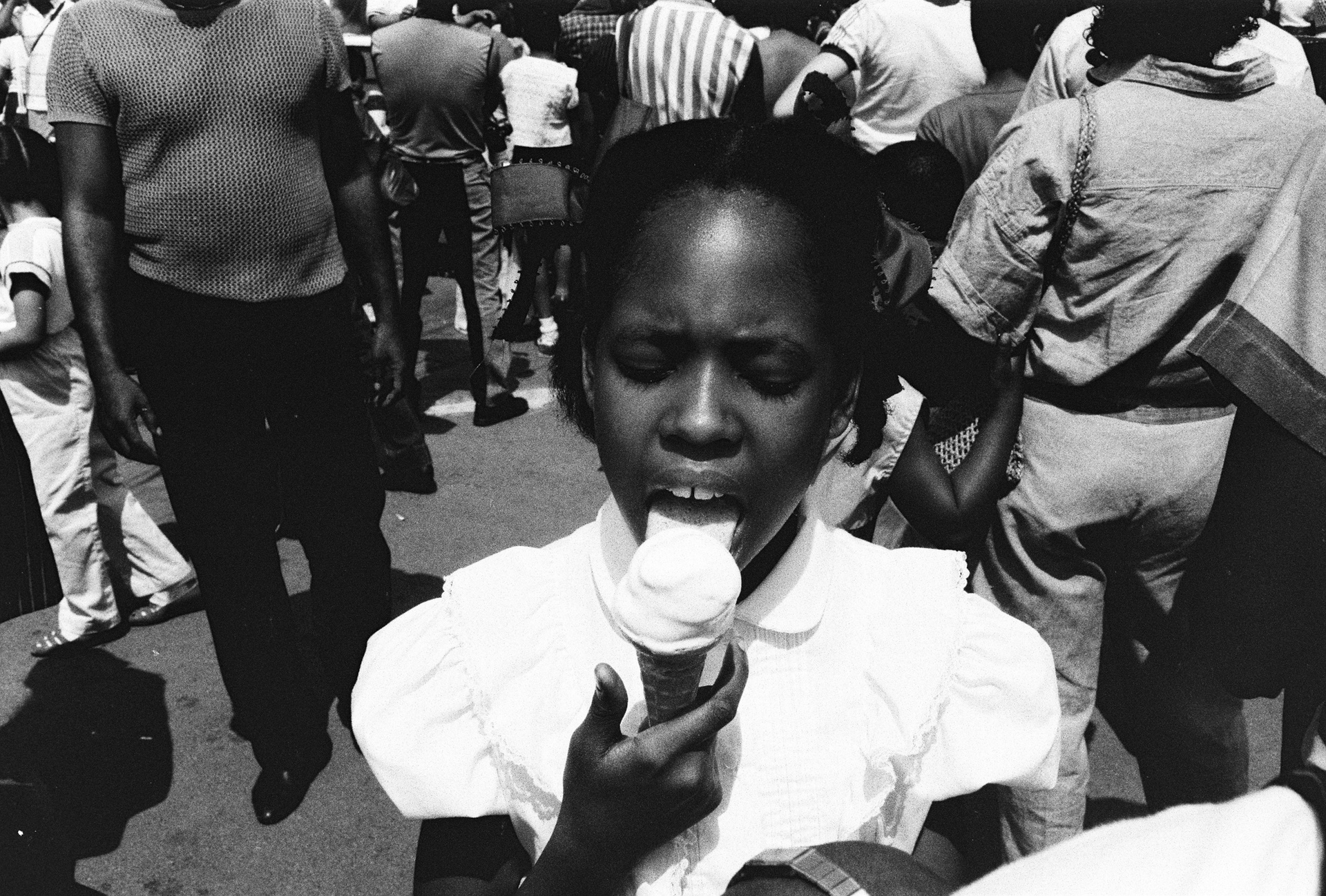
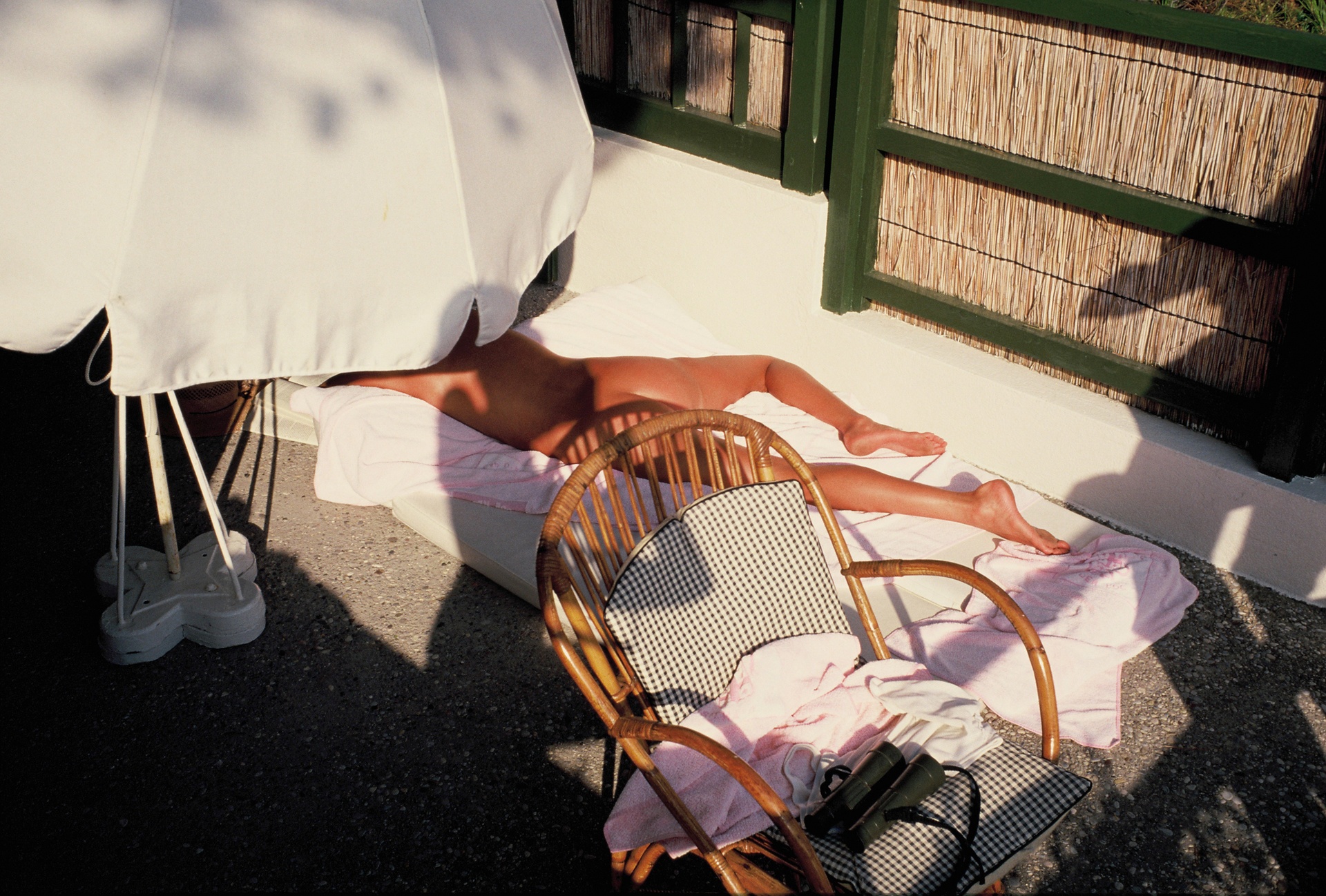
Immersed in the international fashion world, Borain moved through spaces occupied by artists, designers, musicians, photographers, and private interiors, while the city beyond pulsed with activism, emerging subcultures, and the raw textures of urban life. Within this environment, she was widely regarded as an ingénue – a subject to be styled, observed, and interpreted by others. Photography initially became a way of slowing this acceleration, offering distance and orientation within a world increasingly invested in her image. What began as visual diarisation evolved into a sustained photographic practice attentive to the social and emotional undercurrents beneath spectacle.
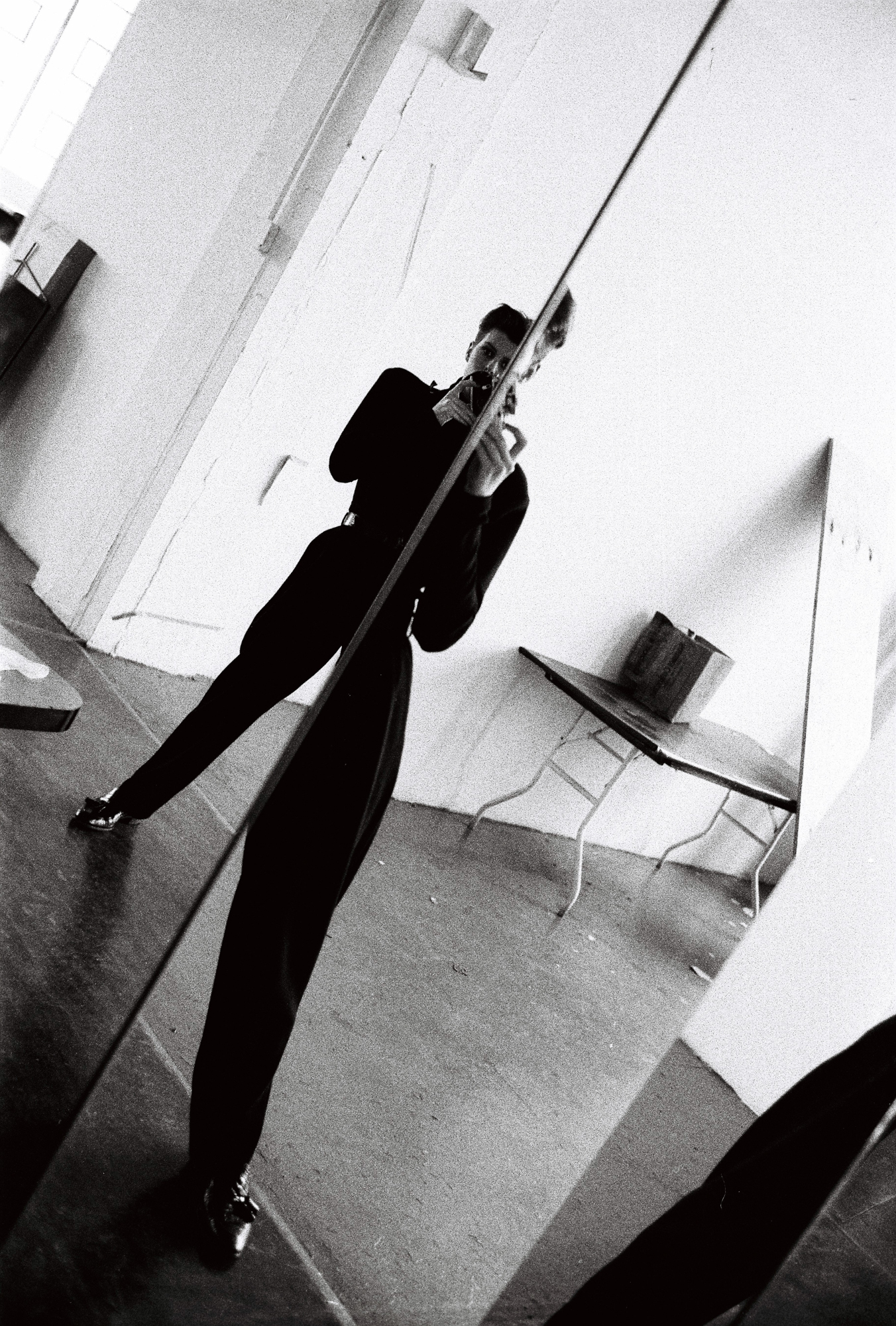
The title Pretty Boy gestures toward a duality that shaped Borain’s experience of visibility. While her androgynous features made her distinctive as a model, they also worked in her favour beyond the fashion world. When photographing on the street, she moved deliberately away from the heightened femininity of her professional life, opting instead for simple, practical clothing that allowed her to blend into the city. Combined with an unassuming demeanour, this enabled her to pass without spectacle, slipping easily into the crowd. From within the grit and chaos of urban life, Borain enacted a decisive shift in power, moving from object to author.
As her practice deepened, this shift became increasingly pronounced. Rather than remaining the muse within a creative scene, Borain turned the camera outward, making images of the artists, photographers, and cultural figures who surrounded her – many of whom were accustomed to seeing her as a subject rather than a peer. These photographs resist idealisation. They are intimate, unsentimental, and psychologically alert, attentive to moments of vulnerability, fatigue, and unguarded presence.
Borain’s archive moves fluidly between two interconnected worlds: the rarefied interiors of fashion and cultural production, and the street – activism, emerging subcultures, marginal figures, and fleeting encounters with strangers. Across both, the images resist theatrics. Whether photographing a cultural figure or an unknown passer-by, Borain’s work privileges presence over performance, reciprocity over dominance.
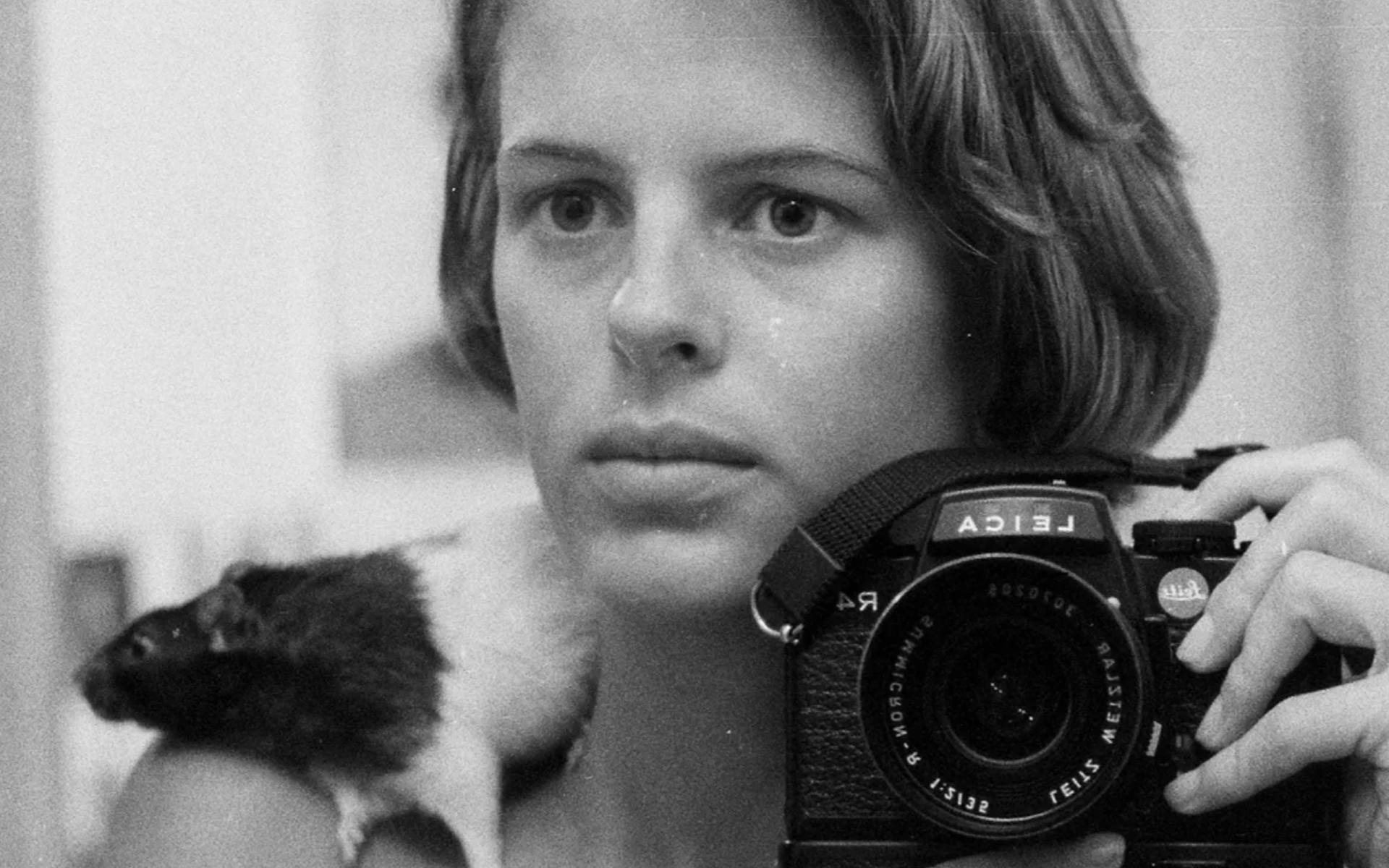
Self-portraiture appears frequently throughout the archive and plays a crucial role in this assertion of authorship. In a visual culture that relentlessly framed Borain’s body as an object of desire, these images function as acts of self-determination. Rather than fixing identity, they test it – exploring what it means to move between roles, genders, and modes of representation, and to occupy both sides of the lens on her own terms.
Underlying this outward-looking practice was a more private interior register. Beneath the velocity of her public life ran a darker current, marked by self-doubt, isolation, and emotional strain. As the modelling industry grew increasingly constrictive, photography became both refuge and method – not only a way of looking outward, but of processing experience. Borain undertook formal studies in photography and filmmaking, deepening her technical and conceptual engagement with the medium. Alongside still photography, she also worked with 16mm film, using moving image as a form of diarisation and documentation.
Pretty Boy is co-curated with Borain’s daughter, Willow Borain, herself a photographer. Her involvement is both interpretive and custodial, shaping the exhibition while ensuring the careful preservation and reintroduction of this body of work. Together, the curatorial process positions the archive not as a closed chapter, but as a living photographic legacy entering public and private collections for the first time.
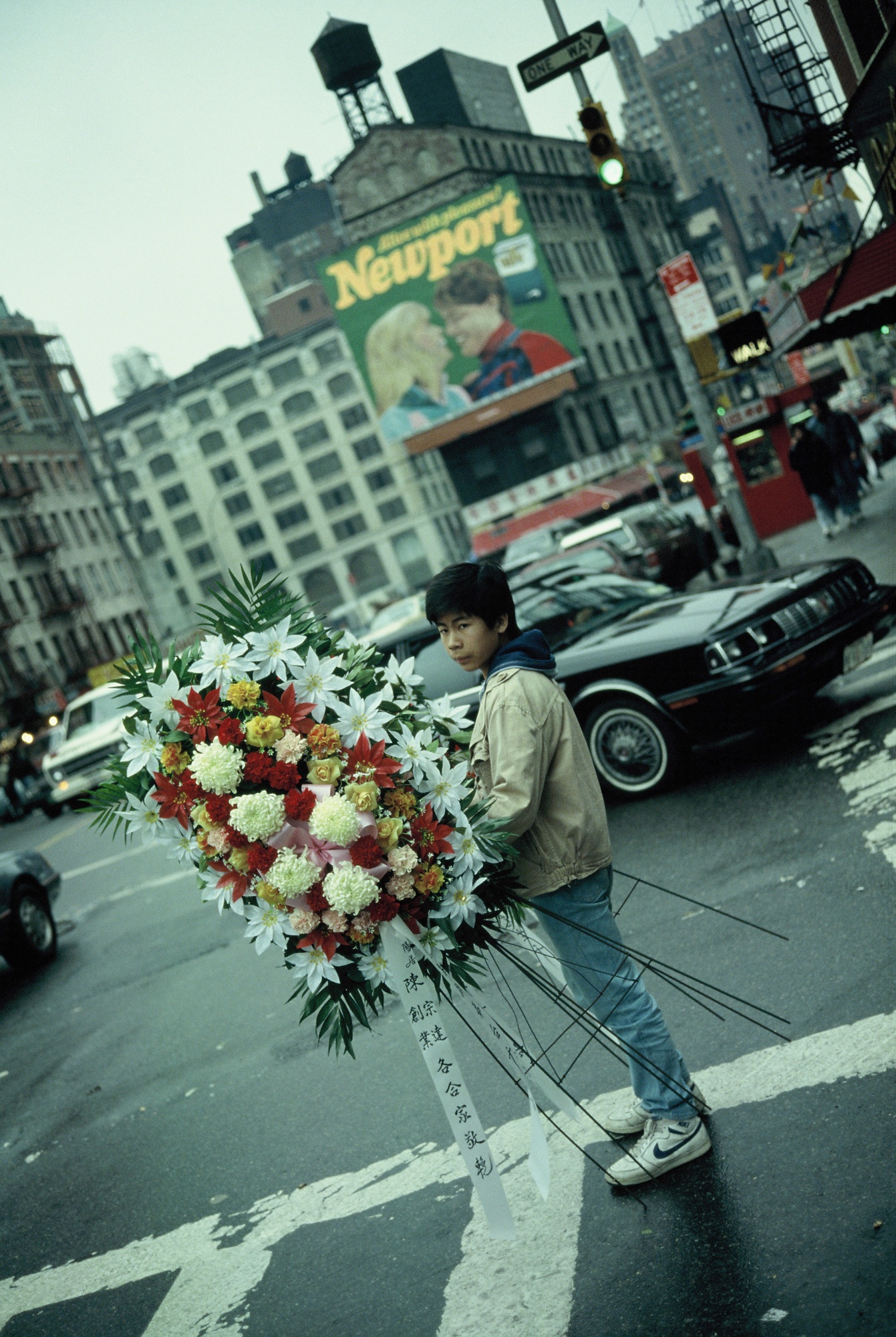
Images courtesy of Josie Borain / Courtesy Ultraviolet Gallery
Artist Biography
Josie Borain is a South African photographer and former international fashion model. Rising to prominence in the 1980s, she became South Africa’s first global supermodel, working extensively in Paris and New York and appearing in major international fashion campaigns, editorials, and runway shows.
Alongside her modelling career, Borain developed a sustained photographic practice, working primarily in black-and-white film. In the 1980s and 1990s she produced an extensive archive spanning street photography, portraiture, and self-portraiture. Her photographic work from this period remained largely unseen until recently. Photography remains an enduring passion and active practice.
Pretty Boy marks Borain’s first solo photography exhibition and a focused retrospective of her early photographic work. She currently lives in the tiny village of Vermaaklikheid in South Africa, where she manages the family farm, operates Josie’s General Store, and runs a range of upliftment initiatives for under-privileged members of the Vermaaklikheid community.
About Ultraviolet Gallery
Ultraviolet Gallery is Cape Town’s only gallery dedicated exclusively to contemporary art photography. The gallery’s programme is centred on aesthetic clarity, technical rigour, experimentation with the photographic medium, and visual storytelling.
Ultraviolet presents photographers whose work demonstrates a strong authorial voice and a sustained commitment to image-making as a serious artistic practice.
Exhibition Details
Exhibition title: Pretty Boy
Artist: Josie Borain
Dates: 19 February 2026 – 10 April 2026
Venue: Ultraviolet Gallery, Cape Town
Works: 40+ Limited Edition photographs
Medium: Film photography
Curated by: Ultraviolet Gallery in collaboration with Willow Borain
Image credit:
© Josie Borain / Courtesy Ultraviolet Gallery
See more of Josie Borain’s work from the 1980s on her Instagram archive page here
Press release courtesy of Ultraviolet
For more news, visit the Connect Everything Collective homepage www.ceconline.co.za