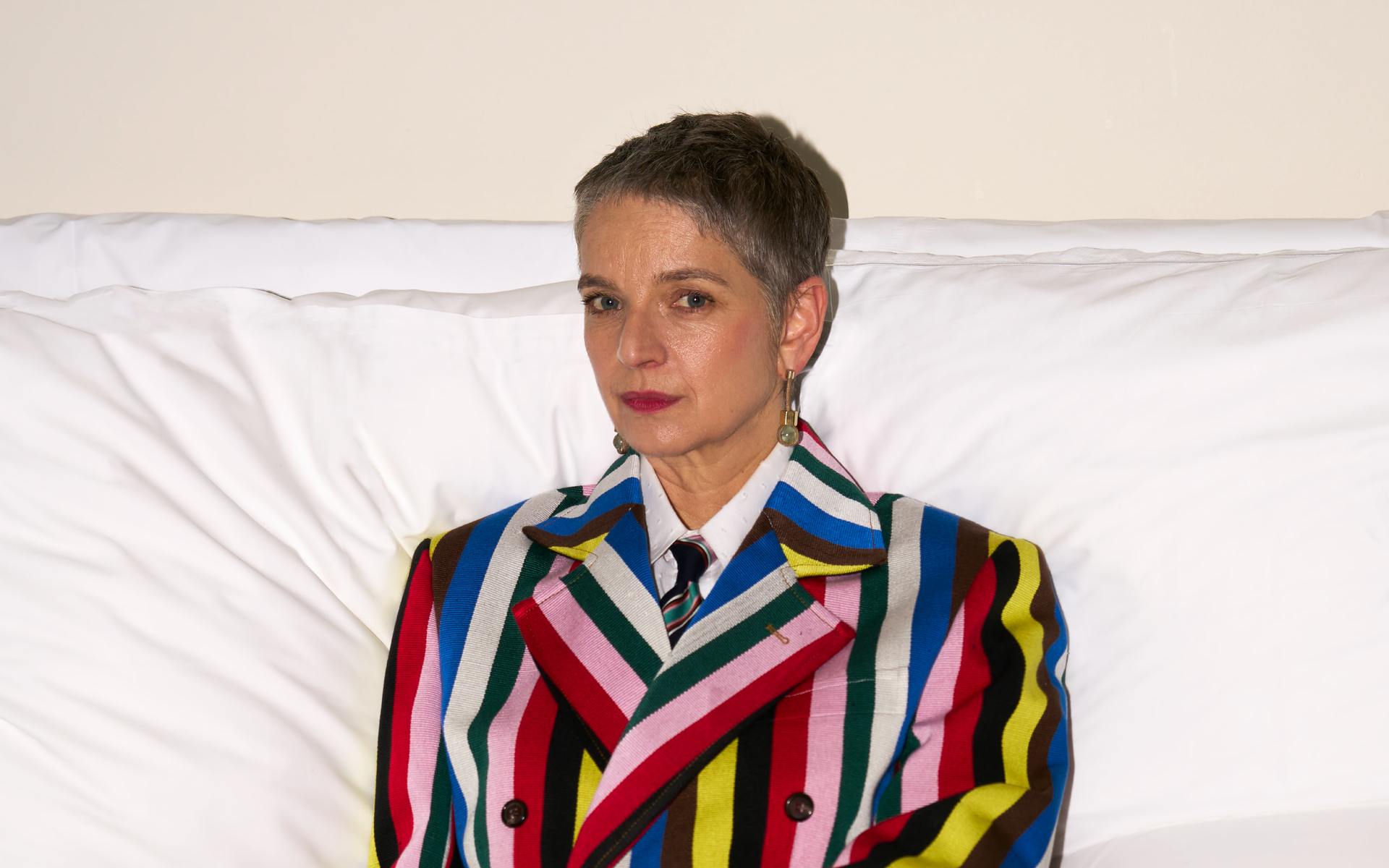
There are those people we meet who seem to possess a sheer force of energy, unlike anything we may have known before. To pursue and engage with all manner of change, friction, and becoming; they do what they say, and say what they do, with stunning effect and unwavering clarity. Jackie May is one such person, and to say she is a South African fashion legend is quite frankly, a massive understatement.
A pioneer in South African publishing and editorial culture, Jackie has had her hand in magazines and media institutions across decades — as she says, back in the days when, “it was an absolute luxury to work in an environment where there was money. We had two issues a month. There were huge departments — fashion, beauty, décor — and a massive art department. Each editor had two or three assistants. It was extraordinary!”
Naturally, having her on Interlude has been years in the making; as a column, we are a humble, digital simulacrum of those days of sartorial editorialship abundance and possibility that Jackie reminisces about.
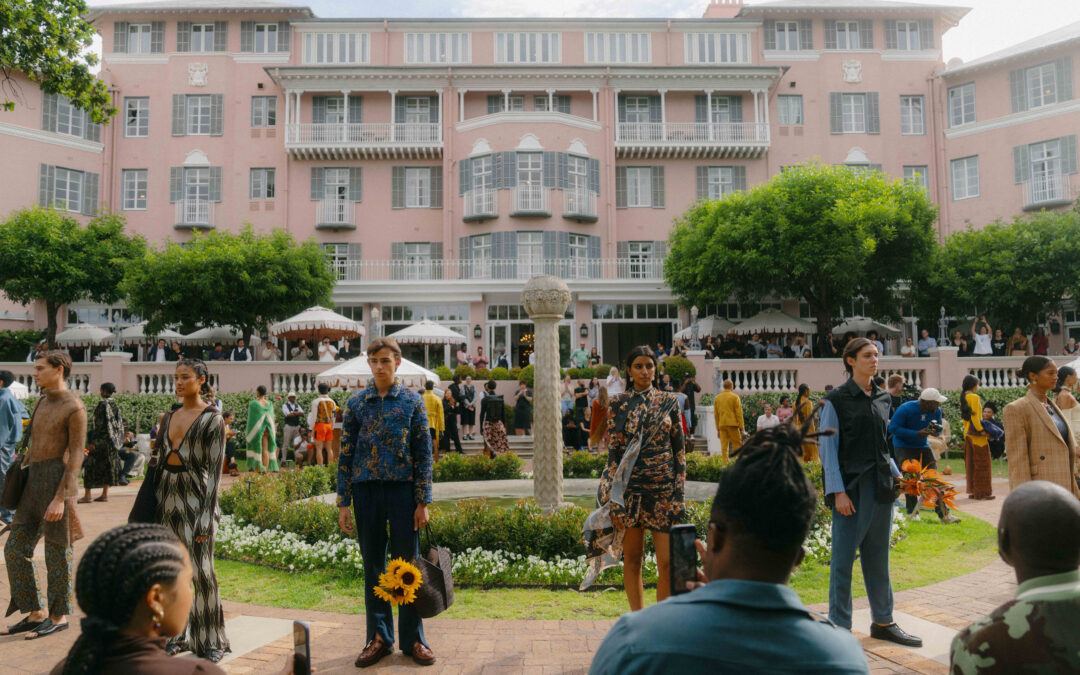
Now, at the founding helm of Twyg, a critical, non-profit media platform dedicated to ethical fashion, sustainability, and cultural accountability, Jackie intuited the crisis in fashion and sustainability long before it was cool, and has been instrumental in advancing this discourse in South Africa. As a great connector of people, ideas, and institutions, Jackie is both a catalyst and a custodian of a more thoughtful fashion ecosystem. Among Jackie’s continual work in fashion and sustainability, exist a number of institutional experiences that she has created and which form staple junctures for South Africa’s space. There is Jackie’s beloved (which she credits as her favourite, most intellectually and practically enriching initiation) Africa Textile Talks — which create a vital public forum for designers, historians, and cultural workers to gather around the politics, craft, and future of cloth. Then, there is the annual Twyg Sustainability Awards, which has helped set the agenda for what responsibility and innovation in South African fashion can look like, to the annual Confections x Collections showcase in partnership with The Mount Nelson Hotel, which, together with her team, has quite literally created new opportunities for fashion presentation in this country. Jackie has and continues to contribute to countless conversations, collaborations, and acts of infrastructure-building.
Jackie was one of the first people I wrote for many years ago as a cold-emailing novice, and to whom many of us owe a great deal of affection and respect for her insight, support, her courage to take action, her ability to create space, and above all, her unrelenting work toward seeding new worlds. My praise remains effusive.
“It’s such a funny question,” Jackie says in our conversation, “because I kind of see my career as all upside down and inside out.” She has often wondered why she is “not fully in fashion, or fully an artist, or fully something else,” an identity struggle I can relate to all too well, and traces her sense of being between worlds back to growing up in the 1980s, being “very politically concerned,” studying political philosophy, and always being more interested in what felt like “the serious things.” Fashion, of course, was not understood as serious; still, we continue to fight for the recognition of its intellectual and socio-political implications.
And yet, as Jackie puts it, “if I’m honest, I am a creator. That’s the thing I always come back to.” When she was very small, dealing with a month-long bout of sickness and confined to her room on the remote farm that she grew up on, Jackie did nothing but “make clothes and design clothes and sew. All I wanted to be was a fashion designer. That was it.” A few years later, still in primary school, she made a magazine — “the first time the school had ever had a magazine that was full of fashion ideas.” In hindsight, Jackie muses, “the signs were always there.”
Writing, Jackie says, was “always what I was most interested in,” but confidence did not come easily. “I never really had confidence. It took me a very long time to start writing properly or even thinking of myself in that space. Even now, I still think of myself much more as a day-to-day journalist than a creative writer.” Fashion journalism, Jackie says, “really came alive again much later,” first when she was a features editor and then during her time at Marie Claire. This was in an industry already entering a long, visible unravelling; as print titles shuttered, newsrooms shrank, and South Africa’s once-formidable fashion publishing ecosystem began to dissolve and reconfigure in real time. It must be a strange thing to watch something so towering fall apart — and yet Jackie’s own evolution seems to have moved in parallel with this shift, as a lock step response. As the old structures thinned, Jackie was already onto building new ones.
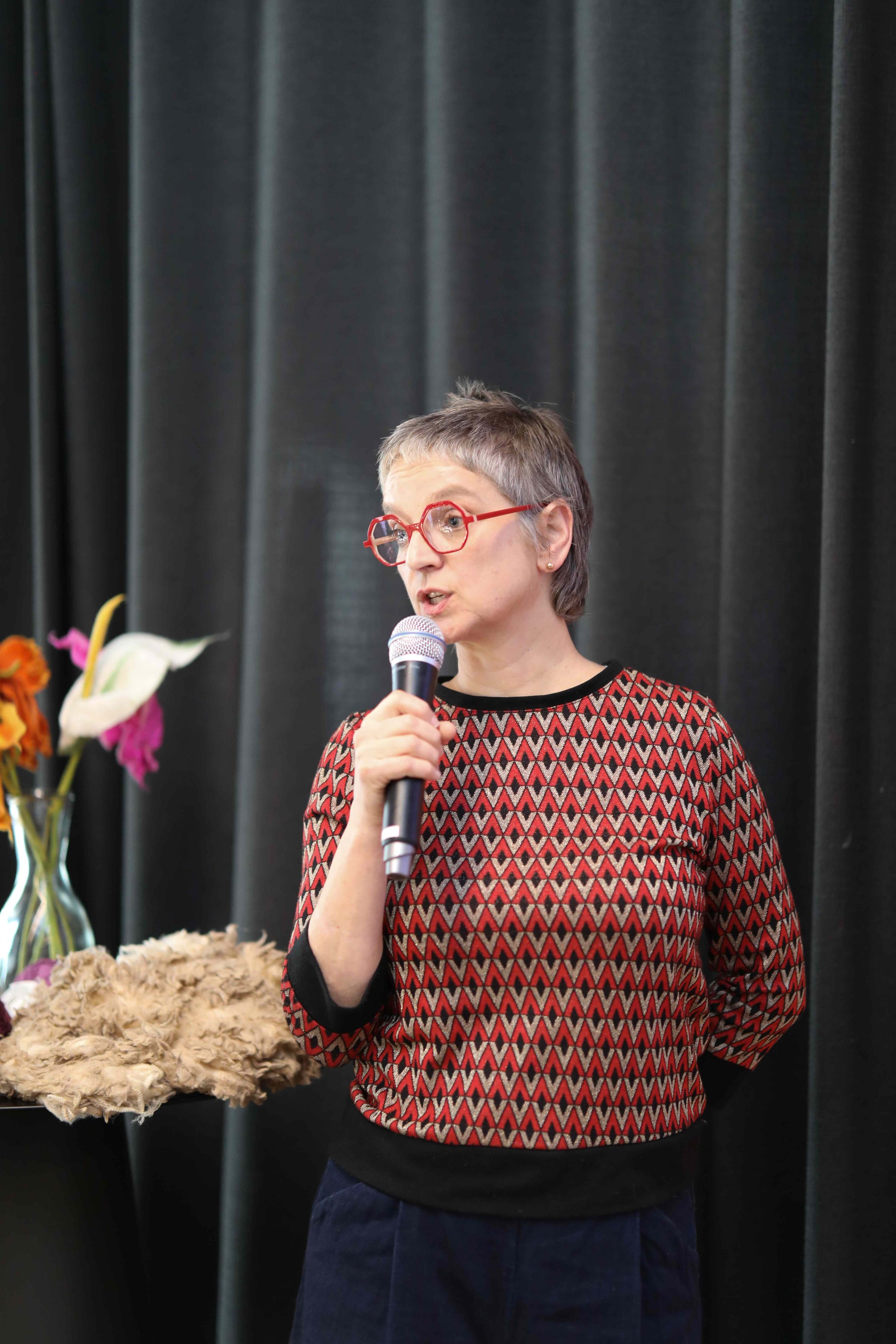
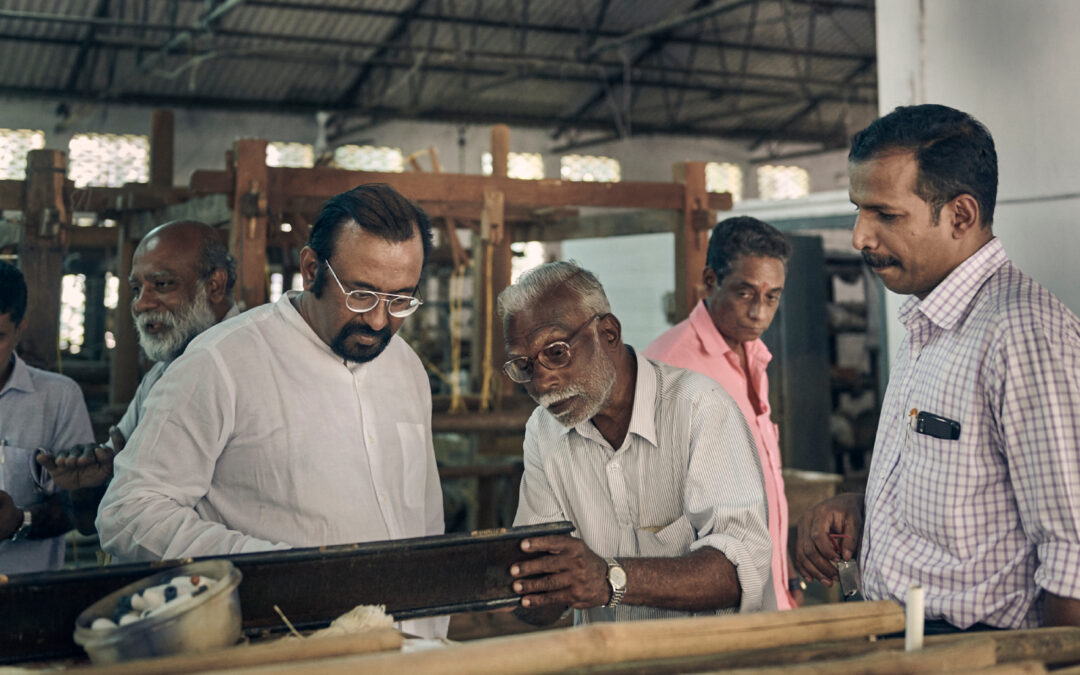
Africa Textile Talks 2025, courtesy of Jackie May
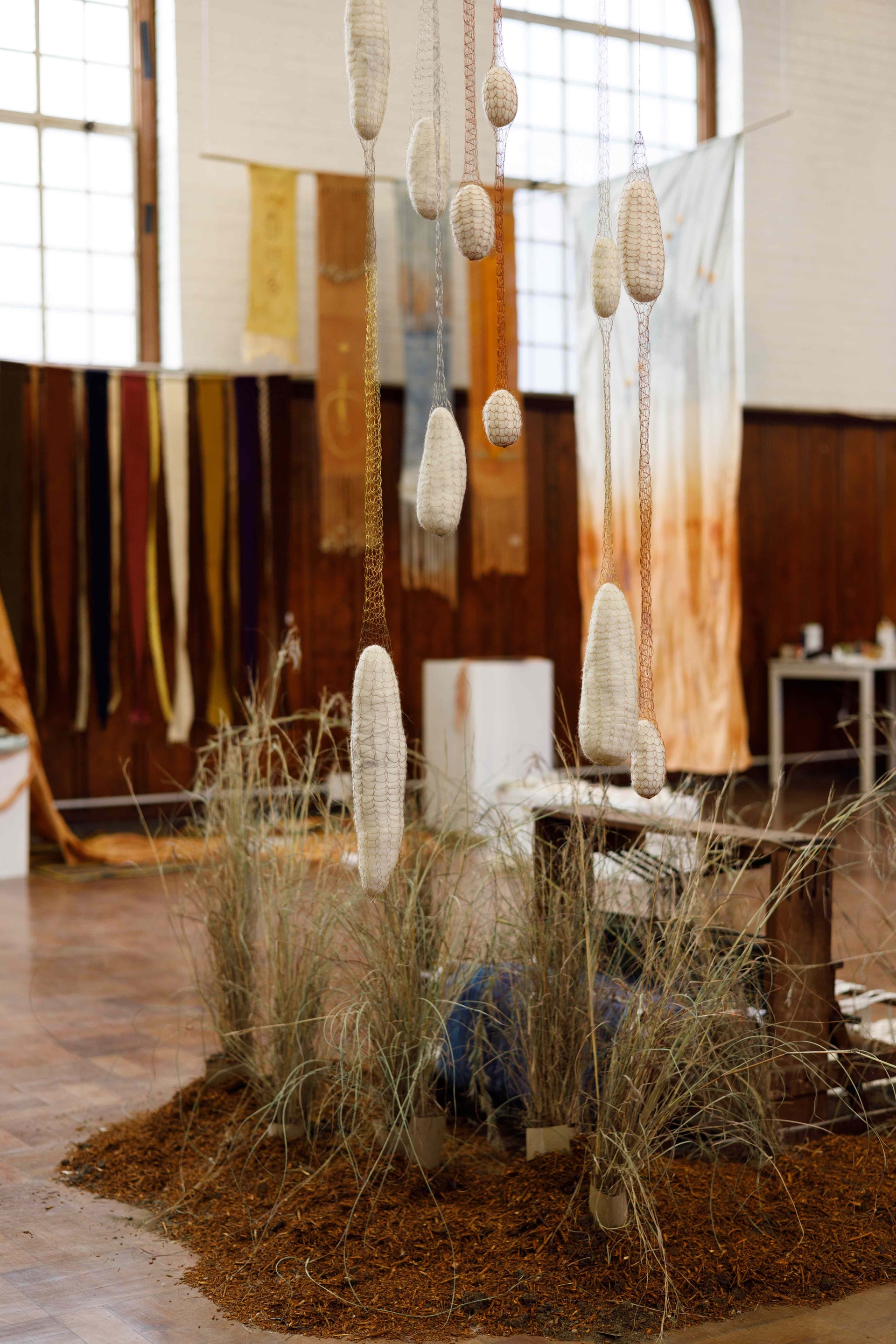
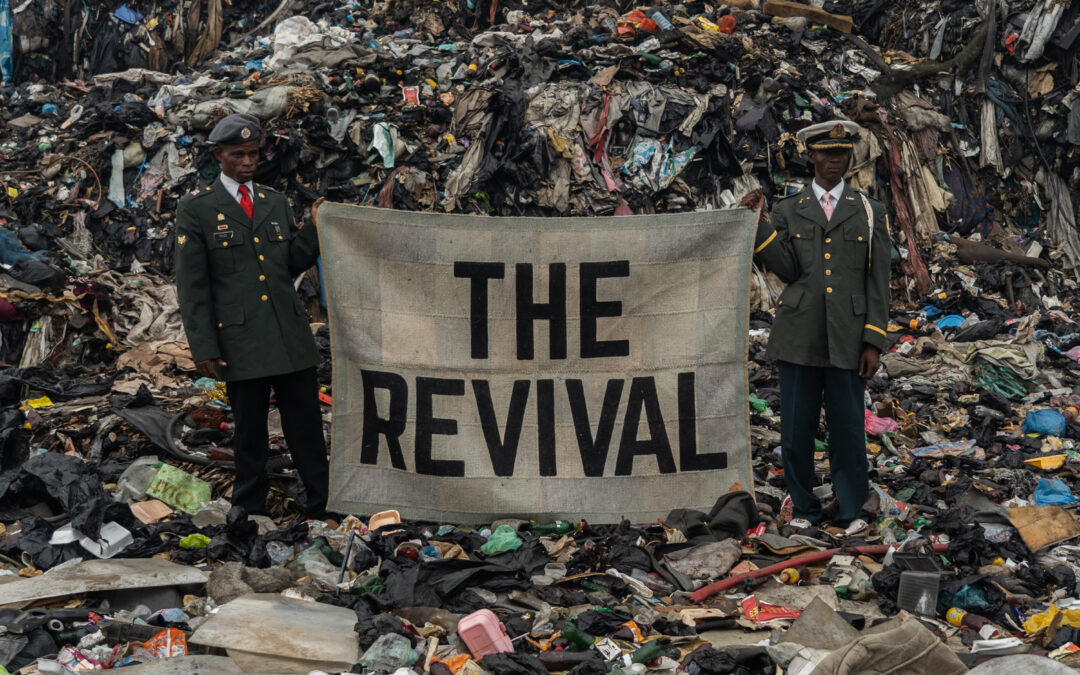
Threads of Renewal, An Exhibition for Africa Textile Talks 2025, courtesy of Jackie May
“At the Times, I developed a deep respect for the power of imagery. Photography is documentary, and that has its own incredible power. We were working with some of the best photojournalists in the country. I then came to understand what fashion imagery can do, and how it works emotionally and culturally.” Fashion imagery is a cultural language in its own right; responsible for directing the subconscious desires and self-images of generations since the 1970s and counting. From the anti-gloss, confrontational realism of a Juergen Teller to the hyper-stylised, myth-making worlds of someone like Tim Walker, it is a medium that has the power to organise desire, irony, and fantasy into a single frame.
In our contemporary context and in the hands of figures such as Thebe Magugu, Ib Kamara, and Campbell Addy, fashion imagery has also become a way of actively challenging the homogenised, whitewashed visual culture of fashion, and reopening the image as a site of history and self-authorship. Fashion is anything but superficial, in this sense.
In 1995, Jackie left South Africa to work for Media24 in London, and remembers the decade as a kind of open, luminous interval. “It was the 90s in London — clubs, fashion, Britpop, art — it was just fantastic. And being based in Bloomsbury felt like living in a garden,” still, inside that brightness, there was a persistent counterweight, “at the same time, so many of my friends were back in South Africa working on the Truth and Reconciliation Commission and doing really serious, traumatic journalism that still affects them today. And there I was, having this lovely, light life in London. I often think about that contrast.”
When Jackie returned, she realised she could not go back to Cape Town. “It felt too small.” Instead, she went to Johannesburg and joined the Sunday Times. “That was absolutely life-changing for me. I had never worked in such a diverse environment before — people speaking so many different languages in one newsroom. It was incredibly exciting,” she says, of that early awakening to what the future could be in post-apartheid South Africa. Perhaps, I wonder, if this was the space in which the idea of media as a civic arena — and of journalism as a form of public duty — was first properly forged for Jackie. Twyg, then, would be the continuation of this ethic and instinct.
Would you believe it if I told you that, somewhere along the way, Jackie cut her teeth as a director on one of South Africa’s greatest soapies? “I joined Generations as a trainee director,” she tells me, “which was such a random thing to do! I learned how to direct multi-camera soap operas and I did that for three years.” It was, as she puts it, “socially a very interesting experience,” but also industrial in its tempo; “it’s like a sausage machine — you’re just turning things out, constantly.”
Jackie’s return to magazine publishing was met with a stark structural contradiction that quickly became impossible to ignore. “It became so obvious and so painful,” she says. “You try to tell these stories about local fashion, about sustainability, about responsibility, and you get this tiny little space in the corner of the page. And then you turn the page and there’s this huge double-page spread for a big fashion brand.”
It was precisely this contradiction that pushed Jackie to build something else, and as she notes, “it’s devastating to see how editorial becomes corrupted, because editorial has to support advertising. Everything starts working towards the same machinery.” Still, on the other side of that machinery, Jackie kept encountering designers and makers “creating beautiful things with so much integrity,” and the same questions kept returning; “Where is the market for this? Who is seeing this? How do we make sure people see it? And why does it matter that they do?”
Jackie is careful not to claim certainty of her experiment to pursue a different publishing path, saying that “I don’t have the answers. We’re tiny as a platform. But that frustration was really the seed of Twyg.” Twyg was a deliberate attempt to build a publishing space whose vision was not set by advertising, and whose primary allegiance was to the work itself and the worlds it makes possible.
In that, Jackie could entirely commit Twyg’s vision to ethical, purpose-driven publishing — in which the rules of visibility are written by its social and ecological impact. This, I can see, was a path forward that nourished the complexity of Jackie: the intellectual, the artist, the philosopher, the fashion-world-builder, and the civic thinker. As I’ve written many times, design and art — whether in fashion or elsewhere — are not ends in themselves, but mediums and vessels through which we advance our visions and articulate our values. Twyg is the crystallisation of this for Jackie.
From the beginning, Jackie tells me, Twyg was shaped by a double awareness: of ecology, and of place. “We’ve always been drawn to SDG12 — responsible consumption and production,” she says, of the UN’s Sustainable Development Goals, “because it speaks directly to the systems behind what we make, how we make it, and how we live with it. As a magazine it’s complicated, because part of what we do is talk to business and part of what we do is talk to consumption. And I’m personally interested in both, so Twyg reflects that tension.”
It is our material conditions, which in the end, dictate the shape of our lives, so Jackie’s interest is pertinent. For all our ideals, it is the production of our everyday necessities (clothing, we know, chief among them) that will determine how we will be able to live and organise ourselves in this anthropocentric reality; what we value, and what kind of world we are able to sustain.
At first, Jackie says, “there were so few voices in this space” that simply having an international lens felt sufficient. “But very quickly that changed. So the question became: what can we tell that international publications can’t? And the answer is: it’s local, it’s African.”
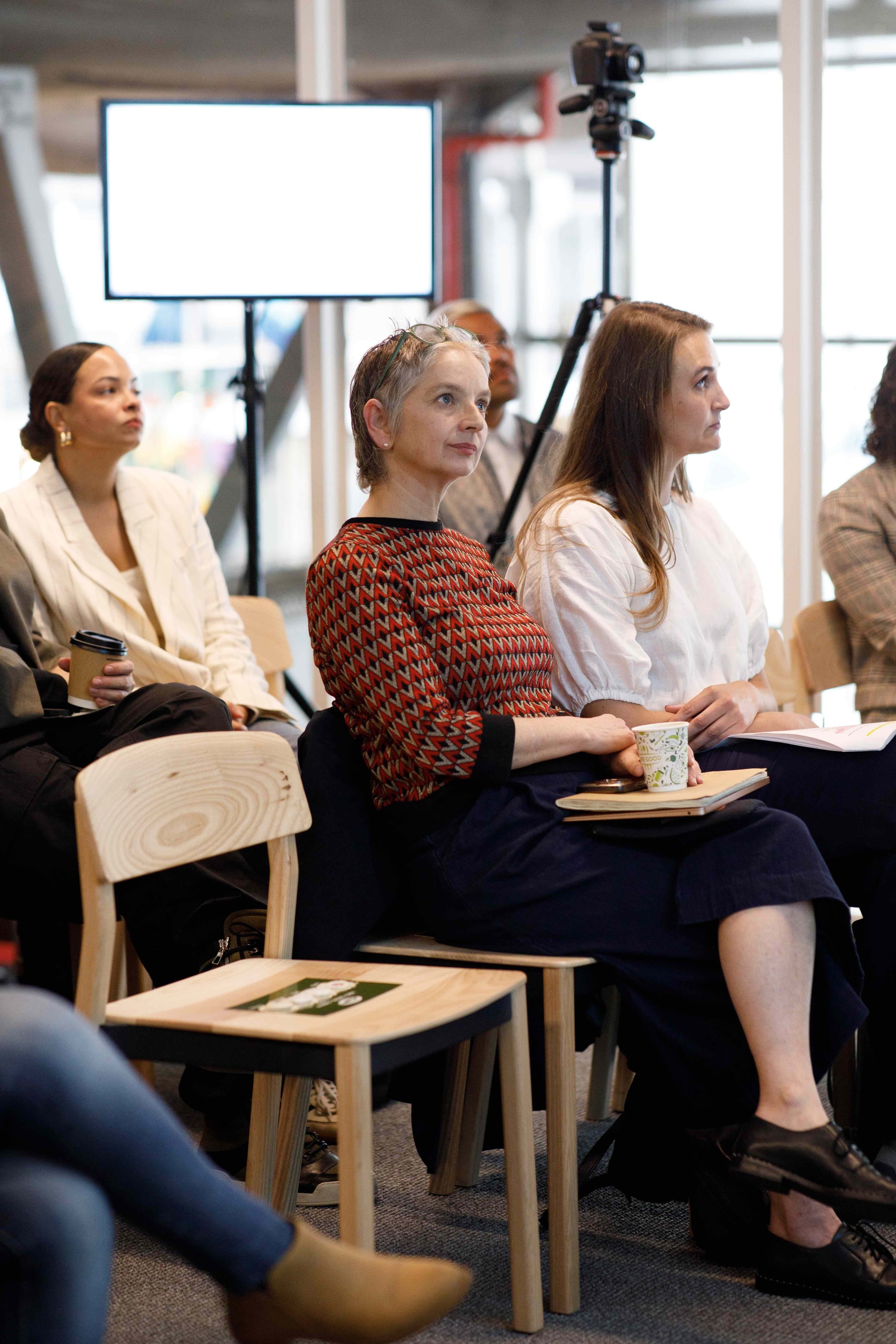
Africa Textile Talks 2025, courtesy of Jackie May
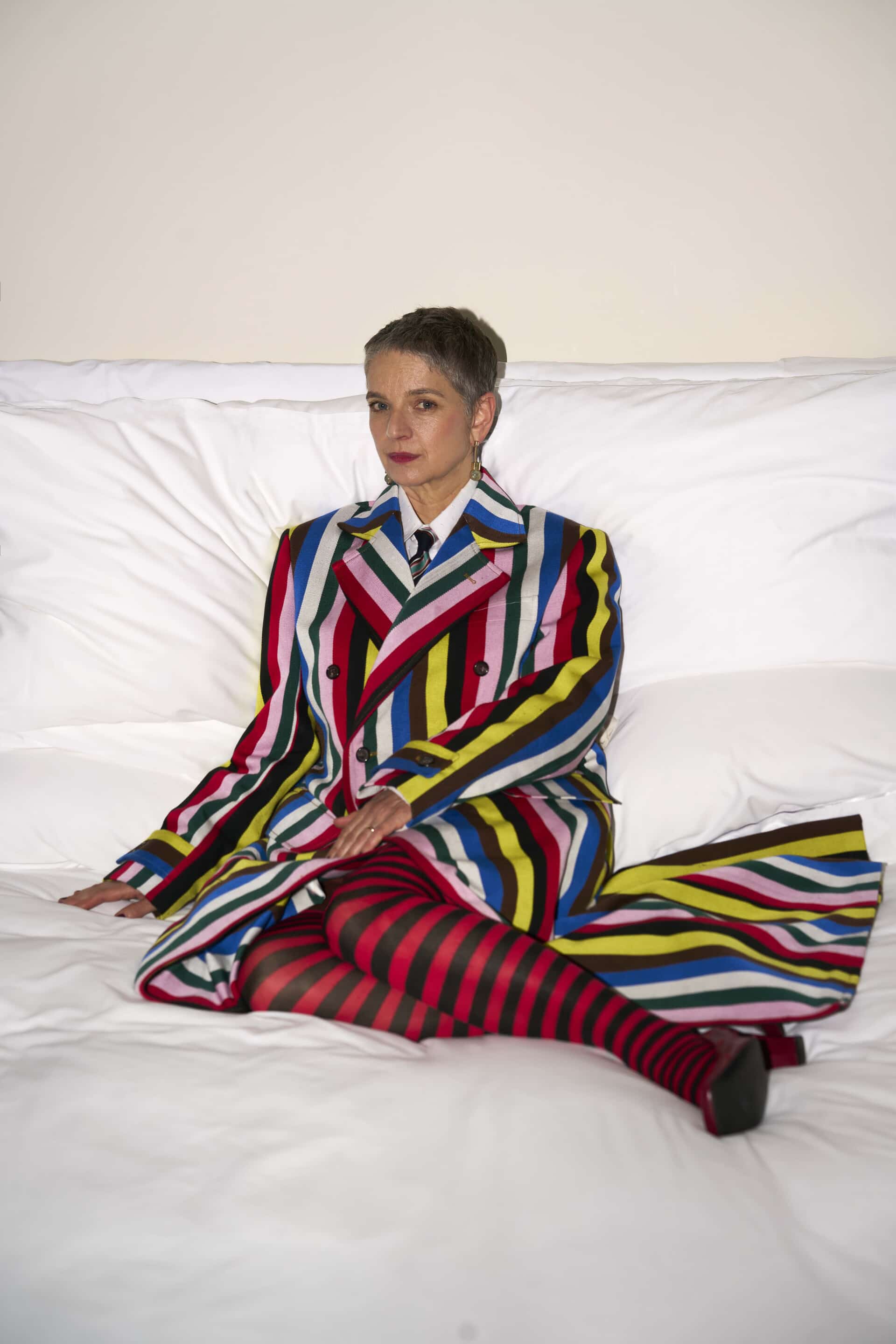
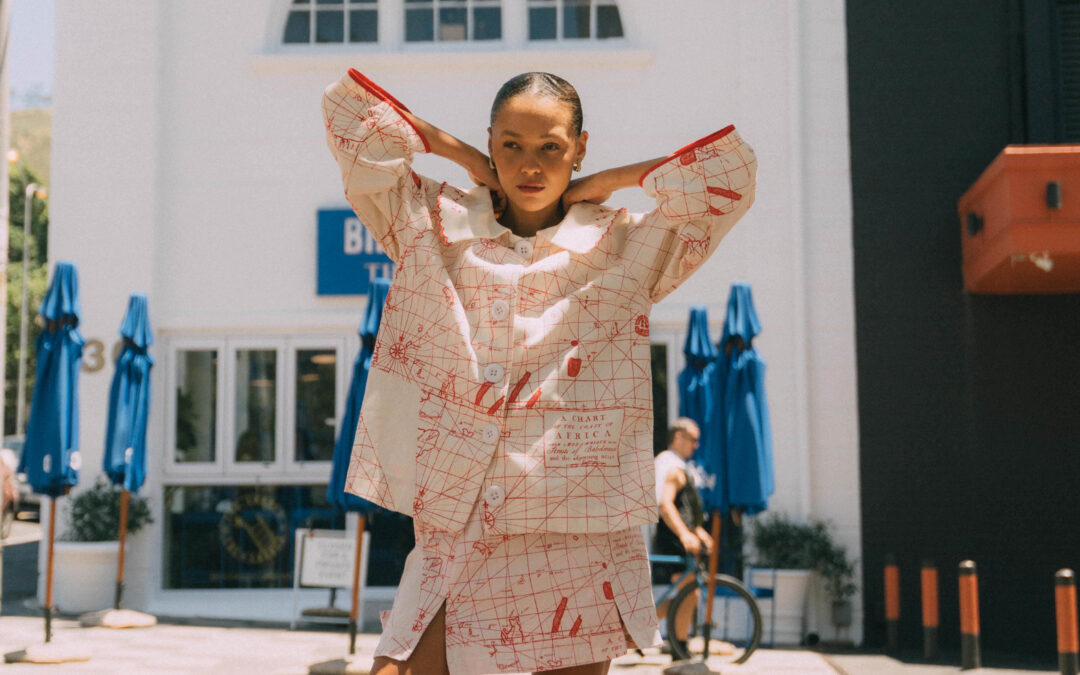
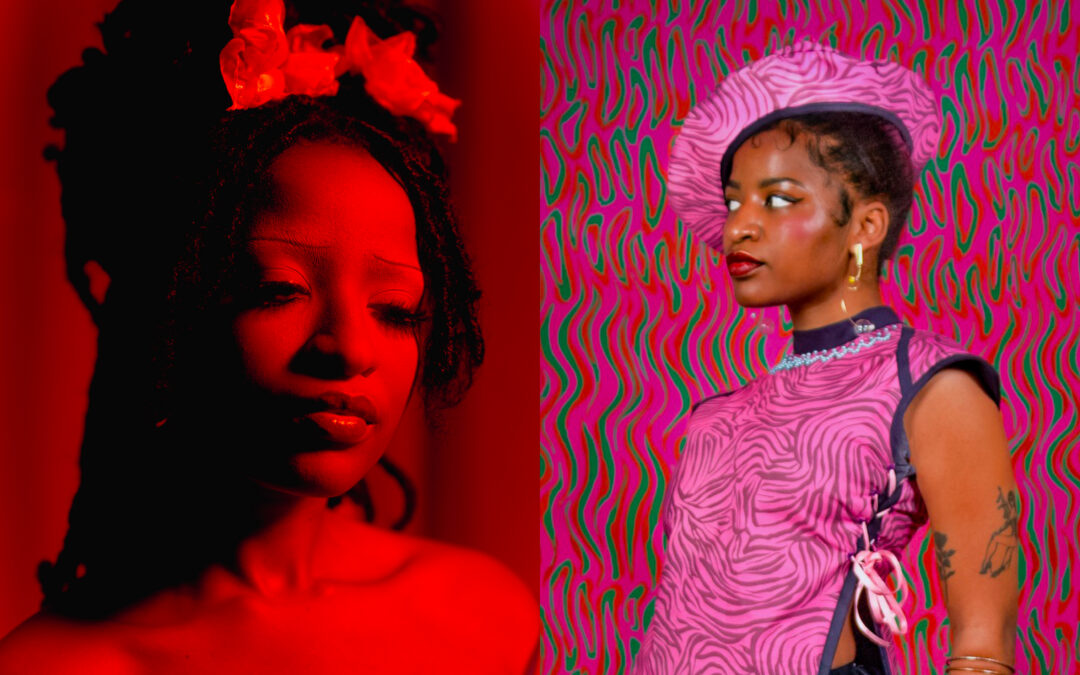
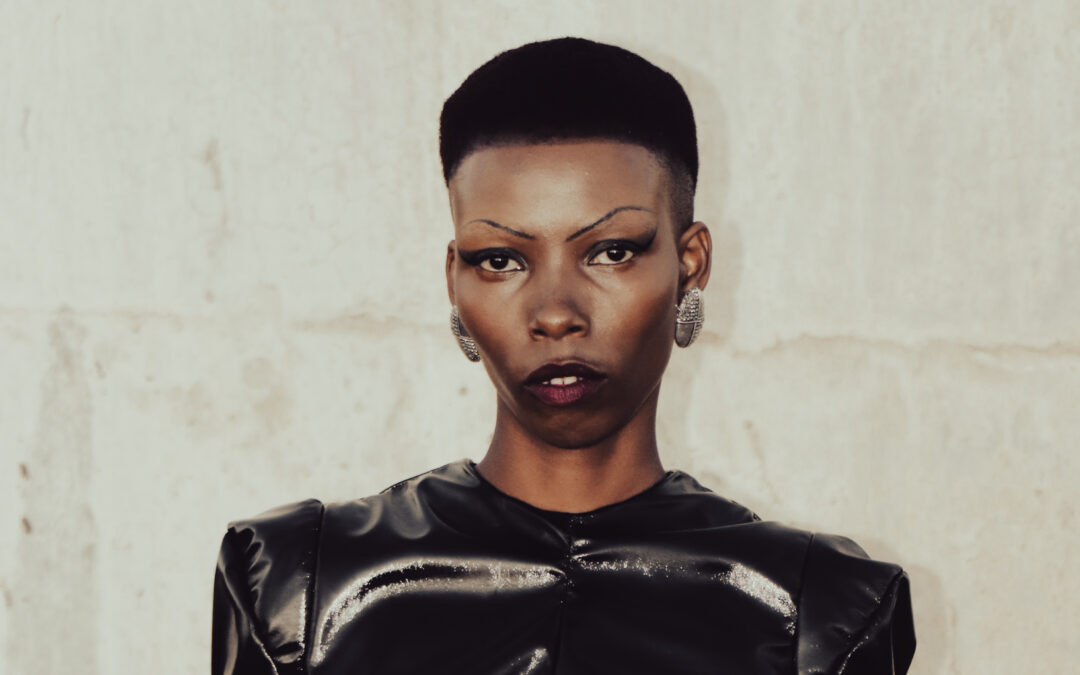
Jackie May for Wanda Lephoto, photographed by Anke Loots, @ankeloots and, styled by Masego Morgan and Oratile Moh @masegomorgan @oratile_moh
To take Africa seriously as a fashion and cultural territory, Jackie insists, is to reckon with its scale and difficulty. “Africa is enormous. The distances, the logistics, the lack of easy access — it’s unbelievable to even conceive of, let alone to build real networks across.” This is precisely where her excitement lives, though, and part of the fundamental commitment that Twyg’s conception of Africa Textile Talks and Confections x Collections hold: to host and connect voices from across the continent, and to do the slow, necessary work of building cultural infrastructure and exchange where it has not yet easily existed before. “When I went to Morocco recently, I was blown away. And then you look at places like Senegal, Cameroon, Côte d’Ivoire — there is so much happening that we just don’t see enough of.”
I ask Jackie about the deepest lesson of awareness she feels she has acquired over the years; and without hesitation, she tells me that the social dimension of this work is the most urgent. “The social context is most important. We can never escape it, especially in South Africa, but really across the continent. We live with extreme inequality. It’s unethical. It completely blows my mind. With regards to hope, what Twyg really allows me to do is stay excited about young people. I’m constantly inspired by what younger designers and thinkers are doing.”
With total frankness, Jackie speaks of the reality in running any platform or space with the same honesty she brings to everything else. “The idea of independence is a pipe dream,” she says. “I’m actually doing funding coaching this year because I can’t keep lurching from one campaign to another.” The structural shift in media, she explains, is intense, “When I worked in media before, advertisers were guests in our space. Now it feels like we need them. That’s a very dangerous position for media to be in.”
Jackie’s vitality as a person is equally due to her unflinching curiosity; especially as extending to her own position in the world. “We grew up in apartheid. The world was closed. Magazines and books were these tiny windows into the world. As white South Africans, still laden with privilege and access and everything that comes with that. But to be aware of it, and to understand that we live on the most incredible continent with so much to learn and see — that changes you. I’m constantly astounded by how little I understand and how much there still is to explore. I honestly wish I had another lifetime.”
Lately, Jackie’s concern has returned again to the question of attention itself — and what gets lost in the churn. “I’m a bit obsessed with the media and how we make it work. How do we make sure what we’re saying is actually heard in all this noise?” and she worries that, “sustainability has really fallen off the agenda. Everyone is talking about AI and geopolitics. Meanwhile, the climate crisis and inequality are still the central issues.”
The economic reality is brutal; people buy from places like Temu because they can’t afford otherwise, and the average salary in South Africa is shockingly low, and economic disenfranchisement is the central issue; until that changes, everything else is kind of noise. This, we know. There is no version of sustainability that can be separated from social or economic justice. This, I think, is what makes Jackie’s work endure; her journalistic insistence on asking the right questions, and on keeping open the spaces in which better futures can still be imagined.
We are all the better for it, and the future is too.
Written by Holly Beaton
For more news, visit the Connect Everything Collective homepage www.ceconline.co.za