Dope Saint Jude releases ‘Bitter Tea’

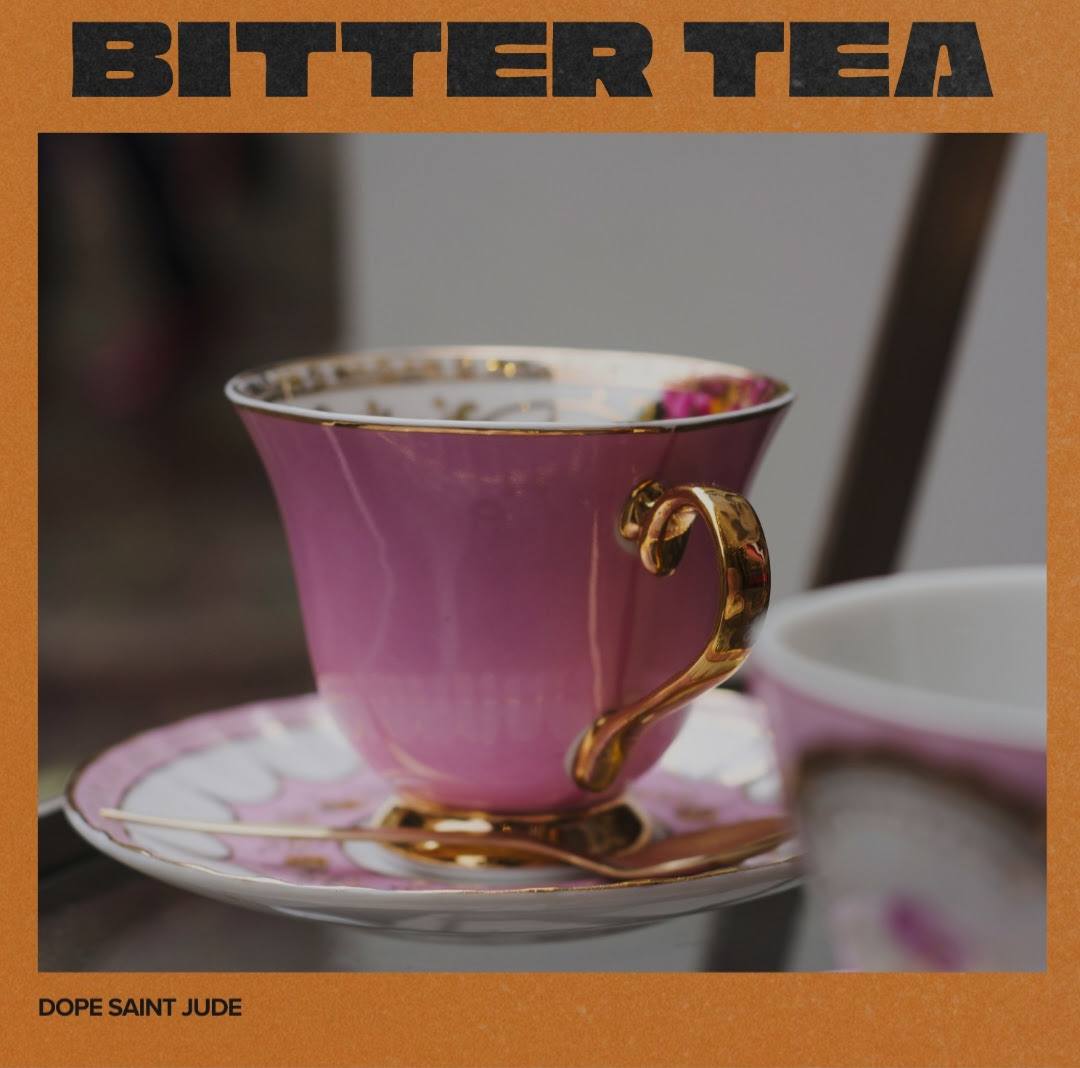
Cape Town born genre disruptor Dope Saint Jude returns with Bitter Tea, a new single that makes a statement of intent. Known for her refusal to soften her edges or dilute her truth, Dope Saint Jude once again leans into her power, delivering a track that is playful on the surface but razor sharp at its core.

From the opening chant, Bitter Tea pulls listeners into a world where whispers, side conversations and performative smiles are exposed for what they are. Built on a striking blend of hyperpop sheen, boom bap grit and a clapping game cadence that lodges itself in the mind, the song moves with both bounce and bite. It is mischievous, confrontational and knowingly fun, capturing the energy of someone who has seen through the noise and decided to laugh while speaking her truth.

Lyrically, Dope Saint Jude skewers fake energy with humour and confidence, flipping everyday tensions into moments of self-assertion. There is no bitterness in her delivery, only clarity. Bitter Tea is less about conflict and more about ownership, about recognising when conversations sour and choosing to rise above them with wit, confidence and an unshakeable sense of self.


The song’s infectious refrain and schoolyard inspired rhythm give it a communal quality, as if inviting listeners to chant along while drawing a line in the sand. It is music made for movement, for headphones and dance floors alike, but it also carries the unmistakable voice of an artist who understands the power of presence and perspective.

With Bitter Tea, Dope Saint Jude continues to carve out a space that feels entirely her own. It is bold without being brash, playful without losing its edge, and confident without apology. In a global landscape hungry for authenticity, Bitter Tea stands as a reminder that sometimes the sharpest truths are delivered with a smile and that not every cup is meant to be sweet.


Listen to Bitter Tea here


Connect with Dope Saint Jude:

Instagram: @dopesaintjude

Facebook: Dope Saint Jude

TikTok: @dopesaintjude

YouTube: Dope Saint Jude


Press release courtesy of Sheila Afari PR

Brothers, Mthunzi & Sfundo release their new single ‘Amaningi’

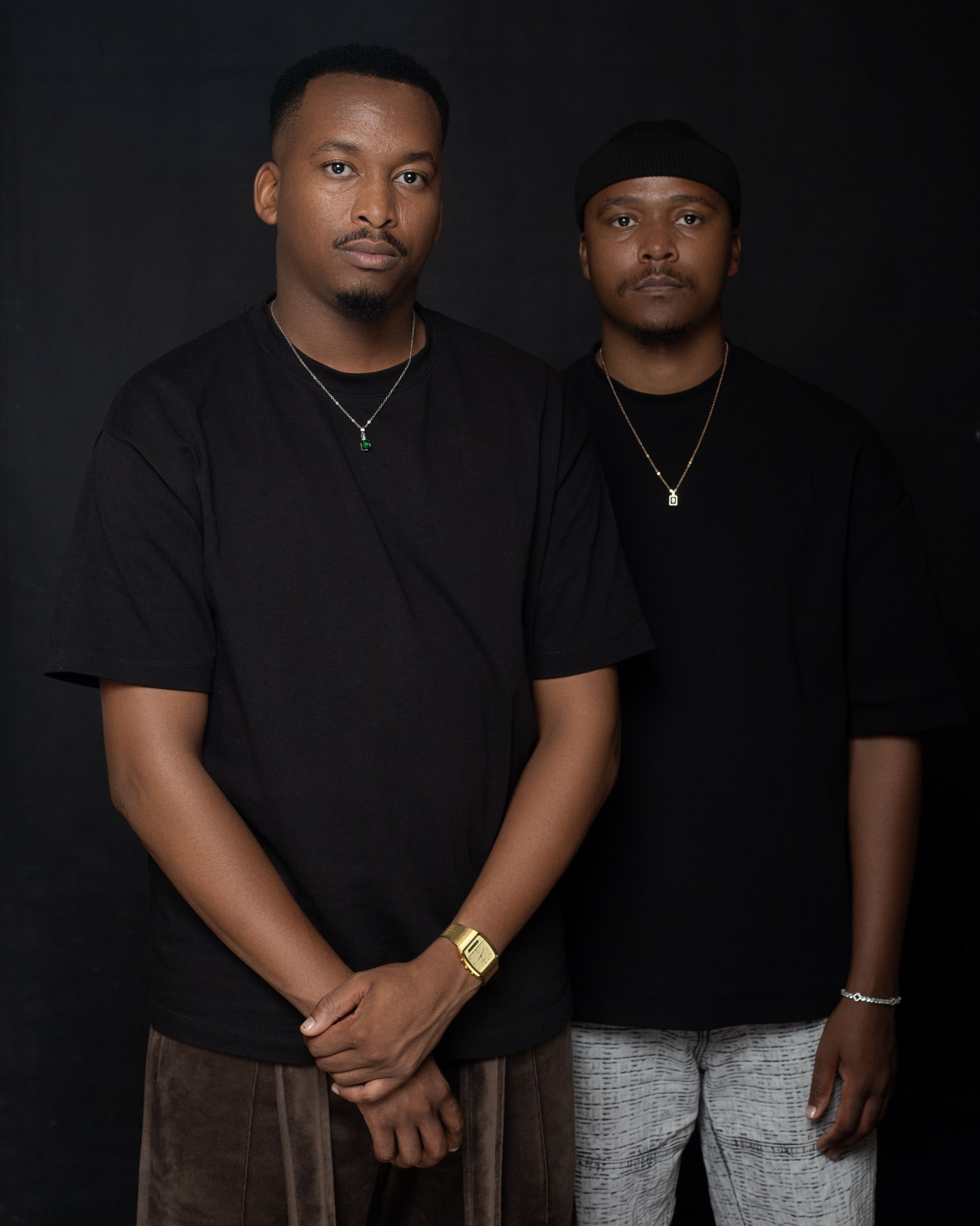
South African vocal musician Mthunzi and his brother Sfundo join forces to deliver a heartfelt new single that dives deep into the beauty, vulnerability, and truth of real love. Anchored in the evocative refrain “Vele ngina maphutha amaningi… vele angiwayi phiki, ohhh sthandwa sami,” the song captures the universal feeling of loving someone wholeheartedly—flaws and all.

This collaboration marks a powerful family moment—two brothers harmonizing not only musically but emotionally. Their combined artistry transforms the song into a heartfelt celebration of love that endures beyond flaws and fears.

Built on warm Afro-soul textures and emotional vocal dynamics, the track is an intimate confession of imperfection met with unconditional devotion. The lyrics—“Vele ngina maphutha amaningi… vele angiwayi phiki”—portray a humble, honest admission of having “many flaws,” while the repeated reassurance of “ohhh sthandwa sami” grounds the song in tender dedication.

Musically, the track blends soulful Zulu songwriting with contemporary African soundscapes, creating a warm, immersive listening experience. It’s a slow-burning confession that becomes an anthem for lovers who choose each other despite imperfections.

Listen to ‘Amaningi’ here

Connect with Mthunzi:
Instagram: @mthunzisa
X: @MthunziSA
TikTok: @mthunzisa

Connect with Sfundo:
Instagram: @sfundoofficial
TikTok: @sfundoofficial

Press release courtesy of Sheila Afari

Richard Earnshaw & Sabrina Chyld release ‘Better For Me’

Born from a passion for creative freedom, and collaboration, Artworx aims to serve as a platform for artists to explore the art of music across House, Soul, Jazz, R&B, Drum & Bass, Lounge/Chill Out and more.


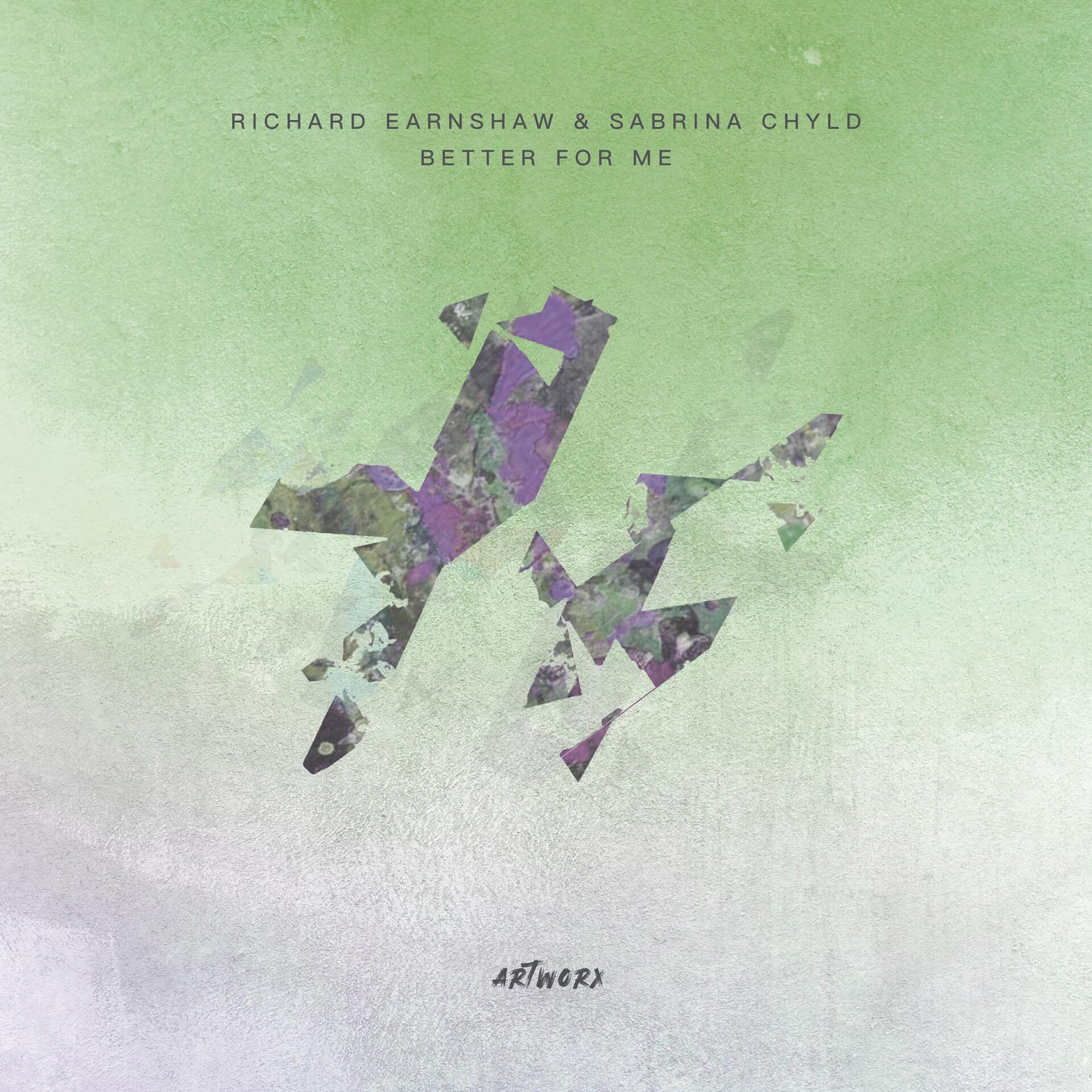
Artworx begins its mission with warm, spacey soulful house gem “Better For Me”, a collaboration between Richard Earnshaw and Sabrina Chyld. “Better For Me” is the first release to be taken from Richard Earnshaw’s forthcoming EP series entitled ‘Different Spaces’.

A note from Artworx: “On behalf of everyone involved in the creation of the music, thank you in advance for all your club, radio and playlist support.”

Listen to ‘Better for Me’ here

Press release courtesy of Only Good Stuff 

Reimagining a Classic: BIRKENSTOCK Celebrates South African Craft & Creative Identity

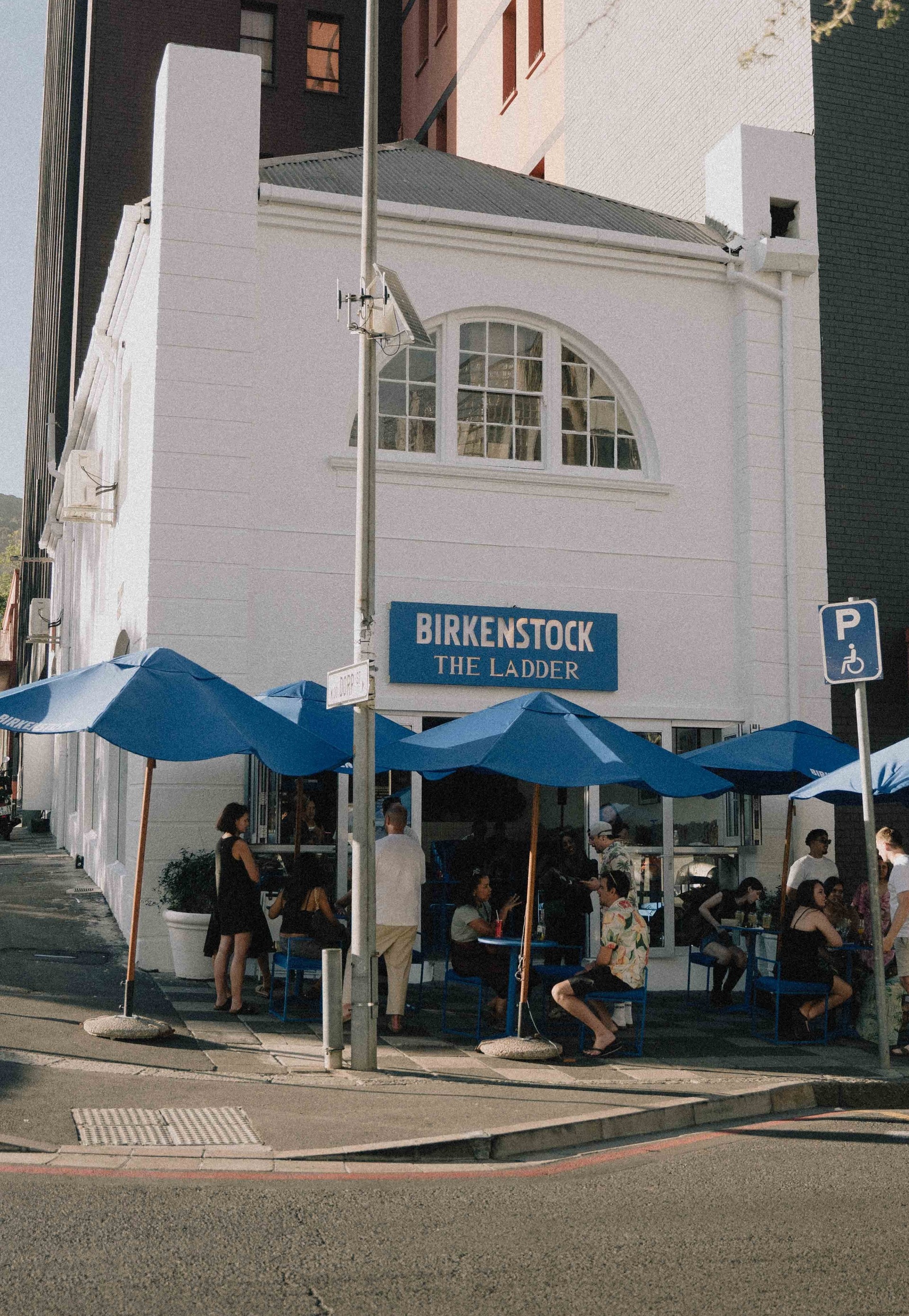
This summer, BIRKENSTOCK offered Cape Town’s creative community a rare opportunity: to transform one of the world’s most recognisable footwear silhouettes into a deeply personal expression of South African style, craft and storytelling.

Through two intimate creative workshops led by Sindiso Khumalo and Jessika Balzer of Project Dyad, the brand opened up a new conversation around what it means to wear BIRKENSTOCK in South Africa today – not as a trend piece, but as a canvas for identity, memory and local design heritage.

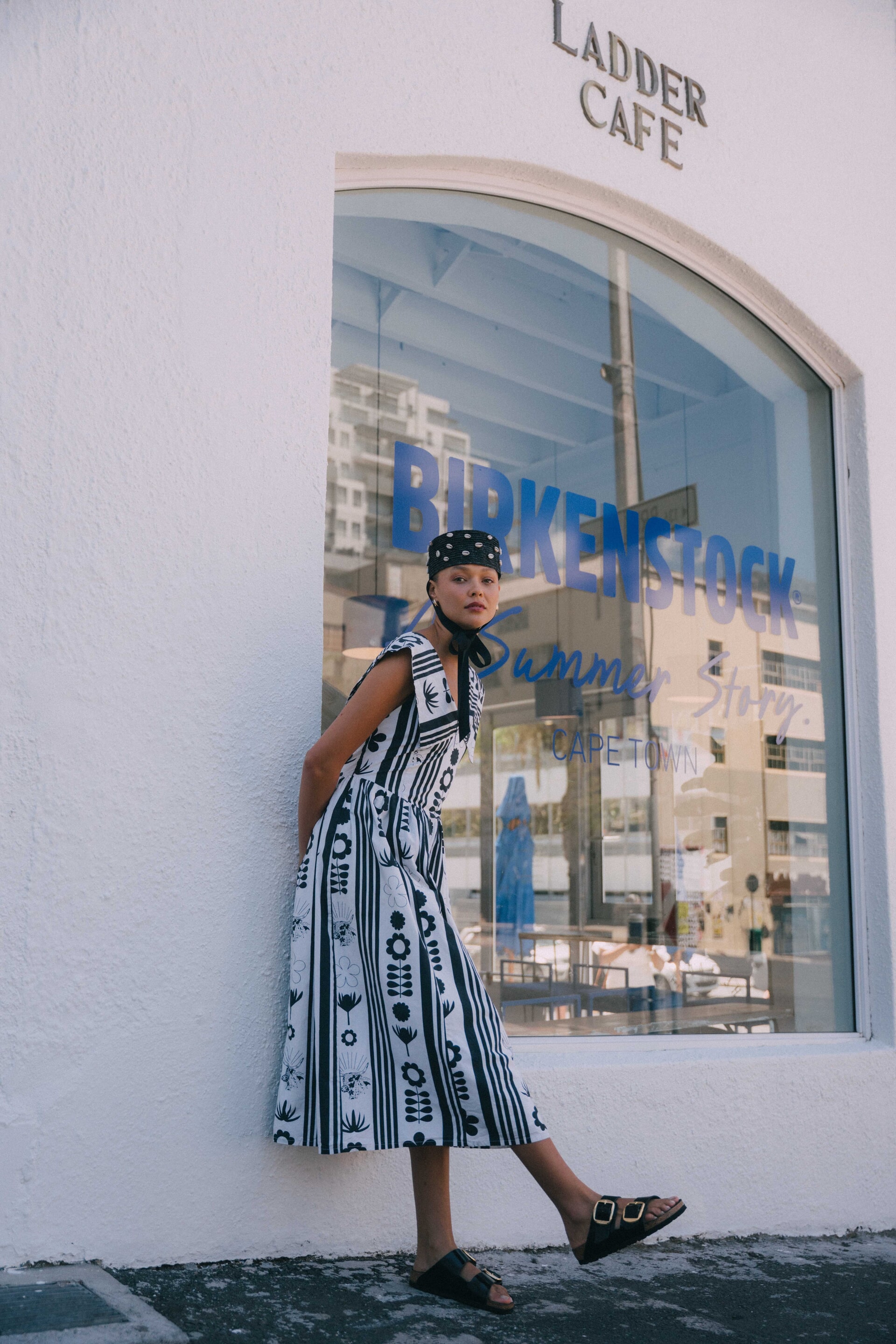
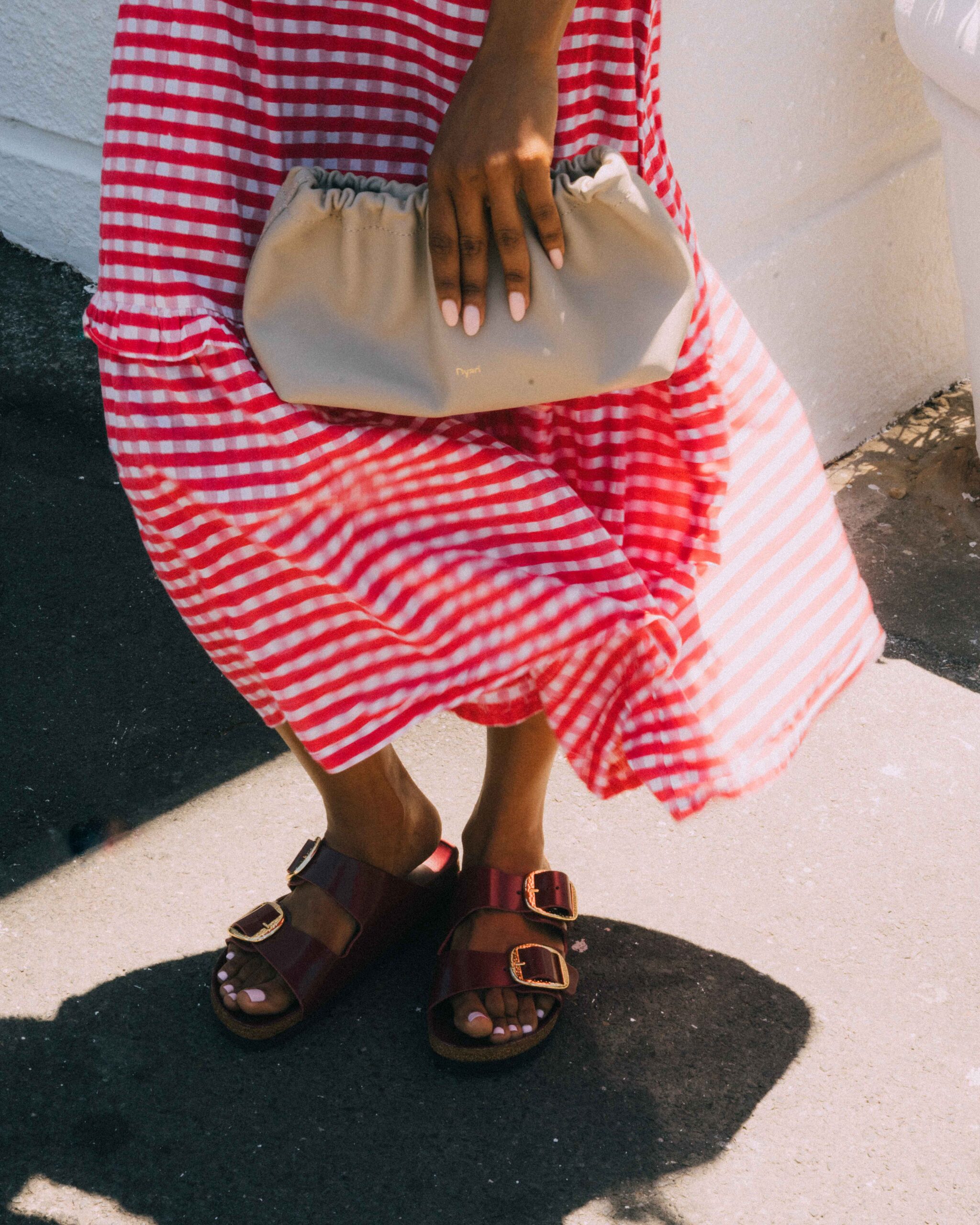
The result was a design-led cultural moment. Guests customised their sandals using leather charms inspired by indigenous botanicals and protea forms, while a live styling session explored how comfort and fashion intersect in the South African summer – from heritage-inflected silhouettes to playful colour and texture.

“Growing up in Germany, BIRKENSTOCK came into my life early on. They were a part of every summer and I so clearly remember when my mother let me choose my first pair. They were these incredible black patent leather sandals, with red polka dots.” Project Dyad’s Jessika Balzer tells the story with the kind of fondness reserved for objects that shape who we become – the things we live in, travel with and grow up beside. “I have such vivid memories of them being stacked up by the door, or kicked off around the fire,” adds designer Sindiso Khumalo of her time in London. In these memories lies something universal: the idea that BIRKENSTOCK aren’t just shoes, but companions, woven into everyday rituals and the small seasonal joys that ground us.

This summer, BIRKENSTOCK invited Cape Town’s creative community to make one of the world’s most recognisable silhouettes entirely their own. Through two exclusive workshops – a decorative accessories session led by Project Dyad’s Jessika Balzer alongside LVMH prizewinning designer Sindiso Khumalo, and a group styling session hosted by Sindiso herself – it opened a new conversation about what it means to wear BIRKENSTOCK in South Africa today.

What emerged was a celebration of personal style, local design heritage and the sensory rituals that define a South African summer. And, perhaps most importantly, it reaffirmed that BIRKENSTOCK is more than a shoe. It can become a canvas; one that invites reinterpretation, colour, character and story. A classic transformed into something unmistakably individual.


All imagery courtesy of Avenue PR

At the decorating workshop, guests discovered just how open to reinvention a pair of BIRKENSTOCK can be. Jess, known for Project Dyad’s architectural silhouettes and pared-back approach, introduced leather charms designed in collaboration with Sindiso, merging her minimalist language with Sindiso’s story-rich world of prints and indigenous botanical references.

Sindiso, whose work is grounded in sustainability, textiles and narratives of African womanhood, saw the collaboration as a celebration of shared aesthetic sensibilities. “We realised we had so much in common, especially colour,” she explains. “The charms draw from protea forms, indigenous florals and even the sun.”

In their hands, the charms became a story-making toolkit: fluid shapes, graphic cuts and a palette that merged their signature tones with BIRKENSTOCK’s unmistakable cobalt blue. The result? An invitation for every wearer to write their own summer story.

“The charms were designed so that anyone can tell their own story, stacking shapes and colours in a way that resonates with them,” says Jess. During the ideation process, she drew directly from Sindiso’s prints, simplifying forms, adapting them for footwear, and crafting them from offcuts to ensure each customisation remained sustainable.

Some guests kept it pared back using only a single, understated shape. As Sindiso reflects, “Every BIRKENSTOCK becomes unique because of the wearer; it’s their world, their story. Our charms just make that visible.”

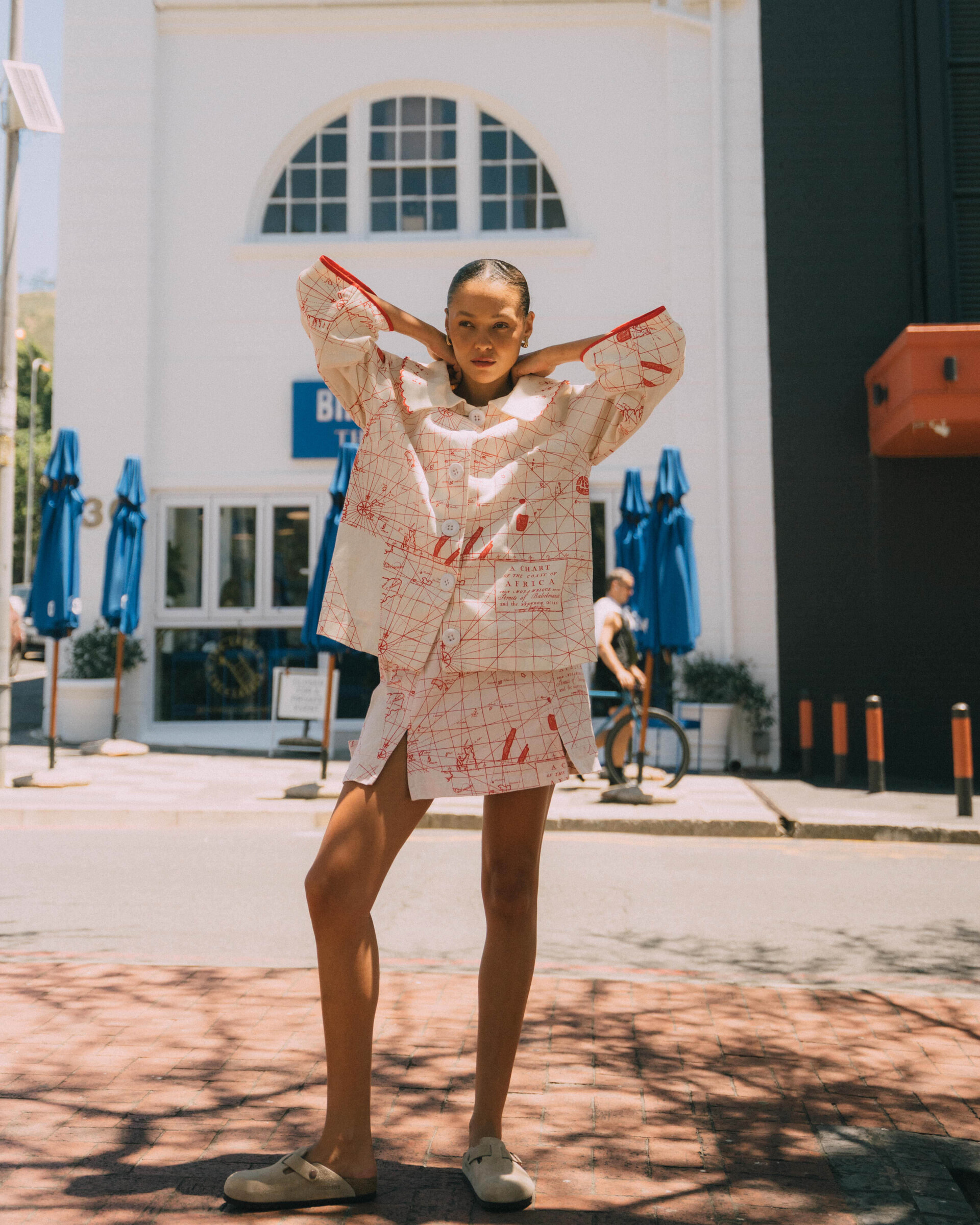
For many, Sindiso’s styling workshop became a masterclass in elevating BIRKENSTOCK into a fashion piece without losing the ease that defines them. Shaped by the rhythms of South African life, her approach to style is playful in pattern and palette; refined yet relaxed, anchored in breezy silhouettes and joyful prints.

Over the course of the workshop, Sindiso unveiled five distinct outfits, three of which captured particular attention.

Each look illustrated Sindiso’s approach to summer style, with lessons on colour and individual expression:

Start with comfort, then layer expression.

Sindiso sees BIRKENSTOCK as the grounding point of an outfit. “They’re so versatile, meaning it allows you to play with whatever you feel comfortable and confident in: light dresses, airy fabrics, soft prints. No matter what, you’ll still feel put together.”

Dress to your lifestyle.

For Sindiso, summer is about rest, family, friends and joy. Her current favourite shoe, the BIRKENSTOCK Gizeh Big Buckle in Cognac, complements that perfectly: “stylish, simple and ideal for long, hot days.”

Let colour guide the mood.

The decorative accessories Jess and Sindiso created let participants shift the tone of their BIRKENSTOCK instantly, from paired-back neutrals to sunlit brights to layered maximalism. “Colour is a form of storytelling,” she says. “Choose what resonates.”

Across South Africa, BIRKENSTOCK have long been woven into local summer style, moulding themselves to our lifestyles just as they mould to our feet. From early-morning market runs and sea-soaked coastal walks to gallery openings and sunset dinners, BIRKENSTOCK moves the way South Africans move: freely, instinctively and with a beautiful blend of practicality and personality. In every step, they tell a story.

Explore the full BIRKENSTOCK collection and shop here.


All imagery courtesy of Avenue PR

ABOUT BIRKENSTOCK

BIRKENSTOCK is a global brand which embraces all consumers regardless of geography, gender, age and income and which is committed to a clear purpose – maintaining foot health. Deeply rooted in studies of the biomechanics of the human foot and footed on a family tradition of shoemaking that can be traced back to 1774, BIRKENSTOCK is a timeless «super brand» with a brand universe that transcends product categories and ranges from entry-level to luxury price points while addressing the growing need for a conscious and active lifestyle. Function, quality and tradition are the core values of the lifestyle brand which features products in the footwear, sleep systems and natural cosmetics segments. BIRKENSTOCK is the inventor of the footbed and has shaped the principle of walking as intended by nature (“Naturgewolltes Gehen”).

With around 6,200 employees worldwide, BIRKENSTOCK is convinced that how things are made matters as much as the product itself. To ensure these quality standards, the Group operates a vertically integrated manufacturing base and produces all footbeds in Germany. In addition, BIRKENSTOCK assembles over 95% of all products in Germany and sources over 90% of materials and components from Europe. Raw materials are processed to the highest environmental and social standards in industry. For materials testing BIRKENSTOCK operates state-of-the-art scientific laboratories.

Headquartered in Linz am Rhein, the BIRKENSTOCK Group also operates its own sales offices in the United States and Canada as well as in Brazil, Japan, South Korea, Denmark, Poland, Switzerland, Sweden, Spain, the United Kingdom, France, Norway, the Netherlands, Dubai, Singapore and India.


For further information, visit www.birkenstock-group.com

Shop at www.bashafrica.com


Press release courtesy of Avenue PR


For more news, visit the Connect Everything Collective homepage www.ceconline.co.za

Follow CEC on Instagram

DJ LAG RELEASES A 12-TRACK CELEBRATION OF DURBAN’S GLOBAL SOUND

Internationally celebrated South African producer and DJ DJ Lag makes his most commanding return yet with the release of ‘Southside’, a powerful new 12-track mixtape that reaffirms his position as the reigning King of Gqom. Out now via Black Major x Ice Drop, Southside showcases Lag’s evolution as a global electronic artist while staying deeply rooted in the unmistakable rhythms of his hometown, Durban.

Known as one of the founding figures of Gqom, the hard-edged, bass-heavy sound that reshaped South Africa’s electronic landscape, DJ Lag continues to expand the genre’s reach and definition. Following his recent international hits ‘GQTech’ with Ape Drums of Major Lazer, ‘Woza’ featuring Sir Trill and Sykes, and ‘WaWaWa’ with DJknator and Thobeka, this new project fuses 3-Step, Afro-Tech, and Gqom into a genre-bending journey through South Africa’s next club frontier.

Building on the momentum of his acclaimed albums ‘Meeting With The King’ and ‘The Rebellion’, Southside is both a homecoming and a declaration. Across twelve meticulously crafted tracks, Lag pushes the boundaries of Gqom with the precision of a producer in full command of his craft. From the hypnotic drive of ‘NgyaSindelwa’ featuring Zee Nxumalo and K.C Driller, to the deep, melodic pulse of ‘Shona Malanga’ with Argento Dust and Natasha MD, the mixtape captures a spectrum of moods that feel raw, spiritual, and cinematic all at once.

One of the most anticipated moments arrives with ‘Yey’Wena’, a long-awaited collaboration between DJ Lag and Amapiano heavyweight Vigro Deep, where Gqom’s percussive power meets Yano’s melodic warmth. Elsewhere, DJ Maphorisa, Sir Trill, Ape Drums, Jay Music, NovaBoy, Xduppy, and 2woshort all contribute to a record that unites some of South Africa’s most exciting talent under Lag’s uncompromising vision.

Speaking about the project, DJ Lag says: “With Southside, I wanted to celebrate where I’m from and show how far the sound has come. It’s for the people who’ve been part of this journey since the beginning, and for everyone discovering Gqom for the first time.”

Widely recognized as one of the pioneers of Gqom, DJ Lag has built a career that bridges underground experimentation and global acclaim. His achievements include a Metro FM Award nomination for ‘Hade Boss’, a SAMA nomination for ‘Meeting with the King’, and a feature on Beyoncé’s GRAMMY-nominated album ‘The Lion King: The Gift’. His multi-platinum single ‘The Re-Up’ has amassed over 20 million streams, and his most recent album ‘The Rebellion’ earned another SAMA nomination.

Praised by Mixmag as “one of the best ambassadors for dance music in the world” and described by DJ Mag as “a pioneering force in Gqom’s global rise,” Lag continues to elevate South African electronic music to new heights. Currently on a worldwide tour, he has delivered show-stopping performances at Glastonbury, DC10 Ibiza, Ultra South Africa, EDC Las Vegas, Amsterdam Dance Event, Fabric UK, Rage in the City, and Beneath the Baobabs, continuing to showcase his genre-defying sound to audiences around the world.

With Southside, DJ Lag opens a new chapter in his artistic evolution, connecting Durban’s underground energy with the pulse of international dance floors. It is a bold statement from an artist who continues to lead from the front, shaping the future of global club music with every release.

TRACKLIST:

  1. NgyaSindelwa ft. Zee Nxumalo, K.C Driller
  2. GQTECH ft. Ape Drums
  3. Wa’Wa’Wa ft. Djknator, Thobeka
  4. Native Sound ft. Jay Music
  5. Woza ft. Sir Trill, Sykes
  6. Yey’Wena ft. Vigro Deep, K.C Driller
  7. Shona Malanga ft. Argento Dust, Natasha MD, K.C Driller
  8. RSVP ft. Djknator
  9. WTF
  10. Detroit Rave ft. NovaBoy
  11. Beast
  12. NgyaGowa ft. DJ Maphorisa, Xduppy ft. SjavasDaDeejay, 2woshort, K.C Driller, Stompiiey


Connect with DJ Lag:
INSTAGRAM
X
YOUTUBE
TIK TOK

Press release courtesy of Sheila Afari PR

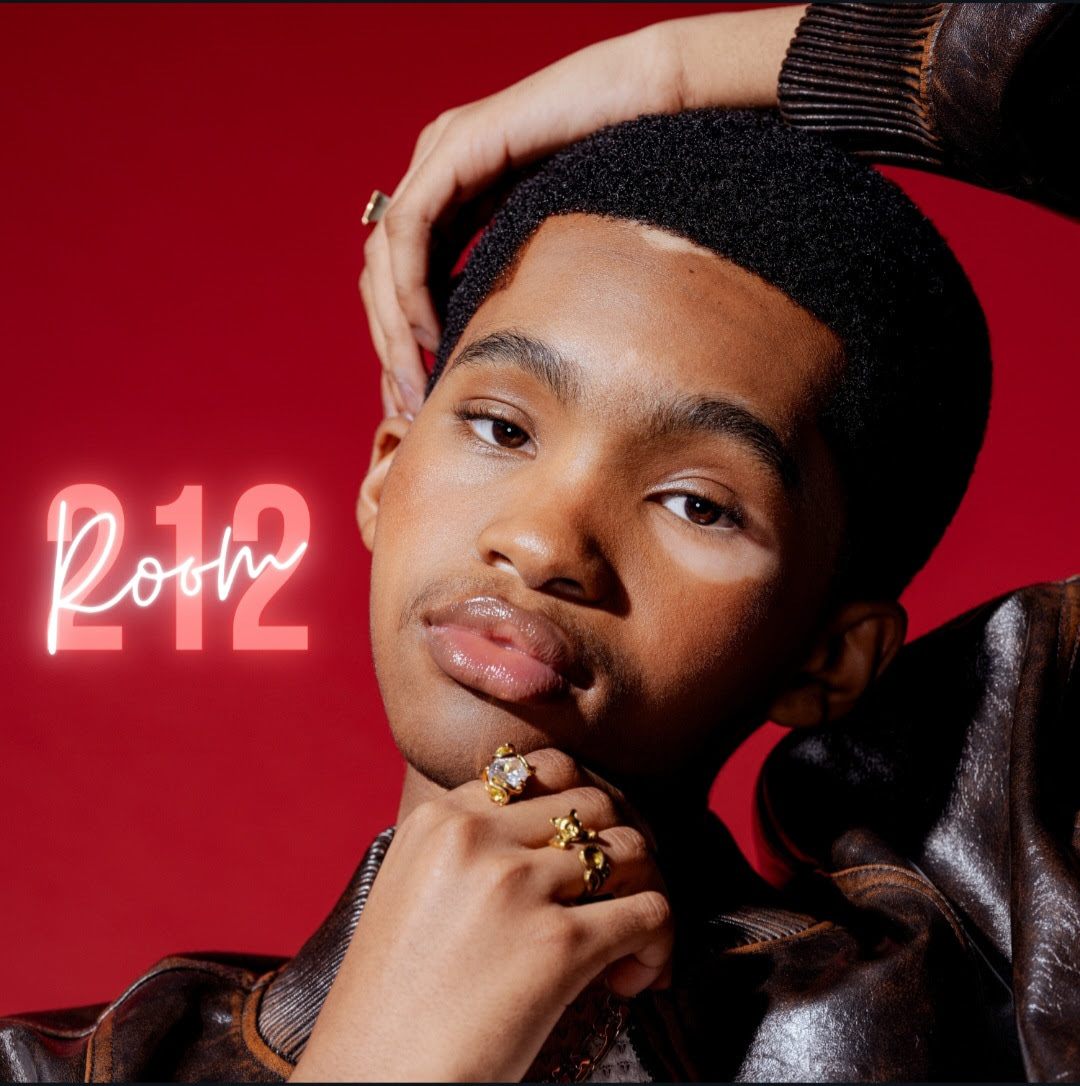
Pop Musician, Yandani releases ‘Room 212’

Following his debut single “Honeydew,” and his follow-up “YSL” 19-year-old South African pop musician Yandani returns with his next chapter – the flirty, up-tempo, and catchy Room 212.” Released through Platoon, the track marks a confident step forward in Yandani’s journey as one of the most exciting young voices shaping modern African pop.

Built on sleek pop production and an undeniable groove, Room 212 captures the euphoria of escaping the world with someone who makes you feel completely at ease. It’s playful, cinematic, and effortlessly magnetic – a song that feels both intimate and electric, destined to soundtrack late nights and new beginnings.

“‘Room 212’ to me is a song that is about just going away from the crowd with someone who makes you feel completely at ease,” Yandani shares. “Room 212 is like that place or room where the world fades and it’s just the two of you – completely free, honest and real, away from everyone’s judgment.”

Co-written with Sacha Skarbek (best known for his work with Adele, Miley Cyrus, and Lana Del Rey), the track balances modern pop sheen with emotional depth, offering a glimpse into the evolution of Yandani’s sound.

Fresh off his breakout year and growing acclaim, Yandani will also be performing at WAV Festival on 2 January 2026, sharing the stage with Mariah the Scientist, Shekhinah, and Kelvin Momo. The performance marks another milestone in his rise as an artist redefining South African pop for a global audience.

Yandani’s debut EP is set to arrive in early 2026, promising more of the rich storytelling, soulful melodies, and magnetic energy that have already captivated fans worldwide.

With “Room 212,” Yandani once again proves his gift for turning intimate emotions into universally resonant pop — an anthem for connection, chemistry, and the freedom of being seen.

Connect with Yandani:

TikTok: @_yandani

Instagram: @yandani__


Listen to “Room 212” here 


Press release courtesy of Sheila Afari PR

Actress, entrepreneur and DJ, Pearl Thusi, releases her single ‘Sodwa’

Internationally acclaimed actress, entrepreneur, DJ, and cultural innovator, Pearl Thusi, marks a transformative milestone with her debut single “Sodwa” featuring Maskandi legend Ihashi Elimhlophe and contributions from DJ Melzi. The track is a profound exploration of cultural identity, intergenerational connection, and the universal language of love.

“Sodwa” transcends conventional boundaries, seamlessly blending Afro-house, Amapiano, Maskandi, and deep tribal rhythms. This fusion reflects South Africa’s music landscape, the deliberate reconciliation of ancestral traditions with contemporary urban soundscapes. Thusi’s collaboration with Ihashi Elimhlophe bridges generational divides and honours Maskandi’s enduring legacy within modern African creative expression. The track showcases Pearl’s deep connection to the continent’s evolving music landscape while paying homage to the musical traditions that shaped her upbringing in KwaZulu-Natal. 

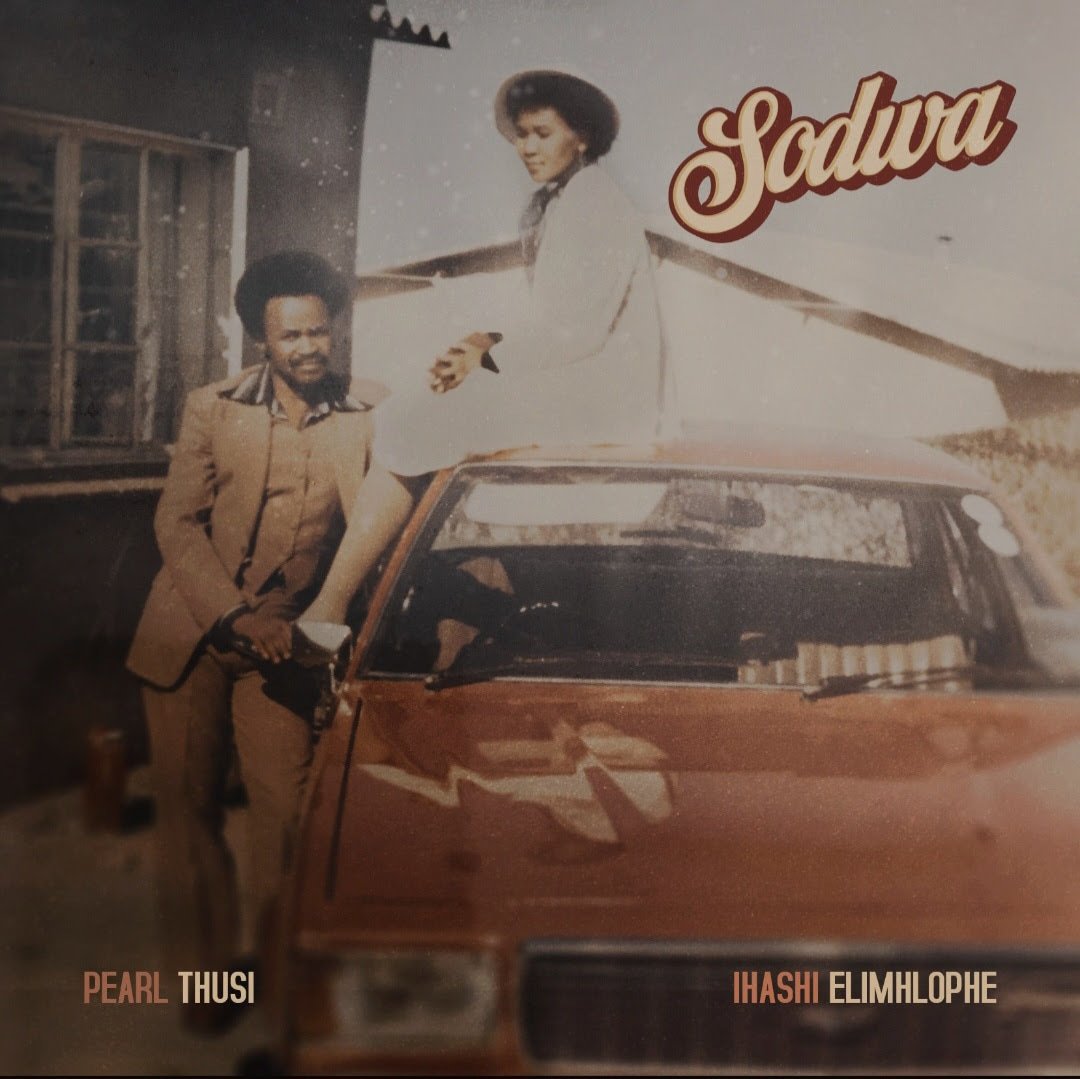
The genesis of “Sodwa” is deeply personal. The song honours Thusi’s late father, who passed away in 2020, fulfilling a childhood aspiration to celebrate his musical influence. The cover art features a nostalgic photograph of her parents, symbolizing the intergenerational transmission of cultural values. “Sodwa is dedicated to all forms of love, romantic, familial, platonic and their rightful place in our collective celebration,” Thusi explains. “This song has waited three years to be born. It represents my commitment to honouring the sounds that connect me to my culture, my heritage, and my identity as a Zulu woman.”

The collaboration with Ihashi Elimhlophe was intentional and reverential. Thusi approached the Maskandi icon directly, presenting multiple tracks and securing his participation in what she describes as a dream collaboration. His involvement lends cultural gravitas while reinforcing the importance of elevating traditional African musical forms within contemporary spaces. Pearl Thusi’s venture into music represents the latest chapter in a career defined by strategic reinvention and fearless creativity. Her portfolio includes starring in Netflix’s groundbreaking “Queen Sono,” international productions like “Quantico” and “The No. 1 Ladies’ Detective Agency,” and successful ventures including Black Pearl Hair and Black Rose Gin.

Her DJing career spans over 125 local and international events, from the Spotify Cannes event to the NBA Africa Finals in Kigali. This extensive performance experience provides the foundation for her transition into original music production an organic progression, not an opportunistic pivot. Thusi acknowledges her vulnerability in this new territory, calling it “the most vulnerable I’ve ever been in any situation,” while expressing confidence in the work’s quality and authenticity. This transparency reflects a broader cultural shift toward emotional honesty, particularly among African women in creative industries.

The production reflects a collaborative, iterative creative process. Thusi credits her team for their contributions through multiple versions before arriving at the final product. The instrumentation particularly the bass elements Thusi identifies as her “favourite sound” combined with DJ Melzi’s keyboard work and carefully selected drum patterns, creates a textured soundscape supporting the track’s poetic storytelling. “What matters most is feeling the essence of my culture and heritage in the music,” Thusi states. “All the sounds must encompass my musical love languages. This track is a genuine expression of who I am and where I come from.”

“Sodwa” arrives at a pivotal moment for African music’s global ascendancy. The genre fusion reflects the increasingly borderless nature of African musical expression, where traditional forms are actively reimagined for contemporary audiences. Thusi’s willingness to center Maskandi historically marginalized in mainstream spaces within modern production demonstrates both artistic courage and cultural consciousness. Her multi-platform presence provides a model for sustainable creative careers, illustrating the viability of portfolio careers in the contemporary creative economy.


Connect with Pearl Thusi: 

Instagram: @pearlthusi 

X: @PearlThusi

Listen to “Sodwa” here


Press release courtesy of Sheila Afari 

Designer and Artist Koos Groenewald on Following The First Impulse

BEING CREATIVE IS INSTINCTUAL TO LIVING. 

YOUR PATH IS NON-LINEAR. 

DO WHAT YOU WANT. 

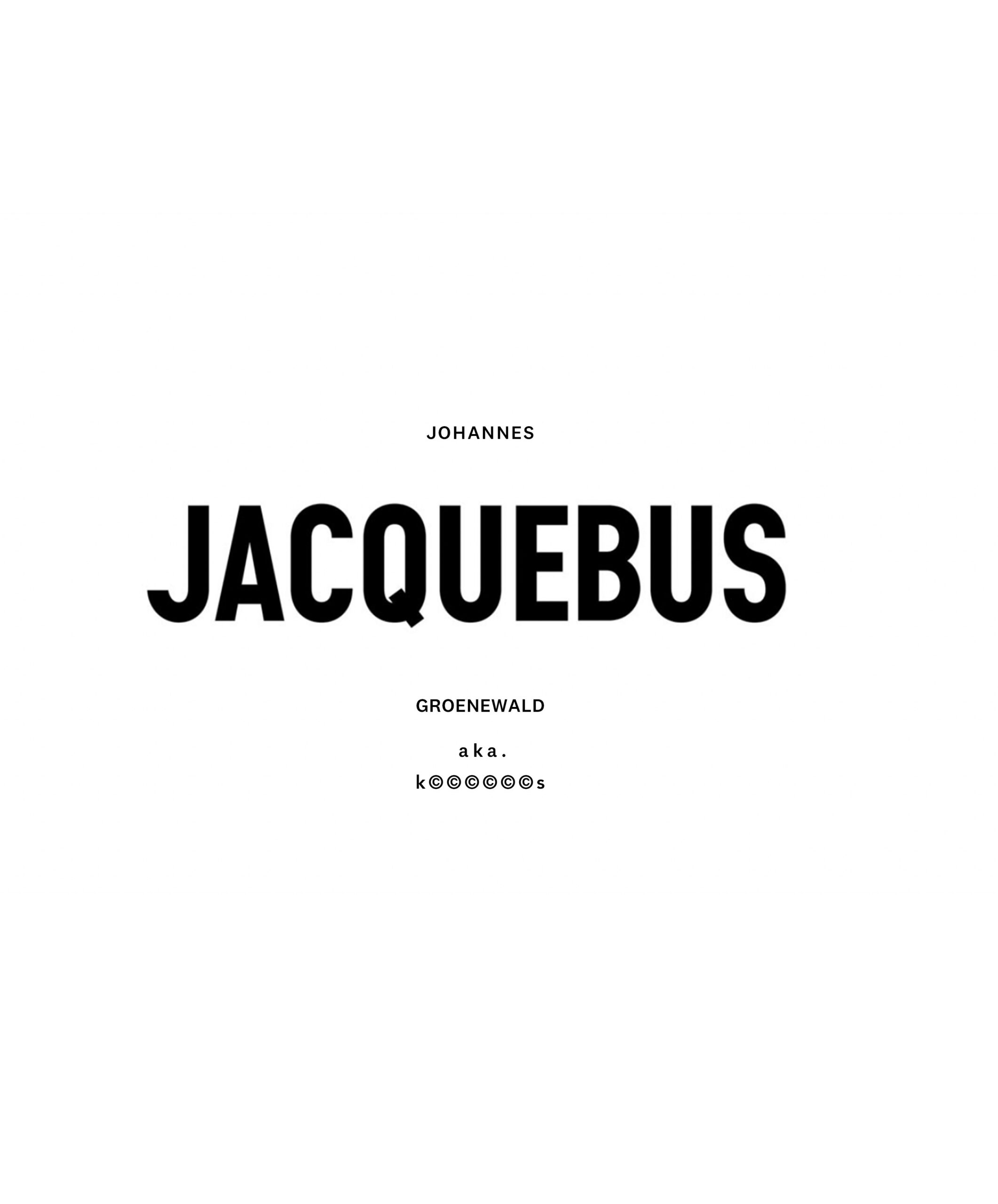
These are the three mantras etched into my brain as I sit down to pick apart and reflect on my conversation with Koos Groenewald, AKA Koooooos (the latter — six ‘o’s — enunciate the artist’s moniker that is becoming more and more central to his expression). Mantras are best said in three, and with Koos; this is his triptych-gift of guiding principles to nourish a creative life.

If you’re South African (though certainly not limited to it) and even mildly in tune with our creative landscape, chances are that some aspect of your instinctive understanding and nostalgic relationship to the visual language of our last fifteen or so years, has somehow been shaped by Koos’ cross-pollination between Cape Town and Joburg — internationally too — alongside his creative half, Jana Hamman, of award-winning design studio Jana+Koos. This is a duo for whom the very deft and ever-elusive task of articulating brands, spaces, systems, and stories across an almost ludicrous variety of services has become second nature; it’s the world through which Koos has cut his teeth, sharpened his instincts, and built his visual mastery.

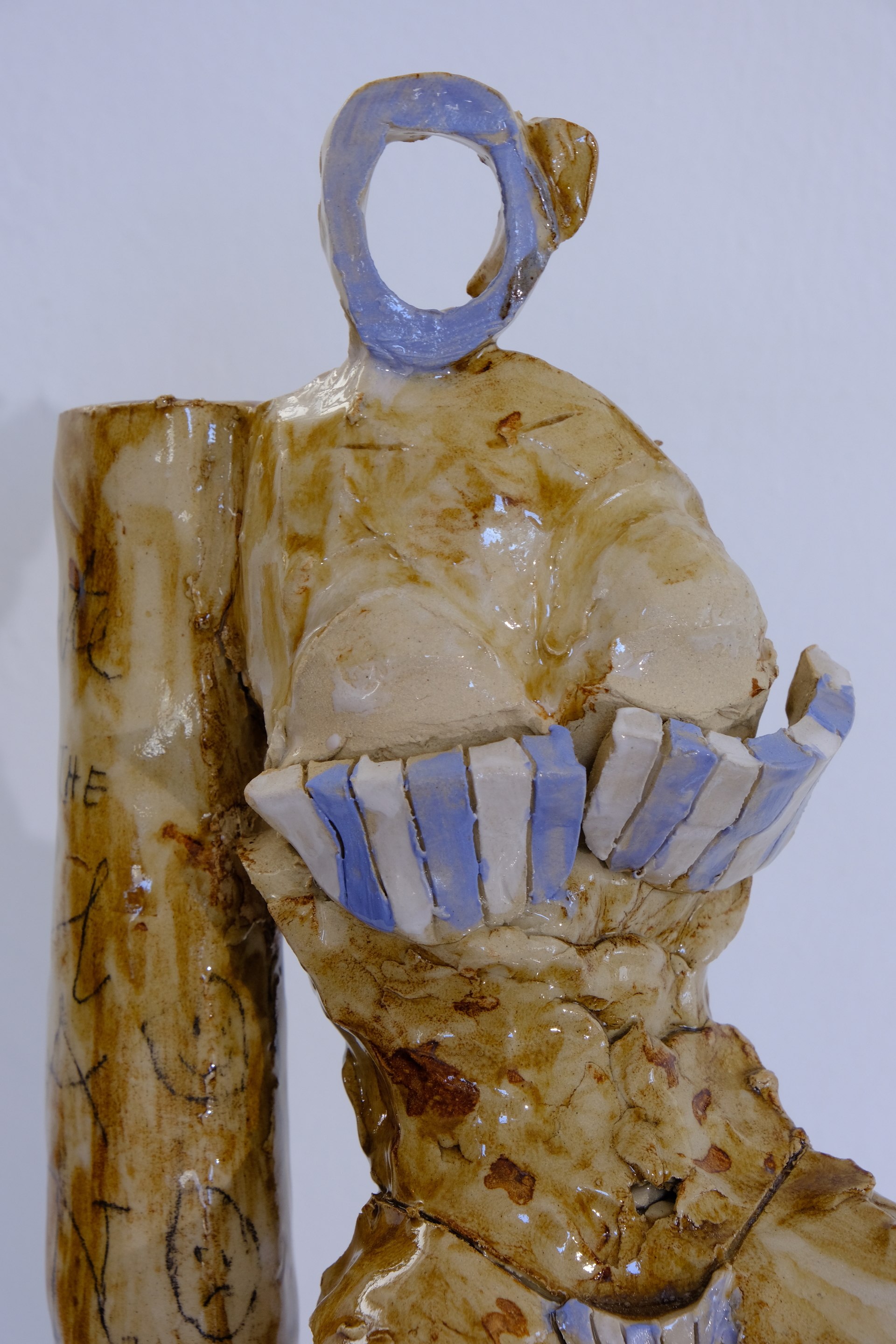
Then there is the artistic aspect of Koooooos — the six Os — which is all of this, but stripped of any commodified pretence; and it is this inextricability of designer and artist, of instinct and articulation, that makes Koos’ work so paradoxically free and exacting. 

Koos has an eye — duh, he’s a designer — but it is one of those rare, generative eyes that truly perceives. It tracks texture, proportion, humour, tension and negative space all at once; absurdity, beauty, and the psychic charge that lives between those two polarising energies of reality. 

Much of Koos’ work can be traced back to this ability to notice the offbeat thing in the corner of the frame, the detail that shouldn’t work but somehow does, the mistake that announces a new direction or, the gesture that comes to define an entire visual world. Multiply this by an immense amount of talent across a variety of mediums, couple it with an instinct for skilful means, and one can begin to understand how Koos manages to hack away at emergent things long before they reach cultural legibility.

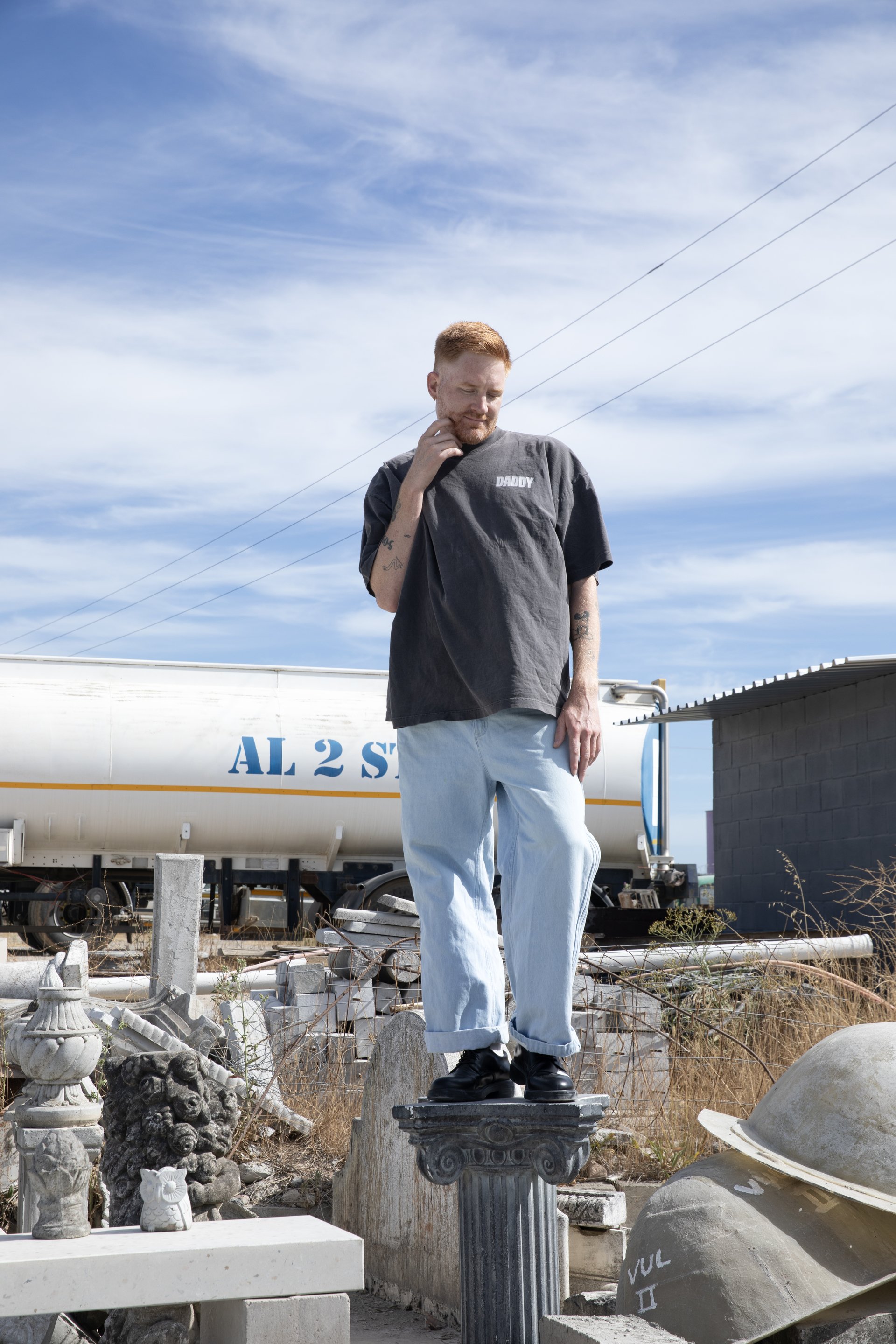
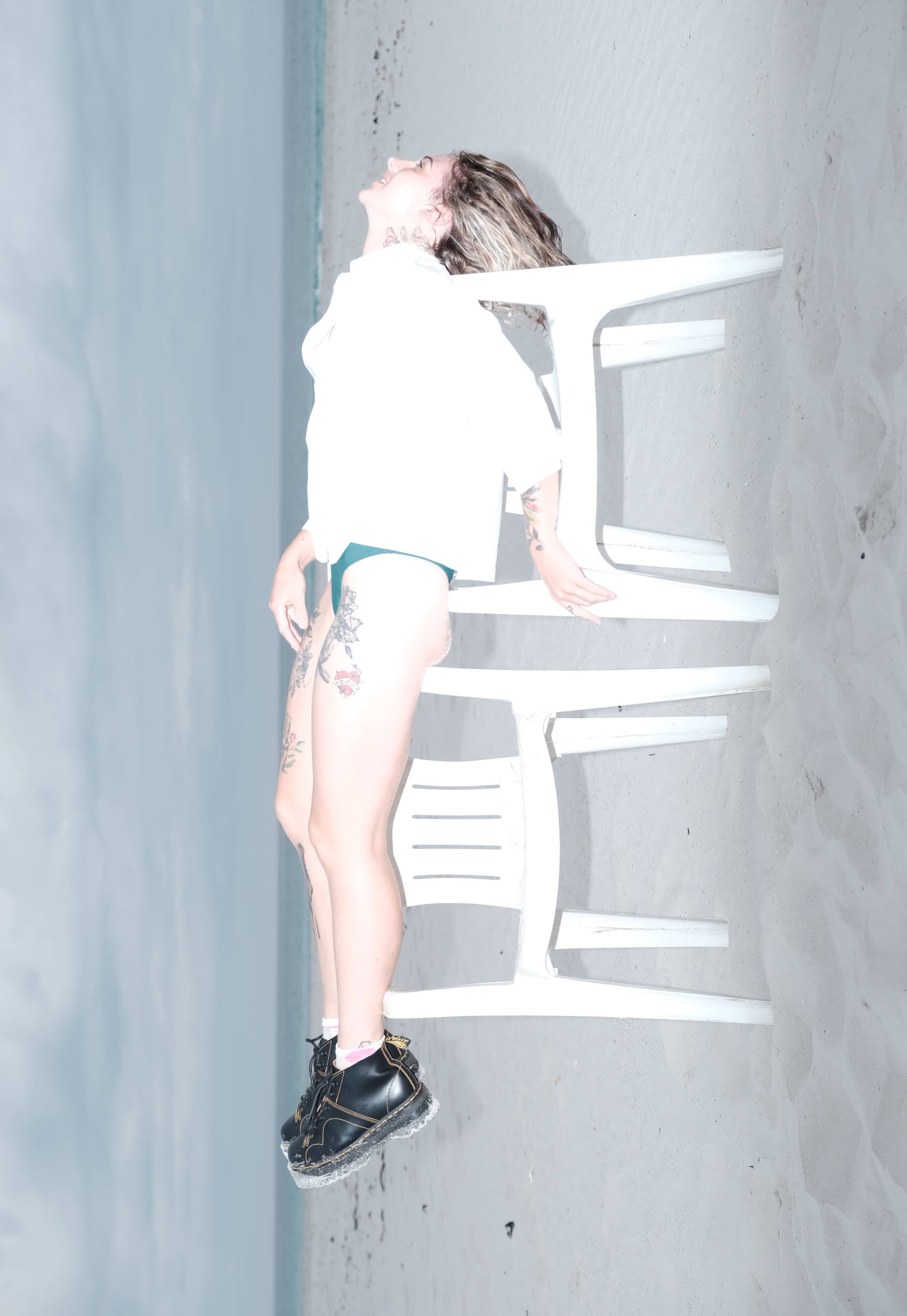
Profile photography by Alix-Rose Cowie, photographed at Peppino Cement 
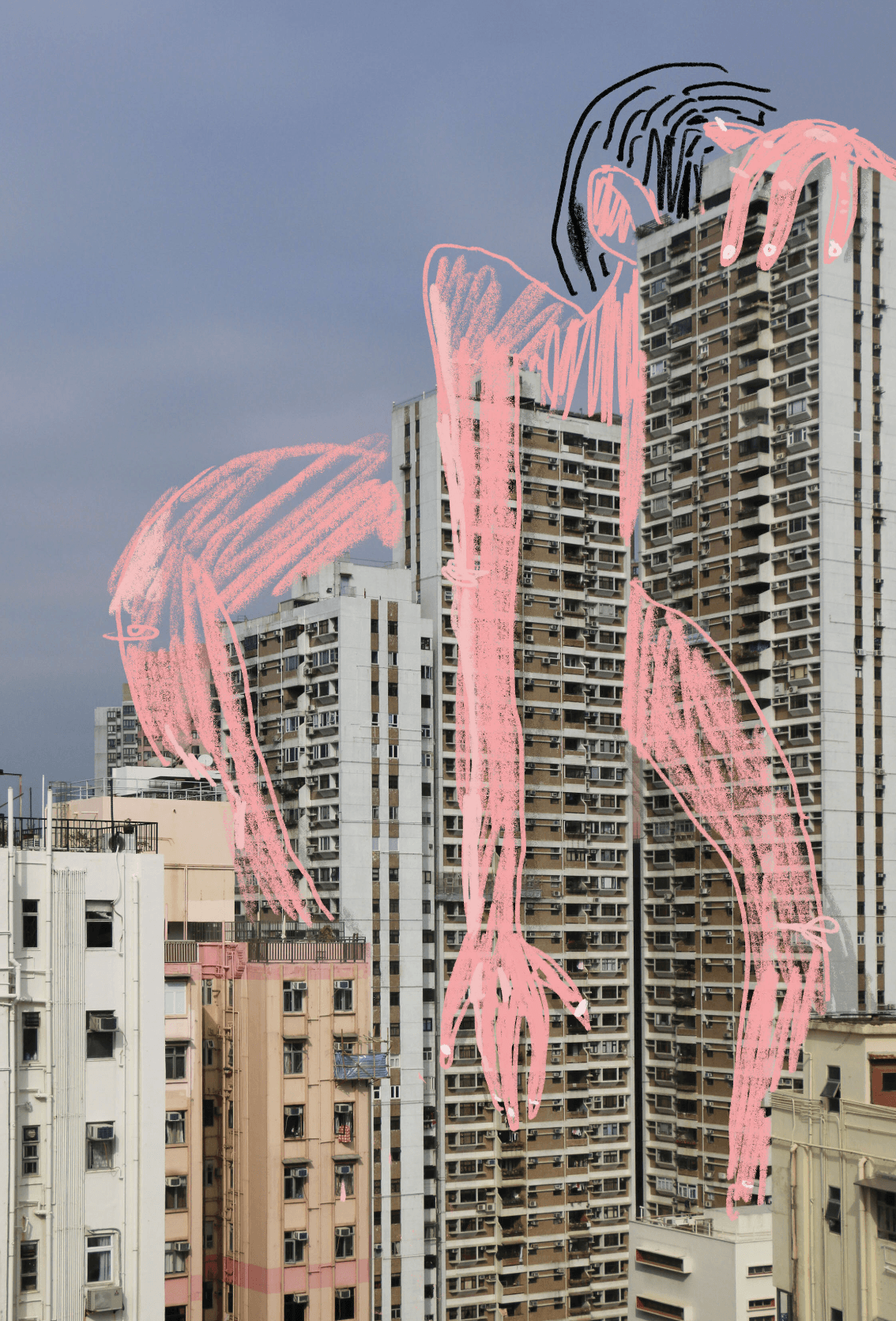
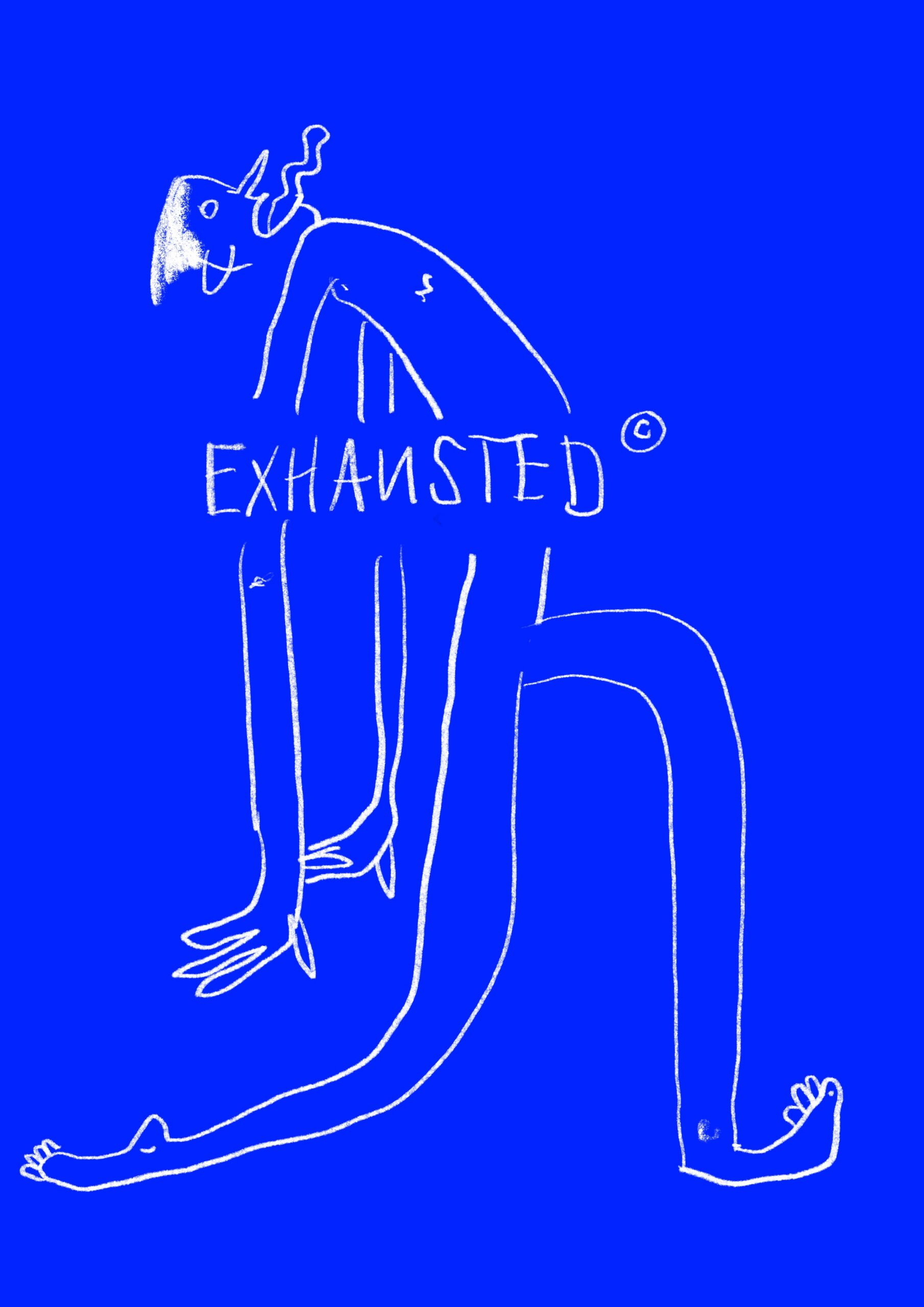
Artwork by Koooooos

Portrait of Maggie (@carvel_tattoo) by Koooooos

To “have an eye” — in the Koos sense — is to recognise resonance before language forms around it.  To sense the emotional requirements that underpins a piece of work and to move toward it instinctively. It is, creatively, an immense responsibility, and as I point out to Koos in our conversation, “not every designer can be an artist,”  by this I mean that not everyone has the capacity to translate perception into meaning beyond a brief — to take the thing they notice, the thing they feel, and allow it to become a world others can enter beyond the prescription of a brief. 

“I don’t really remember ever ‘becoming’ creative,” Koos tells me frankly. “I don’t think there was a point where I suddenly ‘became’ anything. It was just always there. I’m lucky that I come from a family where my dad is an architect and my mom is a textile design lecturer, so it was constantly around me. My gran was also very creative. It felt like I was destined to do this– like it was in the air of the house.”

Creativity as an environmental factor, rather than aspirational fantasy, is the birthright of someone like Koos who grew up surrounded by creativity as a normalised, everyday occurrence. It’s in this regard that the notion of a career in the arts was necessarily something Koos coveted; noting that “Because of that, I never really thought of myself as becoming a creative person. It was just part of the environment. Design – and any version of art, really – was actually my backup plan.”

This explains something essential about Koos; that there was no mythology he needed to build to take himself seriously, no precocious self-declaration of genius. Instead, a creative life — and career — was already set in motion, waiting to be inherited and kindled; largely unburdened by performance. “What I really wanted to be was a professional cyclist. That was all I wanted. I was like, cool, that’s the plan. And then I completely burnt out from over training and racing too much at the ripe old age of 23 and had to retire from that dream. After that, I went into design.”

If cycling was the first calling, art is Koos’ first language. “My earliest creative memories are of this amazing art teacher I had called Pam. Being a young boy with a lot of energy, she was fantastic for me because she created this structure: you’re allowed to go play on the trampoline once you finish your artwork. Every time I went to my after-school art lesson, I had to finish one piece of art before I could go jump.” 

“I’ve always thought she was an incredible influence because she made me work fast,” Koos reflects, “That has fed me so well in both design and illustration. There’s a speed I work at now, and I think that speed is part of the work itself. As soon as I try to work slower, or labour it more, it just feels different and less like me, I guess.”

As someone with a similar approach to speed in my own work, I’ve often wrestled with the fear that slowness contains a sort of deliberateness I may lack, and that ‘fast’ work is somehow suspicious or unserious. Koos’ conviction pushes against that anxiety; a reminder that there is a clarity in trusting the first gesture, in letting the immediate impulse guide the hand, and in following the action before the endless chattering of thought has a chance to purify or sanitise it.

Much of Koos’ work — across design, illustration, and the increasingly central world of Koooooos — is marked by the bizarre, human underbelly beneath the looseness of his visual language, though he is the first to admit that this signature has sometimes been a source of insecurity. “For me, I often feel quite insecure about the work I do because it can seem so unfinished and so crude. I look at it and think: clearly this can’t be right; surely it’s not allowed to exist at this level of not being ‘properly crafted’ or laboured over.” What Koos has learned, though, is a lesson that anyone nurturing a creative life must learn; and that’s to place all of our process, pain points and all, in its correct context. This is the practice, above all else. “Over time, you learn to trust it. You repeat the same pattern enough times where you realise: cool, the first photo you took was actually the best one, or the first sketch you did was the best one. The more you think about it, the worse you make it. The more you go into that overthinking space, trying to add layers of perfection, the more it loses something. I try to follow my first impulse, always, because it’s often what actually wants to come out.”

Design and art, “are completely inextricable for me,” Koos notes, “they’re not separate lanes.” Much of that fused identity emerges from his long-standing creative partnership with Jana, and Koos explains that, “Of course, I’m Koos, and I’m one half of Jana & Koos, which is the design studio I run with Jana. We met at varsity and studied together, and there was immediately a way of working that just made sense. We have very, very different skill sets and approaches, but we share a foundational need to make things look or feel a certain way – visually, conceptually, or emotionally.”

Sculpture by Koooooos
Artwork by Koooooos
Design by Koooooos
Their collaboration has lasted nearly two decades and counting, marking a creative kinship that is beyond replication or reverse-engineering; you simply cannot buy this kind of chemistry, as two halves of a unified whole. “Jana is a genius with a very uniquely critical eye,” Koos shares, “she has this deep sense of responsibility in how things are put into the world. Long before some of the movements we’ve seen in the last few years came up and were in the mainstream, she was raising questions and saying: we should be better at this, or we should pay attention to that. I don’t know where that comes from in her, but it’s just there – this need for things to make sense and to be responsible. She’s always made sure everyone is credited, that the work is ethical and considered… We joke that I wear a ‘What Would Jana Do?’ bracelet,” Koos says, exclaiming at how the imagined Jana in his head is “probably more severe” than the real one.

Together they’ve created a visual language that appears carefree, but is built on sharp analysis; deeply human, and always imbued with a sense of care. “People say: ‘We love your work. It’s so unfinished. You look like you don’t care.’ Which is absolutely not true. We work really hard to get to that feeling.”

When one’s creative expression is used in service of others — as has defined Koos’ career — a resistance to labels, especially the self-mythologising kind, is naturally inevitable; “I still find it hard to call myself an artist. If someone asks me what I do, I usually say: I’m a designer. Then I’ll add that ‘I draw, and I make other things around that’. As a designer, you constantly have to represent something that isn’t you. You don’t always get to say: this is my taste, this is my preference. Often your preferences have to step aside, because they’re not what’s needed.”

 For Koos, the most satisfying work is the kind that makes others feel seen; the ones that begin with a client who felt unseen or misrepresented and end with someone recognising themselves, finally, in their own visual identity

This sensitivity to others — their stories, their desires — bleeds into Koos’ artistic process, one most readily understood through portraiture, though not limited to it. Illustration is Koos’ most elemental medium, and he is entering a moment of deeper commitment to it, guided by another deeply important creative partnership (Koos, self-admittedly, both loves to be flanked by powerful, attuned women, owing his creative life to the boundless presence of feminine energy and wisdom that surrounds him) with Sam Whittaker of Curatorial Edge. Koooooos would not exist today without Sam’s support and guidance, whom he exclaims is “always down for a weird idea, and to really push the work forward together.” Together, they will be exhibiting at RMB Latitudes Art Fair in 2026; a notable milestone for this next iteration of Koooooos to step into clearer view; “the show I’m working on is called Body of Work. My girlfriend Jelena came up with the name. She said it would be funny because my work is so centred on bodies, always with a bit of humour in it. I’m really focused on awkwardness. I love the awkwardness. The bits in between – the moments that feel universally understandable to people but are not the ones you usually see represented.”

Koos has somewhat of a photographic memory for observation, making mental images throughout his everyday life to revisit later; “For example, that moment where you’re putting on a sock and you lose your balance – to me, that’s a drawing. We all know that feeling, but we don’t see it in pictures or visual culture very often. We usually see the polished, staged versions: people in love, or people at their best.” 

This fascination is rooted in the surreal strangeness of ordinary bodies, a principle source of inspiration that feeds Koos’ work; “our bodies and the way we use them are so strange and interesting. It’s actually quite abstract, if you think about it. We live in these absurd, abstract physical forms, bumping into each other and into objects, and then we also try to act normal. It’s odd. I’ve always loved that oddity.”

Illustration captures that oddity with stark efficiency, Koos explains, noting how “illustration is incredibly powerful because with a few lines you can capture a feeling that is so true and so universal. Sometimes I’ll look at a drawing and think: if this had to be photographed properly, it would take a three-day shoot, with pre-production, lighting, casting – everything. And instead, you just manage to catch it in a few lines.”

Koos is learning to accept where he is, and where he isn’t, and right now, he is figuring out what kind of artist he wants to be and what kind of work he wants to make. Earlier this year, Koos tells me, he felt the pinch of expectation — the “big next step” narrative that trails so many artistic careers. “At the beginning of the year, I felt a lot of pressure, like: you’ve got to do this, you’ve got to do it full-time, what’s the big next step? Then I decided to take the pressure off. We put these weird milestones on ourselves – by this age I should have done that, and by that age I should have done this.”

Letting go of those timelines has, thankfully, returned him to something more durable and reminiscent of his childhood; that a creative life, without prescription, just is. It is a way of existing in the world that needs neither beginning nor end, and is marked only by what captures one presently with focus and attention. “As soon as it feels like I’m chasing those things, the work shifts in a way I don’t like. I want to keep it about making things. I want to keep it at a pace where I can still be doing it when I’m very old and still enjoy it. It was a nice realisation to say to myself: you don’t have to make every idea you have this year. You can leave some for when you’re 60. That’s okay.”

The studio — his long-standing partnership with Jana — remains the grounding force in his professional life, and neither he nor Jana has ever subscribed to the traditional growth arc. “Historically, in both design and art, there’s this assumed growth trajectory: you start here, and every year you must grow and double and scale. Jana and I have always pushed back on that. We don’t want to become this huge, mammoth thing. We don’t want success to only be measured by how big we get, how much we can charge, or how fashionable we are. The success metric, for us, should be the work itself – what we do and how we do it.”

In the end, and mantras aside, there seems to be one truth of Koos’s world that I am struck by. His work lives because the people do, and his art is not an escape from life (as much of art can be) instead, it is a distillation of it — the utterly comedic quality of being alive, replete with all its discomforts and shared strangeness. As Koos steps into whatever shape this next iteration of himself takes, he does so without urgency or grandeur, trusting that the instinct that has carried him this far will carry him still. 

Does it get more human than this? 


Follow Koos on Instagram here

Visit Koos’ website here

Follow Jana+Koos here

Visit Jana+Koos’ website here  

Written by Holly Beaton

For more news, visit the Connect Everything Collective homepage www.ceconline.co.za

Follow CEC on Instagram

Trump denies South Africa’s invitation to the next G20 Summit and threatens to further cut all aid. What does this mean for our country?

President Donald J. Trump announced in late November 2025 that South Africa would be barred from the 2026 G20 Summit in Miami and that all U.S. financial assistance would halt “effective immediately”. This was the deepening of a sustained, year-long pattern of his administration, and the wholesale reshaping of foreign policy around grievance, racialised narratives, and a distorted portrayal of South Africa as a site of “white genocide’’. This a claim repeatedly and conclusively debunked by independent analysts, crime researchers, and South Africa’s own data.

This has all followed our successful hosting of the G20, in which our robust inclination for policy-making and steady diplomatic stewardship took centre stage as the forum operated effectively as a G19, forging agreements without American involvement.

Trump’s justification, posted on Truth Social and X, hinged on two assertions: that South Africa “refused” to symbolically hand over the G20 presidency to a U.S. Embassy representative at the Johannesburg summit (one Washington had boycotted) and that the South African government “allows white people to be killed” and their farms “to be taken.” The South African presidency accurately described the claims as misinformation, and fact-checking agencies have long established that there is no evidence of a racialised campaign of violence against white farmers or Afrikaners. Crime in South Africa is tragically widespread, as we know, but it does not follow the “genocide” pattern Trump has repeatedly invoked for political gain. 

This latest rupture comes atop the seismic foreign-aid withdrawal Trump initiated in early 2025. Through Executive Order 14169 and subsequent directives, the administration dismantled much of the U.S. foreign-assistance; nearly 10,000 USAID and State Department programmes and grants were suspended or terminated, gutting health, education, humanitarian, and governance support across the Global South. In Africa – including South Africa – the domino effect has been devastating; disrupted HIV/AIDS treatment programmes, stalled maternal-health initiatives, weakened food-security systems, and closed community clinics once funded through U.S. partnerships.

While February’s cuts represented a broad, systemic rollback of American development leadership, the November decision was pointedly punitive, targeting one nation and explicitly tying that punishment to Trump’s favoured narrative of white victimhood in South Africa. It was also symbolically dramatic – pulling South Africa from the guest list of one of the world’s major diplomatic forums – even though, in practice, it amounted only to a public declaration so far, with no concrete measures or additional aid cancellations formally enacted beyond what had already been cut earlier in the year.

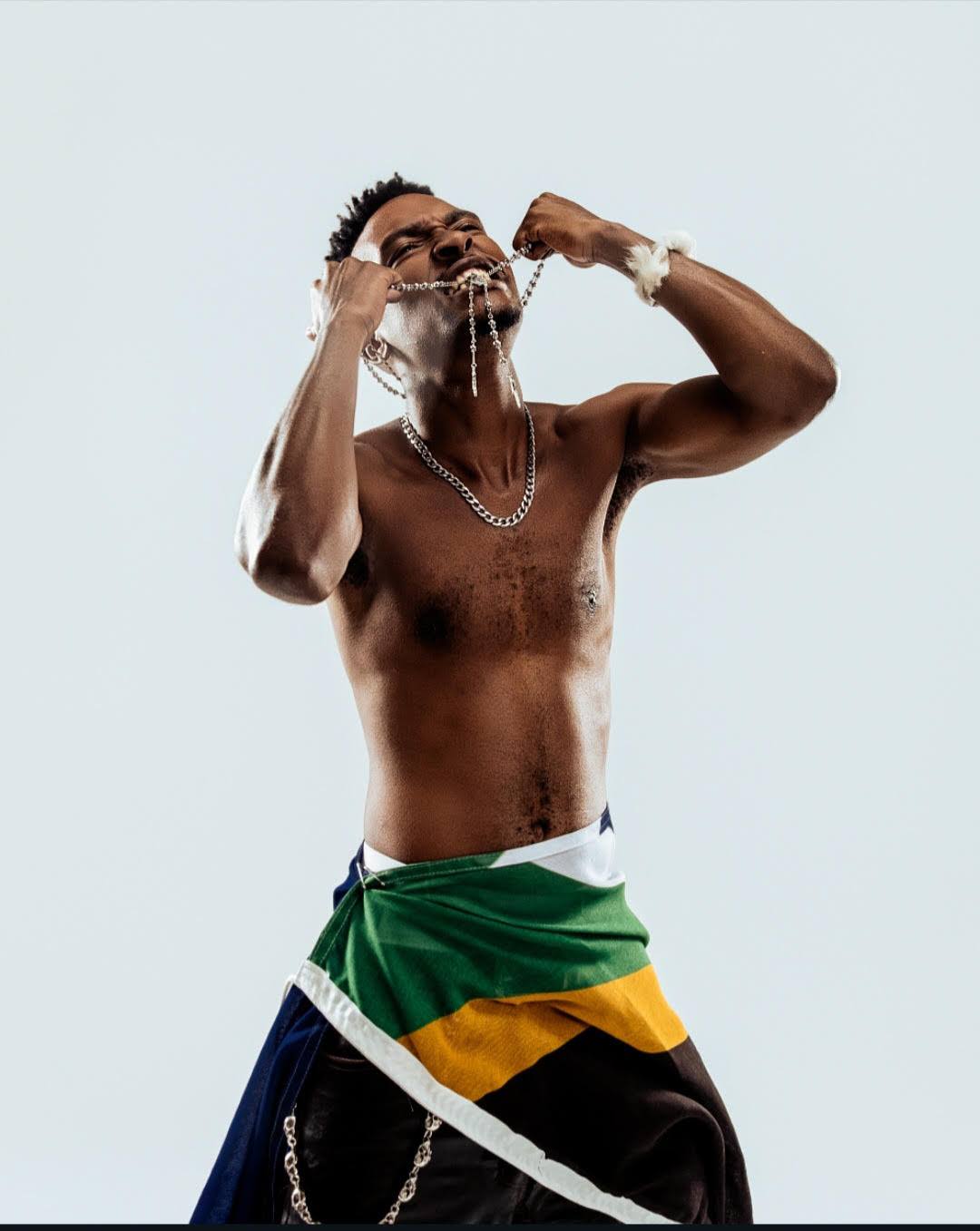
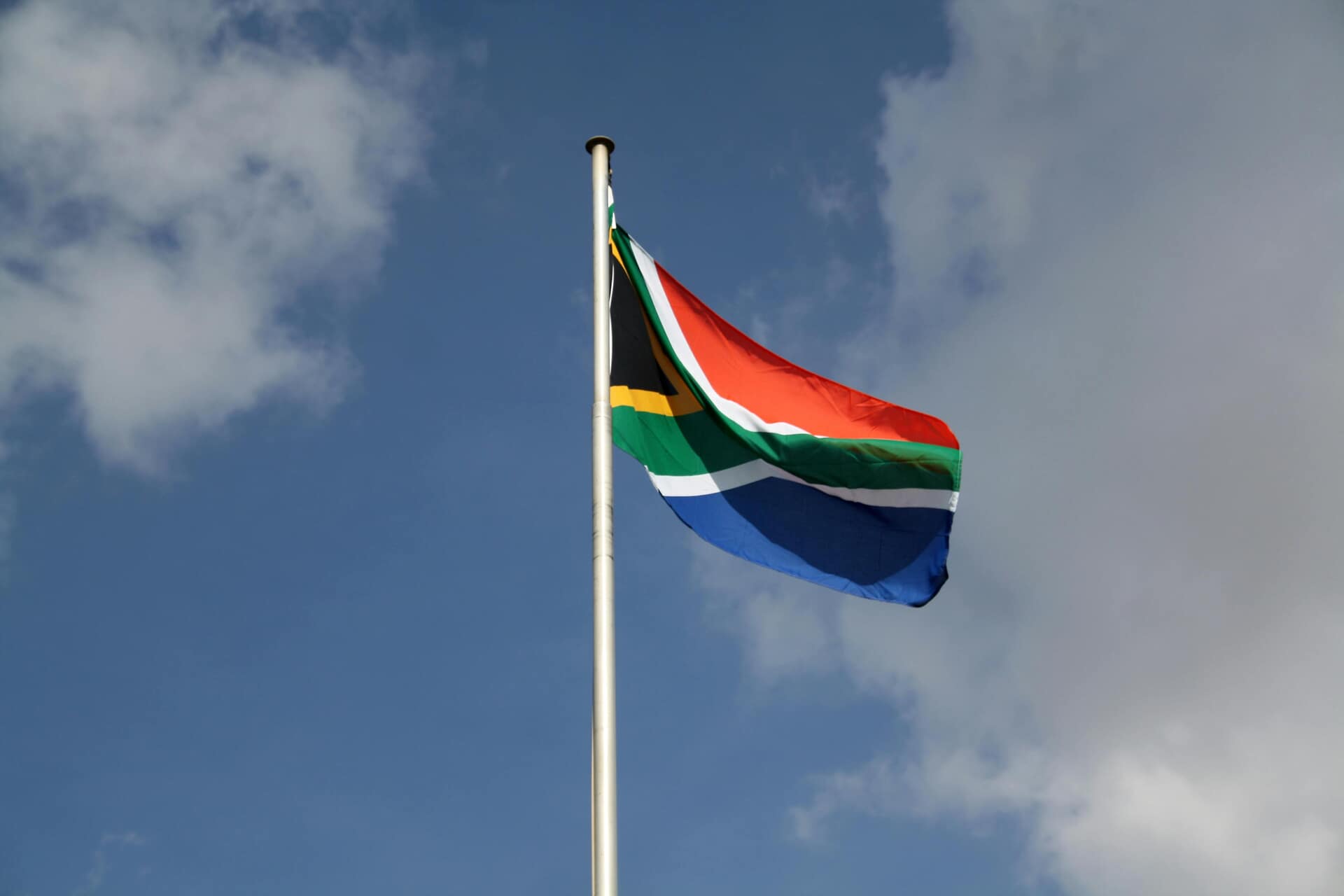
South African flag, courtesy of Pexels

Here is the hopeful subtext, though; the world will not be stalled in response.

The G20 summit in Johannesburg, which the U.S. chose not to attend, was far more consequential than any single procedural handover could demonstrate. For the first time, the group operated effectively as a G19, with major economies collaborating, negotiating, and setting agendas without American participation. Far from collapsing, the forum moved forward on climate-finance commitments, mineral-supply-chain cooperation, infrastructure agreements across the Global South, and expanded roles for multilateral institutions like the African Union and BRICS-aligned development banks.

In practice, the U.S. absence created space for other powers – China, India, Brazil, the EU, the AU – to deepen ties, shape norms, and build alliances on their own terms. South Africa was central in brokering several of these discussions, reinforcing its role as a bridge between developing nations and established economies. Washington’s decision to effectively exclude itself accelerated a shift that had already begun; a multipolar world in which the U.S. is no longer the gravitational centre of global diplomacy.

Trump’s retaliatory ban on South Africa’s 2026 participation now lands in a global environment in which exclusion from American-hosted gatherings carries far less weight than it once did. Countries are increasingly diversifying their partnerships, through BRICS+, the African Continental Free Trade Area, South-South cooperation, and multilateral lending structures that no longer flow solely from Washington. 

So, this diplomatic rupture demonstrates what the world is doing without American support; how other nations are learning to move, negotiate, and collaborate independently, even confidently, beyond the shadow of Washington.

This is a developing story. 


Written by Holly Beaton

For more news, visit the Connect Everything Collective homepage www.ceconline.co.za

Follow CEC on Instagram


A Story of Collective Practice: The Creative Evolution of Photographer and Director Nkateko Mondhlana

At 25, Nkateko Mondhlana has already established himself as one of South Africa’s most exciting and established visual storytellers. His journey—from taking casual photographs on his school trips in Johannesburg at 16, to shooting an international magazine cover for Color Bloc at 22—is a testament to the power of curiosity, creative collaboration and taking action.

Born and raised in Soweto, Nkateko attended St. Matthews, a Catholic school that, he recalls, wasn’t exactly conducive to creativity in the traditional sense. “I went there from Grade 1 to Grade 12,” he says. “At 16, I became really interested in photography and the media space. I was obsessed with V Entertainment. I even remember asking their DP at an event how they got their job. He said he studied at WITS, and I thought, ‘Oh wow, you can actually study and pursue this path.’” That same year, a school trip ignited his love for photography. “I took my phone on the trip, which was kind of radical at a Catholic school, and I photographed everything. People reacted to the photos like I was famous. I didn’t do it for that, but it made me realise I loved this,” he shares humbly.

Nkateko’s early influences reveal a deeply personal approach to creativity. Films like Moonlight struck a chord with him when it premiered in 2016. “I resonated with the film because I am queer and I am Black,” he explains. “The way Black beauty was represented against the contrasting landscapes, the blue skylines, the audio—it all just stayed with me. It inspired me to think more about storytelling and screenwriting.” In photography, Nkateko found inspiration in photographer Tyler Mitchell, whose work celebrates Black joy in everyday life. “He explored what Black pure happiness looks like in mundane experiences—kids playing at the park, skateboarding—and it became a political statement in its own way. That perspective shaped my own approach to visual storytelling.”

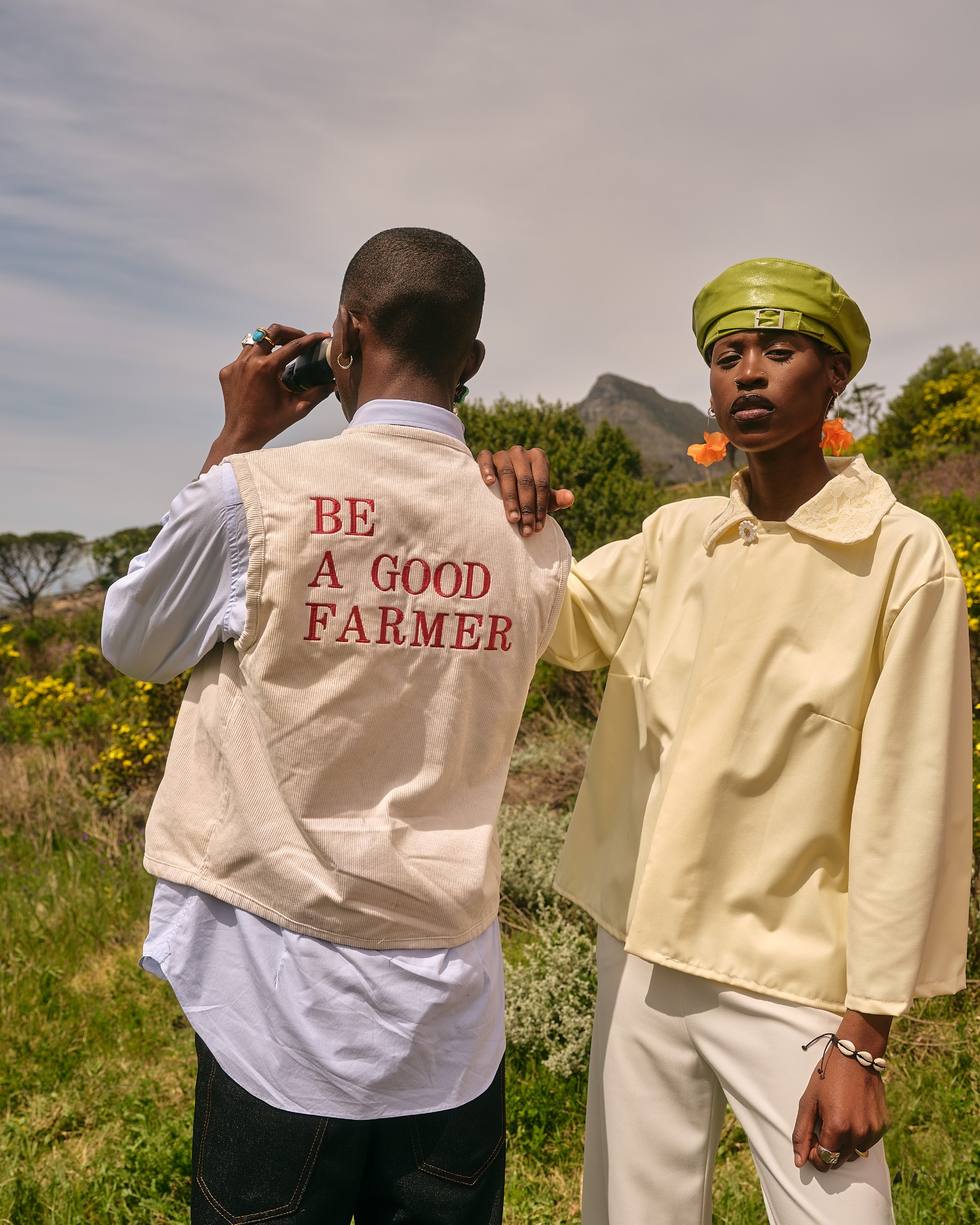
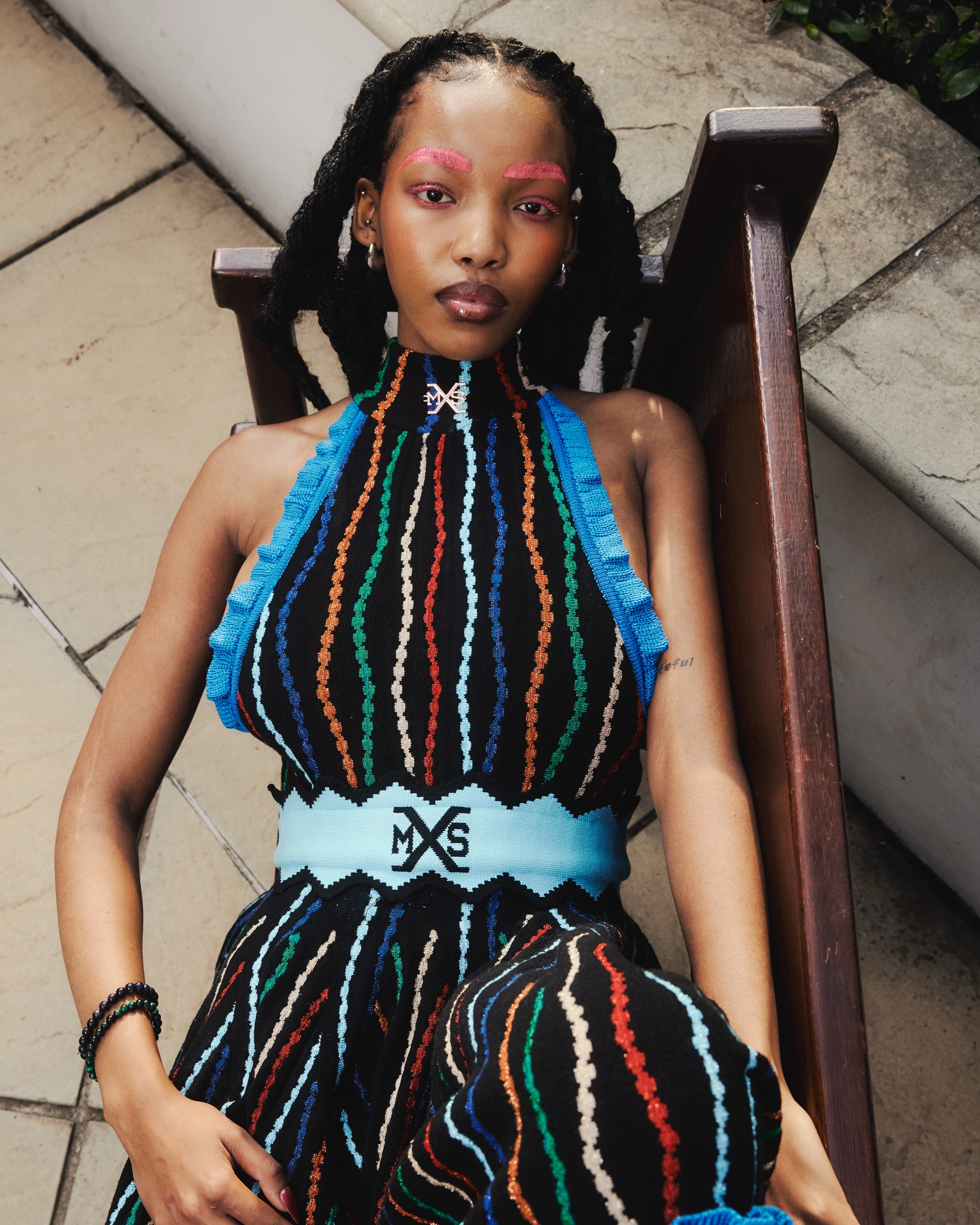
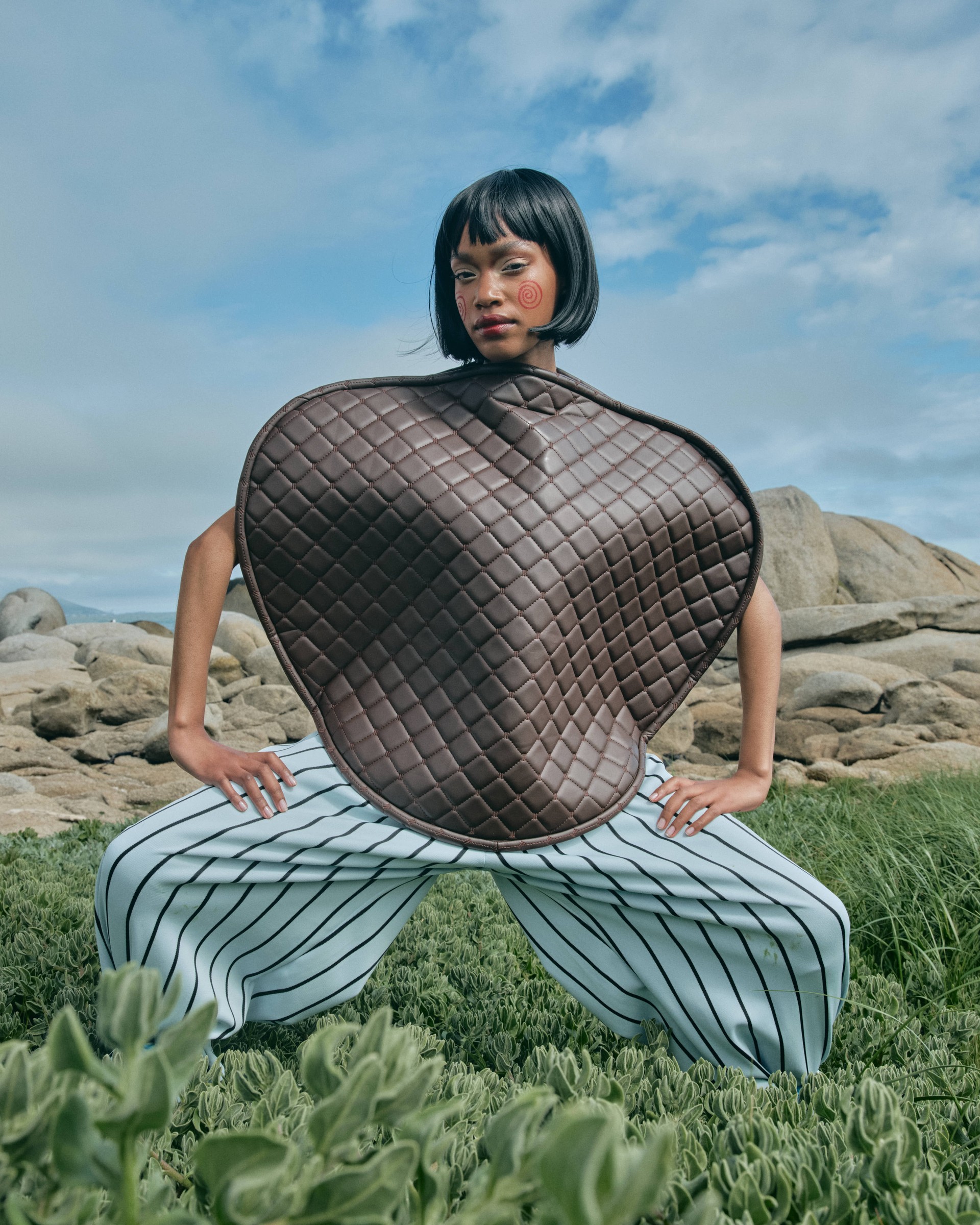
All imagery courtesy of Nkateko Mondhlana

After high school, Nkateko pursued a degree in film and television at the University of the Witwatersrand (WITS), completing both his undergraduate and honors studies. “I really value my film background,” he says. “Everything I learned there informs my photography and my client work. I am still young in the directing space, but I call myself a director because you need to own who you are, no matter the years of experience.” For Nkateko, directing is about vision and collaboration. “If there’s a budget, we get someone to shoot the video, and I direct it. If not, I shoot, but I prefer directing because that’s where I feel I’m at my best creatively.”

Nkateko’s creative ethos is grounded in teamwork. He likens a collaborative project to a puzzle: “You need the correct pieces to complete it. Everyone in the work I’ve done has something valuable to contribute—whether it’s art direction, styling, makeup, or props. I can’t do anything by myself.” This philosophy is at the heart of Everythingin;Out, the photo collective he co-founded in 2023 with Aza Lithalethu Mbovane, Renaè Mangena, Hlengiwe Mkwayi.

The collective emerged from a simple desire: to create a platform that celebrates and archives photography in South Africa. “At the time, I was studio interning at a gear store called Glow Hire, assisting with shoots and managing gear. I met so many photographers, saw their work, and realised there was a gap—a need for a space that highlighted photography as a medium,” Nkateko explains. The collective’s first exhibition, self-titled Everythingin;Out, turned the studio into a live set, complete with monitors displaying images in real-time, all-black attire for attendees, and immersive installations that made guests feel part of the creative process.

Since then, and with the help of the National Arts Council, the collective has held three more exhibitions. A women-only show explored Black womanhood and spirituality; Imprinting examined the documentary form and everyday existence through a personal lens; and Their Closets, Their Caskets celebrated queer narratives, inviting photographers to submit work via an open call. “One of our values is to create an open platform,” Nkateko says. “We want to present and archive photography in a way that’s inclusive, collaborative and reflective of diverse perspectives.”

The collective’s work furthers curation to explore mentorship, community building and advocacy. “We’ve learned everything together—contracts, sponsorships, collaborations. It’s about handling this work with integrity,” Nkateko explains. He sees this approach as essential for shaping South Africa’s creative landscape. “Yes, the online is important for visibility, but physical spaces like exhibitions and photobooks will always hold value. Collectives like ours allow photography to take its rightful place alongside other art forms.”

All imagery courtesy of Nkateko Mondhlana

Despite his accomplishments, Nkateko remains grounded. He sees every project as a learning opportunity, whether commercial or creative. “I am still a student every day,” he says. “With commercial briefs, people hire me because of my creative work. They can see my perspective through grading, lighting, or landscape backdrops, and that’s what translates into client work. It’s about showing your voice consistently while adapting to different commercial contexts.”

His career highlights already read like a dream list for any young South African creative. Shooting his first international cover story for Color Bloc brought him full circle, collaborating with friends from WITS on a global platform. Directing his first lifestyle campaign for Sun King allowed him to work with a team of young creatives in Johannesburg and bring South African narratives to an international brand. Moving to Cape Town opened new possibilities, helping him discover more about himself and his creative approach as well as using myriad environmental backdrops to work creatively within.

As Nkateko looks to 2026, he says, “It’s about taking action. It’s amazing to conceptualize, but executing—that’s where real progress happens,” he says. He is particularly excited about working with new collaborators. “Your work expands when you work with different people. Everyone brings a new perspective, and that’s how creativity evolves.”

For Nkateko, the lessons of his journey are simple but profound. Be curious, take action and collaborate. “If you’re proactive and put yourself out there, even if something fails, you learn. You’re still a student, and every experience adds to your growth.”

Nkateko Mondhlana embodies the pulse of South African youth creativity. Through his lens, through Everythingin;Out, and through his commitment to mentorship and community, he is creating visuals – but deeper than that, he’s fostering opportunities, conversations and an archival legacy. Nkateko is an example of South Africa’s brimming talent, but also local youths’ unwavering desire to take action, and the reaping the rewards of doing so.

View more of Nkateko’s work and connect with him here

Written by Grace Crooks

For more news, visit the Connect Everything Collective homepage www.ceconline.co.za

Follow CEC on Instagram