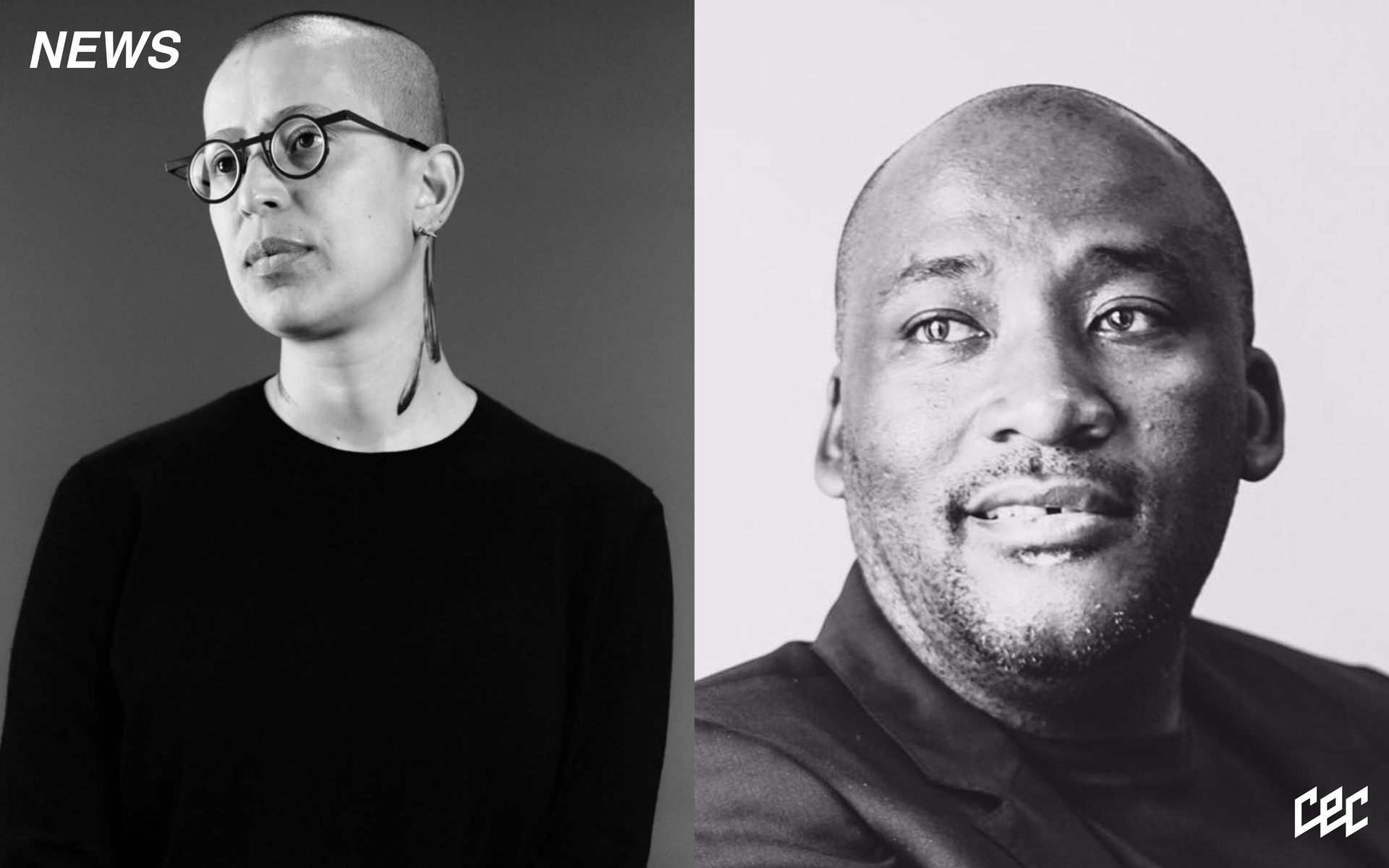
South African artist Gabrielle Goliath has launched urgent legal proceedings against Minister of Sport, Arts and Culture Gayton McKenzie, challenging his decision to cancel her selection as South Africa’s official representative at the 2026 Venice Biennale.
Goliath’s work, Elegy, was unanimously chosen by an independent selection committee as the country’s sole official presentation at the prestigious international exhibition. The process was administered by Art Periodic, a non-profit organisation appointed by the Department of Sport, Arts and Culture (DSAC) to oversee the selection.
According to court papers filed at the Gauteng High Court in Pretoria and as reported by Daily Maverick’s Niren Tolsi, Goliath is asking the court to declare the minister’s intervention unlawful and to set aside his decision to cancel the selection. She is also seeking an interdict to prevent any further interference in the process or obstruction of Elegy being presented at the Biennale.
While the legal process is unfolding, Goliath and her team — including curator Ingrid Masondo and studio manager James Macdonald — have been in Cape Town completing the final phase of production on the work.
At the heart of the case is the question of whether the minister had the authority to override the outcome of an independently run, formally constituted selection process. In her affidavit, Goliath argues that the decision of the selection committee constitutes valid administrative action and remains binding unless and until it is reviewed and set aside by a court of law. Instead of pursuing such a review, she contends, the minister acted unilaterally by cancelling the outcome himself.
The application further argues that McKenzie’s actions amount to improper state conduct. Goliath’s legal team claims that the department had made a public commitment to follow a lawful, transparent process for selecting the Biennale representative, and that cancelling the outcome after the fact — allegedly while exploring alternative, non-transparent options — represents a fundamental breach of that undertaking.
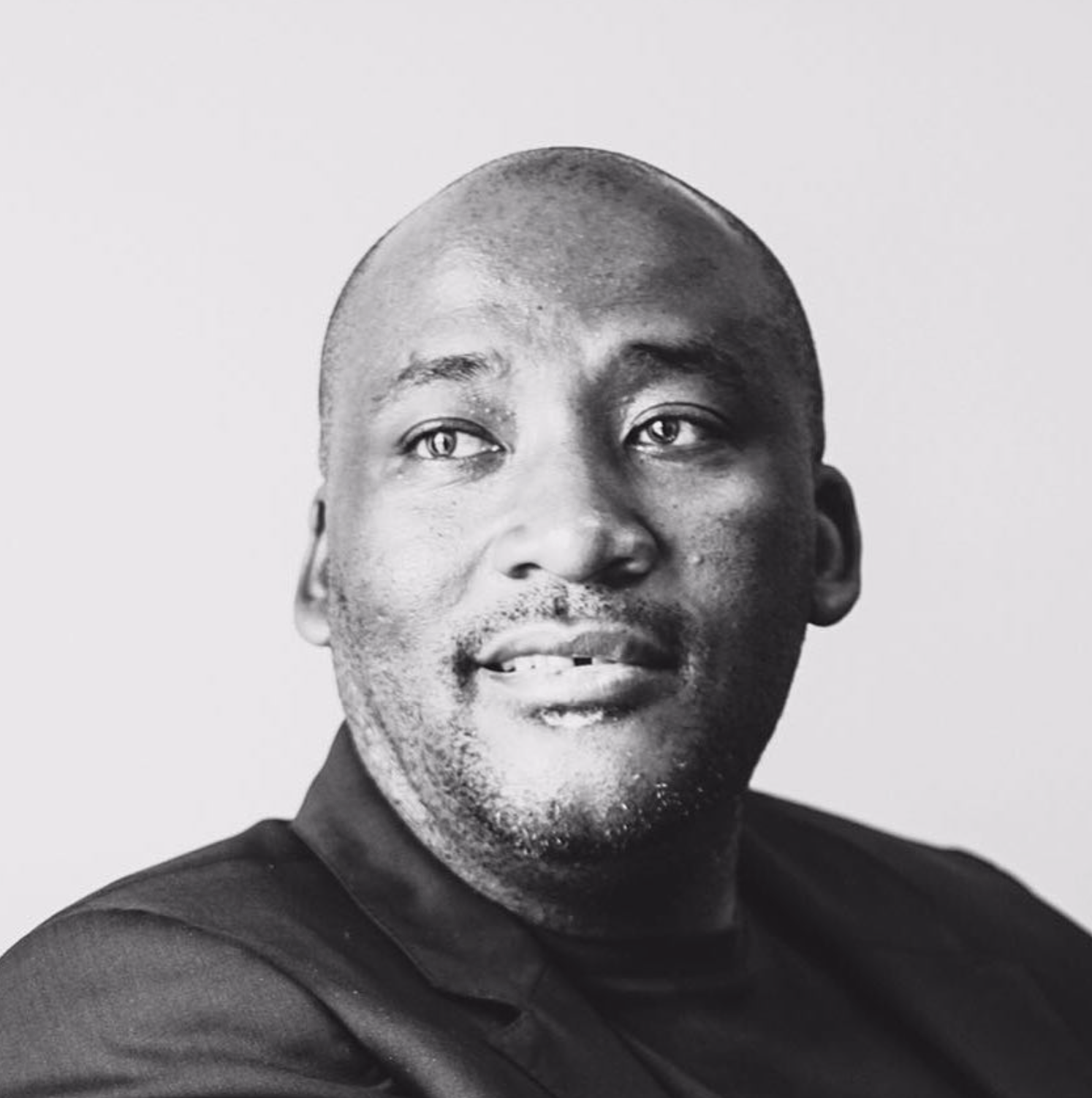
Minister Gayton McKenzie, via @gaytonmck IG
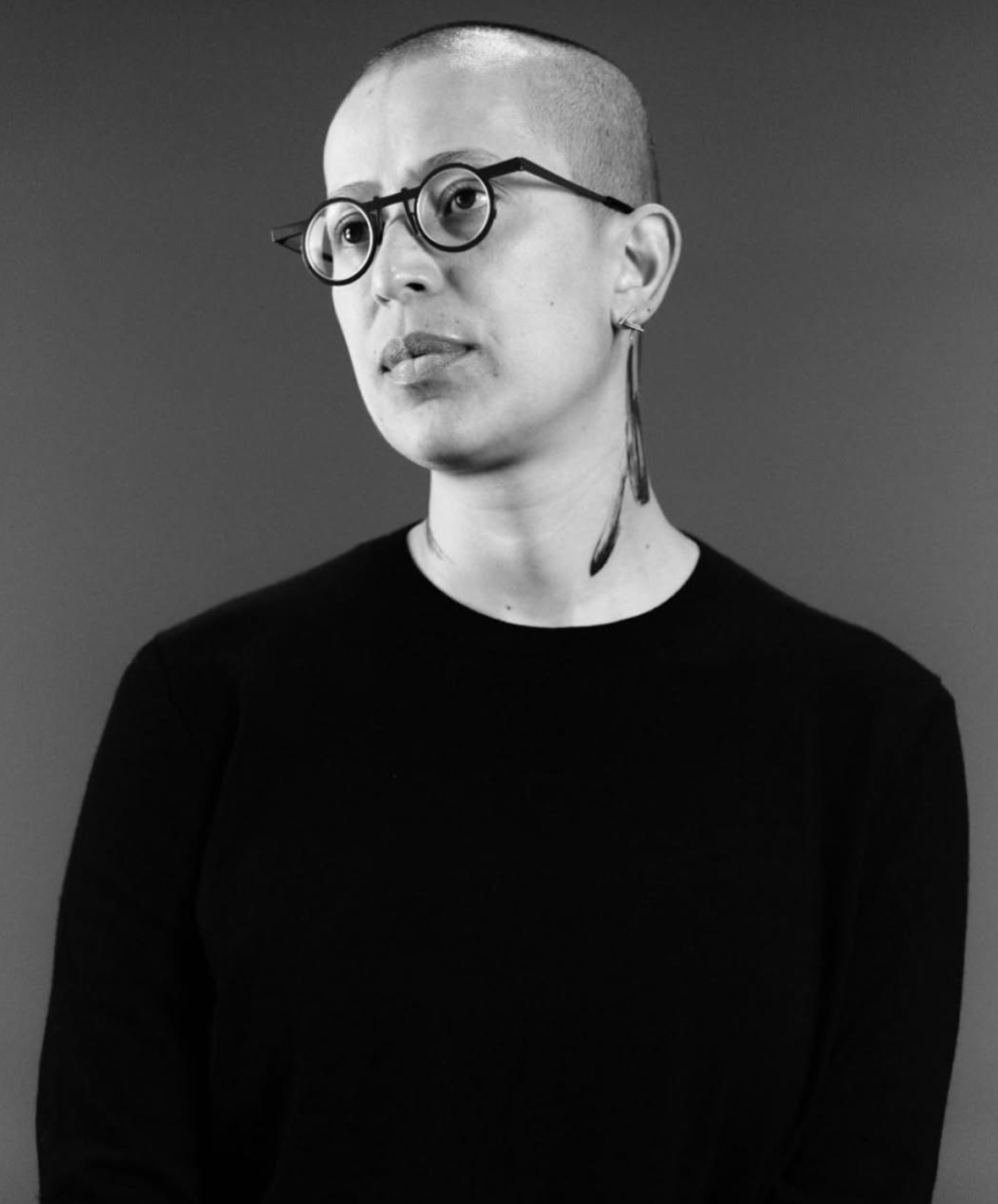
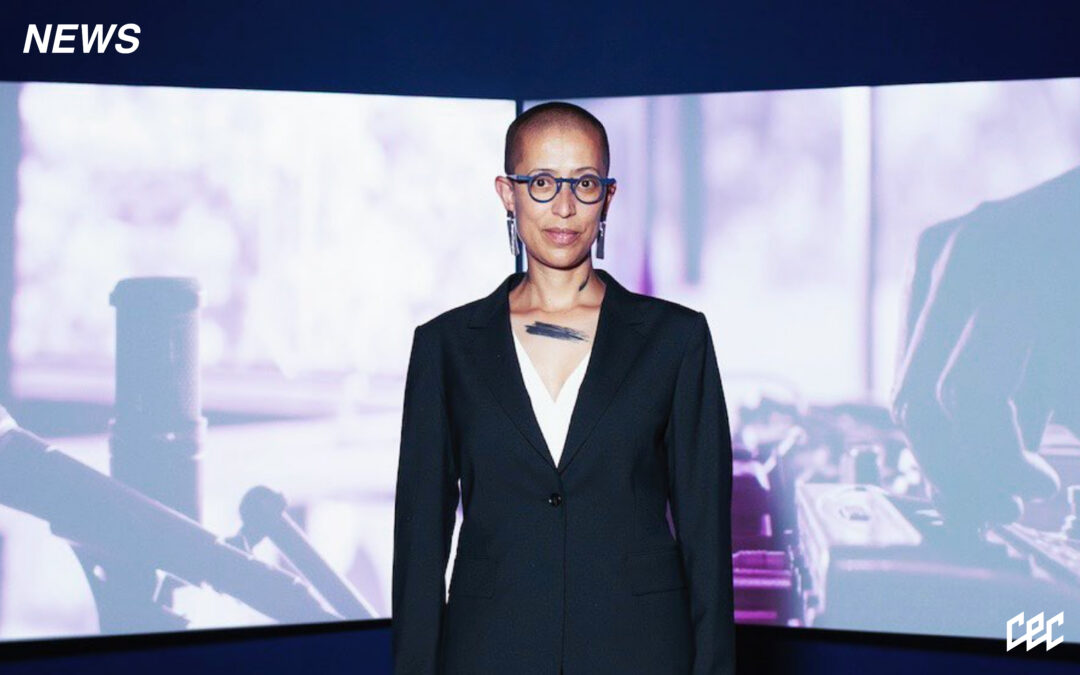
Gabrielle Goliath photographed by James Macdonald, via @gabriellegoliath IG
Beyond the procedural issues, the case raises broader concerns about artistic freedom and political interference in cultural institutions. Goliath argues that the minister’s conduct undermines constitutionally protected freedom of expression and the rule of law. In her papers, she suggests that this kind of intervention sends a chilling message to artists; that future participation in state-supported platforms may depend less on independent evaluation and more on alignment with the views of those in power.
The prospect of direct political interference in artistic selection processes cuts to the heart of South Africa’s constitutional project. The country’s democratic settlement was built in explicit rejection of state control over expression, culture, and thought, after decades in which censorship was a central instrument of apartheid governance. Any suggestion that artists or institutions should shape their work to fit the preferences of those in power is fundamentally at odds with this vision, and reopens questions about the independence of cultural life in a constitutional democracy.
The Venice Biennale is widely regarded as one of the most significant platforms in the global contemporary art world, and South Africa’s national presentation carries both cultural and symbolic weight. The outcome of this case is therefore likely to have implications far beyond a single exhibition, potentially setting an important precedent for how cultural governance, political authority and artistic independence are balanced in South Africa.
McKenzie’s legal troubles are not confined to this case, either; as the Minister is currently facing scrutiny with both the Public Protector and the Democratic Alliance pursuing their own investigations into this matter.
At the time of writing, the matter is before the court, with Goliath seeking urgent relief to ensure that Elegy can proceed as originally selected — and that the integrity of the selection process itself is upheld.
This is a developing story.
Written by Holly Beaton
For more news, visit the Connect Everything Collective homepage www.ceconline.co.za