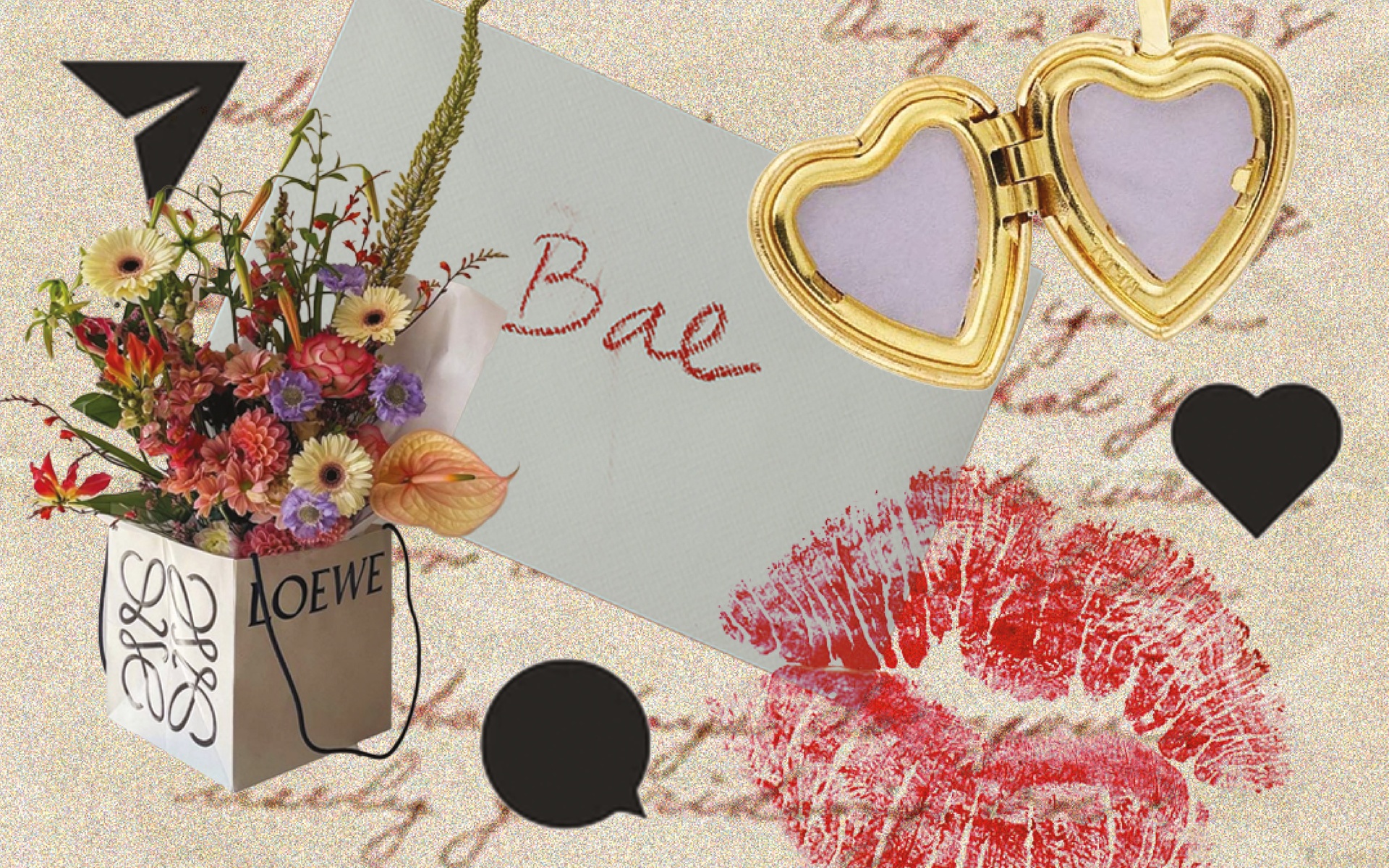
Have you ever read the poetry that the 24-year old James Joyce wrote for his beloved, Nora Barnacle? Separated by miles, he wrote to her passionately, and frequently while on a publishing trip to Dublin. The letters demonstrate two things; first, that he valued the power of the written word as a tool for connection. Second, that love letters can be very, very filthy, even in cursive. And yet, the letters are also deeply romantic in their ability to convey the electricity of a passionate (now more than a century old) love affair, using only a pen and paper. In some strange way, these letters make me think that there’s hope for us still. If James Joyce could find a way to fly his freak flag this high using only parchment and horny prose, maybe our contemporary dating scene can also survive the distance brought on by dating apps, digitalisation, and its accompanying disconnect.
But of course, it may take more than a lascivious string of letters to dislodge our hearts from their ashen cinder blocks in such dark times. Whether you’re autoerotically engaging an AI girlfriend, trapped in the addictive and exhausting lull of dating apps, or destined to repeat the passive aggressive skits of ‘relatable’ couple content in your very own relationship, there’s a high likelihood that the digital age has made you feel somewhat disillusioned by the institution of love. With a phone in hand, every aspect of our lives is forecasted in ways that make it nearly impossible to embrace newness. Scrutinising birth charts, squabbling over music taste, quantifying riz over heart, and saying ‘as he should’ instead of ‘thank you’, we’ve made it pretty difficult to embrace love’s surprises in modern times. Contrastingly, people like James Joyce were forced to wait, to find arousal in the written word and delay gratification by miles when stark seas separated lovers indefinitely.
But for the most part, I don’t think our problem is so much a lack of desire, as much as it is a lack of intentionality. As we’ll tend to tell you, we are all lovergirls, obsessed with romanticising our lives. It’s just our own scepticism that seems to get in the way of us extending these indulgences to others. It’s almost like we’ve gotten too smart, too analytical, to ever willingly submit ourselves to the humiliation ritual of falling in love.
Yes, we all know that love is awe-inspiring, a soft high like a stream of sunlight in a still bedroom. But to get there, one must be willing to admit their own desire, their own needs. Unlike Joyce, I doubt that many of us are as good at revealing our oddities, or engaging in coy little love games, with all their wishful thinking and unspoken revelling. And so, too self-aware for our own good, we choose instead to be ‘cool’, to veer away from the embarrassment of having a boyfriend, because isolation and independence is far more simple, far more ego-affirming than the core-shattering, cringey devastation of human connection.
And the digital veil between us only reinforces these protections. Your curated feed, accrued from decades of datafied danceabouts, will tell you ‘How to love’, ‘Who to love’, and ‘What your Zodiac says about love’. If you’re scared of being hurt, this becomes great fodder to feed on – like some sort of market research helping you manufacture the perfect product before launching to international audiences (i.e. Bumble Travel Mode). This way, it’s easy to keep our heads down, and leave love up to the fate of an ever-connected web, where grand gestures are platformed and password-protected, and DMs can save us the embarrassment of brazenness.

Imagery courtesy of Pexels
But this is not how we were meant to be. We used to send pigeons into open skies with messages strapped to their wrinkled peach legs, willing to do anything to get closer to those we loved. Now, those same pigeons wander into malls, pecking at tiled floors, stricken obsolete by the advent of email, all of their whimsy lost. Have we really strayed this far? For all of our literacy in attachment styles, our ambitious productivity, and our search for visibility, we’ve lost the optimistic frivolity that once defined our ancient traditions of romance.
But now it’s time to say no. No more DMs. No more swiping. No more screen time. We need to court each other again. Because the trouble with romance is that it can’t be rationalised. It just is. Unlike the coded linearity of our curated user experiences, humanity is still governed by a deep need for connection. This uptick in severely sentimental behaviour has been brewing for some time now. Lost in the winter of our love, we fell back into crocheting, crafting, scrapbooking and substacking, all in preparation to recommit ourselves to more handmade intentions.
The hype around Martina Calvi’s ‘The Art of Memory Collecting’, to me, is the perfect example of how utterly romantic trinkets and treasures can be if you put some time and intention towards it. When digital memories are as ubiquitous as the need for paid storage packages, magic can be found in the tangibility of our physical lives, whose fascinations have long been ignored in favour of virtual messaging and virality.
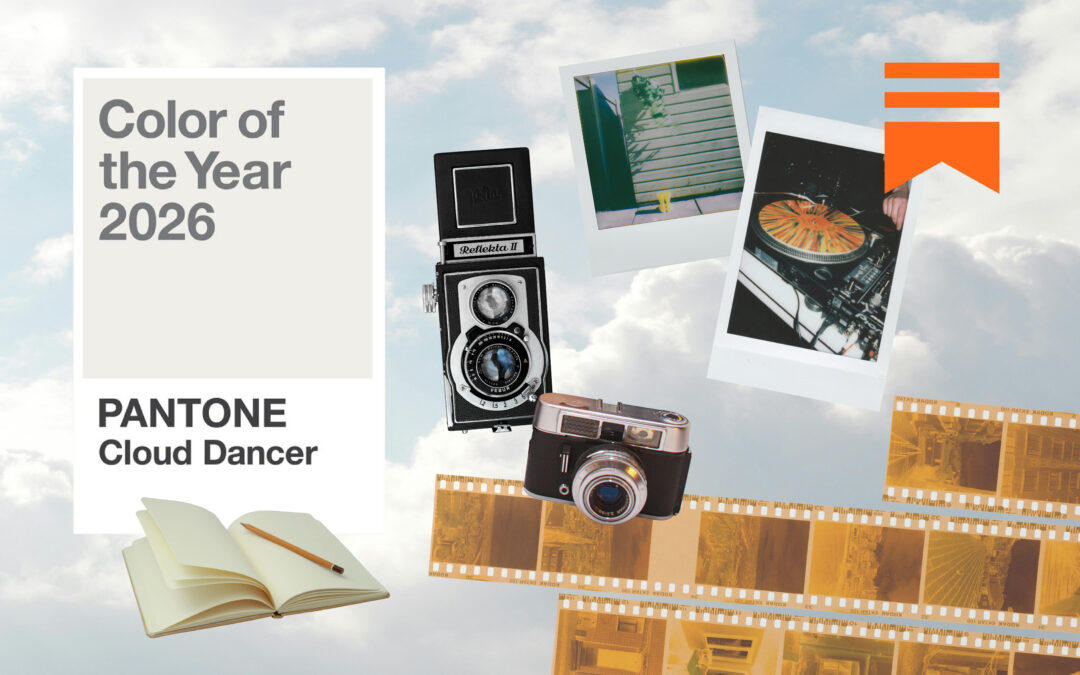
Now, prepared as we are for the Summer of love, the return to “slowness and intentionality” is making its comeback more widely. Fashion is flipping between medieval corsets and Rococo aesthetics, using ribbons and pastels to tell a more tender story. Similarly, the eroticised retelling of Wuthering Heights, the new launch of Bridgerton’s (apparently queerest) season, and the rise in literary smut (as embodied in the popularity of A Court of Thorns and Roses), renews our most baseline human traits. We are, after all, simple creatures; full of desire and wanting. Together with the renewed nostalgia for analogue, the signs suggest, rather coyly, that we are yearning for yearning. These reaffirmed values express themselves perfectly in the unexpected selection for Pantone’s Colour of the Year, which invites calm and care as a counterforce to our recent cultural decadence. It seems the moment is asking of us: If a cloud can dance on the hem of the sky’s blue skirt, then surely you can offer your hand to your lover? Surely you can look up from your screens and into the eyes of another?
Clearly, there’s no better moment for daily constitutionals and candle-lit dinners than now.
So then, we need to buy ourselves, and our loved ones, flowers. We need to forget the dick pics and start sketching nudes. Stop surveilling each others’ letterboxed comments and just send an invitation to the cinema instead. Send each other snail mail. Enquire about their dance card. Offer a snipped lock of hair as a gift of devotion. Hell, want to write a freaky letter? Joyce could teach you a word or two. Or are you interested in a more regal rendez-vous? Well then, as Fiore writes on Rococo’s age of allurement as inspiration for modern love, “No, you don’t have to be mega-rich to emulate the cat-and-mouse ethos of the Rococo, but some strategically placed mirrors, mood lighting, eau de cologne, and a strong appreciation for good conversation and the finer things can go a long way in transforming the everyday into a series of seductive encounters.” And if that doesn’t work, well then, the Rococo-era Frenchman also adored the garden as a site for pleasure, somewhere “beautiful, colorful, fragrant, secluded, and quiet.” Is it kind of corny behaviour? YES. But it may be just what we need to win back the stolen mirth of our times.
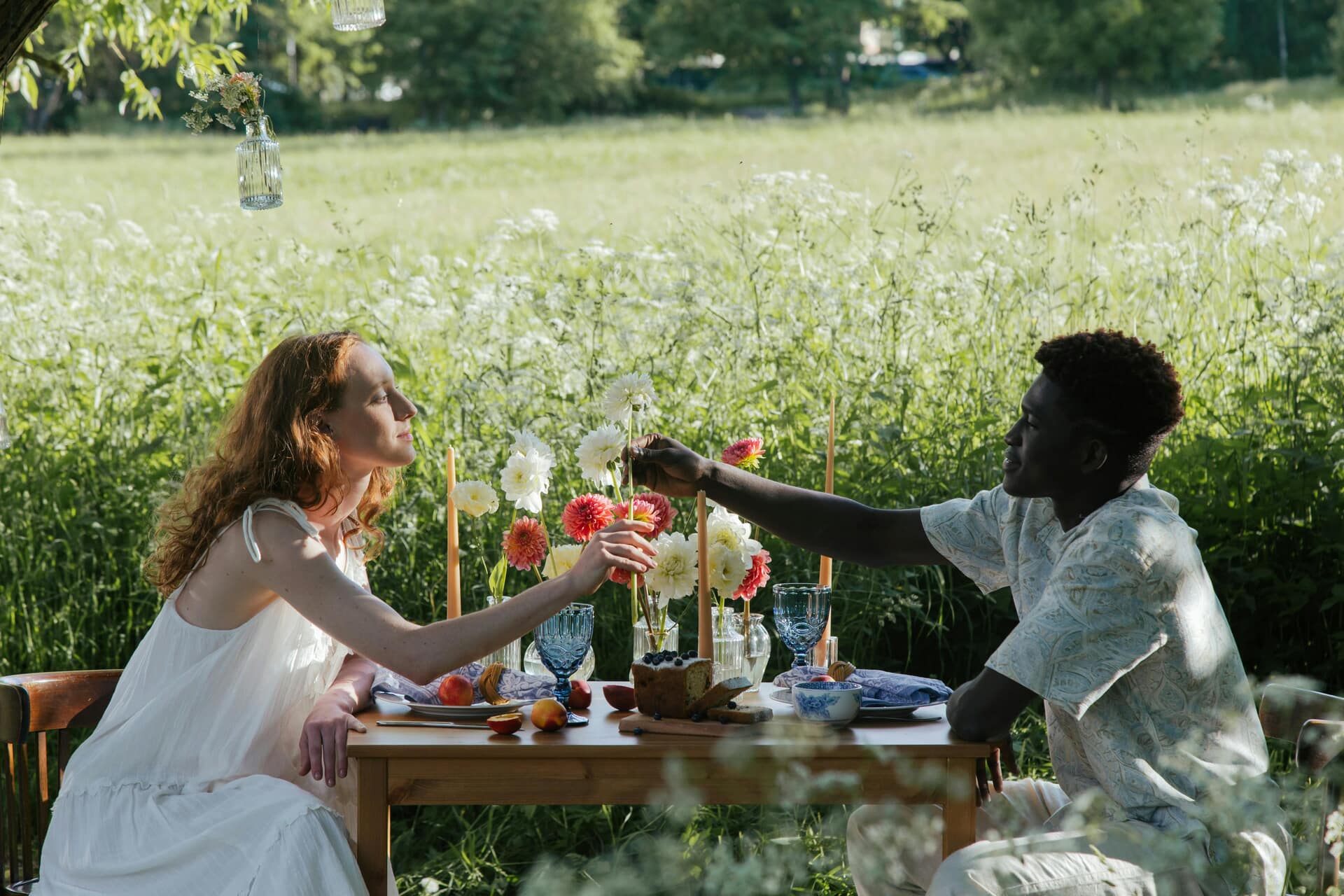
Imagery courtesy of Pexels
And the inspiration doesn’t need to stop there. When short on ideas, look to the natural world. In an age of AI-generated a-humanity, nature can divine answers that data could hardly dream of. Birds put on feathered shows, seahorses share a morning dance, and penguins travel great distances to strengthen their bonds. Surely, in all of this, we can imagine more than a movie date on the couch. If we don’t, I fear that most of us, mediated as we are by dual-screen noise, will struggle to unlearn the instant gratification that digital culture teaches us.
For this reason, it seems necessary to reintroduce the frictions that we’ve sought to solve, to remove the convenience that we so often center our lives around. Our soft lives are displacing us from the poetics of pain and pleasure, removing us from the turning soil of the seasons, keeping us safely at a distance from others, confronted with fewer and fewer opportunities to interact with the world and the people in it. But now, we need to reaffirm what makes us human. We need to bring back courting, my love.
Written by Drew Haller
For more news, visit the Connect Everything Collective homepage www.ceconline.co.za