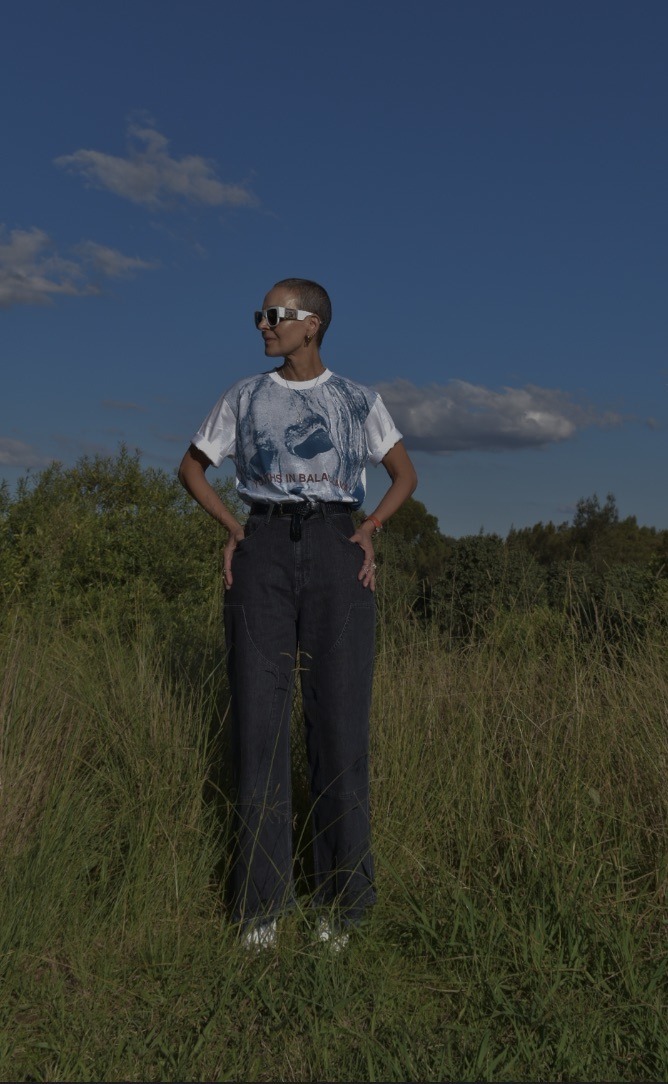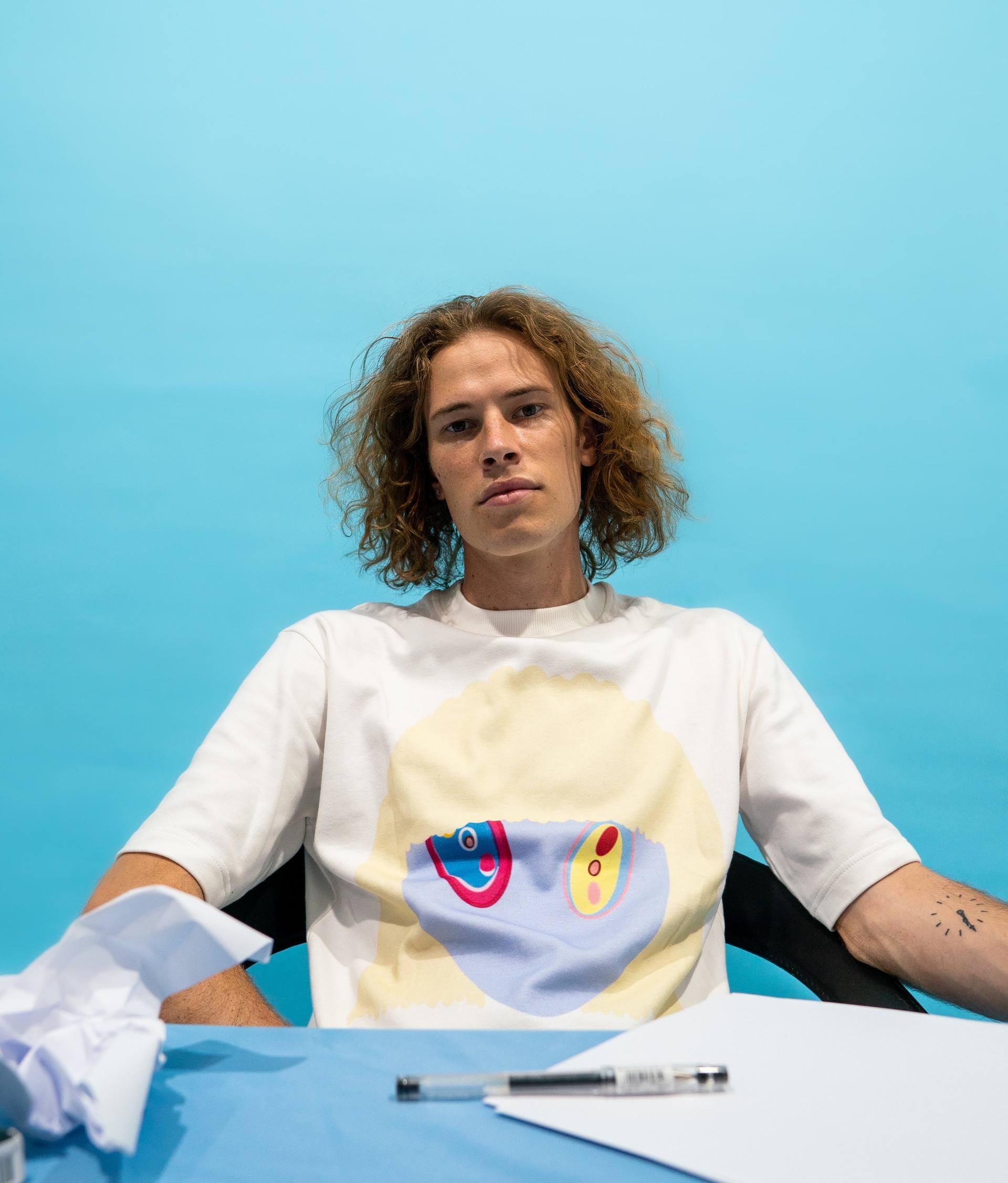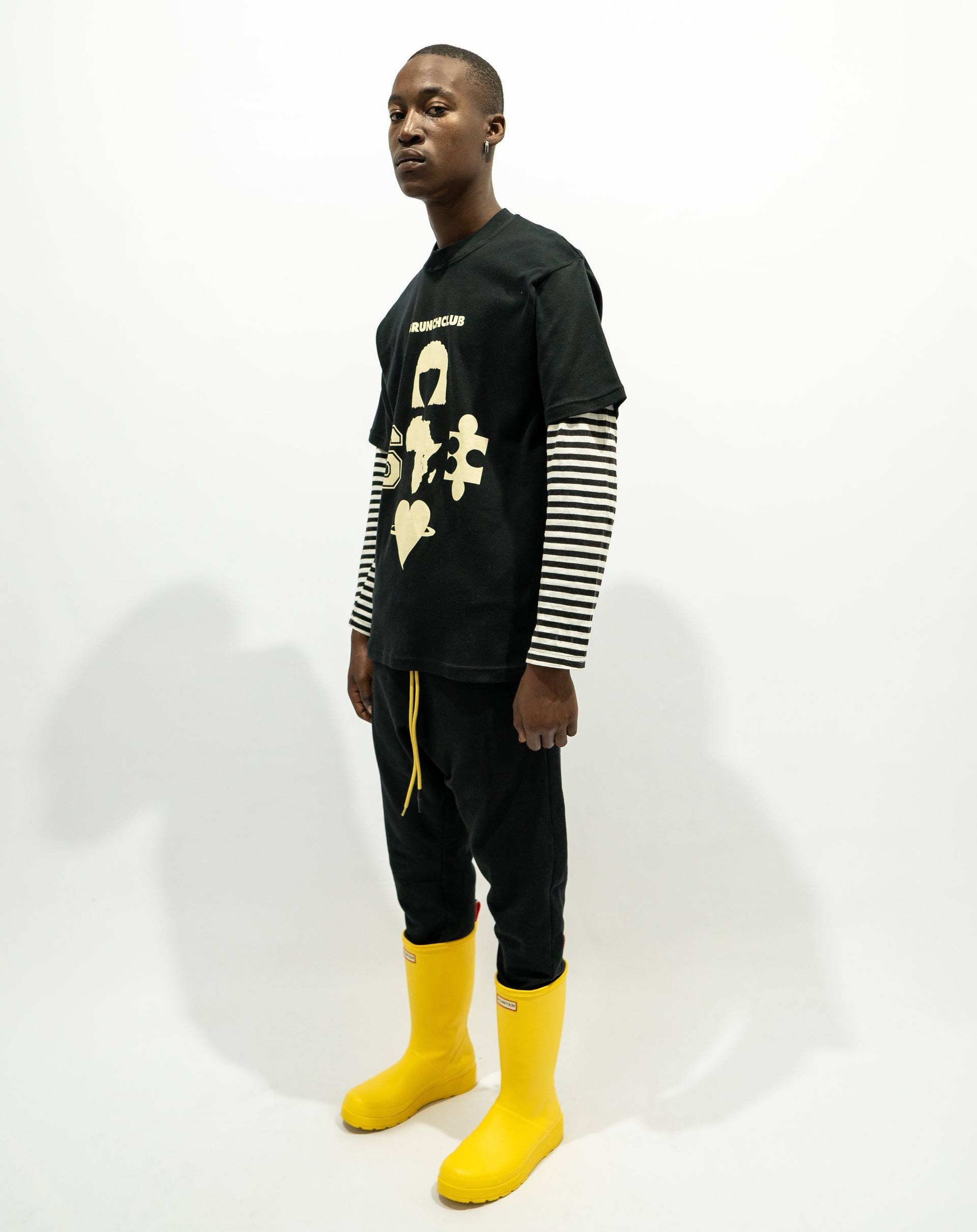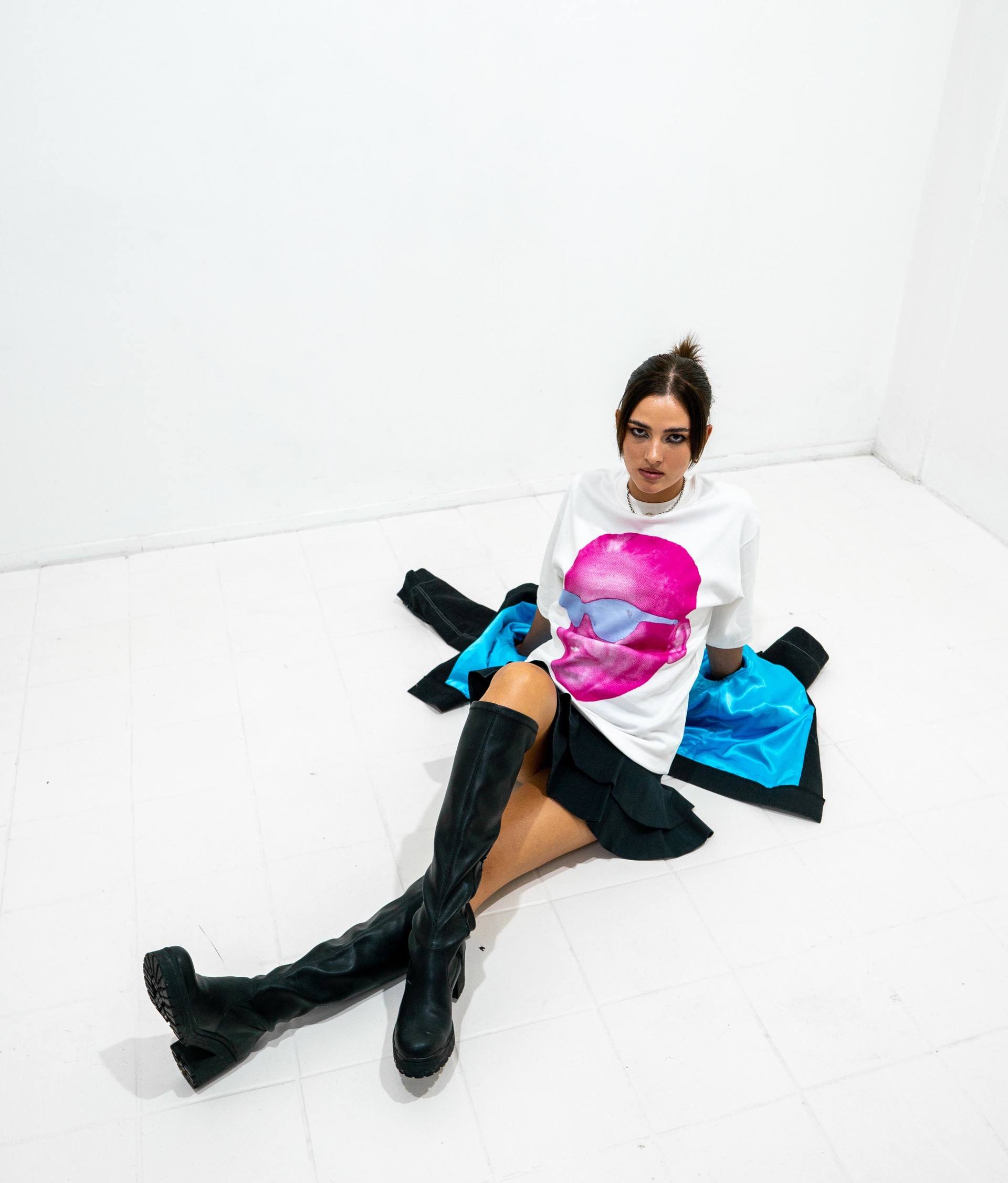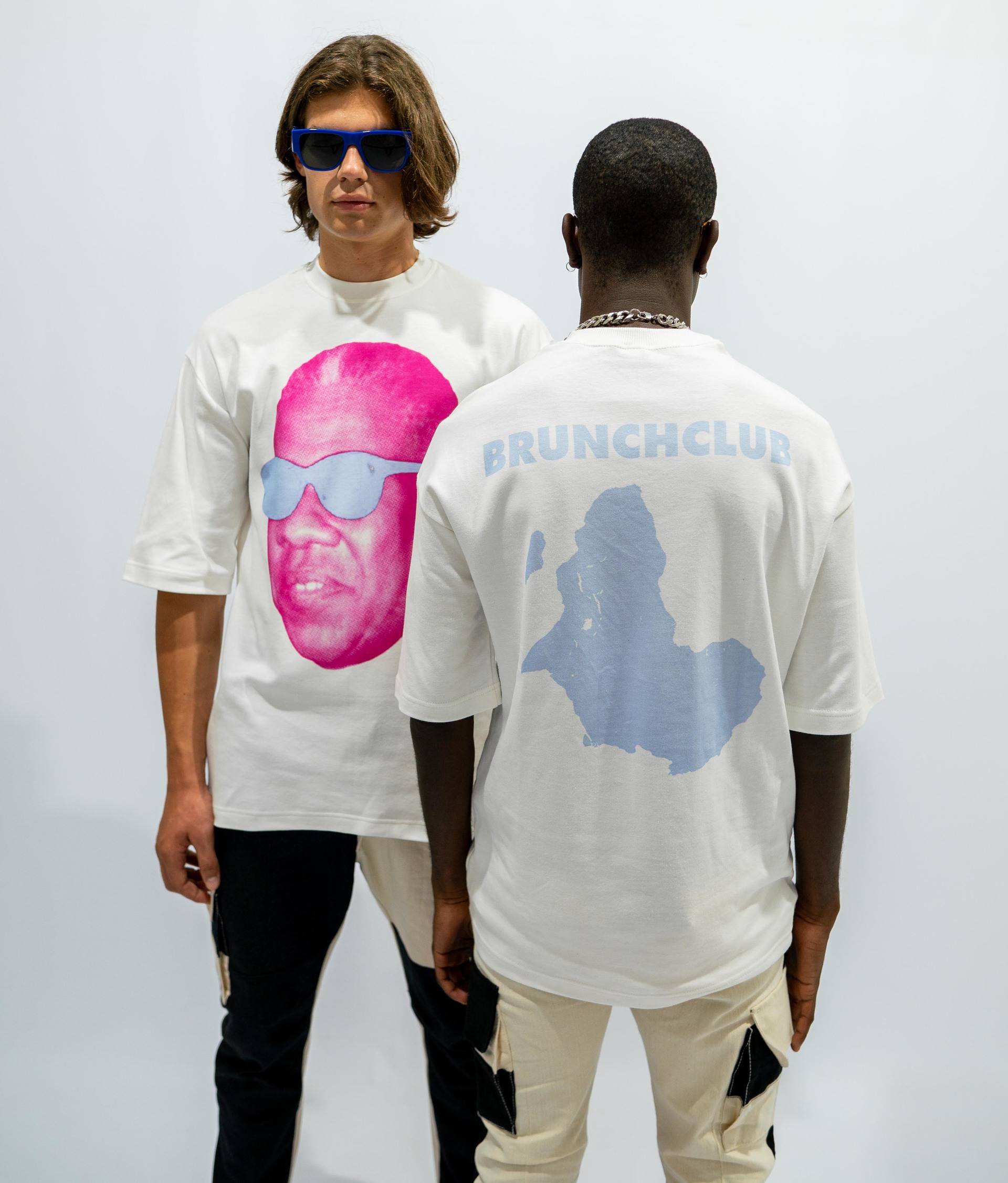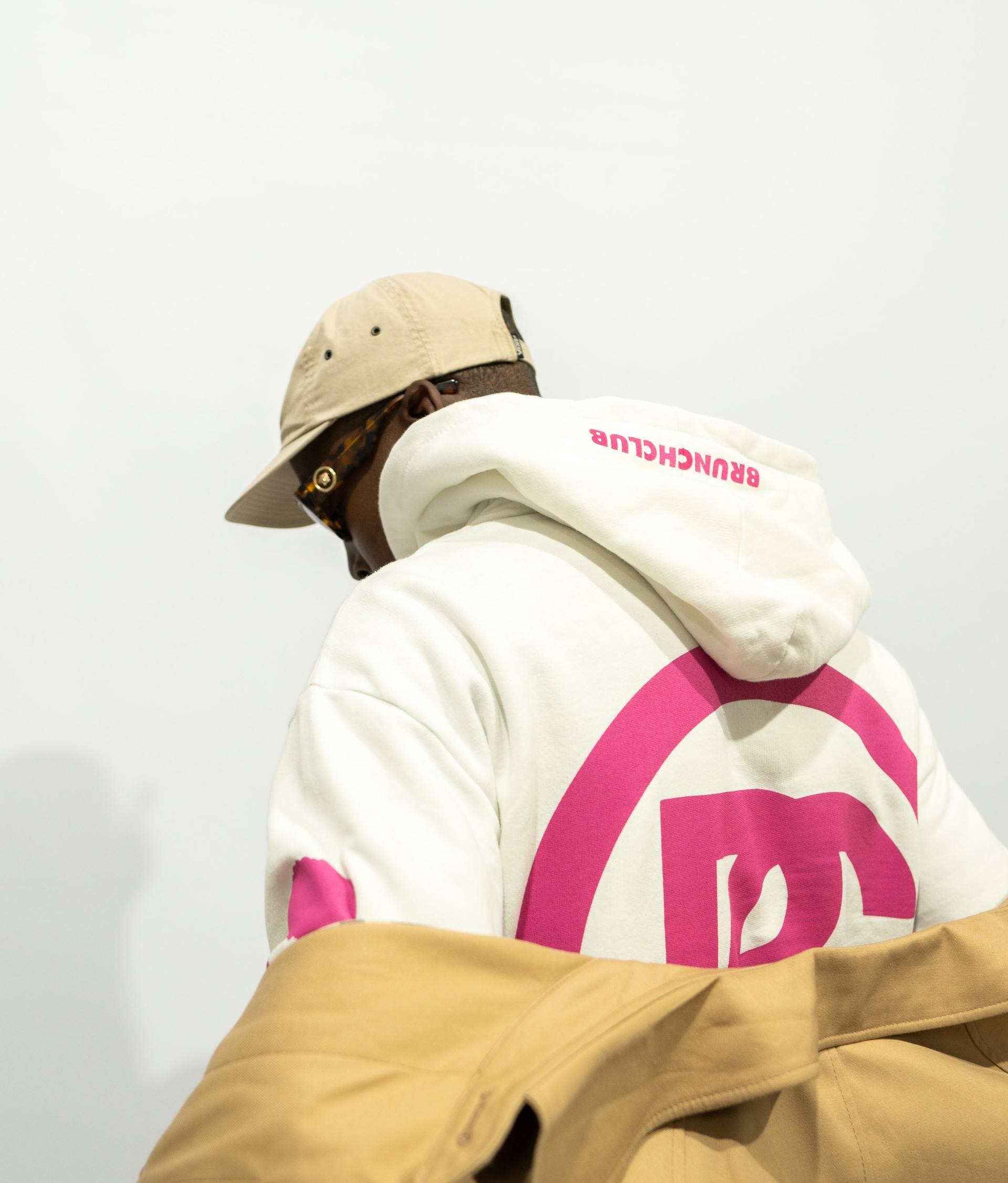
A New Era for Kaapstad’s Original Label, TWOBOP

There’s a feeling in the air – a strange sort of tension, in which ‘possibilities’ feel more opportune and accessible than we have had in over two years. Ahead of us lies the first summer since the pandemic seeped into our lives, in which there is a sense of security in the future. Security and assurance are often attachments of the self; but in this case, in relation to South Africa’s creative future, a full embrace feels almost essential. In the last few weeks, it has become publicly known that TWOBOP is relaunching; Cape Town’s most formative and beloved streetwear brand since 2004, that quite literally set the tone for culture and fashion in the city, until it tapered down – quietly, with only murmurings of why – around 2019. Founder and originator of the brand, Anthony Smith, had moved to Vancouver – and with him, the future of TWOBOP lay in wait. It’s hard to describe the full impact of what Anthony founded nearly two decades ago. Here, in our coastal town, his vision for locally produced streetwear was taking place before streetwear as we know it today had swept the globe. Internationally, Ye was putting out The College Dropout – Yeezy was perhaps still a blip in his consciousness – and the parallels between skateboarding, surfing, hip hop and street art were still being woven together, to later become a unified banner under which ‘streetwear’ is housed, as experienced today. 

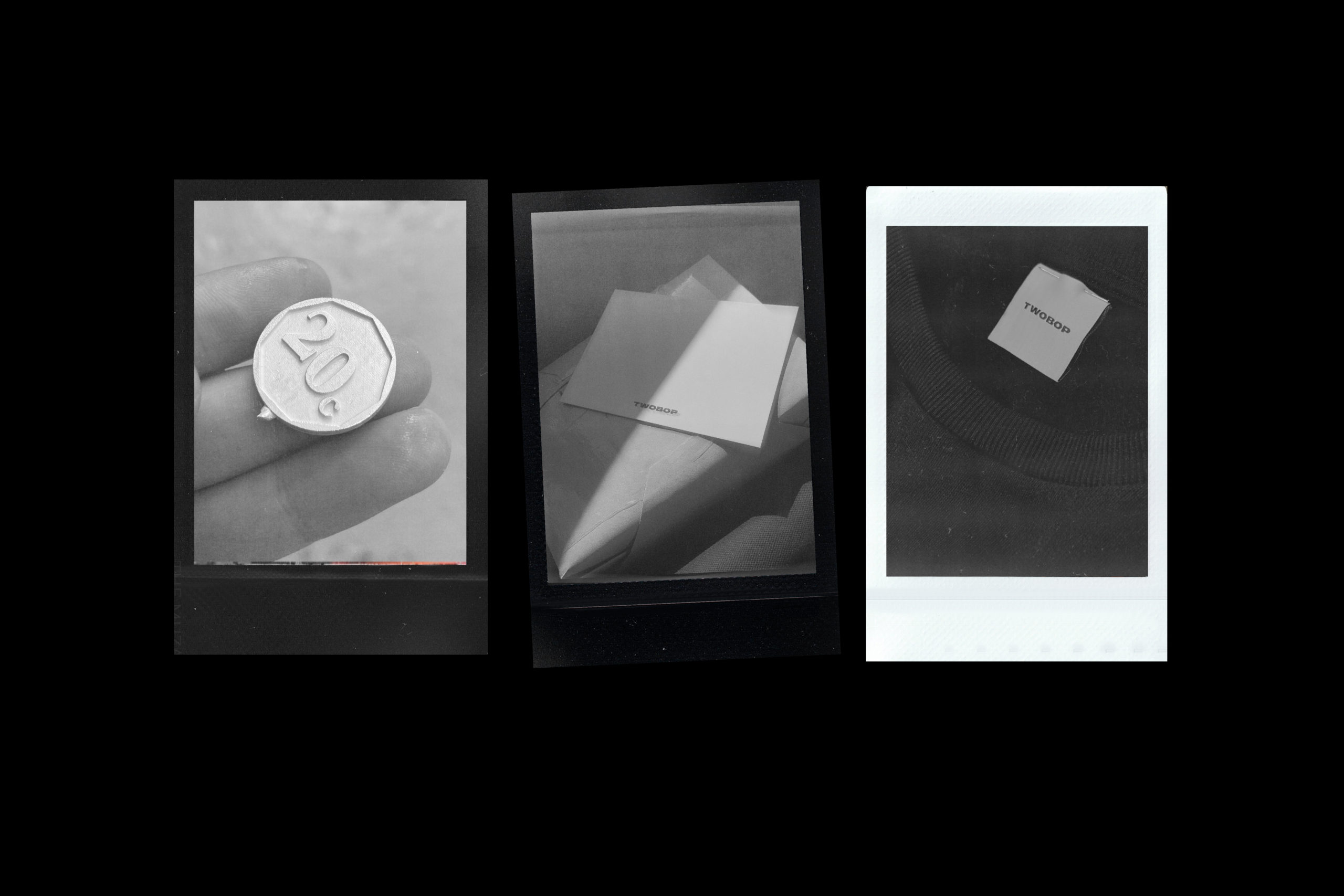
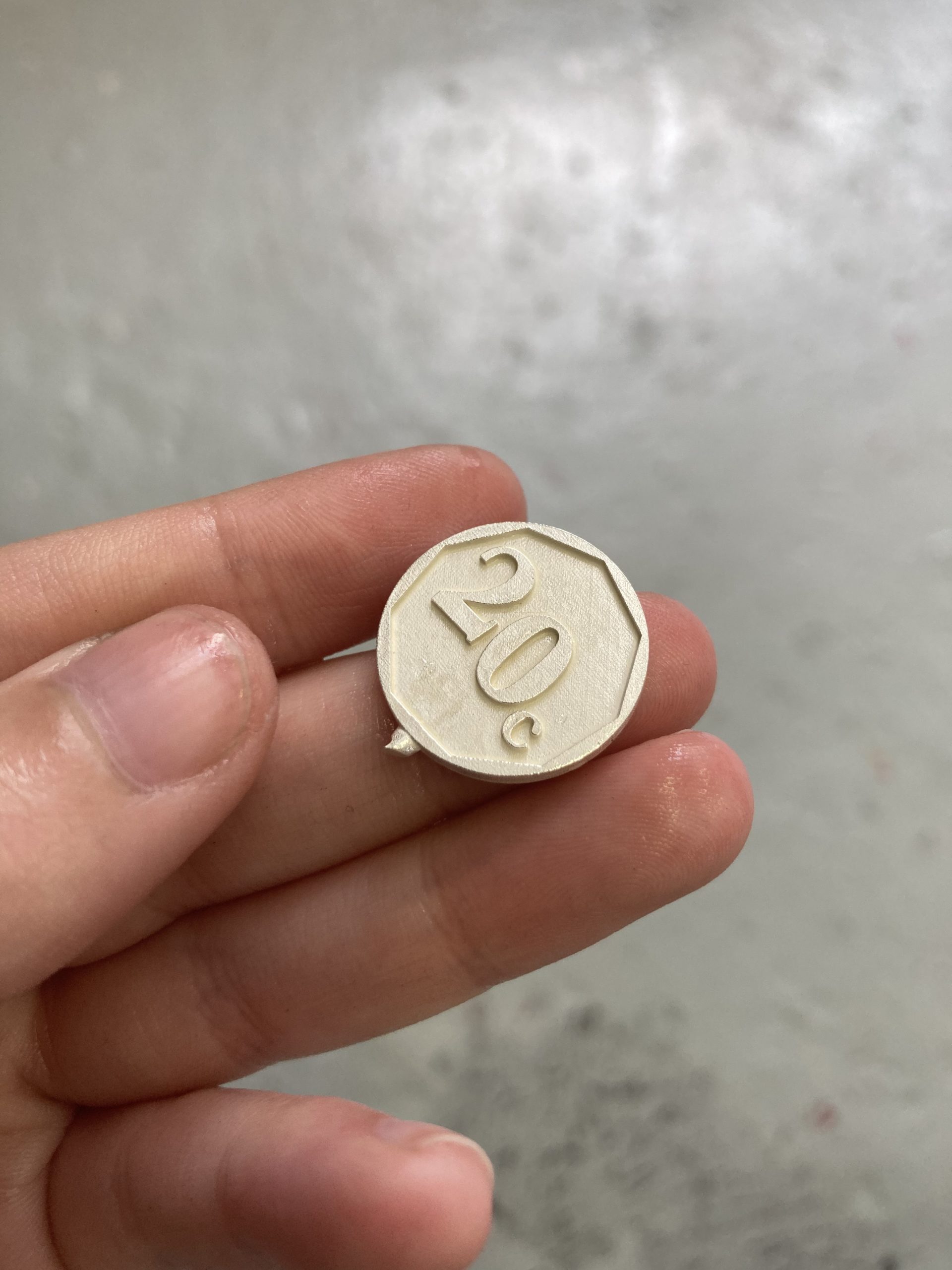
In 2004, there was no Tumblr – no Youtube or Facebook – and certainly no Instagram. Can we imagine, then, where Anthony founded TWOBOP’S inception, if not from what surrounded him immediately or digitally? In later years, Tumblr would become a digital vision board for the brand, alongside the story as it unfolded into the local fashion lexicon: TWOBOP was the manifestation of Anthony’s will to see his experience and community represented sartorially, beginning as an reference to his childhood in the late ‘80s, enamoured with video arcade and the use of ‘twobop’ (20 cents) to spend hours in immersed in this new, pixelated frontier – now, a truly vintage tech in 2022. This is about as authentic as a brand story will ever be; and a founding caveat that is so deep, it is now the foundation for almost every sincere brand we know of. Human beings build and create in order to see their essence reflected around them; there is perhaps no greater or more noble path in that sense. Now, TWOBOP is making its mark in the third decade of its existence; a surreal thing to note, considering how this century has felt like one long, continuation with the gaps in our cultural consciousness growing narrower each year.


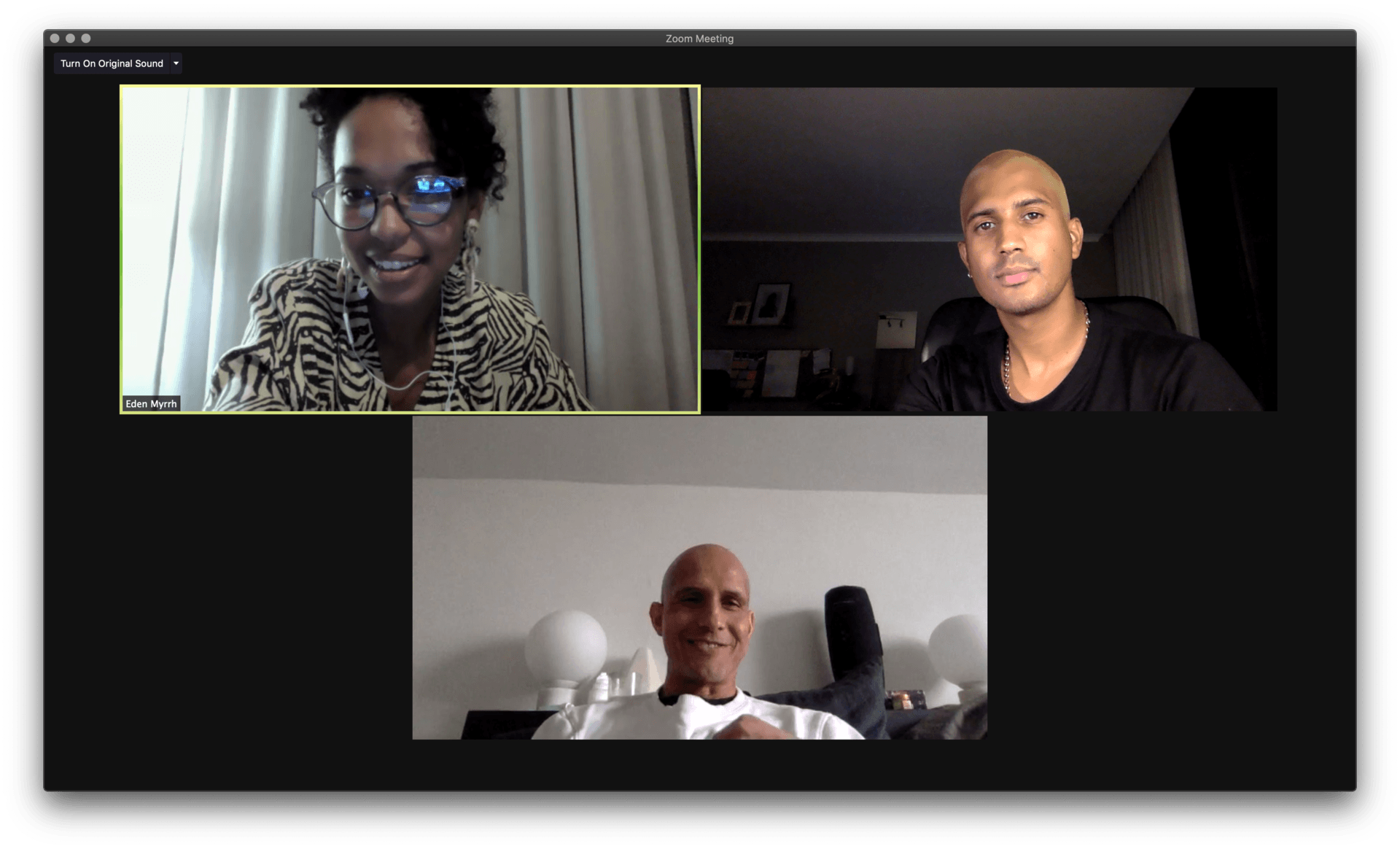
Sitting in Origin in De Waterkant, CEC met the new custodians & owners of TWOBOP: animated, passionate and open; husband and wife duo, Mario Ogle and Eden Myrrh. Having been entrusted with the entire future of the brand; the only two people, for Anthony, that he could imagine TWOBOP’s legacy being invigorated by for a new era. Interestingly, Mario and Eden are not from Cape Town; and this is perhaps one of their greatest strengths, aside from their innate creative and entrepreneurial talents respectively. This is a small city – with a reputation for closed-circles, and sometimes noted for people’s hunger for their proximity to clout, than arborists of culture. There is also unspoken tension around a seeming vacuum that was left in local streetwear when the iconic Corner Store closed its doors and its various brands & designers splintered off in varying directions; still, it is a space that remains important in the story of streetwear culture in Cape Town. With Mario and Eden at the helm, though, none of this really matters; theirs is a fresh perspective, and a personal one too. With Eden having worked at Corner Store, she understands the brand from its golden years – and for them both, the vision is to strip back TWOBOP to its most critical function; as a vessel for creative expression and community wellbeing.
Mario and Eden had been working with Anthony, and independently began to think that perhaps there was something bigger there for them to do within the brand – and not just from their vantage point with their agency, Msizi. In a moment underpinned by synchronicity – Anthony suggested it first, asking them if they would be interested in taking on TWOBOP’s future. This was mid pandemic in 2020, and Eden goes on to explain the last two years of seeding the transfer of guardianship from Anthony to them, “We have been digging deep into putting seamless and feasible business structures in place. That’s where my creative flow is derived from; functionality, and making things really work. I think this was something so many creatives struggled to balance in the early years of pivoting their talent or vision into a business: we are so often told that creativity and business are exclusive of each other, when in fact both have to function together. It’s non-negotiable. One of our biggest building-blocks for TWOBOP’s relaunch is how it will reinvest it back into the community; providing jobs for the mums who make the garments, and honing in on local production. We want to highlight Woodstock once again, for what it means to the brand’s past but also what the future can hold.“ Mario follows on, further elucidating the core of their vision, “I’ve said that our customer vision is for those who used to buy the brand, but are now older – wiser – in different income brackets. We are creating TWOBOP for its original community who matured – like we have – and inviting everyone else to join, too. I think this idea of re-investment into the community speaks to where we have matured to now. It’s not about the parties anymore – even though those are necessary – it’s more about, what is the point of this? Are we contributing back to society? TWOBOP’s history is a symbol of a social, cultural and economic shift in South Africa; in which people of colour are ascending as the rightful leaders of their own narratives and land. The brand is continuing to tell that story in this next chapter.”
Nostalgia can be a perilous thing, locking our memories into a particular view of how something was, and thus should continue to be. Veterans of the scene a decade ago might have mixed responses; but, it’s not about capturing what once was, rather it’s about invigorating what still exists. For Eden and Mario, their questions lead to a larger inquiry about the future of our country as an established design market – where is our Daily Paper, or Aimé Leon Dore, they ask? And while the new kids of streetwear come up, what are the wayshowers up to? For the duo, for TWOBOP to exist as a fading remnant of what once defined coolness would be a tragedy – so even with the challenges of reinvention, and the deep digging they’ve had to do to prepare themselves and the brand for what is ahead, it’s also been a complete no-brainer in taking up this mantle. Mario comments on this, “I think Anthony’s choosing us, and in giving us his blessing in that way, while remaining an advisor that we can always lean on – means that the support of the community will happen. We’ve had a great response so far.” With Eden saying, “On the nostalgia thing, I wrote my research proposal for my honours around that idea of memory- and it’s so interesting to me, the relationship between nostalgia and brand love. It’s a psychological phenomena, but does it actually equal long-term business vitality? The thing is, TWOBOP as a name is powerful enough to hold the nostalgia – and the rest is about enhancing that feeling to new heights.”
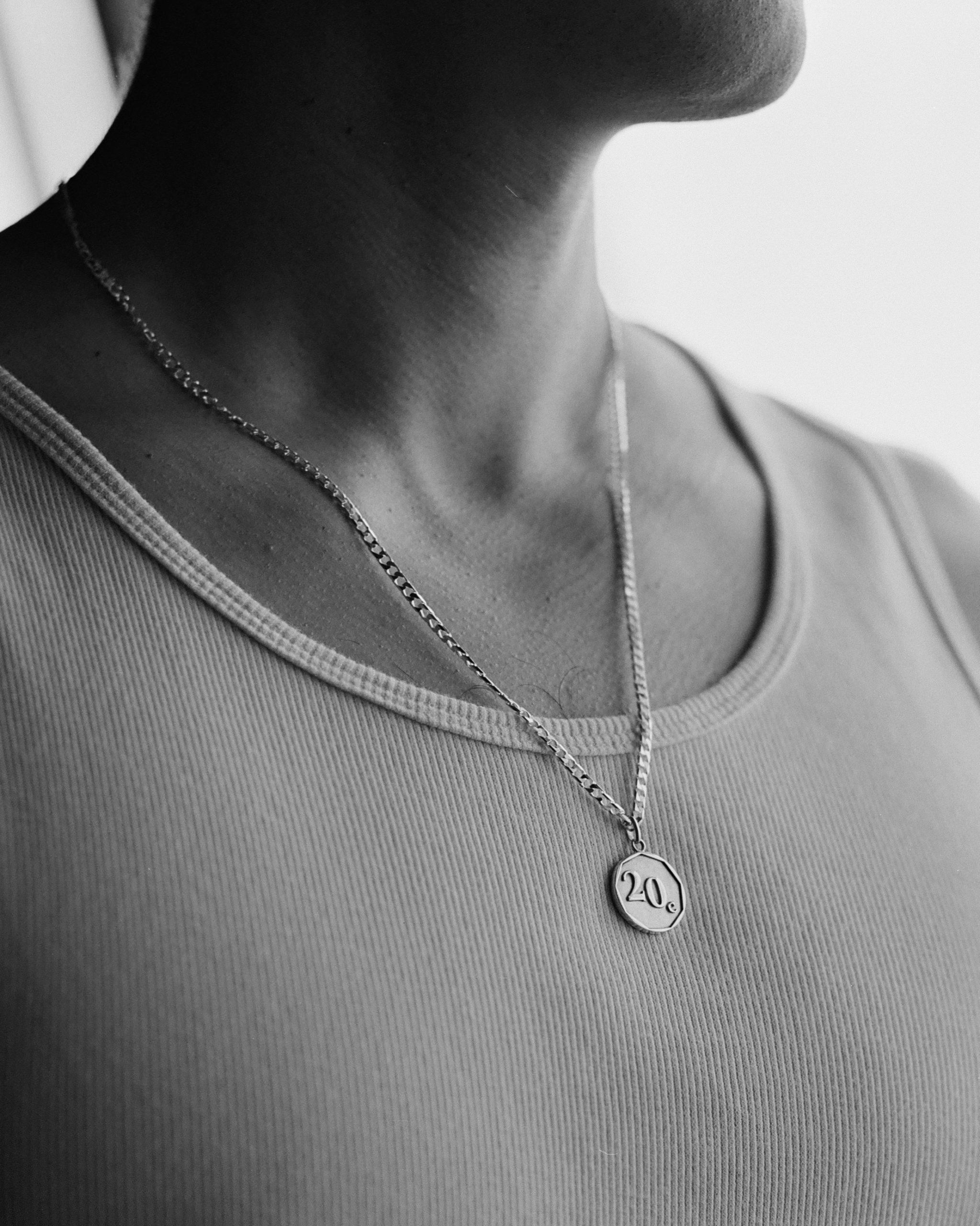
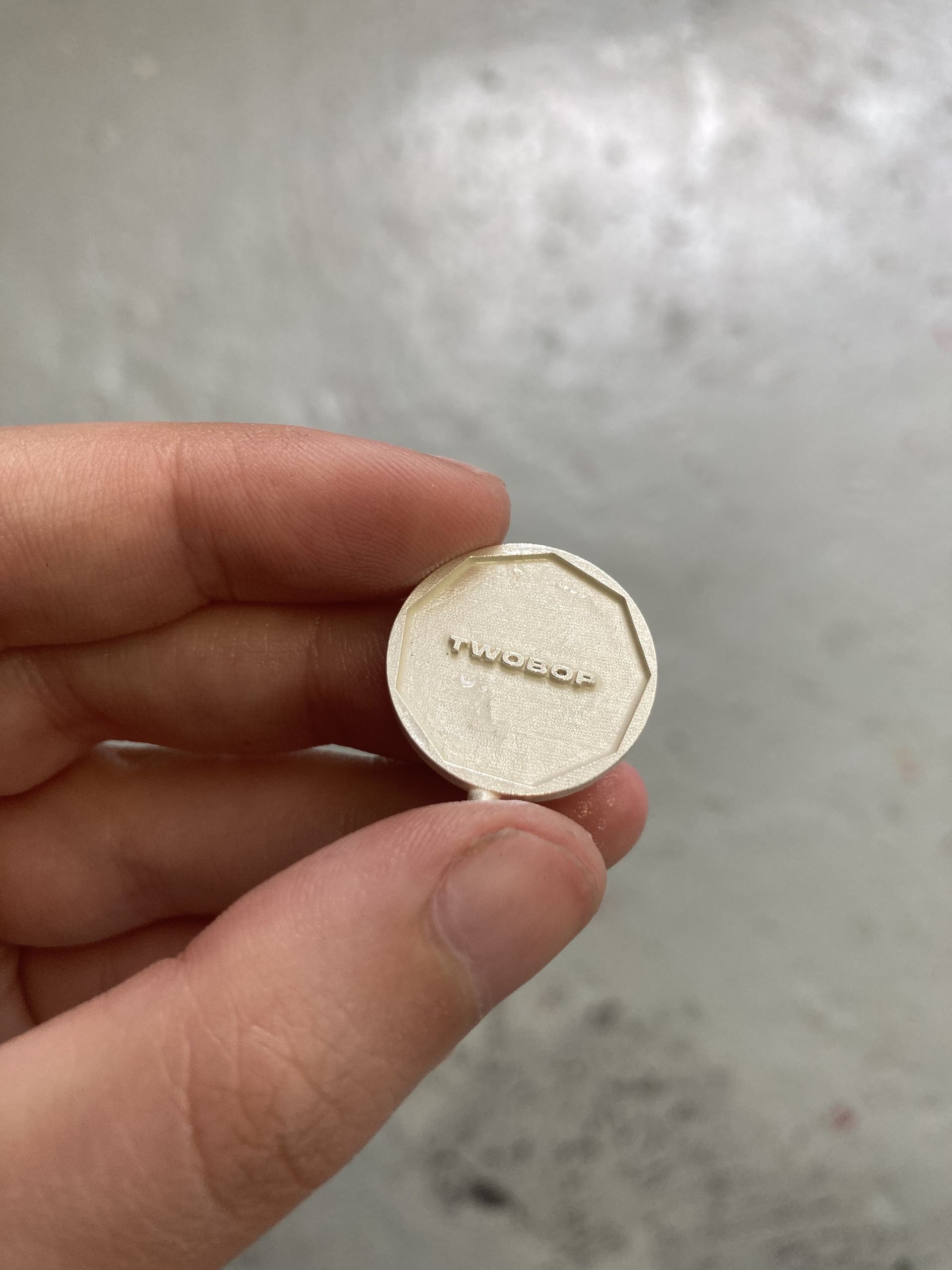
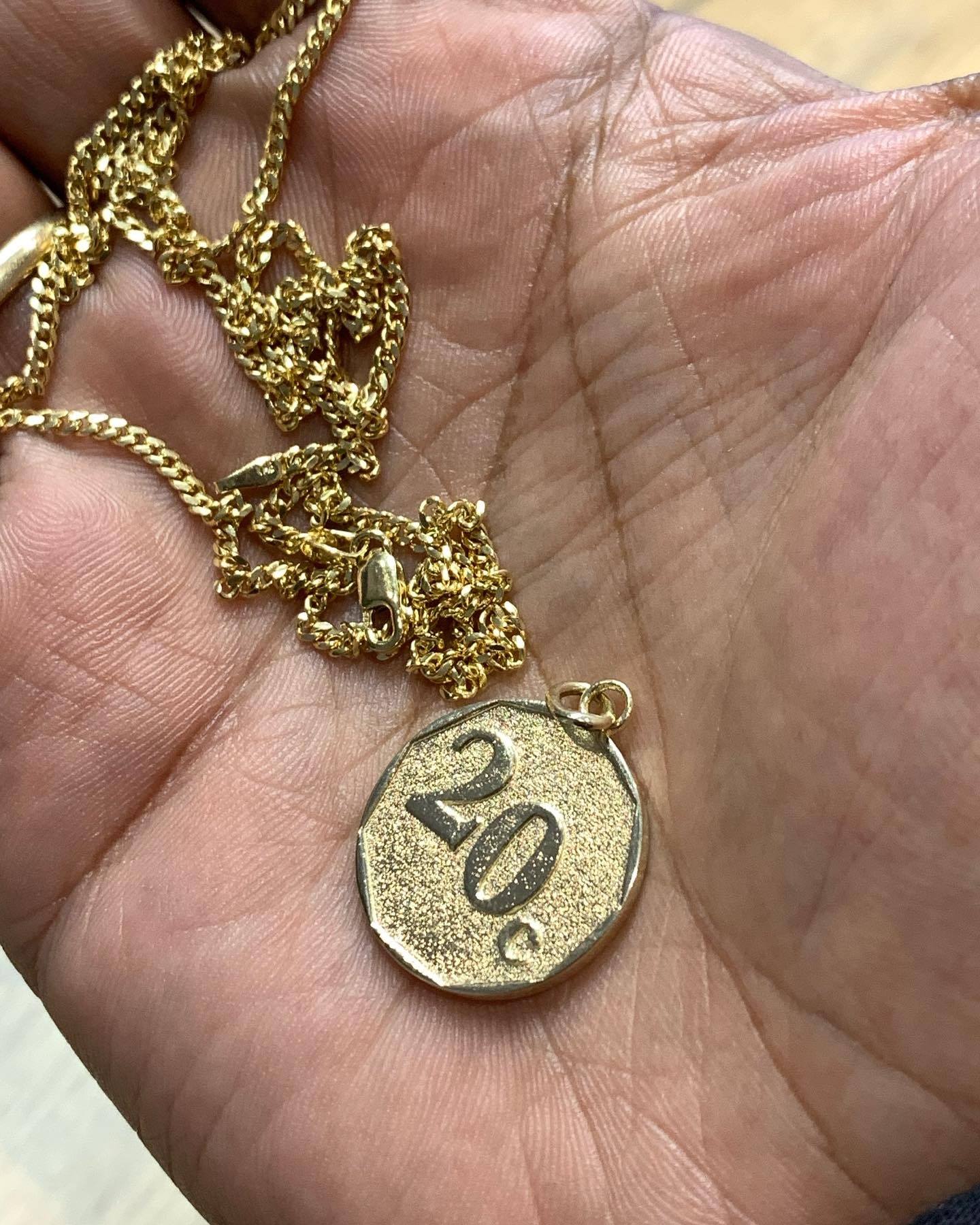
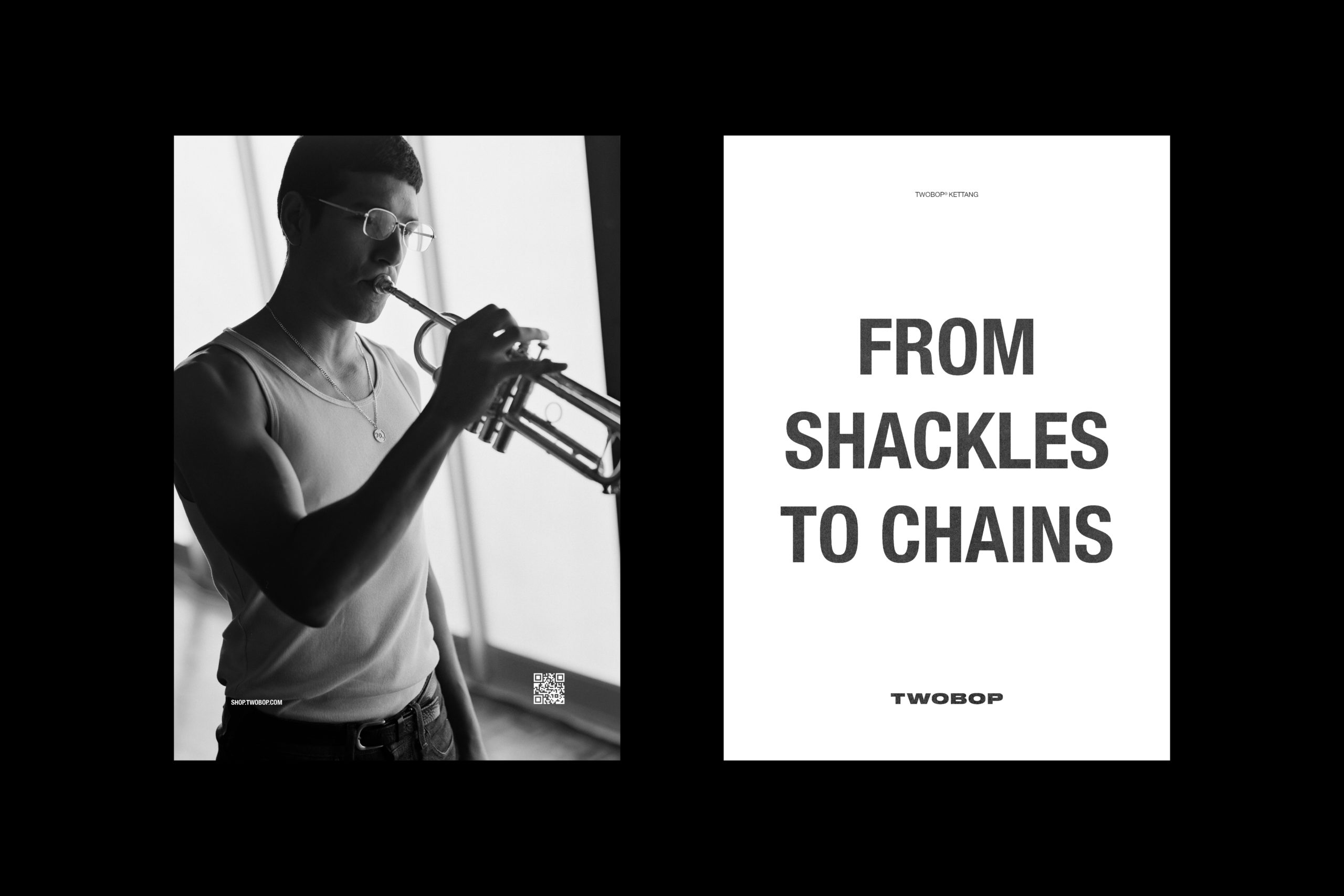
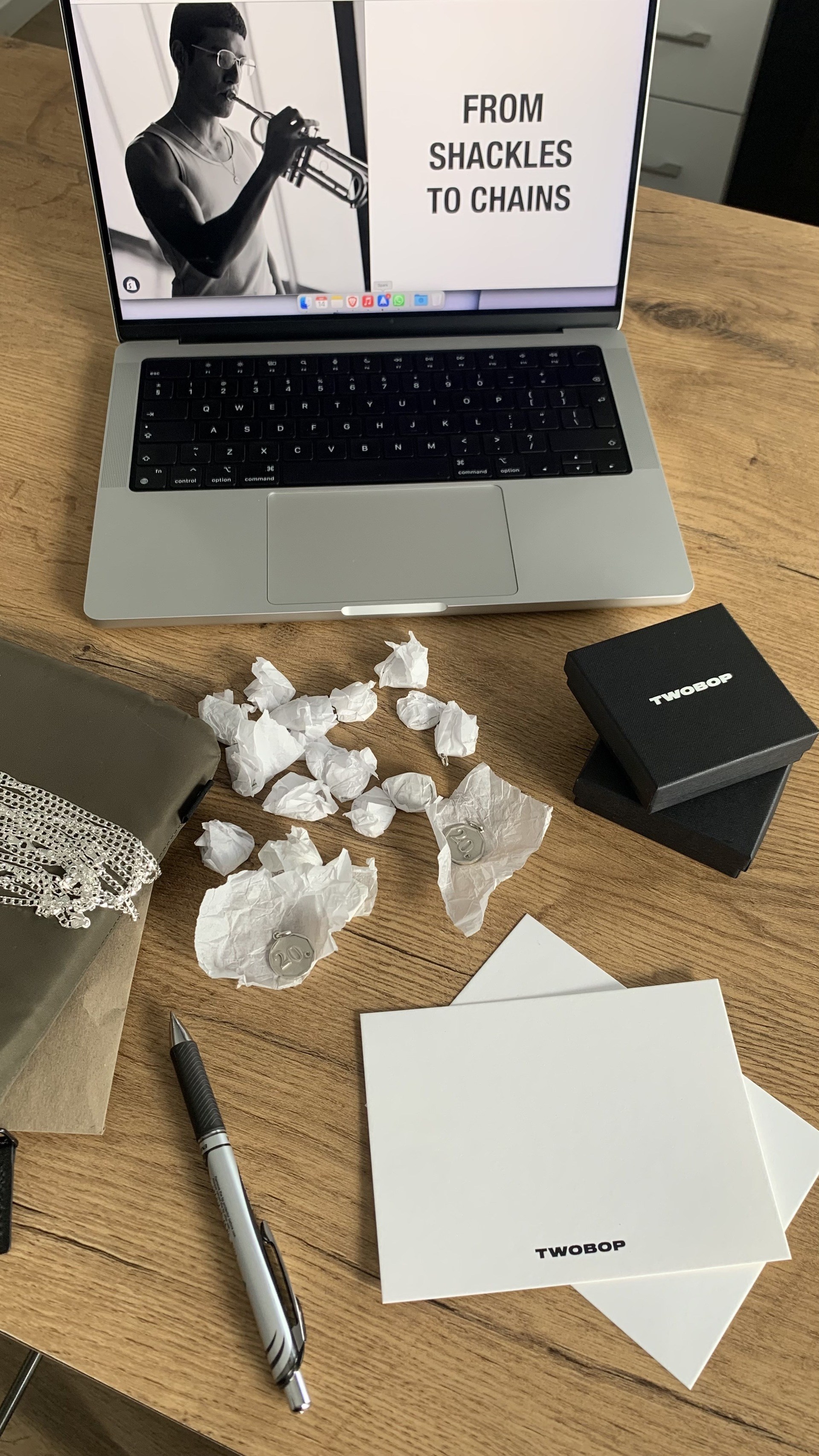
The strategy going forward is as such: the brand will host an evergreen collection of carefully designed, fabricated and made essentials – pieces that will become the favourites, and form the stronghold of the brand’s foundation. With clean branding, Mario & Eden have revealed the bare bones of the relaunch that has seen people go wild online. Mario says, “We have this incredible opportunity to begin to define what TWOBOP looks like, now. Transeasonal, trusted pieces are optimal – and then around that, we can really play and build on the design language through limited capsule pieces or collections.”  For the first insight into the brand – and a direct homage to their matured community – TWOBOP KETTANG is a chain and emblem pairing, symbolic of a rite of passage; an exceptional offering enriched with meaning, featuring the very 20 cents style that Antonyhy would have used as a kid, at the arcade, in the late ‘80s. With two varying entry points – 925 Sterling Silver or 9-Karat Gold – the balance of luxury and unpretentious cut effortlessly in this first edition of TWOBOP’s future. Eden says, “Where we’re from, when you get your first really good job or paycheck – it’s customary to buy gold. Just your first piece of gold, in some way, that then becomes part of the family’s story. Heirlooms are intrinsic to us and the people around us, so we couldn’t imagine a more beautiful way than to step into this new phase of TWOBOP with its own heirloom to pave the way forward.” 

Visit https://twobop.com for more information on 20c Coin release 

Written by: Holly Beaton

For more news, visit the Connect Everything Collective homepage www.ceconline.co.za
Matthew Edwards on Design as a Toolkit for a Better Future

Design changes the world. Throughout time, and all the ages of our existence, it has been the process of design – in all its iterations – that has sought to propel us forward. Design-thinking has always been led by intuition, perhaps until the age of reason in which Cartesian logic rendered the natural world around us as mechanistic; and us, as machines operating within it too. We have reached a stage in the movie of our advancement obsession, and ‘pregnant-with-possibility’ consciousness, in which a deep, and often devastating, assessment of our creations paint a harrowing image of the future. Least not, the fact that the future we all fear – far off, and well into the mid 21st century – is introducing itself to us now. The unprecedented heatwaves in London, or the flooding Accra, or our own coastline of KZN ravaged by seasonal flooding that reached its apex; it’s clear that the planet is crying out. In our pursuit for comfort, control and consumption; directed by ideological, oppressive systems and political frameworks; hope seems to dry up like arid landscapes, barren futures await. 

Except, what if we listened? What if we stripped everything back, and re-initiated ourselves into the problem-solving approaches that have always held our delicate existence within the web of life?

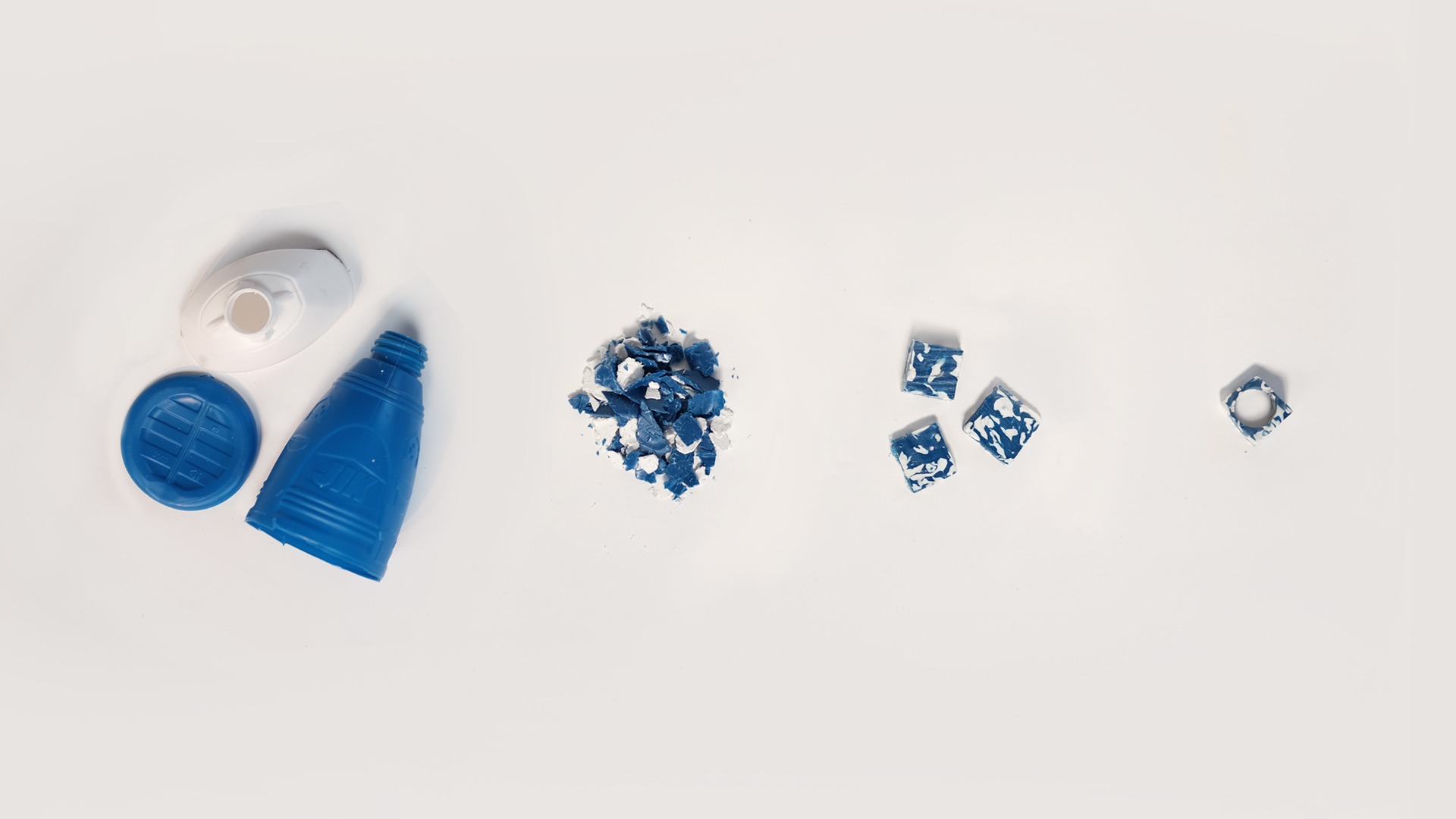
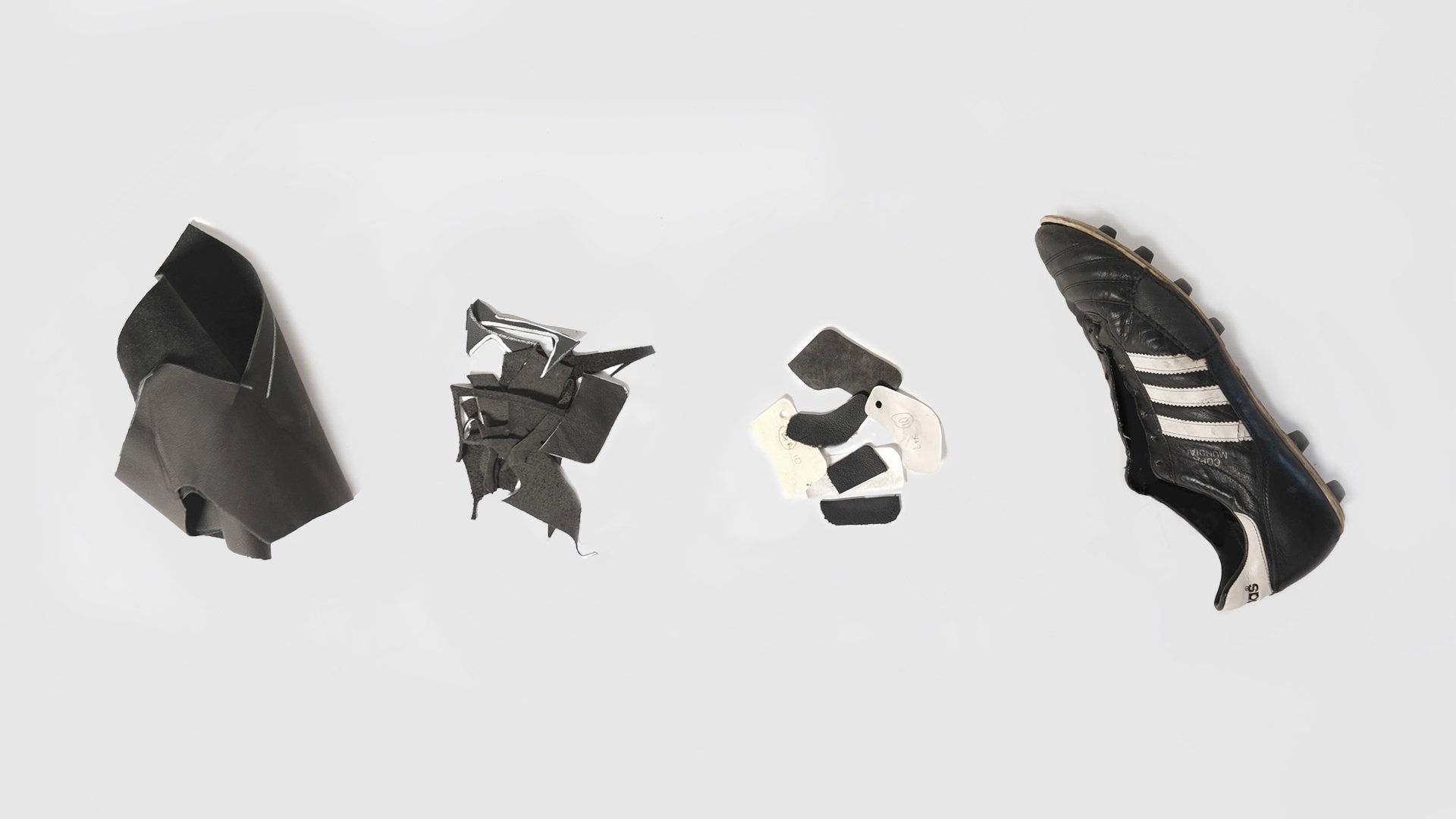
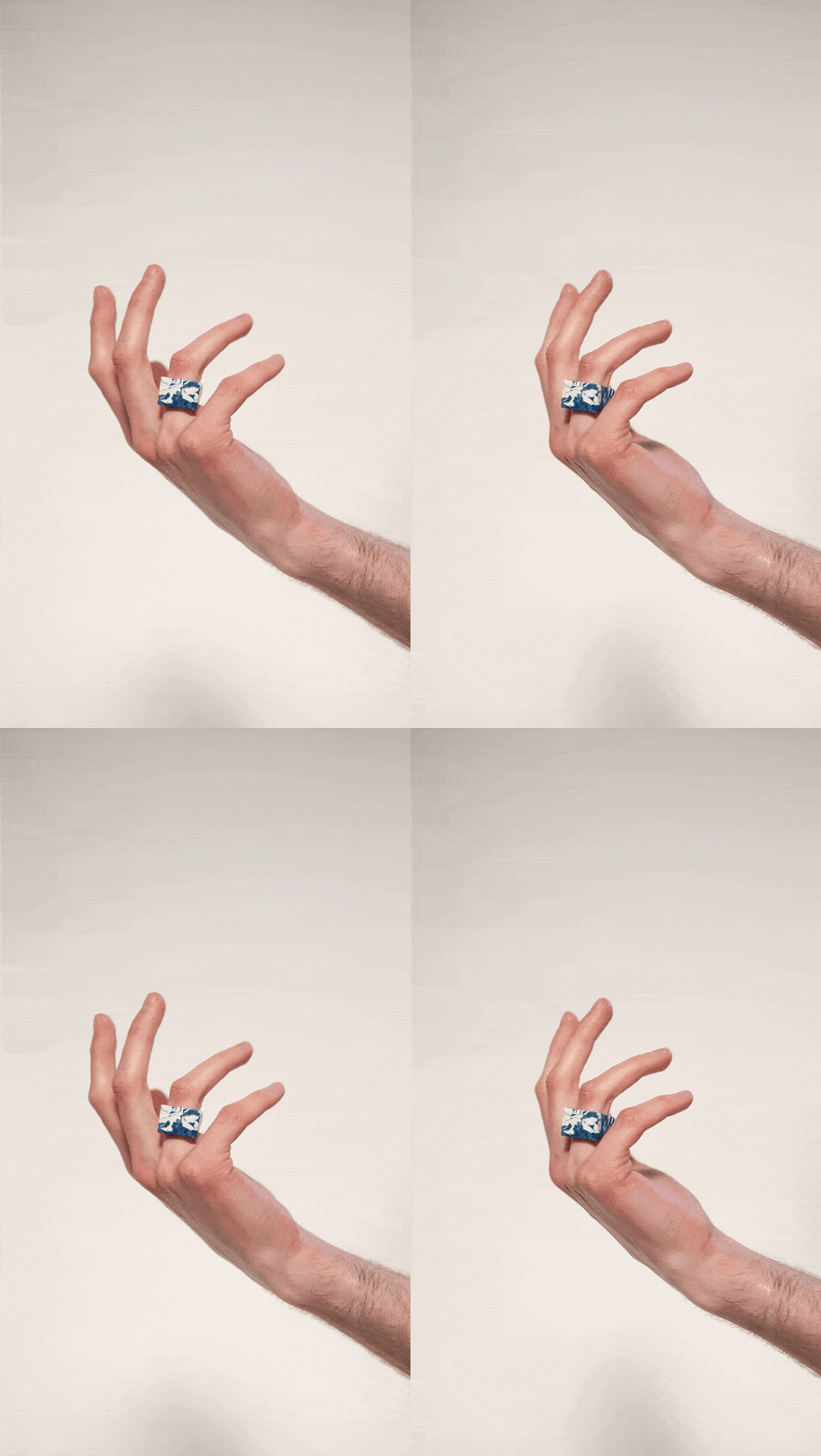
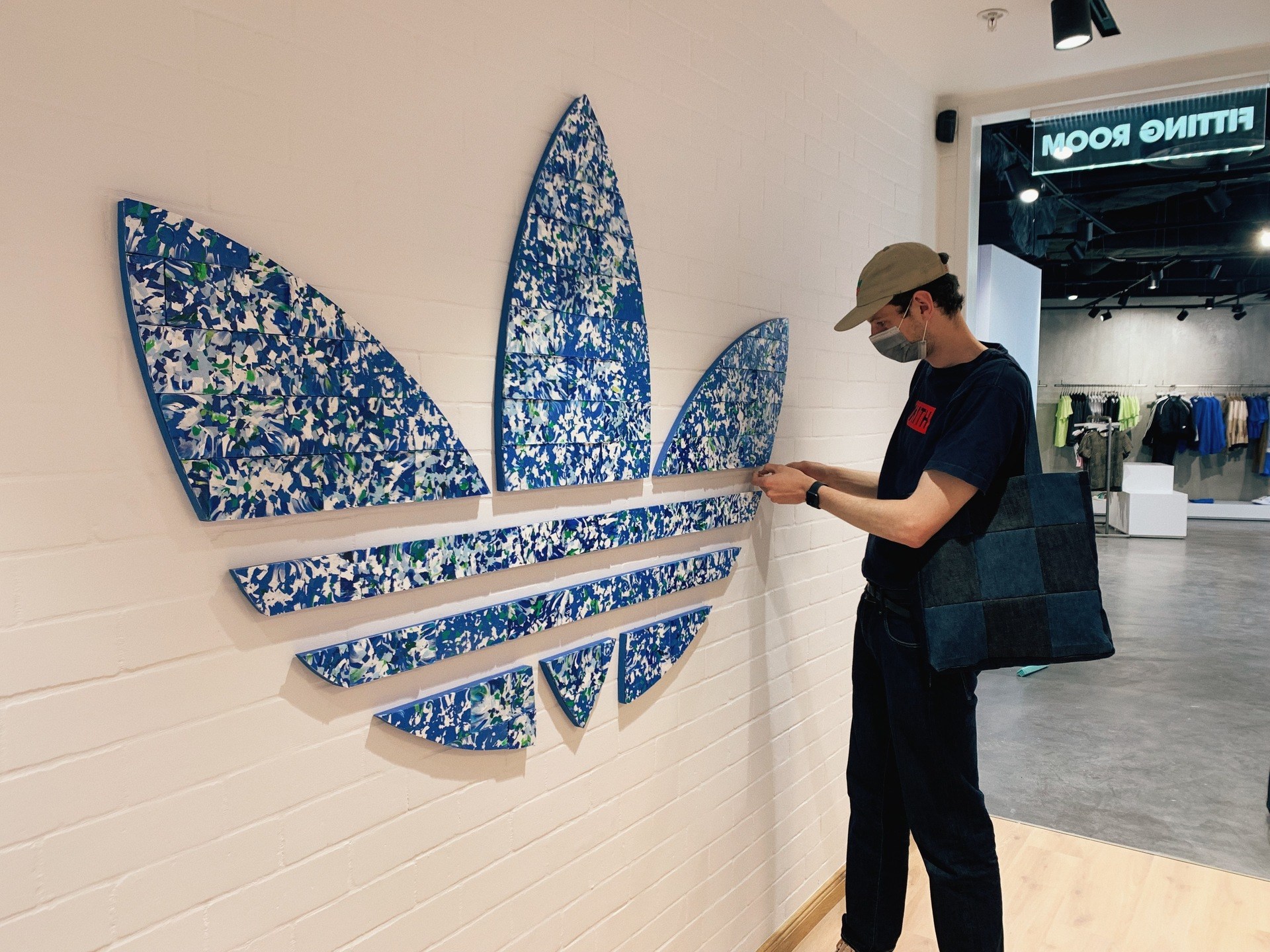
Matthew Edwards is one such designer intimately acquainted with these questions. Beginning his career as an industrial designer, with a stint in advertising and marketing – a process he credits with teaching him how to actually sell an idea – Matt’s personal work is succinctly housed under ‘matte’ while running the Big Circle Studios – an award winning design studio that he co-founded with Kiera Crowe Pettersson. Leading conversations, ideation and execution of work lensed through the futures of materials in the world – Matt’s work emphasises a rigorous curiosity, open-source education and knowledge exchange. With the last few years of working with adidas on a number of sustainability driven projects, there was a time when this pathway was almost non-existent. Reflecting on how the landscape has shifted in South Africa regarding sustainable design, Matt says “I fell in love with interesting materials in university. When I left though, there was no clear pathway into sustainable design as a career. That was challenging to work towards, so I did what many of us do and made some headway in corporate. I really wanted to be in a conceptual design space with sustainability as a key pillar. More and more, ‘sustainability’ is becoming less of a niche function of a designer’s work – which is essential. Design needs to be uncompromisingly led by sustainability or regenerative thinking, otherwise it’s really just taking an idea to manufacturing, through a value chain that is so obviously breaking down.”

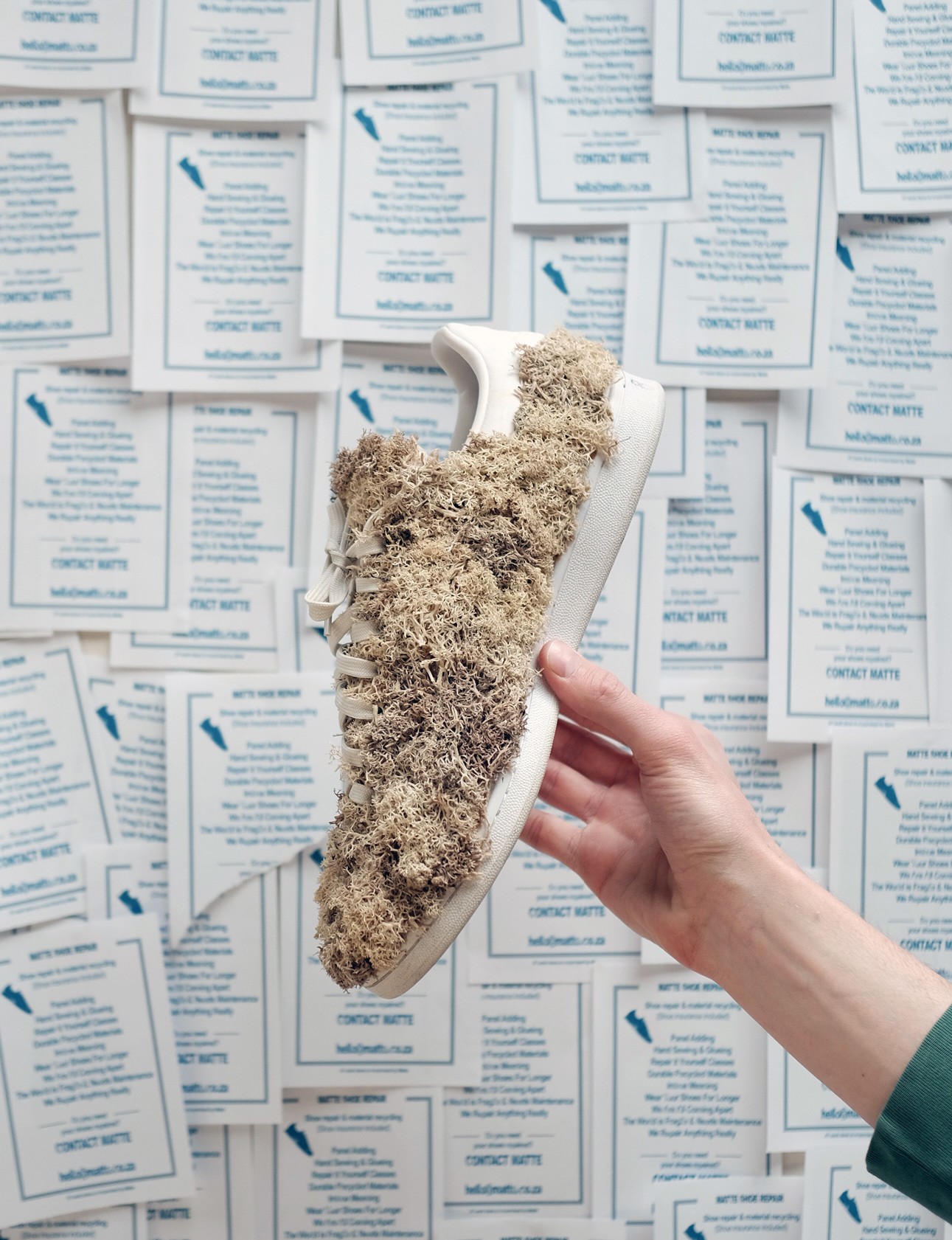
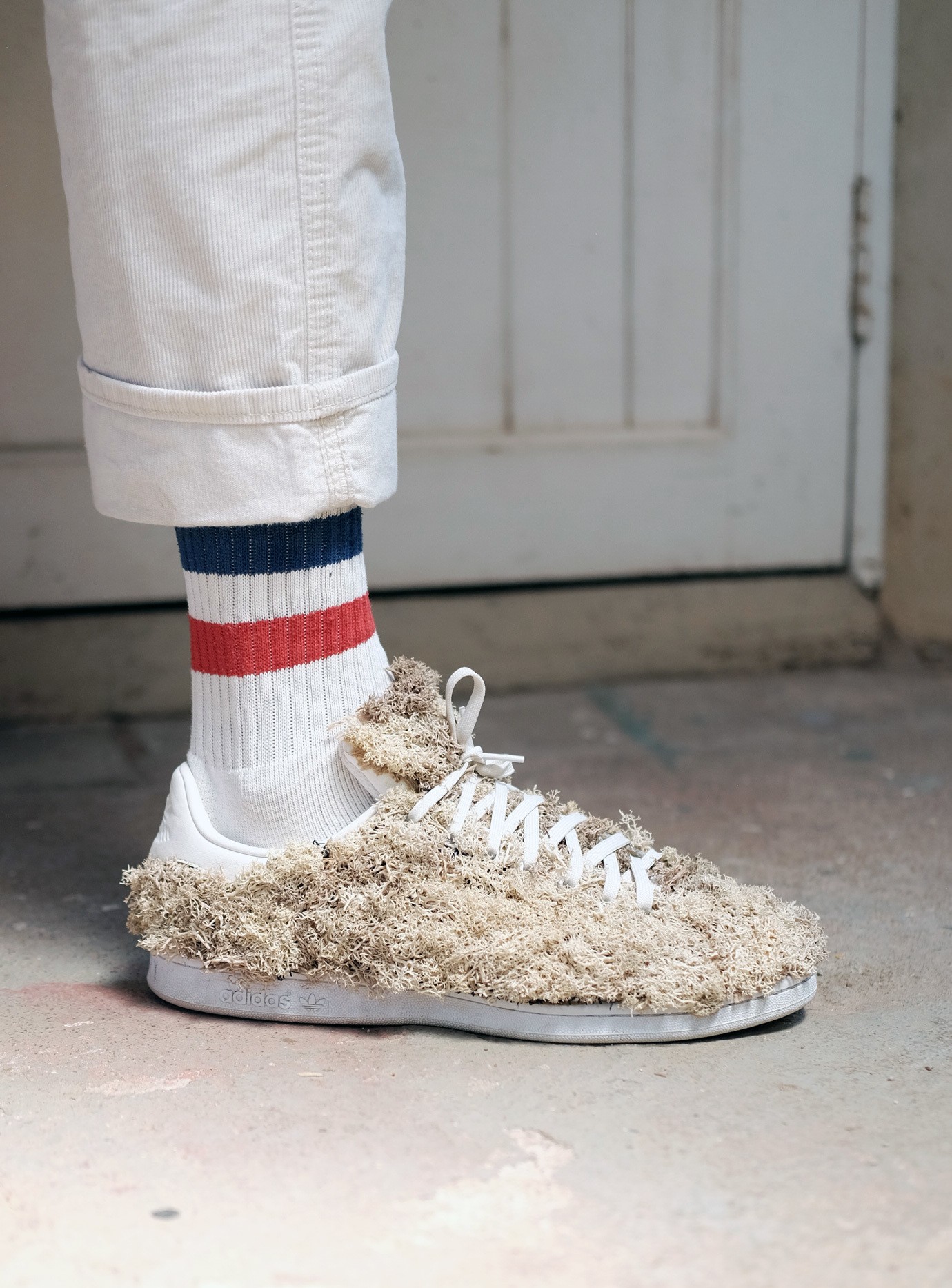
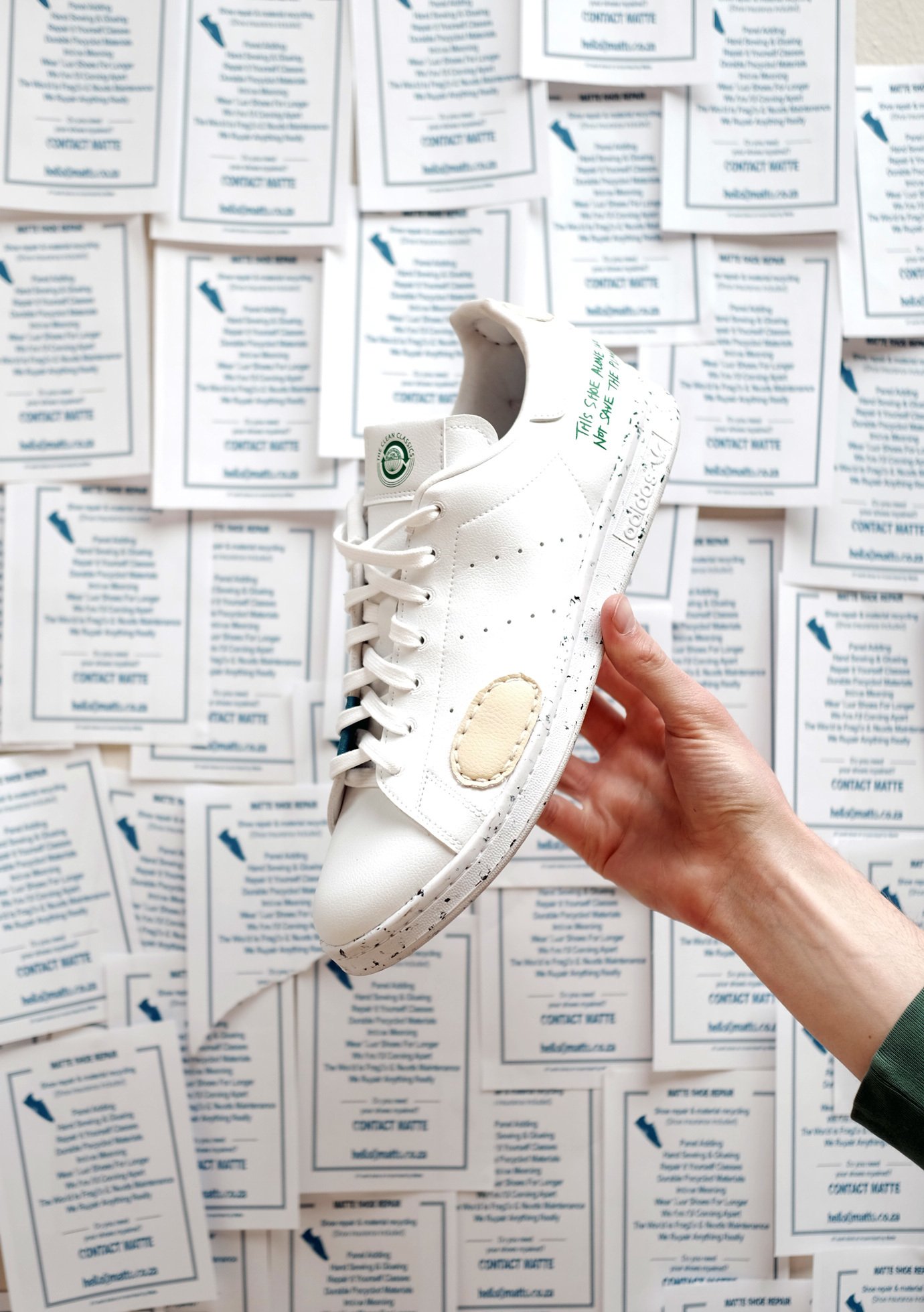
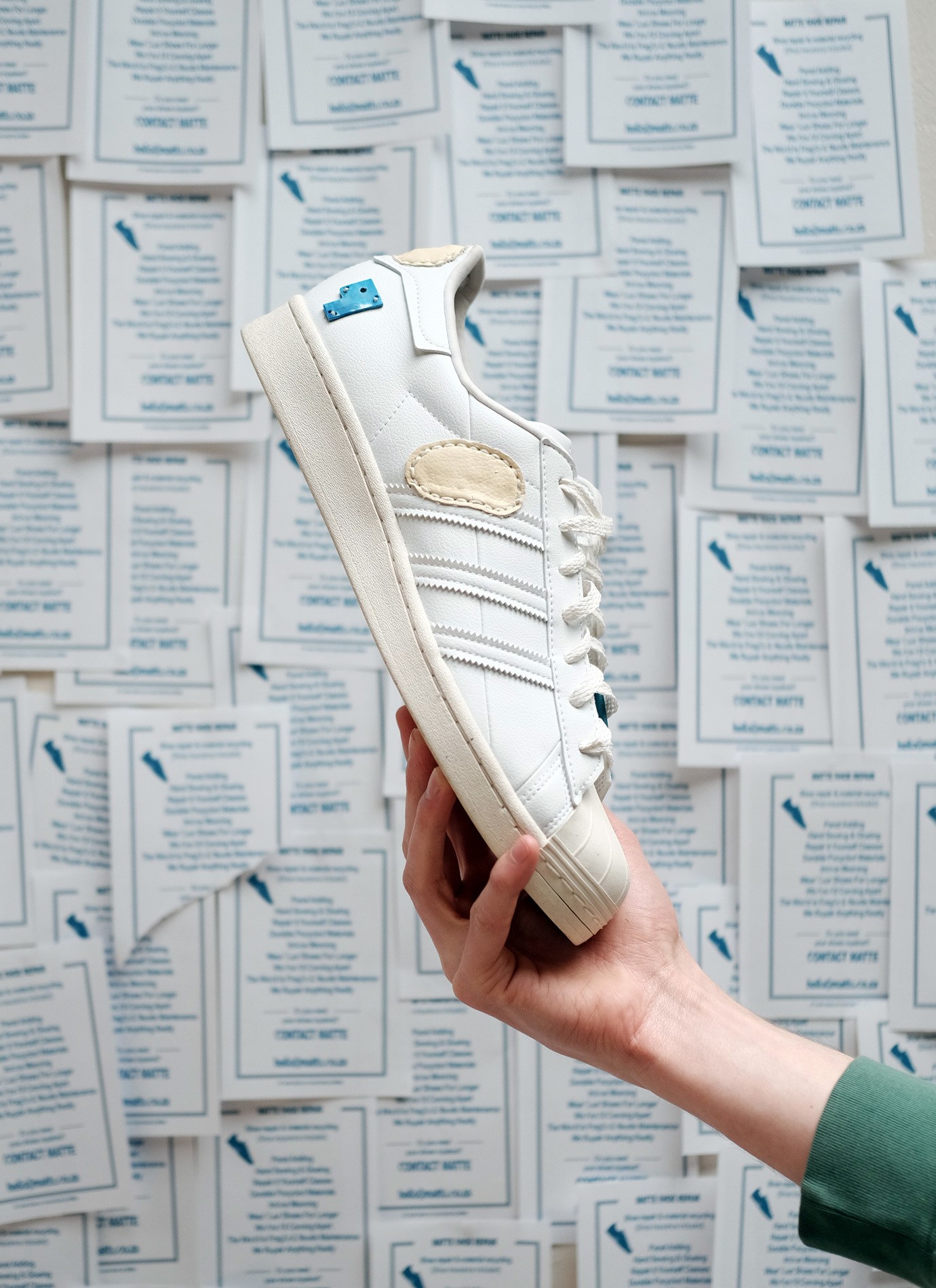
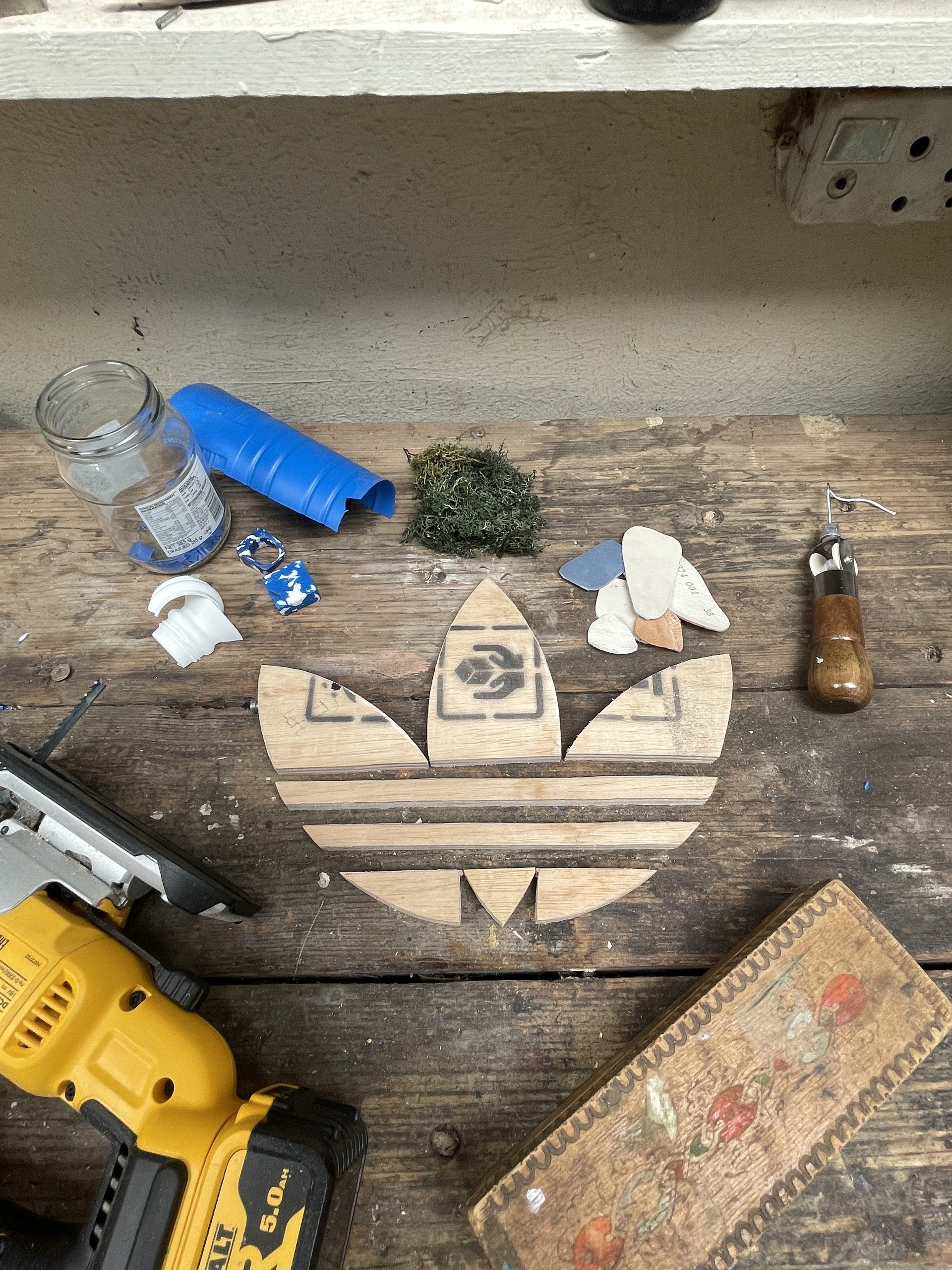
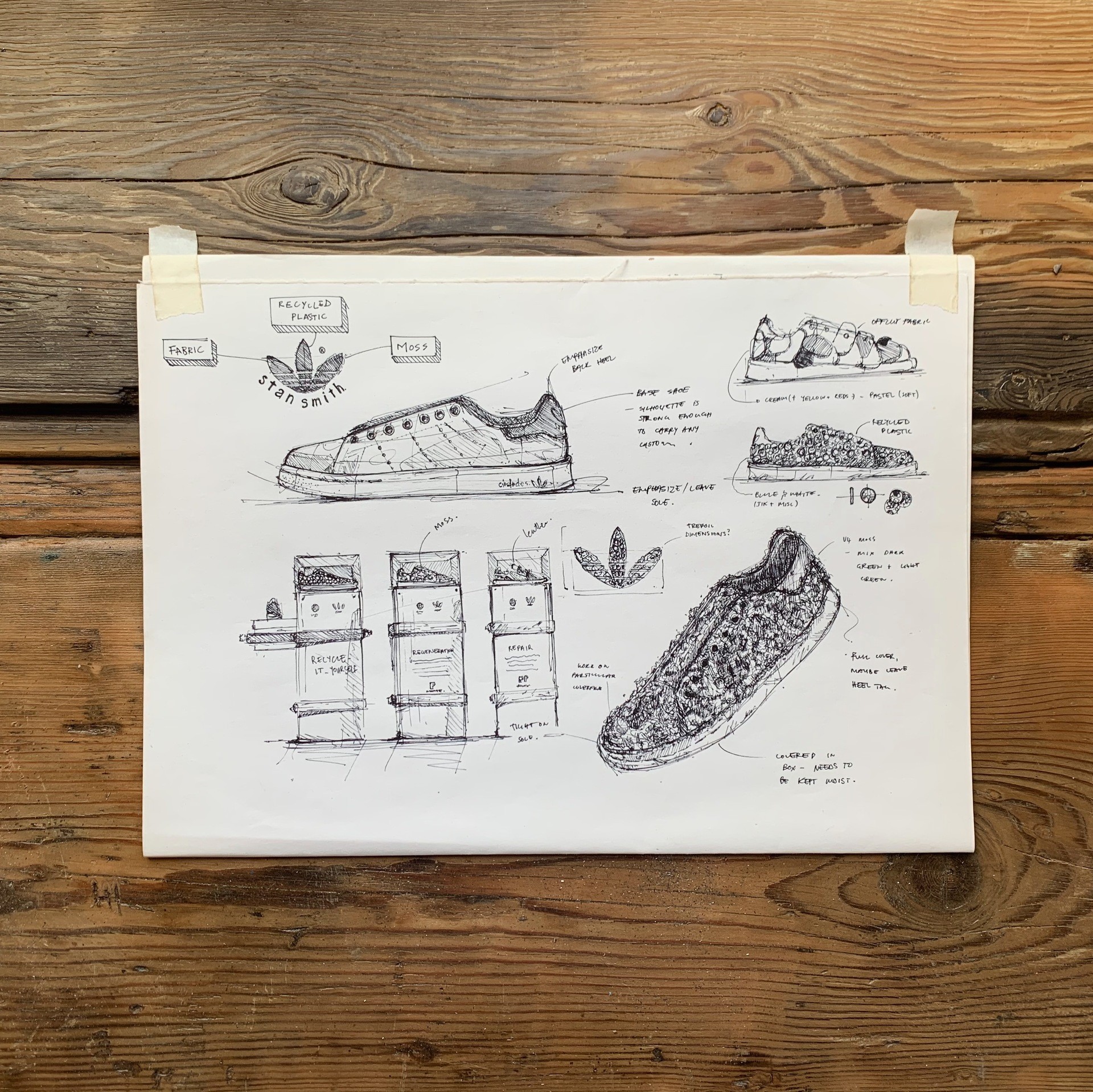
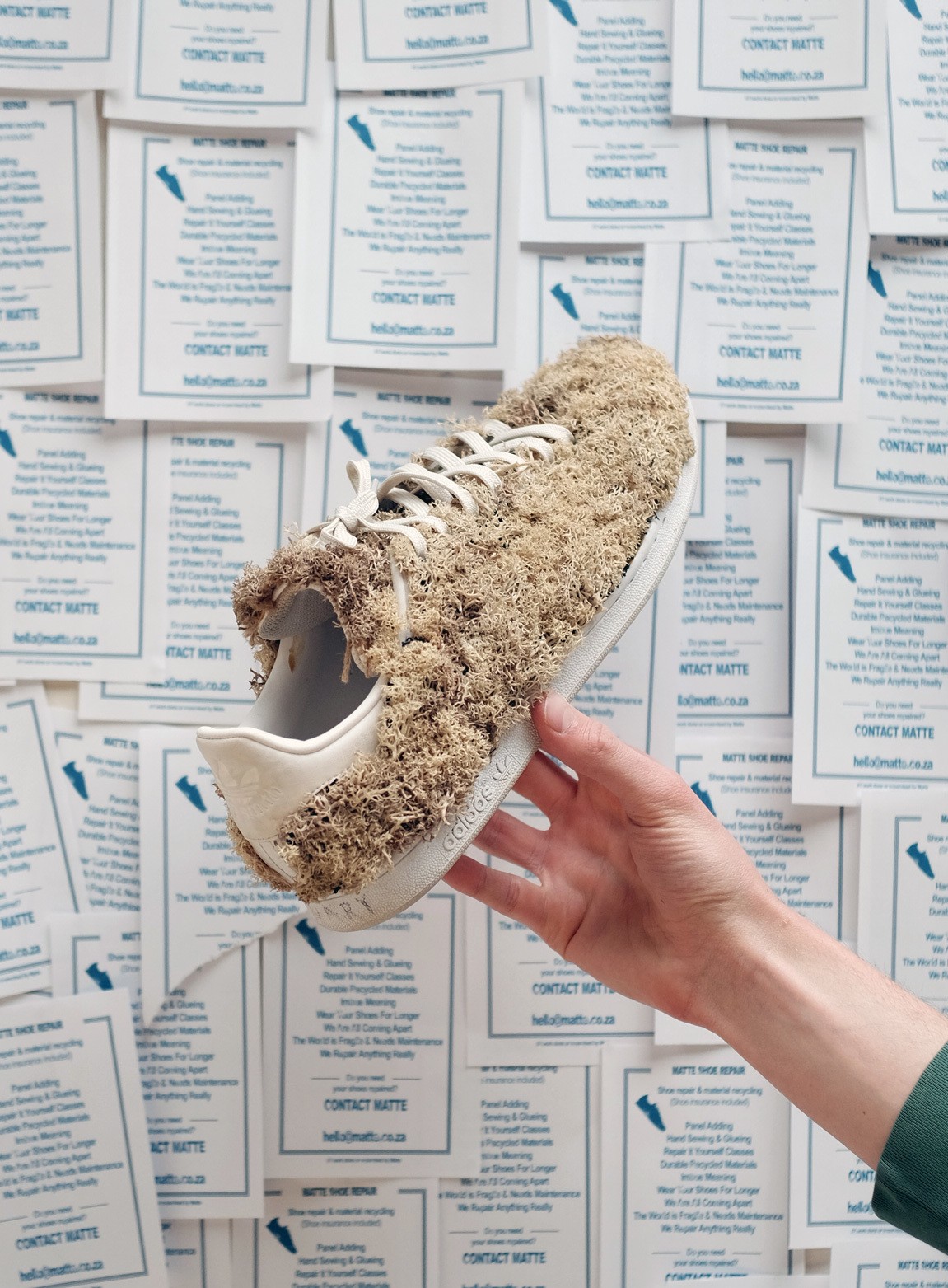
Footwear has proven to be a design form that has beckoned Matt. Whether it’s been tending to moss, stitched and alive onto a pair of Stan Smith’s, or applying drip-applicated pigments to a pair of adi’s – footwear is a beautiful blend of engineering and design, almost mutually inclusive of each other as informing the final function and aesthetic. It is also, nowadays, the testing ground for some of the leading innovation in recycled materials, streamlined thinking and application within the apparel industries. Look no further than the megalithic companies of Nike, adidas and so on – to this day, I remain ever- impressed by Space Hippies as footwear exploration. On this, Matt says, “I think if I’d been born anywhere else, I’d have been a footwear designer. I got into it through some conceptual projects, and I’ve found footwear as a really exciting vehicle or medium to carry an idea. People engage with it really well, too. People are interested in the materials of footwear – particularly sneakers – and for ‘sneakerheads’, they are intrinsically informed and fascinated by every detail in the shoes they buy. I like it when people ask questions – that’s really the purpose of design – so whether a person is saying it’s cool and innovative, or it looks awful and uncomfortable – I know that I’m doing something meaningful.”

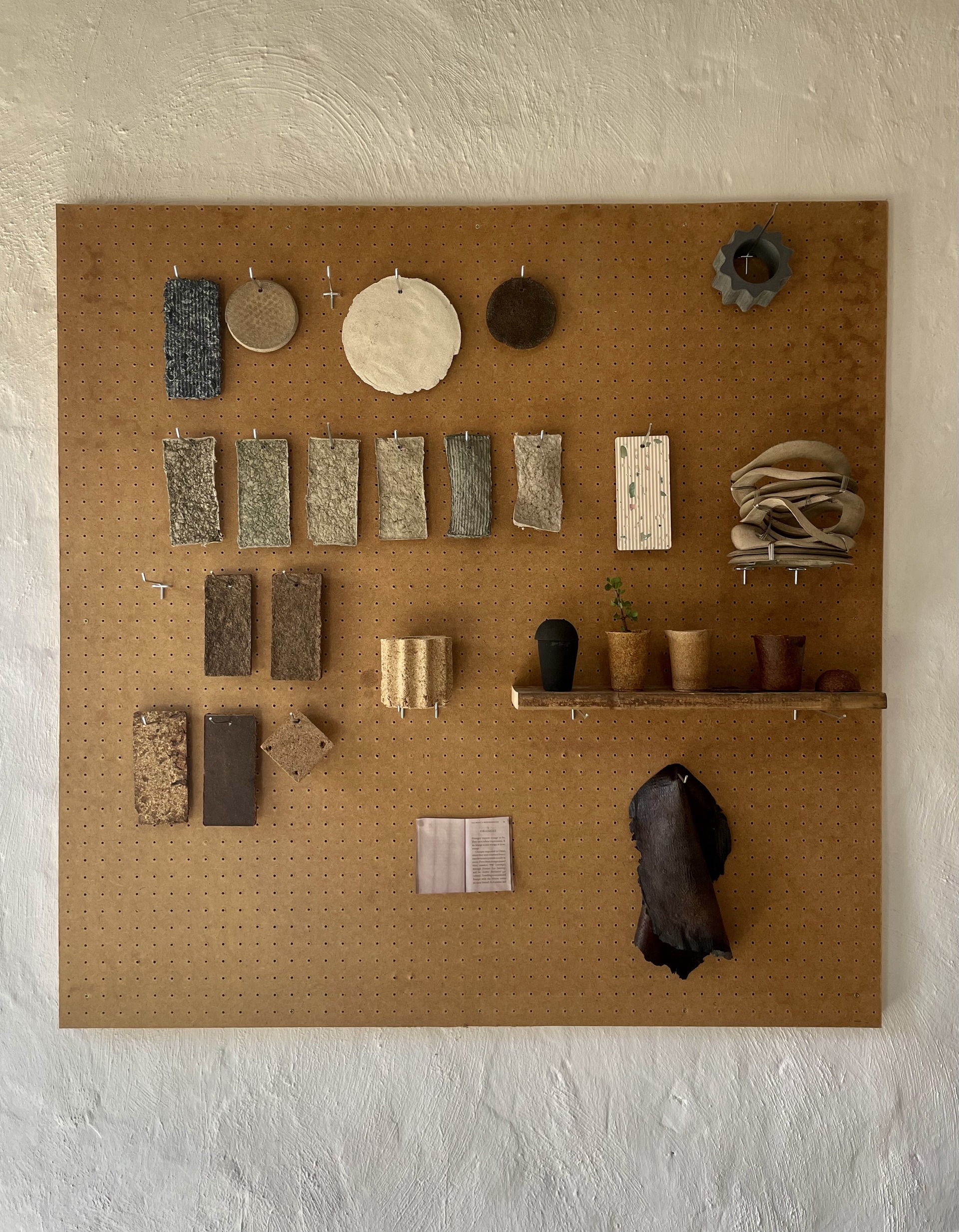
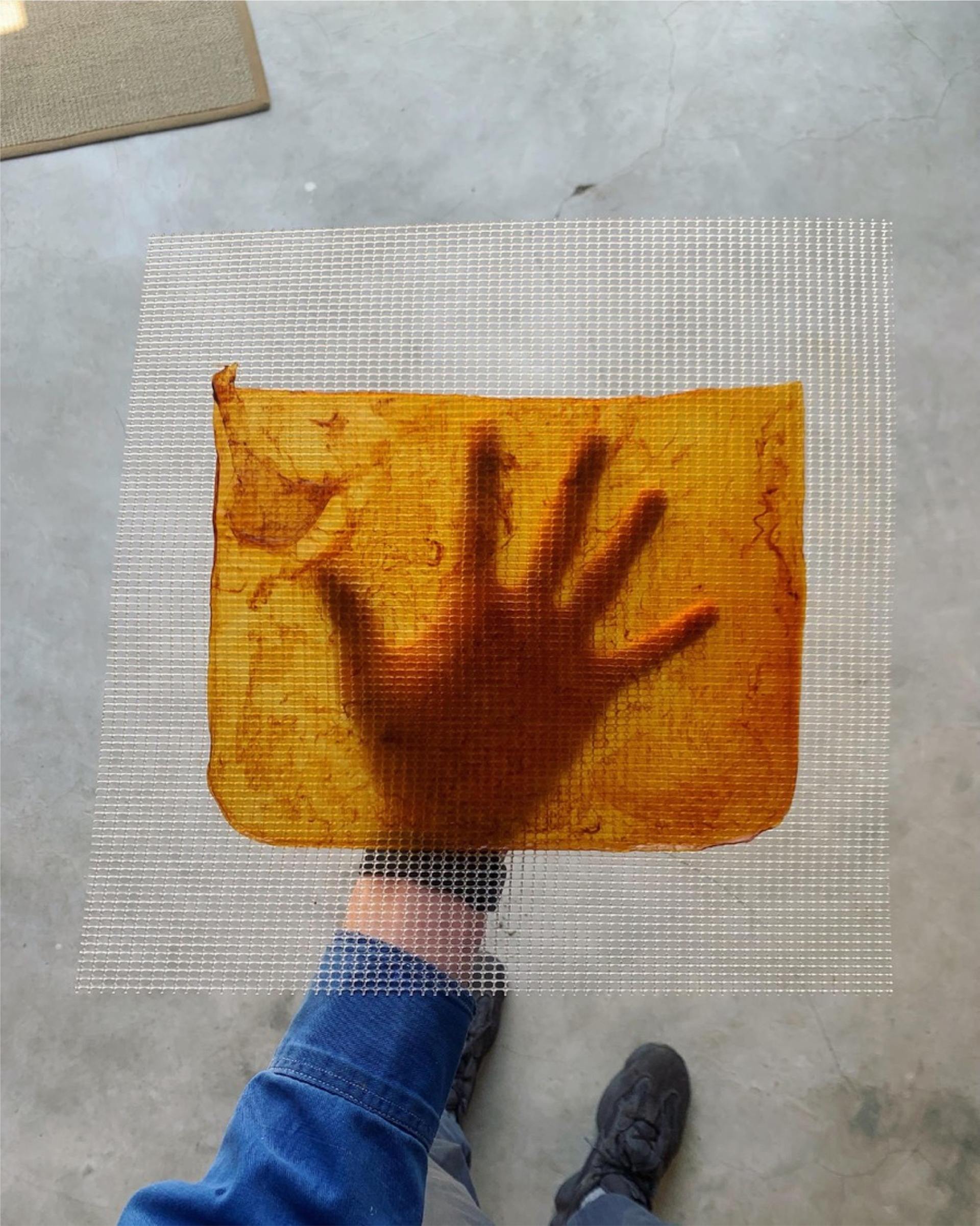
Footwear is Matt’s work nurtured under his personal brand “matte” alongside other products. Big Circle is the other aspect of his work, and is a non-profit studio; w and since 2020 – Matt and his colleague Kiera have been utilising research and design to come up with innovative, interesting design grassroots sustainability problems. Questions of how to deal with plastic waste – or organic waste – or material collection in South Africa, and looking at value chains differently. Matt explains, “Some of them have been speculative, but we’ve also been able to develop recipes that are contextually relevant for South African bio-materials. It’s a really interesting space to be in, and part of the research has been to localise our own relationship in the country to this greater conversation in the world around bio-materials and our future with it as a planet. If we look at the trends globally, there’s a huge push for bacterial cellulose or mycelium, or algae dyes, and the research is still bubbling under the surface here. We are approaching it in a semi-scientific and semi-creative way.” For Matt, maintaining an inquiry into sustainability and product design, alongside research, moulds a beautiful path forward – particularly around the idea that people can experiment on their own with their stove and few base ingredients; “I kinda want everyone to be designing, and looking around their immediate communities and environments and experimenting. There are huge companies leading a lot of the conversation, but they’re still creating as much of a problem. The true value of bio-materials or sustainable problem solving is how it affects our everyday lives, and also that we remain mindful that a lot of what we are discovering is a rediscovery – that has its origins in indigenous knowledge systems and practices.”

I will urge you, the reader, to visit Matt’s sites and immerse yourself in some striking ideas. In ending off our conversation, I ask Matt where his interest is right now regarding bio-materials, to which he says, “I’m, of course, really interested in mycelium, which is taking the world by storm. The fact that one grows something into a mould, and then that material could replace something like polystyrene or a terracotta brick, or an insulator foam, the possibilities are endless. The properties are so bizarre and alien-like – like it can float, but it’s also fire resistant – and also remediates soil? It’s so contradictory and for a researcher, it’s unendingly exciting to imagine this very ancient, critical base material of the earth being something that could really and truly help change our current state. We have a DIY mushroom growing industry here in South Africa, so we can piggyback off of that – and a few researchers particularly at UJ – but really, we are in our infancy in the country regarding mycelium. I think between mycelium, bacterial cellulose and vegetable leathers, those are the future.” In commenting on South Africa’s vantage point, Matt says, “We have this really interesting contrast between access to really cutting edge, expensive machinery, and then a really strong “make-do, DIY” sector and those two spaces are going to have quite different outputs. I see this quite interesting future where this low-tech, hand-driven outcome begins to take root in a big way.”

Written by: Holly Beaton

For more news, visit the Connect Everything Collective homepage www.ceconline.co.za
Navigating Non-Monogamy | polyamory, playmates and personal connection

While swiping on your dating app of choice, arbitrarily deciding whether the person whose carefully curated profile contains a few photos and a couple of conversational prompts could be “The One”. You read their bio. It starts with a witty albeit overused joke, their height, some of their interests and, of course, the obligatory “must love dogs/cats”. You scroll a little further to be greeted by an abbreviation you aren’t familiar with, CNM or ENM. You minimise the app and make your way over to Google, in a millisecond, you are bombarded by millions of search results, opening you up to the world of Consensual- or Ethical non-monogamy.

So what is CNM? Well, in truth, CNM is somewhat of an umbrella phrase used by psychologists and psychotherapists to describe a wide range of distinctly different consensual non-monogamous relationship agreements that range from swinging, open relationships or, as is the case in polyamory, the philosophy that it is possible to love multiple people simultaneously to name just a few. At this point, it is only fair to state openly and honestly, to avoid bias, that on my dating profiles, I have ENM and Poly as part of my bio. I find myself currently exploring the world of CNM with a partner who I am falling deeply in love with but still seeking out predominantly sexual relationships with others. That said, I assume a whole host of questions and assumptions have made their way into your mind. Isn’t that just cheating? Isn’t being with one person enough for you? Are you just exploring CNM because you are scared to commit to one person? Doesn’t the jealousy absolutely eat you up? Well, that’s what this is all about, so let’s have a chat.

Photo: @hustleblud / Matt Alex Ginsburg

The notion is that CNM relationships are merely or predominantly an excuse to cheat on your partners without the consequences infidelity would have in traditional monogamous relationships. To tackle this, we first need to define what we consider infidelity, which as renowned psychotherapist Esther Perel mentions in many of her talks on infidelity, is rather hard to do. In her 2015 TED talk, she says, “everyone wants to know what percentage of people cheat… But the definition of infidelity keeps on expanding: sexting, watching porn, staying secretly active on dating apps. So because there is no universally agreed-upon definition of what even constitutes infidelity, estimates vary widely, from 26% to 75%.” However, she also provides her definition of what she considers cheating, and I think it’s an excellent basis to work off of. “Now, I like this definition of an affair — it brings together the three key elements: a secretive relationship, which is the core structure of an affair; an emotional connection to one degree or another; and a sexual alchemy. And alchemy is the key word here, because the erotic frisson is such that the kiss that you only imagine giving, can be as powerful and as enchanting as hours of actual lovemaking. As Marcel Proust said, it’s our imagination that is responsible for love, not the other person.” Perel’s beautiful worded definition here, I feel, gives a clear guideline to infidelity. I think the key point here regarding CNM relationships and how they distinguish themselves from infidelity lies in the notion that all parties involved in the many forms of CNM relationships are aware of and openly communicate about all the other relations they and their partners are involved in. However, it is of the utmost importance to mention that cheating is still possible within CNM relationships because people may cross the line regarding the rules, boundaries or limits that have been agreed upon. For example, I would consider it cheating if I were to go on a date without all parties involved being aware or informing my partner about the fact that I’m going on a date and my date being aware that I do have a partner. This way, the date is fully consented to by all parties. There is no secrecy involved, and hence according to the definition put forward by Perel, it cannot be seen as cheating.

Building on misconceptions regarding people who practice CNM, I think one is most often flung around is that it is all simply because of some unquenchable sexual thirst or the inability or fear to commit to a single partner. From the outside, it may very well seem like that, but as one of the seminal voices regarding CNM, psychotherapist Margaret Nichols writes, “Many people are titillated when they first hear about polyamory, but a common joke in poly circles is that CNM people spend far more time talking to partners and discussing issues than actually having sex.” Don’t get me wrong, the sexual aspect is something that is important, well, at least to me, but no more or less important than it has been in my monogamous relationships. However, as an interesting note, there are actually a lot of people that identify as asexual who practice polyamory. “They find polyamory appealing because they can still have an emotional, romantic relationship—or multiple relationships—but their partners aren’t also forced to be asexual or celibate,” writes Dedeker Winston, author of The Smart Girl’s Guide to Polyamory. I guess that is one of the paradoxes that surround CNM and particularly polyamory, albeit it may seem like a relationship model that distances itself from commitment, it is, in actuality, a form of dating that requires an immense amount of continued commitment. Commitment to communication, to care, to being present with your various partners and playmates and also continuously checking in on them to address and resolve any conflicts or concerns they may have.

Photo: @hustleblud / Matt Alex Ginsburg

I hear you exclaiming well, you can’t have your cake and eat it too, but here I would like to disagree wholeheartedly. Maybe it is a matter of perspective, but I am pretty perplexed by the manner in which we as a society have created very clear, heavily reinforced ideas about particularly romantic love. To paraphrase TEDx speaker Kel Walters, society views romantic love as a well, one in which you give and give until you scrape the bottom and there’s nothing more to offer. Love, however, works more like a positive feedback loop in which the more you give, the more you receive, the more you want to give in return. This is all understood outside the confines of romantic love. Just because you get a new friend doesn’t mean you have to cast your existing friendships aside, there is always space for more platonic love. The same notion exists in families in which we accept that we don’t stop loving a sibling just because we got more siblings, and parents don’t stop loving one child as soon as they have another (in healthy familial scenarios, that is). Still, when it comes to romantic love, we have mostly been taught and have had ideas reinforced by society and various forms of media that it is somehow the only finite version of that emotional expression.

Now in no way am I aiming to convert anyone into transitioning into a CNM relationship, nor do I think that monogamy doesn’t have its place. Monogamy can be so unbelievably beautiful, but it’s not for everyone. Monogamy is actually a pretty modern concept, as many human societies have only become monogamous in the last 200 years or so. Many historians trace it back to the agricultural revolution as Nichols mentions that monogamy was widely instituted “as a way for men to establish patrilineality and hand down material wealth to their offspring”. Not to show my red socks too much, but monogamy is inherently linked to ownership, in which a man needed to be sure of his wife’s fidelity as a highly unromantic financial incentive. The modern world, however, has brought with it a number of external stressors that I genuinely believe we have not yet evolved to deal with. Yes, monogamous relationships can be enough, but in my mind, I’ve thought a lot about the sheer amount of pressure we are putting on one person to fulfil a role that is becoming more and more complicated. Perel mentions, “We have a romantic ideal in which we turn to one person to fulfil an endless list of needs: to be my greatest lover, my best friend, the best parent, my trusted confidant, my emotional companion, my intellectual equal. And I am it: I’m chosen, I’m unique, I’m indispensable, I’m irreplaceable, I’m the one.” But often, as global divorce rates show, we can’t be “the one” to satiate and satisfy all the needs of our partners. Similarly to how we have a multitude of friends that play different roles and fulfil other needs, people within CNM relationships translate this notion over to their various romantic and/or sexual partners as well in a process Nichols often refers to as outsourcing (how sexy).

Photo: @hustleblud / Matt Alex Ginsburg

In conclusion, it is time to address the elephant in the room. The factor that probably deters most people away from exploring CNM; jealousy. Now, I have to admit that I have been very fortunate in that the limits and boundaries my partner and I set up with each other has, if anything, killed any semblance of jealousy I had left. So yes, jealousy is an issue, but only as big an issue in CNM as it is within monogamy. As sex educator, Joli Hamilton mentions, there aren’t actually any forms of relationships that completely protect us from feelings of jealousy. Jealousy is so deeply entrenched in us that our own imagination can be strong enough to drive such a deep sense of jealousy that we ruin all kinds of relationships. The critical point here is that jealousy is a primal emotion often not related to what we witness happen in the outside world but rather an external expression of our innermost insecurities. Hamilton speaks about the presence of compersion (a term loosely defined as the opposite of jealousy) in many CNM relationships. Compersion boils down to a conscious turning towards joy in the face of jealousy. Instead of lashing out because your partner communicates the fact that they felt sexually satisfied or emotionally fulfilled by someone else, many within the CNM community use it as an opportunity to celebrate that someone they value so deeply could have such a fulfilling experience. As I said, jealousy never goes entirely away, and it is present in all types of interpersonal relationships, although it seems that many (not all) within CNM rewire their brains to turn one of humanity’s ugliest emotions into one of celebration and learning. I’m not saying CNM is for everyone but that there are viable alternatives.     

Happy navigating, if you so wish.

Written by: Casey Delport

For more news, visit the Connect Everything Collective homepage www.ceconline.co.za
It’s All for Kaapstad with Music Producer Shaney Jay

Behind every great artist is an exceptional record producer. In decades past, producers were strictly behind the scenes, identifying and honing the sound and skill of their collaborative musicians – quietly responsible for cultivating and maximising records, EPs and singles to reach success and notoriety. Today, figures like Ye, Mark Ronson, Pharell Williams paved the way for the ascension of the producer, making it a front-facing path in which it is now paid the respect it’s always been due. Great art, especially in music, is a team effort; and the producer is an instrumental seat of power. 

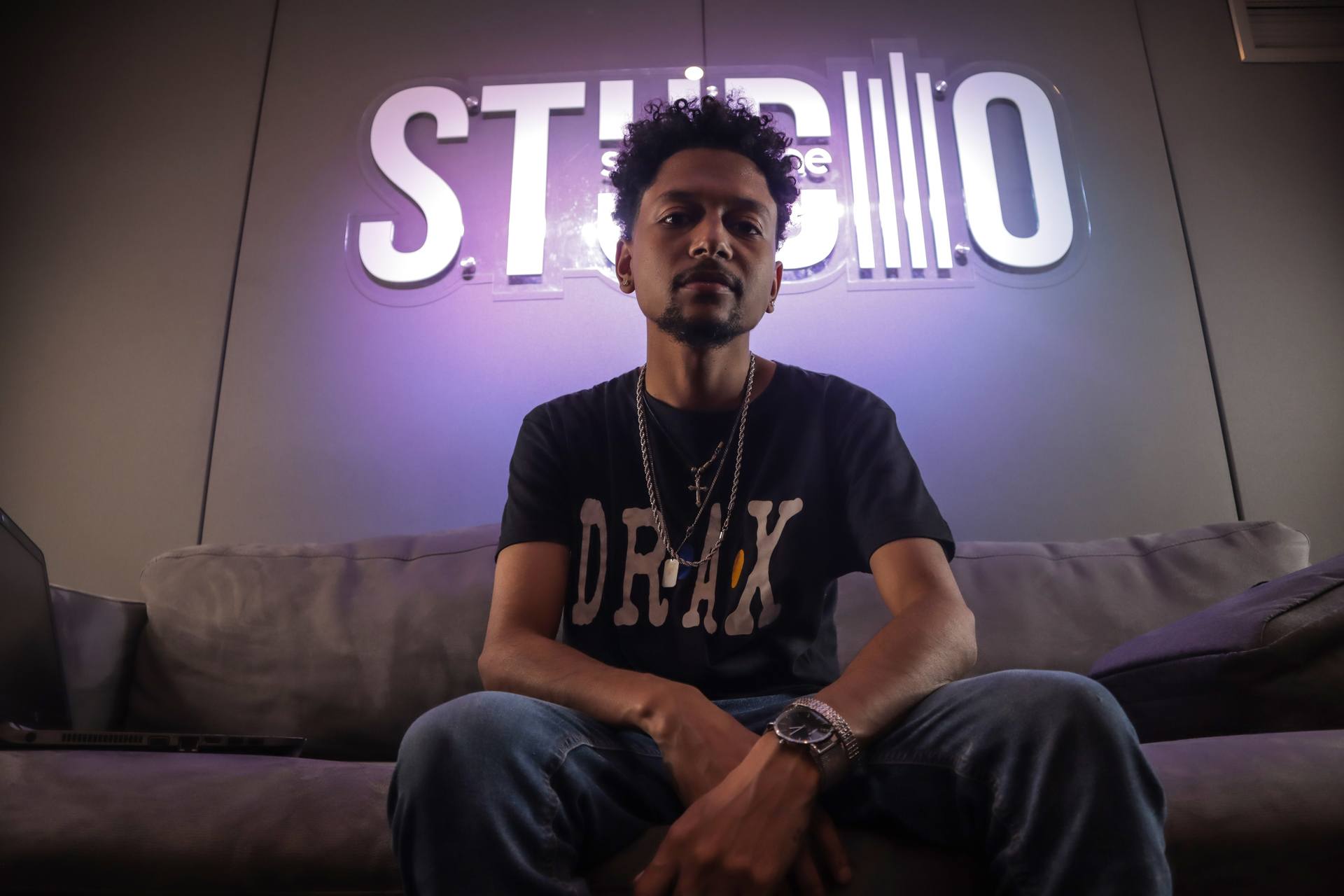
When YoungstaCPT burst on the scene a few years ago, rap in South Africa – and particularly in Cape Town – changed forever. From the plateaus of the Cape Flats, the sound was forged that seeded the poetry of the coloured experience and visions for the future. YoungstaCPT, in this way, is the Don. Producer Shaney Jay, has come to be known as a right-hand figure and cooking beats for Youngsta, while growing his repertoire as one of the most critical hip-hop producers in a new wave of music production occurring throughout Africa. We chatted to Shaney Q+A style to hear more of his journey.

How did you start making music, and become a producer?

I actually started out rapping so I wanted to be a rapper at first but getting my own beats was always a problem and the producers at the time weren’t sending anything I liked so that’s when I started making my own beats and I haven’t looked back since.


The role of the producer is critical, and we have seen it become a more front-facing position with the respect it’s always been due – can you talk about being a producer in South Africa in the last few years?

I’ve definitely seen the producer community grow since I started out. Producers play an important role in the industry and have been carrying the game for the last few years because the productions these days are crazy and I feel like producers are starting to get the respect they deserve. So shout out to all my producer homies one time.


Your work with Youngsta shifted the fabric of music & hip hop in SA but particularly in Cape Town – can you talk about this experience, and putting Kaapstad on the map?

Youngsta is really the one who put Kaapstad on the map and I wouldn’t really be in the position I am today if it wasn’t for him. The experience of working with him is really dope and I feel like what we did was something that shined a light on Cape Town because of artists that we featured on the tape and also just the overall message.


What are the key things you want young people getting into the business to know?

Dreams don’t pay bills. If you really want to get your name out there in the industry you need to be on top of your game 24/7. So always put the work in and network as much as possible.


What’s your vision for 2022 and beyond?

To definitely start producing for more international artists and to also grow the Cape Town music scene further.

Written by: Holly Bell Beaton

For more news, visit the Connect Everything Collective homepage www.ceconline.co.za
Fine-Wine & Vibes with Joburg’s new female-owned restaurant : Acid Food & Wine Bar

I remember hearing Matty Matheson once say that chefs make the best restaurateurs – and this truth extends to all the key roles and skill sets that make up the dining experience. Hospitality is not for the faint-hearted; and many just pass through this profession as means to an end, mostly in their early 20s. Then, there are those who stay; who find their passion and pathway within the energetic, high-pressure / high-stakes business of food & wine – and those rare people, whose professional grit is forged in the intensity of the kitchen, or the spin-like dance of service on the floor, or behind the bar – learn to speak their own language and observe subtleties the rest of us may never know. Subtleties of client’s responses in a single gesture, or the nuances of flavours, or the dynamics among staff – a sharpened intuition of how people want to experience what they themselves are unsure of; to me, working in a restaurant is an artform. 

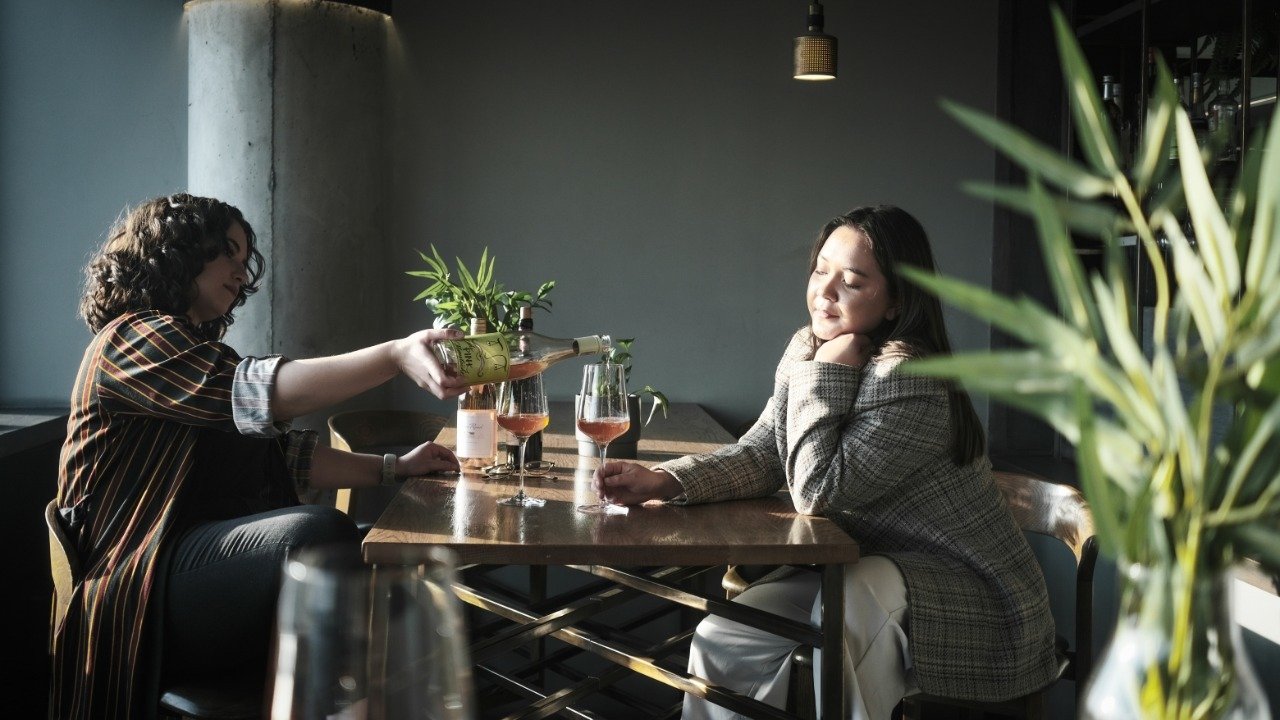
Mastering the craft of hospitality is exemplified by sommelier Jemma Styer and chef Jes Doveton – two women who have spent the last few years learning, adapting and growing within the melting-pot of the restaurant and bar realm, a realm that has kept calling them back to pursue food and wine; over and over again. Now, in a dream that is fast becoming reality, Jemma and Jes are gearing up to open their Joburg food and wine bar: Acid. The name is taken from the essentiality of acid as a balancing component across food and wine – forget psychedelics – the term in this context is incisive, and speaks straight to the heart of their respective expertise. I think of Samin Nosrat’s Salt Fat Acid Heat & how cooking, overall, as a craft has burst wide open across TV, Youtube and in books – good food and wine are a birthright, and Jemma and Jes are custodians of this sentiment, with vision to share it in a pared back, considered and inclusive setting.

Jes is self-taught, and cooking has been a natural reflex that she honed out of curiosity and persistence. It’s also deeply personal and healing – as she says, “My mom is Thai, and it was something I was quite embarrassed about as a kid. As I got older, I realised that what I learned through food from my mom – as it was the biggest way we connected – was a huge lesson I’d been learning all that time in the balancing of flavour and importance of ingredients. Asian food in general is a mastery in salt, sourness, sweetness and spice, and it’s a key part of the way I’ve learned to cook and experience food. Balance has informed how I approached cooking, and when I went onto to work at restaurants on the floor and later as a consultant.” Having worked on yachts and shifting from a stewardess to a chef, Jes’ experience of managing a full-scale kitchen space has since been an important aspect of her work as a consultant. Streamlining processes and preparation – Jes’ dedication to incredible food combines functionality and dynamism, a central tenet to the custom kitchens being built for Acid.

Jemma is a prolific sommelier in Johannesburg – having been catapulted into the space by chance, when she was sent on a wine course by the restaurant she worked at during university. Now, a few years later, Jemma is a trusted fixture on Joburg’s wine scene – mostly recently and notably known for taking Coalition Pizza’s wine repertoire to a considered level. On this, Jemma says, “Working with the guys at Coalition, focusing on wine, was great because the space is simple – it’s incredible pizza, and so the wine needed to reflect that. When they decided to cut their Rosebank store in half, and make one side an Italian wine bar, Flor was born.” Armed with the skillset, experience and qualifications – a trio of requirements for the exceptional complement that a sommelier is to a restaurant – Jemma matches Jes in an incredible way. After a chance meeting, and a few glasses of wine shared over time, the two decided to collaborate; somehow, someway. With mutual admiration and understanding of a shared vision; Acid has been born out of their desire to seed a space that works: that is welcoming, aesthetically compelling and original, and of course – draws back down to the ever-lasting dance between food and wine. In a surprising way, when all of us are wanting to make every idea we have happen, Acid has seen a pretty seamless development from concept to actualisation, Jes says, “We have had challenges, of course. But these are obstacles that we have overcome together.” Jemma adds, “We have had moments where we are like, how are we going to solve this? But, there has never been a moment in which we said we can’t do this.” While it’s an unfortunate trope of the society we find ourselves in – it has to be said and acknowledged that being a female-led business in a notoriously masculine, boisterous industry is a critical contribution to hospitality in South Africa.

Encouraged by their respective networks and friends – Acid is being realised through Jemma, Jes and Tag Design Architects – alongside their creative strategist, Lineo Kakole. Set to open in early October, their recent launch event was an immense success; with DJ sets played by friends, and punctuated – of course – by beautiful food and wine. The event set the tone for what is to come – the unbridled joy and community that surrounds the unmatched role that food and wine plays in the human experience. On how the wine will play a part, Jemma says, “We will be focusing on female producers and producers of colour – and offer a wide range of unusual and regular wines. We will have a small set menu, with everything by the glass, and then a rotated menu every couple of weeks around a certain theme. I want people to come in and be able to get some education about wine in an encouraging environment.” and for the food, Jes explains, “I really don’t like the term ‘asian fusion’ – but given my background and cooking style, asian cooking will be a central reference, but I’m endlessly curious about food and flavours around the world – so, it’s probably best described as ‘ global food’. I don’t want to set myself limitations, and it will be small plates – with a few mains – and non-negotiably, oysters. Dressed oysters will be permanent. I’m building a framework which can be adapted – to establish familiar dishes that will be Acid’s regulars, but using varying ingredients with respects to seasons and mood.”

With a specific focus on hiring and upskilling their staff, and integrity as a remedy for the often intense pressure of the restaurant business – Acid is marking a new wave of young-ownership, female-led hospitality – and the space itself? Without giving too much away: retro yet timeless, warm and inviting – unusual – and most importantly, the stage for an incredible future for Acid.

Written by: Holly Bell Beaton

For more news, visit the Connect Everything Collective homepage www.ceconline.co.za
Exploring Mutable Forms of Earth with Blank Project’s latest exhibition

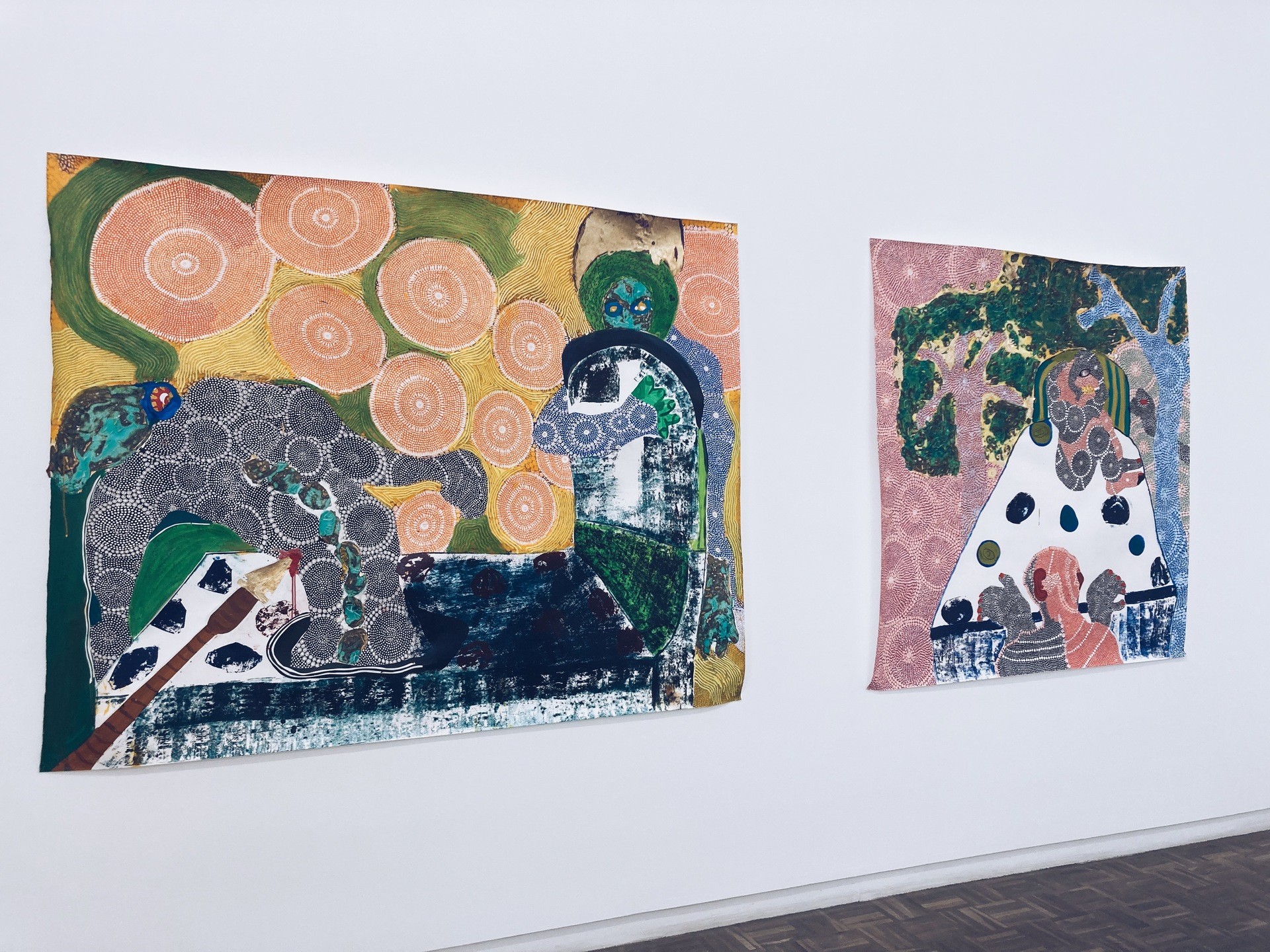
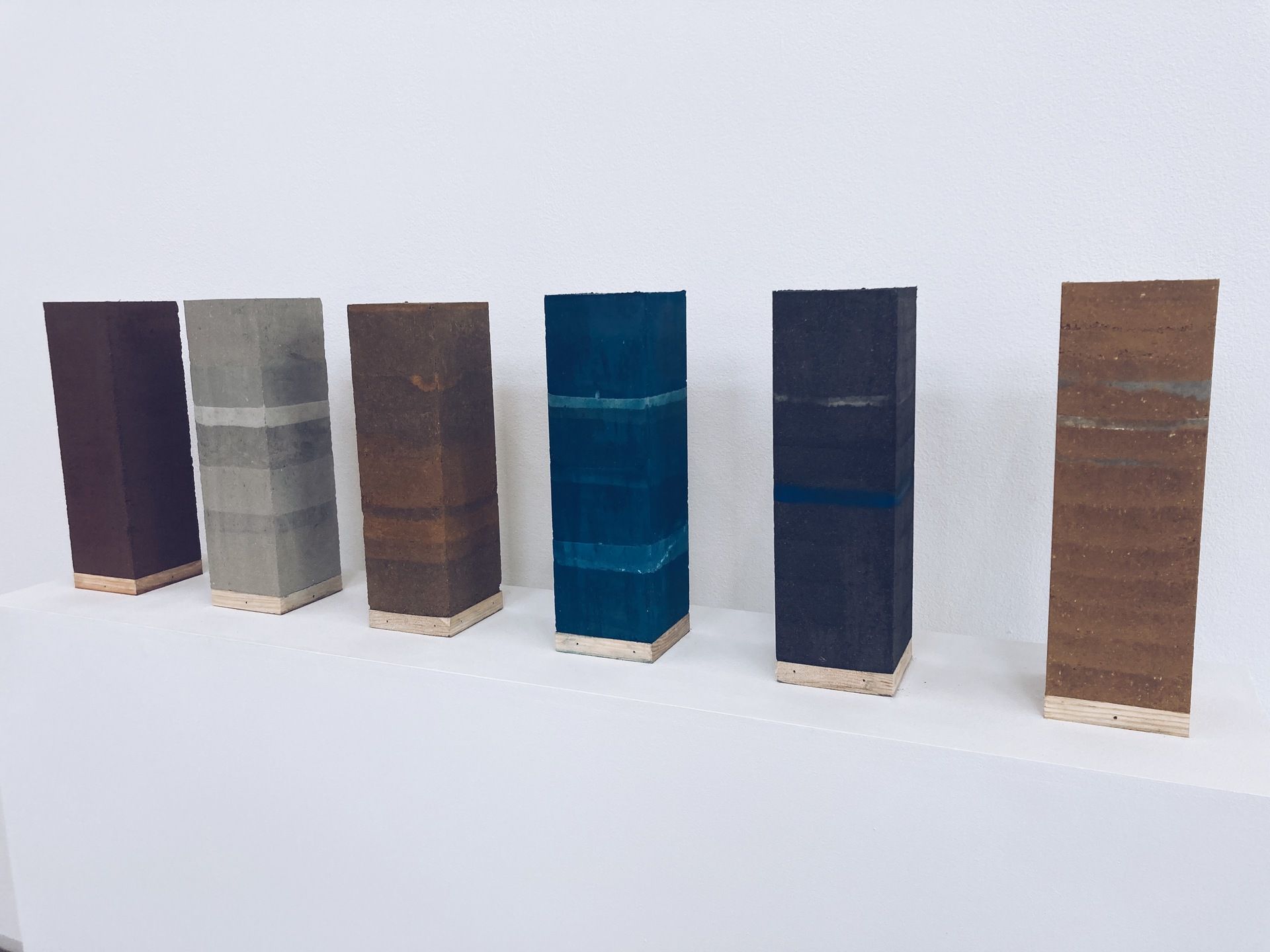
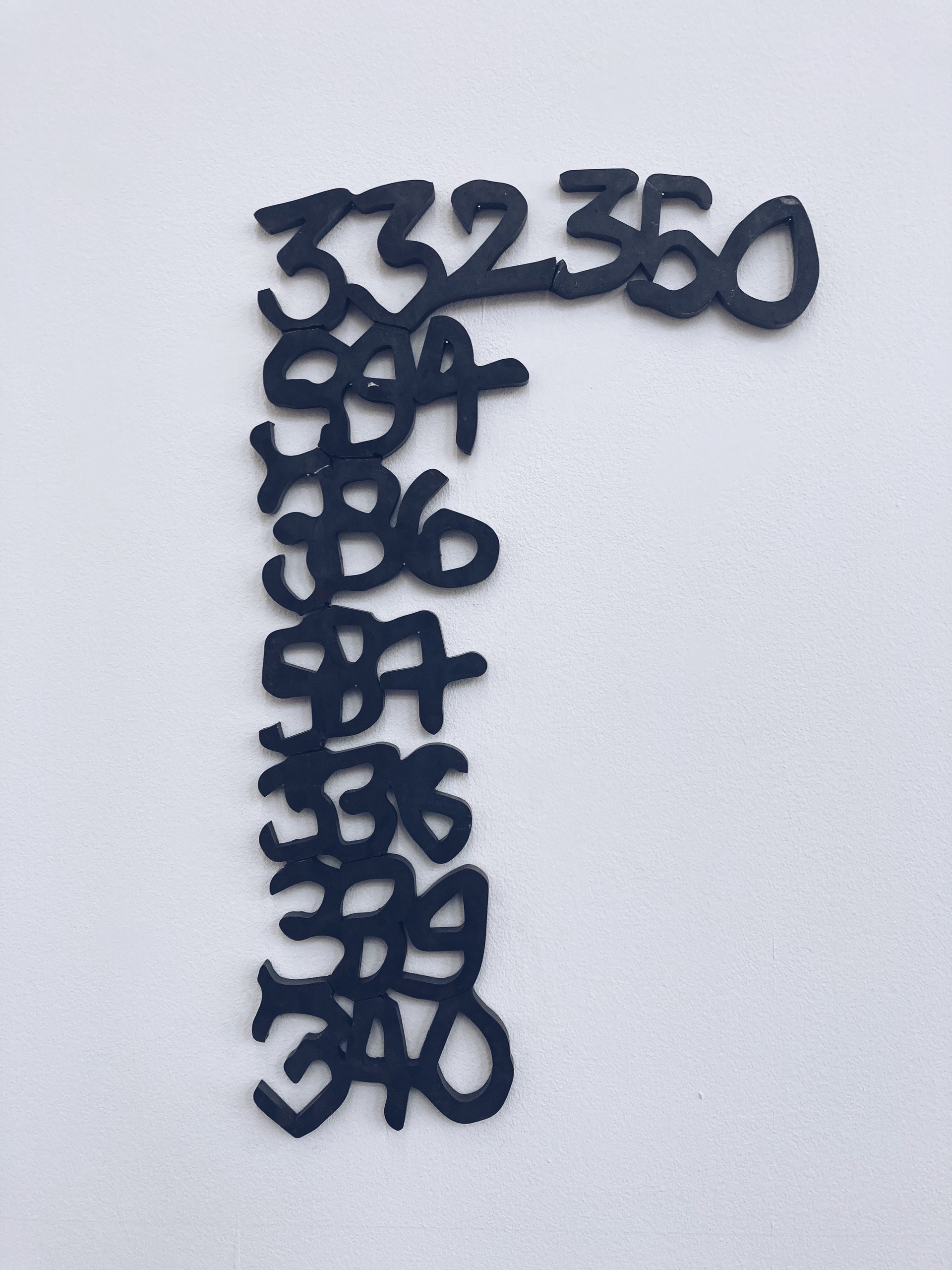
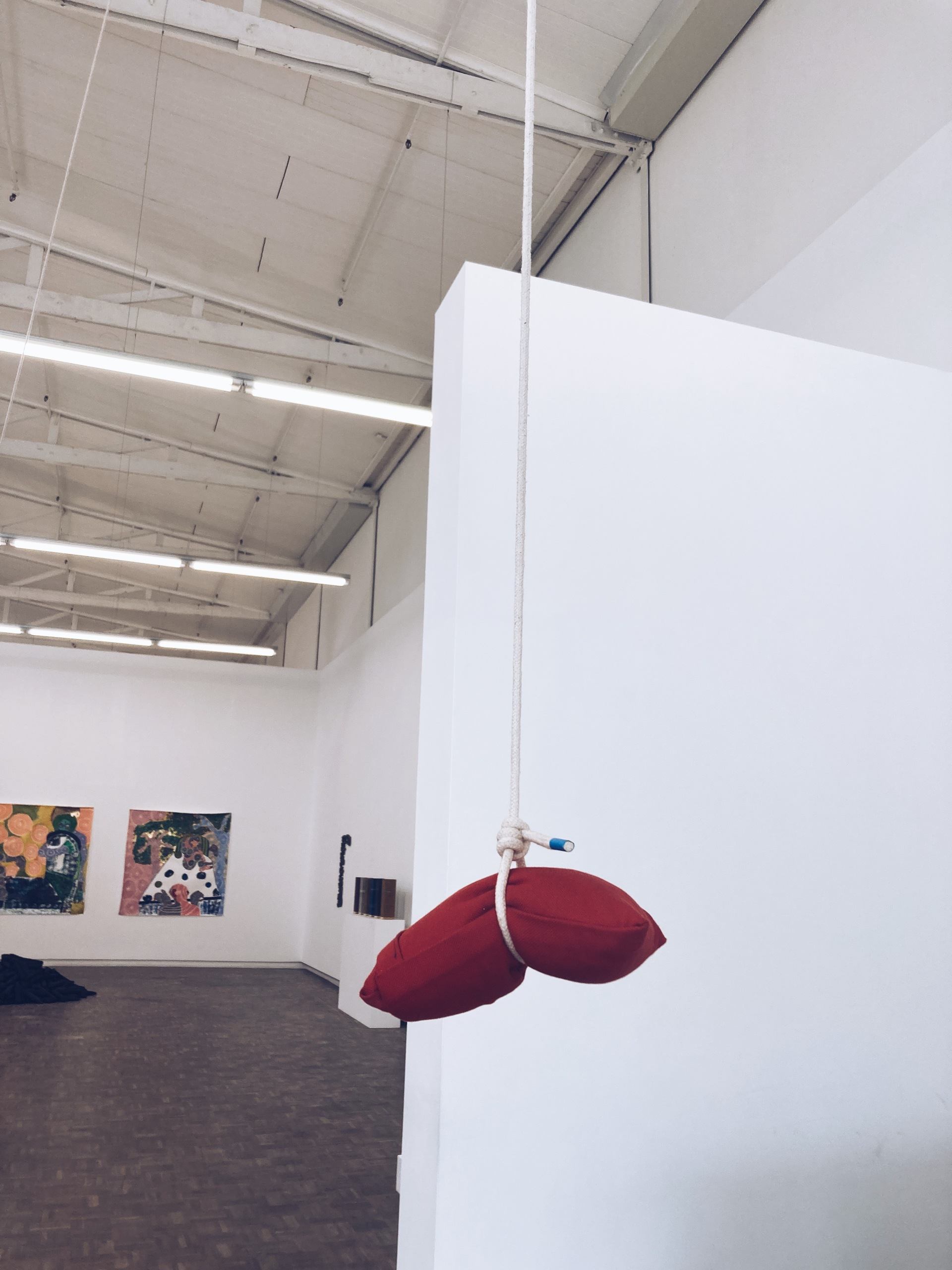
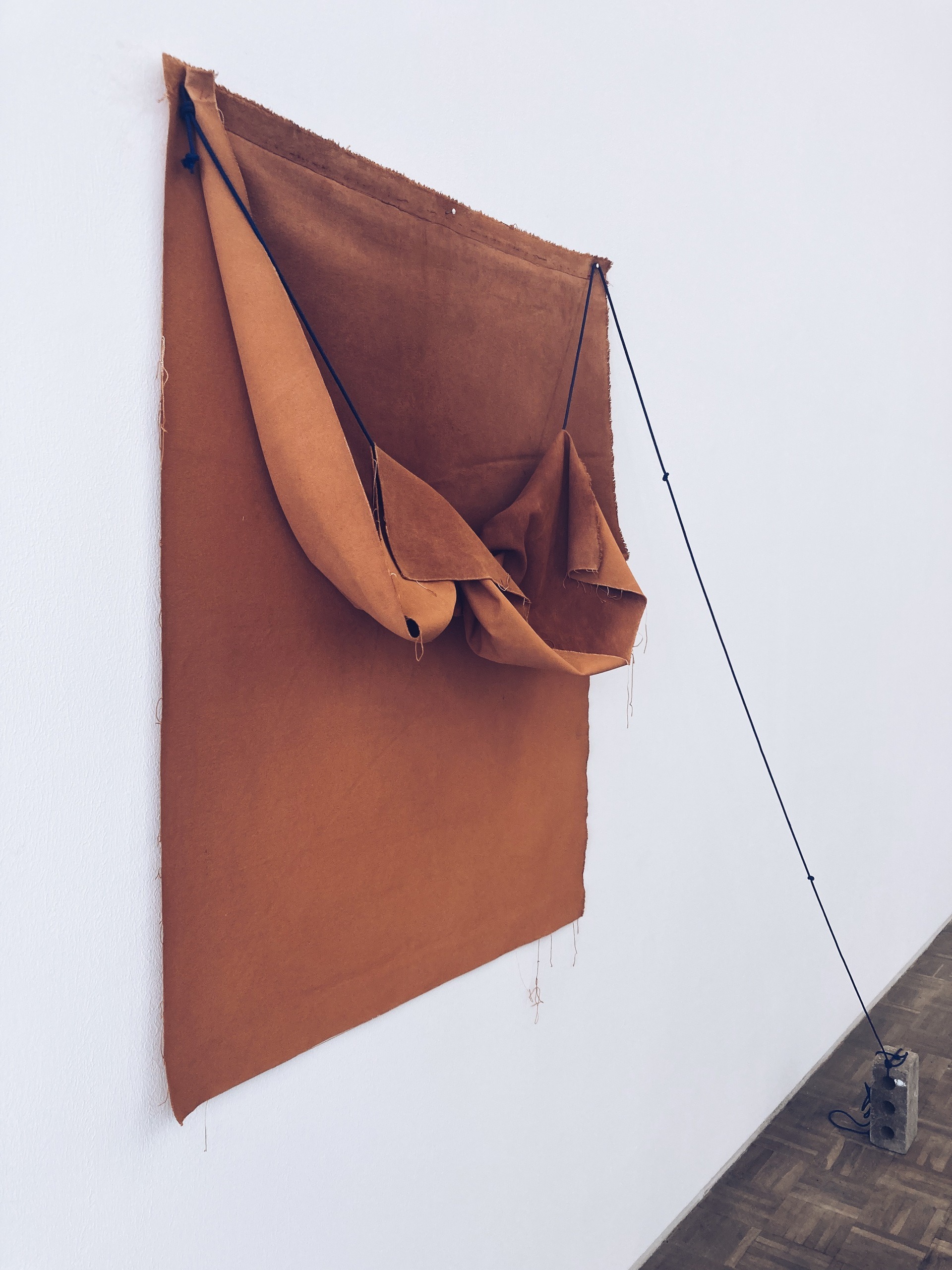
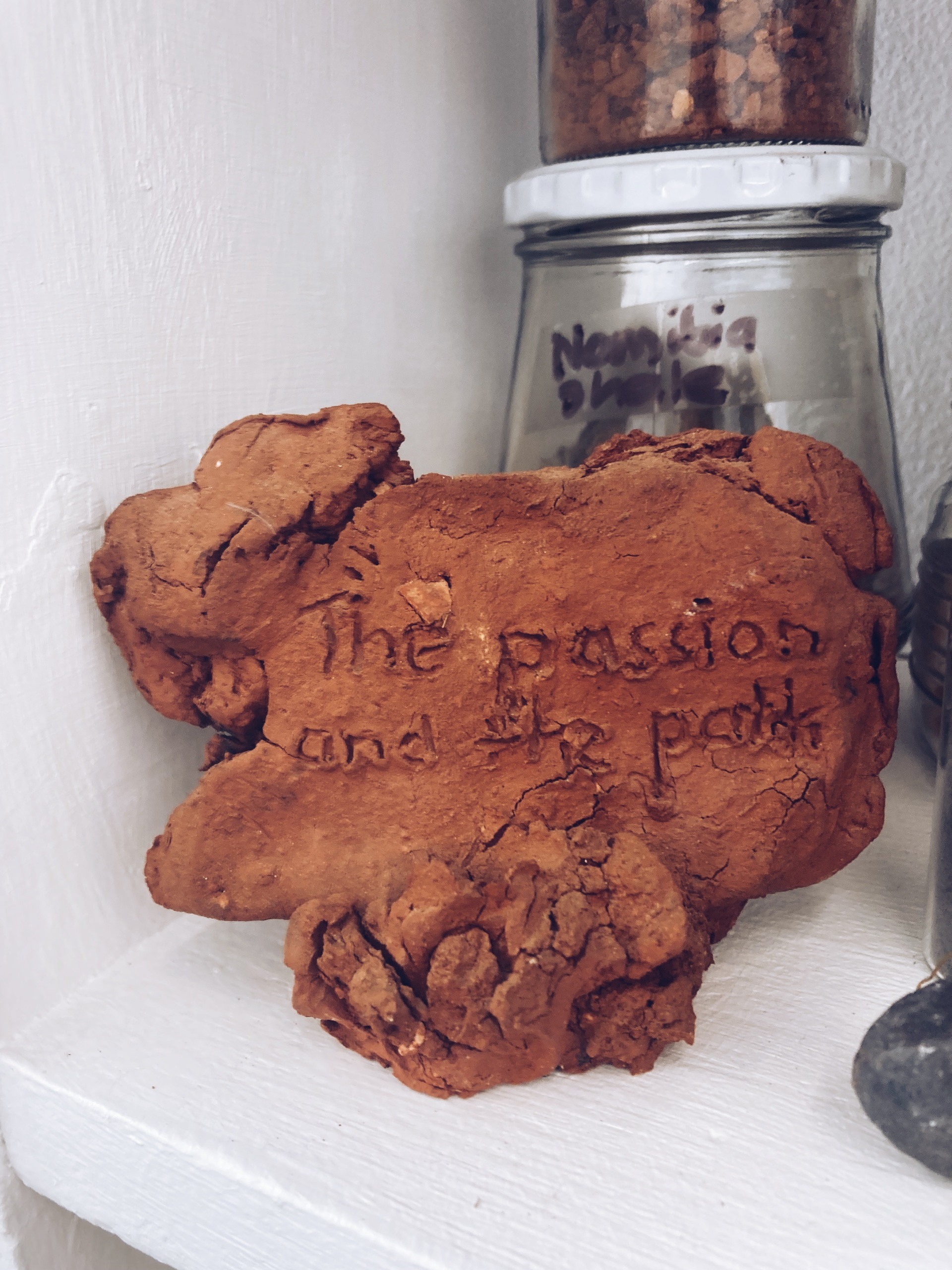
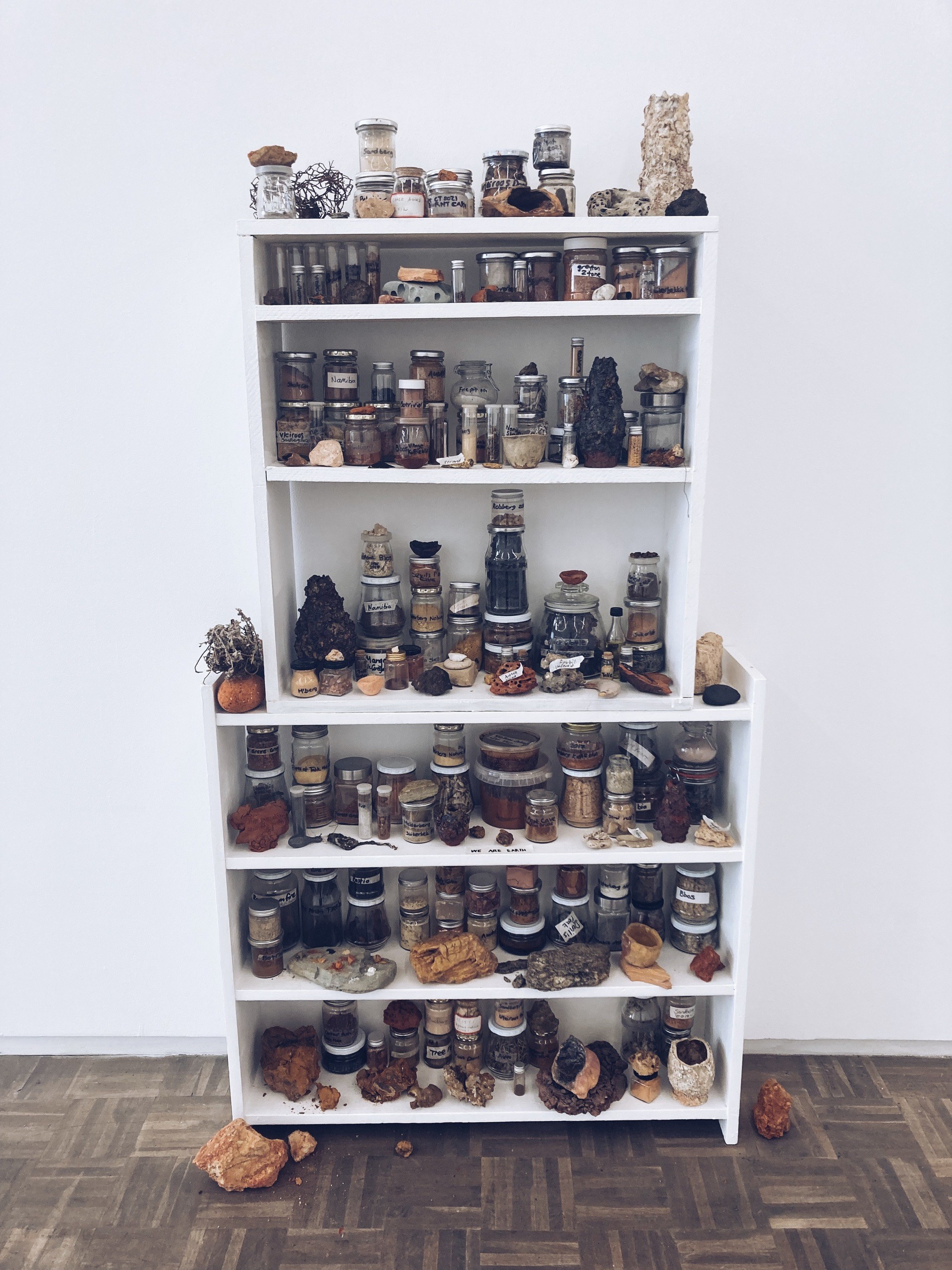
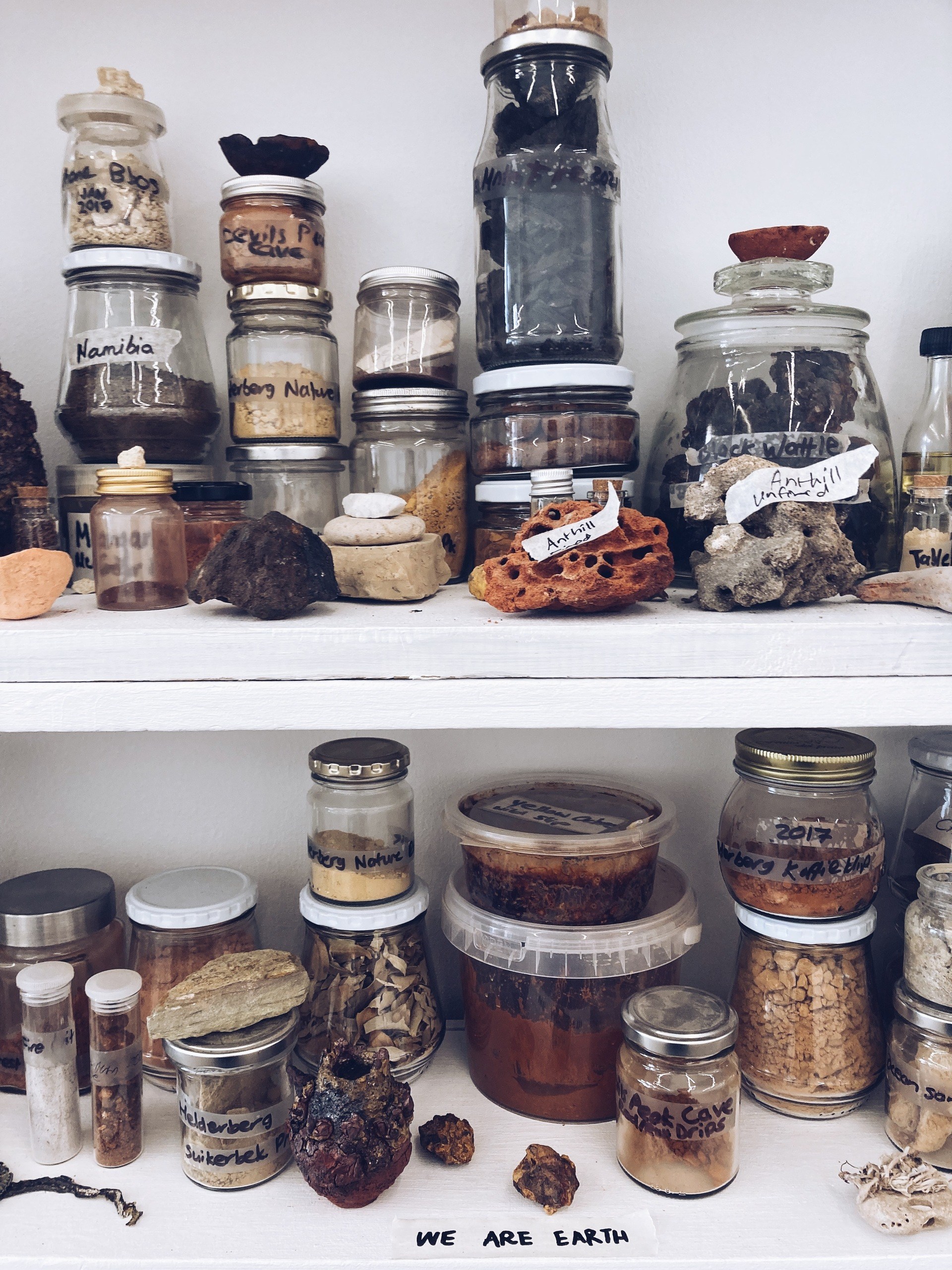
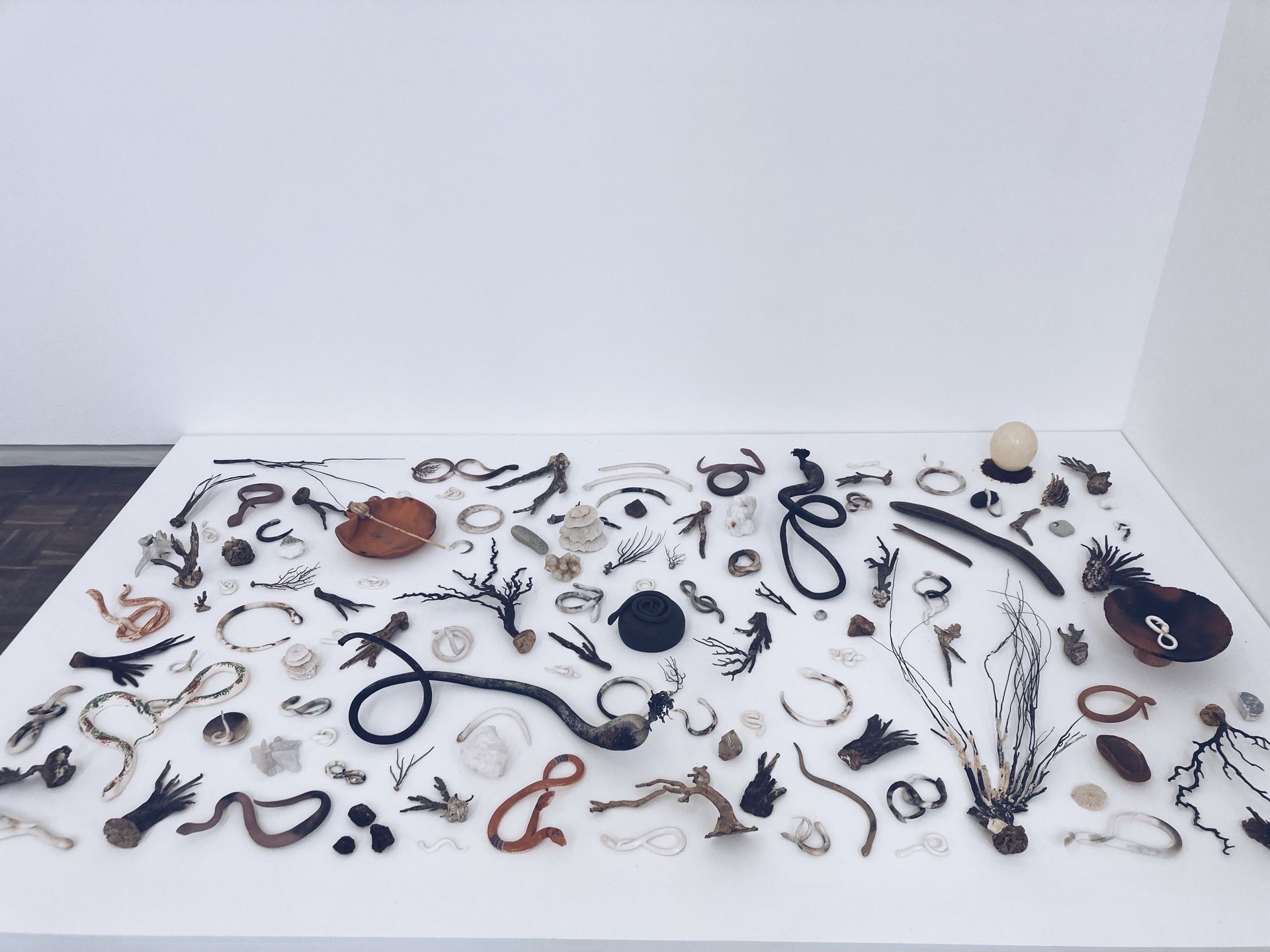
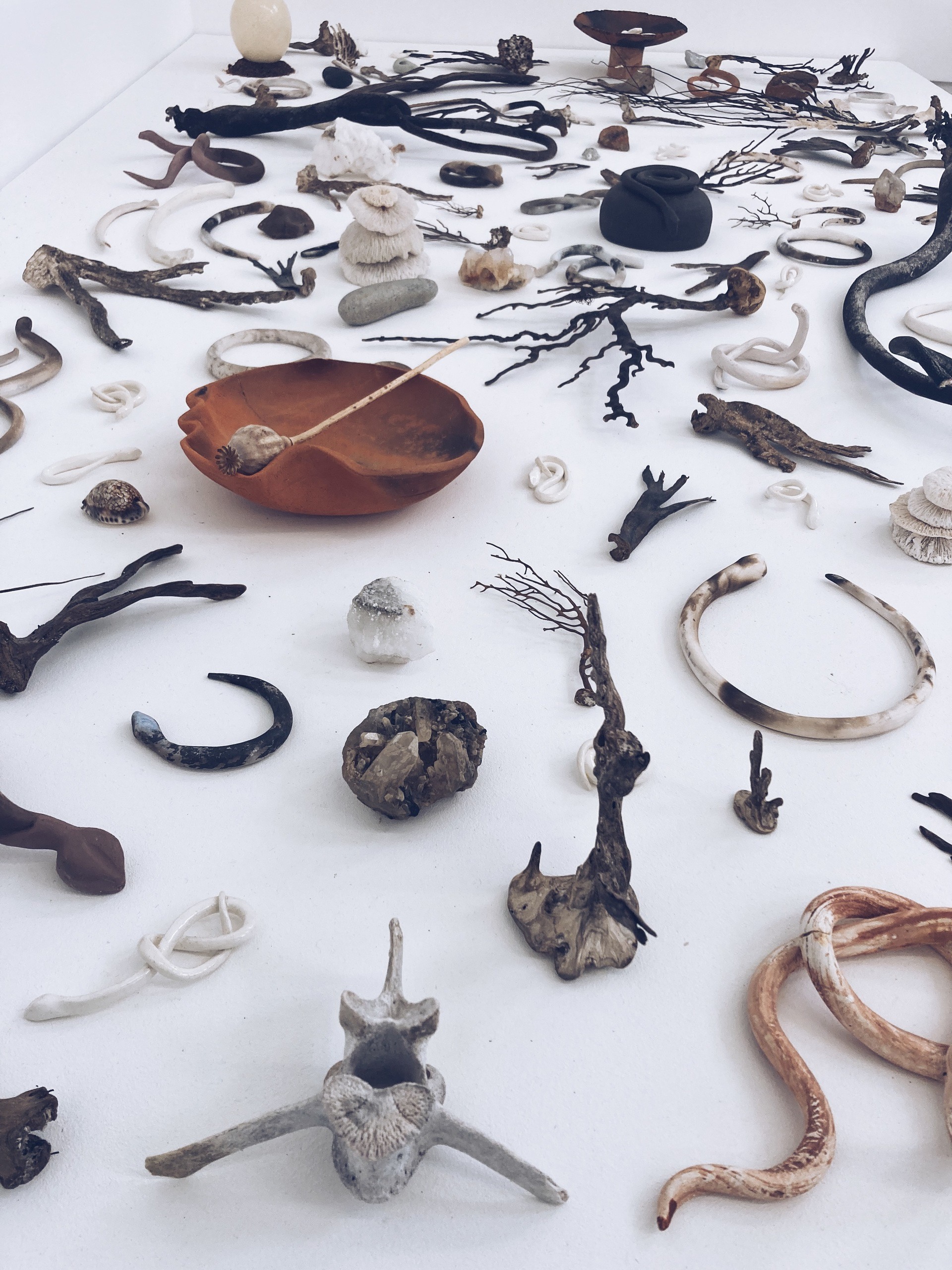
The earth is ripe for inspiration – to me, Mother Nature is our first and most formidable artist. All of us, her children seeking to create on our own accord, but always with a lineage that traces back to the planet. The strength of concept at blank projects’ current show, ‘the weight of a stone’, interrogates precisely this; the mutable forms in which earth as a substance exists. Never static nor passive, as the prima materia of our corporeal expression in the world. The show notes describe it best, “the stoicism of cement, the richness of clay, the sturdiness of metal, the infinite darkness of the mine, the pigmentation of soil, the fragility of glass and the versatility of salt.” These descriptions are exceedingly poetic – and in mere words, enliven the often mundane view of matter as vital material; our original mediums. Tucked away in a 360sqm space in Woodstock, blank projects offers a sublime space for such inquiries – high ceilings, sheet-white walls and parquet floors – and since 2012, ‘’the gallery represents emerging and increasingly established artists from the region in a critically engaged programme that emphasises contemporaneity, with a focus on concept and abstraction in the African context.”

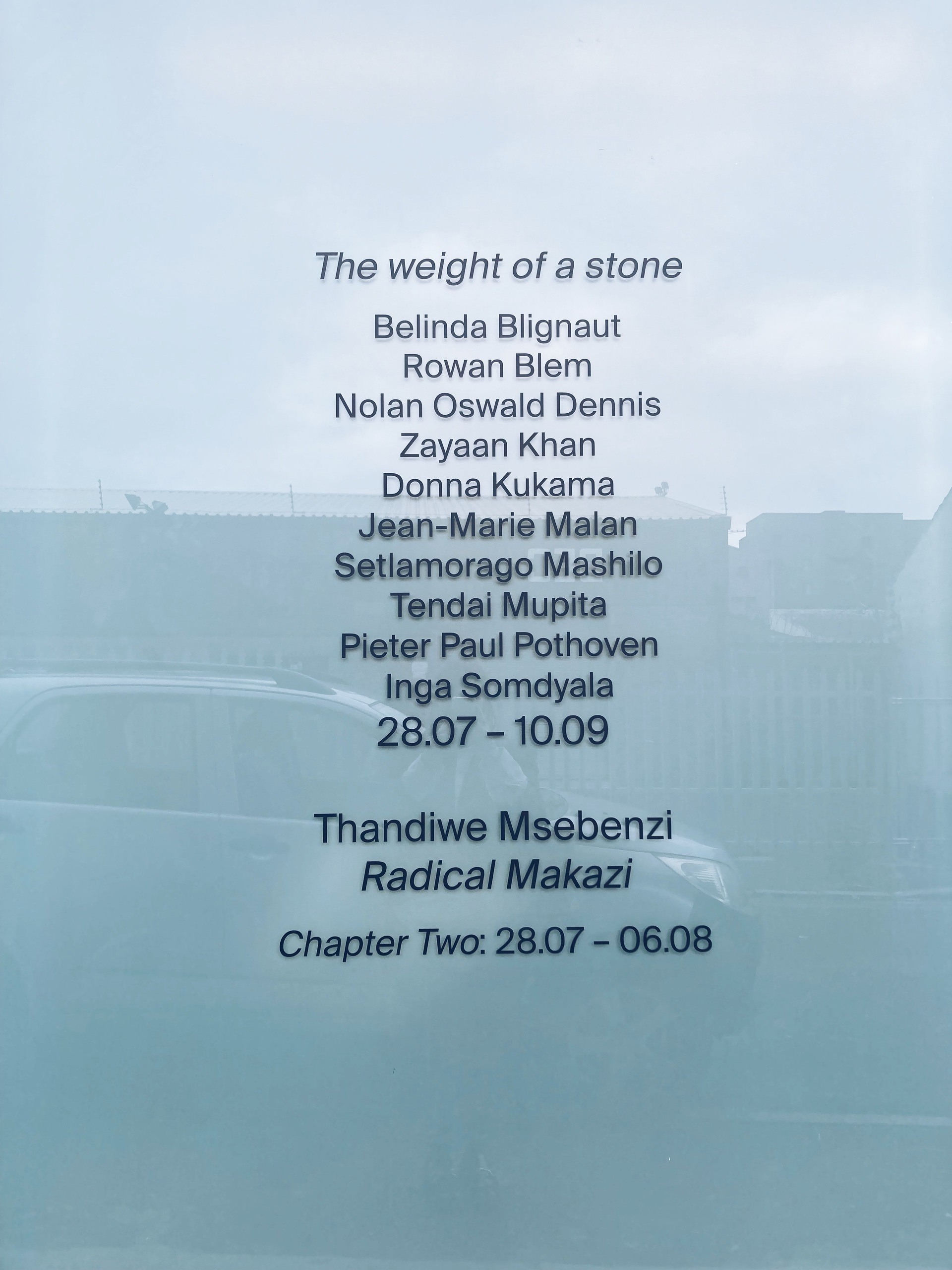
The show, co-curated by Lemeeze Davids and Thobile Ndenze – brought together an array of 10 artists, each with their practice linking back to earth. On how ‘the weight of stone’ was conceptualised, Lemeeze says, “the concept emerged organically after a discussion around a few artists that we were generally interested in, when in the brainstorming stages of the show. We noticed that the common thread was that they all worked using varied forms of earth. We mostly let this organic connection lead and speak for itself, only adding a few more artists based on the curatorial direction, as artists confirmed their availability.” Regarding the response to the show, Lemeeze says, “The reception has been tremendous – the opening night was packed and we’ve had a lot of foot traffic during the course of the show, which is great as winter is normally a slower season for visitors. We’ve had very positive responses towards the show from friends of the gallery, artists, and arts practitioners alike. Overall, as the first presentation that Thobile and I have curated since joining the blank team this year, we’re really happy how it came together and how the show makes use of the space.”

Following a beautiful format, ‘the weight of a stone’ is divided into clay / metal / soil and stone – each division grouping together artists whose work reflects the materiality of four forms of earth. Vulnerability of process was key as Lemeeze explains, “A number of works, including Nolan’s set of xenoliths, Jean-Marie’s sculpture, Rowan’s pieces and Inga’s works, were created specifically for the show, while Zayaan, Setlamorago, donna, and Belinda’s installations were compiled from their deep archives and studio processes of years’ of works. It was also wonderful to introduce our audience to the work of Tendai Mupita (Zimbabwean) and Pieter Paul Pothoven (Dutch), who are international artists we’ve had the pleasure of meeting through research around the show.”

///

We urge you to pop into the space to see the show before it ends on 10th September, 2022.
10 Lewin Street, Woodstock, Cape Town .

Click here for ‘the weight of stone’ zine – a critical accompaniment to your walkthrough of the show.

Written by: Holly Bell Beaton

For more news, visit the Connect Everything Collective homepage www.ceconline.co.za

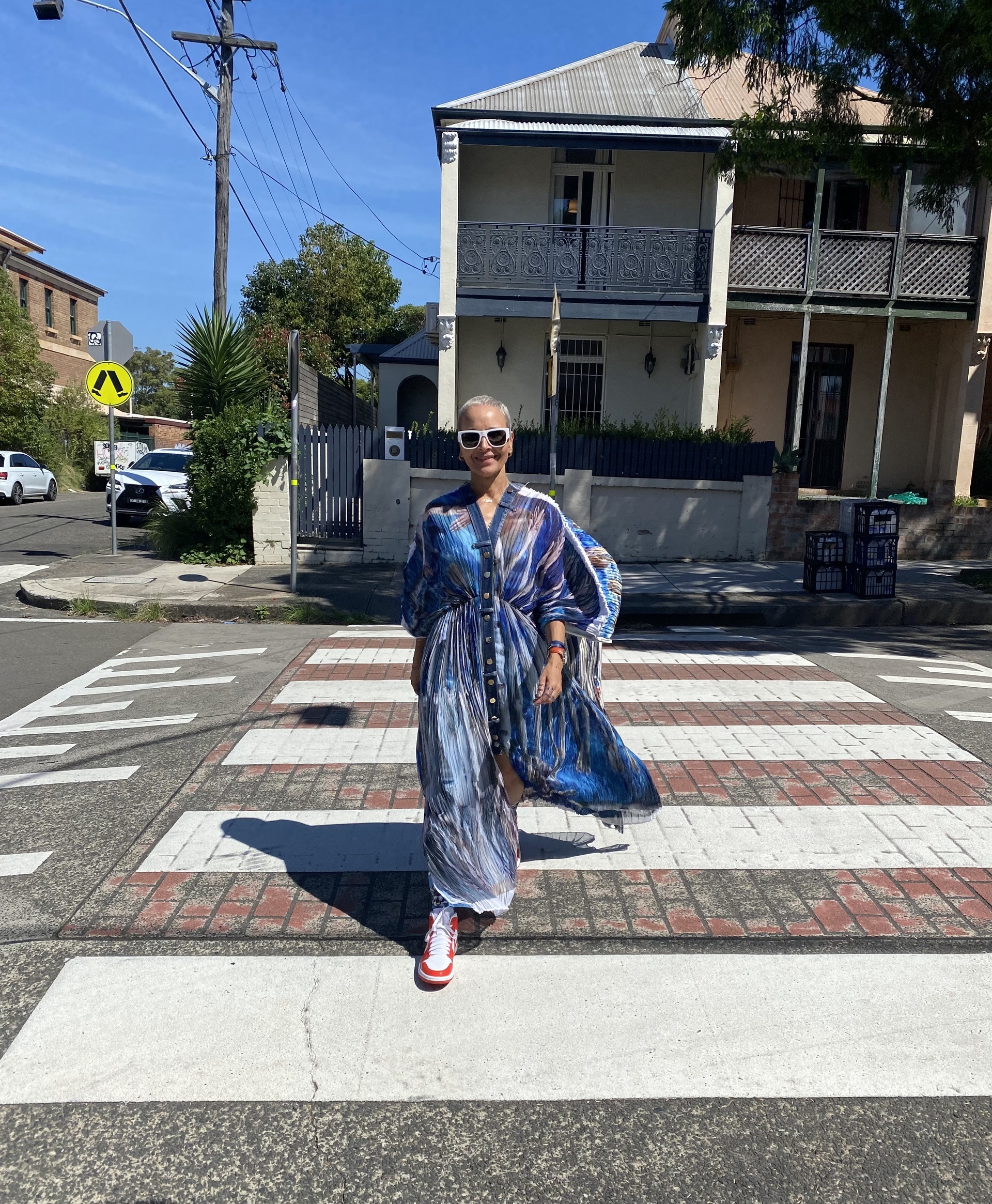
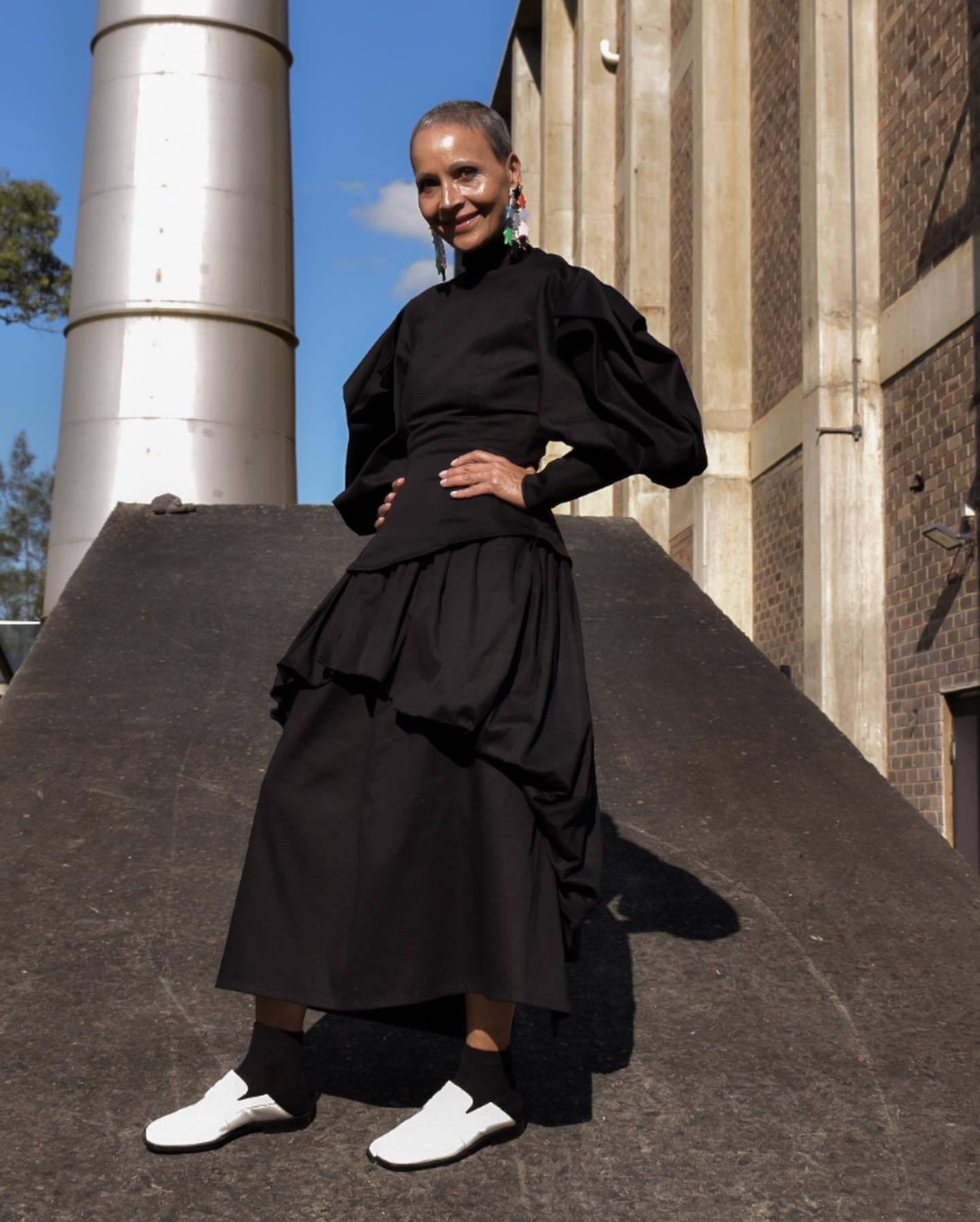
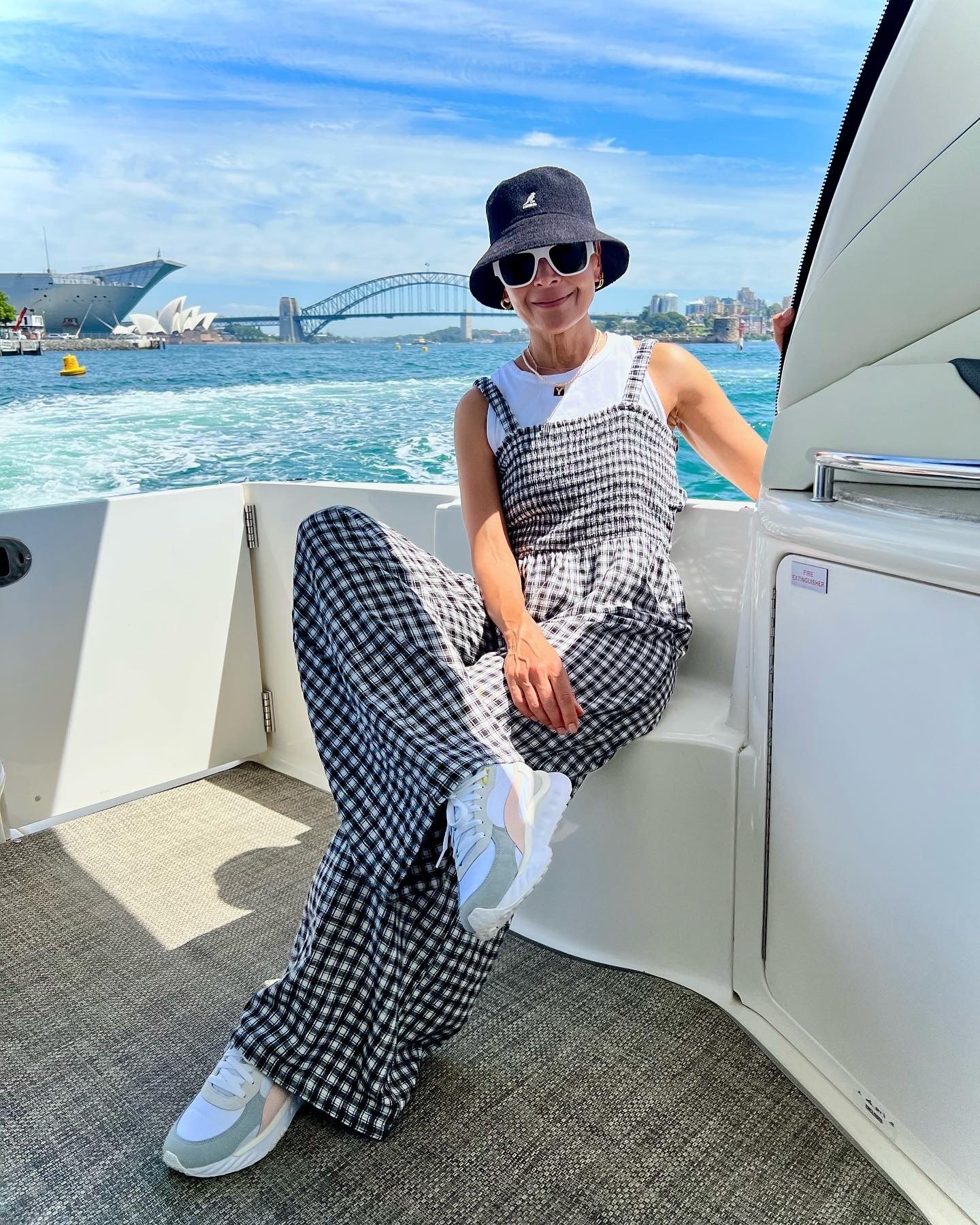
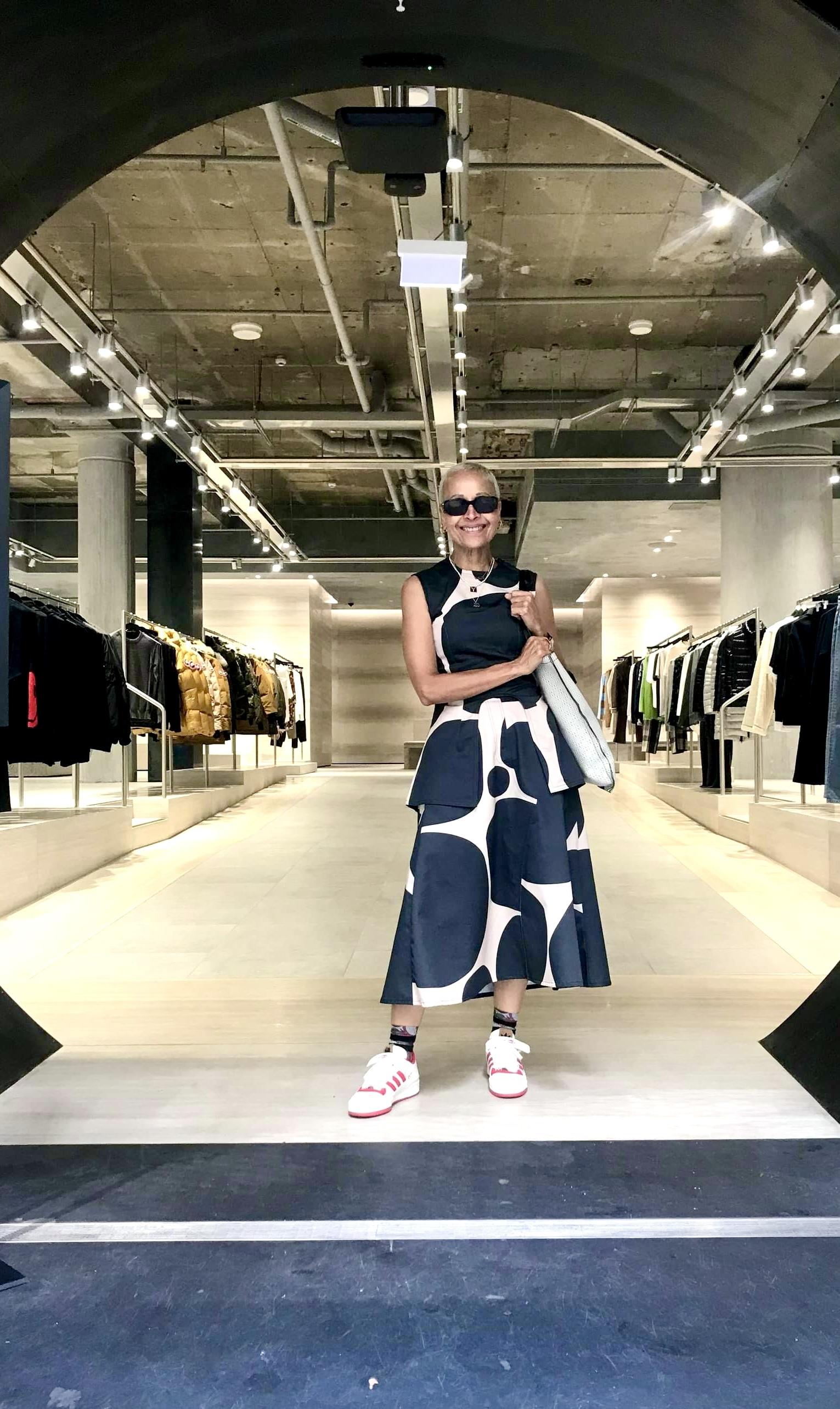
Disrupting the Norm with South Africa’s Sartorial Icon Yasmin Furmie

Yasmin Furmie lives by the line ‘disrupt the norm’ – a phrase that is as pertinent as ever. As a beloved icon on South Africa’s fashion and creative scenes, Yasmin cuts a disruptive stance – offering us case studies, almost everyday, in dressing; what style is and its relationship to ‘fashion’ – Yasmin embodies the joy of free-flowing expression, and usually with the wildest pair of sneakers to match. For Yasmin, style is the medium she knows best to channel her creativity – and as she tells me in our conversation, it’s been an evolving dialogue with herself in which she has challenged herself along the way; to be bolder, to be more conscious, to curate – and most of all, to support local. Yasmin is an absolute devotee of local design; championing the creativity ingenuity that only seems to accelerate in our country. Alongside her best friend Cynthia Allie – Yasmin runs their brand SiSi – a loveletter to each other, and to their passion for the perfect shirt; and how it can be adapted in so many ways, as treasures for one’s archive. 

In our conversation, Yasmin is dressed ‘down’ – although it’s the complementary sweatshirt and tracksuit jacket from the PUMA x VOGUE collection; a coming together of fashion and sportswear that represents the fast and necessary dissolving divisions between luxury, streetwear and the categorisation of style. Shining brightly in crimson red, Yasmin speaks on her personal style evolution, “You know, we don’t all pop out the womb knowing how to put things together – it’s something one builds on through periods of growth during life. I am very influenced by my family, specifically my father; the way he dressed and curated his outfits, which were very preppy, was something I loved so much. That preppy style was quite unusual for the time. It also comes with confidence in myself; and less of a desire to have what’s fashionable, and more of a desire to be unique and tell a story of my life through how I dress. That’s I think where the so-called ‘iconic’ association comes with me – that’s a consequence of living true to myself, and my style reflecting that.” In a world so driven by consumerism, and often designed to feed into our desires to covet newness, Yasmin reflects, “I think there’s an important distinction between style and fashion. We can go on that hamster wheel forever and ever wanting every fabulous thing that comes out by every brand or label. I think that gets very overwhelming and you’ll never be satisfied. My style really evolved when I made a conscious choice not to consume so much, firstly, and then to really work with what I had in my wardrobe. This forced me to become creative – and of course, fashion will always be a reference point – you can take what’s fashionable, but interpret it in your own style.” Yasmin’s sincerity is poignant on this – that trends do reflect the mood of the moment, but that it’s ultimately a matter of bringing it into one’s personal viewpoint of their expression and taste.

Yasmin is an immense supporter of local design – and I’ve heard it said that seeing Yasmin in one of your designs is a sure sign of good things to come. Perhaps, without knowing, Yasmin holds this sense of guardianship for South African fashion; a treasured talisman and lucky charm, and her position is influential, in a way that influencer culture could perhaps never quite land as earnestly. On her love for local fashion, Yasmin says, “I’ve always felt that I had to be a little bit unique. The best way I know to do this, is by looking right at home in our country – instead of looking overseas all the time, or following what everyone else is trying to wear, and we are so spoiled for choice here. A country like South Africa is made up of such diverse talents and creatives, and when I wear local things in Sydney or London – for example – I am stopped over and over, and asked what I’m wearing. We have to support local – for environmental reasons, and for every political reason that I think about regarding fashion and its power in the world. Buying into our industry is buying into our own economy; it’s supporting young creatives who are carving their paths. It’s about supporting their dreams, and the future for all of us.” With the uncertainty around job security and our country’s overall economic health; Yasmin encourages creative solutions, and in speaking – she always returns back to fashion or design as a pathway to a better vision for South Africa. We are emerging from a decade of a near full-scale outsourcing of our production and manufacturing power – spurred on by globalisation, rising costs and other facets of industry. Yasmin reminds me that we are seeing the industry re-assert its course inwardly; from the successes of contemporary luxury brands, to mid-level and streetwear label’s gaining traction – to the excitement felt this year of our fashion week culture reestablishing itself firmly as a fixture of expression for designers and roleplayers in the industry. Internally, we have a responsibility in our purchasing power to see this reassertion through, and with a voice like Yasmin’s – we can be assured in the act of supporting local.

Recently, I watched a Tiktok from Yasmin in which she addressed her followers; and asked them to refrain from expressing their admiration using words like ‘aunty’ or saying ‘you look good for you age’ – as a part of Yasmin’s purpose in becoming a public figure for fashion, has been about defying ageism; on this she says, “I think it’s something that needs to spoken about. I think people sometimes think I’m being petty – what’s aunty or mama saying that for? What people don’t see is that if you extrapolate that phrase – ‘oh, you look good for a ____” – and insert something pertaining to race, or gender, or sexuality – it would be highly problematic. What I try to put across is that the very sentiment of viewing someone as doing or wearing something and tying it to an aspect of their identity, even as a compliment, that it is othering them. If I love someone’s style, I would never qualify that in accordance with their identity. I know the majority of people are well-meaning, but I do think ageism forms part of the way that we continue to separate and divide each other based on how society has taught us to view or appreciate each other.” These is a powerful sentiment – and poignant if we are to continue to shifting our socio-cutlural exchanges. Yasmin just is – as we all just are – and that is a very beautiful surrender to make away from the demands of categorisation. On ‘disrupting the norm’, Yasmin explains, “Well, we are put in a box. Especially women, and at a particular age in their lives. Policing behaviours and expression is something I am strongly against, and I hope that I can reflect a different way. I want to say what I want, wear what I want – and to be acknowledged, and for my beliefs to be respected. It’s quite something that these very simple things are somehow rebellious in the world. I want to see people being unapologetically themselves.” Inspired by her friends, her beautiful family – travelling and the city of Joburg that never ceases to inspire her – Yasmin Furmie being essentially and wholly herself is a symbol for us all.

Written by: Holly Bell Beaton

For more news, visit the Connect Everything Collective homepage www.ceconline.co.za
Building Streetwear Ecosystems with Cameron Lovemore’s Brunch Club

Cameron Lovemore’s surname is incredibly apt – especially as our conversation unfolds, and it’s clear that his brand Brunch Club’s origin story is as earnest as its latter and present success, as one of the most exciting streetwear brands sweeping South Africa’s scene. The new generation of streetwear founders and designers have grabbed the baton themselves; and intend to do big, big things with it. As Cameron tells me later, he and contemporaries such as the homies at Broke are seeding a streetwear ecosystem in which everyone can have a seat at the table; the ‘we all need to eat’ sentiment is ripe, and so critical if our fashion scene is ever to see out longevity and expansion.
The brand’s signature’s are developing, and are punctuated by bold use of colour – with a specific shade of blue (cornflower-esque) as a visual footnote – and the name itself, playful and inviting, is a nostalgic nod to Cameron’s cohort of creative in high schools; who, in a rigid traditional school in Graham’s Town, were not into rugby and all said camaraderie. What Breakfast Club was to misfits of the ‘80s, so Brunch Club was Cameron’s crew, and the name has since stuck. Around this time, Cameron tells me how the idea of apparel as a career first struck, ‘’In high school I was always trying to make money, and I managed to get some designs that I had made for our houses (school houses) hoodies – and I got the opportunity to run with that. That was the first time I was introduced to how anything is made in fashion – like print methods, embroidery – construction. The goal then wasn’t to be cool or do something very meaningful, I think, the goal was to have extra pocket money. The idea of Brunch Club was born from my friend group – we are a bunch of creatives navigating this very traditional environment – and we were also quite naughty, and Breakfast Club was our favourite movement. We would meet at brunch time every day at break – so the name stuck. I made us a few more and they liked it. It was plain tees that I had sourced and worked on myself to differentiate.” This first taste of production and retail stayed with Cameron – and he went onto supply schools and universities with matric jackets, jerseys, hoodies for around five years – intermixed with an annual ‘Brunch Club’ shirt release. After leaving university, it was clear to Cameron that this is what he wanted to do full time – particularly in the creative space of fashion.
Like many creatives, COVID was a driving force – in its simultaneous devastation and incubation of careers and pathways – for brand ideas and visions to become a fully-fledged brand. Cameron is endlessly curious and committed to learning, and the time offered him an opportunity to learn to sew on his own – alongside a move to a studio in Greenpoint. On this, Cameron says, “We are a functioning brand with everything made by us. I don’t buy blanks anymore, and this rebirth is very much about Brunch Club – I haven’t done an order for a school since 2020 – and it’s produced and designed by myself, our seamstresses and print shops. I wouldn’t have the time before the pandemic to put in the research that I needed to in order to build Brunch Club’s blueprint. I’ve loved fashion for so long. The biggest issue at that point was to sell, and believe it or not – even with e-commerce being what it is today – people still struggle to buy a garment from a picture without actually touching it or fitting it.” Like any good Cape Town story – Brunch Club’s first appearance on the scene was courtesy of a friend, who invited Cameron to do a pop-up at Yours Truly – unbeknown to Cameron, YT was one of the centres of the city’s culture and young creatives. Cameron reflects, ‘’I produced all the stock in two weeks, all day and all night. I felt it could be my big break – and it was the first time I had to buy hangers and rails, and figure out this aspect of fashion. I invited all my friends and it was a lot of fun – but then I was introduced to Andile (Broke) and Sam (Lazy Stacks) – and I had no idea that I was speaking to two of the most important figures in SA streetwear, right now. They told me that they were opening a store in Loop  Street the next day, and did I want to be in?” This store is none other than INFLUHKS – the brick & mortar emblem of the streetwear’s new wave. For Cameron, this was massive – and with the ensuing parties that laid the space’s name as iconic, and propelled many who stocked there to new heights, seeing fashion bring huge communities together gave Cameron every hope he needed for Brunch Club’s future.
Since then, Cameron’s growth as a designer has been nurtured by his ongoing dialogue ‘Understanding’ – a space he has created within the brand to express his growing understanding of brand-building and design. ‘Understanding’ is a dynamic approach to releasing collections, as Cameron says, “I’ve been exploring through capsule releases or piece by piece, to build a brand identity for Brunch Club. I’m taking our clients and community with me on the journey to explore different seasons, silhouettes – logos, fonts, typefaces and print methods. This is all under one big banner of ‘understanding’ – that instead of releasing new ideas, I’m focused on building on the central idea of what Brunch Club is. I really like this open-ending conversation I’m able to have because it also reflects my sense that I’m not done in my own understanding – I’ve created my favourite t-shirt silhouette so far in this collection, and my favourite pants – but that’s not the end of figuring it out, you know? As long as I am learning and growing, and everyone in the scene is supporting each other, then I think this shared vision of South Africa’s streetwear scene in 2022 and beyond is only the beginning. We are adapting to suit our own resources and market; and I think this is the difference when many of us realise that we can make our own notes, instead of always feeling like we need to take notes from international spaces.”

With Cameron’s sincerity – and his own style as an iconic feature on its own in South African fashion – the uniform of vintage blazers and ties is a nod and reclamation of his start at a traditional school. With doses of rebellion and grit, Cameron and Brunch Club stand alongside the promise of South Africa’s streetwear scene; critical, community-based and cooler than ever. We are here for it.

Written by: Holly Bell Beaton

Berlin Wibes is Releasing 8 singles Followed by Their First Self-titled Album

Berlin Wibes is the label of Sound Dogma Berlin founder and Bass music producer, Christian Ogrinz, a.k.a. Wasserstoff, in cooperation with Paradise Worldwide. Through networking in Berlin and internationally, his team has produced a global sound, with a mix of Gqom, Amapiano, Reggae, House, and Minimal.

Berlin Wibes recently did a session at Riverside Studios with Soundz of the South from Cape Town, with an imminent joint release for 2022. The Berlin Core Team is made up of Wasserstoff, Waynette Posch (media/club), Martin Burkard (co-production/sound), and Henrike Ott (graphics/contacts).

Starting the 26th of August, Berlin Wibes is releasing 8 singles, and their first self-titled album with 15 tracks to follow on the 10th of February 2023.

/// Listen to the first 3 singles here on Soundcloud

Featured artists on the tracks are Marechal Mendy (Reggae vocalist, Dakar), Ali Haydar Timisi (Turkish Anatolian folk singer and instrumentalist, Istanbul), Jah Moko Family (Reggae vocalist from Mali, now Dakar), Msoke (Reggae artist, Zurich), and Ben Hafane (Rap artist, Lyon). The artistic concept reflects the stereotypes of current contemporary history. While the songs are characterized by a yearning for peace and freedom and the desire for more equality and independence; standing for qualitative relevance through diversity.

Berlin Wibes is working in parallel on a Trap/Drill series in a Berlin/Hamburg/Cape Town collaboration: where female MCs in Germany are presented, supported, and empowered by means of features by the legendary MC Zulu (Chicago), the Reggae prizewinner Mame Baye Fall (Dakar), and JsideB, who the radio has named as one of the Top 5 Rappers from Senegal.

DOPE X Float Apparel’s Love Letter to Summer

A few warmer days here and there, and everyone is back on the beach, or the mountain; Cape Town is alive in a matter of moments, all of us intent on soaking in the first tastes of the juicy, balmy energy of summer. First, we welcome spring – the blooming onset of sunshine beckons us; the west-coast flowers blossom; the salty and sandy memories of everyone who grew up in and around this coastal city. Many Cape Town-born brands find their reference somehow tying back to the qualities they learned here – whether it’s the pace of life (chilled, please) – or the colours, even our fynbos – or subcultures in music or movement. The beautiful collision of two such brands for whom Cape Town & summer are the foundational footnotes of their work, have spent winter nurturing a celebration for this season.

 For the first spring that has sprung in which the pandemic really feels like near-memory passed, DOPE – homegrown cannabis infused seltzer – and local apparel wayshowers, Float – bring us their collaborative collection launch, marked by a first Thursday event that falls effortlessly on the southern hemisphere’s Spring Day itself; September 1st. Spring Day ‘22 brings together the DOPE and Float communities – sharing in the spirit of childlike joy at the warm seasons ahead. The event will be hosted at Blondie, Kloof Street in Cape Town’s CBD.

As DOPE co-founder Andrew Davenport tells us, their brand was founded on friendship and creativity – intrinsic to Float’s origin, too; “We challenged ourselves to imagine what the next generation of consumers would want from a lifestyle beverage. Something beyond alcohol that wasn’t a ‘mocktail’. We wanted a functional drink that would offer a new kind of unwind, free from hangovers and crippling anxiety, but removed from the highly pretentious world of wellness toting yoga yuppies. The answer was DOPE; our cannabis infused seltzer boasting all natural ingredients.” 

Friendship and collaboration make for beautiful stories, and Float Apparel’s is just that, The brand was formed by 3 friends inspired by travel, photography, music, culture and creativity as well as the people that surround them, it’s collaboration of friends wanting to express their lifestyle through a brand. The name ‘Float’ best describes how we didn’t want to be labelled or categorised. This attitude, to float between the stereotypical societal labels, allows for our community to balance their interests, surrounding themselves with different people,  being forever intrigued and constantly fascinated.”

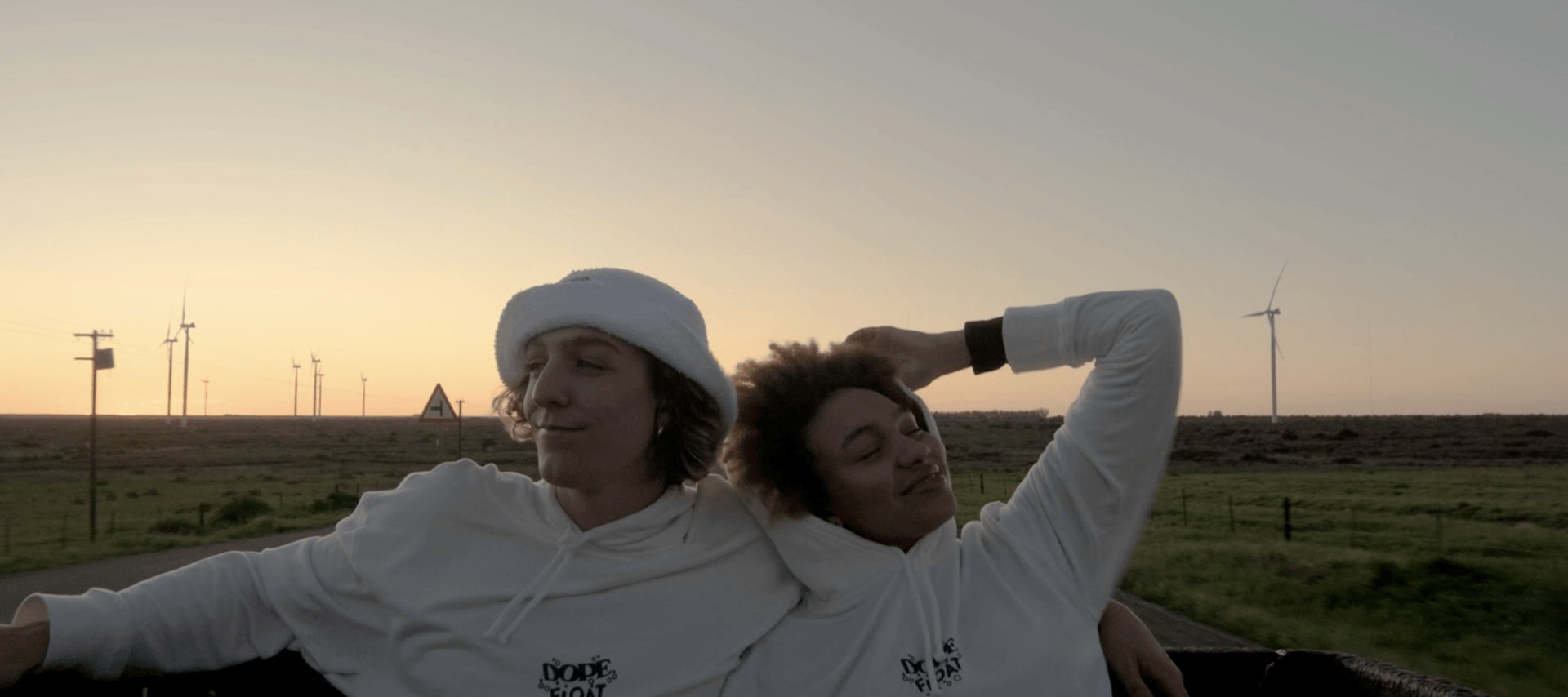
As summer-centric brands, the coming together of iconic, coastal spaces is set to be a huuuge vibe – join us at Blondie, Kloof Street, Cape Town. The party will celebrate the first drop of their collaboration, featuring limited edition hoodies, tee’s and towel bucket hats; essential pieces for a beautiful season ahead. 

The event boasts a line-up of brilliant local DJ’s including Tommy Gun, Housewife and Yoke

/// The full collection will be available exclusively at Float Apparel’s flagship store, 137 Bree Street, Cape Town.