Scumboy

Recently, I have found myself contemplating the rapid onset of the singularity. Ironically so, the very nature of this hypothetical nexus in which technology merges indecipherably with material reality, is such that once we reach it – if we haven’t, already – it would be rather difficult to determine or pinpoint its occurrence. Technically speaking, this term “singularity” refers to the uncontrollable influence that Artificial Intelligence might have on human existence – and such, the fabric of our reality. This notion has always stirred a sense of anguish in me; mostly because my knowledge of the digital realm is hugely limited, and therefore even wrapping my head around the implications of this “event” (or rather, consecutive events) feels poorly analyzed. Our global society already courts an indistinguishable and co-dependent relationship with modern technology, and it seems ridiculous to assume we might ever revert back to anything less than continual modification. Coupled with this, is the rather strange “nostalgia” many of us seem to fawn over antiquity with – “simpler times” and other such phrases get thrown around, in reference to ages in which we experienced perpetual disease and discomfort – and yes, that is a reductive take to say the least – but the point I am attempting to coax is this;

I really do not know enough to hold an informed opinion, and while Zuckerberg’s eerily embarrassing Meta rebranding does make me squirm, speaking to someone like 3D artist and motion graphic designer Oliver Hunter Pohorille (AKA Scumboy) – leaves me intrigued and hopeful for the future of digital mediums in which to relay story-telling and art. 

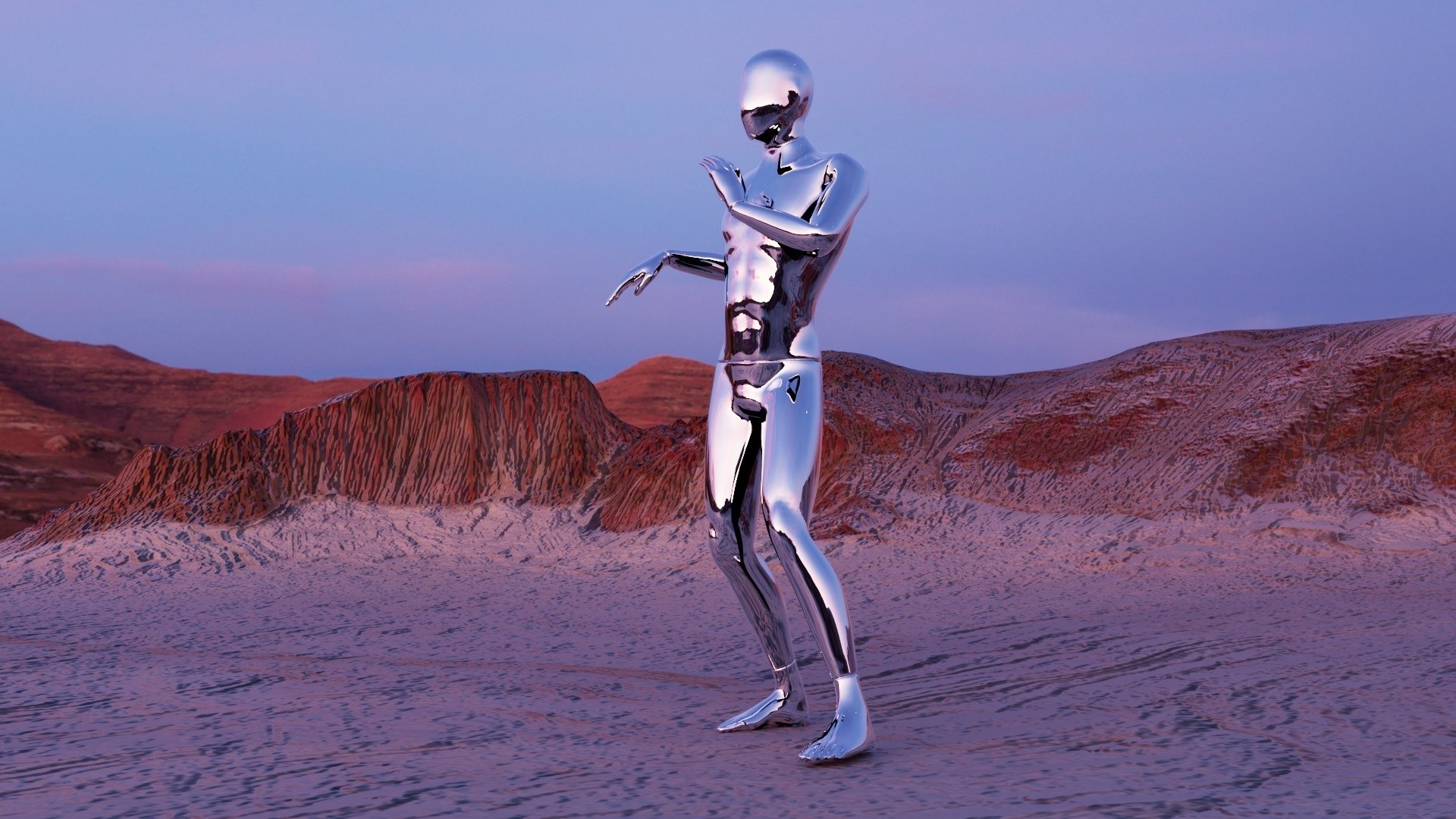
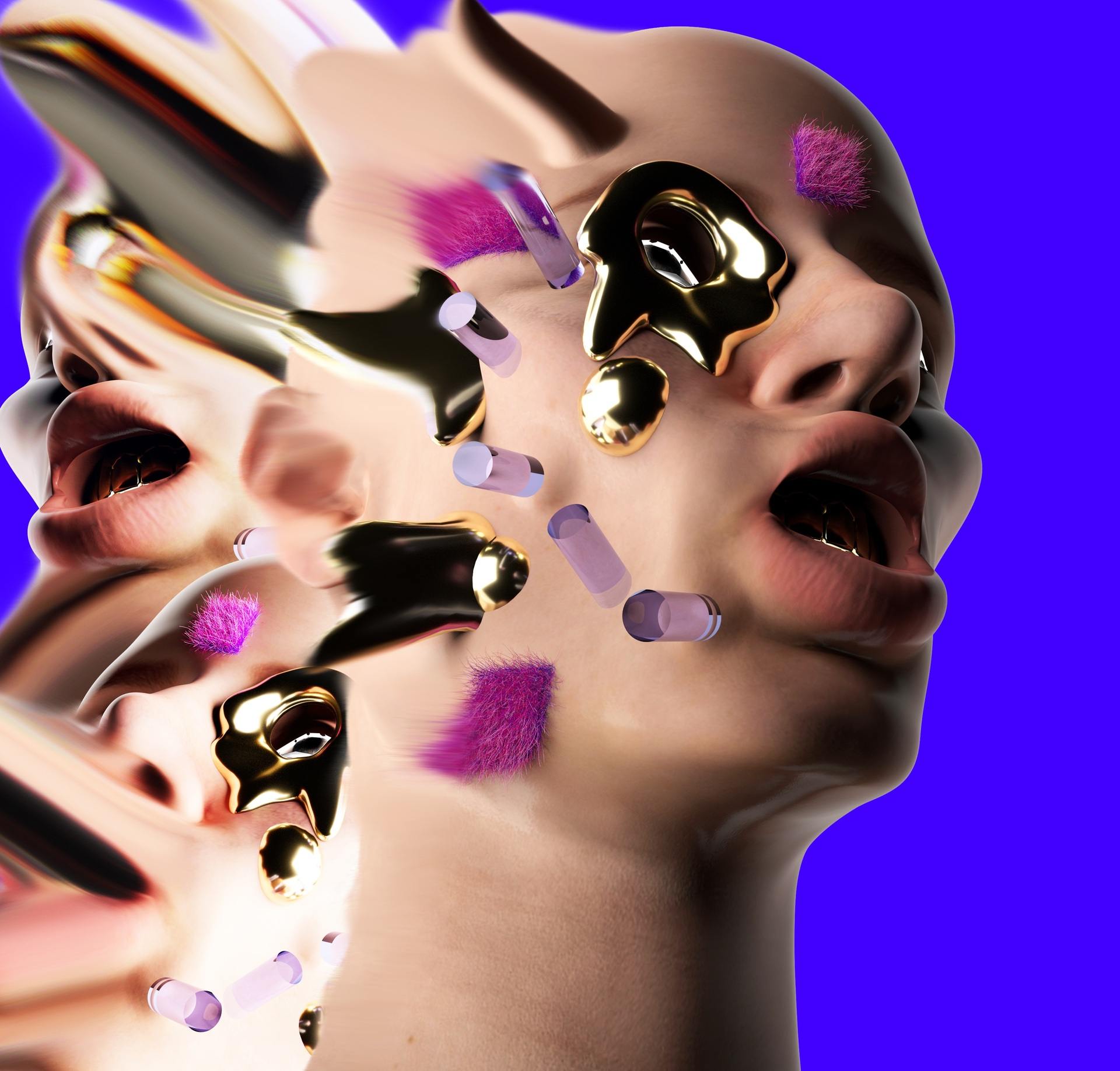
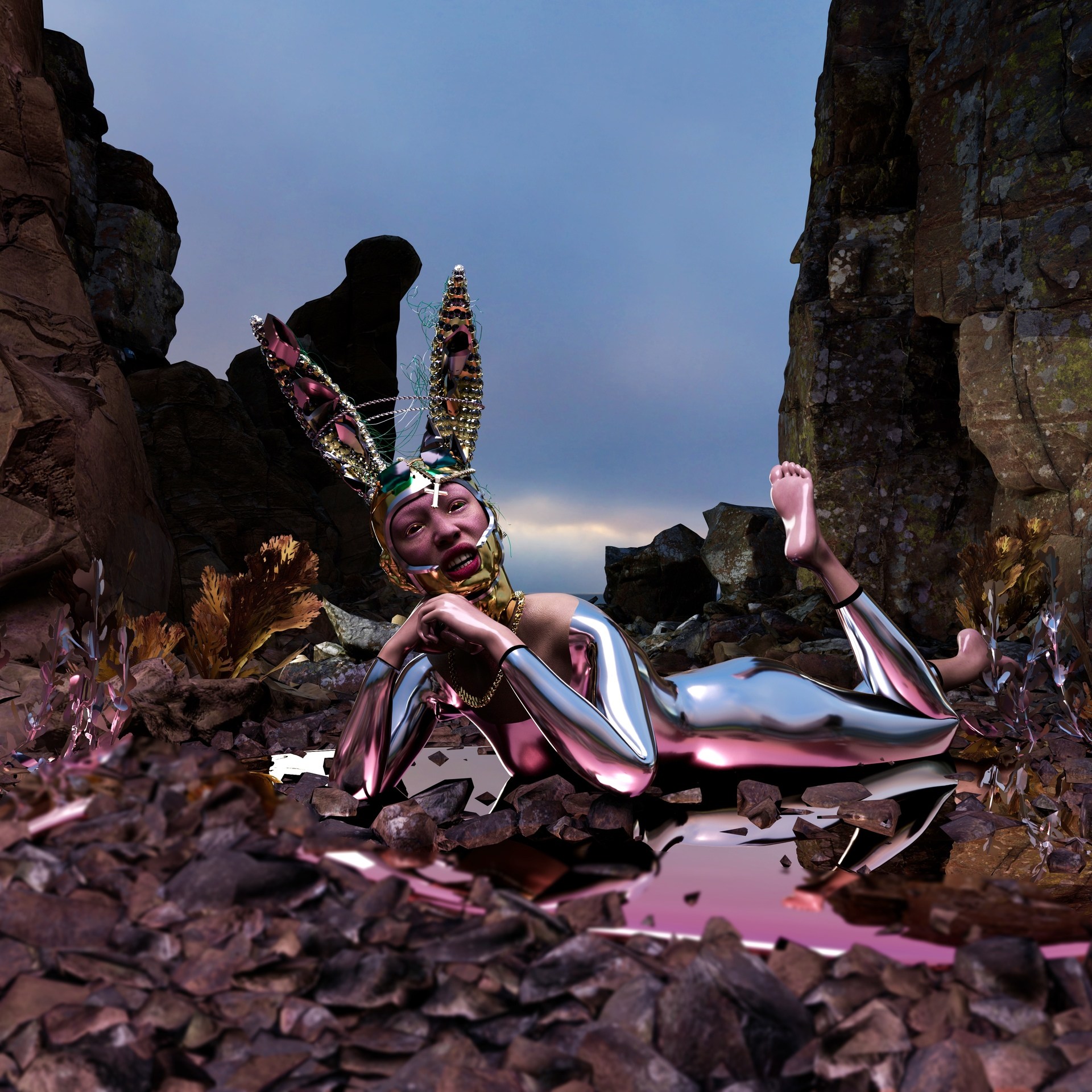
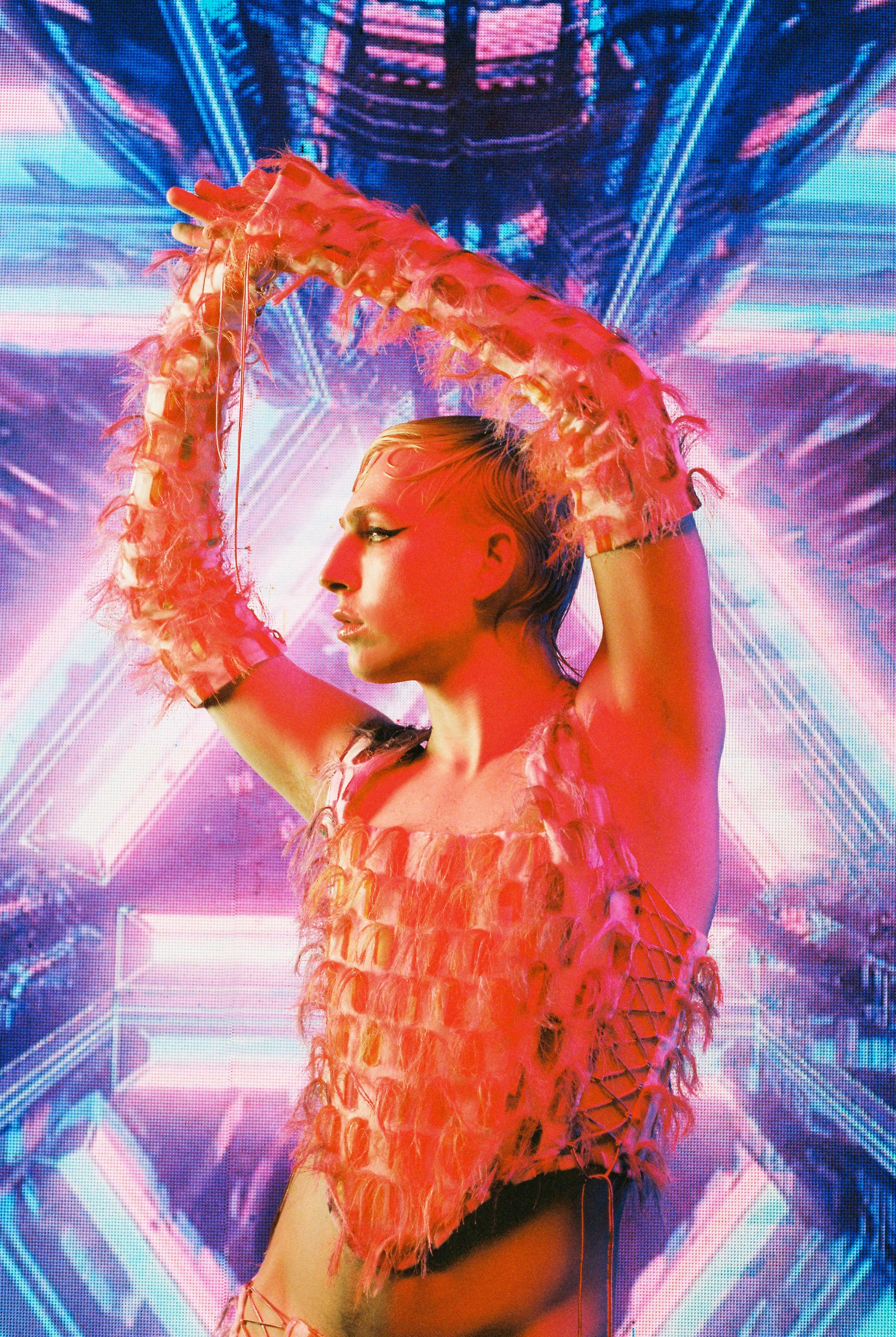
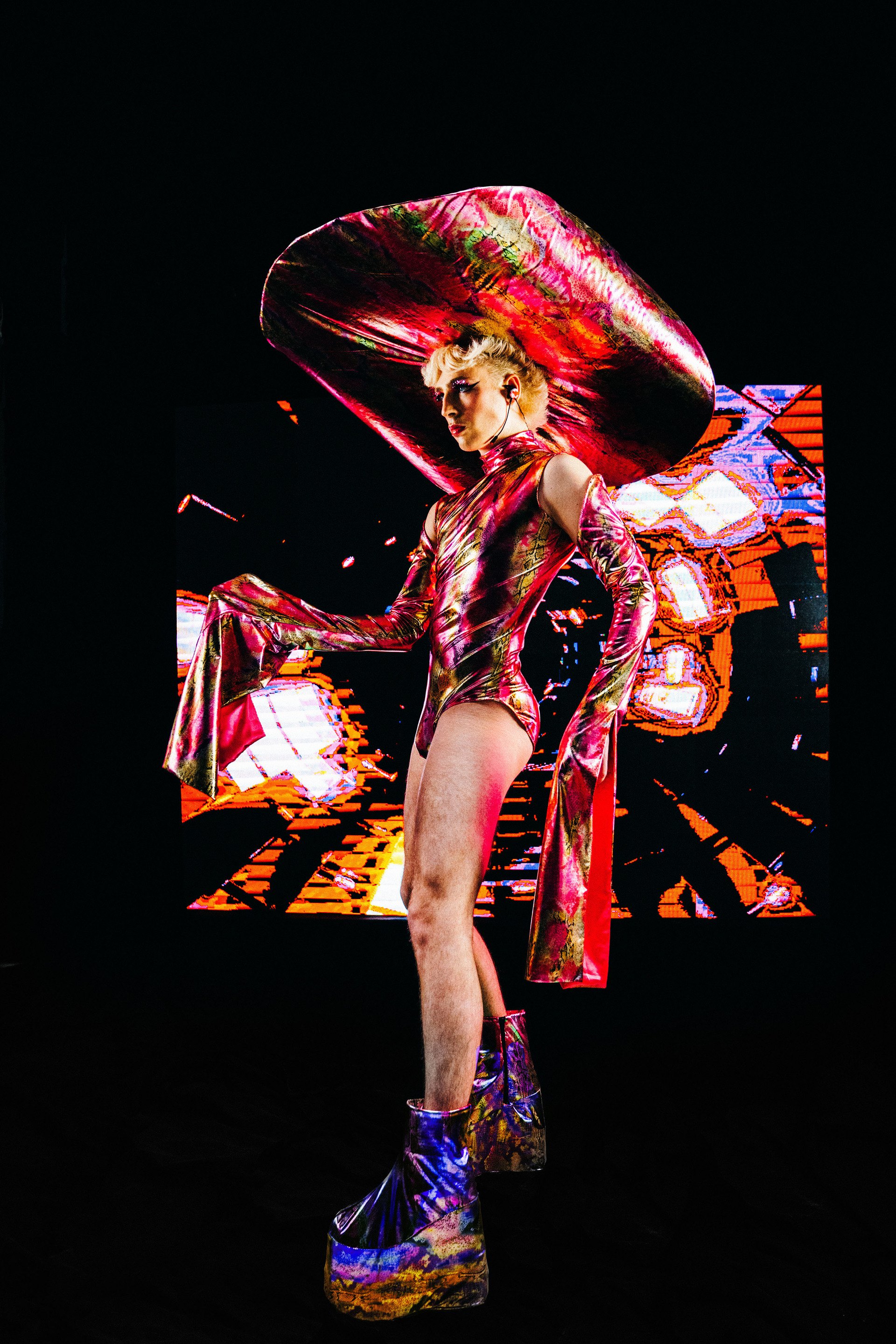
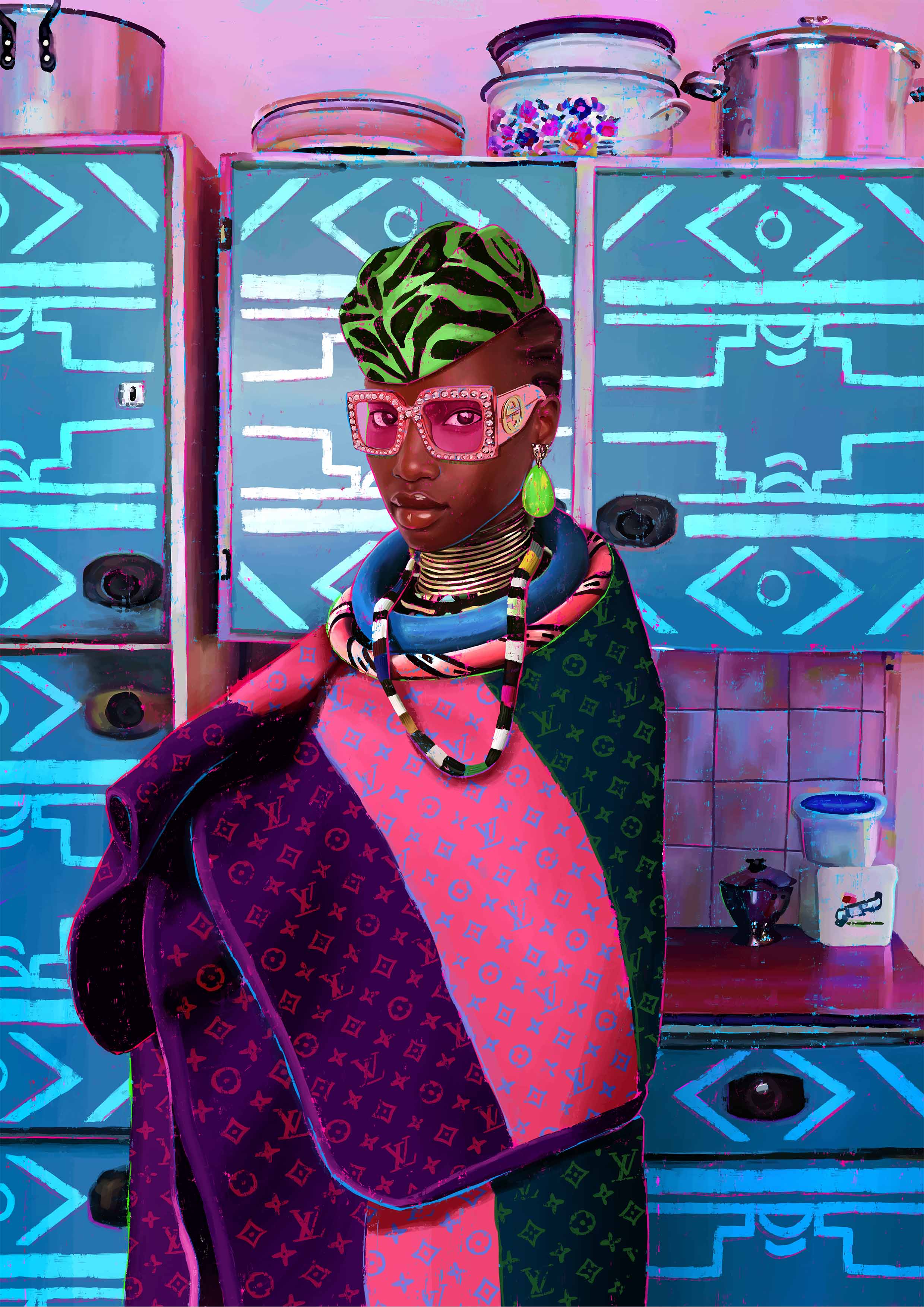
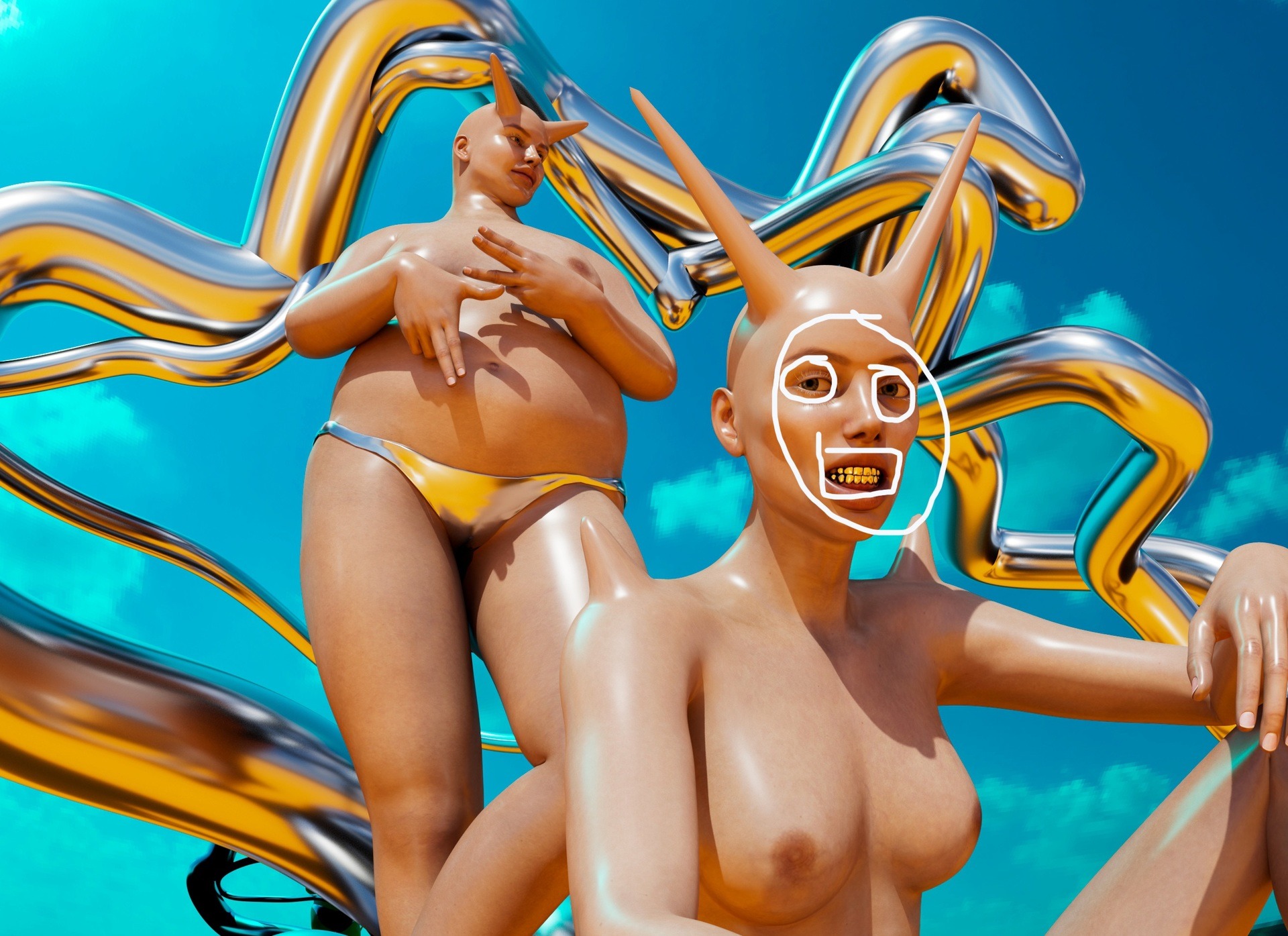
Oliver’s work makes a stunning case for the possibilities of digital rendered landscapes. His acid-colour caricatures cut a beautiful aesthetic, which you will recognize from his IG presence (@scumboy.69) in which there seems to be a continual re-imagining of the human form, along with kaleidoscopic spaces in which these figures exist. This is the type of meta-verse I am into – it’s interesting, and if we are abandoning material reality, why would we go with Zuck’s corporate vitriol?
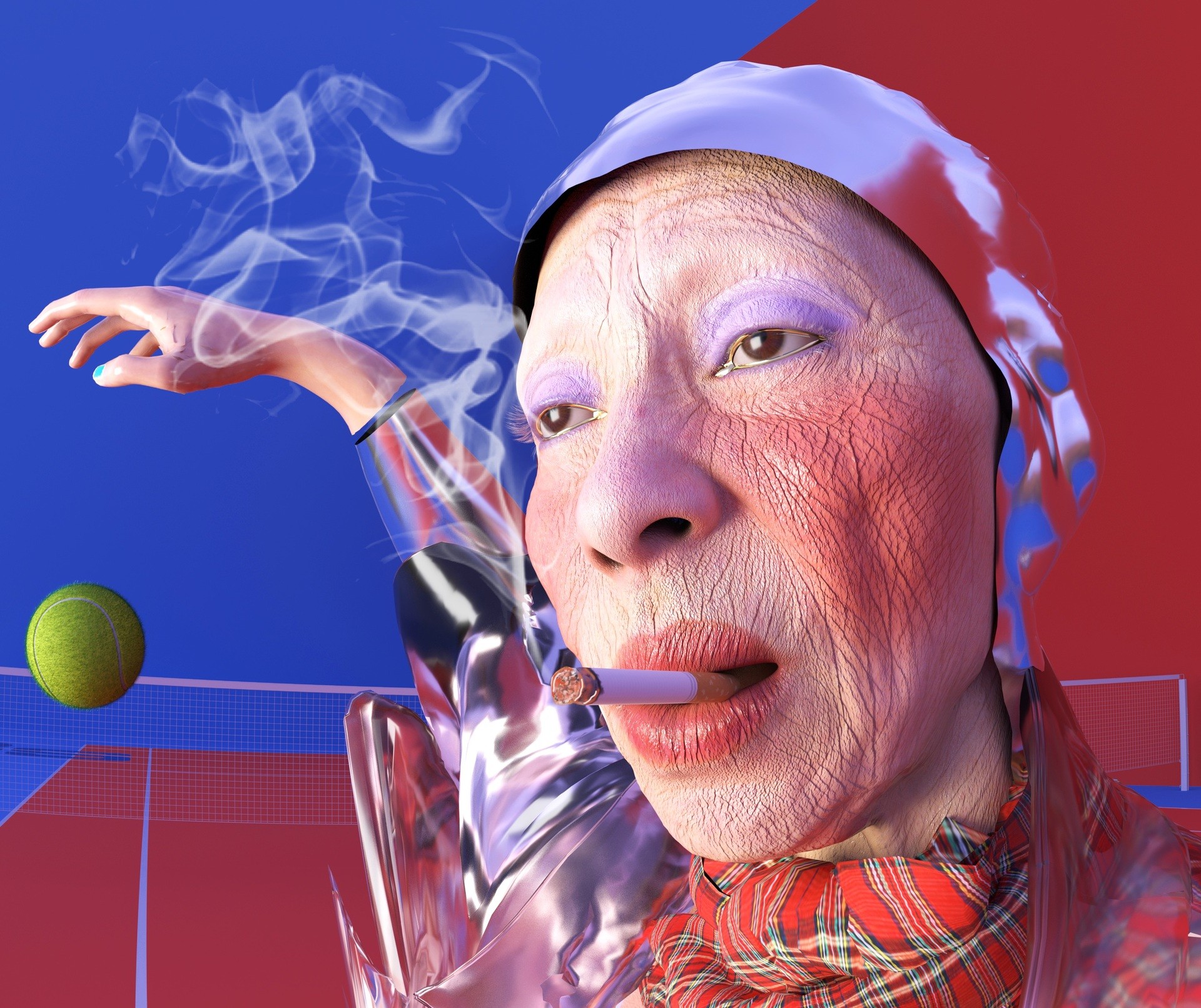
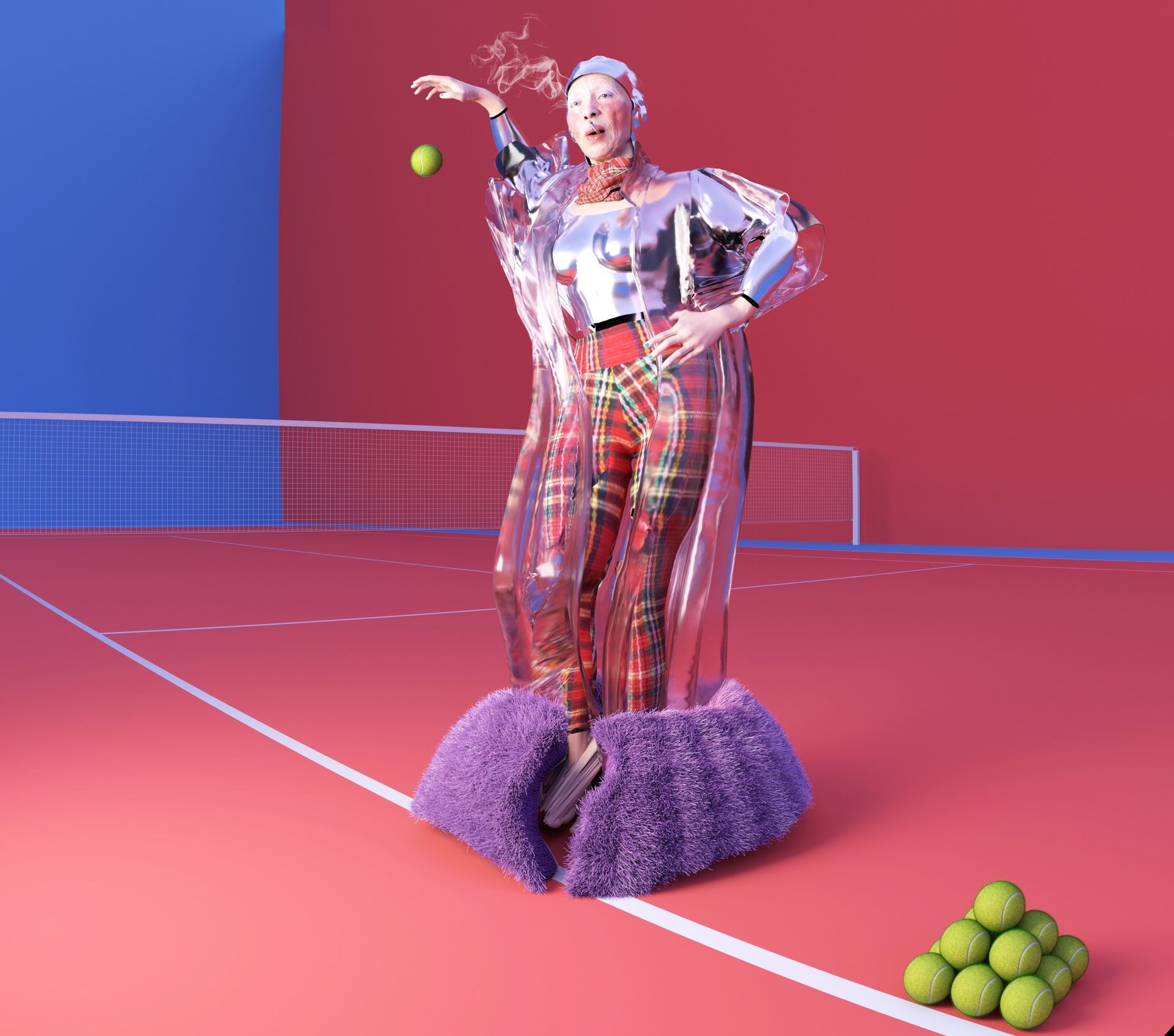
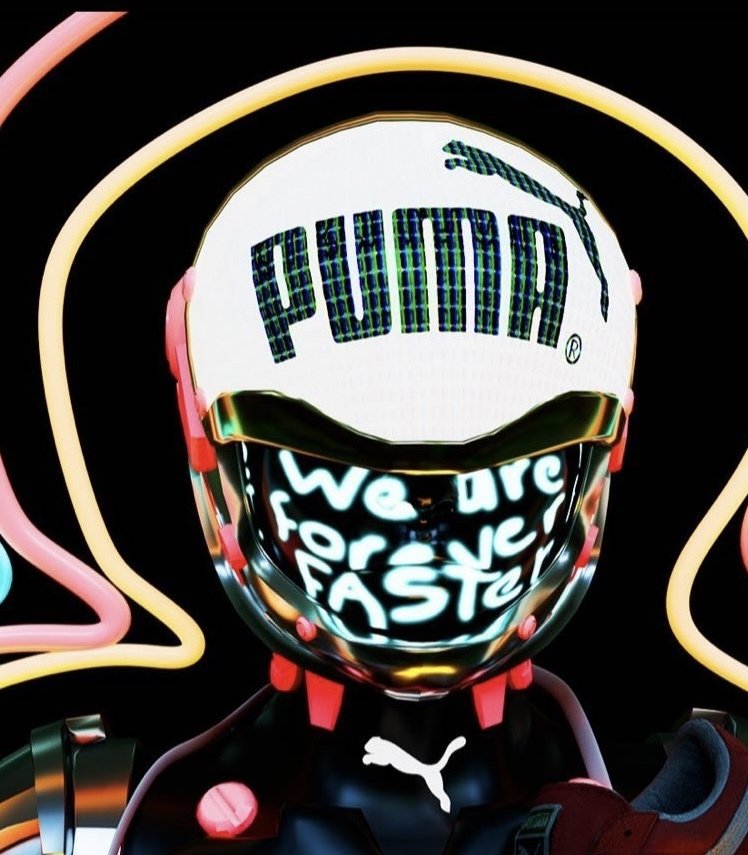
To merge the etheric with the disturbing, and deliver it through a framework as technically challenging as 3D animation is startling. Recently, Oliver’s was approached by legendary Spanish luxury brand – Paco Rabanne – as part of the launch of their latest fragrance “Phantom”. Before I elucidate the crazy-cutting-edge nature of this release, noting this collaboration is rather symbolic. Paco Rabanne was MILES ahead of his contemporaries in the 1960s – while Karl Lagerfeld was making waves at Chloé and Hubert de Givenchy was refining the LBD for Audrey Hepburn – Paco presented his very first collection in 1966 titled “Manifesto: 12 unwearable dresses in contemporary materials” and strictly dressing SCI-FI films for a time. Labelled the “enfants terrible” of fashion – an iconic title later passed onto  John-Paul Gaultier – Paco is a legendary forefather for the space-age, and it feels befitting of his legacy to launch Phantom, and even more-so for his team to recognize the innate ingenuity and vision in artists such as Oliver. 

So, what is Phantom? As an i-D article succinctly states, “it’s been created with the input of neuroscientists and AIs to actively the mood of anyone who gives it a whiff, and its adorable robo-bottle features an NFC chip, which, when scanned brings the darling android to life.” Need I say more? In asking Oliver about how his and Paco’s world collided, he muses;

“I was literally like chilling at home, watching Hunger Games, chill as fuck. Somebody slides into my DMs – which is not unusual – and I am usually quite trepid because it tends to be people who fuck with my work, but are not serious about hiring me for pay or offering a fair budget. So I told them to email me, and they sent me this whole proposal with an NDA that I had to sign. I’m like, Paco Rabanne? What is Scumboy going to do with Paco-fucking-Rabanne? Then they sent me references of my work, and it was all the nature work I had made and they loved it. They sent me the budget, and basically gave me free reign to build my contribution for Phantom.” 

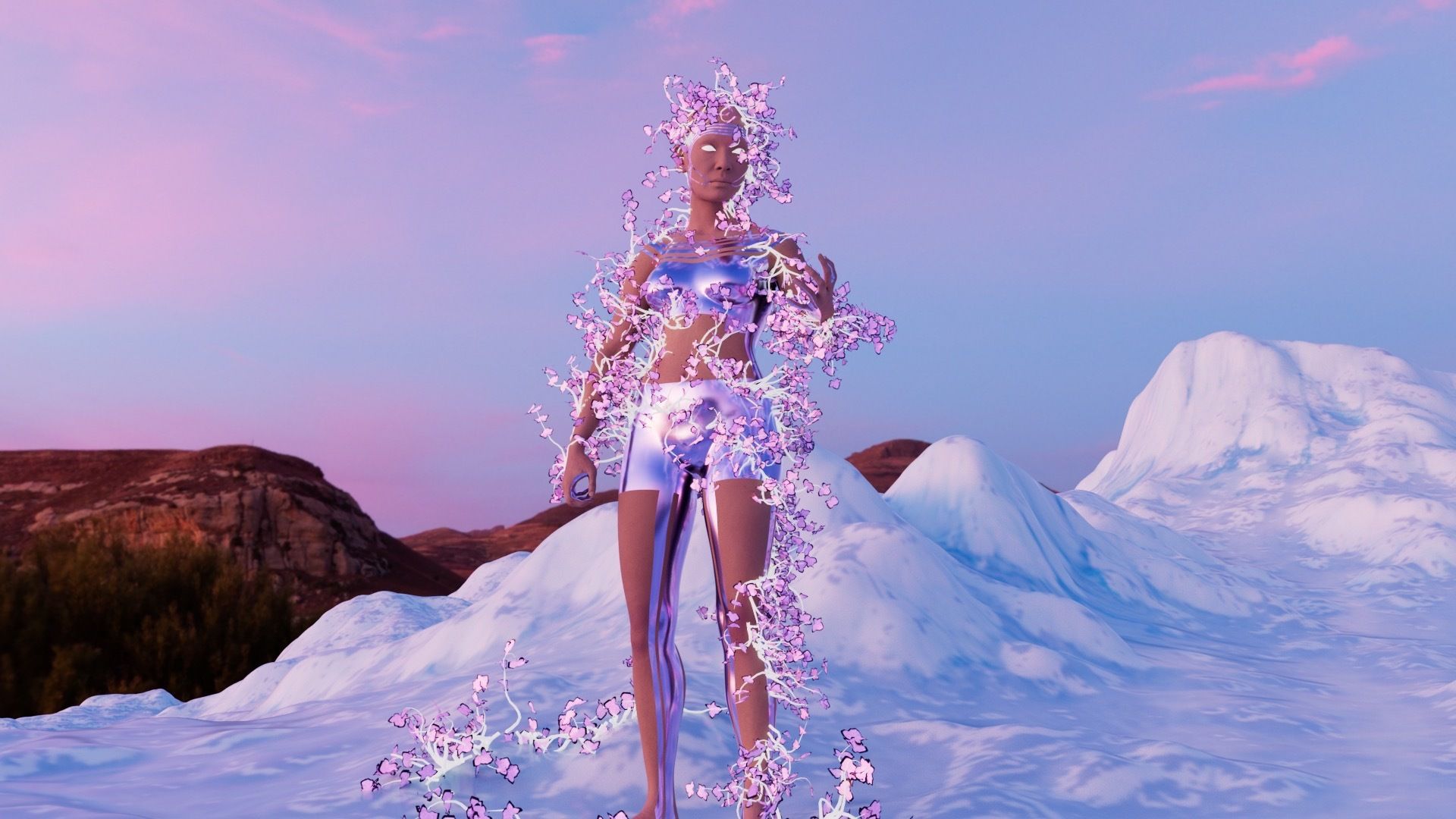
Oliver’s feature “A FUTURISTIC EFFLORESCENCE UTOPIA” showcases a magenta-filled river, totally and utterly other-worldly, and the kind of planet I hope to incarnate to in the next lifetime. 


“I wanted to frame humans and technology coming together in order to enhance nature, I know so much of the narrative is that technology is an opposition to the natural world, but I think we have to figure out ways to imagine that they can be symbiotic and complementary forces on our planet.”
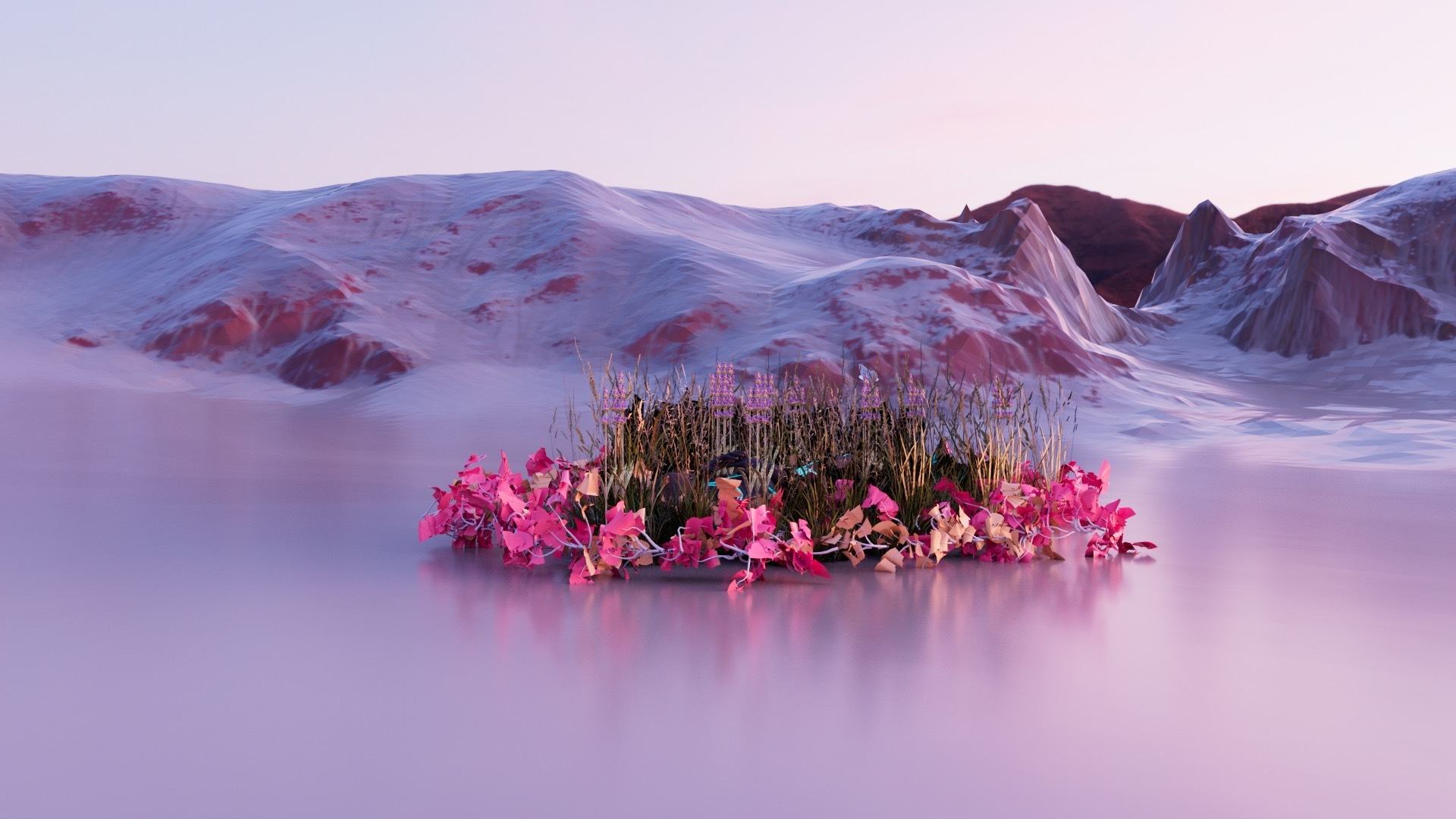
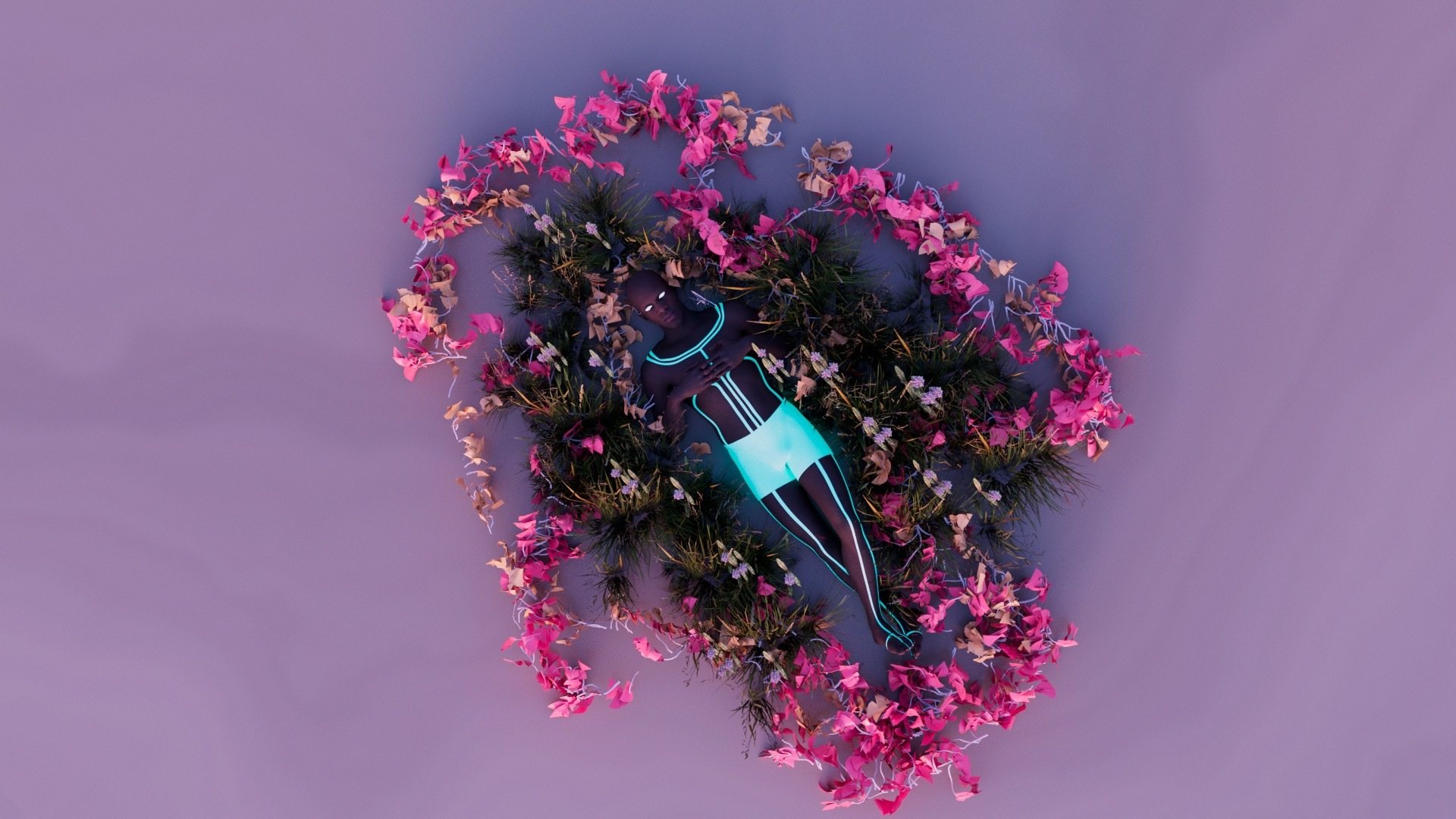
I find this statement so refreshing – and as someone who self-confessed “stays inside most of the time” – Oliver recognizes the true need we have for integrating our reliance, and origination, from nature alongside our species’ own acceleration and expansion. 

Without giving too much away, Oliver’s latest work is yet to be released – but he does say it is an exhibition in Amsterdam, and a project that is used in partnership with AI. 

“I am creating my renders through my usual process, except I then upload it through this AI tech and input a text with key-words. The AI then takes the text, combined with your images, and based off its programmed scope of information it re-produces a whole new artwork. It’s crazy shit. I am basically collaborating with a robot – like, it’s showing me my work through its own “eyes”. I can’t give much more away, but it’s so sick.”

We chat about ethical implications around this, which I think will be the basis of these conversations for decades to come. But, Oliver’s relaxed approach – and self-taught, determined skillset – exemplifies the possibilities that are here. Using YouTube videos and sheer will-power, Oliver is paving the way for a new generation of artists, who are fearless in their pursuit of how to harness the capabilities of humankind’s development in the 21st century. 

What’s next for Oliver?

I have mostly international clients because in South Africa, we have the talent but we don’t have the budget or infrastructure yet to nurture sustainable careers for 3D artists. I am super hopeful, because with the internet I can make a living – but I’d really love to see more of us in the country develop digital skill-sets, because with the type of artists we have here, merged with the programs I use? Unstoppable, man.”

Written by: Holly Bell Beaton

Pop Sensation Martin Magner™ Releases His Third Explosive Single ‘Walk All Over U’

Pop Sensation Martin Magner™ releases his third explosive single ‘Walk All Over U’.

WHY BE STILL WHEN YOU CAN BE SPARKLING? I THINK IT’S TIME WE MOVE.

This song is all about turning darkness into light. Getting over someone or something by getting up and walking all over it. It’s a positive dance pop anthem about self-love, self-belief and being the main character in the game of life. Why be still when you can be sparkling?

Martin Magner™ made this in collaboration with MISSU, going back and forth online for weeks, they perfected this high tempo pop perfection and packaged it into 2:22 seconds (an angel number hello!) single.

Head to these links to download, stream and immerse yourself in ‘Walk All Over U’

Spotify
Apple
YouTube

CREDITS
Pop Sensation – Martin Magner™
Creative Direction – Martin Magner™
Music Production – MISSU
Director – Ramon Mellet
AC – Kevin Schneider
Editor – Tomas Wells
Grade – Kyle Stroebel @Refinery
Graphic Design – Martin Magner™
Animation – Caitlin Weare
Production Coordinator & Hype Girl – Maddie Magner™
Photographer – Hana Sho
Hair – Salomé de Wet
MUA – Raine Tauber
MUA Assistants – Innes Oosthuizen & Shani Strauss
Styling – Peter Georgiades
Looks – Blünke, Nao Serati, Patrick Church, Ludovic Saint Sernin
Mixing and Mastering – Vicente Espi, Songololo Music

Champion Trees Release Their Memorable First Single, “Californ-i-a”

Up and coming Cape Town indie rock band Champion Trees release their memorable first single, Californ-i-a, of a much anticipated debut album, “NOW 3000”.

A breezy, bossa-nova-infused song about Americanisation, “Californ-i-a” announces the arrival of Champion Trees to the Cape Town music scene. Lyrically, the song demonstrates a sharp, incisive knack for the observation of suburban life, sung to a melody which exhibits the band’s pop sensibility. A rich chord progression backed by a grooving rhythm section drives the song forward, with occasional lead guitar flourishes brightening things up.

Champion Trees was formed in 2018 when cousins Francis Christie and Lex Pienaar met guitarist Troy Nijland and drummer Langa Dubazana at the University of Cape Town. Finding inspiration from local heroes like Beatenberg, as well as 90s indie acts such as Pavement, Silver Jews and Belle & Sebastian, the band started jamming out songs. With COVID-19 bringing a period of pause, their songwriter Francis Christie twas able to  flesh out a backlog of unfinished ideas. By the end of 2020 he had an album’s worth of songs and in early 2021, with Cape Town starting to liven up, Champion Trees reconvened for a week’s worth of rehearsals in which new music was arranged and readied for recording. The band traveled to Nature’s Valley with recording engineer Marcel van der Veen (of Stellenbosch band Uncle Spike) where a small home studio space was set up. And after a few days of intense recording sessions, where van der Veen’s DIY approach, their songs were brought to life. 

The fun Champion Trees have had in the process of creating this music really translates into a refreshing, enjoyable listening experience. The band have put their best foot forward here with a striking first offering, and are one to watch in coming months as the rest of the album rolls out. 


Head to these links to experience  “Californ-i-a”
Soundcloud
YouTube

Candice Hatting and Refiloe Gava from Disco Creative Casting Agency On Challenging What It Means to Cast Human Beings and Recognising Talent

Talent agencies tend to be the shadowy, silent counterpart that works in the darkness seeding the teams that go onto to create commercials, editorials, campaigns, films, music videos, and pretty much any production that media platforms and companies require – and our beloved South Africa happens to be a high-demand geographical location for such creative pursuits, favoured by international directors and producers as a physically beautiful country and exceptionally inexpensive pool of  talent and teams that can – and do – make the impossible, possible. The conversation around our infancy in this realm – due to the consequences of apartheid and colonialism – is contentious, and we are still very much bombarded with euro-centric beauty and body standards; dictated by the dominance of the northern hemisphere’s hold over trends in fashion, design and creative endeavours. So, industry way-showers like Candice Hatting and Refiloe Gava from Disco Creative + Casting Agency, have played a huge role in challenging our conceptual understanding of what it means to cast human beings into roles and characters, and what it means to recognize talent in creatives such stylists, creative directors, photographers and so on. It would be disingenuous to say that there is no err of superficiality or symmetry-preference when it comes to this industry; but Refiloe and Candice, along with their team at Disco, have worked hard to imbue this space with a deeper sense of authenticity through highlighting, normalizing and providing platforms for a myriad of creatives and faces in the country.

MyFriendNed, which was co-founded in 2009 by Candice, as a non-traditional model agency that embraces a standard of diversity in their approach to representation. Celebrating the idiosyncrasies of their portfolio is one of their stand-out attributes. When MyFriendNed started, Candice was an established casting director. Her direction was noticeably different as she embraces not only talent, but also the less stereotypical models and actors. The talent pool at the time presented the generic look of chiselled bronzed bodies and that hyper-stereotypical character felt too repeated and demand driven – the desired aesthetic was stifling and not diverse enough.

“After 12 years of MFN running side by side Scout’s Honour, our casting studio company, we rebranded Scout’s Honour to Disco Casting. After rebranding to Disco, we made a call to try our hands at expanding that offering to creative representation and production. We felt it was necessary to grow our casting directors and use their skills in other areas. Disco felt like the right place to right a lot of frustration we found in the film industry; an opportunity to represent artists and facilitate a more organic version of production.

Being exposed to so many untransparent and exploitative productions over the years through casting and Ned, we learnt how not to be. We are still learning everyday but we know that what we are doing is offering a softer, more approachable stable. Our sensibility is more empathetic on every level. We offer creative support to artists in time when they need it the most and spotlight artists that are not typically commercial. We want to show work that is as authentic and meaningful as the artists themselves. We’re creating this space and in doing so we want the commercial world to embrace and be inspired by the work we represent. I think what we are trying to do is elevate the industry by example rather than open another cheap and fast agency doing the same thing.” Candice reflects on expanding MFN into Disco; which now hosts some of the leading creatives in the country, including Yonela Makoba, Mavuso Mbutuma and Akim Jardine.

Disco and MyFriendNed have been disruptive forces within the industry – expertly curated and collaborative with creatives, while maintaining a responsive relationship to the clients and companies that essentially pivot creatives in the country towards successful careers. In commenting on whether the change in the industry needs to continue at a corporate level – changing attitudes and values – Refiloe makes a case for the agencies compliance with industry standards that lack representation of diversity; a shocking and consistent occurrence, particularly in South Africa.

“Yes, brands do need to change, but I think agencies need to stop lapping it up just for the buck. They should be making real changes and becoming thought leaders. We need agencies to be accountable when they very clearly are the enablers of thinking that is not socially cohesive.  I think and feel that this is a big problem within the industry because essentially the brand communication depends a lot on research, which is not always properly or authentically conducted.”

It certainly feels apt that agencies should take the lead in this respect; as the space that should nurture their teams, fighting not only for their financial recognition, but also the expectations of the industries. We have become so used to the competitive and individualistic mindset that perpetuates in cycles, yet this is in direct contrast to the actual experience of being on a set; it is fundamentally a team-driven effort, toward a unified vision – and thus truly an example of the whole is greater than the sum of its parts. Spaces like Disco, led by women like Candice and Refiloe, instil a sense of hope going forward; for fairness, equality and respect. We love to see it.

Written by: Holly Bell Beaton

Kiff Khaya by Ruan Jooste

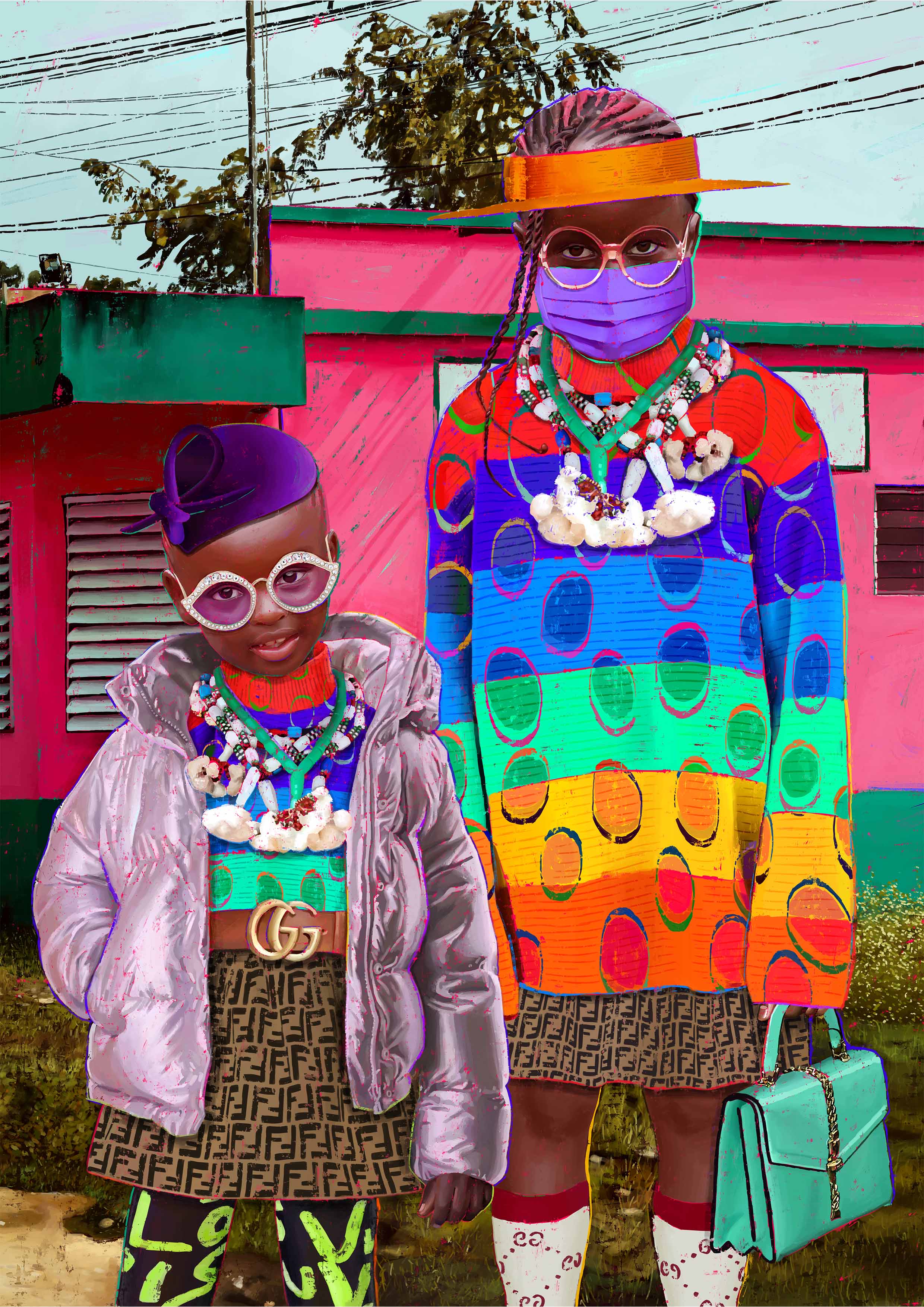
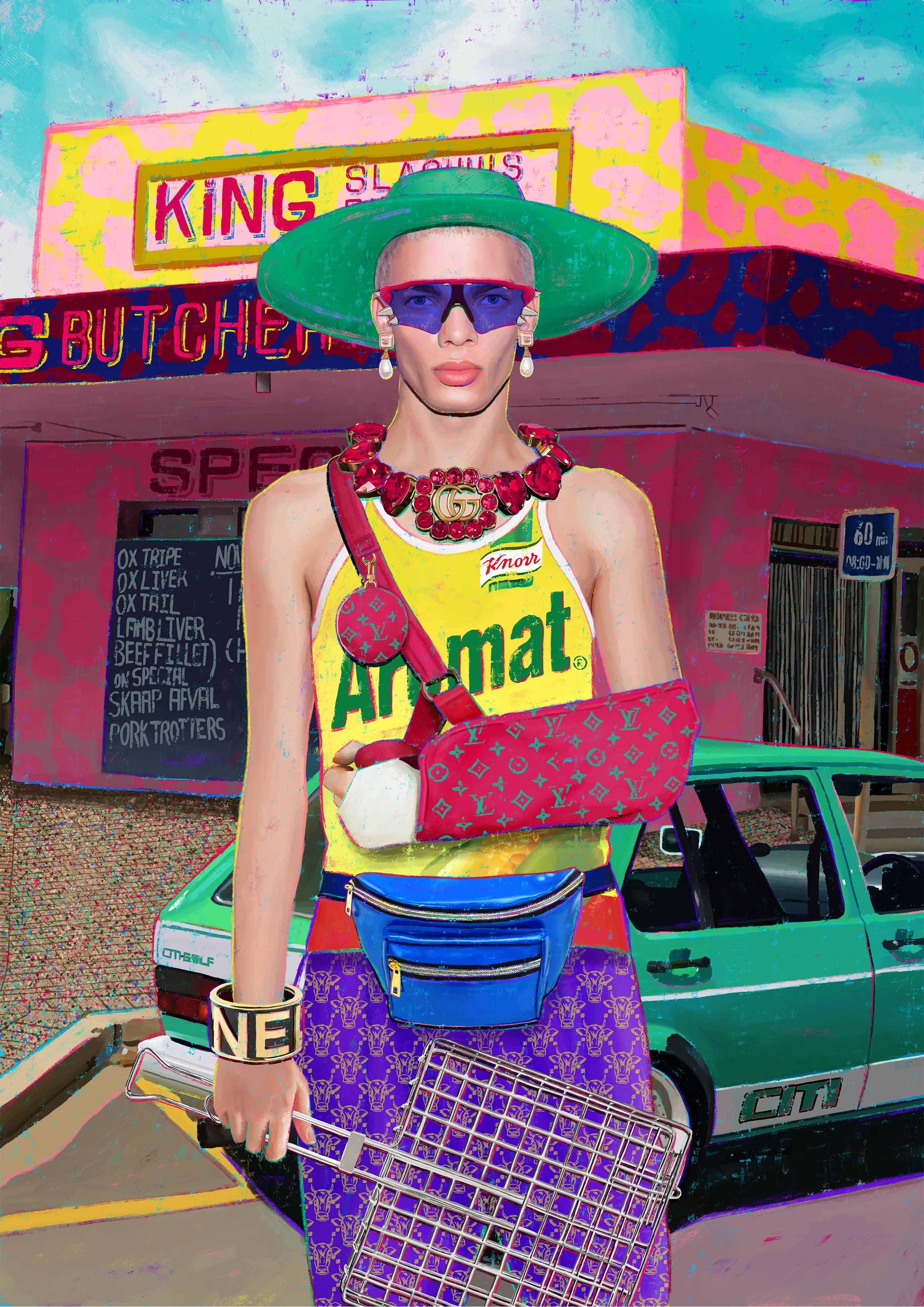
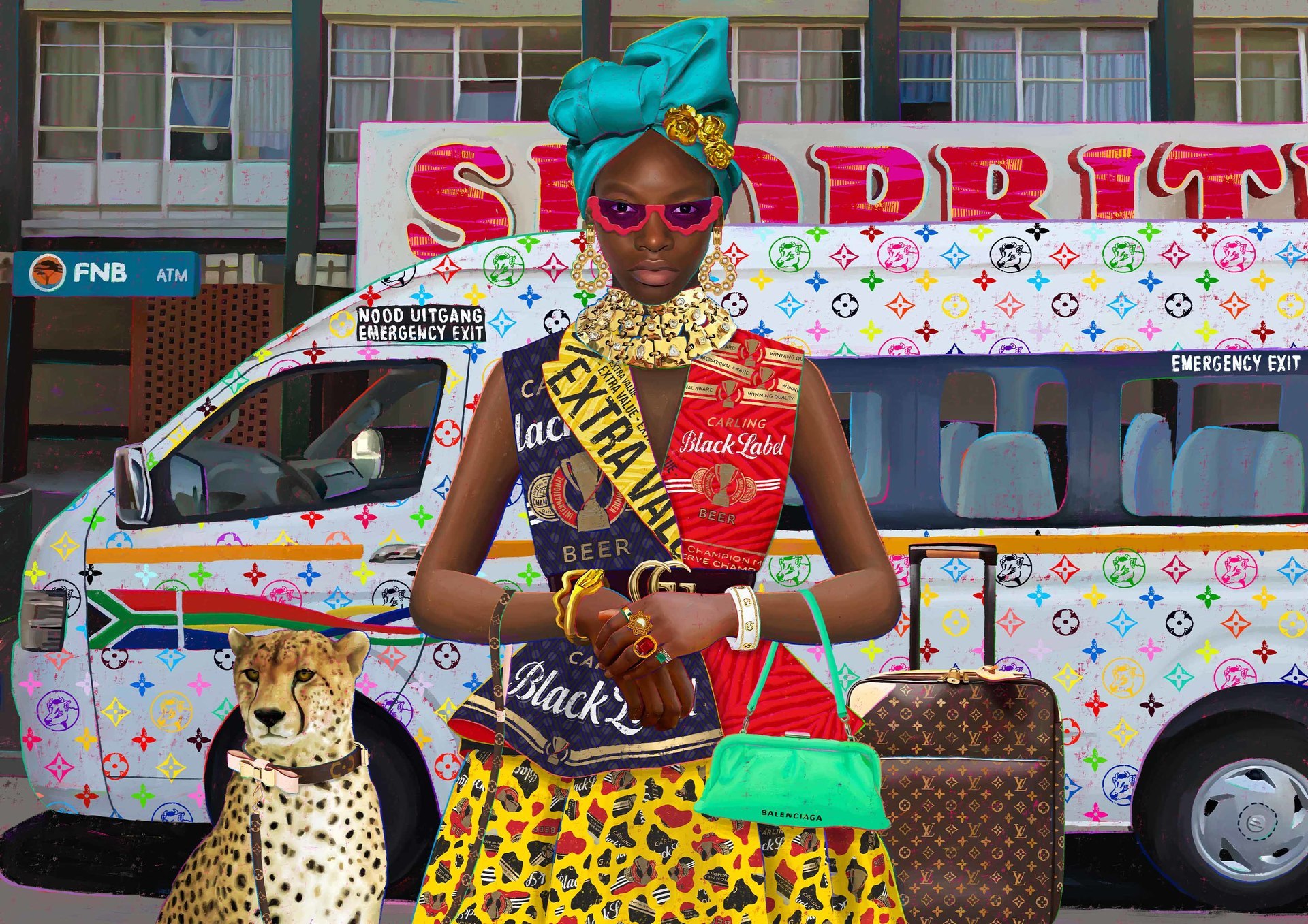
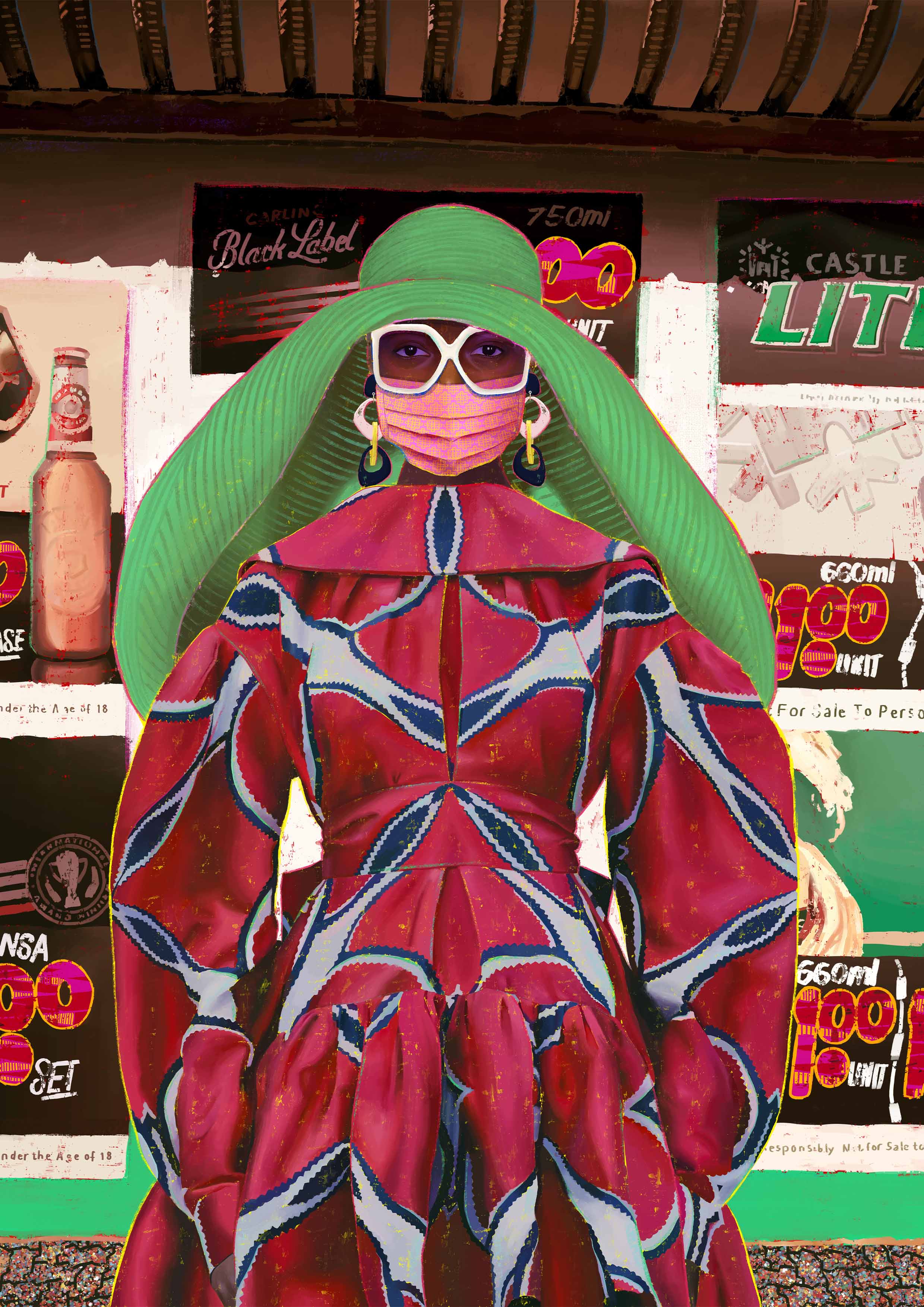
Following the recent uncertainty experienced here in South Africa, Deepest Darkest brings a freshness to the scene with the opening of digital artist Ruan Jooste’s debut solo show, Kiff Khaya.

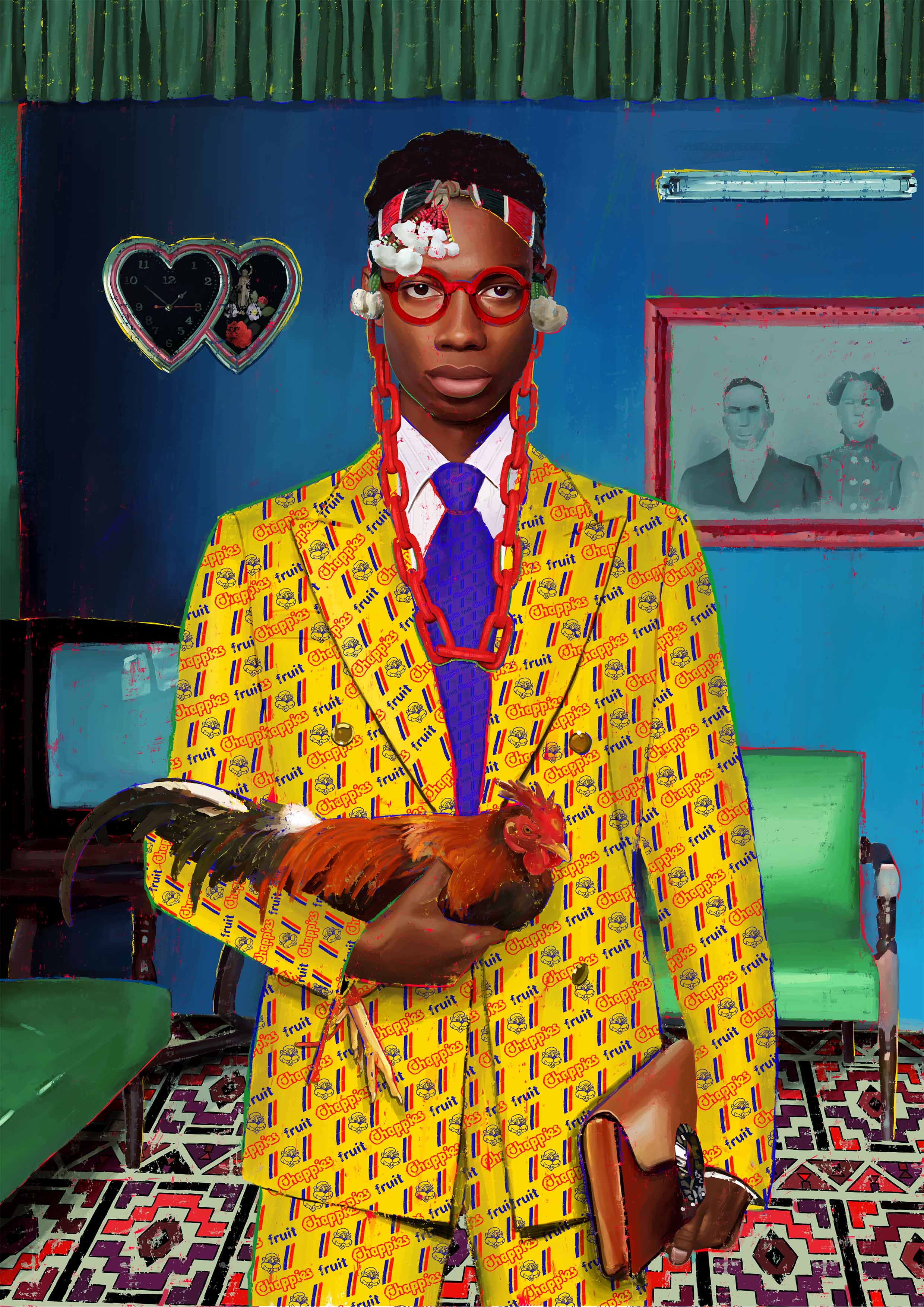
Jooste celebrates the quirks and idiosyncrasies that mishmash into our shared commonalities, memories and nostalgias in a riot of fun, colour and wit. At a time when so many felt divided, he boldly reminds us that there is a uniquely South African joy that binds and connects us.

“I was inspired by my country, my continent and the amazing people who call it home. The vibrant colours of our landscapes, cities and towns, and the rich cultures that make up this rainbow nation. There is energy and grit in our urban and rural landscapes, downtown to township. I started this series in a time where we as a country have gone through tremendous strain and sadness. We have lived and seen devastation day after day during this pandemic and as I struggled with my own state of mind in making sense of it all, I wanted to remind myself of the joy this country also has to offer. Adding elements of fun and fantasy resulted in imagining another version of our reality. One that reminds you to smile. Not only for myself, but to share.”

Jooste was inspired by South Africa, the African continent and the amazing people who call it home. The vibrant colours of the landscapes, cities and towns, and the rich cultures that make up this rainbow nation. There is energy and grit in the urban and rural landscapes, downtown to township he says. “Opposite ends of the spectrum can be seen all around us and what always amazes me is how very different people can come together. Our people are lekker, they have a sense of togetherness, ubuntu.”

This series started in a time where South Africa as a country had gone through tremendous strain and sadness. Having lived and seen devastation day after day during the pandemic and as Jooste himself struggled with his own state of mind in making sense of it all, he wanted to remind himself of the joy this country also has to offer. Adding elements of fun and fantasy resulted in imagining another version of  reality. “One that reminds you to smile. Not only for myself, but to share.”

Jooste wants to acknowledge the nostalgia of mhis childhood. “Thinking of Lucky Star Pilchards always reminds me of my father and how he loved eating them on toast. Nik Naks will always remind me of high school and how we would buy them just to find the money in the packets to buy more. Chappies, Lucky Star Pilchards, Inkomazi, Iwisa Maize Meal, OK Bazaar, Black Label beer… they hold memories for many of us. What better time to reminisce on that fondness that so many of us share and remind ourselves that perhaps we are more the same, than different.”


Essential Details:
Ruan Jooste – Kiff Khaya
Opens Saturday, 25 September
11:00am – 5:00pm
Deepest Darkest: 20 Dixon Street, De Waterkant, Cape Town
Queries: [email protected] / +27 79 1384 203

Skigo Afroboss Released His New EP ‘Helicopter’ Featuring Fellani and Sandy Williams

Afroboss aka Skigo the Afroboss released his new EP ‘Helicopter’ featuring Fellani and Sandy Williams with a graphic visualiser music video that brings the cinematic graphic and scenes to life.

Having grown up in Mafukose where his father ran a barbershop, Afroboss was grew up listening to a variety of music from Marvin Gaye, to Bob Marley, Burning Spear Culture, ABBA and the various musicians that came to the barbershop.  Afroboss started out as a Reggae Dancehall artist in 2010, but after remixing Nigerian artist TEKNO’s song PANA  with his own Zimbabwean flavour, (BABY HAPANA), Afroboss realised that Afrobeat was where his magic existed. And the monicker title ‘AFROBOSS’ soon followed among peers and fans.

Afroboss’ first studio EP ‘KALIFE’ received considerable recognition in Zimbabwe, South Africa and Tanzania. The track went on to be remixed by Nigerian-born South African producer GUSO, who runs DEMAG recording studio under SONY AFRICA.

Stream more of Afroboss and ‘HELICOPTER’ featuring Fellani and Sandy Williams

Youtube

SoundCloud

/// ‘Helicopter’ graphic visualiser created by Creative Grind Imagining

Motion Bandits at Gallery One11

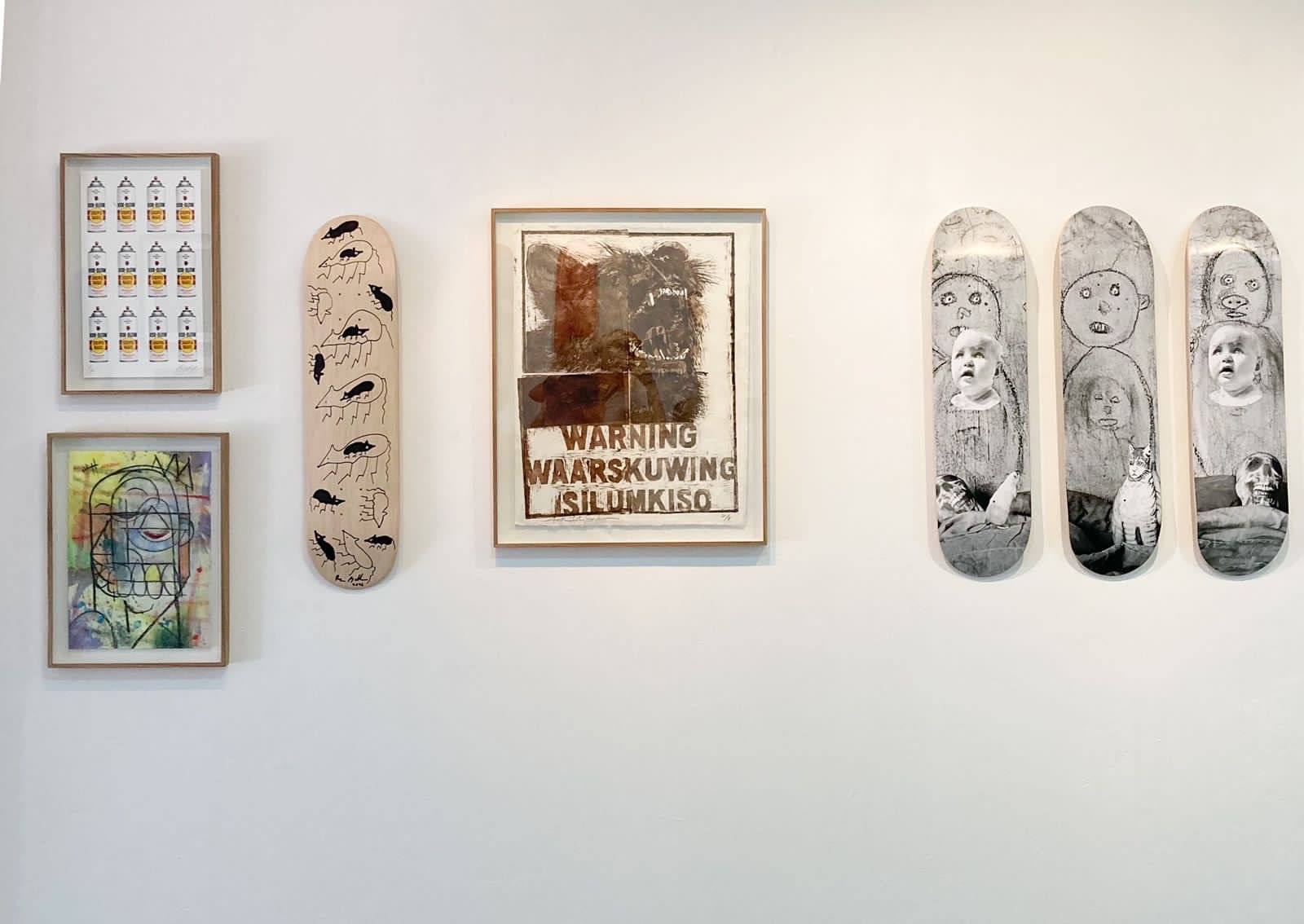
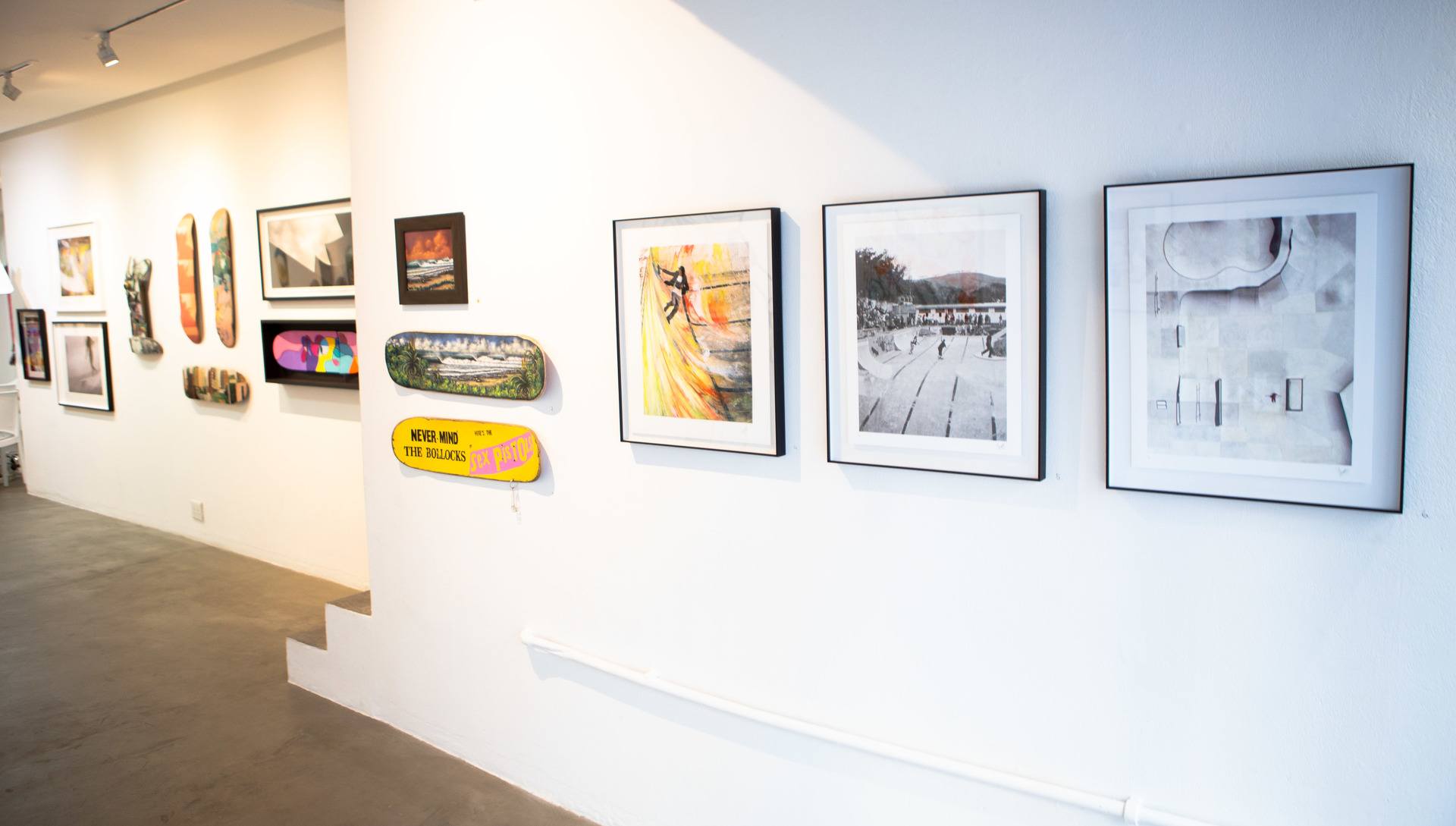
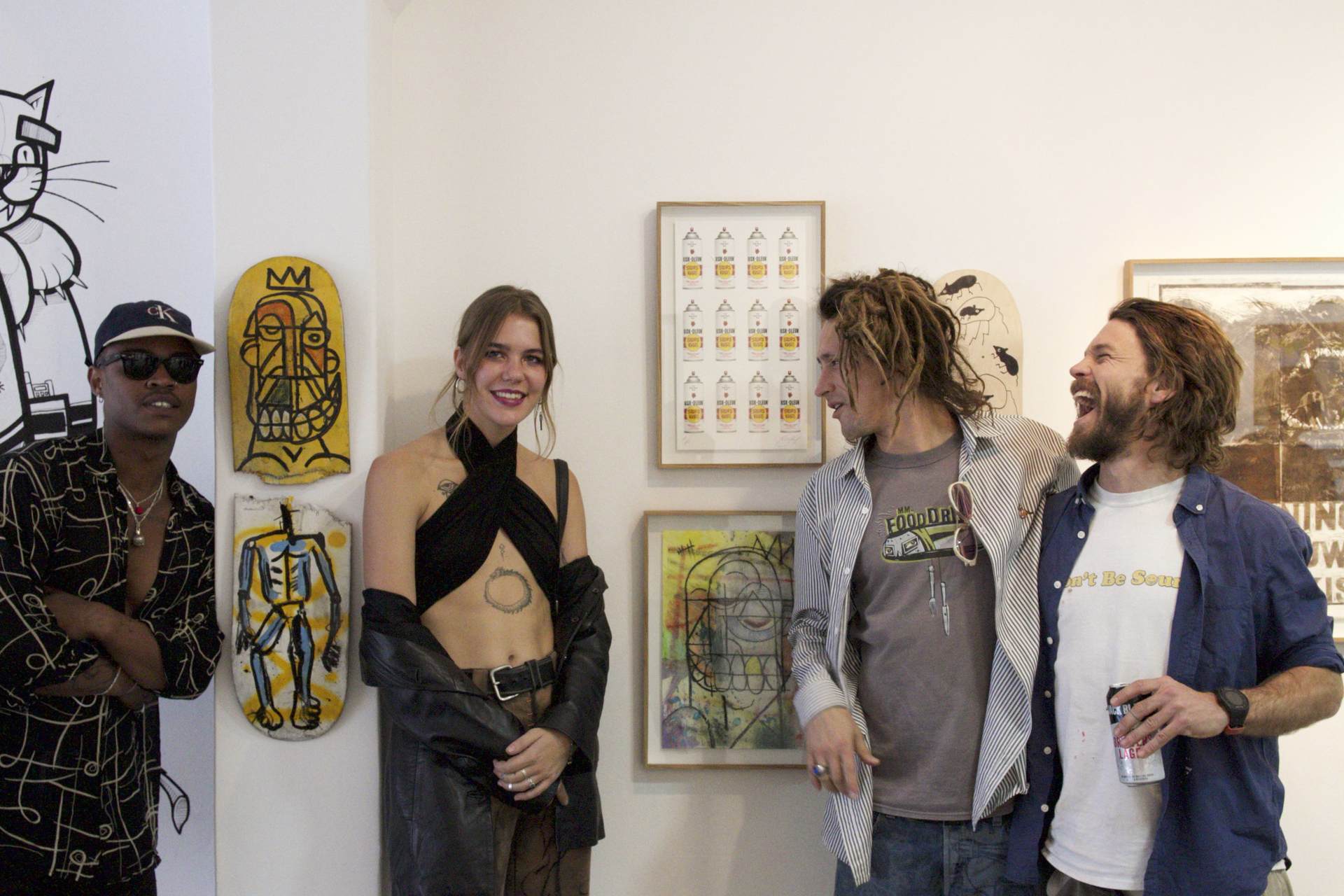
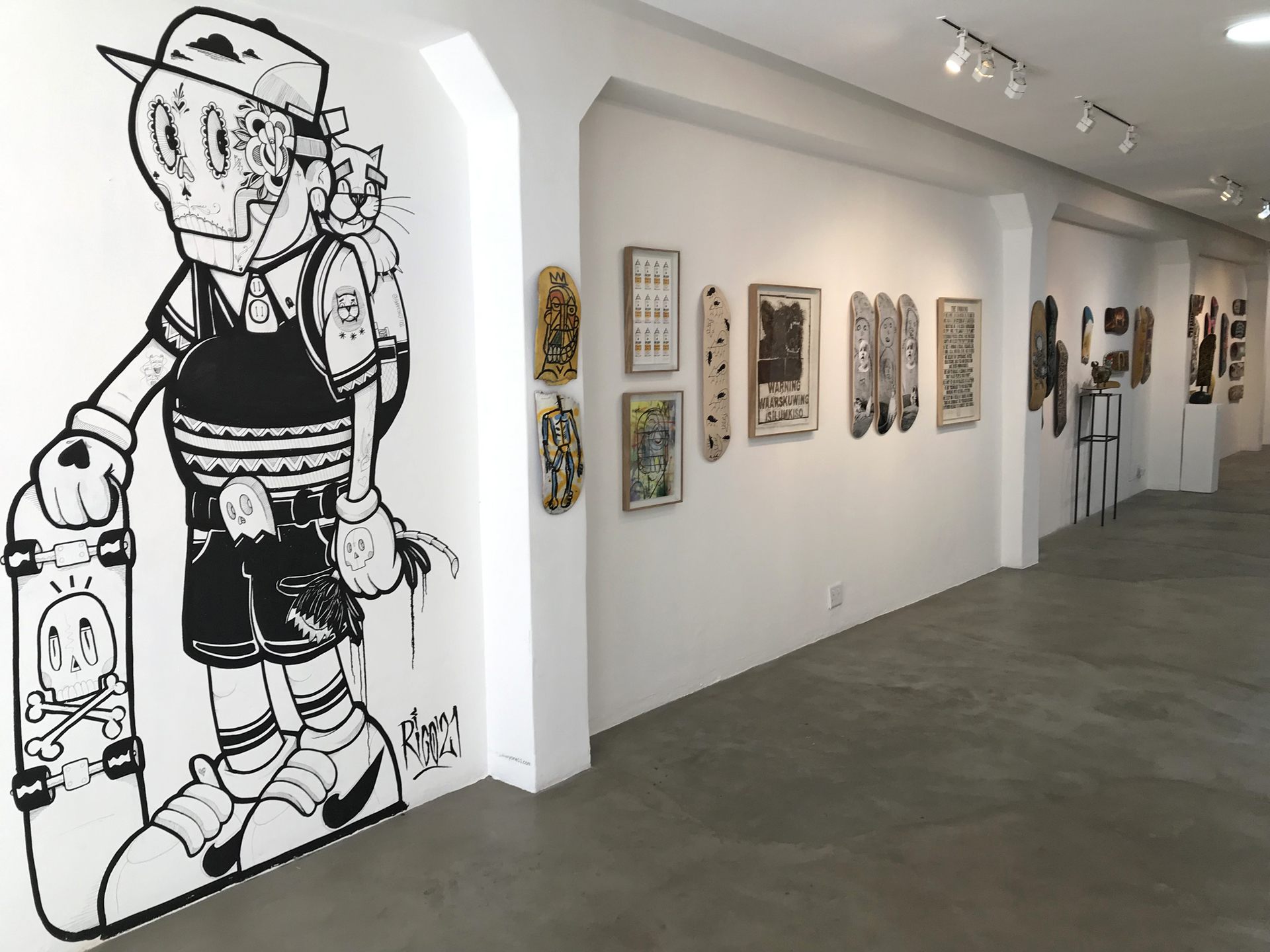
Originating in the USA as an urban evolution of “surfing” on tarmac – skateboarding has become one of the most evocative and enduring sub-cultural movements of the modern era. Growing up or living in Cape Town, skateboarding and surfing – synonymous with each other – remain highly popularized emblems of anarchy and effortless “coolness”; we all have friends (or ourselves) who skate and surf; beyond a hobby, and well into a lifestyle orienting us in society with a set of values, creativity and problem solving; all such iterations uttered to lineages of kids through the decades, directly from their relationship to the humble deck or board. Skateboarding is one of those incredible anomalies, however, no matter how marketable or mainstream it seems to become – it stands its ground as wholly underground; gritty, gnarly and beautiful in its continued ability to give real purpose and meaning to the lives of people from all backgrounds; races, gender, sexualities and socio-economic. It also intersects deeply with art, design, fashion, music and films; movies such as Lords of Dogtown, with Neil Young and Jimi Hendrix songs on the soundtrack, captured the mood of the ascension of skateboarding from empty pools in backyards around California in the 1970s, to Olympic recognition as we see it today. It is with this cultural legacy as the contextual backdrop that makes “Motion Bandits” such a hugely refreshing show in Cape Town right now; co-curated by Jared Aufrichtig and Livia Schneider, skate decks line the walls of Gallery One11 in Loop St, each uniquely illustrated, painted or interpreted with the vision of emerging and established artists – each with their own tie to skateboarding as both an art form and activity. 

I say “refreshing” because a public ode to skateboarding is rare; generally, and this is a serious generalization, all things underground tend to remain operating as undercurrents beneath the surface of the gallery and event rotations in Cape Town – personally, a lot of my proximity to skating occurred in the “deep south” – ‘kom and beyond – but with a show like this, featuring some seriously legendary names (Faith47, Roger Ballan, Tyler B Murphy and so on) Jared and Livia seem to have woven together a tapestry of some of the most influential artists within this realm in a totally laid back way; and I feel certain after speaking to them both that we are getting back on track, the entire Mother City, for a future we have all had to put on hold for the last 18 months of the pandemic.

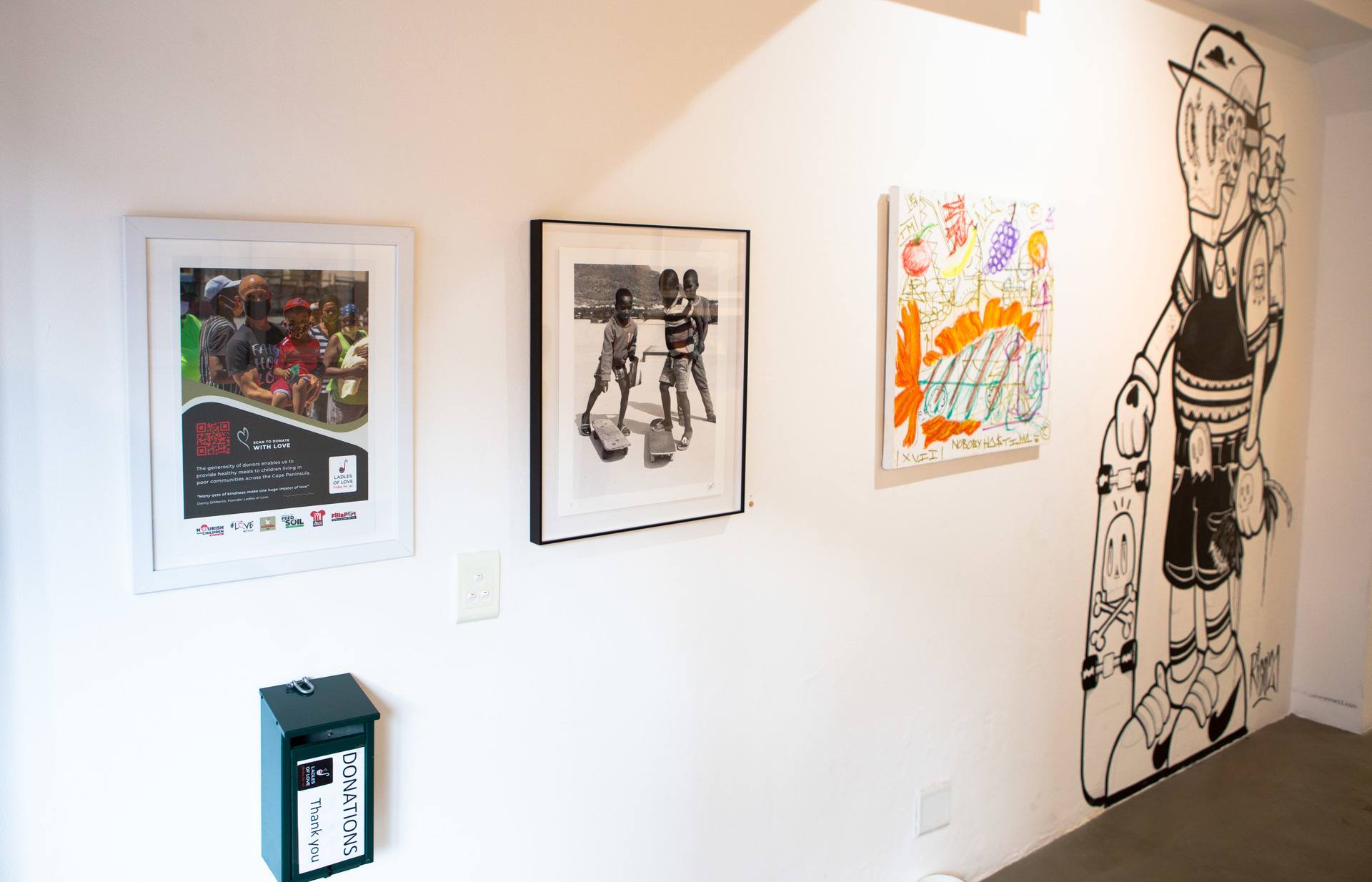
Jared, hailing from LA, has become a coastal local in South Africa for the past decade – while still traversing the globe immersed in art, music, surfing and skateboarding while searching out the connections and parallels across these spheres. Having exhibited many times internationally at galleries and museums, he has over a 100 images and artworks published in books and magazines around the world and this includes a 700+ page coffee table book about South Africa and its youth culture. He has worked with numerous NGOs and facilitated a plethora of creative development and mural projects globally – this endeavour, Motion Bandits, being his latest. Co-curator Livia is a Namibian born and raised multidisciplinary artist, about to graduate in her BA of fine art from Michaelis School of Fine Art, who has been hosting immersive art experiences at GalleryOne11 under the Leap Collective which she co-founded with Nicolene Burger. Together the two have collaborated to produce this show, dedicated to raising awareness through its donations to Ladles of Love – a space that offers nutritious meals and support to communities around South Africa.

Jared expresses a profound passion as he walks me through each curated board; and I am struck by the exceptional vision of each artist to apply their essence or evoke awareness. The deck as a canvas? Epic – and a must-do this October. 


Motion Bandits | 111 Loop St |  09/10 – 23/10/2021

PARTICIPATING ARTISTS:

Amber Alcock; Anda Mncayi; Alicia McFadzean; Braveart; Braden Sadan; Ellena Lourens; California Jansen; Faith 47; Farai Engelbrecht; Gabriella de Gois; George Mars; Ghilian Chevelu; Isaac Zavale; Janko de Beer; Jared Mathew Naidoo; Jared Aufrichtig; Johno; Kelly Graval Aka; RISK; Keya Tema; Lelieh Hannam; Livia Schneider; Lindisipho Gulwa; Lorcan Berg; Luke Stroebel; Manuela Gray; Martin Bakker; Martin Lund / Marty Mcfly; Matt and Josh Hitchings; Mathew Potter; Max Armstrong; Masande Mhluzi; Mez; Norma Jean; Nqaba Shakes Fatman Mbolekwana; Olivia Davis; Ory Bwens Katalayi; Paul Senyol; Pastel Heart; Rico Swanepoel; Rein Langeveld; Roger Ballen; Romi Flowers (Geldenhuys); Shaun Oakley aka Damn Vandal; Shuaib Davids; Sophia van Wyk; Tanika Cronje; Tristan van Zyl; Tyler Pike; Tyler b Murphy; Vincent de Beer; Zinhle Zulu 

Written by: Holly Bell Beaton

SunMan Releases Energetic and Steamy Ode to Love, ‘Gone Electric’

The up and coming band SunMan releases an energetic and steamy ode to love, their new single ‘Gone Electric’.

SunMan is a three-piece band comprising Zac, Luca, and Claus who went to school together and formed the band in their last year of high school. By chance, they found themselves in the same room and realized that they all shared a passion for music: Zac for blues and jazz, Claus for techno and deep house, and Luca for classical music. The trio brings a fresh perspective on popular music but still keeps their sound tight and commercial with the intent to entertain and create a deeply emotional experience for their listeners.

SunMan embodies a digital flavour that is taking Cape Town city by storm, as the metropolis keeps evolving, the band balances classic guitar rock with sparkly synths and electronic texture. ‘Gone Electric’ tells the story of a love that electrifies the soul and vibrates deep within the admirer’s heart, but is tainted by uncertainty. ‘Love is paradise on earth, but its gates are not always open’. The song is driven by shiny, bouncy guitar licks, and are complemented by clean poppy vocals. Synth arpeggios soar and dip in the mix to colour the track with drama and intrigue. The track breathes, as the drums thump and the bassline pulsates.

‘Gone Electric’ by SunMan is available at this Streaming Link:

SOUNDCLOUD
Gone Electric – SunMan

Artist Interview with Samurai Farai for CEC

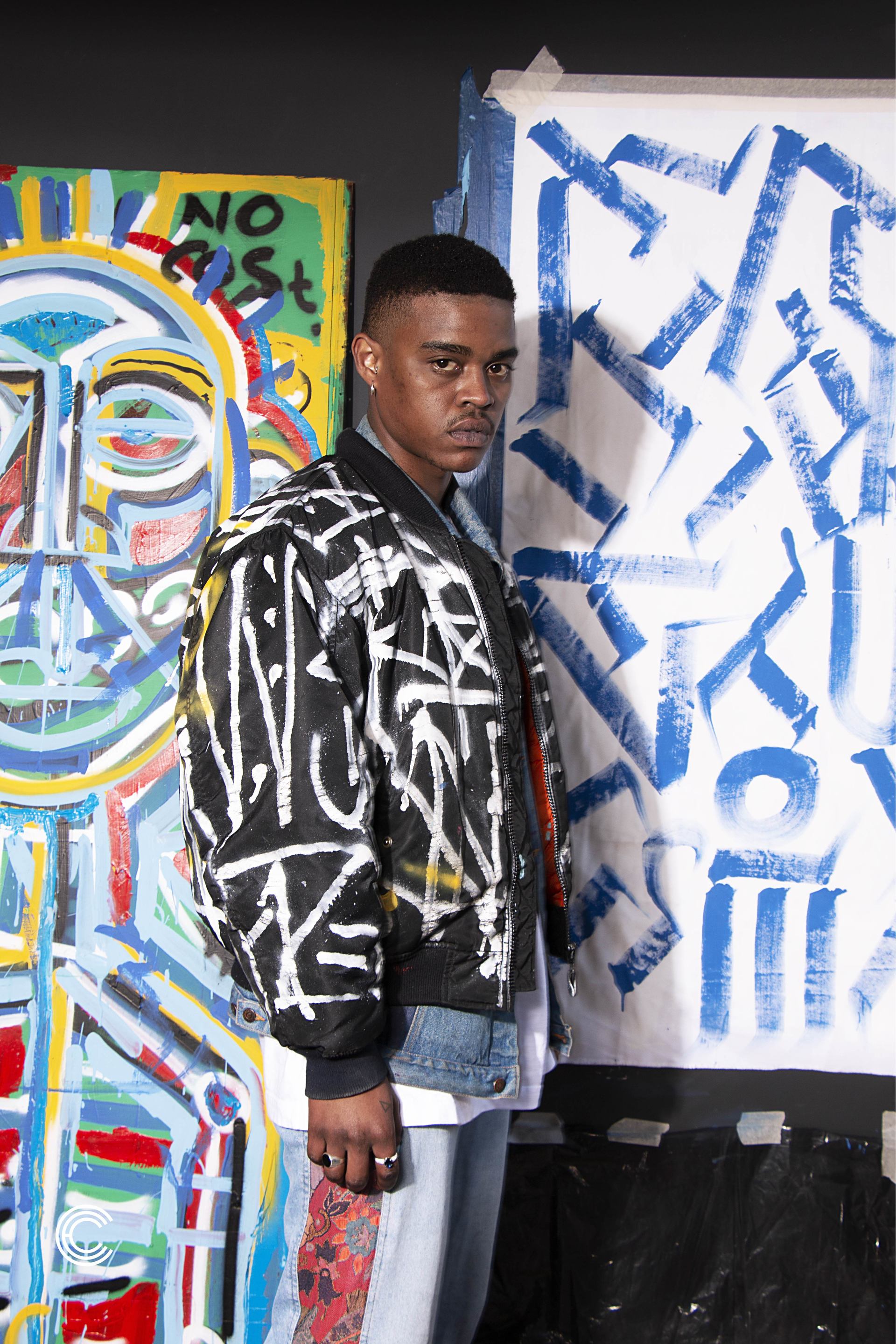
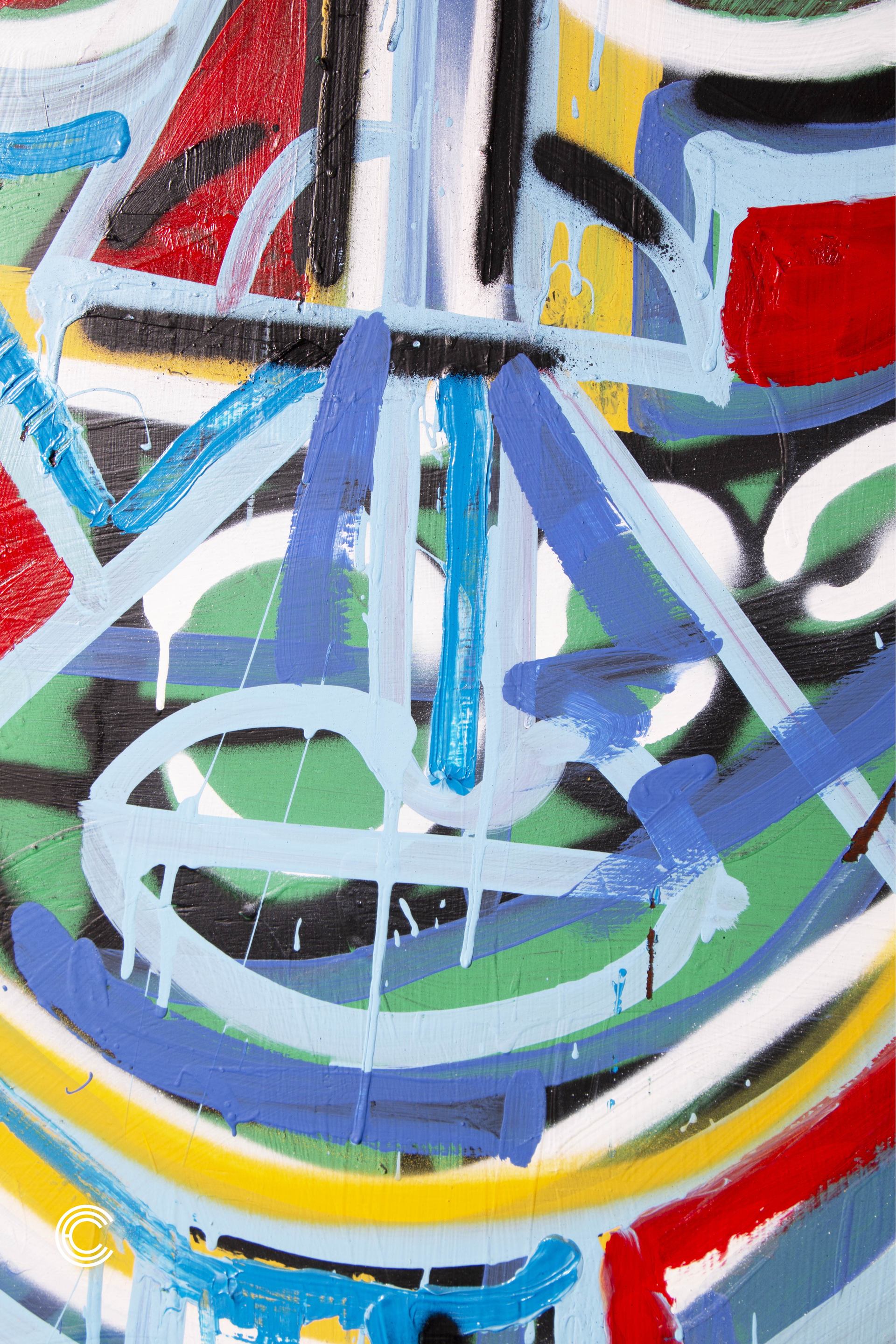
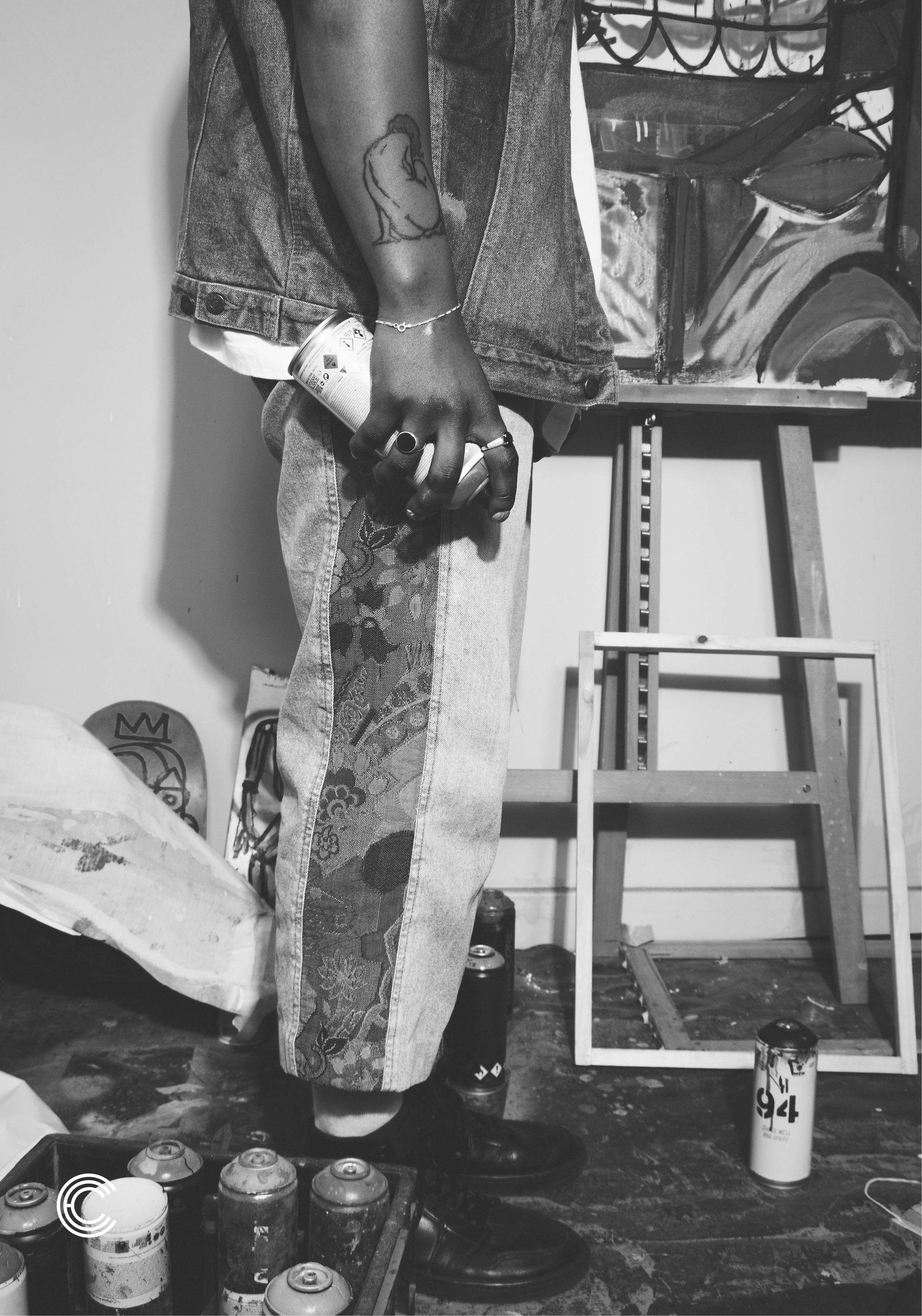
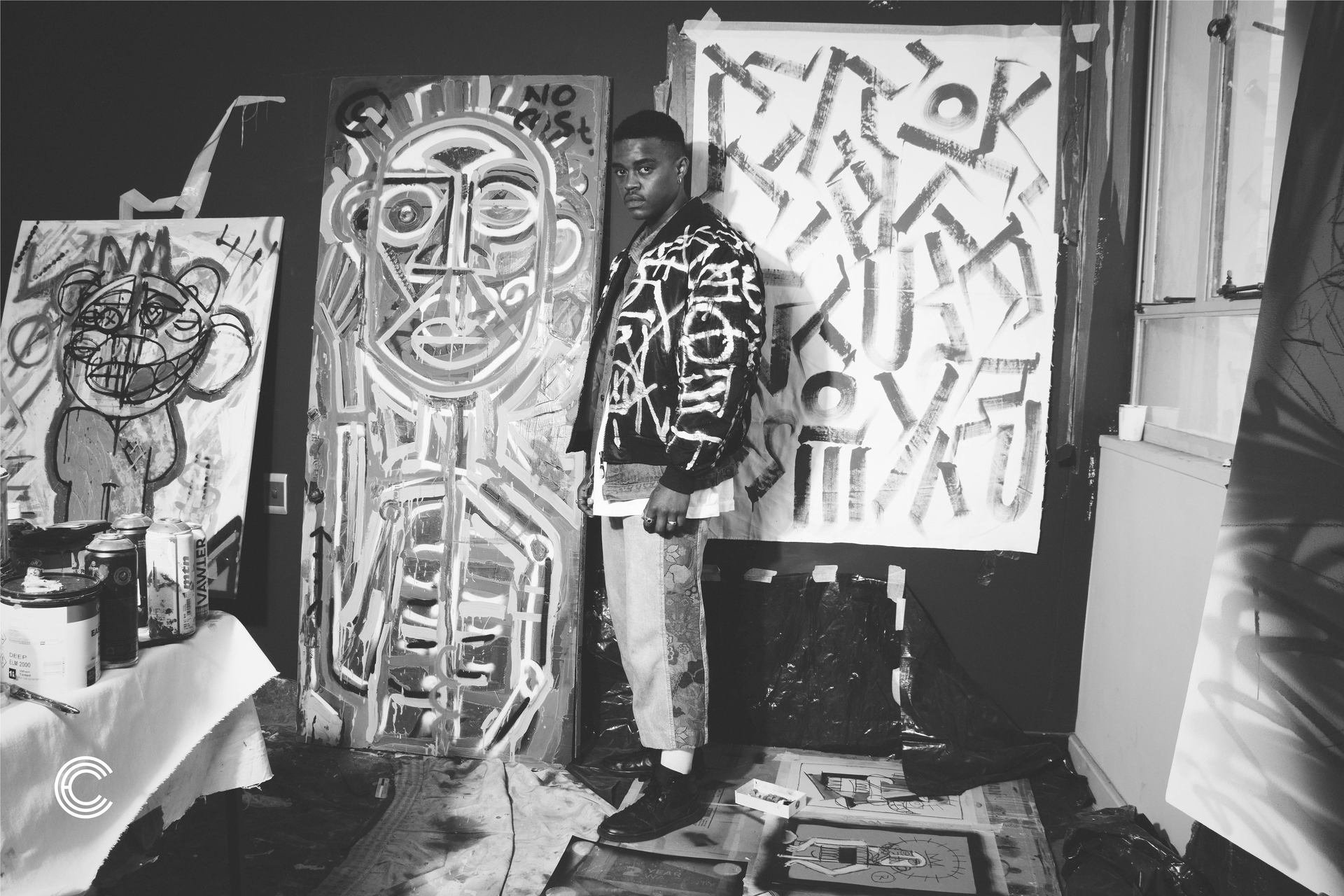
Formidable is perhaps too rigid a word to associate with Farai – but somehow, it fits the mood of the moment – as we begin a conversation surrounded by some of his works at Black Brick Club.  Farai is currently the artist in residence as well as the overall creative director of this bar / gallery / community space expertly positioned in Cape Town’s CBD, and to say I am anticipating this conversation is an understatement. I first came across Farai’s work at his Michaelis Graduate Show a few years ago – struck by the indecipherable yet gripping hieroglyphic symbology of his graduation collection, offset against clear Perspex. Already then, with no context to reference these pieces, these works exuded an energetic aura that was intriguing and evocative. I later came to learn of Farai by his Instagram moniker – Samurai Farai – and I wondered what sort of universal alchemy took place in order for his name to phonetically tie to the legendary warrior class and discipline originating from Japan. That doesn’t just happen, right? What deepens this simple yet mysterious rhythm arises when getting to know Farai; because it is abundantly and crystal-clear that Farai commands a presence akin to a persona that I have only ever experienced from anime or manga novels; namely, the embodiment of a main character whose existence is an activated journey that is guided by unknown, powerful forces across quantum realities. 

You will have to meet Farai to get what I am saying, but I hope this conversation offers an inkling of what I mean.

“I have carried this style with me until now, and I especially draw on it when I do my mural work; where the symbols can be scaled beautifully into bigger and bolder sizes.”

In so much of the post-modern art movement, there appears to be a nostalgia for the final outcome of the practice; that the object, sculpture or painting (as well as all the digital mediums) is what comes to define the artist, and is the most important aspect of the artist’s lifelong pursuit of their creative expression. Yet, contrary to this, is the idea that what brings the work to life is the union of artist and artwork; meaning, the coherency and transparency that is forged when the artist makes unto themselves the immutable persona that resides over their expression. This is what Farai embodies with such distinctive energy; that yes, he is an artist, but furthermore, he compounds his very existence into a canvas onto which he illustrates his ever-evolving, ever-expressing Self. You will notice this immediately from his IG feed – there is an equal part curated and created essence – weaved together by crimson red (his self-confessed favourite colour) tones and symbology. From the way Farai dresses, to his work and life experiences, I realise I am witnessing someone who lives intimately and inseparably with the finest details of what it means to grasp, with full force, one’s incarnation and forge a mark that will have lasting impact.

Curiously, I ask Farai about the symbology that began at his art school days;

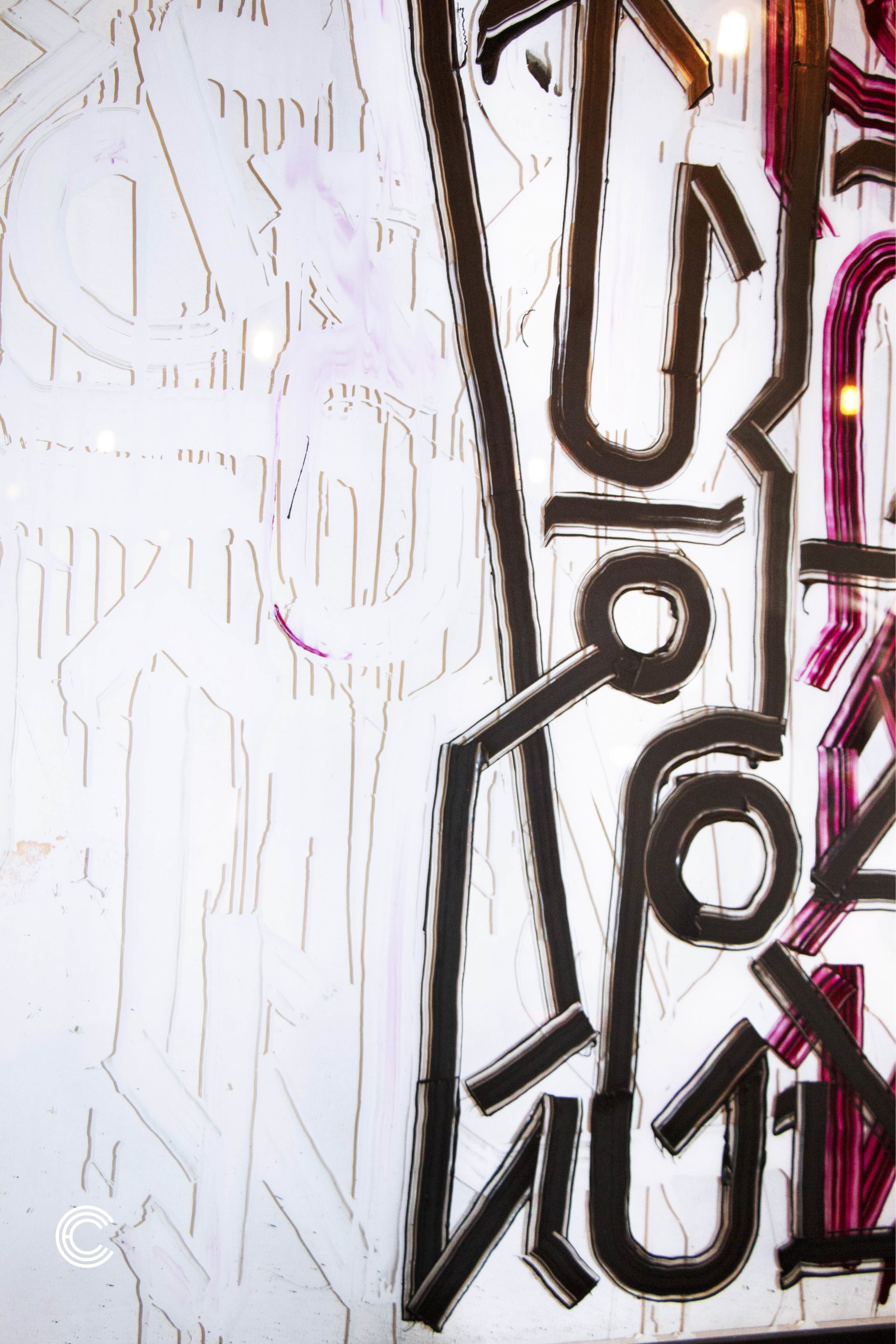
“I basically decided in my last year at Michaelis that conceptually, I was really needing to challenge how people consume information and how archive knowledge, and how we communicate beyond English and iconography. I wanted to consider symbols as a language that is of itself, so what I did was that I created my own alphabet. I created a calligraphic system of which I could be the authoritarian of; and take power back as an artist, using my writing system to convey what I felt the English language couldn’t do. Only I understood the language, so this added a deeper layer of self-determining whether I would give people access to what I was saying. I really loved the fact that even though it is coded, the symbols themselves evoke a feeling on their own.”
I am reminded of the very rare occasions in which language development has arisen purely from an artistic standpoint – perhaps only as far as I can tell in recent history – is J.R.R Tolkien’s forming of Elvish which later would lead to the Lord of The Rings universe. Ontologically, and in direct reference to the development of culture, our ability to command communication in diverse intricacies are demarcations of our pursuit of novelty and meaning in everything we attempt as a species. Farai extending his own cosmology around his life through an alphabet is astounding, especially since the language is a protective armour for his own autonomy; in which he remains the guardian of how deeply viewers can connect with his work. This is incredibly interesting, as it begs the question around how much privacy we afford public figures, particularly creators, when the very nature of their path is to be in direct association with the perspectives of others. In one way, Farai offers us his work as medicine – and in another way, he offers it to himself in just the same way. There are certain things only he knows and should know; yet much of his creativity is still lovingly shared with a greater, global community.

“I have carried this style with me until now, and I especially draw on it when I do my mural work; where the symbols can be scaled beautifully into bigger and bolder sizes.” Farai points out in reference to the language. 
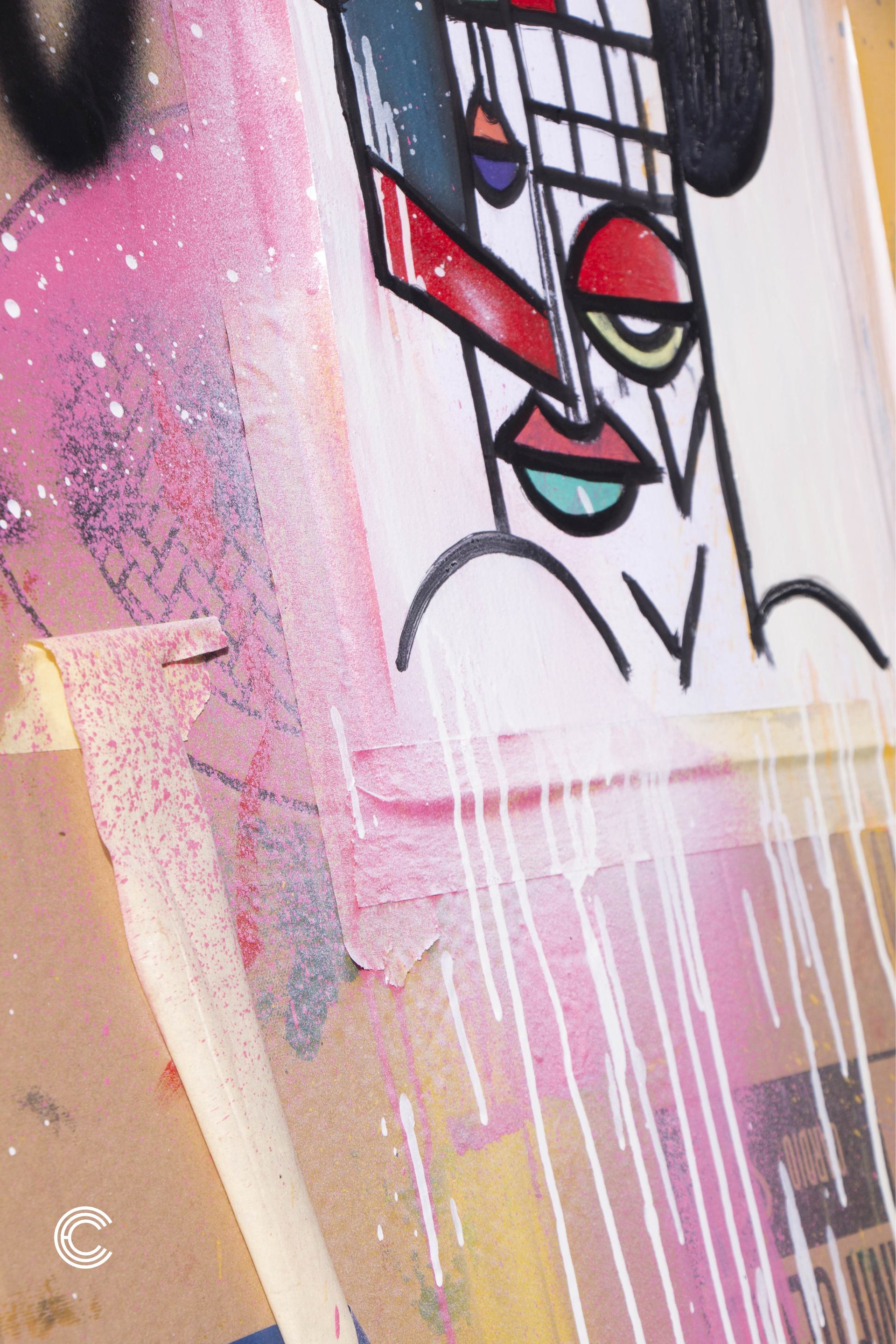
Another aspect of Farai’s style is amplified by the characters and figures; a manifestation that he relates to as “psychological portraiture”, in which mental health is the central focus and interrogation underpinning his most recent works. 

“I came to a point in my awareness of my mental health in which it became crucial to look into body language and how we are attempting to express how to feel especially in the context of the pandemic. It has been a global, collective trauma – alongside all the ecological, socio-economic disasters that continue – and so a lot of my recent works reflect my mind in a figurative way; the many shades and moods I have witnessed and interpreted in myself and others, and how that has come to be this thematic conversation. I focused a lot on the psyche and mind-scape, and so I think a lot of this work is imbued with a mindfulness around mental health, especially in relation to how tangible the experience of the mind really is and the power it holds over our realities. Also, the versions of ourselves that we lock away or hide from others; even those closest to us, and how it becomes so confronting in an experience like lock-down in which we are forced to be around people in strict setting.”
I ask Farai what he is working on at the moment – and as I expected, it is a multitude of things perfectly aligned to his multi-disciplinary nature. 

“I am working with a lot of NGOs and projects to raise funds for mental health. I donated a work to the Desmond Tutu Foundation, and I am using my platform and position to create awareness through my experience. I am also moving further into teaching and educating, but in a completely different way to the traditional art school experience; more like workshops, and in decentralized environments. This is part of me reconciling my art school experience; in which the skills I was able to learn should not be gate-kept for the price of four years’ tuition fee, especially in South Africa. So, I really want to bring more opportunities in the way I can, and use what I know in an environment that is laid-back, while also being useful to growing someone’s talent.”

Farai’s thoughtfulness is palpable – and in an age where many are set on being influencers – it is conversations like this which determine to me the difference between being an influencer and being influential; the latter being a far more impactful, original result of someone’s genuine contribution to the world. Farai does not simply demonstrate being influential; he embodies it. This is a being who is born with exceptional vision, and puts in the work and energy to implement that vision as an ongoing reality. 

Ending our conversation, I ask whether there is a comic book on the cards – to which Farai counters, saying it is more likely to be an animation. FKA Twigs’ line in “home with you” off her Mary Magdalene album comes to mind; // never seen a hero like me in sci-fi //.

I have never seen a hero like Farai, because his character arch is still very much underway. I mention one of the highlights of 2020 for me in terms of animation, Duncan Trussel’s vividly portrayed Midnight Gospel, in which animation is the medium through which he explores externalism and spirituality with a host of guest appearances. Farai gasps; “I literally found his podcast last night, that’s so crazy!” – as we go on to geek out about the brilliance of the show and its beckoning inquiries into the nature of life and death. 

A sublime ending to this conversation; as I imagine Farai being at the helm of his own animated series, perhaps the first African animation Netflix would be so honoured to finance.

Who knows? Everything is possible in this unlimited, magical multi-verse. 

WRITTEN BY: HOLLY BELL BEATON
PHOTOGRAPHY BY: KOOOOOOS

Textures and Technicolour with Nabeeha Mohamed

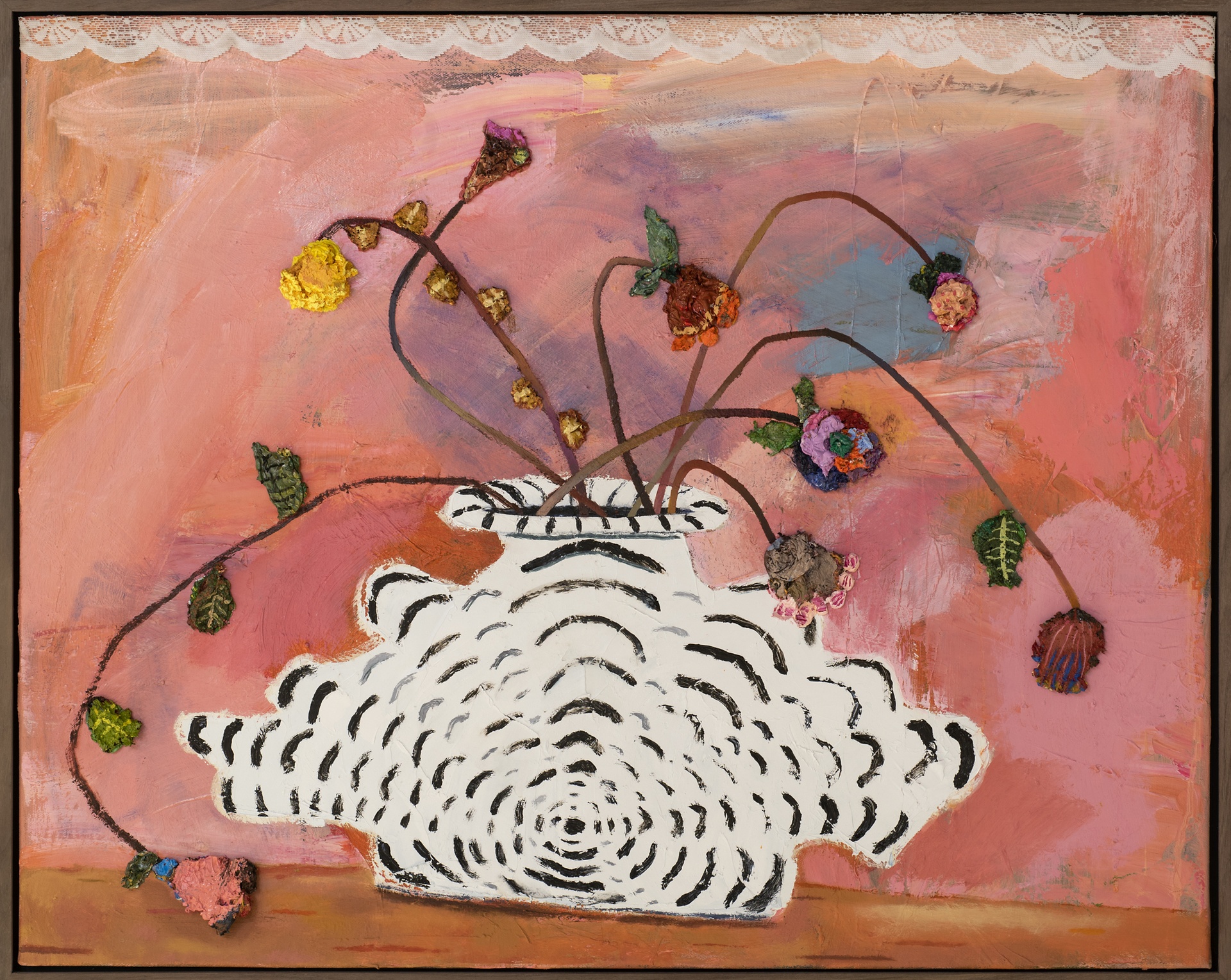
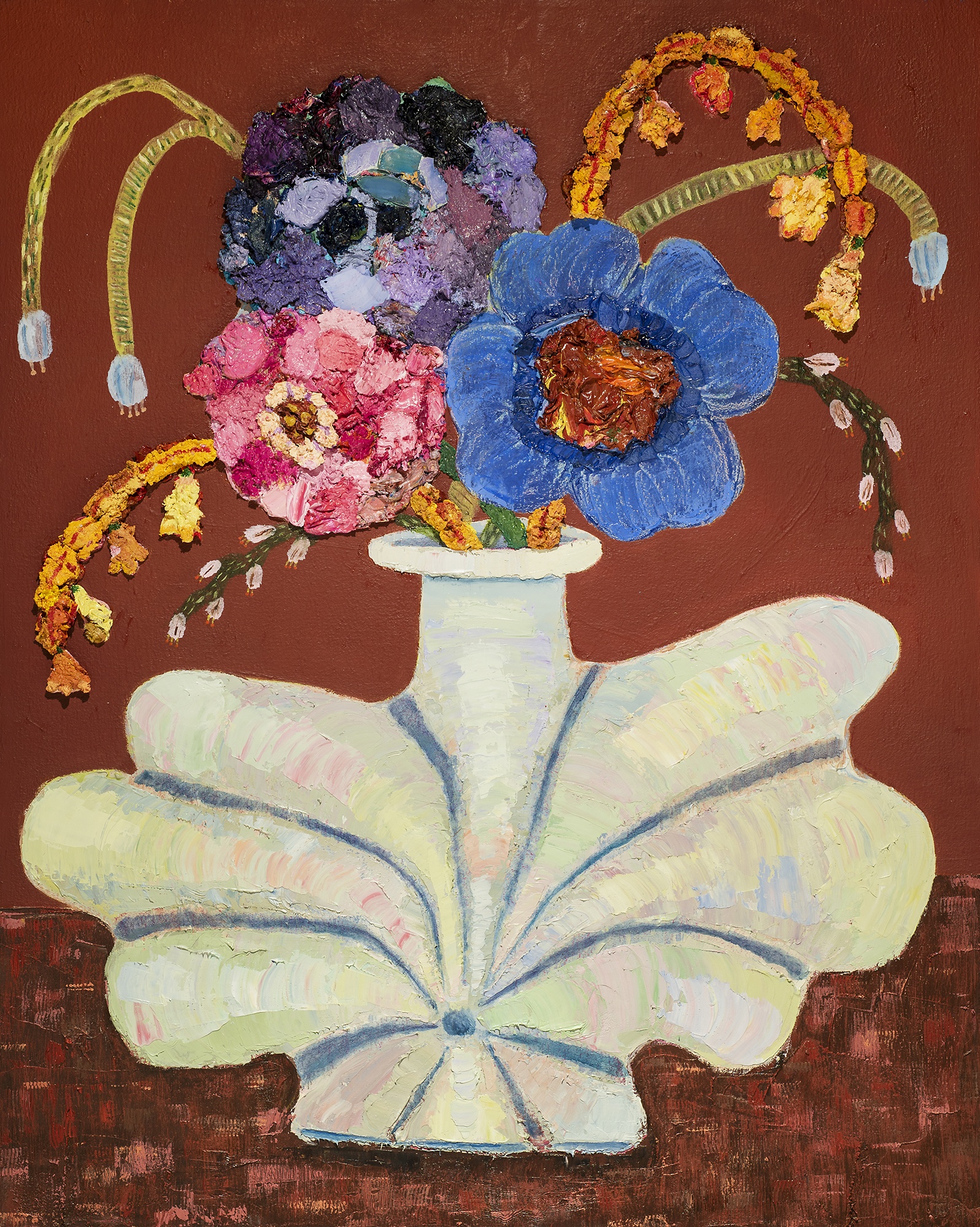
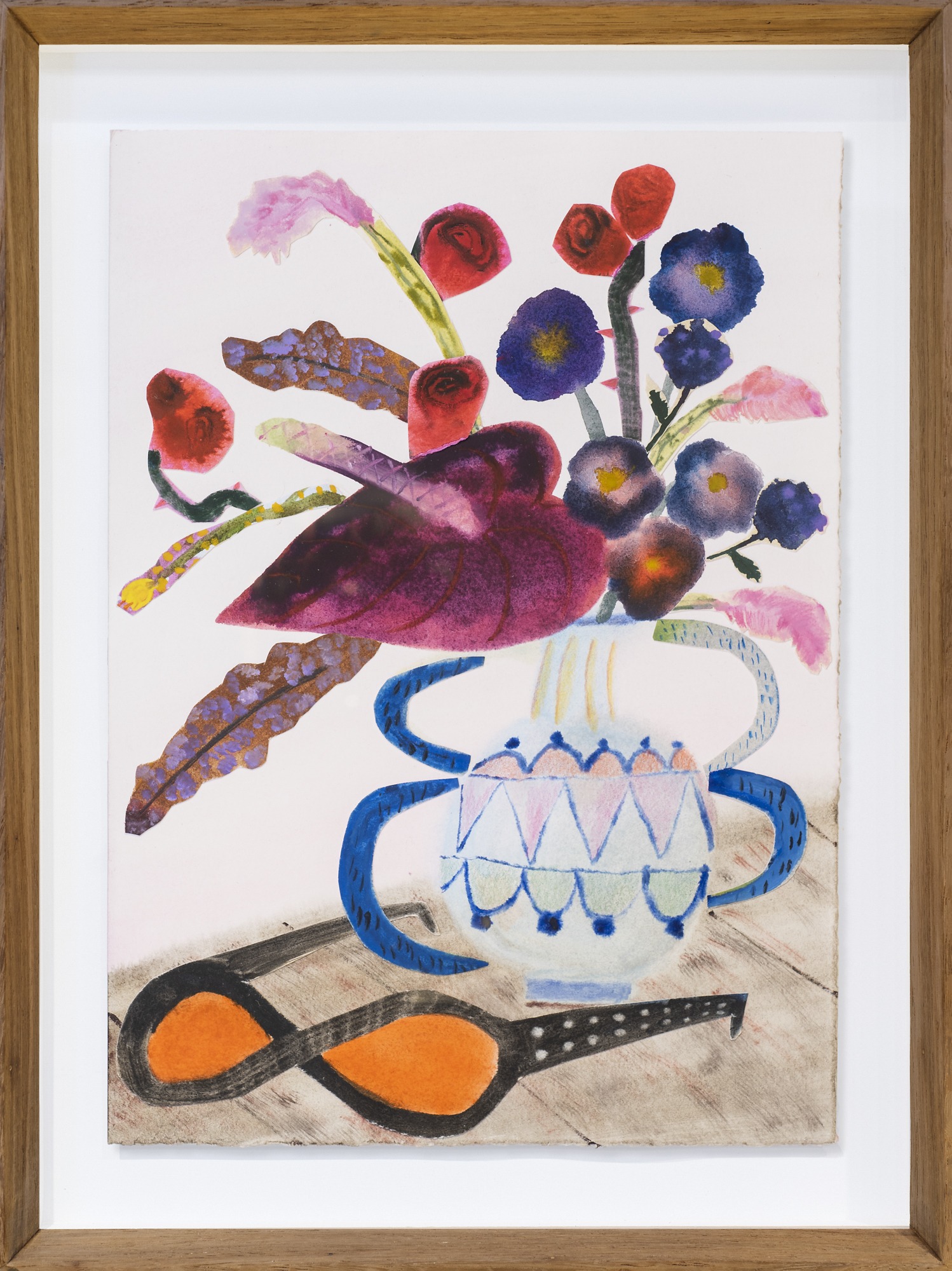
There is a certain magic in Nabeeha Mohamed’s relationship with colour. An array of works tempers her recent collection, Brown Petal; curated by Jana Terblanche, expertly arranged to convey a dream-like wonderment in an unusual setting – namely, The Vault in the Silo Hotel, with a contrast placed between the adjoining car park and Nabeeha’s bursting palette of floral arrangements and feminine motifs. As a Michaelis alumni, I am taken aback by Nabeeha’s admission that she has only been solely dedicated to her artistic expression for the last three years despite having graduated in 2011, and the idea of challenging the institutional prerequisite for art graduates to “play the game” immediately after studies feels deeply courageous and effortlessly natural. 

Our conversation takes place over video call, with Nabeeha in Tulbagh for an artist residency. Late afternoon light streams throughout our conversation – setting a mood that I feel is perfectly akin to her relationship with her practice; a practice that is dedicated and delicate as she explores the vast thematic nuances that inform her ongoing dialogue with herself. 

“I am not sure Brown Petal is a fully realized show. It feels like an interim body of work. I had just finished a show with WHATIFTHEWORLD, and I was in this strange space where I had rounded off a collection. I tend to work quite organically, and beginning this collection with sketch works using watercolours, I was trying to create new pieces. Each of the works I had made were an attempt to make quieter pieces – as I feel a lot of my style is rooted in loud, bursting compositions. I cut up and remade the pieces alongside each other, so there was a synergy in that aspect of the process.” Nabeeha muses. 

Curiously, she asks what season I would place Brown Petal in? I opt for Spring – contrary to Nabeeha’s own feeling, which she describes; “I find it conveys an autumnal feel. I leaned on browns and acid-green which I associate with the creeping on of the colder months.” This contrasting perception leads me to express that this could show how transient the collection actually is, as the day I viewed the collection it was the warmest day in Cape Town for quite some time; and thus, the pieces stood out as confirmation of this shift in temperature and temperament. How beautiful, that art created with a certain energy can evoke diverse responses, and remain fluid alongside the original intention of its formation?

“In terms of my actual practice, it began with my attempt to tackle a certain question. I thought it would be answered, in a way, with my initial return to creating – but as time goes on, I realise more and more that this question is deepening as the backbone of my practice, probably for the rest of my life.” 

What is the backbone, I ask?

“It’s essentially my identity as a woman of colour, and how to navigate that and celebrate that and love it. Also, how that intersects with my experience of wealth privilege, as I investigate where the one intercedes the other. Where one disables, and where the other one can assist.” Nabeeha states – as we both recognize that the two are not mutually exclusive and are true in a dialect relationship. 

I find artists who relate to themselves in their work as offering a sort of medicine or remedy to the viewer; because it is a language that is developed in relation to the age-old inquiry to the Self. Identity is constantly manifesting; shifting, shaping and forming – it is perhaps the most reliable source of inspiration, for it remains unique and flowing moment to moment. The ontological implications of turning within with one’s work is endlessly fascinating, and as I speak to Nabeeha, this is all the more confirmed – “I approached starting work again rather tentatively, and I suppose I started to practice again for myself; so  I suppose my advice is that the gap we are told to avoid when leaving art school is just a fallacy. Having acquired skills is one thing, but to be an artist and to be able to pick up on it at any point in time and space is what determines one’s ability – and I think that this ability is true for every artist, whether they have studied or not.”

There is a sense of serenity as we end our conversation. I am fulfilled knowing that creativity never dissipates, and perhaps it only needs to rest before we return to take up the mantle of expressing our inner-worlds; a commitment Nabeeha conveys not only in her consistent offering of work but also in her reliance on herself as a muse; herself as prose and praxis embodied through each brushstroke.

Written by: Holly Bell BEaton