Recently Anointed By Rosalía – As Far As Pop Goes, It’s Cool To Be Smart Again

Pop has always gotten a bit of a bad rap; “commercial, unserious, uninteresting” and most certainly – “unintellectual”. It has, in fact, always had features to it that beckon a much more serious genre than we give it credit for. Of course, there is the ultra-manufactured; those created boy bands and glossy superstars whose entire personas are assembled as if by committees, carried forward to success by artistic debasement as banal as catchy hooks and creative choices that equate cheques for greedy execs.

An unfortunate fragmentation of pop music in recent years has also been the way it has buckled beneath capitalism’s relentless machinery of consumption, turning inward until it became almost entirely self-referential. Far flung from being a pretty democratic artistic space it has the potential to be — capacious enough to hold myth, futurism, eroticism, political critique, and spiritual inquiry (yes, 90s, I’m looking at you) — we have, instead, been dosed on bodies of work that exist as franchised, merchandising opportunities; replete with music arriving as if engineered to purely feed the surrounding gossip-industrial complex of weird stan theories, and parasocial commentary; sorry Swifities.

So, imagine my utter surprise when it appeared we were shifted — by holy anointing — into another direction entirely in the last month. 

The first time I watched Berghain, Rosalía’s now-infamous music video that caused an operatic rupture across the internet, I experienced an almost involuntary sense of shock; the intensity of revelation tempered by the sudden shock that slices through the track when the strobe cuts and her voice emerges alone?! Insane. We know that Rosalía is experimental — she is the same artist who fused thirteenth-century literature with flamenco on El Mal Querer; but the abrupt movement from classical vocalisation was a leap. This is something else entirely.

Rosalía gave this shift its clearest articulation when she shared in her conversation with Laura Snapes that, “I’m tired of seeing people referencing celebrities, and celebrities referencing other celebrities. I’m really much more excited about saints.” In one crystalline line, she captured her seeming read of culture; in desperation and despair, our all-too human hunger for the symbolic, the sacred and the mythic might just overcome. Those of us so esoterically inclined might have unknowingly been standing at the altar of art that remembers its own sacred function, and I find myself wondering, ‘yeah, remember when we used art to speak to God?”

LUX is Rosalía’s most ambitious and mystically charged work to date, and nothing like it exists; it is what Ray of Light is to Madonna, in its expression of a deep, fearless and searching spiritual quest on the part of Rosalía. LUX is a polyphonic, multilingual, spiritually inflected odyssey that splices together classical orchestration, liturgical harmony, medievalism, and a lyricalism that calls forth saints, mystics and ritual lineages. So, no big deal. Rosalía sings in thirteen languages — Spanish, Catalan, Arabic, Sicilian, French, Italian, German, Japanese, Ukrainian, Hebrew, Latin, Mandarin, Portuguese — as a devotional gesture, which by all reported accounts, are all done pretty accurately.

Rosalía draws across a widespread canon of feminine expressions of ecstasy, sacrifice, and supernatural endurance, and to understand why this moment matters, we need to look directly at what Rosalía represents within the commercial landscape. Her success is neither cult nor fringe; she is one of the most visible, decorated, and streamed artists in the world. MOTOMAMI topped global charts, El Mal Querer earned her a Grammy, and her collaborations range from reggaeton heavyweights to hyper-pop auteurs. Rosalía sells out stadiums, and performs at the VMAs. She exists at the centre of pop’s commercial machinery — and LUX is being received as a mainstream release.

Rosalía proves that the mainstream itself has widened, or at least, it has the wherewithal to do so. We do not have to rely on the projected commercial success as means for forsaking the art itself; at a time where it couldn’t be any less prudent to take artistic risks, Rosalía reminds us otherwise. The fact that an album steeped in medieval mysticism, polyglot choral work, and art-historical references can still command the attention of global pop audiences is mind-bending. It is an expanded definition of what the centre can hold. LUX makes visible a change that has been years in the making; a dispelling of the myth that mainstream culture only rewards the easily digestible and dumb. 

This may be thrilling, but it’s nothing new, and the lineage of intellectually-enriched pop is long, even if the zeitgeist sometimes forgets it exists. Pop’s avant-mothers laid the groundwork decades ago. Madonna’s work in the 1990s was seminal and as Derick Koen has echoed to me, “everything interesting in pop is built on the back of Madonna,” and it’s very difficult to disagree. Like a Prayer transformed Catholic symbolism into a semiotic battleground, staging desire, faith, shame, and liberation as intertwined forces, while the aforementioned Ray of Light marked Madge’s most profound spiritual turn; a techno-mystical journey steeped in Kabbalistic imagery, Eastern philosophy, and her metaphysical rebirth — proving that pop could channel genuine transcendence without forfeiting mass appeal. 

Björk, meanwhile, has always viewed pop as something far bigger than hooks and choruses — for her, it has always been a method of inquiry and a means to test the boundaries of reality. Her appearance on Berghain, alongside Yves Tumor, singing “the only way I will be saved is through divine intervention”, is almost inevitable in hindsight; this is the same artist who used her works Homogenic to stage the collision between nature and technology, and Biophilia to link music with geology, cellular biology, and even the motion of the stars.

Image by Shauna Summers, via Death to Stock 
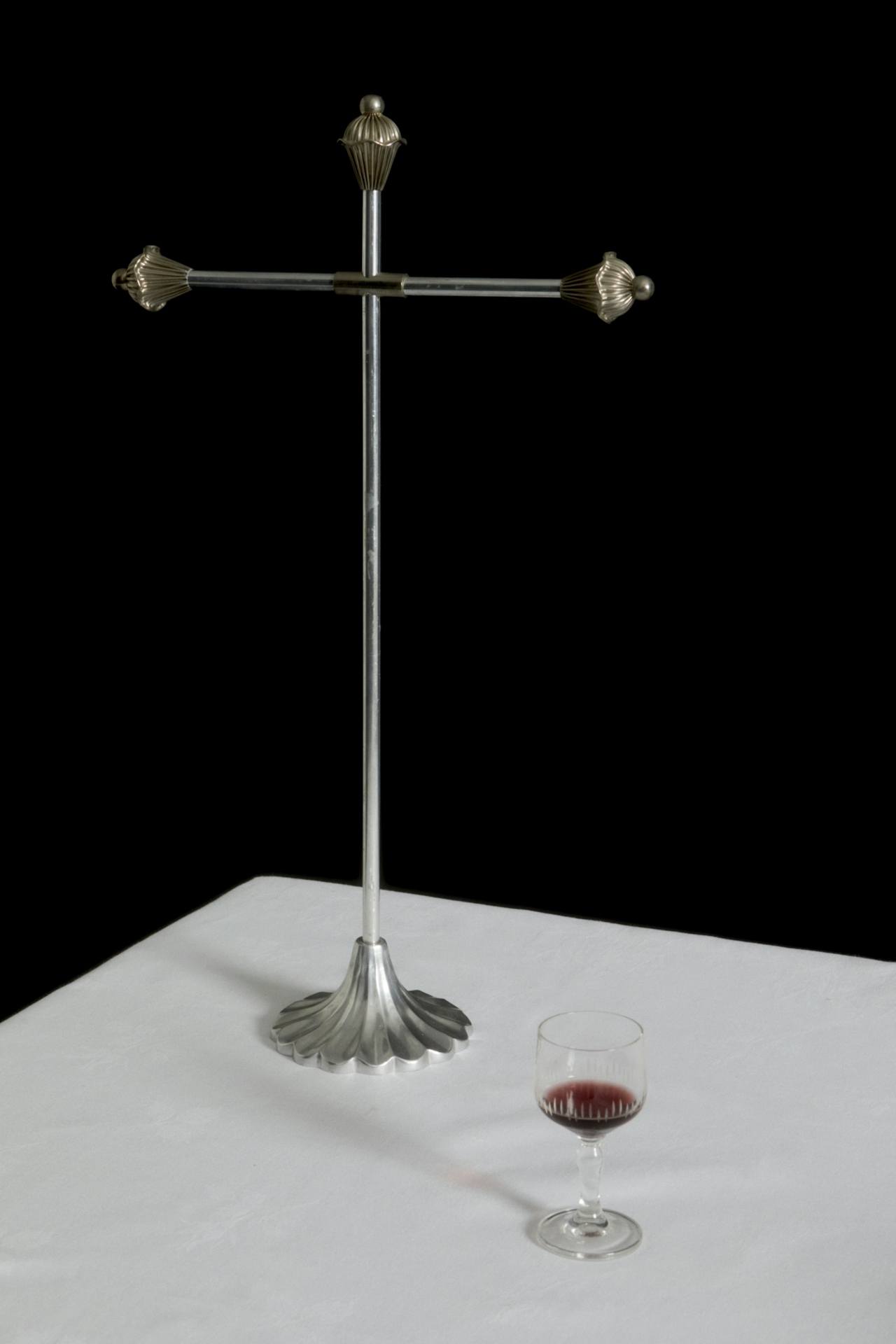
Image by Shauna Summers, via Death to Stock 

FKA twigs builds her worlds through the body, as another art-pop mother. Her work has used choreography, and ritual-like performance in a way that evokes entering a spiritual scene. I still consider MAGDALENE as one of the most technically and emotionally transcendent pop albums of the last decade (notwithstanding that I was at a very Mary Magdalene stage in my life), with the record showing twigs’ body as the story: whether on a pole or being trained in blade work and martial choreography, the album is a meditation for womanhood, bodily autonomy and spiritual crisis. 

Sevdaliza, meanwhile, tends to build her worlds through the voice. Where twigs’ body becomes an instrument of ritual, Sevdaliza’s voice is a shape-shifting medium — previously drawing on the Iranian traditions of lamentation and ritual mourning she bends her vocality and performance art in stunning ways. This is the kind of deep craft that alt-pop requires, the kind of independent thinking and commitment to process that treats pop as an artistic discipline rather than any paparazzi-laden, personality spectacle.

Lastly, I simply couldn’t close this conversation without a nod to Solange; personally, my favourite Knowles sister. Both her music and her creative platform Saint Heron are cultural engines advancing Black literature, experimental writing, design and preservation. Through Saint Heron’s work, library, salon-style conversations, short films, and limited-edition design collections, Solange builds and preserves the expanded canon of Black intellectual, artistic, and cultural work that we owe so much of contemporary culture’s imagination to.

Now, Rosalía builds her world through language. LUX is polyphonic, linguistic triumph; multi-cultural, and spiritually charged, an album that ultimately disavows any notion that pop must be linguistically simple or sonically predictable, and she’s doing it in the mainstream. This brings us to the essential truth; if this is indeed an alt-pop renaissance in the mainstream, it thus reveals a profound cultural appetite for work that is complex, symbolic, emotionally layered, spiritually literate, intellectually articulate, and aesthetically ambitious. We are all seeking meaning, and as someone who believes in the ability of art to expand collective consciousness, the intensity of this energy channelled into a body of work by Rosalía reminds us that the creative process is a devotional act; and everyone of us can devote ourselves in whichever ways we’re called to. 

I am so here for it, if you can’t tell. This is the age of the feminine — with our saints, cyborgs, rituals, ancestral cosmologies, and conceptual precision. We are that complex, and there is that much depth to uncover; even in the ‘mainstream’. I am reminded that pop can think, should think, that pop can feel, and that pop can inquire into the deepest symbolic structures of human life while still being pleasurable and viscerally just, vibes. 

It’s cool to be smart again — and to have a spiritual awakening or two while you’re at it.

Written by Holly Beaton

For more news, visit the Connect Everything Collective homepage www.ceconline.co.za
Follow CEC on Instagram

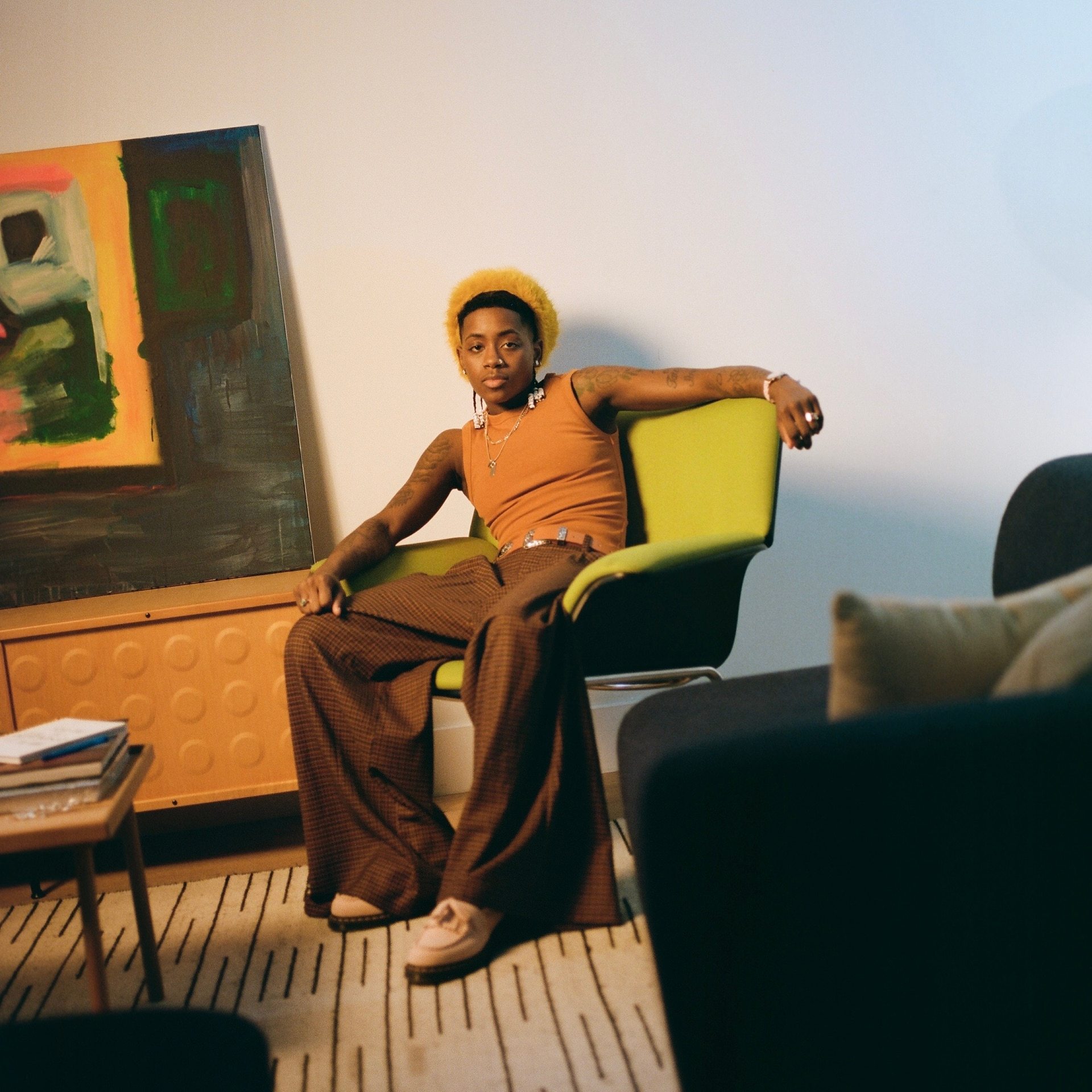
TheARTI$t presents two new tracks from her new album ‘Who I Am’

Presenting ‘Ghost’ and ‘Five Star’, two standout tracks from New Jersey, singer and lyricist TheARTI$t’s soul-baring new album ‘Who I Am‘.

You know that feeling when someone’s gone but the memories stay? That’s ‘Ghost’, the new single from TheARTI$t. It’s more than a song, it’s a story we’ve all lived through. On ‘Five Star’, TheARTI$t turns up the heat with an upbeat R&B vibe celebrating the kind of love you brag about. 


About TheARTI$T

TheARTI$T creates music without borders. After graduating high school, TheARTI$T attended Essex County College to play basketball before making the tough decision to end her playing career after sustaining a shoulder injury. Soon enough, though, she dropped out to pursue a singing career, with “Sober” becoming her first hit immediately upon its release in 2023. The song catalyzed her rise to fame, and the buzz generated from the single traveled online.

Along the way, she received co-signs from cultural heavyweights like Maxwell, Snoop Dogg, Jermaine Dupri, Queen Latifah, and Raphael Saadiq to name a few. After releasing her debut indie album, ARTchives (2023), TheARTI$T continued fortifying her growing discography with a steady stream of singles – “You For Me,” “Love Somebody,” “Easy,” and of course, the expanded version of her highly-touted project, ARTchives: The Gallery (2024). The Newark native’s unique ability to explore themes of reflection, growth, and emotional clarity has helped crystallize her status as one of R&B’s promising up-and-comers. Her latest entry, Who I Am (2025) – a project inspired by staying true to yourself – consummated her rise even further, providing listeners with a deliberate kind of introspection that is palpable.

TheARTI$T is now touring the U.S. and Canada, with stops in Chicago, Toronto, New York City, Washington, D.C., Dallas, San Francisco and Los Angeles. She will be performing at Brixton Jamm on March 6th, 2026. 

Book tickets here.

Listen to ‘Who I Am

Press release courtesy of Only Good Stuff 

Compost Records Founder Releases ‘As If By Magic’

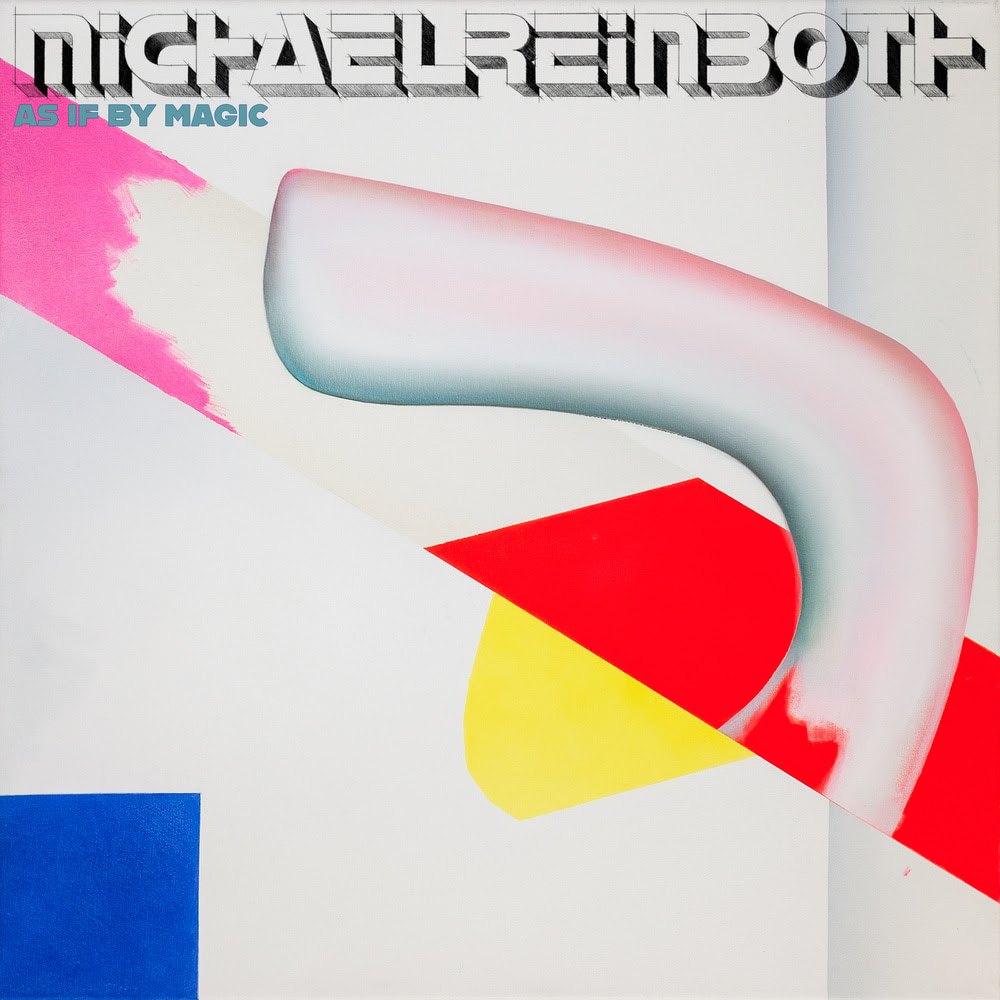
‘As If By Magic’ is Michael Reinboth’s third release under his real name, produced with Jan Krause (Beanfield), and with a cover image by Ena Oppenheimer. A vibrant mid-tempo delight, the drums are played by Peter Gall, whose album “Love Avatar” was named “Best Jazz Album of 2024” by the German Jazz Awards. On keyboards is Roberto Di Gioia, mastermind of Web Web and Marsmobil.

The rest, programming, production, is played by Michael Reinboth and Jan Krause (Beanfield). With a remix from Moodorama. Moodorama is currently riding high, as evidenced by their other great remixes for Jazzanova, Charles Petersohn, Beatkozina, and Inkswel. After early Beanfield productions, circa 20 remixes (some old ones labelled simply Compost Remixes), more than 30 compilations and 30+ years of running Compost, a few 12”s under alter egos, the Compost boss decides to liberate the alias and mystic.

Listen to ‘As If By Magic’ here

Press release courtesy of Compost Records 

Jambal & Kenai Shogun release ‘Men Of Average Nature’

Luxembourg-based jazz quartet Jambal link up with Kenai Shogun – a new collaborative alias of Luxembourgish / Brazilian rapper pirraia (f.k.a Culture the Kid) to release a full-length album entitled ‘Men of Average Nature’.

The project is a culmination of a long-lasting friendship, jamming years of living into mere minutes. Jambal and Kenai Shogun have evolved parallel to each other, shaping their studio and live identities before finally joining forces for this project. Though life has scattered them across Europe – with homes in London, Oslo, Amsterdam and Antwerp – they always find their way back to Luxembourg where they continuously set new standards in blending their genres.

Recorded at Charles Stoltz’s studios after two residencies at Trifolion Echternach, the album blends jazz improvisation with sharp penmanship, UK-influenced grooves and psychedelic textures. Dense walls of sound burst into lush melodies, cementing Jambal’s signature sound, building upon their 2025 EP *Asterisk (produced by Propulsions) . The record also features guitarist Mateus Wojda, whose contributions add both drive and melodic depth. As with all previous releases, the artwork and visual identity have been created by Jambal’s longtime friend and fifth member Erik Mathias, ensuring a cohesive aesthetic throughout. With Men of Average Nature, Jambal and Kenai Shogun deliver a profound statement of friendship, artistic growth and sheer creativity, shaping a sound that transcends traditional genre-blending and establishes new standards for their collaborations.

Listen to ‘Men of Average Nature’ here  

Press release courtesy of Only Good Stuff

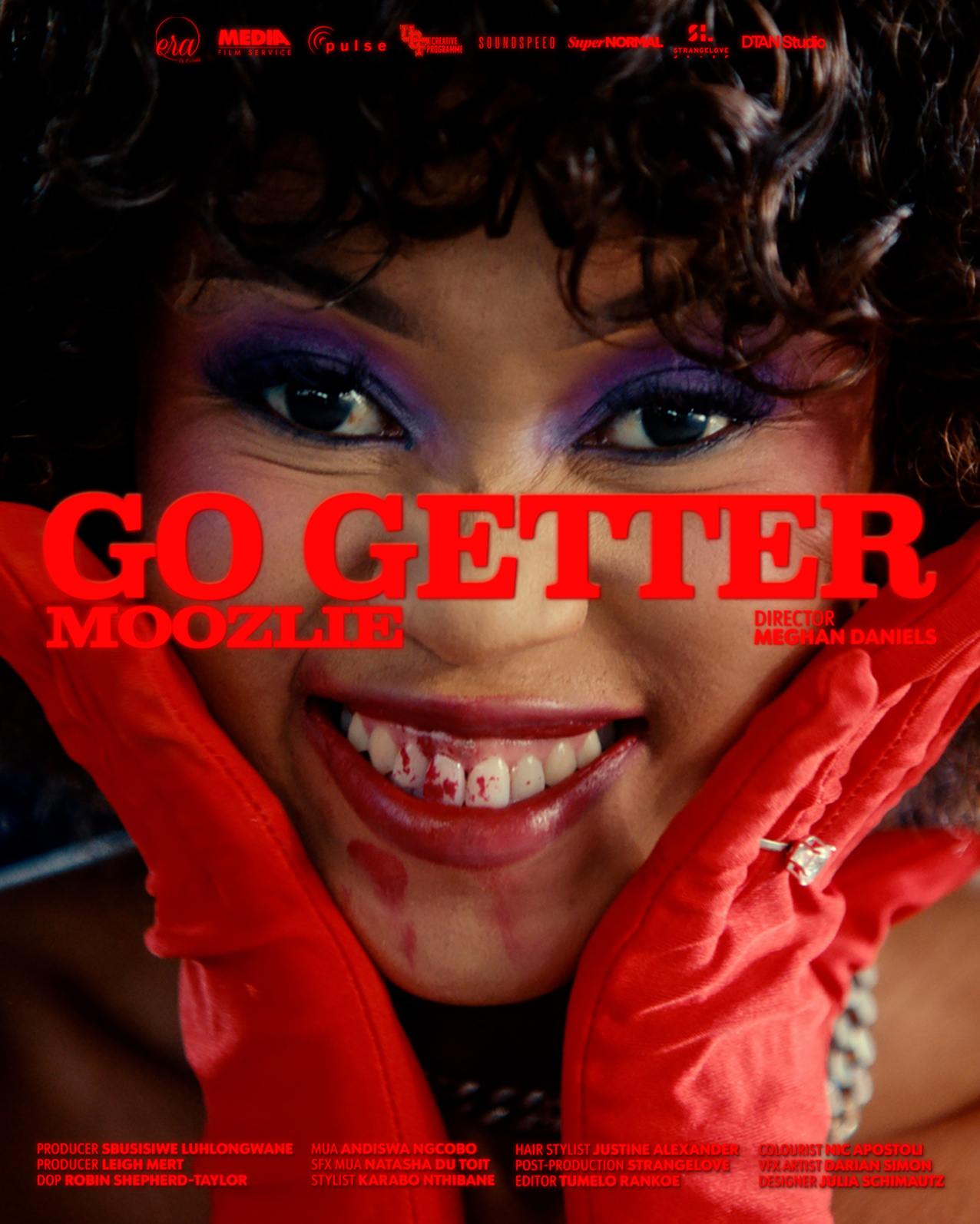
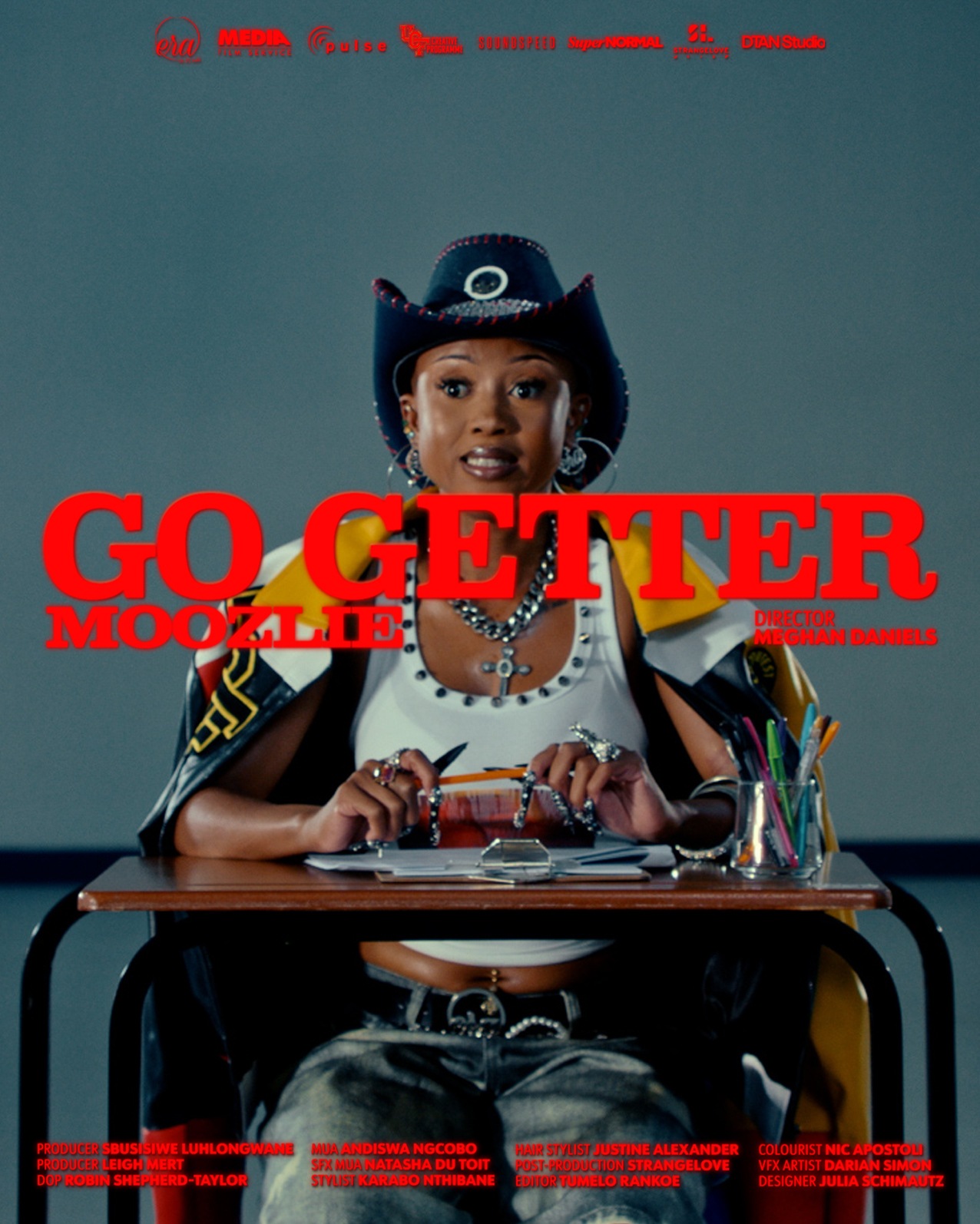
A Music Video of Many Selves; Meghan Daniels and Moozlie Reflect on ‘Go Getter’

Music videos are where artists get to build worlds, inhabit alter egos, and translate sound into cinematic experiences. In South Africa, the art-form has always navigated budget constraints, shifting priorities and the demands of online consumption, so – when we come across a video like ‘Go Getter’ it feels especially poignant to discuss. Furthermore, this extraordinary collaboration involved the creative expression of two artists who are of a calibre attuned to category defying work. 

Directed by filmmaker Meghan Daniels and performed by rapper, host, and multi-hyphenate Moozlie, ‘Go Getter’ unfolds as a one-woman audition universe; a surreal, character-driven immersion into persona, stereotypes, and the layered emotional territory of feminine performance. Moozlie, ever the shapeshifter, walks unflinchingly into amorphic character acting, delivering performances that are both uncanny and richly embodied. From the over-filled diva to the gangster-leaning mob boss, each character becomes a subversion of itself — masterfully expressed by Moozlie and crafted by the team.

The music video sits in the lineage of pop-cultural shape-shifting — the same tradition that gave us Missy Elliott’s hyper-visual ‘Misdemeanour’ era  and Beyoncé’s Sasha Fierce, artists who understood that the music video could be a portal into a more elastic, expressive self. The video is playful, strange, deeply considered, and ultimately built on an unusual depth of creative trust, as Moozlie and Meghan share with me later in our conversation. 

For Meghan, the seeds of filmmaking were planted long before she ever picked up a camera, and she describes her childhood as slow, interior, and filled with watching the women around her. As a quiet, introspective kid and self-described as a bit of a loner, film became a way for Meghan to process feelings, find relatability and escape when she needed it. As she explains, “I was raised by my Mom and Gran — two women who are tough as nails. Because they were always busy working, they’d keep me occupied with TV and arts and crafts. I spent hours watching Backstage, Generations and Isidingo with my Gran. As a ‘thank you’ for walking with and helping my Mom get groceries, I was also allowed to rent a DVD – and that’s all I’d want to do over weekends. 
My Gran taught me dark, self-deprecating humour as a coping mechanism, while my Mom unintentionally showed me the duality of femininity and the spectrum of gender — I’d watch her blow-dry her hair in the morning and later smoke a cigarette and fix things around the house. All of this shaped the stories I’m drawn to now: ones that make space for the off-kilter and the odd, that challenge and tease expectations and poke boxes — especially when it comes to identity exploration” 

Her instincts naturally gravitated towards short form — music videos, experimental shorts, compressed narratives. I wholeheartedly believe short form often demands extraordinary mastery precisely because of its constraints; because time becomes both the medium and the boundary; Meghan notes “there’s something about the containment of limitations, it can be freeing”; the boundaries force you to think sharper, to be inventive within what’s possible.”

Those instincts shaped the initial treatment Meghan created for Go Getter, which grew out of a fascination with play, exaggeration, and the freedom that comes from not taking oneself too seriously. Meghan reflects that she pulled references from Cindy Sherman’s early character portraits, Nadia Lee Cohen’s cinematic expressions, and the exaggerated characters and surreal visuals of Busta Rhymes’ ‘Gimme Some More’, and Janelle Zanaughti AKA Uglyworldwide’s explorations of queer gender expression. Those of us raised on the iconography of the MTV and VH1 era will know that music were entire imaginative ecosystems that remain treasure trover of inspirational material, for those of willing to look.

Meghan emphasises, though, that the lyrics of the song themselves steered the direction as much as anything else. “A lot of the lyrics are super strong and in your face, but some are playful and silly in a good way,” she explains. “That gave space to develop this concept that I had wanted to write and shoot for a while, and create characters who sit between those worlds — a bit funny, a bit strange, but still saying something.” That “something” was also a pushback against the assumptions often made about women in music. “Artists are often portrayed as glamorous, sexy, almost perfect,” Meghan says, “and while there’s space for that, it can also create stereotypes, boxes, and even a kind of fetishisation especially when it comes to femme and Queer artists. We wanted to confront that by pushing some of these ‘boxes’ to the extreme but also to play with the full spectrum of what femininity is and can be, asking what happens when femininity refuses to stay in one lane — when it slips, mutates, and multiplies into forms that are glamorous, grotesque, terrifying and sexy all at once.

When the concept reached Moozlie, the alignment was immediate. Known for her shapeshifting personal style and her ability to wear multiple hats across media roles, she saw herself mirrored in the framework. “I play around with looks and style all the time,” Moozlie says. “I wear a lot of different hats — hosting, styling, creative direction — and this song speaks to all of that. One of the lyrics is ‘I do it on my own baby, I’m a go-getter,’ so the idea of doing everything on my own made complete sense. When Meghan sent the brief, I didn’t want to change a single thing. Everything she put into the initial moodboard, except one character we dropped because of time, is exactly what ended up in the video. That’s unheard of.”

All imagery courtesy of Meghan Daniels and Moozlie

Moozlie is emphatic in explaining that she surrendered entirely to Meghan’s vision; which, too, is unusual for an artist of Moozlie’s conceptual clarity. “Usually a music video is more about the artist and the song, but this one was kind of the Meghan show — and I’m so glad it was. Nothing was too far or too weird. I just threw myself into whatever she wanted to do.”

Moozlie truly felt this as a meeting-of-minds equally. “I like working with people who are the ‘Moozlies’ of what they do — people who are the rockstars in their own field,” she explains, “I bring a template and a world I want to explore, but I’m not going to impose it. It’s about taking my idea, bringing it into her experience and her background, and then figuring out how to merge that together.”

The character development process, astonishingly, took place in a single day. Despite the time constraints, Meghan insisted on depth rather than haste. “We asked: what do they weigh, what do they smell like, what music do they listen to?” she recalls. “We bought perfumes, sprayed the room, and played their soundtracks. It helped Mooze bring her own interpretation because she had to make them her own.” For Moozlie, what emerged was the experience of possession and embodiment; “these were different people with completely different life stories. Every character had a different perfume, different music — the whole energy in the room would change. It got quite deep. It felt like I was in acting school for a couple of days.”

While Moozlie remains deeply independent and fiercely versatile, she explains that the experience helped her digest the ironies of her song’s central message: “The song says, ‘I do it on my own,’ but honestly that’s the biggest lie — who does anything on their own? It’s more about that internal spirit of believing in yourself so much that you can do it.”

The audition framework, each character performing for a panel, with Moozlie herself seated among the judges, also demonstrates a conceptual loop; at the end, when Moozlie appears as the judge, it elicits a few readings. Are we reflecting the way we’re constantly policed, judged, and boxed in — the expectations placed on our identities, what counts as “right” or “wrong”? Is it a mirror to our own internal judgement? Or is it simply the absurdism of it all, with Moozlie genuinely bewildered by the characters she’s just witnessed? “The fact that these people are auditioning to be in a Moozlie music video, and then you see me as the judge at the end — it’s deep,” she says. “I’m judging myself through the process.”

For Moozlie, the project sits within a longer lineage of women in hip-hop who have always needed to push boundaries; “being able to express yourself in ways people don’t expect from you in this genre is important. This video let me do that.” As filming wrapped, both artist and director found themselves lingering inside the emotional residue of the work. “I’m still dealing with everything I learned from putting this video together,” Moozlie admits. “It filled me up. It stretched me. I’m glad we’re having this conversation about it — it’s important.”

We tend to be fixated on polished outcomes — the final video, the glossy stills, the metrics, the moment of release — Go Getter is a reminder that the real engine of artistic work is its process. When speed and output eclipse contemplation, this conversation is our reminder that to witness creative works is to reflect with artists like Meghan and Moozlie as they articulate, dissect, and honour the making-of with each other and the broader team that made Go Getter happen. 

This is a piece of work that truly is the result of a hard-earned hunger for creating; flexing the kind of creative muscle that develops only from years of making something out of very little, and insisting on vision, by everyone involved in its making. 


Credits 

Music by & Starring: Moozlie @moozlie

Director: Meghan Daniels @meghan.daniels

Producer: Sbusisiwe Luhlongwane @busi.luhlo & Leigh Mert @leighmert

DOP: Robin Shepherd-Taylor @robinshepherdtaylor

Focus Puller: Rhett Mullins @rhett_mullins

Loader: Tafadzwa Pasi @this_is_x_files

Gaffer: Leonard Da Cambra @leonarddacambra

Spark: Doc Jantjies & Brandon Le Roux 

Grips: Ndumiso Ninela @ndumisoo

MUA: Andiswa Ngcobo @andingcobo

SFX MUA: Natasha du Toit @tashtoit

Stylist: Karabo Nthibane @keketso.karabo

Hair Stylist: Justine Nomz Alexander @justine_nomz

Choreographer: Nicola Pharo @pharonicola25

Post-production: StrangeLove @strangelove_post

Offline editor: Tumelo Rankoe @2024tido

Online editor: Darian Simon @darian_dawood

Colourist: Nic Apostoli @nic_apostoli

Sound design: Sean Roos @missu2missu & Oliver Stutz @oli.audio at SuperNormal @supernormal.audio

Sound Operator: Khanya Cona @khanyacona

Designer: Julia Schimautz @juliakatarzyna_ at DTAN Studio @dtan.studio

Photographer & BTS: Mduduzi Motha @ndlebenkomo_jpg

Unit Manager: Tawanda Mavaz @michaeltawas

Unit Assistant: Shephard Mavaza 

Unit Assistant: Tinashe Majere

Catering: Ronelle Trimble @missdivatrimble

Brand Manager: Dané du Plessis @daneduplessis92

Moozlie’s assistant: Musa Mthembu @musaa.mthembu

Music Producer: Fistola Inecut @fistola.inecut

Label: Nomuzi Mabena Music @nomuzi_mabena_music_official

Special thanks to: 

Media Film Service @mediafilmservice

Era by DJ Zinhle @erabydjzinhle

UCF Creative Programme @cottonfestjhb

Pulse Crew @pulsecrewcape

Soundspeed @soundspeed.co.za

SuperNormal @supernormal.audio

Strangelove @strangelove_post

DTAN Studio @dtan.studio

and the entire crew

Written by Holly Beaton

For more news, visit the Connect Everything Collective homepage www.ceconline.co.za
Follow CEC on Instagram

The Regenerative Vision of ArtAngels for Education, Creative Arts and Cultural Economy in South Africa

Every November, as the country exhales into graduation shows, year-end critiques and those last studio lights still burning late into the night, the South African art world returns its focus to nurturing education. ArtAngels is a regenerative micro-infrastructure built for artists and collectors, in a sector that has almost always had to invent its own scaffolding. In a landscape in which state cultural funding remains tenuous and artistic labour is consistently undervalued, ArtAngels has evolved over more than a decade into a circular system in which art sustains art, value circulates back into the community, and the future of the creative ecosystem is nurtured from within. In addition to this, a more hopeful vision of South Africa’s educational futures is made possible through the proceeds of ArtAngels.

When Nicola Harris first activated the inaugural event in 2012, it emerged from an observation about how the creative sector might support itself more intelligently. “At the time, Click Learning (the technology-driven literacy initiative which ArtAngels now sustains) was still new and I was still working at RMB,” she shares. “What I kept seeing was that people in those environments were incredibly willing to give, but time-poor. They wanted to contribute meaningfully but needed an avenue that made it simple and tangible. At the same time, my family has always had a deep connection to the arts, and I’d been dreaming about activating spaces like Circa in a way that felt alive and generous. ArtAngels was born from that nexus — bringing people with capacity into a room with good art and a clear purpose.”

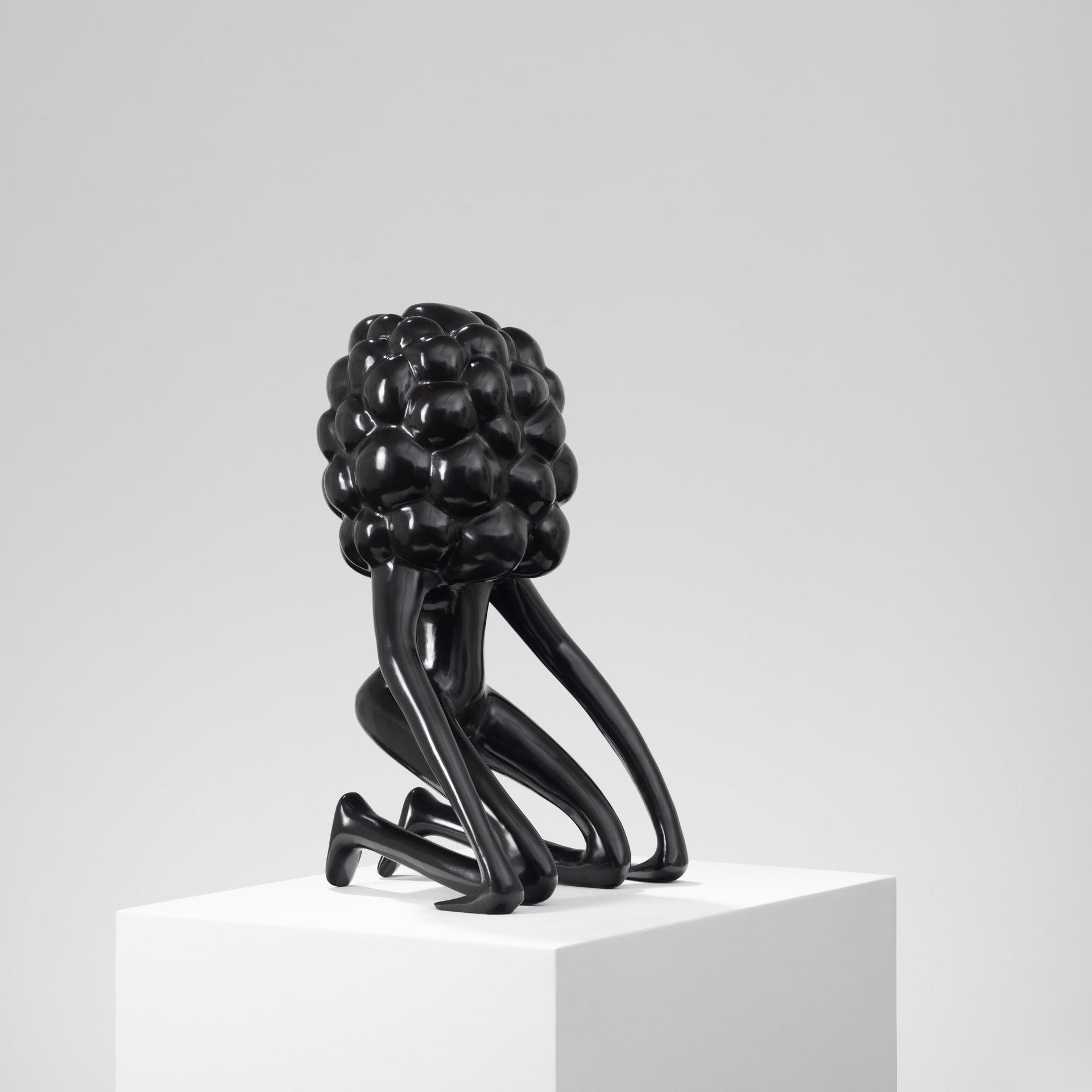
Artwork by Atang Tshikare. Imagery courtesy of ArtAngels

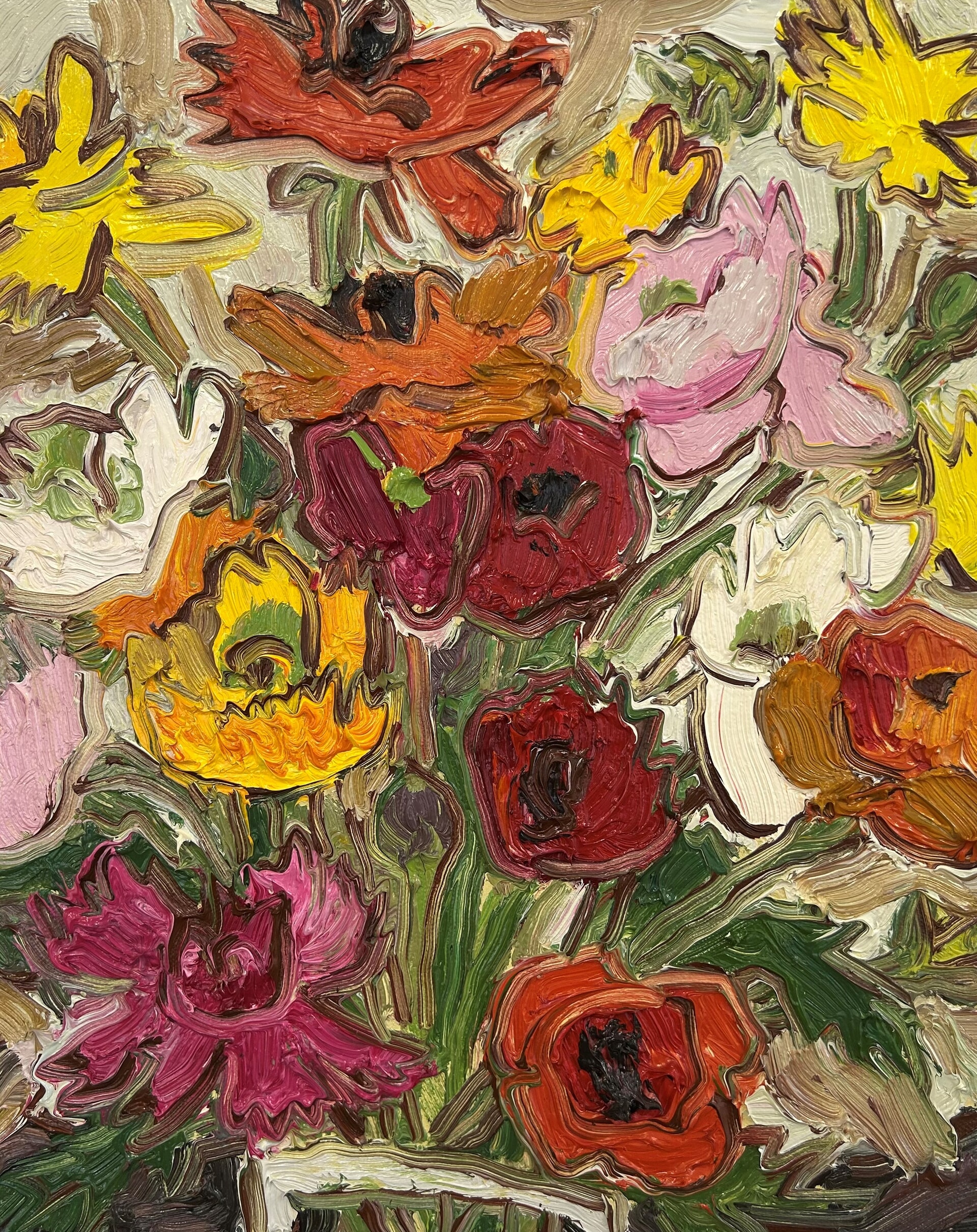
Artwork by Erin Chaplin. Imagery courtesy of ArtAngels

The purpose, however, has never centred solely on fundraising. From the start, Nicola and her team recognised a structural flaw in the traditional charity-auction model: artists are asked, repeatedly and relentlessly, to donate work, yet their contributions often sell below market value, undercutting both their income and their place in the broader ecosystem. As she explains, “In so many scenarios, artists are being asked to give something, but the event doesn’t extract the true value of their work. It isn’t great for the artist, it isn’t great for the beneficiary, and even for collectors it undermines the value of these artists in their collections. The value proposition we offered was simple: if you’re willing to give, let us create a forum where that generosity can actually be maximised, for everyone involved.”

The philosophical shift embedded in ArtAngels became most apparent when Harris introduced the now-well-known 10% commission for contributing artists — a gesture small in percentage but immense in meaning. It recognises that donating a work is the giving away of income, labour, hours, material costs and creative energy that cannot be recouped. “We realised it was a big donation from the artists, especially younger artists,” Nicola notes. “So acknowledging that, and giving them something back, meant they could offer strong works rather than whatever was left in the storeroom. It’s worked incredibly well. Everybody gets to contribute high-quality pieces, and the whole ecosystem benefits.”

It is precisely because ArtAngels places artistic labour at the centre of its philosophy, that the event has slowly become one of the few annual moments where the South African art community gathers across generations, galleries and practices in a spirit of collaboration rather than competition. “I don’t think the arts community often has an occasion where painters, sculptors, photographers and gallerists all come together to connect, celebrate and rally behind a single cause,” Nicola reflects. “It creates a real sense of community — and for buyers, it’s a rare opportunity to engage with that world in a way that feels intimate and joyful.”

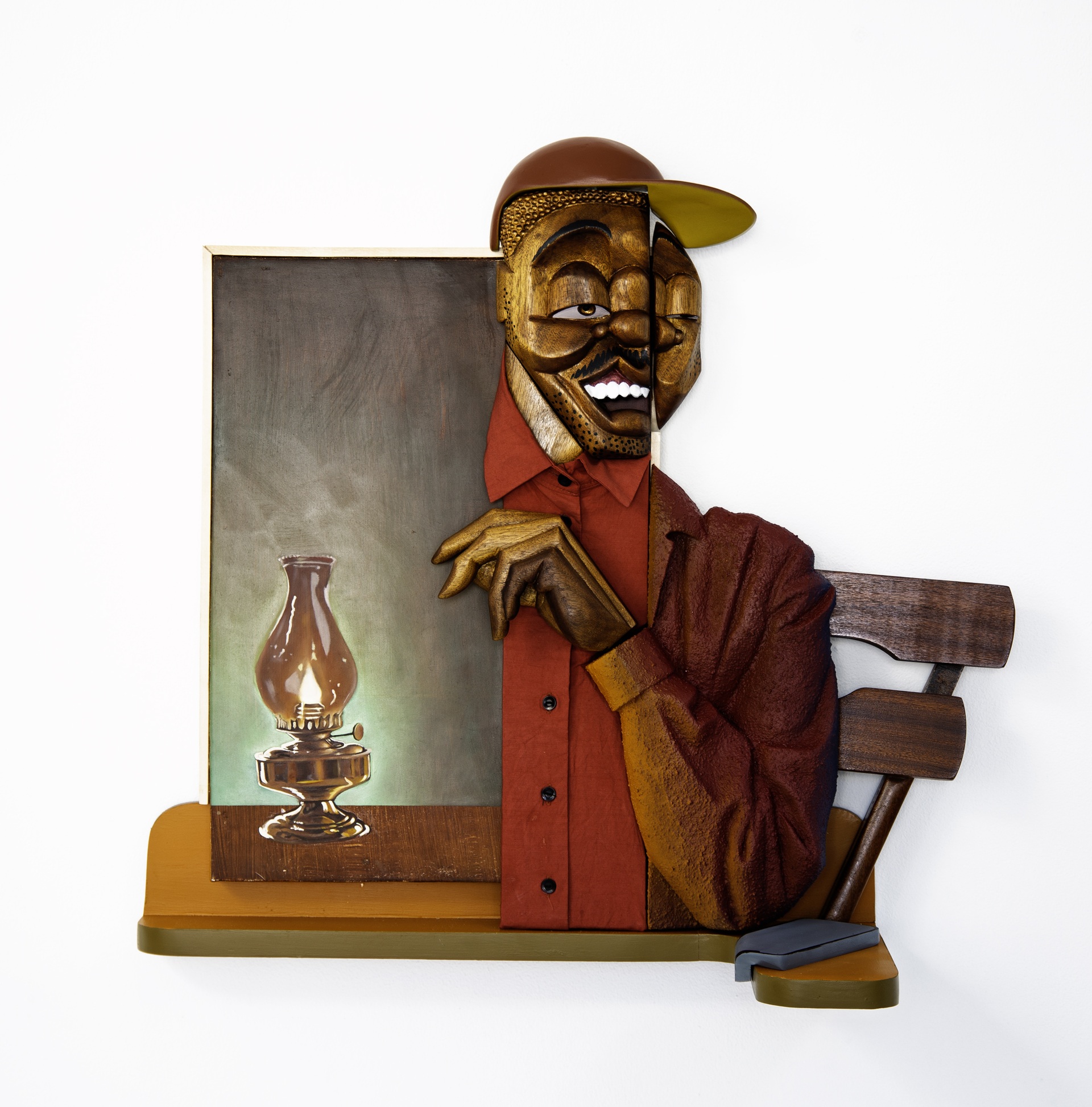
Artwork by Dada Khanyisa. All imagery courtesy of ArtAngels

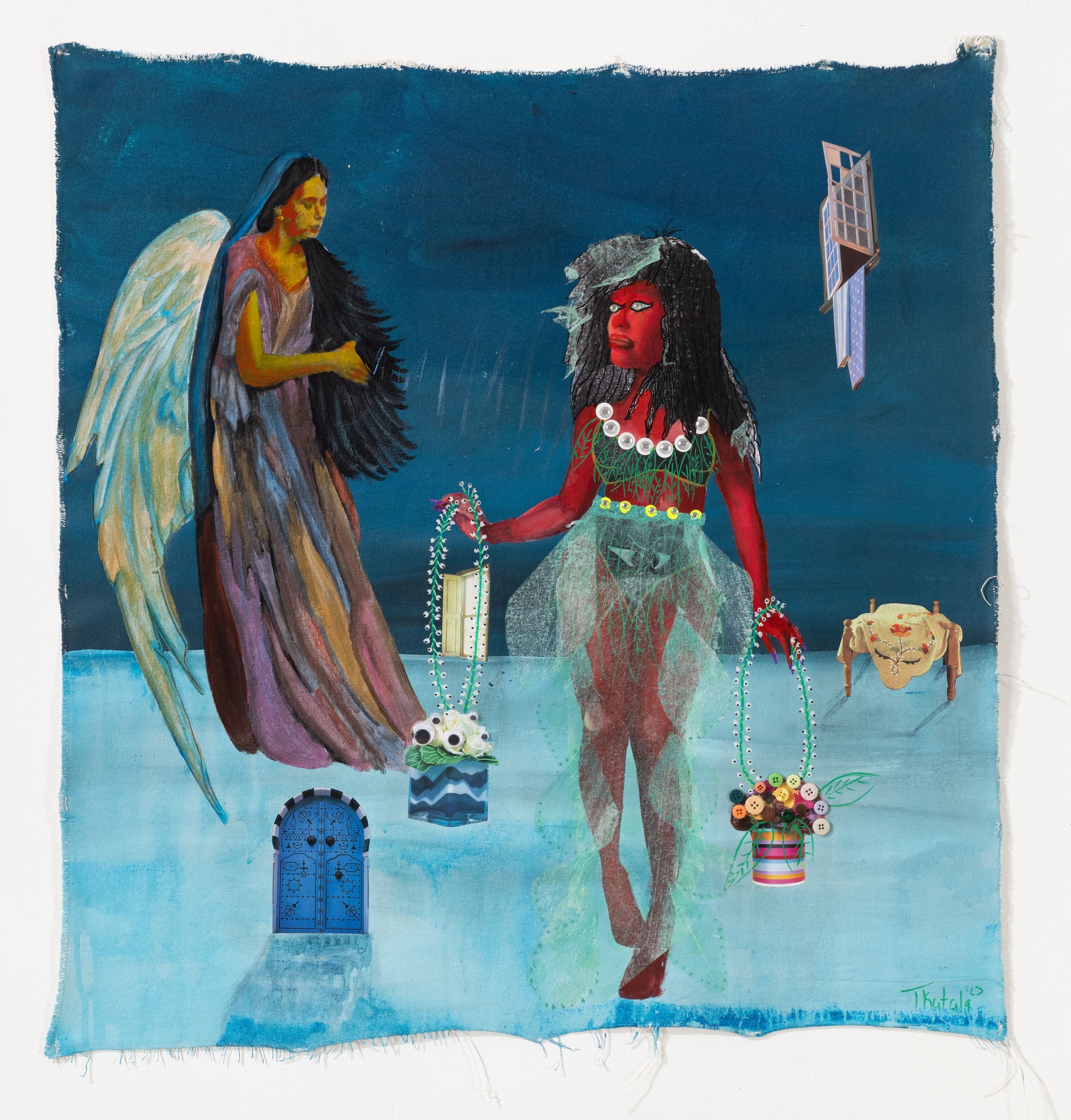
Artwork by TERESA KUTALA FIRMINO. All imagery courtesy of ArtAngels

This sense of circulation — of value moving through the ecosystem and returning to its source — extends into the ways ArtAngels reinvests in future creative talent. Ten percent of net proceeds (after direct costs and artists commissions) now fund the Blessing Ngobeni Art Prize, scholarships at Ruth Prowse School of Art, and other development pathways that feed directly back into the system. “It is important for us to give back into the arts themselves,” Nicola explained. “Especially because the arts are also profoundly under-resourced. It’s become a full-circle for us, the arts sustaining education, and education sustaining the arts.”

That same circular logic animates Click Learning, the parallel project Harris founded the same year, which uses technology to radically personalise foundational learning for South African children. Nicola’s commitment to Click Learning is underpinned as a system of circulation in which knowledge, agency and future possibility can be advanced. “Technology allows us to meet learners where they are,” she says. “It doesn’t matter if a child is ahead, on track, or far behind. Personalised learning gives them exactly what they need at their own pace. We know that foundational literacy and numeracy is the key building block. It’s the strongest predictor of future academic success and employability. Ultimately, we want young people to stand on their own feet with dignity.”

Today, Click Learning operates in 316 schools and reaches over 230,000 learners. “Our grade four and five learners in the Eastern Cape, who spend just two hours a week on our programme, are performing four times better than those without the intervention,” she shares. “ArtAngels was crucial in those early years. It gave us the freedom to experiment and innovate before we had proof. It allowed us to break the barriers that always arise in education.”

This year’s edition of ArtAngels was its most successful yet — more than nine million rand net in funding distributed directly to beneficiaries — and the energy of the night, as Nicola muses, also revealed the art world’s growing interdependence. New galleries joined alongside long-standing participants, a number of first-time buyers appeared on the acquisition lists; and Strauss & Co’s involvement expanded the online reach, bringing international bidders into the fold. Most striking of all was the work produced by bursary students and previous prize recipients: strong enough to hold its own in a room of established artists, confident enough to earn real bids. “Seeing these works stand confidently alongside established names is incredibly exciting,” Nicola says, “It’s a glimpse of the full circle — talent nurtured through the ecosystem returning to nourish it.”

In a year in which much of our cultural infrastructure feels stretched thin, events like ArtAngels remind us that the South African art world survives by designing its own systems; subtle structures built from resources, collaboration, reciprocity and mutual faith. ArtAngels offers a model for what cultural and creative resilience can look like in a country that has always created more than it has been given.

Written by Holly Beaton

For more news, visit the Connect Everything Collective homepage www.ceconline.co.za

Follow CEC on Instagram

fabric London returns to Jo’burg and Cape Town in January 2026

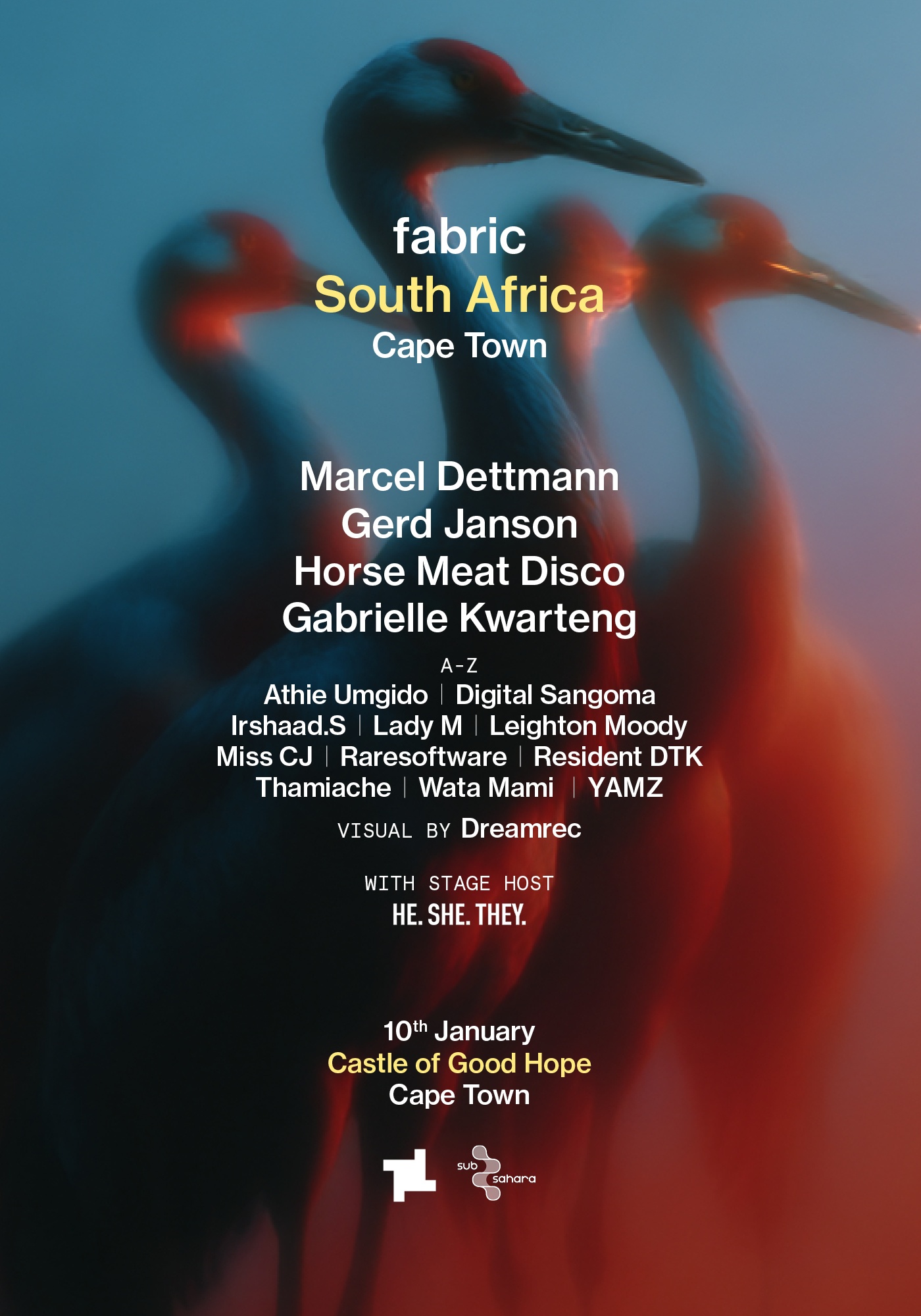
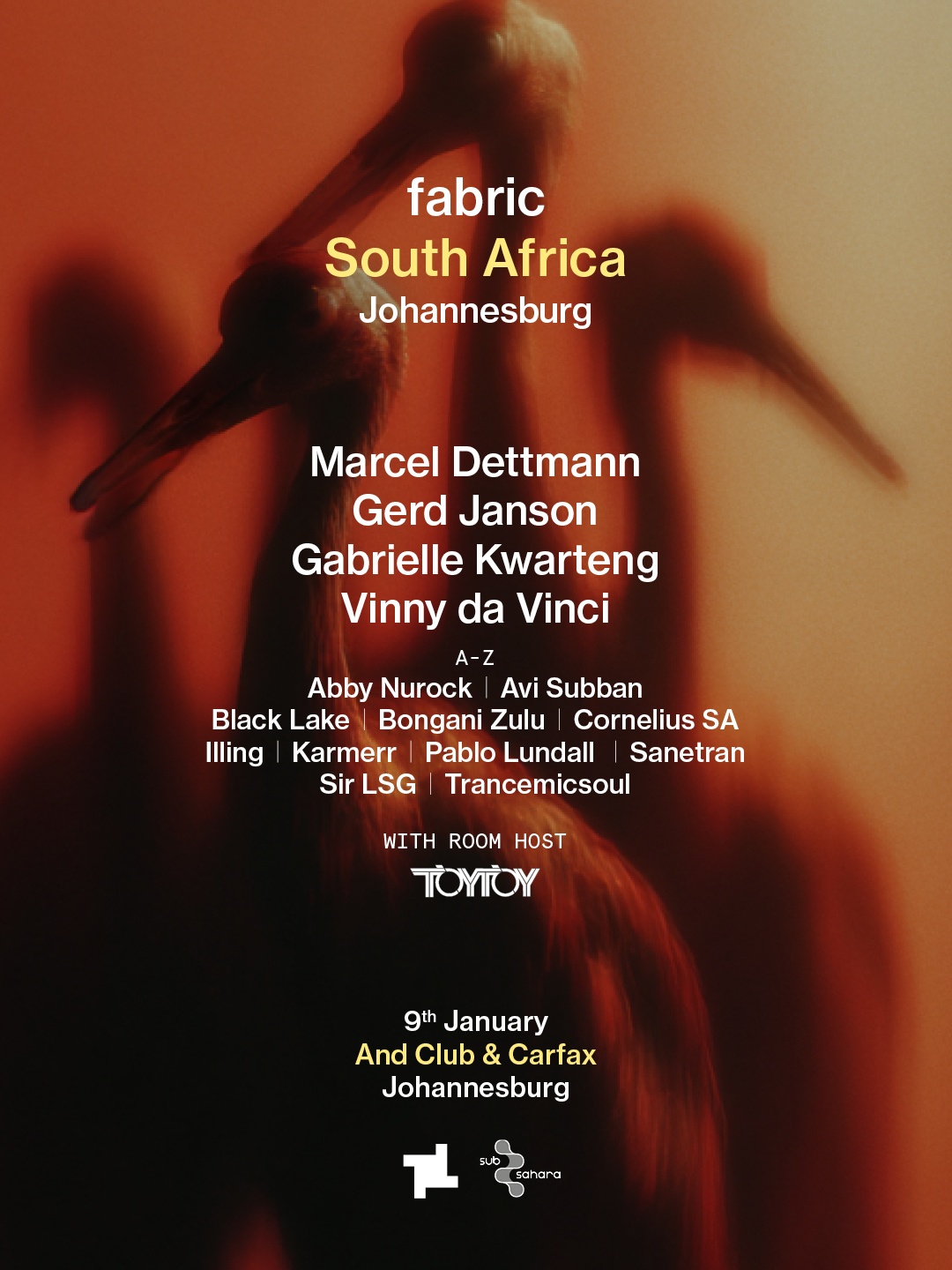
Following sold-out debut shows in 2025, fabric kicks off 2026 with two new shows in Johannesburg and Cape Town on 9th and 10th January. 

The 2026 shows will expand the relationship with South Africa in both scale and vision— the clubbing institution pairs with Joburg’s essential club infrastructure over three stages and will bring their immersive visual show to the Cape of Good Hope – creating a dialogue between heritage and cutting-edge club culture in both spaces.

Across both events: Marcel Dettmann, Gerd Janson and Gabrielle Kwarteng supported by Vinny Da Vinci in Johannesburg and London’s Horse Meat Disco in Cape Town – not to mention dozens of hand-picked local acts still to be announced. True to form, fabric is exporting its programming philosophy— innovators rub shoulders with the idiosyncratic; emerging producers alongside local titans. 

In Johannesburg on Friday 9 January, fabric links up with trusted techno purveyors TOYTOY for a three-floor takeover of AND Club and the Carfax complex. Local house pioneer Vinny Da Vinci whose deep, soulful sets have defined local dancefloors for decades joins the bill.

Twenty-four hours later, fabric seizes control of Cape Town’s Castle of Good Hope, the 17th-century fort that stands as the country’s oldest building. fabric’s touring visual rig: a large-scale projection-mapping installation will cover the castle walls and courtyards. This immersive visual environment will recast the architecture into a dynamic backdrop for the night. This marks the first time the site has hosted an electronic music event of this scale.

Globally adored queer collective HE.SHE.THEY. hosts Room 2, bringing their inclusive, genre-fluid approach to a night that places safer space politics alongside serious programming. London’s disco icons, Horse Meat Disco headline the stage.

The pair of shows in South Africa mark a deepening collaboration with the country’s artists, spaces and scene and a new chapter in fabric’s 25-year legacy of connecting global dance music communities through cutting-edge electronic music experiences.

Tickets: Resident Advisor / Howler

All imagery courtesy of Canvas Agency

About fabric

Since opening its doors in 1999, fabric has been at the forefront of the music scene and the club culture conversation. Consistently platforming a diverse range of genres and acts, fabric has played a pivotal role in shaping the global dance music scene for the past 25 years. Now known as a leading authority on cutting-edge electronic music experiences, through both its programme of events and the label family that sits under the fabric umbrella (fabric Records, Houndstooth and Originals), fabric continues to be a beacon for dance music lovers worldwide.

fabriclondon.com

fabric london IG

About Sub Sahara

Sub Sahara is primarily an agency for change, affecting the perception and status quo of electronic music on the African continent in the international electronic music scene.

Through radio, events, a bespoke record label and a partner booking agency, our primary objective is to shine light in the shadows cast by generic genres and overexposed context. Sub Sahara is driven by disruption and committed to gaining Africa its rightful place on the international electronic music stage.

Sub Sahara is committed to its home continent. Through carefully curated experiences and deep-rooted connection to those who are working to change the road map of Africa’s future, we are as committed to a sustainable future-through-culture at home as we are to providing mind blowing experiences to visitors, and once in a lifetime opportunities to those tirelessly working away to make African music heard around the world.

Sub Sahara website 

Sub Sahara IG


Press release courtesy of Canvas Agency


For more news, visit the Connect Everything Collective homepage www.ceconline.co.za

Follow CEC on Instagram

Let Them Smoke Cigs: Risk Theory and the Return of Hedonism

Getting older means bowing to the burdens of responsibility – putting down the cigarettes you once clung to, and monitoring your lifestyle and its risks more closely. It means confronting what constitutes a ‘good’ and ‘healthy’ life, minimising mistakes in the process. Our wider society, having also matured alongside advancements in science, technology and economics, has followed the same path. Discourse surrounding protein-rich diets, polyphasic sleep schedules (derived from the German Übermensch theory), or reified corporate pursuits seem to define our era, overwhelming my feed while preaching productivity and restraint as a sort of status symbol. Over the last few years, we’ve become obsessed with tracking and analysing every last data-driven detail of our lives in order to mitigate the threats that compounded the more that modernity advanced. Objectively, this is a good thing. After all, it’s difficult to rationalise hedonism when your career or your credit card bills are being called into question. So we optimised. But recently, something has shifted. 

As the goal posts of perfection became more difficult to reach, the act got tougher to pull off. 

And now, as seasons turn and the year comes to a close, effort quotas are reaching their limits and people are starting to pick up their bad habits once more. Slowly but surely, our obsession with risk seems to be dwarfed by more existential realities, more bad moods. As a result, a countershift seems to be budding in the collective consciousness. After a long period of hyper-healthy, hyper-productive obsessions with regiment and routine, the public health pendulum seems to be swinging the other way. With it, is the resurgence of smoking, the uptick in house parties and red lipstick sales, the embrace of singledom, and a final dismissal of the lingering COVID isolationism. A new era of loud luxury, messy girls, and epicurean enjoyment enters the chat. 

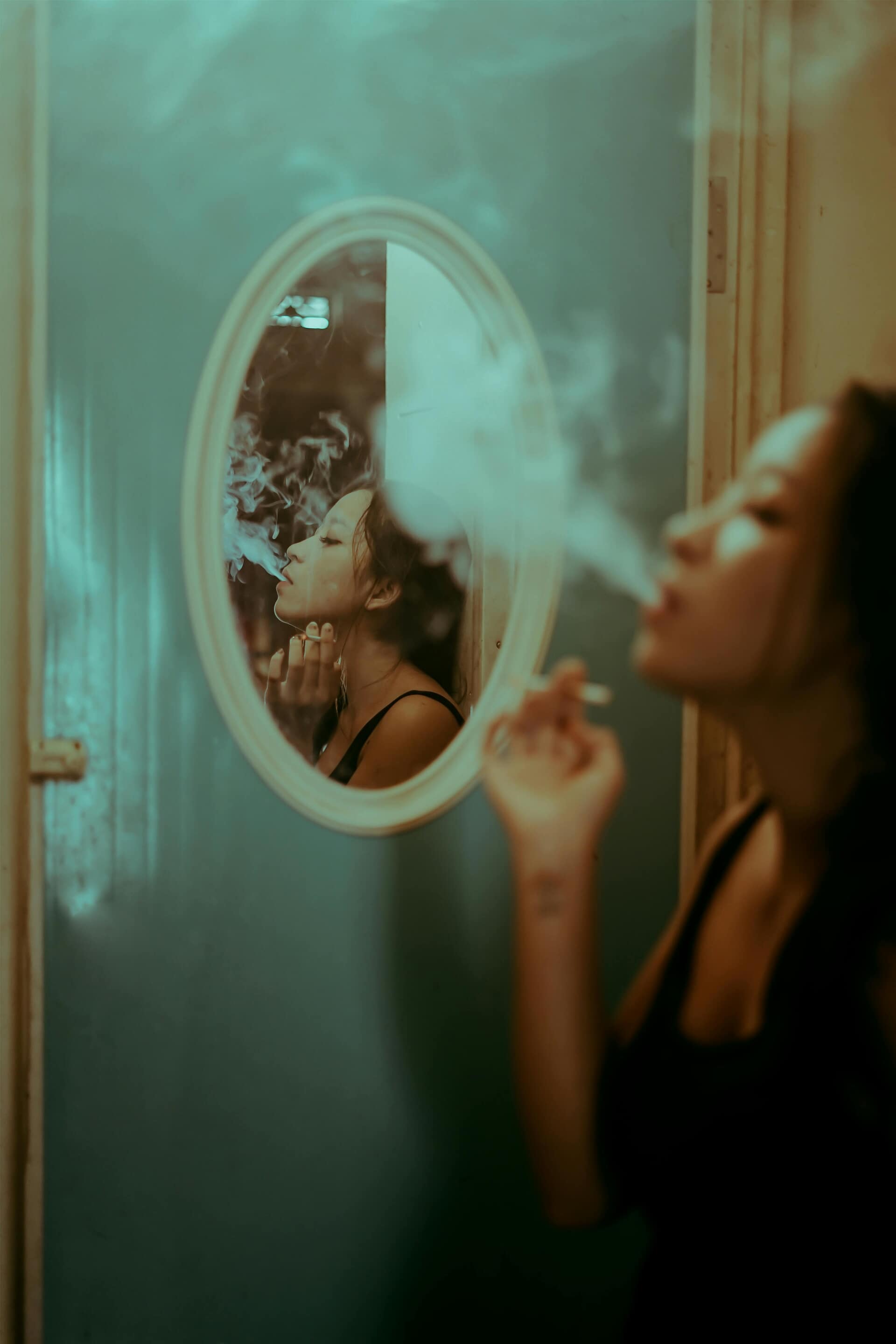
All imagery courtesy of Pexels

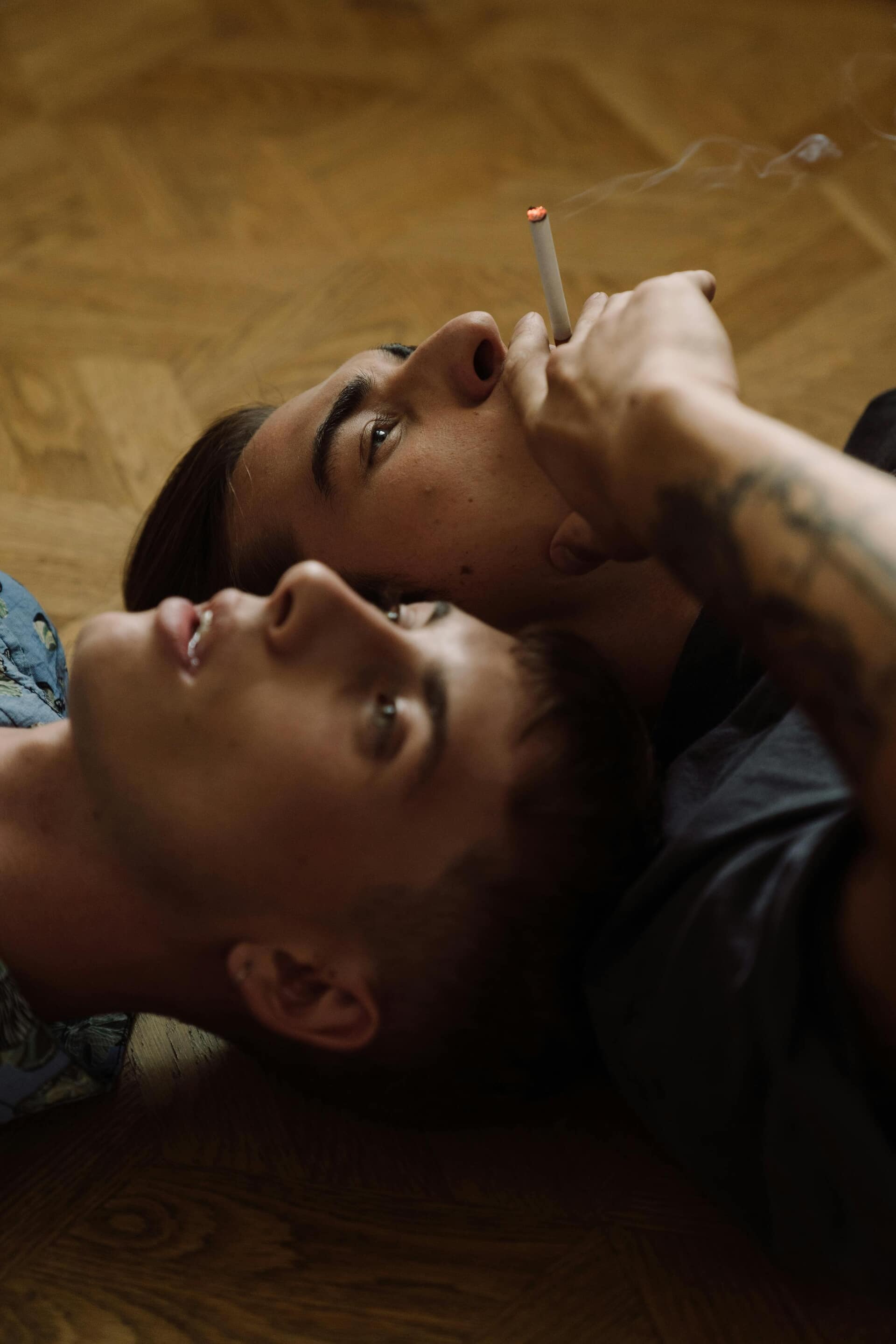
So, don’t be surprised if, at your local small plates bar, you see the girlies wielding slender rollups, drinking filthy martinis, clocked off of work two hours too early. Chances are, they’re discussing a night out, saying that ‘the price of community is inconvenience’. Their feeds are likely full of Skins screengrabs reminiscent of Tumblr mischief, and their renewed obsession with Sex and the City – TV’s most self-destructive, smokey daytime drama – is embodied in their lightly toxic, somewhat delusional, attitude to life and love. Some will say that this naughty new mood is influenced by the likes of Charli XCX and her posse, who light up in Y2K-inspired outfits, clubbing and drinking as though the Surgeon General never pronounced that smoking causes cancer. Others will blame Addison Rae, who, clutching a cigarettes between her toes, reimagines an ‘it-girl’ aesthetic beyond the bounds of a 1000 step skincare routine and a clean-girl slick back. 

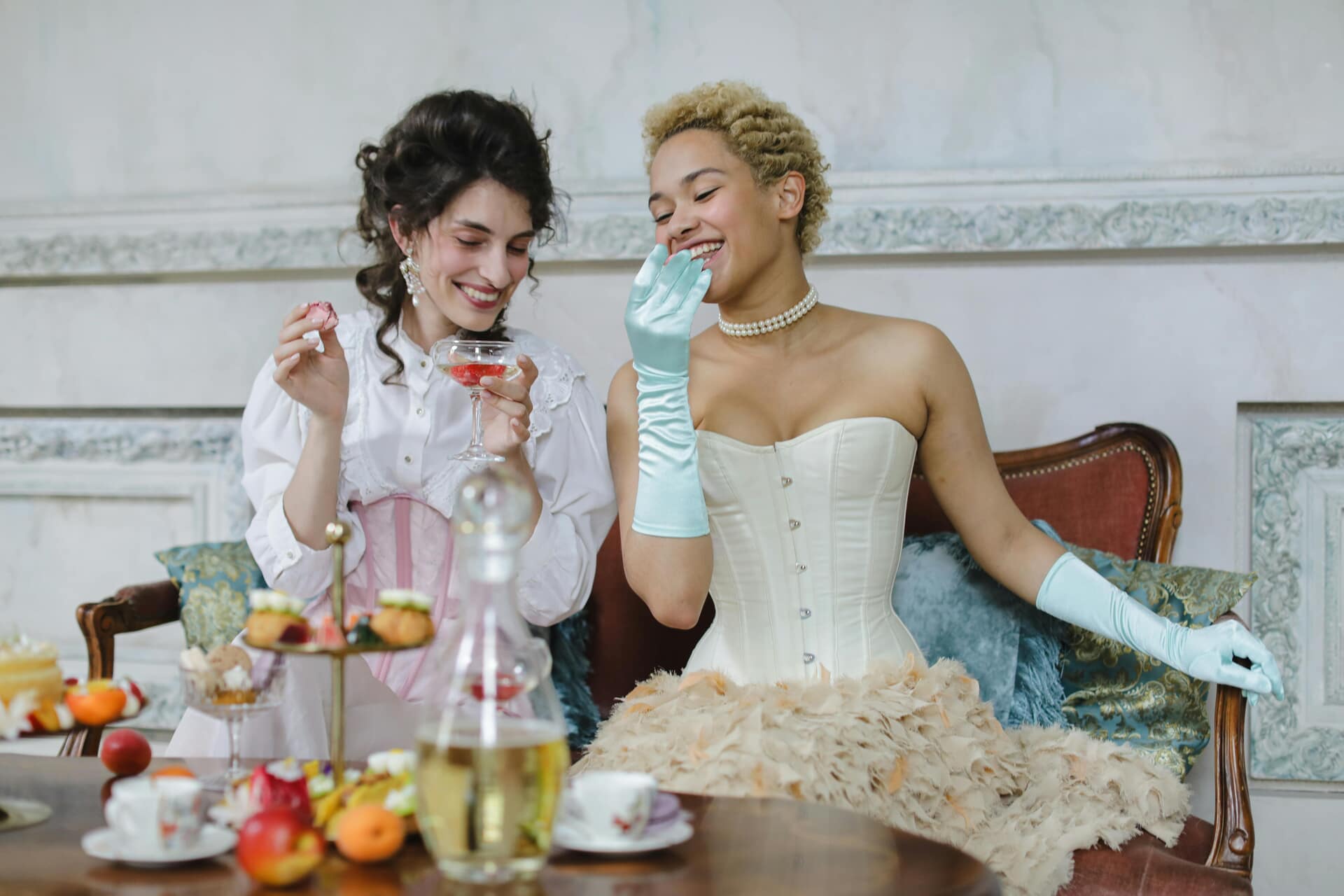
Even in fashion, we’re seeing a shift towards decadent maximalism. Designers like Dilara Findikoglu skyrocket in success with medieval-inspired fashion, romanticising our own version of corporate aristocracy offset by plague, pox and paternalism. Even Marie Antoinette makes a comeback, reified in a new Manolo Blahnik range and a cover shoot with Miley Cyrus. Antoinette’s famous line ‘let them eat cake,’ resonates now too: centuries later, here we find ourselves in fashion and in life, embracing recklessness while the world spins off of its axis. But more than celebrity influence, what really motivates this nostalgia for hedonism? 

In a socio-political climate where the bad news seems never-ending, you can’t really blame people for succumbing to temptation now and then, throwing out their meal-prep and early bed time in exchange for something sweeter. Frankly, life is confusing, and the pressure to optimise weighs heavy. Sometimes the best we can do is embrace our vices, hoping to ease the stressors of a difficult life. As the saying goes, everything in moderation – even moderation. Moreover, according to certain sociological theories, this return to hedonism was always a predictable outcome. 

All imagery courtesy of Pexels

Public sociologist, Ulrich Beck, uses ‘Risk Society’ to describe our collective preoccupation with controlling risk in the Anthropocene era. Unlike previous societies which assumed that death and wealth were brought on by the gods, a Risk Society does everything it can to prolong life. In contemporary times, that looks a lot like infrared saunas, blue zoning, Apple Watches, and pastel pilates hubs popping up everywhere. However, Beck imagined that, eventually, “reflexive modernity” would kick in – risk society’s second phase of awareness. In this phase we discover that, regardless of our personal improvements, we’re still implicated in the wider risk caused by forces like climate crisis, political conflict or economic downfall. Consequently, we shift focus from risk mitigation to moderate apathy, slowly losing interest in conforming to what institutions recommend for health, wealth and progress.

In other words, we fucked around, found out, and finally decided to throw caution to the gale force winds. We’re realising that our solutions are also our downfall. Remember when we thought that replacing cigarettes with vapes would save us from cancer? Cut to 2025 and the lingering presence of nicotine and heavy metals (in the form of oral USBs) proves that our calculations are often misguided. Or take the rise of social media, for example: humanity solve for networked connection, also characterised by addiction, AI slop and monocultural brainrot. No matter what we choose, it seems we’re mortal anyway – so you might as well have a good time. 

In a moment where nothing (not even basic human rights) feels guaranteed, perhaps it isn’t so surprising that, for better or worse, we’re starting to let go. To be fair, it’s been a year. Personally, I’m ready to loosen the reins. Collectively, it seems like everybody could use a rest too. Now, I’m not saying that we should all collectively pick up some marlboros and clear out our bank accounts at the club, but I am definitely thinking that a bit of indulgence is not such a bad thing. Because no matter how much we define and analyse risk, using the latest tech to aggregate our state of wellbeing, the reality is that control is – mostly – an illusion, and maximum restraint won’t necessarily save us from whatever else might kill us. So then, got a light? 


Written by Drew Haller

For more news, visit the Connect Everything Collective homepage www.ceconline.co.za

Follow CEC on Instagram

Our 2025 Summer Essentials Guide

It’s that time of year again; when the horizon softens, deadlines loosen their grip, and the air begins to hum with the promise of heat. Chapter 44 feels particularly special; forty-four months of Interlude, forty-four months of conversation, curation, and creative witnessing. In November, the eleventh month, the angel numbers truly abound! Forty four is long enough to feel truly like an archive, close enough to remember how it all began, and expansive enough to keep unfolding with us.

I love this edition because it signals the return of summer; the season of light wardrobes, longer days, and the anticipation of festive. We’re all exhausted, we’re all getting ready to be salty, chic and languid. It’s a time when the earth around you exhales, wherever in South Africa you are, and when clothing becomes both simpler. May the year’s hard-won creative momentum finally settles into something celebratory for you, and may this guide, as always, be an ode to dressing locally — a reminder that South African design is wildly deserving of space in our summer wardrobes. Above anything else. 

R’FRIQUE Rental’s Concept That Makes African Luxury Accessible

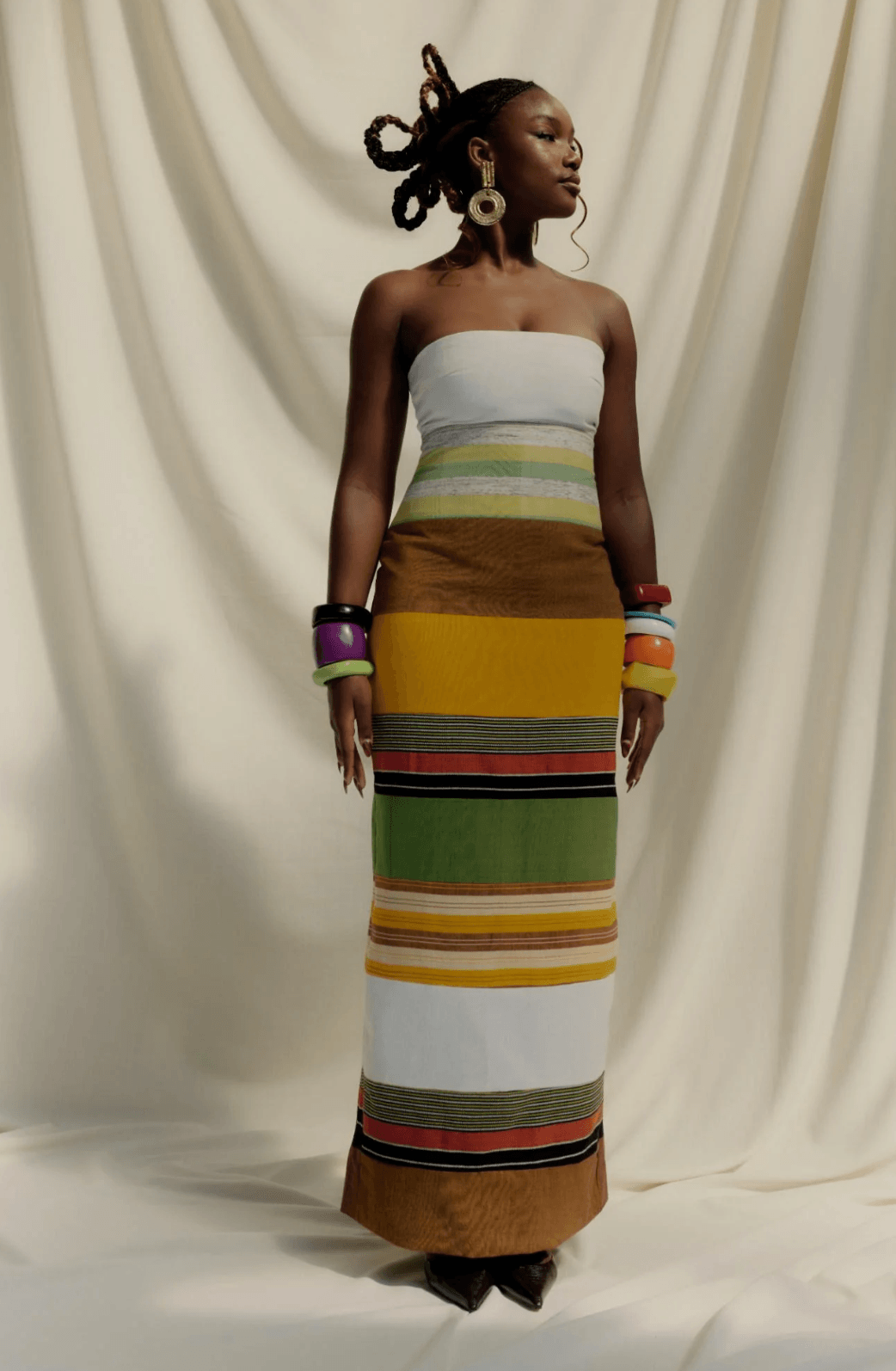
First up on our list is actually a curveball, because it’s not an item at all; it’s a concept. A concept I need you to go into 2026 knowing, so I’m planting the seed now — you’ll thank me later. R’Frique, founded by Ceejay Ndlovu and Lebi Barfour-Osei, gives you access to a curated selection of high-end African designers — without the barrier of ownership. In a landscape where exceptional pieces often feel out of reach, R’Frique creates a new entry point as it honours craftsmanship, expands representation, and keeps garments in circulation for longer. Please read their interview with Twyg to gauge more of Ceejay and Lebi’s intentions; it’s incredible. 

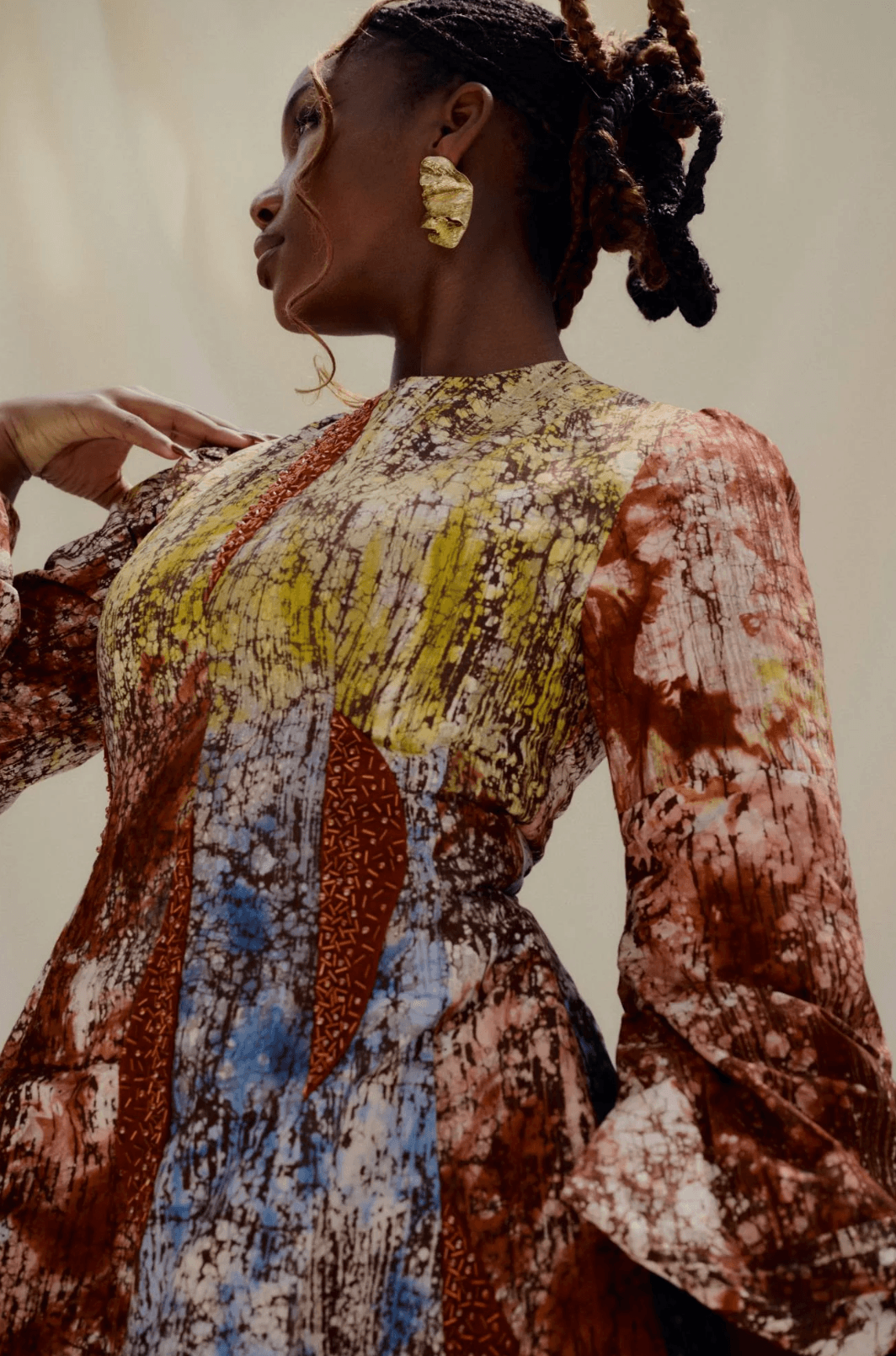
I’m obsessed with two standout rentals, both Nigerian labels; the Oye Striped Maxi by Kilentar, and the Neptune by Lady Maker, which features a custom hand-dyed Stellar print that takes one woman three days to complete, and contrast splices from hand-woven aso-oke. The beaded Neptune Mini takes five days of handwork devotion stitched into every detail.

Renting these pieces makes African luxury visible, and precisely the kind of fashion landscape we hope to be part of.

Imagery courtesy of R’FRIQUE Rental

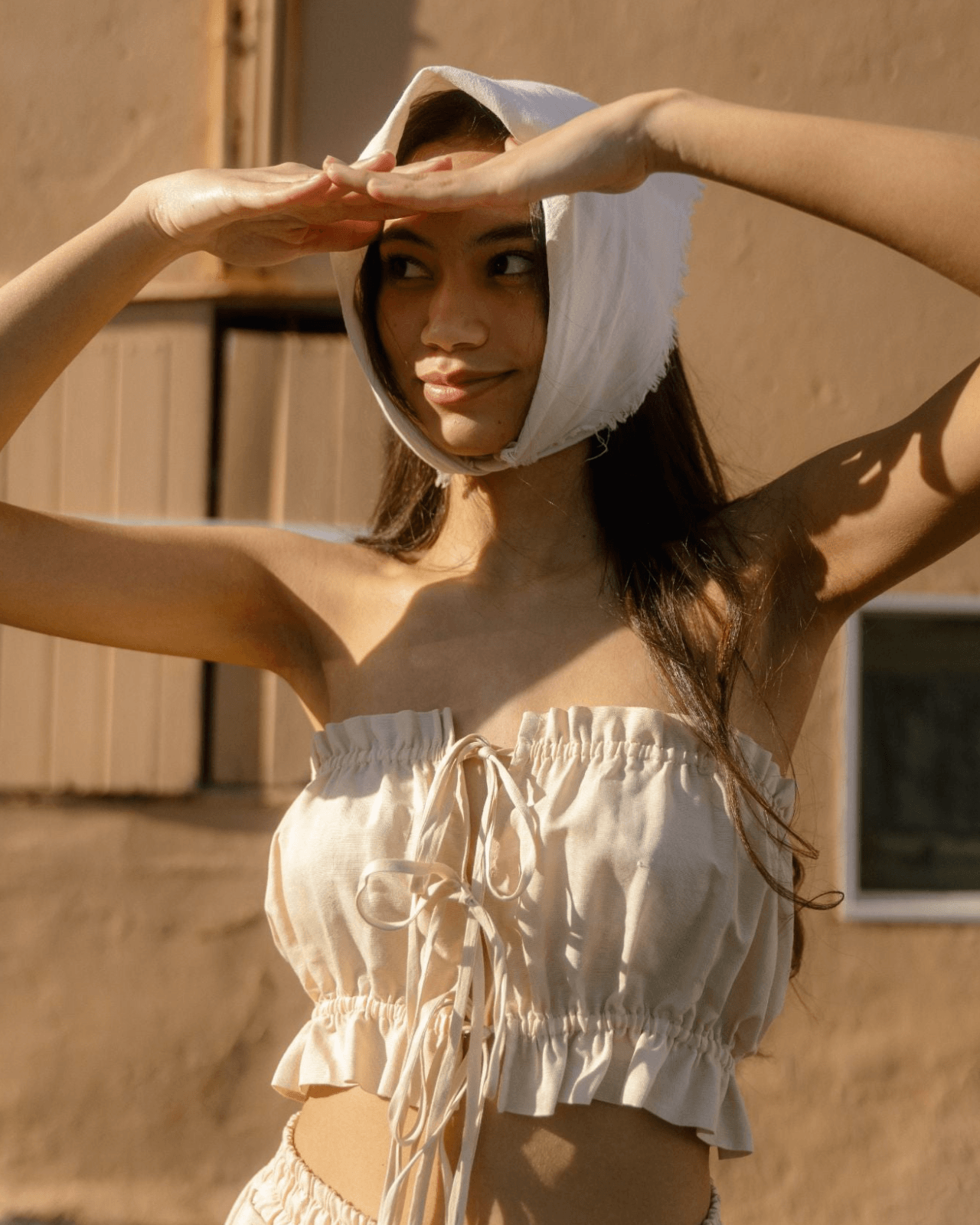
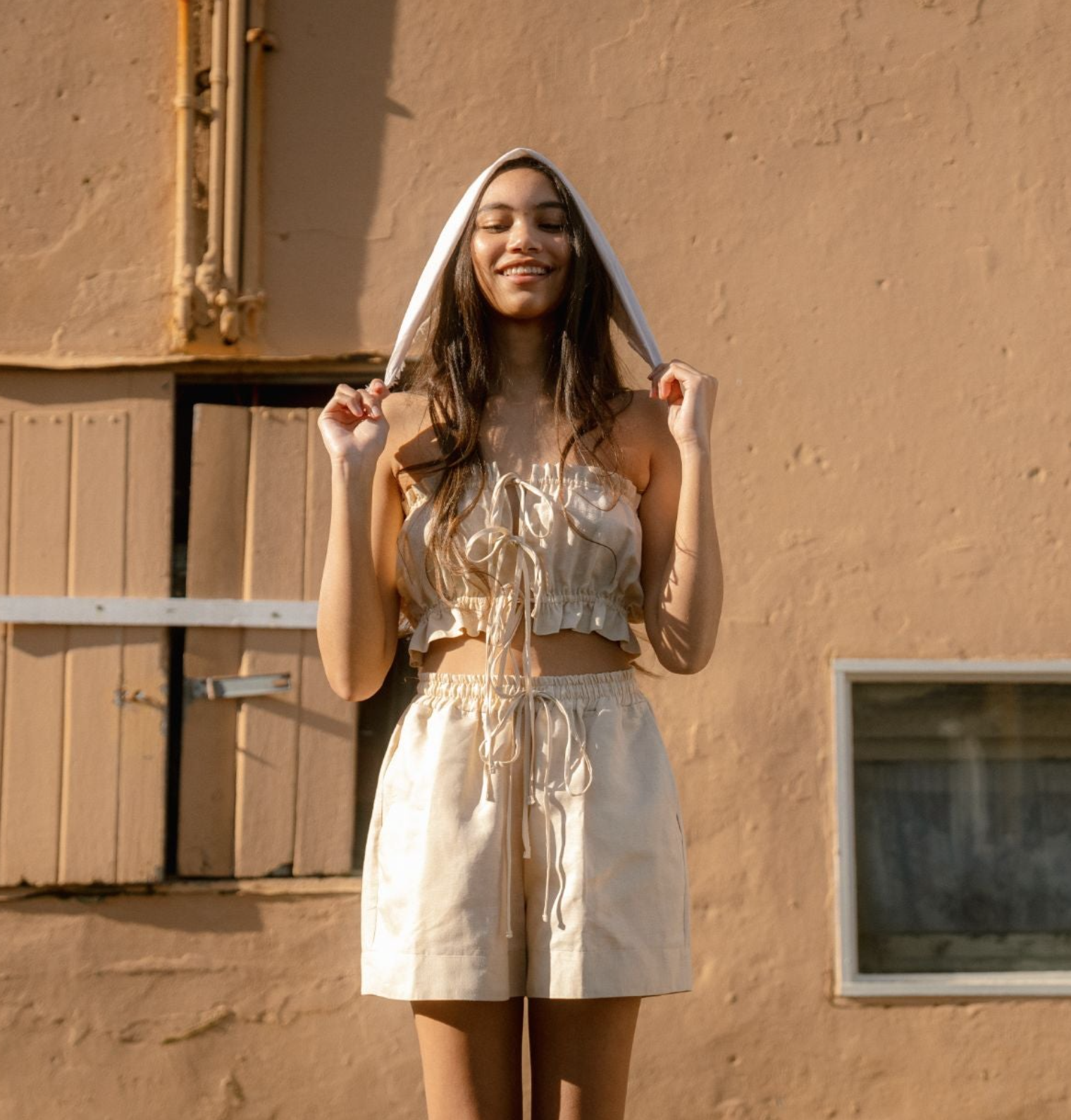
HempLove’s Kai Tube Top & Avanna Shorts 

Hemp remains one of South Africa’s most ecologically meaningful fibres, a drought-tolerant crop that enriches soil and supports regenerative farming. HempLove showcases its sartorial potential, and the Kai Tube Top and Avanna Shorts, in soft Panna Cotta, blend raw hemp with cotton and silk to create a a gorgeous feather-light set. Worn together, the set has that “summer uniform” quality that I’m perpetually in search of. Also, ‘panna cotta’ as a colour name? Please and thank you. I really am in my earth child mood this season (and every season).

Imagery courtesy of HempLove

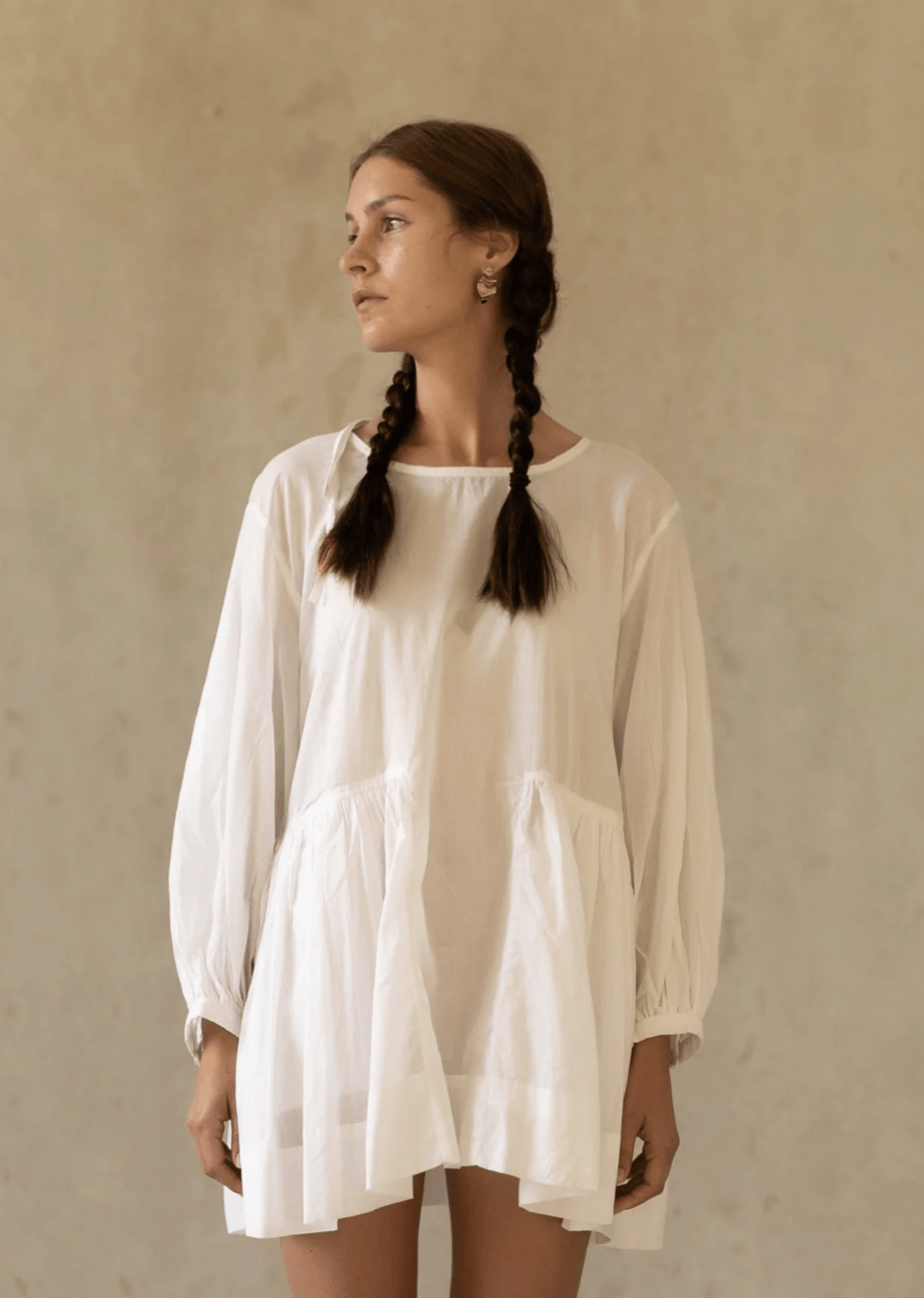
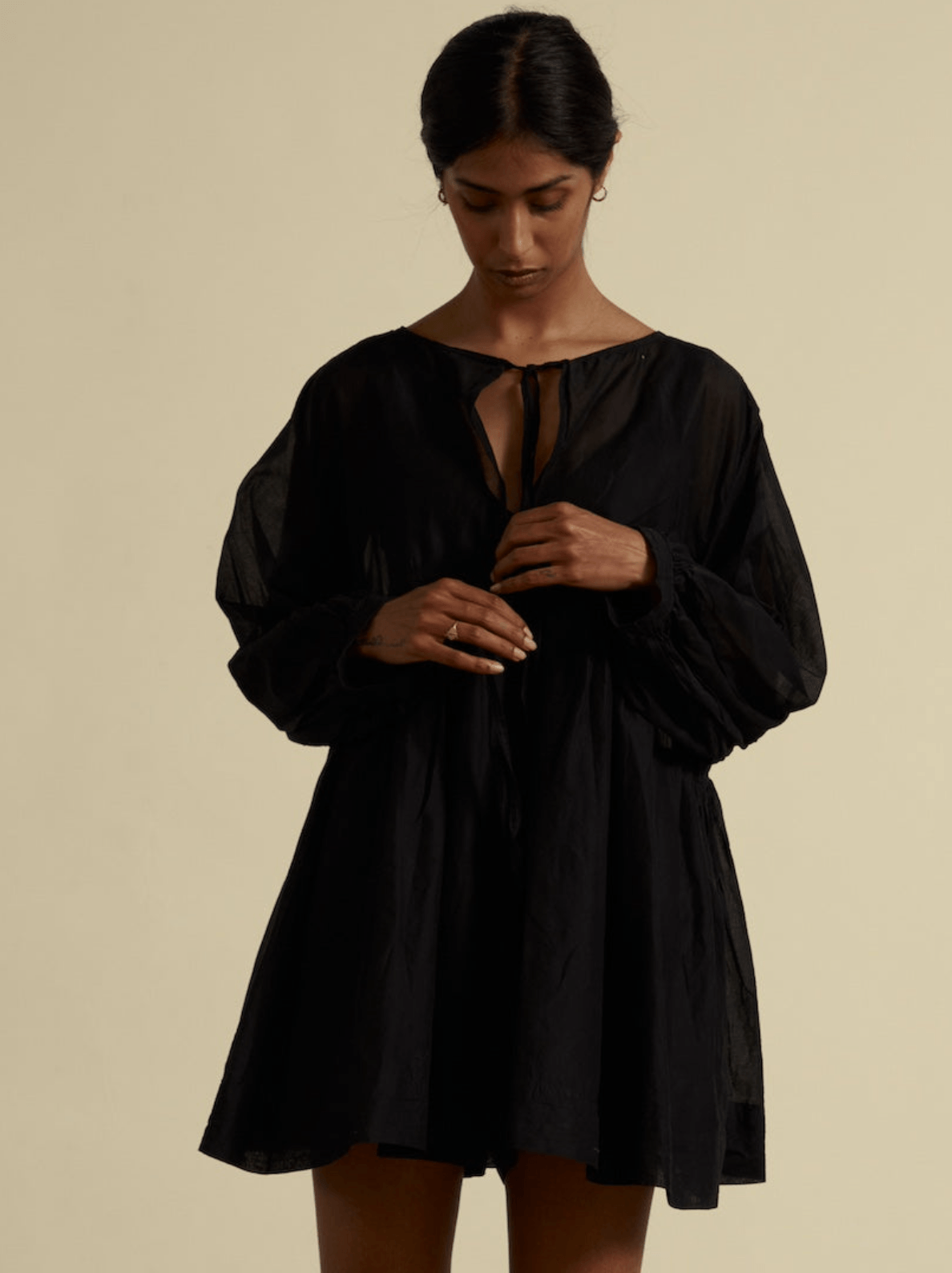
Wass’s Cotton Somerlus Dress in Milk or Noir

Wass’ Somerlus Dress is summer minimalism distilled into form; clean lines, breathable cotton, and a silhouette that drapes perfectly. It’s a dress designed for heat — soft, airy, grounded in simplicity. Wass’ approach to restraint is its superpower, and I’d purchase just about anything dreamed up in the irreverent confidence of the Wass World. 

Wass Somerlus in Milk and Noir

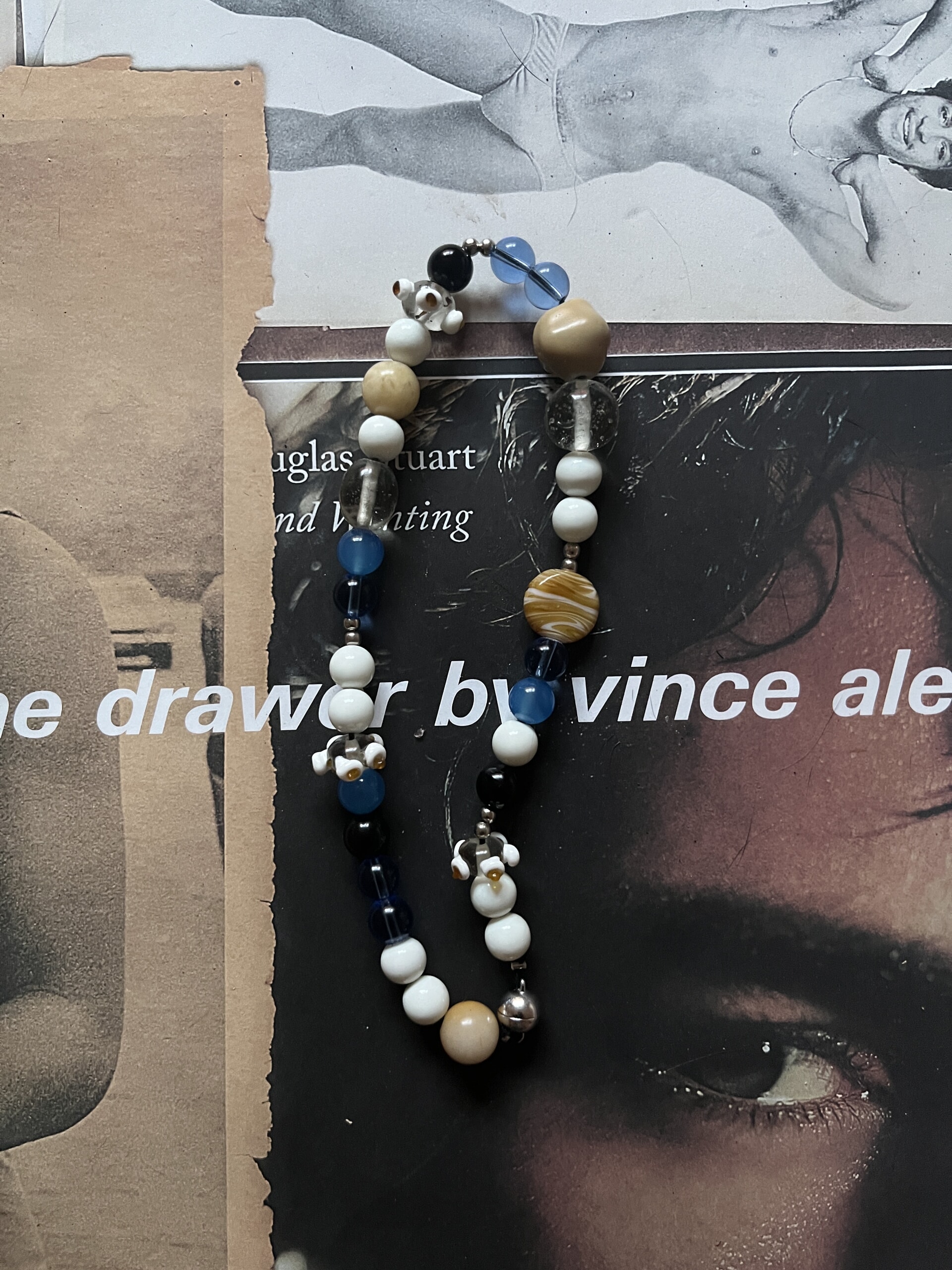
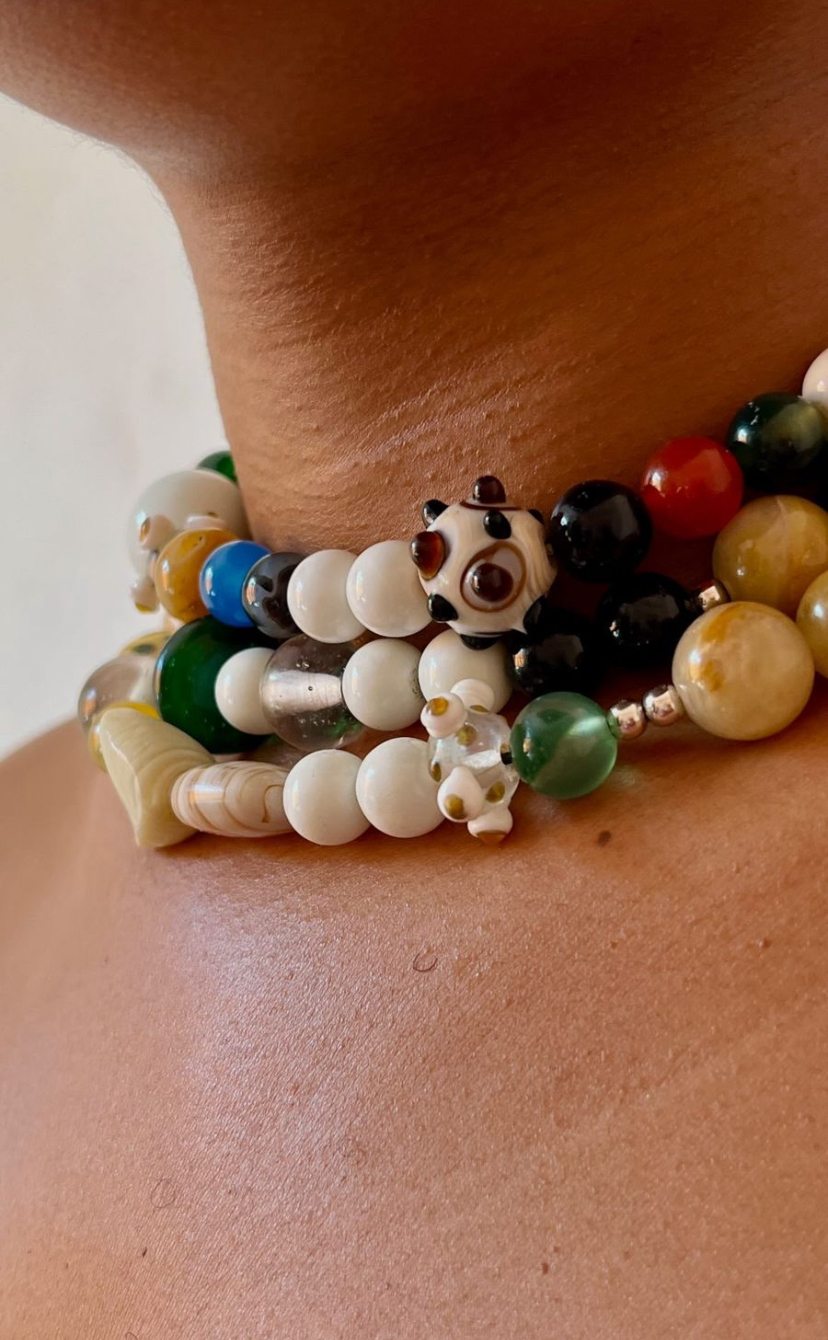
Studio Syx’s Glass Bead Reverie Necklace

Studio SYX — founded by creative sisters Yonela and Xola Makoba with artist Sihle Sogaula — is a Cape Town–based, Eastern Cape–raised collaborative rooted in fashion, art, research, and, as they put it, “the everyday and ordinary labour of South African women that has either been historically overlooked or deemed inconsequential.”

I first saw the Glass Bead Reverie Necklace on their IG stories and immediately ordered. They’re beautifully made; natural stones and glass beads, finished with a genius magnetic clasp that balances weight and delicacy.

The Reverie collection has a tender origin. SYX shared that these necklaces “emerged on a phone call… holding space for each other after the devastating news of a friend’s passing.” The first was made “to honour that fabulous friend — to make something Venusian for a Venusian queen.” What followed was ritual; gathering to make, catch up, and, in their words, “lower the stakes… and do what comes naturally.”

Each piece carries that intention, “a small carrier of light, dreams, and the weight of the earth.” Made for the girlies for whom accessories are always, always amulets. Iykyk.

Studio Syx Glass Bead Necklace

Bardovano’s BV 5306 Sunglasses 

I think most of us are loving a chunky, sculptural frame this season, with fuller frames very much back this season. The BV 5306 by Bardovano strikes that elusive balance between sculptural and understated. With thick-cut acetate in dark gold, black, white or clear, the silhouette is bold and lightweight, it fits comfortably and contours the face; with polarised TAG lenses and UV400 protection make it ideal for peak-summer glare. 

Imagery courtesy of Bardovano

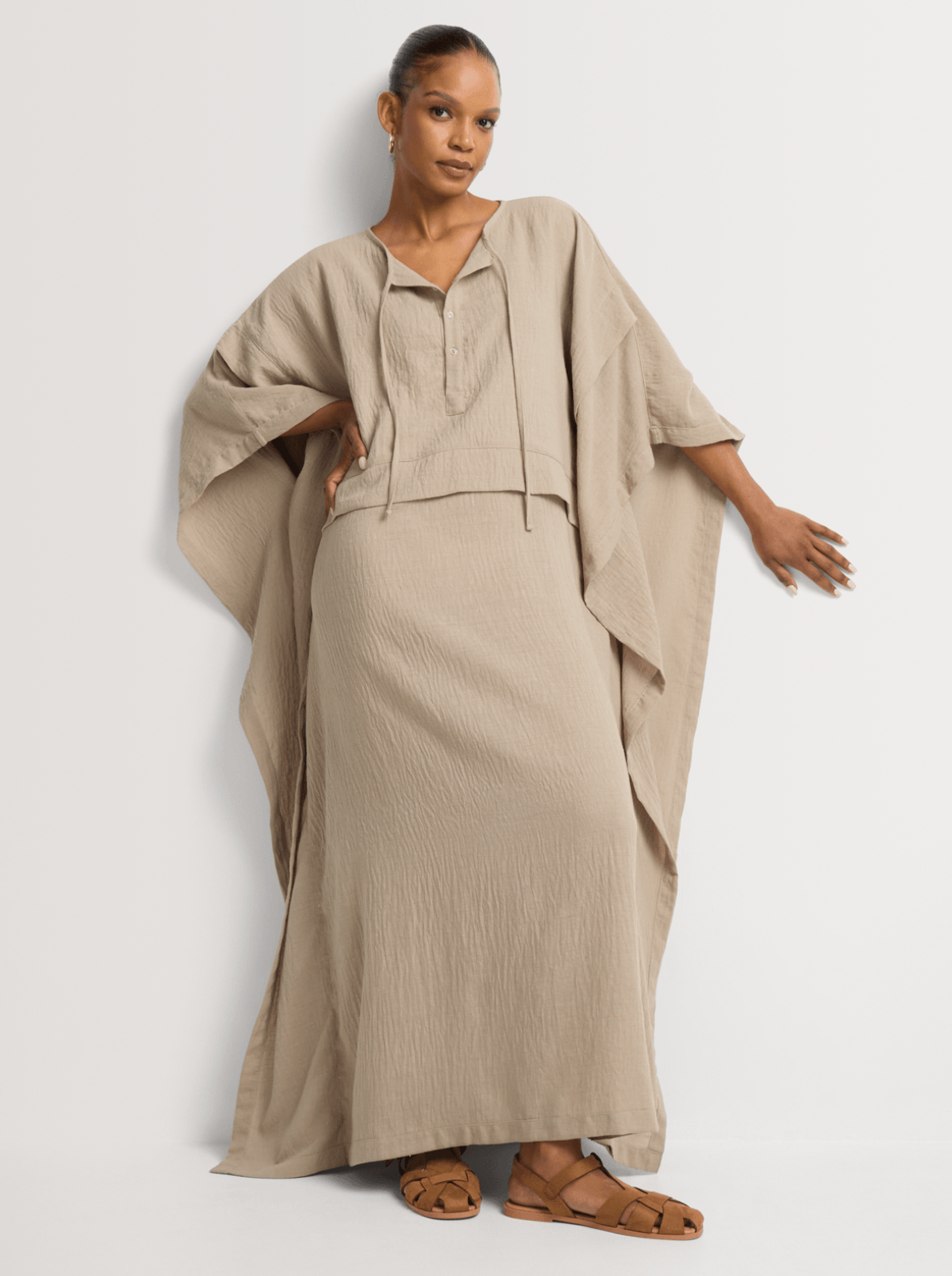
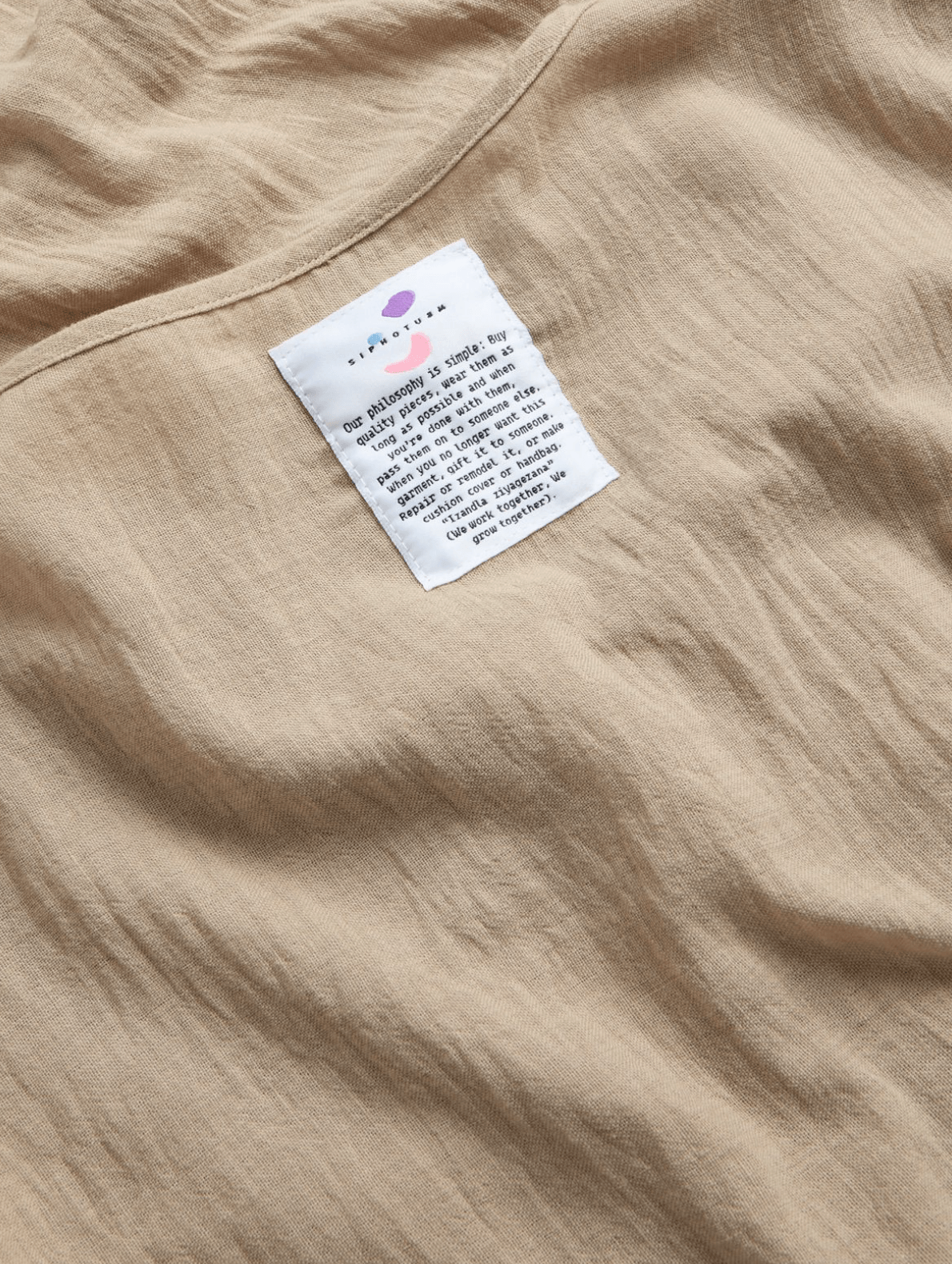
Sipho Mbuto’s Stone Maxi Dress

The Stone Maxi Dress encapsulates Sipho Mbuto’s gift for construction. And, as I learned from retail-maven Vuyo Majoli, this foray between Sipho and Bash is such a sharp blueprint for what big SA retailers and local designers could achieve together. Suffice to say, its fluid lines, soft structure, and restrained detailing is breathtaking. The collection overall was much broader, but it sold out within days, so the response speaks for itself!

Sipho Mbuto’s Maxi Dress

Sealand’s Men’s Boxy Tee

Sealand’s Men’s Boxy Tee, cut from 100% BCI cotton, is breathable, durable, and made for South African heat. The silhouette strikes the sweet spot between relaxed and structured, it’s from their collection Agent of Earth; ever-reminding us to remain focused on planetary consciousness in our material choices. Sealand’s continued foray into apparel is very considered, and I love that they’ve walked this journey slowly, as befits their approach with intention and integrity.

Sealand’s Men’s Boxy Tee, imagery courtesy of Sealand

Elula’s India Trousers & Savannah Top

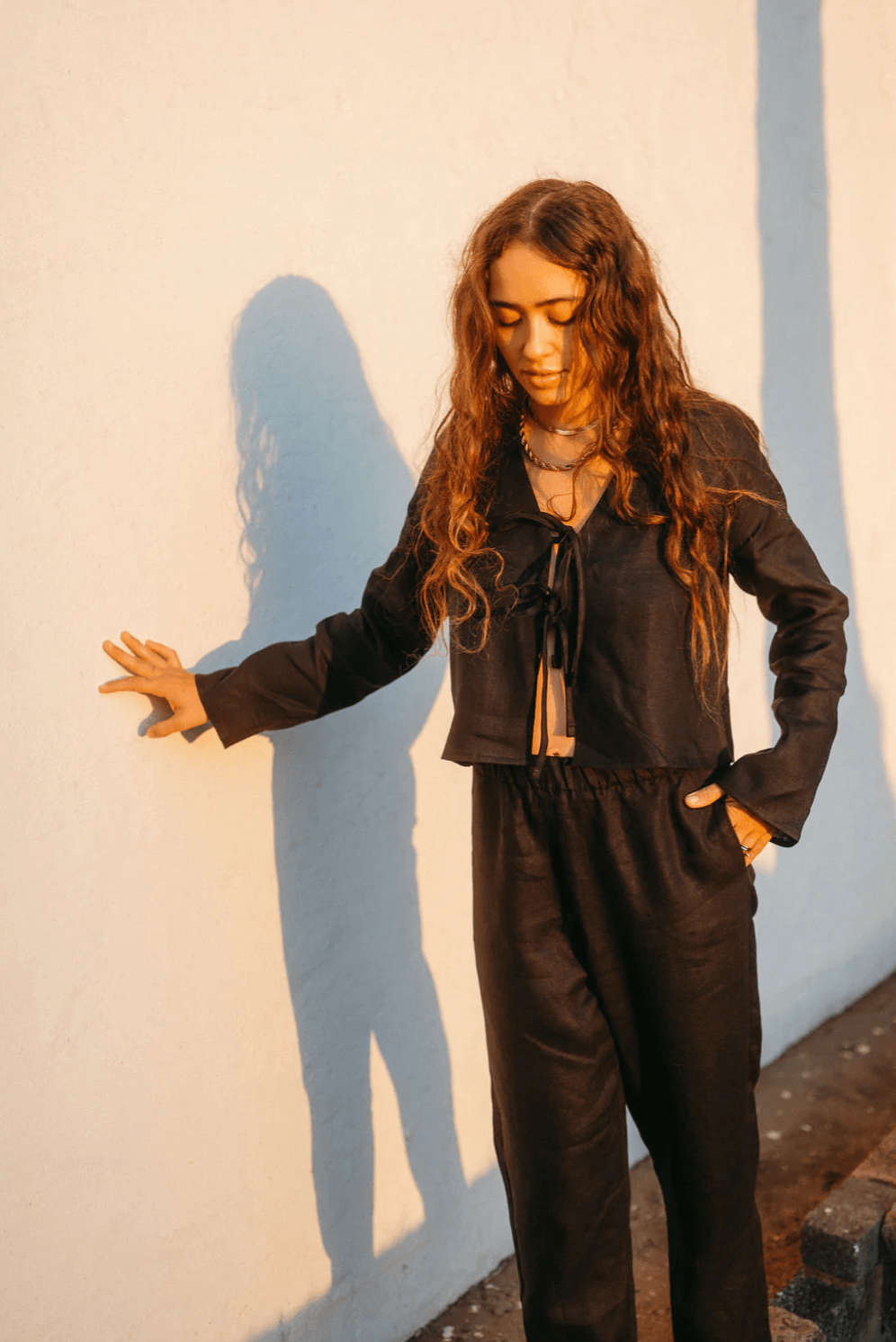
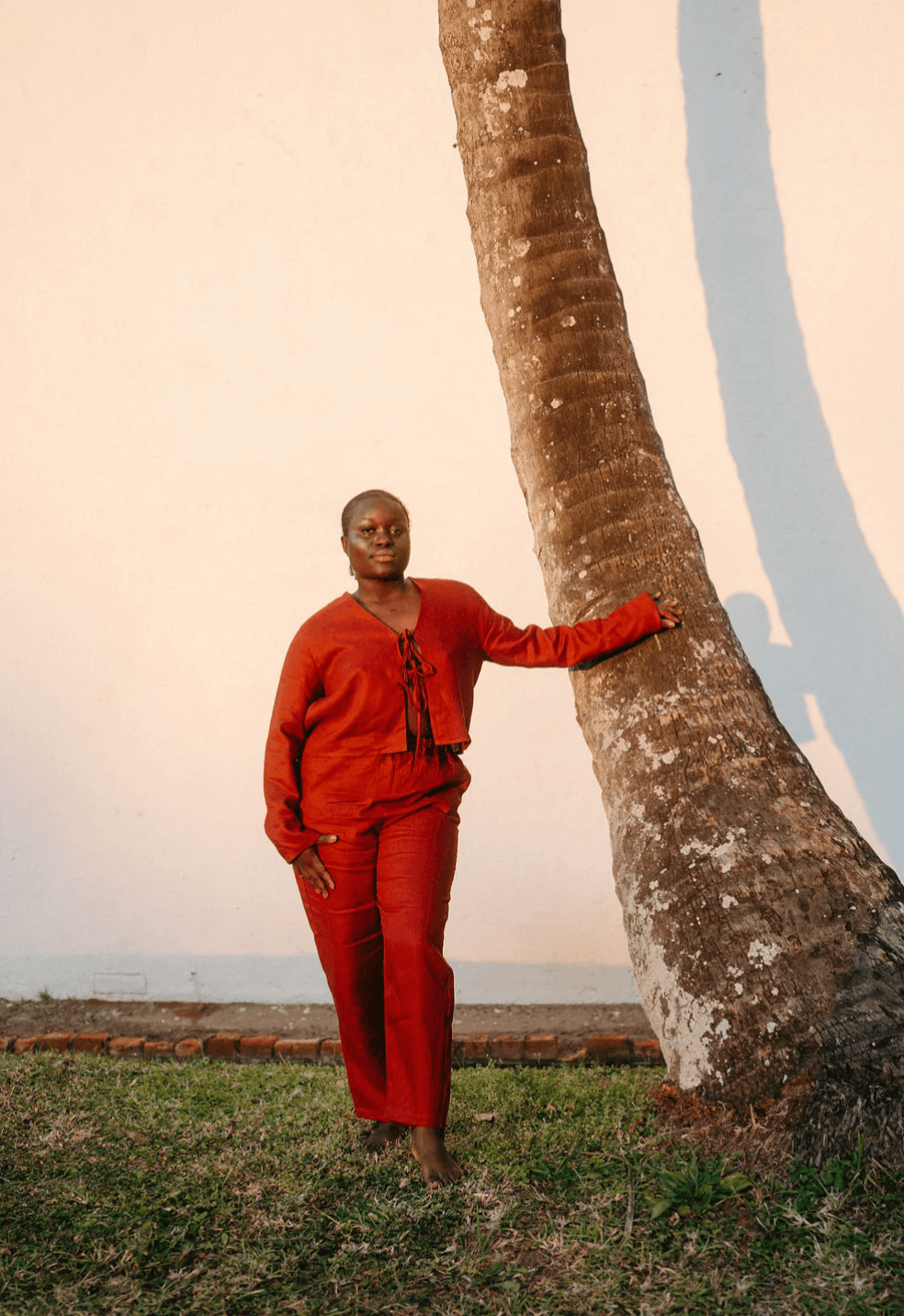
Elula’s linen sets are classics, straight out of Ballito. The India Trousers and Savannah Top — in Black, White, or Pinot — are made from high-quality linen that softens beautifully with wear. The Savannah Top’s bell sleeves and adjustable ties create a flattering, airy fit, while the India Trousers’ elastic waist, deep pockets, and tapered shape make them a daily go-to.

Created by sister-in-laws Ang and Pippa, Elula designs pieces are designed as garments for all seasons of life. Breathable, effortless, and rooted in “Mzansi craftsmanship” as they put it; our east coast kin know how to do resort wear, that’s for sure. 

Elula’s India Trousers & Savannah Top

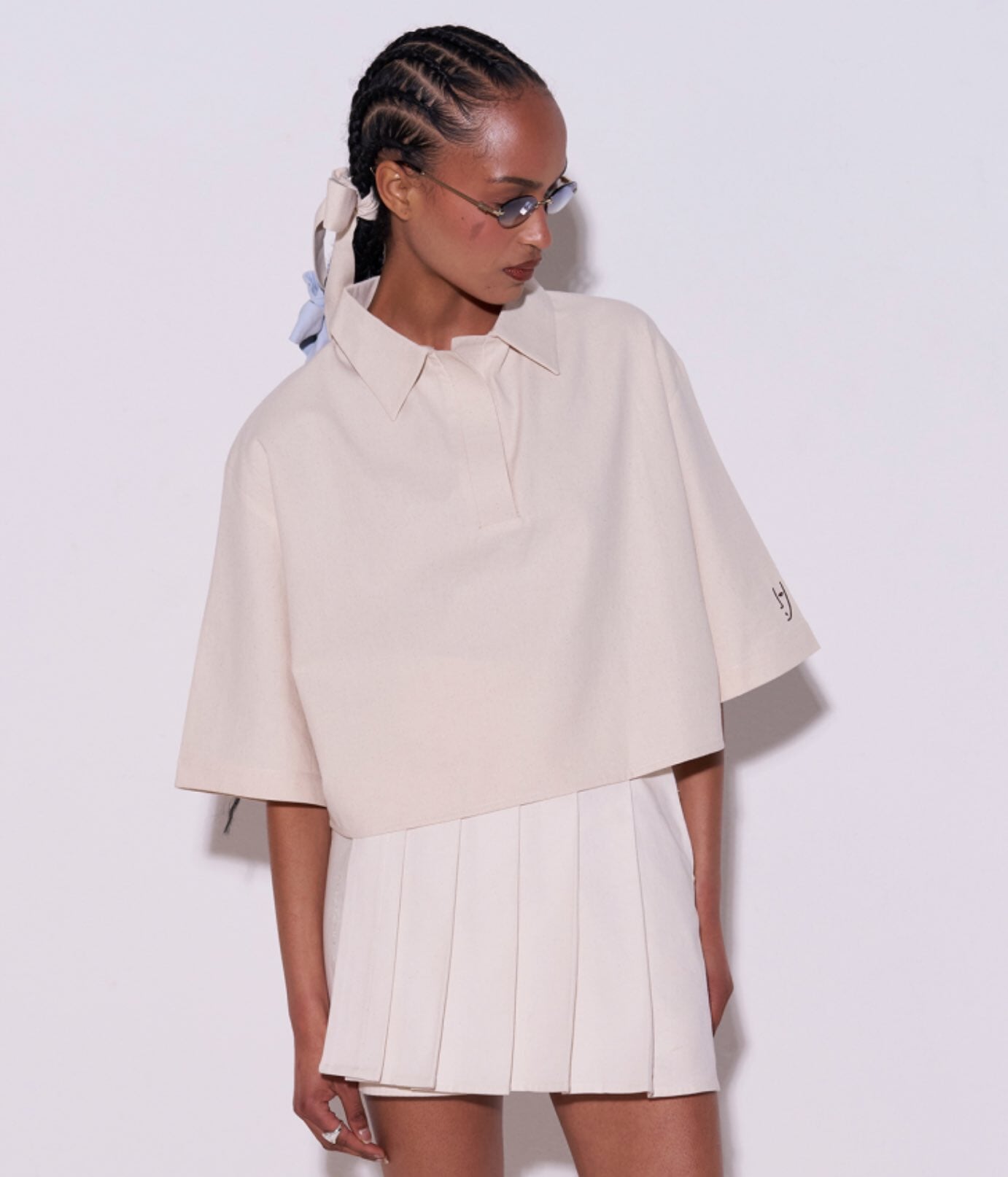
SELFI x Shelflife’s Pleated Mini Skirt in Cream

Arguably one of the best collabs of the year (well, according to us), Celeste Arendse’s SELFI and Shelflife delivered a partnership so poignant and perfect. Shelflife, the iconic streetwear and sneaker behemoth, made the selection for its annual local designer collaboration with the girlies in mind — a deliberate invitation for a more feminine voice to enter its usually street-leaning universe. The result is a capsule that bridges two worlds; SELFI’s sculptural softness and Shelflife’s steez, as a unified vision for the sartorial potentials for femininity within streetwear.

This collaboration reimagines the classic pleated mini through a modern, functional lens. The skirt sits above the knee and features a long wrap-around tie for an adjustable, secure fit — practical, flattering, and ready for movement. 

Finished with gorgeous subtle co-branded embroidery, the skirt is absolutely essential for your archive! 

SELFI x Shelflife’s Pleated Mini Skirt in Cream

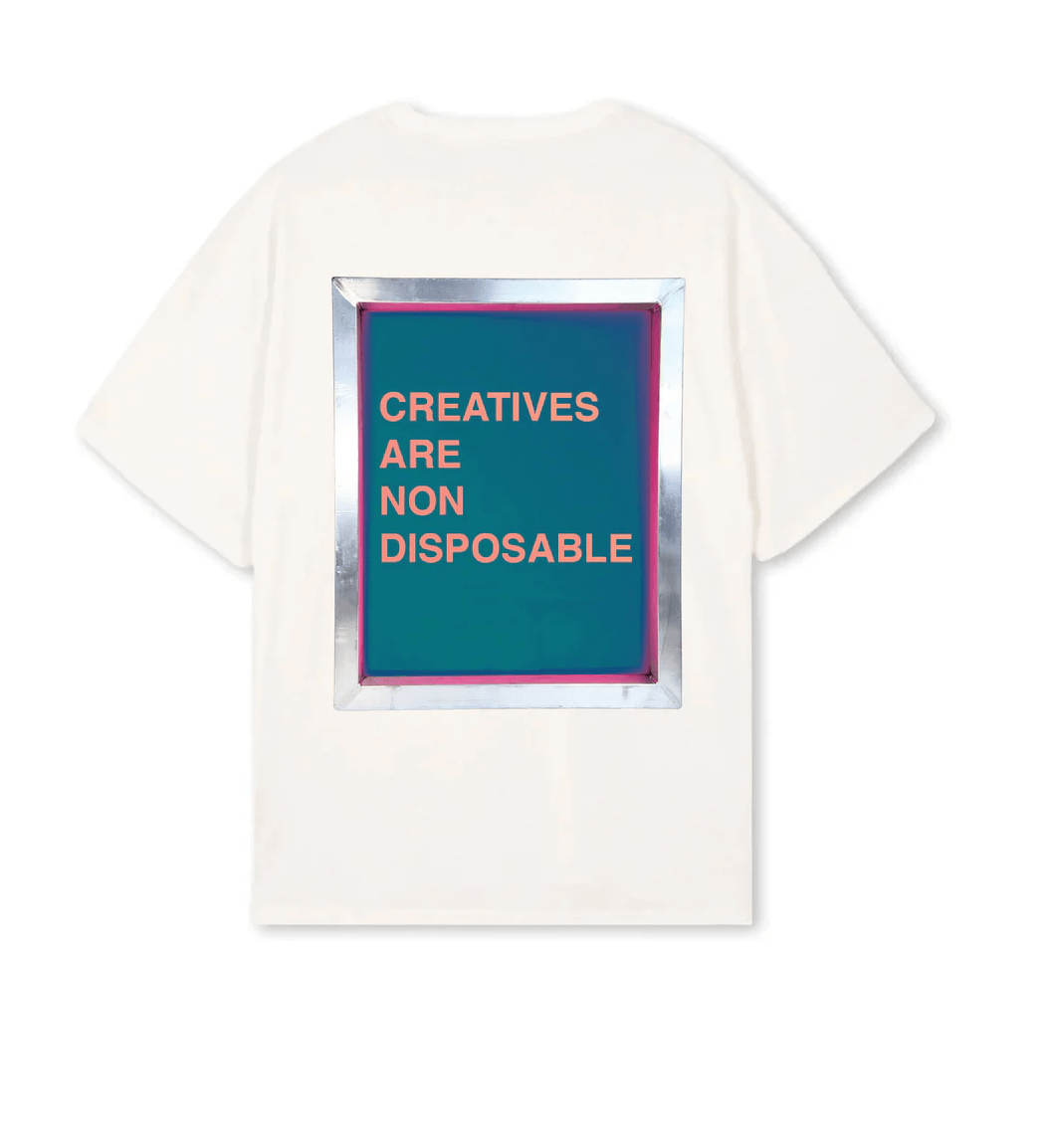
S.W.A.N.K x Long Season’s  “Creatives Are Non Disposable” Tee

S.W.A.N.K and Long Season’s collaboration centres on a message that we, undoubtedly, love: Creatives Are Non Disposable. At a time when cost of living is rising sharply and cultural labour is increasingly undervalued, the arts remain essential — and creatives need protection and recognition. Messaging aside, the tee does the work. Printed on heavyweight 240GSM organic cotton, it uses its structure and longevity to echo its ethos; creativity is labour, and it deserves to last.

The silk-screen graphic references the tools and symbols of cultural work, honouring process as much as product. Oversized, unisex, and pre-shrunk, the shirt is a manifesto. Wear it as solidarity, style, or stance — ideally all three.

S.W.A.N.K x Long Season’s  “Creatives Are Non Disposable” Tee

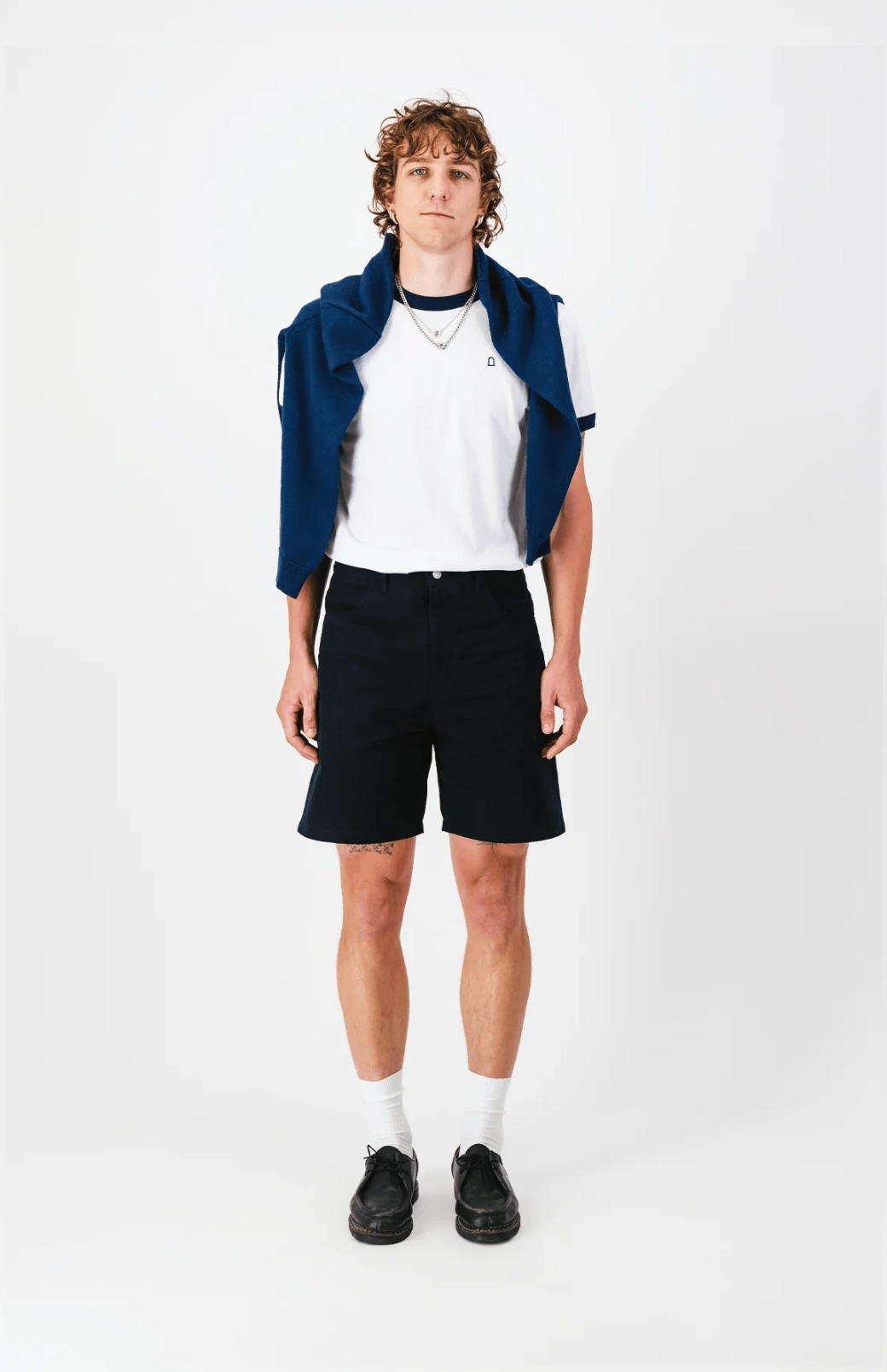
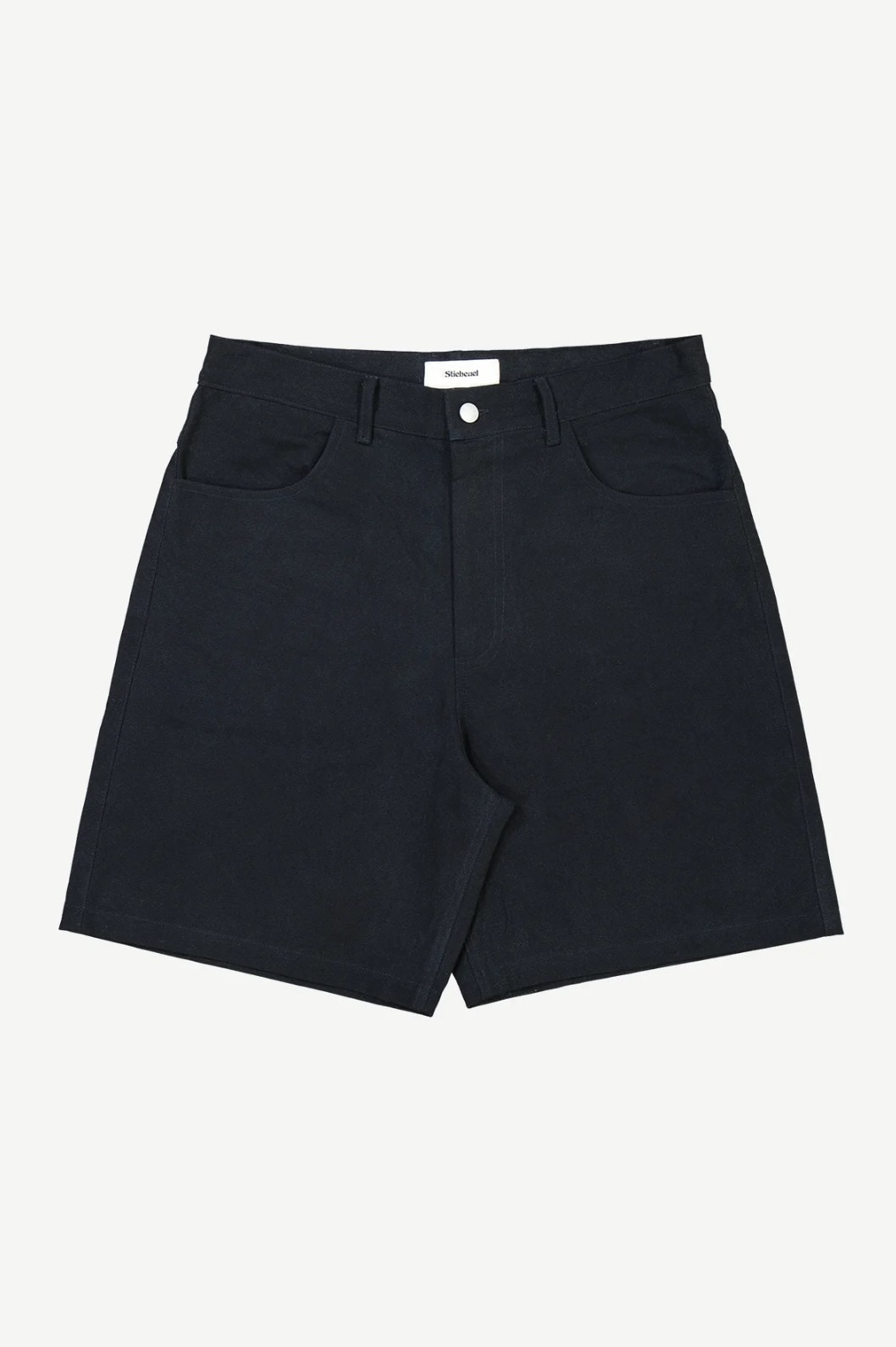
Stiebeuel’s Chore Shorts in Midnight

Stiebeuel’s Chore Shorts are the definition of a summer workhorse — practical, durable, and elevated. Look, everyone needs proper denim shorts; and few do them with the same clarity and restraint as Stiebeuel. Constructed from 100% heavy overdyed cotton, they offer a relaxed fit and slightly longer length that forms part of the ‘jorts’ revival essential to this season. Additionally, the branded details — the screen-printed tab, nickel button, and YKK zip — show the label’s commitment to craftsmanship. Designed and made in Cape Town, Stiebeuel continues its ethos with precision; thoughtful construction, restrained styling, and garments made each season to cut through hype. Love. 

Stiebeuel’s Chore Shorts in Midnight

Written by: Holly Beaton
For more news, visit the Connect Everything Collective homepage www.ceconline.co.za
Sampa The Great Releases New Single ‘Can’t Hold Us’

Having captivated global audiences with performances at NPR’s Tiny Desk series and AFROPUNK, Sampa The Great, the internationally acclaimed musician and rapper, is now poised to make her mark in South Africa with her brand-new single, “Can’t Hold Us” featuring Mwanje. Released via Loma Vista Recordings, the track signals the launch of a new era for Sampa, introducing her signature sound: Nu Zamrock—a fusion of rock, hip-hop, soul, and African rhythm that is both ancestral and futuristic.

The single is accompanied by a striking visualiser directed by Iggy London, capturing the energy and confidence of Sampa as she steps fully into her artistic power. First teased during a live performance in Brixton alongside legendary streamer DJ AG, “Can’t Hold Us” is a declaration of purpose, heritage, and creative freedom. 

“This is the declaration track. I’ve stepped into my power, into my sound, into my purpose. I’ve claimed this thing—Nu Zamrock—as something of my own, something I’m shaping in real time. And in this new form, with this much clarity and drive? You can’t hold us. You can’t stop us. Not anymore,” says Sampa.

Sampa reinvents Zamrock—the genre-defying 1970s fusion of rock, funk, and African rhythm—through her own lens, blending it seamlessly with poetry, hip-hop, and soul. The result is a sound that resonates across generations, rooted in heritage but boldly looking forward. “Zamrock is my sound. It’s my voice. Being defiant, being fearless—that’s what Zamrock is,” she explains.

“Can’t Hold Us” is the first taste of Sampa’s forthcoming third album, following her critically acclaimed releases As Above, So Below (2022) and her debut The Return (2019). Over the years, she has earned global recognition with multiple ARIA Awards, Bandcamp’s Album of the Year, and the Australian Music Prize, while performing on stages worldwide. Now, Sampa is ready to cement her presence in South Africa, bringing her bold, genre-defying sound to local audiences.


Listen to “Can’t Hold Us” here


Press release courtesy of Be Music