Applications for Design Week South Africa 2025 are now open

Design Week South Africa is an expansive city-wide calendar of events and immersive experiences that showcase the future of South African design through knowledge-share, inclusivity and support. Launched in 2024 with more than 90 activations, discussions, showcases, workshops and exhibitions across Johannesburg and Cape Town, Design Week South Africa aims to be one of the country’s leading design platforms. Applications are now open to creatives across all disciplines to participate in this national celebration of creativity and industry innovation. 

Through year-round activations and two city wide design weeks, Design Week South Africa aims to boost the local creative economy with an approach that is industry-led, increasing the public’s knowledge; awareness and appreciation of design, while generating and collecting open-source data around local design sectors.

This is a platform dedicated to celebrating design as an expression of creative thinking and making, jumpstarting collaboration, encouraging informative dialogue and open-source knowledge share, while cultivating the next generation of creative leaders through inclusivity and support.
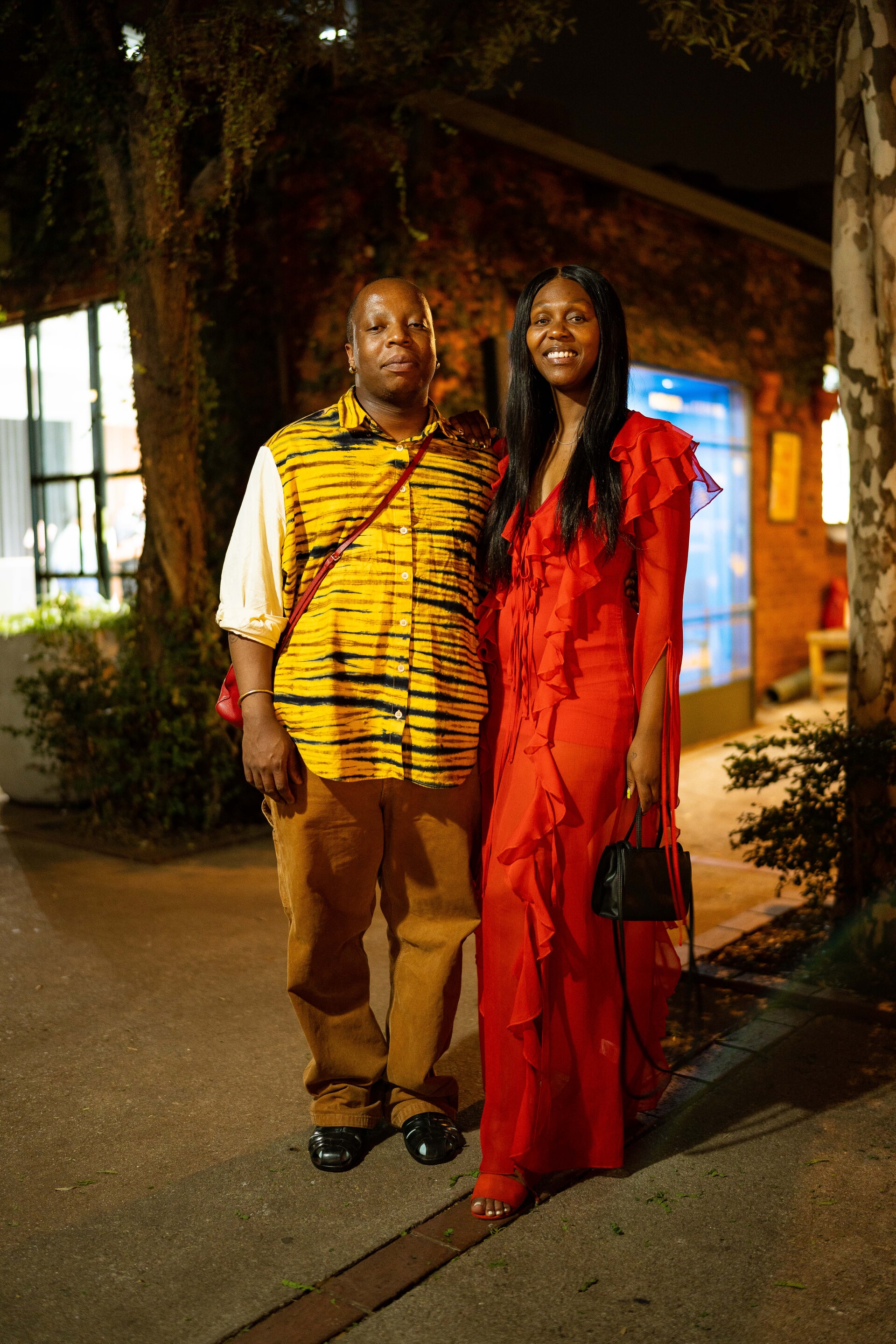
All imagery courtesy of Design Week South Africa
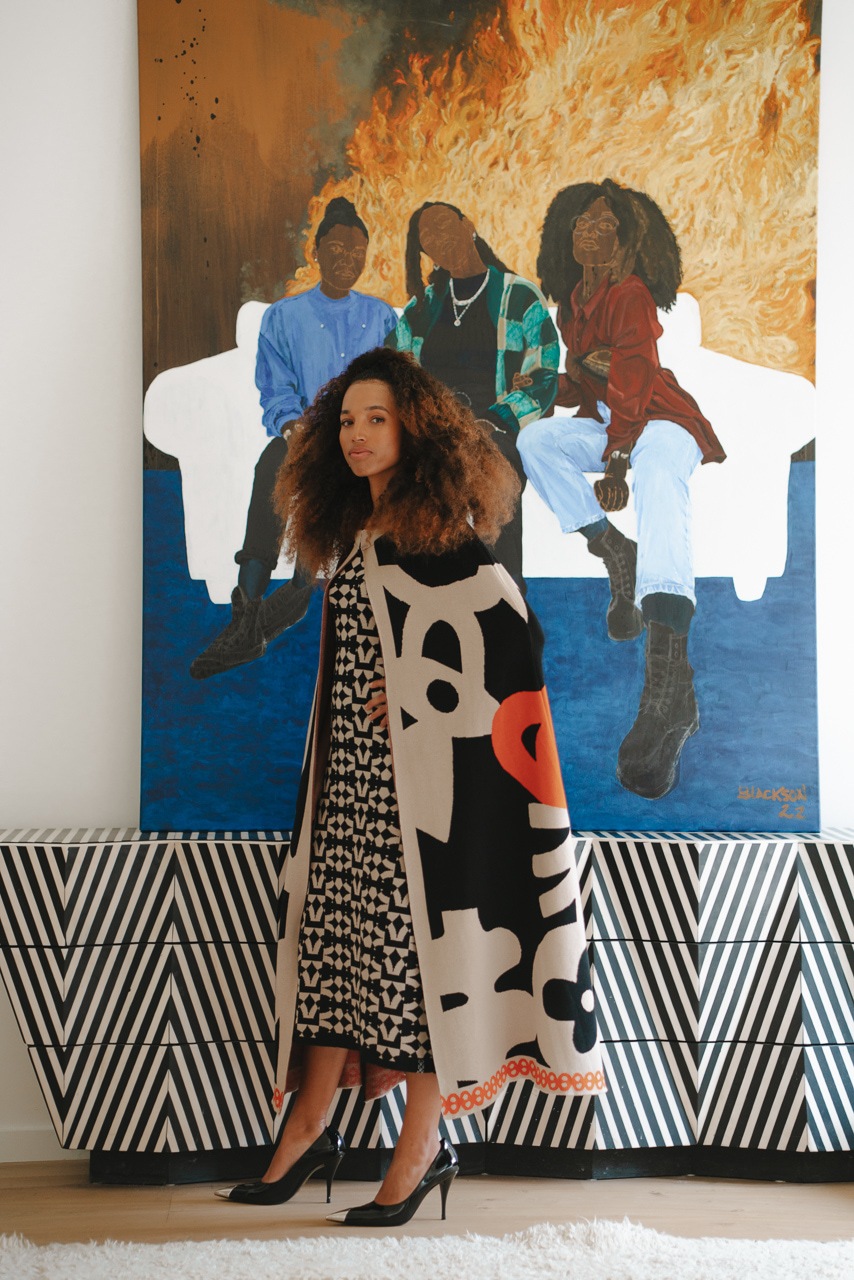
For decades, the incredible economic, educational, creative and cultural benefits of dedicated, city-wide, design weeks have been witnessed the world over, from Milan to Melbourne. A creative space where designers and makers can express themselves, the trade and public can engage with the local design sector, while the next generation of designers, artists and makers can be inspired to continue a legacy – in our case, the legacy of South African design.

‘City design week, by building a creative platform and opportunities for interdisciplinary collaborations, is now recognised as one of the important mechanisms in the development of creative cities, in providing emerging strong support for the construction of innovative models that promote sustainable urban development.’ – Han, H. The Design Engins – Sustainable Development of City Design Weeks
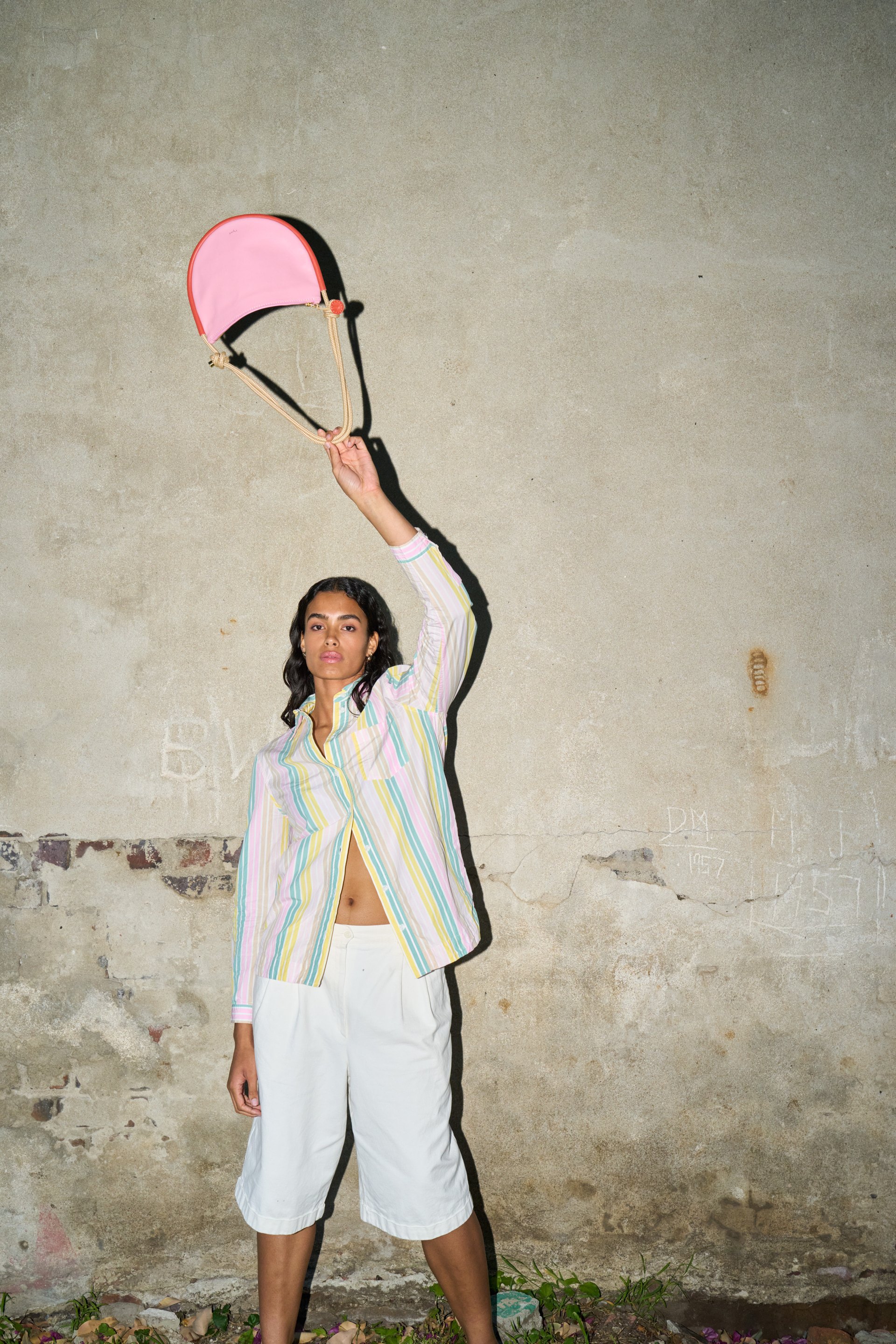
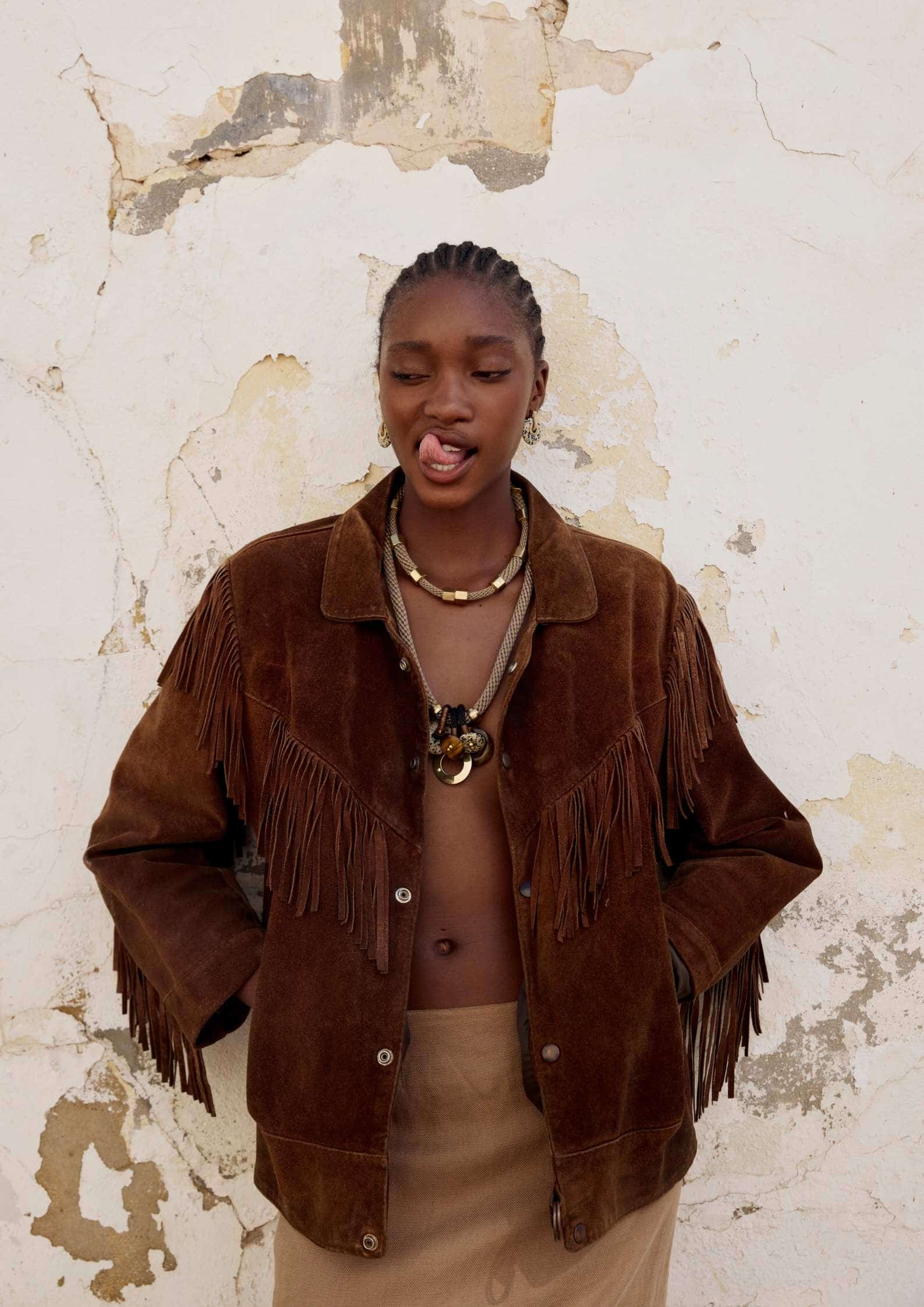
 

Apply to participate in Design Week South Africa 2025, happening in Johannesburg from 9 – 12 October 2025 and Cape Town 23 – 26 October 2025. The deadline for application submissions is 30 April 2025, acceptance into the calendar will be sent by 30 June 2025. Please note prior to applying, all work will need to be completed by 1 October 2025, ahead of the activation weeks.


Apply to participate in Johannesburg here

Apply to participate in Cape Town here


Learn more about Design Week South Africa here


Press release courtesy of Design Week South Africa
Keith Henning’s New Solo Exhibition Celebrates Fluidity and Queer Visibility

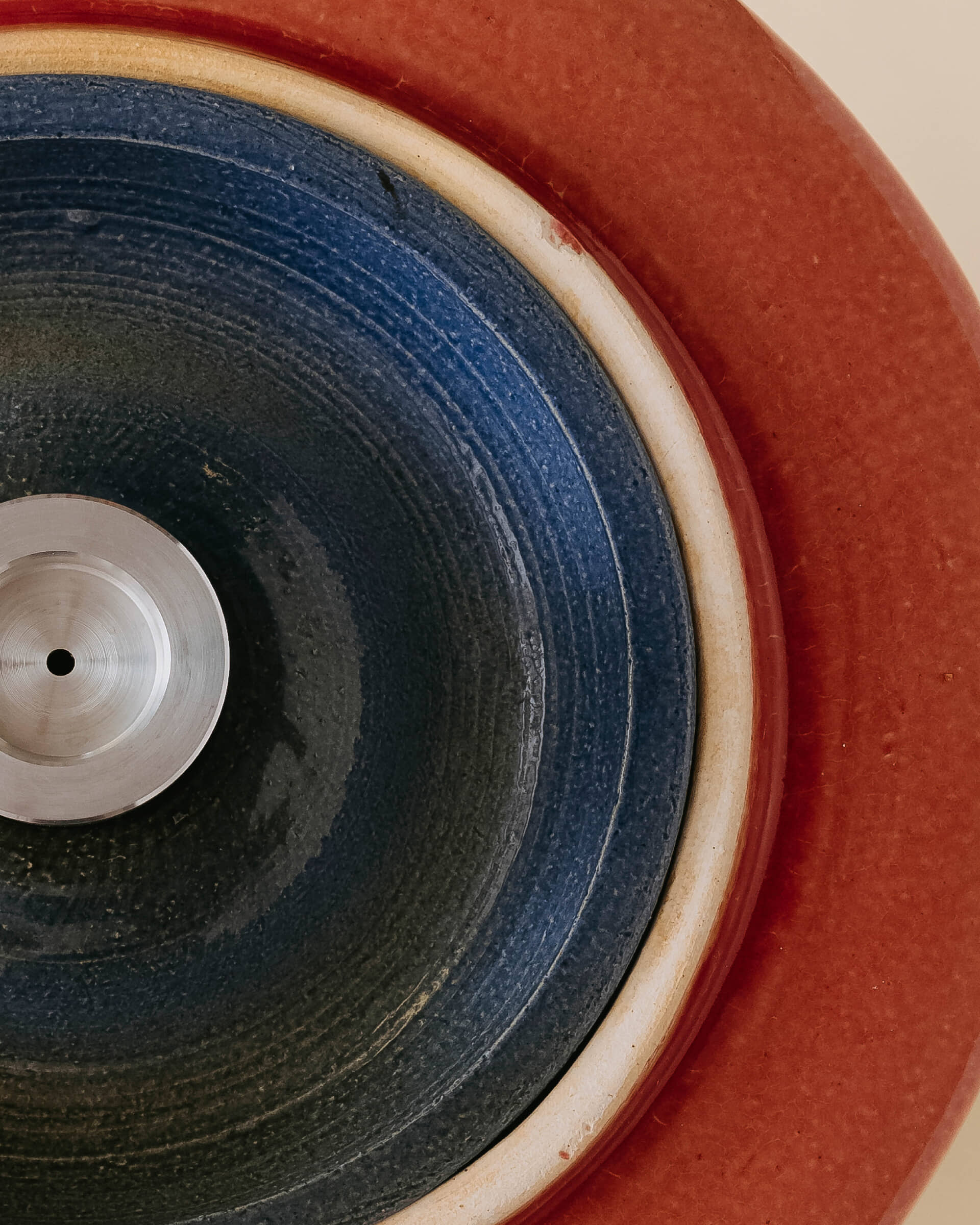
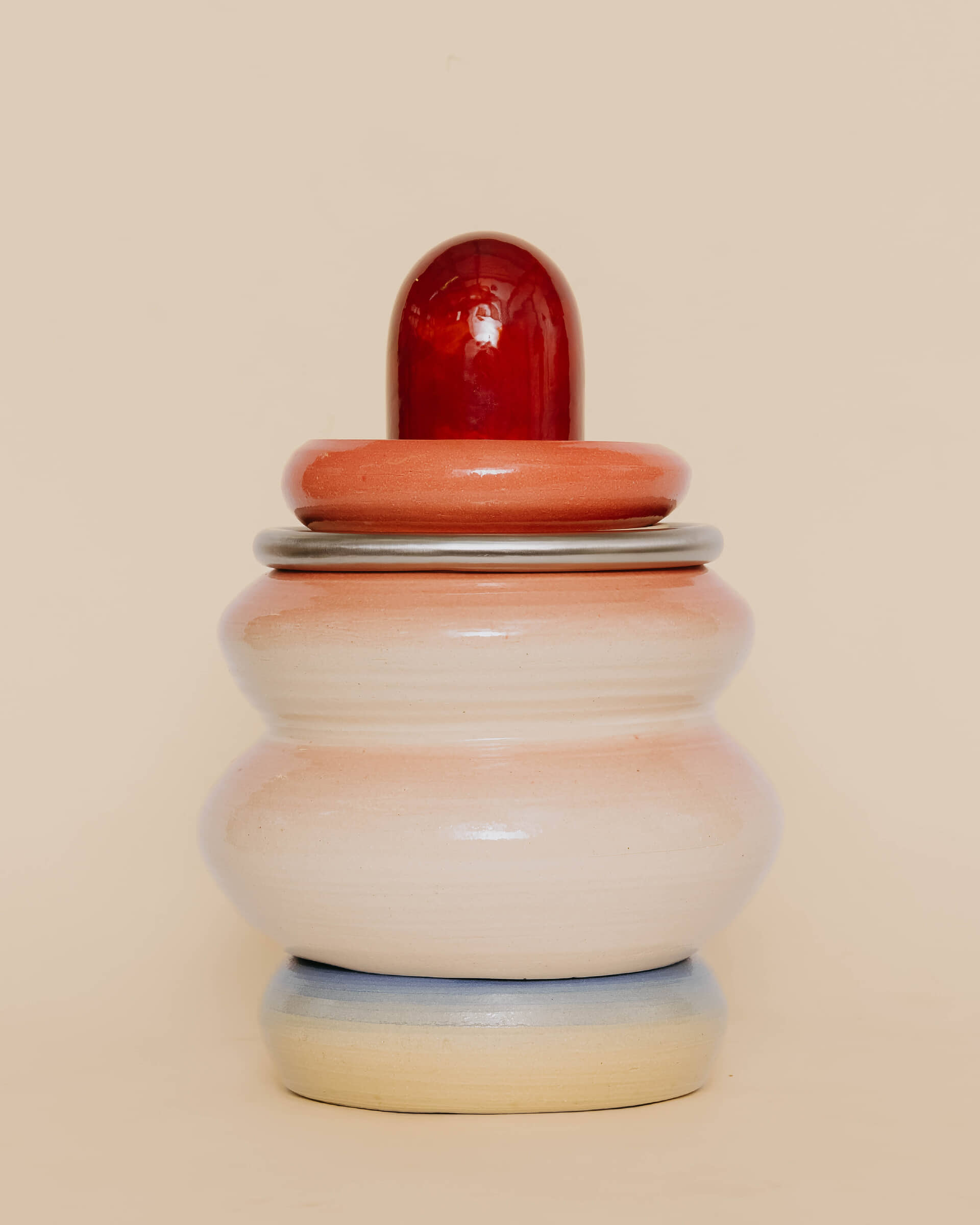
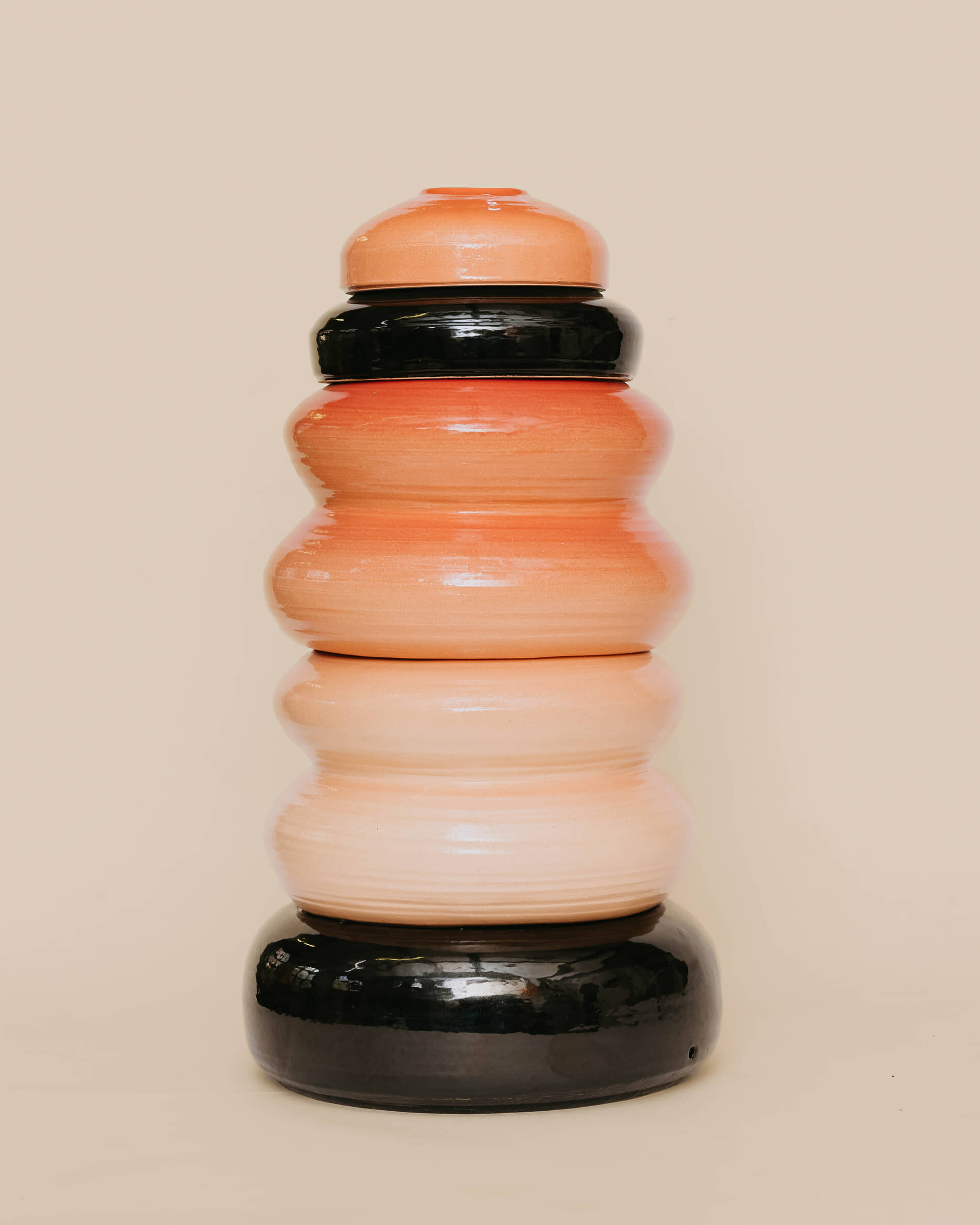
Reservoir presents their latest solo exhibition WATERSPORTS: Not for Public Consumption, by artist Keith Henning. In 2024 Henning completed his postgraduate diploma in Fine Art at the Michaelis School of Fine Art, at the University of Cape Town. Originally developing a practice in design, founding the well-known AKJP design store and clothing label, Henning has expanded his material interests. This body of work, made from ceramic, steel, and found material, builds on the presentation that he created for his post grad diploma at the Michaelis School of Fine Art. 

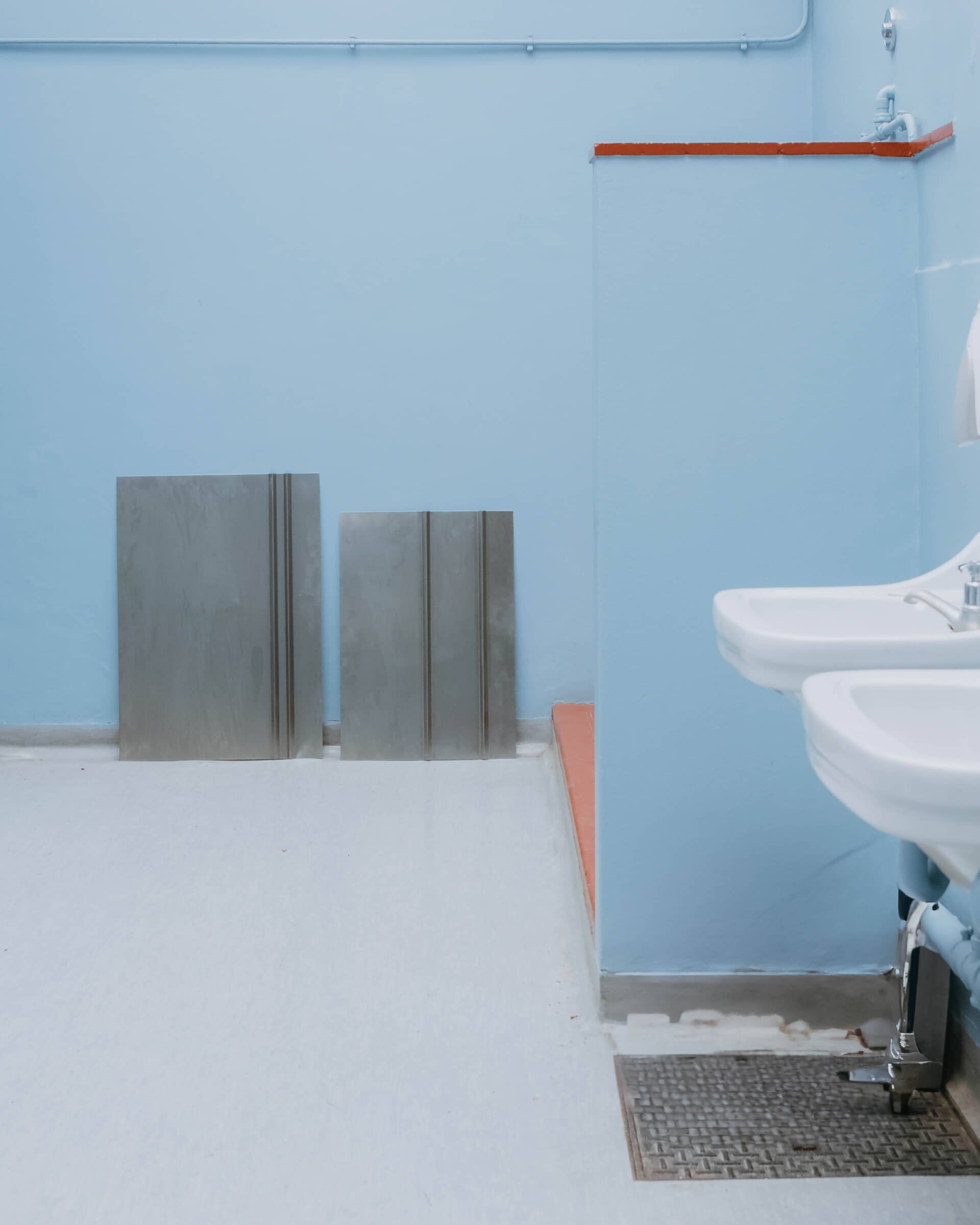
Formally and conceptually, Henning’s work merges together two commonplace architectural objects: the urinal and the fountain. The former is gendered, utilitarian, private, whereas the latter is generic, ornamental, public. By highlighting these tensions, Henning aims to critique how objects can enforce conformity and subdue our instincts for intimacy––especially in those spaces that we take for granted in our everyday lives.

Photography by Michael Oliver Love

Versions of the urinal have existed since ancient times, serving both a functional and a social purpose. The politics of who is allowed to use the urinal and how it ought to be used implicitly codifies heteronormative and patriarchal structures. Through the enforcement of rigid binaries between male and female, the urinal is often the site where non-normative expressions of gender and sexuality––such as non-binary and trans individuals’ use of the object––are policed. Any disruption of the unspoken codes that foment around the urinal can be met with castigation, at best, and, at worst, violence. In fact, its very design––sanitised, sterilised and disembodied––suggests conformity to a status quo that disavows any possibility of play, sensuality, or subversion. 

The fountain, on the other hand, holds a more interactive and poetic place in our culture. That is, it has a practical function as well as aesthetic intrigue and spiritual significance. This is why fountains in town squares are often ornately designed, why a coin tossed in fountain water is bound to grant a wish. The fountain is both ordinary and exalted, commonplace and magical. It is a place where people gather to rest, to drink, to splash, to play, or simply to marvel. This is why Henning sees the fountain as a totem for queer liberty. By reintroducing a lost eroticism between these two objects––the fountain and the urinal––Henning’s work celebrates fluidity, reimagining new possibilities for queer visibility and erotic play. 

Some of the sculptures provocatively ‘urinate’ into one another. Others are unapologetically phallus-shaped. Stainless steel wall pieces have dry ice hidden inside of them that, when activated, produces condensation, building up a frozen layer––like a colour field atop the steel––before melting. In other words, these are objects that, at first glance, appear to be solid and sterile, like a public restroom, suddenly begin to sweat, to drip, to cry, like bodies. These choices reimagine a public space that reflects––rather than restrains––the body’s natural needs, desires, and expressions. Inspired by the act of cruising––a practice in which individuals seek anonymous or semi-public sexual encounters, often in locations like public parks, restrooms, and other liminal spaces––Henning sees the exploration of desire in an environment that actively suppresses personal intimacy and public exposure as a subversive and sacred act.

Photography by Michael Oliver Love

Photography by Michael Oliver Love

This point is reinforced by Henning’s use of materials. Stainless steel, for example, is associated with industry, rigidity, and utilitarianism; it is, accordingly, often seen in institutional or public settings, such as restrooms. Ceramics, on the other hand, evoke domesticity, fragility, and intimacy. By merging the two, his work challenges conventional dichotomies between hard and soft, public and private, utility and sensuality. The interplay between the feminine, organic ceramic curves and the masculine, rigid steel structures further mirrors the tension of dominance and submission in queer sexual roles, which the artist intends as a metaphor for the shifting dynamics of identity and desire.

By considering how public spaces might be used for queer expression and challenging the norms that seek to regulate desire, Henning’s work celebrates difference and intimacy. In this way, his practice resonates as both a personal narrative and a collective call to action, advocating for a world in which all expressions of identity can thrive openly and without fear.

This exhibition is available for public viewing at Reservoir from 4 April – 16 April 2025. Reservoir is located on 7th Floor Bree Castle House, 68 Bree Street, Cape Town.

Learn more about Keith Henning Here

Learn more about RESERVOIR Here


Press release courtesy of RESERVOIR

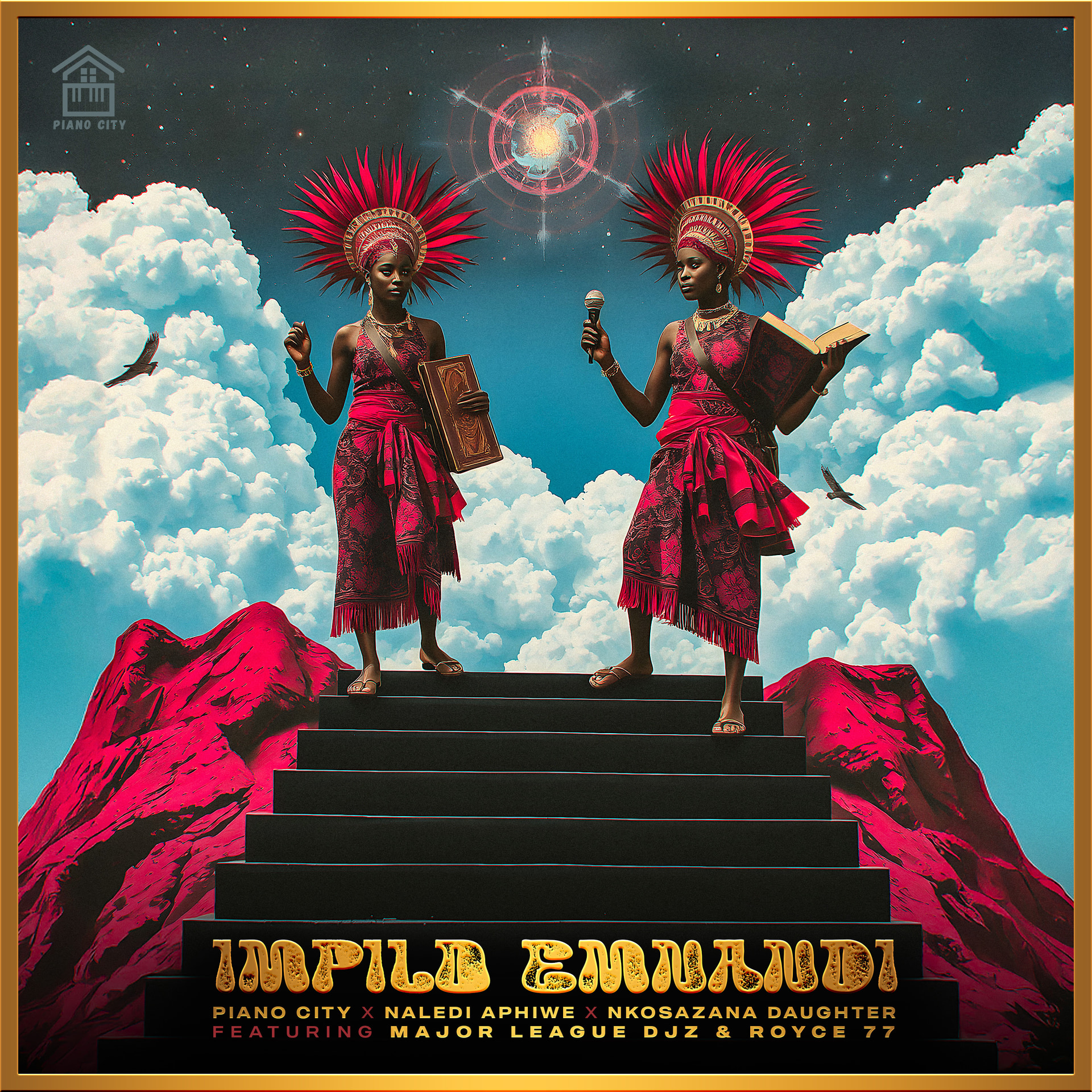
PIANO CITY RELEASE THEIR LATEST SINGLE ‘IMPILO EMNANDI’

Following the release of their first single of the year “Amalanga” with Royce 77, Nanette and Rivalz is independent label-group “Piano City” as they return with their second single of the year titled “Impilo Emnandi” with uprising star, Naledi Aphiwe, Nkosazana Daughter, Royce 77 and Major League DJz.

“Impilo Emnandi” starts off over a well layered instrumental led by an upbeat tempo which is then complimented by calm and easing keys alongside Naledi’s soothing vocals. The single touches more on a message of hope and triumph as the chorus expresses a more progressing and optimistic journey through Naledi’s play of words and plead to God for a more light and positive experience in life as she further pens down her wishes and beliefs upon her career and life as a whole.

She is then followed by Nkosazana Daughter over a greatly stratified bass-guitar alongside various instrumentals guiding us towards a reaffirming and relaxing message that all things will be alright as long as one stays rooted to who they are. Nkosazana closes off the song with a melodic and relaxing approach through her play of words and tone. “Impilo Emnandi” is a song dedicated to all of the hard workers in the world, walking all types of walks in life with the aim of motivating and reassuring them that it will all be good as no hard work and form of goodness goes unnoticed. At some point, it will all pay off, one just has to remain consistent and invested into their journey of life and they should not forget who they are in the process of attaining the fruits of their hard labour which would be a nice and soft life.

The single speaks on high volumes of hard work and what it takes to succeed through a unique sonic experience and highly relatable story-line.


Listen to ‘Impilo Emnandi’ here


Press release courtesy of Escopia

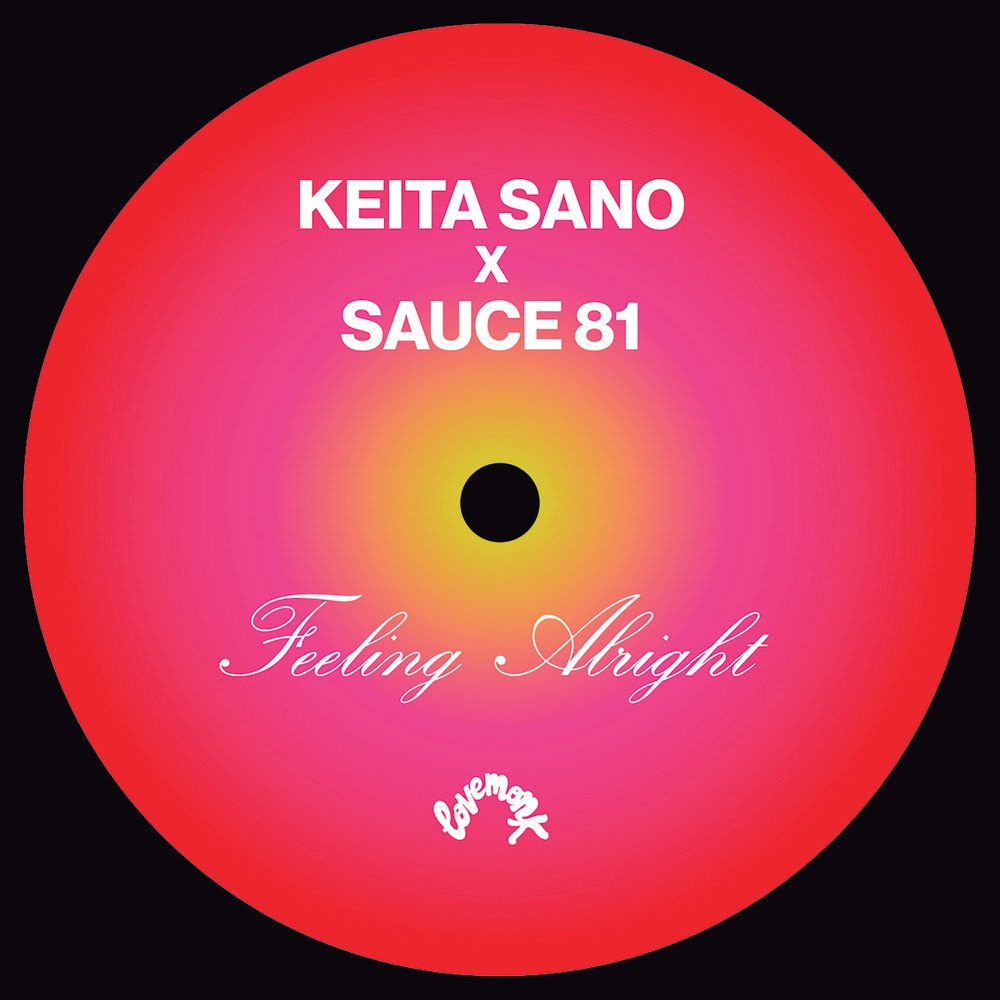
Keita Sano and Sauce81 release their dancetrack ‘Feeling Alright’

Japanese producers Keita Sano & Sauce81 join forces for 7″ single ‘Feeling Alright’. This dancefloor track is stripped-back like classic house, yet raw like the best soul.

For the very first time, two of Japan’s most respected underground producers team up. With previous releases on labels such as Optimo, Local Talk, Mister Saturday Night, Turbocapitalism, Eglo and Delusions of Grandeur, their reputations precede them.

Keita Sano’s raw, visceral edge collides with Sauce81’s flair for boogie synths and unapologetic vocals, delivering a hard-hitting dose of house with an undeniable disco pulse.

Listen to ‘Feeling Alright’ here

 Press release courtesy of Only Good Stuff

Maya Amolo releases ‘Sweetest Time’ with Ywaya Tajiri

In a world where modern love often plays out through blurred lines and missed signals, Maya Amolo cuts through the noise with a single that’s both intimate and expansive. “Sweetest Time” — her first release of 2025 — is a seductive Afro-R&B offering that captures the heady rush of infatuation at its most exhilarating.

On this track, Maya pairs up with Ywaya Tajiri, whose dreamy vocals melt seamlessly into hers, creating a duet that feels like slow dancing under city lights. Produced by Maya’s longtime collaborator La Soulchyld, “Sweetest Time” is soaked in warmth and sensuality, all wrapped in Maya’s signature soft harmonies and emotionally-rich delivery.

“‘Sweetest Time’ is about the tension and beauty of a connection that’s new, uncertain, but completely intoxicating,” Maya shares. “It’s that moment when time stands still and nothing else matters.”

With roots in Nairobi and a sound that echoes across continents, Maya Amolo has steadily carved out her place in the global alt-R&B scene. Her debut EP Leave Me At The Pregame (2020) was a tender exploration of self-worth and healing, while her first full-length album Asali (2022) solidified her as one of the most exciting voices in African music.

She’s earned recognition from being selected as Spotify Africa’s first-ever Fresh Finds artist in 2022. In 2023, Maya was handpicked to participate in Spotify and COLORSxSTUDIOS’ debut African writing camp, Tantalizers Sessions — a sign of the industry’s growing interest in her artistry. Later that year, Apple Music named her East Africa’s Up Next artist, putting her in the spotlight as a voice of her generation. 

Now, with “Sweetest Time,” Maya enters a new era — one that embraces vulnerability, sensuality, and the full spectrum of feeling. It’s a sonic love letter for those caught up in the thrill of the unknown.


Listen to ‘Sweetest Time’ here


Press release courtesy of Sheila Afari PR

Eswatini’s !Sooks releases his new single ‘Kintsugi’

One of Eswatini’s leading electronic music artists !Sooks, kicks off 2025 with his new single, ‘Kintsugi’. This deep house and electronic infusion is driven by a mesmerizing trumpet melody that captures the essence of sun-drenched Ibiza rooftops and vibrant golden Joburg sunsets.

Inspired by the Japanese art of mending broken pottery with lacquer and powdered gold, the title reflects !Sooks’ meticulous approach to music production. Just as Kintsugi transforms imperfections into beauty, !Sooks weaves together diverse sonic elements to craft a golden masterpiece.


Listen to Kintsugi here


Press release courtesy of Antidote Music 

Sash South Africa reveals Phola Park part three: Sunset

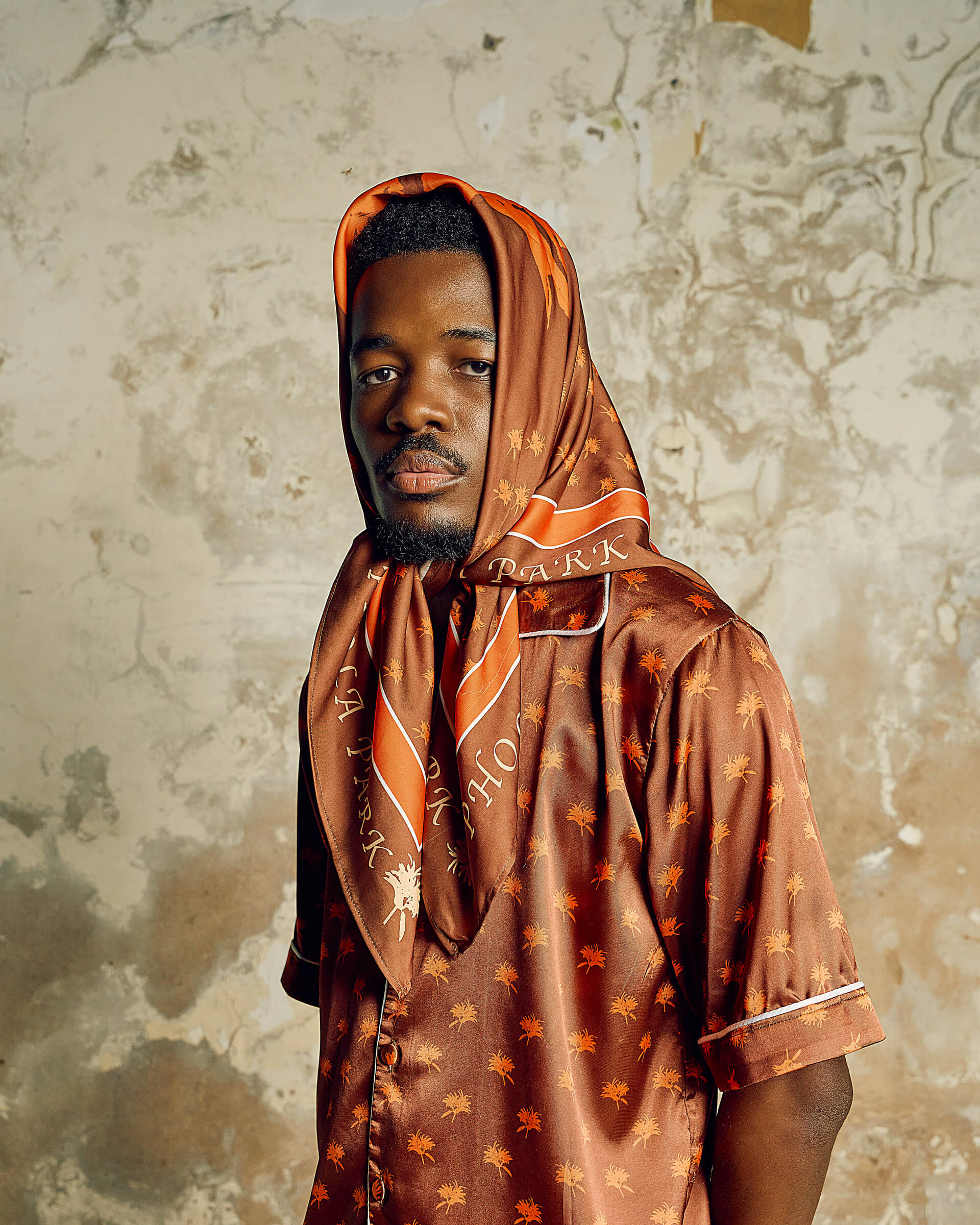
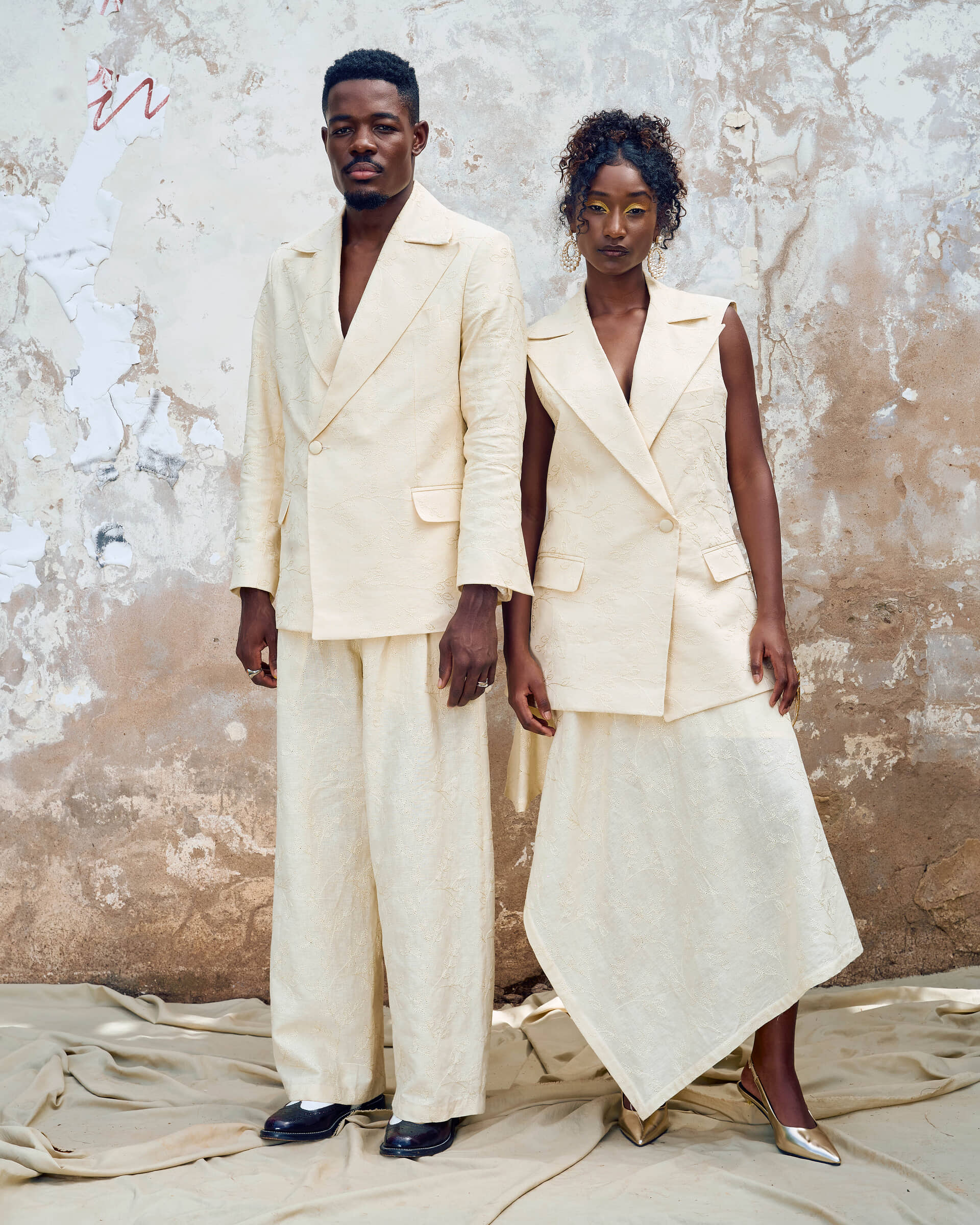
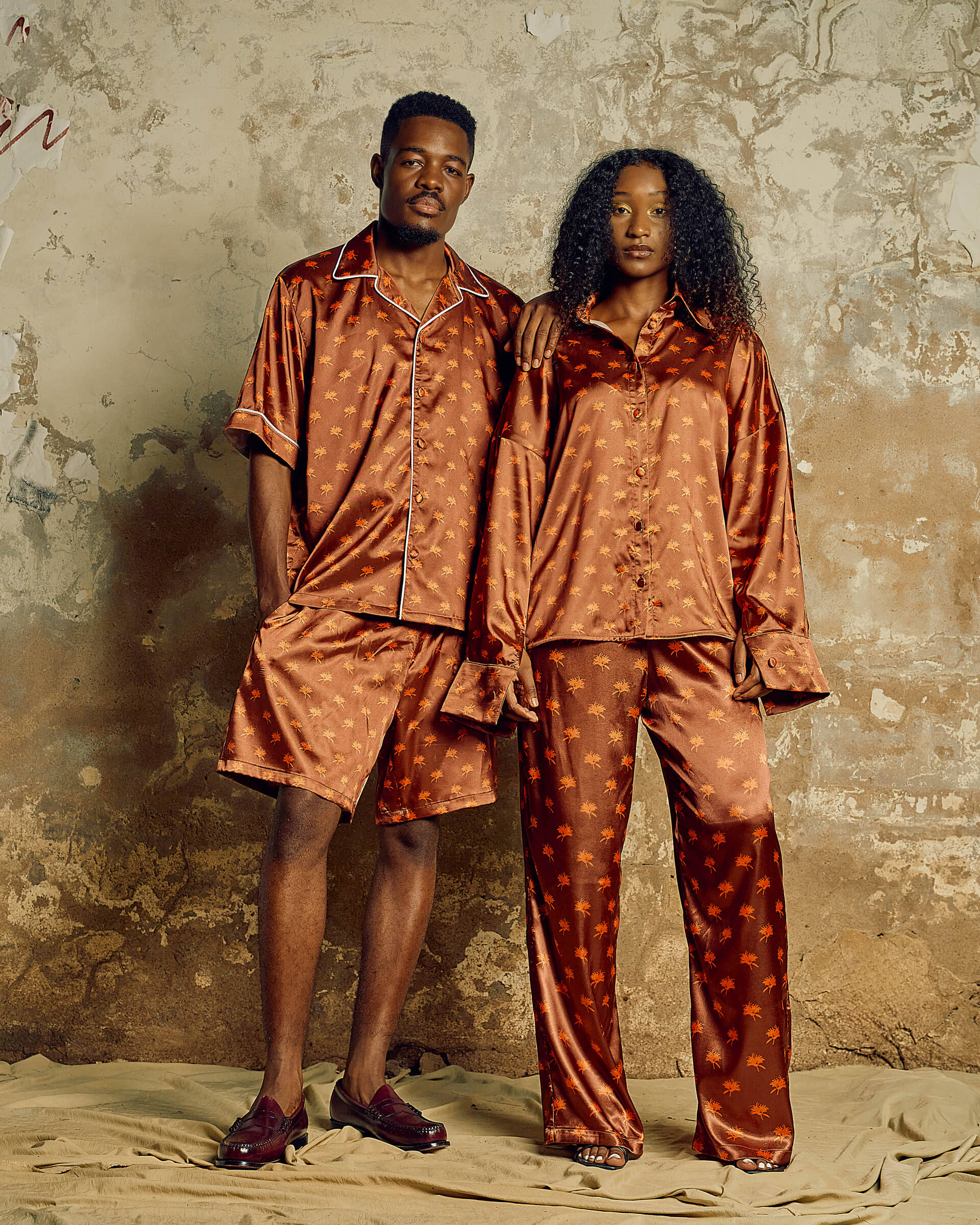
Last August we spoke to designer, creative director and founder of Sash South Africa, Sakhile Cebekulu, about the second iteration of their collection Phola Park, ‘Sunday Best’. Now the multidisciplinary brand based in Johannesburg has announced the third and concluding chapter to the Phola Park trilogy, namely ‘Sunset’

This collection captures the essence of a South African sunset, weaving together themes of love, healing, and music through an evolving colour palette and considered craftsmanship. 

The Phola Park journey began with the eponymous first collection, celebrating

everyday joy and nostalgia, about which Sakhile shared, “It is multi-layered and explores various notions and thoughts. The initial idea was inspired by images from my mothers photo album of her with friends and family in the 90s in parks enjoying life, joyful and relaxed. The images captured a sense of peace and calm, seeing black joy and love invoked in my head.” It continued with Phola Park Sunday Best, which reimagined the cultural significance of dressing up for special moments. Now, Phola Park Sunset marks a poignant farewell—an ode to the golden hour, where warm hues transition into the earthy tones of dusk.


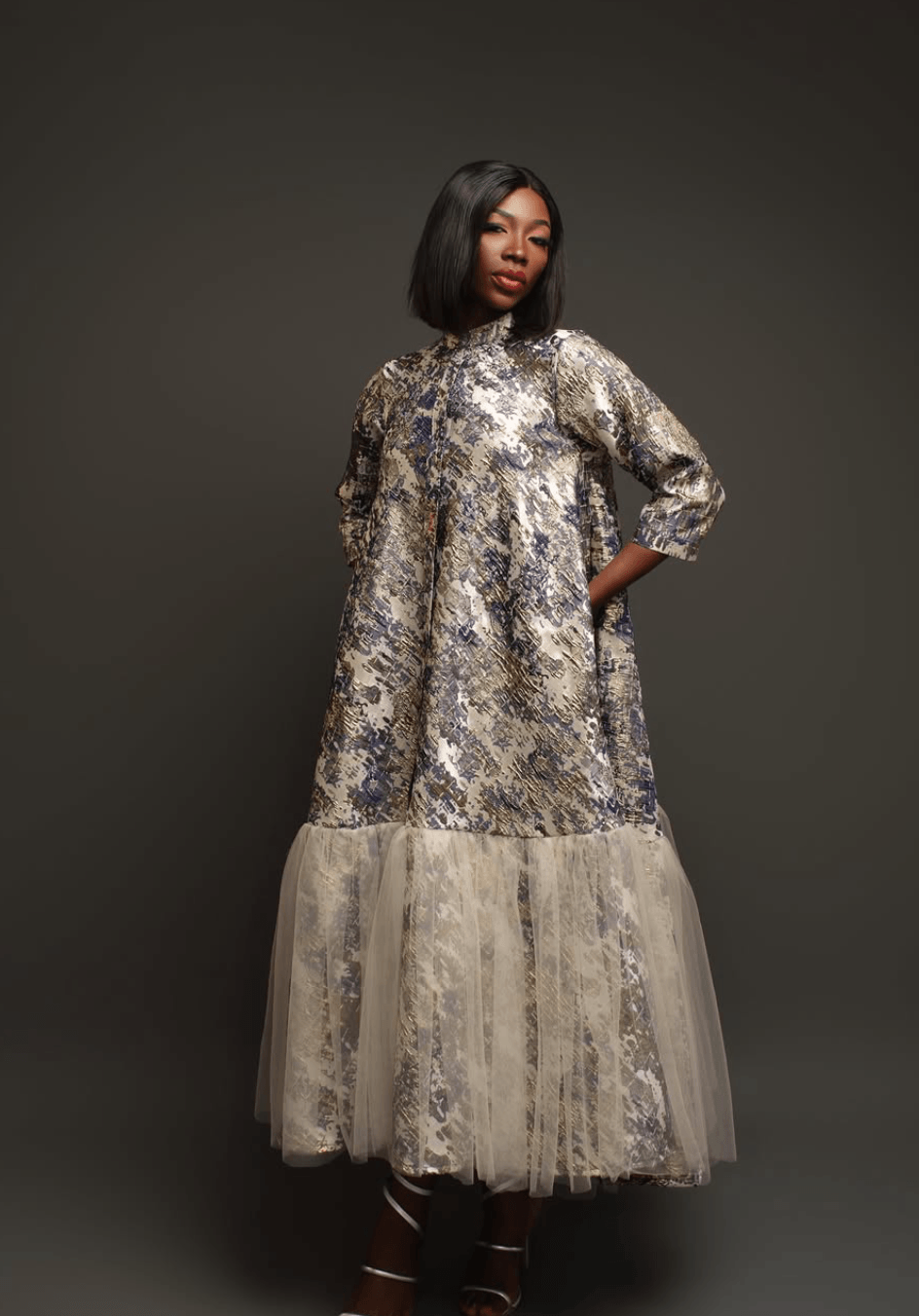
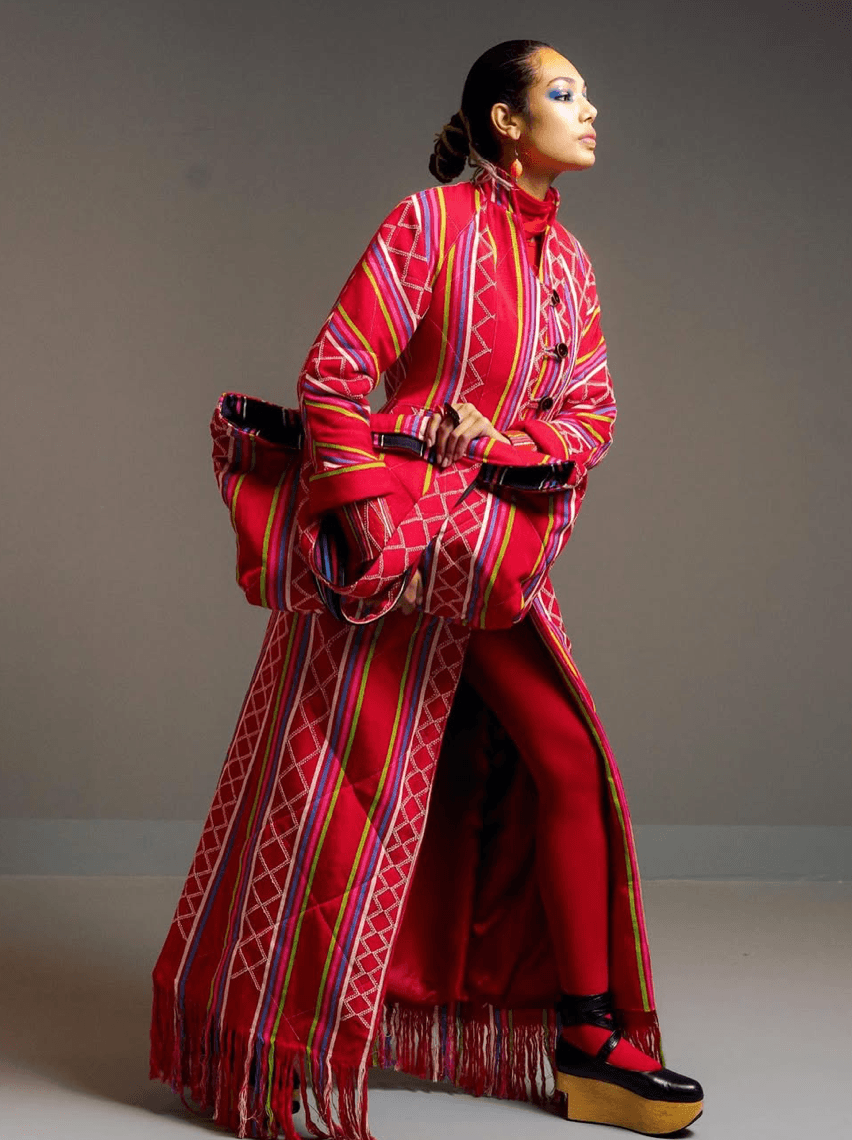
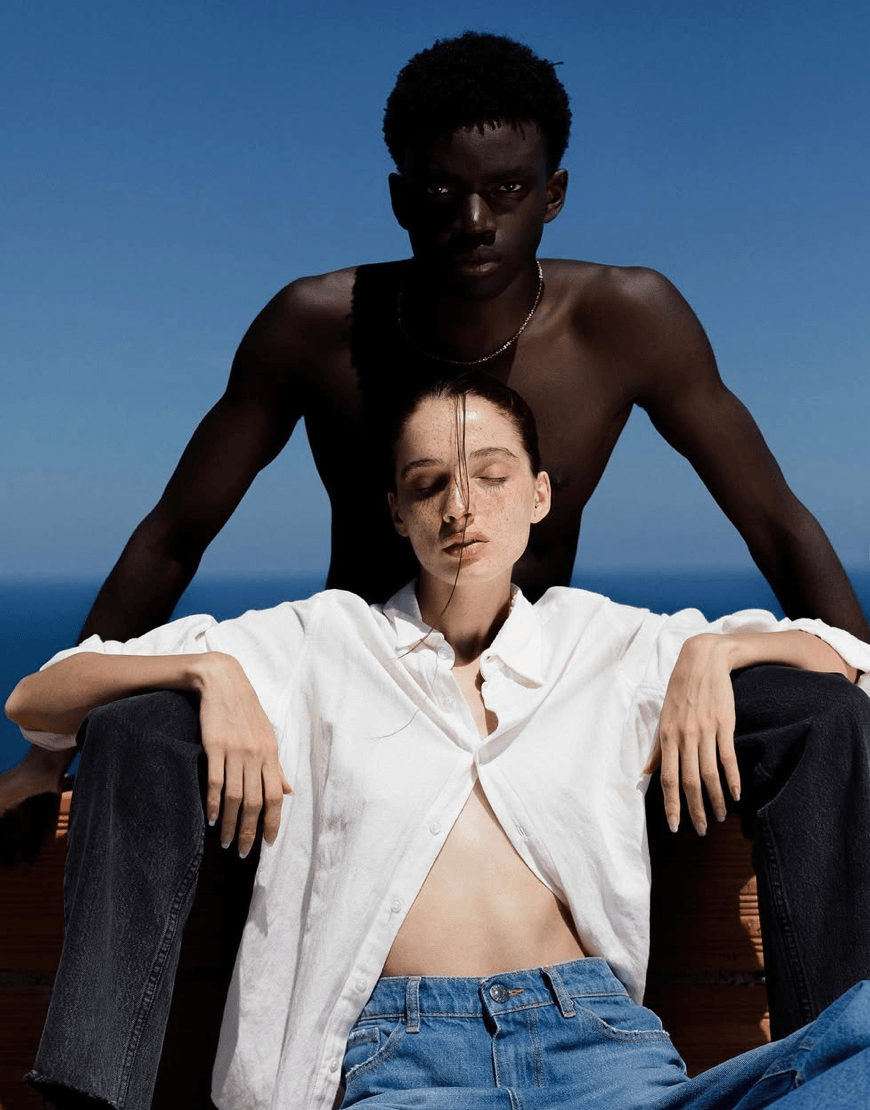
All imagery courtesy of Sash South Africa

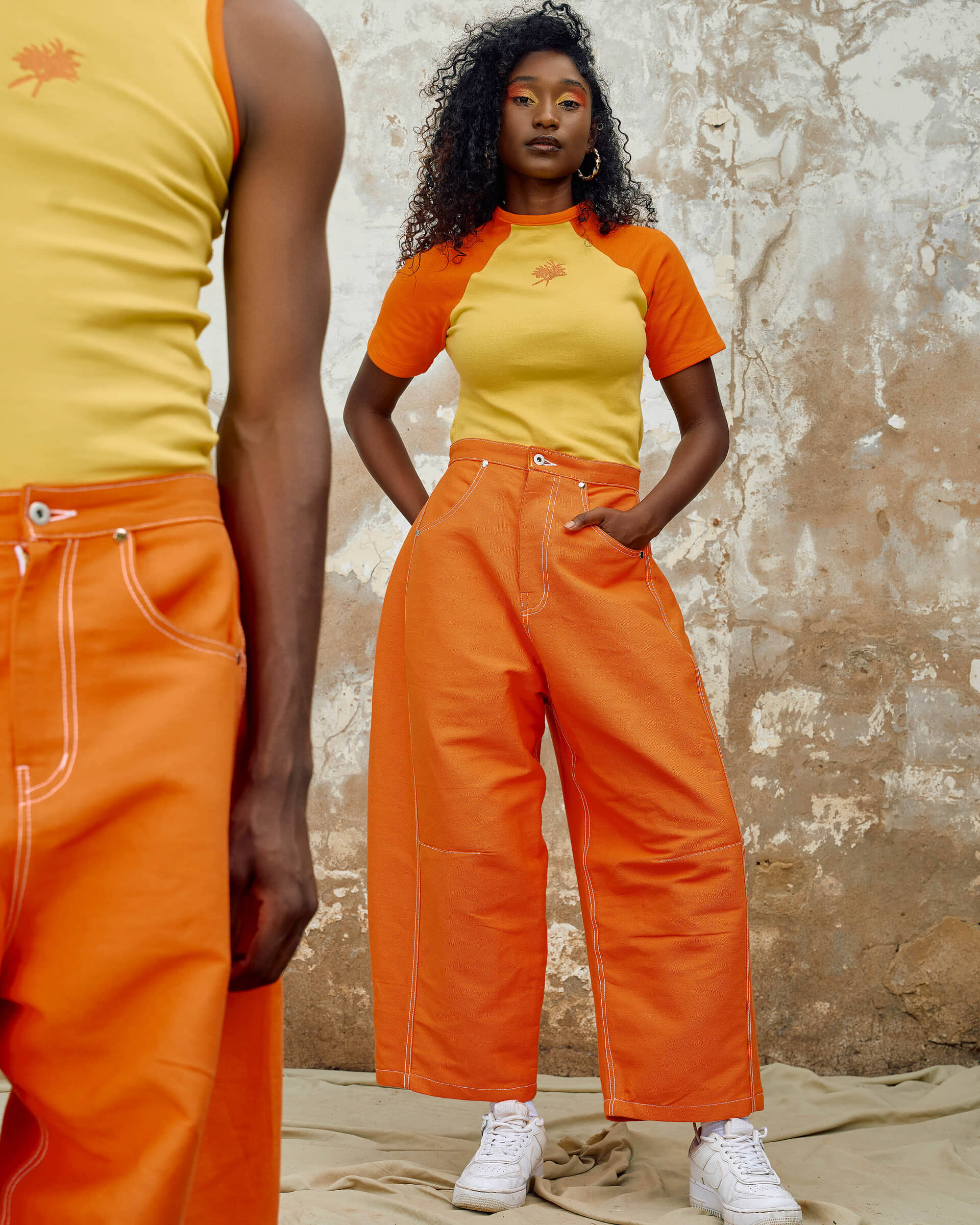
Inspired by the natural transition of day into dusk, Phola Park Sunset is a meditation on warmth, nostalgia, and the passage of time. The collection’s colour palette mirrors the hues of a South African sunset, shifting from the bright optimism of canary yellows and golden mustards to the fiery depth of burnt oranges, before settling into the grounding, earthy tones of deep greens and rich browns. Each shade is carefully chosen to evoke the changing light, from the brilliance of the afternoon sun to the quiet glow of twilight.

Signature elements return, tying together the trilogy’s narrative— Phola Park artwork, intricate embroidery, and the striking Lion’s Tail motif, all woven into contemporary silhouettes, emphasising Sash South Africa’s signature blend of contemporary tailoring, artistic prints, and elevated everyday wear. 

This instalment features 24 looks—12 menswear and 12 womenswear—ranging from semi-tailored jackets and structured suiting to fluid skirts and utility-inspired workwear. Key pieces include the Lions Tail Ringer T-Shirt, a vibrant nod to summer optimism, and the Phola Park Wide-Leg Utility Pants, designed for effortless movement and impact. The collection also revisits familiar motifs such as the Phola Park Printed Semi-Tailored Jacket and the Pleated Midi Skirt, celebrating storytelling through fabric and form.

“We wanted to close this chapter with a collection that feels like a moment suspended in time—the last light of day before night falls,” says Creative Director Sakhile Cebekhulu. “This is both a reflection and an evolution of what Phola Park has meant to us.” Shot against a striking yet intimate backdrop, the Phola Park Sunset look book embodies the narrative of the collection—where colour, light, and emotion shift in harmony.


Imagery credits:

Creative Direction: Sakhile Cebekhulu

Photography: Simba Takaedza

Styling: Mpumi Mdunge

Models: Wesley Takaedza & Teisha Santos

Makeup: Bongiwe Ngondo

Lighting & Digi Tech: Jimmy Moloto & Sibusiso Kgokane

Retouching: Lesedi Goulanka

Set Assistance: Nina Peterson, Desne Peterson, Kabelo Moukangwe


Phola Park Sunset is available now at Sash South Africa’s webstore.


Learn more about Sash South Africa here or read the CEC article here


Press release courtesy of Sash South Africa 

RMB Latitudes Art Fair’s Third Edition is Back in JHB this May

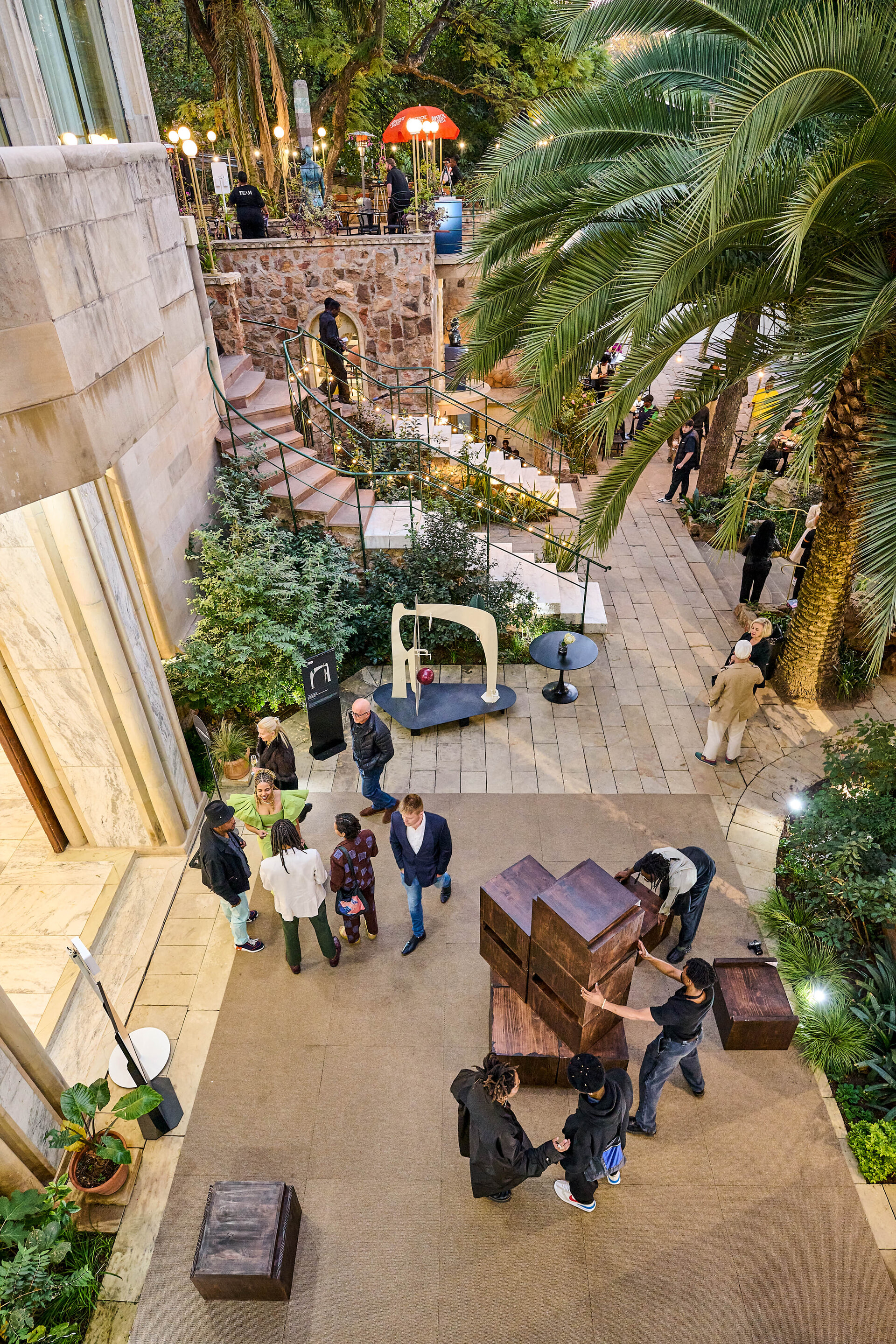
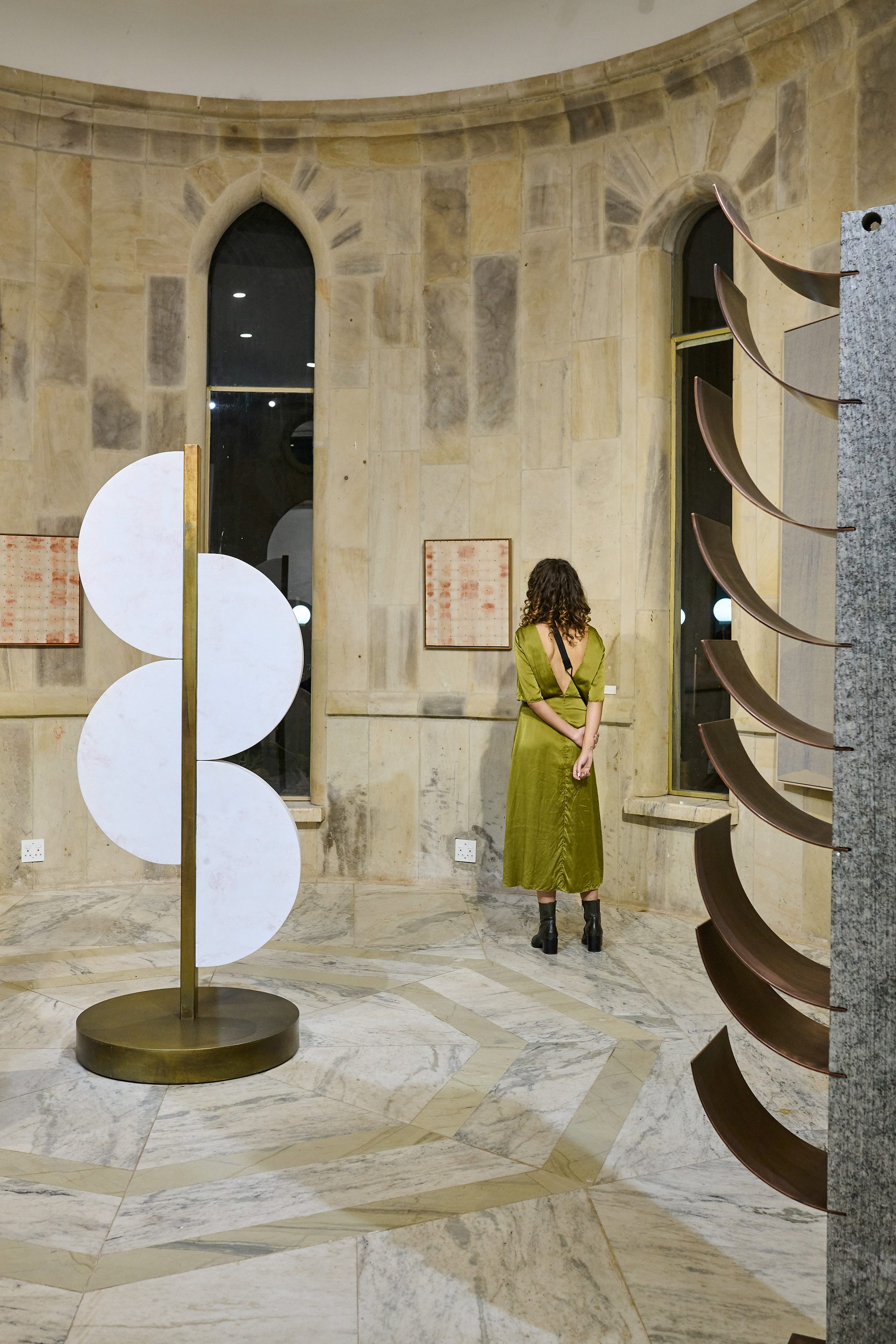
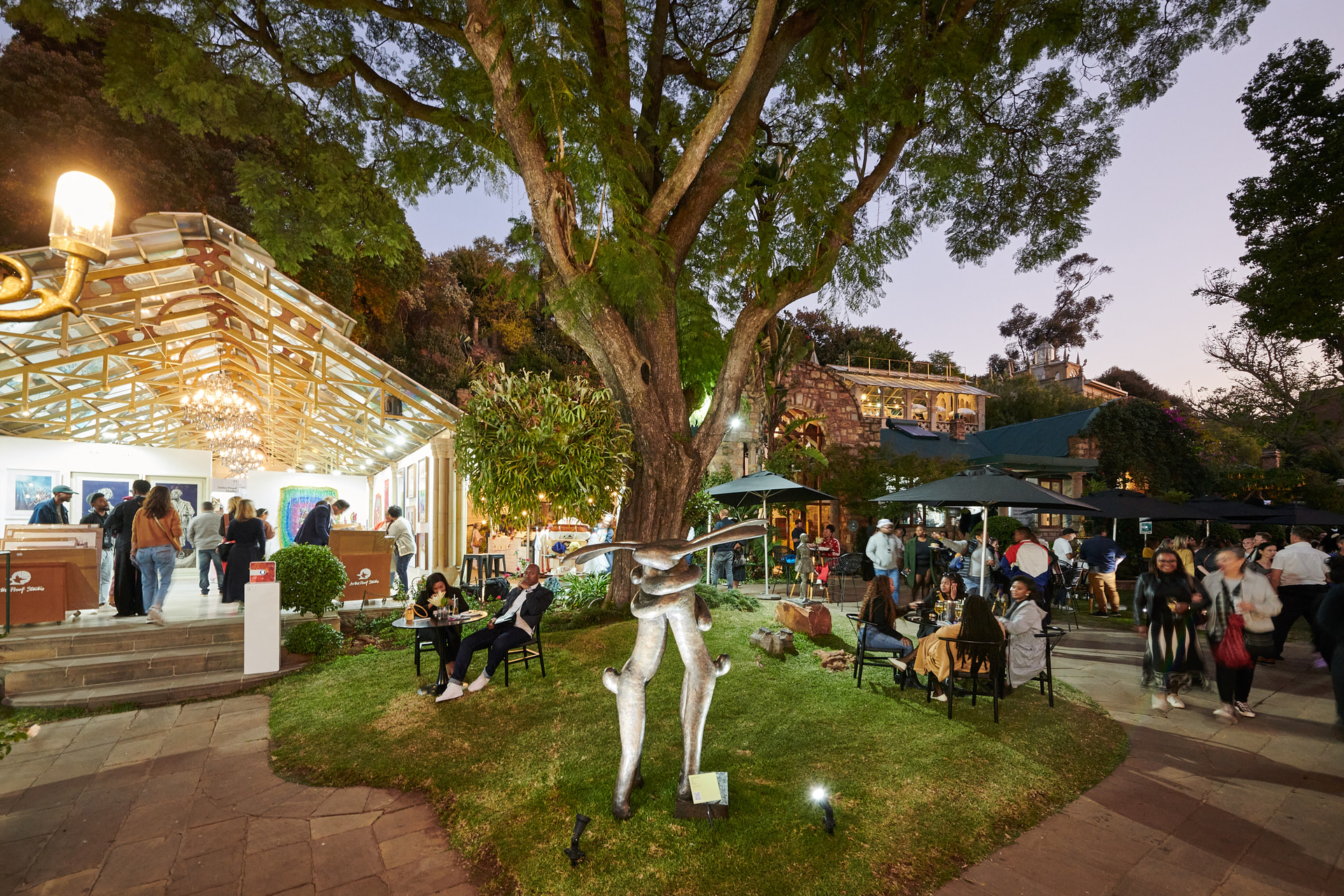
RMB Latitudes Art Fair is back for its third edition, taking place at Shepstone Gardens in Johannesburg from Friday, 23 May to Sunday, 25 May 2025.

Presented by Latitudes Online in partnership with Rand Merchant Bank (RMB), the Fair has become a standout event on Johannesburg’s cultural calendar, celebrated for its unique, immersive approach to experiencing contemporary African art. By moving beyond the confines of a traditional fair venue, RMB Latitudes invites visitors to explore art in a dynamic and multi-sensory environment – wandering through distinctive indoor and outdoor spaces, pausing for a leisurely lunch in lush gardens, engaging in thought-provoking conversations, and contemplating sculpture beneath Johannesburg’s crisp autumn skies.

This year, RMB Latitudes Art Fair is excited to be working with 50 galleries and with over 300 artists showcasing their talent over the course of the weekend. From major local galleries such as Southern Guild, Stevenson and Everard Read to nomadic gallery FEDE Arthouse, Strauss & Co auction house and new Nigerian space AMG Projects, every aspect of the art ecosystem is represented. View the full list of 2025 participating exhibitors here.

All imagery courtesy of RMB Latitudes

“This year’s theme of CO-PRODUCTION is a nod to the Fair’s central ethos of working collaboratively with and connecting all players in the art industry,” says Lucy MacGarry, co-founder and director. “The theme sees galleries, artists and institutions come together to create an exciting programme of exhibitions and special projects, exemplifying the truly African sentiment of what is possible through collaboration.”

The Fair’s 2025 International platform takes a deliberate and engaged focus on neighbouring country Botswana, with several exhibitors working collaboratively to create a presentation that respects the balance between contemporary art and more traditional, foundational art practices in that region.

INDEX, an annual focus on independent artists, is curated by artist Bonolo Kavula. In her tenure as INDEX curator, Kavula’s exhibition seeks to highlight the rich depth of abstract art. Kavula mentors her chosen artists, in posing questions that force them to think deeper about abstraction, and what it is they are abstracting.

In the gardens, an outdoor exhibition Disturbed Currents: Art for a Warming World explores how it is that we inform the climate, and how it, in turn, informs our own lived experience, while ESSAY sees stoneware sculptures by doyenne of South African ceramic sculptors, Amalie von Maltitz, shown alongside charcoal drawings by Sydney Kumalo.

For the first time, Design Week South Africa is involved in the fair and has curated the Design Showcase, an opportunity to shop some of the most premium local brands, while enjoying the art displays.
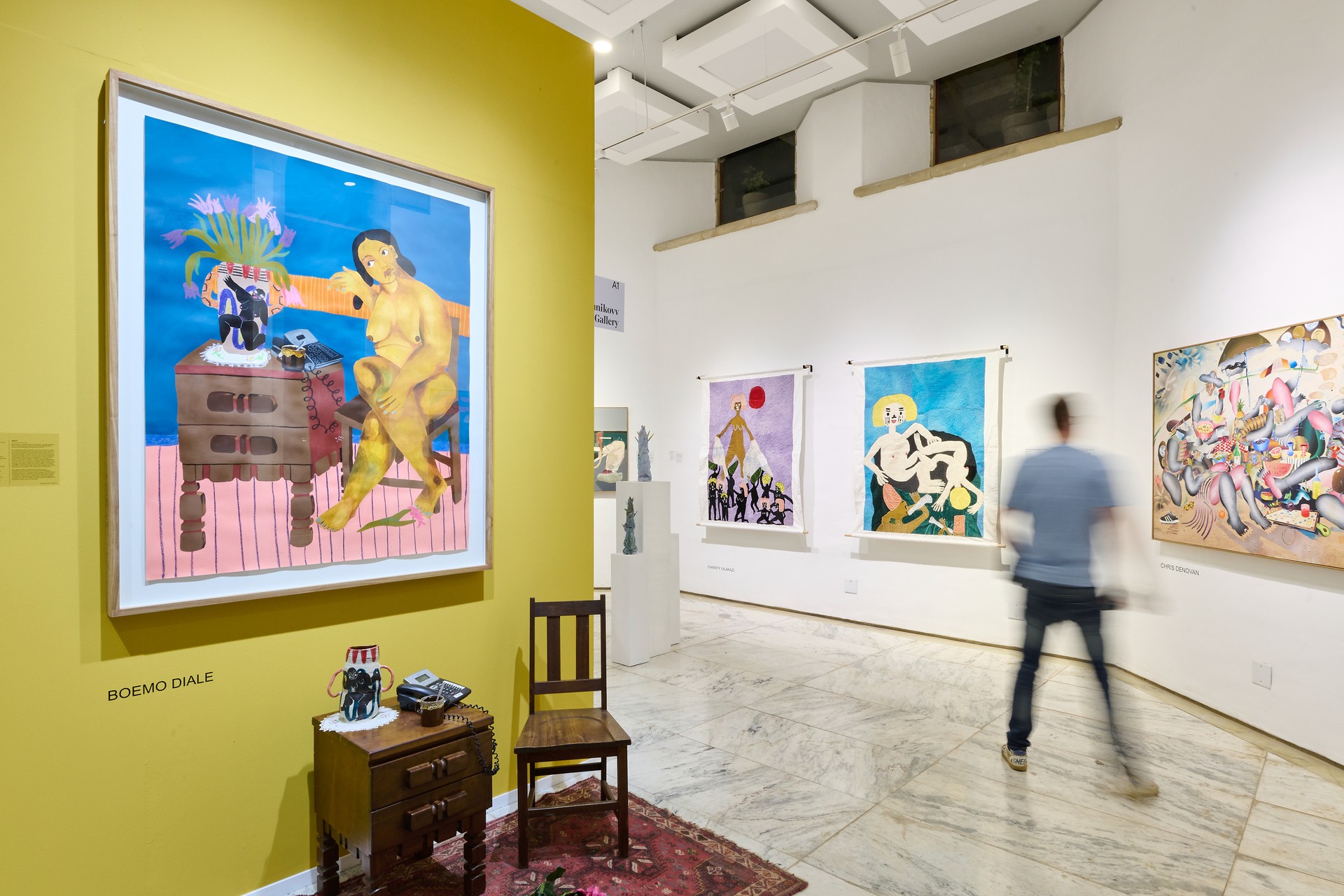
Through all of these (and more) Special Projects, and the works of 50 exhibiting galleries, RMB Latitudes strikes a balance between the serious business of the art world and the sheer joy of engaging with creativity in an open, welcoming space. This curatorial approach embraces an intergenerational and diverse audience – whether seasoned collectors or first-time visitors – broadening access to art while fostering sustainable economic growth in the sector.

“Our growing partnership with Latitudes – not only on the Fair but also through initiatives like RMB Latitudes CuratorLab, a mentorship programme for aspiring curators across the continent, and RMB Latitudes Collectors’ Circle, a growing community of like-minded art enthusiasts – aligns with our mission to unlock and celebrate creative talent,” says RMB’s Chief Marketing Officer, Alison Badenhorst. “Like the partnership between RMB and Latitudes, the relationship between creativity and optimism is an extremely positive one. Creativity fuels optimism and optimism fuels creativity.”

Tickets for RMB Latitudes Art Fair 2025 are on sale here

Press release courtesy of Latitudes Online

Chapter 36 | Part Two: African Fashion Capitals You Need To Know About

When Naomi Campbell advocated for a ‘Vogue Africa’ edition, it might have, at first glance, seemed like a brilliant idea. Until, British-Nigerian designer Tokyo James reminded us that “a single Vogue representing an entire continent wouldn’t work, Africa is too diverse to be represented by one publication.” Tokyo’s response to Naomi’s call for a Vogue Africa highlights a critical issue in how Africa is treated as a monolith rather than a richly diverse continent with distinct cultures and aesthetics. The idea of a single Vogue Africa risks oversimplifying and homogenising the vast range of fashion voices across the continent, and lord knows, we’re done with any singular view of the continent; this, we know.

This is also why, when writing this second edition of Interlude’s ‘CITY FACTS and FASHION HACKS’, I am reminded by just how much of an undertaking it is to try and summarise anything happening, in any city, across the continent. So, this chapter is not an attempt to oversimplify by any means; rather, it’s an attempt at one small ‘taste’ or peek into the proverbial window of six more fashion capitals to keep our eyes on. The real need we face on the continent is for more localised representation— by supporting existing context-specific African publications in each country, platforms, and designers that continue to assert their own narratives. Alas, we move. 

Below, we extend ourselves to all corners of the continent; with Angola as a Southern African country, Togo in the West, Morocco, Tunisia and Egypt in the North, and finally— Rwanda, land-locked in the East. 

Lomé, Togo

CITY FACTS: Togo might be a smaller country than its west African counterparts, but it has a lot to say—flanked on either side by Benin and Ghana, its capital city Lomé’s creative pulse is felt in its bustling Grand Marché. The city is home to institutions like the Togolese National Museum, which preserves the country’s artistic heritage, and Palais de Lomé, a restored colonial palace turned contemporary art and cultural center. Lomé’s fashion industry is rooted in craftsmanship, with designers showcasing their work at events like the Festival International de la Mode au Togo (FIMO228), which highlights emerging and established West African talent. Traditional weaving and embroidery techniques continue to influence contemporary Togolese fashion, making the city a key player in preserving and evolving West African design.

FASHION HACKS: I’ll be totally honest, the idea to do another edition of this format was precipitated by Togo YEYE: a conceptual publication and project, initiated between London-based photographer and art director Delali Ayivi and Lomé-based fashion activist Malaika Nabillah. Founded to celebrate and uplift Togolese creative expression, the collective serves as a platform for edifying a vision of Togolese fashion creatives: from stylists, to fashion students, to make-up artists and photographers. It’s these kinds of projects that remind one exactly why fashion collaboration is as powerful as it is, and as Delali shared with Nataal, “Togo Yeye translates to ‘a new Togo’ in Ewe and is dedicated to tomorrow’s generation of artists and thinkers, today. Its main objective is to document and celebrate those who push creative boundaries, especially in Lomé’s fashion industry. We also hope that through collaboration we can strengthen our community and bridge the gap between the Togolese diaspora and people at home.”

Then, there is Jacques Logoh, a key figure in Togolese design, known for his innovative approach to fashion. As the founder of FIMO228, Logoh has created an essential space for Togolese and West African designers to showcase their work; a legend, as it were, who has played a pivotal role in shaping the creative industry in Togo. Fallylah Nyny Ryke Goungou’s brand ‘NYNY RYKE  is equally a force in Togolese fashion, celebrated for her unique approach to textile design and avant-garde silhouettes. 

Jacques Logoh Couture, via @jacqueslogoh.couture IG

Nyny Ryke, via @nynyryke IG

Tunis, Tunisia

CITY FACTS: Tunis is a cultural powerhouse, home to the Institut Supérieur des Beaux-Arts de Tunis, one of North Africa’s most prestigious art schools, nurturing generations of visual artists and designers. The city’s architecture is a blend of Ottoman, Arab, and European influences, and Tunisian fashion designer Azzedine Alaïa remains an icon of industry, though today— many emerging designers are merging the country’s deep sartorial heritage with contemporary aesthetics.

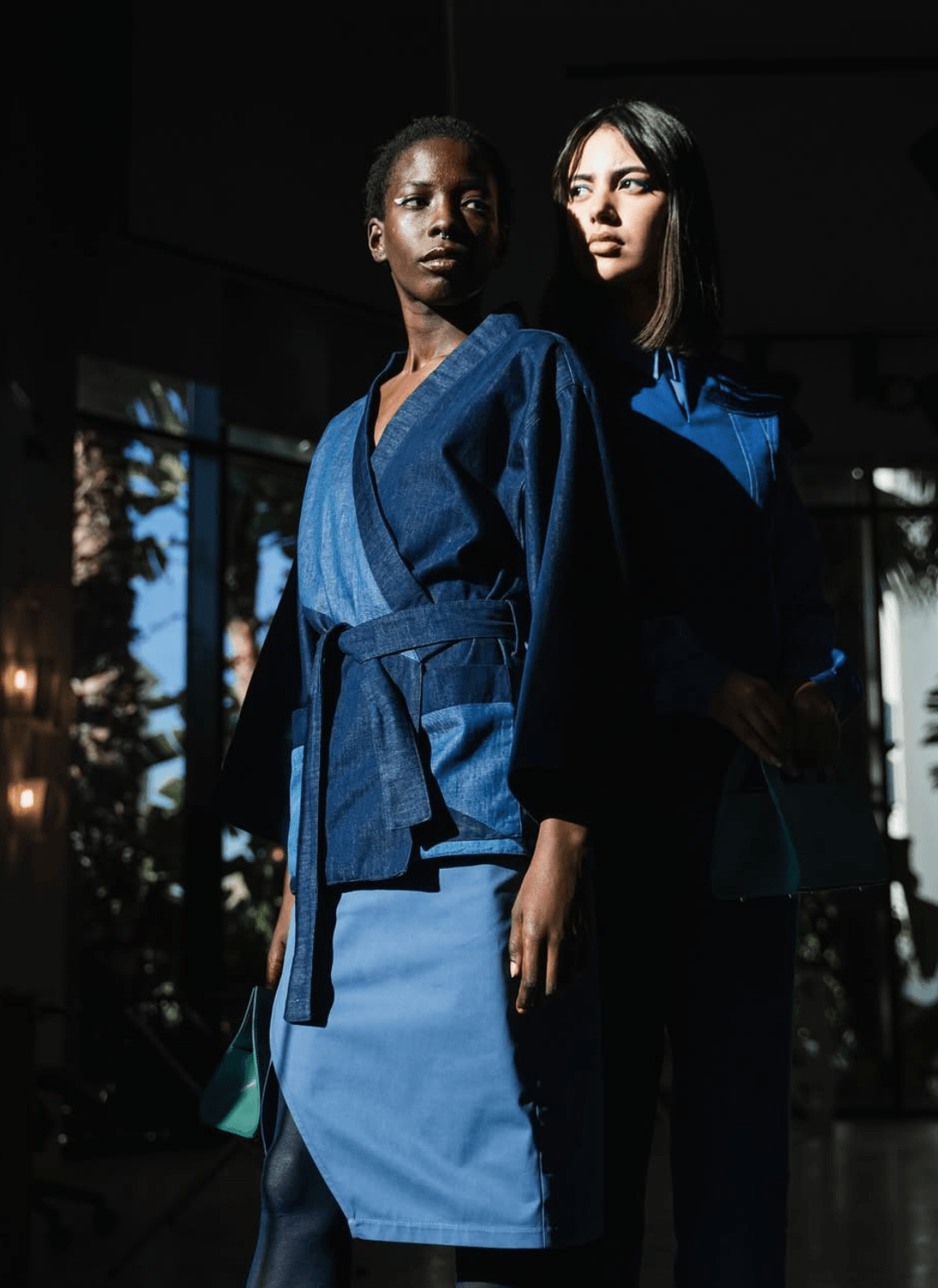
FASHION HACKS: Tunisia has no shortage of fashion creatives, developing strong, contemporary identities of Tunisian expression. Founded by Tunisian designer Anissa Meddeb, ANISSA AIDA is a brand that forges principles of minimalism with deep Tunisian heritage. Meddeb, who studied in New York and Paris, creates garments that incorporate elements of North African craftsmanship—such as traditional weaving and embroidery—while maintaining a clean, structured aesthetic inspired by Japanese design principles. I’m going to need several Nano bags by Anissa Aida, stat. Then, Fichier Caché (also styled as FC3) is an avant-garde, streetwear Tunisian fashion label that operates at the intersection of art, design, and social commentary. The brand is known for its conceptual approach and the name “Fichier Caché,” which translates to “Hidden File,” demonstrates an ethos of uncovering and reinterpreting Tunisia’s cultural codes through a modern lens. FC3 collections often play with gender-fluid silhouettes and gritty marketing activations, making it a standout in Tunisia’s growing alternative, youth-led fashion scene. Bold Denim is a highly-articulated Tunisian brand redefining denim culture in North Africa with a fresh, daring energy. Known for its sustainable practices and focus on craftsmanship, Bold Denim offers high-quality, fashion-forward denim pieces that merge streetwear influences with Tunisian textile expertise. 

Bold Denim, via @boldenim

Anissa Aida, via @anissaida IG

Casablanca, Morocco

CITY FACTS: A dreamy symbol in our collective consciousness, even if we’ve never visited, Casablanca is historically a site for creative energy; and it remains on display at institutions like L’Uzine, an interdisciplinary arts space supporting emerging Moroccan artists, and Villa des Arts, a cultural space showcasing contemporary and traditional works. The city is a hotspot for fashion, home to the Casa Fashion Show, which brings together Moroccan and international designers. Casablanca Design Week is another key event, celebrating innovation in architecture, product design, and urban planning. The city’s design scene is a suffusion of Moroccan heritage and modernity, with artisans reviving traditional crafts like zellige tile work and embroidery while pushing them into the future through contemporary applications.

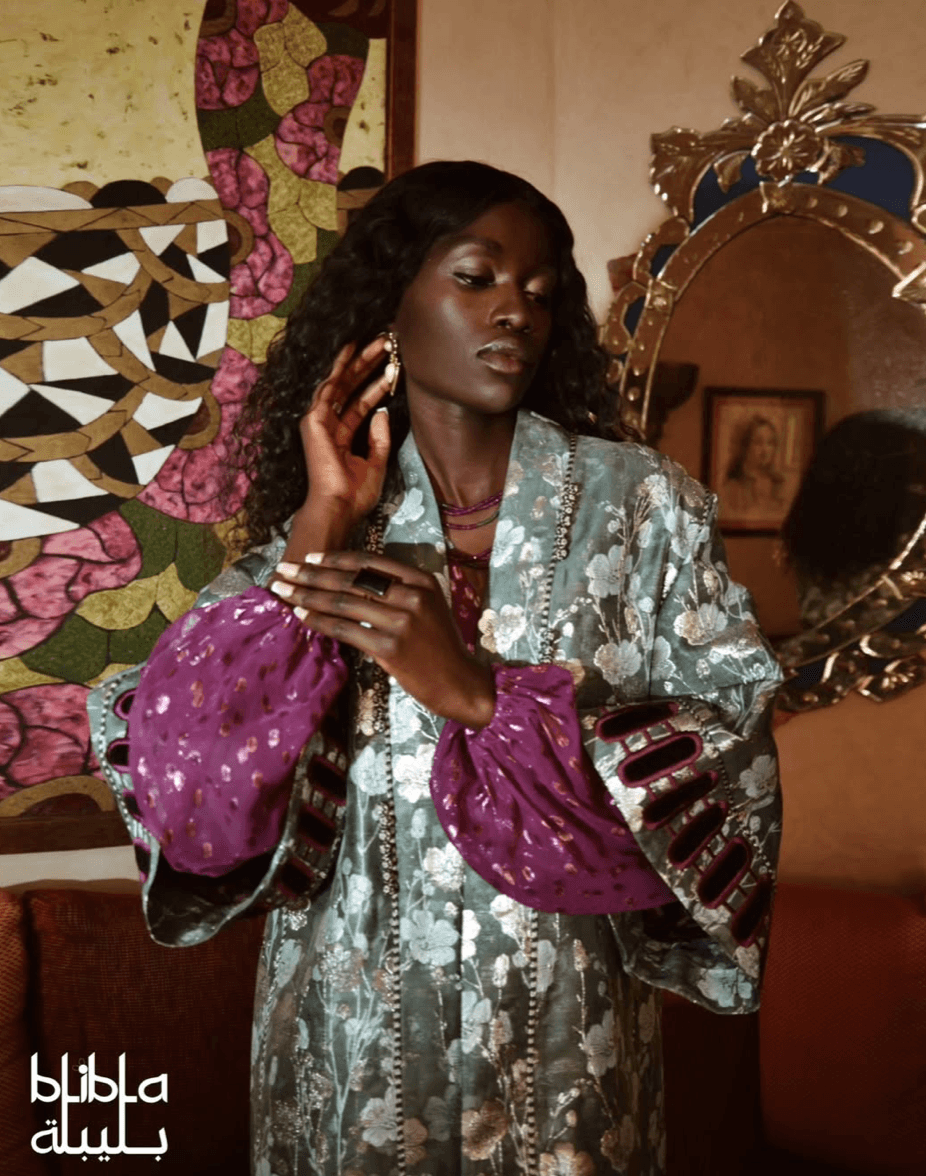
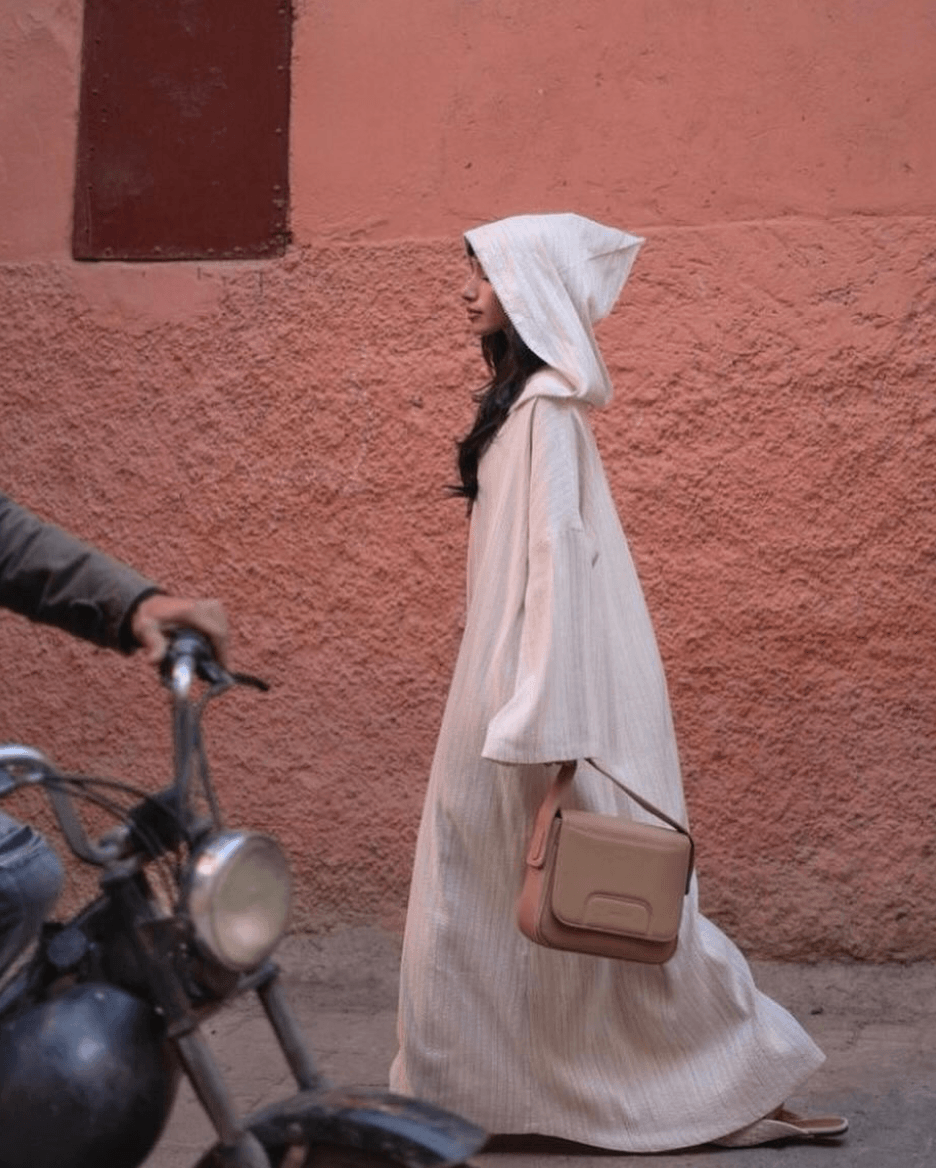
FASHION HACKS: Among the city’s standout creative forces are Auzée, blibla, Atelier Berber and ARTSY Concept Store, each bringing a unique perspective to Casablanca’s fashion and design landscape. Auzée so aptly describes its manifesto, “we celebrate elegance and boldness. Born from the vision of a Moroccan woman who dared to follow her childhood dream, our brand bridges modernity and tradition,” with limited runs and locally produced in Morocco, the brand is a vision of new, sartorial ideals for Moroccan women. Then, blibla is a contemporary brand specialising in the luxurious reimagining of the indomitable ‘Caftan’ silhouette, the traditional Moroccan interpretation of a garment with an ancient presence across West and North Africa, and the Middle East. As far as concept stores go, ARTSY is a principle space for Casablanca’s creative community. Curating a mix of emerging Moroccan designers, global brands, and artistic collaborations, ARTSY reflects Casablanca’s new wave—eclectic, and deeply connected to its cultural roots while embracing a cosmopolitan outlook for Morocco. Lastly, Atelier Berber is penning love letters to the soft, tender and organic expression of linen as a fabric in the region with both cultural and practical importance; among other disciplines in objects and furniture. 

blibla Studio, via @bliblastudio

Atelier Berber, via @atelierberber IG

Kigali, Rwanda

CITY FACTS: Kigali has been popping off in terms of creative expression, with institutions like the Inema Arts Center nurturing Rwandan contemporary art and supporting young talent. The city is also home to the Kigali Center for Photography, a key space for visual storytelling in East Africa. Kigali Fashion Week has gained international recognition, showcasing designers who merge traditional fabrics like kitenge with modern, structured silhouettes. The city is also at the forefront of sustainable design, with initiatives like Made in Rwanda promoting locally produced textiles and ethically crafted fashion. Kigali’s ecologically conscious, modern aesthetic is reflected in its architecture and city policies on litter, making it seen as one of the most future-forward capitals in Africa.

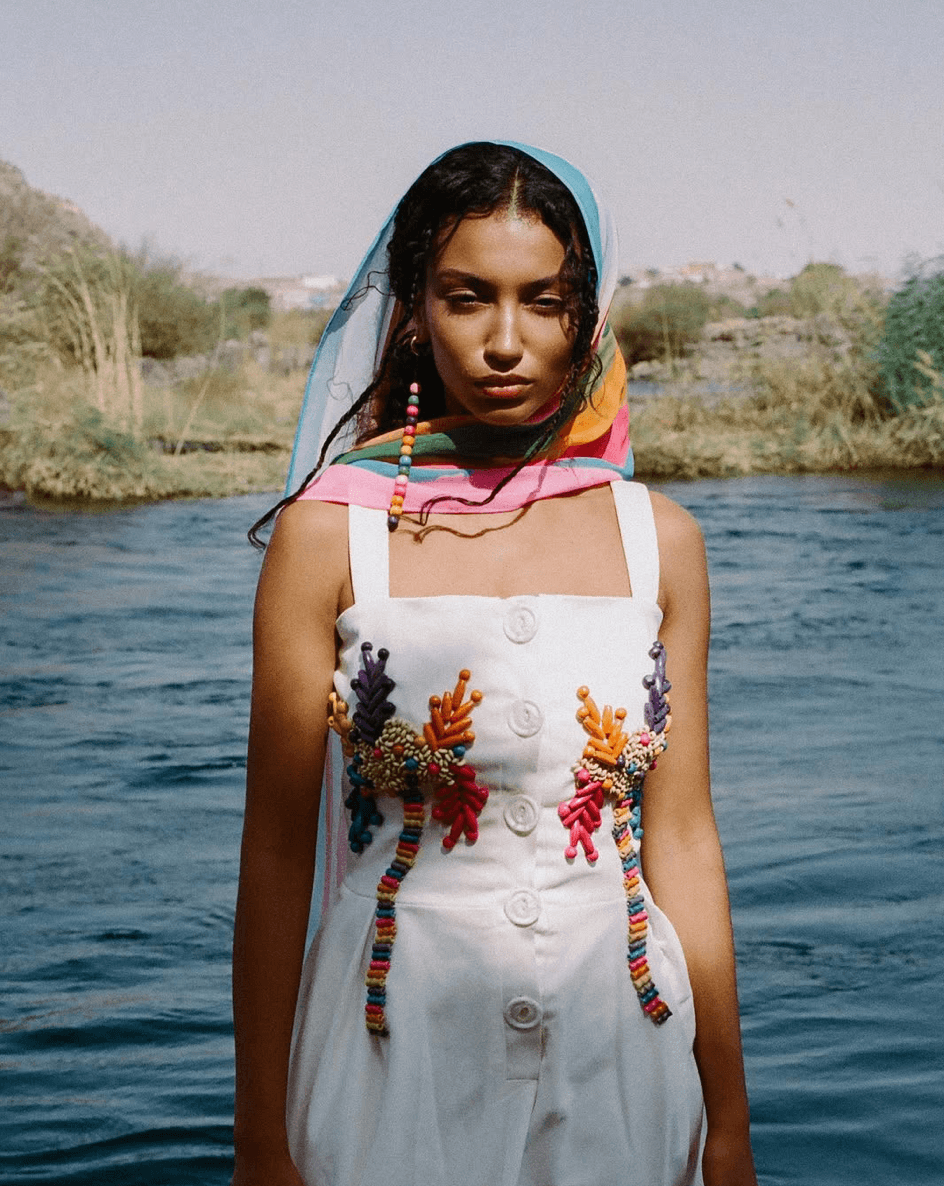
FASHION HACKS: Kigali’s fashion scene is incredible. mille collines was conceived in Rwanda, and though now based in South Africa and Kenya, the luxury womenswear and lifestyle brand’s roots in Kigali make it a notable extension of the city’s creative musings. House of Tayo, founded by Matthew Rugamba, is reinventing classic menswear and extends its vision for Rwandan tailoring. Maryse Mbonyumutwa’s incredibly beautiful brand ASANTII is demonstrating the power of design as a vehicle for business; the brand has its own manufacturing infrastructure that today, employs over 1500 staff in Rwanda,  predominantly women. MOSHIONS, Moses Turahirwa’s luxury Rwandan label, is a study on avant-garde minimalism, and is a vanguard for a highly articulated, luxury fashion future for Rwanda and beyond. 
ASANTII, via @asantii_official IG

House of Tayo, via @houseoftayo IG

Luanda, Angola

CITY FACTS: Luanda’s arts and design scene is flourishing, with the Fundação Sindika Dokolo supporting contemporary African artists. The city hosts Luanda Fashion Week, a major event where Angolan designers bring Angolan design to the forefront. The Trienal de Luanda, an ambitious art festival, gathers international and local artists to explore Angola’s evolving identity through performance, sculpture, and painting. Deeply intertwined with Brazil, the country holds a rich cultural exchange that influences its artistic and design landscape. This Lusophone connection is evident in the rhythmic patterns of Angolan fashion, the Afro-Brazilian fusion in contemporary art and music, and the architectural echoes found in Luanda’s colonial and modernist structures. 

FASHION HACKS: Nadir Tati is a pioneering Angolan designer and human rights activist, noted for dancing  traditional Angolan aesthetics and fabrication with haute couture techniques. Her regal, tailored creations highlight Angolan heritage through intricate embellishments, and she become the first Angolan designer to showcase at the Oscars, through Rachel Mwanza. Meanwhile, Rose Palhares is redefining Angolan fashion with her inherently feminine aesthetic, though she has begun dabbling in menswear. Then, Pretah is an Angolan brand with a reverence for the 70s and the 2020s, simultaneously— creating ready-to-wear pieces that exude confidence and playfulness. Dipping across the diaspora to Australia; I just had to mention, Collective Closets, founded by two Angolan-Australian sisters, Fatuma and Laurinda Ndenzako; who are on a mission to share new visions of African heritage with the world.  Ethically made, Collective Closets honour traditional African textiles such as their incredible use of the storied legacy of plaid in East Africa

Rose Palhares, via @rose.palhares.rtw IG

Pretah, via @pretah.ao

Cairo, Egypt

CITY FACTS: Cairo’s rich artistic landscape is anchored equally by its seminal place in ancient history, and institutions like the Townhouse Gallery, a hub for contemporary Egyptian art, as well as the Museum of Islamic Art, housing one of the world’s finest collections of Islamic craftsmanship. The Cairo Opera House is a cornerstone of the city’s cultural life, hosting performances that blend classical and contemporary influences. Cairo Fashion Festival is one of the most important fashion events in the region, featuring both Egyptian and international designers. The city’s design aesthetic draws from millennia of artistic heritage. Cairo’s mix of ancient and contemporary influences cements its place as a creative capital in Africa and the Middle East.

FASHION HACKS: Saqhoute, founded by Mariam Mazhar in 2018, focuses on sustainability and ethical production, creating well-tailored garments that celebrate Egyptian craftsmanship while advocating for slow fashion. RISKY BOYS, a Cairo-based collective, has gained a cult following; consisting of models, stylists, art directors, and designers, the collective are advancing youth culture in Egypt through insane visuals, powerful brand partnerships and shedding a new lens on Cairo specifically. MAMZI, launched by designer Mariam Mazen in 2017, is one of my favourite brands on the continent. Made for the ‘assertive woman’, the brand is profound across design, visual communication and its presence across the world; Mariam is one of the most exciting female designers on the continent, and as she notes, “There are no limits, no boundaries to concepts and new ideas. I set my imagination free and let it take the lead on all my designs.” Last, but certainly not least, is the newest vanguard Mina Tahir pushes the boundaries of Egyptian fashion with conceptual, zero-waste collections that incorporate deconstruction, unconventional silhouettes, and artistic detailing. As a Vogue Italia CFE Winner (2022), Debut Talent Finalist at Fashion Trust Arabia (2021), and CFDA Future Fashion Graduate, Mina Tahir has quickly emerged as a visionary talent in the fashion industry— and you can get to know her better through this beautiful conversation on Dua Lipa’s platform, Service95. 

Mamzi by Mariam Abdelghany, via @__mamzi__ IG

Risky Boys, via @riskyboyss_

Written by: Holly Beaton

For more news, visit the Connect Everything Collective homepage www.ceconline.co.za

JOEBOY ANNOUNCES HIS NEW ALBUM ‘VIVA LAVIDA’ WITH THE SINGLE ‘TAXI DRIVER’

Nigerian Afrobeats artist Joeboy announces the release of his third studio album, ‘Viva Lavida’. Alongside the album announcement, Joeboy releases the project’s lead single, ‘Taxi Driver’, produced by Xtofa and Tempoe.

Joeboy has been teasing the track over the past few days with a series of short videos where he takes on the role of a taxi driver, driving high-profile Nigerian personalities around Lagos. In these videos, Joeboy engages his passengers in candid conversations about relationships, creating a buzz and offering fans a glimpse into the inspiration behind the new single.

Speaking on the concept of ‘Taxi Driver’, Joeboy shares:

“There’s something uniquely intimate about the conversations that happen in the back of a taxi. People open up in ways they might not elsewhere, sharing their deepest thoughts and relationship stories. ‘Taxi Driver’ captures those moments of vulnerability and connection, set against the backdrop of Lagos, a city that never sleeps.”

‘Taxi Driver’ is a soulful exploration of human connection, beautifully encapsulating the psychological dynamics of relationships over warm, dreamy melodic production. The track follows Joeboy’s previous single, ‘SMH’, released earlier this year, and continues to showcase his ability to blend Afrobeats with rich, emotive storytelling.

The upcoming album, ‘Viva Lavida’, is a 13-track project that sees Joeboy reunite with longtime collaborator Tempoe (producer of ‘Sip (Alcohol’) who also produced the album’s previous single, ‘SMH’. The album’s title, which translates to ‘Live Life’, reflects Joeboy’s mantra of living freely and embracing self-awareness and inner peace, even in the face of adversity.

Joeboy explains the ethos behind the album:

“Life is unpredictable, and bad times are inevitable, but the one thing you can control is how you react and live. I choose to live free. No matter how many times I get my heart broken, no matter whether I succeed or fail in life and love, Viva Lavida!”

With a world tour that’s set to showcase Joeboy’s authentic, sweet, and vibrant output to even greater heights, ‘Taxi Driver’ serves as an infectious launchpad for the next chapter of Joeboy’s artist journey.

Listen to Taxi Driver here
Pre-Add Viva Lavida here

Press release courtesy of Reliable PR