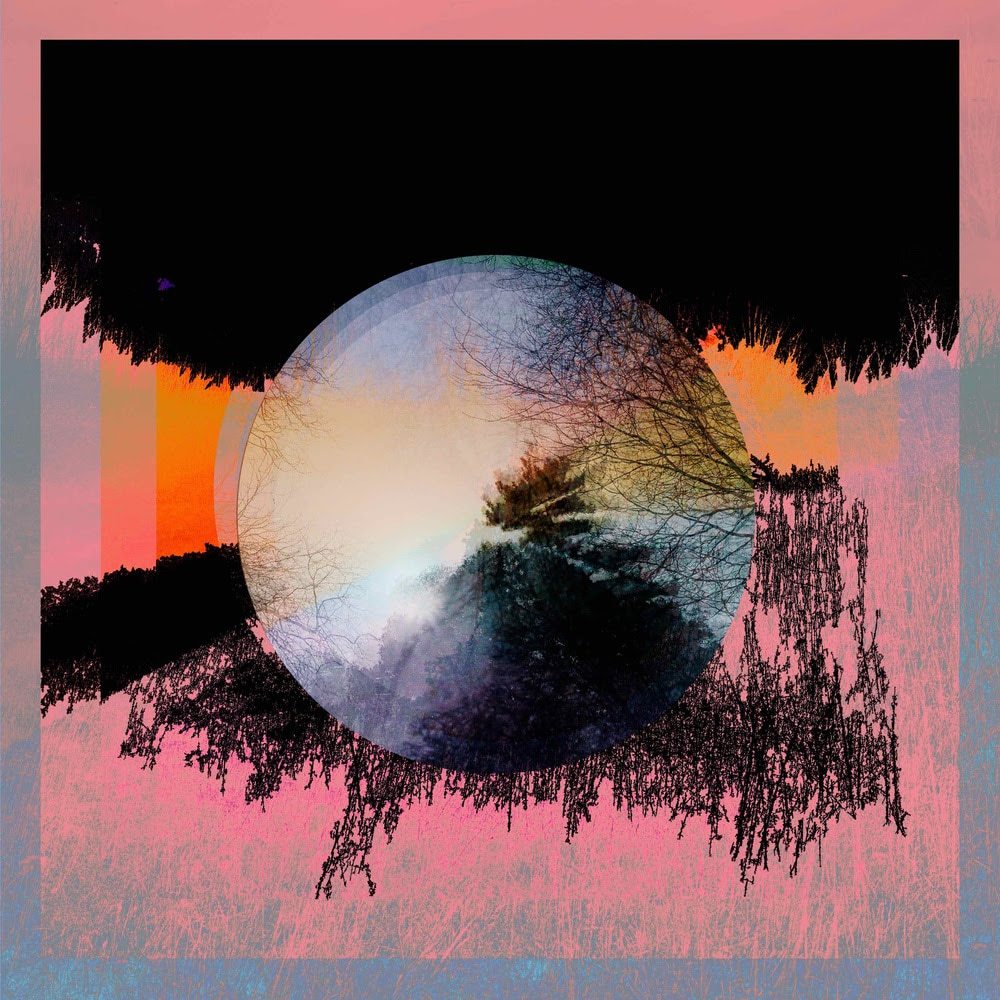
Nduduzo Makhathini releases a remix with FKA MASH, ‘Re-Amathambo’

Two of South Africa’s dynamic musical innovators, Jazz virtuoso, Nduduzo Makhathini and electronic pioneer, FKA MASH, have joined forces to unveil a reimagined version of “Re-Amathambo”. This remix is another example of how the worlds of jazz and electronic music can co-exist – while breathing new life into Makhathini’s deeply spiritual composition through FKA MASH’s signature afro house sound.

The song “Re-Amathambo” originally comes from Nduduzo Makhathini’s celebrated body of work “In The Spirit Of Ntu” which features an amazing vocalist Anna Widauer. The song is steeped in rich African heritage and layered with profound storytelling. Now, with FKA MASH’s eclectic touch, the track takes on a new pulse, bringing the textures of the original to a new bed of afro house rhythm.

FKA MASH, known for his ability to craft deeply emotive electronic productions, has previously collaborated with global icons and performed on some of the world’s biggest stages. His interpretation of Re-Amathambo pays homage to Makhathini’s spiritual essence while infusing the track with a rhythm that is bound to move dance floors across the globe.

 

Speaking on the collaboration, Makhathini shares: “The piece has had many lives, revealing the different truths about being in the world. It is fundamentally, a divination song that looks into disruption, the broken parts of our being (individually or even as a society) and seeks to harmonize towards healing. The song brings to focus ancient African technologies and their relevance in ‘modern’ times. I have been blessed to work with a friend and big brother of mine Black Coffee, he is the one that has introduced me to the dance music scene, the music convergences between this music and jazz, and essentially, to the great community of young producers. He first introduced me to Da Capo which resulted to the remix of ‘King Fela’ (also known as ‘Yehla Moya’) and now to FKA MASH. In both cases, he shared separate files to these producers, then returned to me to re-perform my piano parts. Again, the first time I was involved in a similar musical intersection was in Music is King (2018). I believe that there is an urgency to blur the lines between genres in order to realize new musical possibilities. From an improvisors standpoint, I require unfamiliar sonic territories to truly exercise my intuition and improvise in a true manner”.

FKA MASH adds: “This was a huge task. It’s been an honour and a beautiful experience to be trusted with this project. I appreciate the patience, support, and teachings of uNduduzo throughout this process. It makes me happy to finally share this with the world”.


Listen to “Re-Amathambo” here


Press release courtesy of Sheila Afari PR

MAJOR LEAGUE DJZ RELEASE A NEW SINGLE ‘COME WITH ME’ FT. JORJA SMITH

Pioneering South African duo Major League DJz release their latest single, Come With Me, featuring UK sensation Jorja Smith. Out now, the track marks their first official foray into electronic music—a carefully crafted evolution that’s been four years in the making.

As global ambassadors of amapiano, Major League DJz have long been at the forefront of shaping and expanding the genre. Their latest single Come With Meis a natural progression; blending their signature log drum rhythms with the pulse of house and Afro-electronic sounds.

“‘Come With Me’ is a record we started working on 4 years ago,” Major League DJz explain. “We knew we wanted to step into the electronic space in a way that still felt authentic to who we are, and this track was the perfect balance. We’ve also been wanting to work with Jorja on an original track for a while and now the timing feels perfect.” They shared, speaking of the track.

Beyond ‘Come With Me,’ Major League DJz continue their mission to amplify African dance music on a global scale. With an array of star collaborators including Major Lazer, Tion Wayne, and Calvin Harris, their ambition is clear: to push boundaries, break barriers, and evolve the sound of African electronic music.


Listen to ‘Come With Me’ Here


Press Release courtesy of Sheila Afari PR

Kerrier Collective and wolf peaches release ‘Rotten Fingers’ EP

Created in partnership with Sheffield songwriter wolf peaches, Cornwall’s Kerrier Collective return to Colour and Pitch with two brand new tracks: ‘Rotten Fingers’ and ‘Fake Silence’.

Slo-mo Deep House cut ‘Rotten Fingers’ was originally released by wolf peaches and producer Robin Grey as a downtempo song. As Ben Tidy puts it: “A real Sunday morning jam with great production from Robin.” After a chance meeting with Robin, Kerrier Collective got to work on the song bringing in regular collaborator Polly Meyrick on horns. “We wanted to make the Saturday night version of this Sunday morning Jam, so sped it up to a slow house tempo and got groovin’ with the drums. We were listening to a lot of Omar S’s slow crunky techno with 909 basslines and Nils Frahm’s subtle drops, and it seems we have paid homage to both of them in this track. This last section is really where Kerrier Collective and wolf peaches merge into one with Alfie’s strings, Polly’s horns and Ben’s synths sitting atop the vocals and chords. This was a real joy to work on. I hope you can feel how much we got into the track.”

Second track ‘Fake Silence’ takes a more delicate and minimal path, with lo-fi drums, heavy sub bass and ice-cold piano chords giving way to vocals and plucked violin and concertina flourishes. “When we received the vocals back from wolf peaches for what would become ‘Fake Silence,’ there were three long takes of ideas” says Ben. “So many good ideas, and lots of them. We treated the takes like you would sample material, taking a bit from here and a bit from there, editing together a new chorus and some ideas for a verse. Little did I know that I was whittling together a chorus subconsciously which was describing exactly what was going on in one of my relationships at the time.” “The yearning for authentic expression and mindful presence in wolf peaches’ vocals are themes which resonate strongly with all three of us” says Alfie. “So here we are, exploring the shortfall between language and emotions, as we probably all will, if we stop and listen.”


Listen to ‘Rotten Fingers’ here 

Press release courtesy of Only Good Stuff

Our Favourite Health & Wellness Picks From Takealot.com

Last month, we did a round up of our favourite Takealot Cult Classics – you loved it so much, we decided to bring you more. 

There’s a certain joy in finding a self-care product that delivers exactly what it promises—something that enhances your routine and actually feels like a daily pleasurable indulgence rather than a chore. Whether it’s a hydration boost, a gut-health fix, a skincare essential or a book that can transform the way you think; the right pick can be the catalyst to achieving your personal wellness goals for body, mind and more. 


Not long ago, getting your hands on broad-spectrum wellness gems often meant scouring international retailers or dealing with long shipping times, or heading to obscure health stores in far-flung places. Now, Takealot is making it easier than ever to access some of the best self-care products without the wait. We’ve put together a list of our thirteen must-haves in the health and wellness segment that are available right now—ones we think deserve a spot in your routine, on your journey to be your very best self. 

Gloot’s Protein Water

In recent years, protein has become the undisputed star of the wellness zeitgeist, celebrated both as the key to muscle gains and as a solution to strength and vitality in our continued understanding of women’s health. Reaching your protein goals is absolutely essential for every cell in the body, supporting muscle repair, hormone production, and overall metabolic function— and now, there are multiple ways to make those gains beyond our idea of a heavy, steak dinner. A game-changer in functional hydration, Gloot’s Protein Water in Tropical Crush flavour is a refreshing, easy-to-digest source of protein. Unlike traditional shakes, which can feel heavy, this ultra-light, fruit-infused water delivers 15g of protein per bottle without added sugars or artificial nasties. Whether post-workout, mid-afternoon, or as a recovery boost, it supports muscle repair and keeps you energised without bloating. Hydration and protein in one? Perfect. 

The Harvest Table Multi Collagen Powder

Collagen is the scaffolding of our skin, joints, and gut health— and by the time we turn 25, our skin begins to lose its natural collagen stores, leading to reduced elasticity and firmness. We know, it’s scary babes, but fear not. We live during a time in which it’s easier than ever to combat the onset of our biological clocks. Cue, The Harvest Table’s Multi Collagen Powder that combines Type I, II, and III collagen peptides to maximise bioavailability and benefits (the different types just mean they target various tissues—Type I for skin and hair, Type II for joints, and Type III for gut and connective tissue support). This powerhouse blend promotes skin elasticity, joint mobility, and stronger hair and nails. Tasteless and easy to mix into coffee, smoothies, or soup, it’s a non-negotiable way to future-proof your body from the inside out.

All imagery courtesy of Takealot.com

Breaking the Habit of Being Yourself: How to Lose Your Mind and Create a New One

Self-help books are out, and self-rewiring manuals are IN. If you’ve ever wanted to meditate your way into a new frame of mind — Dr Joe Dispenza is your man. Dispenza’s seminal book, Breaking the Habit of Being Yourself, blends neuroscience, quantum physics, and meditation techniques to help you break free from limiting thought patterns or those that perpetuate negative thinking. If you’ve ever felt stuck in cycles of self-doubt and unhealthy thought patterns, this book offers practical tools to reshape your mindset, making it a must-have in any self-care arsenal. It truly does show you how to re-wire your thinking for a more positive outlook which can only be good for us.  We’re over self-limiting beliefs and as some might say, you are what you think. The appeal of Dr Joe Dispenza is that he treats meditation less like a spiritual escape and more like a daily mental workout. No fluff, just focus.

Wazoogles Superfood Protein Blend

Wazoogles is the gold standard of superfood protein powders. Packed with organic plant-based protein, adaptogens, and nutrient-dense superfoods like maca, lucuma, and chia seeds, it’s designed to nourish on a cellular level, and it’s made even better by its rich, indulgent flavours that transform smoothies into nutrient-packed treats. Unlike conventional protein powders that focus solely on protein content, Wazoogles Superfood Protein Blend provides a full spectrum of nutrients that support energy, digestion, and hormone balance. Plus, its whole-food ingredients mean better absorption and no synthetic additives—just pure, functional nutrition. 

Stainless Steel Gua Sha

A centuries-old beauty ritual turned modern essential, the Gua Sha tool lifts, depuffs, and sculpts the face while improving circulation and lymphatic drainage. Rooted in Traditional Chinese Medicine, gua sha (meaning ‘scraping sand’) was originally used to promote healing by increasing blood flow and releasing stagnant energy, or ‘chi.’ Whether used with facial oil or serum, it relieves tension, boosts glow, and enhances product absorption. While traditionally crafted from jade or rose quartz, stainless steel finds itself as a leading material for Gua Sha design in the new age; as its naturally antibacterial, ultra-durable, and non-porous, while staying cool and glides effortlessly for deeper, more effective sculpting. A five-minute ritual that transforms dull, tired skin into sculpted radiance? Yes, please.

Olio’s Body Brush 

Babes, are you dry-brushing? Dry brushing is an ancient wellness practice that involves using a firm-bristled brush on dry skin in upward strokes to promote detoxification and renewal. By encouraging lymphatic flow, it helps flush out toxins, reduces puffiness, and supports overall skin health. Regular use can improve skin texture and unclog pores, and even enhance the body’s natural ability to shed dead skin cells. The Olio Body Brush stimulates lymphatic drainage, boosts circulation, and gently exfoliates, leaving skin ultra-soft while reducing the appearance of cellulite. This is a must-do pre-shower ritual that wakes up both your body and mind; remember, your body is an intricate system that requires movement and flow in order to function optimally.

Olio’s Tongue Scraper 

Oral health can often be overlooked in self-care, especially the varying ways to practise it. As part of an age-old practice rooted in Ayurvedic tradition, tongue scraping is a simple yet powerful tool to support gut health and oral health, by reducing toxins that build up overnight. By clearing away the bacteria and debris that accumulate on the tongue, tongue scraping helps prevent harmful microbes from being swallowed and disrupting the gut microbiome. Olio’s stainless-steel tongue scraper is a daily essential, and removes said bacteria, improves breath, and enhances taste perception, with effortless perfection. A cleaner tongue means a healthier digestive system; literally though, oral bacteria play a key role in everything from inflammation to nutrient absorption. 

Le Live hydration spray

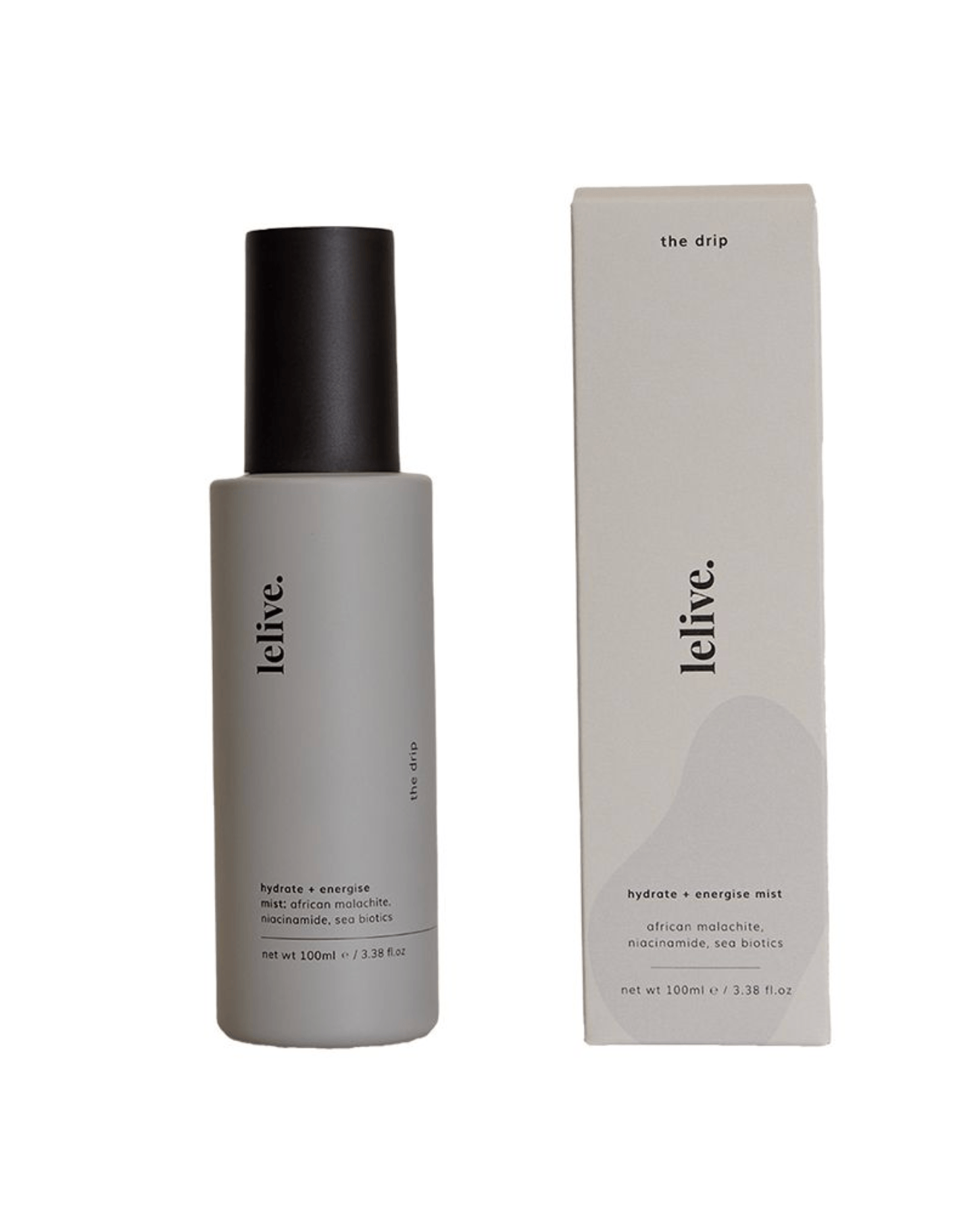
A mist of instant freshness, South Africa’s fave, Le Live, has a Hydration Spray that is skin-quenching, antioxidant-rich spritz that revives and soothes. Whether used post-cleanse, over makeup, or after sun exposure, it restores moisture levels and calms inflammation in your skin. The size is a travel-friendly essential and as we head into winter; we definitely want to maintain that dewy, healthy skin all season long.

Avene Eye Cream

Our delicate under-eyes need extra care, and Avene’s Eye Cream truly delivers. As the skin around the eyes is thinner and more sensitive, it requires targeted products that address its unique needs for hydration and protection. Infused with thermal spring water, Avene’s Eye Cream hydrates, soothes puffiness, and reduces fine lines. Its gentle formulation is perfect for sensitive skin, offering an instant refresh while protecting against environmental stressors. With consistent use, it helps strengthen the skin barrier, leaving the under-eye area smoother, brighter, and more resilient. 

Kiko Vitals ‘Heal Your Gut Duo’

A healthy gut is the foundation of overall wellness, and Kiko Vitals’ ‘Heal Your Gut Duo’ is designed to restore balance from the inside out. This proudly South African brand offers a two-step system which includes a high-quality probiotic to repopulate beneficial gut bacteria, and a potent gut cleanser that removes toxins and supports digestion. Whether you struggle with bloating, sluggish digestion, or skin flare-ups, this duo works synergistically to promote better gut function, boost immunity and enhance nutrient absorption. Given the gut’s profound link to mental health, skin clarity, and energy levels, this is a must-have for anyone looking to optimise their well-being. And to all our gals, good gut health is particularly essential for hormonal balance. 

Clarins Lip Comfort Oil

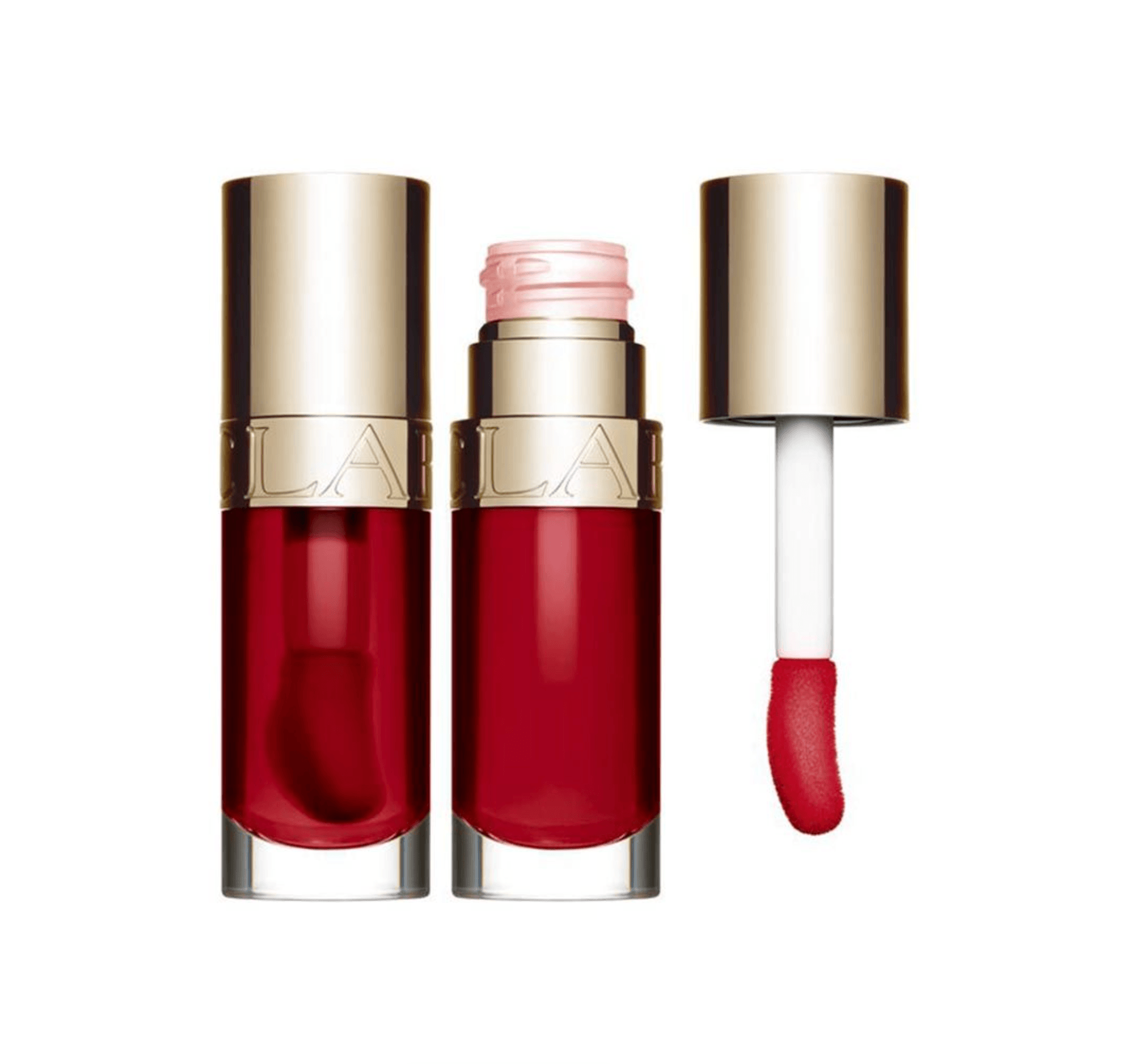
Clarins Lip Comfort Oil is a skincare treatment disguised as a beauty product. Infused with nourishing plant oils like organic jojoba, hazelnut, and rosehip, it deeply conditions while adding a subtle sheen to your lips. Unlike traditional glosses, it’s non-sticky, lightweight, and is intended to improve the health of your lips over time. Whether you wear it alone for a naturally plump look or as a topper over lipstick, this oil is sure to keep your lips deeply hydrated and oh so gorge.  

Dr Paw Paw Original Palm

A true multi-tasking essential, Dr Paw Paw Original Balm is one of those products that belongs in every bag. Made with papaya fruit extract, aloe vera, and castor oil, this fragrance-free formula has the range to hydrate, and heal everything from dry skin, to chapped lips, and even rough cuticles. It can even double as a glossy highlighter, a brow tamer, or an emergency hand cream. It’s giving range, darling. The beauty of this balm lies in its simplicity—just one tube does it all, making it a go-to for low-maintenance, effective self-care.

Pure Beginnings Activated Charcoal Toothpaste

For a naturally brighter smile without harsh chemicals, Pure Beginnings Activated Charcoal Toothpaste is a standout. Activated charcoal has come out as our greatest natural ally in teeth whitening; gently polishing away stains and plaque-build up in one fell swoop. Pure Beginning’s version is infused with xylitol and organic aloe that soothe gums and balance oral pH, and it’s free from fluoride, artificial sweeteners, and SLS. This is a clean, non-toxic choice for those prioritising both oral health and overall well-being; and don’t worry, that minty taste is still very much present, for the ultimate, fresh pearly-white feeling. 

Written by: Holly Beaton

For more news, visit the Connect Everything Collective homepage www.ceconline.co.za

Cheatcodes for the Cost of Living (Crisis)

Do you ever feel like, if you don’t go out for a R400 lunch at a second-best friend’s acquaintance’s luncheon, you’ll face a slow social death? Have you ever been brought close to tears by a free parking bay, only to realise that you’re about to get cut off by a shitty driver? What about that matcha latte you’re sipping on? Did you pay R10 extra for oat milk that is predominantly seed oil? If you answered yes to some of the above questions, then we bid you a happy welcome to adulthood, welcome to city life in the midst of a cost of living crisis! 

This is a game that is neither cheap nor easy, but should you win a few rounds, you could get your hands on some big rewards. These may include: Student loan debt relief, a downpayment for a house, or a big big promotion. 

Obstacle levels and challenges include 1) Filling up your petrol tank before the midnight increase 2) Saying no to the pop-up opening scheduled 2 days before payday 3) Making it home with your wallet, keys and dignity intact. Bonus points if you can hide your cat in your apartment block without losing your deposit. Living in one of South Africa’s cities is a game in and of itself.

All imagery courtesy of Pexels

Step 1: Pick Your Fighter

Before you enter the challenge, I implore you to gain a keen understanding of your character, this is a must when the stakes are high. In this case, consider that the stakes are your shelter, your social life, stability, and emotional and physical well-being. So, it’s better to decipher your financial archetype and its origin story early on. According to Vangile Makwakwa, author of What’s Your Money Personality, depending on who you are and who raised you, you will be one of five archetypes. Think of this like your character arc. At your worst, it’s a villain origin story. At your best, it’s the start of the Hero’s Journey. 


  • The Sweet One wants to spoil the people around them. Their treat-yourself mentality is infectious and generous. They know their friends and family are broke, so they splurge for the casual hang.

Strengths: Pleases people

Weaknesses: People-pleaser  


  • The Destroyer lives in fight mode. They’re confrontational and combative, and don’t mind moving in their own direction even when it’s uncomfortable. They’re capable of losing and building several fortunes in a lifetime, knowing that half their salary will be spent in the first 5 days of the month anyway.  

Strengths: Resilient

Weaknesses: Combative


  • The Fixer is crafty, logical and money-conscious. They know what to do and which savings account to draw from in crisis. Their Excel spreadsheets are impressive, and they stand to have a budding career as a CEO. At home, they’re loved by parents and envied by siblings. 

Strengths: Altruistic

Weaknesses: Controlling


  • The Runaway believes that a gut feeling is the same as a budget. When the numbers don’t add up, they turn on flight mode to avoid the drama, claiming that the energy is ‘toxic’. 

Strengths: Independent

Weaknesses: Avoidant 


  • The Eternal Child says I’m Baby and means it. Their Peter Pan psychology struggles to reckon with responsibility. They may seem like fun, but honestly, they have no idea if they’re tax-compliant. 

Strengths: Youthful  

Weaknesses: Useless


Step 2: The Name of the Game 


Fortunately, like in every game, each player has an opportunity to level up. Makwakwa argues that if we can address our wounds then we can begin to heal our psyche, changing the way we process information and respond to external events and crises. To unlearn the bad money habits we picked up from our upbringing, the sweet one must address fears of setting boundaries, the fixer’s fear of losing control, or the eternal child’s fear of taking responsibility. Her approach reminds us that assigning personal responsibility can help us regain agency. But, as compelling as it is to look inward, one must also remember that external obstacles still exist to throw us off course. In a cost of living crisis, where prices rise and VAT increases but minimum wage stays low and social relief only increases incrementally, the foundations upon which we build our lives are at odds with themselves. 

All over the world, industry is impacted by layoffs, labour is displaced by technology, public-interest R&D is halted in the face of fickle politics and grant remits. Globalism introduces new competition, and only the biggest survive. Native businesses struggle against the Temus and Sheins, proving that a squeaky clean record means little in comparison to cheap prices and quick delivery. All of this only to leave work and, on your way home, be reminded of an ongoing housing crisis that fills the streets of one of the ‘world’s best cities’. In that same city, landmarked neighbourhoods, iconic in the country’s social fabric, are at risk of erasure in favour of new duplexes and complexes developed for the digital nomads who spike rental prices and slowly push out the country’s middle class. In the face of such immense obstacles, advanced gameplay seems futile. And yet, we still tell ourselves that budgeting better, put savings away, and joining the 5 am club will fix things. 

But even then, city centres tend to trigger our worst financial habits. Distractions compel us to overdo it, to escape into excess and entertainment. Whether you’re blowing all your coin at the club, or jumping between overburdened side hustles, the city brings out our most impulsive, hedonistic behaviour. The towering advertisements and tourist-oriented glamour of miso-marinated restaurants and sponsored parties lure you in like glitter pretending to be gold.

And for a short while, it will be beautifully fulfilling. But for all its delicious decadence, the reality of your credit statement is not easily avoidable. Part of the problem with cosmopolitan living is that it tricks you into believing you have access. But after rubbing shoulders with the 1%, the bill will remind you that you’re still a part of the 99. Yes, the door is wide open, but certain barriers will keep you from getting your foot in. 

The Cheatcode? 

Marx’s Economic determinism posits that culture, politics and society are fundamentally shaped by market forces. Newton was also a deterministic thinker, who said that rules govern outcomes. Systems can be understood, mastered and optimised. This thinking implies that if we control the variables, then success can follow. Understand the economic cycles, and you can forecast, model or predict a better outcome. But in an economy seemingly ruled by disorder, and a stochastic world where everything is in flux, the only solution seems to be reliance on uncertainty. This leaves us wondering whether we’re trapped in a game with no reward, or simply lost in a side quest. 

On the one hand, we are compelled to believe that we have agency, that we exist during a time when anything is possible and opportunity is infinite – that we can pull ourselves out from down and out if we really want to win. It’s more encouraging, and perhaps more productive, to believe that interpersonal change can supersede market determinants. But on the other hand, economic fluctuations leave many feeling powerless. Although, for now, the best we can do is come to terms with what we can control in uncertainty, maybe there’s also value in recognising that this rat race is a little rigged. Try as we might to fix things ourselves, sometimes the game is to blame. If that’s true, then perhaps it’s up to the “developers, the designers and the programmers” to start fixing broken code. Maybe only then will the cost of living become easier to cheat?


Written by Drew Haller

For more news, visit the Connect Everything Collective homepage www.ceconline.co.za

Follow CEC on Instagram

ART THEMES | THEME FOUR: OBJECTS

Our bi-monthly curated art review is back for its fourth iteration. This time, a specific light is cast on artful objects: sculpted, framed, photographed, composed and pasted to create a piece worthy of noticing – in a world where the act of ‘paying attention’ or ‘spending time’ seems increasingly competitive.

There’s no denying that art exists in various forms. Art is a word so malleable that it has been used to describe something as broad as life itself. From a grain of sand to the act of performing societal roles or simply the gesture of drinking morning coffee, out of necessity, we’ve created categories to describe life, art and the objects often representing the relationships between them. Objects and mannerisms alike, we’ve chosen the former, strictly not 2D visual art, to focus on in this interaction of Art Themes, our curated bi-monthly art review. 

In the words of Russel Tovey, he shares the importance of gathering artful objects, crafted and framed by a maker, placing them in context and appreciating them – as the magic of life. I really care about stuff. To others, this stuff may just be stuff, but to me this stuff is everything. For me, this is art. Be it filmed, photographed, molded or hand-built, drawn or painted, recorded or reappropriated, art in all of its forms and guises, is my world.”

This March, we explore the work of artists Hylton Nel, Josh Egesi, Indrajit Khambe, Mestre Didi and Usha Seejarim, as they draw from their cultural contexts around the world in mediums of photography, sculpture, ceramics, furniture and found objects.

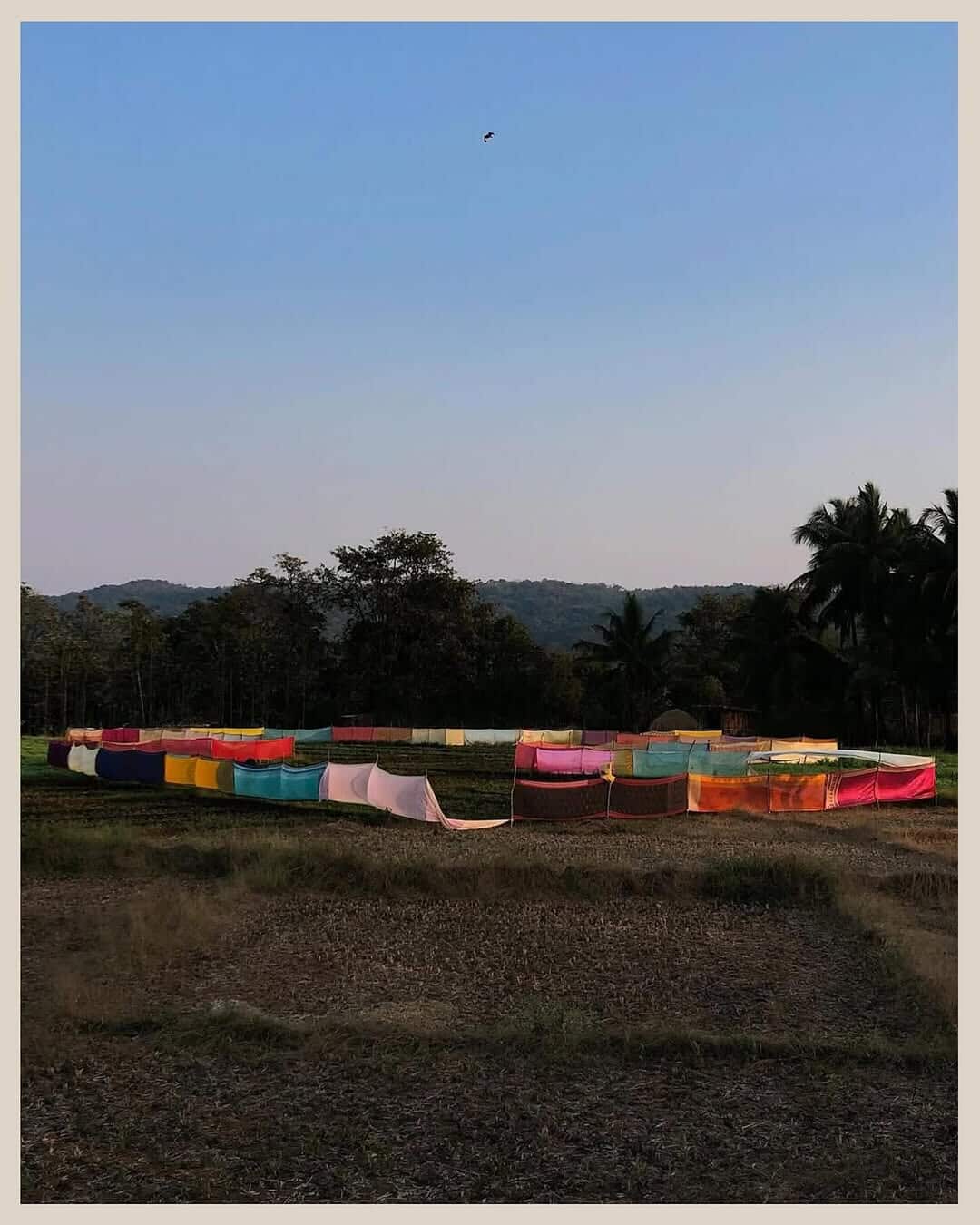
Photographic series by Indrajit Khambe (2025), photography courtesy of the artist

Indrajit Khambe: Photography

One could argue that photography is indeed a two-dimentional art form, however in the case of Indrajit Khambe, he uses the inspiration of traditional Indian saris as the object of symbolic significance. In rural India, these traditional Indian saris protect precious crops from grazing cattle. Khambe documents the old saris that create fences in his Maharashtrian hometown. In Ramgad, within the Sindhudurg district located off the Konkan coast, vibrant saris line the farmlands with their striking shades of reds and yellows, billowing in the breeze. Khambe has grown up and lived in this village all his life, and he believes his photographs document the lived realities of a community that is underrepresented. His artworks document the beauty in the rich history of the country – those who wore the saris and have passed them on to serve a broader role in the community.

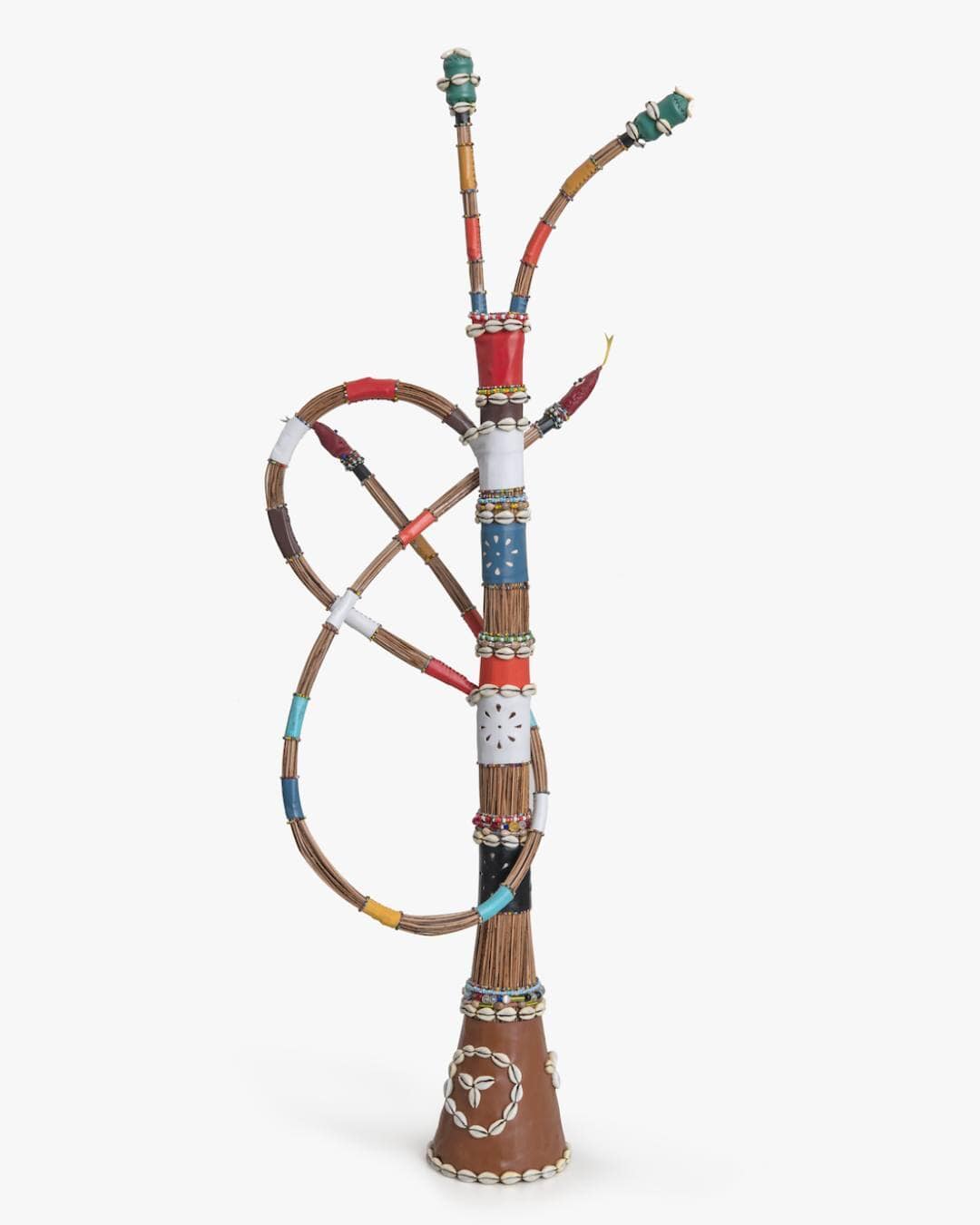
Mestre Didi, Mixed Medium Sculpture, imagery courtesy of Inaicyra Falcao, Photography by Martin Seck

Mestre Didi: Mixed Medium Sculpture 

Besides being a sculptor and writer and central figure in 20th century art, Mestre Didi was an important researcher and religious leader, and carried out work of great relevance to studies on sacred art linked to Afro-Brazilian religions. His entire body of work is linked to the Nagô universe, a people of Yoruba origin. His sculptures were made predominantly from organic materials such as wood, straw, bamboo cowrie shells and beads. These made reference to the traditional art and objects of the Yoruba people, as well as symbolic representations of entities from the cult of ancestors. Elements from the Yoruba visual culture, such as birds, snakes, spears, and flames, are reworked by Didi into pieces that evoke the ancestry of this religion. This artwork “IGI NILÉ ATI EJO ORI MEJI (Tree of Earth with Two-Headed Serpent)” is part of his exhibition “Spiritual Form”. He reimagined Candomblé ritual objects as artworks in their own right. It was for this community that he produced several liturgical objects, before his personal award-winning artistic career earned him renown in the mid-1960s, even if at the outset the Brazilian artistic community only accepted his work as decorative art.

Josh Egesi, Ayo Bench. Photography by Ian Cibic, captured at the Wallpaper24 exhibition at Triennale Milano, 2024.

Josh Egesi: Furniture 

This Lagos-based artist and industrial designer has created the ‘Ayo Bench‘ which transcends the definition of furniture to make research-driven art which engages with cultural preservation, technology and ecology. The bench itself is designed to encourage conversation, but also has a game carved into it. ‘Ayo’, also known as Ayo-Olopon, is a traditional Nigerian game, specifically played by the Yoruba people in southwestern Nigeria, and is a type of mancala game, requiring strategic thinking and numeracy skills. Egesi shares, “In today’s design landscape, the true essence of African design lies in its ability to communicate the soul of an object. It’s about creating pieces that resonate on a personal level, evoking emotions and telling stories.”

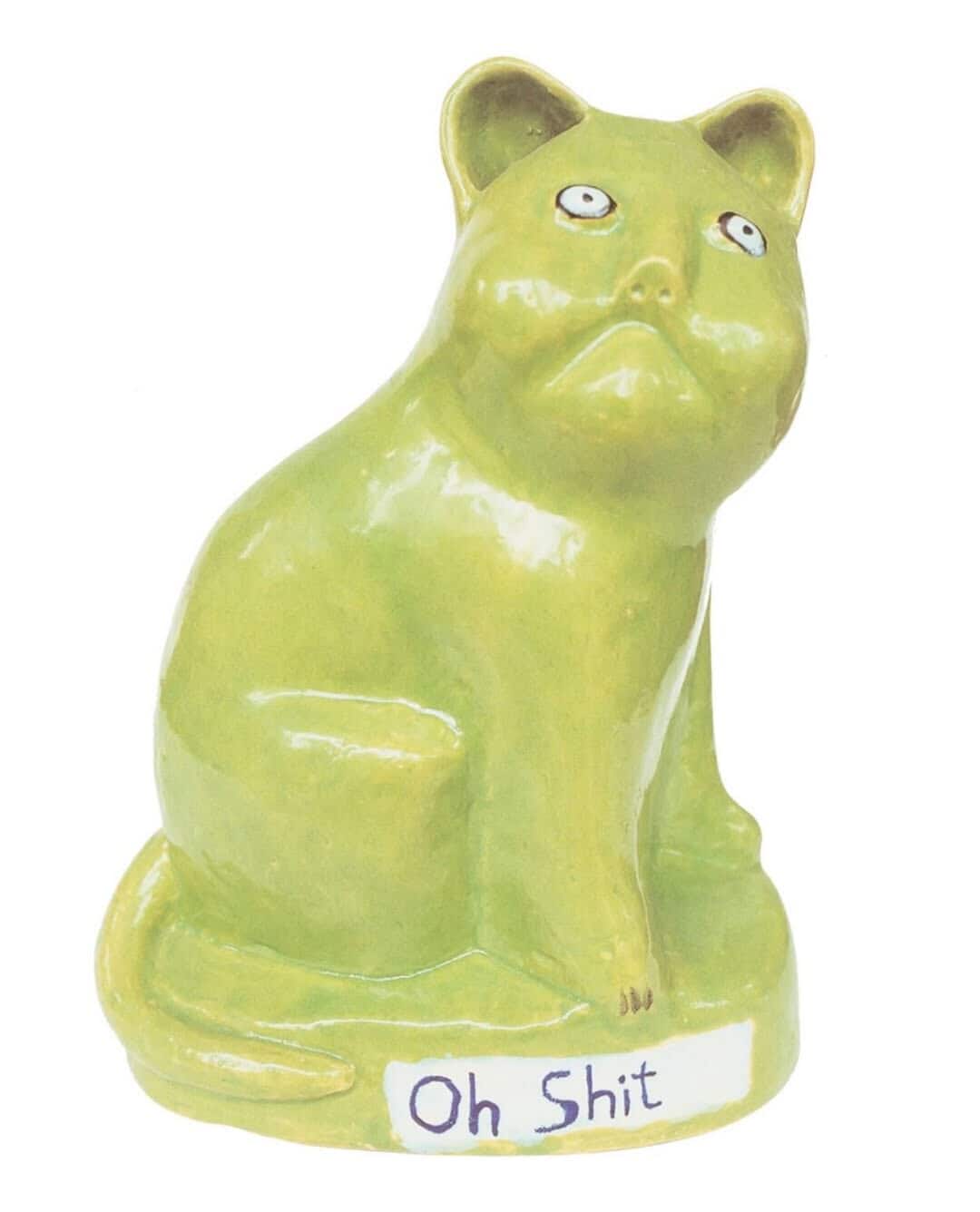
Hylton Nel, Glazed Ceramic Stoneware. Imagery courtesy of the artist.

Hylton Nel: Ceramics

The prolific South African ceramicist, Hylton Nel has created hundreds of vases, bowls, plates and sculptures since the 1960s, mostly out of his Karoo studio. Most recently, he collaborated with Dior for the exhibition-like runway for Paris Fashion Week, which showcases his expansive reach. For Nel, there is no colour, shape, glaze or decoration that is incidental or without significance. He sees the repetition inherent to his vessels as infinite prompts for variation, stating, ‘Most of what I make are plates. The same shape over and over, but like people each one is different.’ His work is both utilitarian and decorative, functional and aesthetic. His ceramic pieces encompass geopolitics, pets and sexuality, reflecting a contemporary life mediated through the long tradition of ceramics. One might overlook vases, plates and bowls, finding them purely functional or unconsciously allow them to blend into the pastiche of home decor. Nel has, however, found a way to echo his own experience and tell stories which infiltrate the normality of domestic ‘objects’ to be of far more significance to himself and the viewer.

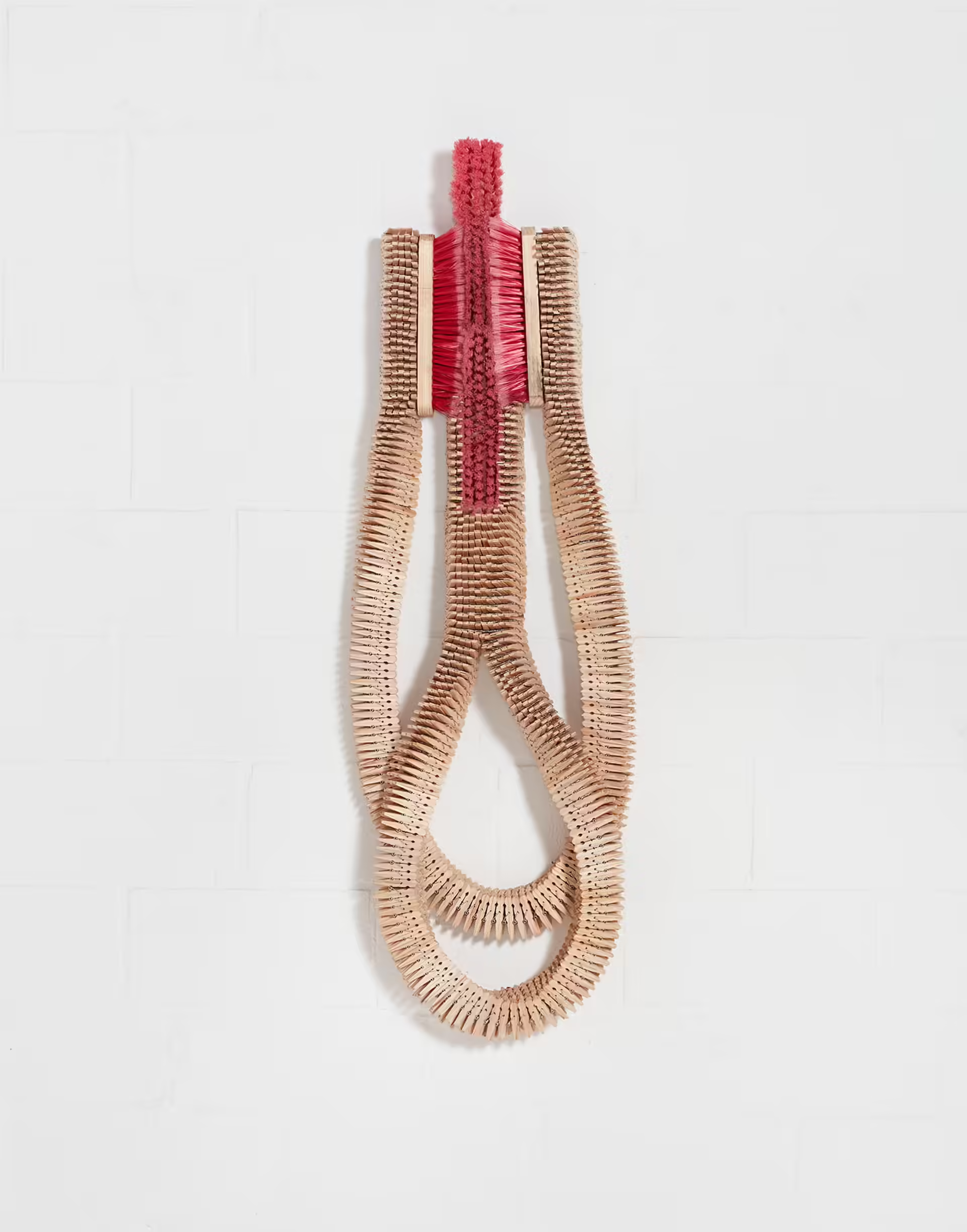
Usha Seejarim, Shy Yoni. Imagery courtesy of the artist.

Usha Seejarim: Domestic Objects

This Johannesburg-based artist explores the domestic space as a site of servitude, subversion and resilience through an intersectional lens. Functional objects found in the home, specifically the kitchen or scullery such as clothes pegs, ironing soleplates, brooms and serving trays – are repurposed and reframed to explore themes of oppression and agency in relation to gender, race and class. In the repetitive acts of assembling, Seejarim evokes the relentless, cyclical nature of domestic labour – traditionally gendered as women’s work. Through the use of these objects for art and commentary, contrasting from their original intended use, Seejarim explores a position of rebellion against the confines of womanhood and domesticity.


The abundance of expression and application of human creative skill and imagination is astounding, often overwhelming. From natural found objects paying homage to a long spiritual and religious tradition, to the use of everyday domestic objects to communicate a more contemporary subversion of gender roles, these artists have gathered common, recognisable items to make a comment and encourage one to look deeper. This is simply a microcosm, a curated sample-size of those artists around us trying to understand the difficult (and simple) questions we’re faced with in this life.  

Written by: Grace Crooks

For more news, visit the Connect Everything Collective homepage www.ceconline.co.za

An Ode To The Collective and The Craft: Inside The Legacy of Boyz N Buck$ Alumnus, uSanele

A revolving conversation I’ve had a tough time deliberating on is how the early 2010s up until the pandemic period of the 2020s was the golden era for South African Hip-Hop. The burgeoning influence stemming from the creatives of that time has paved the way for the new school to align themselves with commercial success, brand identity and a renewed parameter for self-expression. At the forefront of fashion, music, radio, television, and the cultural renaissance of the time was a collective called Boyz N Buck$, primarily comprised of OkMalumkoolkat, Scoop Makhathini, Bhubesi, the late Riky Rick, Stilo Magolide and our featured artist for this interview, uSanele.

Born, raised and educated in Durban, uSanele sees himself as a conduit, a vessel to bring out the best in those around him, and this was primarily the reason why he decided to become a musician (among his vast forms of creative expression, which include graphic and fashion design). Having built a solid foundation in the creative scene via his brother Zamani, who would later form Dirty Paraffin With OkMalumkoolkat, uSanele had little to no idea of the significant impact being at the right place at the right time would have on him.

Experimental, daring, anti-establishment, much like their influence, Skwatta Kamp would define the early years of Sanele’s career as a member of Boyz N Bucks who shook the core of mainstream culture with posse cuts like “mswenkofontein” and “COMBO”, to name a few. uSanele was able to continue this spirit of innovation with his venture into being a solo act still in hopes of inspiring and influencing the next generation of artists who will forge their own path into culture.

Viewing the process of creating music as spiritual and reflective of his personal healing, Sanele shares: “I’m particularly drawn to African spirituality and the power of language—noting how in my culture, ‘iSangoma’ (healer) and ‘ingoma’ (music) share linguistic roots, highlighting music’s healing purpose”. His latest offering “USANELEUYIGHOST“, an amalgamation of his previous efforts “Gangular” and “Mvelase”, continues the cultural essence of paying it forward and respecting the craft in a digital age where artists often have to compromise for clout. 

With standout singles like “CNR. JUTA” and the title track of the album, we experience a well-curated tropical sound that is brewed with authenticity, suave, depth, narrative, craftsmanship and perspective of a creative who is not worried about appealing to a younger audience playing industry politics but calmly embracing his position in life and OG status in the industry. Our candid conversation unpacks his humble beginnings, the discourse of his catalogue and the essence of community. 

Images courtesy of Sanele Xolo

Take me back to the beginning. How did growing up in Durban influence your decision to become a creative?

uSanele:I was born, raised, and educated in Durban. My biggest creative influence was my brother Zamani, who formed Dirty Paraffin with OkMalumkoolkat. From a young age, he influenced my creativity—he excelled at drawing, initially studied mechanical engineering, then switched to graphic design around ’98. This introduced me to design programs and Apple machines, completely transforming my perspective.

Though my brother was into music, I wasn’t initially interested. He disapproved of my pop music choices and introduced me to Hip-Hop. I later became involved with the BAT Centre’s creative scene in Durban, starting as a breakdancer with no musical ambitions. My exposure to Star Wars and American Hip-Hop documentaries sparked my interest in Hip-Hop culture, which led me from dancing to becoming a backpack rapper and battle rapper.

Moving to Johannesburg to pursue a creative career opened my eyes to much bigger possibilities. I arrived fresh from Vega and joined Petro with Jack Gorton (Phat Jack), importing vinyl designer toys and participating in sneaker culture. Working with AmaKip-Kip was significant, and I should credit Scoop Makhathini—my high school senior from Durban, who I reconnected with in Johannesburg, where he worked at YFM and Street Journal.

I also reconnected with Smiso (OkMalumkoolkat), whom I met at Vega. I encouraged him to move to Johannesburg, believing our work could gain more traction there. After showing him around, we met MK Fresh (working at YFM), who was friends with Scoop and Nkosana from AmaKip-Kip.

When OkMalumkoolkat relocated to Johannesburg, he and my brother started Dirty Paraffin. We had previously created another music collective called Zulu on my Stereo, but I couldn’t commit to it due to work. Through Dirty Paraffin, we met Bhubesi, who was doing interesting work.

Coming from Durban’s diverse background, I initially rapped in English, influenced by American Hip-Hop. OkMalumkoolkat, originally a dancer, challenged the B-Boy scene and later encouraged me to rap in my mother tongue, IsiZulu. Though intimidated by pure IsiZulu rap, his encouragement helped me develop my style.

Bhubesi’s approach to Hip-Hop/Kwaito fascinated us. While I was working at Nike designing shoes, we collaborated on music, and Scoop (who was on Vuzu) coined the term “Boyz N Buck$.” We continued working together and met the late Riky Rick and Choc (Stilo Magolide) through Cream Cartel.

In my professional career and music, I was at the epicentre of progressive culture. We established our collective as an underground, anti-establishment creative group rather than a boy band, drawing inspiration from groups like Skwatta Kamp without aspiring to mainstream success or record deals. The rest is history!”

Your catalogue has a distinctly tropical sound, with the exception of the experimentation with Indie Nguni, Gqom and Mature Trap, to name a few. How do you determine which sonic direction personifies each project?

uSanele: “To be honest, I’ve never approached my music with intentionality—except for my most recent album “USANELEIGHOST.” My earlier projects were pure experimentation, reflecting where I was then and the influences around me.

Ironically, I never saw myself as a solo artist. I made music primarily to inspire my friends because I saw potential in them. They would encourage me by saying, “You’re good at this; you should do this,” but pursuing a solo career wasn’t my plan, even though that’s what I was doing in Durban. When I came to Johannesburg, I was overwhelmed by the scale of the scene. My real passion was design—fashion and sneaker culture—and music emerged through proximity and experimentation with everyone in our collective.

My perspective expanded through exposure to different studio sessions with other artists. It was eye-opening compared to my bedroom studio experiences. My approach to music became similar to my design process—looking at references for inspiration, taking elements I liked from various sources, and combining them into something unique.

It’s always been about experimentation for me. “USANELEUYIGHOST” represents my near-final form because it reflects what I learned from my previous two projects—what people responded to and what actually worked when I took it in certain directions. I took successful elements from each project and asked myself what fresh perspective I could bring.

My music has evolved and combines my first two projects with my current life circumstances. I believe art imitates life—to tell a story, you must draw from lived experiences.


One of the standout moments from the album was the lead single, CNR. JUTA, where the visuals were very fashion-forward, street and immersed in urban culture. How did you go about the styling element and conceptualisation of those visuals?

uSanele: “I’m fortunate to live in Cape Town, surrounded by young and talented creatives. Lethabo Motlatle (@styledbylthiiz) was my stylist for the video, and Mvjor Plvg Christian served as the director and shooter. It was more about them taking my vision and interpreting it their way. Other creatives like Wes (@wes_thesis), Simba (@simba.raws), and several others whom I can’t name right now were also deeply involved in the creative process, rather than everything coming solely from me.”

There’s an interesting point on “iJampile” about the notion of OGs not knowing when to leave. Are you of the opinion that the music industry is a young man’s sport and artists can reinvent themselves as they age?

uSanele: “Absolutely, it’s definitely a young man’s sport. There’s never a right time to leave, but leaving isn’t necessarily about exiting the game completely—it’s about recognising you’re no longer at the forefront of defining what’s cool. You can remain stylish and influential for a long time, but you won’t always determine what’s next because younger creatives will build on your foundation. I’m not claiming that groups like the Qwellers or Broke Boys directly took inspiration from us, but we might have been an example for them, just as Skwatta Kamp showed us how friends could collaborate creatively.”


Watch “CNR. JUTA” here

Images courtesy of Sanele Xolo

Thank you for joining us for this interview; before you leave, please let us know your plans? What does 2025 and beyond look like for uSanele?

uSanele: “That’s a tough one because I’m constantly toying with the idea of not releasing music. But as a creative individual, I won’t stop making it. I was conversing with my son recently, and I will put out more music because of him. He’s 16 and has started making music himself. During our conversation, he shared with me the depth of impact I’ve had, and to be made aware that my music was connecting with such a young audience was encouraging. It means there’s still a need to do that work.

I’ve got music in the vault, and while I can’t say I will put out an entire project this year, I plan to release more songs. Right now, I’m focused on mentoring my son and helping him navigate the creative space.”


Written by Cedric Dladla


For more news, visit the Connect Everything Collective homepage www.ceconline.co.za

Follow CEC on Instagram

Ecstatic Exit: Reimagining Sci-Fi Through Movement and Intimacy

‘Ecstatic Exit’ offers a radical alternative to the Sci-Fi-genre’s saturation of metal and gadgets— where intimacy is the most powerful technology and connection is the ultimate form of escape. Directed by Johannesburg-based filmmaker and media artist Hallie Haller, the sci-fi dance film presents a vision of interplanetary travel that is deeply embodied, emotional, and tactile.

The narrative arc of ‘Ecstatic Exit’ follows two travelers, lost across dimensions, who must find each other to escape the world of their hunters. This is not a journey through space as we know it—rather than warping across galaxies in engineered vessels, the film suggests that true travel is an inward process: movement, intuition, and touch become the tools for transcendence.

For Haller, this project marks a significant step in realising their voice within the science fiction genre. “I want to explore alternate ways of being through cinema,” they explain. “This film urges us to consider realities beyond the tropes of wartime machinery and hardware.” Instead of the cold sterility often associated with sci-fi, ‘Ecstatic Exit’ is warm, bodily, and deeply sensory, questioning how human connection itself might be a technology of the future.

As a filmmaker, Haller’s work exists at the intersection of body, machine, and nature. Their background includes an impressive array of projects in participatory and co-created cinema, alongside contributions to initiatives like GirlsInFilm South Africa and Electric South’s New Dimensions VR Lab. Their artistic ethos is evident in ‘Ecstatic Exit’, a film that challenges the genre’s norms and offers a compelling new visual language for speculative storytelling.

From a production standpoint, ‘Ecstatic Exit’ is a feat of multidisciplinary collaboration. Featuring movement direction by Phoenix Chase-Meares, cinematography by Reezo Hassan, and an evocative score by Concrete Savanna, Pressure Cooker, and composers James Matthes & Keith Kavayi, the film embodies a seamless fusion of dance, sound, and visual storytelling. The meticulous color work by CHEAT’s Mara Ciorbă and visual effects from Chocolate Tribe further amplify its ethereal aesthetic, making for a film that is as visually striking as it is conceptually profound.

With ‘Ecstatic Exit’, Hallie Haller expands the possibilities of sci-fi, pushing the genre beyond its mechanical confines and into the realm of the intimate and the sensorial. In a world where technology often alienates, this film proposes a future where connection—both to ourselves and to one another—is the key to transcendence.


Starring Phoenix Chase-Meares and Mukovhe Monyai

Writer/ Director Hallie Haller

Movement Director Phoenix Chase-Meares

D.O.P. Reezo Hassan

1st AC Mark Honeyman

2nd AC Adrian Madikisa

Grip Tavis Hendry

Gaffer Kyle Brooks

Gear House Zootee Studios


Producer Hallie Haller

Production Manager Whitney Greyton

Locations Manager Fundi Shezi

Editor Jade de Jager

Sound Recordist Michaela Solomons

Title Design  Isabel Pereira


Colourist Mara Ciorbă

Colour Producer Dominic Strachan

Colour House: CHEAT


Sound Engineer Garrick Jones, AUDIO MILITIA

Soundtrack – Concrete Savanna

Sound Artist – Pressure Cooker

Composers – James Matthes & Keith Kavayi 

Publisher – Fat Mama Publishing


Visual Effects / Post Production: Chocolate Tribe

VFX Supervisor: Rob van den Bragt

Executive Producer: Nosipho Maketo – van den Bragt

Head of Production Rob van den Bragt

VFX Producer: Nikki Maistry

Chief Technical Officer / Technical Director Tiaan Franken

Lead Compositor:  Alistair Johnson

Compositors :  Kyle Sibanda

Johan Wentzel

Digital Matte Painting: Michael Howard

IT Support :  Aqeel Abba

Marketing Coordinator: Phenyo Manamela

Legal :  Nosipho Maketo – van den Bragt


AMANDA REIFER releases ‘RUDUMB?’ produced by Pharrell Williams

2x GRAMMY® Award-nominated artist Amanda Reifer delivers a new single entitled “RUDUMB?” produced by Pharrell Williams and co-written by Amanda Reifer and K. Lamar, out now via Title 9 / Atlantic Records. It notably marks her very first collaboration with Pharrell, and it lands as the third single from her anxiously awaited debut solo album, The Reifer Files, coming this Spring. The vibrant artwork was created by Korean contemporary artist ZiBEZI, best known for his iconic painting featured in the Oscar-winning film Parasite.

On “RUDUMB?” Amanda Reifer shares, “‘RUDUMB?’ is a song born out of frustration of being underestimated as a woman in the world; in career, in love, in business. Working in the studio with masters will really bring out parts of yourself that you’ve tucked away or have been shy to explore, and I’m so grateful to have been given the space and environment by these prolific men to create a record like this. When we wrote this record I really wanted to give voice to that part of being a woman that is often forced to be censored and made small for the comfort of others. Sharpening my pen in the studio with the lyrical master K. Lamar and having so much fun doing it really brought  me confidence in expressing that women are multifaceted and we should take up the space that we deserve. ‘You need me in the room for Feng shui!’ This song really taps into the audacious element of my album.”

The forthcoming project The Reifer Files traces a vibrant portrait of Amanda as not only an artist, but also as a creative, a lover, and a woman projected through an ever-evolving palette of musical moods, vibes, and storytelling.


Listen to ‘RUDUMB?’ here


Press release courtesy of Reliable PR

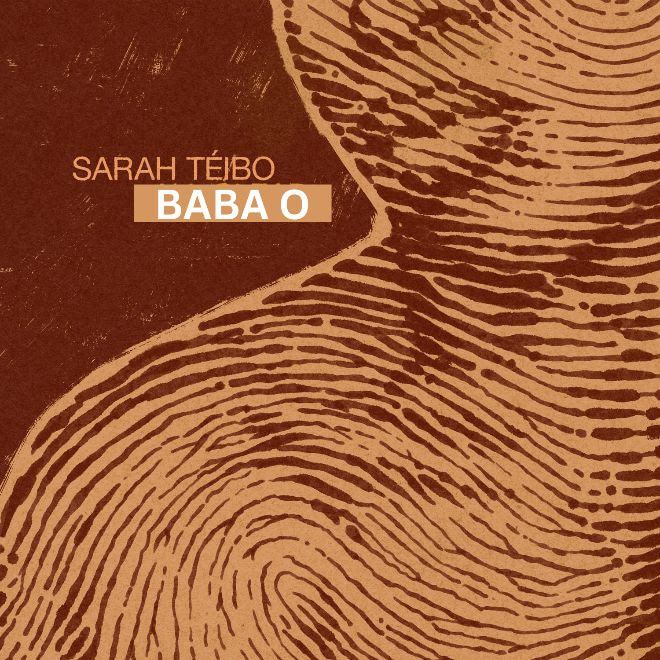
Sarah Téibo releases ‘Baba O’, a Celebration of Life

London-based, award-winning gospel artist Sarah Téibo is making a change in 2025 with the release of ‘Baba O’ (Afro House Remix), a fusion of African rhythms and soulful house beats. The track reinvents one of the standout songs from her latest EP, ‘Human Like Me’, injecting it with a fresh energy that is deeply spiritual.

An anthem of hope, ‘Baba O’ carries a universal message—no matter what we go through, we are never alone. Originally crafted as a soulful worship piece, this new remix, produced by Sigag Lauren, reimagines the song for the dancefloor, blending pulsating beats with Téibo’s signature warm, emotive vocals. 

“This remix is a joyful expression of life, love, and light,” shares Téibo. “I wanted to give ‘Baba O’ a new soundscape—one that makes people want to move, while still holding onto its original uplifting message. The fusion of Afro house, Afropop, and Afrosoul gives it a vibrant, electrifying feel.”

Known for breaking barriers in the gospel scene, Téibo has already made history as the first female independent gospel artist to top the Official UK Charts, with a catalogue that spans MOBO-nominated albums and Billboard-charting singles. With this latest release, she continues to evolve, showcasing her versatility and ability to inspire across genres.

‘Baba O’ (Afro House Remix) marks an exciting new chapter in Téibo’s career—one that keeps her firmly rooted in her faith while embracing the global rhythms that bring people together.


Listen to ‘Baba O’ here


Press Release courtesy of Only Good Stuff