The Purveyor of Sonic Perfection – Our chat with George Evelyn of Nightmares on Wax

Nightmares on Wax Video Interview. Produced by: Connect Everything Collective Media (CECZA). Filmed and edited by: Lloyd Metcalfe. Interviewed by: Candice Erasmus. Special thanks to: Keegan Foreman, Boogie Vice and Stefan Sands

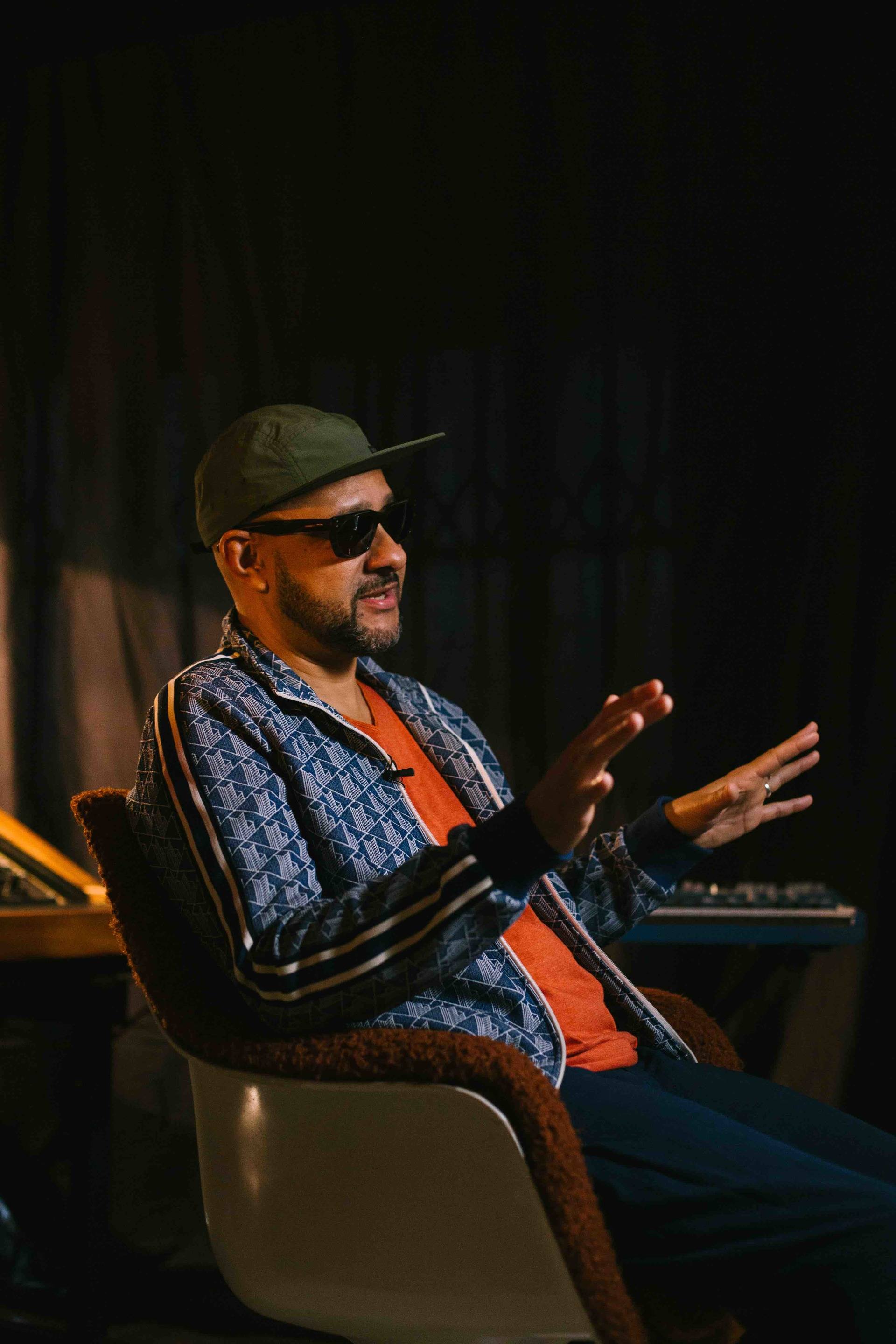
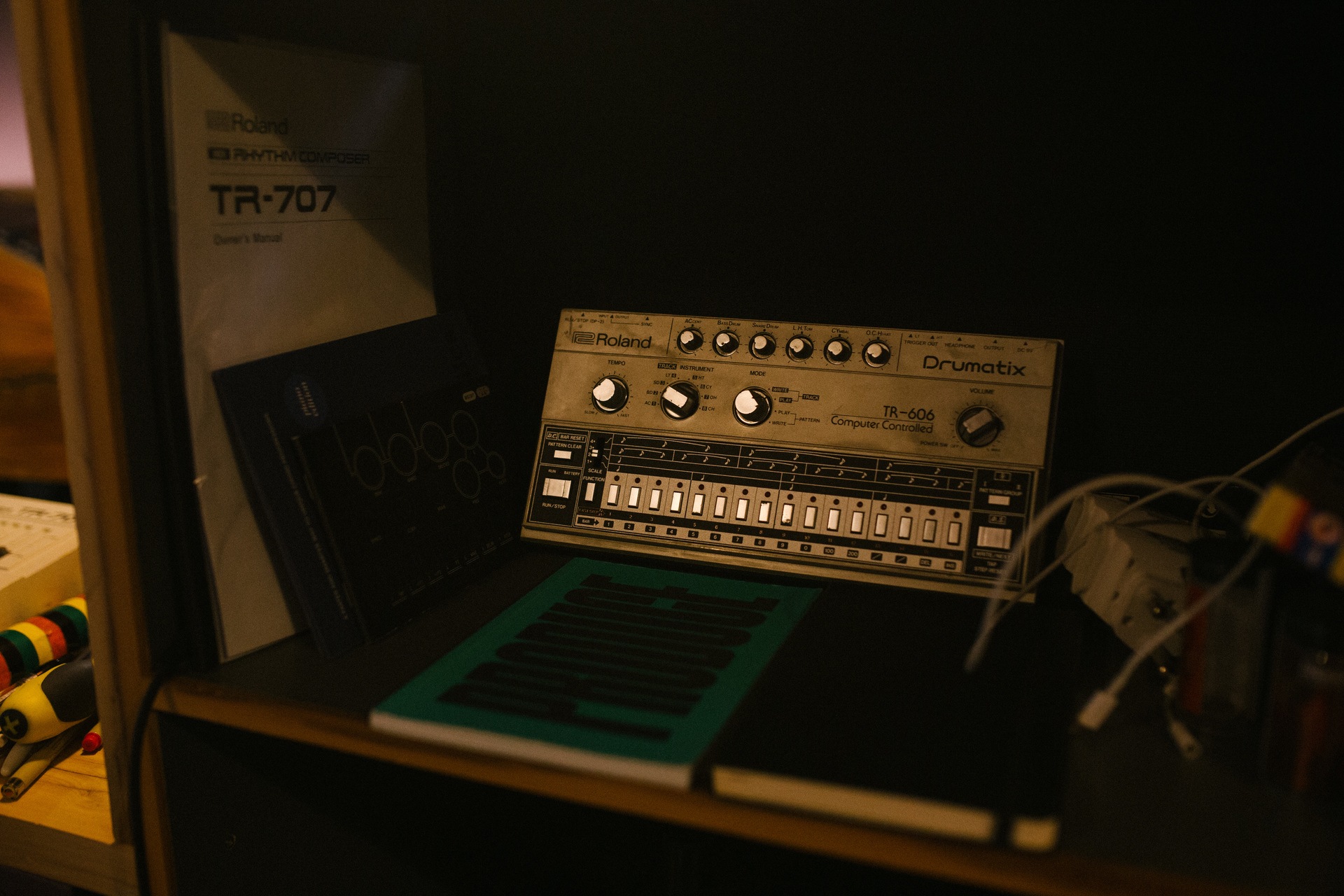
Sitting across from George Evelyn aka DJ Ease – the discerning master behind Nightmares On Wax – in the cosy confines of an intimate studio in Observatory, I want to say that it’s easy to forget you’re in the presence of a musical pioneer because of his laid back, mesmerising demeanour; but even with his warm reception to me and the team, at no point did I forget that I was sitting across from a purveyor of sonic perfection. It’s embodied in the way he talks, moves and meanders around the space looking at equipment and telling us about his studio back home. 

My first question to George is about how it all started, which seems cliche but is easily one of the most important questions I’ve ever asked an artist; he takes me through a space in time of being a young kid, growing up in Leeds – who at a very early age, developed an unrelenting appetite for music, influenced by the impact of early Reggae soundsystem culture that emanated through his neighbourhood.  

“My friends brother had Reggae soundsystem called Messiah” which George explains was stored in the basement of his school; being 8 years old and not being able to attend the parties hosted by local legends, he and his friends would listen from outside clubs, hearing the windows rattle; absorbing the audio waves and describing the scene as being “close but far”.
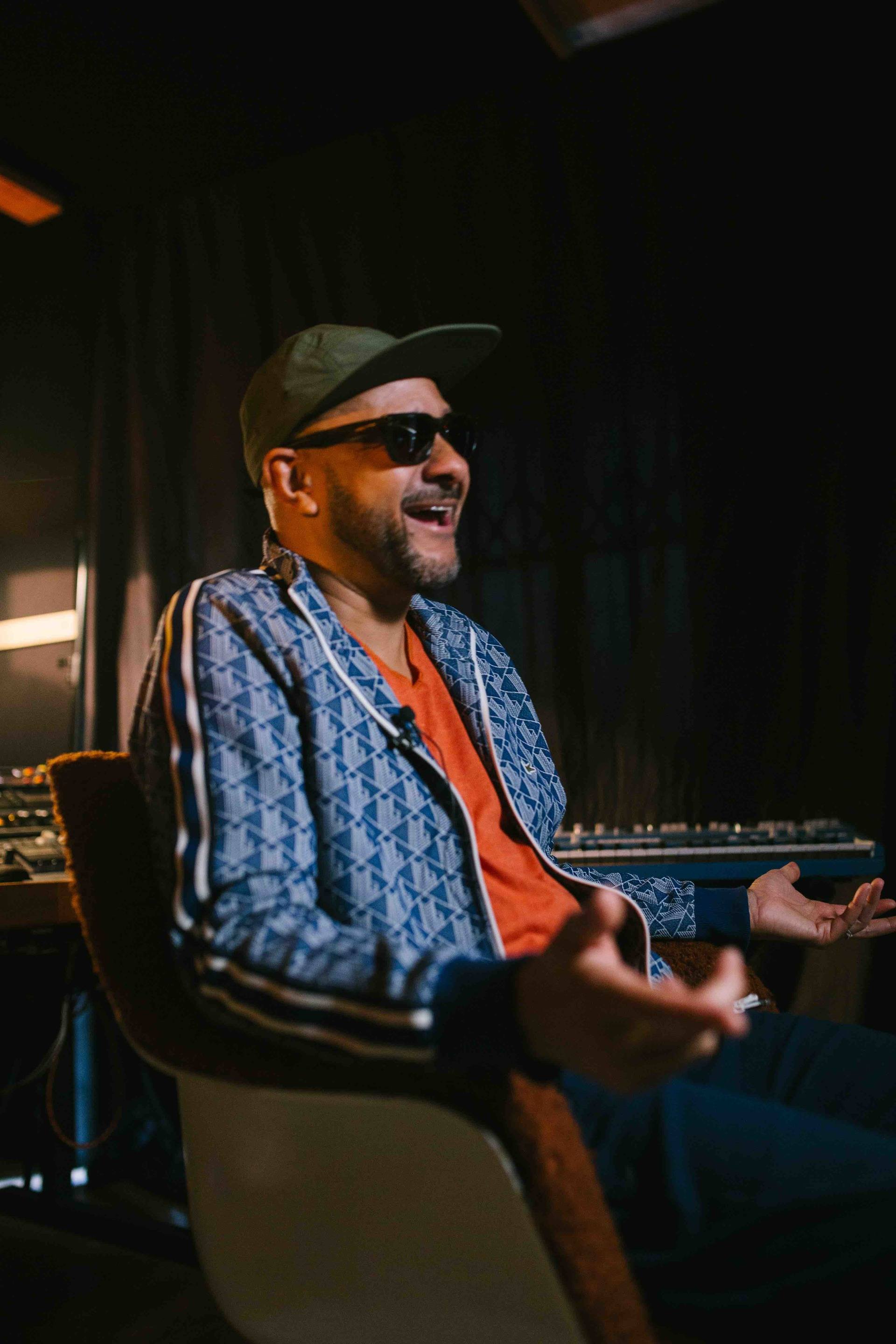

Nightmares on Wax for CEC by Keegan Foreman
“The heroes of our neighbourhood were these characters that were either MC’s of the soundsystem or selectors of the soundsystem” George emphasises how this culture was the doorway into his world of music; along with having a strong presence of music in his home being introduced to artists like Quincy Jones by his Dad,“My dad had two gramophones at home, this all formed part of the bedrock and foundation of my musical upbringing” 

George goes on; “Then, in 1982, hip hop happened – it entered into my life and the common thread was there already. I was a rude boy, a mod, I was really into ska and  fashion. My sister was a disco dancer and she would win competitions, a 12 inch or a cassette of the DJ’s playing, but the real thing that swept me was hip hop. I was seeing this thing that was so far away, hearing this music that sounded like it came from another planet but I didn’t know what it was, it was like being drip fed, getting little glimpses on TV, little news flashes of what was happening in New York”

The biggest and most defining moment at that time for George, he explains, was the record ‘Buffalo gals’ by Malcolm McLaren, because within that, not just the song, the music video that came out – there were the 5 elements of hip hop in there and that was it, that changed the game for me”. 

Through the years that followed, George continued on his melomaniac endeavours in spite of personal tribulations and reflects that “I had hip hop, I had my crew” and upon a chance visit to Bradford, he met Kevin Harper who later ended up being his partner in Nightmares On Wax “Kevin was the first person I had ever seen scratch on his Mom’s hi-fi and I was like ‘you’ve got to show me how to do that’. 

Following this intro, George became part of a breakdancing crew called ‘Soul of City Rockers’ – safe to say that school was out of the picture at this time. With the bravado of hip hop encouraging the young prodigy to believe that anything is possible, this resulted in his formidable experimentation of sampling, making mega mixes on cassettes at 14 years old.

On the early era of hip hop “It’s definitely a lot of ego, but in a beautiful way”
– Nightmares on Wax for CEC by Keegan Foreman

Nightmares on Wax & Candice Erasmus for CEC by Keegan Foreman
Serendipitously, George was then introduced to John Halnon – the only guy he knew that had twin turntables as well as a vast record collection ranging from Gothic to a variety of film scores, new wave, hip hop etc. My question that follows after being taken into a beautiful, intricate worm-hole of sacred memories is: 

“How did the name Nightmares on Wax come about?”

George reflects on the year 1986, at age 16 mixing with John; “We started doing these mega mixes together and we made a mix one day that had Humphrey Bogart, Laurel and Hardy and all this mad film score stuff on there – and John said to me ‘This sounds like a fucking nightmare’ and I said ‘yeah, on wax’ and we were like, we could call ourselves that. John said it could maybe sound a bit negative but I figured it could be the notion of turning out your wildest dreams, on vinyl” 

Following John’s parting from the duo a short while after, George and his earlier music comrade, Kevin Harper, became NOW and landed a residency at a local club, promoting their student nights. The music that they played, samples and original tracks, was so well received it caused pandemonium amongst their local scene of party go-ers and so began a very special era. The duo used all their wages to buy records and immerse themselves in the knowledge of hip hop composition and after unsuccessfully trying to land record deals, in between a trip to New York, George realised they would have to put their record out themselves. Borrowing £400, as well as  a friend’s drivers licence – they pressed out and delivered 2000 records to local stores across the country and sold out in two weeks. 

This all happened during the Summer of 89’, which was referred to in the UK as ‘the summer of love’ due to the explosion of ecstasy usage and rave culture among the youth – what a time to make a big break on the music scene – when football hooligans and ravers collided. Although never (really) partaking in the anarchy, George reflects on this time as being one of the most important summers ever – going from “a crew in the hood” to playing for crowds of more than 10 000 people. NOW was the second release on Warp Records, in 1989. Their first full length album, ‘A World of Science’ (also released on Warp) debuted in 1991. Following this, is an incredible discography of genre bending sonic delight. 

The evolution, production and distribution of music has changed rapidly since the early years of NOW’s and George’s inception, so I am curious to ask:
“When you look at that era of music, where you started, records and vinyl, cassettes, music being discovered in the club, maybe some radio airplay versus now where we have streaming, Spotify, accessibility, YouTube etc. – which era do you think serves the artist better?” 

To which George responds, “The internet is amazing and has served many people, including me personally, in such a magnificent way. The issues that have come from that are accessibility; that collecting music and records, discovering samples, has become devalued. I look at my record collection and I know the journey I took to get that record. At the same time, the accessibility of people being able to hear your music all across the globe, in the most remote places is a beautiful thing and has definitely kept my music alive”.


Nightmares on Wax for CEC by Keegan Foreman
This (the topic of accessibility) served as an ironic anecdote to my next question which is around the track “You Wish” – my favourite from NOW; where I ask Geroge about creating the track and using the sample of Judy Clay’s ‘Private Number’; he explains that it happened pretty easily, that “I chopped up in under two hours”-  after initially producing the track for someone else, which was accidentally named “Fuzz” – the reworked track and sample, along with Robin Taylor-Firth on keys, was added as a last lick to ‘In a Space Outta Sound’.

George explains that “the album came out in 2006 and a year later, it was used by Gorillaz in a mix of Pandora – by the end of 2008 the track was number 1 on Beatport for close on 2 years and I think it went back to number 1 in 2011,” recounting its success appears to be incredibly surprising to George, which again reiterates the humble nature of his creative essence. 

We chat further about the letter George wrote to Quincy Jones to clear the “Summer in The City” – sample which is used as an inspirational evolution from “Night’s Interlude” into its later version of “Les Nuits”, the iconic dreamy soundscape that transcends the soul, recorded with a 52 piece orchestra. For your listening pleasure, here. 

As we move to a close of our interview, I ask a few questions from two fellow artists. First up, Valentin Barbier AKA Boogie Vice asks George “What is your relationship with sampling – do you use it more as a starter for grooves and melodies or to add texture to tracks that you’ve created with synths and drums?” to which George says, “For me, it’s what catches my ear and then curiosity of why it catches my ear and then what I think I can hear. I’m always looking for the ghost in the sample, not necessarily what’s prominent. The ghost is where I start picking out melodies where I work re-creating or creating melodies that aren’t actually there. It’s more about pulling exploration out – sometimes I build a song and then remove a sample. All musicians are inspired by other musicians”

Then, Richard Marshall asks,For me, your music has always been tinged with Balearic sounds; coming from Leeds, what inspired your sunset style of music production? Was it from travel, listening to other music?” with George reflecting that, “I’d say my upbringing and the music that I’ve collected, some people have coined my music as ‘bottled sunshine’ which I find quite funny because the music they were referencing was from Carboot Soul and Smokers Delight – which when I look back on where I was in my life, when I made that music – there were actually some really dark times. It’s interesting how the soul responds to these things.  When I was making Smokers Delight, the flat I lived in was upstairs, no heating, I was sitting with two jackets on trying to keep warm. there was obviously a yearning for something warmer and lighter” we laugh at George’s sentiments on how being too blissed out, in an idyllic setting, can also ironically hinder music making.

I could carry on writing an essay about the time we spent together, but more than a subjective viewpoint of someone who I deeply admire, it needs to be noted as a fact that George Evelyn undoubtedly revolutionised music and a sound that defies any genre. Now that we’ve chatted, I know why it’s so hard to categorise his music; because it’s full of life, experience, beauty, craftsmanship, soul and intention and perhaps this is the reason why it has spanned across a musical evolution of over 30 years. 

It’s easy, when you’re a fan, to name anyone a master of their craft – but in this circumstance, it’s not an opinion. It’s written on wax.

My last question to George is, “What is your biggest vice?” To which he answers,

“Love”


Our full video interview with George Evelyn will be released soon. 

Follow: Nightmares on Wax 
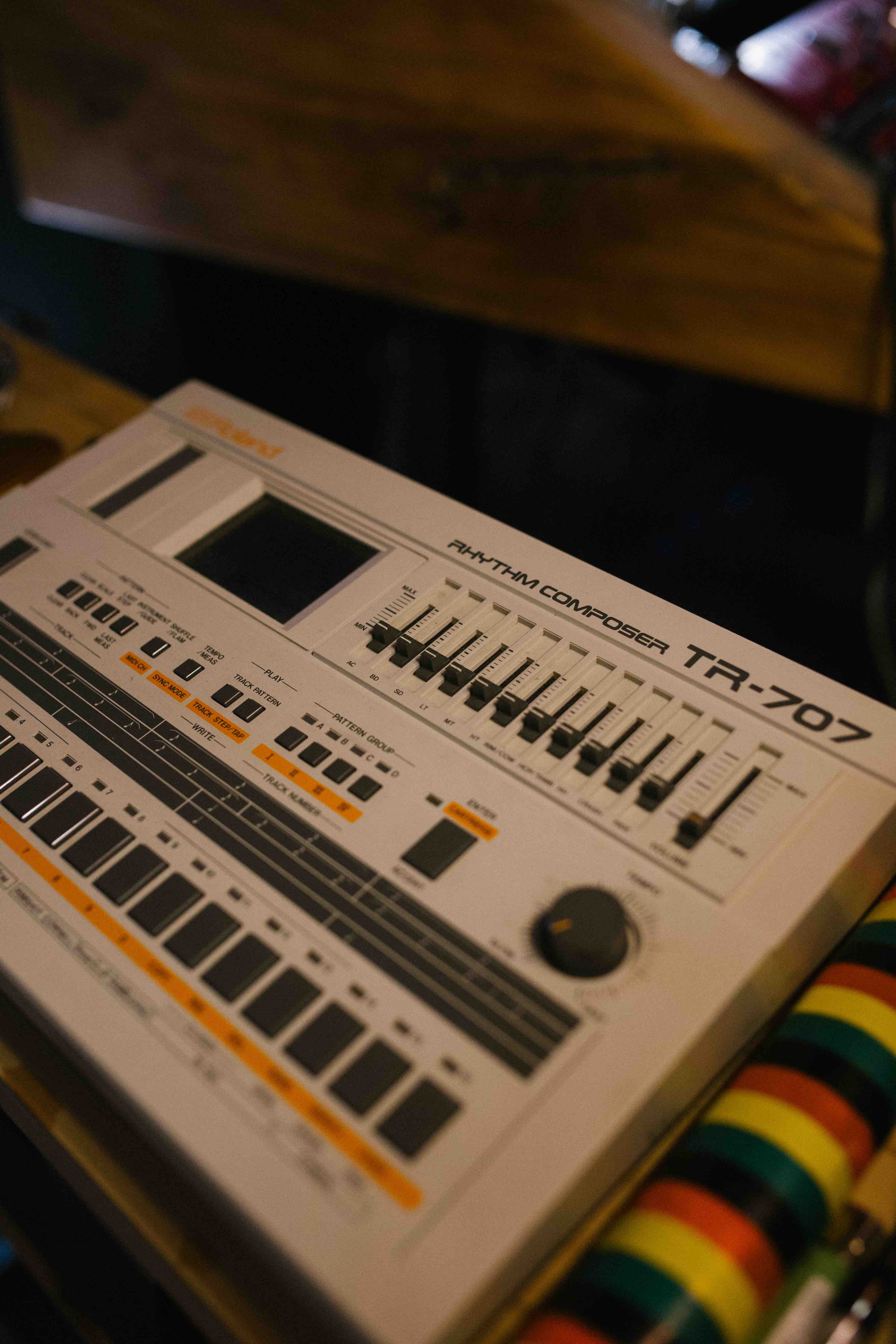
Nightmares on Wax for CEC by Keegan Foreman
Written by: Candice Erasmus
For more news, visit the Connect Everything Collective homepage www.ceconline.co.za

Dance Floors as Community; in Conversation with Jenny Dison

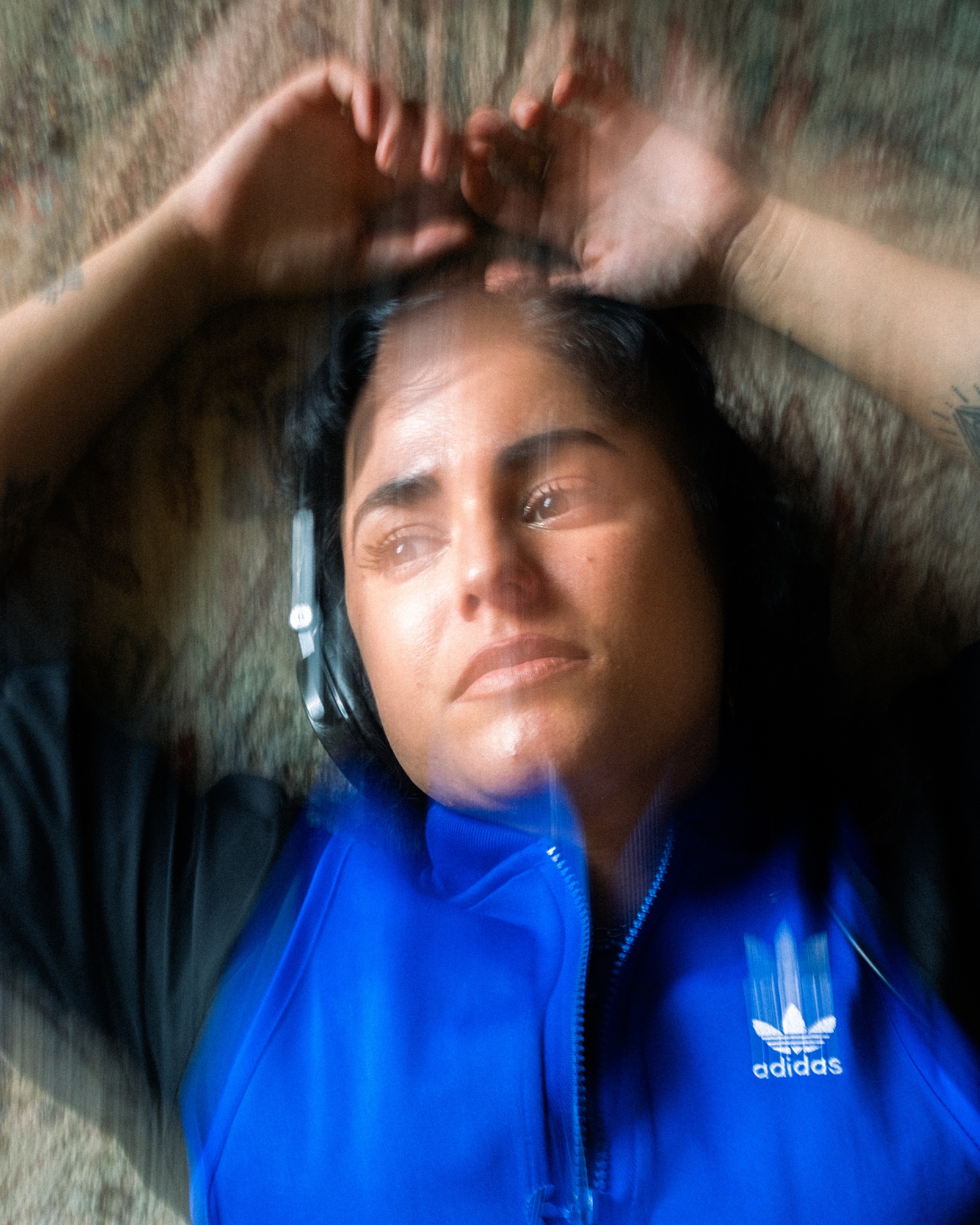
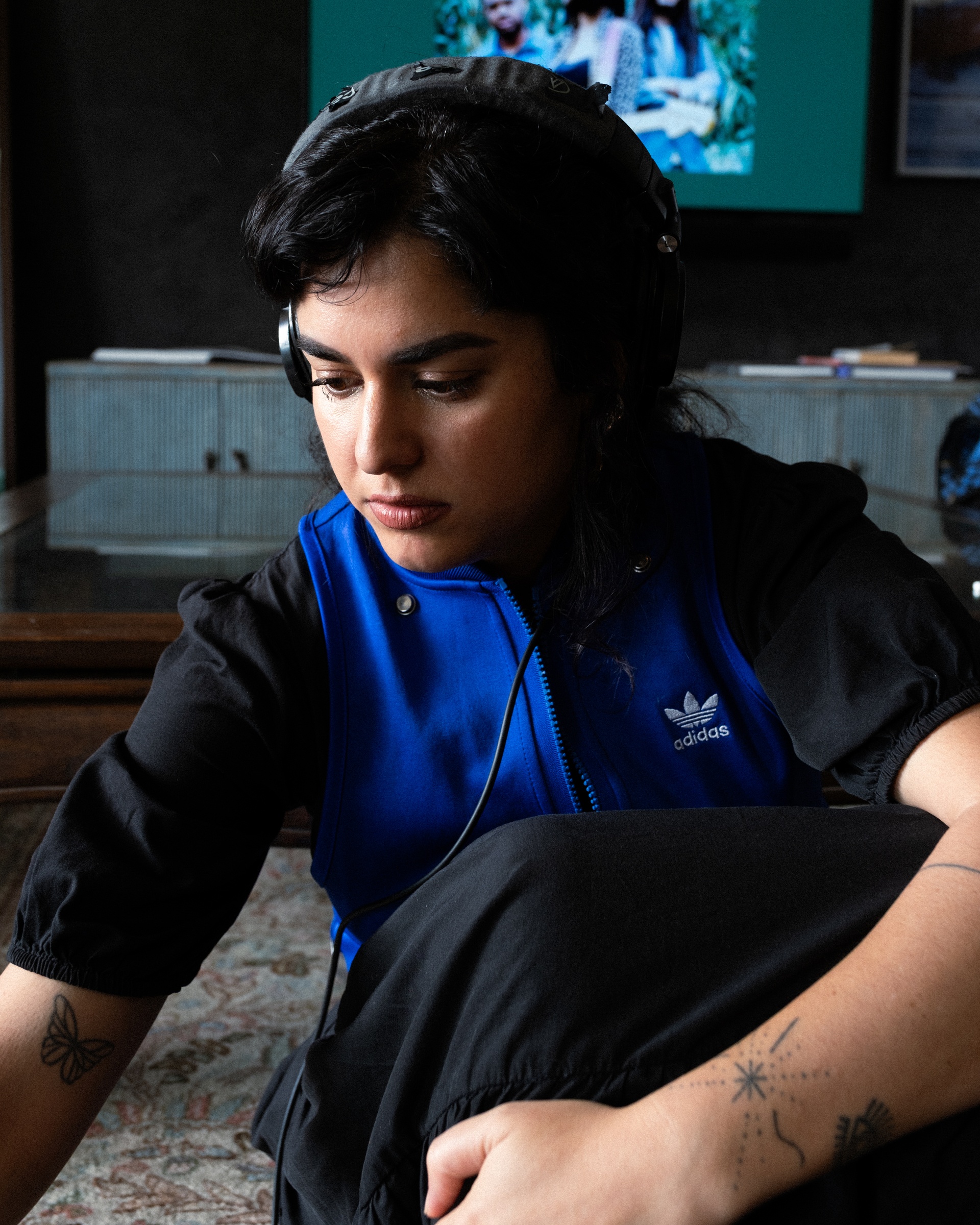
Jenny Dison AKA Wata Mami is somewhat of an enigma. It’s not every day that a serious musician — with a background in cult indie bands such as Bye Beneco, Psychedelic Rock band Sol Gems or sonic projects like LUMA with members of the BLK JKS (if you know, you know – one of South Africa’s most important punk bands to ever exist, if I do say so myself) — finds that her truest and foremost love as a musician is DJing. DJing has gained incredible notoriety in the last few years, and while it’s always been a coveted subculture — since its inception in the late 1970s — there’s long been a tangible distinction in the minds of musical artists between the two crafts. DJing is something that can be done by anyone; it is naturally democratic in this way, while most other forms of music require a certain kind of discipline or training. In this way, it’s kind of subversive that Jenny’s foray into music ended up behind a booth, when she commanded all manner of mics and instruments at local and international arenas and festivals. As I’ll later learn from Jenny, there is a freedom in DJing beyond the centering of self that makes it totally immersive as a musical or artistic practice. 

Under her moniker Wata Mami, Jenny Dison’s evolution as an artist has been anything but linear. Her sounds — fluid, soulful, and rhythmically curious — draw from disco, house, and the deep reverbs of global electronica. Over the years, she has become a mainstay in Johannesburg and Cape Town’s underground scenes, grafting hard to carve out her place and uplift others within it. At the centre of it all is Jenny’s commitment to sound and self-expression — and, as we each conclude in our conversation with each other,  the abiding recognition that music and movement on a dance floor are human birthrights. Literally, good for our health. 

Jenny describes her entry into music as “a happy accident”, and somewhat pre-destined, as someone clearly born for the stage. “I was studying drama and film and always thought I’d go into the arts,” she recalls, “maybe become a writer or an actress — all the big dreams of a young person.” That trajectory shifted when she and a few classmates started Bye Beneco, a band that quickly grew into a national phenomenon and remains sonically and aesthetically emblematic of the early 2010s in all its glorious, hyper-popish indie dreamscaping. “We actually dropped out of university to get the band going — it became quite a big thing. We signed to a record label and toured with our first album all over South Africa.” 

“It’s so crazy, though, because my first love was DJing before I was ever in a band or a musician.” Jenny muses, reflecting on her early twenties, and how she began experimenting with sound in small Johannesburg bars. “We’d go out to Greenside — people were literally burning CDs and playing them at these bars. And I was just like, wow, I really want to do that. I love music. I have a musical family. And I feel like this is such a cool way to express myself.”

All photography by Sune Van Tonder

After years in bands, stints in advertising, and a long creative search, Jenny returned full circle to what always anchored her. “It’s only in the last six years I’ve really started taking DJing more seriously — it’s the thing that’s always stuck with me through all my career choices. Now I do it full time — I teach DJing, I teach production, I run events. It’s become the thing that holds everything else together.”

For Jenny, DJing has never been about ego or authorship; “I love the fact that oftentimes you’re not playing your own music,” she says. “You’re showing appreciation for the music that inspires you and the music that you feel will have an impact on the crowd.” What draws Jenny in is the act of translation and guiding the atmosphere, emotion, and memory through other people’s sounds. “Even if you’re there just to make people dance,” she adds, “there needs to be some kind of golden thread. I believe my set should tell some kind of story. To me, DJing is music journalism. It’s archiving and collecting music, investigating sounds and artists.”

Jenny speaks about DJing with equal parts reverence and realism, noting that “yes, it’s a responsibility being a DJ and holding space and making people move, but at the same time, it’s important not to get an ego or put so much pressure on yourself that you start thinking, oh my god, I’m responsible for everyone’s vibe.” As a non-DJ, I’ve always imagined the role as something almost shamanic — the DJ as guide, translator, energy worker. A tall order, I know and Jenny gently disarms this idea, reminding me that the best sets are actually the ones in which control dissolves into flow, and which the DJ allows themselves to become simply another body in the room, caught in the same pulse as everyone else. “The best moments on the dance floor are when the DJ is just grooving and feeding into the energy. It’s about the music. It’s about the people.” 

Still, that space has not always been easy to claim, and as Jenny reminds me; “Especially as a female artist — not only in South Africa but globally — there’s been lack of women on lineups, or they have become tokenised which is also not helpful in the fight to be taken seriously as a femme artist” she says, of this perennial issue of equality. So, to counter this and assert her agency, Jenny is deliberate about how and where she plays. “I’m very conscious of making sure that if I say yes to a gig, I know that the lineup is diverse and that I’m not the only woman on it,” she says. Jenny laughs as she calls the term female DJ “such a diss, honestly. We’re just DJs.” The label is a reminder that what is considered “neutral” in music has long been coded male, and to insist on the qualifier is to subtly mark women as exceptions rather than equals, when in reality, we have always been there — playing, producing, and shaping sound.

In recent years, though, the tides have begun to turn. Festivals like Pangea, Jenny explains, have become powerful examples of what happens when inclusivity is intentionally and effortlessly ascribed, over any kind of tokenism. “At Pangea, I think there were more female artists than men. They don’t release lineups — it’s all about stumbling across artists, removing ego. The female energy of that festival carried through the whole weekend; it was just this powerful force — everywhere I went, badass female artists performing. It felt like a wonderland.” To Jenny, this marks the natural evolution of a scene that’s finally recognising its own depth; and what a welcome shift that is, that the floor belongs to everyone.

If there’s one thing Jenny is certain of, it’s that the South African music scene is alive with momentum. “There are more interesting, thought-provoking, intentional events happening — and I’m so lucky to be part of those lineups,” she says. “The reason my career is where it is, is because there’s momentum in the South African music industry — it’s not exclusive to me, it means we’re all elevating.” For her, curiosity matters more than credentials, and she explains that DJing is so open-ended; “your origin story as a DJ can simply be, I fucking love music,” she says. “A good DJ is someone inquisitive about music, that’s all.” Cape Town, Jenny adds, has proven to be the perfect incubator. “It has such a big music scene for such a small town — it’s really conducive to dance floors and DJs. We’re very lucky. 

“Dance floors are healing spaces. It’s where we go to express ourselves and release so much,” Jenny notes. “At Pangea, I didn’t feel a bad vibe from anyone — people were so engaged and open.” For Jenny, that energy is the result of organisers and promoters who are committed to cultivating safety, inclusivity, and intention. The most memorable nights, she says, are the ones where people feel held by the space as much as they are moved by the music.

There’s a growing movement in South Africa toward more conscious, connected nightlife — day events, intimate listening sessions, community-driven parties — all rooted in the idea that collective joy is an essential part of human wellbeing. On dancing and music as a human birthright, we agree; and Jen and note that when dance and sound are treated as communal practices, something transformative happens: people listen better, move differently, and begin to experience belonging in real time. For Jenny, that’s the point. “We need more joy, more celebration — and that’s what I love about DJing. It’s my time to celebrate other artists as well. I don’t want it to be about me; I want it to be about the dance floor and the people and the music.”

As she looks ahead, Jenny speaks with deep gratitude for Diskotekah — the Cape Town-based queer led collective that has been instrumental in reshaping the city’s nightlife. Their vision represents what the future of music culture should look like: open, celebratory, and community-first. Jenny recalls how “as I moved to Cape Town four years ago, they  took me under their wing, no questions asked, their faith in me has pushed me to be a better DJ.” Diskotekah’s dance floors are spaces of expression and safety, in which joy and care are embedded with everything. Alongside this is Jenny’s reverence for Tourmaline Berg, who cuts something of a mythic figure as a South African music mutha and cultural anchor. It’s a reminder that we are always carried by those who believe in us, in our potential, and in the culture we build together.

Next up? Despite Jenny’s history as a musician — “playing instruments, making my own music, featuring on producer tracks” — many people still encounter Jenny only through her sets. Now, she’s ready to merge those worlds again. “I want to bring more artistry into my DJing — to start singing, playing keys, and adding instruments to my sets. The dance floors need a little bit more live music. I have exciting gigs coming up, like playing at Fabric Cape Town. This January, a dream come true where I’ll be opening for Horse-Meat-Disco.” From rites of sonic passage, to things she can’t yet disclose; Jenny was born to help you groove, and what a special gift this is. Watch this space.

Listen to Jenny’s Pangea mix here.

You can catch Wata Mami live this season:
Tropical Disko Day Festival — 20 December
FABRIC Cape Town  — 10 January
Bazique Festival — March 2026
AfrikaBurn — 2026


All photography by Sune Van Tonder

Written by Holly Beaton


For more news, visit the Connect Everything Collective homepage www.ceconline.co.za

Follow CEC on Instagram

Salomon Sportstyle Launches in Cape Town, Bringing Global Streetwear Innovation to South Africa

Originally born in the French Alps in 1947, Salomon has built its reputation on precision engineering and innovation — creating footwear and gear for those who live to move. In recent years, that same performance DNA has found new life in the world of style, inspiring the brand’s global Sportstyle movement.

Unlike brands that may mimic the “techy” aesthetic, Salomon’s credibility runs deep. Every shoe is functional and refined into form. This was more evident than ever at Archive’s First Thursdays launch event — streetwear meets sportstyle, and Cape Town got to witness it.

From the moment guests stepped into The Archive Collective Store on Bree Street, they were greeted by the vibrant ceiling screen flashing visuals of the Salomon XT-Whisper Void — the night’s hero.

As the crowd gathered, DJs Zahara, Mila, and Solo set the tone with soulful, kinetic sets that carried through the room like motion itself. Guests floated between the nail bar by Lala Wangempela, the customisation lounge, and curated installations — each touchpoint designed to let personality take shape. Free graphic T’s designed by Shaun Hill for anyone who left with new kicks. 

It was a celebration of movement — of trail runners, designers, explorers and creatives who see no boundary between the mountain and the city.

The XT-Whisper Void reinterprets Salomon’s early 2000s trail-runner, the XT-Whisper, through a modern, unisex lens. Sleeker overlays, refined lines, and iridescent colorways give the shoe a minimalist yet expressive identity. It’s a design that feels futuristic and functional — a nod to the brand’s alpine roots, recoded for city life.

All imagery courtesy of Studio Rigraphy

Salomon’s tagline for the model, “Style whispers, personality echoes,” encapsulates the night perfectly. The shoe may whisper in form — light, technical, and graceful — but its presence on Bree Street that evening echoed loudly through Cape Town’s creative scene.

According to Lee Besnard, General Manager of Salomon South Africa, “Sportstyle represents the evolution of Salomon’s philosophy, authentically bringing our mountain sports heritage into the language of modern design. Cape Town’s unique balance of outdoor lifestyle and urban creativity perfectly reflects values that sit at the core of Salomon’s brand identity.”

That authenticity resonated throughout the launch. The event felt like part gallery, part street gathering — a cultural moment that mirrored the city’s rhythm.

Globally, Salomon Sportstyle has redefined how performance footwear fits into modern life. Silhouettes like the XT-6 and XT-Whisper have become icons, seen on Rihanna, Bella Hadid, and DJ Khaled. The Cape Town launch marked the first time this movement officially touched African soil, giving local sneakerheads and creatives a front-row seat to the brand’s next chapter.

Through Salomon Sportstyle, the brand continues to blur boundaries between performance and style, the summit and the street. The XT-Whisper Void embodies that idea: born on the mountain, refined for the city and designed for those who move differently. Salomon has struck a beautiful balance that few performance brands pull off and Archive held the perfect platform for it to be unleashed.

The XT-Whisper Void is available exclusively at selected Archive stores, www.salomonsports.co.za and www.bash.com


All imagery courtesy of Studio Rigraphy

ABOUT SALOMON

Founded in 1947 in Annecy, in the heart of the French Alps, Salomon is a world leader in outdoor sports innovation. The brand designs performance footwear, apparel, and gear that transform the experience of movement — helping people unleash their best selves through outdoor sport and culture. Today, through Salomon Sportstyle, that same spirit of exploration finds new expression in the worlds of design and everyday life.


For more news, visit the Connect Everything Collective homepage www.ceconline.co.za

Follow CEC on Instagram

Vans x Sealand brought Hout Bay Youth Together at Eyethu Skatepark

On World Cleanup Day, 20 September, Vans and Sealand brought the Hout Bay community together with a youth-driven skate jam at Eyethu Skatepark.

NGO Sentinel Ocean Alliance stepped up to unite the Hout Bay community with purpose, passion and a whole lot of grit for Uniting the Valley 2.0. This ongoing initiative is designed to bring the valley together through environmental action, youth upliftment and culture.

Sentinel Ocean Alliance rallied the community to bring volunteers together across four key locations in Hout Bay. The collective effort of an estimated 350 participants, who filled over 300 bags, served as a powerful demonstration of what can be achieved through shared action. This shared vision for a cleaner future was supported by Protect Our Paths and its mission to mobilise communities for a waste-free South Africa.

This year’s effort spanned across:

  • Hout Bay Beach: The flagship cleanup site led by Sentinel Ocean Alliance.
  • Hout Bay Harbour: Hosted by Oceano Reddentes, clearing marine waste near the fishing village.
  • Disa River: A closed-site cleanup led by Friends of Hout Bay Rivers.
  • Eyethu Skatepark: This youth-focused zone blended skate, fun, and environmental education.

All imagery courtesy of The Bread

The jam at Eyethu Skatepark transformed the space into a playground of movement and mentorship, giving kids a chance to skate and feel part of something bigger. The Vans x Sealand Skate Jam lineup featured introductions and warm-ups, a skate-centric take on the Red Light, Green Light game, and a race around the park for prizes.

Behind its success was a dedicated crew of Vans and Sealand brand team members and team riders, Thalente Biyela, Marcelino Rodrigues, Ziyaad Davis from Ziyaad’s Skate School, and community members who rolled up to support, guide, and inspire the next generation.

This kind of hands-on participation highlights how Vans’ commitment to community is rooted in showing up, giving back, and creating spaces where the community feels seen and supported. The success of Uniting the Valley 2.0 is proof that when brands, NGOs, and communities come together with a shared vision, real impact happens.

All imagery courtesy of The Bread

About Vans

Vans®, a VF Corporation (NYSE: VFC) brand, is the leading skateboarding and original action sports footwear, apparel, and accessories brand. Vans® authentic collections are sold in more than 100 countries through a network of subsidiaries, distributors, and international offices. Vans® has more than 2,000 retail locations globally including owned, concession and partnership doors. The Vans®brand inspires and empowers everyone to live “Off the Wall” embodying the youthful spirit of freedom, non-conformity, and relentless drive to push culture across action sports, music, art, and design.


Connect with Vans

vans.co.za

youtube.com/vans

instagram.com/vans_za

twitter.com/vans66_za

facebook.com/vanssouthafrica


Press release courtesy of The Bread 

For more news, visit the Connect Everything Collective homepage www.ceconline.co.za

Follow CEC on Instagram

GUNNA RELEASES THE MUSIC VIDEO FOR “WGFT” FEATURING BURNA BOY

Maintaining incredible momentum this year, Gunna uncovers a sultry and visually captivating music video for his rising single “wgft” featuring Burna Boy out now.

Of course, the track adorns his acclaimed chart-topping sixth full-length studio LP, The Last Wun.

Shot in London and helmed by frequent collaborator and director Spike Jordan, the visual might just be his most seductive to date. It intercuts close-ups of snakes with scenes of pole acrobatics and visions of a veil-wearing Gunna at the whim of various models. Burna Boy makes an appearance in the club as the energy overflows by the end of the clip. It mirrors the lusty ebb and flow of the track itself with a high fashion aesthetic and cinematic scope. 

“wgft” has caught fire as a standout from The Last Wun, as it remains on the Billboard Hot 100 charts for 12 consecutive weeks. It took flight as his 19th career Top 10 on the Billboard Hot R&B/Hip-Hop Songs Chart, giving Burna Boy his first Top 10 entry on the chart too.  It netted his sixth consecutive Top 3 debut on the Billboard 200 in addition to clinching #1 on the Billboard Top R&B/Hip-Hop Albums chart for five consecutive weeks. Thus far, it has logged six straight weeks in the Top 10 of the Billboard 200,  Gunna continues to make headlines worldwide. Just a few weeks back, he crossed the pond and partnered with NFL UK and YouTube for a flag football game in London. Not only did he make his presence known at Paris Fashion Week, but Ebony also championed him on its coveted “Power 100” for 2025 among “Music Innovators, calling him “One of modern hip-hop’s most intriguing voices.”

Bringing the album on the road, he launches the Wun World Tour this month. Marking a milestone, he notably headlines New York’s Madison Square Garden (sold out) on November 22 for the first time! The international trek resumes in January with festival appearances at South Africa’s Milk & Cookies Festival, followed by sets at Rolling Loud in Sydney and Melbourne in March. Finally, he will embark on a headline stretch across Europe and the UK, with shows in Paris, Berlin, London, and beyond, before closing out the tour on March 28 at AFAS Live in Amsterdam, Netherlands. 

Listen to ‘The Last Wun’ here

CONNECT WITH GUNNA:

INSTAGRAM 

WEBSITE 

TWITTER 

YOUTUBE 

FACEBOOK 

TIKTOK


Press release courtesy of Warner Music 

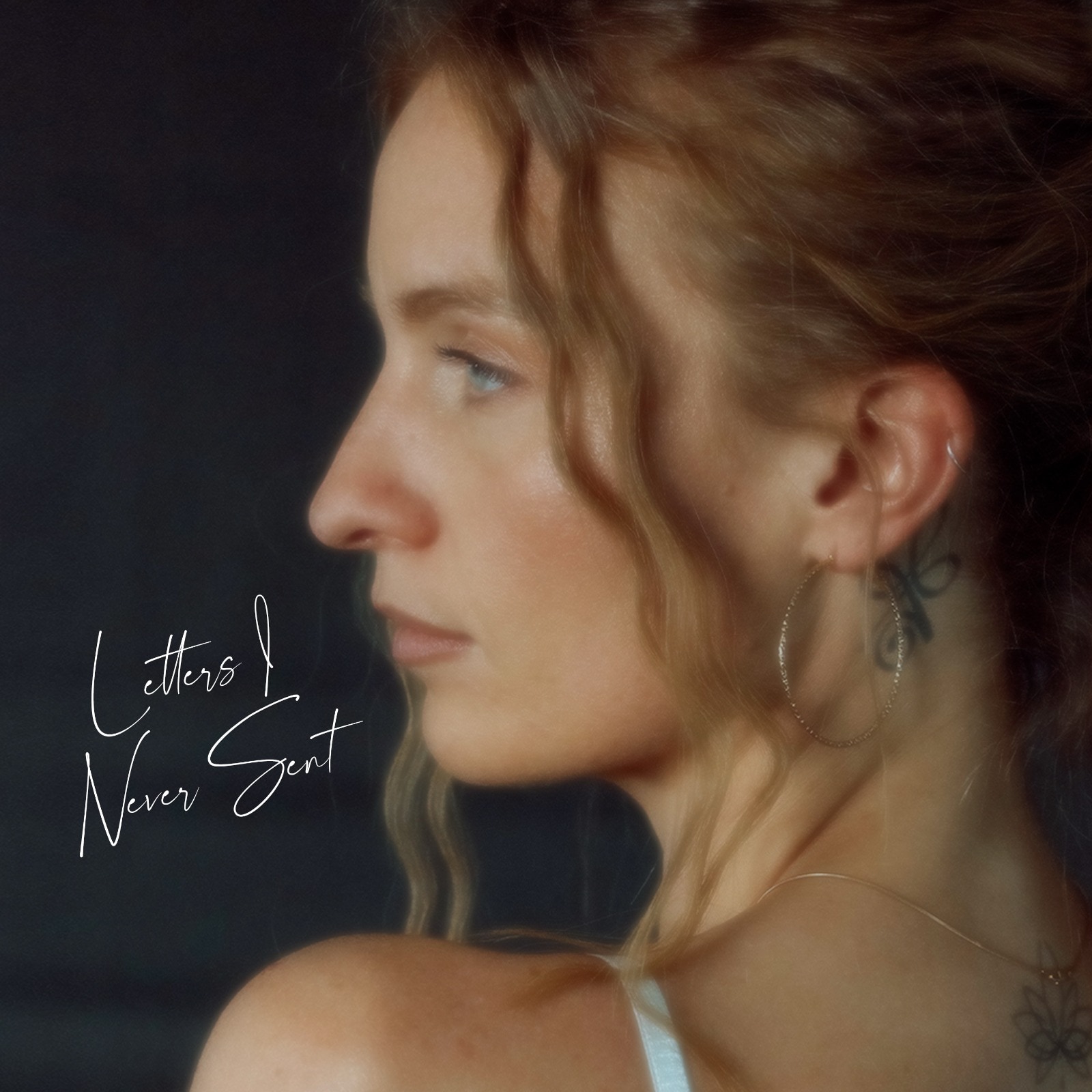
Hannah Ray releases her debut EP ‘Letters I Never Sent’

Hannah Ray is a Cape Town-based singer, songwriter, and producer whose music is both emotionally charged and genre-defying. With roots in soulful storytelling and a sound that blends pop, jazz, R&B, soul, and dance, Hannah creates music that makes people feel – whether through stillness or movement. Raised around old-school records by her stepdad, a former DJ, her influences run deep, diverse, and instinctual – reflected in a catalogue that is powerful, vulnerable, and sonically fluid.

Hannah recently released her debut EP, Letters I Never Sent – an intimate, cinematic pop project exploring love, healing, and self-discovery. The project has marked a defining moment in her artistry, establishing her as one of South Africa’s most evocative new voices. Just weeks prior, she dropped a collaboration with Locnville, expanding her reach into the electro-pop space and highlighting her versatility as a writer and performer.

Hannah recently released her debut EP, Letters I Never Sent – an intimate, cinematic pop project exploring love, healing, and self-discovery. The project has marked a defining moment in her artistry, establishing her as one of South Africa’s most evocative new voices. Just weeks prior, she dropped a collaboration with Locnville, expanding her reach into the electro-pop space and highlighting her versatility as a writer and performer.

She writes and produces much of her own material, often collaborating with some of South Africa’s most exciting emerging producers. Her live performances — including appearances at Rocking the Daisies, Cape Town International Jazz Festival, and In the City – channel the same energy that drives her recordings: connection, texture, and truth. Performing with her full band, The Perfect Strangers – Zubair Abader (guitar), Jason Le Roux (bass), and Uzair Abader (keys) – Hannah brings her music to life with emotional depth and cinematic flair.

Her work has been featured by BBC Introducing (UK), and her growing discography now includes collaborations with Mars Baby, Mecca, and Locnville. Looking ahead, she’s set to release a collaboration with Polar Inc. in February 2026 – a continuation of her journey into textured, emotive soundscapes that transcend genre.


Listen to ‘Letters I Never Sent’ here


Connect with Hannah Ray

www.hannahraymusic.com

Spotify 

TikTok

Instagram


Press release courtesy of Hannah Ray

HILARY DUFF MAKES A RETURN WITH ‘MATURE’

Marking a bold and self-assured return to pop, multiplatinum global superstar Hilary Duff releases her highly anticipated new single “Mature” via Atlantic Records – her first new music in a decade. Co-written by Duff, her husband, and GRAMMY®-winning songwriter/producer Matthew Koma (Britney Spears, Pink), and hitmaker Madison Love (Halsey, Ava Max), the sardonic, shimmering track arrives as a piece of autofiction inspired by romantic misadventures in her formative years. 

“‘Mature’ is a little conversation that my present self is having with my younger self,” says Hilary. “The two of us are reflecting on a past experience and sending love to each other. It’s a chuckle, a wink, and a sense of being grateful that we are sure footed in where we landed.”

Set against bright pop production and layered with Duff’s signature wit and vulnerability, “Mature” is accompanied by an evocative music video directed by Lauren Dunn (Olivia Rodrigo, Dove Cameron, Saweetie), premiering today on Hilary’s YouTube channel.

“Mature” follows the recent announcement of Duff’s upcoming docuseries, which will chronicle her long-awaited musical return and personal journey, offering an unfiltered vignette into Hilary’s world. Embracing the ups, downs, and everything in between, fans will ride shotgun as she balances raising a family, recording new music, live show rehearsals, and preparing to perform on stage for the first time in over a decade. 

Directed and executive produced by GRAMMY®-nominated and Emmy Award-winning director Sam Wrench [Taylor Swift: The Eras Tour, A Nonsense Christmas with Sabrina Carpenter] through Next of Kin Content, an EverWonder Studio company, the series will feature a fascinating fusion of vérité footage, stylized interviews, performances, and videos from her personal archive. 

ABOUT HILARY DUFF:

One of the defining stars of her generation, multiplatinum global icon Hilary Duff is returning to the pop world with her boldest and most self-assured project yet. After rising to fame as the titular star of the Disney Channel blockbuster, “Lizzie McGuire,” Duff first kicked off her music career with 2003’s 4X platinum Metamorphosis (featuring the Top 40-charting “So Yesterday” and “Come Clean”), then released her platinum-selling 2004 self-titled LP and 2007 autobiographical dance-pop collection Dignity. With those three albums alone selling a collective 15 million copies worldwide, she also established herself as a producer, entrepreneur, philanthropist, and New York Times-bestselling author, all while continuing to deliver standout performances in TV and film, including her award-nominated turn on Darren Star’s “Younger.”

Recently signed to Atlantic Records, Duff is now launching a thrilling new chapter and sharing her first new music since 2015’s Breathe In. Breathe Out. (a No. 5 debut on the Billboard 200, made with an extensive lineup of producers/co-writers, including Tove Lo and Ed Sheeran). 


LISTEN TO “MATURE”


WATCH OFFICIAL MUSIC VIDEO


CONNECT WITH HILARY DUFF:

WEBSITE

FACEBOOK

INSTAGRAM 

TIKTOK

YOUTUBE

Press release courtesy of Warner Music

Save The Loom: The Revival and Honour of India’s Handloom Legacy

In 2018, Kerala province in Southern India faced one of the worst floods in a century. In its wake, over 75 000 homes were destroyed and hundreds of lives lost—including the livelihoods of hundreds of traditional weavers. From that devastation, Save The Loom was born.

Ramesh Menon, a fashion industry professional, who was consulting with the Fashion Design Council of India in Delhi at the time, happened to be in Kerala during the disaster. “When I visited one of the worst-hit weaving villages, I found artisans who had made textiles all their lives left with not even a piece of fabric to wear,” he recalls. “Their homes, workshops and looms—all gone.”

For weavers in Kerala’s Chendamangalam cluster, 23 kms from Kochi, many of whom were women over 45 earning less than three dollars a day, the loss ran deeper. “These people didn’t just lose their tools,” Menon says. “They lost their dignity and their way of life.”

The government’s response was slow, so he decided to act after witnessing a moment of quiet generosity — an elderly man wrote a cheque to help a weaver rebuild his loom. This gave Menon a simple yet revolutionary idea. “That night I realised we had a formula,” he explains. “If one benevolent person could adopt one loom, we could rebuild an entire community without depending on the government.”

Within days, he and friends built a simple website—Save The Loom. It primarily told the artisans stories and documented their homes and synonymously, their work places, to seek support. The site quickly went viral after film actor friends of Menon’s helped spread awareness. “In 48 hours, people across the world were holding placards saying ‘We Are With You Chendamangalam’, one of the worst hit weaving villages. The website crashed from thousands of emails from people asking how to help. We weren’t prepared for that kind of love.” People around the world clearly had a desire to make a tangible impact.

All imagery courtesy of Save The Loom

In just 100 days, Save The Loom restored all 273 looms—without a rupee of government funding. But as Menon and his team dug further, they discovered a deeper crisis. “The craft was vanishing,” he says. “That’s when we decided this couldn’t just be a relief project—it had to be a movement.”

When I met Ramesh this April 2025 at the One Zero Eight Store in Kochi, I could feel that this was no ordinary nonprofit story. There was something transformative — even defiant — about the way he spoke of weaving, of dignity and labor. His words carried the quiet power of conviction.

Menon discussed how indigenous textile techniques are becoming extinct, with some of the finest examples only found in museums. The oldest example is in the V&A Museum in London. He emphasised that handmade products from India represent true luxury, especially given that India produces 95% of the world’s handmade textiles. The younger generation no longer want to be seen “doing physical labor. They’d rather work in a call centre” where there’s a perception of an elevated working environment. “The biggest problem isn’t money,” Menon says, “it’s the dignity of labor. A craftsman who has inherited centuries of knowledge is seen as a worker, not an artist. We’ve failed to give them respect.”

Save The Loom, therefore, became much more than a relief project — it became a social movement reimagining value itself. “People don’t bargain in a Gucci store,” Menon notes pointedly. “But when they walk into a craft shop, they ask for a discount. People tend to make artisans justify their prices and their existence. It’s as if they’re being punished for making something by hand.”

Then, almost as if to punctuate the thought, he adds the line that has since become the soul of his work: “You don’t buy craft to do good. You buy it because it’s the highest form of luxury a human being can own.”

Today, the global fashion world is awash with sustainability pledges and circularity strategies, yet Menon reminds us that India’s handloom communities have always lived sustainably. “The world talks about sustainability as if it’s a new invention,” he smiles. “But India’s weavers have lived sustainably for thousands of years — no electricity, no waste, zero carbon footprint. They coexist with nature.”

He smiles wryly when he hears the fashion world’s latest sustainability buzzwords. “Now everyone talks about thrifting and mending as cool, modern ideas,” he says. “In India, that was just life. Clothes were passed down, repaired, reused, until the last thread. Nothing went to waste.”

What has changed, he argues, is not the craft — but the story told around it. “Tradition is not a bad word. It’s the future. It’s the foundation of everything that works.”

Save The Loom has become a storytelling movement as much as a design one. Its collaborations with contemporary designers and its pop-up spaces around India position handloom not as ethnic nostalgia, but as living design.

Oze Zero Eight by Save The Loom. All imagery courtesy of Save The Loom

Oze Zero Eight by Save The Loom. All imagery courtesy of Save The Loom

For Menon, storytelling is both a tool and a burden. “We love telling stories about our artisans, but it’s painful that we have to justify what we do. Nobody asks a luxury brand why their bag costs thousands of dollars, but an artisan is forced to explain every stitch.”

He believes storytelling should be about visibility, not validation. “Artisans remain anonymous. They have no name, no credit, no dignity. A designer spends three years in college and becomes a brand. A weaver spends thirty years perfecting a skill and remains invisible. That’s the imbalance we must change.”

What struck me most in our conversation was Menon’s radical yet practical call to action. “You don’t need money to do good,” he explains. “If you’re a writer, designer, musician, or doctor — give ten days of your time each year to mentor someone who needs it. That’s time banking. It’s not charity, it’s collaboration.”

This, he believes, is how a new ecosystem of dignity, respect, and sustainability can emerge — not through pity or donation, but through participation and shared value.

Menon closes our conversation with a quote from Gandhi that still guides him: “The world has enough for every man’s need, but not for his greed.” He pauses. “Nature gives us everything we need to live beautifully — the fibers, the dyes, the wood, the stone. But we destroy to create, while animals live in harmony with what is already there. We need to remember that sustainability isn’t something you can buy in a store. It’s a way of thinking. A way of living.”

Through Save The Loom, Menon and his team are proving that tradition isn’t a relic. Each thread, each loom, each artisan represents not just India’s past and deep traditions, but humanity’s shared future. Menon’s closing thoughts linger with me, “The future lies in the hands that make.”


Learn more about Save The Loom here

Follow Save The Loom on Instagram
Shop at One Zero Eight by Save The Loom here 

Written by Grace Crooks

For more news, visit the Connect Everything Collective homepage www.ceconline.co.za

Follow CEC on Instagram

Lucy Kruger & The Lost Boys Release a New Single ‘Ambient Heat’

Lucy Kruger & The Lost Boys Release a New Single ‘Ambient Heat’. As the second single off the album opens, a sudden and possibly forbidden warmth seems to drop into the solar plexus; it builds, along with the sound, eventually reaching the outermost boundary of the body. We could say that this heat continues, extending outward, colouring the aura of the listener––now vivid and radiating, possibly hot to the touch. A rumbling baseline, steady as a heartbeat, encourages this sensory extension. It seems to be reaching toward something, hoping to envelop; to absorb; to merge with the braver part of the self that exists freely outside an anxious perimeter. Lucy Kruger seems to spy this unbounded self in the distance, negotiating a new relation and proximity to being more electrically alive. Who do I place / in that hot seat / the kid the kid / that I was too afraid to meet / who skirts around / the edge of my fear / with grace desire death / beat after beat after beat / after rapturous beat

The grainy noise is gentle, somehow rendered delicate and precise. Still, it remains large and voluminous and—imbued with Kruger’s euphoric vocal—rises and sinks in the chest like breath, expanding into the back and straightening the spine as though a newly awakened desire was stretching itself into being. In this way, the band conducts the sensory body of the listener as though it is the final instrument in which they find resonance.

The lyric video––produced by South African studio GNOSSIENNE––worked to locate this radiating and vital heat in the words themselves. In tandem with chance distortions, the emergent and strangely prescient emphasis was animated by hand, growing up like ivy around the primal sonic heartbeat of the song.

‘The song is a bit of an existential fever dream, circling questions of care. On a very hot day in Neukölln, where I live in Berlin, the air seems to hover above the concrete. Ambient heat seeps into your bones and into your thoughts, until it feels like the world is trying to spit you out. As a child, heat like that was simply a sensation to be endured – and perhaps even enjoyed. Now it arrives as a painful question, a reminder, a reprimand – and a warning of so many other frightening things. The song comes out of that state.’

Unlike the Lost Boys’ earlier albums, produced within a specific moment in time, Pale Bloom emerged slowly, trying to suspend a creation myth in its amber – an origin tale that is ancient and complex; full of mystery and metaphor – that seeks neither clarification nor end.

Each Lost Boys’ release ventures into new musical and lyrical territory. Of them all, Pale Bloom reaches furthest back into childhood, unconsciously locating the rhythms and narrative styles rooted in the strictures of a religious upbringing. Sorting through the forgotten chords, refrains and melodies from old nursery rhymes and folk songs, they found a desire to bend these inherited sounds toward more personal truths. 

This impulse is present throughout the album, audible in Kruger’s equally sonorous and euphoric voice, as she wraps the various lyrical forms around her own longing, mourning and desire, preparing them to land within the band’s lush and generous subversion of the remembered rhythms.

Unlike their appearance on Heaving and A Human Home, the strings here are less affected, having taken on a more sombre and serious character. They stretch towards a complex kind of heaven, made possible by the weight and grounding of the grooves, which are both stoic and expressive. The guitars roam freely in between stretching, voluminous spaces, and are as grinding as they are gentle. The players on the record are Lucy Kruger (voice and guitar), Liú Mottes (guitar), Jean-Louise Parker (viola), Gidon Carmel (drums) and Reuben Kemp (bass).

Kruger recorded the album with her bandmates and close collaborator, André Leo, split across their various studios in Berlin, over the course of six months. The album was mixed by Simon Ratcliffe.

Pale Bloom will be out through Unique Records in February 2026.

Pre Order + save now here


Press release courtesy of Plug Music Agency

Duo SAI HLE Release a new single ‘Ubumnnd’

There is a pulse to South Africa’s sound that refuses to be contained, and few embody it more vividly than SAI HLE. The sister duo of Amahle and Siphosethu Koom have arrived with UBUMNND, a radiant new single that celebrates joy, freedom, and the beauty of shared moments. The song marks the beginning of a thrilling new chapter for one of the most promising acts emerging from the country’s vibrant Amapiano and Dance music landscape. 

Infused with warmth and rhythm, UBUMNND captures the essence of South African groove culture while carrying a universal message that transcends borders. Sung in a fluid mix of Xhosa, Zulu, and English, the track is both intimate and expansive, echoing the duo’s belief that happiness is found in community. Their harmonies float effortlessly over an infectious beat, creating a sound that is soulful, magnetic, and unapologetically joyful.

UBUMNND is a piece of our heart,” the sisters share. “It’s about that incredible feeling of freedom and joy you get when you’re surrounded by people you love. We wanted to create a song that brings everyone together to celebrate the now. It’s a reflection of our bond as sisters and our hope to spread unity and happiness through our music.”

The release of UBUMNND also signals a powerful new alliance with Platoon, positioning SAI HLE as the label’s first Amapiano and Dance sister duo. Guided by the heavyweight management of cultural visionary Khuli Chana and talent architect Phenyo Kgaffe, SAI HLE are stepping confidently into their next era. This collaboration brings together experience, innovation, and authenticity, amplifying the duo’s mission to take their sound to global stages without losing the heart of where it began.

Produced by Lord Jazz and INFERNO, and mixed by Key Snow with Dolby Atmos mastering by Robin Khol, UBUMNND is a sonic feast for the senses. It arrives as both a declaration and a promise: that the spirit of Africa’s evolving music scene continues to thrive through artists who are unafraid to lead with soul.

As anticipation builds, the duo are already teasing new collaborations, including an upcoming single with Khuli Chana and a feature on Sun-El Musician’s forthcoming track “Koyika.” With pop-up performances and festival appearances on the horizon, SAI HLE are poised to become one of South Africa’s most exciting cultural exports.

With UBUMNND, SAI HLE have crafted an experience, a shared moment of light that invites the world to dance, to smile, and to feel connected again.

Connect with SAI HLE

Instagram: @saihle.music

X (formerly Twitter): @saihlemusic

Tik-Tok: @saihlemusic

YouTube: @saihlemusic


Listen to ‘UBUMNND’ here


Press release courtesy of Sheil Afari PR