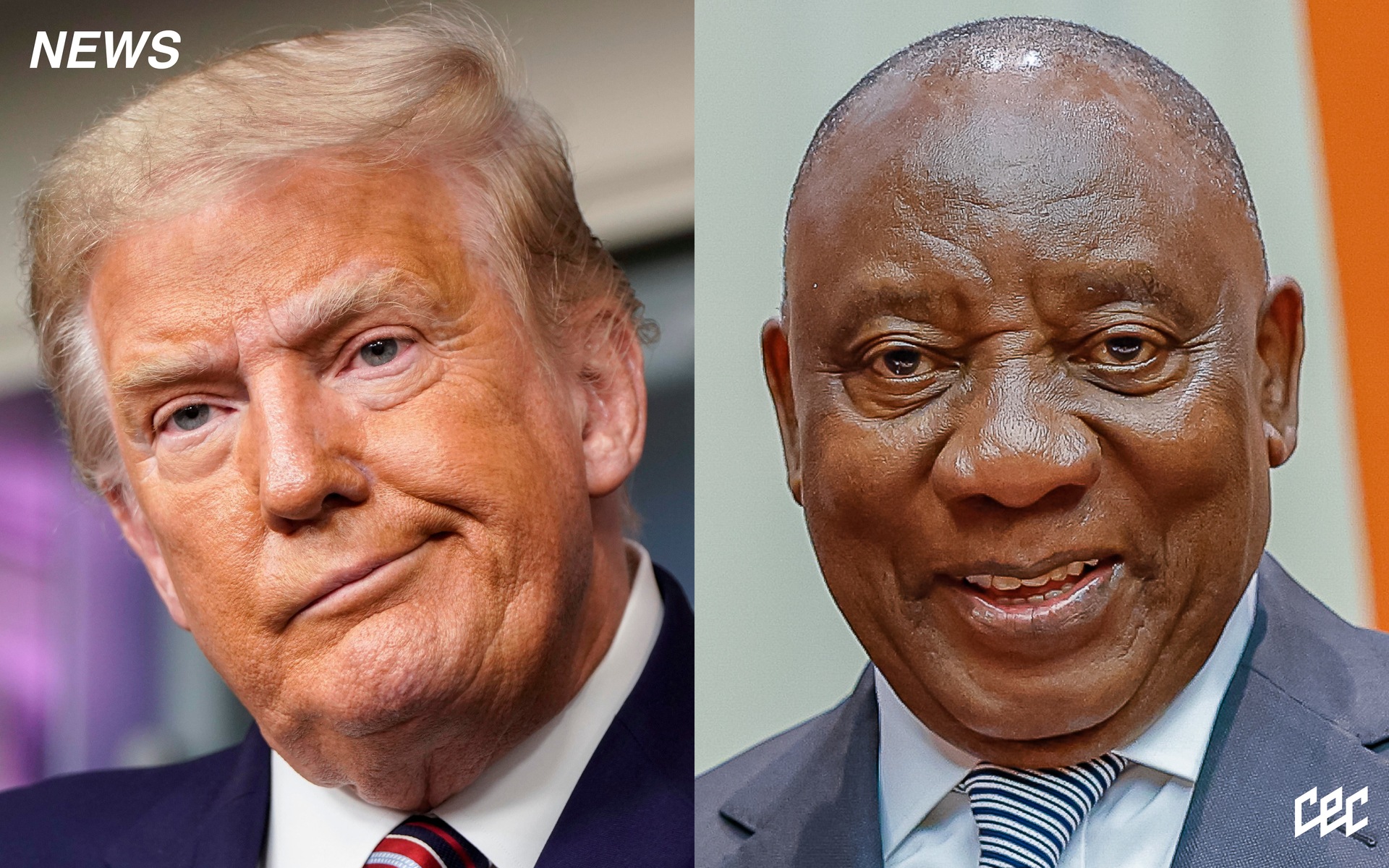
President Donald J. Trump announced in late November 2025 that South Africa would be barred from the 2026 G20 Summit in Miami and that all U.S. financial assistance would halt “effective immediately”. This was the deepening of a sustained, year-long pattern of his administration, and the wholesale reshaping of foreign policy around grievance, racialised narratives, and a distorted portrayal of South Africa as a site of “white genocide’’. This a claim repeatedly and conclusively debunked by independent analysts, crime researchers, and South Africa’s own data.
This has all followed our successful hosting of the G20, in which our robust inclination for policy-making and steady diplomatic stewardship took centre stage as the forum operated effectively as a G19, forging agreements without American involvement.
Trump’s justification, posted on Truth Social and X, hinged on two assertions: that South Africa “refused” to symbolically hand over the G20 presidency to a U.S. Embassy representative at the Johannesburg summit (one Washington had boycotted) and that the South African government “allows white people to be killed” and their farms “to be taken.” The South African presidency accurately described the claims as misinformation, and fact-checking agencies have long established that there is no evidence of a racialised campaign of violence against white farmers or Afrikaners. Crime in South Africa is tragically widespread, as we know, but it does not follow the “genocide” pattern Trump has repeatedly invoked for political gain.
This latest rupture comes atop the seismic foreign-aid withdrawal Trump initiated in early 2025. Through Executive Order 14169 and subsequent directives, the administration dismantled much of the U.S. foreign-assistance; nearly 10,000 USAID and State Department programmes and grants were suspended or terminated, gutting health, education, humanitarian, and governance support across the Global South. In Africa – including South Africa – the domino effect has been devastating; disrupted HIV/AIDS treatment programmes, stalled maternal-health initiatives, weakened food-security systems, and closed community clinics once funded through U.S. partnerships.
While February’s cuts represented a broad, systemic rollback of American development leadership, the November decision was pointedly punitive, targeting one nation and explicitly tying that punishment to Trump’s favoured narrative of white victimhood in South Africa. It was also symbolically dramatic – pulling South Africa from the guest list of one of the world’s major diplomatic forums – even though, in practice, it amounted only to a public declaration so far, with no concrete measures or additional aid cancellations formally enacted beyond what had already been cut earlier in the year.
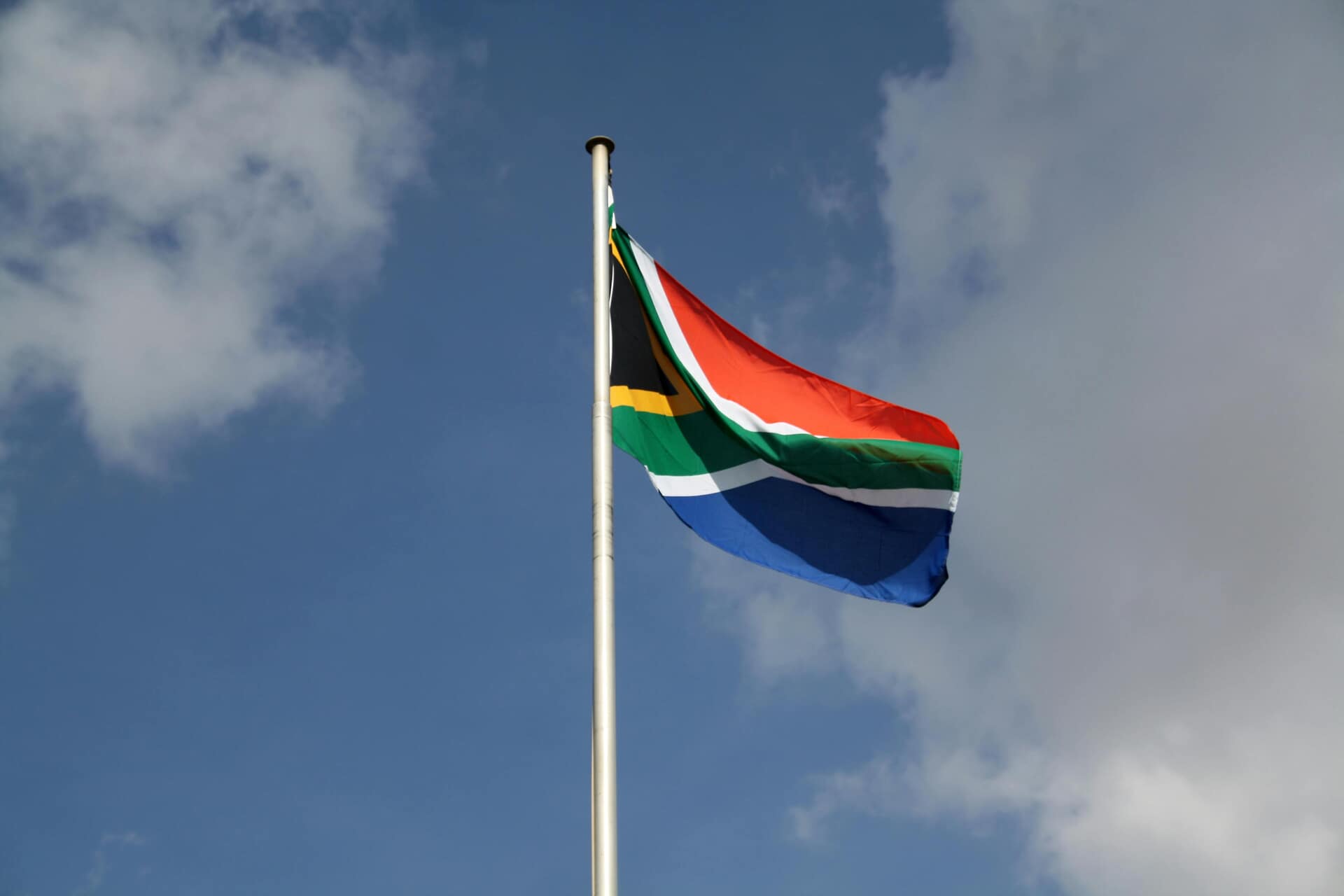
South African flag, courtesy of Pexels
Here is the hopeful subtext, though; the world will not be stalled in response.
The G20 summit in Johannesburg, which the U.S. chose not to attend, was far more consequential than any single procedural handover could demonstrate. For the first time, the group operated effectively as a G19, with major economies collaborating, negotiating, and setting agendas without American participation. Far from collapsing, the forum moved forward on climate-finance commitments, mineral-supply-chain cooperation, infrastructure agreements across the Global South, and expanded roles for multilateral institutions like the African Union and BRICS-aligned development banks.
In practice, the U.S. absence created space for other powers – China, India, Brazil, the EU, the AU – to deepen ties, shape norms, and build alliances on their own terms. South Africa was central in brokering several of these discussions, reinforcing its role as a bridge between developing nations and established economies. Washington’s decision to effectively exclude itself accelerated a shift that had already begun; a multipolar world in which the U.S. is no longer the gravitational centre of global diplomacy.
Trump’s retaliatory ban on South Africa’s 2026 participation now lands in a global environment in which exclusion from American-hosted gatherings carries far less weight than it once did. Countries are increasingly diversifying their partnerships, through BRICS+, the African Continental Free Trade Area, South-South cooperation, and multilateral lending structures that no longer flow solely from Washington.
So, this diplomatic rupture demonstrates what the world is doing without American support; how other nations are learning to move, negotiate, and collaborate independently, even confidently, beyond the shadow of Washington.
This is a developing story.
Written by Holly Beaton
For more news, visit the Connect Everything Collective homepage www.ceconline.co.za