Boogie Vice Debut’s ‘Kariega Cruise’ On Amsterdam Based Label, Animal Language

Hailing from Paris and currently living in Cape Town, Boogie Vice is a hyperactive producer and DJ whose music has been released by some of the biggest labels in the industry. His tracks have performed on Ed Banger Records, Get Physical Music, Circa 99 (Boston Bun), CUFF (Amine Edge & Dance) as well as Katermukke (Dirty Doering) among others.

Boogie Vice has a truly unique sound with influences of disco, groovy house and African tribal beats that have resonated with music lovers all around the globe. It’s this love for his music that has led to him covering a global footprint of live performances that span from Brazil to Argentina, Italy, Ireland, Russia, France & more.

Boogie Vice now makes his debut on Mason’s Amsterdam based Animal Language imprint. A label that is always willing to take a risk on the more eclectic sounds of the house scene. ‘Kariega Cruise’ is a pure distilled summer party vibe; like having the sun on your back and a mojito in your hand. It is a sonic stew of steel drums, snake-charmer-esque woodwind, pianos, and percussion. It’s a kitchen sink of a track that grooves as layers weave in and out creating pleasing musical havoc. 

The track has already received DJ Support from:

Jamie Jones, Laurent Garnier, Robert Owens, Eelke Kleijn, Mason, Ida Engberg, Mousse T.

/// Stream ‘KARIEGA CRUISE’
Beatport
Spotify
Apple Music
Amazon Music
Deezer
Soundcloud
Tidal
Napster

/// For more Boogie Vice updates follow here
Interlude Chapter 06 | The Ascent of Local Streetwear

Emerging in the 1990s as the amalgamated uniform of subcultures like skating, surfing, hip-hop and punk; streetwear is perhaps the most critical avenue we have in “fashion” that most represents the truth of dressing in the world. While luxury built its bones on exclusivity and perceived notions of “quality”, streetwear has always been intrinsically tied to community and authenticity; with such tenets able to thread through its incredible ascent to luxury fashion status, as seen today with Virgil’s legacy at Louis Vuitton or Nigo’s journey from Bape and Billionaire Boys Club to Kenzo. Even in these translations of streetwear to luxury, the energy of community permeates – and it’s this origin story for streetwear that will continue to live on even in the age of “hype-beast” style distinguishability, in which rarity and novelty tend to triumph above all. Streetwear is comfort – it is casual, functional and acts as a bridge of accessibility for most of us traversing personal style and sartorial expression. While retail is not a game for the faint hearted – as I’ve heard Los Angeles designers Steak (AKA Rachael Finley) of Hot Lava or 2tone of Born X Raised reiterate, and it tends to always be a labour of love and affection for carving out cultural spaces for homies and lovers. Building a brand strikes at the very experience of being young and driven, and speaks to the innate scrappiness of human beings to build and create despite the economic systems that were never really designed for many of us to succeed. This is why brands like Stüssy and Palace remain behemothic directors of culture in a way that no corporation could ever set out to do, and why like Sofia Pantera’s label Aries – that reignited women’s presence in streetwear in the early 2010s – remain important, coveted, and as essential as the silhouettes of streetwear itself. Streetwear is the second-skin of the mass experience; it is both a tool and a weapon against the constraints of a stifling society, and a nexus point for music, art, design and creativity. 

Before Virgil passed on, he left behind a tool that everyone should know about – Free Game a 12 step hitlist resource for emerging brands, or anyone wanting to embark on building their own, to consider and learn from. This energy of mentorship is a widespread phenomena, and is the kind of energy that saw brands like Young & Lazy hit cult-like status in South Africa, a door that was opened by Anthony Smiths iconic 2bop offering – Corner Store alumni and affiliates will tell you those doors will never close again; and we see it, now, as streetwear in South Africa continues to ascend to new heights, lead by the likes Sol Sol, Good Good Good and Broke While by no means exhaustive, this chapter of Interlude is dedicated to a variation of 12 streetwear and apparel brands that excite and encourage sartorial autonomy in the country, and to whom we owe gratitude for electing to create and produce locally.

Heysous

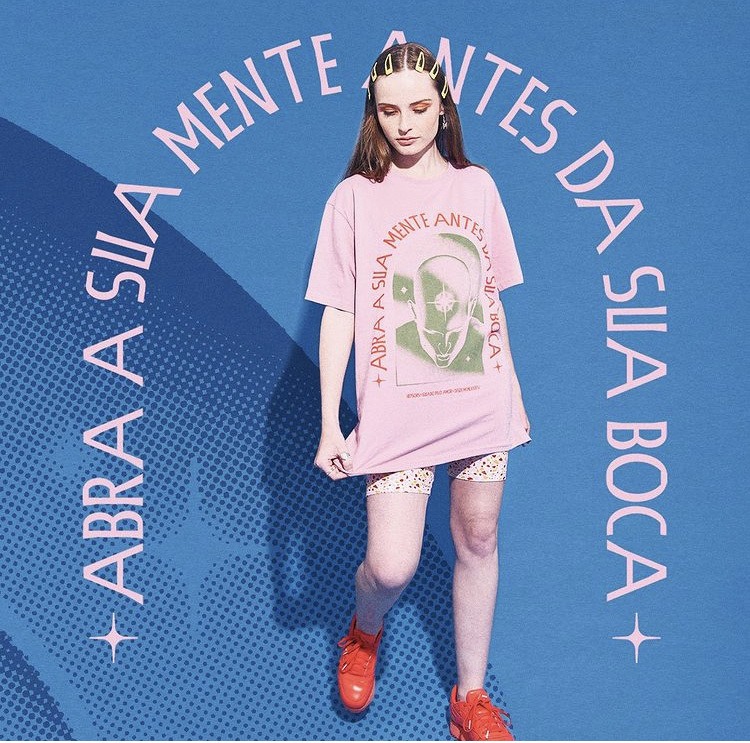
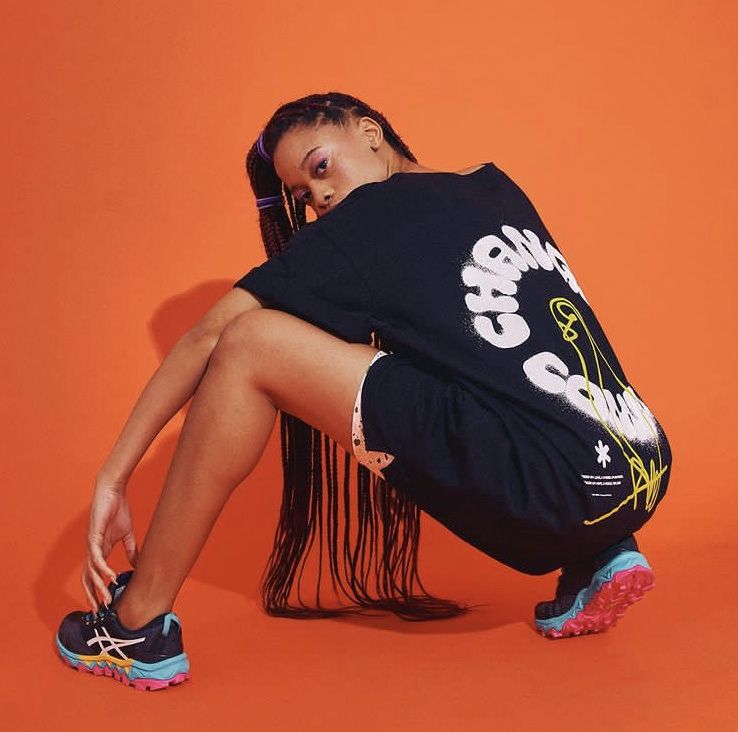
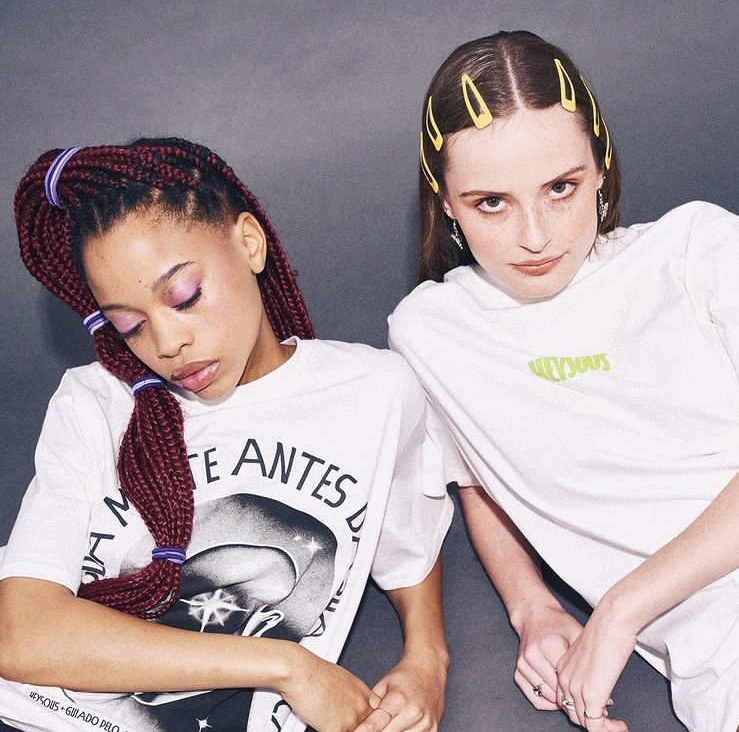
Heysous hail from sunny Cape Town – a colourful, joyful ode to friendship and fun, alongside a wonderful size inclusivity. Their offerings are notable for the graphic print tees (our favourite is the Abra A Sua Mente tee depicting consciousness awakening) and bubble style typography, with mantras like “change cometh” and “guided by love”. Priding themselves on responsibly sourced fabrics and local production; we love to see the spirit of Cape Town’s textile heritage celebrated in a youthful way, for everyone.

Lazy Stacks

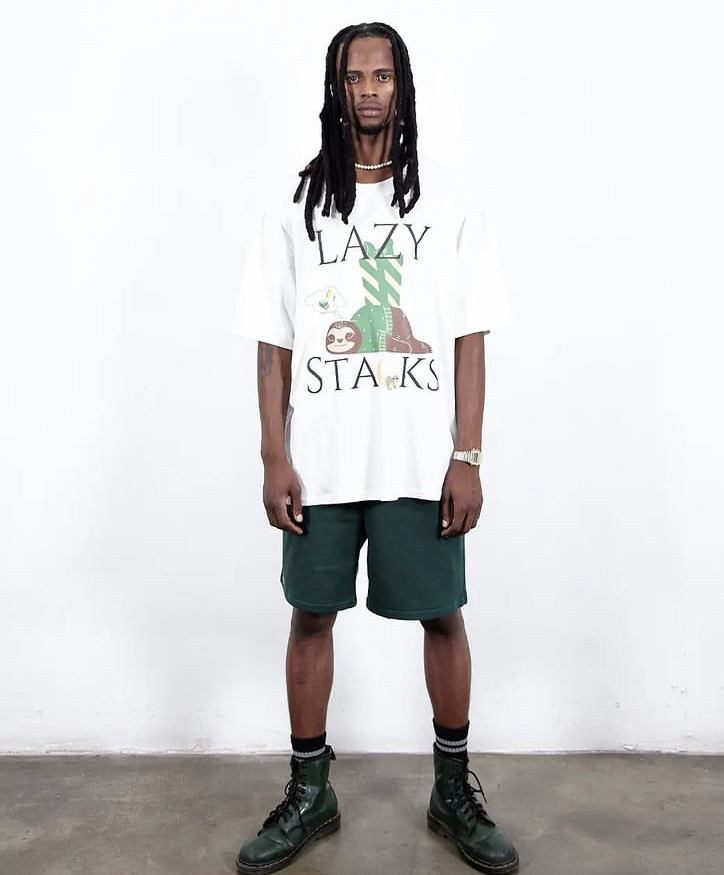
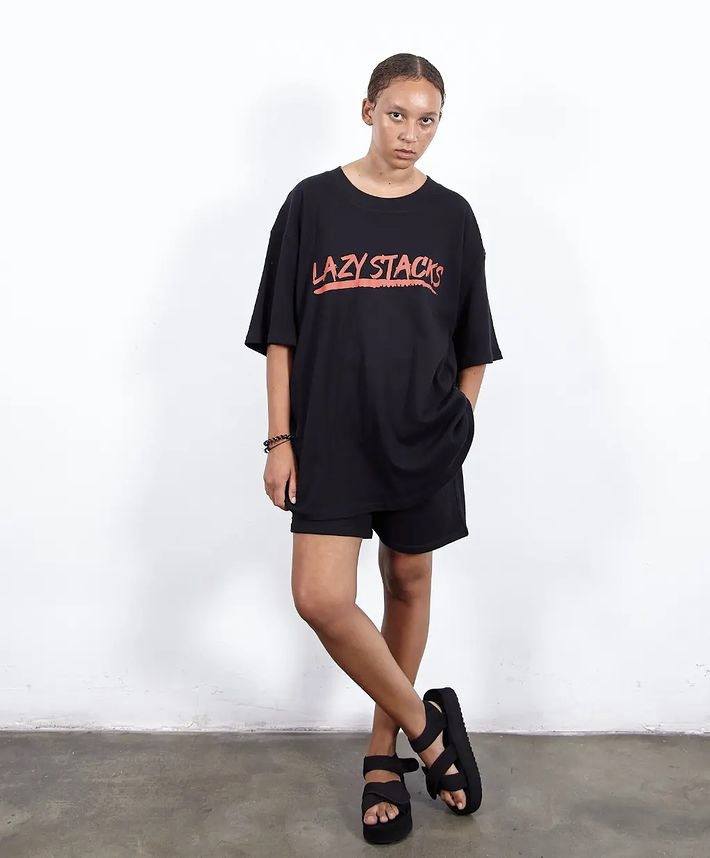
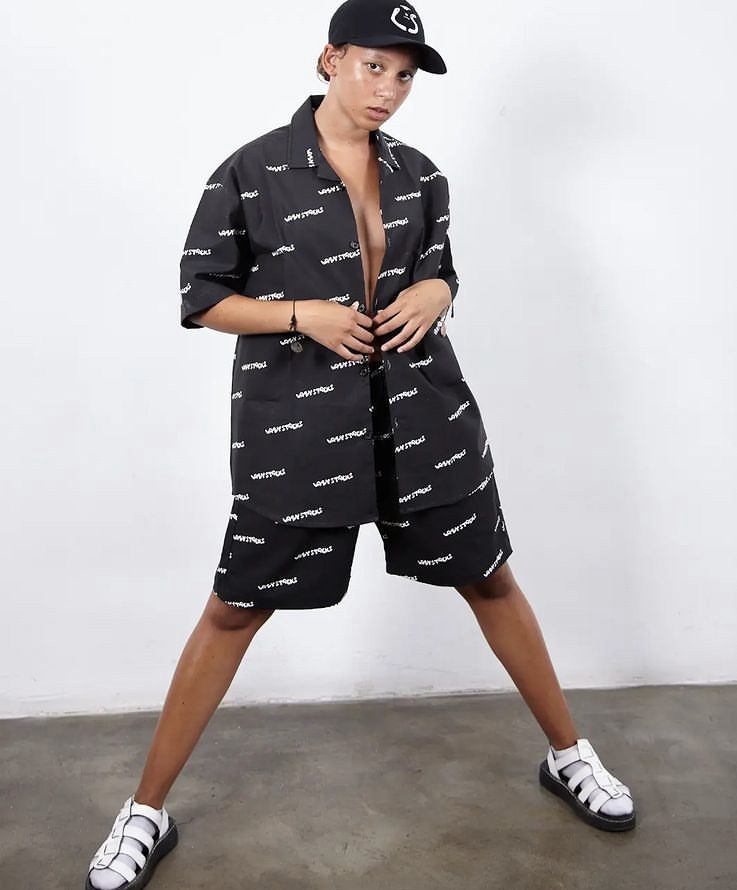
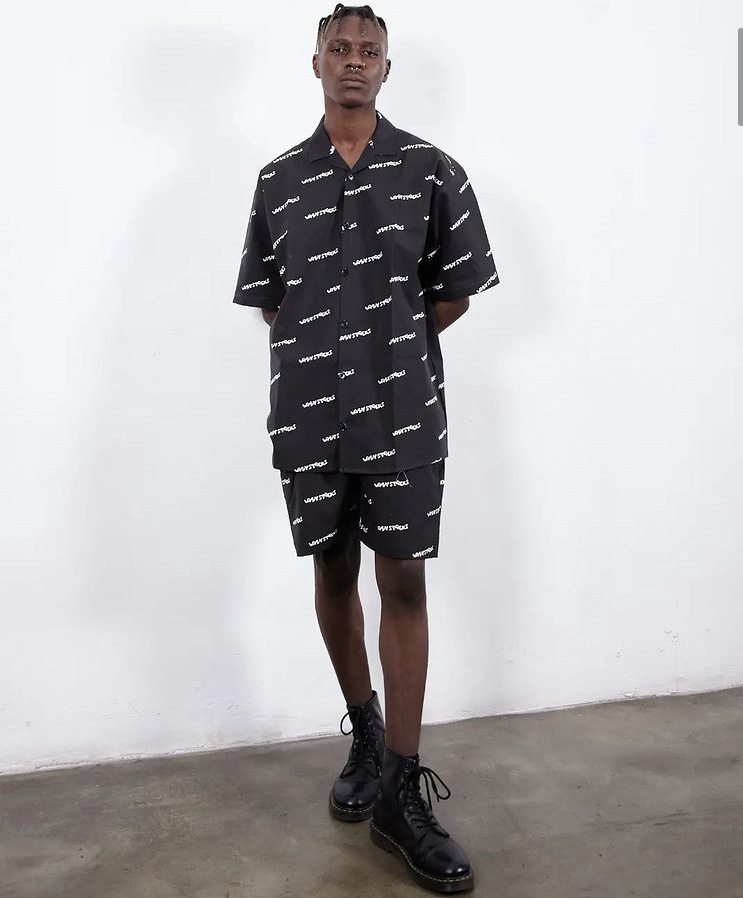
Comfort is king for local brand Lazy Stacks; their focus is on staples like crewneck long sleeves and tees, tracksuit-style interpretations of loungewear and a two piece set with their logo printed; something we see many fashion retailers attempt to do, but with Lazy Stacks – feels so right for their brand’s ethos, built on the rebellious spirit that guides culture in South Africa. Affordable and effortless – their offerings are must-have additions to your wardrobe.

Maylee

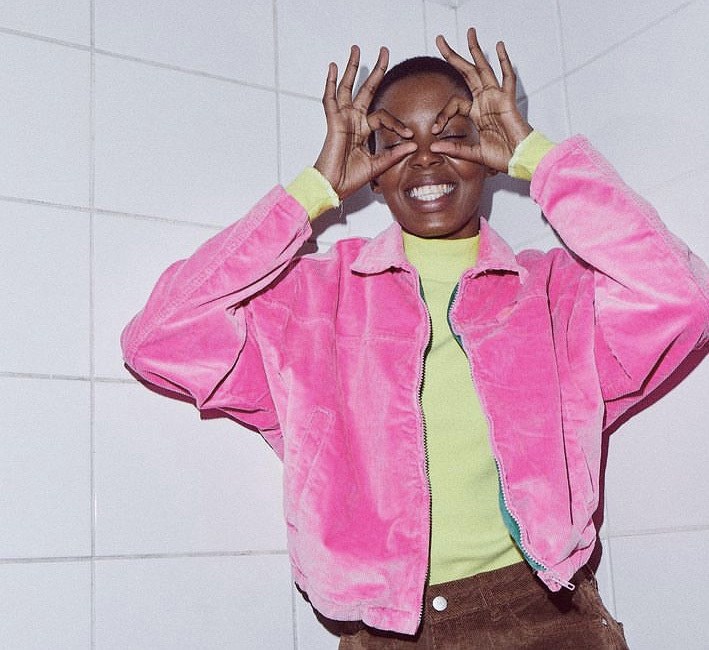
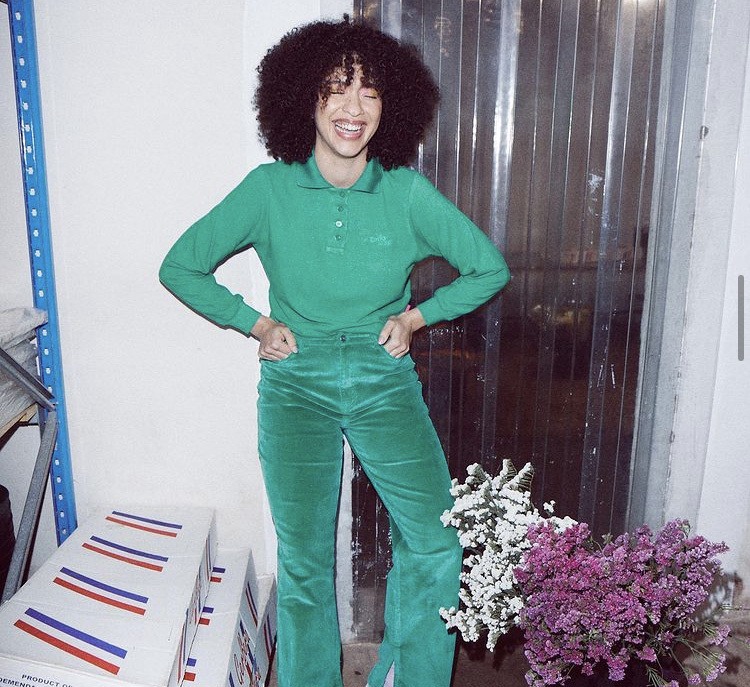
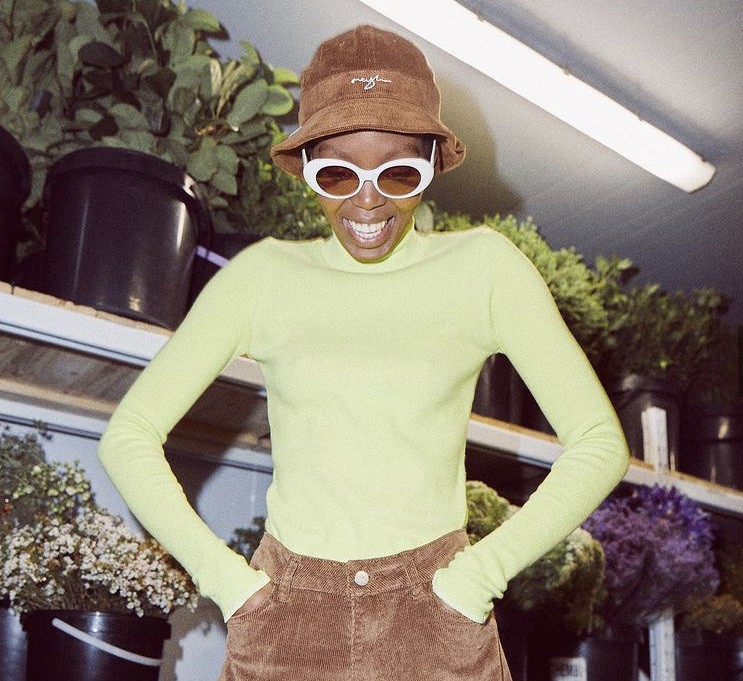
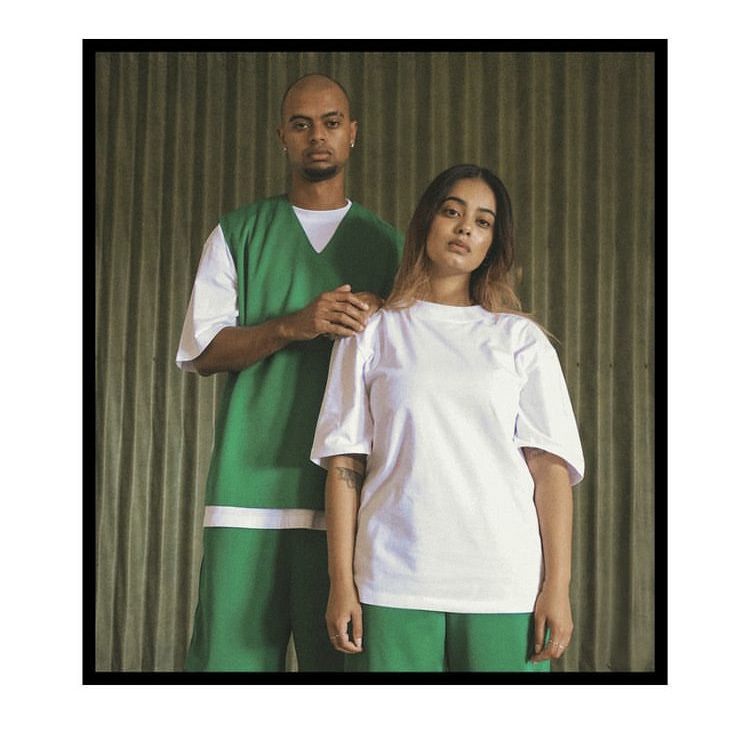
Molly Keiser has been a mama of streetwear in South Africa from some time now – her husband Mathew is the founder of SolSol, and together they co-own Orphan Street Clothing Shop. Her brand, Maylee, is a feminine answer to the masculine-centric energy of streetwear. With designer Megan Woolley at the helm, Maylee showcases the simultaneous softness and toughness of women; and this season was a corduroy dreamscape of green, pinks and browns – essential for winter in South Africa. We love the art direction of the brand – for the gals, by the gals.

Artclub and Friends

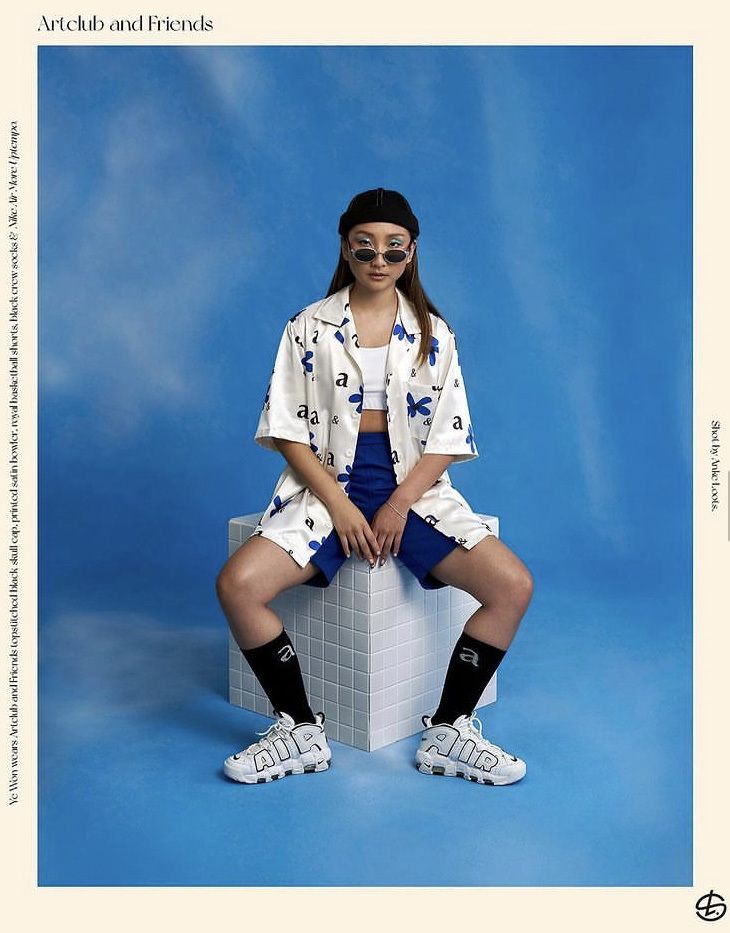
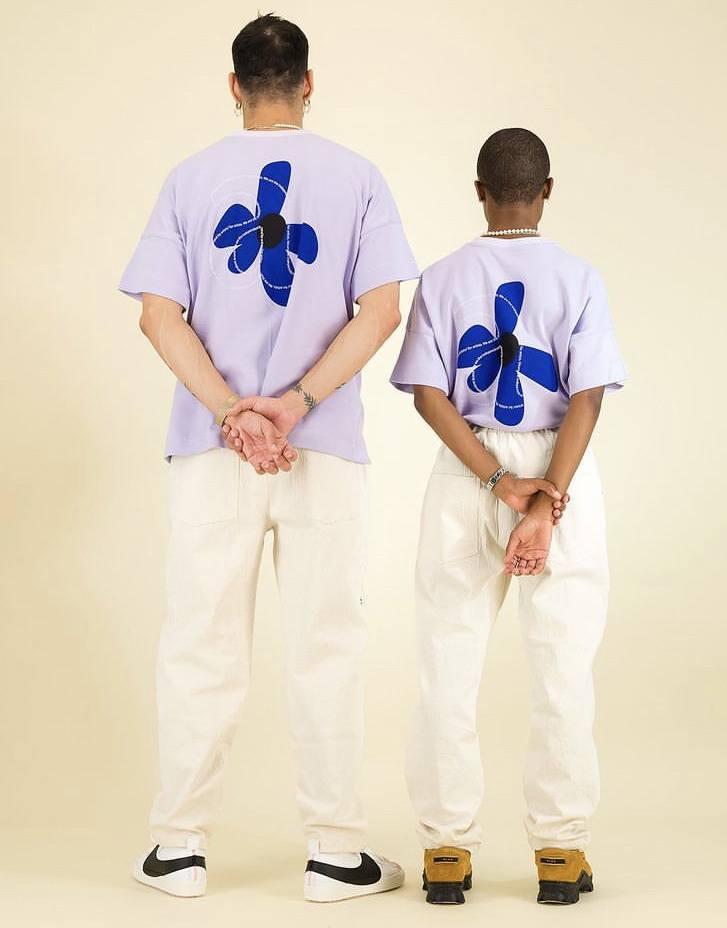
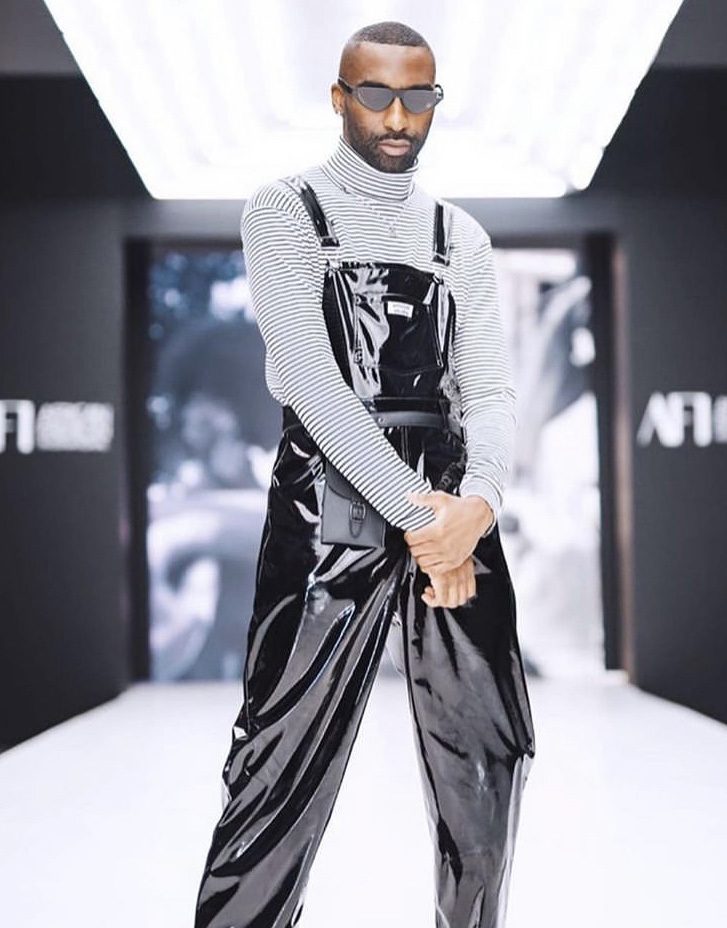
Artclub and Friends is an immense blueprint for building a successful brand based on values. Founder and designer Robyn Keyser was talking about living wages and ethical production a few years ago – before it became a prerequisite for producing locally and sustainably. Today, the brand has a cult-like following of Artclub’s own community; non-gendered apparel, with the in-house staples that are updated every year – and now, footwear! The brand’s earliest inception was lauded by the late, great Riky Rick as truly interesting and important local design – we couldn’t agree more.

Jeanius Platform

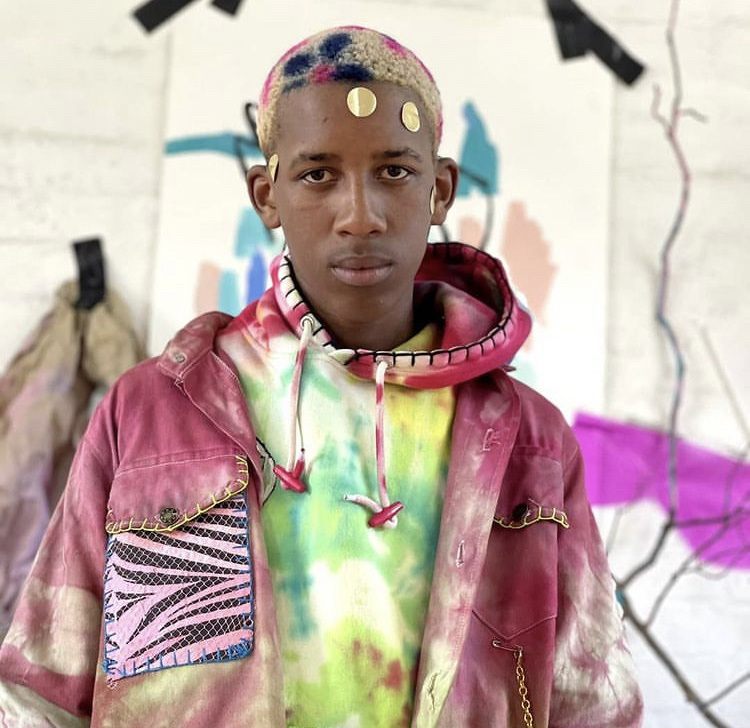
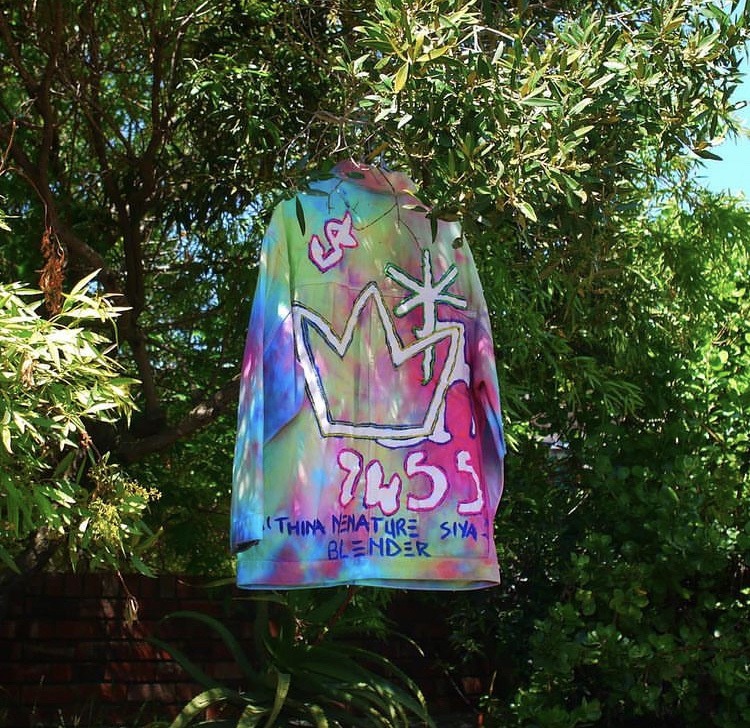
Anele Cephus Nono started Jeanius Platform as a social awareness platform in 2016 – with the principles of freedom and decolonisation as the foundations upon which to build his incredible Denim Artwear brand. Exemplifying streetwears grassroot, radical and DIY origin – Jeanius Platform is a kaleidoscopic landscape of colour, community and care. No two pieces are the same, with tie-dye, symbolism and upcycling making this brand one of the most unique and exciting in South Africa.

Socioculture 

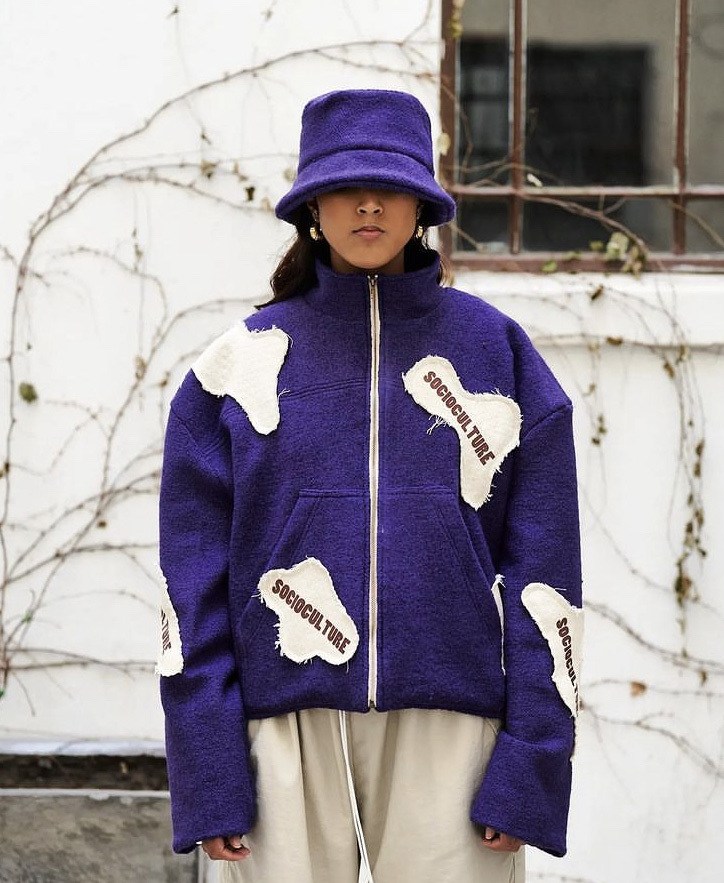
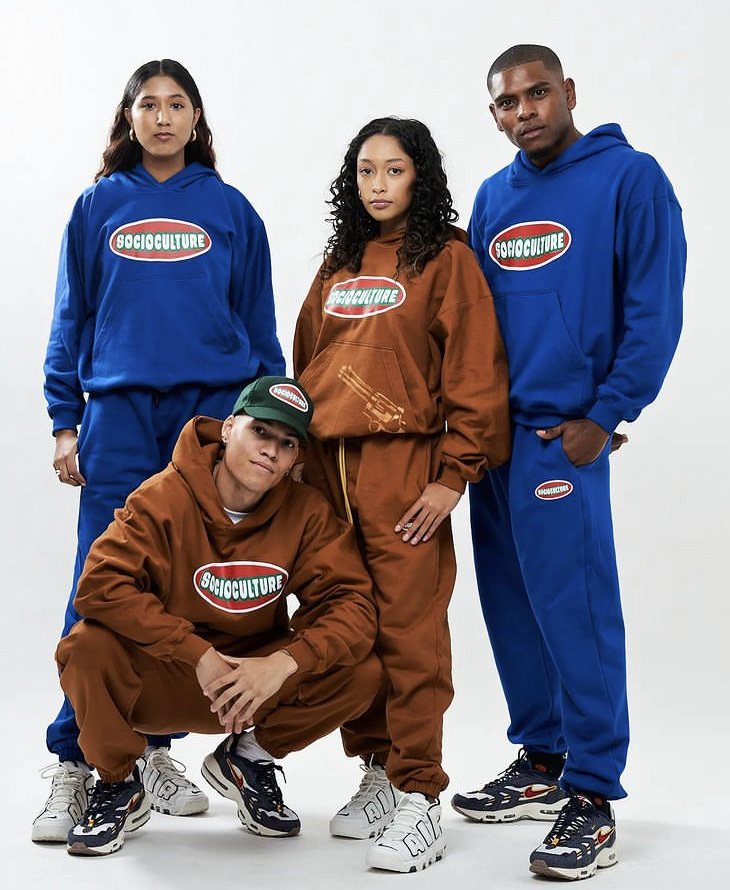
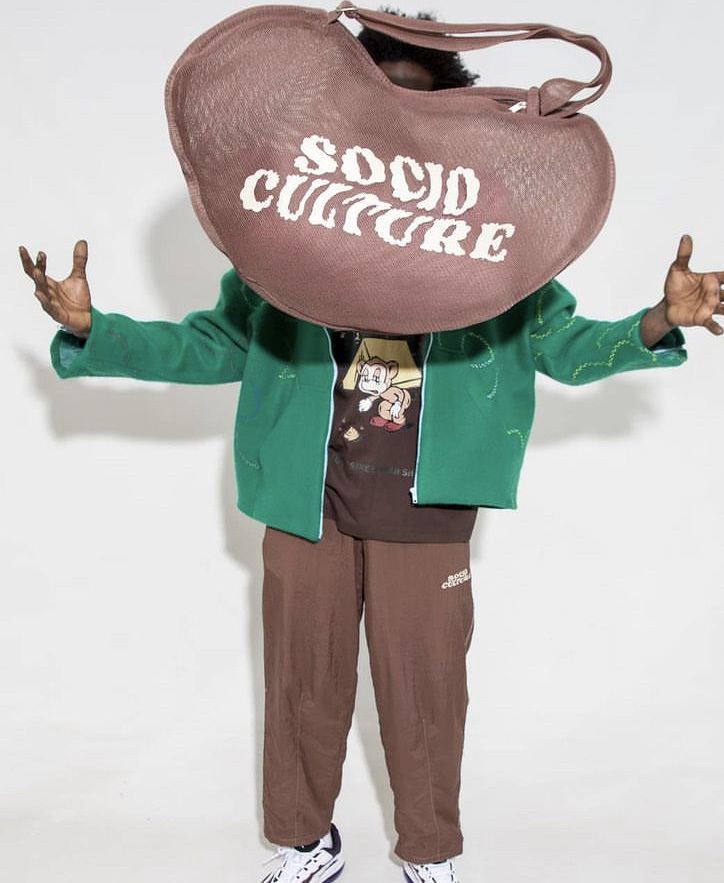
Naeelah Jamut’s label Socioculture has taken the scene by storm. With a recent showcase at The Stockroom Show (powered by Lemkus), Socioculture is Naeelah’s commitment to quality construction, and the pieces are made strictly by her with a helping hand from her mom – herself, an expert in garment construction from her years in Woodstock’s historic garment industry. The brand started when Naeelah studied at CTCFD (Cape Town College of Fashion Design) in which the students were tasked with conceptualising a viable brand; fast-track until today, and Socioculture is as viable as ever – with a strong emphasis on creating clothing that tells the story of Cape Town’s streets, and the diverse people who inhabit them.

Pedestrian

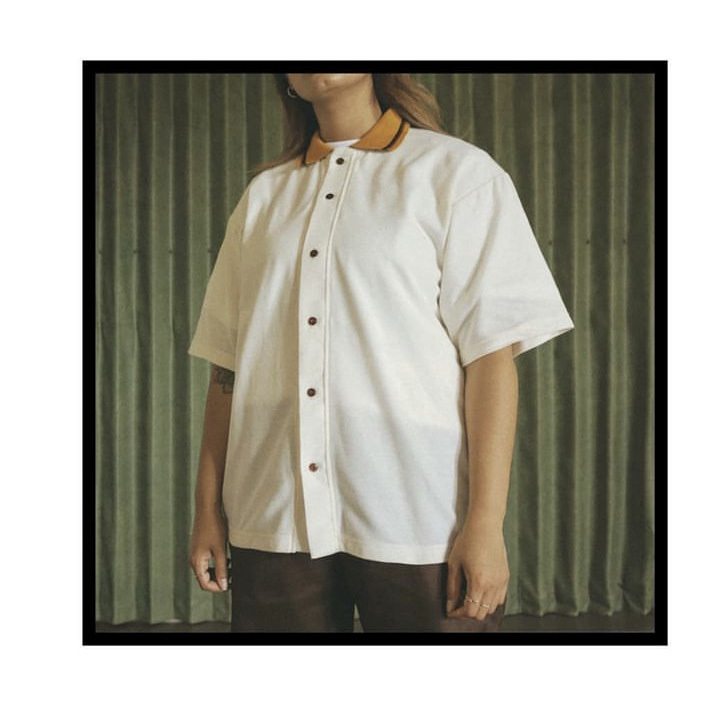
Pedestrian is made-to-order; a brand that doesn’t sit on stock and rather responds to its community directly, is worth noting in a world where streetwear seems to be more and more co-opted by the clutches of hyper-consumption. Button-up shirts, tees and well-crafted trousers; Pedestrian is unisex, and a favourite of creatives in Cape Town.

Refuse Clothing Brand

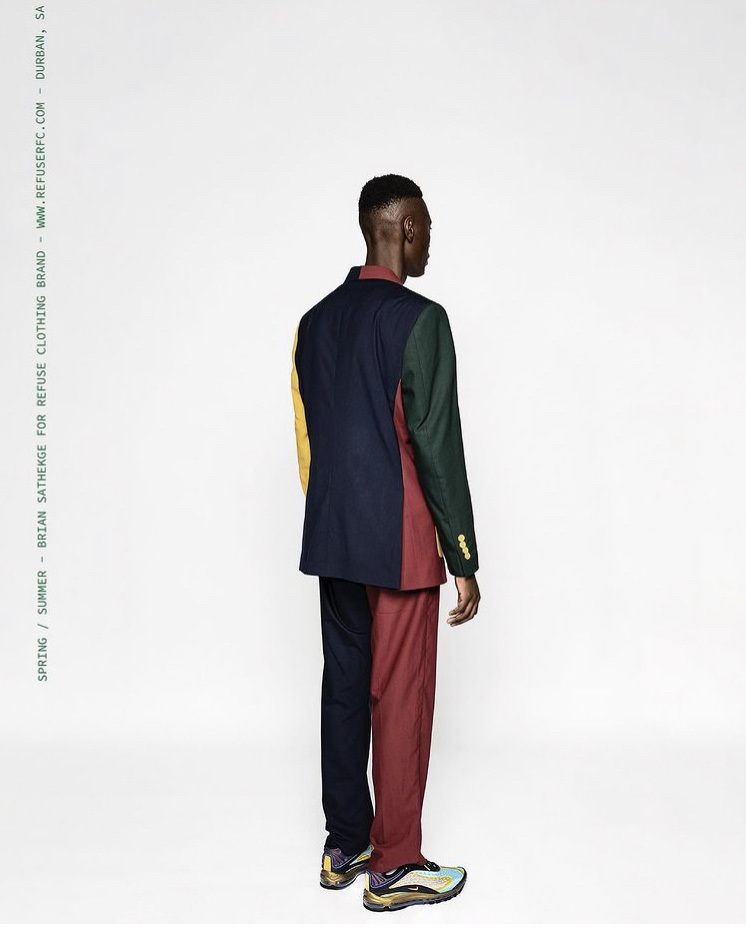
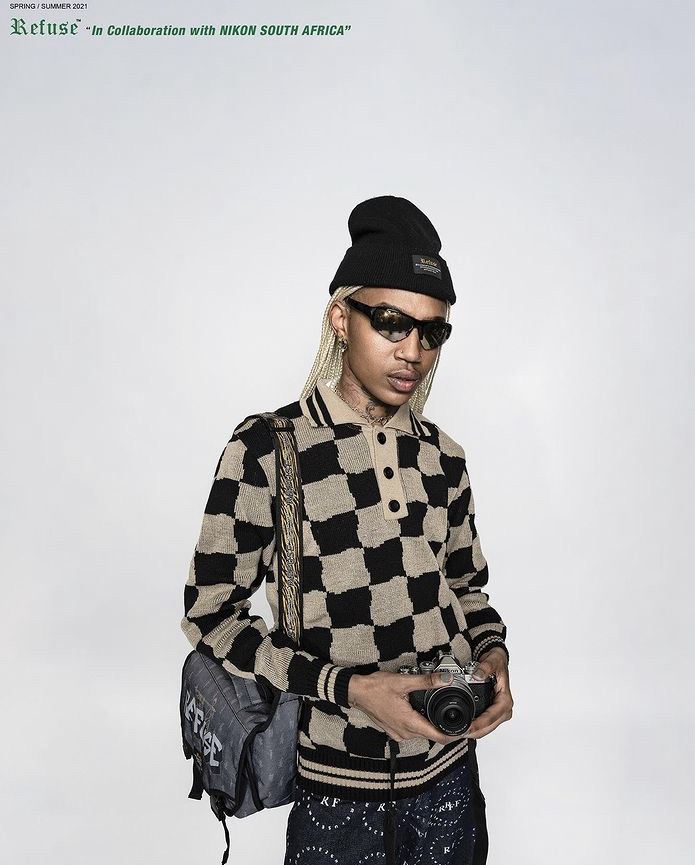
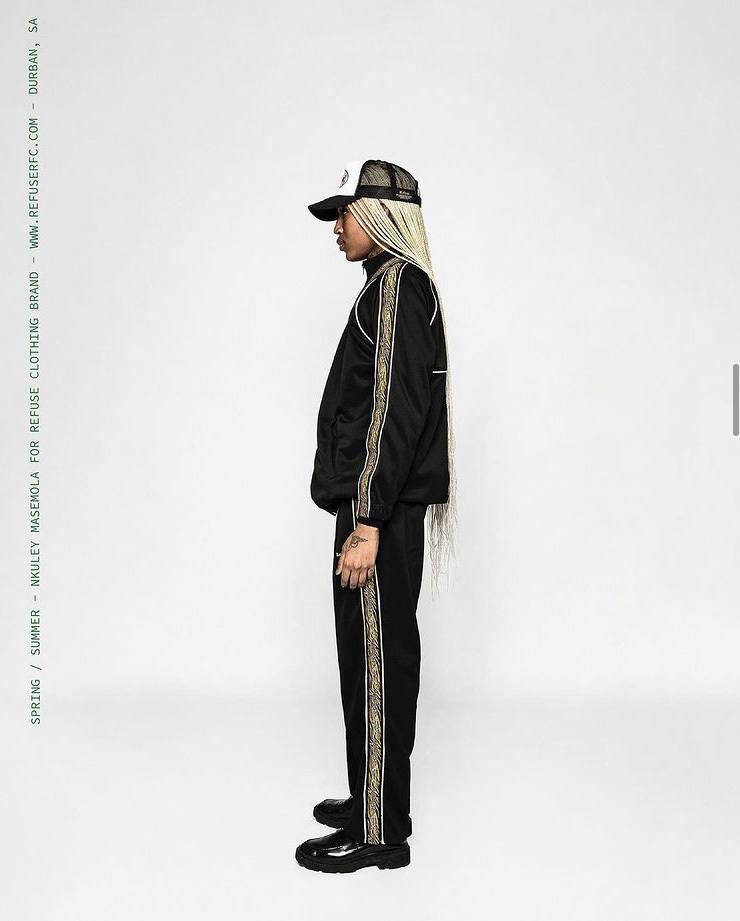
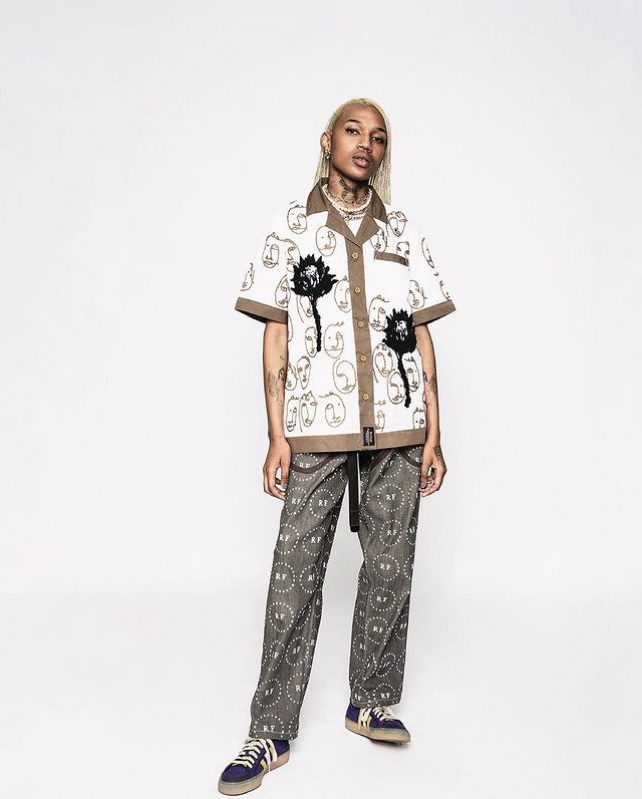
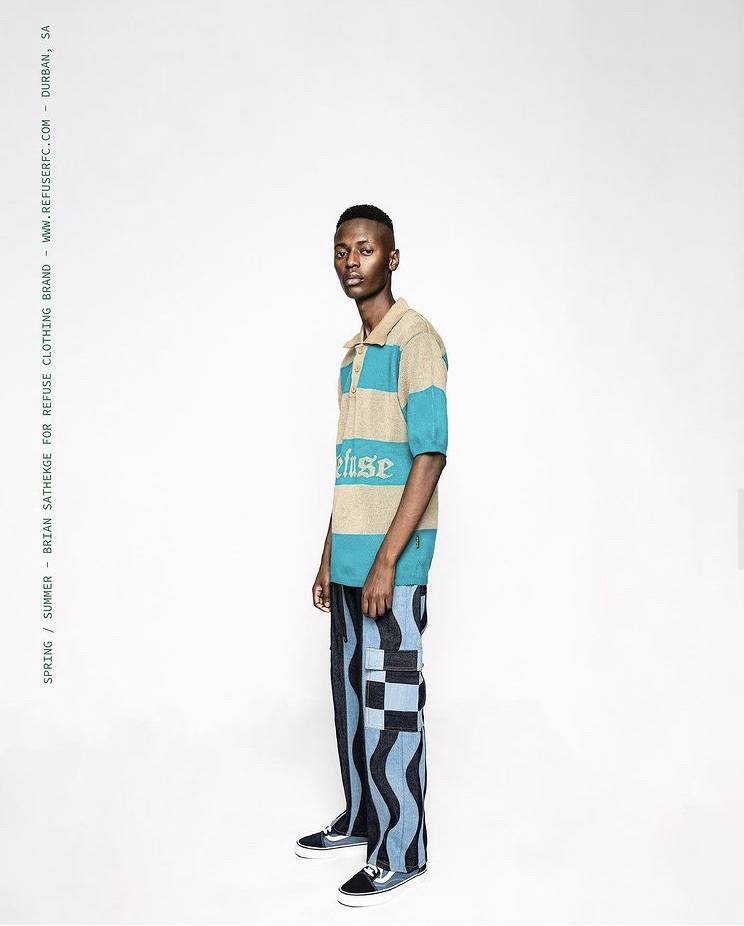
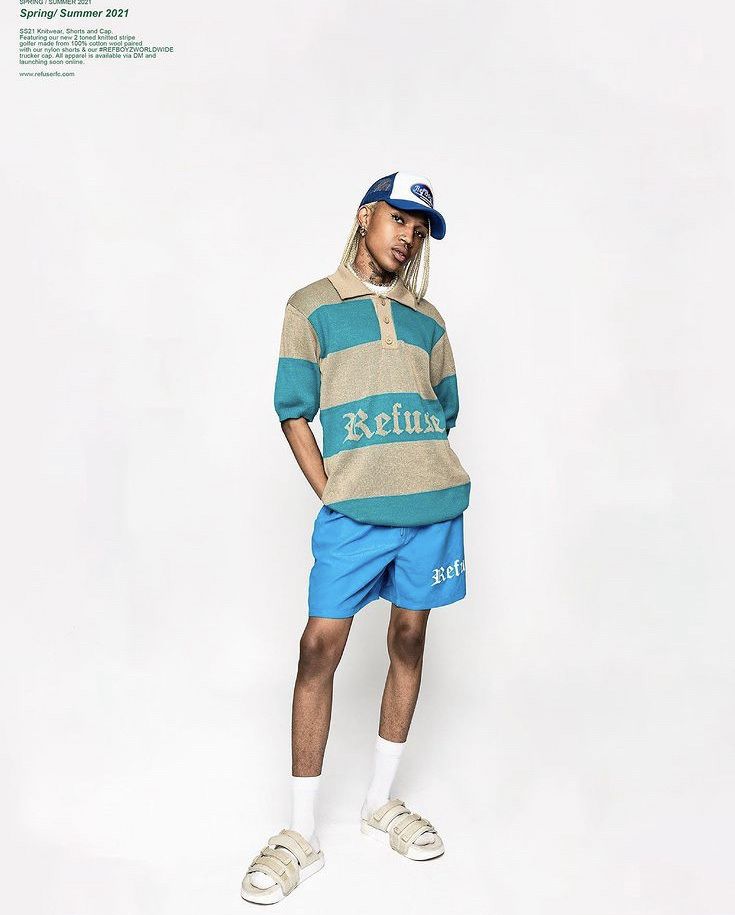
Refuse boasts some of the most intriguing and varied array of garments we have seen in a while – with an editorial and brand identity that is incredibly strong. The design nuances of their collections in the last few years have seen the brand drop suites, bags, shirts – alongside streetwear staple like tees and trackies. Their discreet brand story leaves the brand a mysterious enigma in the local scene – whatever the story is, it’s working overtime. 

Kazard Clothing 

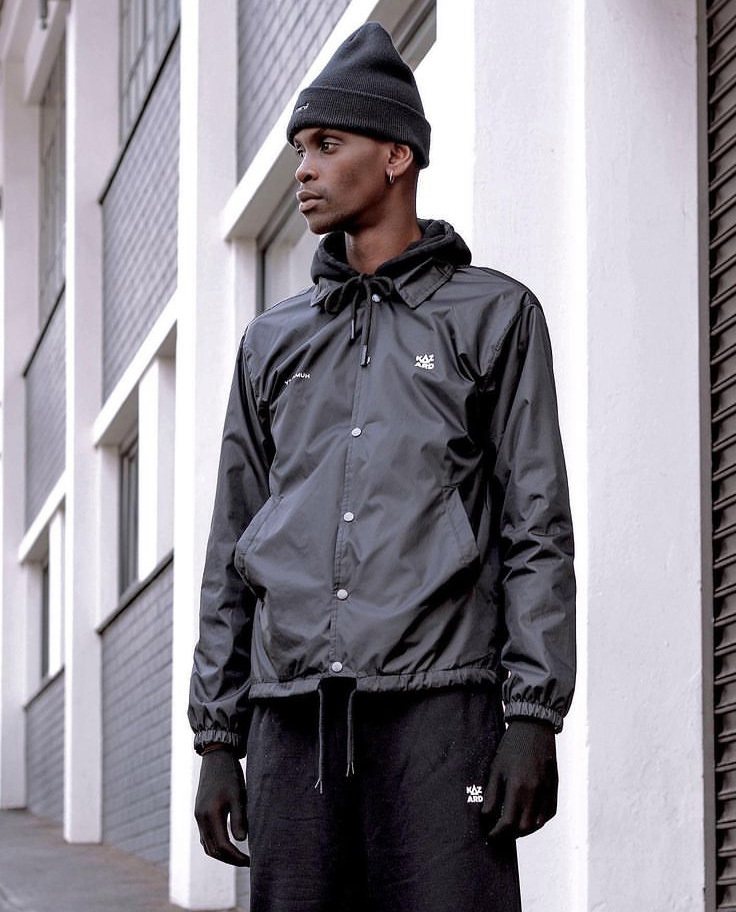
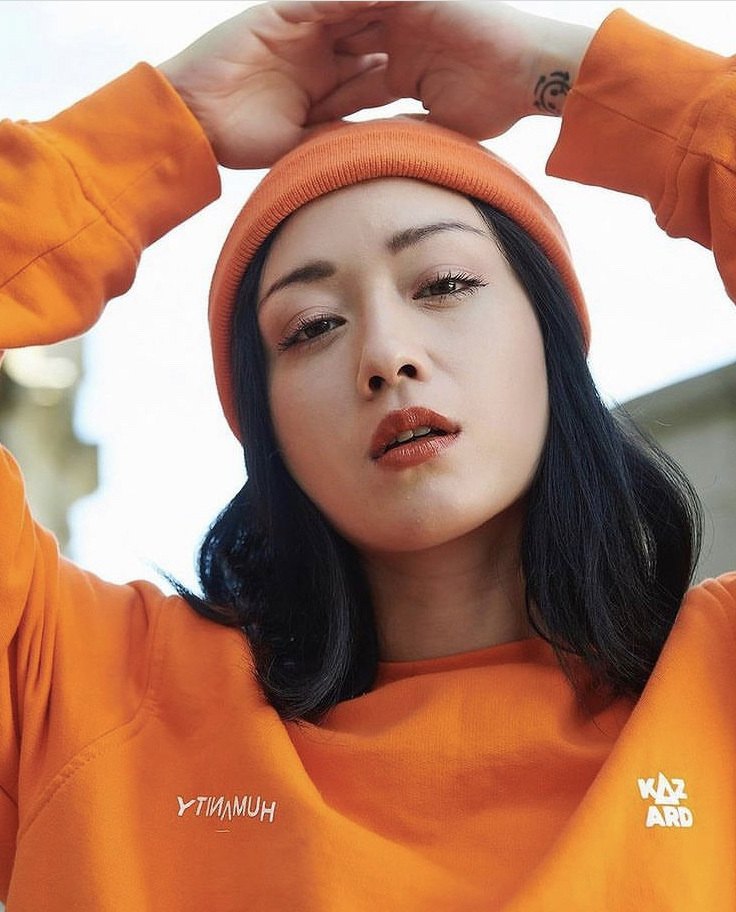
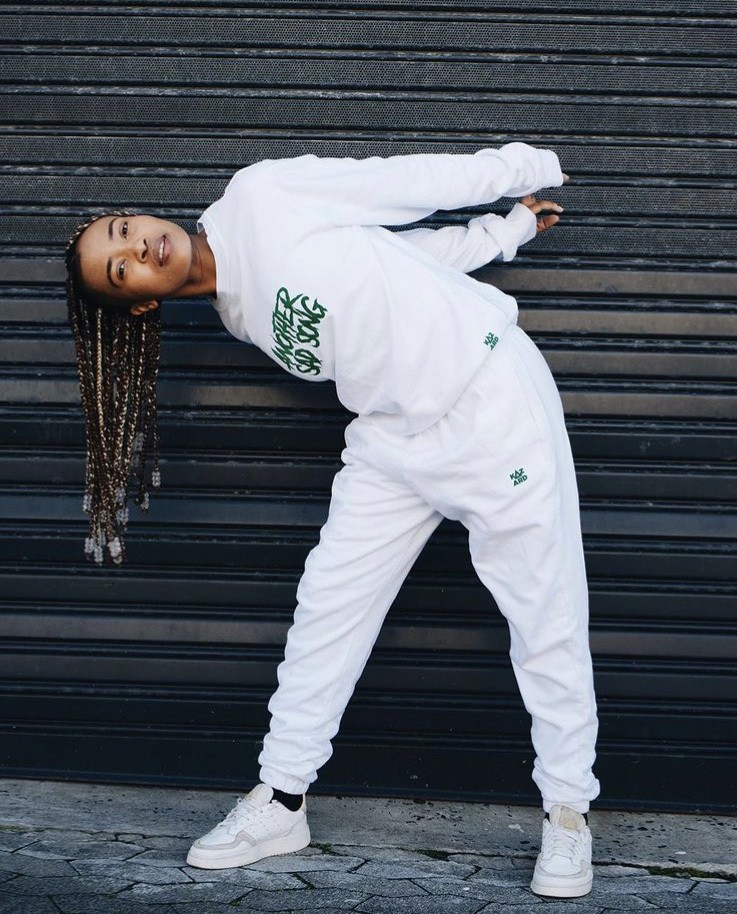
Kazard founder Ayanda Tonise is a streetwear maverick, paving the way for South African culture and design since 2015. The brand’s logo is constantly revived in different typographies, and across an array of essential garments like rugby jerseys, caps, hoodies and tees. Kazard’s name means “being the king/queen of your own area” – a code for the culture.

Human By Nature

Founded by John Lehman in 2017, Human By Nature is a cross-continental ode to nostalgia. Originating in Hong Kong, the brand (and John) now call Cape Town their home; with a push to streamline all production here in the city. Inspired by John’s love for athletics, Japanese design sensibilities and his childhood living all over the world, the brand is a precious reminder that our streetwear scene is as exciting and inviting for people around the world, as it is for us. 
 

Stiebeuel

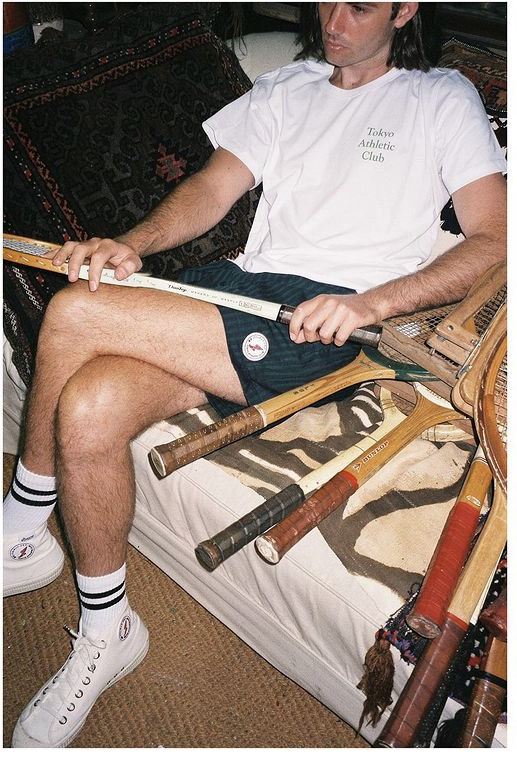
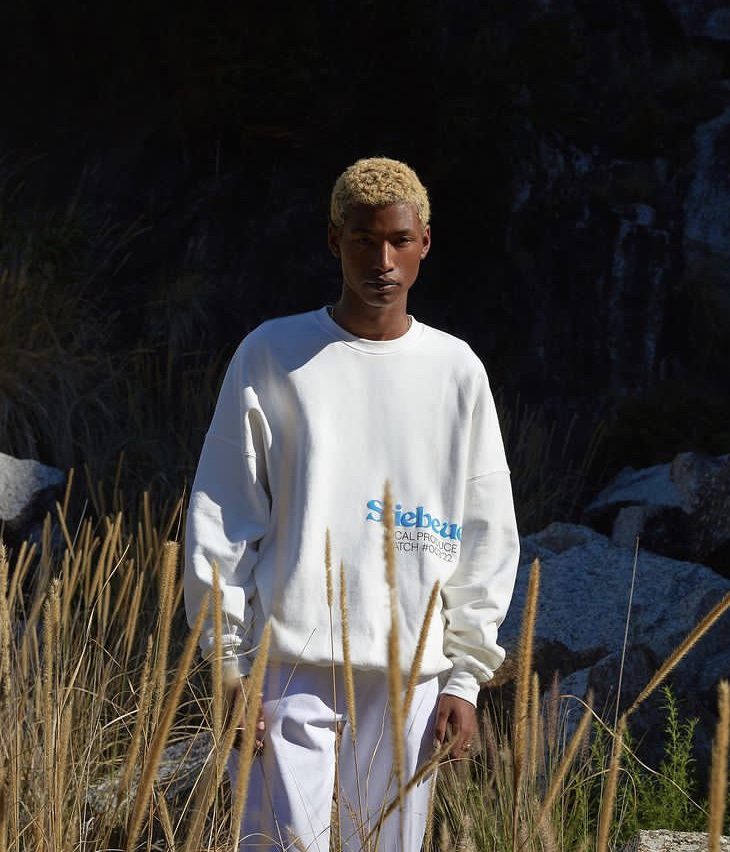
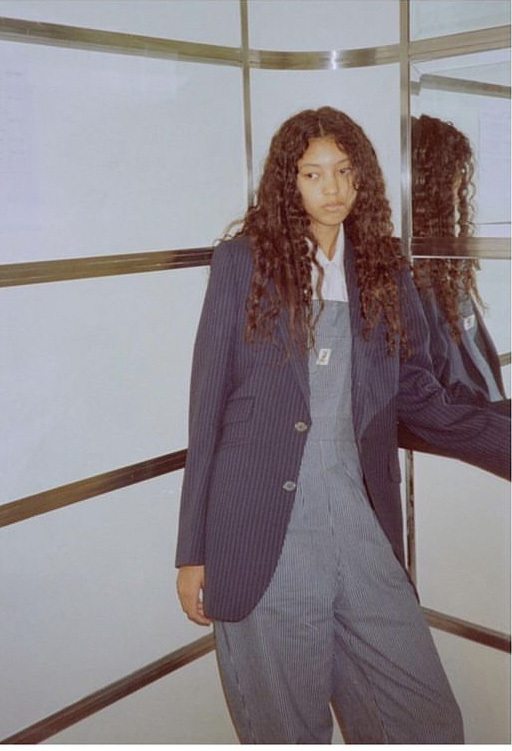
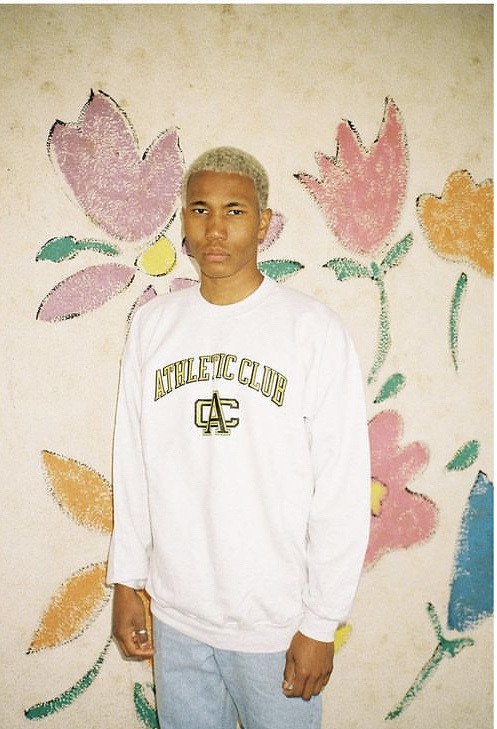
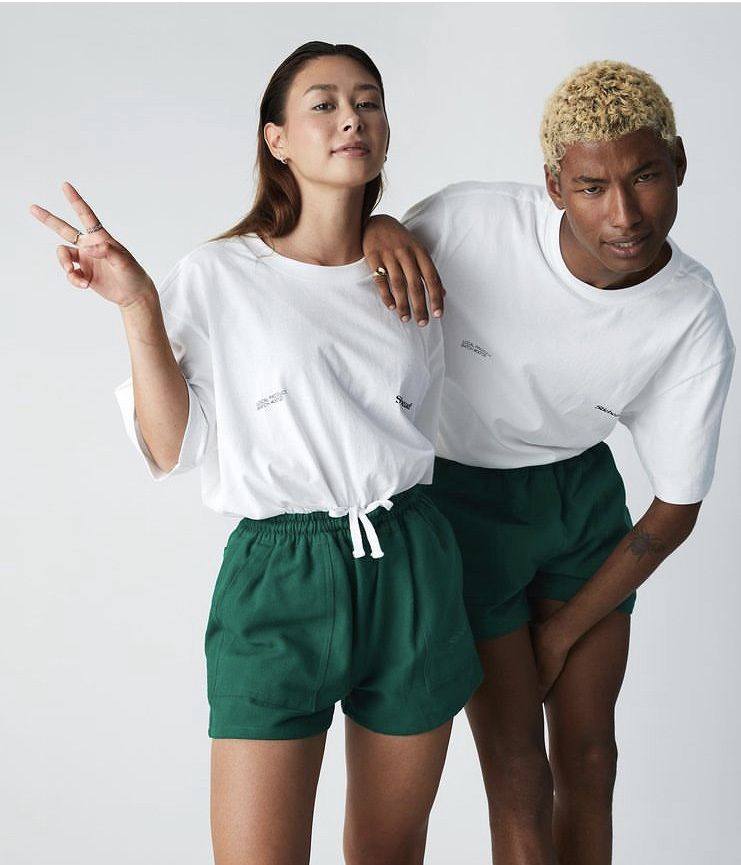
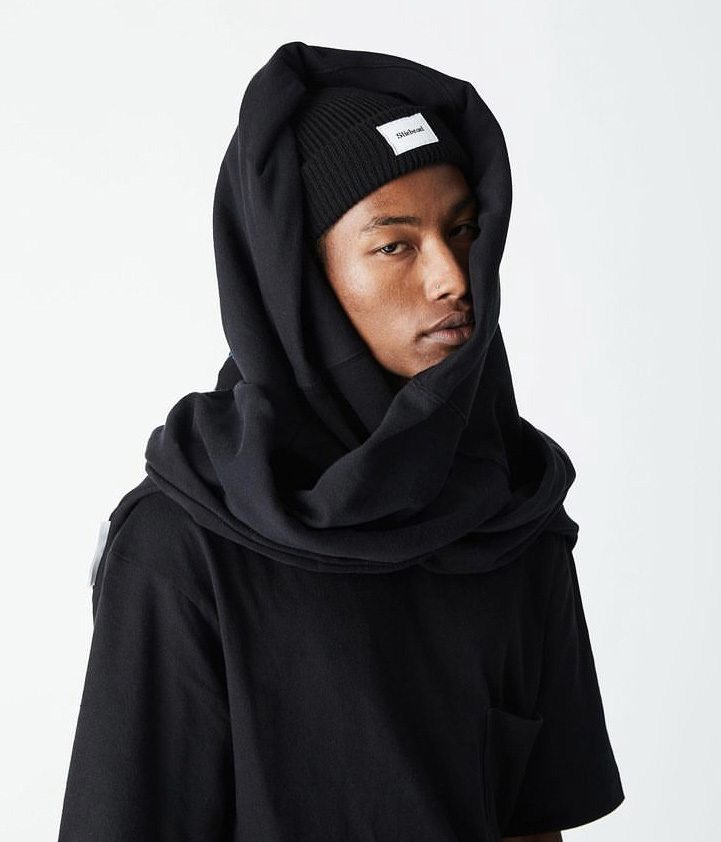
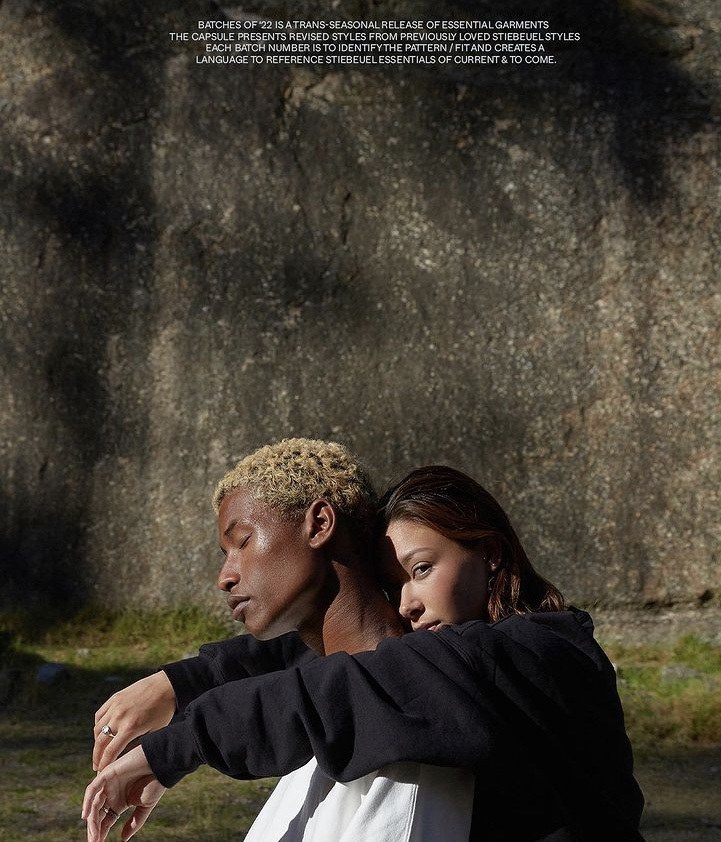
Stiebeuel reminds us that the boundary between streetwear and menswear remains interchangeable. Founded in 2014 by designer Nico Nigrini, the brand is an effortless interpretation of staple silhouettes and styles created with intention; the recent ‘22 collection Volley paid homage to tennis, and we think the editorial images of Alex Pankiv-Greene and Tiffany Schouw are some of the most beautiful campaign shots we’ve seen all  year.

Written by: Holly Bell Beaton

A Mother and Maverick of South African Art, Jana Terblanche

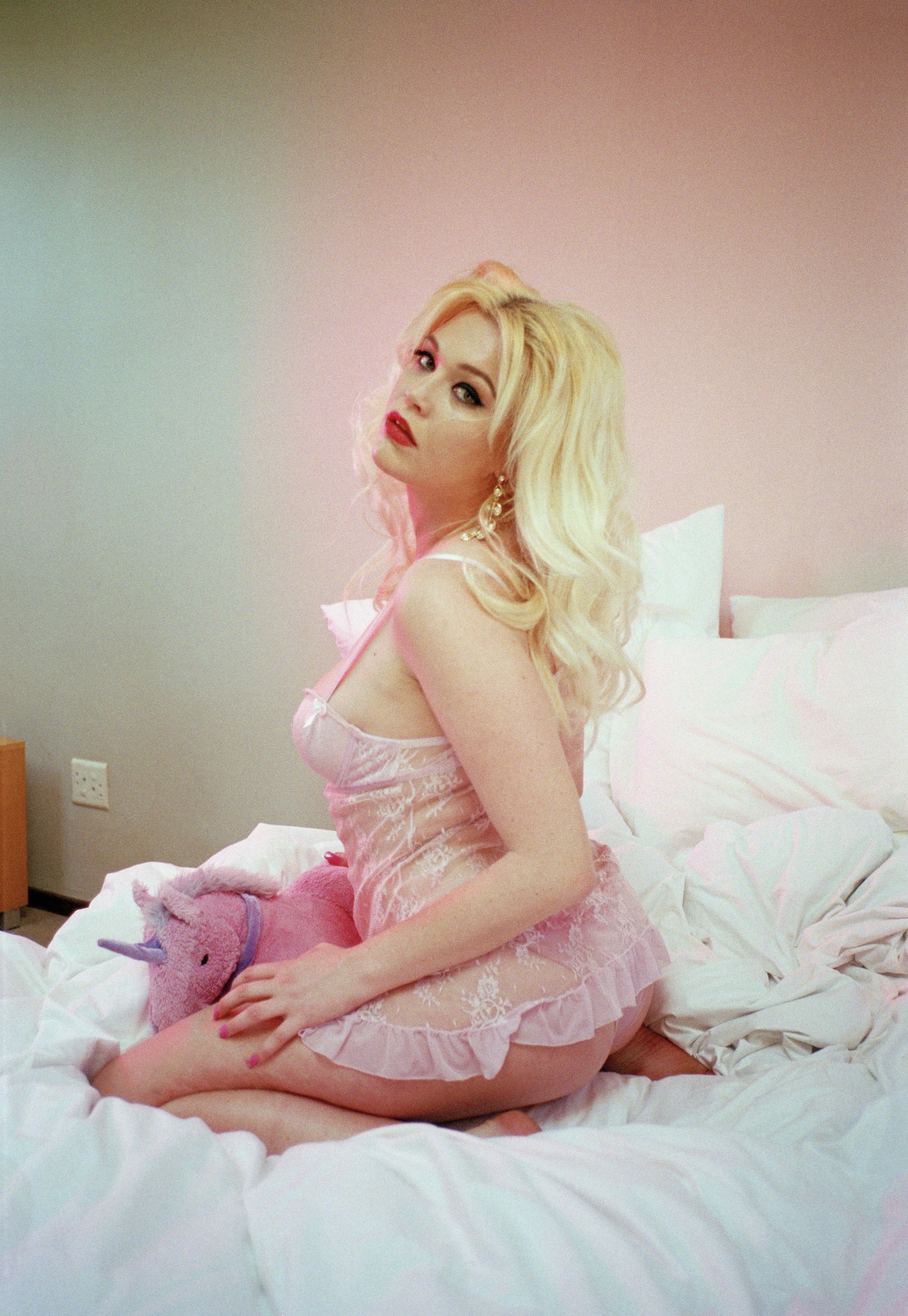
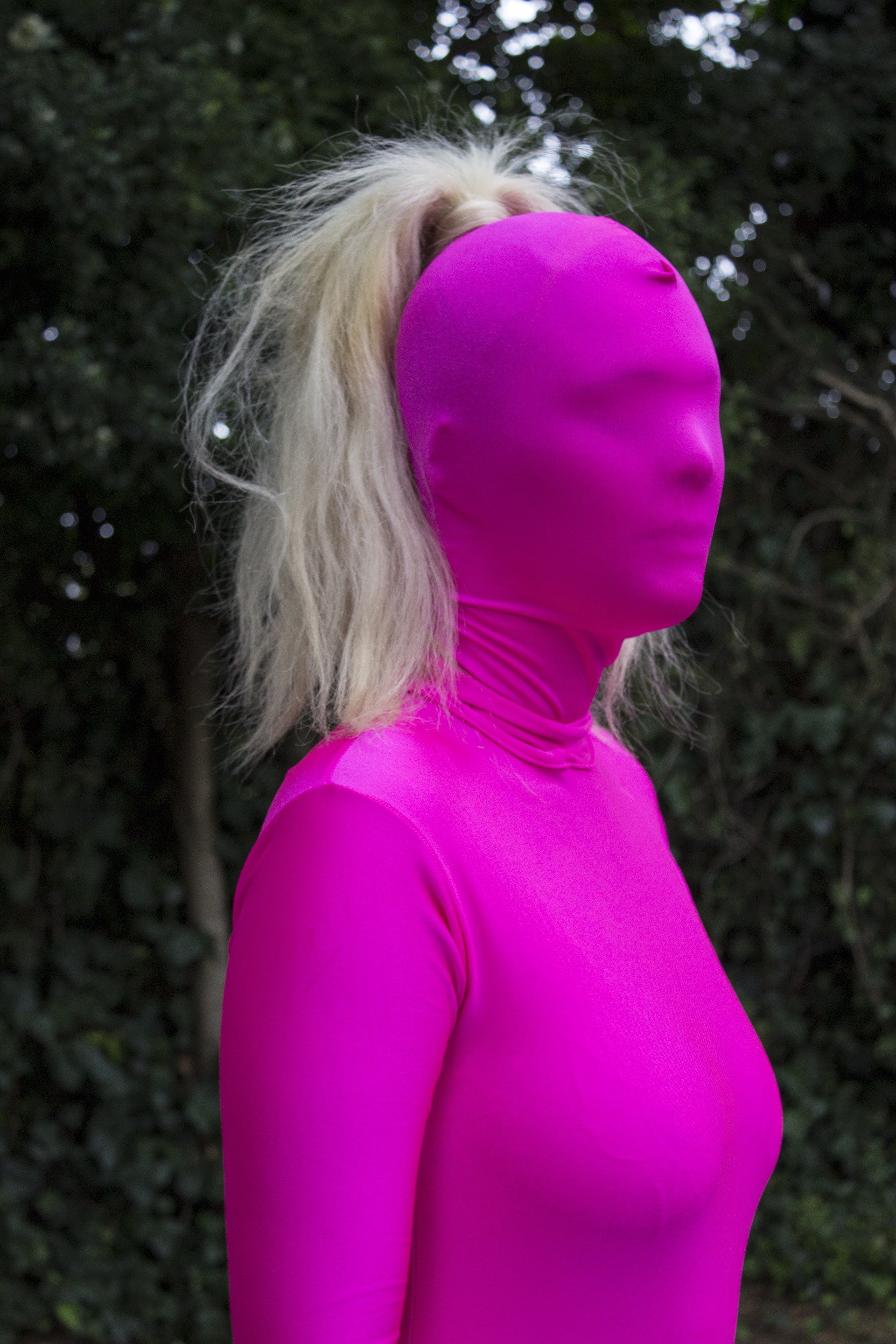
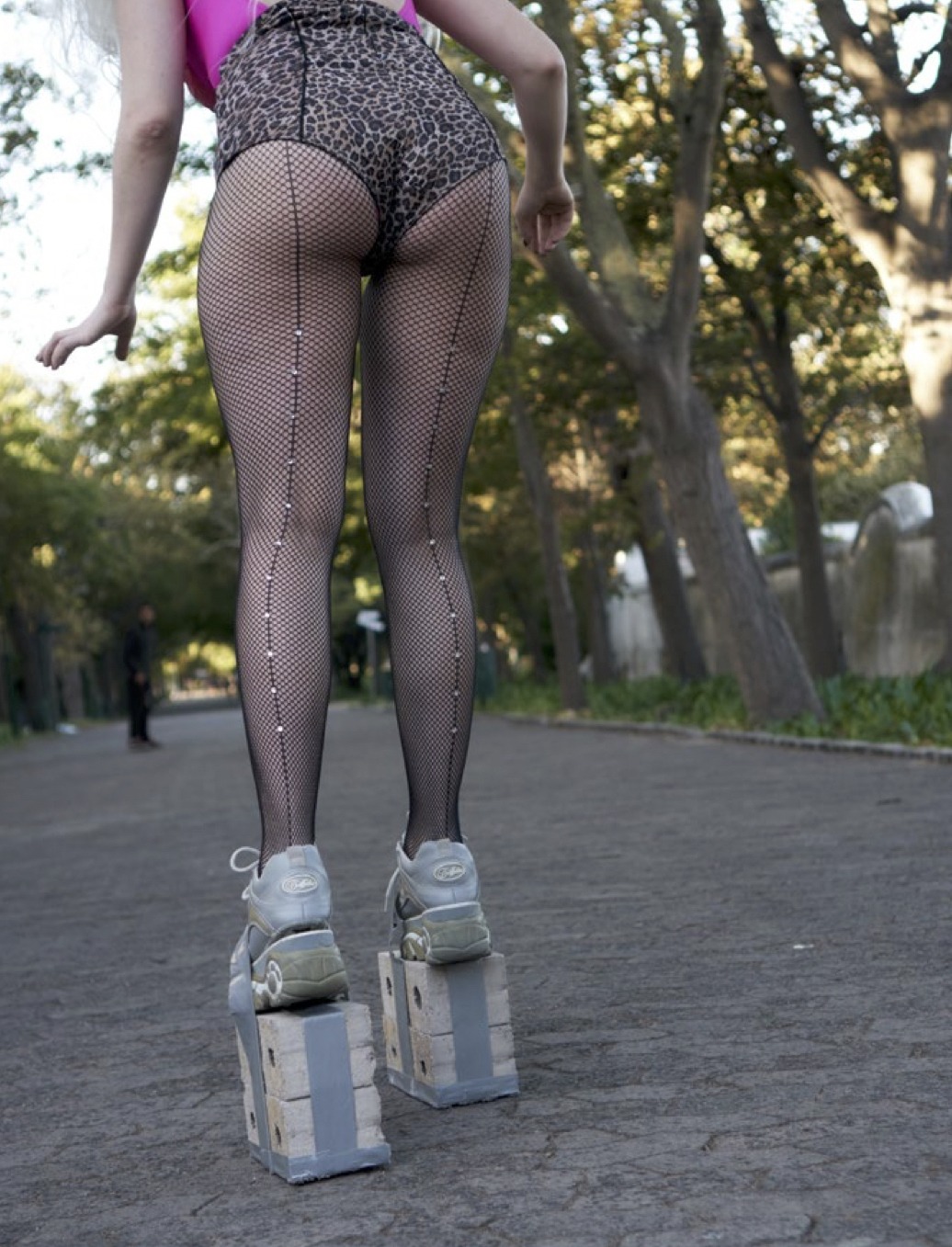
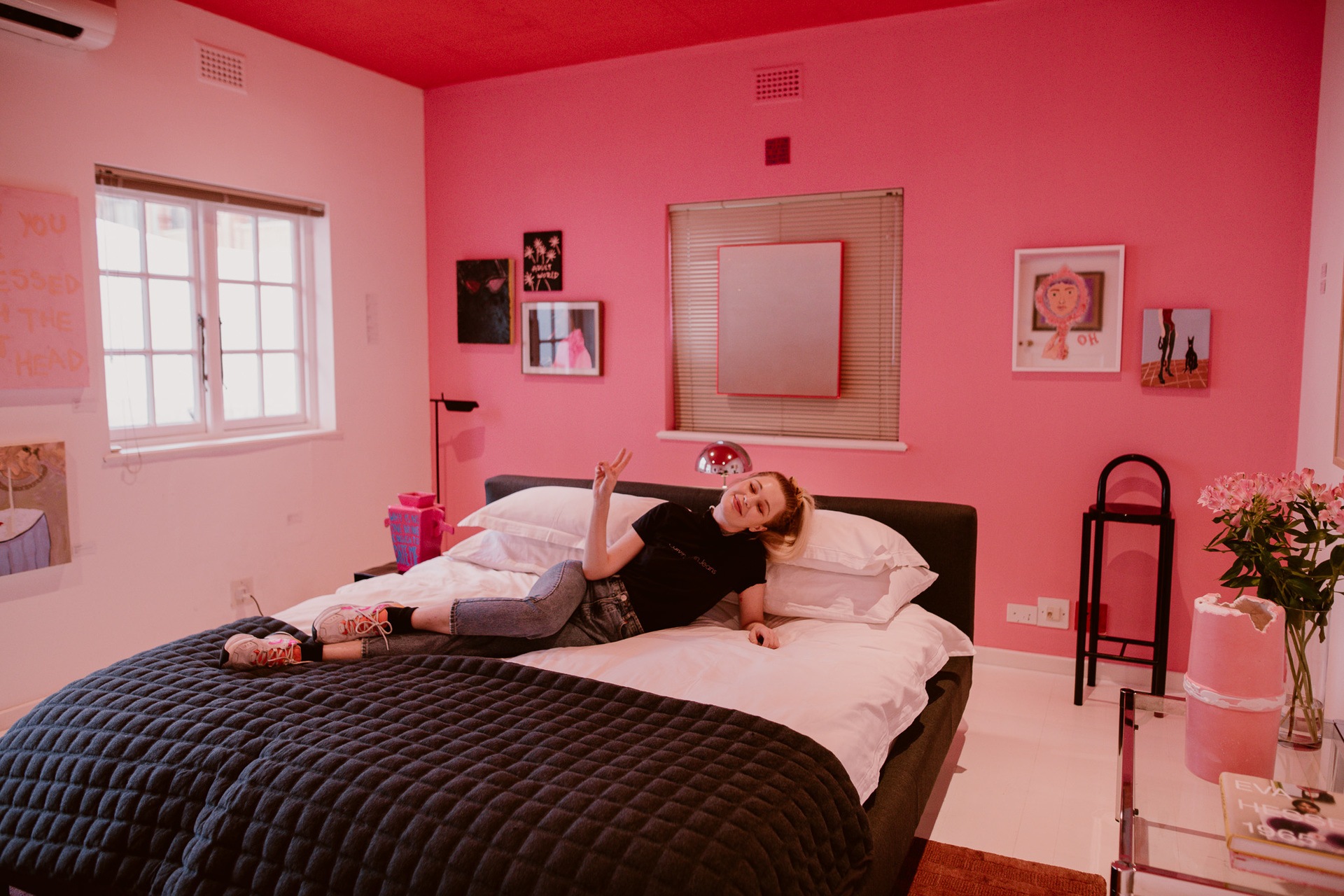
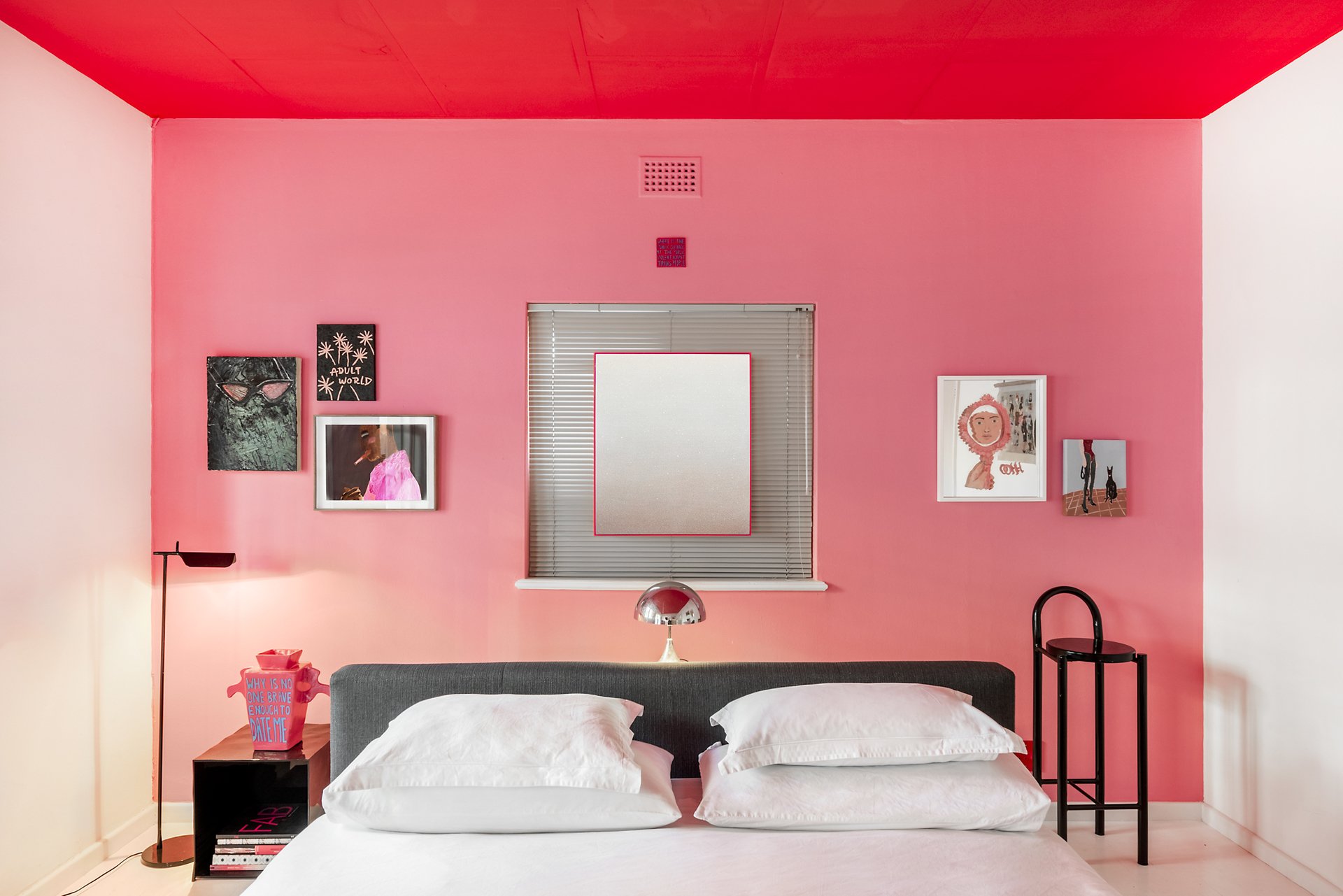
The image traditionally held for the art world, when it comes to both people and institutions,  is quite austere; a strict code founded on a western sensibility in which severity equates to seriousness. Art as an industry has systematically functioned as a branch for exclusivity – and in many ways, the commodification of creativity – which is in stark contrast to the inherent channel for freedom and expression that art truly is. Yet, it is precisely within this confinement of spirit that artists themselves have always challenged; and it is within this mood of liberation from severity or restriction that artist and curator Jana Terblanche has found her voice. Jana Babez, as she is affectionately known, has been a maverick and mother of Cape Town’s (and South Africa at large) art scene for a decade; beginning her journey as a student and later graduate at Michaelis School of Fine Art, in the early 2010s. For Jana, pink is the most illuminating colour – and Britney Spears is perhaps the most important artist of our generation. This is not irony; these facts speak to Jana’s greater sense of performance as precisely herself, self-describing as “girly, joyful and fun” – and is with this authenticity that Jana shows up as one of the most important curators in South Africa; as a guardian of the arts, and protectress of creative freedom.

‘’Art was the thing I was drawn to my whole life. I knew it was going to be an unusual choice, as it’s one of those paths with less certainty, and I think that challenge really spoke to my curiosity. I gravitated towards performance art during my studies, and developed a foundation that mixed together my sense of playfulness with how female bodies are perceived in society. I do think my life is a bit of performance anyway – I like to entertain myself, and it’s interesting to see how people’s biases can be very concerned with the image in their mind of what an artist or art should look like. I think life is one long artistic process, for everyone, so having my own self or personality and the art I’ve made be indistinguishable from each other has helped me maintain an authenticity, I think.” Jana’s work has been a dialogue with the treatment of women’s bodies in South Africa quite a bit before the fight against Gender-Based Violence began to sweep the country. Jana and many women and femme-identifying artists continue to remind us that sensuality is a birthright, and to have it both policed and violated in the way it has (and continues) is a battle that continues to be fought. 

The last few years have seen Jana’s artistic practice evolve into custodianship; as a curator with an impressive and growing repertoire for creating shows from Joburg to Lagos, to London and Rotterdam. On this, she says As much as my own story is interesting, I love other people’s stories – and I think there are so many that need to be told. I have found my strength in curatorship right now, and it feels like it intersects with my artistic practice because there are performative aspects to it, but also the deep collaboration that occurs between curator/s and artists. It can be this very beautiful synergy that as a curator, I can nurture artists. I also love standing in between being very girly, over the top but also fucking professional – and so the bridge is that, performing this role of a curator that’s meant to be behind the scenes, but actually bringing my own sense of fun and spirit into the mix. I think it’s refreshing.”
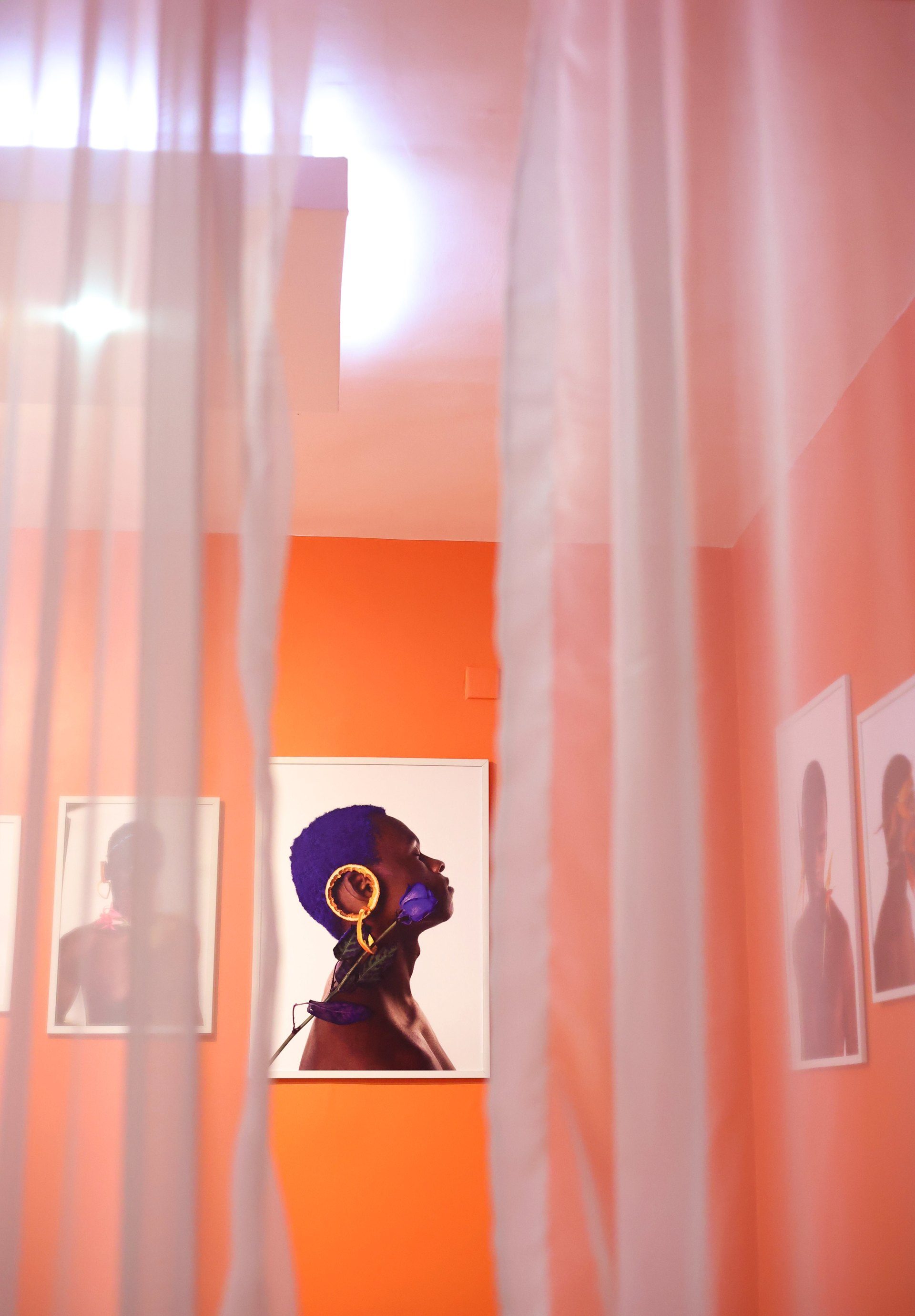
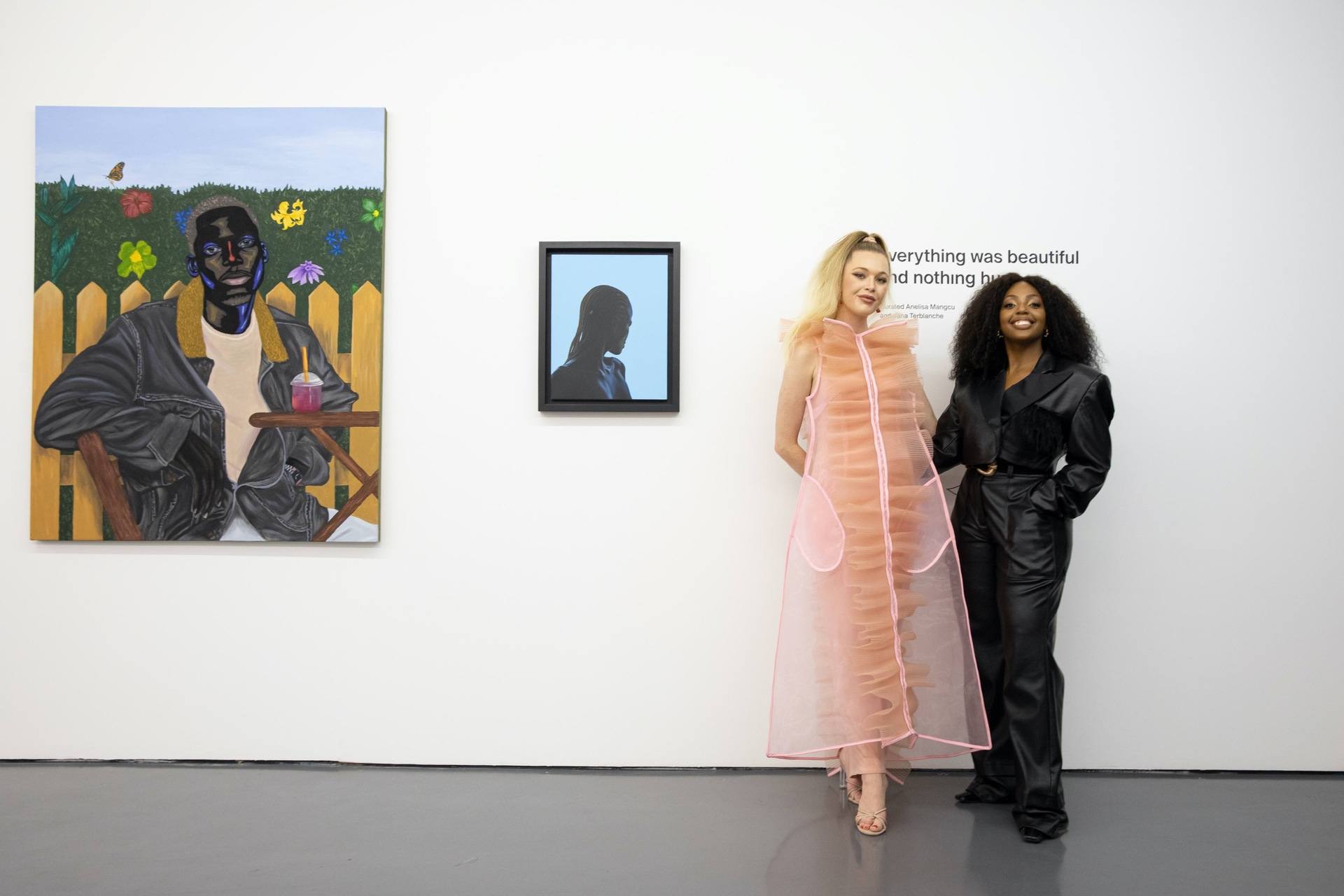
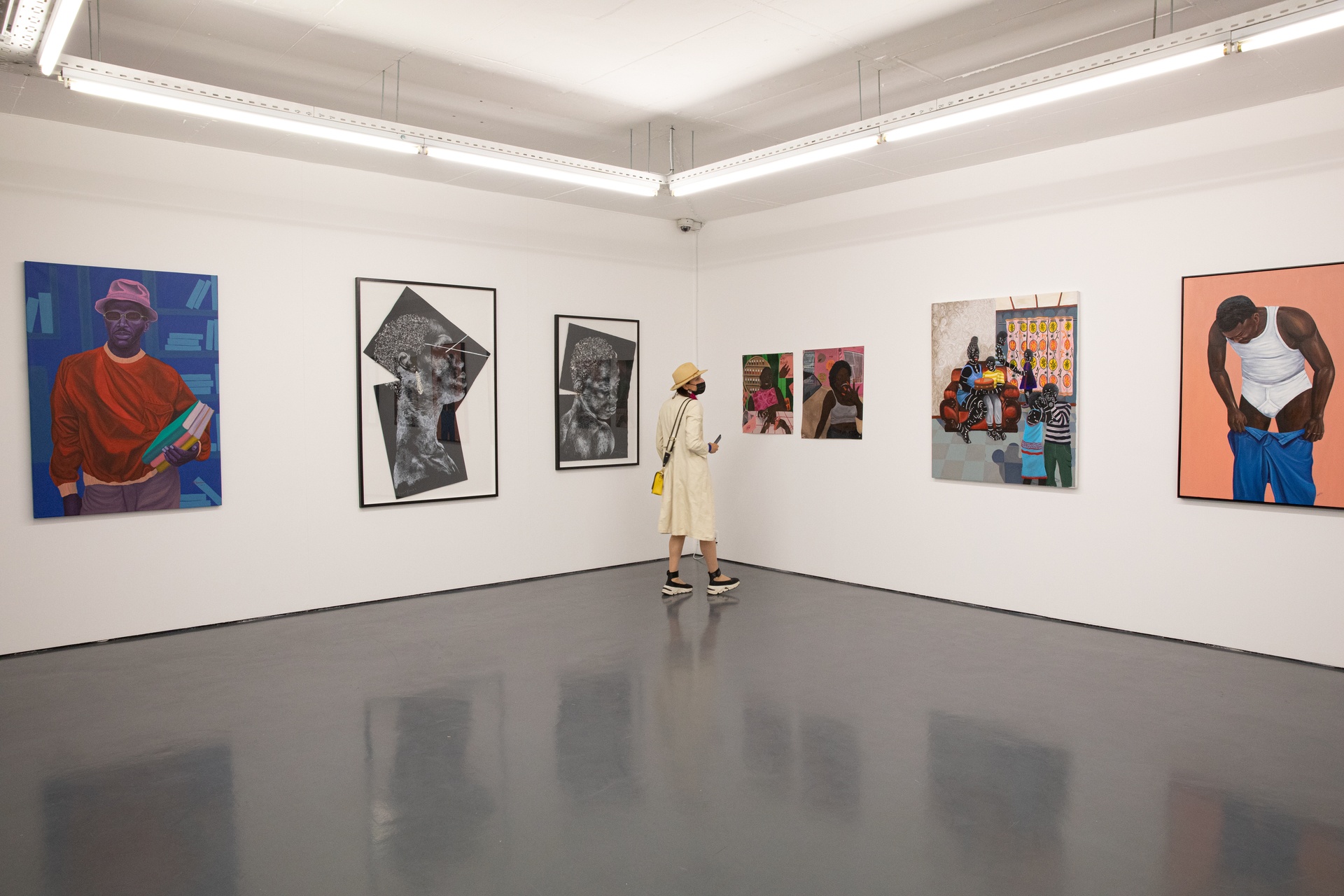
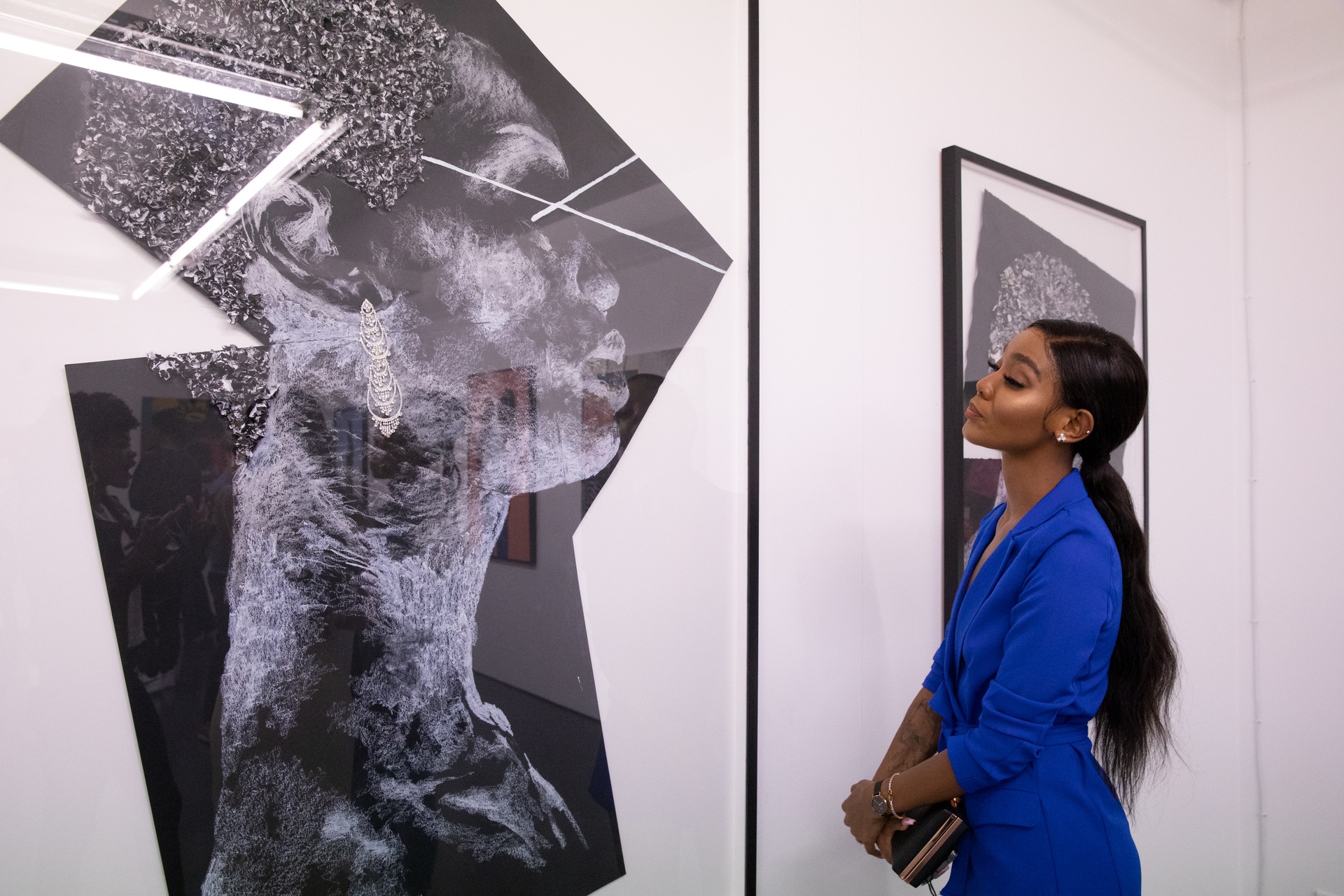
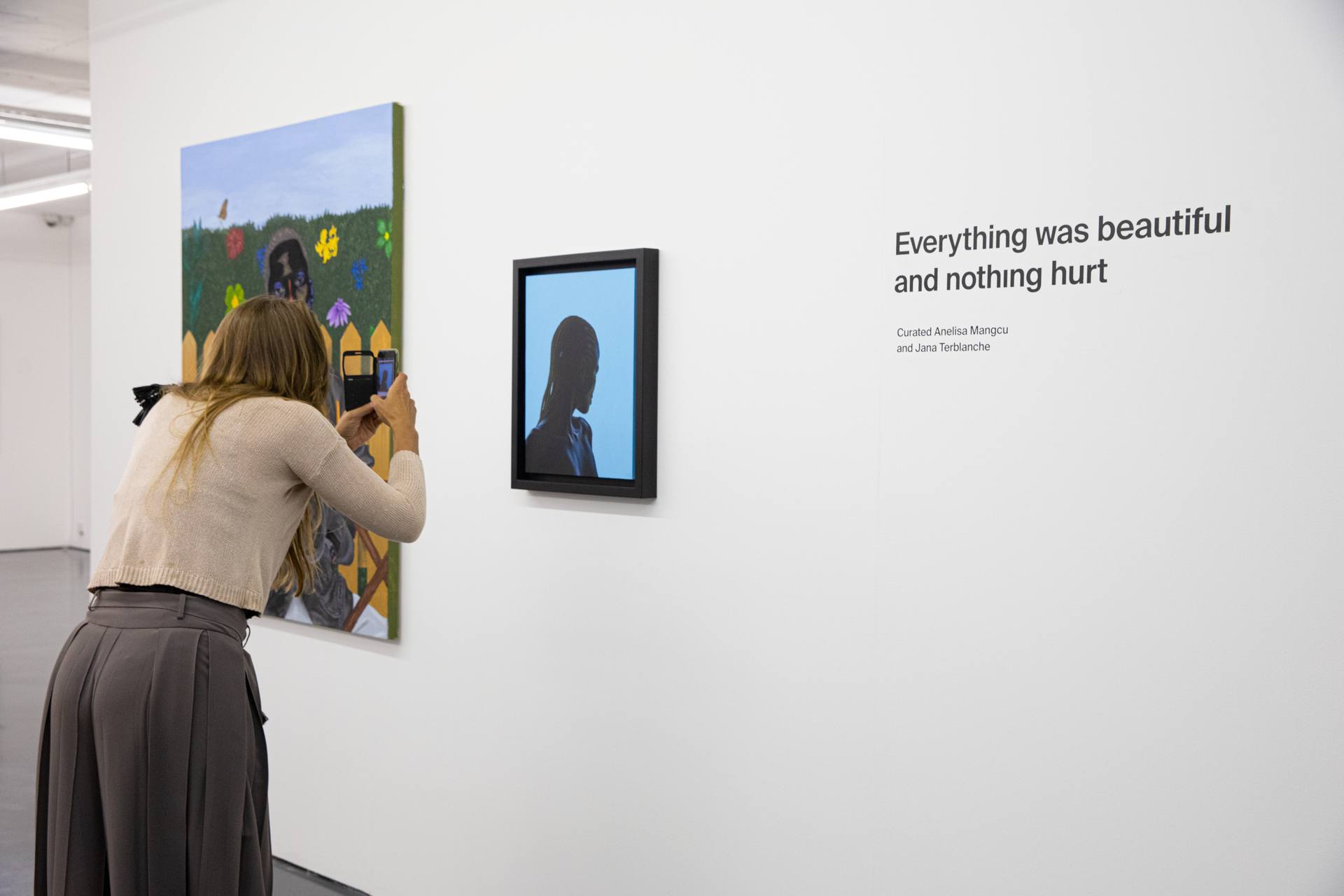
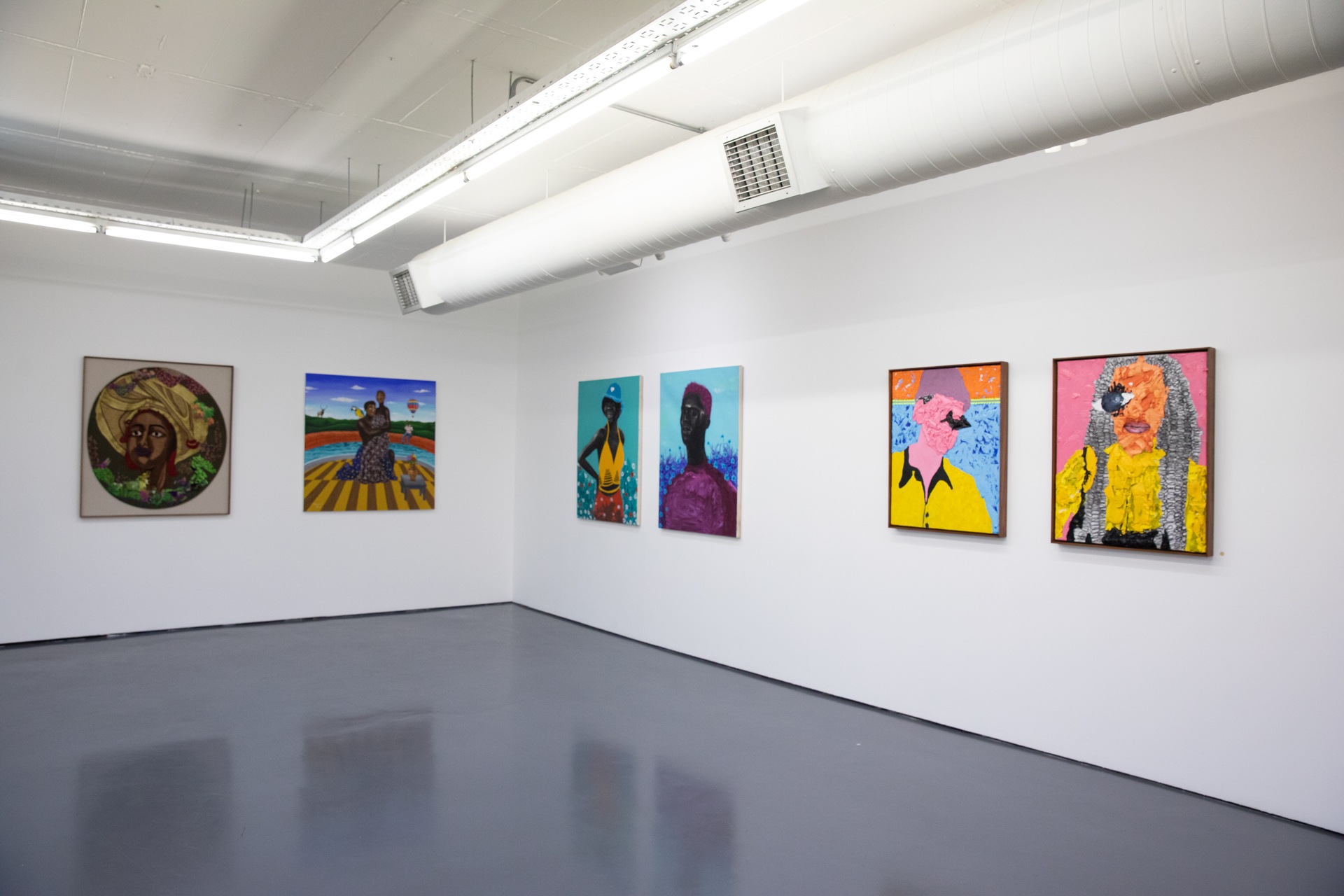
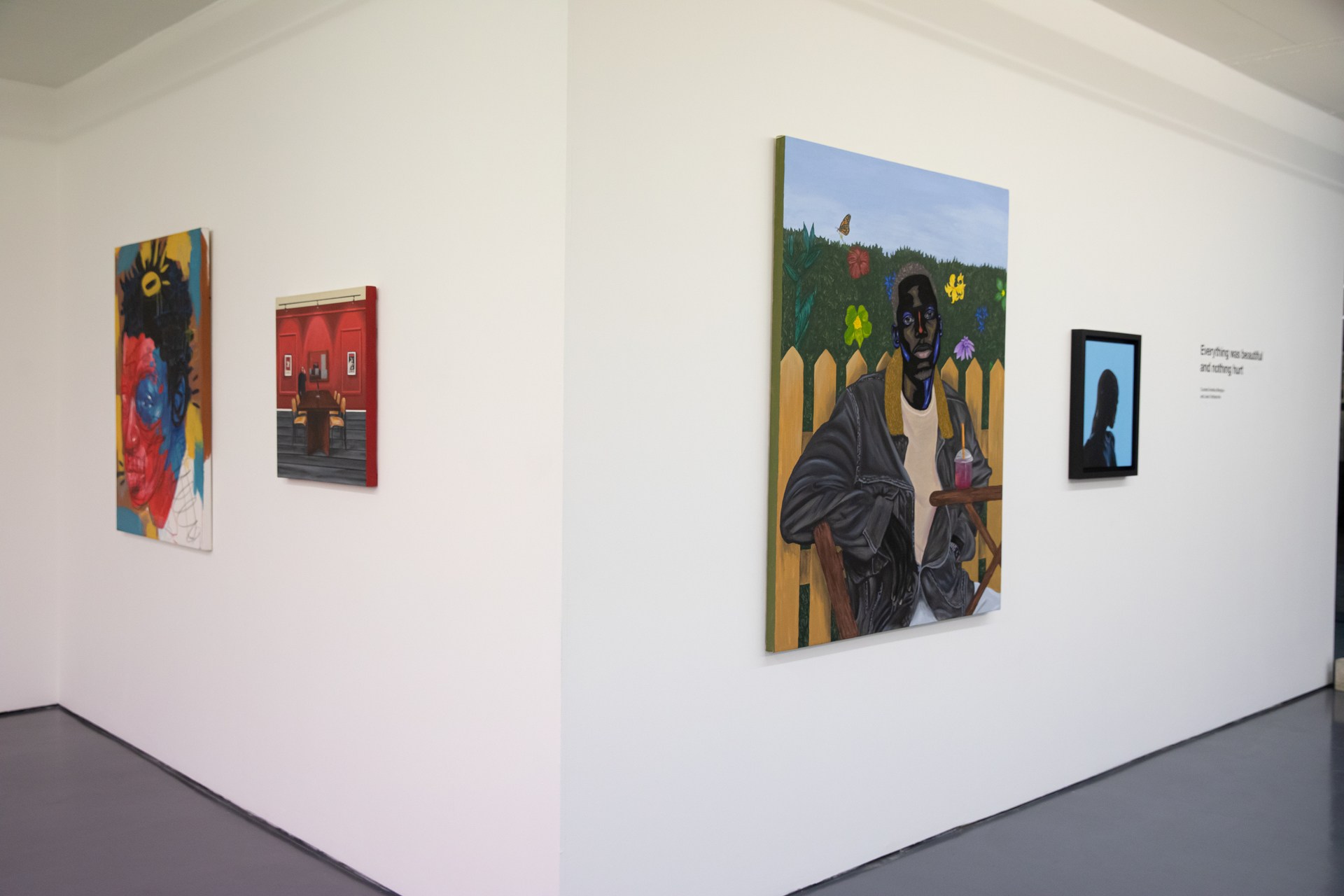
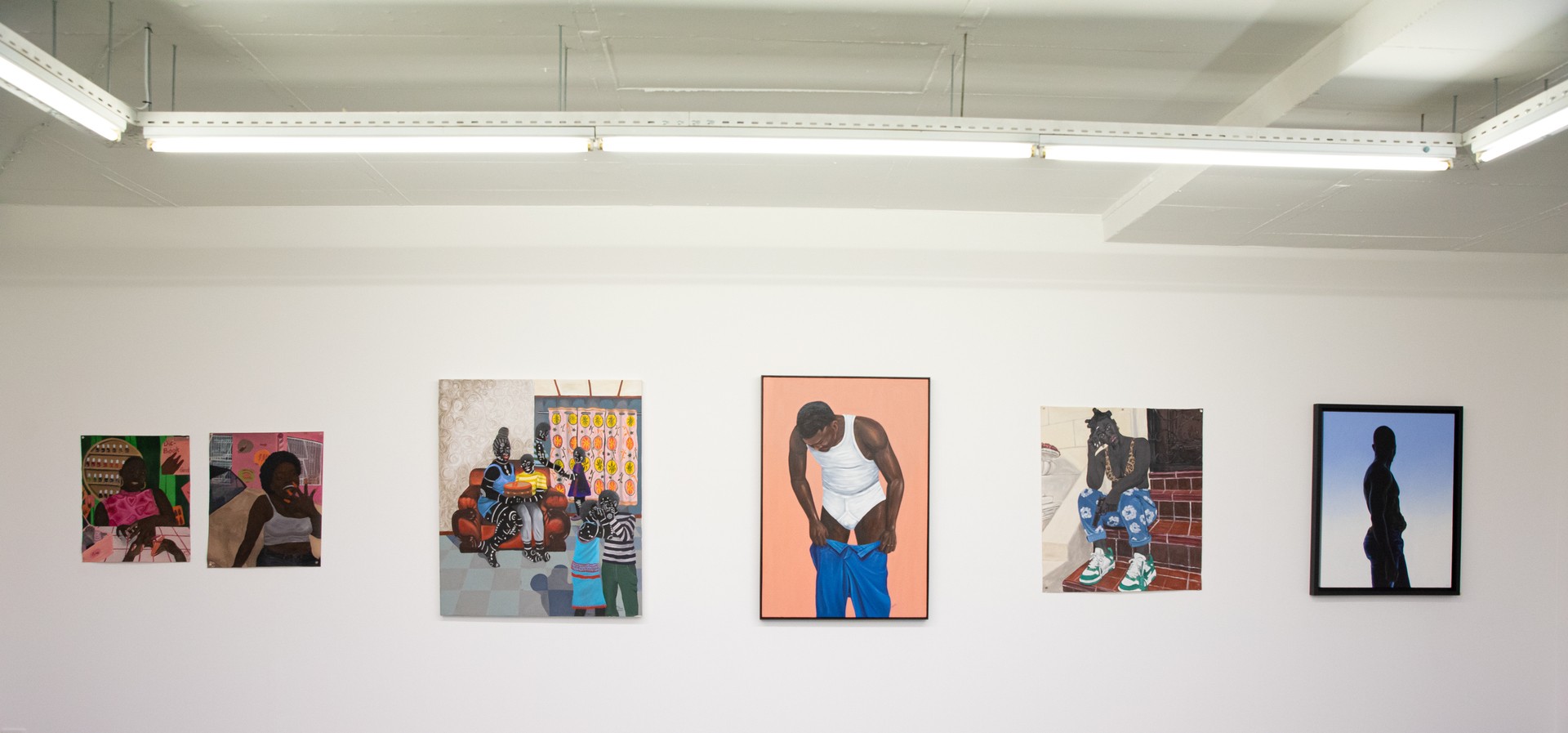
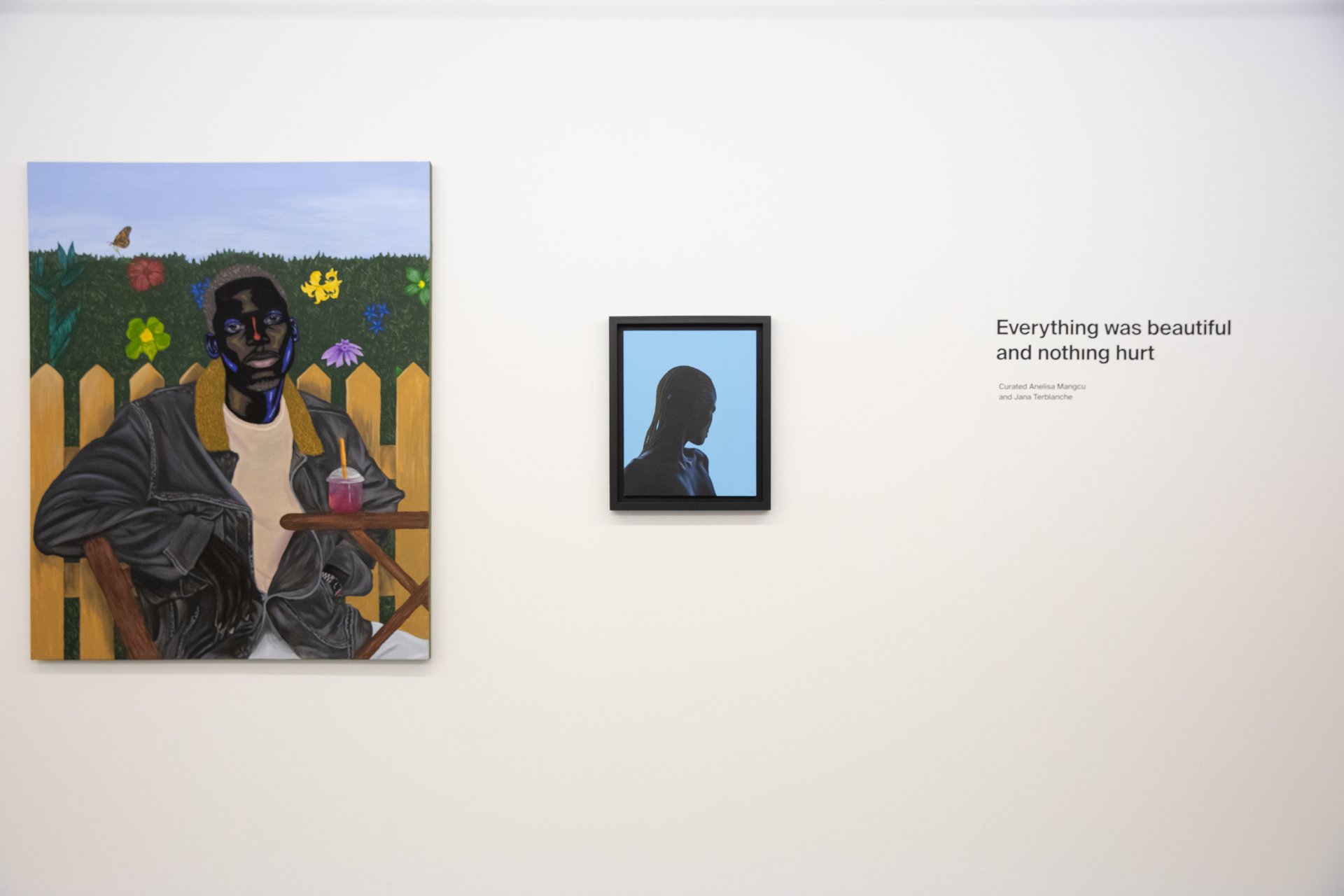
Jana’s work continues to relay her clarity and vision on the purpose of art, and its relevance for healing and contextualising the lived experience of human beings. Last year, Jana co-curated a standout show with Anelisa Mangcu, titled “Everything was beautiful and nothing hurt”, centred on the complexity of black identity in modern culture, with an emphasis on joy and trauma as dualistic. Jana reflects, saying; “I have been travelling to Lagos quite a bit because I’m affiliated with the African Artists’ Foundation as a curator. Within that realm, black portraiture has been emerging as a very critical movement for reclamation for black bodies. I wanted to bring this conversation home, so Anelisa and I co-curated the show for Art Joburg – and the director for the space, Mandla Sibeko, gave us incredible free-reign – outside of a gallery context, too. It was a very cool experiment on taking away certain constructs in art such as commerce, and then having the show held together by this poignant theme of black portraiture. Anelisa is a longtime friend, and we have walked a long journey together – we went to high school together – so this was a very special, full circle moment. The energy in Joburg is crazy too; the response and hype from everyone who came just enriched the whole experience, and it’s one of those moments where I am strongly reminded of why art exists, and why it’s so important.”

Jana’s work continues to expand as she continues to use her curatorial role to celebrate queerness. Last month, Jana’s show Hot House in London, and on this she comments; “For Hot House, I worked with Sixty Six in London. They are what we could call a “nomadic gallery” as they’re not fixed by a venue – so they are not bound by needing to have a gallery schedule and the pressure that involves. I’m interested in seeing how we can take the traditional models and adapt them to suit our lives, the lives of artists and people. Growing up in Cape Town, Hot House was an enigma – and being surrounded by gay and queer friends all my life, there was this mystery around Hot House. I like this idea of people having a collective perception of something without actual experience of it – beyond judgment, too. I think Hot House was also a very important place in the city for the gay community, and so it felt like a beautiful way to acknowledge that. I asked Brett Seiler, Strauss Louw and Shakil Solanki to participate – it was very special.”

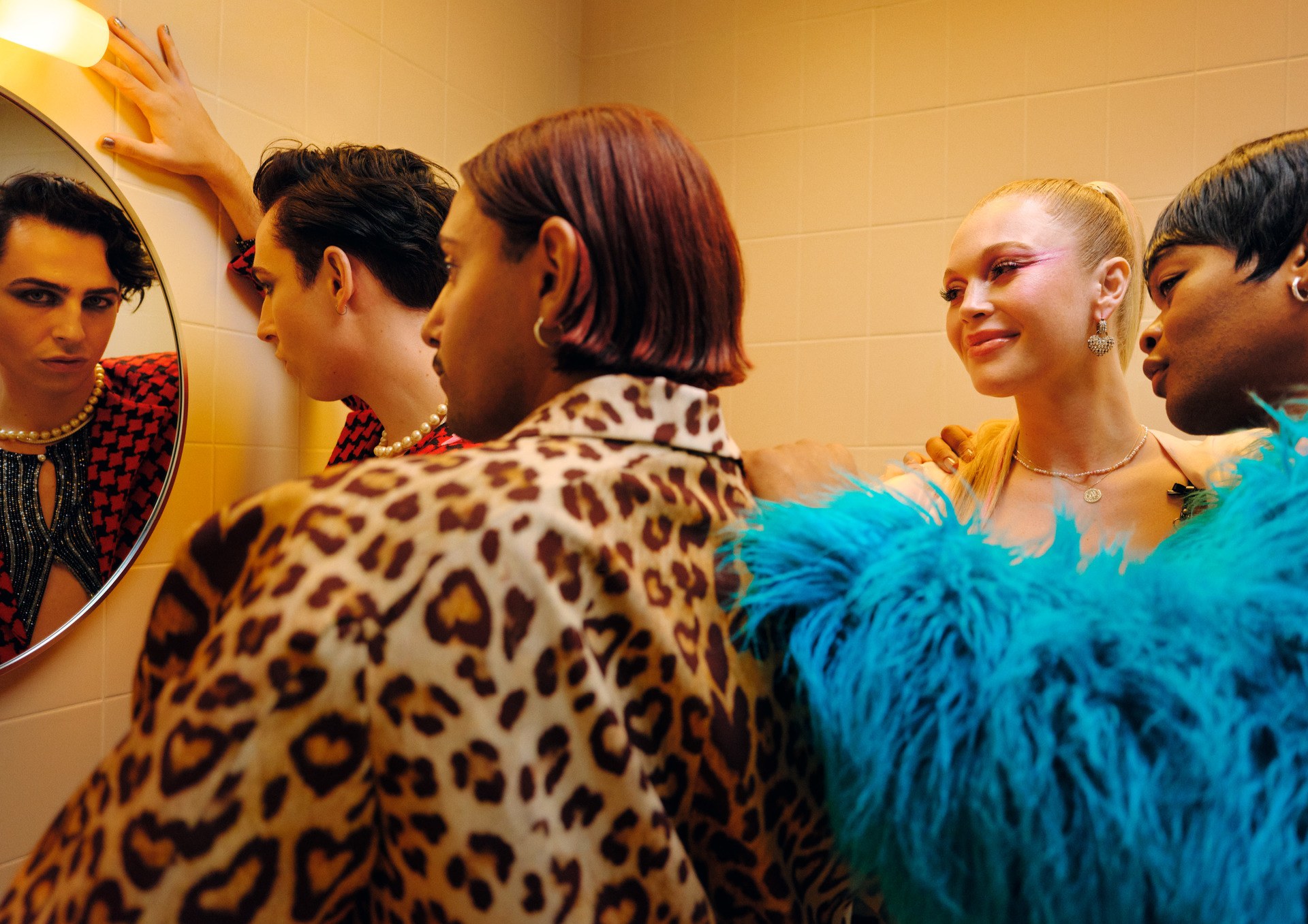
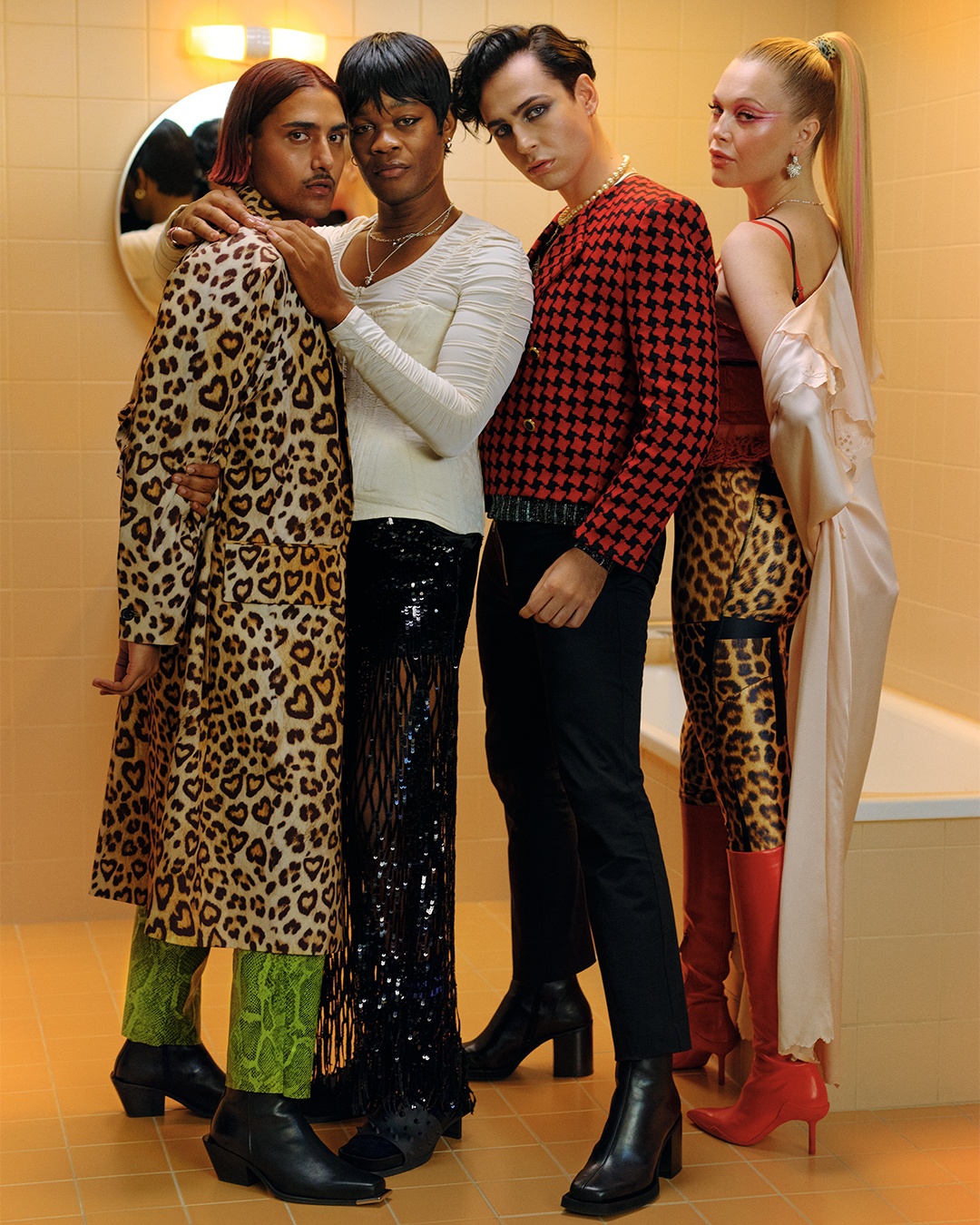
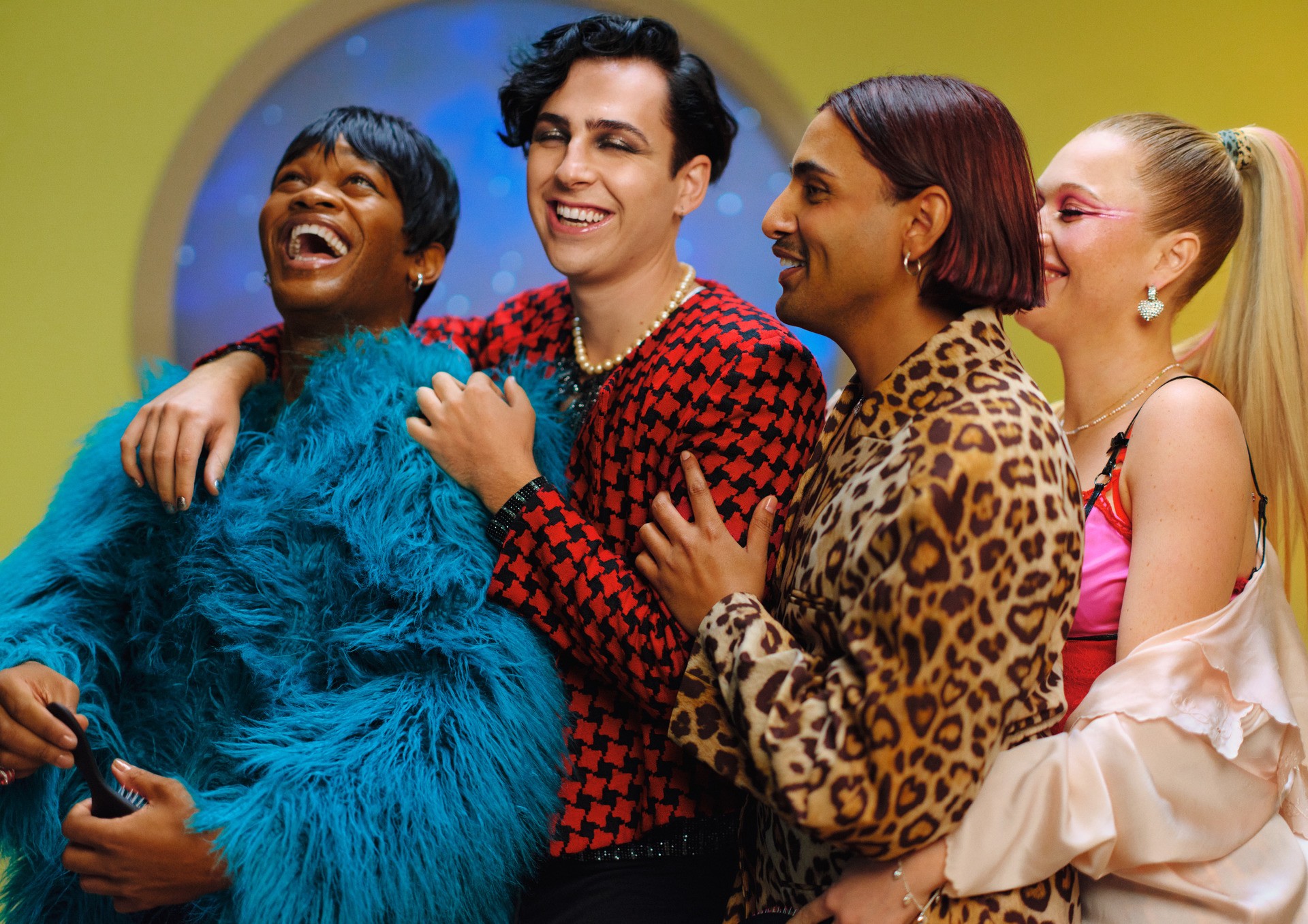
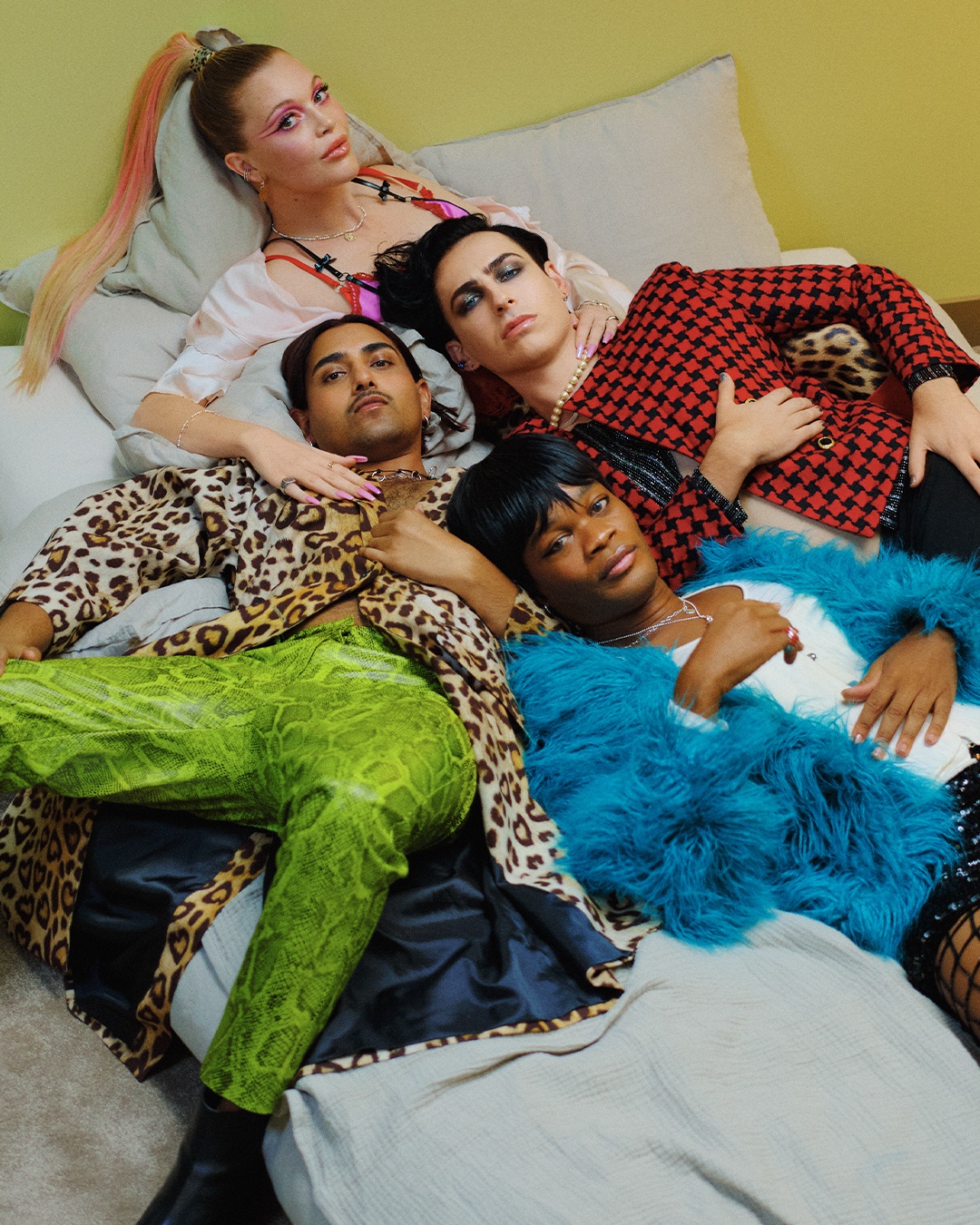
Jana’s practice is wholly concerned and considerate of what it means to truly “guard” the arts; and in that, is the representation for the true plurality of identity. Iconically, she and her best friends Martin Magner, Mavuso Mbutuma and Nash Mariah were flown to Sweden by H&M for an exclusive campaign celebrating Pride Month. The concept was the sacred experience of getting ready together before a night out – the love shared, secrets spilled and intimacy of being with chosen family before the night takes on a life of its own (as it always does). Surprisingly, in a time where “rainbow-washing” during Pride Month is unleashed as a feigned gesture by corporations, H&M released no products alongside the campaign, “We had so much fun! It was a wild thing to happen – and so cute to be in Stockholm, having our make-up done and styled, all of us together after a decade as best friends, going through highs, lows – careers, heartbreak. Also a lot of the team from H&M were young and queer themselves, so we just felt very held.”

In many ways, Jana has just begun – and we are so excited to see what comes next from the iconic and exceptional Babez herself. 

/// Read about the H&M campaign here; Meet the Angels

Written by: Holly Bell Beaton

Excavations of the Psyche with Roger Ballen

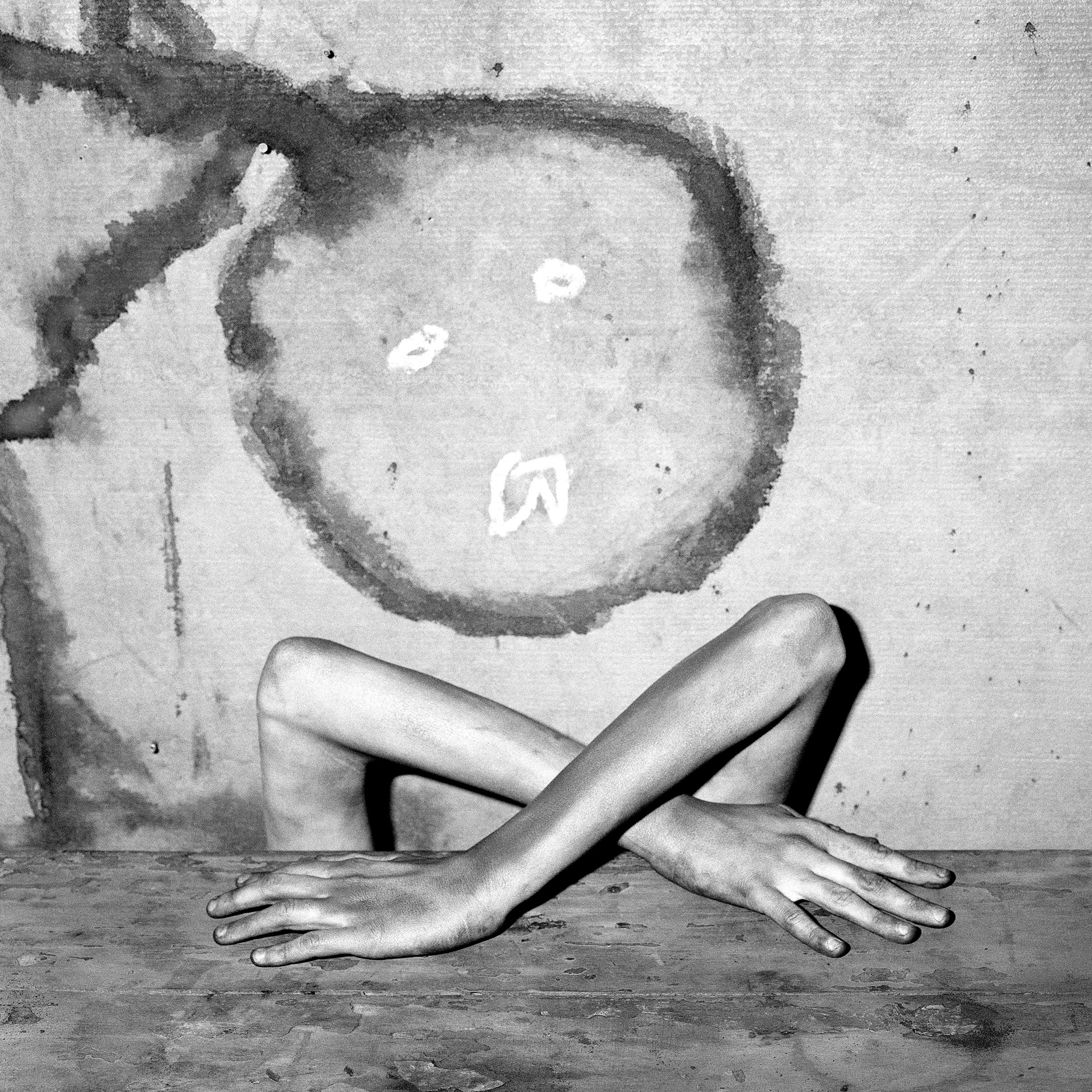
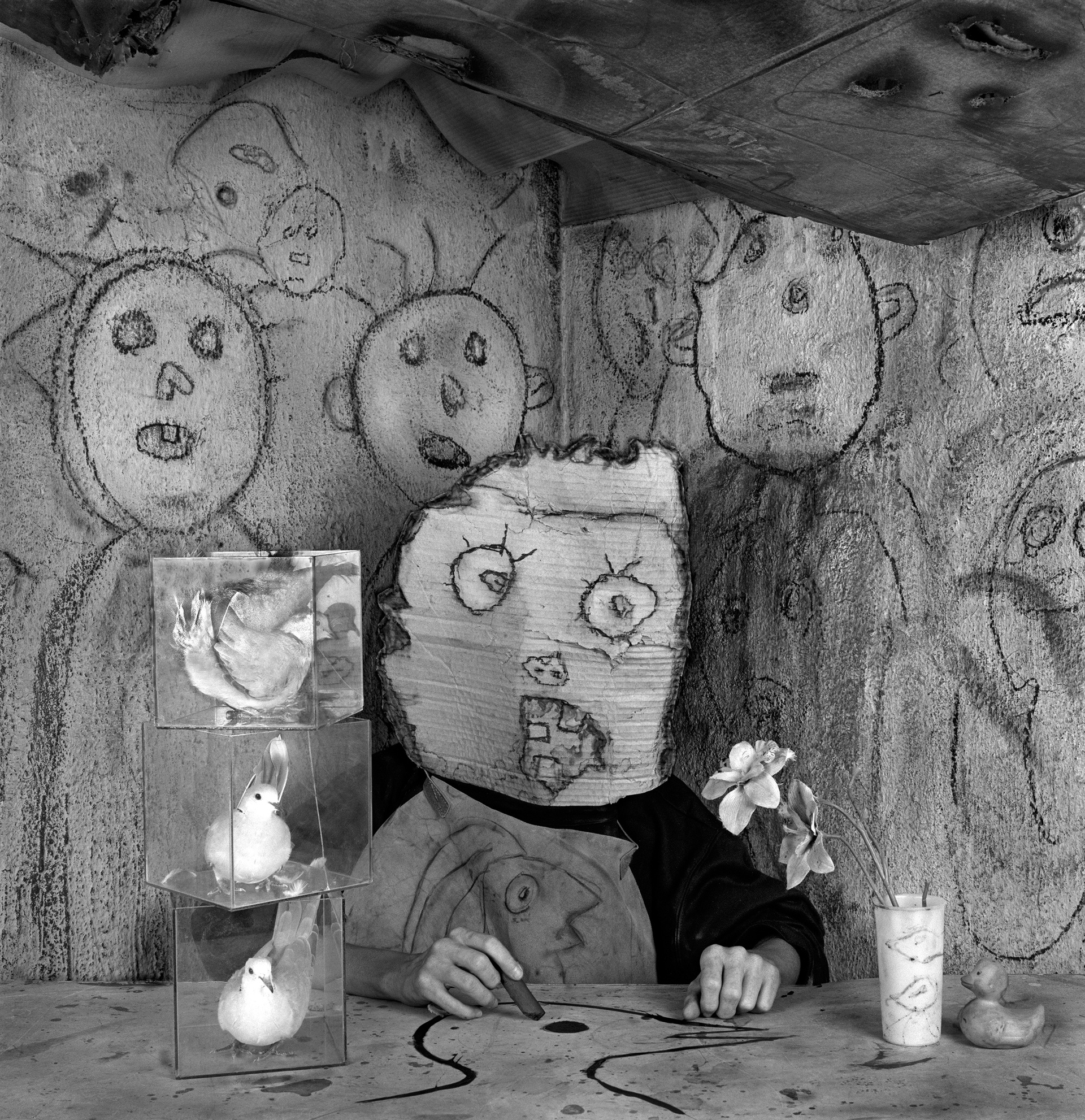
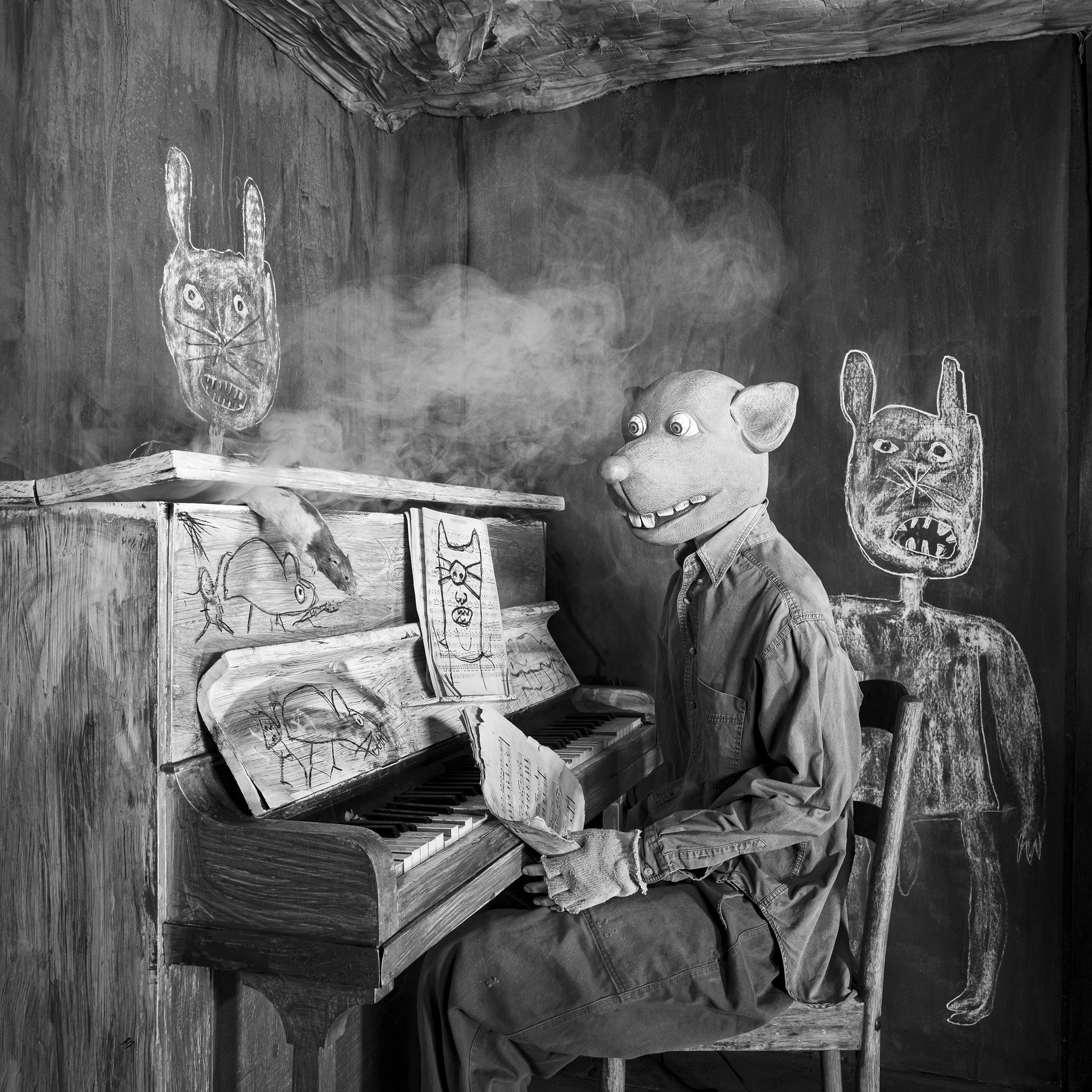
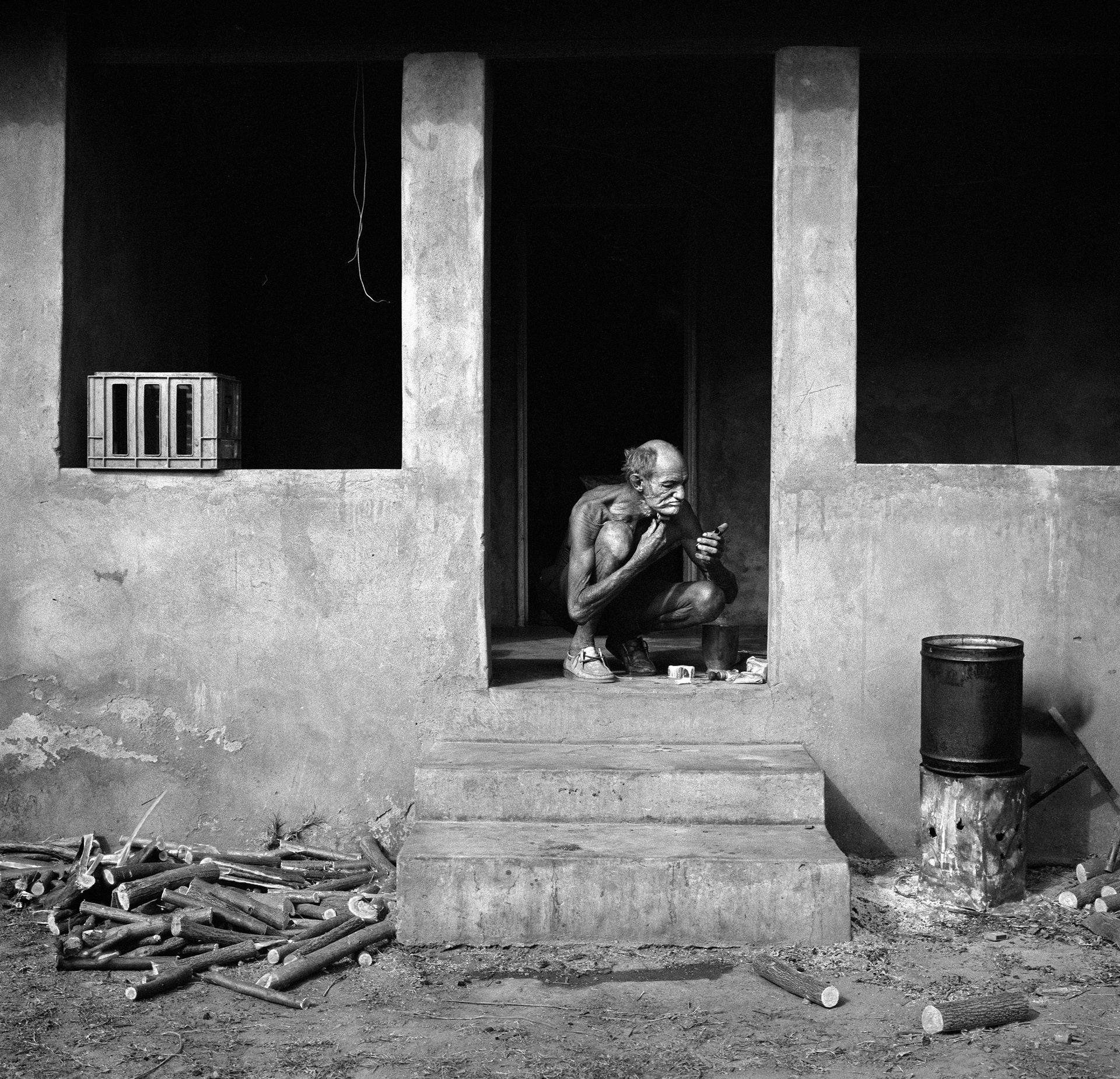
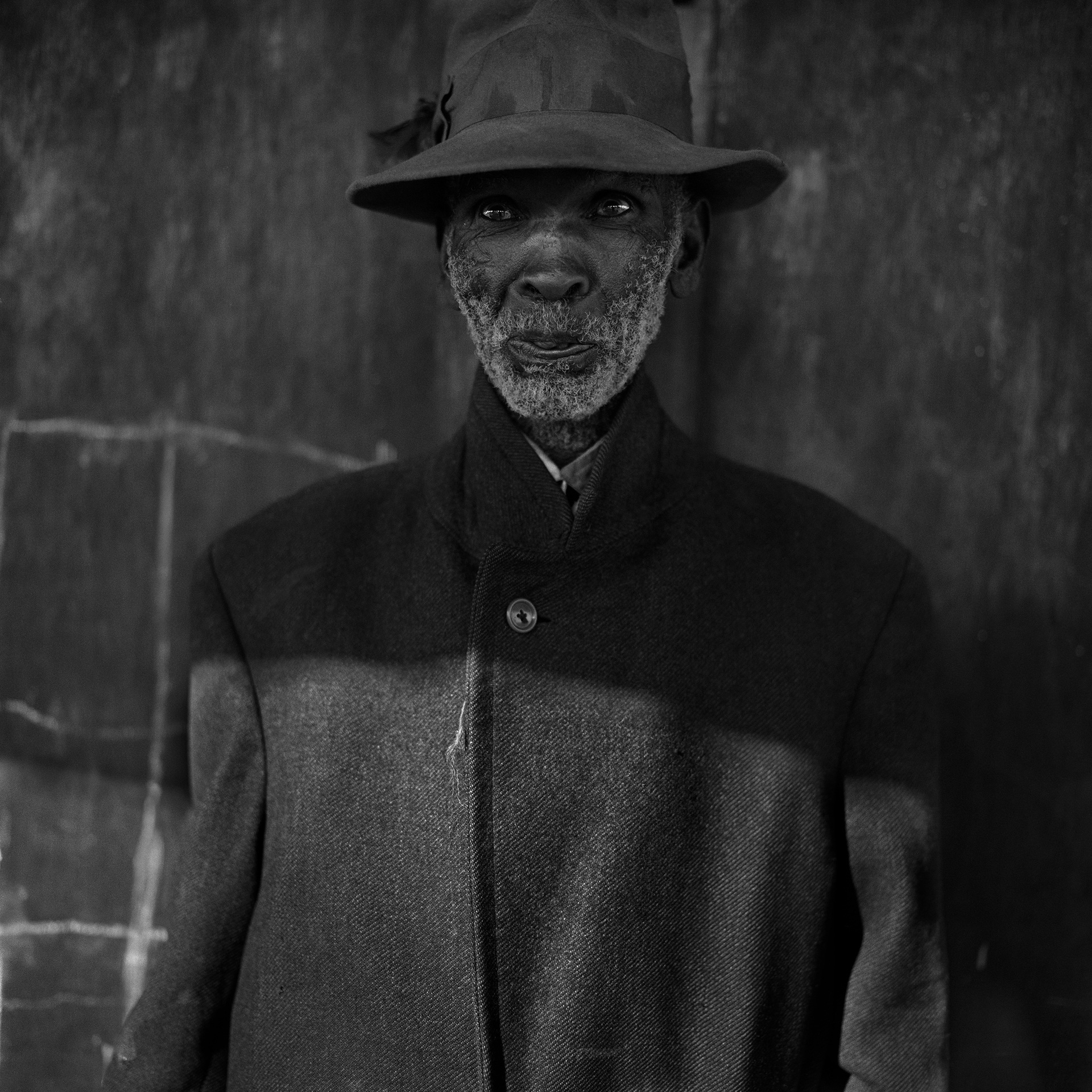
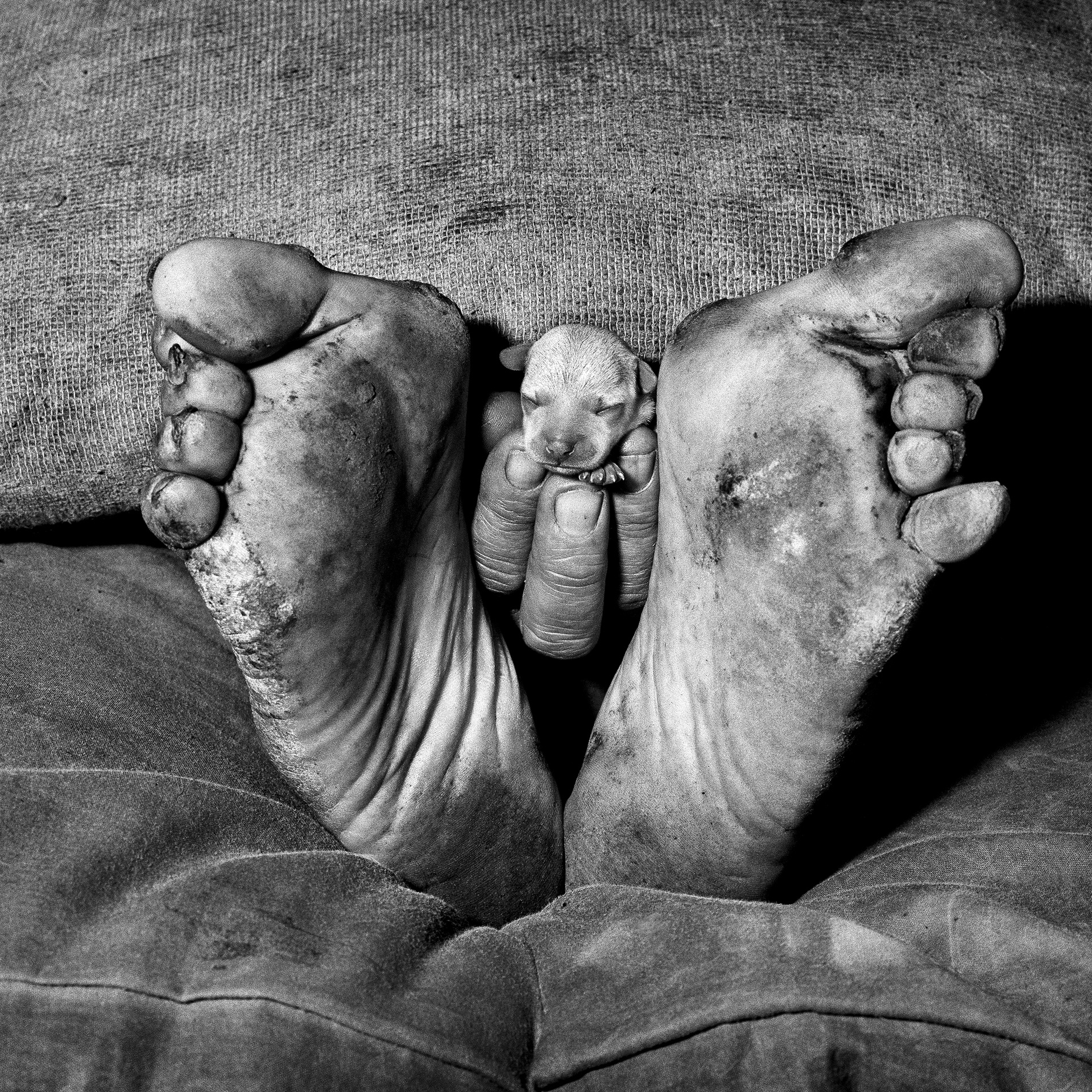
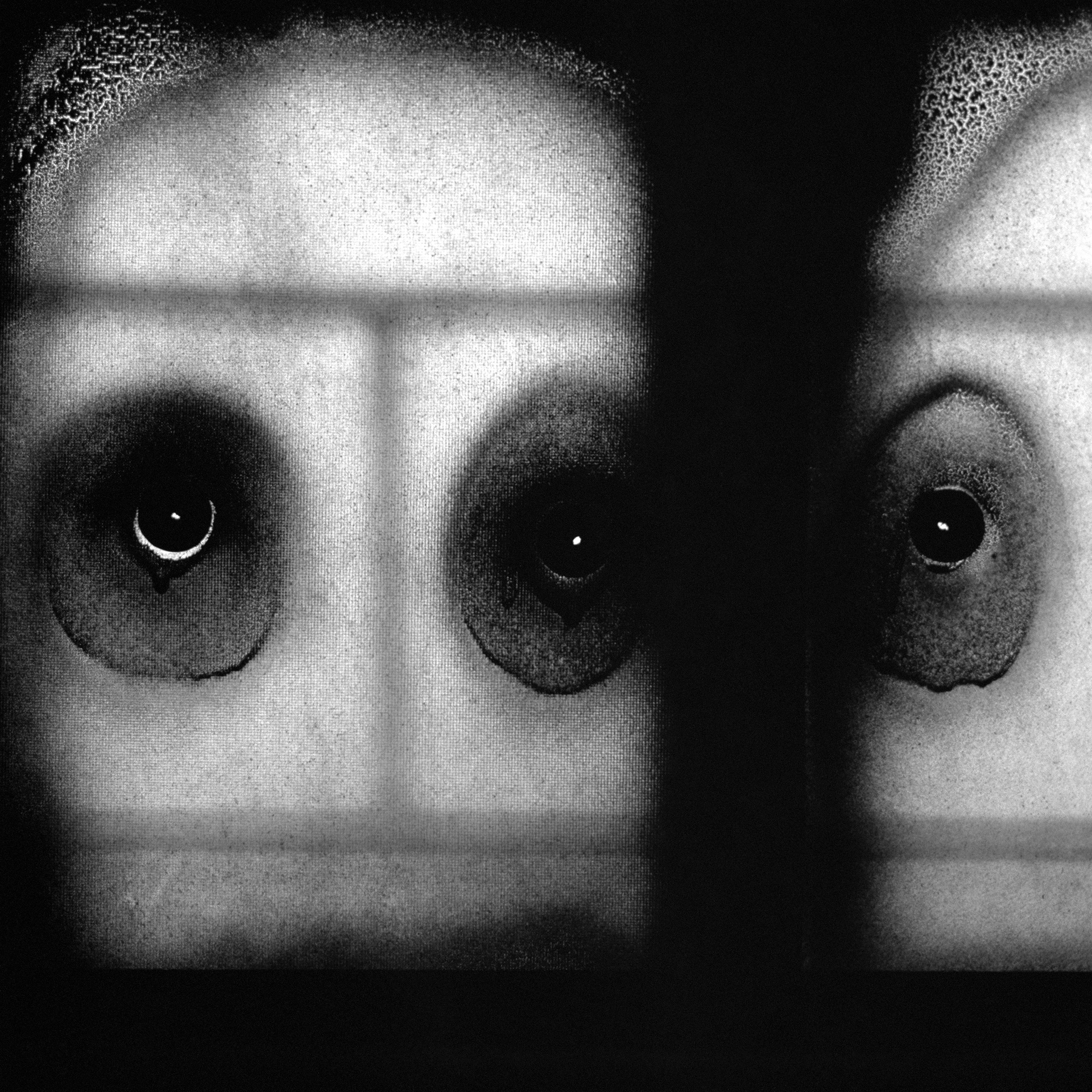
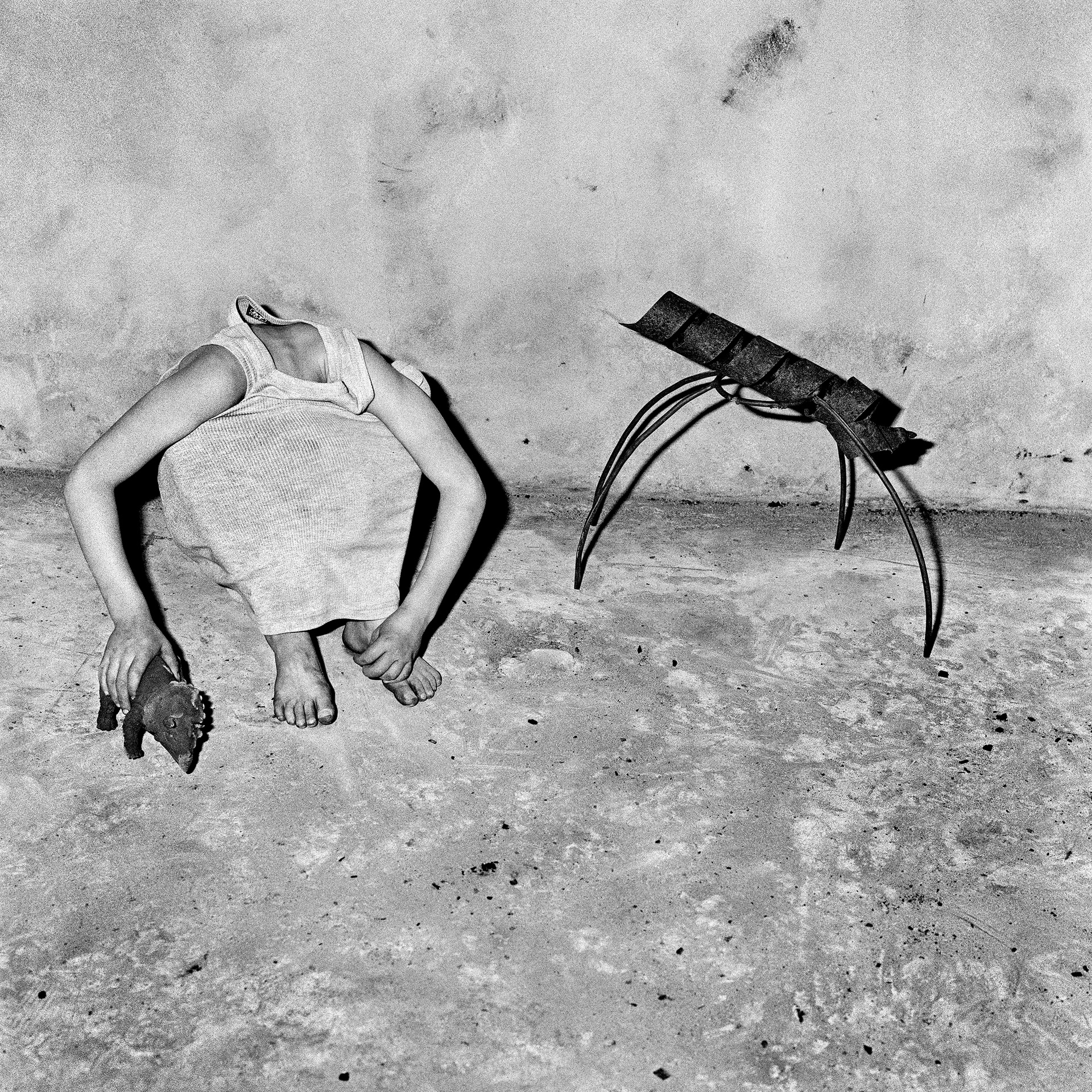
There are certain artists who possess a power and ability to expose us to what we refuse to see; and such artists tend to have the most visceral impact in the deepest recesses of our minds. Roger Ballen is one such artist – a vanguard, whose prolific career has spanned four decades – and of whom it would be impossible to distil into a single article or interview. In a style that is decidedly distinguishable as “Ballenesque”  – a term eventually coined as Roger’s own descript recognition of of a personal articulation throughout the years – we, the viewers, are thrust into a contemplation that can be reactionary; felt in body, mind and spirit. Much of Roger’s work is suggestive of the unconscious asylum in which humanity’s collective mind space exists;  outwardly, we are productive, consumptive, biassed and relentless seekers of comfort, growth and expansion. Inwardly, however, and as Ballen’s work reminds us, there is the haunting reminder of decay – imperfection as one of the only certain truths – and the ever-pervading presence of dualistic fixations. Good vs. Evil is a debate Roger refused to have a long time ago; instead, there just is all that there is. Liberating himself from such selective constructs has meant that Ballen’s path has been carved much like the ancient sediments that he observed as a geology student at Colorado School of Mines (a position that first brought Roger to South African in the 1980s) – a painstaking and curious excavation of his own mind, layer by layer.

I don’t know what’s stored up there in my memory, that’s the problem. I think that’s what keeps me moving forward. It’s a philosophical question, to wonder if you could unwind every moment that has happened in your life – would every moment be there?”  Roger says on the matter of one’s own mind. Assuming the position of the everyday viewer, I wonder if he recognises the sometimes grotesqueness of his work’s theatrics, the psychological and existential nexus upon which his style exists; to which he says, “My approach has always been psychological, which I think started in the 70s with my first book called Boyhood. It was a trip I made hitchhiking from Cairo to Cape Town and then from Istanbul to New Guinea, and then South America. It was four years of trying to find my own childhood reflected in the world; and I was able to see this thread running through different cultures and lands as sentiments that speak to a shared experience of humanity. When I came to South Africa again in 1982, as part of my PHD training in geology, I started my first project here, Dorps. That was a critical moment for me – that beginning of that publication, ‘Dorps, Small Towns of South Africa.’” Roger reflects, on the metaphoric sense that underpinned that book – ‘’I went to Hope Town in the Free State, and I knocked on the door of a house, and going into that person’s home, I went inside physically and psychologically – and I rarely have ever taken a picture outside again. I started to find my motifs and techniques from then on.” Images from Ballen’s Dorps remain stark depictions of apartheid-era South Africa; the fascist state’s controlled and implemented division of people, subjugation across racial lines – and also, of class lines. Outside of the main city centres and economical melting-pots lay the dorpies; obscured and isolated even more so than sanctioned-against South Africa – itself a country modelled as a bizarre attempt at a utopic white supremacy.

On the seemingly harrow nature of these works, Roger says; ‘’I always say that in nature, there really is no beauty or ugliness. The darkness and light are not oppositional, they just are what they are – expressions of a wider whole. I think what we are dealing with in human society and in our psyche’s, is a permanent state of repression. A repression of the primacy of our instincts, and how deep our unconscious goes. So, there’s nothing really dark about what I do – but it seems to affect people’s psyche because they’re in a state of repression, and so desire order or predictability. Our obsession with attractiveness, spurred on by Hollywood and mass media machines, has made us too easily recoil at discomfort – whether aesthetically or otherwise. I think a world like mine, which is very concentrated, pierces through that repression and makes people somewhat anxious. From a Jungian point of view, the word “dark” would be a side of the Self – so I’ve come to learn that my work has that quality that aims toward getting through repression and denial.“ This inquiry into the Self is as integral to human’s and history as the very earliest variations in our biology; we have been wholly dependent on such endeavours as a propulsion through the ages. Art is then – absolutely essential to the human experience, if not the core of human experience itself; ‘’The work of an artist is an attempt to define the Self.” Rogers says, ‘’and there is never a conclusion to this work, either. You’re always finding bits and pieces stored in various crevices. That’s the problem with language, too. Semantics are restrictive and just our attempt to convey meaning or communicate – but I don’t think we can ever explicitly convey the entirety of what our minds conceive.”

Roger’s own stylistic language, Ballenesque, is so distinct that it led Die Antwoord to their own existential awakening post-Max Normal TV – how strange, we might think, that one of South Africa’s most famed and controversial music duos saw their own articulation through the lens of an American-born photographer, which set in motion a sequence of successes internationally, amid scandal too. Yet, this is the transcendent power of Ballen’s style – and again, its incisive quality that speaks to the very grit of living, whether here or elsewhere in the world. On the term Ballenesque, Rogers says ‘’I had to develop the confidence to call a book “Ballensque” and cement my own position as being unique or its own viewpoint. I think that comes with time, and dedication to my own particularities in my practice of art and photography. I think that has been an important stepping stone in my career, and although you can define it in other terms like “absurd” or “uncanny” or “theatrical”, combined – Ballensque is the best thing so far even with the confines of language to describe what I’m doing.” So indelible is this style that it caught the eye of avant-garde’s mother, Rei Kawakubo of Commes des Garçon, and in 2015 Roger’s work was featured in a AW15 showcase – signature ghoulish faces, drawn in charcoal, on the back of crisp white tailored jackets, “My only regret is not getting any samples, but it was great to have my work pulled into this world of clothing – which is not a realm I exist at all. I like how they interpreted it. It’s very rare that I would relinquish creative control – but they did a fantastic job with the collection and the subsequent installations in their stores, and Rei is exceptionally artistic herself.”
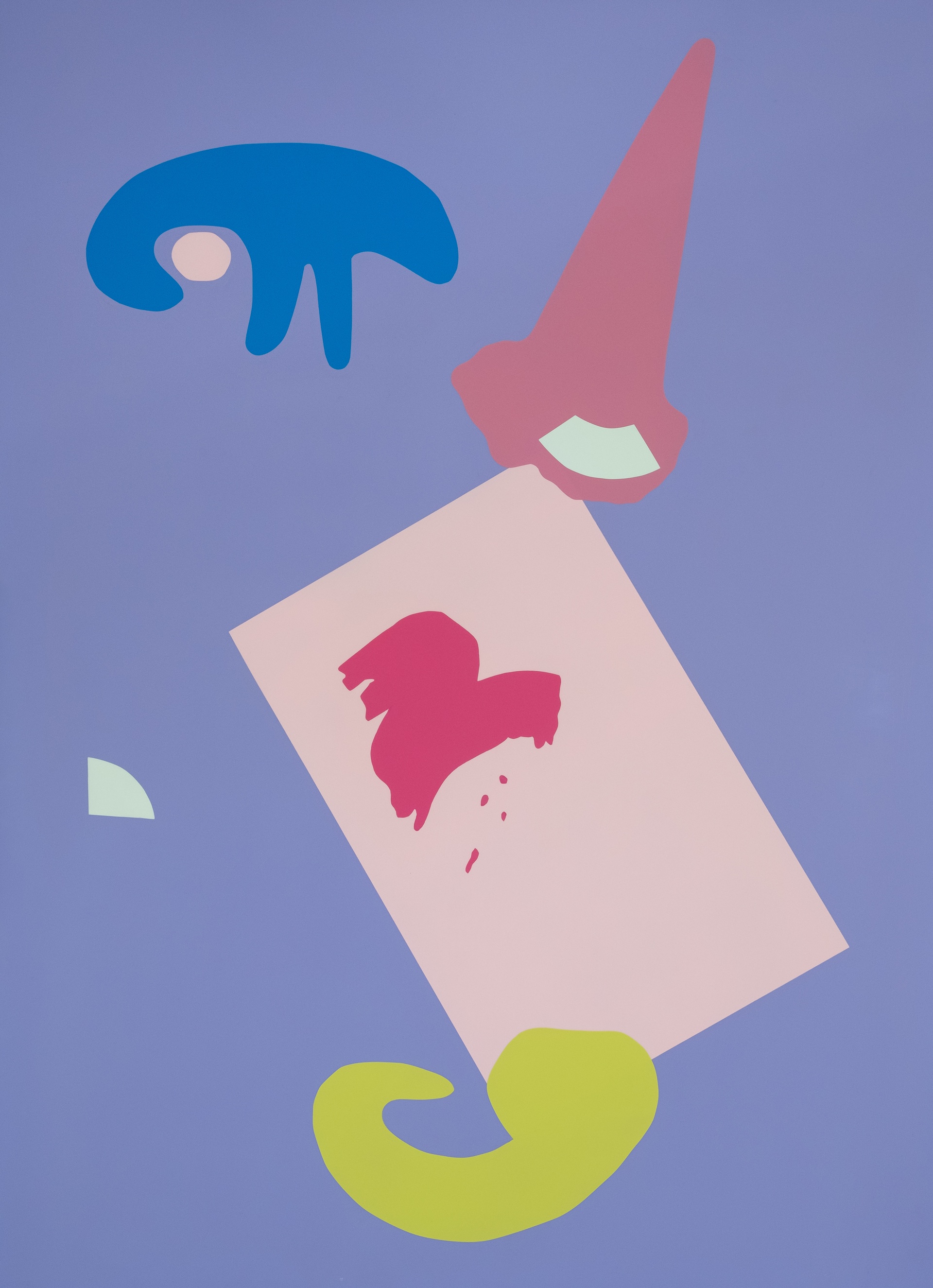
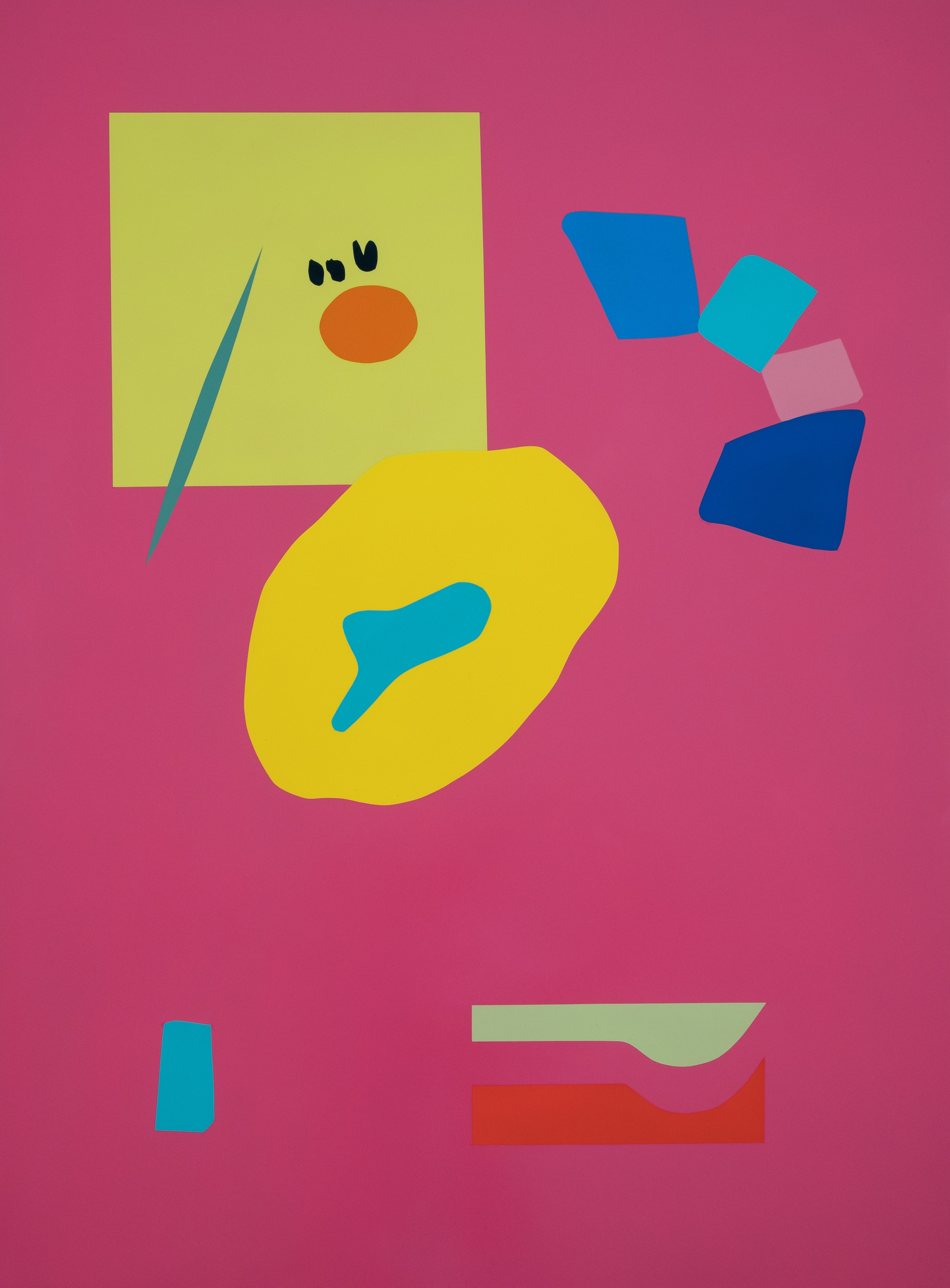
Among all the caveats to draw from our conversation, one of the most pressing had to be Roger’s black and white images of the infamous festival Woodstock ‘69 – the summer of love, as it where – a tear in the fabric of America’s tightly stitched together order and control; was he and his peers aware of just how momentous that moment was, when it was happening? Roger responds, ‘’That’s a good comment. It was the first large event of this kind, and it had an intense enthusiasm about it beforehand. The mood was changing in the states, and in the world – and I think this was a kind of pilgrimage to symbolise that, whether we really understood that at the time, I’m not sure. The fence fell down, and the entertainers that were there – mixed with the sense of being free – were powerful contributions to this overall push against society. Nobody expected it to become what it became, and its legendary status in our collective memory is in part due to our nostalgia, I think. It’s a landmark now of the 20th century, and as in everything in life – there’s the reality and the experience, and then how it’s interpreted by others.”
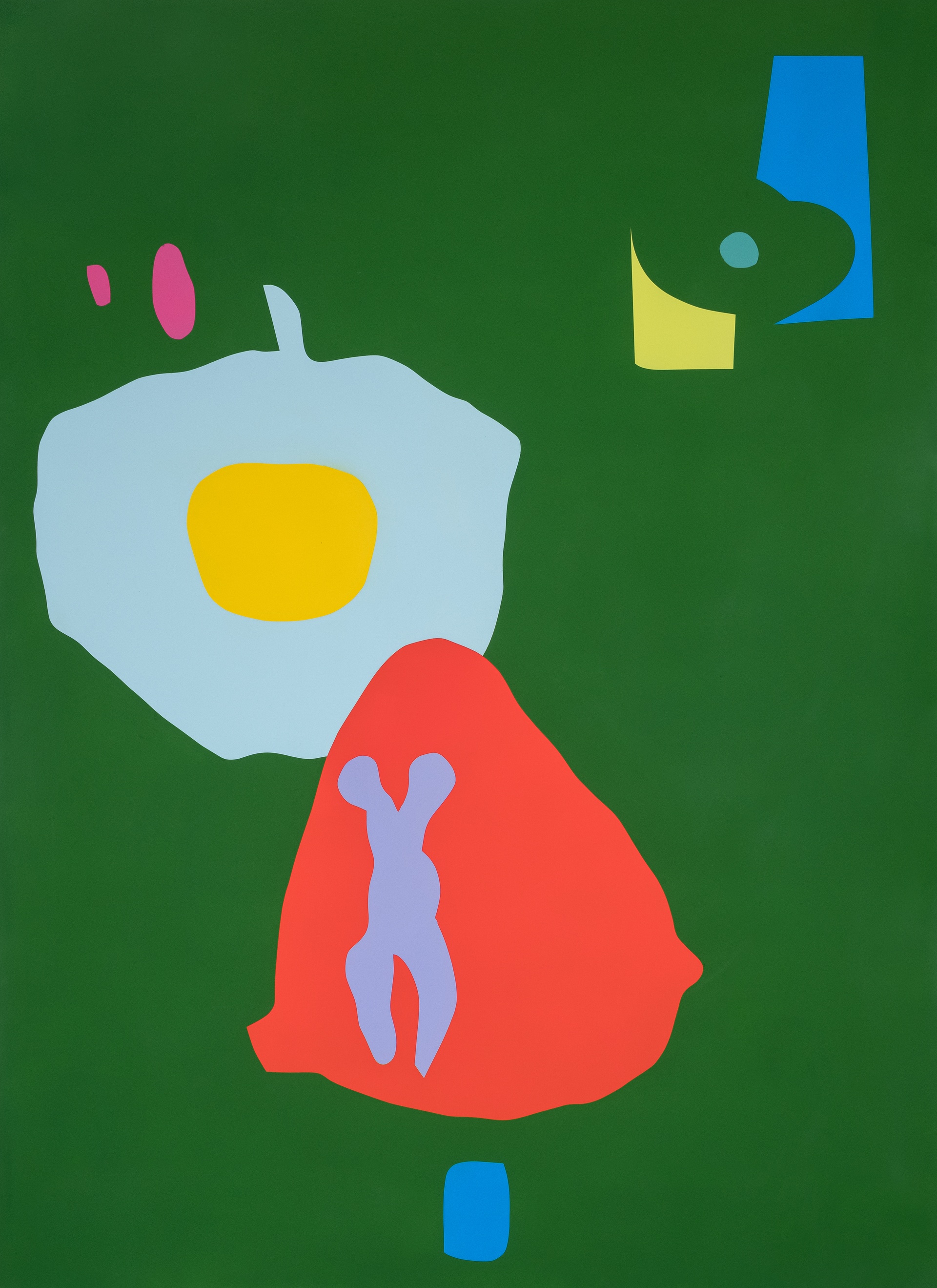
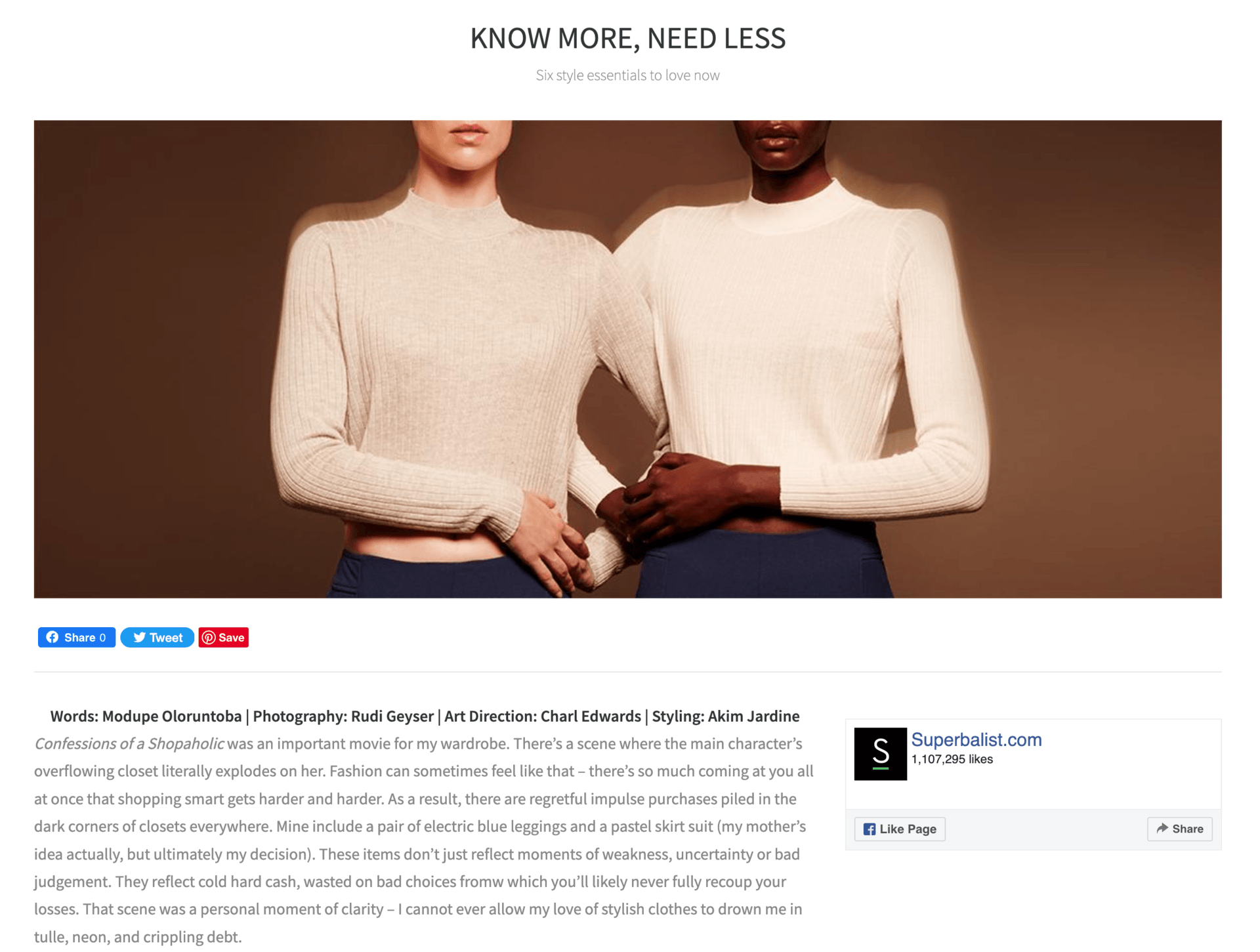
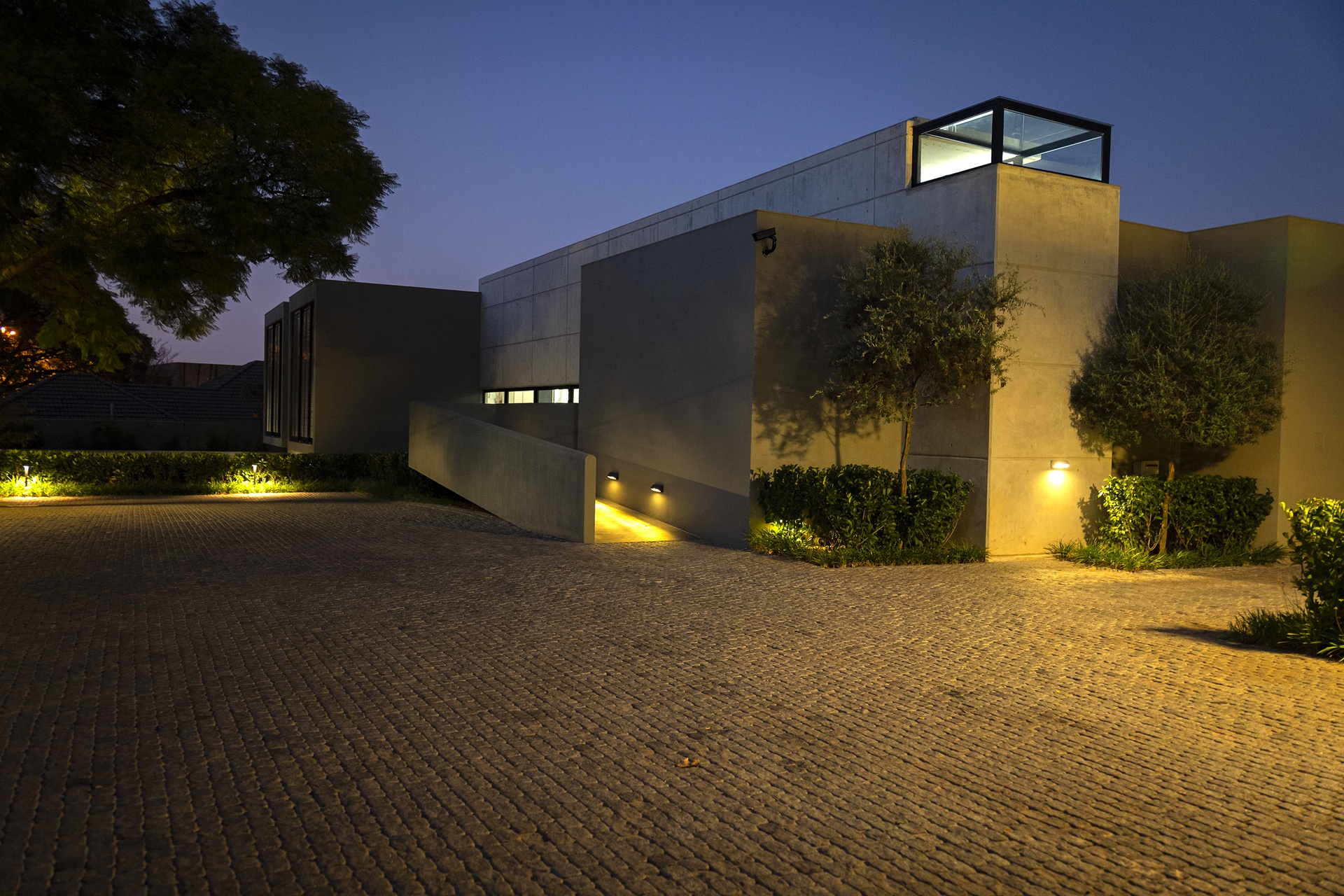
Right now, Roger is grounding himself – an unusual, but perhaps necessary step in his life. The grounding, or landing as it were, comes in the form of a physical space; Inside Out Centre for the Arts, in his chosen home of Johannesburg. Drawing on Brutalism, the building is a raw, materially-minimised archive for Ballen’s life’s work, set to also promote African photography and art, alongside educational programmes; “Our focus is Africa, and the work coming from the continent – as well as my work, all with a psychological component. I really like coming into my own place everyday, and to have a physical space to share more of the art and photography that needs to be shared.”

Written by: Holly Bell Beaton

MeccaMind Releases New Music Video for “Sunny”, A Single From the Mixtape “Let the Kidz Play”

MeccaMind is a 21-year-old artist based in Cape Town. Having found inspiration through Outkast, A Tribe Called Quest, Erykah Badu and the whole Soulection movement, it is evident in the beat selection and cadence on MeccaMind’s songs.

“Sunny” is the first single from the upcoming mixtape called “LET THE KIDZ PLAY“, and was inspired by being young, unapologetic, creative and free, capturing the essence of youth. This care-freeness is evident in the move away from MeccaMind’s older more melodic songs. “Sunny” is rooted in collaboration, the name was inspired by a friend of MeccaMind’s, Sundog, who painted the accompanying artwork and is produced by 16-year-old Oluh. The music video was done by Vahid Skippy Davids, who dissected the lyrics and created a love story out of the hook that reminisces about a love interest and how it quickly it can turn sour.

“Let The Kidz Play” is a space and platform for overlooked creatives who haven’t been given a chance to “play” due to gatekeeping, and the lack of accessible opportunities or general layers of bureaucracy within the industry. MeccaMind hosts events in Cape Town in collaboration with Vision TV to provide the necessary spark to push this growth. Sunny is the first in a series of things to come for “Let The Kidz Play”. Keep a look out for more content, merchandise, and events that are lined up

Follow MeccaMind and Let The Kidz Play.


Watch “Sunny” here ///


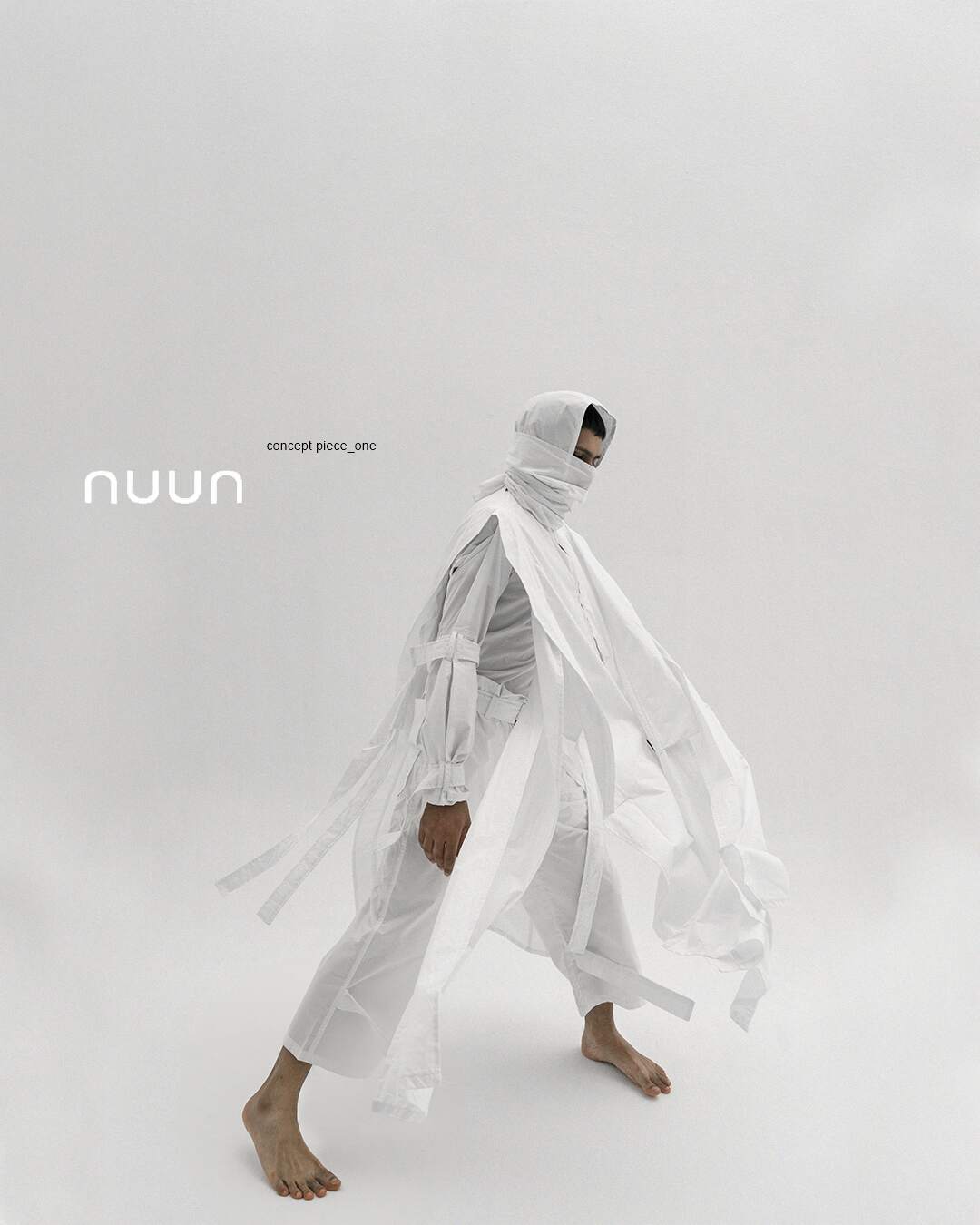
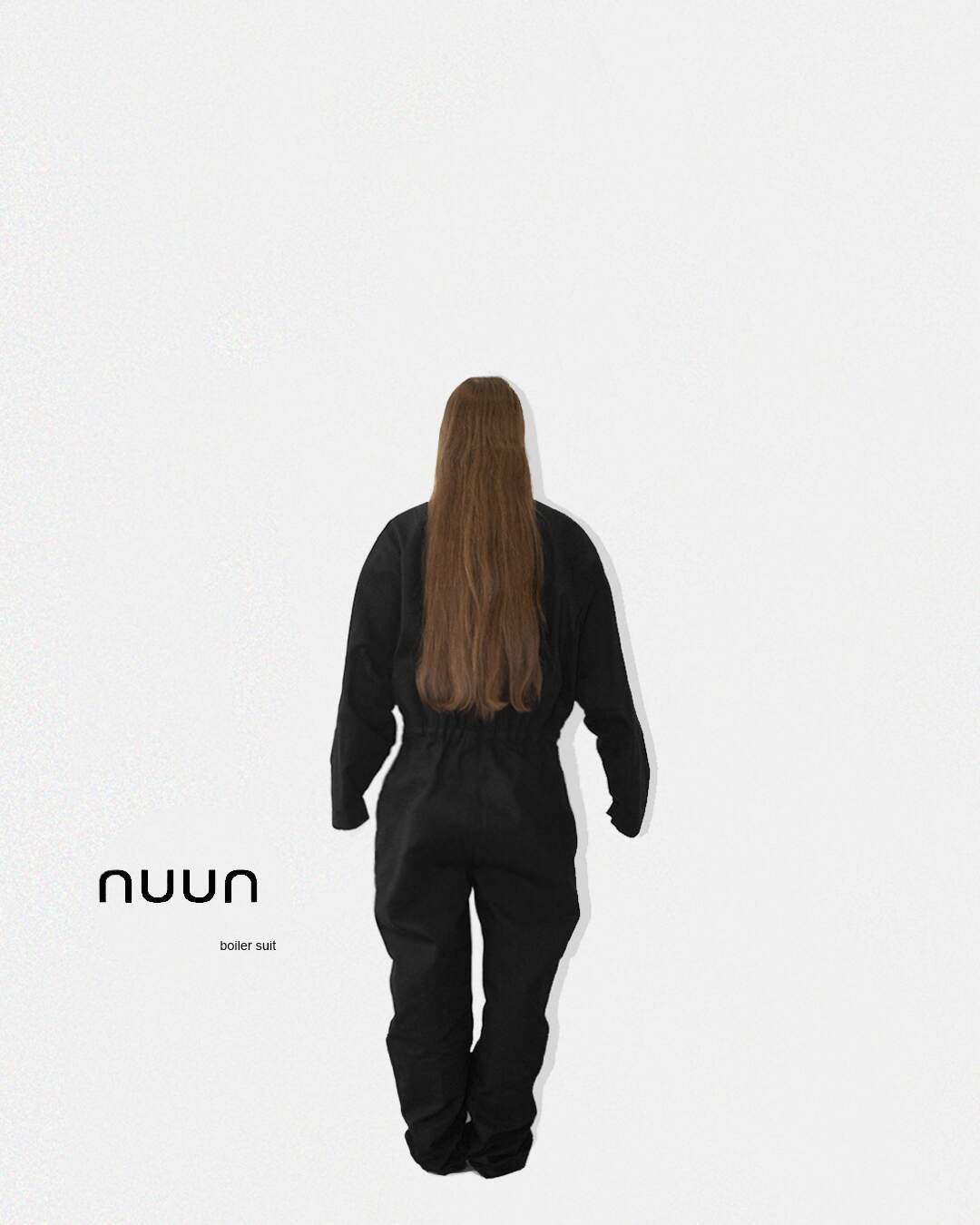
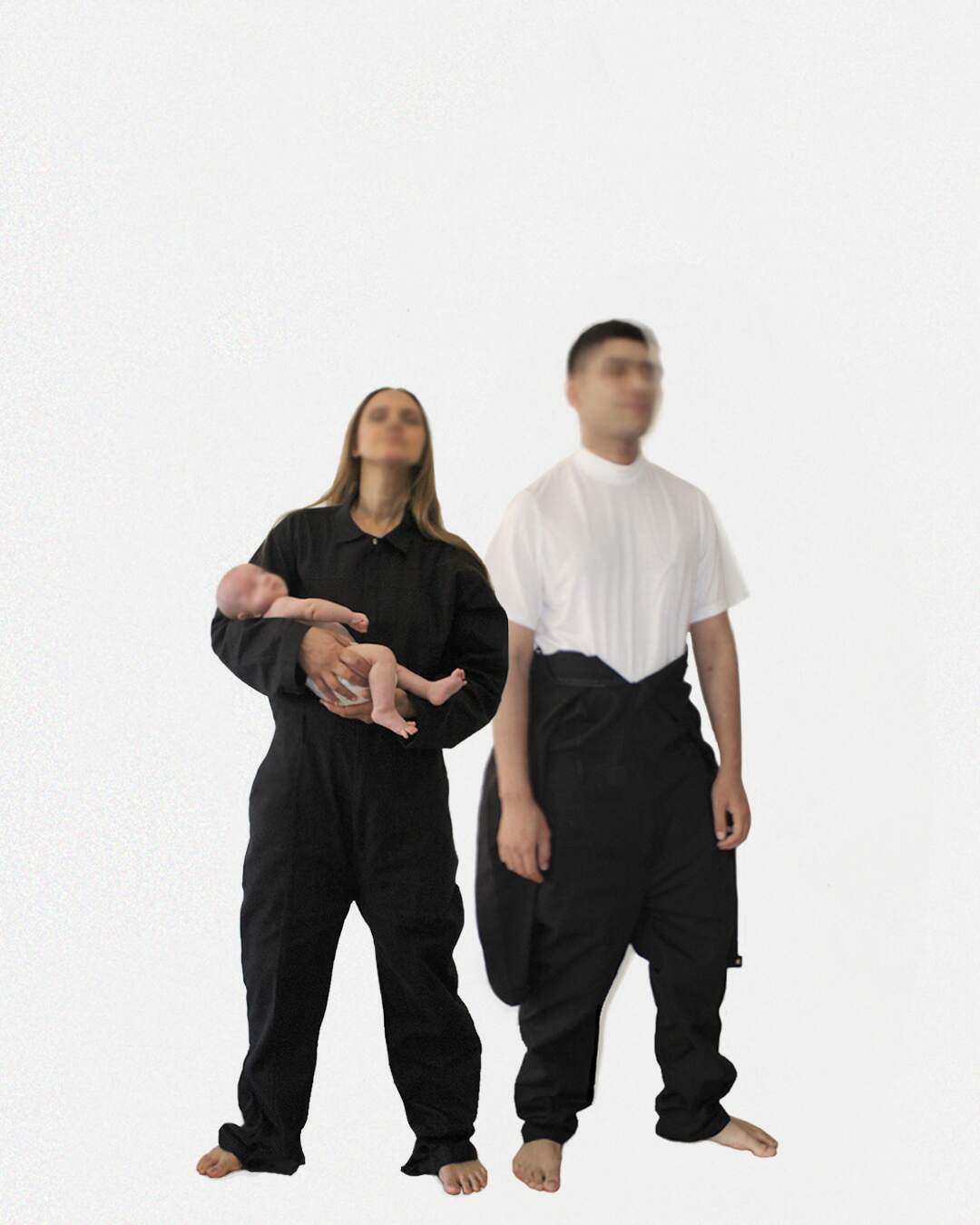
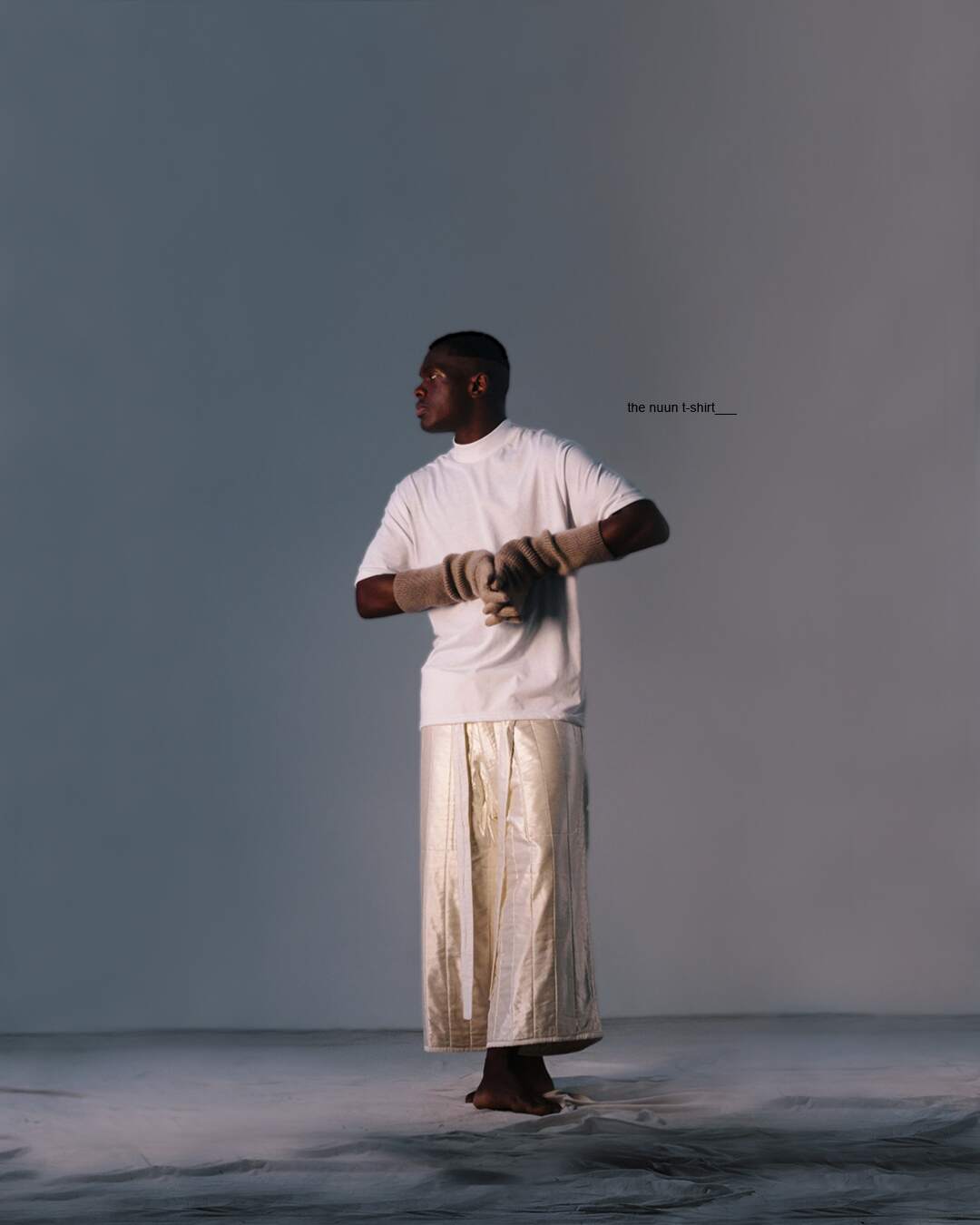
nuun concept space Lead the Way for Sustainability as Inherent to A Design Practice

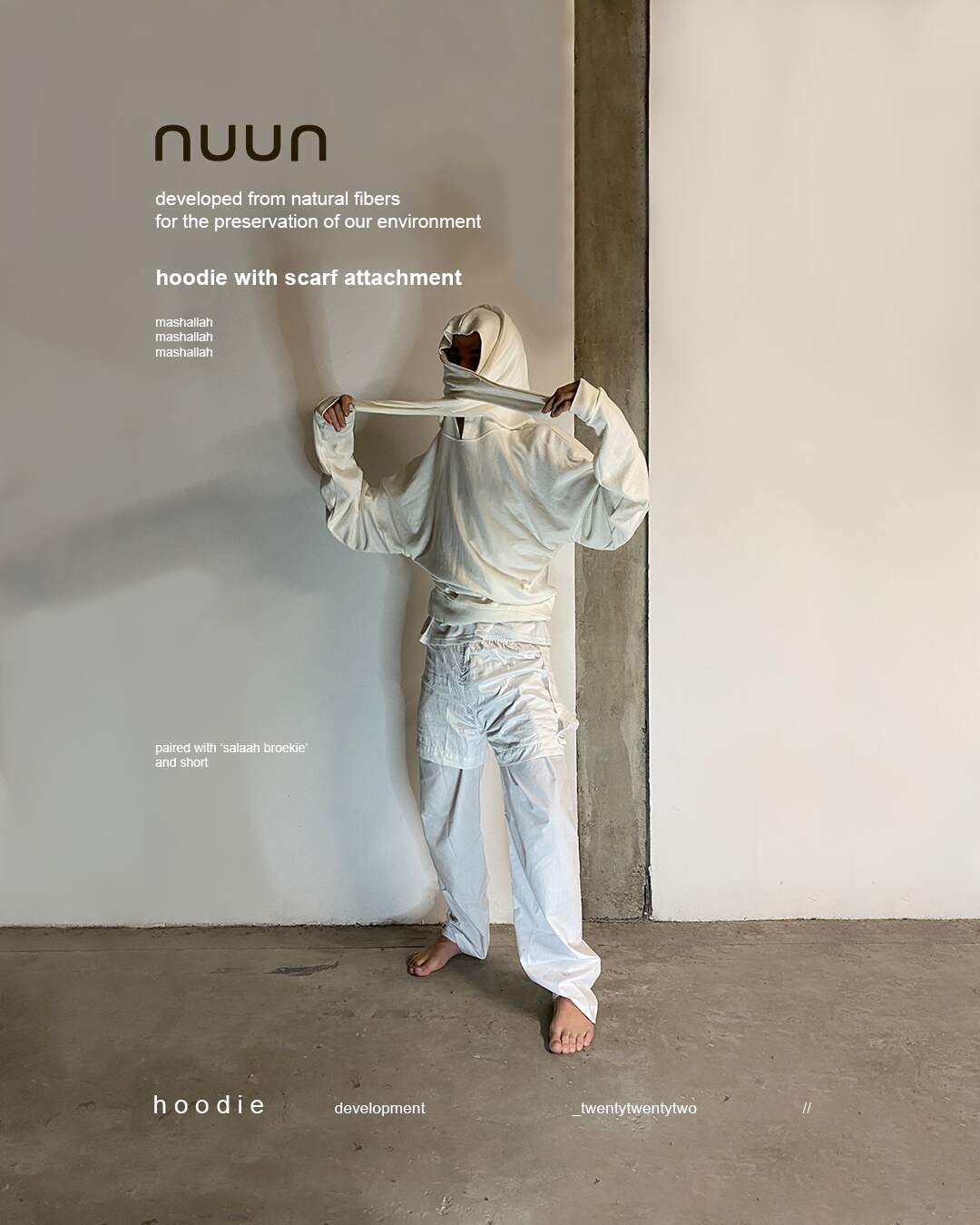
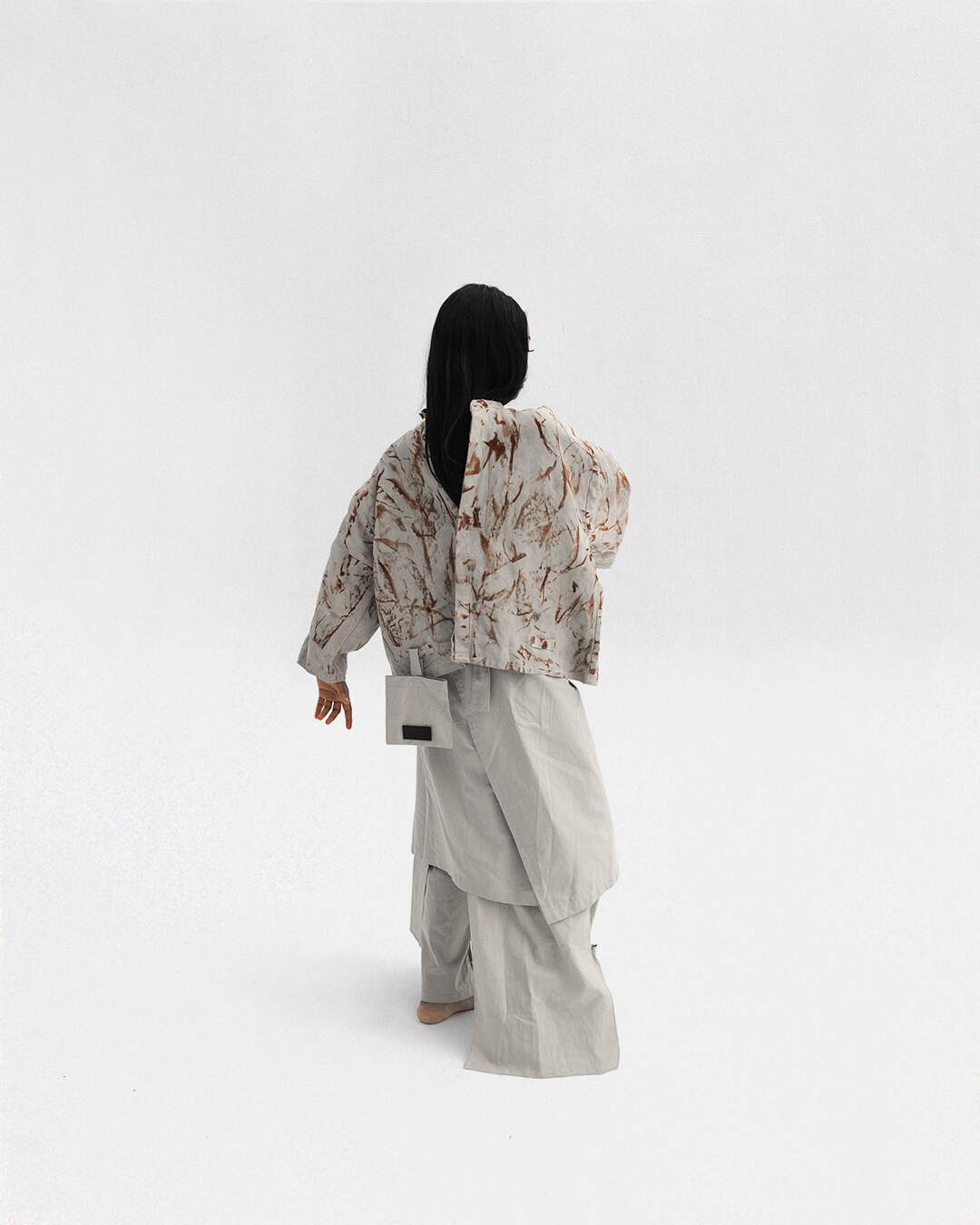
I have been fascinated with nuun concept space for a few years now – with a sense of discretion and dedication, mother and son duo Zainab and Shaheed are always up to something; and their practice has offered our design landscape with a sensibility that is rooted deeply in their dedication to their heritage. In their releases over the last years, nuun has evolved as an exploration of garment construction and textile research, and both of these profound sentiments that encourage a truly conscious approach to clothing; distilling the true essence, I believe, of what design is – as our inquiry into the human experience on the earth. 

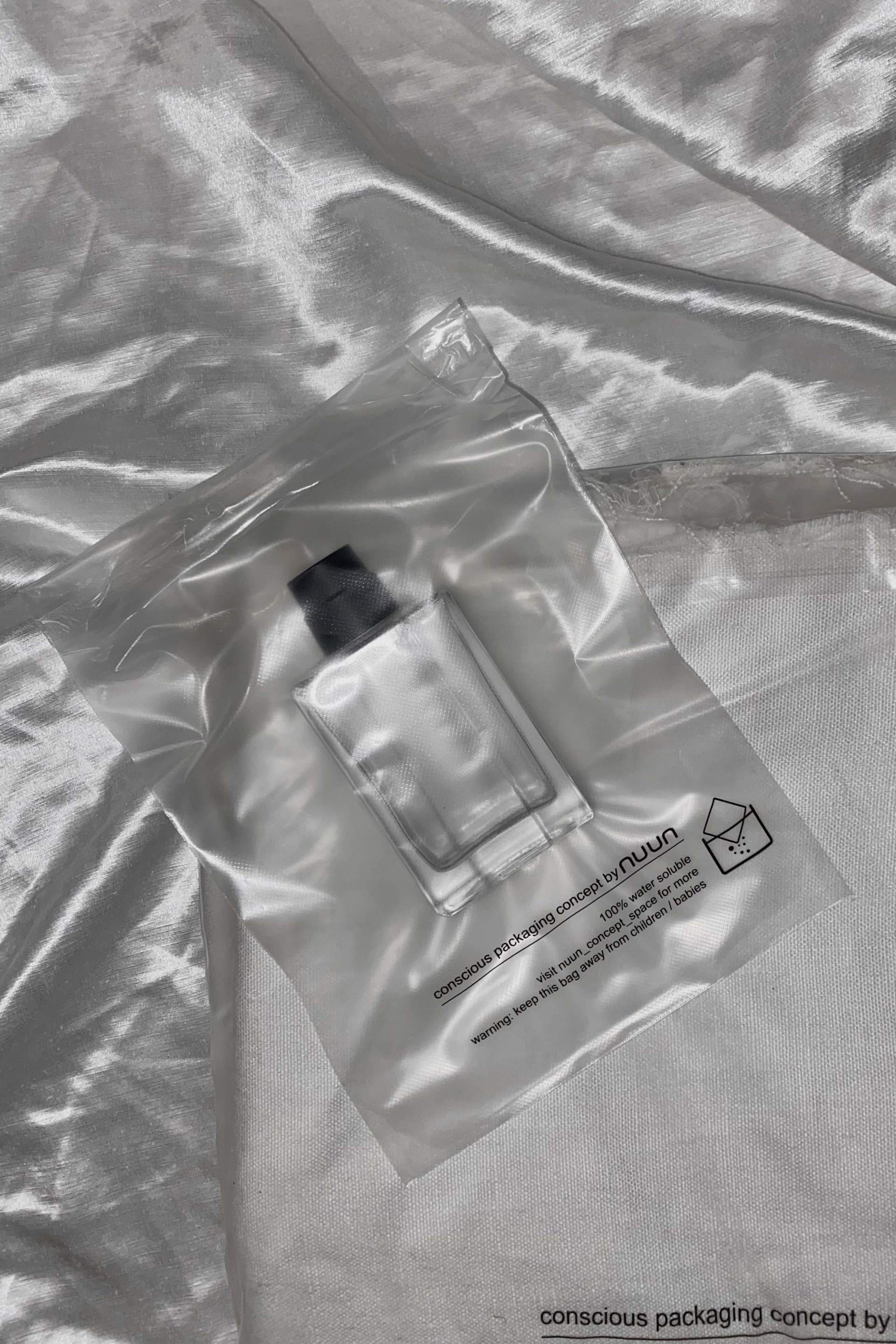
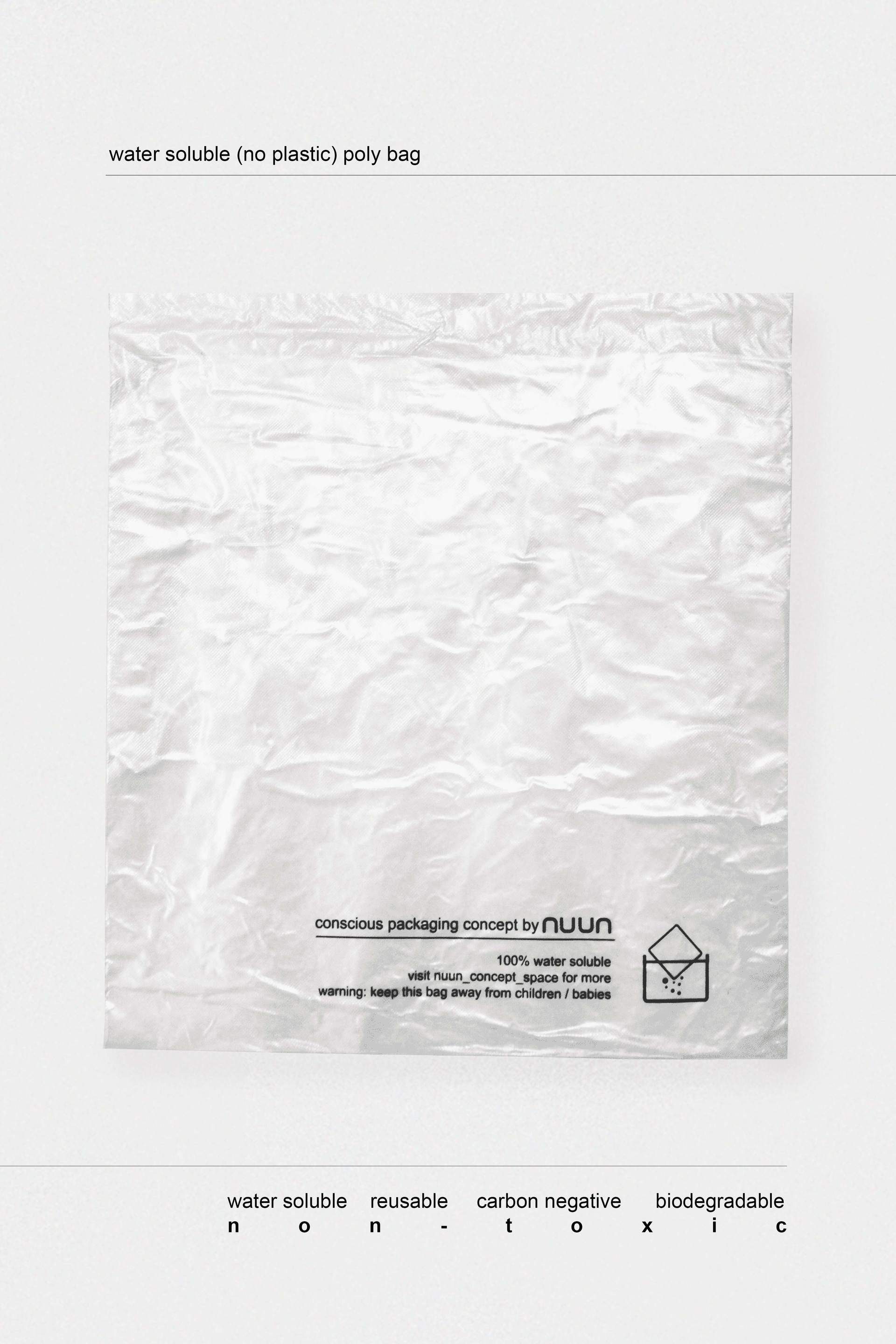
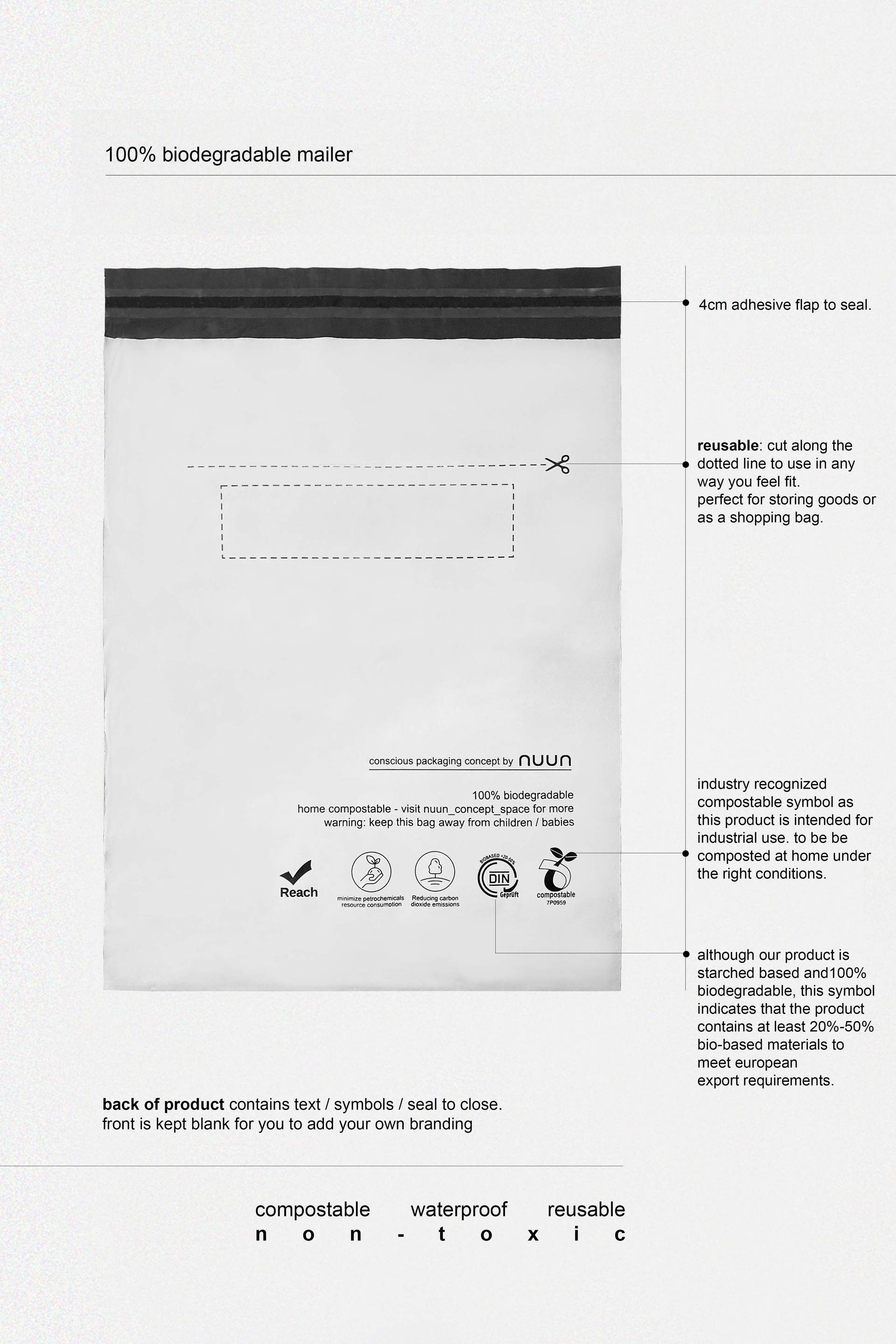
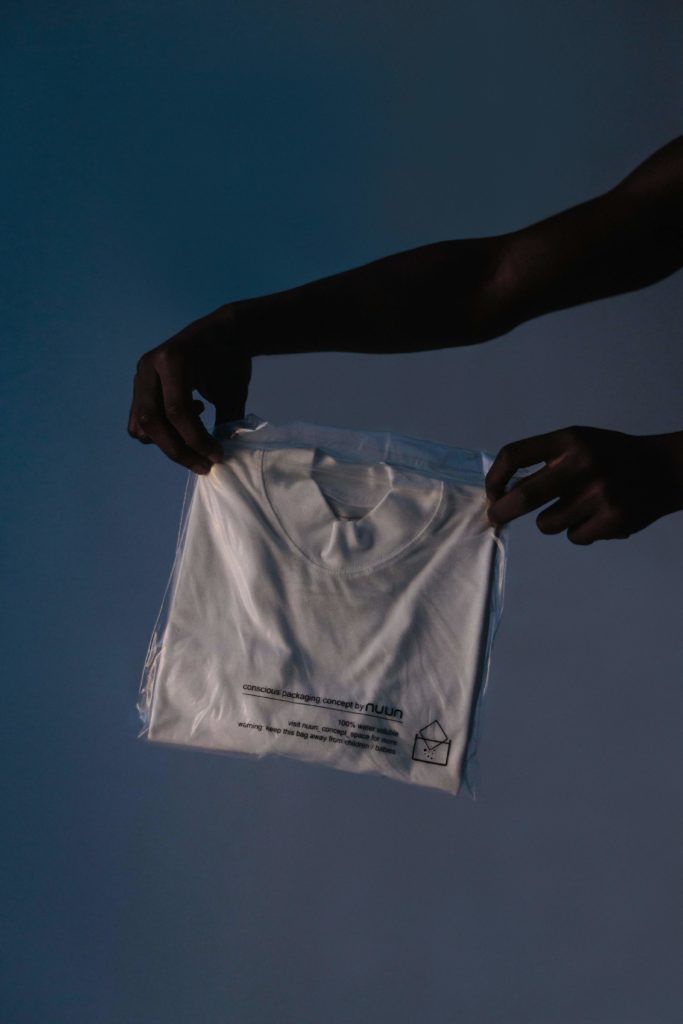
Beyond the constructs of minimalism, nuun instead feels as though it is space for essentiality; founded as a dialogue between family, and inspired by their Islamic heritage – with a contemporary yet timeless emphasis on sustainability. Amassing a following on TikTok, nuun is pioneering a homemade bioplastic for packaging that is available for purchase on their website; I encourage you to view these incredible videos here.

This spirit of community is inherent to nuun; the notion that there are no trade secrets or exclusivity where ecological and social preservation are concerned. I chatted to Shaheed and Zainab to learn more about their story and vision;

How did nuun concept space arise, as a mother-son duo but also as a creative expression + vision?

It had always been part of our lifestyle as a family to explore textiles and designs but nuun was started when my mother (Zainab) who would design abayas (the cloak worn by women who practice Islam) for herself which gained interest from close family and friend. Soon thereafter a collection was produced and sold in stores in Saudi Arabia.

At the time the other half of nuun (Shaheed) was working in architecture and would offer design advice. The conversation led to ideas explored and this is how the space organically formed to what it is today. 


A lot of your work explores construction and methodology underpinned by fabrication, can you talk about your design process?

Ideas are developed through necessity, a need of our own. A thought of how life would be better if this idea were to exist. we do not force a narrative, the idea has to fulfil a function. After brainstorming solutions of what this product could ultimately be, we explore sustainable and/or locally sourced materials and textiles that would best suit the idea. our intention is to create so that life is better after the idea manifests.


Your work, since I’ve known it, has been a solutions-based response to the lack of environmental + social integrity in the fashion industry. What are the values you both hold as designers and creators in this regard?

The objective at nuun is to offer solutions that are sensitive to the environment without compromising design aesthetics.


I love the perfect marriage between form and function that I’ve come to associate with nuun concept space. What concepts do you find yourself referencing and exploring as you develop the label’s design language?

The work we do is a celebration of our heritage and culture. The age-old silhouettes of Islamic attire and the techniques used to construct garments are a constant reference point for us. We build on these concepts to pay homage to our people while developing our own unique perspective thereof.

How did biodegradable packaging first occur? 

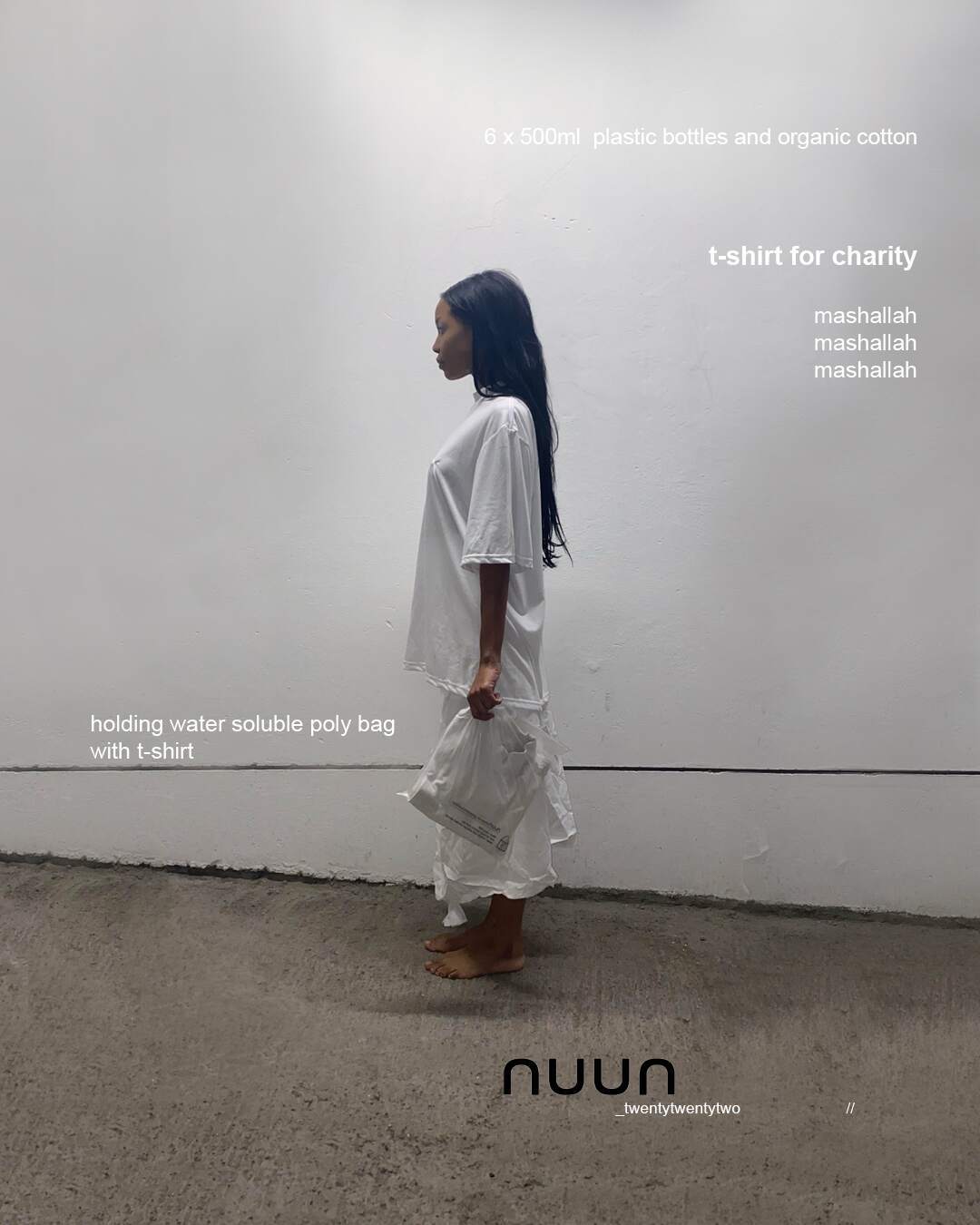
We had just developed a t-shirt made from recycled plastic bottles (collected on the beaches of cape town) blended with organic cotton and wanted to present it as the classic t-shirt in transparent sleeve but after months of searching we found it near impossible to find this product anywhere. The material existed but wasn’t used in this context and when we found something similar it was not made available to africa. We became determined to produce this product ourselves and decided to partner with a company who produces the base material. The material was reworked to suit our specific design needs and this is how we became the first in Africa to produce water-soluble packaging. 

Since this product was the first of its kind in Africa, we made the decision to forgo any explicit branding so that it allows others to use this in their own brand spaces, which would have an exponential positive impact on the climate versus if we kept this product to ourselves. 


What do you want to see in this world, and how does nuun concept space reflect that?

The ultimate goal is to create a more conscious society in every aspect. Sustainability, to many, remains a difficult subject to face as there’s so much information out there that makes people feel overwhelmed. Our intention is to create simple solutions that feel approachable so that people gravitate toward our work without the guilt. We have stated before that sustainability is a process and not a race and our intention is to share what we know with those who are interested in incorporating sustainable practices into their own design spaces.


What are you working on at the moment, and what lies ahead for the rest of 2022?

We are currently working on multiple projects all of which will be released when the time comes. one project we have slowly been sharing on our socials is our homemade eco-plastic experiments that are produced using natural ingredients. The process is exciting as the outcome is unpredictable. We plan to use these eco-plastics in one of the upcoming projects so stay tuned on our socials for more. 

Follow @nuun_concept_space on Instagram and @nuunconceptspace on TikTok to keep with their latest processes and offerings

Written by: Holly Bell Beaton

Liberty Battson’s Ode to 20th Century Masters in her Latest Showcase, Yada-Yada Club

“Yada-Yada like Blah-Blah like Dada.”

“A persistent theme in Liberty Battson’s work has been the language of visual art. This latest body of work uses the iconic styles of major figures to engage with – and celebrate – modern art history.

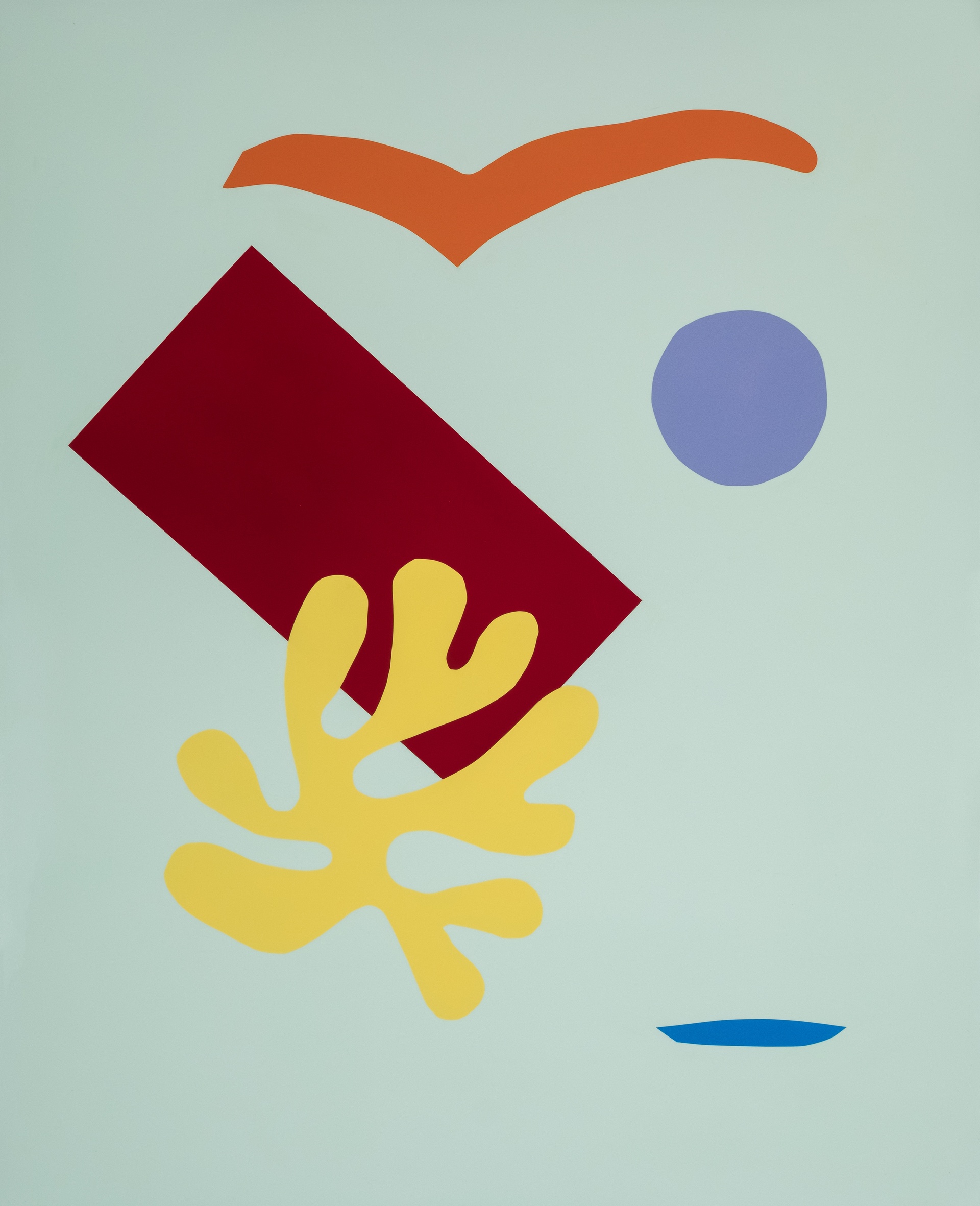
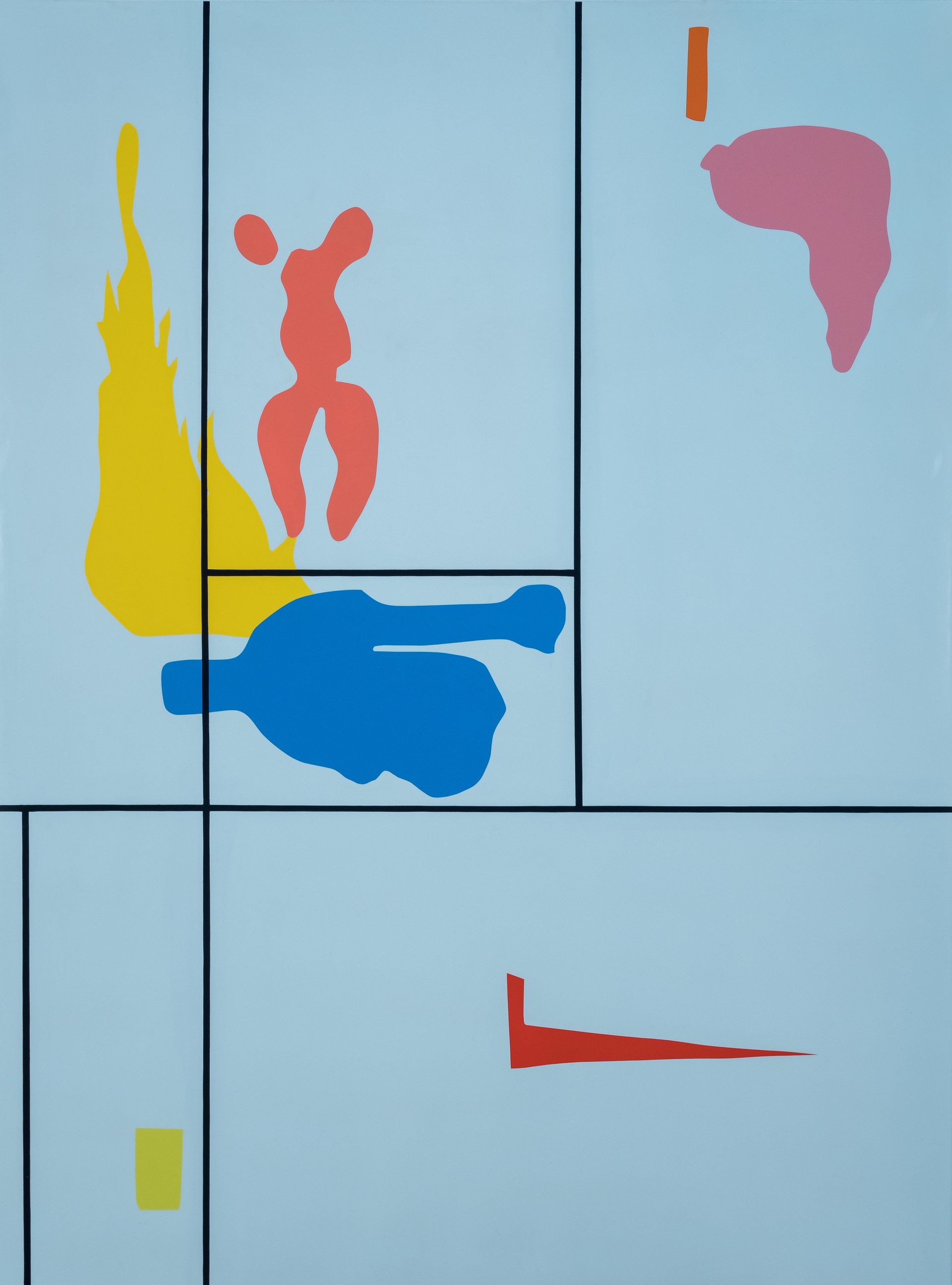
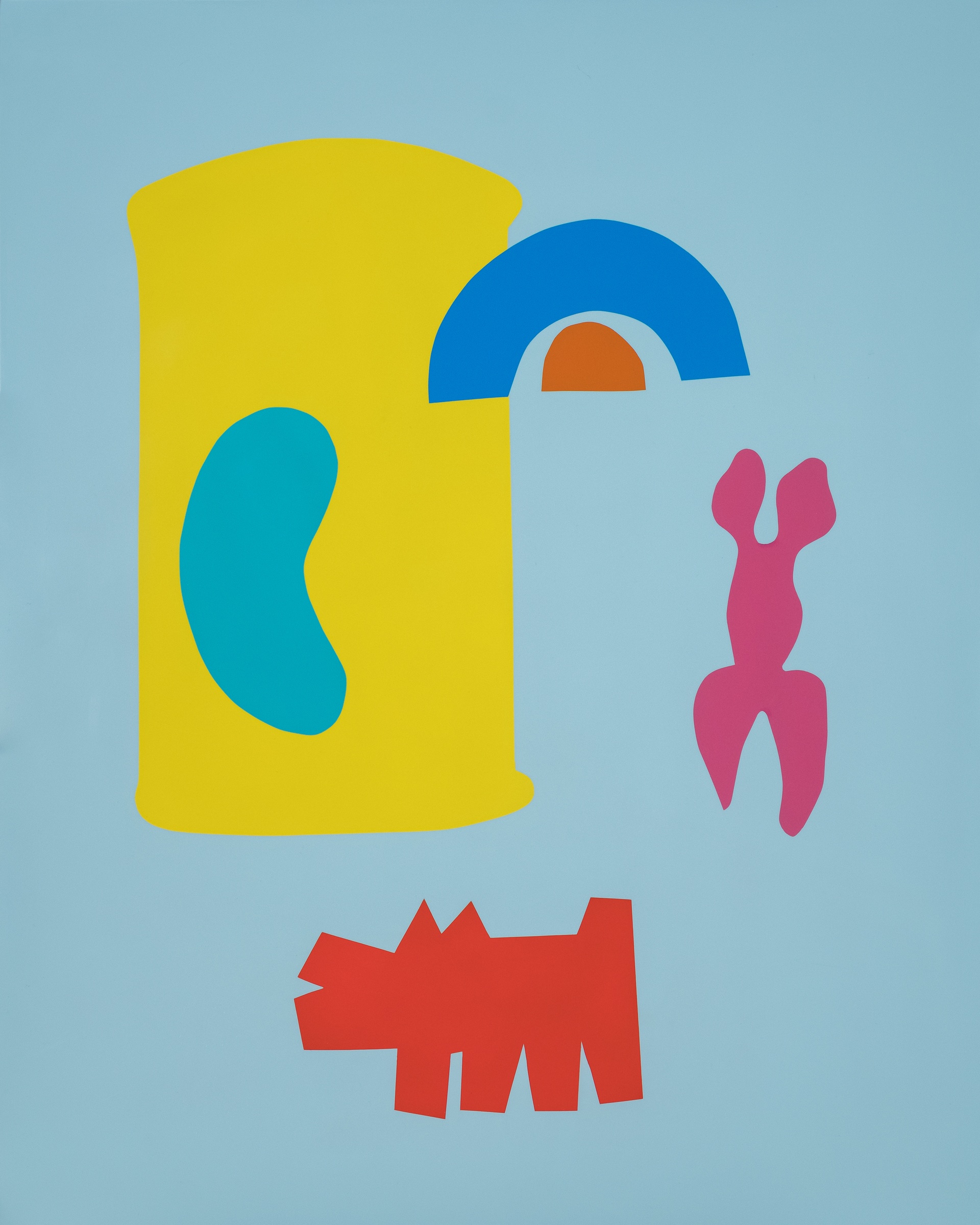
The flat, colourful faces that make up ‘Yada-Yada Club’ draw on the languages of 20th century Masters. In a tongue-in-cheek postmodern overview, Battson acknowledges the impenetrability and opaqueness of their abstract and conceptual work to many people. Referring to a range of movements – from the Dadaists and Cubists to the New York School and Young British Artists, Battson aims for her viewers to recognise some of the silhouettes she has selected, and wonder about others.” – Lena Sulik for Everard Read Gallery

Liberty Battson has coined a new term for her latest showcase – “Art Gibberish”. What at first seems to be a cheeky omission from an artist as “nonsense” – is in fact, a playful and loving semantic note that describes for Liberty her strongest theme running through her career: that art is a language; a syntactic arrangement that is infinitely variable, and pursued through many mediums and styles, the same way dialects become regional and linguistic jargon develops out of subcultures. Known for her distinct style using precise lines in vivid colours, “Yada-Yada Club” is the first diversion we have seen towards a new landscape for Liberty – instead, this showcase is explicitly post-modern, and uses a variety of Liberty’s most revered artistic Masters of the 20th century as affectionate references; creating interpretations of works from artists like Dalí and Matisse, for the viewer to decode in a visual treasure-hunt. 

On this diversion, Liberty saysThis is the first body of work where I’ve ventured away from stripes but I’m still dominantly attracted to hard edge, clean cut lines even though this time they are objects. I like controlling the paint, even when I am painting freehand I still aim to have control over the paint, I’ve made looser work and come full circle where I want to contain it again. It’s just an overflow of influence. I’m in awe of Abstraction and Modern art whose key principles are uniformity, structure and geometry – this was a great challenge and undertaking in a period where art was very realistic and pictorial. I approach art very mathematically, using data, stats, numbers, codes. I still had a mathematical approach by selecting specific subjects and arranging them into funny faces. I knew exactly how each one should look before I even touched the canvas.”

Using her distinguishing medium, 2k automotive paint, Liberty explains why this has come be her signature, against the traditions of oils or water-colours; I’ve always been inspired by artists who push the boundaries of their chosen medium, such as when painters master the timing and viscosity of paint to get you questioning if it’s actually painted or when ceramicist work dangerously thin or sculptors who make hard materials look soft. It was important for me to use Automotive paint on a medium (canvas) to which it wasn’t designed and get the same finish as if it was painted onto car parts. It was important to me to master the material. I haven’t met many artists using it the way I do, therefore my work is quite recognisable. That’s the goal, you want to walk into a room and recognise the artwork before you go close enough to read the  signature. Even better to wonder how the artist made it, to get the viewer thinking.”

Encouraged by the artists referenced in Yada-Yada Club, Liberty remains committed to the pursuit of her own artistic development; and this mindfulness is perhaps rooted in her genuine joy and awe for the stylistic traditions that have come before her. Commenting on the exhibition’s affectionate tone, Liberty says, “These faces are made up of different Master artworks over the past decade, most with the theme of being anti-war, inspired by Dada. I hope viewers see the silhouette of one or more of these artworks or better yet see their own imaginary subjects. Kazi is the nickname for Kasimir Malevich who features in this artwork alongside Salvador Dalí, Alexander Calder, Philip Guston and Pablo Picasso. Gav is my nickname for Gavin Turk. In this artwork there is also representation of Yves Klein, Marcel Duchamp and Alexander Rodchenko. Néné is my name for René Magritte, who starred with Edvard Munch, Philip Guston and Yves Klein. Fridz is short for Frida Kahlo, one of few women artists represented here, alongside Jackson Pollock, Damien Hirst and Henri Matisse.  It is always my intention to celebrate these Masters and show my close relationship with them, their impact on me; that’s what inspired the titles, as well as to link the personification so viewers could identify a face.”

Yada-Yada Club is on show at Everard Read Gallery Cape Town until 2nd July 2022.

Written by: Holly Bell Beaton

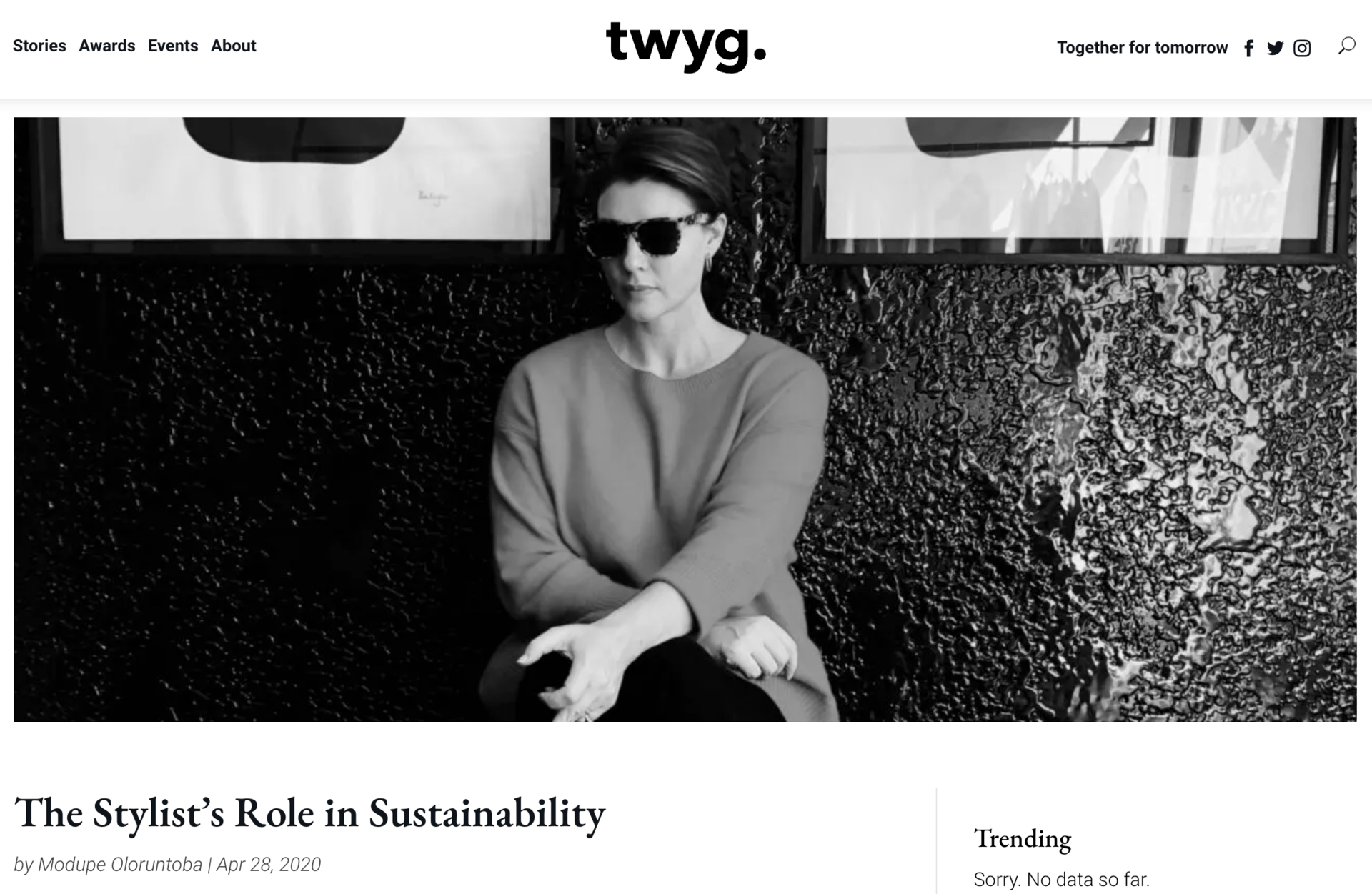
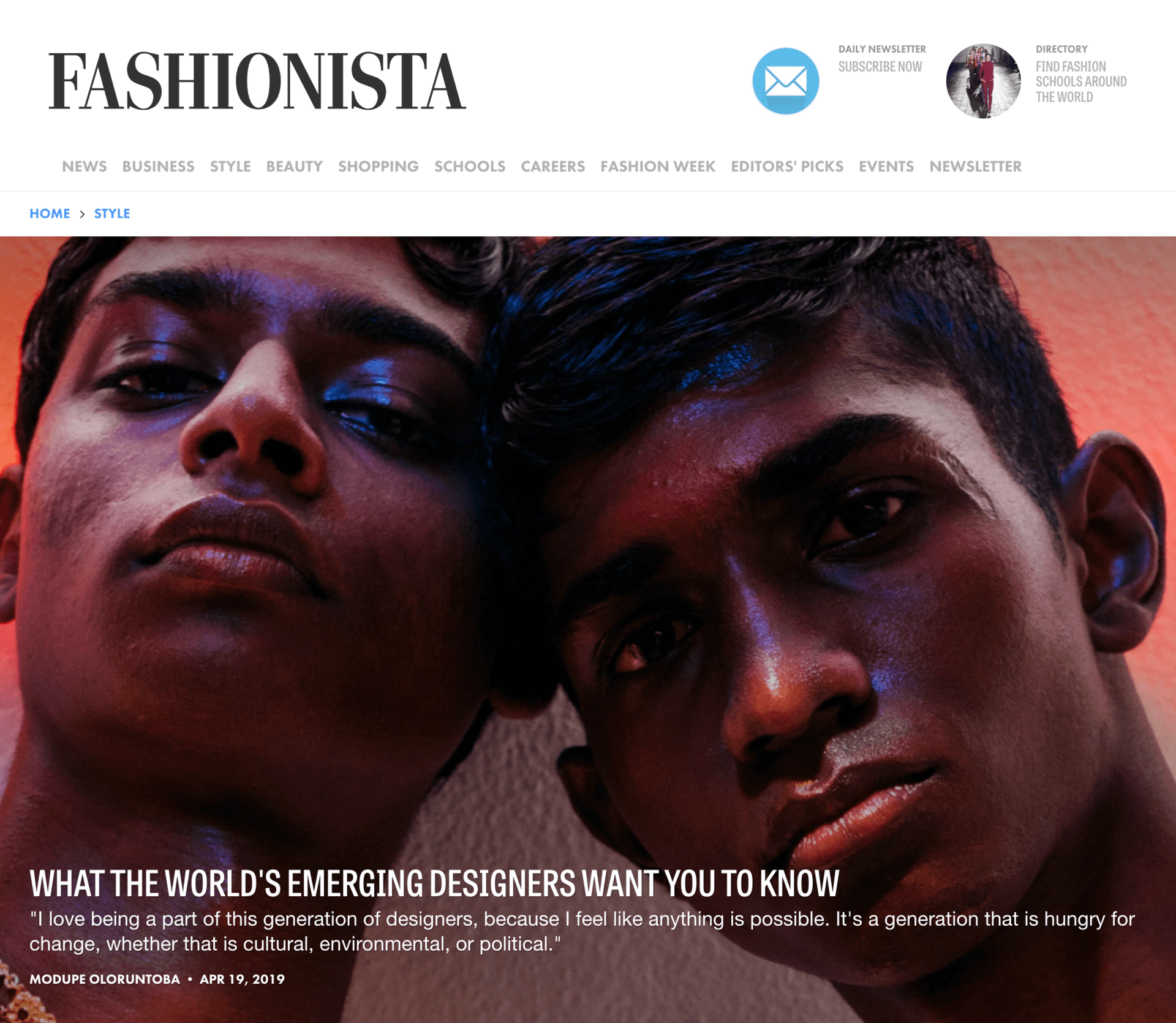
How Education and Communication Remain Critical with Fashion Writer Modupe Oloruntoba

It’s rare to read interviews with writers as it is usually our role to be the interviewers and conversation holders. Something I reinforce in my own practice and periphery to the fashion industry is to always inquire about the people, teams and voices that weave together the web of these systems; and what can we learn or understand about how a space like fashion is shaped, communicated and understood – and thus formed into the cultural landscape that it represents. For this reason, having Modupe Olortuntoba on CEC for a conversation about her nearly decade long career as a fashion writer, editor and consultant is a personal one – particularly the experience of finding one’s niche in communication, when so much of the industry signalling relates to design as the pathway to creating in sartorial expression. Fashion publishing and media in South Africa has taken a huge knock in recent years, with many spaces closing completely and writers having to rebrand as copywriters or digital story-tellers; and while this conversation is not about a preference for print, it is most certainly a testament to the deep sense of curiosity, analysis and description that the writers bring to the industry. 

‘’I studied fashion design at CPUT and developed a complicated relationship with fashion design. I started to lean into media at the time, I think in some ways to maintain a closeness with why I was doing what I was doing – reminding myself of what brought me to the place of studying fashion. I was really into Style.com and their work at that time, and Business of Fashion – and when graduation came up, I was feeling really unsure about design and really excited about media – I decided that was going to be my plan. Build up contacts, work at glossy magazines and then perhaps go back to design. Content has stuck, though. I found my lane and the medium I had a lot to say about; I felt like I could fully embrace this tool. Writing about fashion, rather than producing it, has never wavered in the last eight and a half years.” Modupe says, striking a resonance with my own experience of dropping out of fashion school in my early twenties; my inability to draw, remain focused, and mixed with a myriad of other personal reasons led me to find another way to relate to this deep sense of passion I had for fashion and design. Fashion education in South Africa is heavily focused on producing designers; and not everyone is meant to design, and very few tend to “make it” in that way (a story for another day), and it’s a conversation I’ve had many times with various people about this idea of education for developing a career in fashion; ‘’I was an AFI (African Fashion International) intern for fashion week at the very beginning of my studies and career. That week was pivotal for me, because I was exposed to the rest of this whole world; I was able to see the many hands that go into what we receive as “fashion”. The whole system really fascinates me, and I don’t think fashion education serves the system too well – but it’s a double-edged sword. With so little to “study” about fashion here in South Africa,  a vast amount of people come into the industry with varying perspectives and disciplines that they’ve studied. I mean, some of the world’s best fashion designers were never trained in a traditional fashion schooling system. So you get this very interesting mix of people who find their way to fashion, and I’m not sure you’d get that if there was a fashion-focused way to learn everything that can be done within the ecosystem. On the other hand, I think it makes it very difficult for young people to know where to begin. I hope we see more variation and options for what is available to people wanting to study.”

Defining “education” in this context is important, particularly regarding the inaccessibility for many to formally study – with designers like Lukhanyo Mdingi speaking to us earlier this year about his emphasis on mentorship – on this, Modupe says I would love to see a return to apprenticeship. For all we say about schools, many who do study fashion end up graduating and have nowhere to be entry level. Nowhere to learn from the ground up. I think our understanding of education as a broader term for developing and refining skills is a more robust way to view it – I just came from Rich Mnisi’s office, and he has an assistant / intern – and it’s great to see contemporary brands being able to hire and foster young people. I would love to see a wider spread return to prioritising development.” 

In November 2021, I attended Rewoven’s incredible indaba Future of Fashion – a yearly exploration of African sustainability and circularity. During one of the talks, I was struck by Modupe’s question to panel – and her articulation of a conversation I hadn’t heard anyone ask about the business of fashion in South Africa, and how can brands be transparent as a guiding road-map for what it takes to build both a creatively and financial healthy label or enterprise; the business of fashion, truly, and the financial acumen it requires. ‘’I think there’s this idea that creative people don’t have to mind themselves with business, yet these are functions that are central to running a business. I wish it all would be about creativity – but it’s not, it’s about trade. Trade is maths. We are in a great time for it, too – there’s short courses in abundance. I’m very curious in talking to designers as business-owners, right now – and the idea that we can shift the idea that creativity exists in a silo, independent of the economic structures we live in. I want to see more support for creatives, in general, to have their art live in the world that is valued in the way other industries value their own products.”

With the launch of African Fashion Weekly, Modupe’s newsletter is a space in which she explores these questions; focusing on a the markets of South Africa, Kenya and Nigeria as key points in the continent’s fashion industry, “I’m asking these kinds of questions for the first time, and the designers and other ecosystem players are answering them for the first time, and because we haven’t had this angle regularly covered, these questions about strategy and profit and hiring and funding seem really invasive. So along with training myself, my interview subjects aren’t huge listed corporations who legally have to share quarterly earnings reports, and I have to find a way to get these independent businesses on board with a similar level of transparency to make this a real value add for the industry.” 

This is hugely important work; and Modupe is a voice that is so critical for nurturing the immense growth and spotlight we have seen in South African fashion, and the continent at large. A reminder that there is not only a space for everyone but rather a deep need for minds like Modupe who see so implicitly into the heart of our sartorial landscape. 

Follow and subscribe to @africanfashionweekly to read more of Modupe’s work.


Written by: Holly Bell Beaton

Southern Guild Presents ‘Spring Awakening’ – A Study On The Dissolving Boundary Between Art and Design

“The concept for Spring Awakening arises from the idea of spring as a time of intense ecological, physical and psychological change. Curator Lindsey Raymond invited artists to consider the role of renewal and growth in their work, as well as their opposite – loss and decay.

“In springtime, the future is a thing that gleams within palpable reach like a ripe fruit ready to be plucked from a tree. It signifies the starting growth of a new harvest, while occupying the liminal space between a year almost passed and a year yet to come. In this way, it is a time of reflection as much as it is a willingness for a future ideal,” Raymond notes.”southernguild.co.za /// show notes.

I often wonder if the categorisation between designer and artist is merely a semantic technicality – determined by the “functionality” of the outcome, or body of work presented by either designer or artist. Attending gallery spaces such as Southern Guild, particularly their recent / current group show “Spring Awakening” – I find that this distinction or separation is further challenged, particularly as it makes clear that whether design or art; all creative pursuits are inherently functional – as essential contributions to the lived experience of being human, all of us leading lives marked deeply by our visual senses and aesthetic tastes. 

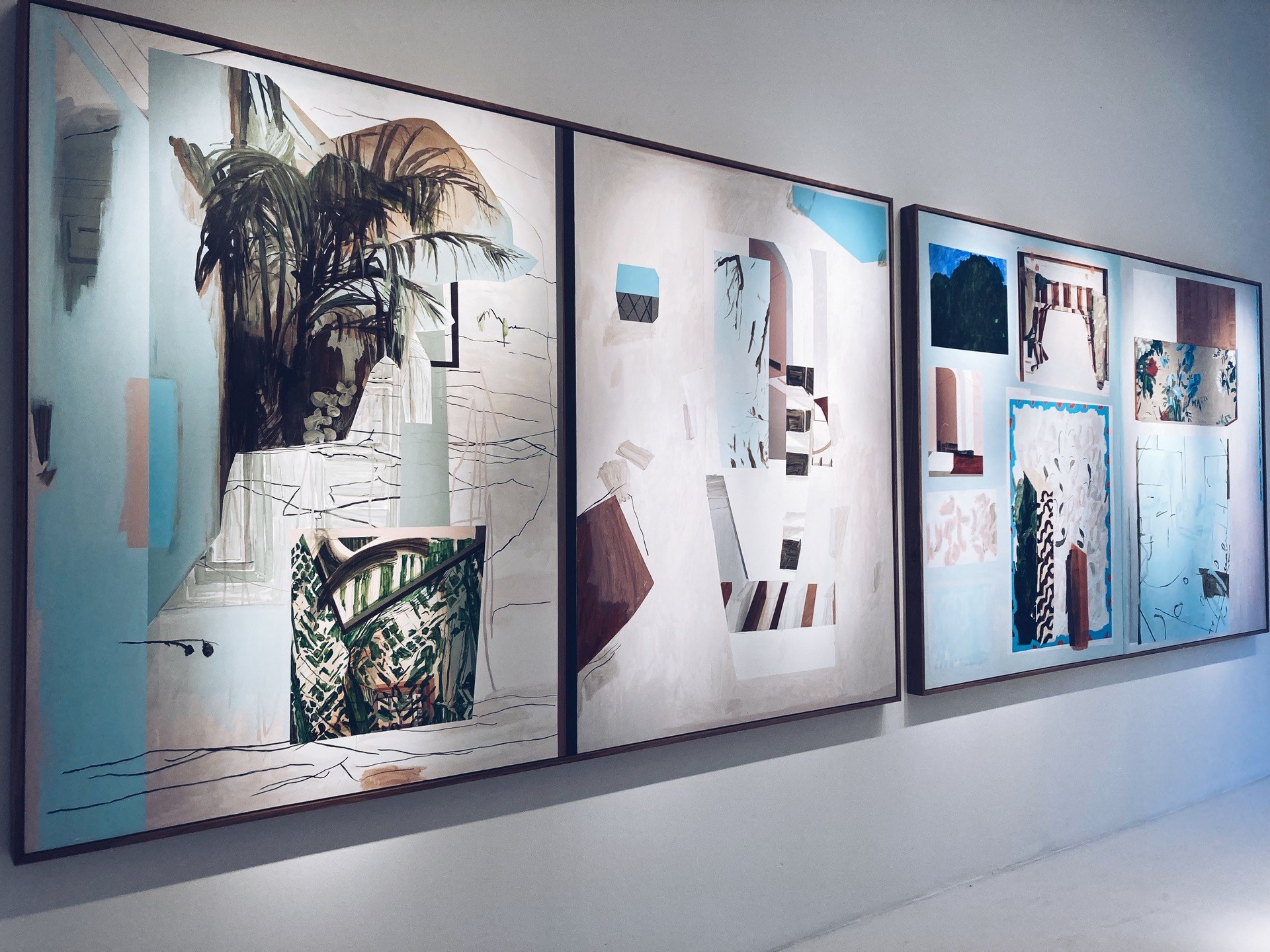
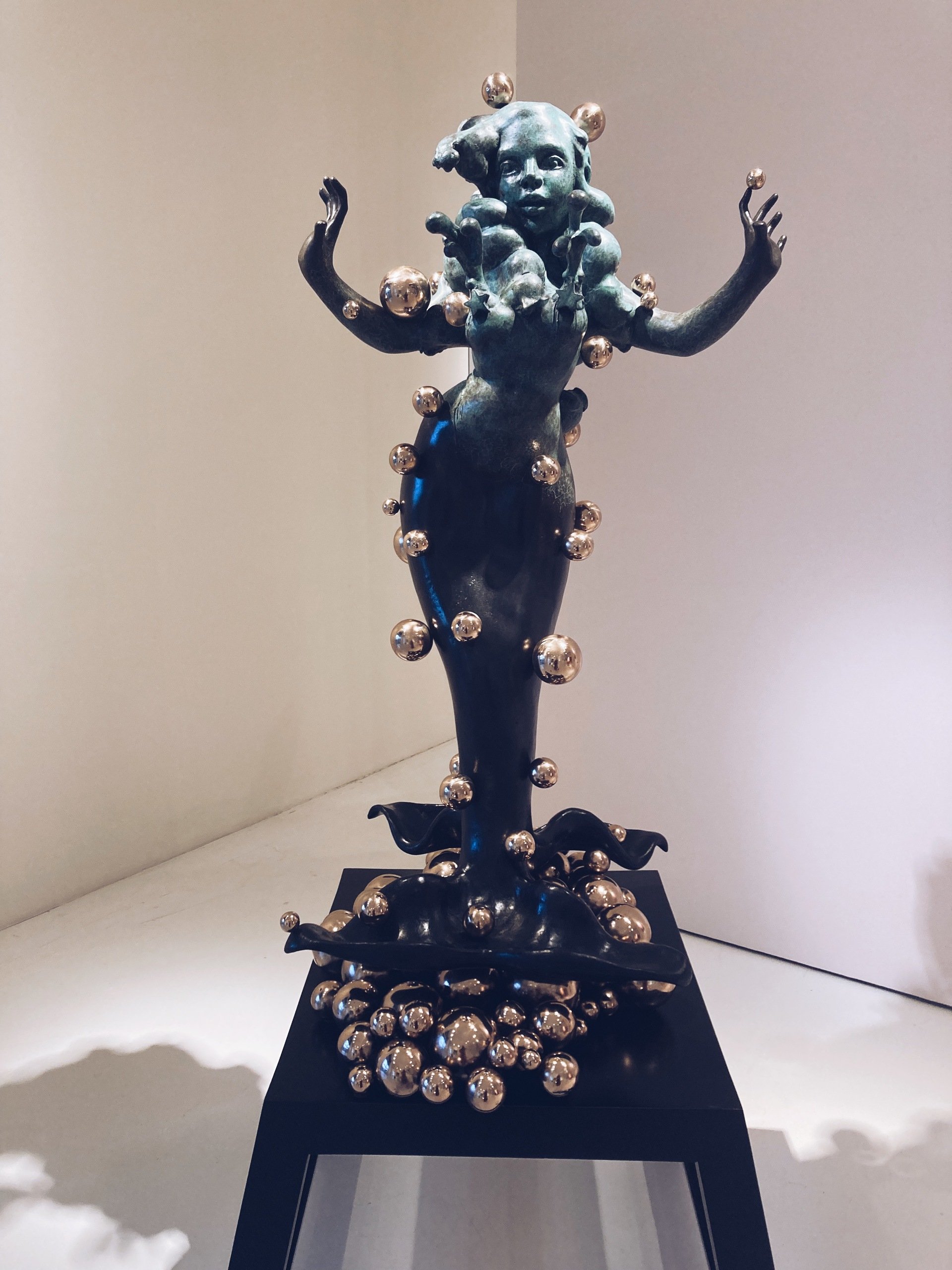
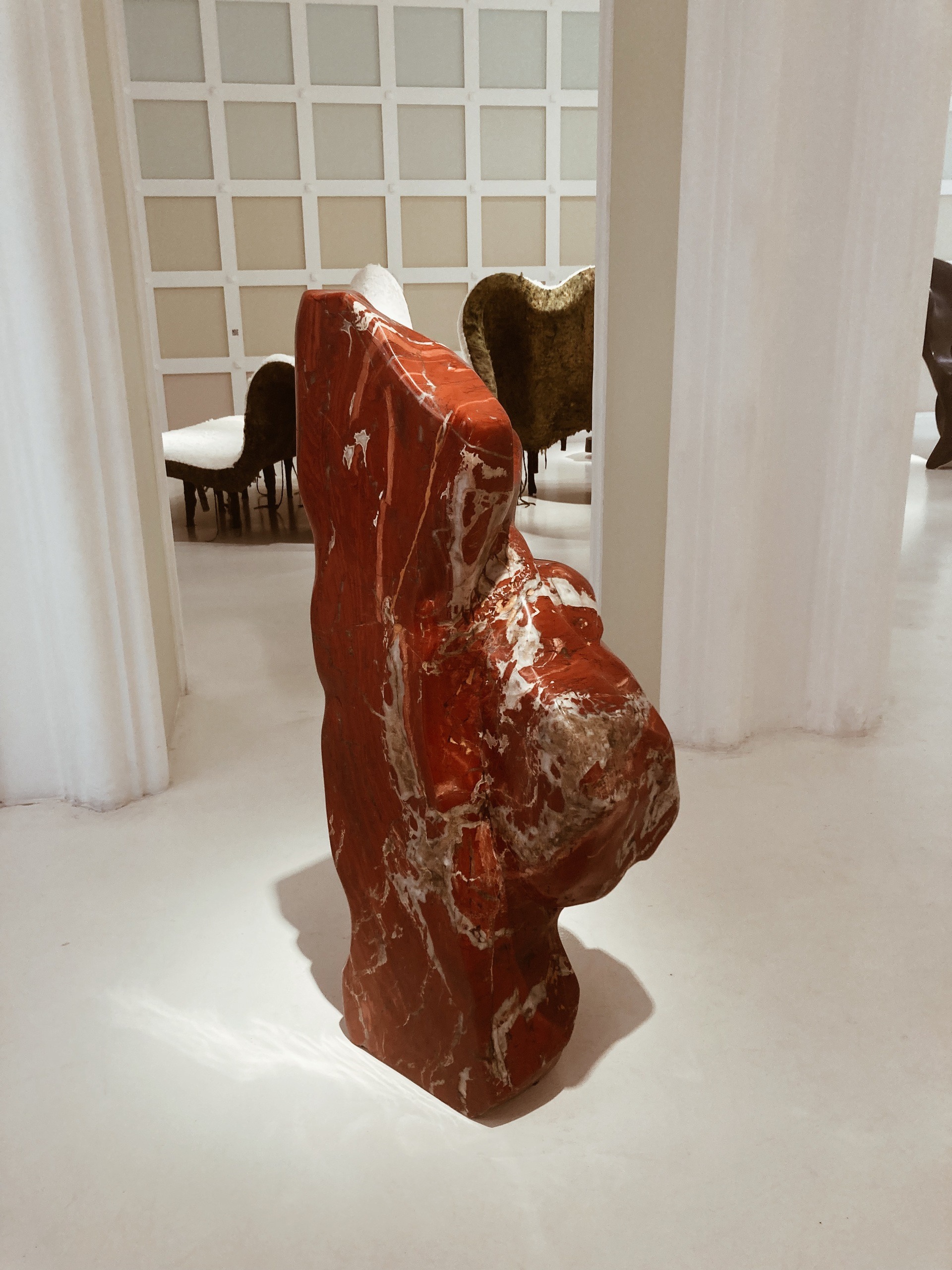
Since 2008, Southern Guild has pioneered South Africa’s collectible design positioning in the world – providing support, infrastructure and curatorial development within the country and continent. As with Spring Awakening, the intention to invite a wide range of creative artisans, from fashion and furniture designers, to printmakers, ceramicists, fine artists and weavers – continues to build a profound lexicon centred on design as the channel for many mediums, and profound story-telling. In this way, our creative landscape paints an encouraging picture; one that is cognisant of the plurality inherent to local self and collective expression.

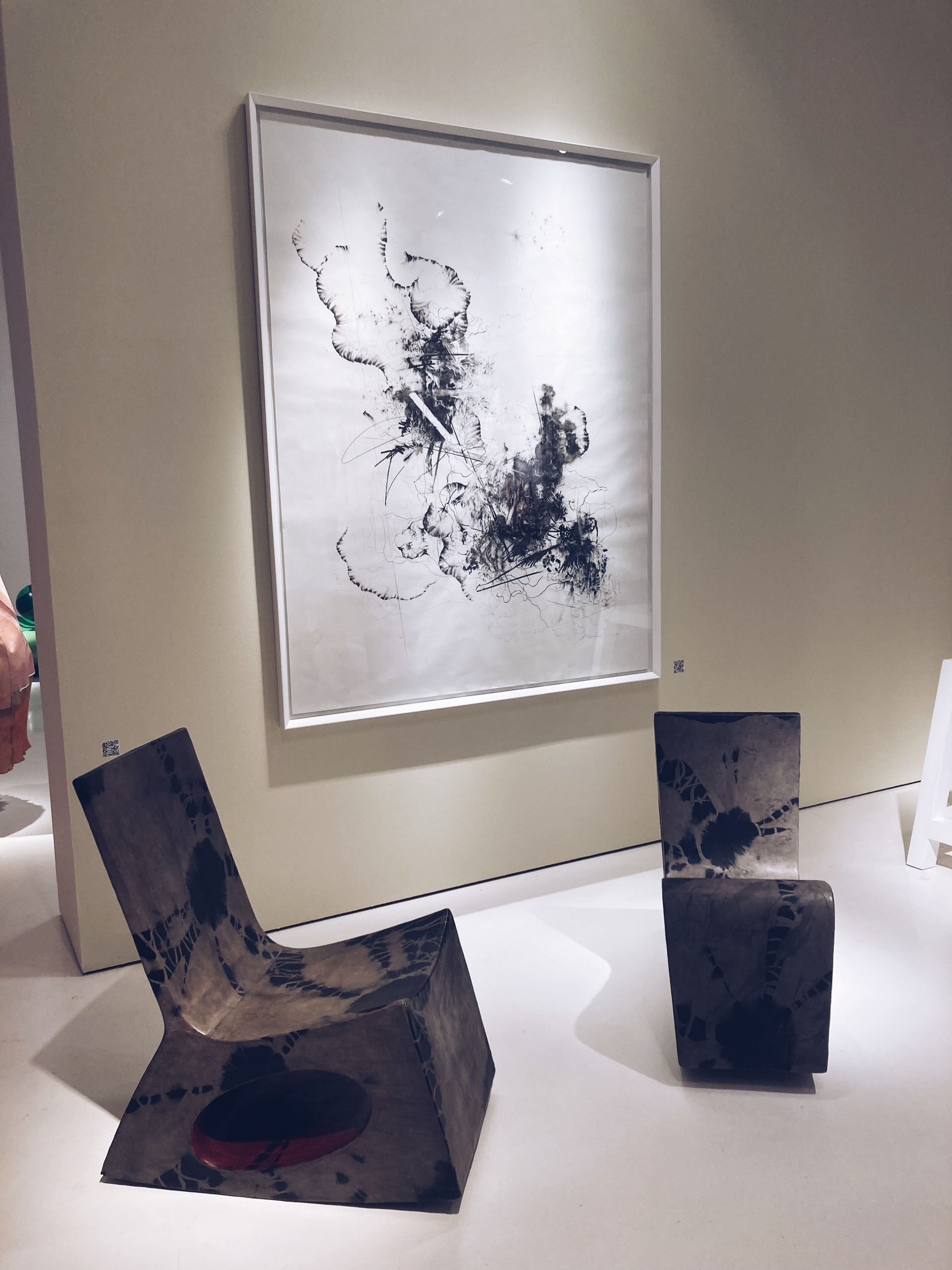
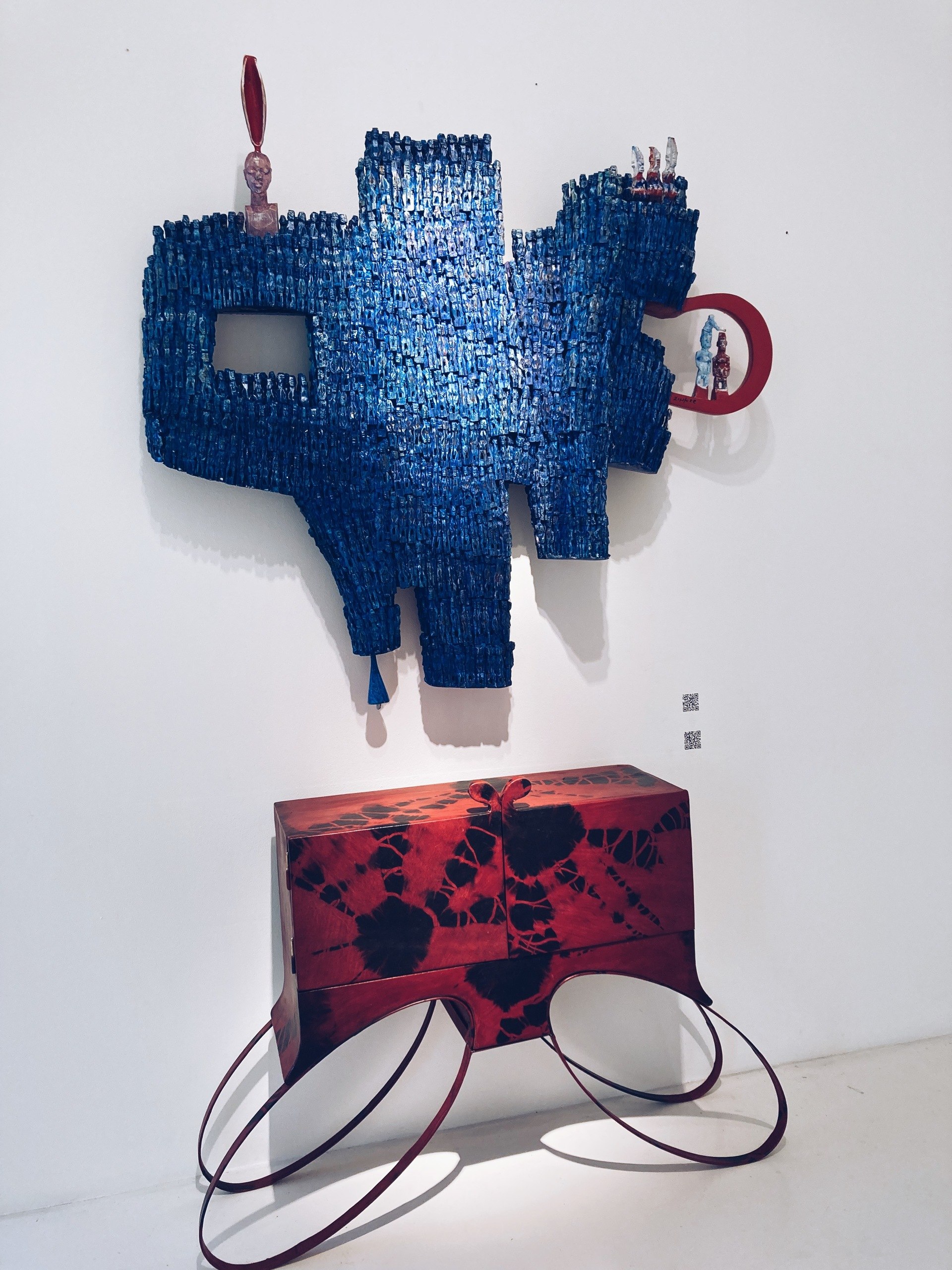
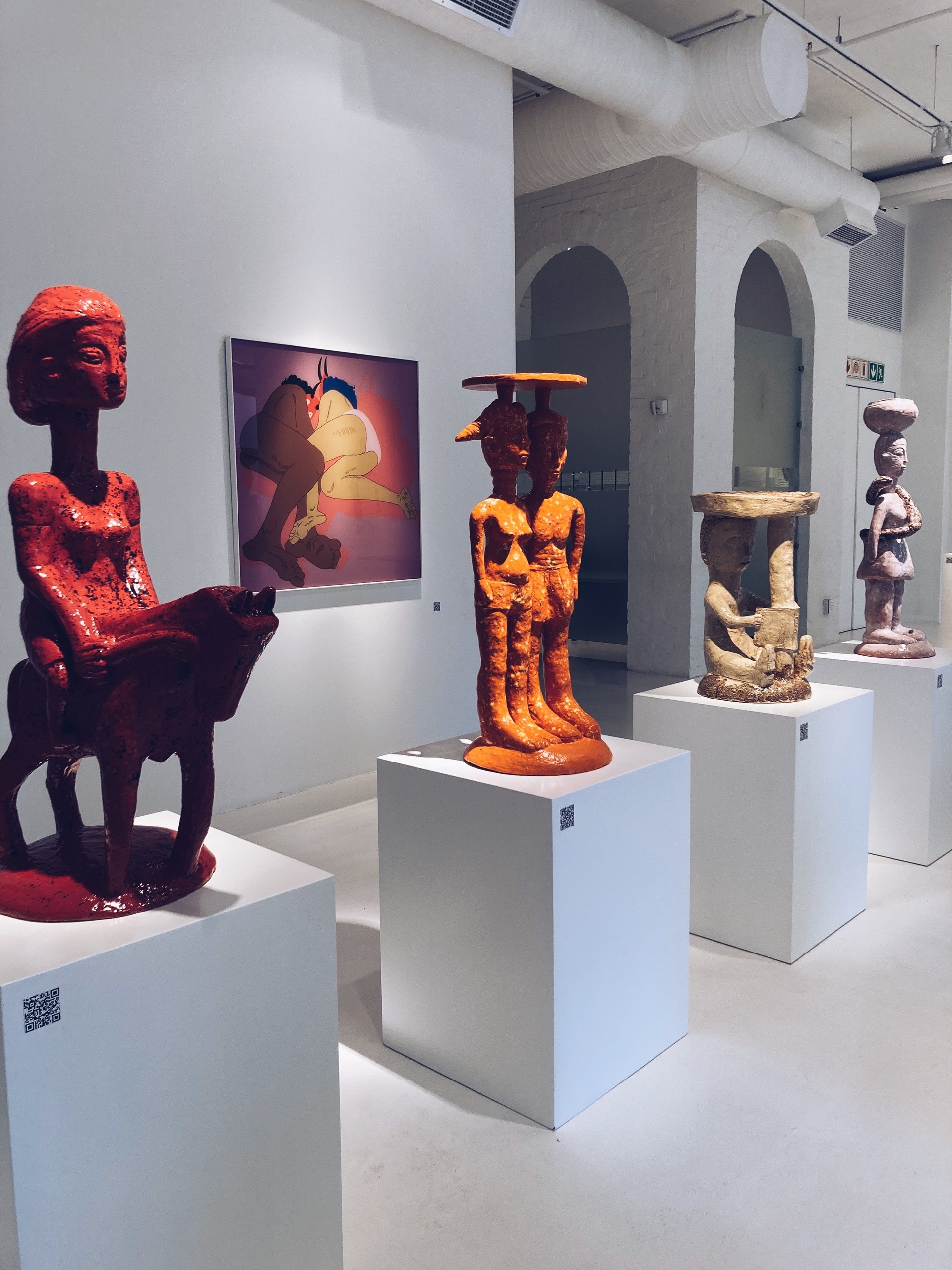
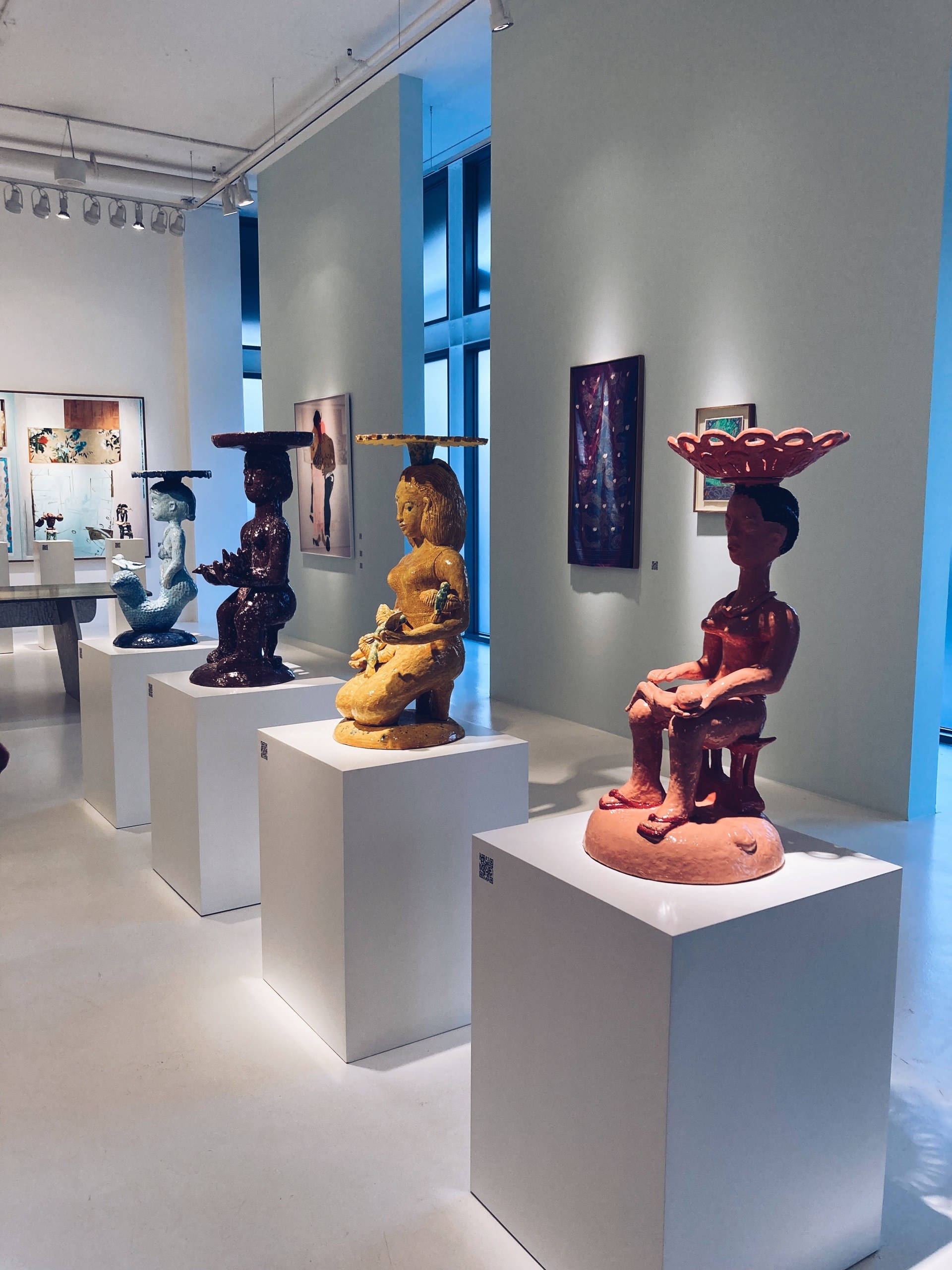
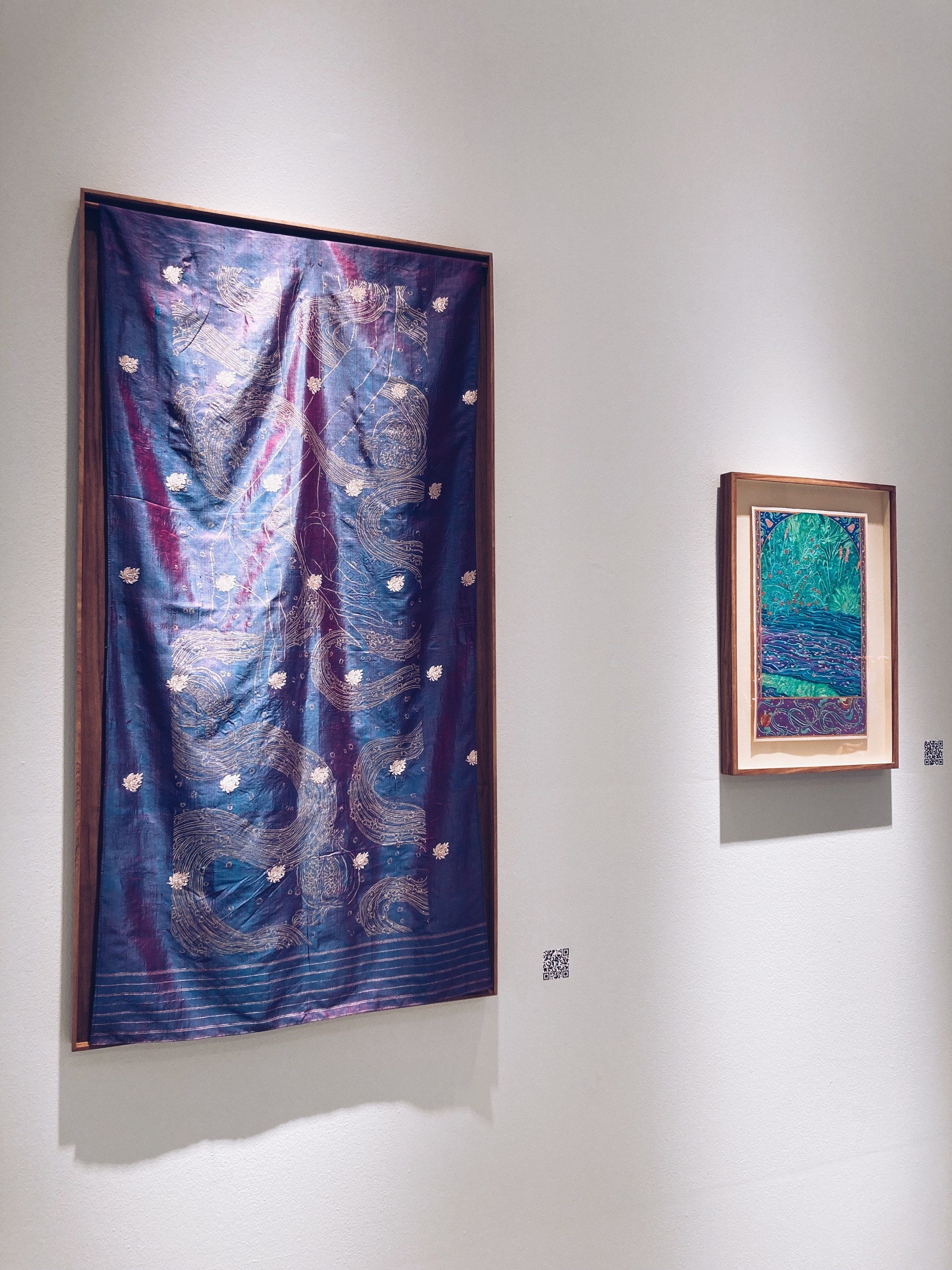
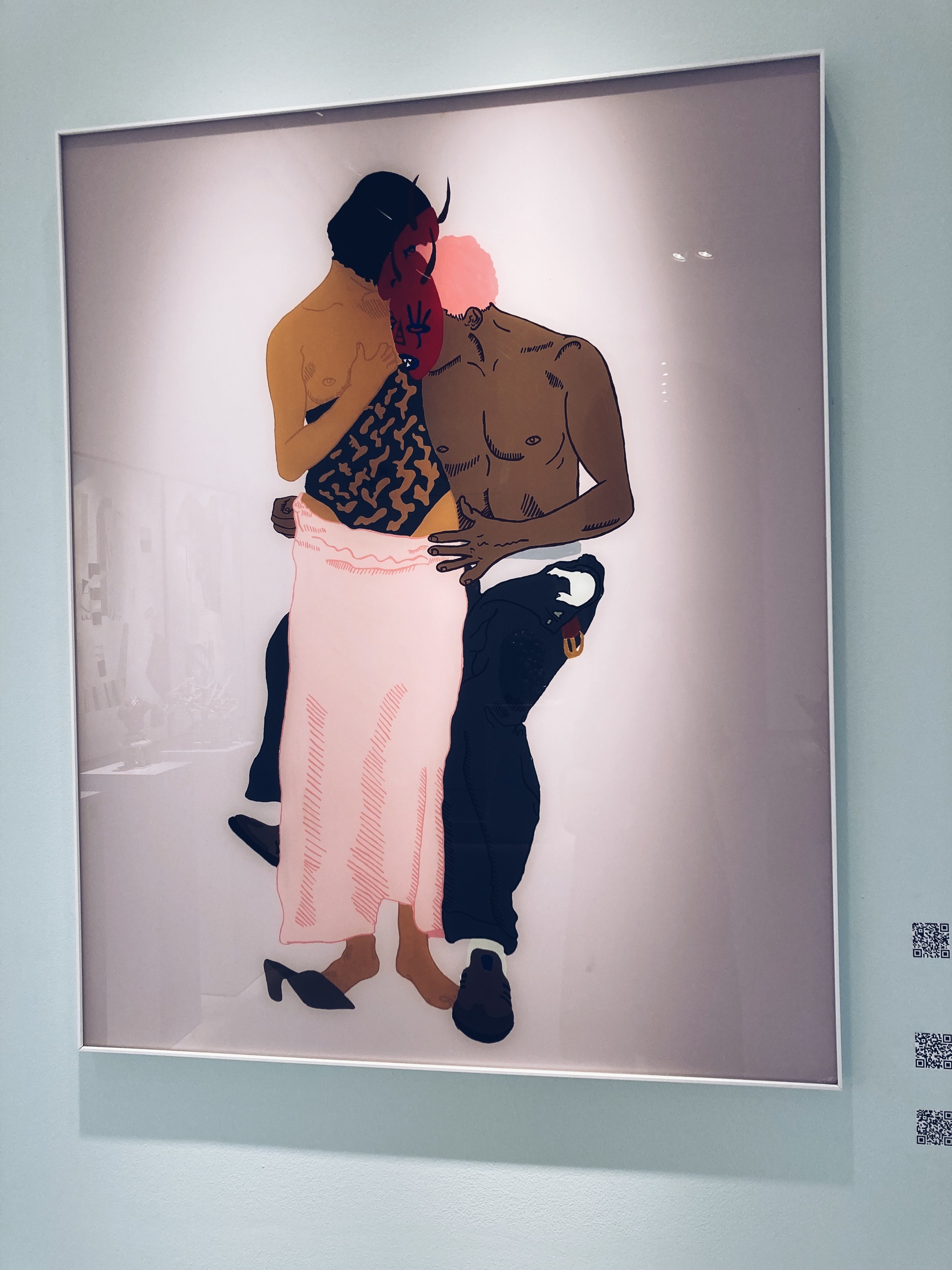
Highlights of the showcase were perhaps every piece exhibited, by the 25 artists. Malian designer Cheick Diallo’s tie-dyed, curved cabinet is an homage to the daily trade of West African cities, while Shirley Fintzeight ceramic totems held the central space in one part of the gallery room. Referencing the Hindu and Buddhist teachings on the energy centres held within the human body –  her figures reference the archetypes of healing in both spiritual and physical contexts. Shakil Solanki’s Drape My Hopes Upon The Chance To Touch Your Arm I, takes the figure of Ophelia and translates her essence into the delicate silk folds of a sari, ornately painted to depict a languid arm reaching downwards within its soft surroundings. In a similar vein of intimacy, Jozua Gerrard’s Coming Down relays the tenderness between two lovers, specified as an interracial couple, which for the artist is a subtle invitation for society to to accept love across seemingly differences.

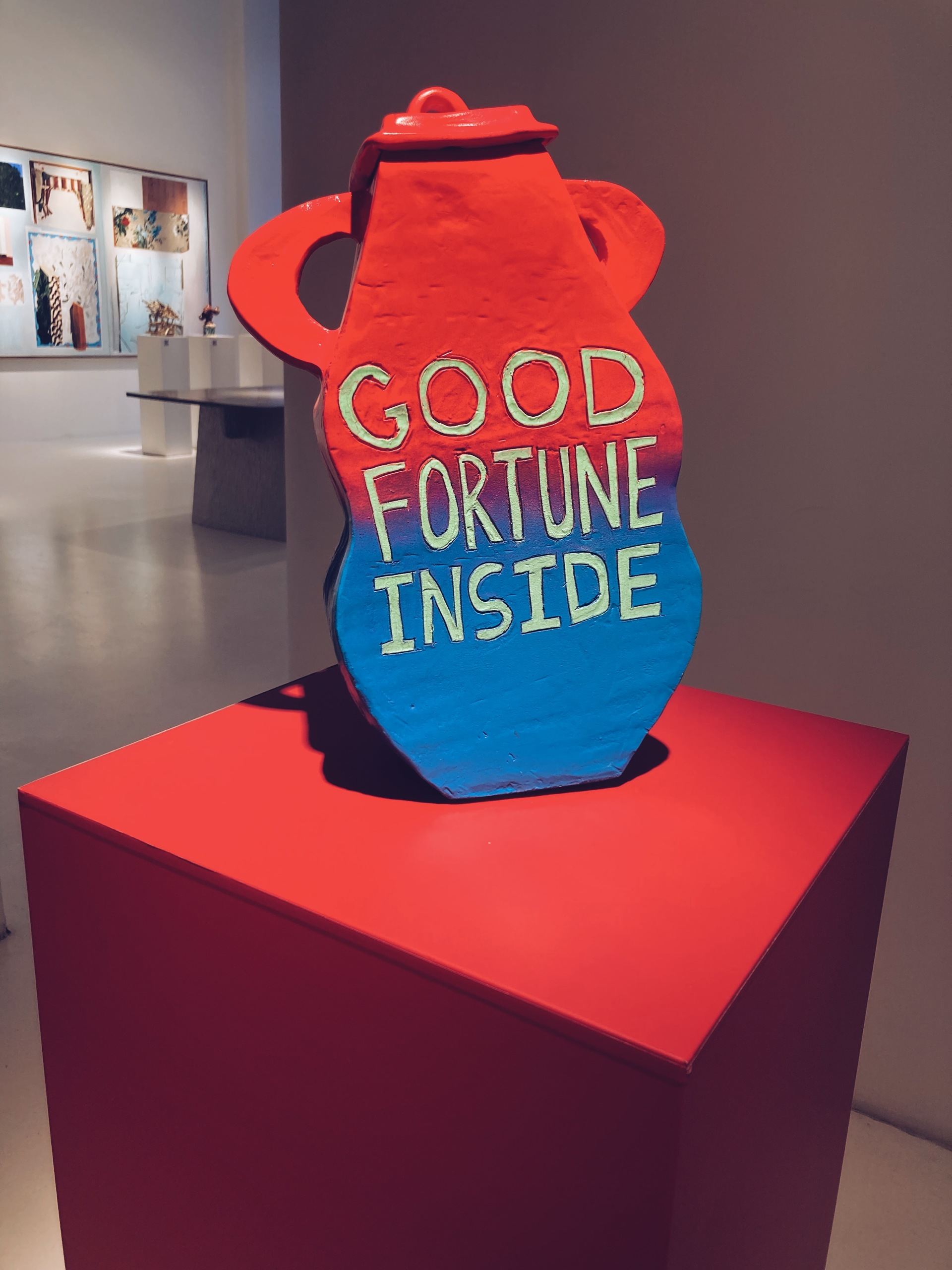
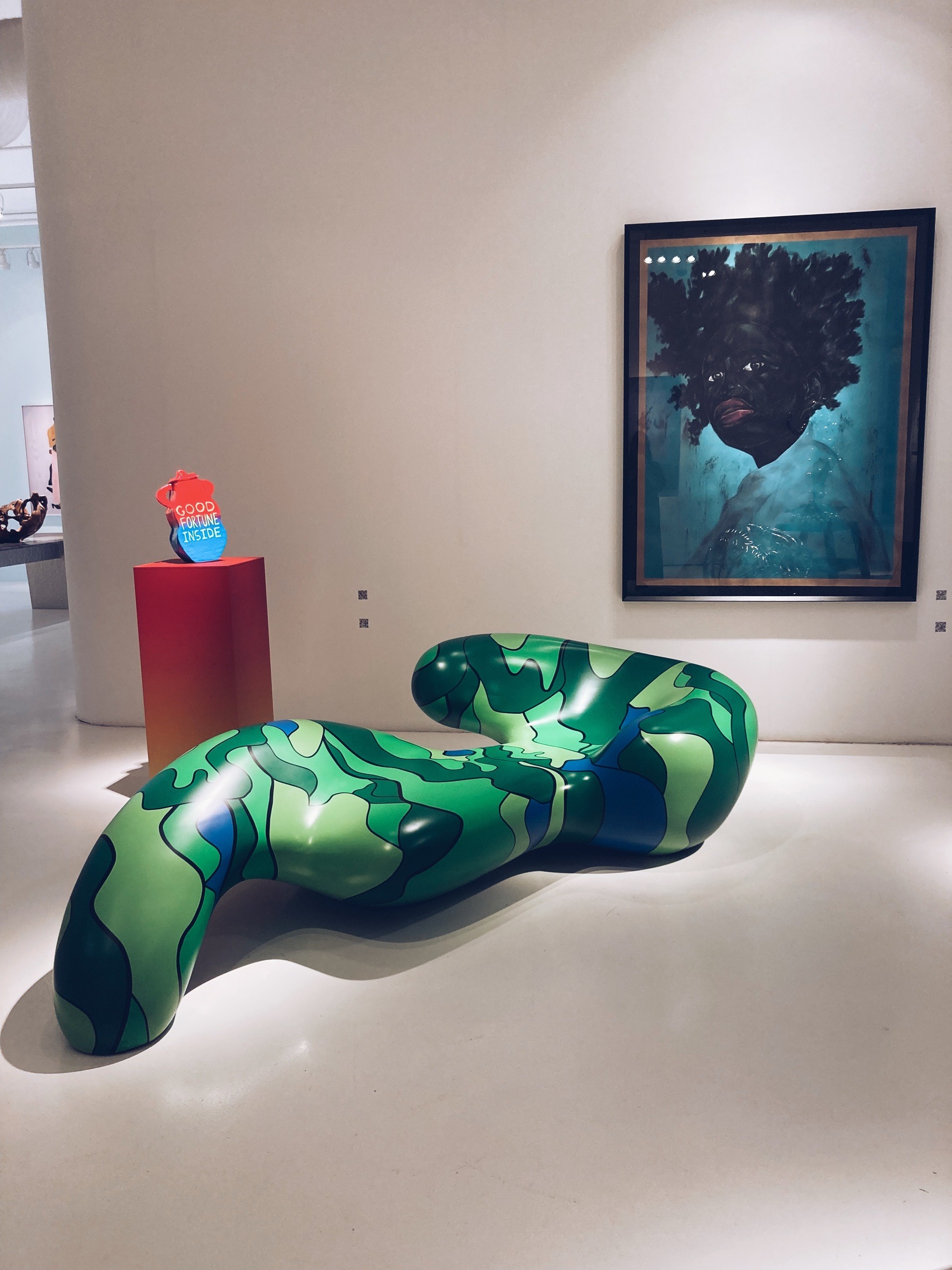
Githan Coopoo showcases My First Urn, a deeper exploration of his practice centred around the vessel – this time, delving into the symbolically rich construction of the “the urn”. The QR code description, ascribed to each piece, contextualises Githan’s vivid ombré urn and plinth, “The artwork invites a conversation around Western attitudes towards death and denial by the living. ‘’Death is, in itself, a fortune, a life’s only guarantee or promise amidst a universe of uncertainty’’, Githan states,’’ in this way, it is also a universal fortune, one that we all share, one that binds us.” 

Rich Mnisi presents a special edition titled, Nwa-Mulamula’s Chaise – Vutomi (Life) – a curved chaise held by the swirling greens akin to the abstract print in the fashion designer’s Mafamba Yexe fashion collection. Mnisi continues his inquiry into Bushongo mythology, the pattern depicts the purge Bumba – the god who birthed the world – representing his purge in the rich shades of grin, swirling like prima materia of universal creation. Talia Ramkilawan’s signature medium of tapestry across a wooden frame is seen in the magnificent Text Me When You Get Home, a continuation of her subversion ‘’against the stereotypes of her lived experience as a queer Indian woman.’’

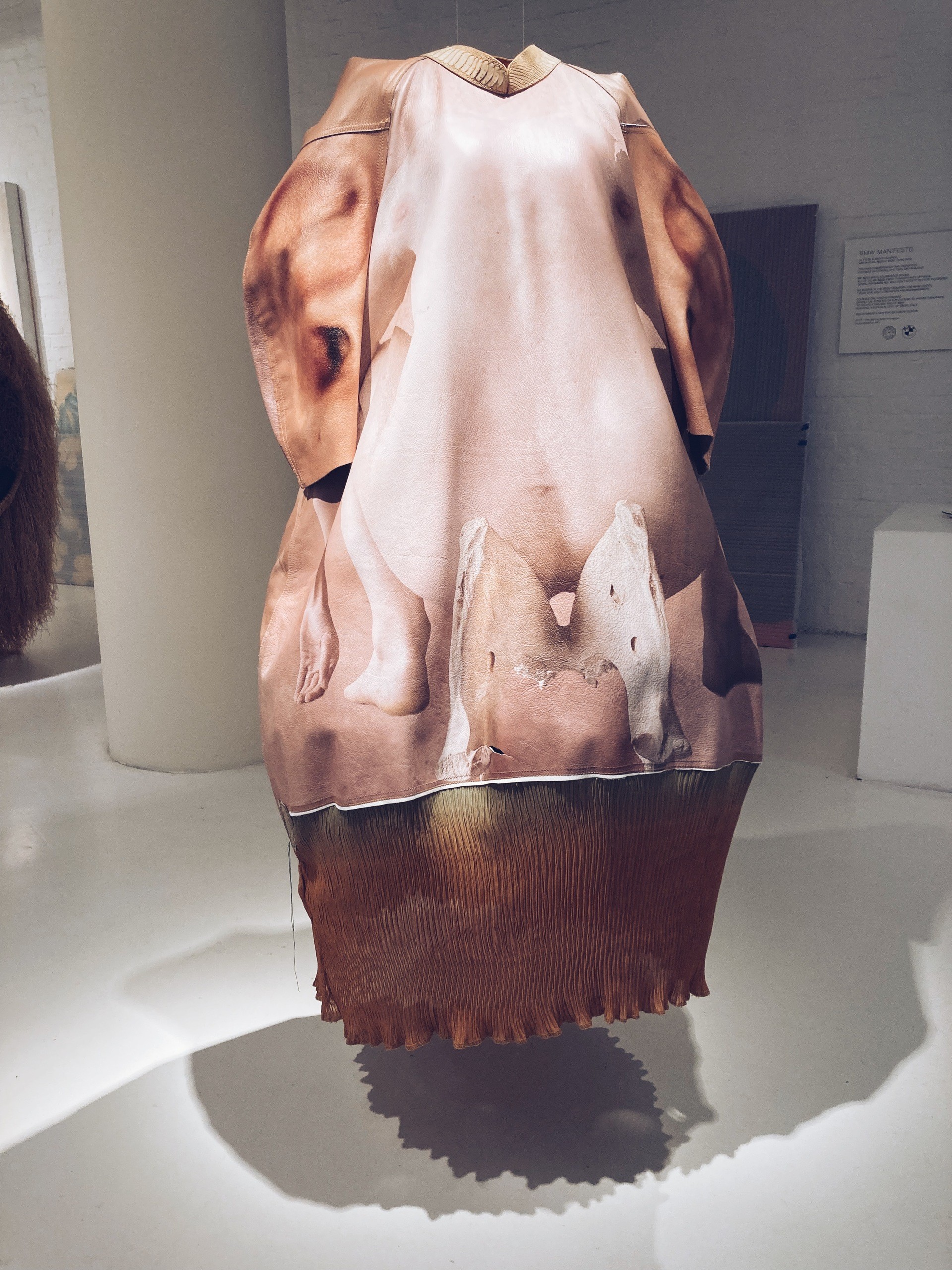
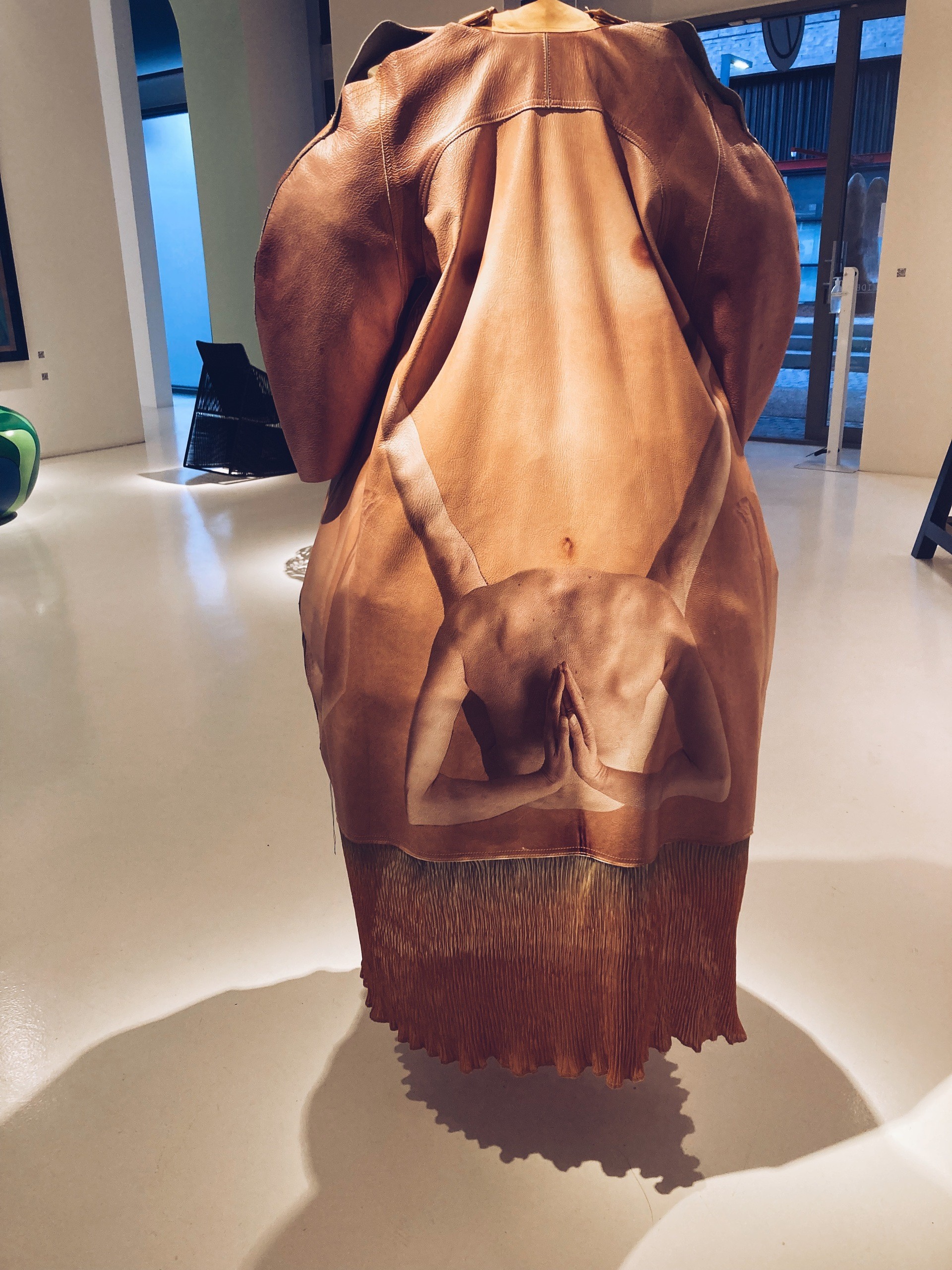
Fashion designer Lezanne Viviers presents two pieces – But-a-Body, a garment made from the rejected, offcuts leather of the high-end fashion industry, is both a personal reflection of the self and a commentary on Lezanne’s situational relationship with the excess of the fashion industry, one in which waste and rejection of materials and bodies continues to dampen the experience of true artistic expression. The fabric is overlaid with a printed image of Lezanne herself, naked and bent, contrasting herself with animal bones. Grotesque and mesmerising – I stand, once again, in awe of Lezanne and Viviers Studio as an immense site of sartorial expression.

Written by: Holly Bell Beaton

Ruzza Wazzi Teases His Upcoming Visual Album; Made in Johannesburg

Made in Johannesburg is a protest-visual album by Ruzza Wazzi conceived to interrogate social issues on topics of racism, immigration and the persistent dream for something better. The visual album themes were further reinforced by an incident where a white man ran over Ruzza’s foot with his vehicle and drove off with no apology – upon attempting to open a case against the perpetrator at Parkview Police in Johannesburg, the police refused to open a case citing Ruzza’s injury was not severe enough. This is a problematic historic narrative that needs to be challenged as the Black-body continues to suffer through arbitrary public policies.

The visual album was written, produced and directed by Johannesburg-based artist Ruzza Wazzi draws inspiration from the city he knows intimately. The story is set in an abandoned building in Hillbrow downtown Johannesburg – provides a peek into his psyche, and relationship with people and places, the visual album, therefore, becomes an emotive conversation rooted in the journey of self through music, space, movement, costume, and imagery.

The visual album reflects on what it means to continue one’s pursuit of dreams while they and The world around them is in a constant state of flux. The narrative unfolds in a building that was once inhabited by people, now empty and dilapidated yet still holding memories, it becomes a timeless site of remaking- recreating out of seeming destruction and displacement. This is a context that is familiar to those who travel from their homelands to achieve their dreams in cities around the world. They must face the unknown, the unfamiliar, and the chaos of constant change, finding integration and making all of this work to fulfill their dreams.

/// Watch the prelude to ‘A Visual Album’ by Ruzza Wazzi: