Our SA Fashion Week Retrospective

It has been a strange time in fashion. After some years of a global pandemic with immeasurable constraints placed on every industry – fashion as a space saw its reliance on tactility wholly challenged, with fashion week’s around the world quickly shifting towards digital format for their showcases – sans front rows, and released for the world to see in real time via platforms such as Instagram. This moment has also featured a deepening inquiry around the purpose of fashion in our lives – with major brands like Balenciaga going totally rogue with their marketing, coaxing us into a sort of social experiment of what people are willing to pay for the association to a name, while new designers were born from the confines of their homes during lockdowns, to the uptick of upcycling as a solution to fabric waste and the overwhelming ecological, social distress fashion production continues to put on the planet. In South Africa, the last few years have been intense – yet marked, also, by exceptional wins for our luxury designers such as Sindiso Khumalo’s win at the 2020 LVMH prize, and last year with Lukhanyo Mdingi’s win. Our recognition on the international stage is an important one; opening up a wider market, a strong sense of accessibility and providing encouragement for emerging talent here in South Africa. South African Fashion Week, then, continues to remain absolutely essential for our sartorial landscape; being the foundation upon which designer’s gain the experience of showcasing, while offering a succinct view of each year’s design talent. 

In 1997, South Africa was steadily opening up to the world after our democratisation, and it was in this year that fashion polymath (and legend) Lucilla Booyzen launched the first South African Fashion Week – the first of its kind to centralise the conversation and expression of design in the country. Held every year in Johannesburg, the 25th year of SAFW took place in April, hosted at Mall of Africa, with MAC as official makeup sponsors, Carlton Hair as official hair sponsors alongside Oppo as official mobile sponsors and Cruz Vodka as venue sponsors. Within South Africa’s fashion ecosystem, ethical production and sustainable thinking are almost inherent, and these necessary, value-driven sentiments have been woven into the South African Fashion Week’s mantra; The Business of Ethical Fashion. Within the SAFW structure, their role in discovering in emerging designers is seen through the co-occurring initiative the New Talent Search – with this years finalists being Thando Ntuli of Munkus, Nicole Smith of Ipikoko, Mikhile Du Plessis of MeKay Designs, Calvin Lunga Cebekhulu of Czene.24, Sanelisiwe Gcabashe of Gjenelo Couture and Mimangaliso Ndiko of Sixx6 

With an exciting three day showcase featuring established and emerging designers, South African Fashion Week’s website has taken on a clean, navigable form – robust with information, imagery and videos – and details a very important co-existence of digital and physical viewership. We applaud all the designers who showed, and have compiled a brief recap of our highlights, while encouraging that one checks out all the exceptional designers of SAFW.  


Day 1 ///

Munkus (New Talent Search winner)

“MUNKUS, founded in 2019, by Thando Ntuli, is a contemporary, colourful, trans-seasonal brand. It has 80’s and 90’s South African fashion influence with classic silhouettes to create a retro intergenerational style. Ntuli’s inspirations are rooted within intergenerational history. MUNKUS comes alive within the streets of Soweto and Gugulethu.”

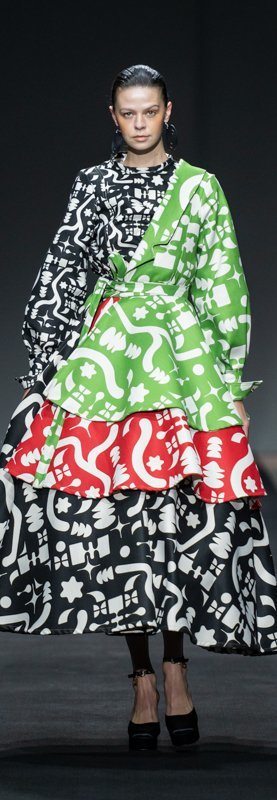
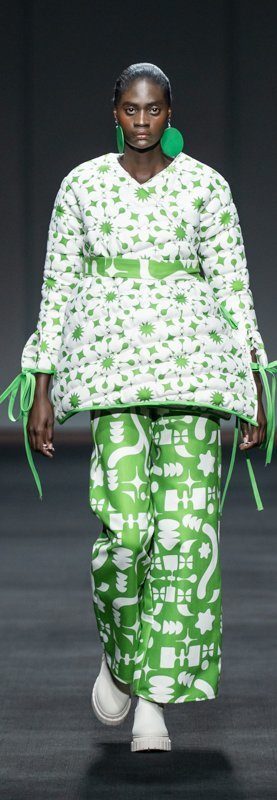
Across a colour palette of fern green and crimson held by the monochromatic temperament of black and white, Munkus was a showcase of exceptional structure; with ballooning silhouettes of both sleeves and skirts contrasted against layering across each look. After seeing this collection, we are certain Thando Ntuli’s pattern and draping abilities are immeasurable – and noting, in particular, her ability to challenge the perception of form with angular bias cuts, ruffled hems and the insert of puffed elements across bodices.  
MeKay Designs (New Talent Search finalist)

“Mikhile du Plessis is the name behind MeKay Designs. ‘We strive to create a lifestyle of creativity and to add reason to the quality of life through our designs,’ says Mikhile. The brand has a sense of ‘fast-fashion’ in terms of keeping up with trends and is ready-to-wear but has a strong sustainability process by using organic fabrics, working in a minimal waste environment, and redesigning new items from old garments.”

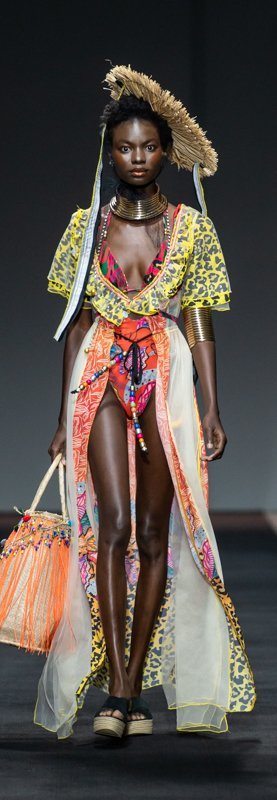
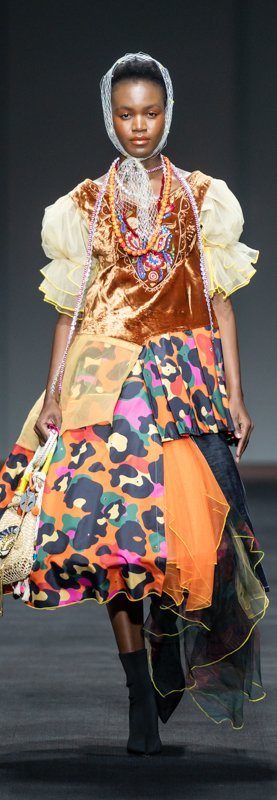
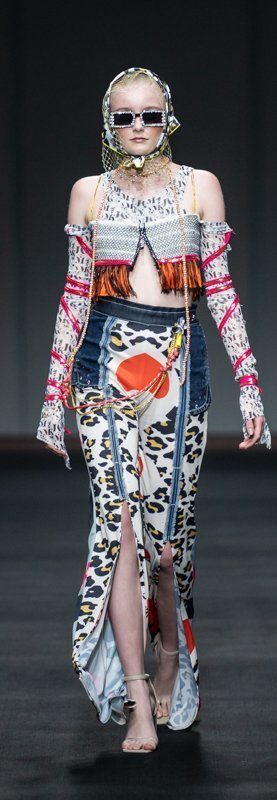
For her runway debut, Mikhile Du Plessis showcased a vivid maximalism – with elements of denim, amber velvets and animal prints. Maximalism has been sweeping the world, with a return to personal style as a medium for colourful expression; and while there are no inherent rules, MeKay Designs made the case for how important styling is for runway shows; through the headpieces, headscarves and jewellery – we were transported to a elevated view of what contrasting fabrics and textures can mean.
Fikile Zamagcino Sokhulu

“Feminine and organic aesthetics, that appeal to an ageless contemporary market, are associated with brand Fikile Zamagcino Sokhulu (FZS), a South African clothing brand based in Durban.  Fikile Sokhulu studied at Durban University of Technology, receiving a National Diploma in Fashion Design. In 2018, her achievements as a student included showcasing, for the first time, at South African Fashion Week, and being part of the Cheers Qingdao Fashion Project in China. She was also a finalist in the 2018 South African Fashion Week New Talent Search. The brand collaborated with retailer, Mr Price, and created a fashion collection which launched at the beginning of 2020. In 2021, Fikile Sokhulu was one of four South African designers selected for the Fashion Bridges project sponsored by Camera Nazionalle della moda Italiana (Milan Fashion Week), Polimoda Firenze, Lineapelle Fair, South African Fashion Week, Mandela Forum, Italian trade agency and so many more.

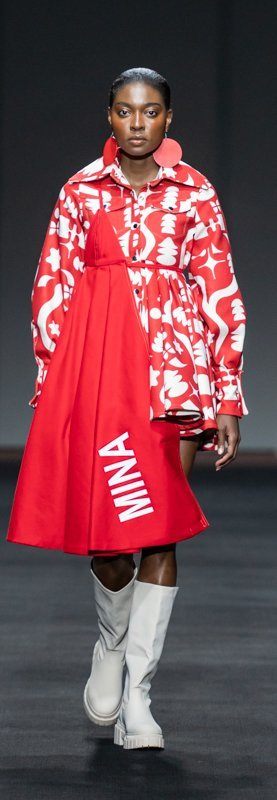
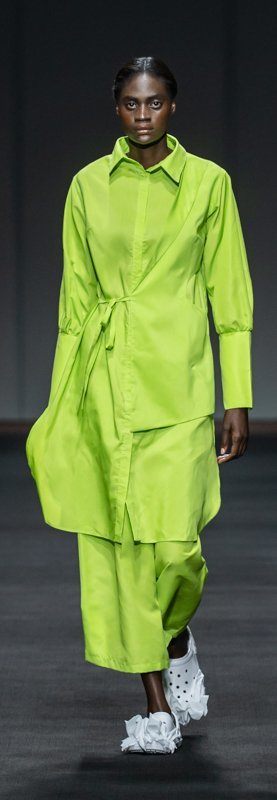
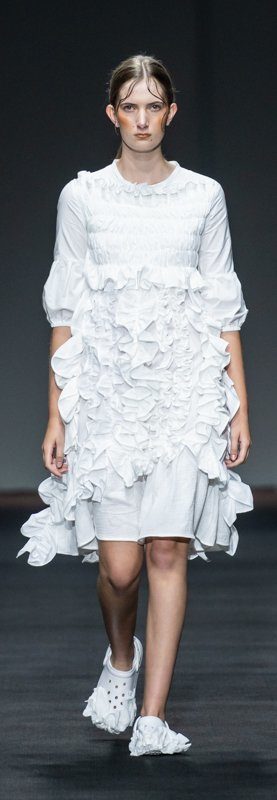
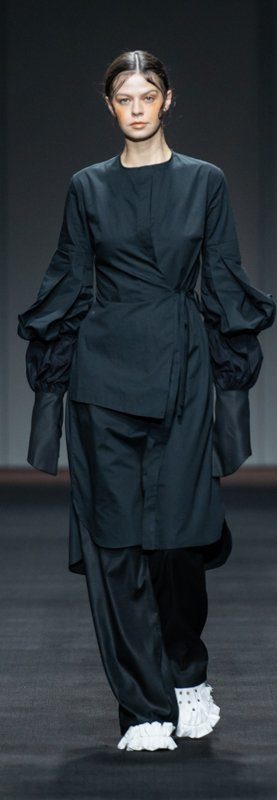
Fikile Sokhulu’s SS22 showcase was astounding – with an impressive repertoire behind her already – the cross body patterns, execution of draped silhouettes and pops of lime green among the minimalist tones, we believe Fikile is one of the most critical designers in South Africa. The details of fabric manipulation such as pleating and tucking added rich texture to an already robust variation of garments.
Day 2 ///

Artho Eksteen

Artho Helmuth Eksteen, graduated in 2018, with a BA Honours in Fashion from LISOF. As the Creative Director and owner of brand ARTHO EKSTEEN, Artho describes his brand’s design style as offbeat with artisanal influences and a maximalist approach. The brand’s style is heavily influenced by history, taking inspiration from fabrics used to create silhouettes. The ARTHO EKSTEEN brand focuses on slow fashion, utilising ethical fabric sourcing methods and garment production in order to help establish and preserve a healthy consumer culture, as well as ethical consumerism.

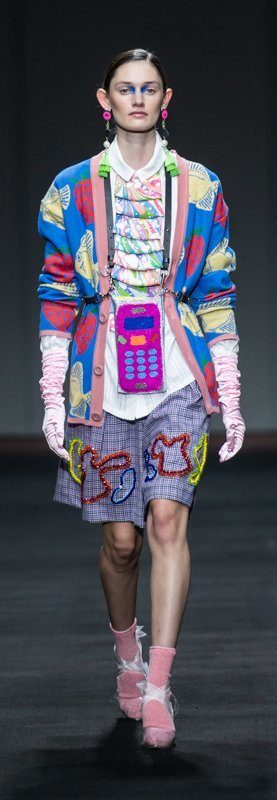
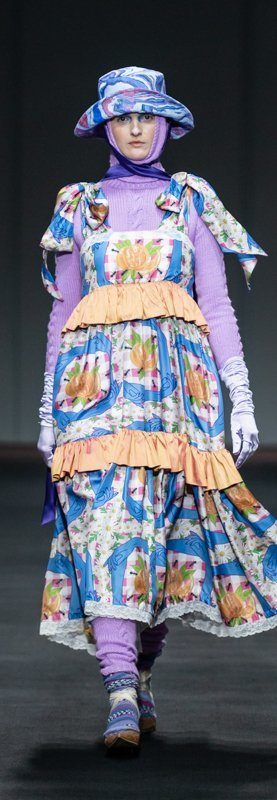
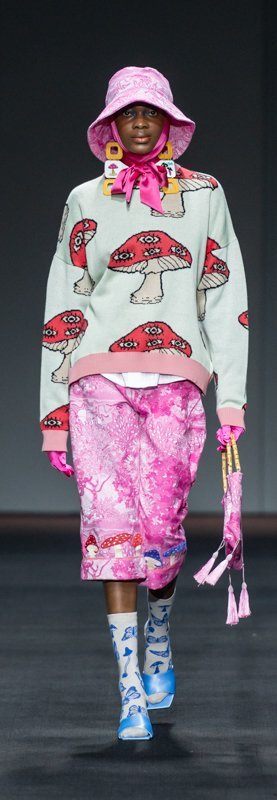
Artho Eksteen brought maximalism back to South African fashion week in a big way last year – and returned for SS22 with a kaleidoscopic array of pieces, perfectly juxtaposed together to create a psychedelic dreamscape that exist effortlessly for both the playful and serious nature of fashion expression. A magic mushroom knit? Yes please! We are delighted to witness his continuous growth.
Amanda Laird Cherry

“Amanda Laird Cherry is a designer label that creates apparel with soul. With a focus on telling the stories behind clothing and culture, and a dedication to authentic, responsible production, they appeal to a range of customers. Their style language combines deep experience of the South African lifestyle and context with classic Asian influences, and they are known for their range of considered basics, separates and statement pieces. By taking familiar styles and silhouettes and updating them with unexpected and avant-garde twists, their garments are both wearable and distinctive.

Amanda was honoured at the World Fashion Awards in London in September 2020 and took home the Fashion Designer of the Year award. The business was also awarded the Changemaker Award at the inaugural Twyg Sustainable Fashion Awards in 2020 with the judges having taken their ethical labour practices, fabric choices, the extent of their upcycling policies and the reduction of waste throughout our garment manufacturing process into account.”

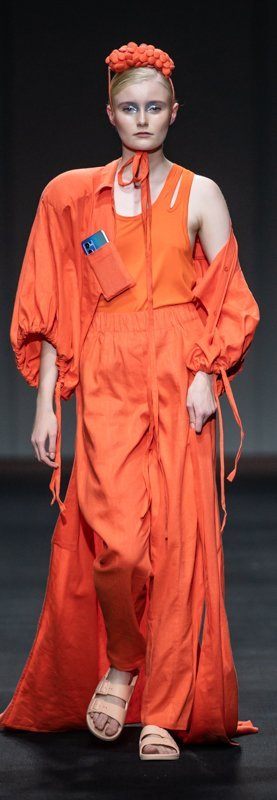
ALC is a South African design legend, providing both the accessibility and consistency that we have needed to make a fashion design pathway successful both creatively and in business. Playing with length and bold colour, Amanda is a master at offering her audience a vision that is both daring and familiar – a difficult feat to execute.
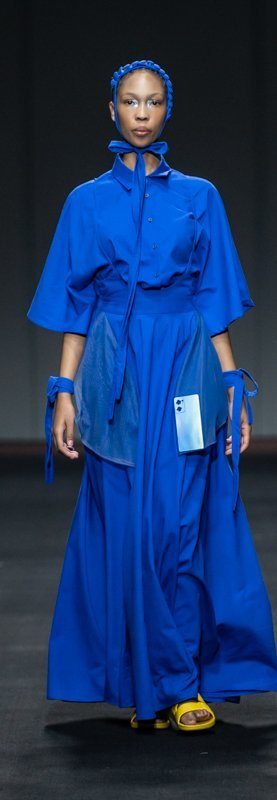
Helon Melon

“Founded by Helen Gibbs in 1995, Helon Melon was born out of an idea to service an industry that was limited in product design, style, fabric choice and innovation.  In the early stages fabrics were easily sourced from local suppliers who understood the need to supply products that were manufactured from natural fibres and fabrics that had surface interest.  The first few decades were very much dedicated to homeware and lifestyle design with an extremely happy diversion into apparel.  Armed with an understanding of what it takes to succeed, Helon Melon has grown from being a local supplier to being sold in many countries including Italy, Germany, and England.  Ted Baker is a great example of a brand that has used Helon Melon to manufacture products and Helon Melon has been sold in well-known stores like Selfridges and Beales of Manchester.”

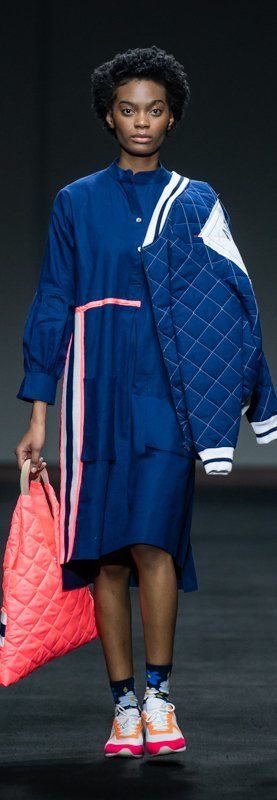
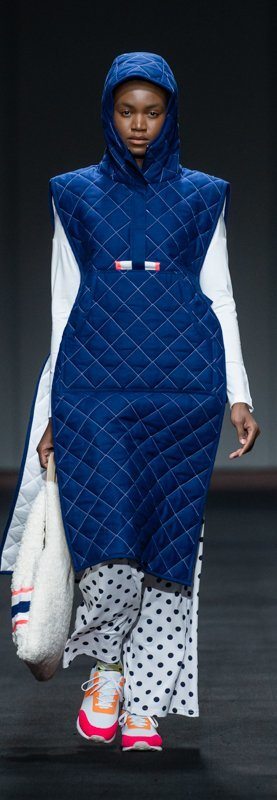
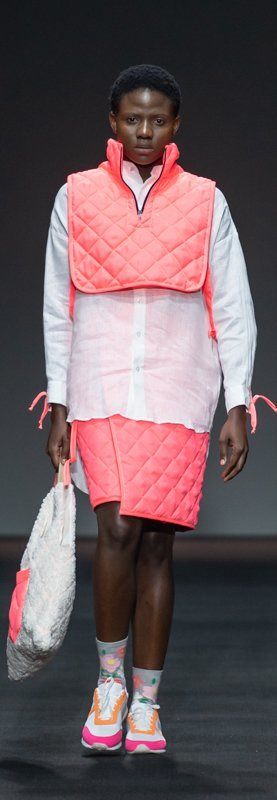
Helon Melon’s SS22 showcase was centred around the art of quilting; specifically block quilting, creating a subtle reference to the trend we have seen of “puffed” textures extending beyond the standard jacket. Acid pink and navy created a fun contrast, and it’s wonderful to see an established, long standing designer contributing to the SAFW landscape.
Day 3 ///

Ntando XV

“Ntando XV brand offers artisanal clothing, with unconventional design. Ntando Ngwenya, established his brand, Ntando XV, intending to target the high-end retail market, garment collectors and connoisseurs. Ntando, who began designing at an early age, likes to work with experimental cuts, pattern engineering, unusual intricate finishing, treated goods, and controlled fits.

Using both his professional experience and natural talents, Ntando Ngwenya has formulated a new genre in fashion, merging conservative and postmodern techniques to create a new representation for clothing. Using a syncopated technique in pattern engineering, by drafting intricate patterns, he introduces a new take on traditional methods by recreating popular styles in a contemporary light.”

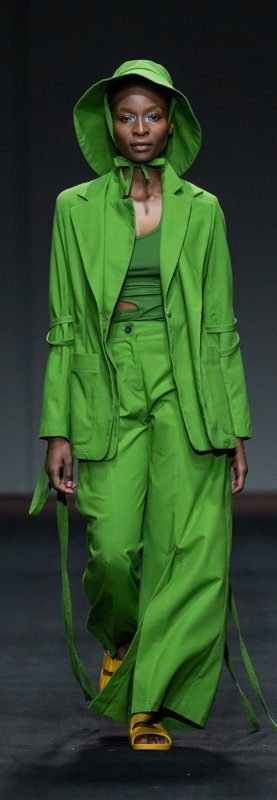
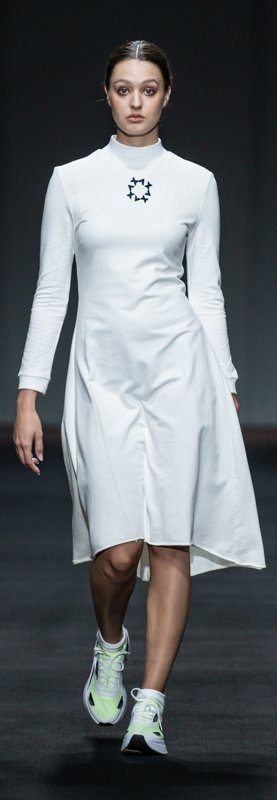
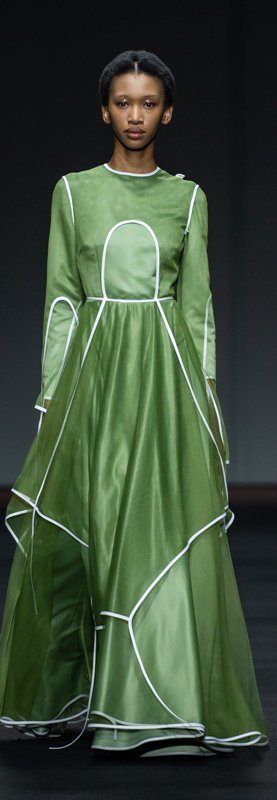
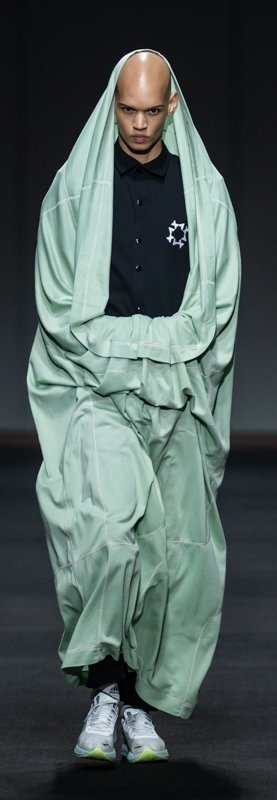
Ntando XV placed their label firmly in the future; with a high-tech approach to their collection, the sense of performance wear that is refined and elegant stood out immensely. With the soft green, black and egg-white shades finished with waved piping – we loved the balanced clean lines with a subtle reference to organic shapes.
Francis Elis

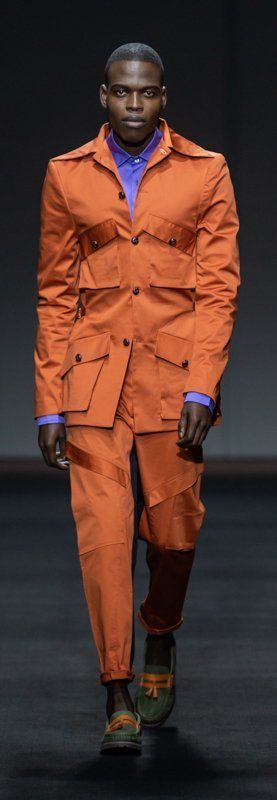
Cameroonian-born, naturalised South African citizen, fashion designer Fabrice Moyo is the director and founder of Franc Elis, which opened its doors in 2003. Known for its sophisticated and well-tailored garments and shirting, this season’s menswear collection, inspired by the French Military, depicts Franc Elis’ modern adaptation of variants of its service dress. It juxtaposes elements characteristic of turbulence against the calm of peaceful times. Strategic pockets, an important component of combat fashion, are added for their utilitarian nature, rather than aesthetic appeal. The brand operates from an 850 square metre studio combined with a factory floor with Fabrice being supported by 1 assistant and 15 permanent staff. Franc Elis has a retail store online.”

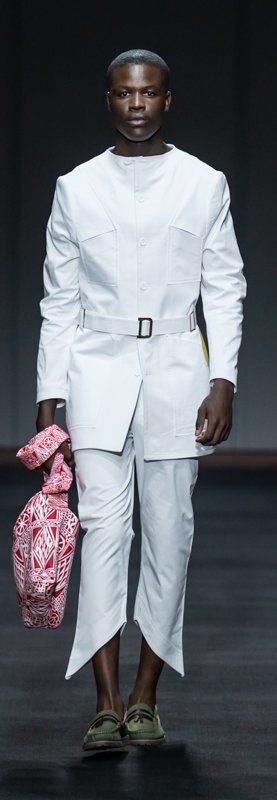
Fabrice Moyo’s strength of tailoring was very evident in his SS24 showcase – as is defined in his label’s philosophy, French uniforms of both workwear and service wear are functional and beautiful, an illuminating example of how elegance should exist with menswear.
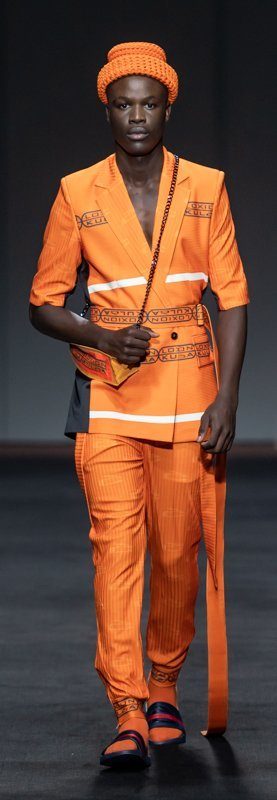
Loxion Kulca 

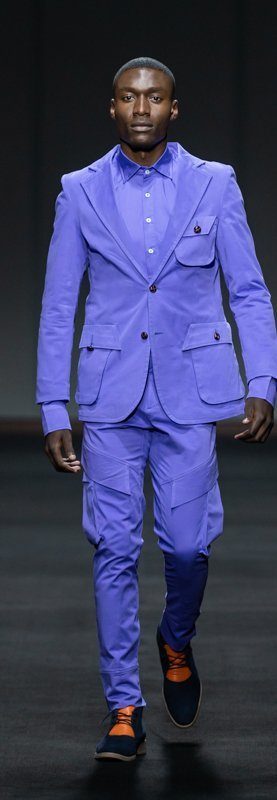
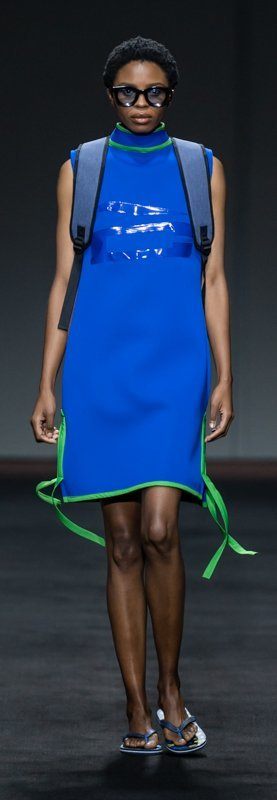
The iconic and proudly South African brand was born in Johannesburg and since its entry into the market, has been the embodiment of popular culture with its trendy fashion. The term Loxion (lock-shin or location), used countrywide to describe townships, represents the African urban state of mind while nurturing Kulca (culture) – pride and successes of those who made freedom tangible. It draws its inspiration from authentic African principles of ‘ubuntu’, which govern the nature of their corporate partnerships. To adapt to this ever-evolving industry, the Loxion Kulca range offers leisure and streetwear, footwear, bags, underwear, and socks.  Fulfilling the vision and dream of the late co-founder Mzwandile Nzimande, Loxion Kulca, today, is available at more than 1000 PEP retail stores across the country. 

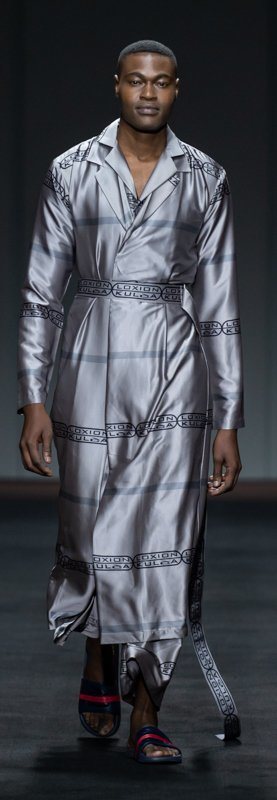
Loxion Kulca brightened Day 3 with brilliant neons and sporty cuts – a beautiful ode to Mzwandile Nzimande, who left his mark on South African streetwear. We are thrilled to see his legacy continued.
Written by: Holly Bell Beaton

Mamela Releases Debut EP “I Warmed You UP” On Berlin Based Label Mobilee Records

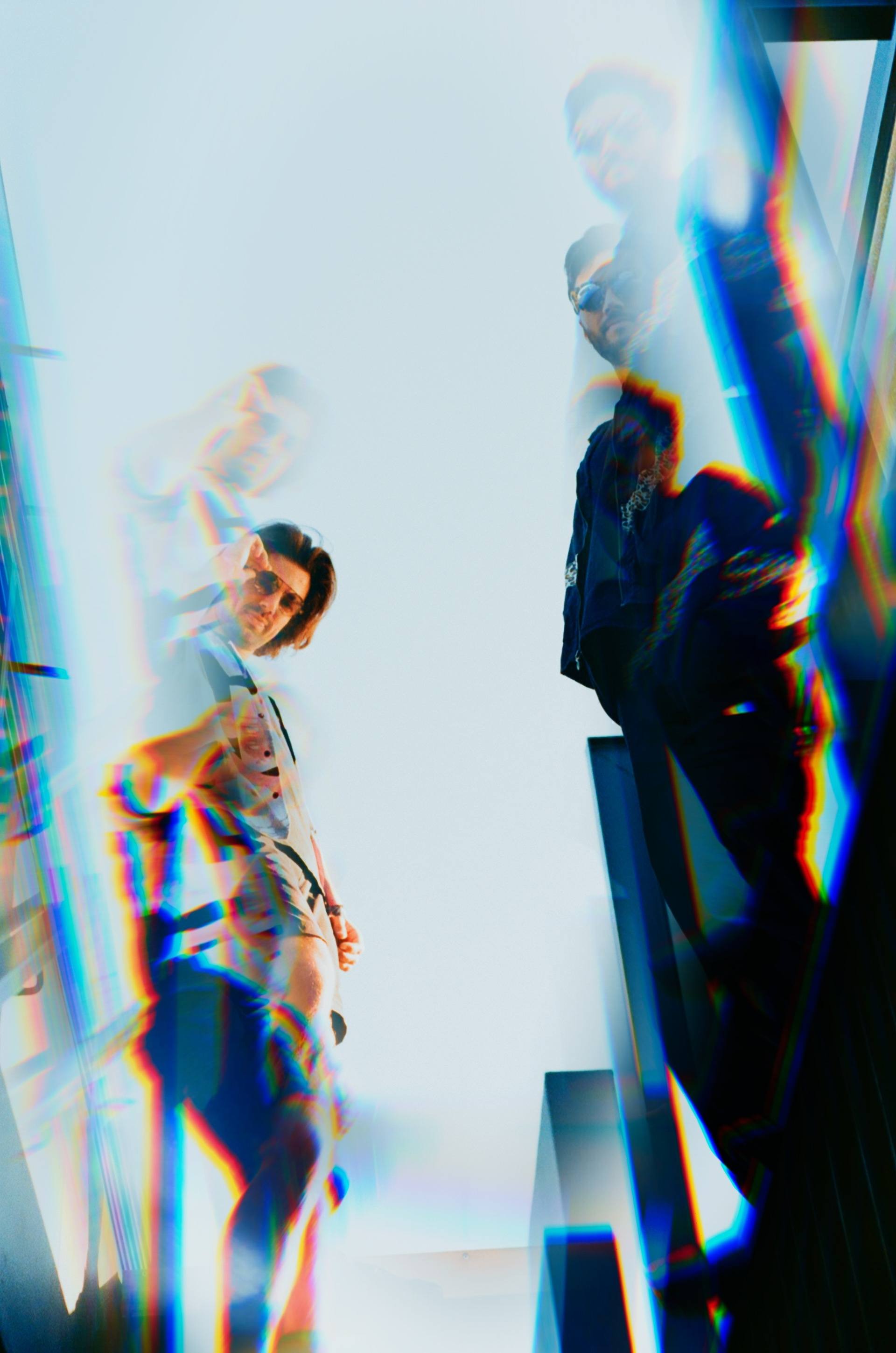
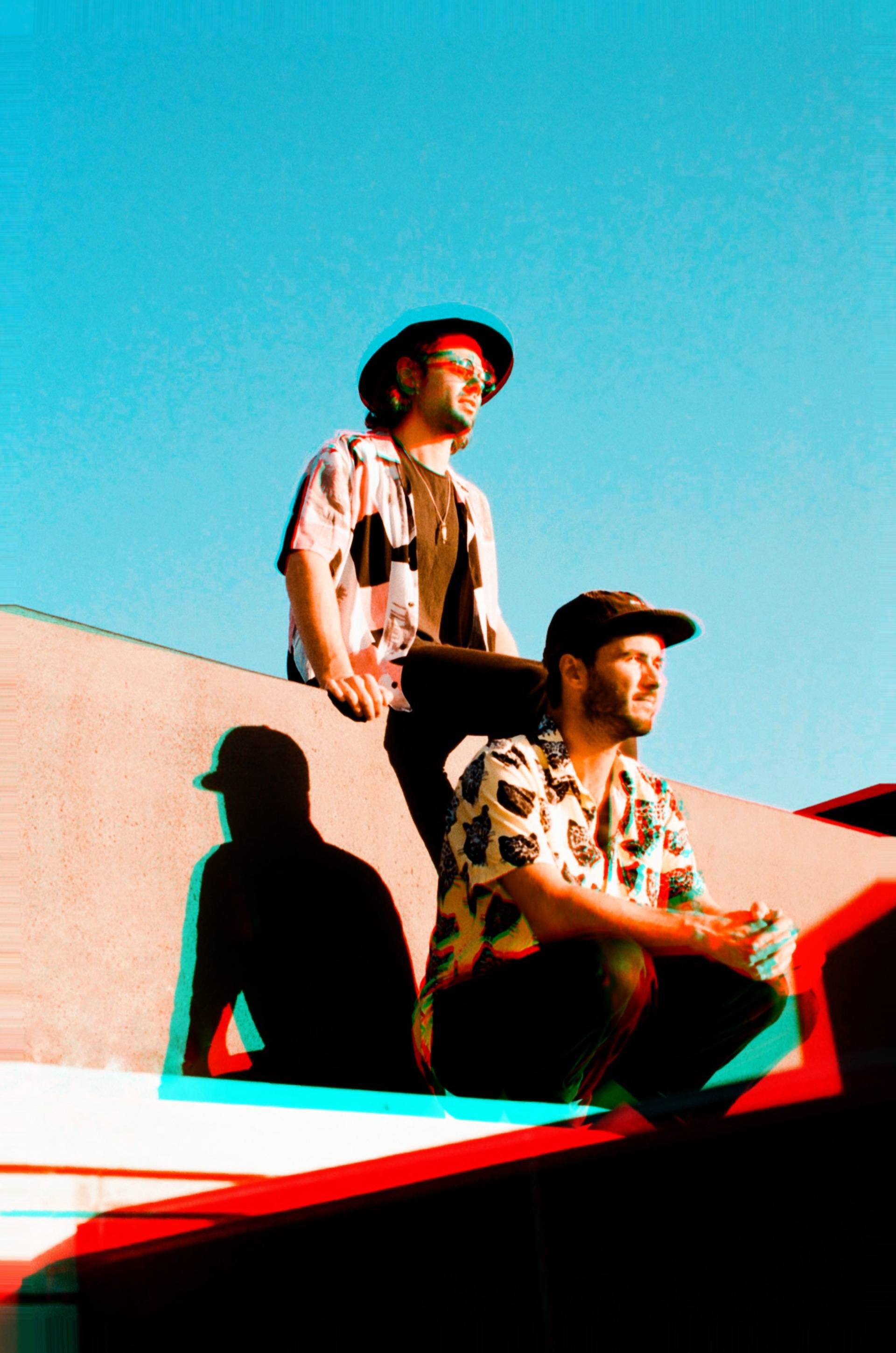
MAMELA is the production & DJ duo of Valentin Barbier & Gordon Mackay, otherwise known as Boogie Vice & El Gordo. The two met backstage at a New Year’s festival in Cape Town, bound by their mutual devotion to outdoor adventure and electronic music, a great friendship ensued. 
Mamela was born as the two sought to combine these interests by filling a caravan with drum machines, samplers and synths and embarking up the East Coast of South Africa; the idea was to channel the energy and inspiration absorbed from their surroundings into their music, 12 – 16 hour sea-side studio sessions punctuated by some of SA’s most renowned hiking trails made for some astounding results and music production. 

Their music gained the attention of some of Berlin’s most established electronic music labels; the first single ‘Tsitsikamma Vygie’ was released on Katermukke in Janurary 2022 with their debut EP ‘I Warmed You Up’ released on Mobilee Records in May 2022. Resonant baselines and powerful synths with refined vocals and delicate textures to offer two commanding yet blissful cuts inspired by the exquisite locations visited during their travels. 

Following this path, they are currently somewhere up the West Coast creating more music to share with you.

/// Stream “I Warmed You Up”:

Spotify
Youtube
YouTube Music
Tidal
Soundcloud
Deezer
Apple Music
iTunes 

We hope you enjoy the music!

Follow Mamela on their next musical escapade via:
IG : @wearemamela
Soundcloud : soundcloud.com/mamelamusic

* DJ’s please contact [email protected] for promos.

Our Pics From Inside Boiler Room’s “Contemporary Scenes” Curated by Broke

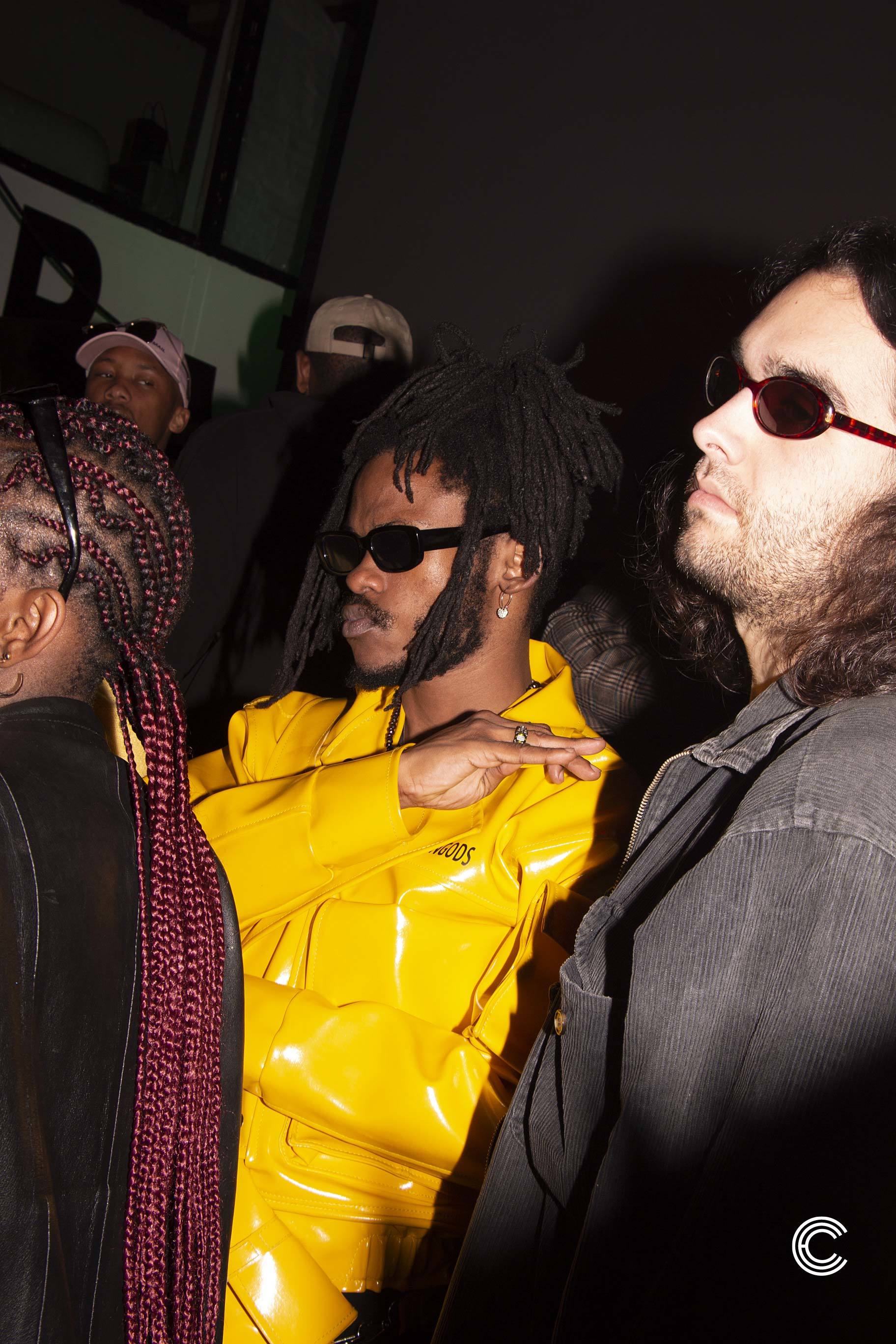
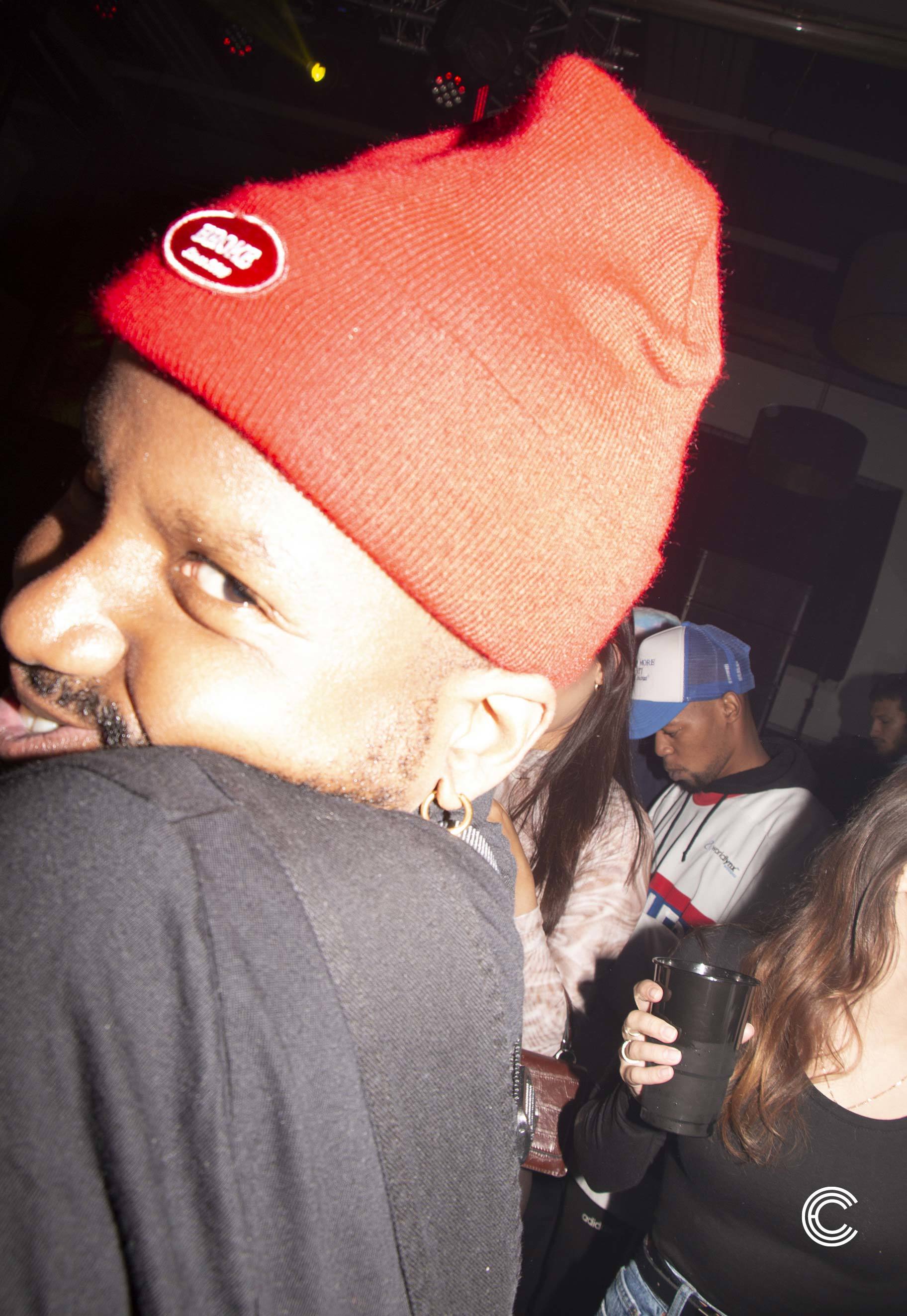
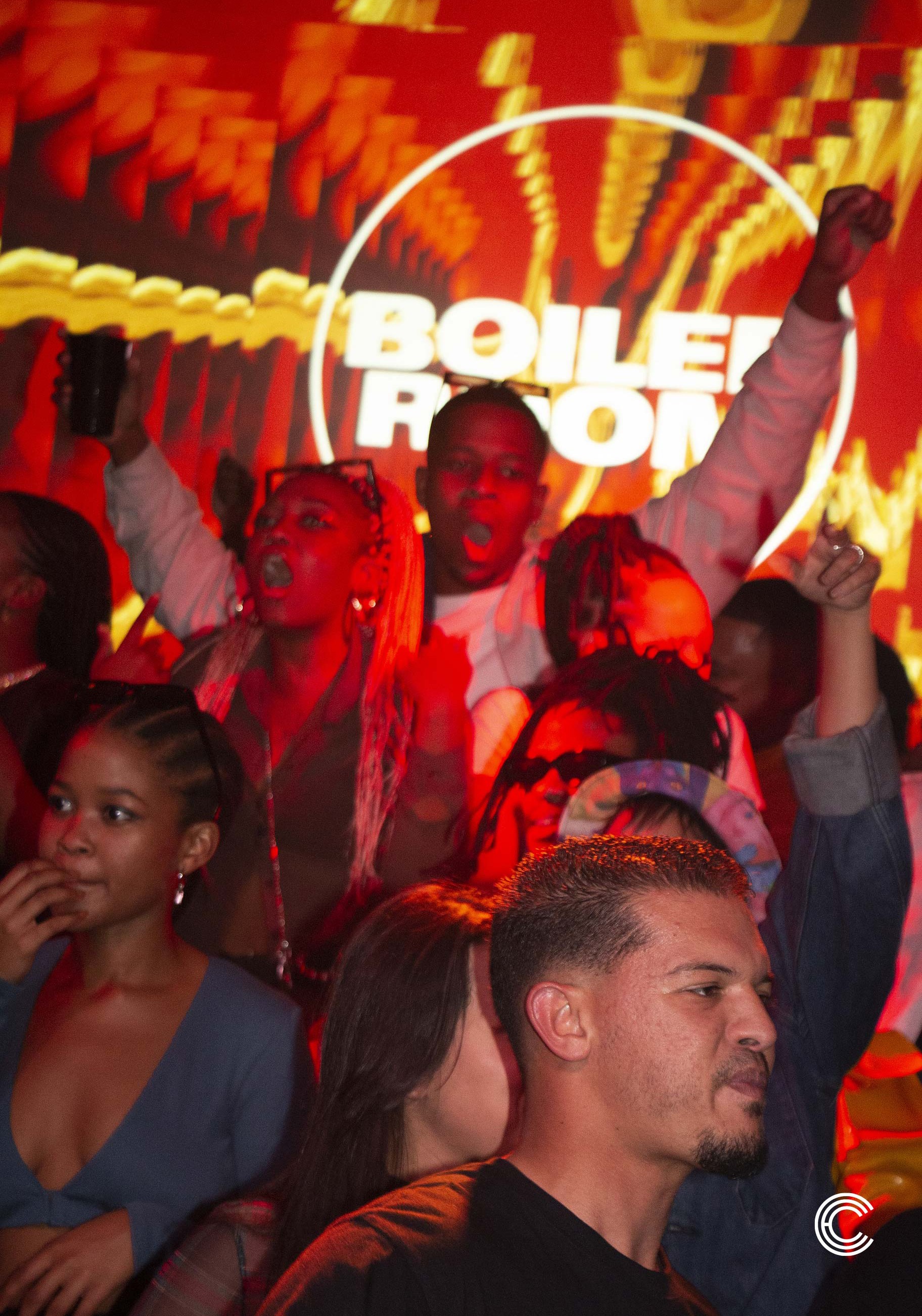
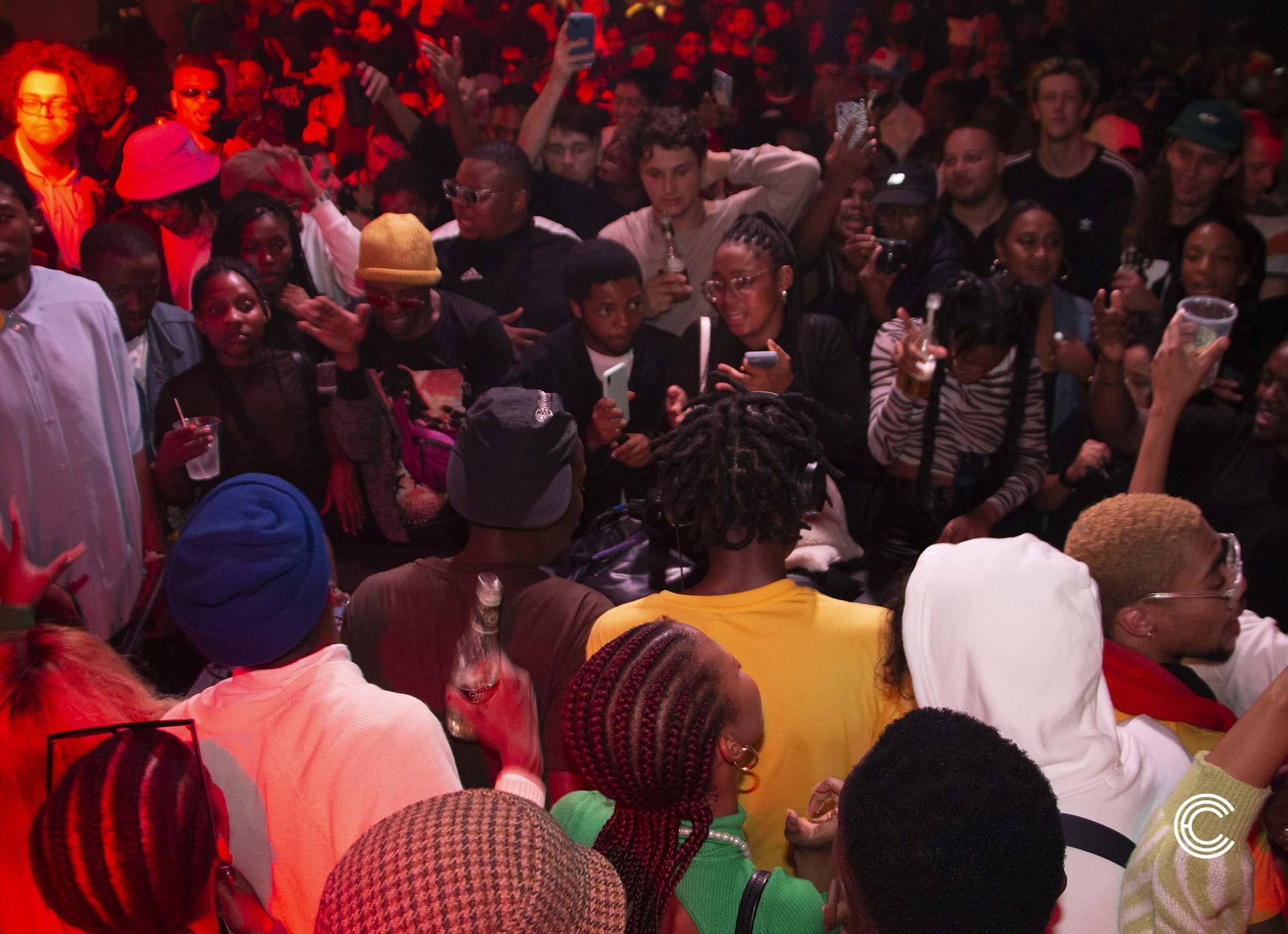
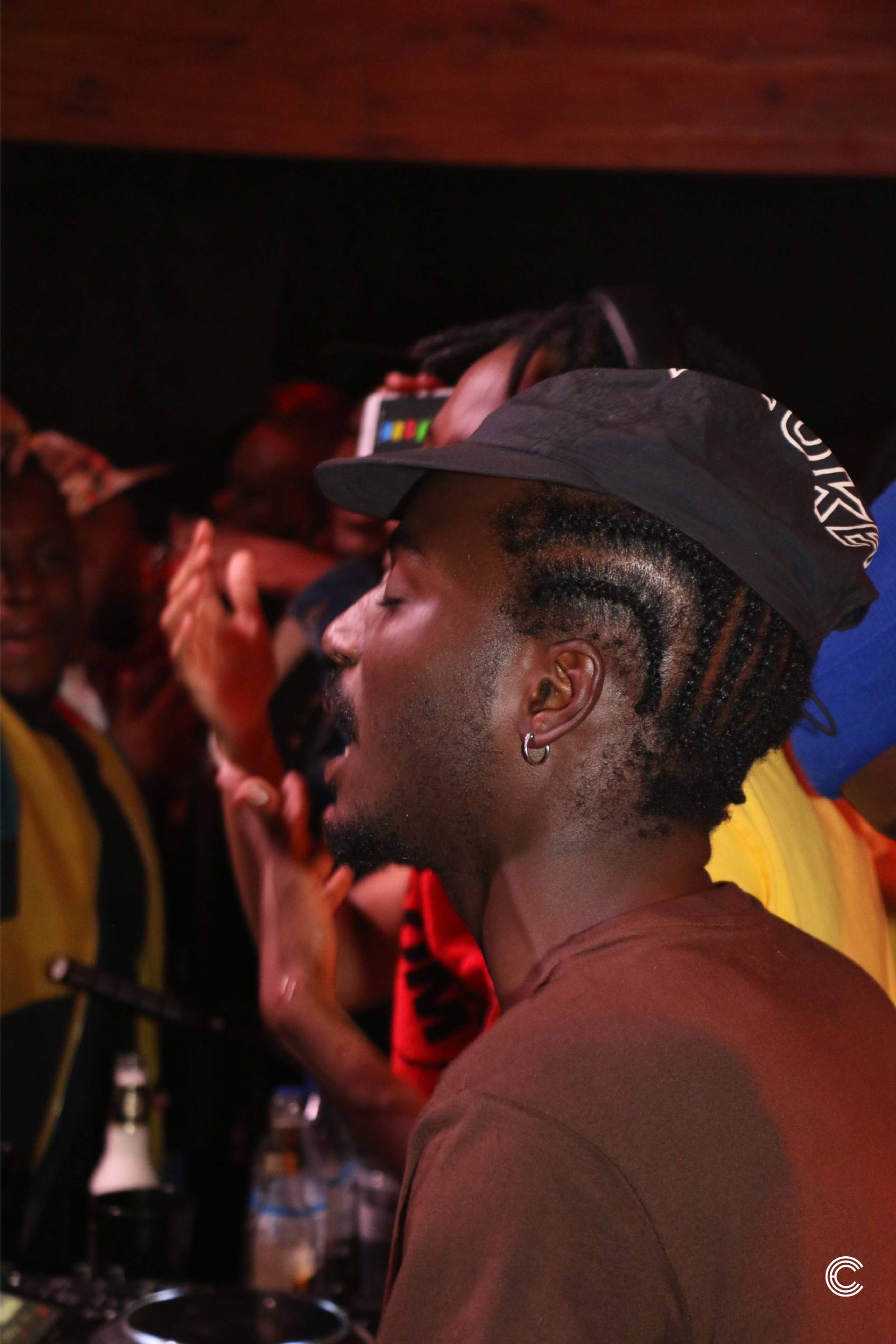
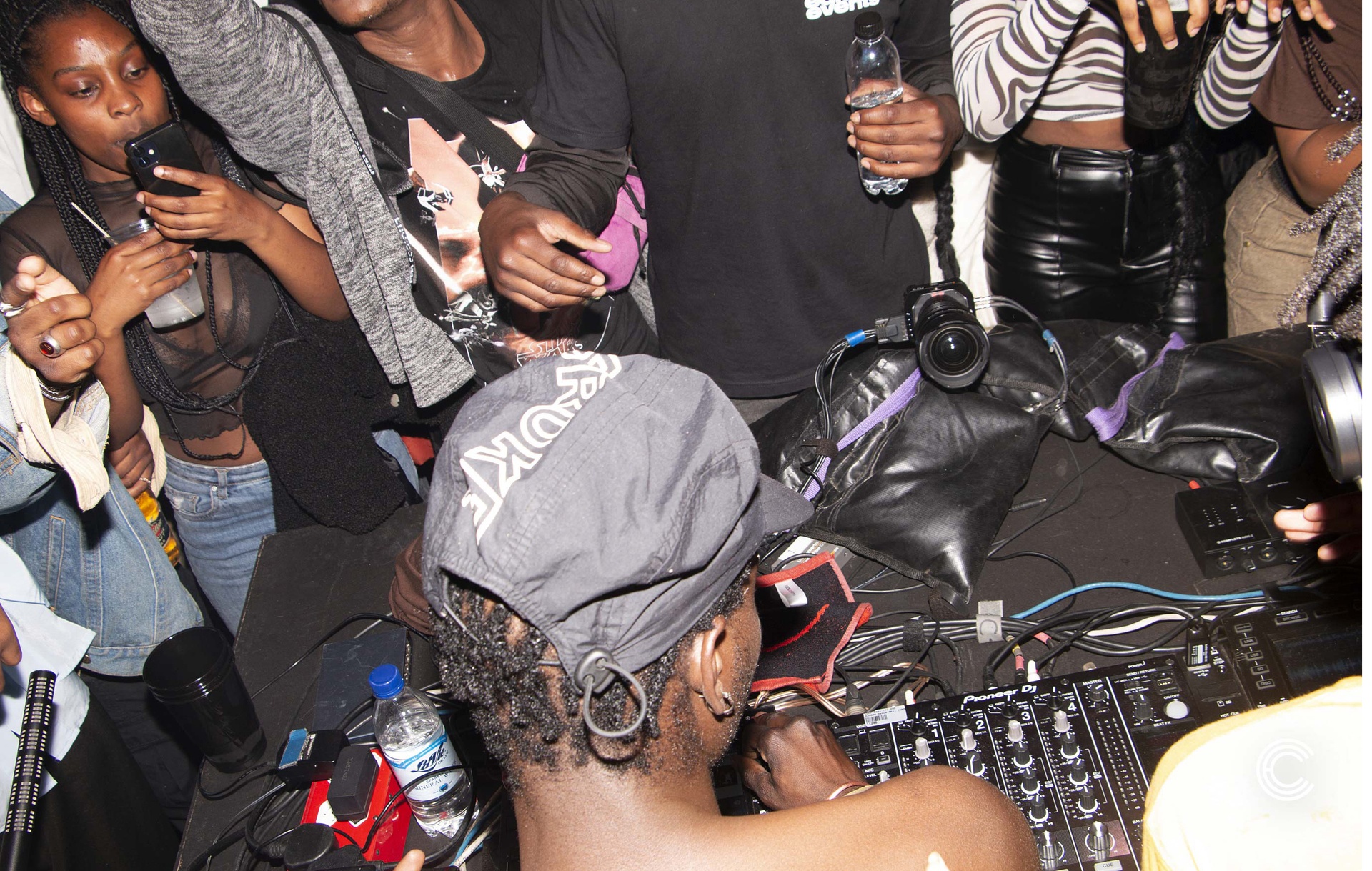
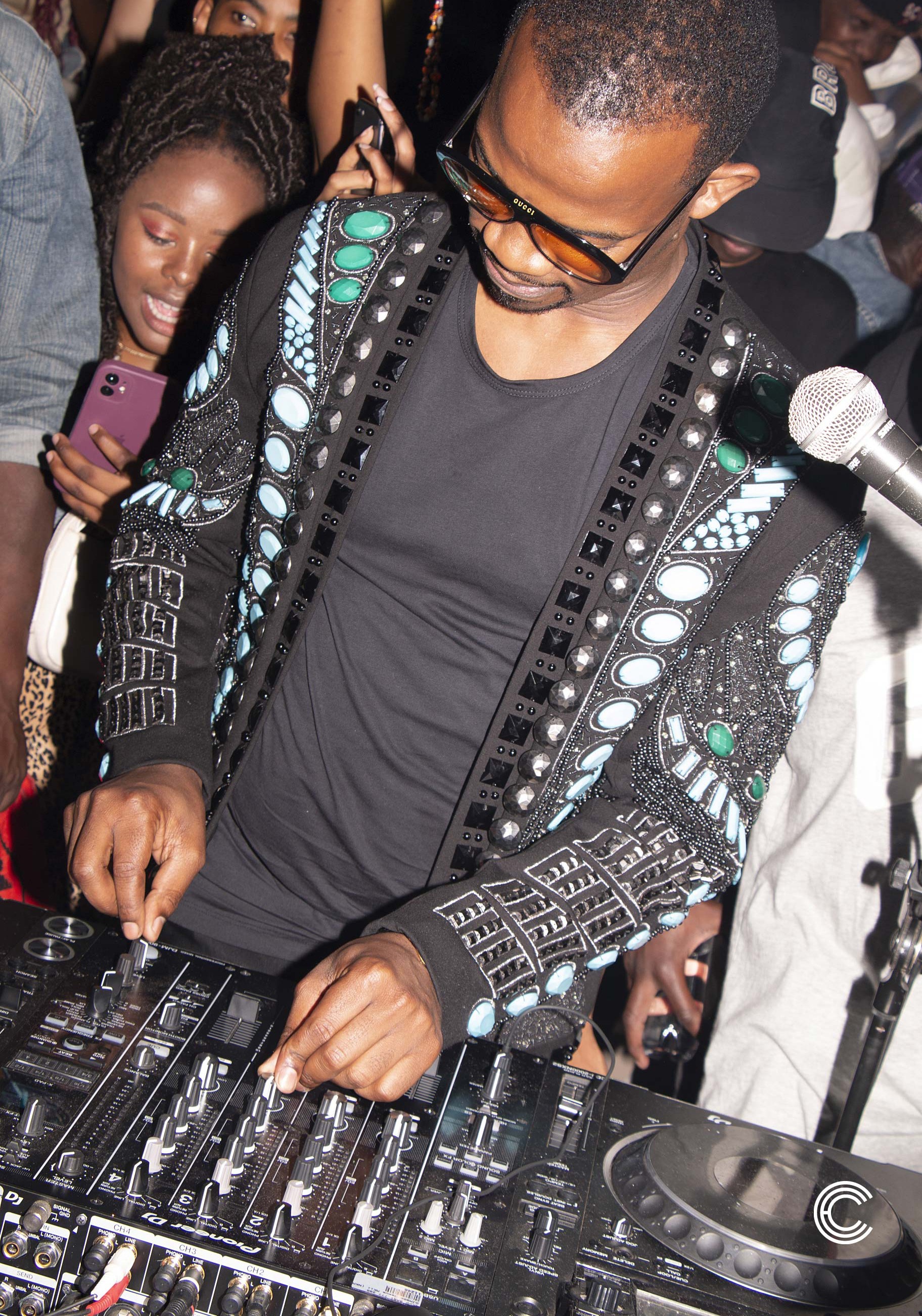
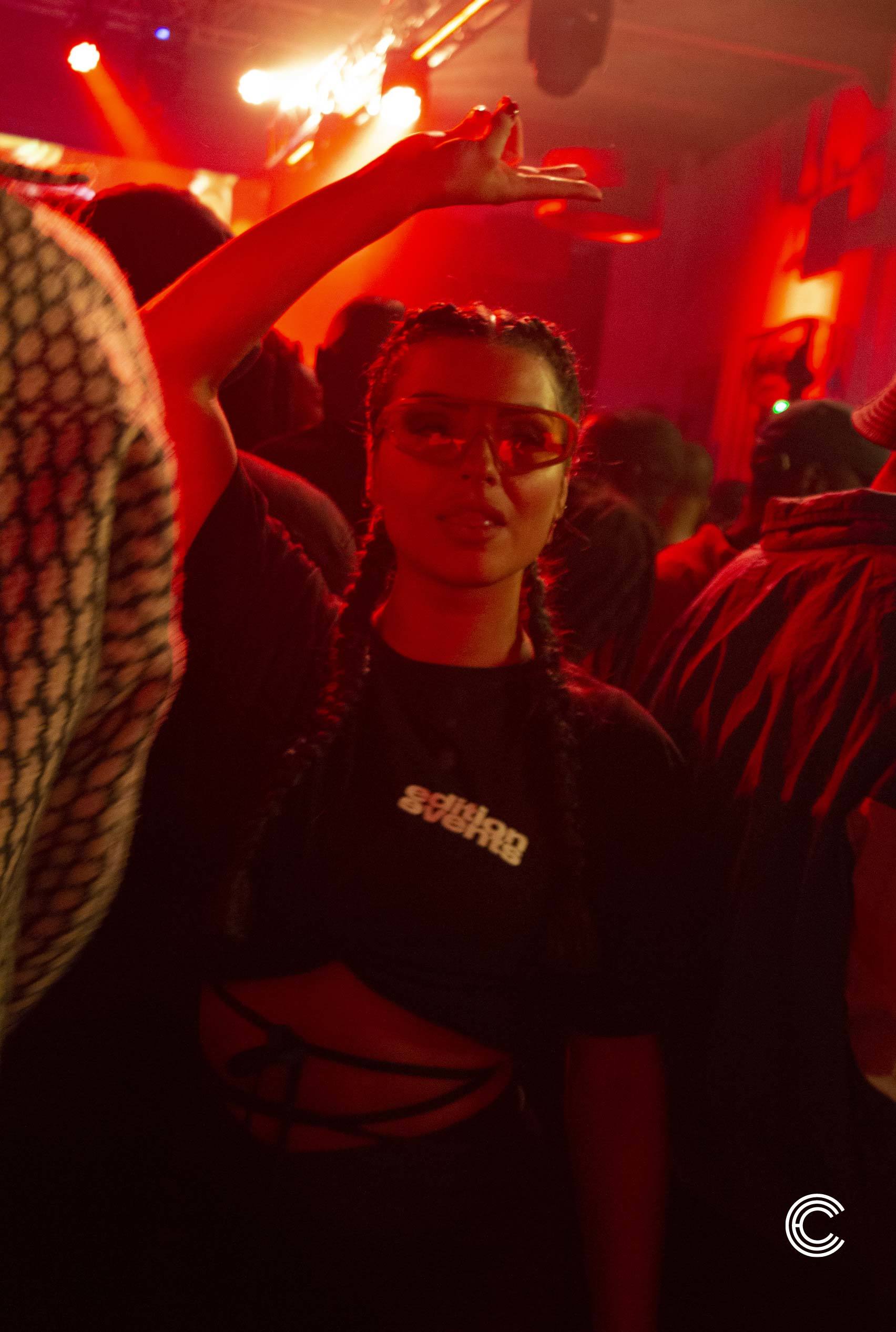
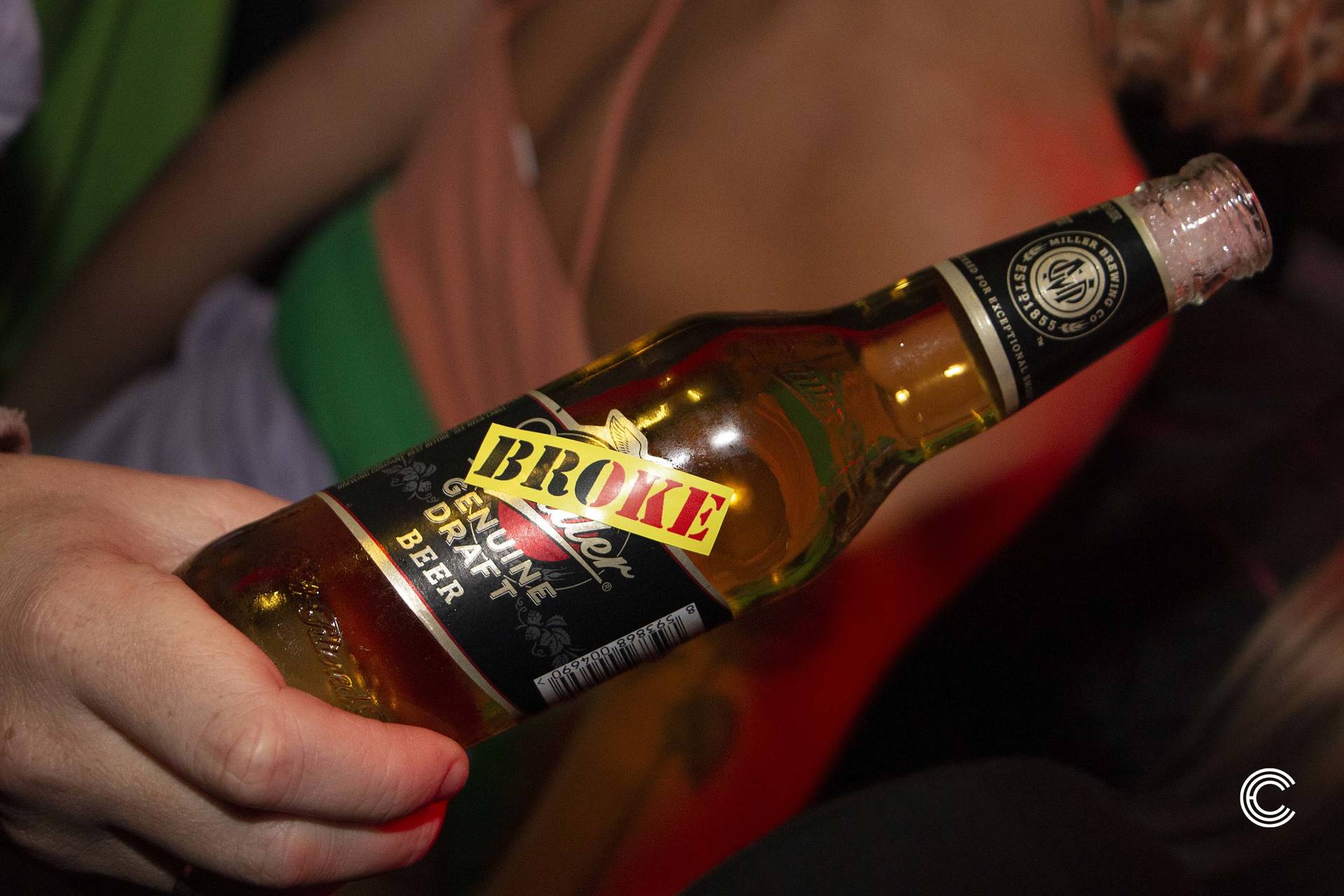
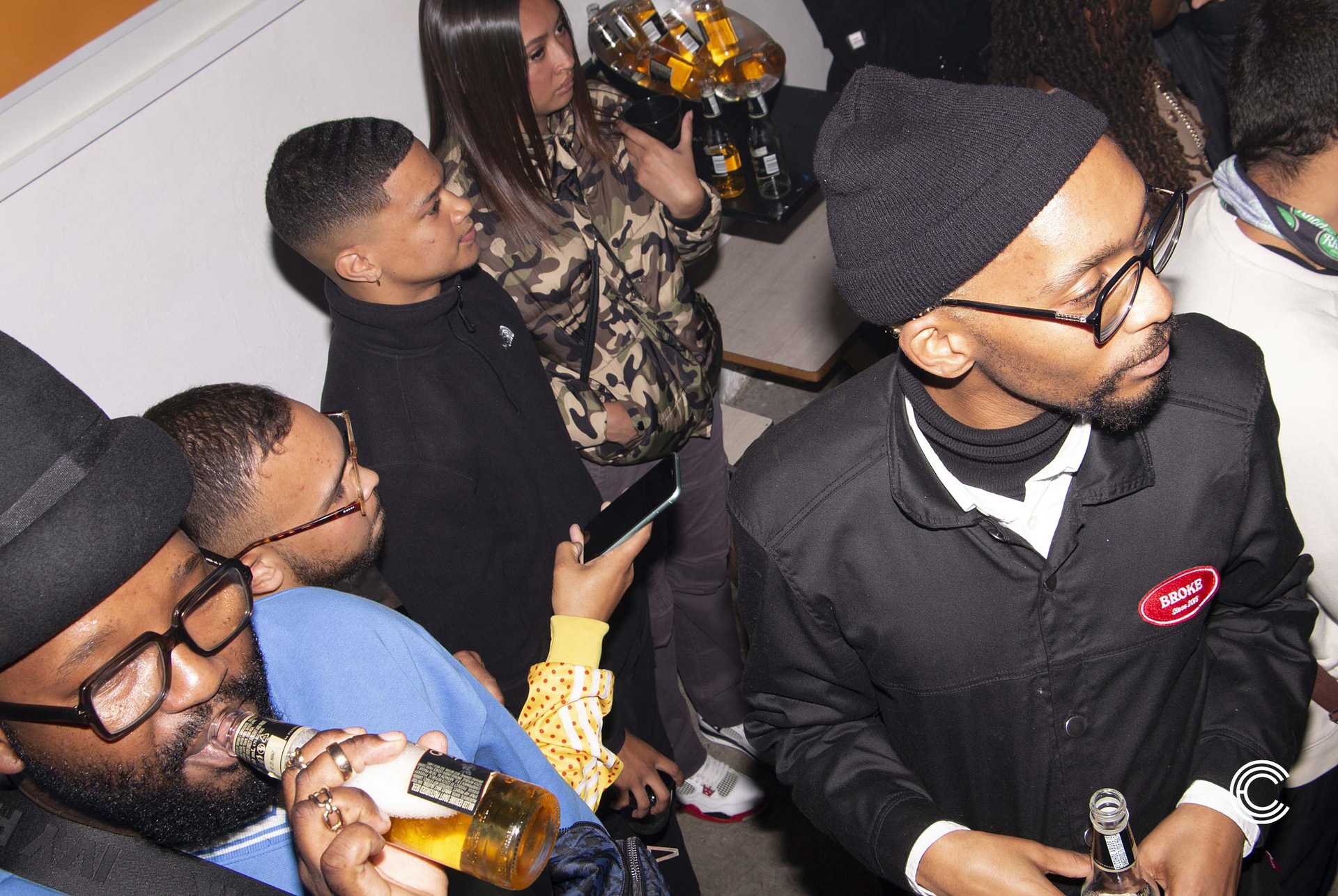
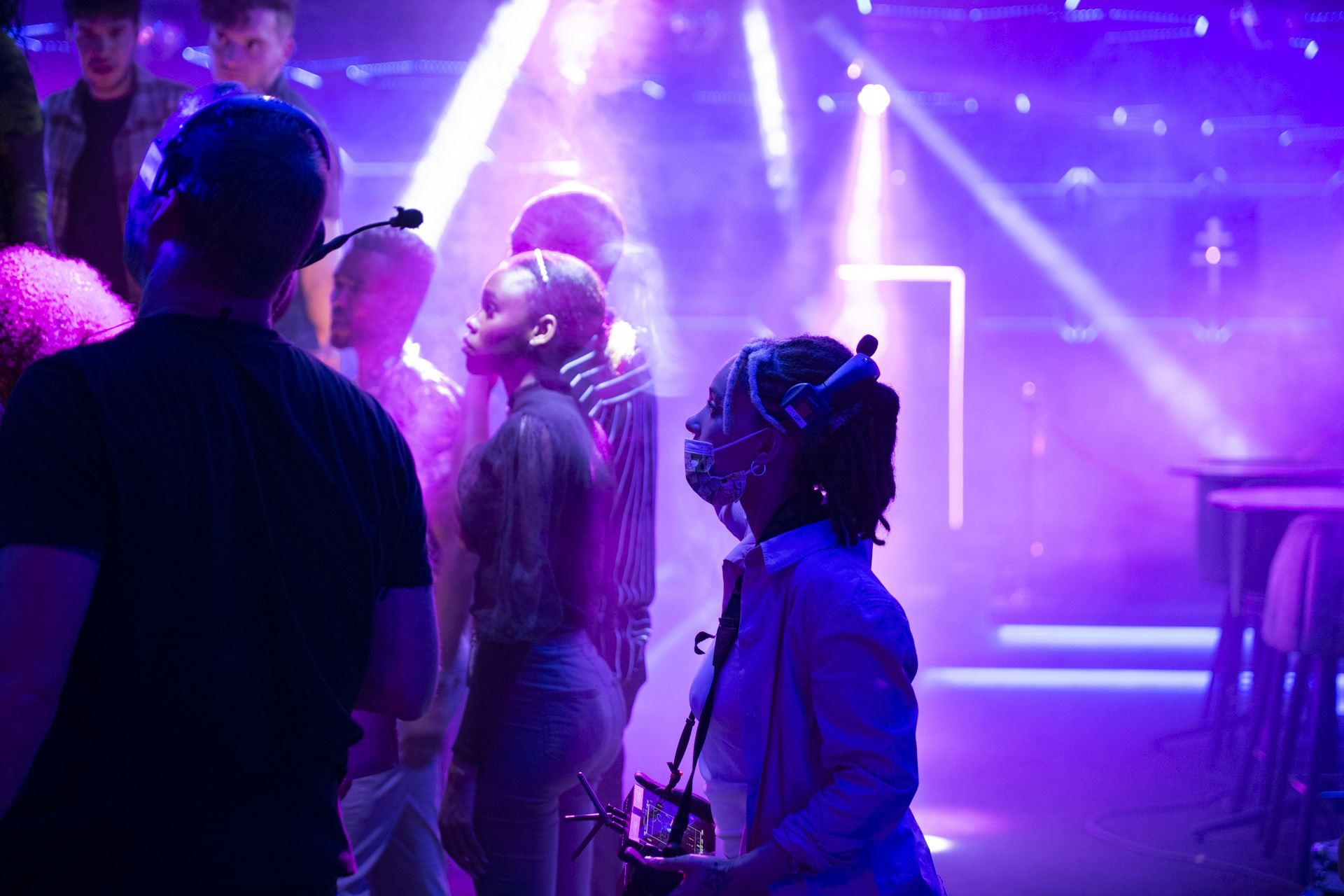
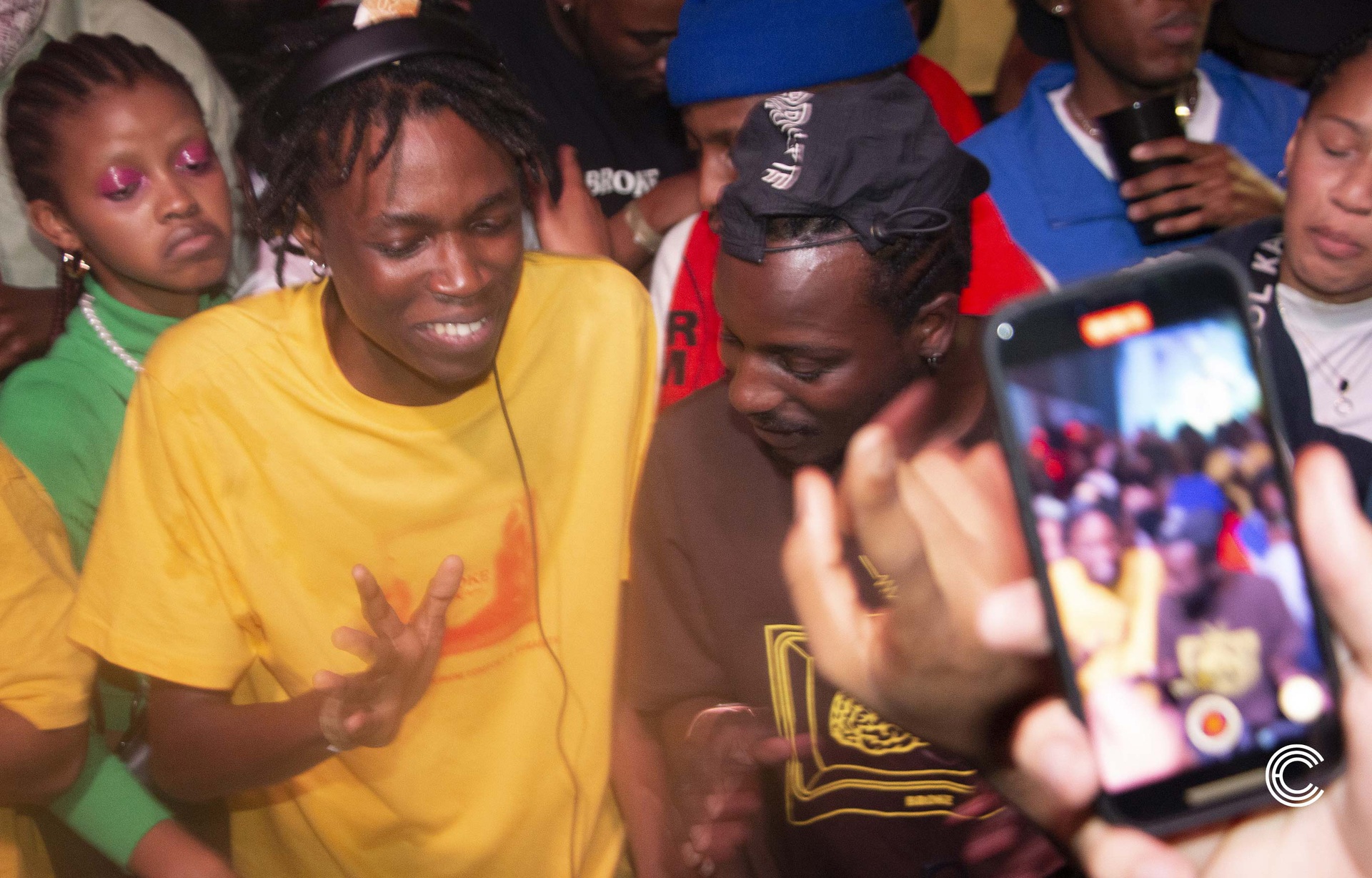
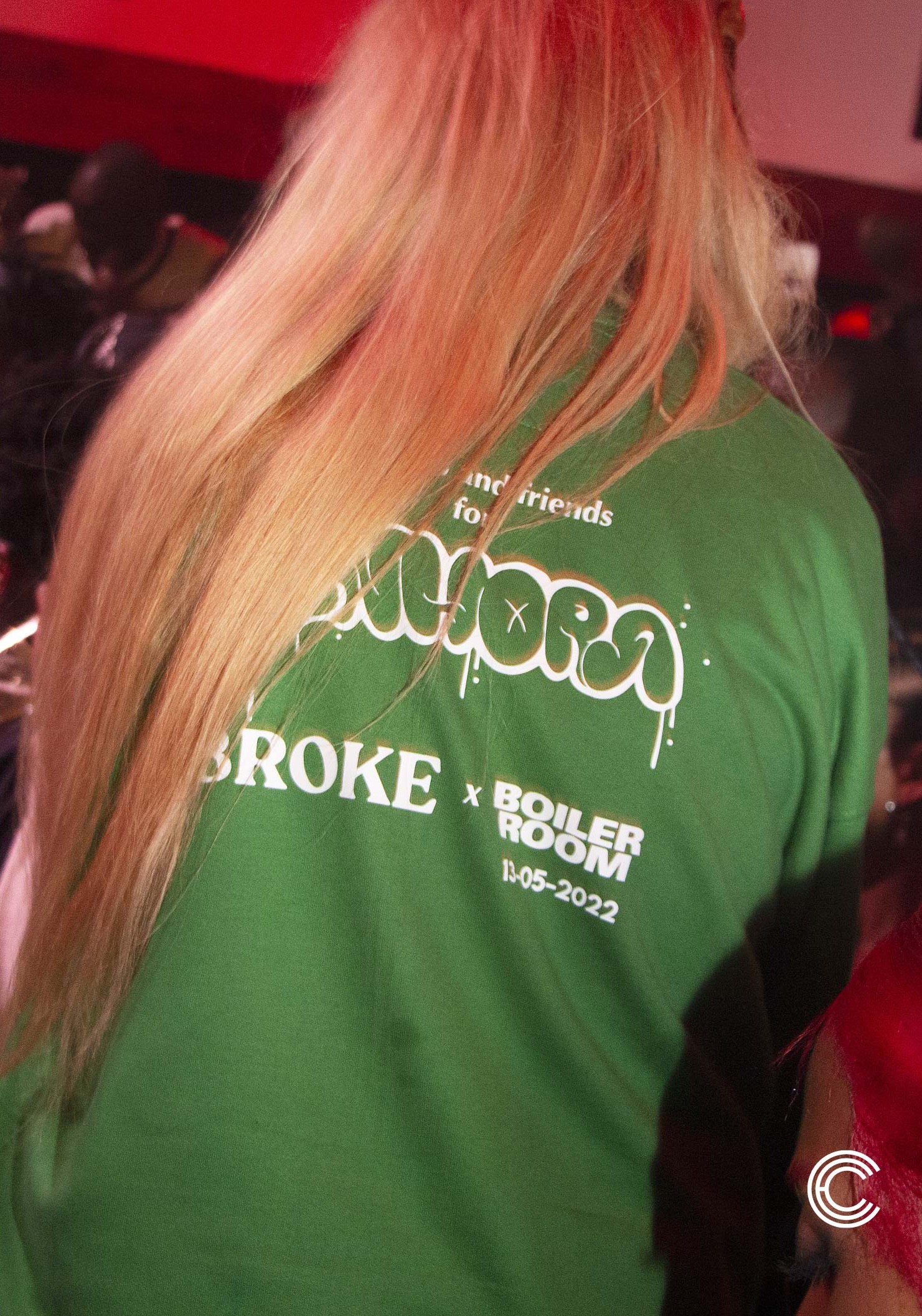
On 13 May 2022 Boiler Room returned to Cape Town for “Contemporary Scenes” curated by Broke in collaboration with Black Major and Millers Genuine Draft. 

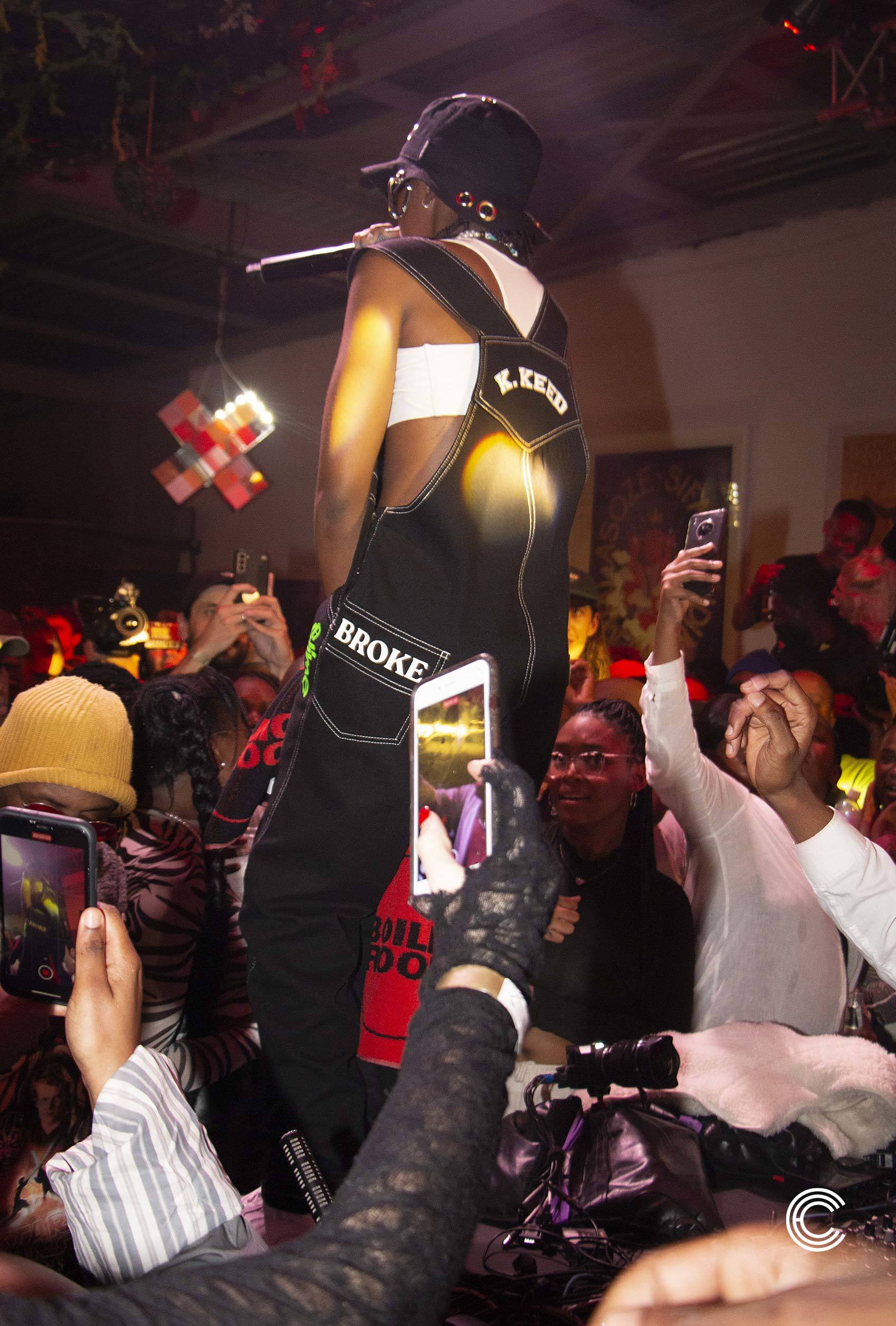
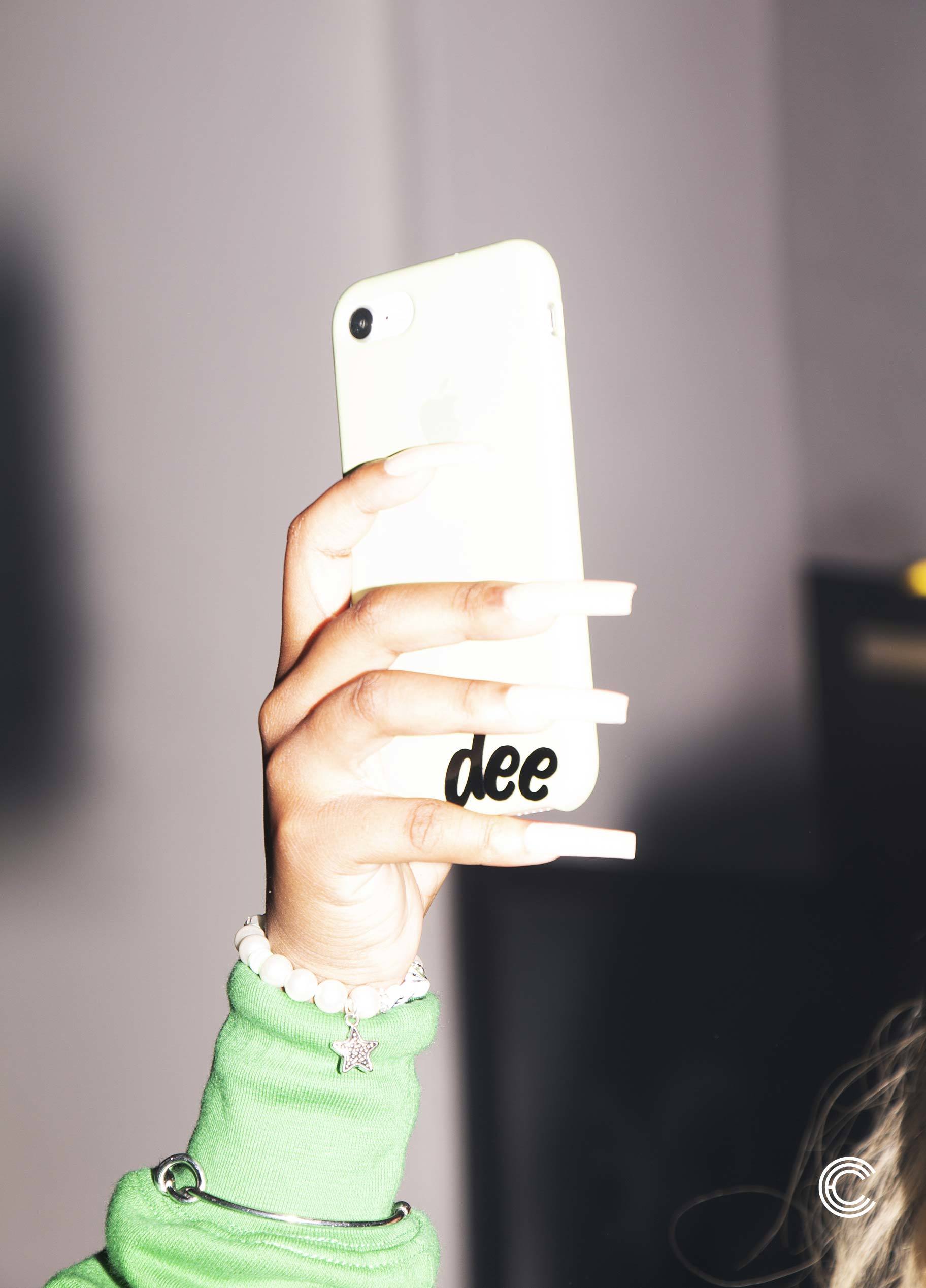
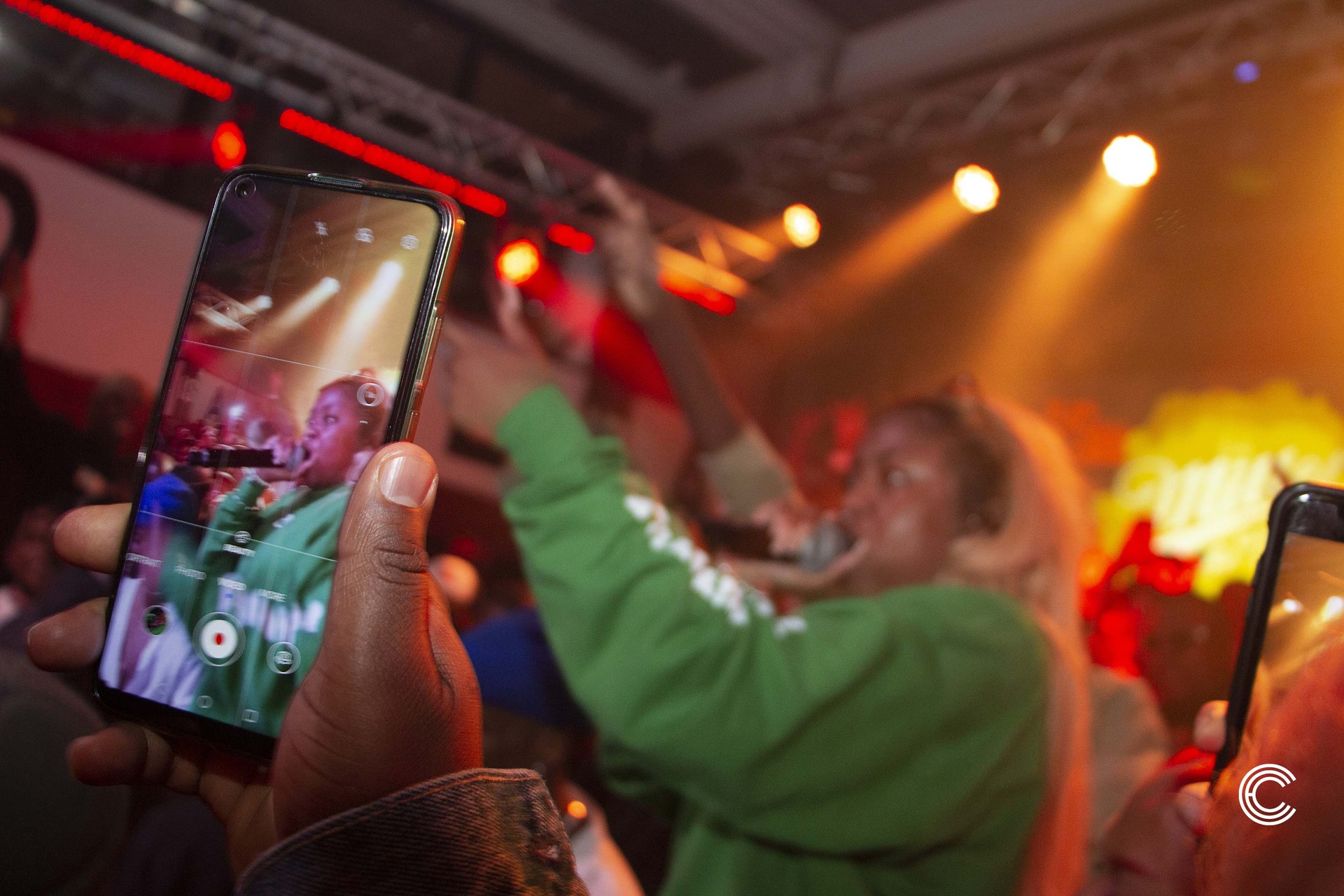
The event was hosted at the Hearty Collective – a perfect venue for what was to be a night of extraordinary performances by Zakes Bantwini, K.Keed, International Pantsula B2B Insert Coinz, Fizz & Shai-a and Cody Losper. A surprise performance by Dee Koala sent us into a spin of euphoria and the evening was an overload of sensory experiences with an undeniable sense of community as we were all there to celebrate the music hailing from our local landscape of talented artists. 

We chatted to Andile Dlamini, founder of Broke, about the curated line-up and how the event came to it’s beautiful fruition “The event came about when our events coordinator (Simbongile Bino ) coincidentally met one of the members from the Boiler Room team during his time as a storekeeper at Duck Duck Goose. He asked if they had any plans to run an event in Cape Town to which they said yes after hosting a successful event previously. Simbonginle mentioned the Broke Boys and how we run our brand, DJ and curate parties in Cape Town. Without wanting to bore her, they later connected via digital channels and we were put in touch with Joe Catch – discussions around a line up for 13 May began.” 

Andile further elaborates We are still in awe as we answer these questions, we can’t believe we did that, being there felt like a dream. Being given the opportunity to curate and host Boiler Room came with a lot of mixed emotions – we were very stoked yet nervous as we spent most of our lockdown watching past Boiler Room events from all over the world and just dreamt of one day hosting one for our tribe and our city at large. Our thought process when we were planning the event was to give people an experience and not just an event.”

About the line-up…

The line-up was curated in a sense that it represents who we are as BROKE, we had to balance the line-up so it could flow and make sense to everyone attending. We kicked off the show with a slow paced Kwaito/Midtempo set by Cody Losper, which was also a form of us paying homage to the Kwaito legends who have inspired us throughout our lives. Thereafter Fizz and Shai to pump up the energy with an enthral deep house set, to having our in-house music wizards Iinsertcoinz and Internationalpantsula to take us to the peak with an Amapiano/Gqom .The talented K.keed and Senhora then hopped on to give us an amazing hip-hop set with Dee Koala which was a full circle moment for us, being able to share this platform with our friends and our family. Then our headliner Zakes Bantwini got on the decks to close the show with Skye Wanda, Maline Aura and Karyendasoul. We wanted it to be like a journeywhere you are being transported from one spot to another, with each stop giving you a different energy from the last.

A journey it was. 

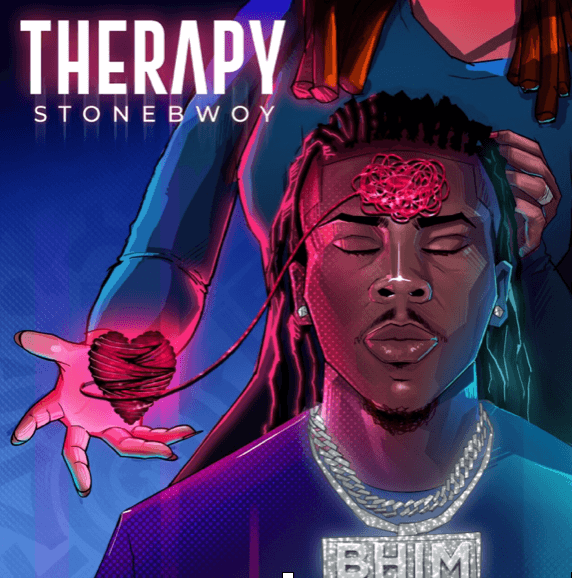
Ghanaian Artist Stonebwoy, Releases New Single and Signs Global Deal with Def Jam

Universal Music Group (UMG) label divisions Def Jam Recordings, 0207 Def Jam and Def Jam Africa announce the global signing of Ghanaian Afropop, dancehall and beloved reggae musician and pioneer, Stonebwoy to the global Def Jam artist family.

As an award-winning African artist, Stonebwoy has been placing the continent firmly on the musical map with his international touring, standout collaborations and popular singles since 2012. Stonebwoy is one of Ghana’s most relevant superstars, and has released his brand new single, ‘Therapy’, globally via Def Jam Recordings, 0207 Def Jam and Def Jam Africa, supported by UMG labels. ‘Therapy’ comes off the back of Stonebwoy’s prestigious career so far of four albums, multiple hit tracks and movie roles, not to mention his philanthropic work as part of the ‘Livingston Foundation’, educating young Africans and elevating the youth of Ghana. 

Sipho Dlamini, CEO, South Africa & Sub-Saharan Africa, Universal Music, has been said to be excited to add yet another African megastar to the Def Jam roster. “Stonebwoy is a true African talent. He works to lift the heart and spirit of those around him, whilst producing fresh sounds that keep blowing the world away. We look forward to what 2022 has in store for him.”

“I’m excited to welcome Stonebwoy to the Def Jam Family in partnership with Sipho and 0207,” said Def Jam chairman and CEO Tunji Balogun. “The Def Jam brand is recognized all over the world as a stamp of excellence in black music, and as we continue to strengthen our musical bond in important markets like Africa and the UK, it’s dynamic, talented artists like Stonebwoy that will lead the way. This is great music from a special artist who needs to be heard everywhere.”

Alec & Alex Boateng, co-Presidents,  0207 Def Jam added, “Stonebwoy is one of the great Ghanaian based modern music artists and ambassadors. The opportunity to amplify his outstanding talent alongside Sipho, Def Jam Africa and Tunji with Def Jam Recordings is very exciting, especially him becoming a part of our world class Def Jam artist family. Hopefully this is the first of many more collaborative projects to come.”

/// The single ‘Therapy’, is out now across all streaming platforms and its accompanying red-hot video shot in Ghana. ‘Therapy’ is essentially a love song, that kicks hard with a driving beat and all the right flavour for dance floors worldwide.

/// Stream on:

Apple Music
YouTube Music
Boomplay
Auidiomack
iTunes Store

/// Watch

The Case for Brick-And-Mortar Retail with Daniel Sher of Duck Duck Goose

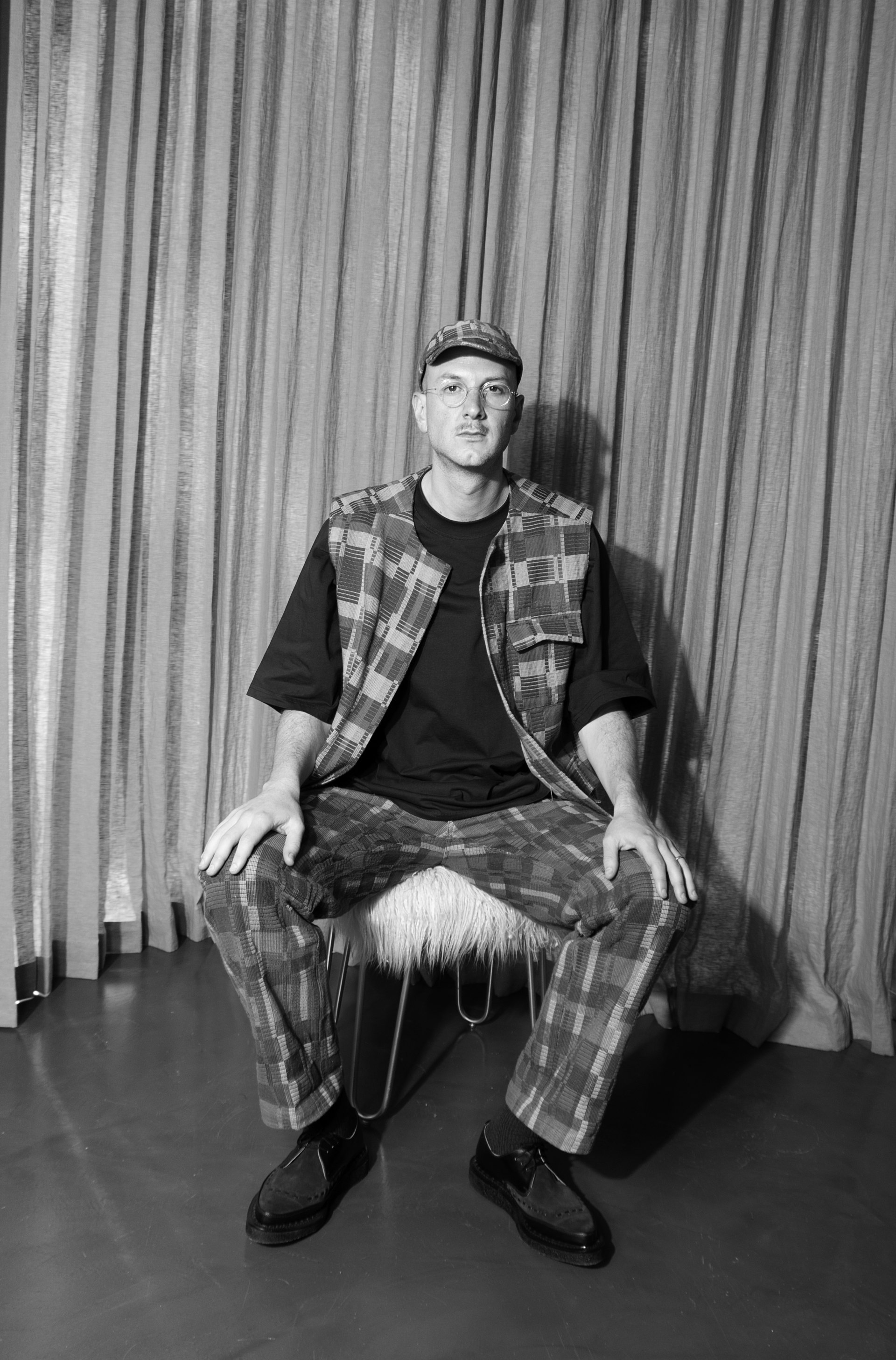
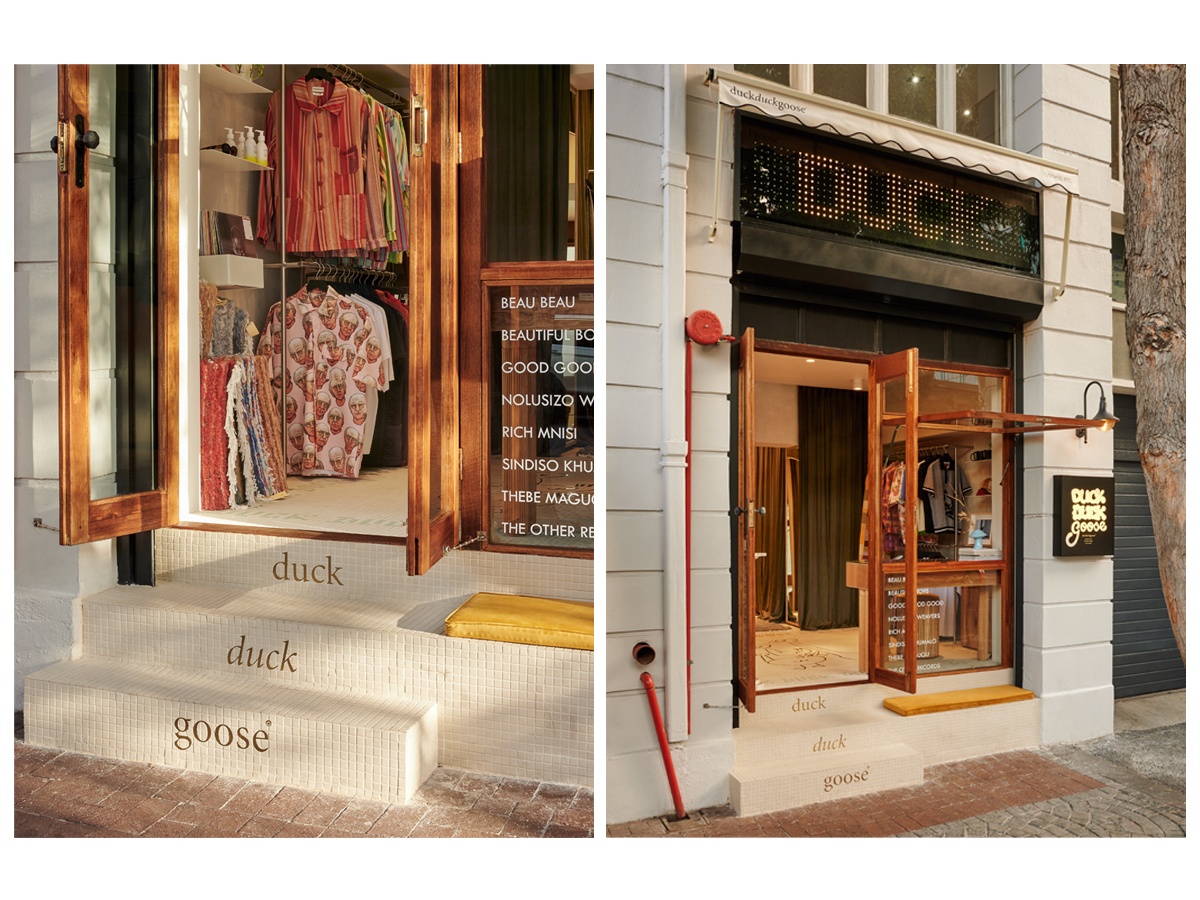
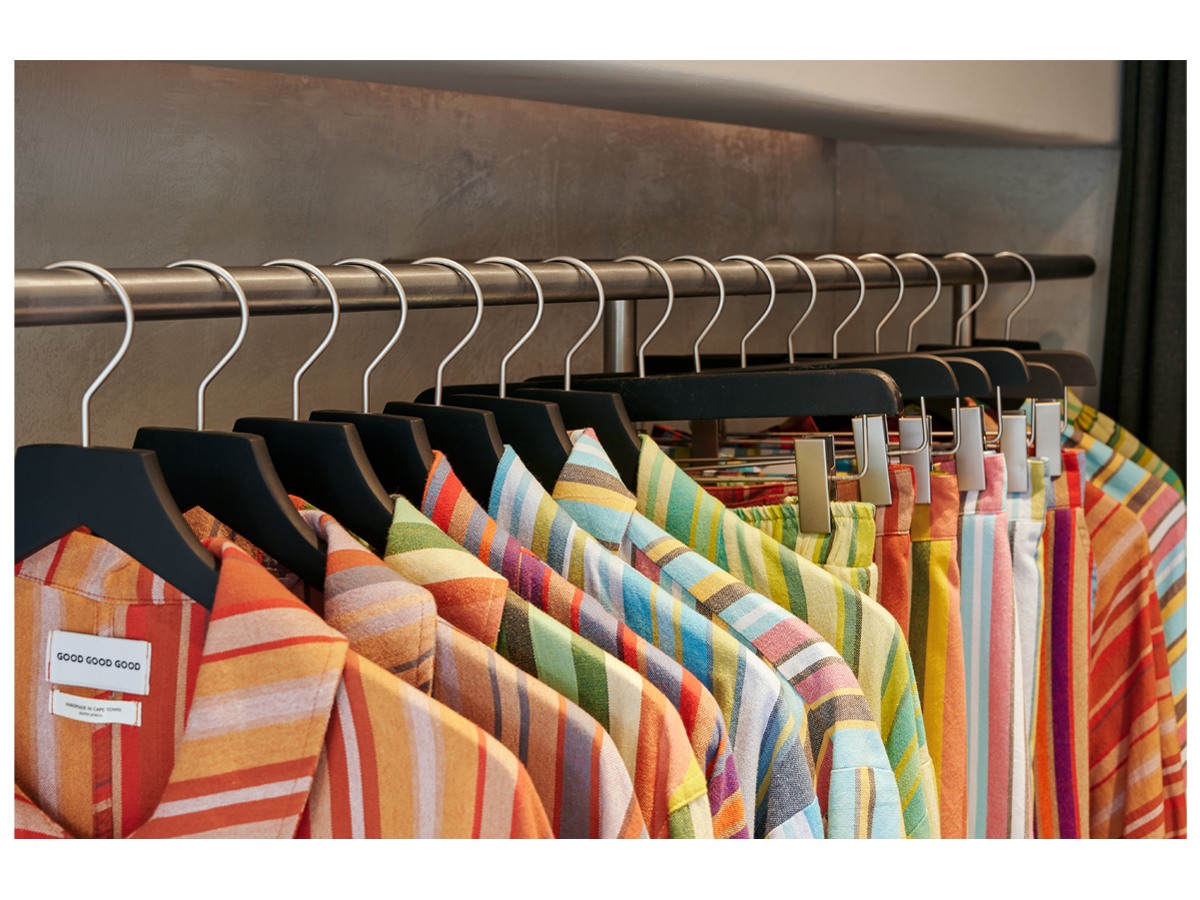
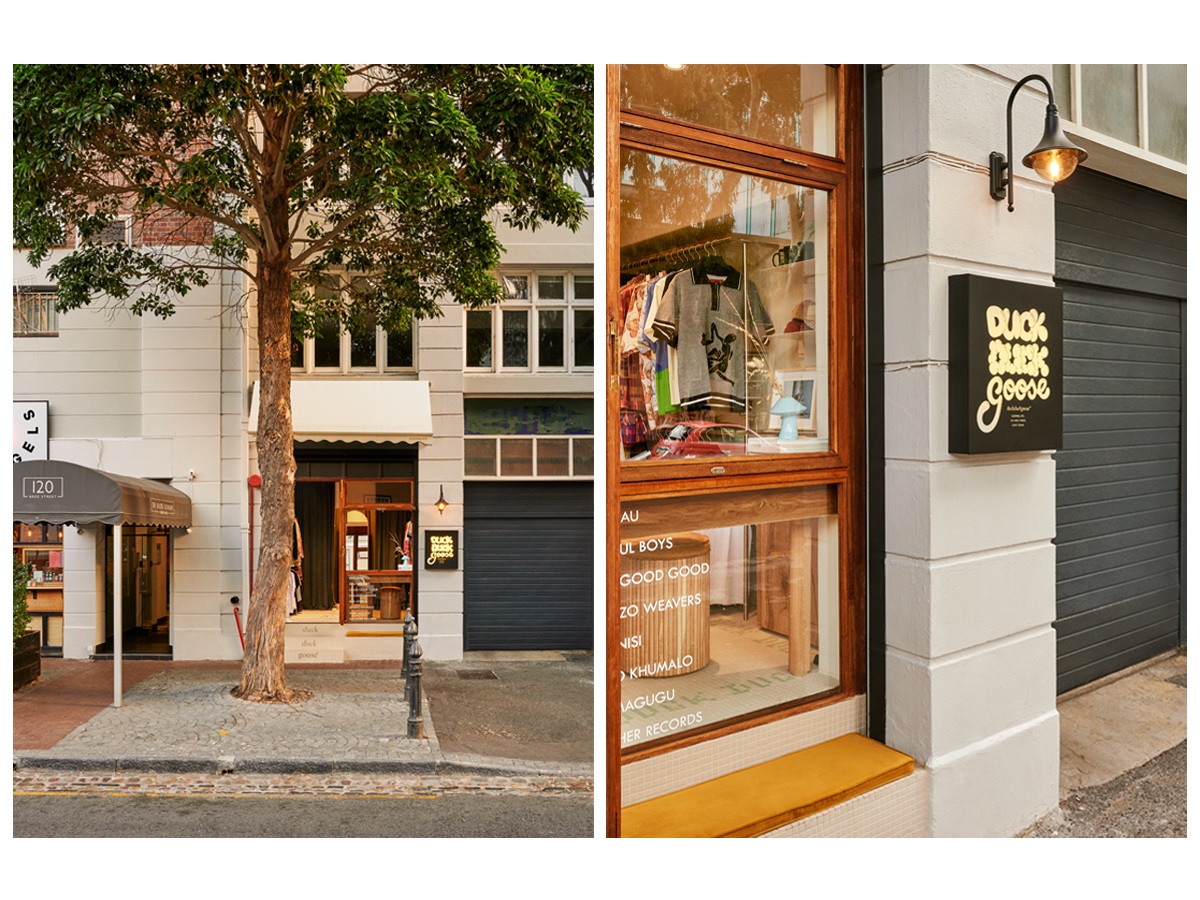
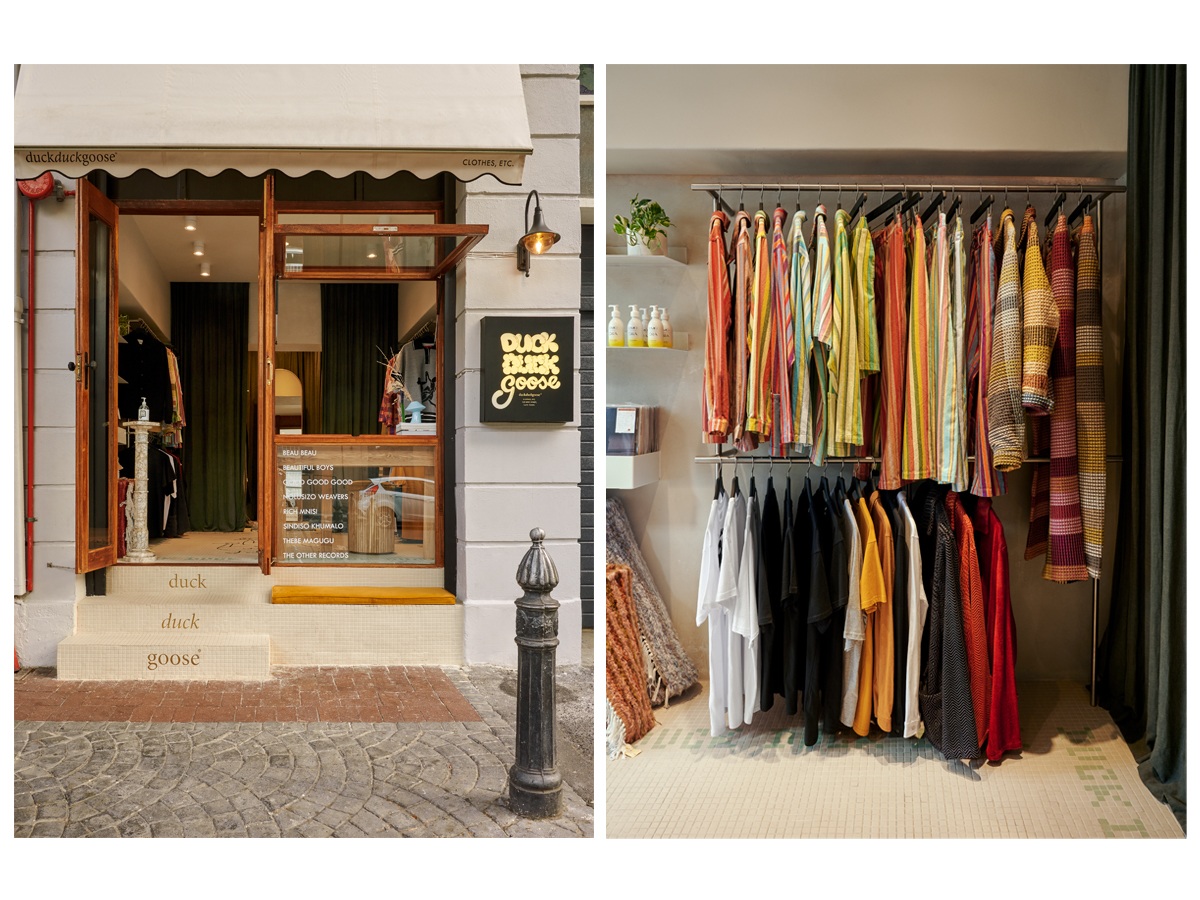
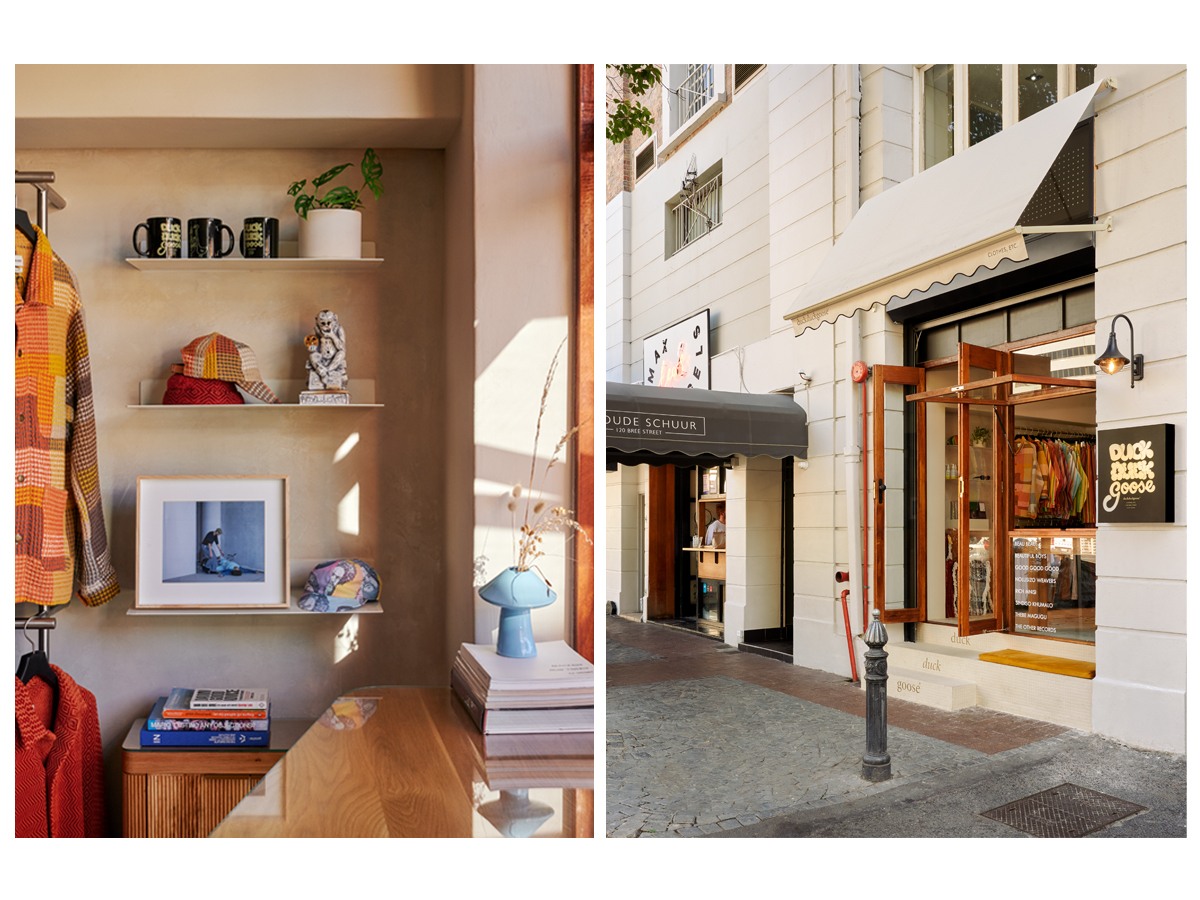
Daniel Sher is the unofficial mayor of Bree St, as far I’m concerned. This could be seen as a relatively new occurrence – since his concept store, Duck Duck Goose, was only officially born on the 15th December 2020 – but already the space functions as a nexus for the city’s creative community, while showcasing a very refined study on why brick-and-mortar remains critical for fashion, design and retail. This launch date is correct – I am not kidding in stating that Daniel opened Duck Duck Goose at the strained apex of the pandemic; a wild decision rooted in a optimistic, fervent imagination of the future; but if you know Daniel, this boldness is part of who he is; a creative instigator juggling many projects, collaborations and ideas held within his vision – and making them happen, too. Positioning DDG opposite Clarke’s Diner and next to his friends at Max Bagel’s / Leo’s Wine Bar, the store is a Daniel-esque spin on a flagship store for his much loved brand, Good Good Good, and a home for some of South Africa’s most critically acclaimed designers – from Thebe Magugu, Wanda Lephoto, Beau Beau to Asa Sadan and more. As far as being the mayor, I say this as there is a certain imprint that Daniel leaves across the city, one that can be most centrally felt at the stretch of Bree where no.120 is located, but that has a far reaching effect on the sort of design and creative scene many of us wish to see (and are seeing) established in Cape Town and South Africa at large.
Chatting to Daniel for this interview perched at a table outside Clarke’s, he is multi-tasking our conversation, a lager and and greeting friends passing by – social and assured, there is always a sense that Daniel is up to something – which is part of why this conversation is occurring at this time, in which there is a moment to breathe; a time to reflect and introspect on Duck Duck Goose and everything before it, and what is to come. Candice, our publication’s founder, created CEC for this very reason; to tell stories of pioneers in South Africa’s creative scene. As far as the store is concerned, Daniel says “Duck Duck Goose is the place where most of my focus and energy is going at the moment. Good Good Good had a really big year last year, and I actually got so burnt out that I couldn’t go into the factory for three months – as I was at a point where responding to simple emails was terrifying, because I was overthinking as a result of not being able to think. I really considered checking myself into a place… somewhere for people who work too hard on too many projects and reach the dead-end which I now know as burnout. I spent those months looking after my son, and trying to recalibrate my dedication to these various spaces.”

 Last year was not only packed for the brand, but for the other production that Daniel oversees at his wife, Paige Sher’s, family factory – one of the last manufacturers of local clothing left in Cape Town’s heritage textile landscape. In this way, there is a roadmap for Daniel’s pathway as a designer and businessman; the preservation of the heirloom factory, Jacqui Couture, with Daniel’s primary focus as the section newly named Together MFG. From this vantage point, Good Good Good was born – a menswear (although their collections are typically fluid in silhouette and form) label that spent many years on the SA Fashion Week circuits, garnering a cult-like following from creatives on the scene. In relaying the events of last year, Daniel recalls, ‘’In March last year, we were featured on Vogue Italia for the Hope Collection launch, with a collaborative film featuring the Cape Town Philharmonic Orchestra. Then we did the April’s Fool Collection with our friend Willy Hobson – and even at that point, with the obsession for detail that the team has, each product is scrutinised over, and over again. So what seems like a really fun, tongue-in-cheek drop or beautiful story  – which they are in essence – also has a lot of blood, sweat and tears put into it. I think any local designers or brand will tell you the same; how much is really required to bring these ideas into being, and make them feasible for the longevity of the brand’s financial and creative health. We also care about our products standing alongside international expectations, there is no reason why South African design shouldn’t be in Dover Street Market – and that’s already happening.” 

Daniel’s earnestness is always a pleasure to listen to, and always delivered with a dose of humour. A huge moment punctuating 2021 was Milan Fashion Week, and Daniel let us in on the lead up to that defining moment; I actually tried to pull out of Milan, I CC’d everyone into an email a month before saying we couldn’t do it. They came back to me and said they’d put us on the press release, that the announcement had been done – we were on the bill – and it was really clear there was no backing out. Sara Maino the editor of Vogue Italia had put us on, but the dread and sense of defeat I was experiencing was debilitating. At that point I entrusted most of what was ahead to Masego (Morgan), our former creative strategist, and Lazola (Gola) – I had no creative juice, and they really put something together that was testament to why the brand is what it is; it’s for our friends and community, and their ability to take the reins when I couldn’t is something I am eternally grateful for. Even in the film, you can see me trying to muster up some kind of enthusiasm that just wasn’t there.” While brand building is difficult anywhere in the world, this story somewhat speaks to the gaping void in South Africa’s fashion industry for support, infrastructure and funding. Good Good Good, like many others before, alongside and ahead of it, is a brand built from the sheer determination of a small team of local visionaries – and it’s not always known just how intense that can be. 

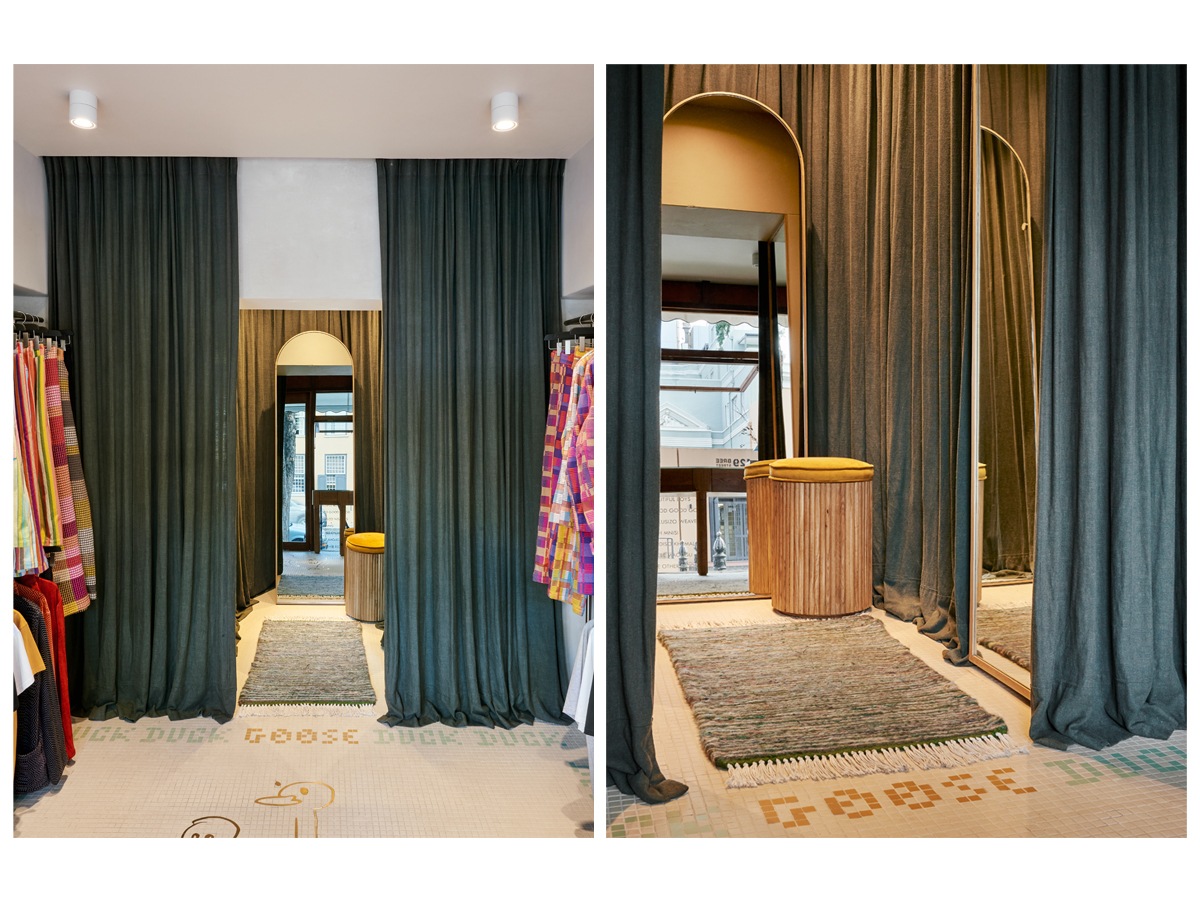
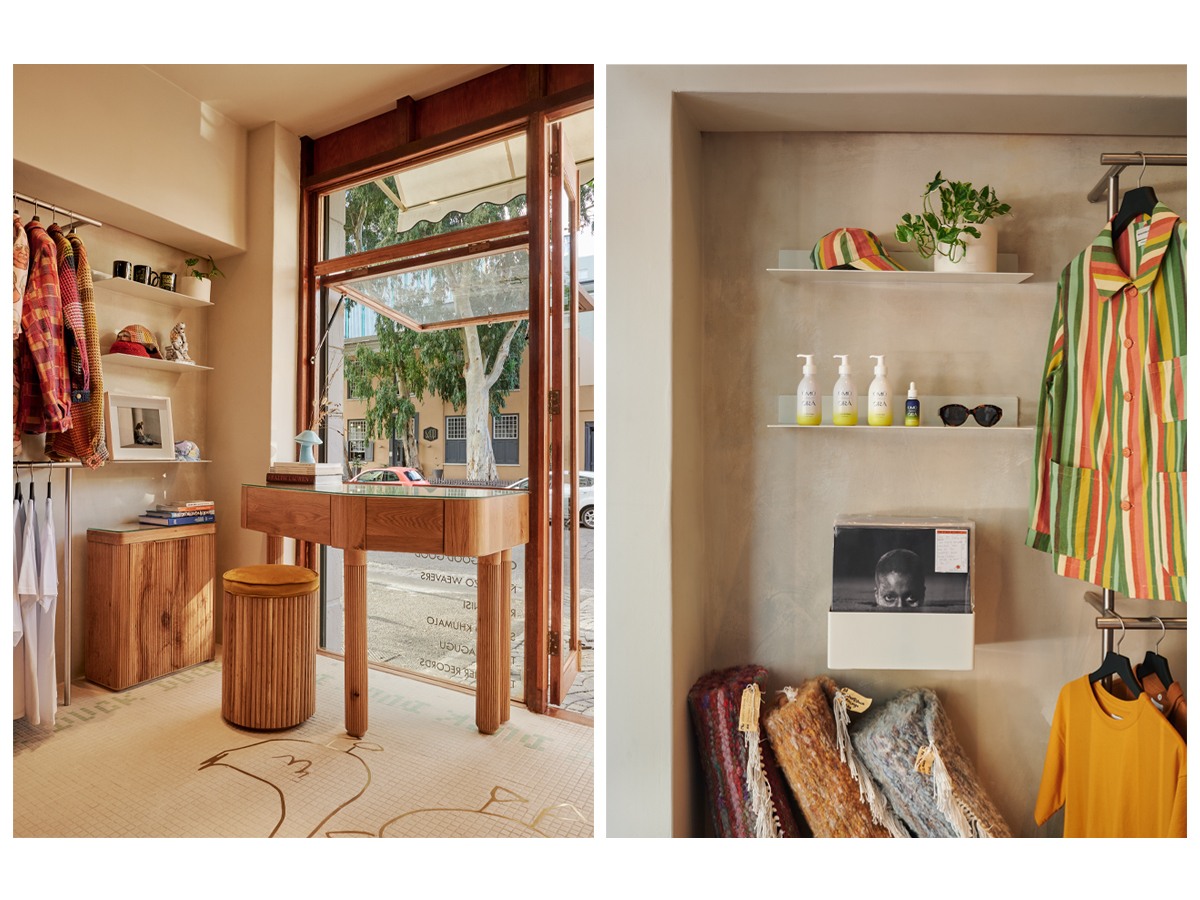
For now, Good Good Good is quiet on the social media front. Last year, the content was abundant and is always an in-house production – which is part of why Daniel is currently leaning on Duck Duck Goose. The space speaks to Daniel’s life in the way he exists in this part of town anyway, and creating a flagship store micro in size has allowed him to have a home for Good Good Good, while stocking other brands that strengthen and consolidate an experience of tactility for those who champion and support local design; the store has become such a cool a way for us to find  new ways of doing everything we wanted. We can have a sale at the store for all the rejects at the factory – rather than a fleeting pop up store. We can curate brands that are aligned with us, and in a way, hopefully contribute to a picture of what South African design looks like right now. The factory, the store and the brand is one big ecosystem, and a lot of people might not know that. I’m proud that we have a very clear, very clean supply chain that provides us with a sense of autonomy that is becoming increasingly difficult in the world today – and remains a positive contribution to local livelihoods.”
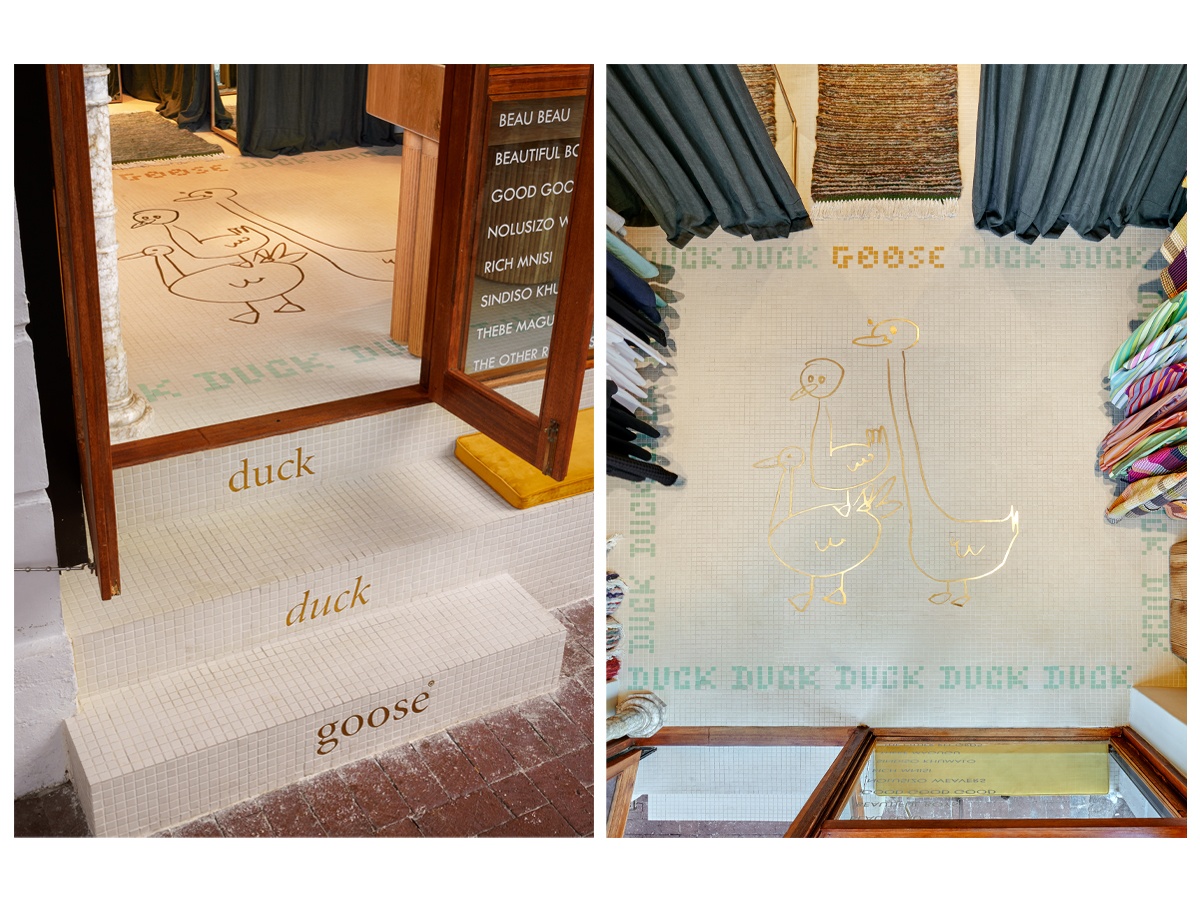
The store itself was totally gutted and built in line with what was needed – down to the intricate mosaic depicting the humour of Duck Duck Goose. The store comes alive on First Thursday, and the last time I was there I was quite emotional by the dynamic presence of people, drinks in hand, dancing outside outside 120 Bree after two years of lock-downs and isolation. On this, Daniel says, We repurposed the windows and remodelled the latch window after a radio station in London called NTS – a crazy hole in the wall booth that everyone’s favourite artists and performers has done a set at. We built the desk to be able to fit decks – and our intention was to activate the space. I think having a physical space for brands is great and necessary, but giving city spaces a multi-functional purpose is what I see as the future. First Thursday gives us a free-pass with licensing, but the road ahead is to continue bridging the store and brand with music. That intersection of interests for me, personally, is part of what I have realised is going to keep me going.”

Daniel’s philosophy is to empower South African designers for a global audience, while creating a life in Cape Town that weaves effortlessly with his friends and peers. Duck Duck Goose is the third step on this journey – with many steps ahead. As a devotee of alliterative triptych, the number three feels like an auspicious one indeed. If you haven’t visited the store on a First Thursday; we urge you to go on 2 June. A mensch and a maverick, we can’t wait to see what Daniel does next.
 

/// Image credits:

Duck Duck Goose by @francesmarais 

Daniel by@koooooos


Written by: Holly Bell Beaton

WGSN X Coloro SS24: Collating Future Colour Forecasts with Confectionary

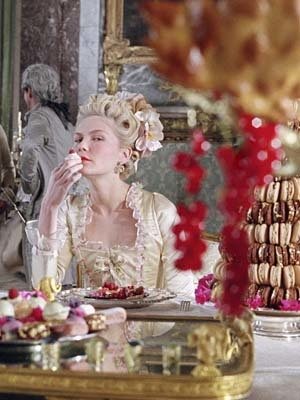
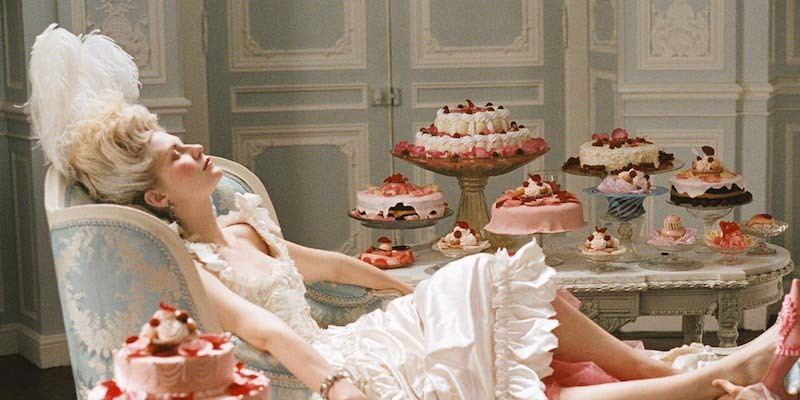
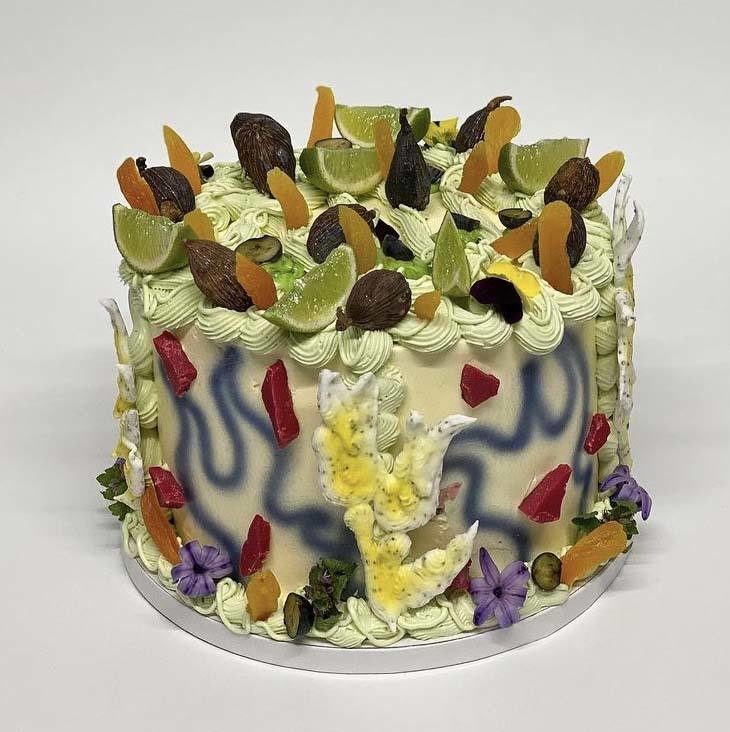
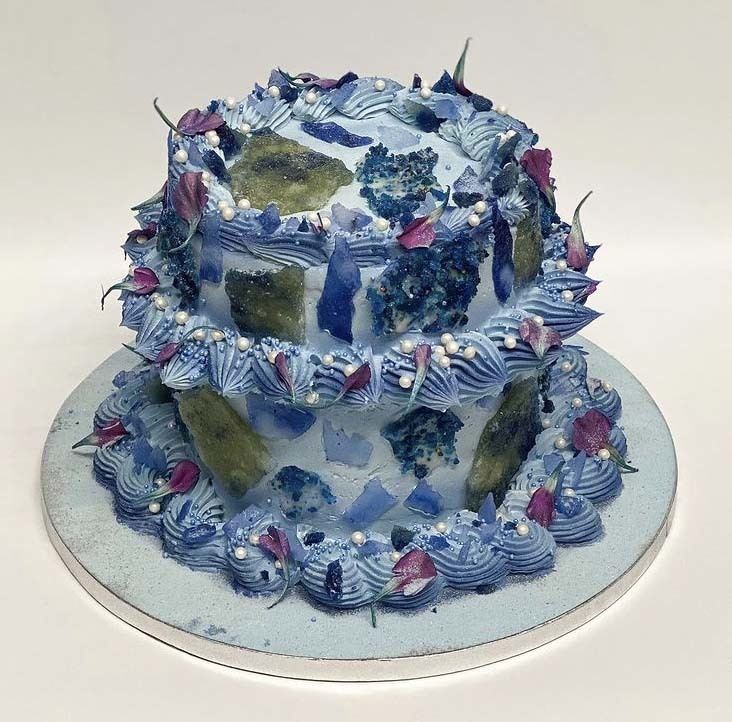
In collaboration with Coloro, WGSN brings us “A Window to The Future of Colour”, showcasing the key colours predicted for the SS24 season and beyond, developed around the themes of care, connection and community. At Connect Everything Collective, we have elected to interpret the brilliant shades of Cyber Lime, Radiant Red, Elemental Blue, Fondant Pink and Nutshell through the lens of one of our favourite current trends: the beautifully bizarre and decadent art-cake genre sweeping the confectionary world from Berlin to Toronto. Reminiscent of Sofia Coppola’s Marie Antoinette, the opulence of buttercream icing adorned in flowers cut an indulgent form, with some bakers tending towards imperfect proportions – a sort of grunge-like spin on the highly technical art of confectionery. With forecasting being a vivid illustration that consumption truly does drive our world, we reckoned – why not eat cake?  

WGSN is the behemothic, leading destination for consumer trend analysis and forecasting on the planet – any design or fashion school worth their salt has a yearly subscription, alongside the leading brands, agencies, designers and product developers. With most of their prized information hidden behind paywalls, there has been a recent invitation by the company for the rest of us to peek beyond the curtain; this, I am sure, has to do with the hyper-participation we are beginning to see from consumers with the advent of online shopping, social media and investments into digital worldscapes in the hands of anyone with a smartphone. I know it doesn’t feel like it, but we really do have the power – and WGSN are able to collate what they perceive through their algorithmic-rich methodologies, and provide useful insight into the collective, aesthetic consciousness of humanity.  What makes this quite compelling is that their work exists within a two year framework; projecting further enough into the future for the trends to manifest, while remaining close enough to the present moment for their forecasting to be actualized and relevant. Yes, we believe in timelessness regarding trends and consumption – but there is something quite beautiful about roaming their website and being able to paint an internal picture of what the world of design might look like in the next few seasons. Perhaps this is our innate need for certainty, or CEC’s total devotion to visual contentment. 

The other half of this collaboration, Coloro, is a company created to build colour systems for the creative industries; combining research based in the logical application and intuitive envisioning of colour as it pertains to brands, communication and design. Perhaps the most fundamental experience we have as human beings is the interaction of our visual cortex with refracted light, and such colour is an immensely powerful tool. It is the subconscious compass with which we approach our lives – emotional, mentally, physically and even spiritually. In explaining their system, the Coloro website states; “Coloro is based on a 3D model where every colour is specified by a 7-digit code. This code represents a point where Hue, Lightness and Chroma intersect. The system is built by a 160-step Hue wheel with a vertical axis of 100 Lightness values and a radial range of 100 Chroma values. Together, they create a new model to define human colour perception for a potential 1.6 million colours. The only limit is your imagination.” Coloro offers products and services for educational and commercial purposes, so for a team as easily riled up by colour harmonics we are, we would go all in on whatever Coloro say for SS24 – those forecasted to already be emergent now, and reaching its apex in 2024 before the next cycle takes place.

Disclaimer before we continue: forecasts are fun demarcations of the future, they are not gospel nor should anyone live a cult-like accordance with whatever the powers that be say – remember, these colours can only be forecast because everyday folk like us have been spied on using people utilising intricate research, statistical analysis and technical wizardry that we may never truly comprehend.
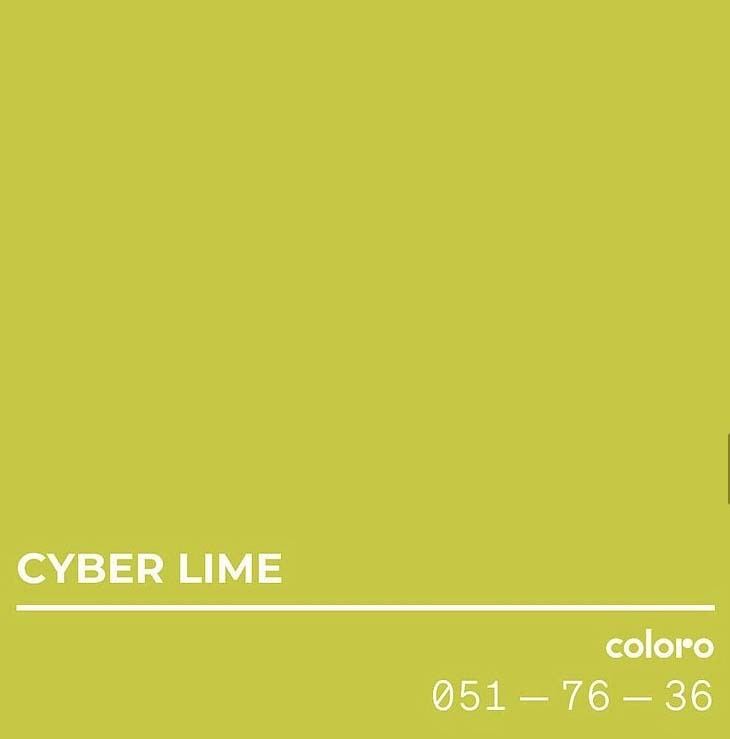
Cyber Lime /// Coloro 051-76-36

The collaboration project states, “embodying the synthetic realism, Cyber Lime connects us to our ever-expanding digital lives. It is a punchy near neon that exerts and energises the body and mind. This hyper bright green signifies the powerful connection between nature and technology.” To us, Cyber Lime is a softer hue of Nike’s iconic Volt Green, and a welcome colour that holds connotation of futurist musings. We think its precursive presence is beautifully captured by @rustcakes‘s dragon field chocolate cake with vanilla cream cheese.
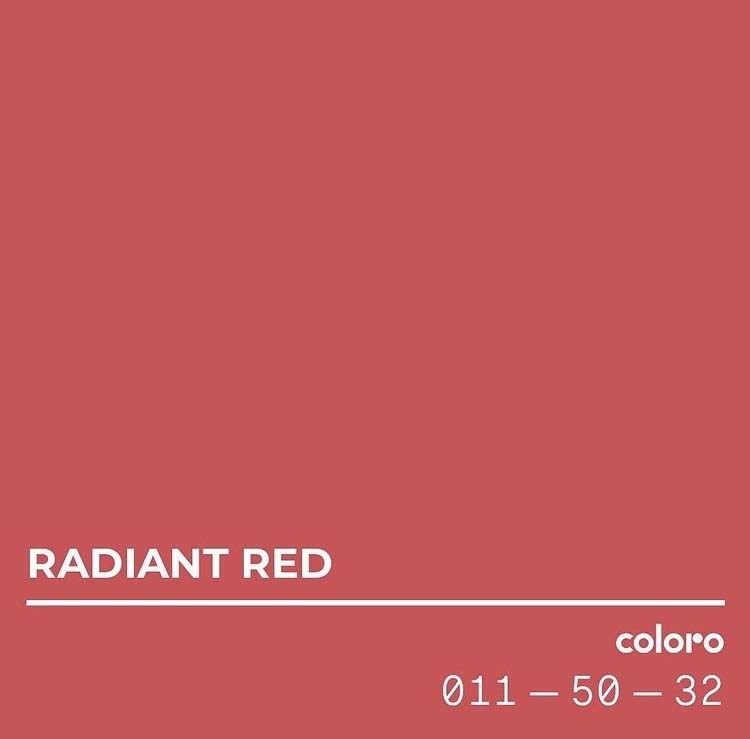
Radiant Red /// Coloro 011-50-32

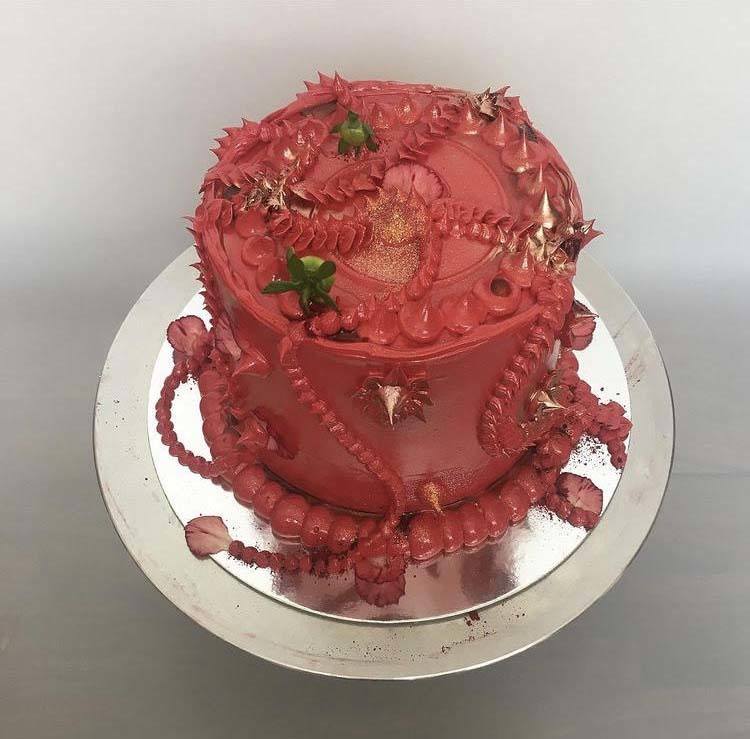
Conceptualised as, “a sweet and playful summer hue with a delectable quality, Radiant Red confirms the importance of stimulating and emotionally engaging colours that morph effortlessly between the digital and physical realms. On a deeper level, this red connects to the care economy, a key society shift forecasted by WGSN. A greater emphasis will be placed on the giving and receiving of care as people and organisations recognise how crucial this is to our well-being, our communities and our economies.” We love the allusion of Radiant Red in @nogood__cakes toasted sugar, browned butter cake with grapefruit marmalade, passion fruit curd and rosewater buttercream.

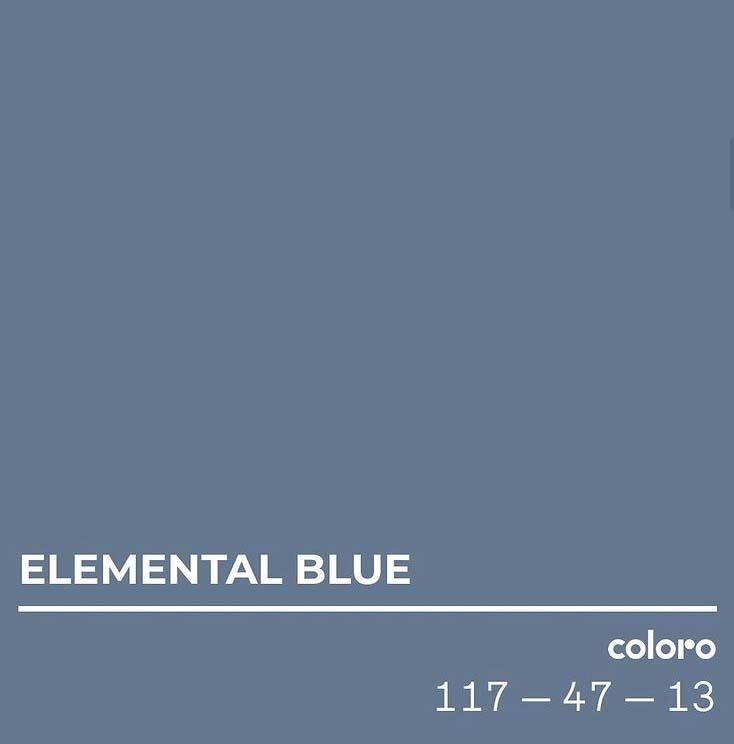
Elemental Blue /// Coloro 117-47-13

This forecasted colour “confirms the continuation of mid-tone colours that speak of a slowed-down lifestyle and increased sensory awareness. This practical colour aligns to the pursuit of seeking the right balance of work, internet and possessions, representing a need for stability and moderation. Restrained and industrial in appearance, Elemental Blue can become surreal and experiential in a metaverse environment.” We noticed the foreshadowing of this serene hue in the Chandelier cake by @rustcakes, apt for wintertime; a decadent vanilla pistachio cake with coconut cream cheese.

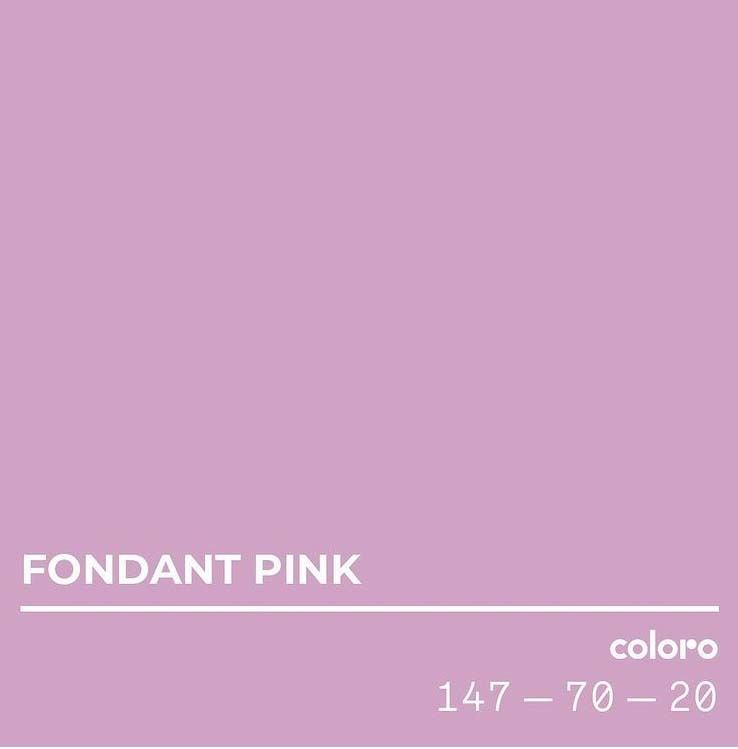
Fondant Pink /// Coloro 147 -70 – 20 

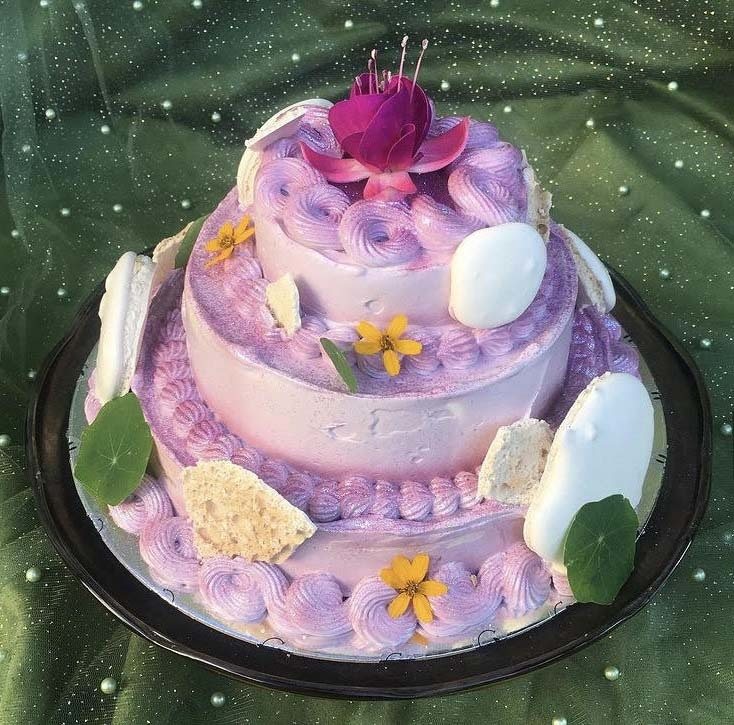
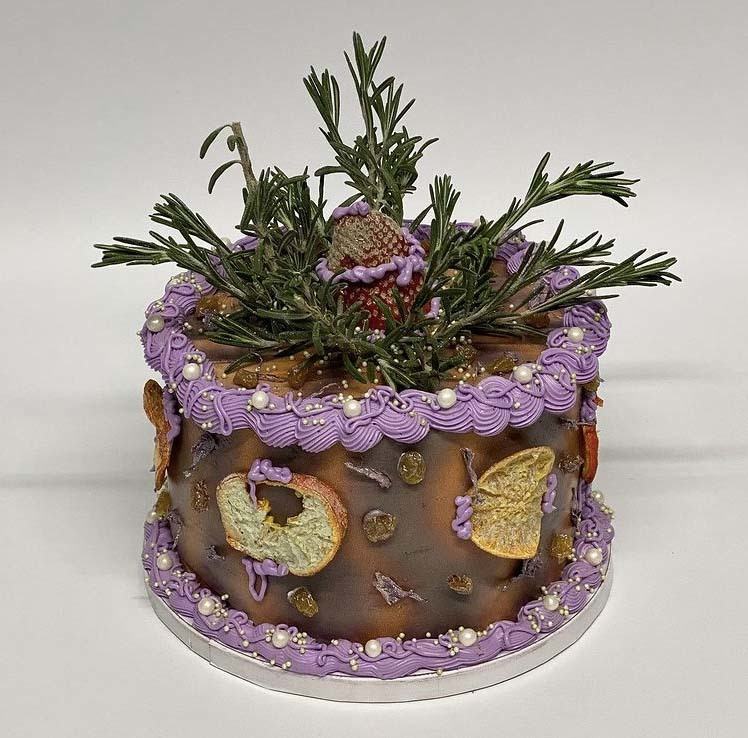
A perfect colour for joy and confectionery alike Fondant Pink “is a pigmented pastel with an easygoing, youthful appeal. It signals the return of the sweet, mellow shades of pink that blend effortlessly with lilac and lavender shades. This colour connects to feelings of delight, a sentiment that will become more important to consumers by 2024. Small moments of awe can act as an antidote to anxiety, enhancing well-being and slowing down our perception of time.” Teetering on the line between the pastel-ness of lavender and baby pink, this soft delight can best be noted in our colour swatches of choice – this vegan bergamot cake with passionfruit curd, lemongrass buttercream and coconut meringues by the @nogood__cakes.

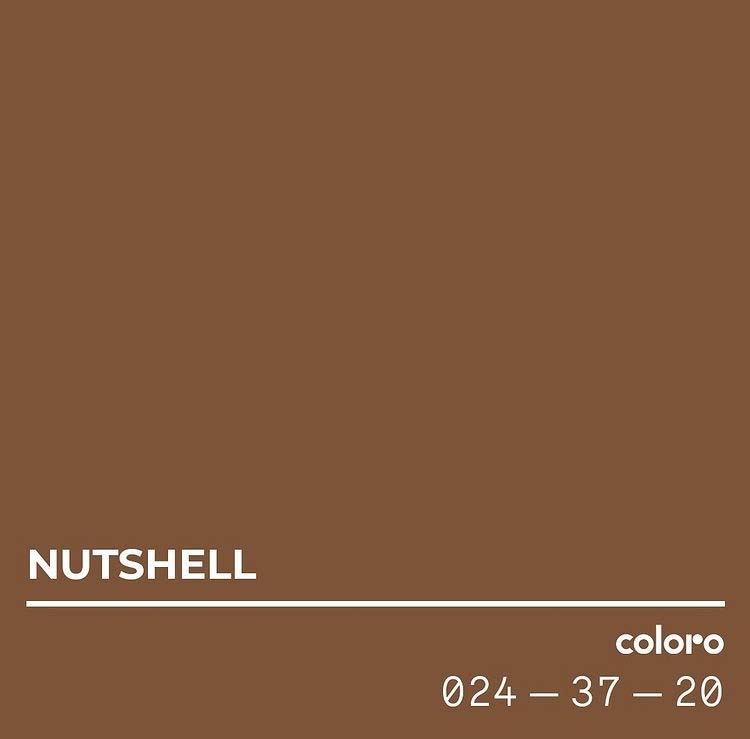
Nutshell /// Coloro 024-37-20

The final colour Nutshell, “is a rich and spicy brown, transseasonal evoking warmth and reassurance. It’s inspired by the growing thrift and resale culture and consumers determined to rewrite the rules of entrepreneurship and fractional living. This colour speaks to sustainability over newness and a growing nostalgic sentiment that sees consumers return to retro-inspired styles and colours” is elucidated by a dark chocolate cake with a caramel, vanilla mousse by @rustcakes.

Written by: Holly Bell Beaton

The Art of Contemporary Draughtsmanship with Callan Grecia

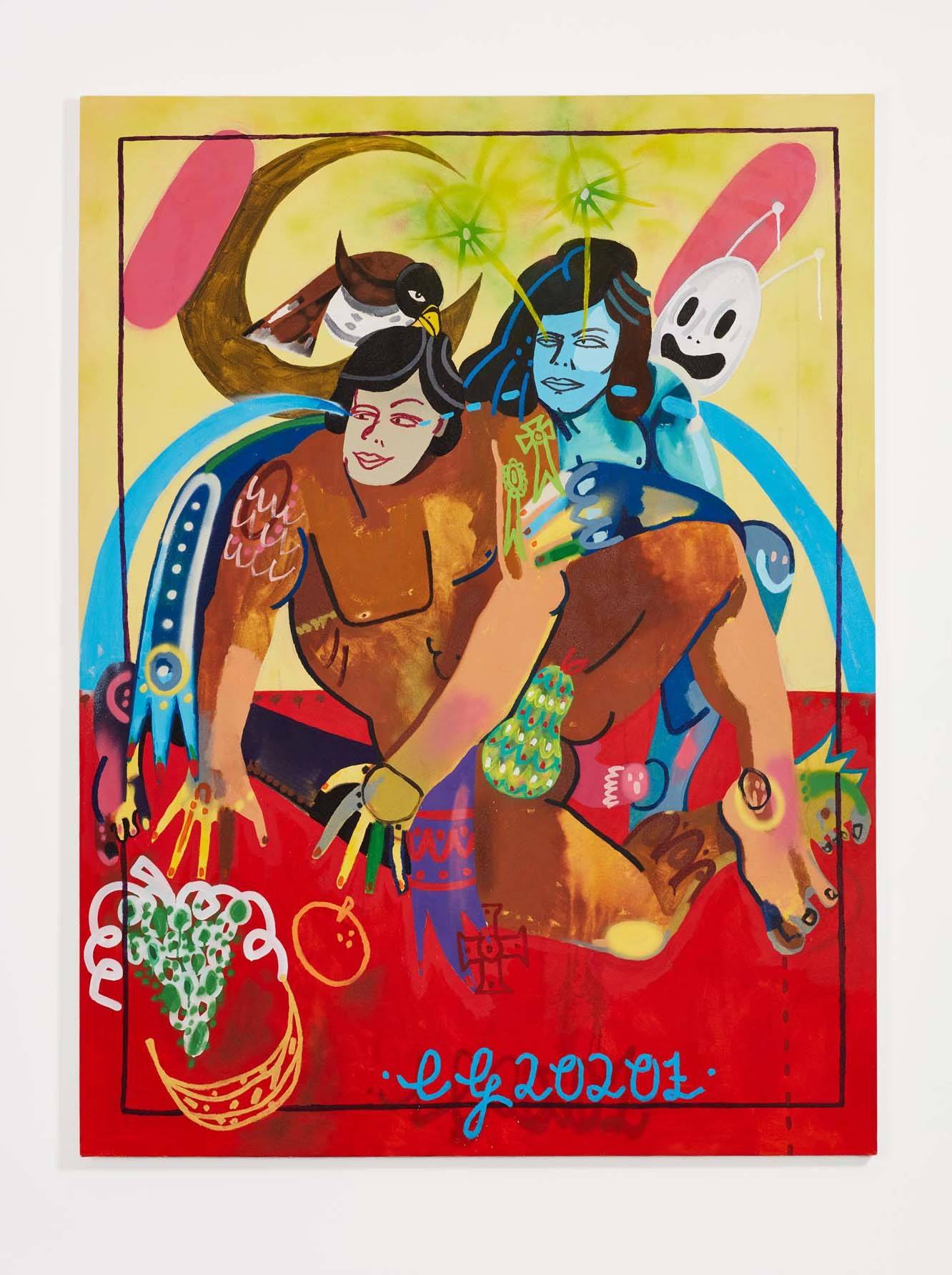
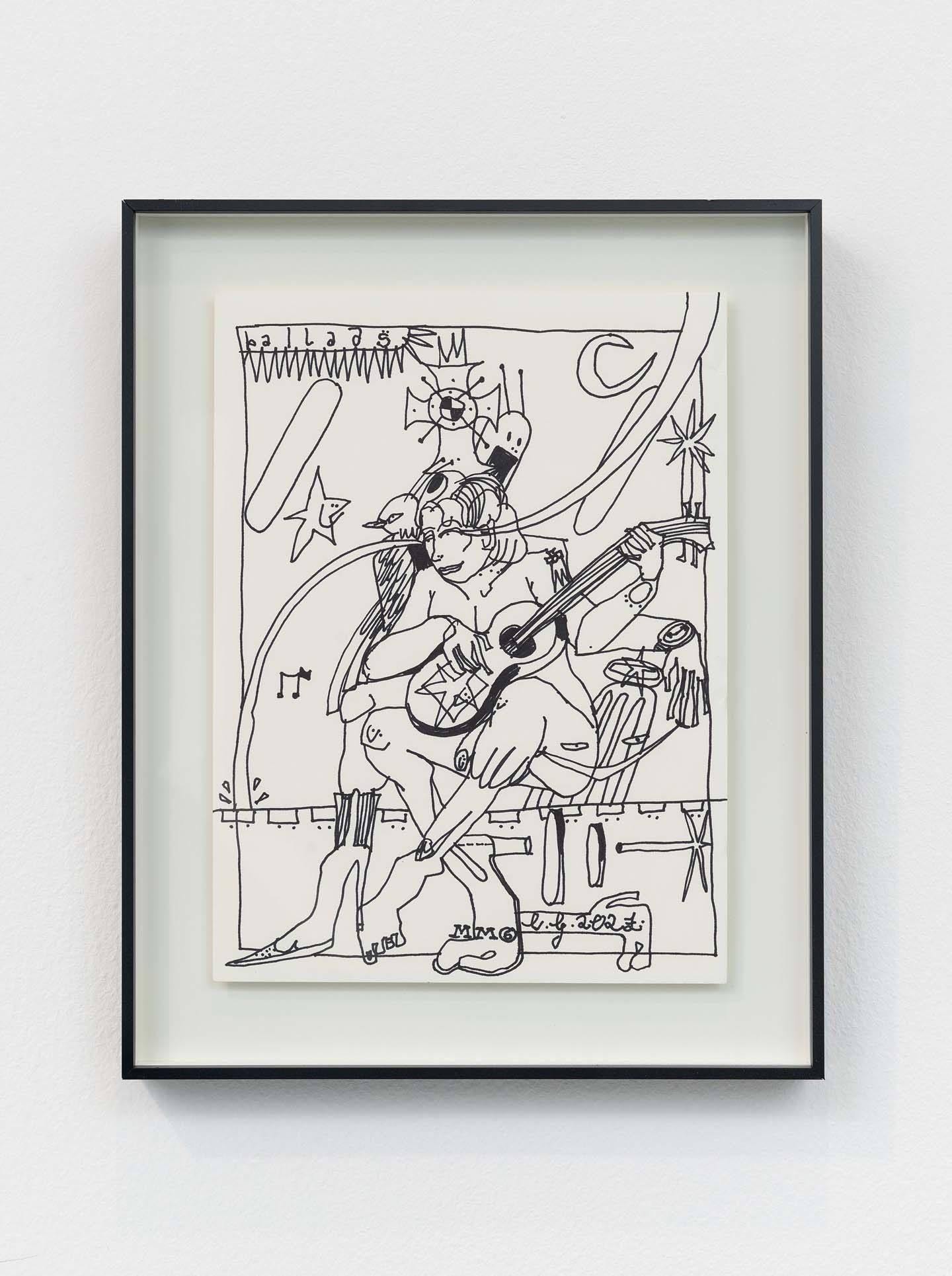
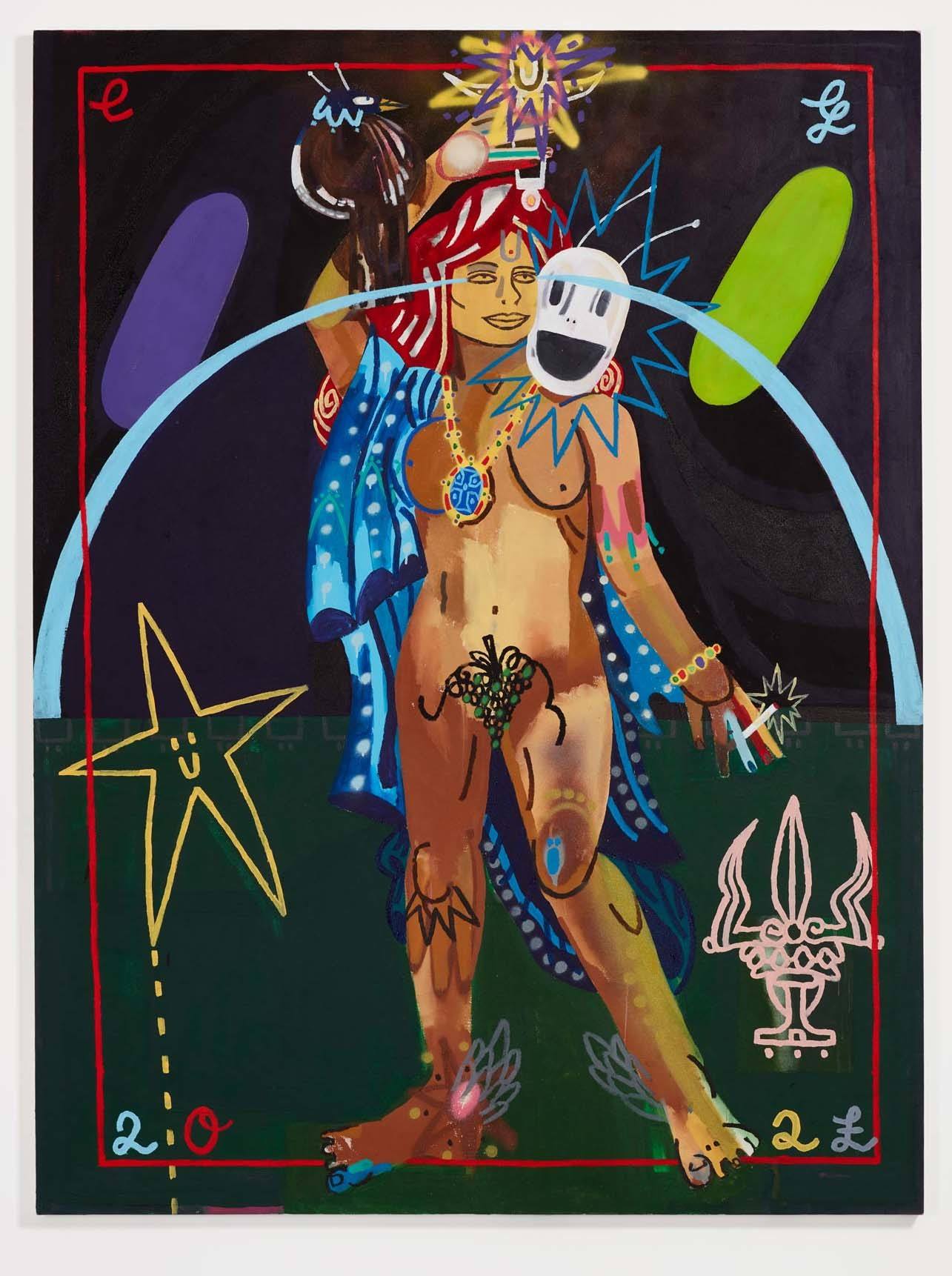
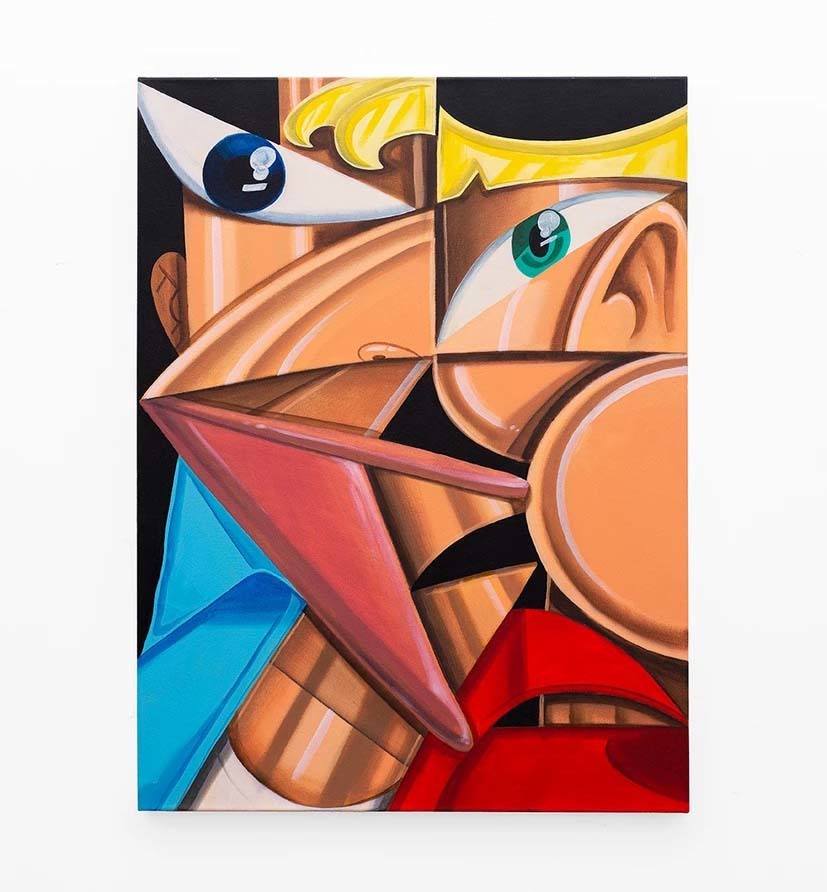
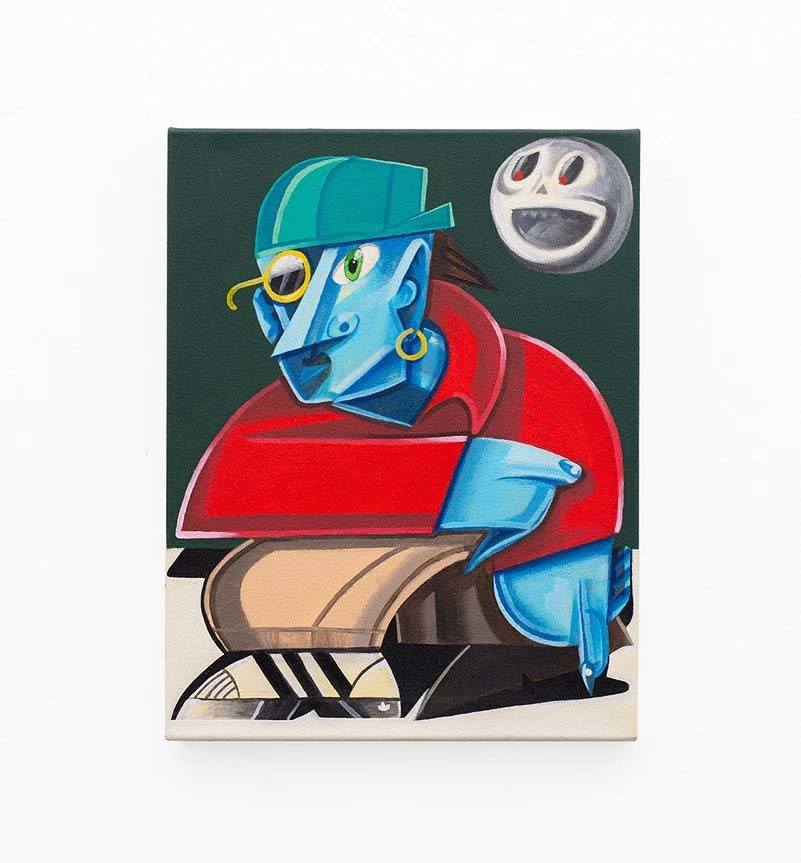
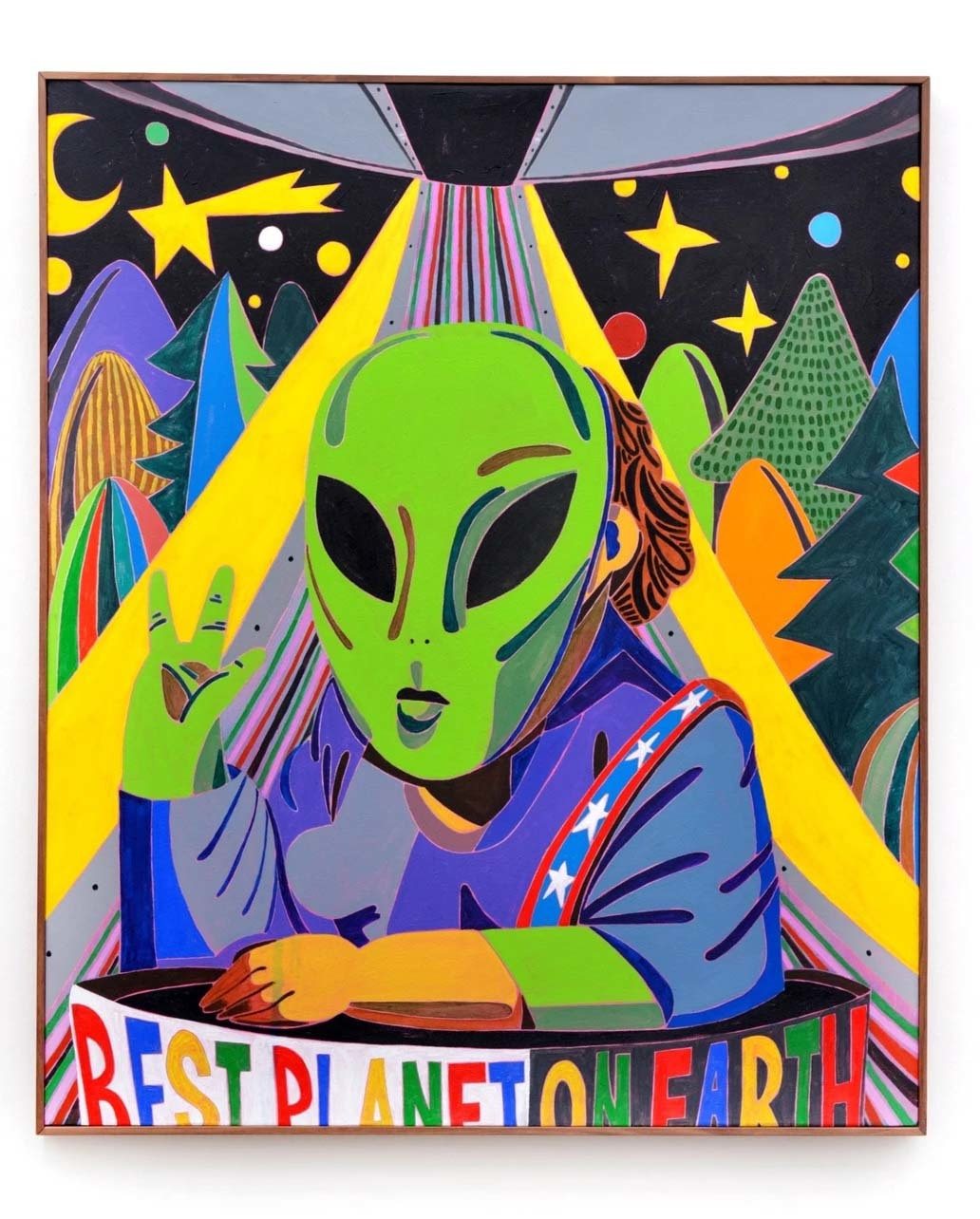
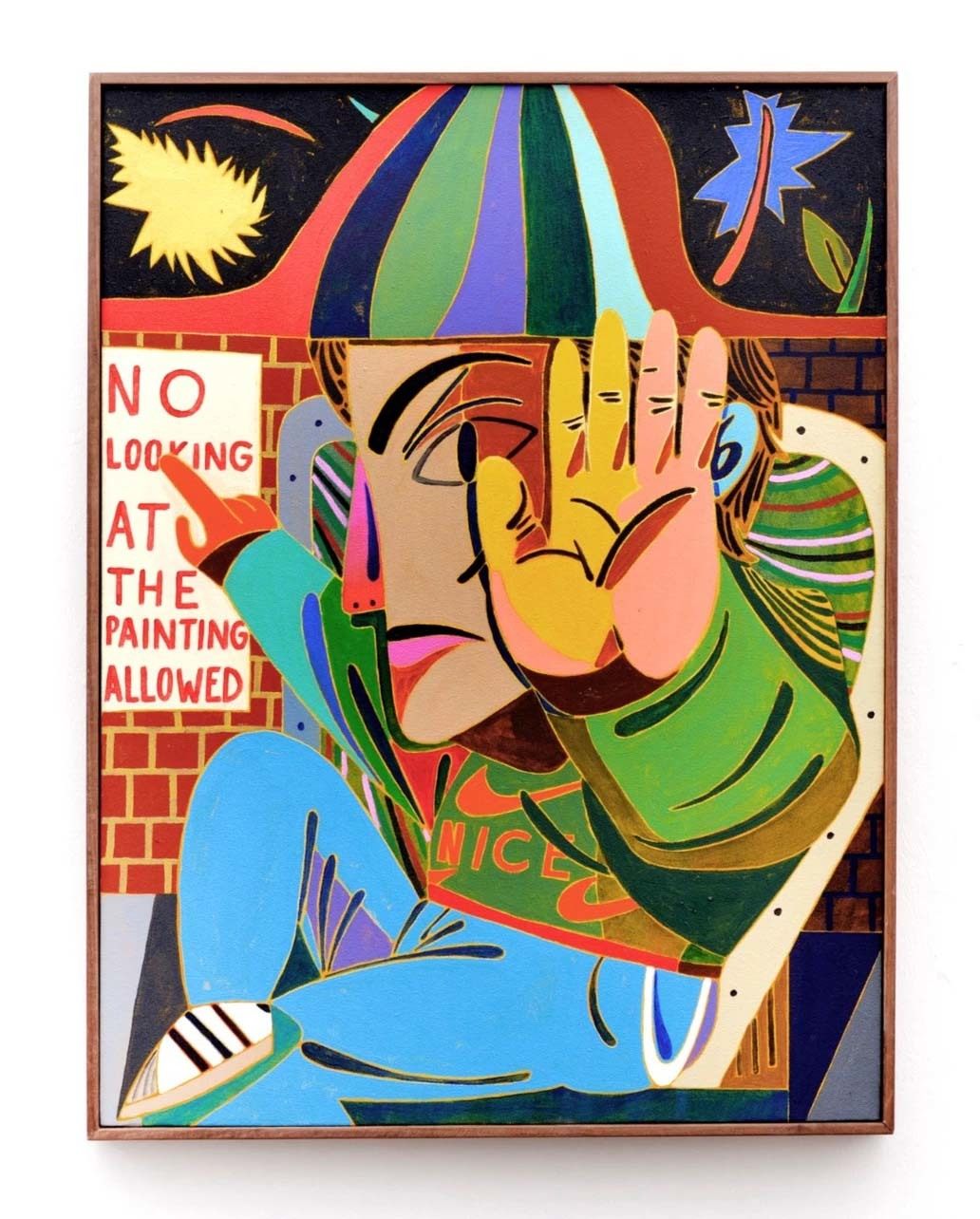
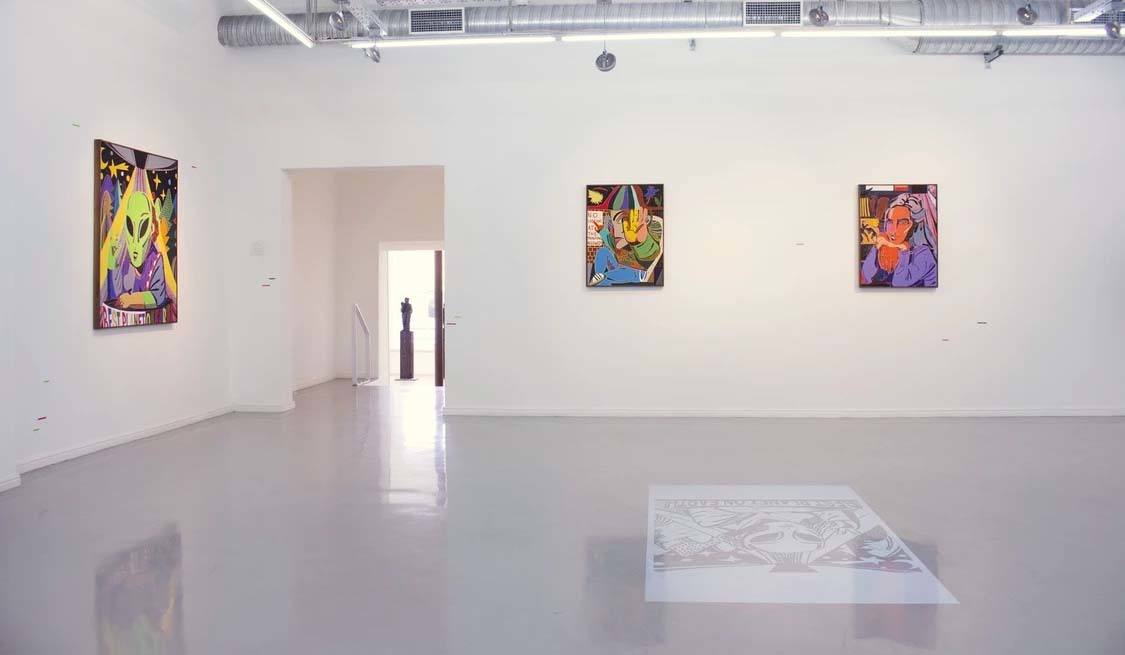
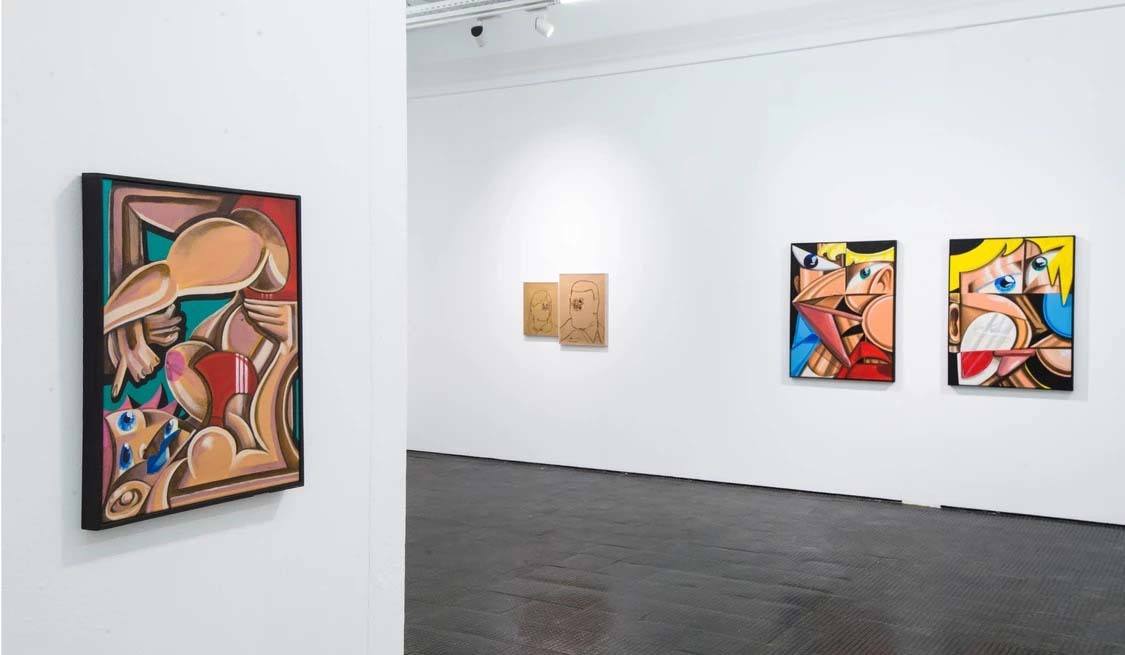
I’ve known of Callan Grecia’s work for about a year now. I believe that he is one of the most exciting, emerging artists on the local landscape – as he continues to produce art which populates many galleries in the Western Cape. Bouncing between the walls of pop art and surrealism, heavily reliant on the strength of his draughtsmanship – Grecia is certainly a name to look out for within the local art scene. 

Draughtsmanship, which is defined as the ability to draw really well, is the foundation on which I believe Grecia bases his artistic signature. Fine art legends such as Henri Matisse and Andy Warhol spent a large portion of their nascent careers fully as draughtsmen; fully immersing themselves within the art of drawing in order to expand into their unique artistic styles. For Warhol that basically manifested into his pop art silkscreen technique, and for Matisse into his unique usage of shapes and colours to accompany his impeccable draughtsmanship. For Grecia, the combination lies somewhere in the middle, as he strongly possesses qualities from both artists’ sides.

Callan is extremely adept in using shape and colour to convey feeling, or situation, throughout all of his paintings. With strong contemporary references – not all necessarily artistic but also childhood memories, everyday products or designs – his work stands out as uniquely African.

I had the honour and privilege of virtually engaging Grecia and asking them some questions surrounding their introduction to the world of art, inspirations for their work, their relationship with and SMAC Gallery.

Would you mind introducing yourself and including a short description of what you do?

I’m Callan Grecia. I was born in Durban in 1991 and I currently live and work as an artist in George. I’m a painter but I also draw, take photos and make music when I have the time. I studied painting at Rhodes University and got my MFA in painting in 2017.


You’re one of the exciting local and upcoming contemporary fine artists at the moment. What mainly inspires the art which you make?

I paint what I know and what I want to see. 


Do you have a specific process when creating your art?

 Drawing is important to me so most of my ideas start in my journals. Sometimes they’re fully fleshed out, but most often they have to be revisited a few times. Working in monochrome helps cut through any visual distraction and I can really focus on composition and building up that specific world. It changes often though so I don’t know if I have the same specific process for every body of work, because it changes so frequently. The language shifts steadily but drawing is the one function that mostly stays the same. I’ve started drawing on my iPad now and that’s quite fun because you can punch in quicker when you have an undo button. But paper is where it’s at. I love drawing. I’ll also write down phrases in my pocket book or my notes app and those generally inform something immediately or further down the line. 

The aesthetic of your work is starkly characterised by your unique usage of colour as well as other nuanced techniques – are there any artists which you draw inspiration from? 

As many as possible. I think having a broad spectrum of visual input helps me solve faster than consistently looking at one or two artists. Painting has its own world of languages and extending your painterly vocabulary can help to convey what it really is you’re trying to say eloquently. I love Andy and Damien and Luc and Kehinde and Kerry James and Wilhelm and and and. My scope and visual input is beyond just painting though, and that just gives me more world building tools than I know what to do with (which is better than having none).


What is your relationship to SMAC Gallery? How has your relationship with them impacted your art career?

I’m currently represented by SMAC. This is a fairly recent development so I’m not sure, but so far I’m really happy with the freedom I have and with the confidence they have in my work.


Is there any advice which you could impart to any young emerging fine artists attempting to make a name for themselves within the industry?

Take your time. 


What are some of the things you are looking forward to within the remainder of 2022?

 I’m just enjoying the peace I have right now, so hopefully more of that!


/// All the images are courtesy of SMAC Gallery, except Cosmic Disco courtesy of WHATIFTHEWORLD Gallery.

Written by: Odwa Zamane

The Rare and Inimitable, Bee Diamondhead

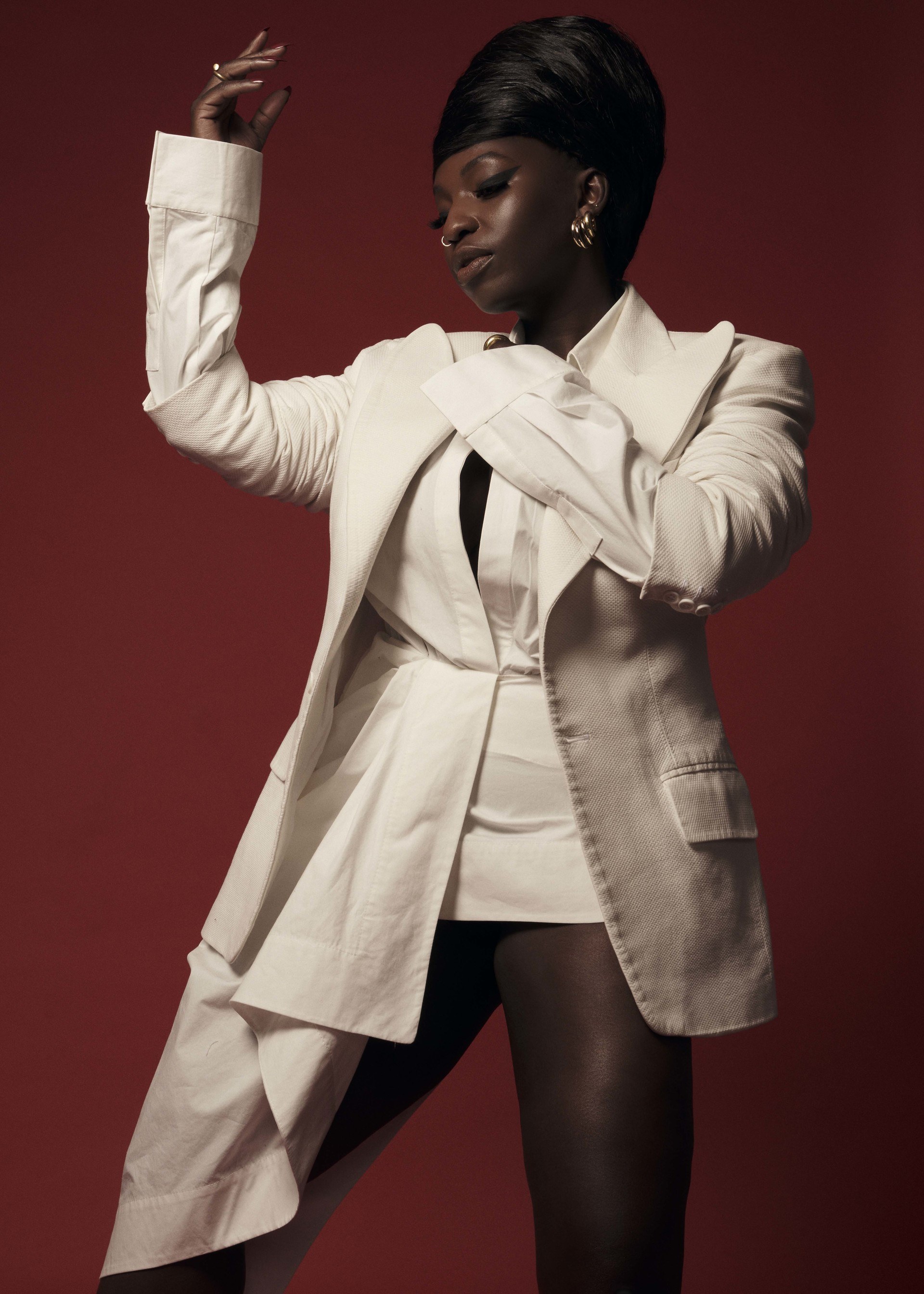
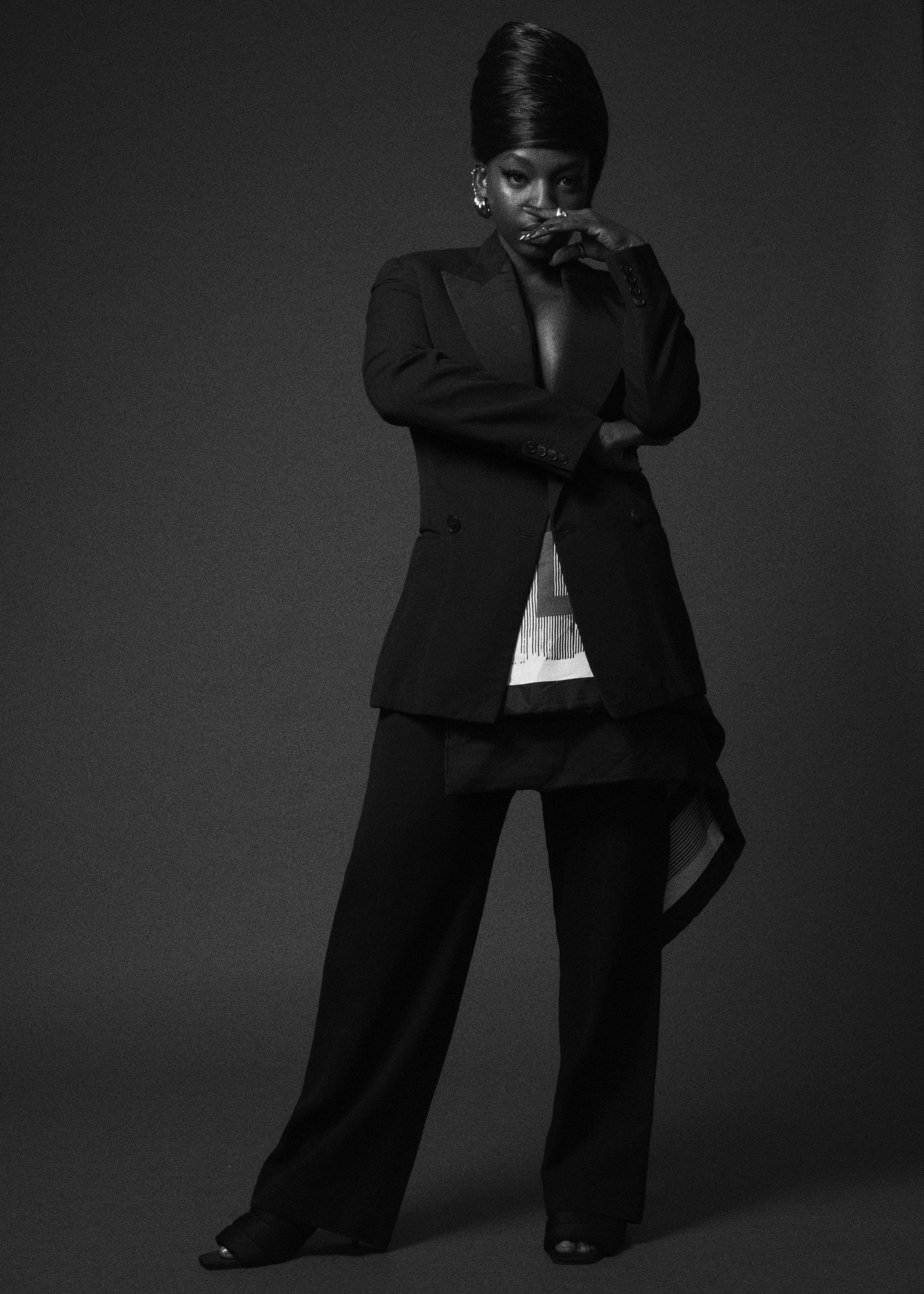
Bee Diamonhead is an inimitable force in South Africa in fashion, and her power goes beyond image-creation and creative direction. As a commander of our burgeoning sartorial landscape, Bee continues to build African narratives while putting designers and creatives on the map – and in particular, creating spaces for her community of peers and emerging young black creators destined to pave the way for South Africa and the continent. With exceptional personal taste that oscillates between punk sentiments and continual studies on the art of being chic, Bee’s curatorial vision is an extension of her inner-world; and although with an extensive career behind her, I suspect this may just be the beginning for Bee’s worldwide viewpoint. Her work has reached Dazed & Confused, saw her as fashion editor at Marie Claire in the closing years of South Africa’s fashion media industry – with innumerable editorials, campaigns and commercials in between for both independent designers and brands like adidas and Puma – and last year when she spent months working in Accra (I lived for that BTS content on IG) creating Skate Nation Ghana for Facebook, I had the inexplicable understanding that Bee’s level is the blueprint. Also, her close kinship with the Bubblegum Club family is a testimony to the Joburg creative landscape as unmatched in the last decade.  

As a public figure, Bee is relatively private yet totally earnest, with a social media presence that speaks to the effortless congruence between herself – her lived being and experiences – and her work. With an outspoken commitment to rest for creatives as critical for maintaining the energetic flow of one’s creativity, to working independently from an agency for some time now – Bee Diamondhead is rare, a precious presence for the world. 

I had the opportunity to ask Bee some questions on her current thoughts and feelings;

You are one of the most prolific creative directors in the South African fashion landscape as well as on the continent. Starting out as a stylist, what has this evolving role meant for you?
I think the work that I do is quite multi-layered. The reality is that working in the South African creative market means you can reach the ceiling pretty quickly but still feel like you don’t have much to show for it in terms of being able to grow and push new boundaries. I want to grow as a creative, I want to grow as a collaborator and I want to make more money, so in order for all of that to be possible, I’ve had to pivot and I’ve done that a few times in my career – moving solidly from stylist to creative director has been one of these pivots. Its survival and self improvement.

I love your use of silhouettes, colour and the juxtaposition in the archives of your work – what are the aesthetic considerations you undertake in your process?
I like to have a narrative, a story full of colourful characters. I like images that dance and sing, that reflect my world in a beautiful way.

I know you are working independently from an agency, could you talk about the autonomy and freedom this has allowed for you?
I’ve always made sure I have freedom in my career, that I’m steering the ship. I don’t just go where I’m told, I like to think I’m moulding my career to one of integrity, one I can be proud of and work on projects that have some meaning and bring joy to me. Leaving agency life was just another step in that direction. I think the systems that have been built aren’t necessarily there to help us build strong fruitful careers, it’s kinda each man for himself. I couldn’t find an agency that felt like home so I’m building my own. And as an individual it’s important to have your own back.

How have you maintained your artistic practice even in the commercial context?
I’m very particular about the projects I sign on to, the creative, who is shooting or directing. There’s a lot of noise out there, and I think it’s important to put some blinders on and curate how you want your world to look. Sure I have bills to pay but I like to think having those blinders has put the right people and projects in my path.

What are the African sartorial stories you want to create?
As an African who comes from a very textured ethnic background,  my soul is full of beautiful stories that deserve to be told. In a world full of the same curated vanilla content I get so incredibly bored, it’s actually easy to just do the opposite. To do what’s in me rather than what’s being sold to me.

What is your vision ahead for 2022 and beyond?
To stop complaining about the state of things and to continue to create my ideal reality. And to keep pushing intentional and original work.

Written by: Holly Bell Beaton

“The Political is Personal”, and Other Epitaphs from Acclaimed Director Jabu Nadia Newman

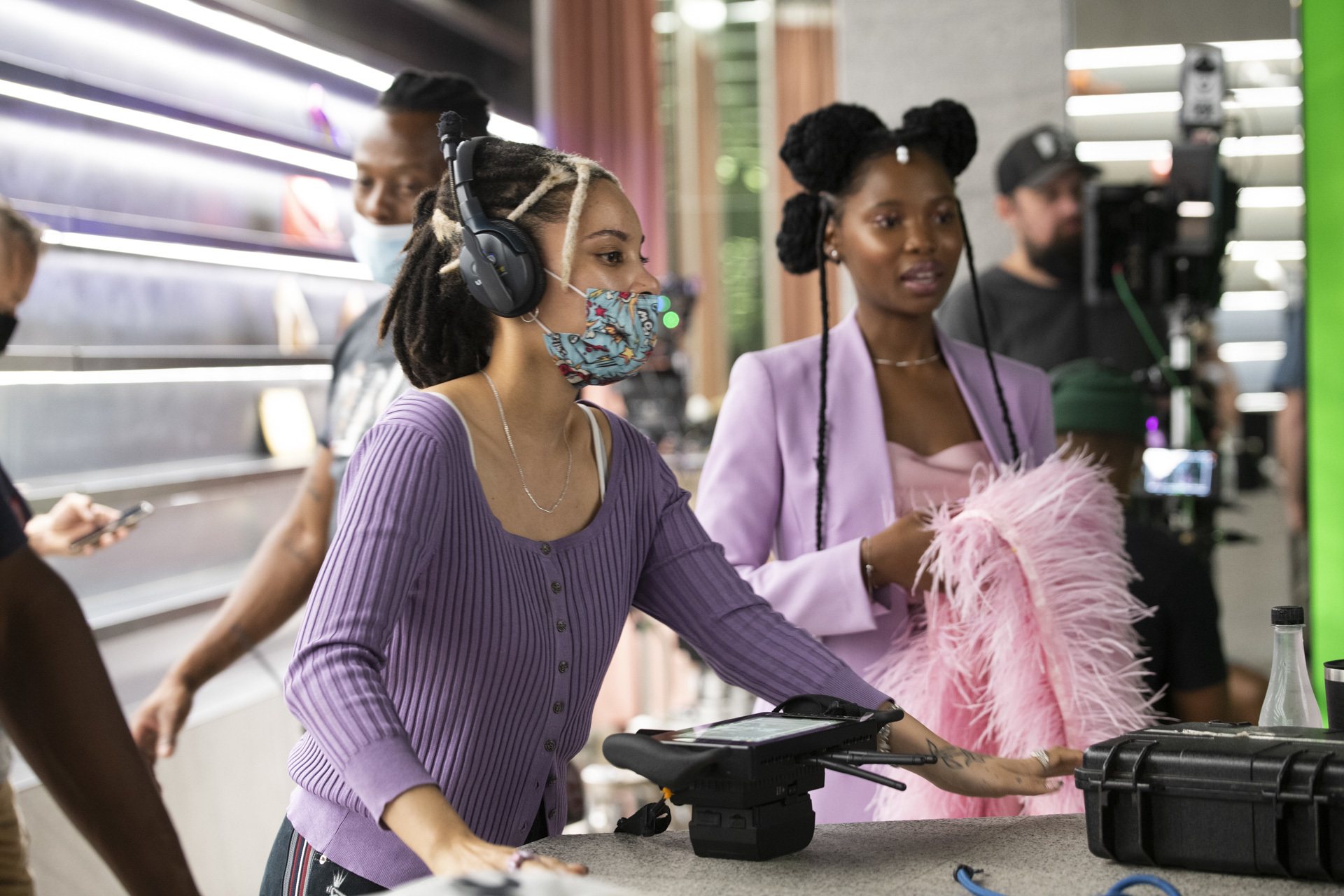
I have been enamoured with Jabu Nadia Newman’s work for a long time – and it’s hard to believe that her groundbreaking web series, The Foxy Five was only five years ago in 2017. Written, produced and directed in a semi-autobiographical way by Jabu following the South African student’s uprising against the continued institutionalisation of colonialism and apartheid, the series exemplified the utmost necessity for black, female film-making and narrative building; with the synopsis centred on intersectional feminism and challenging stereotypes of black women as told through the dynamics of the five characters Unity Bond, Probably Plebs, Blaq Beauty, Femme Fetale and Womxn We. Referencing blaxploitation films, the Black Panthers and the aesthetics of the 70s, it had a cult-like response when it premiered in Cape Town, going on as a formidable artistic testimony for this political period; and remains a living, precursive archive of Jabu’s foundational intentions as a story-teller.

Since then, Jabu has been growing into an inimitable film-maker and director, independently and commercially. In speaking to her thematic considerations, she says “When I started I was very focused on current issues and political issues within South Africa. My work has since moved into a space of interrogating interpersonal relationships, particularly between women and women of colour. I am concerned with making work that is for the younger generation, and sharing some of my own awakenings that the political is intrinsically personal – it’s not this abstract, parallel construct that exists around us in government buildings – but rather seeing its direct presence in homes in South Africa. I think the most important stories that I am able to tell are the ones about my community; my family, my friends in the city that I am living in, or even the area and street.” While Jabu’s work draws on the framework of imagining realities, there is a decided presence that this statement speaks to – the sense of being here, where one is, and how one’s own life and experience is perhaps the most poignant story to be told – and can be told in a thousand ways.  

Regarding Jabu’s aesthetic signatures, her work oscillates effortlessly between the dreamscapes of analog film and digital-driven tools,I’ll always be informed by my roots as a photographer, with the view that my work should be able to exist in a gallery space. Even if you can’t understand the language or the story, I always intend for the lighting, colours, art direction and styling – the visual assertion of what I make – to convey the themes I am speaking to.” Making work predominantly on her own for her initial debut, Jabu is currently working more in the commercial space – something wholly necessary for story-telling and representation for a wider audience in South Africa. This has allowed her to focus her independent projects along a long-term trajectory towards longer short film formats and feature films. On working in commercial spaces, Jabu says “I really enjoy the challenge of working with someone else’s material – I think it’s contributed to my development in being able to balance my viewpoint with someone else’s. Collaborating with amazing teams in these experiences is incredible – the collaborative nature of being on larger sets, to smaller sets, has a special energy for anyone committed to this industry. I am learning to tell a story in a minute or thirty seconds – it’s so difficult, but so satisfying when it comes through. In South Africa, all creatives are doing some type of commercial work – it’s our bread and butter. I am hoping we will start to see a stronger connection between the creative vision of independent voices creating commercial work, and the corporate briefs that tend to demand exactly how something should be.”

Jabu has travelled a lot through her work, and has a special reverence for Paris – going back and back forth over the last few years, “Travelling is super interesting, and whenever I do – I wish every South African woman could experience what it’s like to walk around at night, or take the train and feel super safe. I have hiked up mountains alone when I’ve travelled. Going to a different city and getting lost has been critical for me, and I really like Paris because there is a strong African diasporic presence – creatives from across the continent who bring Paris to its fullness in art, film, fashion and music etc. It’s amazing to witness.” In terms of Jabu’s feelings about Africa and the richness of story-telling, she says ‘’I feel like we are moving into a much more global space, which is giving us a much wider audience. Studios like Amazon and Netflix coming here is great – but our cinematic roots are inherently underground or avant garde, whether it’s Ethiopian films, or Moroccan and Tunisian films – and ours here in South Africa – and I think that needs to remain. The dream, I suppose, is to continue with the commercial interest, but for funding of that scope to be dispersed across the array of genres that truly temper African narratives.” Although it’s slowly occurring for South African film-makers to hold viable careers, the issue of funding and infrastructure pervades almost all conversations I have with creatives from various disciplines. This topic can be exhausting, but it has to continue; the fight has to continue for valuing the vision and talent of South African artists.

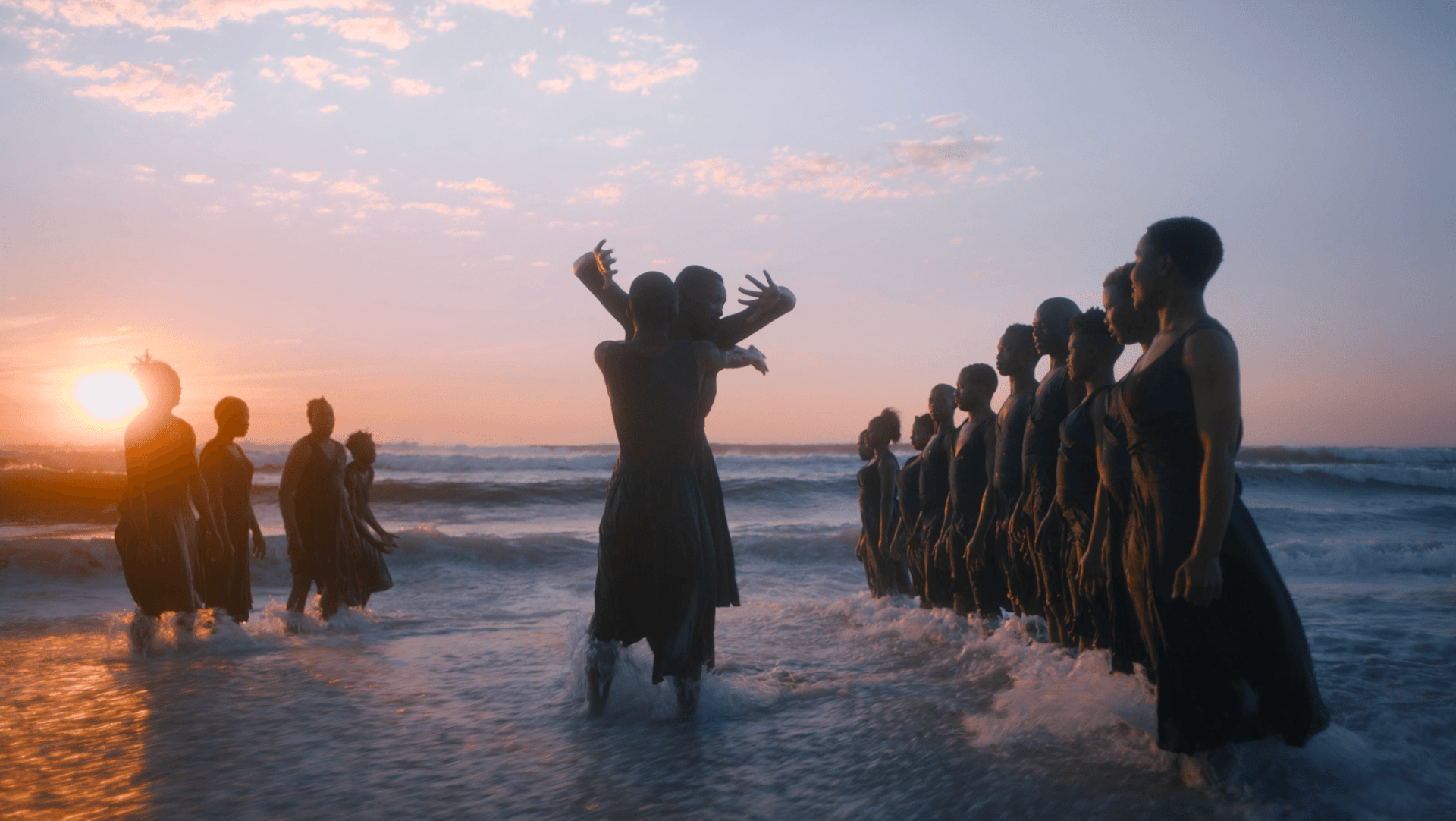
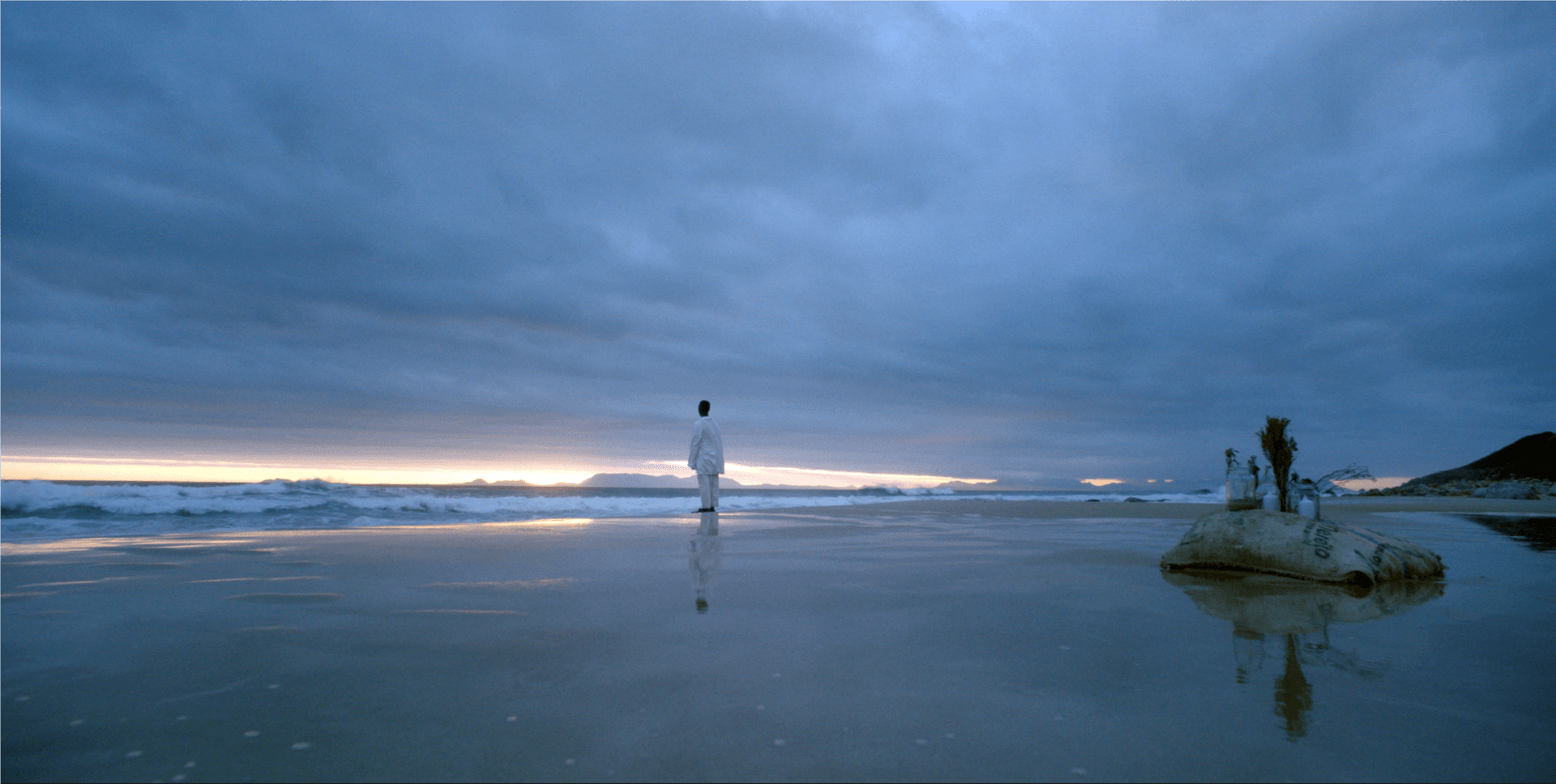
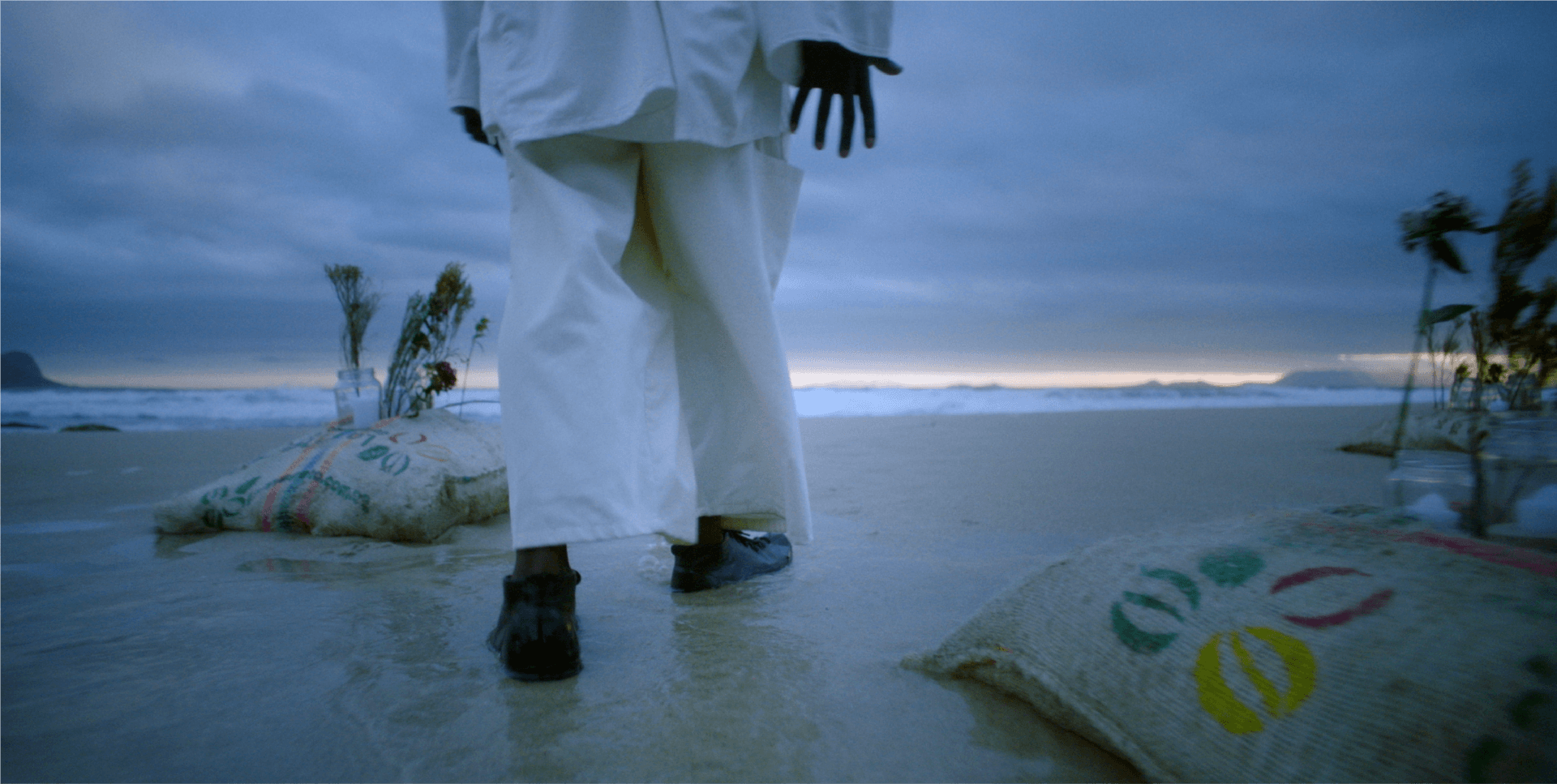
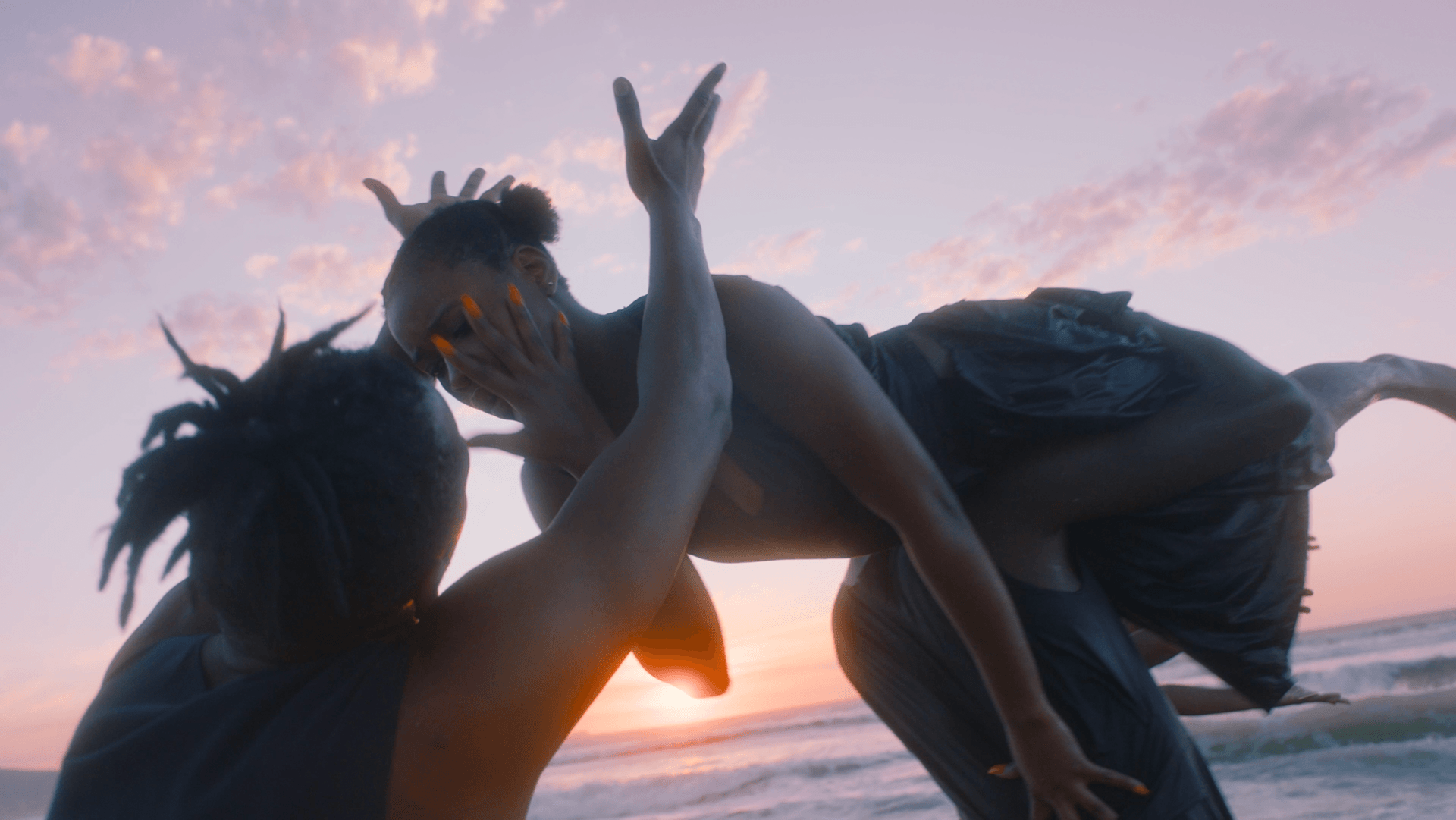
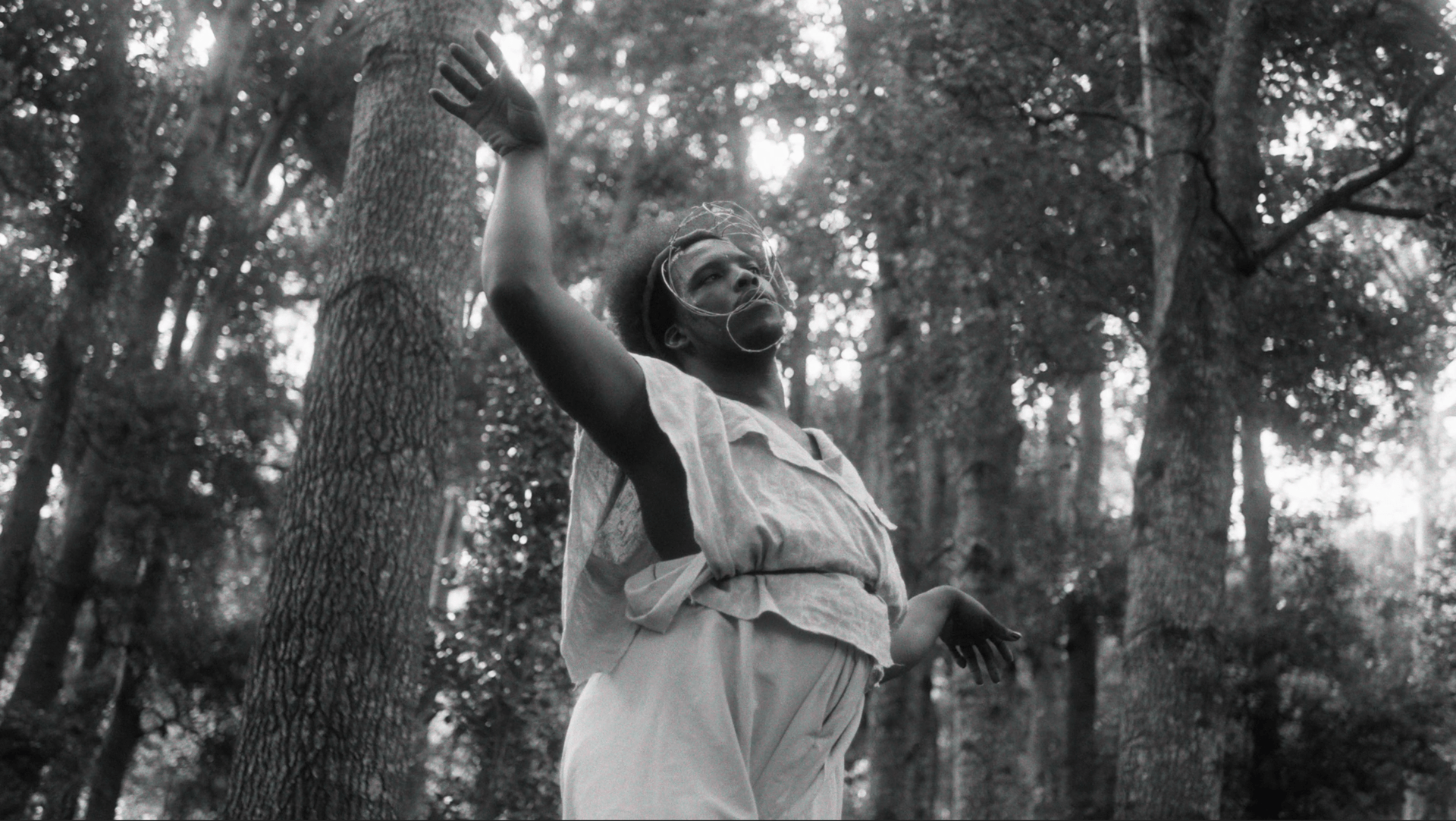
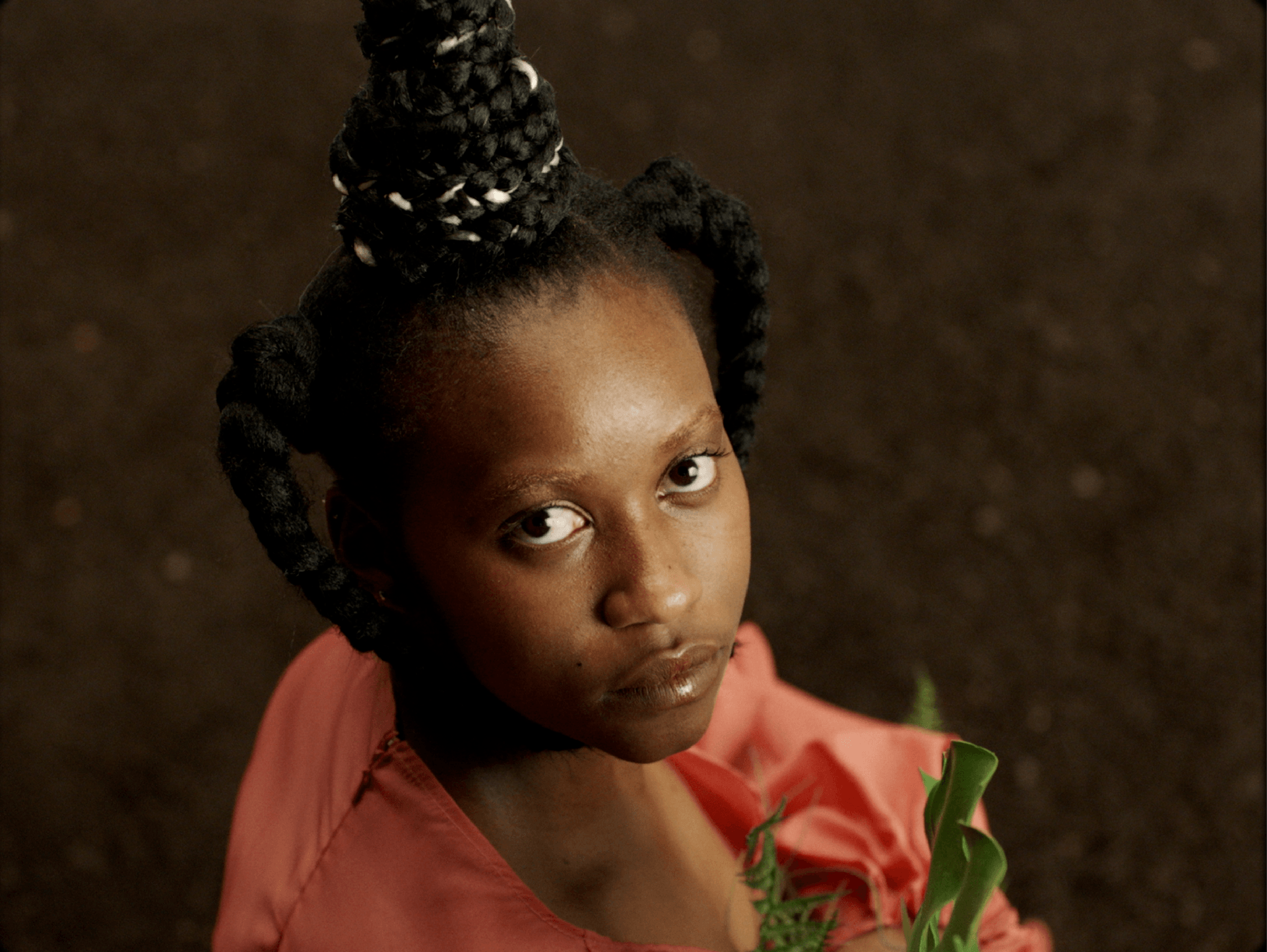
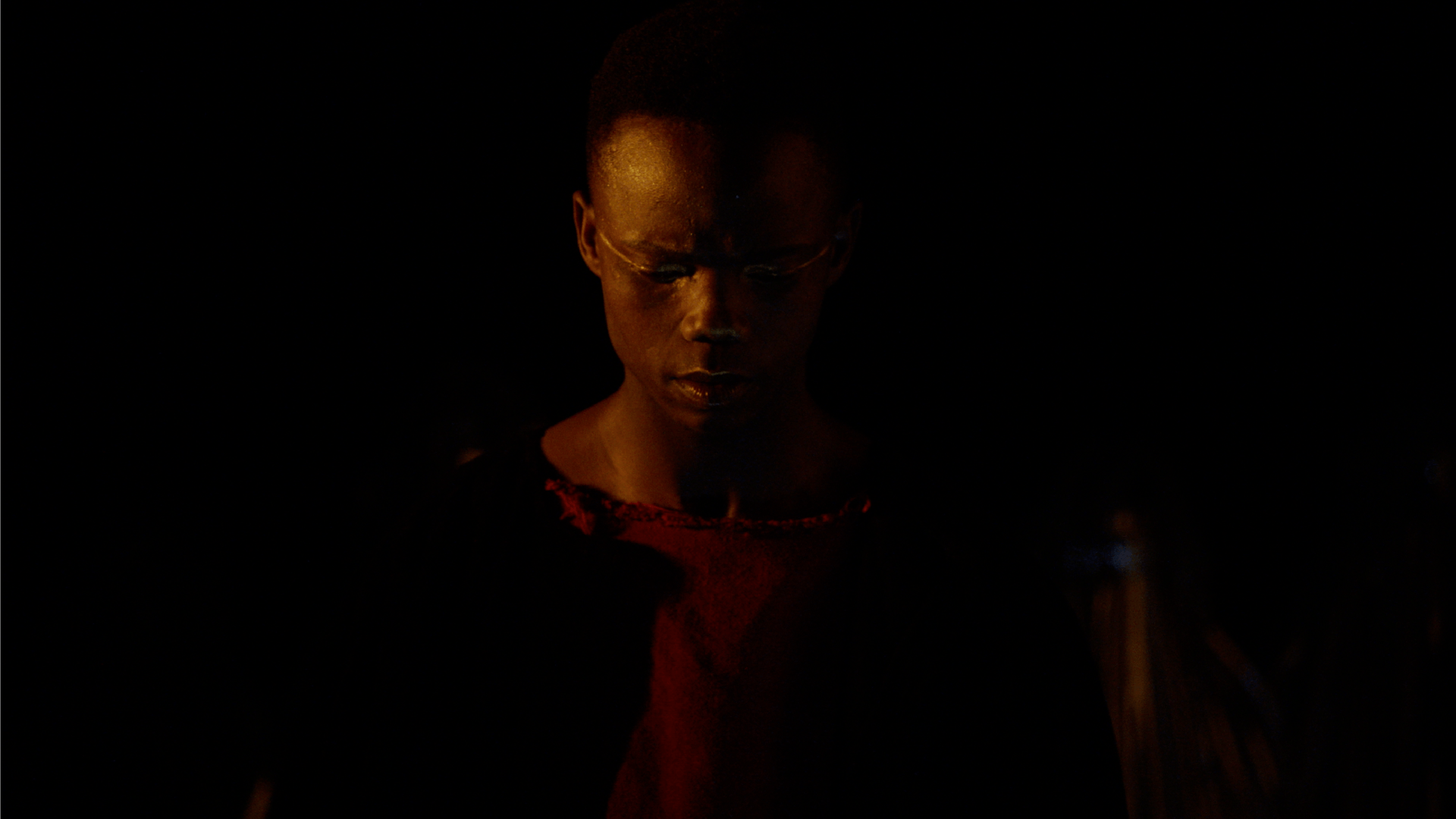
Lastly, but certainly not least, we touch on Jabu’s film The Dream That Refused Me – commissioned by story-telling haven, NOWNESS. Working with dance students from Khayelitsha that Jabu had previously documented, the film was forged from relationships. Centred around a poem written and performed by Siabonga called “Ubizo”,  The Dream That Refused Me is a world created to hold the poem in its full manifestation. The film incorporates 3D technology with 3D collage artist Zas Lehulee, the film is a whirlwind expression of the dancers, Jabu’s directorial vision, Unathi Mkonto’s styling and costume design, and original composition by Likhona among other potent creatives. “The film is about having a certain calling, either as a sangoma or in a certain role – and fighting that calling, which leads to certain situations. The breakdown of one’s life when we deny our purpose or destiny – and finding new ways to exist in the modern world with ancient, ancestral practices.” A stunning depiction of Afro-centric and Afro-futurist realities – I am so excited to witness Jabu’s continuing evolution.

Written by: Holly Bell Beaton

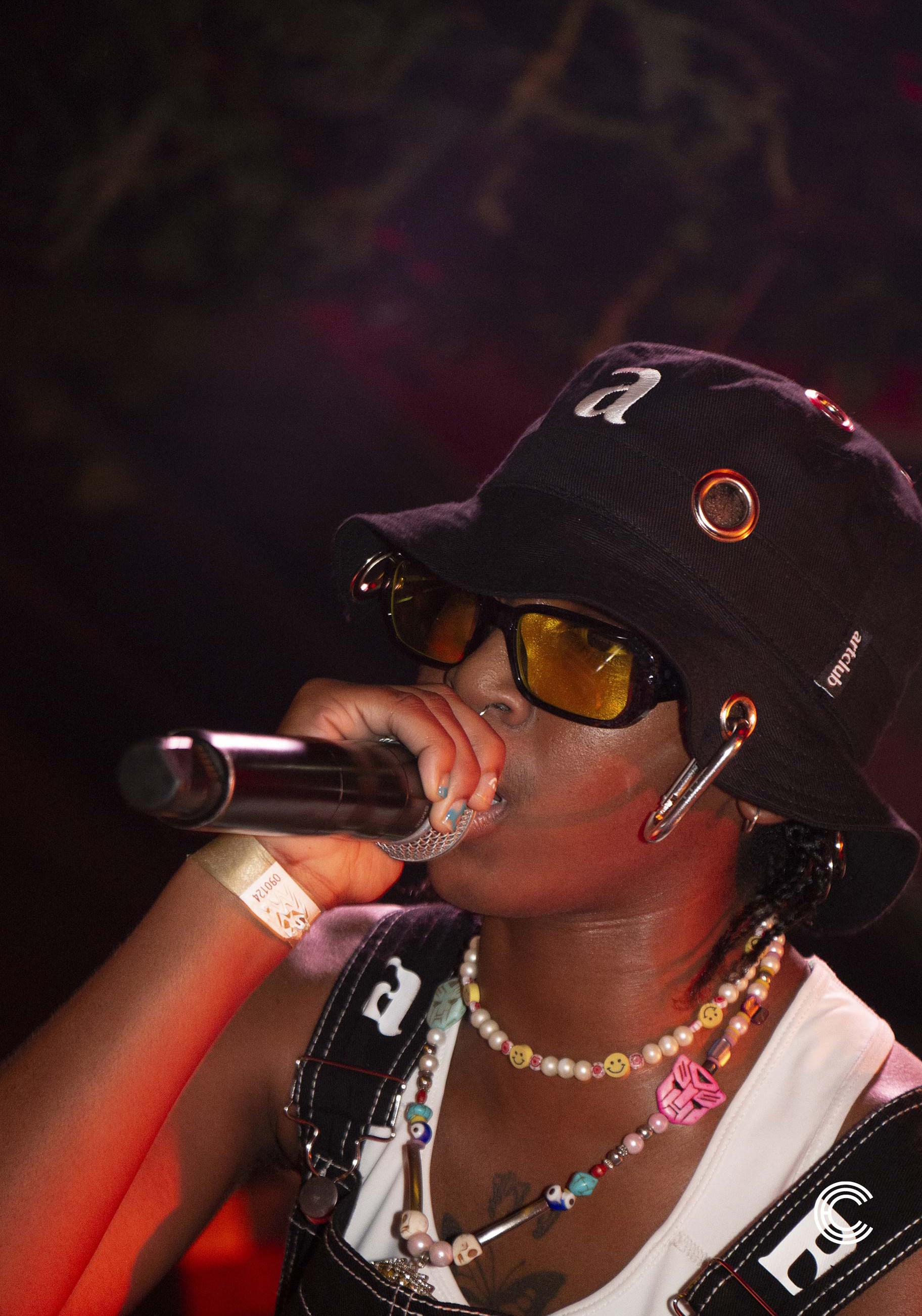
Synesthesia and New Singles with Up and Coming Joburg Based Musician, BUH

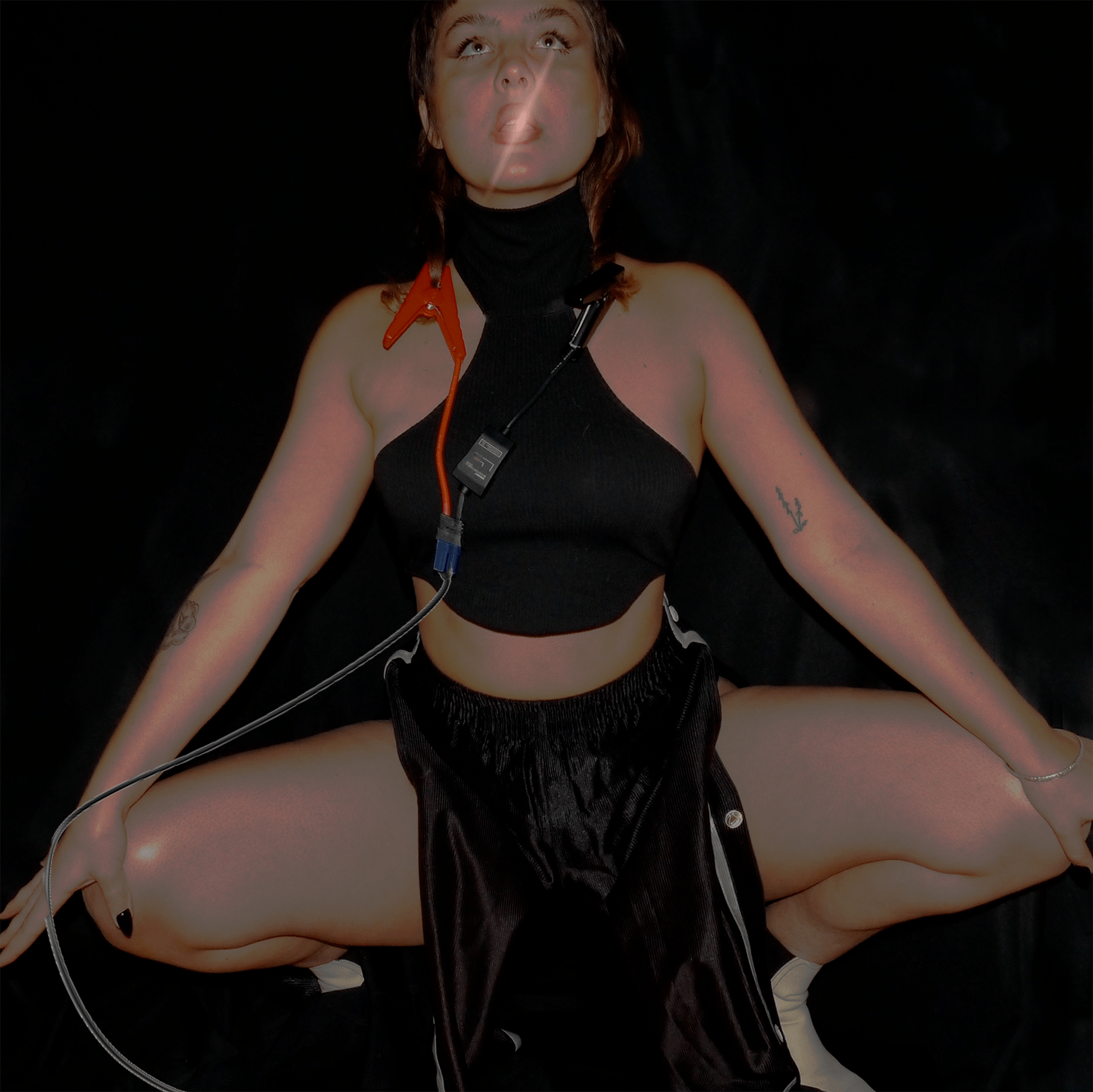
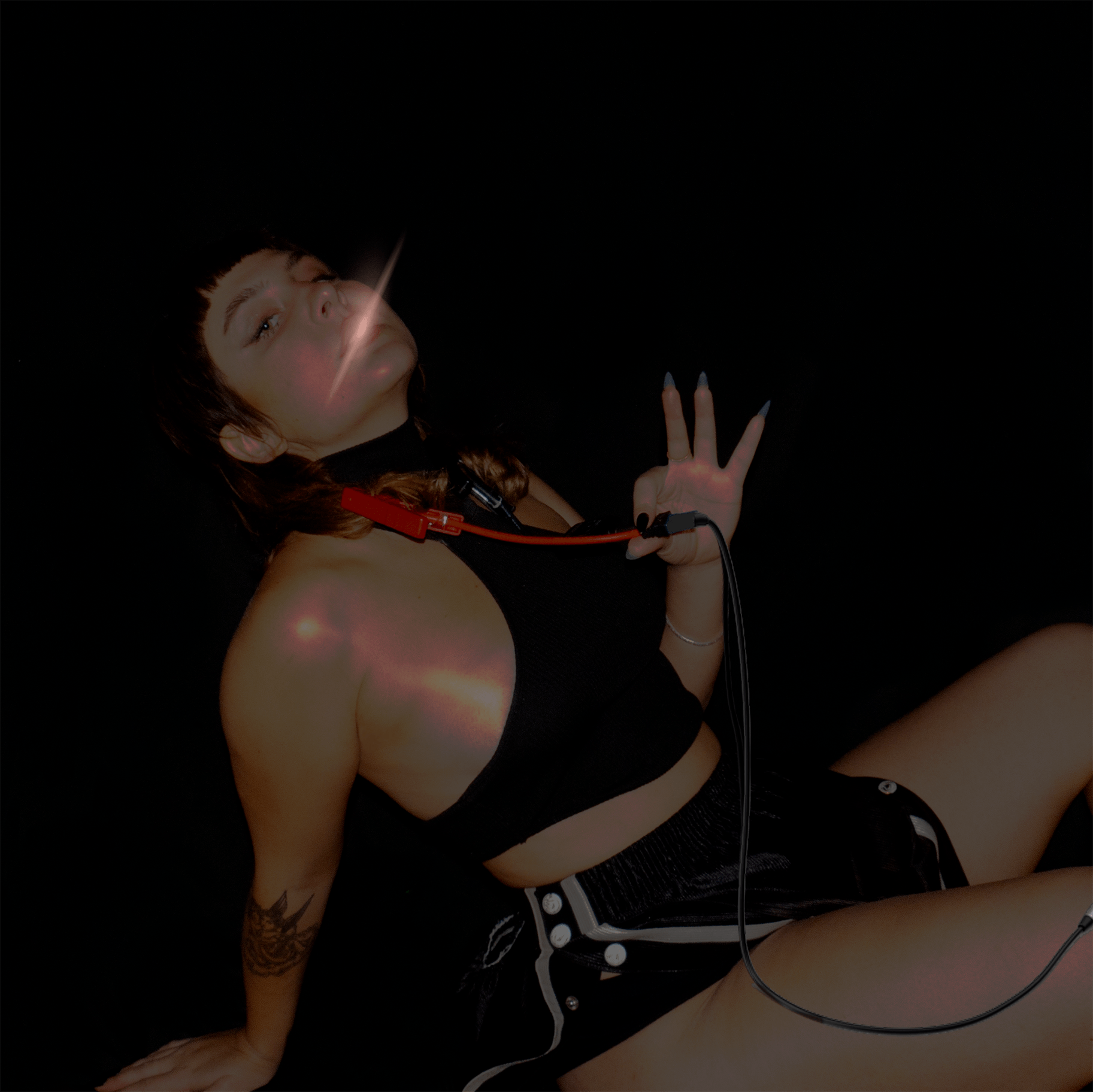
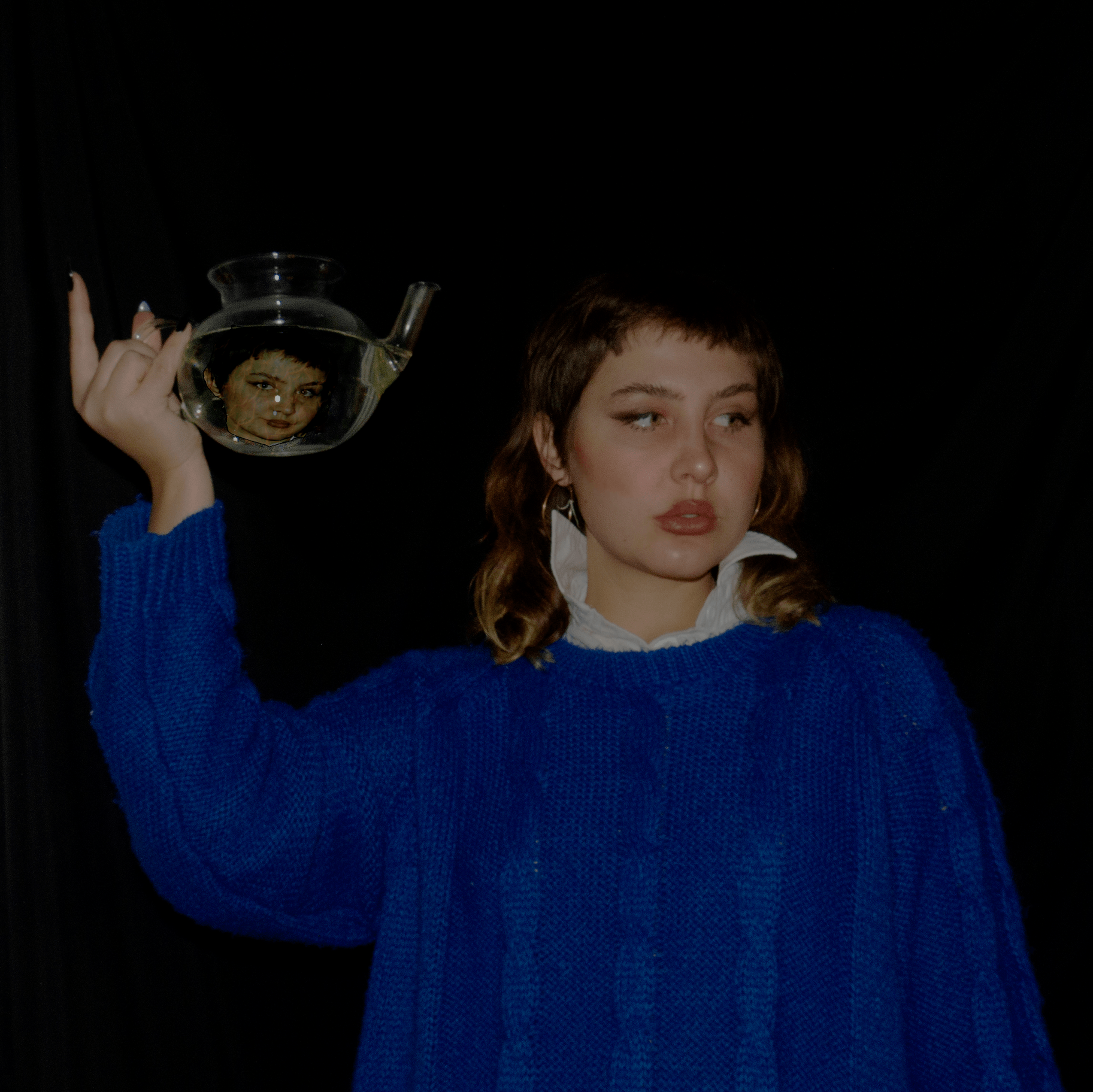
Bia Winterbach’s artist alter-ego is simply called “Buh” – said as phonetically as its written, an onomatopoeic reference to a character from the enchanted Ice Age films. There is an earnestness to this fact; a subtle nod to the total unseriousness it can mean to express ourselves through a character we created, as we used to do relentlessly as children with our imaginations at the forefront of our interface with reality. Buh is visually dynamic alongside her sonic-mastery; exemplifying the DIY pathway that has erupted in independent music since the 2010’s. With software and equipment that provides access to recording, producing and shooting everything from one’s bedroom – artists like Buh pose a question to the endless middle-men and mediators in the music industry; those who take a percentage while constraining one’s creative vision. Is it really necessary?

Having sung since she was a child, and then abandoning it when moving to Johannesburg in the pursuit of adulthood, Buh’s foray back into the power of her own voice was rather unusual, “I was waitering at a café that had karaoke – and I was a terrible waiter, to be honest. I remember one evening asking if I could sing and management sort of scoffed at me, saying – you’re a waiter? You can do it when we are closing and cleaning. I’m sure they thought I had forgotten, but at 11pm I went to sing – and that was it. I was fired as a waitress and hired as a gig artist. From then on I did a lot of acoustic covers, gigging wherever I could, before deciding to make my own music.” Fate can be altered in an evening, and some things are just meant to occur – particularly with a being like Buh, who possesses a neurological (although I am convinced it’s more extra-dimensional) asset such as synthesis. 

Owing its name to the Greek words “synth” (which means “together”) and “ethesia” (which means “perception), synesthesia seems to be a superpower for those of us who experience a relatively linear sensory experience – and like its descriptive root of “together perception”, one’s senses are deeply interwoven, with one sense triggering other sensory experience. For some people, it’s the vivid association of colours having specific smells, or sounds having specific numbers, and for Buh, it manifests as an influx of chromatic tessellation, “Mine is very intense, I see colours and patterns and then I turn it into music. As a kid I would walk in the garden and I would trace the outline of the plants, and I would make songs from that. I thought it was very normal to experience non-verbal life such as plants speaking to me in that way.” This experience, 6th-sensory sounding and perhaps quite surreal, has proven quite challenging as a musician, “I think it was such a blessing at a time, especially when I was younger. But it can be incredibly confusing when I set out to make music – the colours and patterns seem pre-determined, and I have very little control over it. I’m in my angst era at the moment, and the colours that come with that are really intense, and spiky…if that makes sense?” Buh explains, noting an adjective that I find illustrates her experience – colour that has texture, that is not flat or singular. Learning how to channel this ever-occurring process is part of Buh’s expression as an artist, particularly as it is so often romanticised as a wildly brilliant gift for creative beings.

Playing with the aesthetic nature of being a performer, Buh describes one’s lived experiences as the best source of inspiration she knows; while owing a lot to those who illustrate this planet with their own artistry.

Her new single, Body Of Your Dreams, is a chronicle of body dysmorphia; a hard-hitting expression of the bizarreness of disassociating from oneself in moments of intimacy. On this, Buh explains “I don’t think it’s an easy listen, and it’s not pop either – it’s more a hybrid of genres. To me the colours are dark and spiky. I am very excited about it, even if it’s been very confronting to make – but I also think it’s a very relatable subject, in a world where beauty standards are fired at us basically from birth.” Having produced, written and recorded everything for – Buh had grown tired of the power play in the studio environment, with multiple delays until she came to understand this was something she had to do on her own. Music production itself is a generally under celebrated art form – a wizardry of engineering and experimentation. Having spoken to a few women in SA music, it seems this route is the way forward for now in terms of retaining total autonomy and creative control; I am reminded of Princess Nokia’s Biohazard Butterfly era, my favourite of hers, an album made almost entirely on her own as she began stepping fully into the Nokia character. I sense the same from Buh; a transition into an unfolding of her own proclamation. Multidimensional and multi-hyphenated.

/// Keep a lookout here for Buh’s latest release, coming this May and available for pre-order now.

Written by: Holly Bell Beaton