Luca’s image-making is some of the most enriching and honest that I have seen. If photography is a contemporary invention driven by the instinct of human beings to use light to capture ourselves in time — and, in some ways, to escape it — then Luca’s portrayals of people and scenes are acts of witnessing those throes of time as close to the bone, as possible.
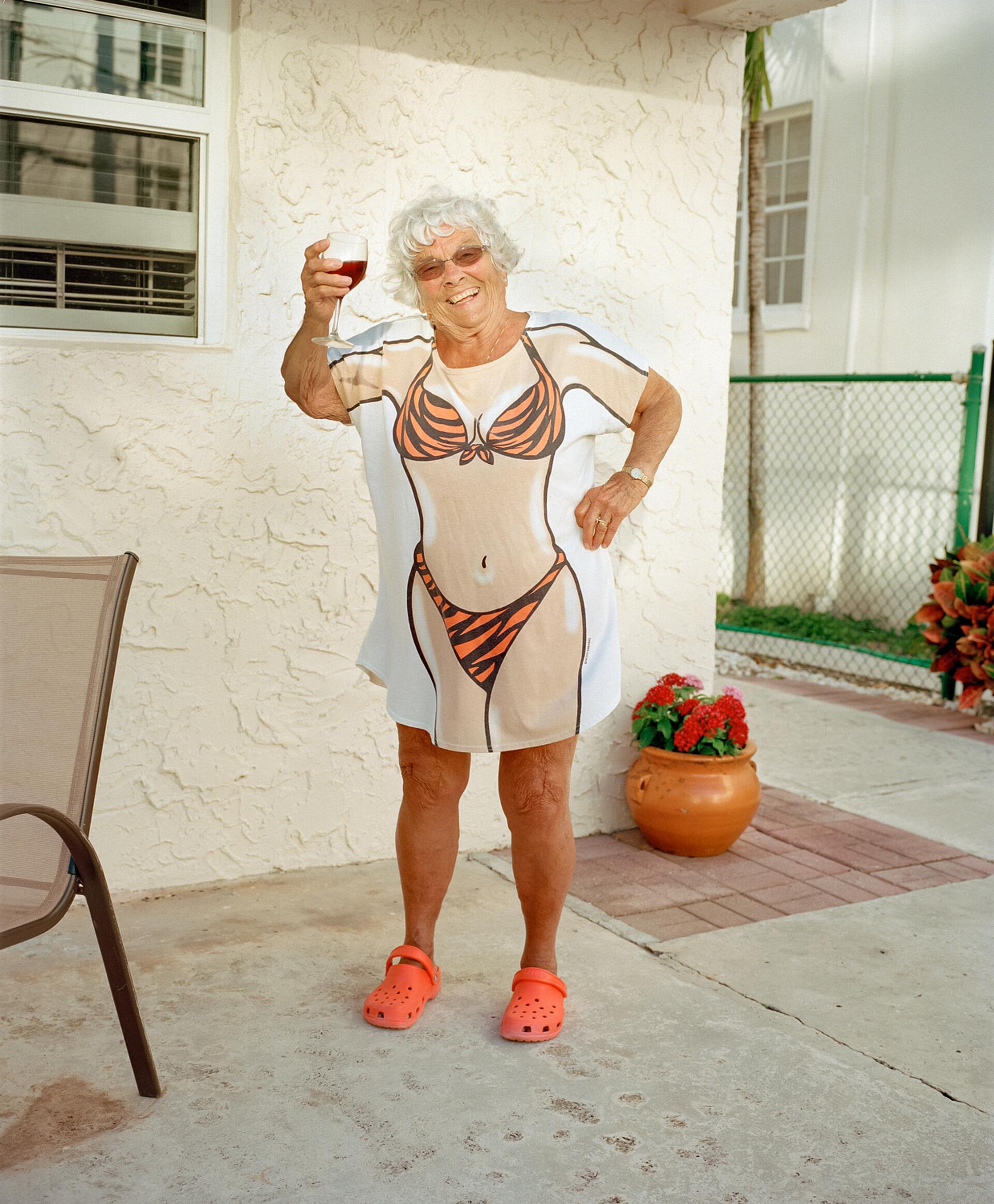
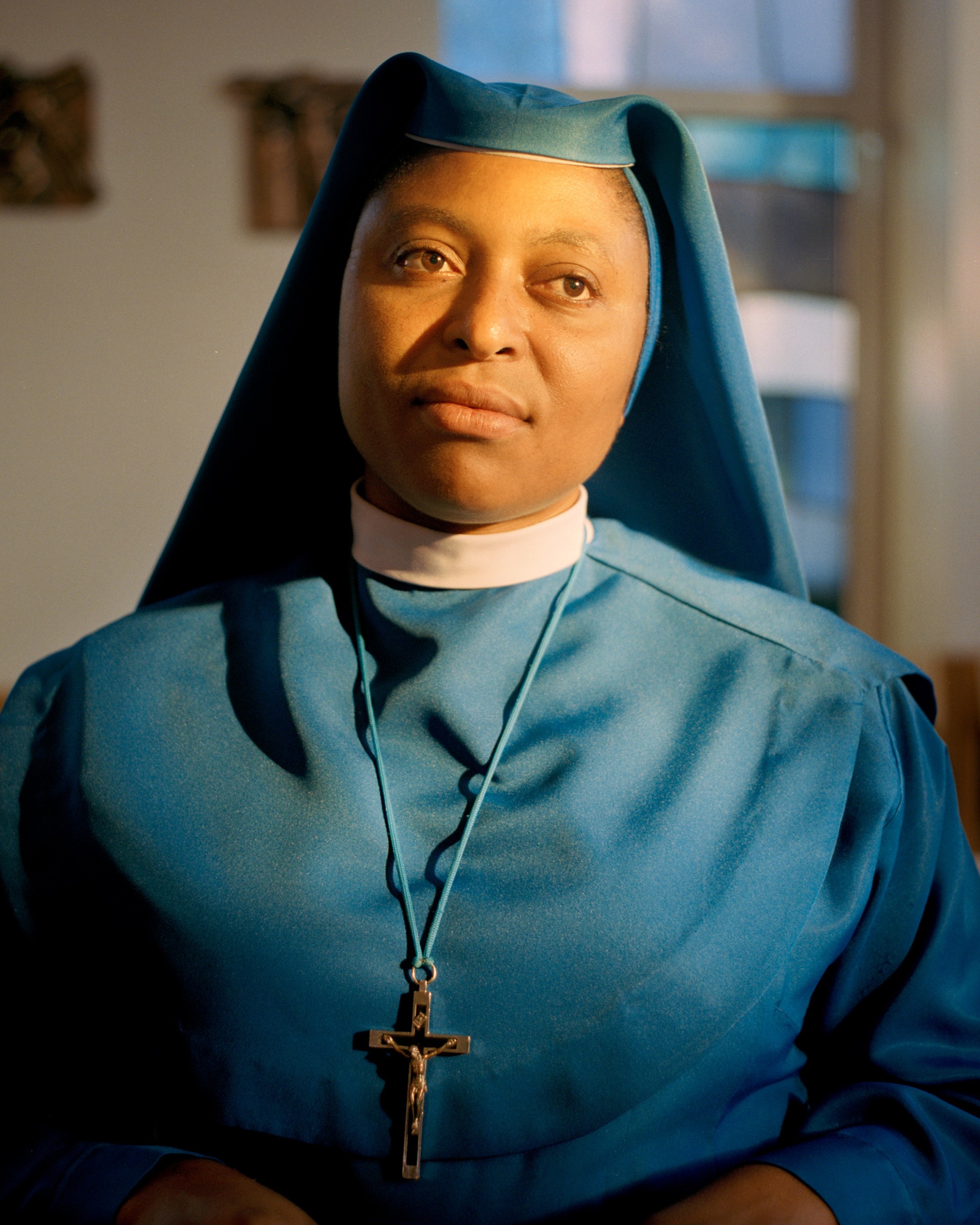
This is image-making that traces the essence of the subject beyond their surface; documenting something essential to Luca’s practice — an innate ability to draw out the sheer importance of the moment he is capturing. Whether it’s flower sellers on the N2, faithful women descending from the Hawequas Mountains, or a stark portrait of someone gleaming with the wrinkles only a life well-lived could shape, Luca’s framing of them, and of the moment itself, carries the energetic conviction that it matters. That moment mattered, and their lives in the world matter — not because Luca is insisting that they do, nor because the image demands it, but simply because they are there. Their existence, unadorned, is enough.
Is there a more honest purpose for photography?
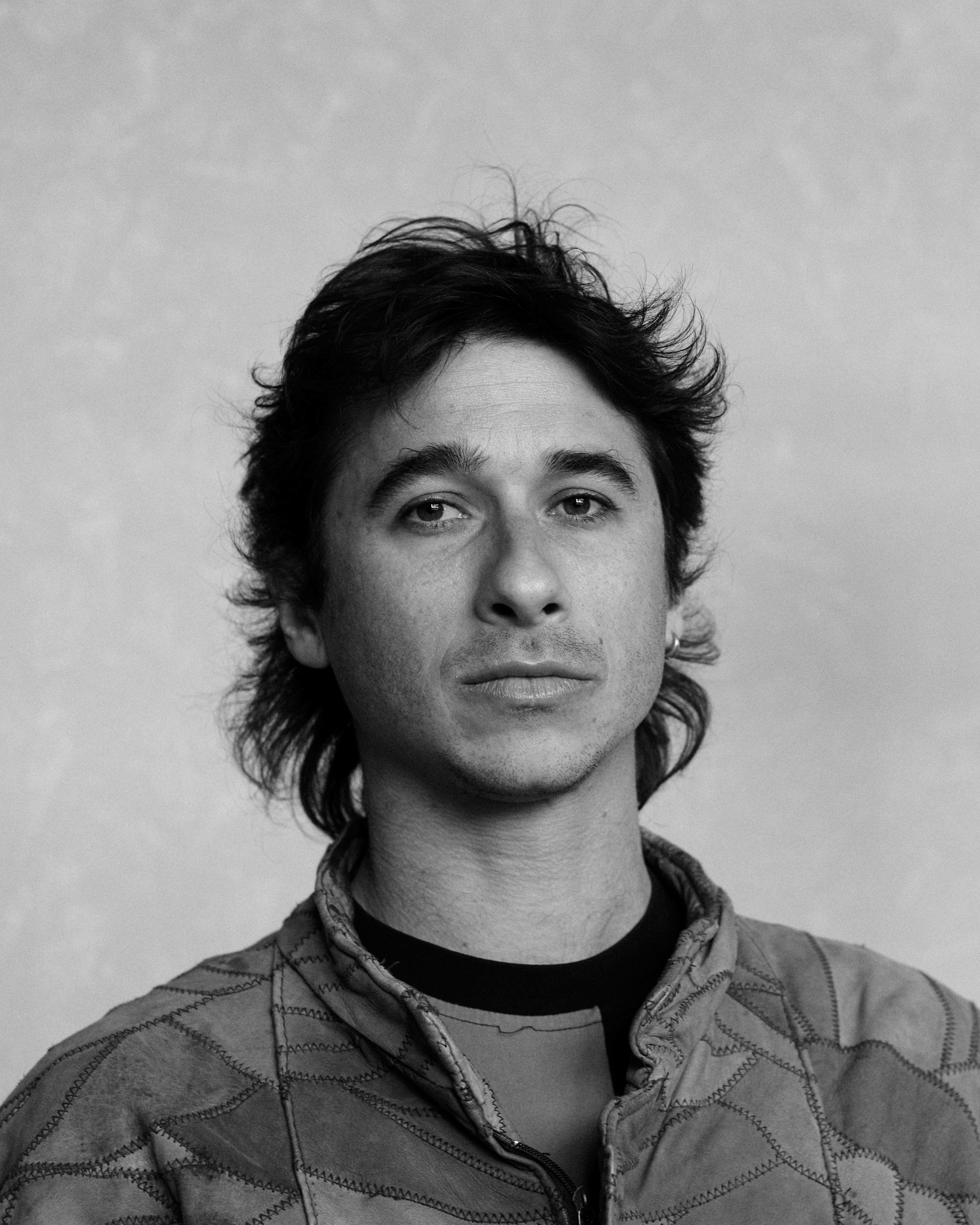
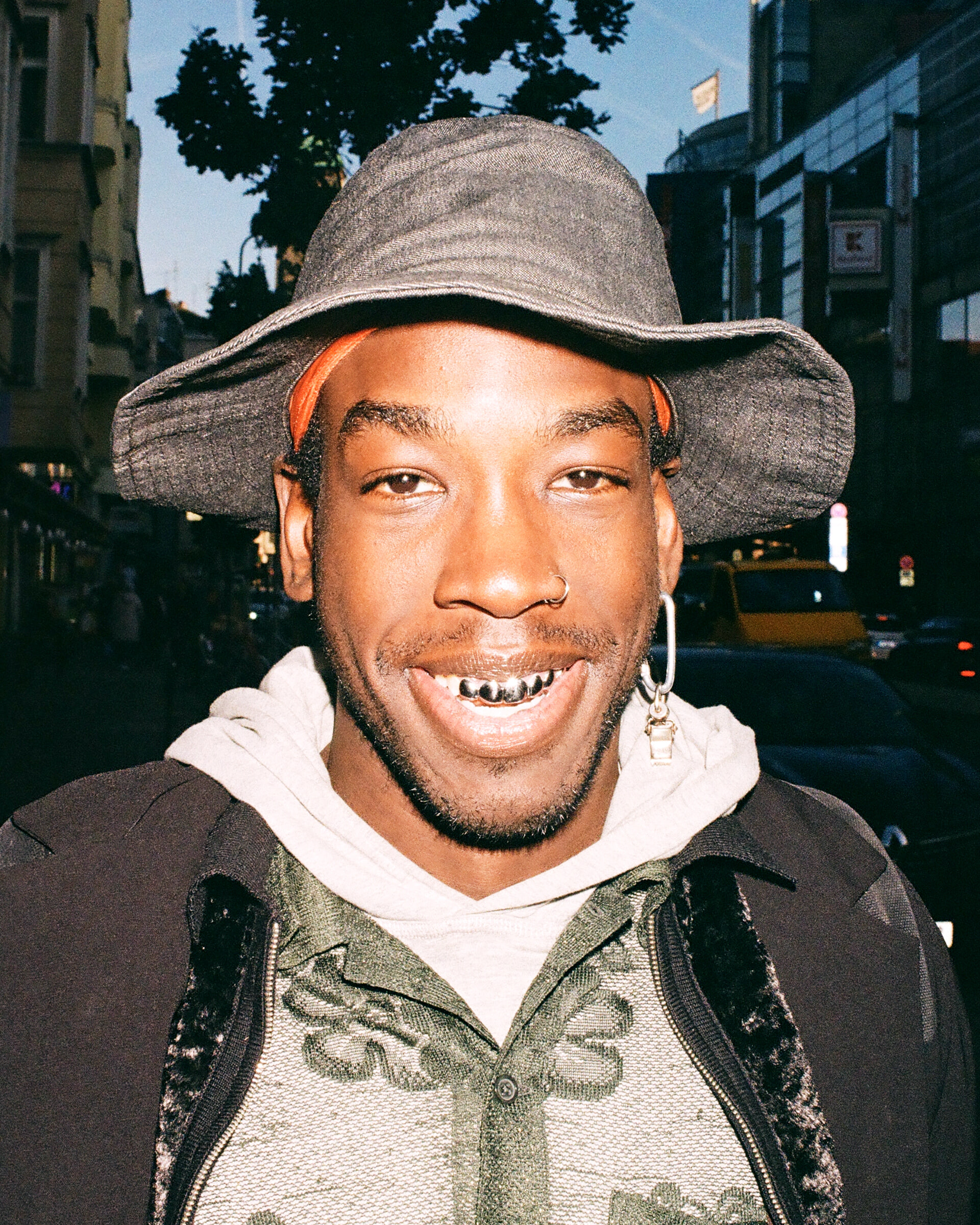
“I’m drawn to portraiture in an existential way rather than an academic one,” Luca says, explaining that his approach is more an intervention into a moment in time, than anything else; “the portrait is a residue of the real thing I’m seeking — a brief, human moment with a stranger. Cities are rivers of inner worlds; everyone is the centre of their own universe, all that complexity walking past you. To interrupt that flow gently — ‘Excuse me, may I make your portrait?’ — and to be welcomed… it’s intimate.”
What Luca describes, in essence, is his version of social alchemy; a micro-communion between strangers that reaffirms his faith in the world. It seems simple (which it is), but the sheer ability to interject in someone’s life, at a time when the physical and digital are so mediated, and it feels as though we all exist worlds apart from one another, is profound.“I wouldn’t call it community in the formal sense,” he reflects, “but there are these tiny fibres of connection that get spun in a few seconds. You’re altering the programming of someone’s day, and they’re altering yours. That feels quietly sublime to me.” The unguarded exchanges, devoid of any pretence, is what anchors Luca’s work, and it’s this sensitivity toward engagement which exists as a creative principle across all his work; the personal and commercial, alike. “My process is to not overthink. I go out when something in me feels hungry for contact. On days when a walk doesn’t solve the mind, approaching people often does — I come home feeling like the world is alright again. People are actually kinder than we might fear,” Luca muses.
The tension between performance and community is an undercurrent in Luca’s process. Aside from his commercial work — which, though shaped by his sensitivity, is inevitably curated — so, Luca is drawn to the unpredictability of the street. “In Berlin there’s a reputation for standoffishness compared with South Africa, and yes, sometimes the first look is a scowl. The craft is in those first two or three seconds: disarm the person, let them feel they can trust you, that you have no angle. A sincere compliment helps — ‘Your hair looks wonderful; may I make your portrait?’ You can almost watch the fence dissolve; someone feels seen.”
That instinct to connect, to perform without artifice, sometimes reveals itself in unexpected ways, most notable as in a story that Luca shares, in which “after years of shooting you can still make a spectacularly dumb mistake. I spent two days on the street, met fascinating people, watched the frame counter tick past 36 and thought, ‘why hasn’t it asked me to rewind?’ The spool hadn’t caught the film.” He laughs at the memory, describing it as “cosplaying as a photographer.” The irony, Luca says, was that “the performance was real — the approach, the exchange, the permission, the little moment we built together — but there was nothing to show for it. Oddly, I loved the lesson. It reminded me that the encounter is the point, and the picture is only one way of honouring it.”
I think of the categorisation we try so hard to impose; the endless naming, positioning, defining, and while it’s not to say that Luca is uninvolved in these frameworks, there is a measure of distance between him and the machinery of self-making; Luca seems disengaged with the common pursuit of one’s art as a means to become someone, rather than as a mode of being someone already. Most crucially, oneself. His work is driven by a wish to be in relationship with the world. “I never studied art or photography, so I’m not fluent in the jargon,” Luca says. “I respond to nature, colour, people in their spaces; I like watching how life arranges itself. That description wouldn’t pass muster on a gallery wall, but baroque language about a leaf on the ground doesn’t move me either.” Of this idea — that verbosity and scripting on gallery walls serves as a kind of justification for the legitimacy of one’s work — Luca is especially resistant. “I used to worry that simply presenting beauty wasn’t ‘enough’. Now I think it is. The life in me is the life in you and in everything; the photograph is life showing itself to other life. That’s not an idea I need to over-justify — it’s something I recognise when I see it.”




Recent Comments