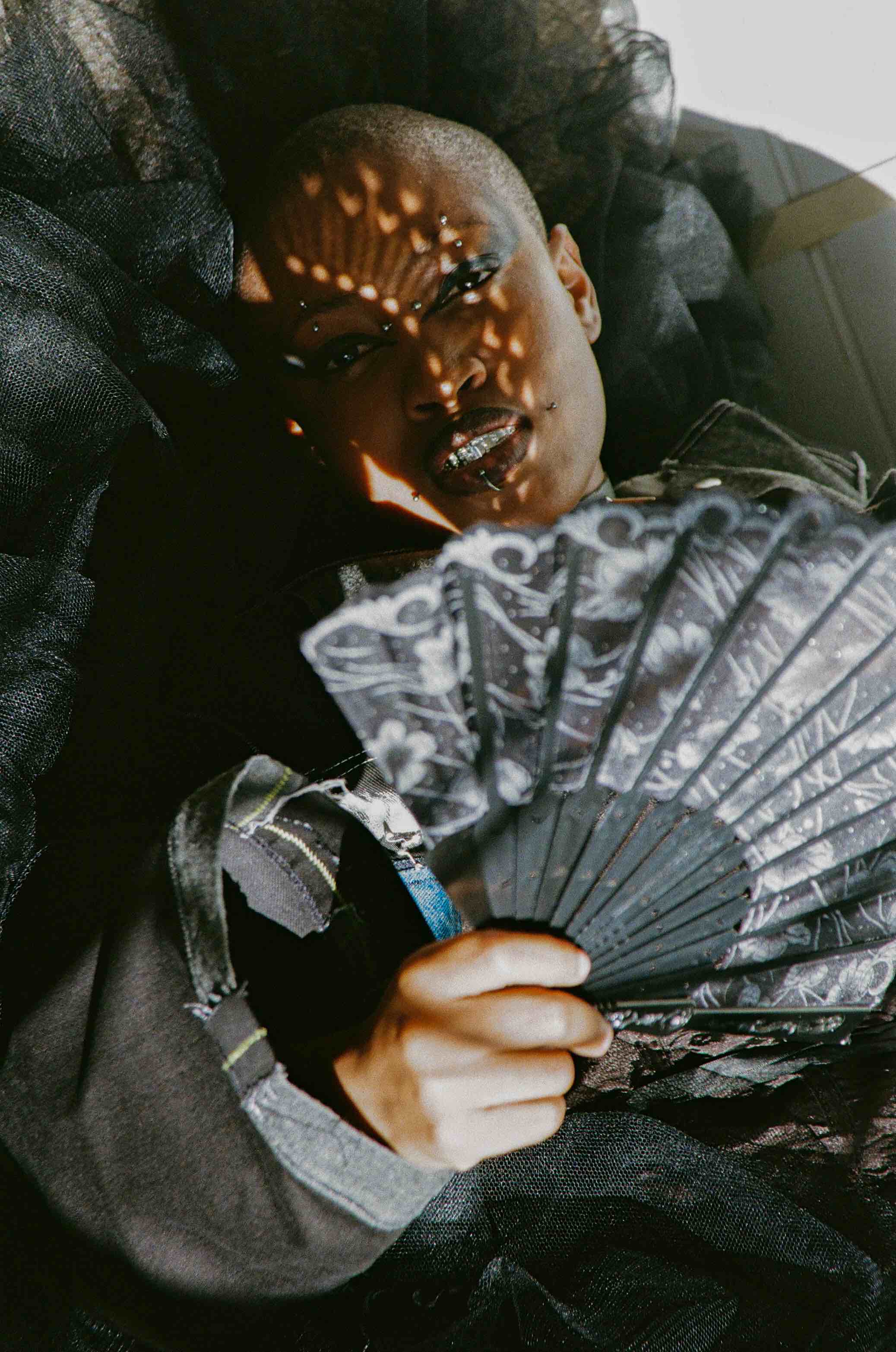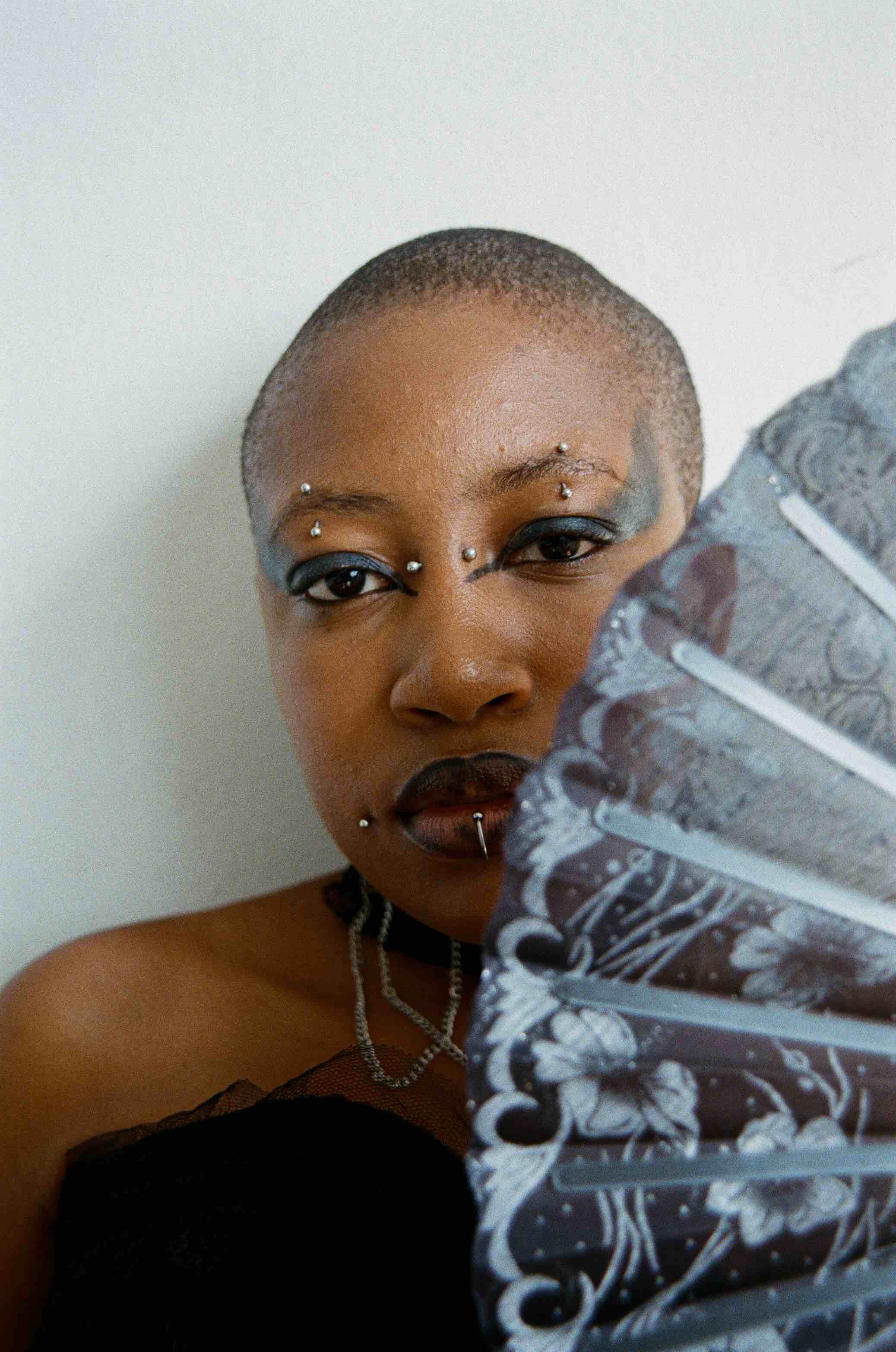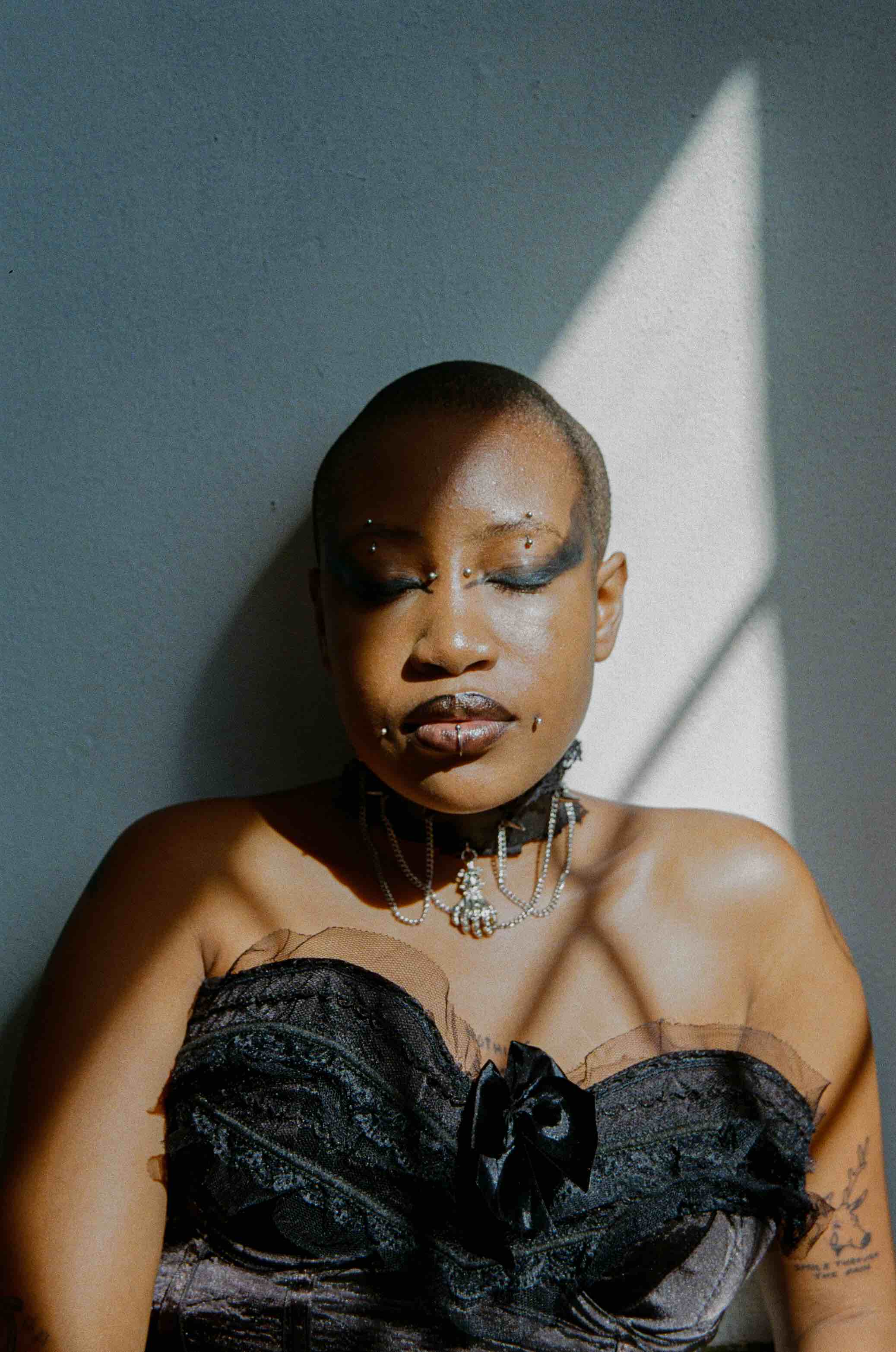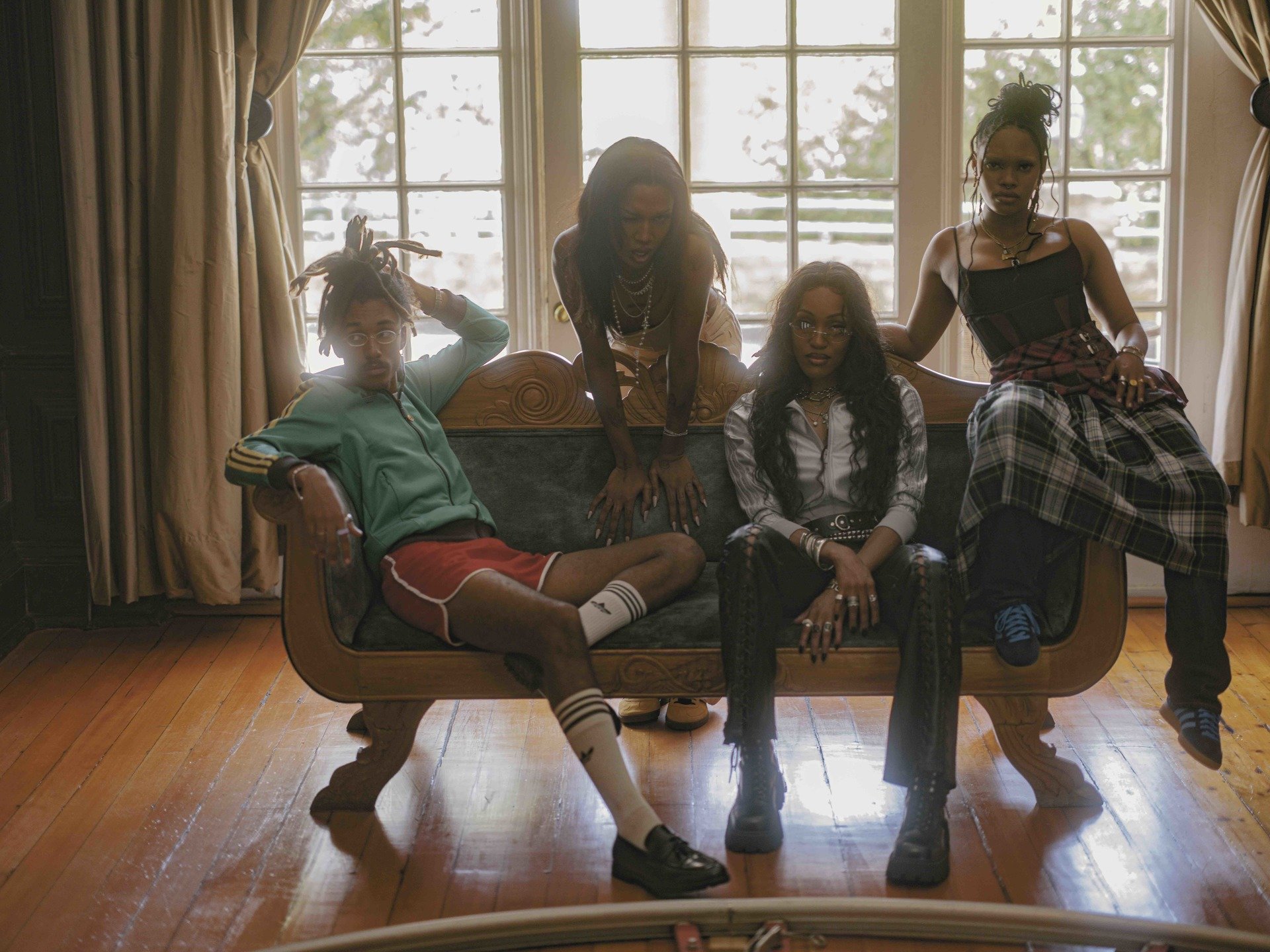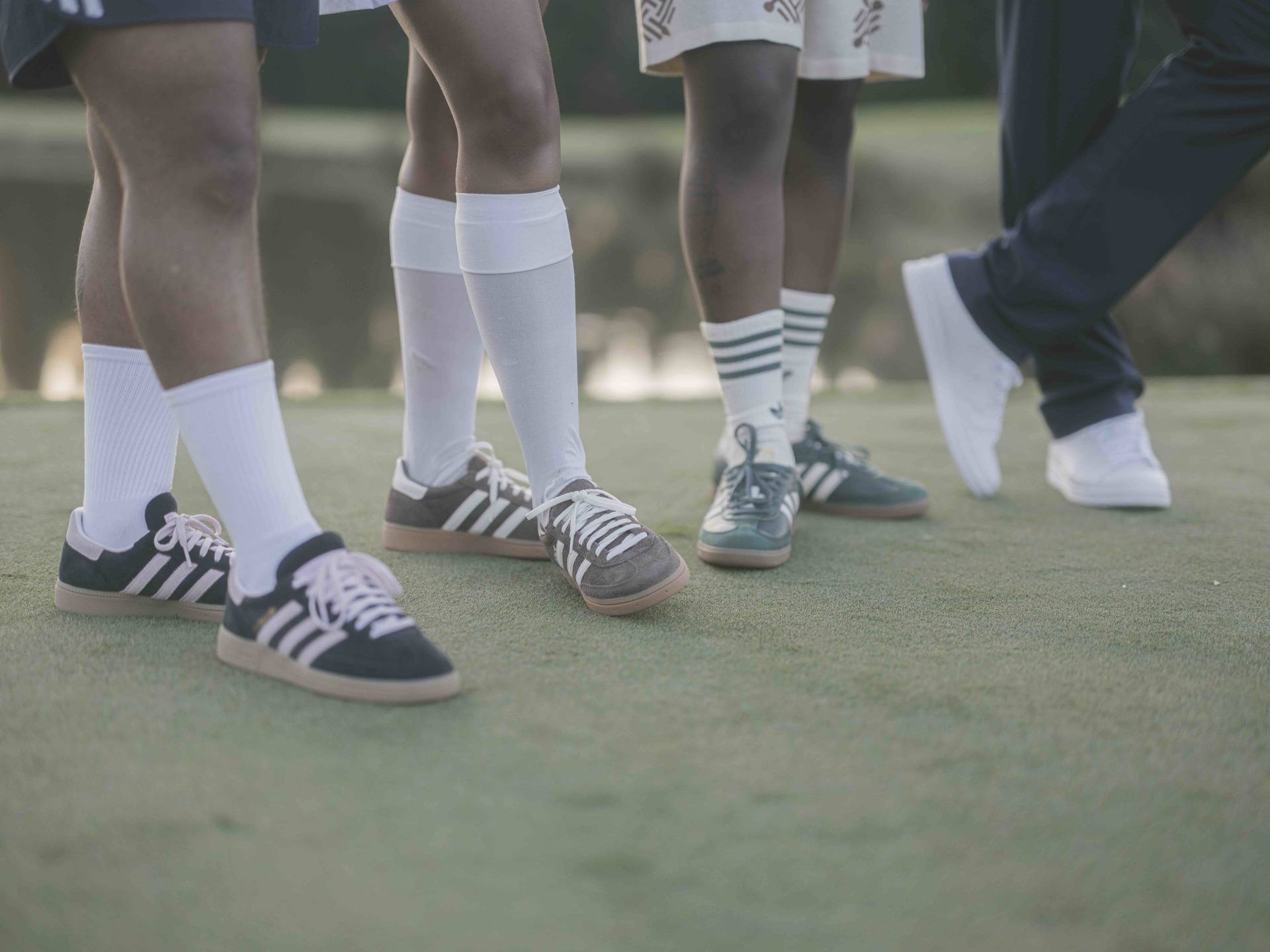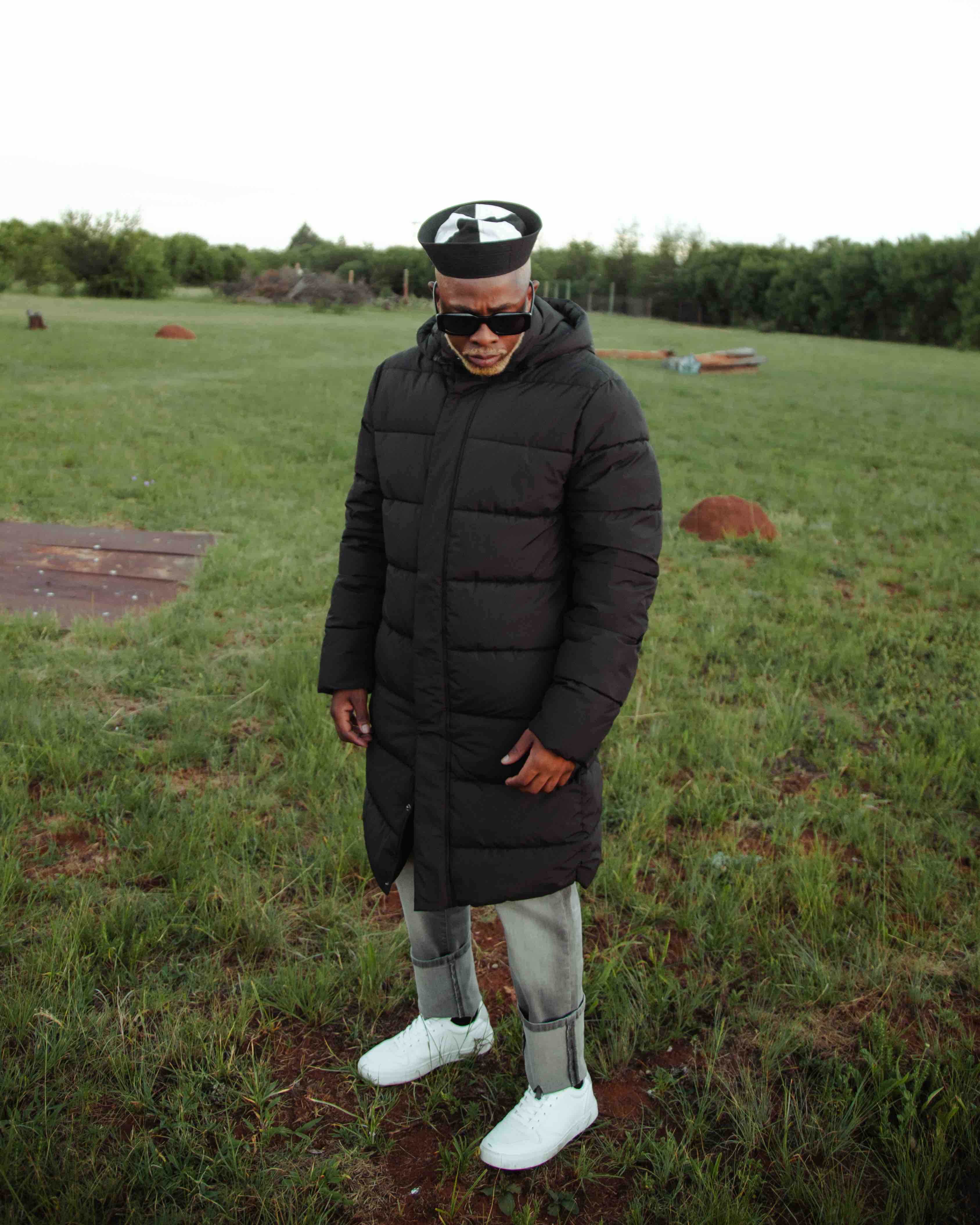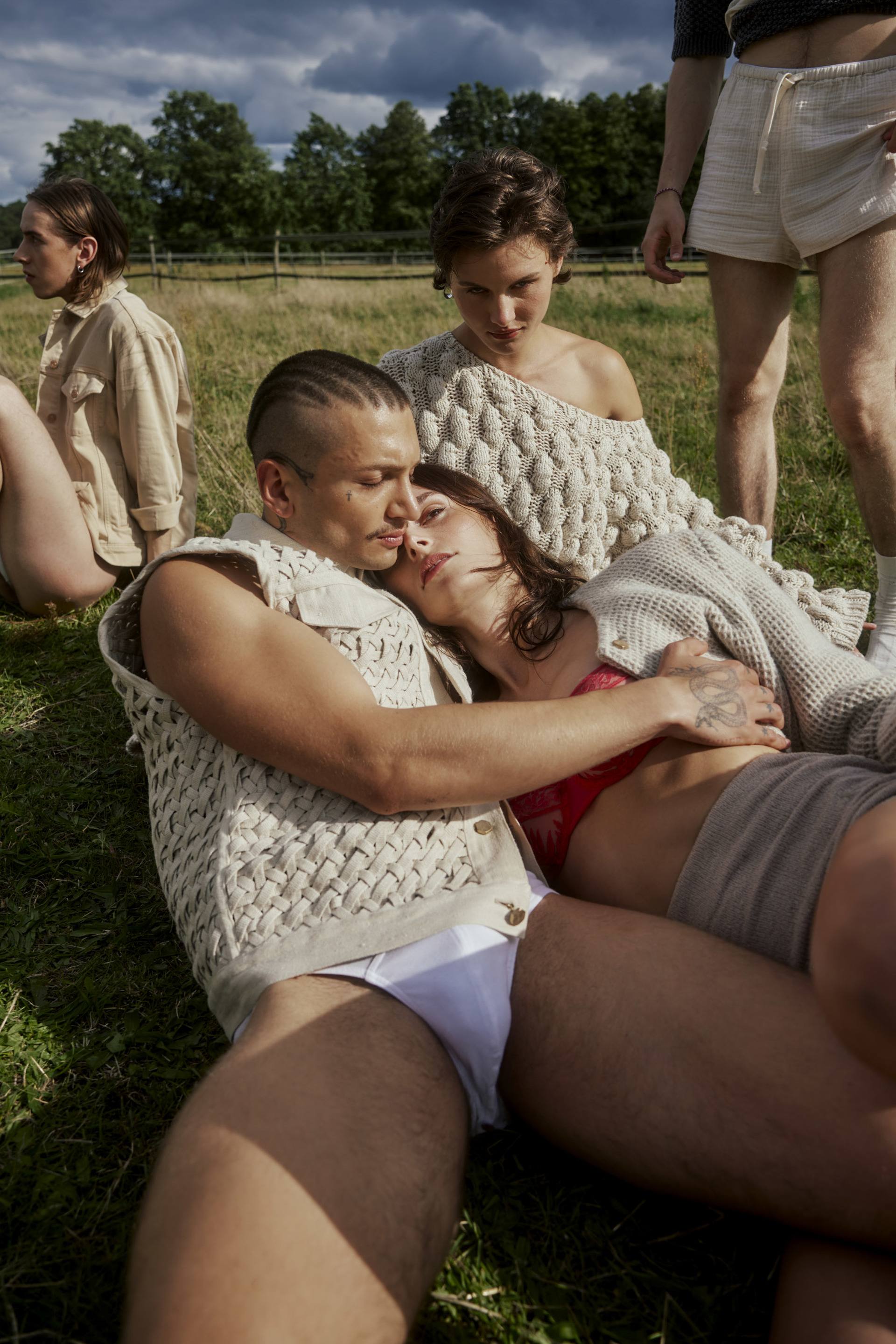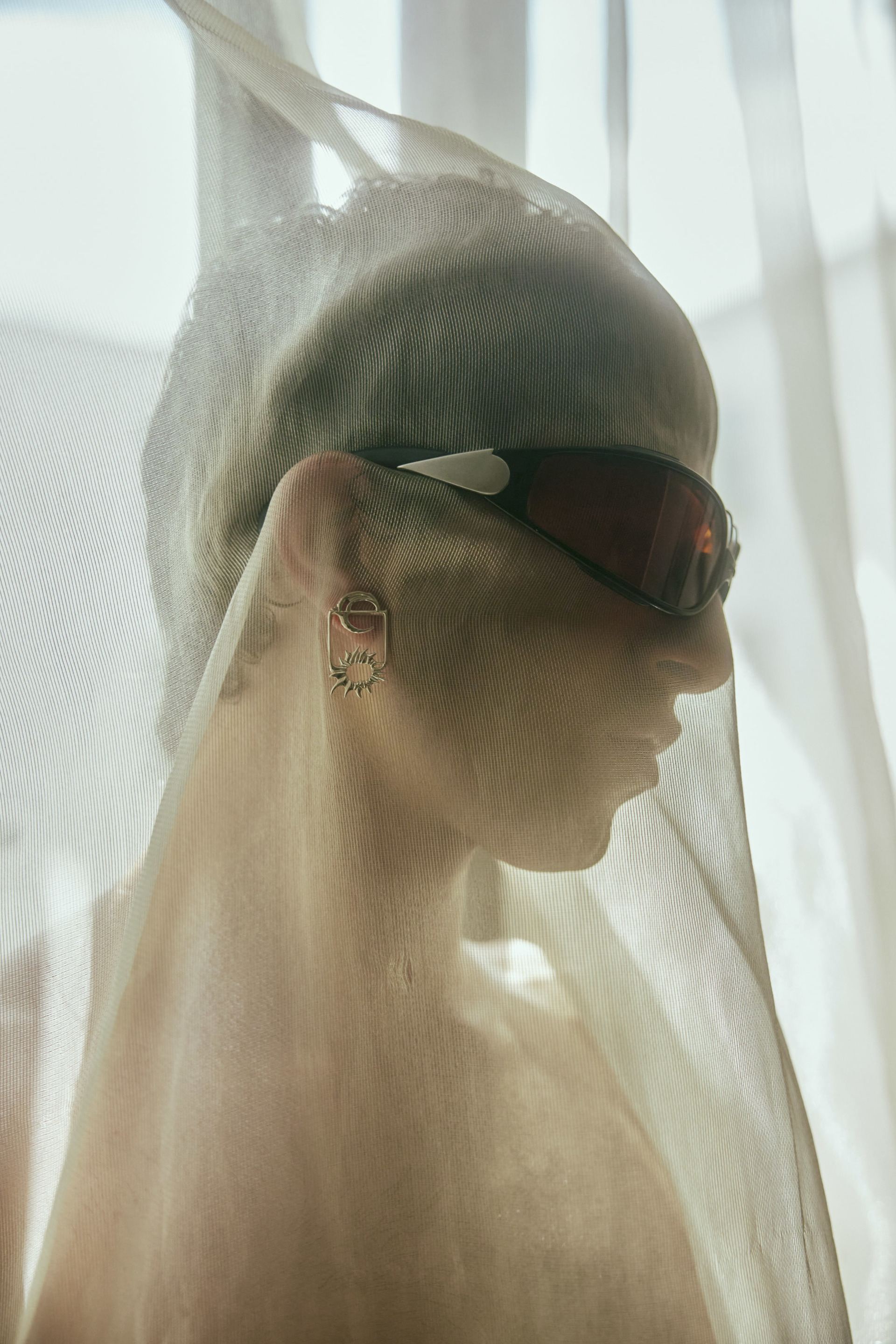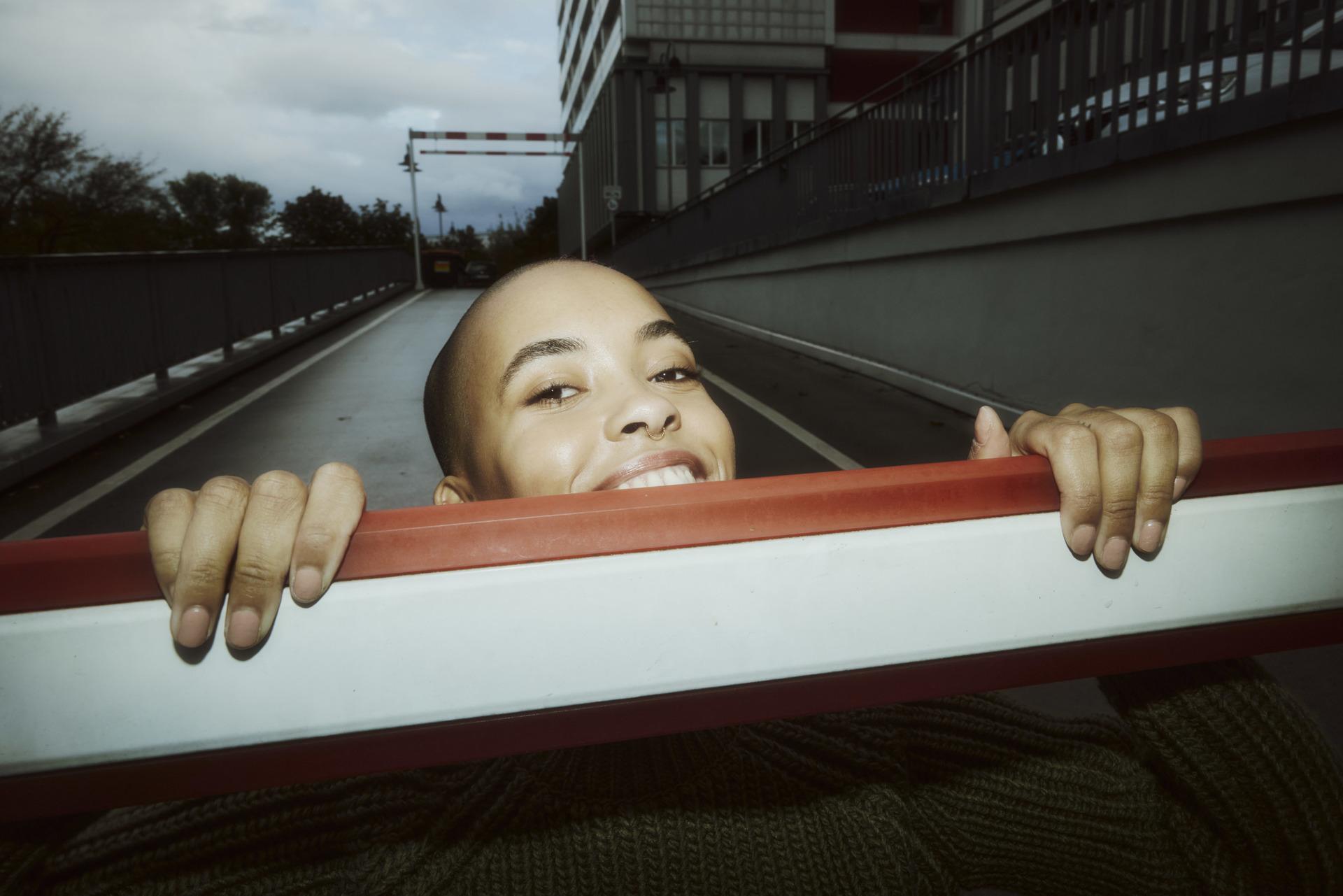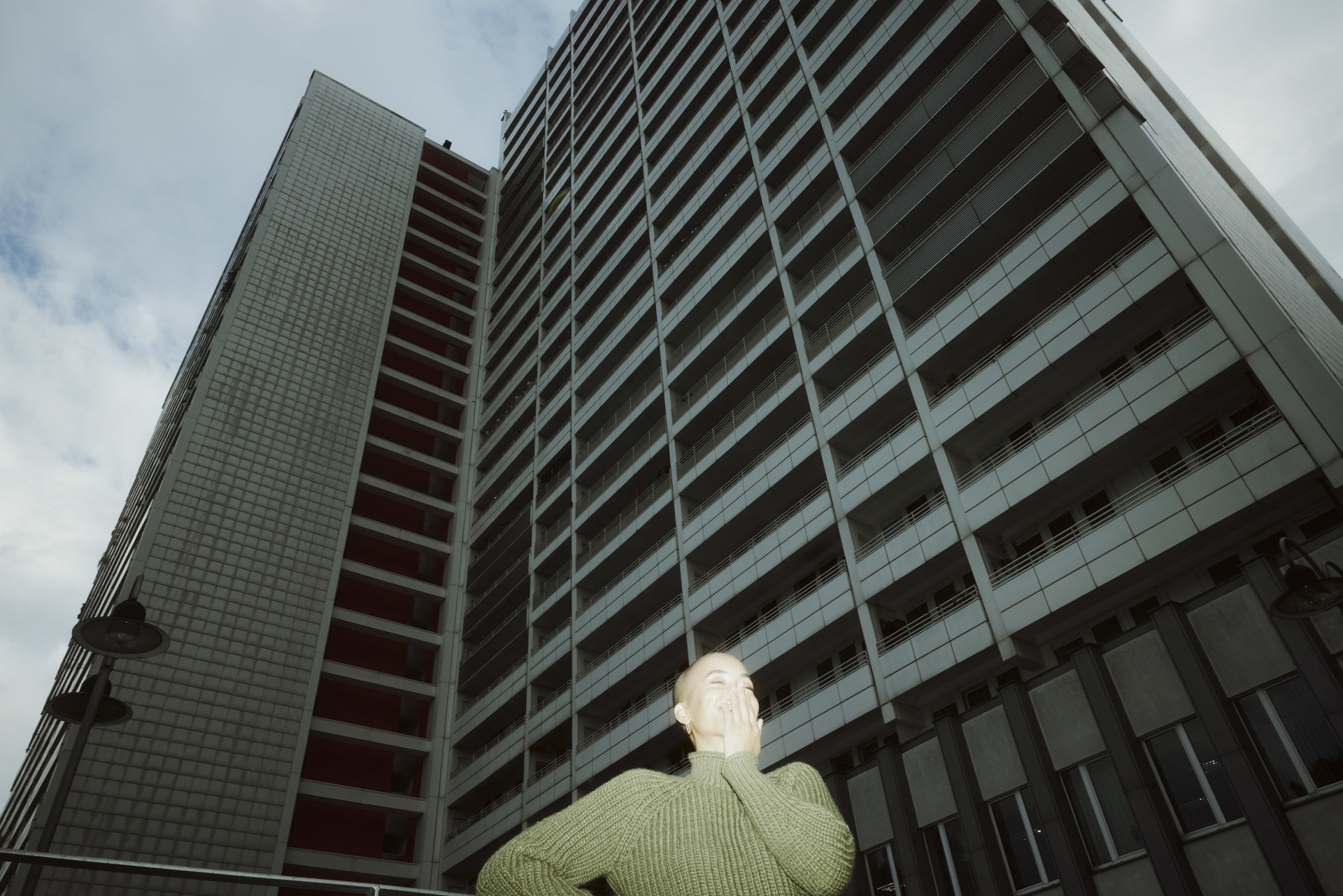
adidas Originals presents Sonic Sessions with South Africa’s Princess of Rap, Dee Koala

Sonic Sessions is a collision of sound and style, brought to you by adidas Originals and presented by Connect Everything Collective. Together, we’re uncovering the cultural forces that define the sonic prowess of South Africa, as leaders on the world stage. Whether it’s the poetics of hip hop stories, or the outpouring of love-laden lyrics into melodic recipes or the development of entirely new genres; South Africa is on one. Sonic Sessions brings you straight into the heart of these artists, their current playlists and how being an original can never be just an act – it’s a way of being. 

Dee Koala is South Africa’s Princess of Rap. With bars that remain unbeatable, Dee’s lyricism is punctuated by her distinctive voice and unmatched energy. Straight out of Khayelitsha, Cape Town – Dee is a pioneer of feminine forces entering the game, and the pride in rapping in vernac that has gone on to inspire the newest generation of hip hop artists. With a storied history together with adidas, this is an artist who pushes her originality to the very borders – inspiring a generation and sparking a movement. Dee and adidas embody the possibilities for building family bonds across brands and personas, all in pursuit of evolving South Africa’s formidable creative landscape.  

“One of my favourite things to do is perform. I love seeing people happy and seeing them relate, and I loved hearing that people felt my performance was memorable. I love interacting with the crowd and I’m always looking at the crowd, straight in the eyes! I make them feel like we’re all one.” says Dee. Known for her iconic, energetic performances, we ask Dee how she prepares for a live show? To which she explains, “for preparation, the most important thing is to protect my voice. During the day, leading up to a show, I will continually drink warm water with lemon, honey and ginger. I already have a husky voice and it has a short life span! So I have to be quiet during the day and I try to get to a show an hour or so before my set, because if I get there way too early – I’ll overuse my voice, I’ll be chatting away and greeting everyone!”

The physical endurance required to perform at Dee’s level, cannot be underestimated. For Dee, it requires a conscious approach of self-care, saying that “during the week, I’m at the gym. When you’re rapping, jumping up and down on the stage and expressing so much energy, you’re tryna hit the lyrics and the beats – that is a lot of breathing involved. So, becoming a runner has helped so much with my chest and how I’m able to project my voice on stage.”
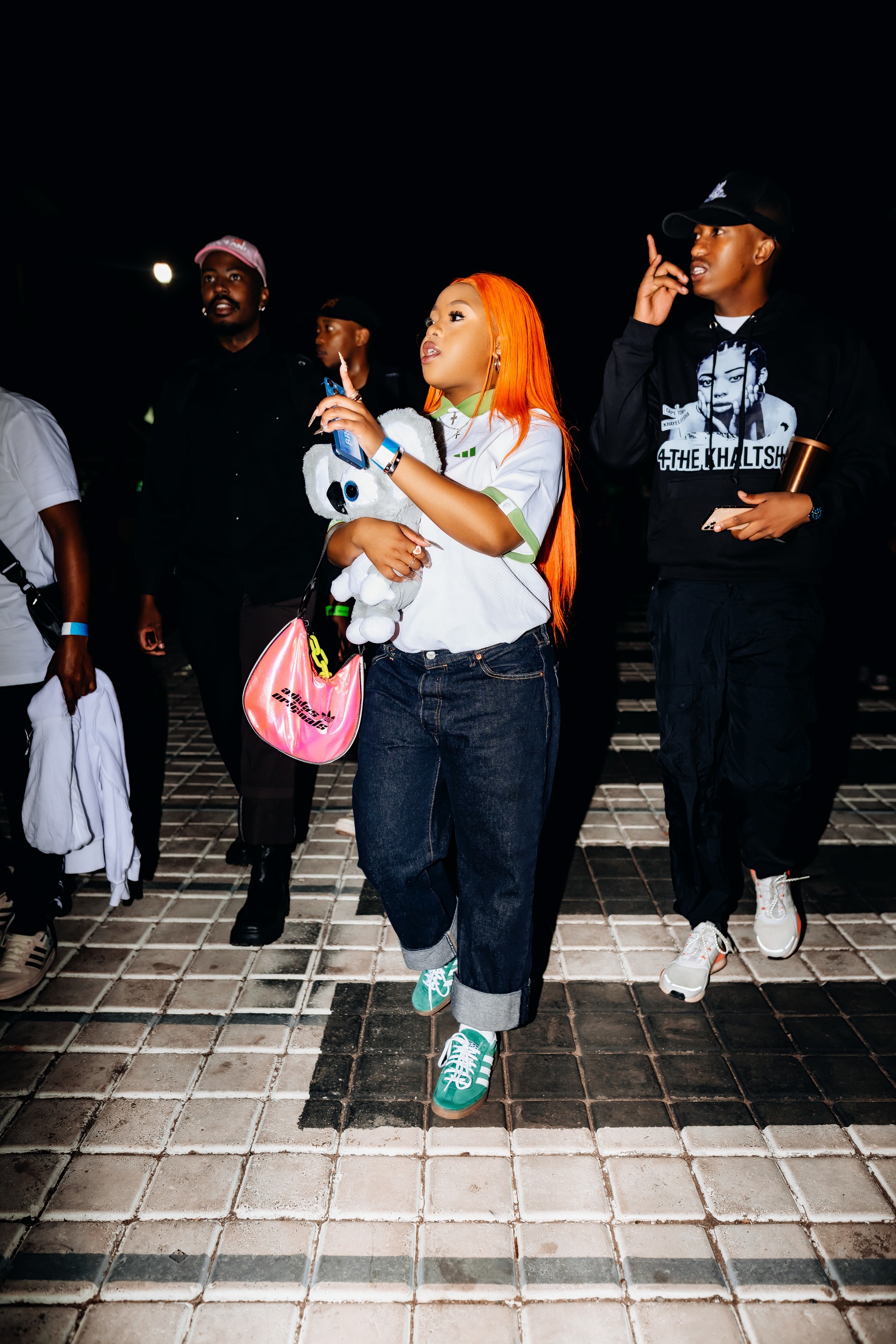
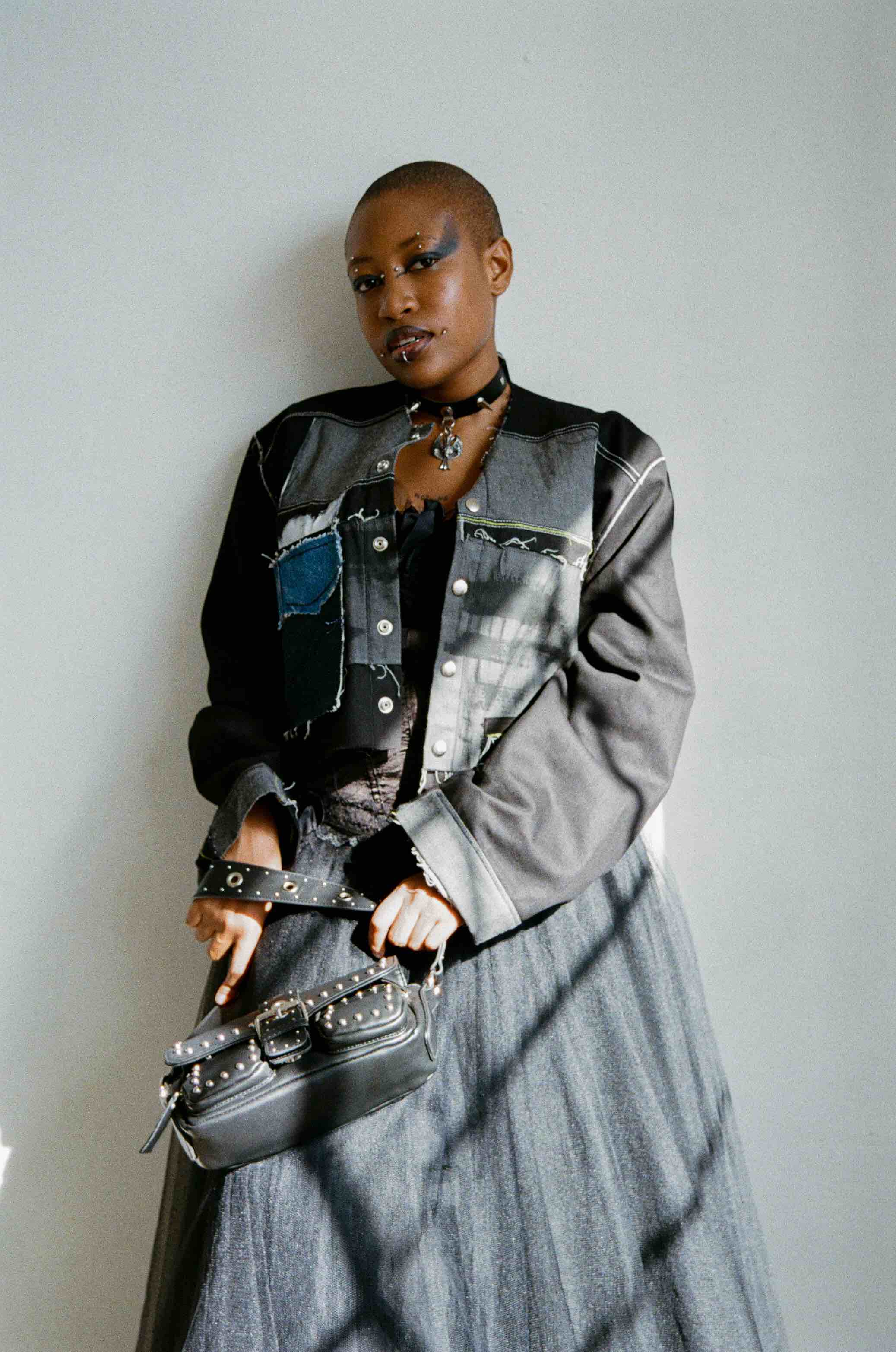
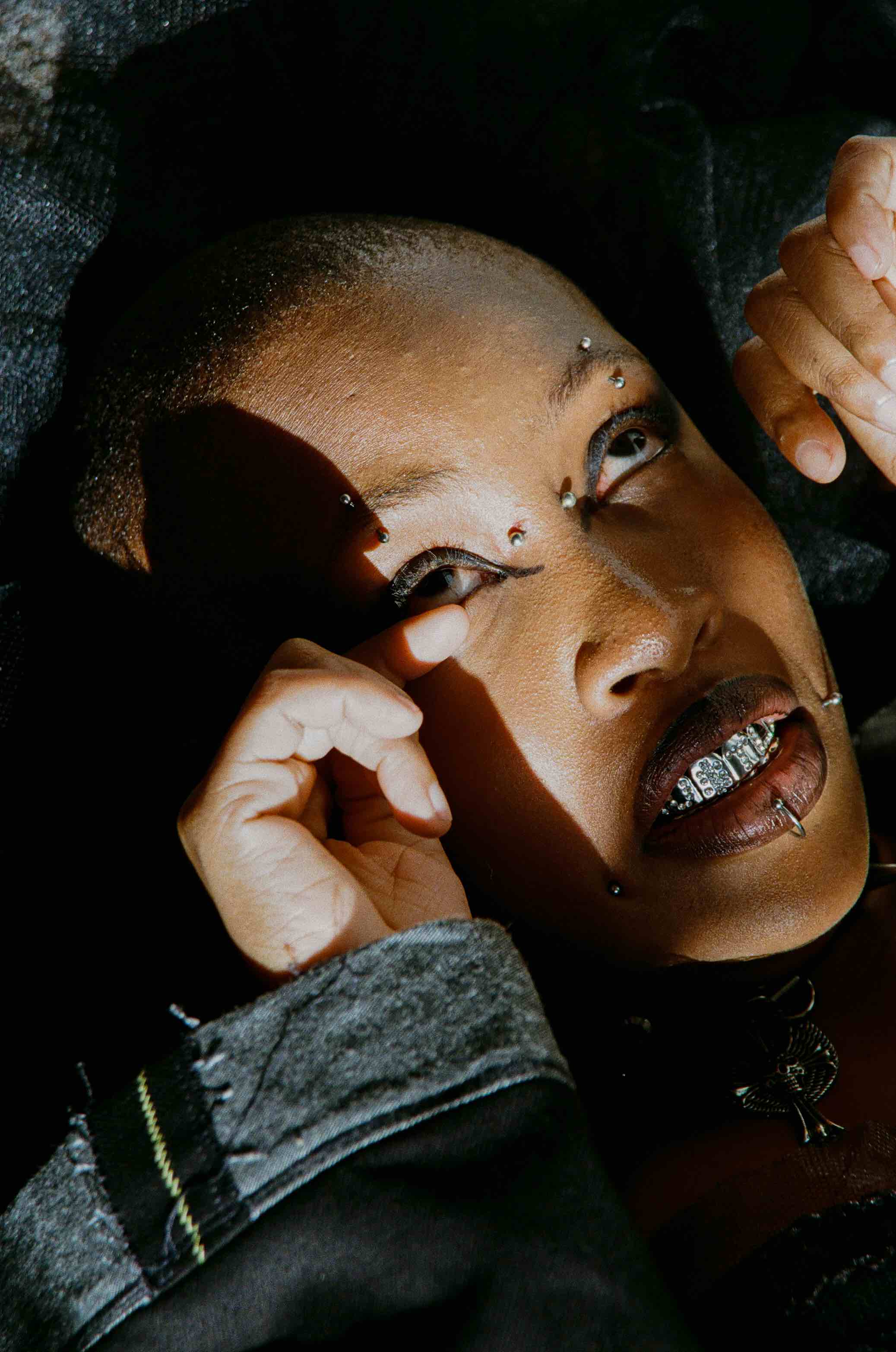
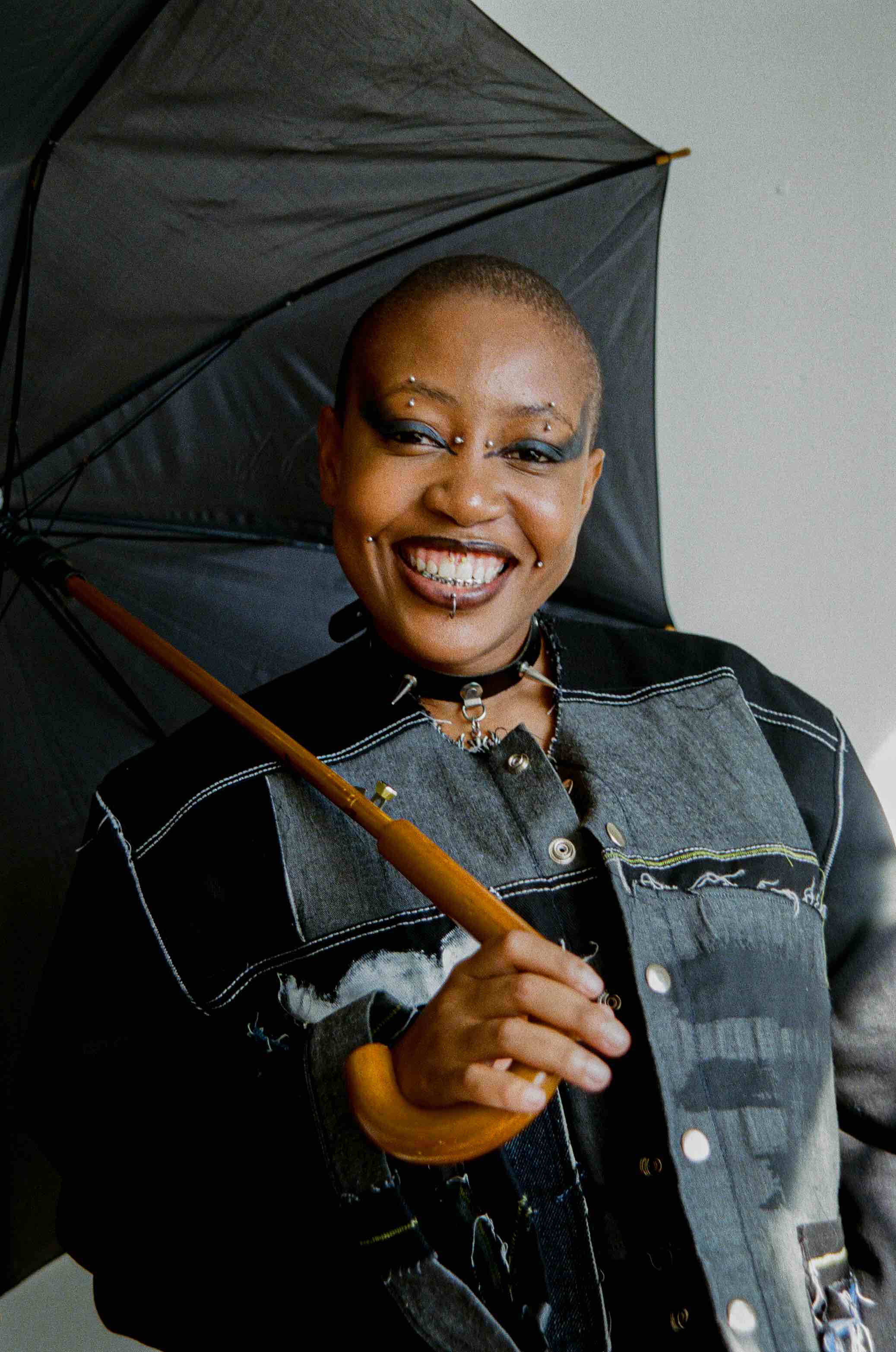
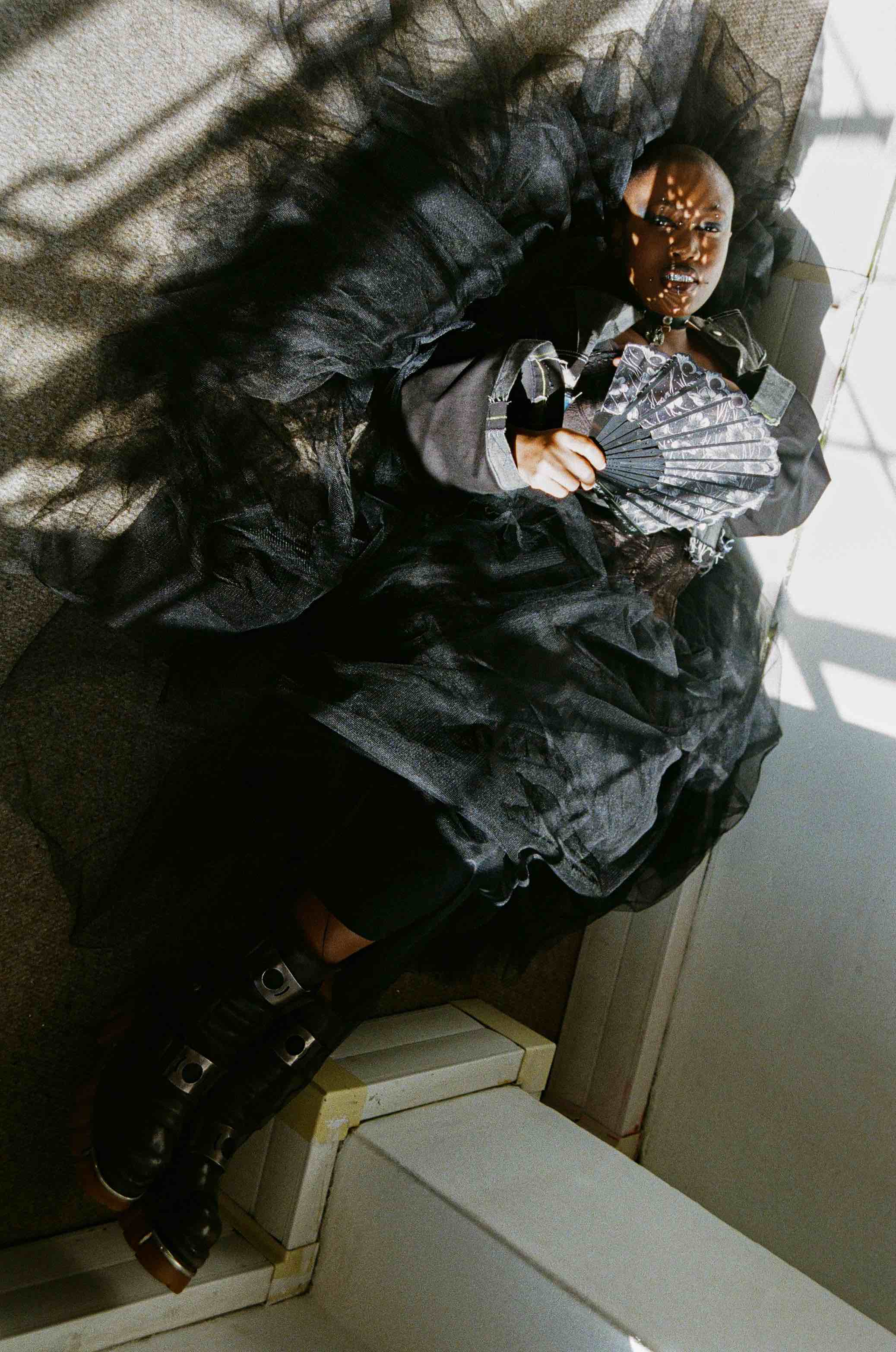
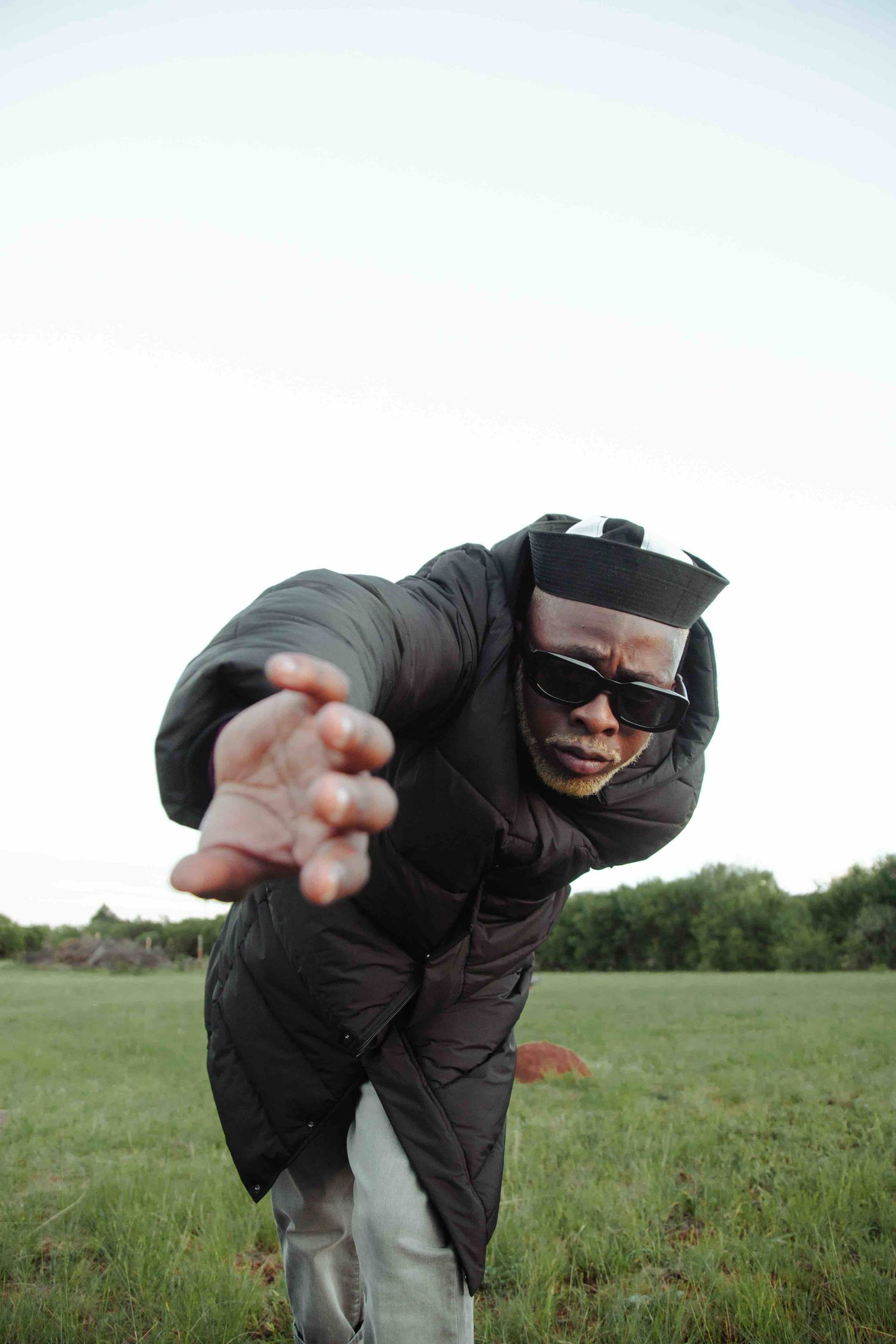
Dee Koala photographed by Tshepo Marcus Mgadule
Dee’s choice to rap isiXhosa is rooted in her commitment to being the most authentic expression of herself. We ask Dee what this decision has meant for her and her career, with Dee sharing that “when I started, I thought everyone had to rap in english – I thought it was quicker, that it was the only way to be successful. Of course, I had inspiration from other rappers that I looked up to, but I still had this misconception that there were limitations to rapping in your mother tongue. I tried to rap in English and even though I can articulate really well, I just didn’t connect to it. The stories that I’m telling don’t land the same way in English – if I’m speaking about my life in Khayelitsha, there’s no one who speaks English that still understands the meaning.” Dissolving the perceived constraints around the limitations to her success, Dee credits rapping in vernac as the root of her growth in the industry, saying that “I realised that I have a voice to do whatever I want to do, once I had a foot in the industry. I wanted to rap the way I talk to my friends, the way I greet my neighbours – the way I chill in the hood. That way, I’m connecting to every Black child or person who grew up in the hood. It has been more meaningful for me to be able to share our stories, because there’s so little music available that reflects where I come from and where everyone I grew up with, comes from.”

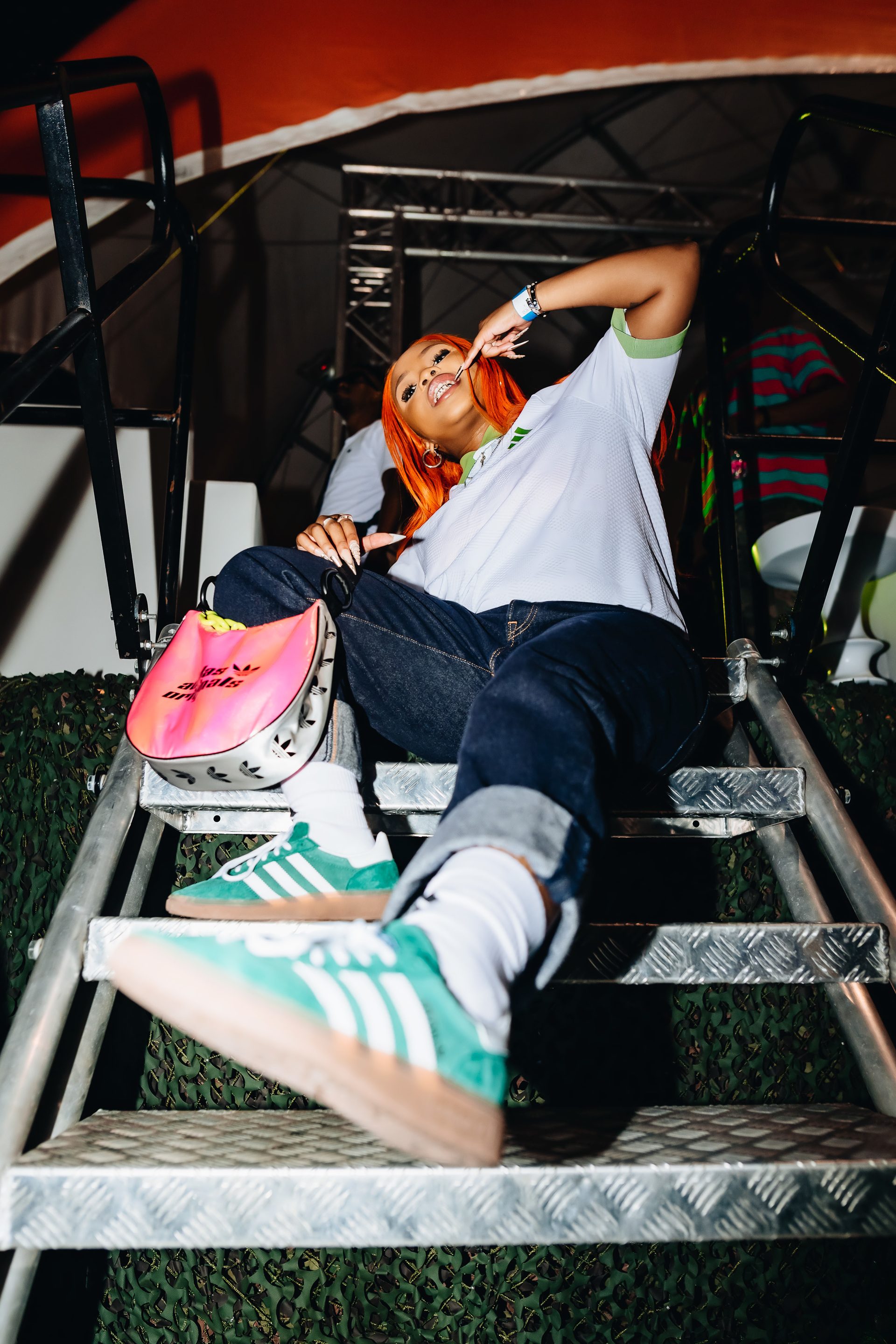
On the matter of personal style – Dee explains that it’s been a matter of discovery and experimentation, “I’ve always had a boyish look. I took longer to discover my girly side – the only time I would wear dresses was at church. Now, I’m so into the dresses, and the heels and long hair – and especially with nails, I realised I could be so creative with them.” and that “I’ve experimented a lot with my personal style. With adidas as a supporter of my style and career, I’ve really gained the ability to make sure whatever I wear is always a combination of their pieces, with my own take on it. Now that I’m getting into training gear, I can have adidas involved in every part of my day.”

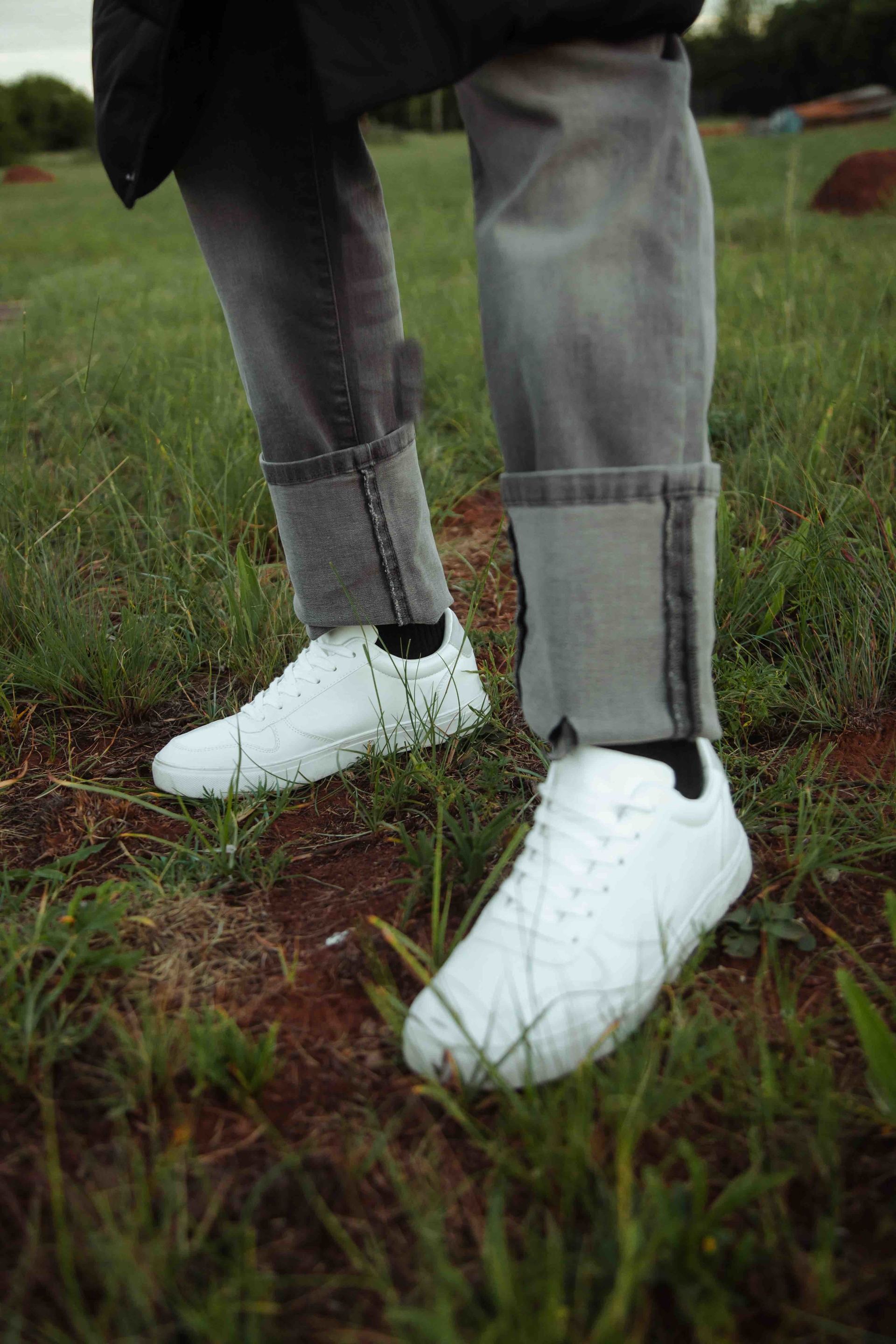
As for Dee’s favourite adidas iteration? She remains a connoisseur of classics, “My favourite adidas shoe right now is the Gazelle – it’s between the Gazelle and the Spezial, for me. I’m very into adidas Originals and their classics, that’s my number one.”  

Dee Koala pulses at the nexus of creativity and culture, sound and style – an icon already made and in the making. Dee’s originality? Take notes. 

Head here for Dee Koala’s exclusive playlist, ‘KHALTSHA FLOWS’
Written by: Holly Beaton
For more news, visit the Connect Everything Collective homepage www.ceconline.co.za

France Approves An Anti-Fast Fashion Bill

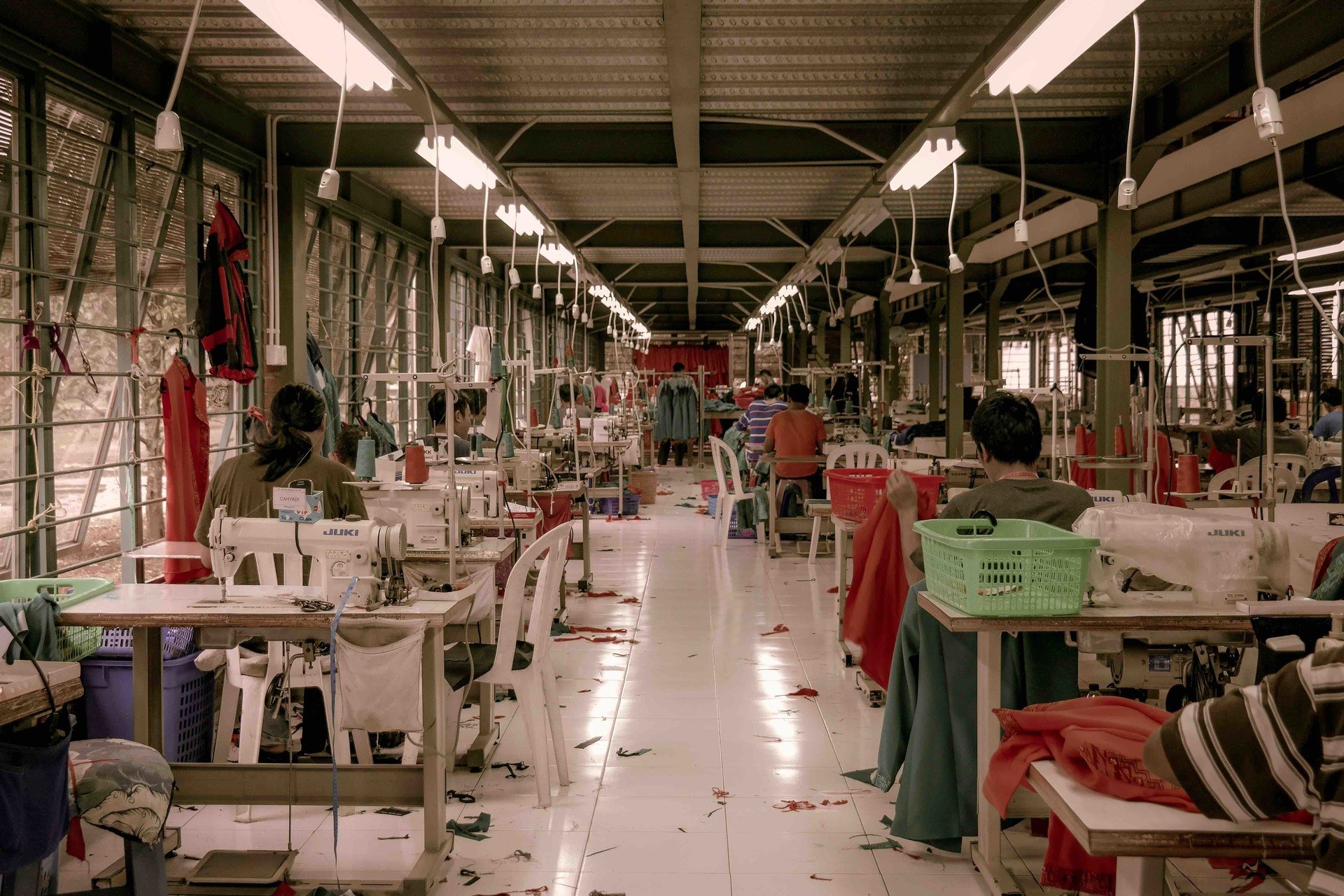
A first of its kind bill has been approved in France, on 14 March 2024, which aims to reduce fast fashion practices. France’s lower parliament decided to unanimously approve a bill calling for penalties on fast fashion (widely considered low-quality apparel) products from online retail giants like Shein (China), Temu (China) and H&M (Spain). France is aiming to offset their impact on the environment with the carbon emissions caused by clothing production, shipping and textile waste.

France’s environmental minister Christophe Bechu stated that “A big step has been taken to reduce the textile sector’s environmental footprint.” 

The bill states that textile climate offenders will have to face an annual ascending penalty, leading to up to 30 euros per garment. It also advocates for a ban on advertising liberties due to an excessively high marketing spend from these corporations which dominates web searches across the board. In addition, the bill details that it will be mandatory to have these items’ environmental impact level placed next to the price in the hope of forcing consumers to assess the products’ carbon footprint. The bill has been formed in conjunction with France’s AGEC law to encourage a circular economy and mitigate waste.

Rio Lecatompessy, Unsplash

France’s current corporate sustainability due diligence directive offers to reimburse shoppers up to 25 euros for each garment they repair – according to their repair scheme

“This evolution of the apparel sector towards ephemeral fashion, combining increased volumes and low prices, is influencing consumer buying habits by creating buying impulses and a constant need for renewal, which is not without environmental, social and economic consequences” the bill said.

This is a developing story.

For more news, visit the Connect Everything Collective homepage www.ceconline.co.za

The Insatiable Curiosity of Mikhailia Petersen’s Multidisciplinarian Image-Making

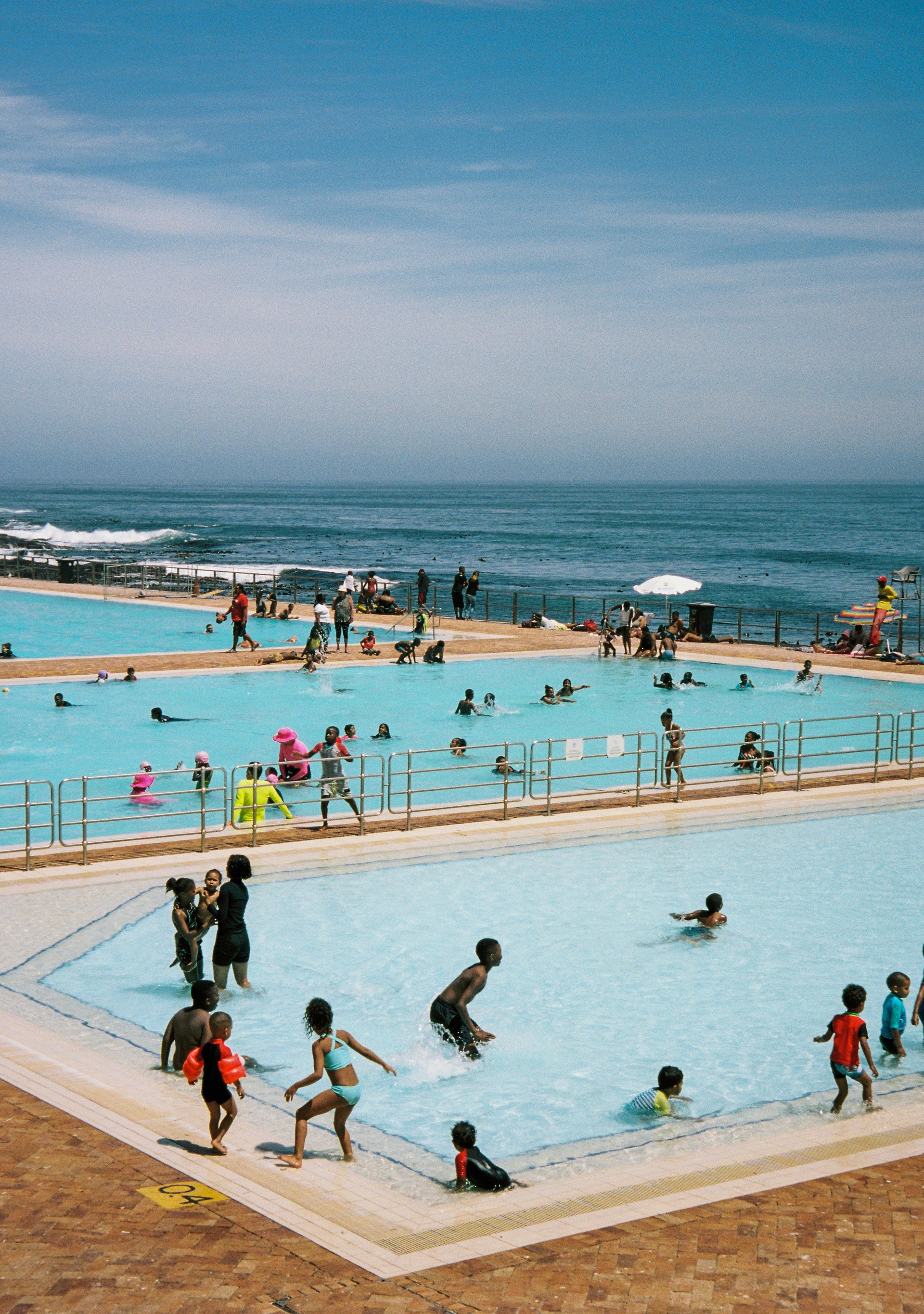
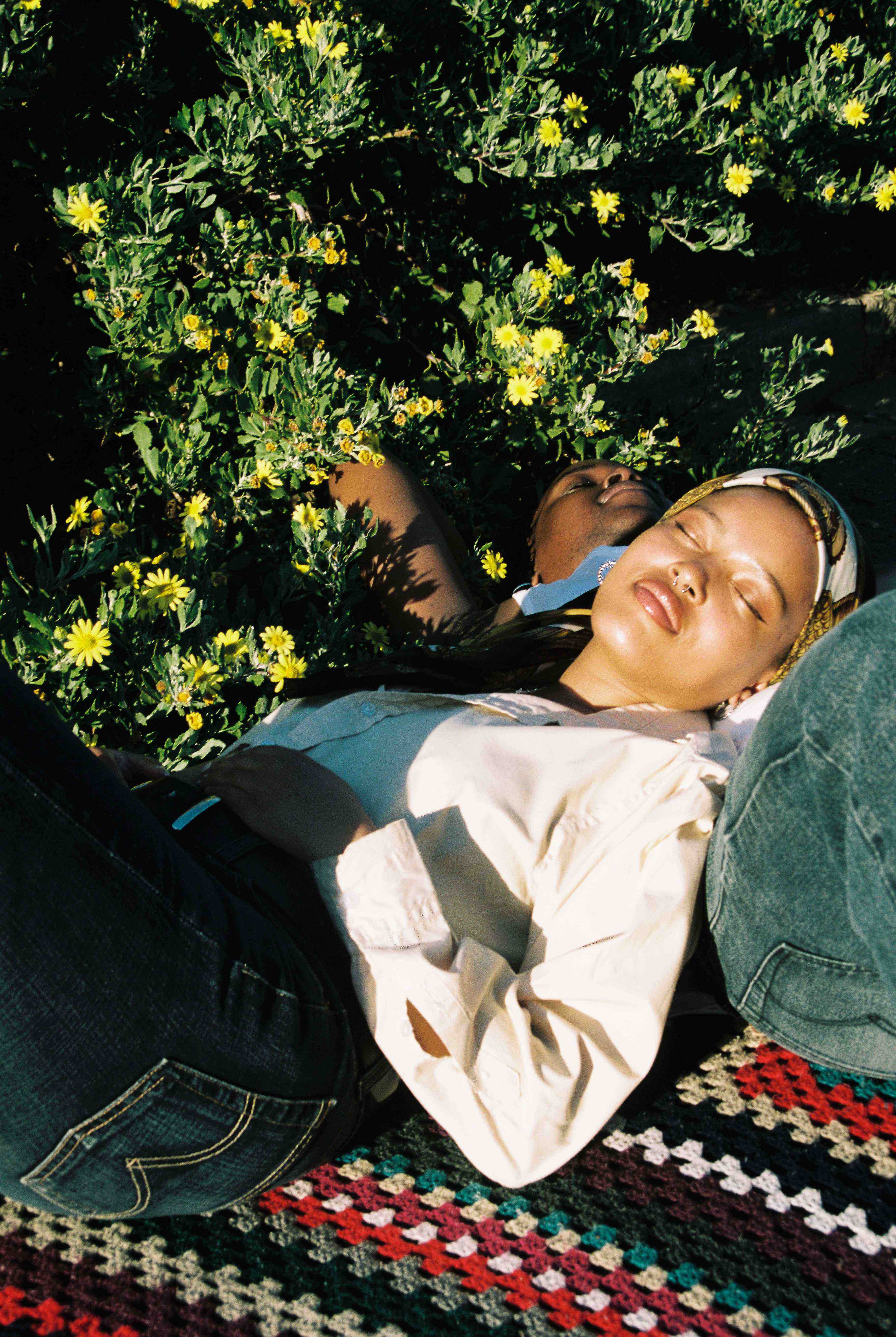
To be a multi-disciplinarian is to be insatiably curious – it means, at its root, that one’s creative process is always up for re-assertion and is never finalised or concluded. I know of Mikhailia Petersen’s work through her viewpoint of styling and creative direction in fashion; with a signature ability to fuse contemporary sensibilities, while resurrecting a sense of nostalgia – the latter, being a facet of Mikhailia’s photographic work, in both mood and meaning. Whether it’s her work for publications such as The Face, Vogue Italia or NATAAL, or showcases such as The Manor curated by Trevor Stuurman, or participating with galleries such as The Reservoir and with Church at FNB Joburg Art Fair – Mikhailia’s ability to create visual stories is one far-reaching and profound. As Mikhailia tells me in our conversation, shooting was always her primary goal and it took engaging with multiple parts of the image-making process in order to get there.

As Mikhailia explains, “I’ve always wanted to shoot. I didn’t have the money for gear initially, so one way that I could be part of the image-making process was to style. That was a little bit more accessible – I had contacts in the fashion industry, and so that was my start in the space. It naturally progressed to creative directing and producing, and then I had the opportunity to borrow my friend’s camera. I started practising photography, officially.” Mikhailia’s engagement with photography arose out of a deep search in making meaning of a landscape in which the narratives of those around her – whether communities or individuals – shone more clearly as the materia for the kind of narrative-building that she was pulled towards. As Mikhailia notes – fashion was the first point of entry in this process, but it has become so much more; “fashion is an extremely important tool. Though I found that it was limiting, as a stylist, to say exactly what I wanted to say or share the stories that I wanted to – and I got to the point where I had set up the whole scene for an image, I should just shoot it, too? I realised I can do it myself, and for the work to be made by a person of colour is really important, too.” With a particular emphasis on shooting stories of POC and LGBTQIA+ people, Mikhailia’s instinct for storytelling is grounded from behind the camera lens. Though, this does not mean a conclusion of her artistic focus – it means, as she tells me, that next stop is to become a director and work with moving images and film. Mikhailia embodies that precious and insatiable curiosity.

JUST THE TWO OF US & YOUTH FOR HANOVER MINSTRELS

SUMMER

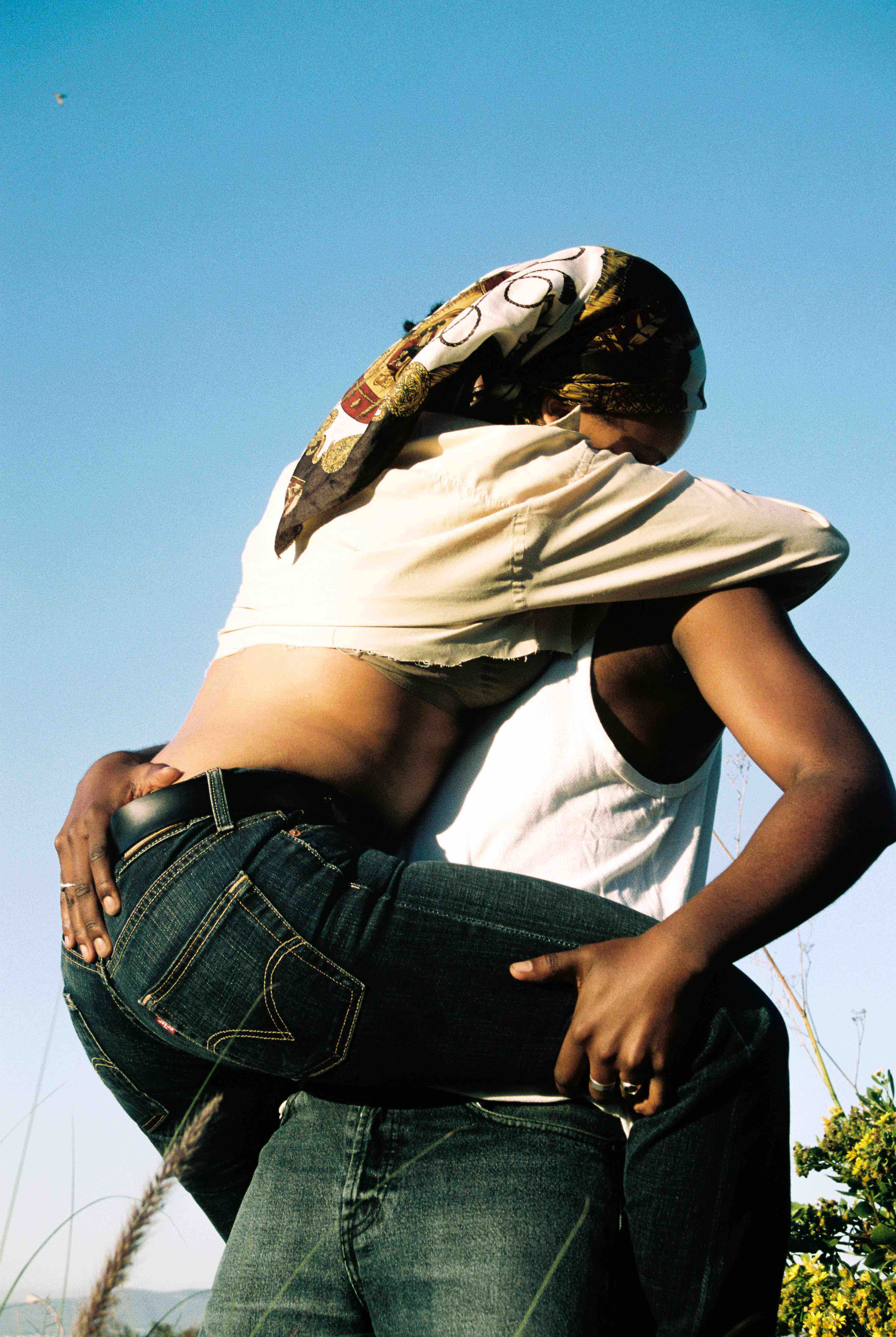
LEVIS 501 FOR VOGUE ITALIA

I ask Mikhailia whether there is a definition to what she is currently making, and how the intersection of her multiple disciplines might unfold during the creative process? To which she says, “my focus is fine-art photography right now, while working towards becoming a director. With all these intersecting roles, I’m constantly jumping between them in whichever process I’m engaged in. I still see myself as a practising artist, just with more expanded skill-sets to step into, depending on the body of work or brief at hand. I think when I’m building a story, it’s become instinctive for me to know which areas of the process need my attention or focus – from photographing, to styling, creative directing and so on.”

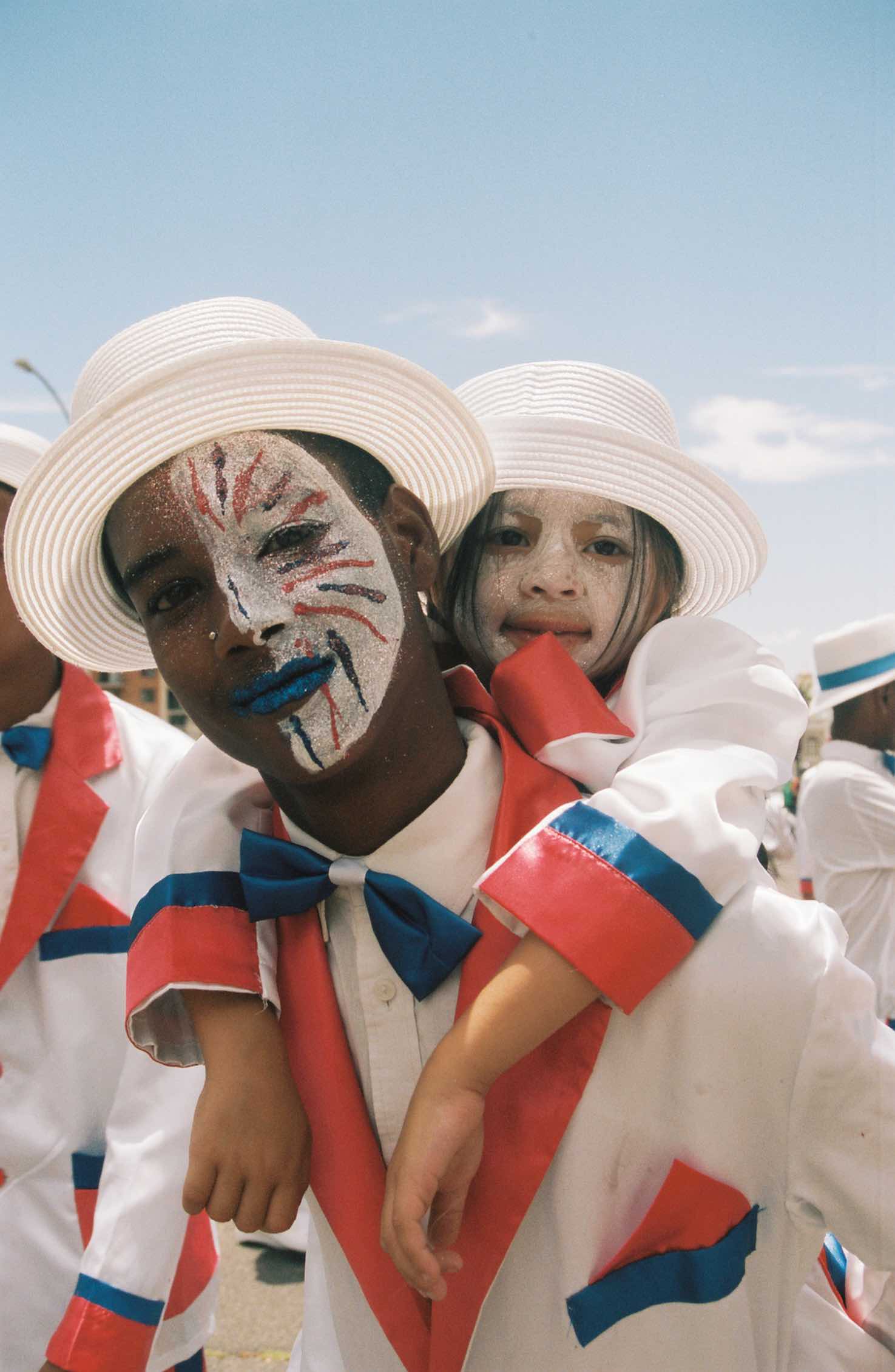
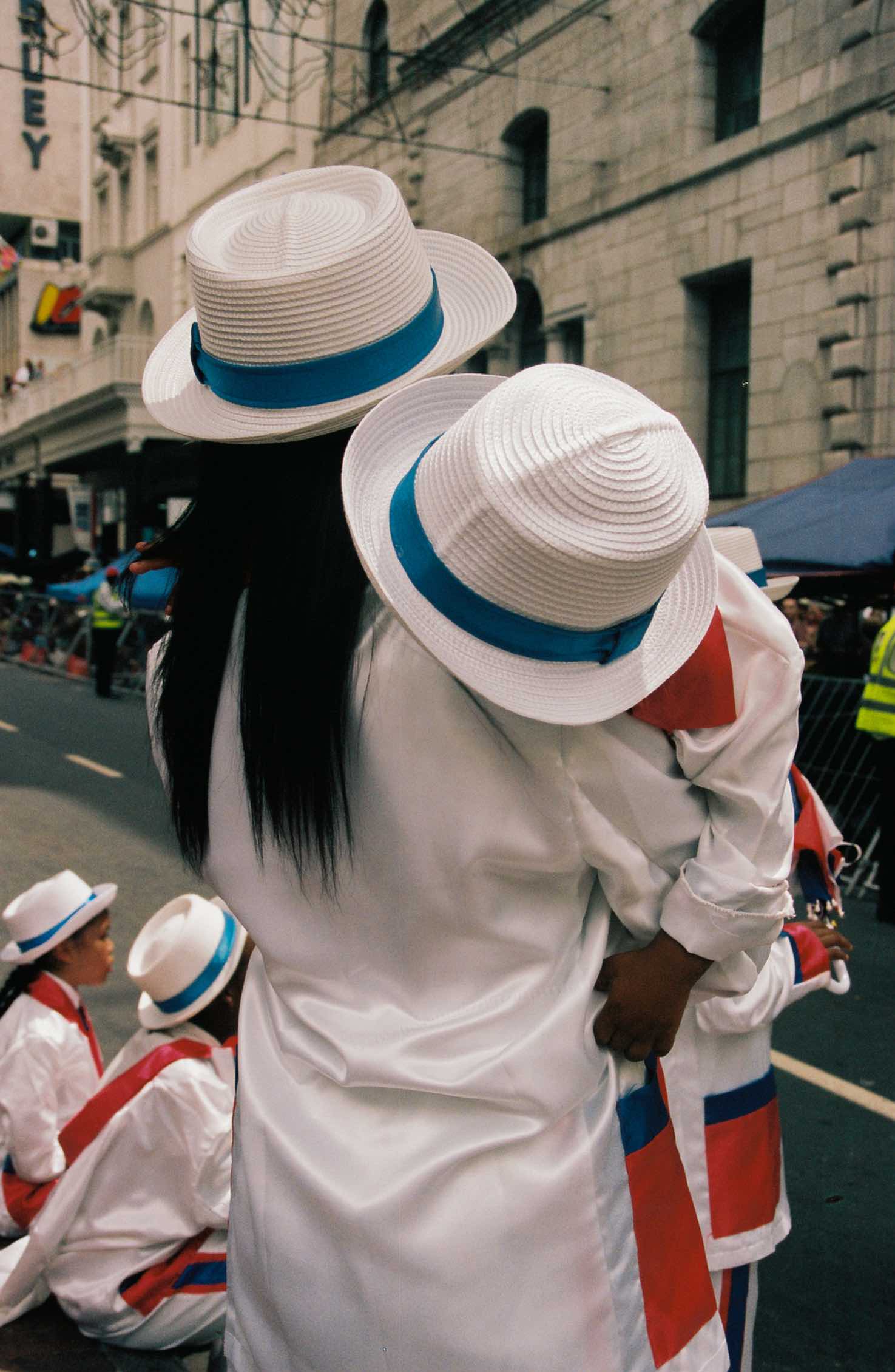
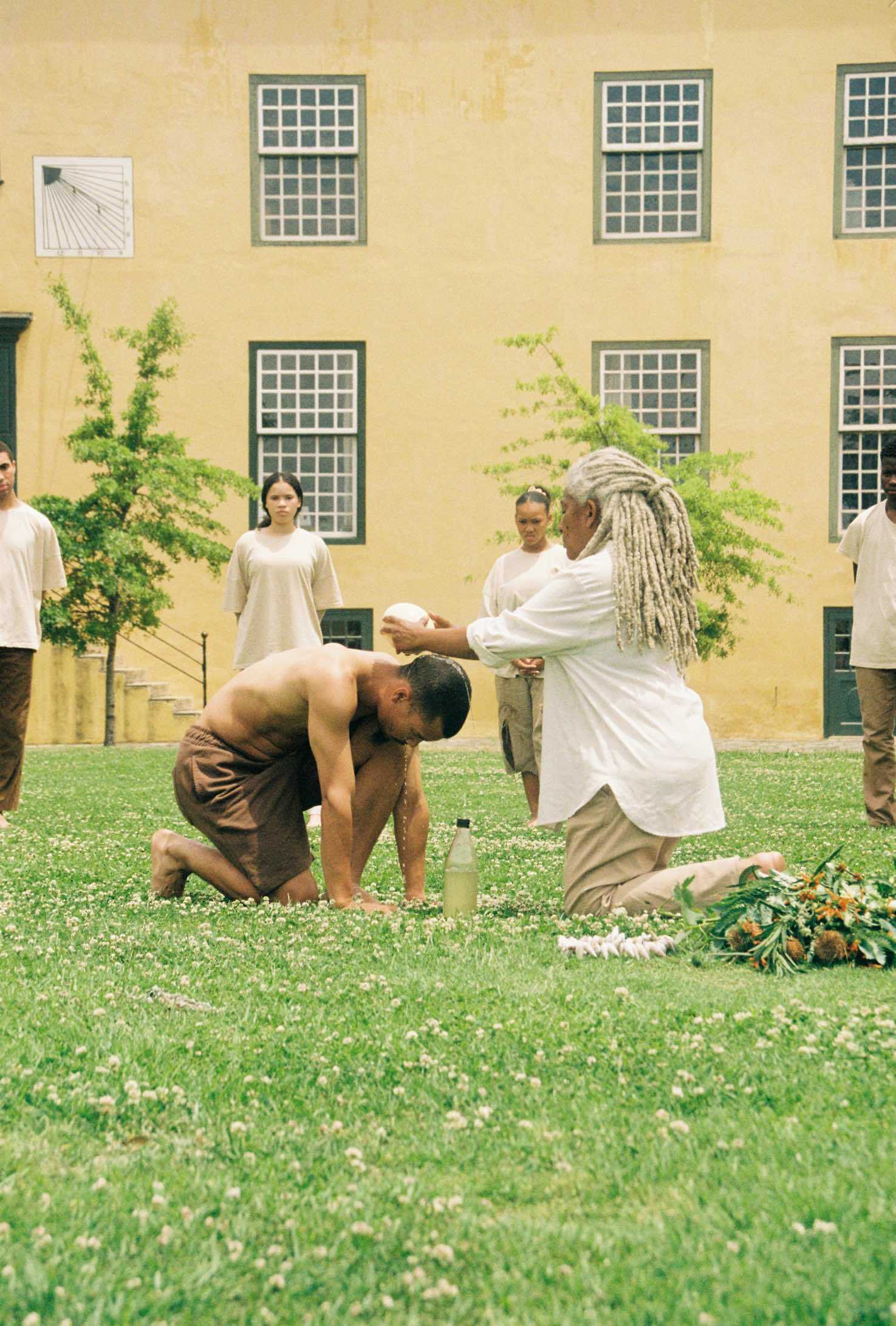
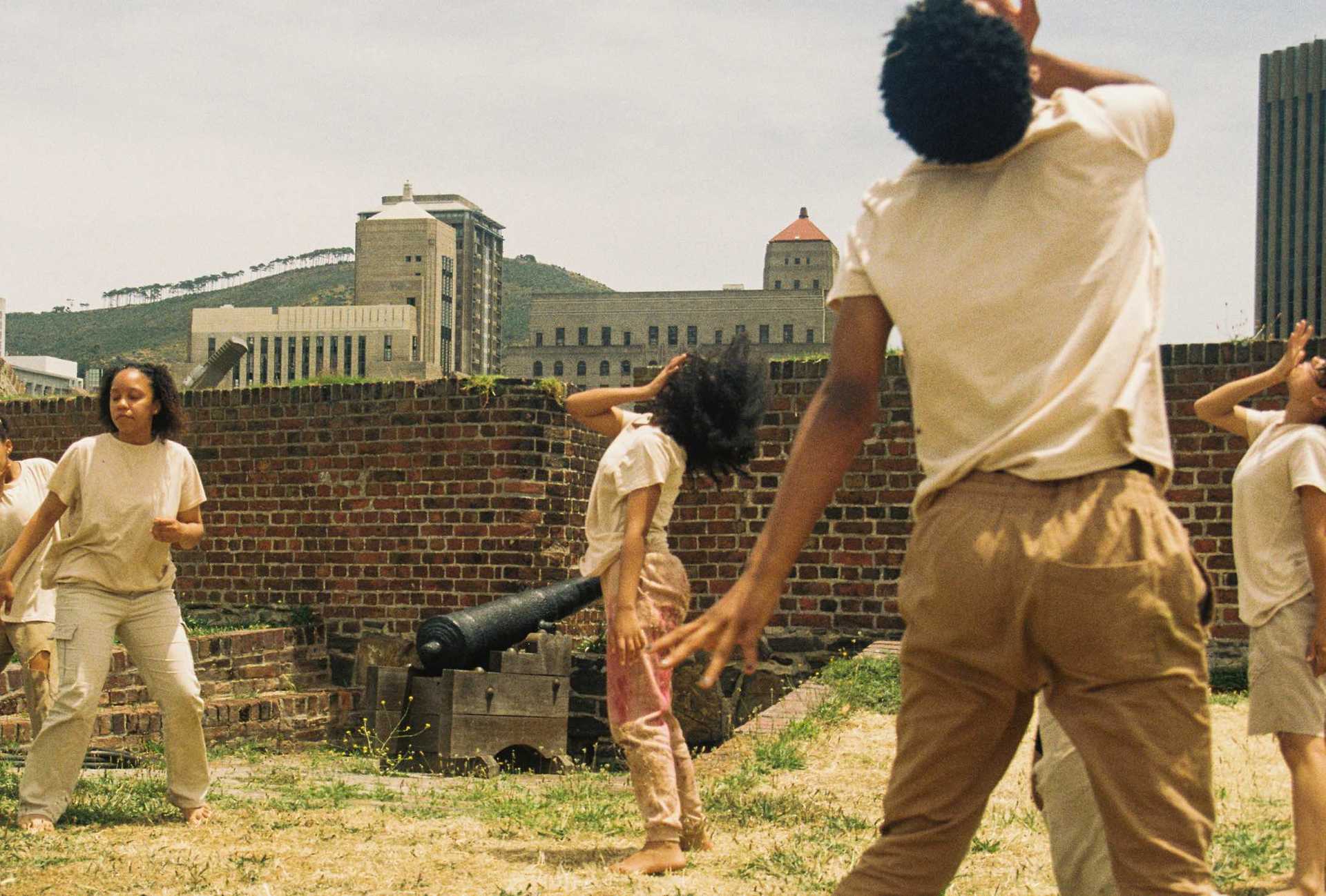
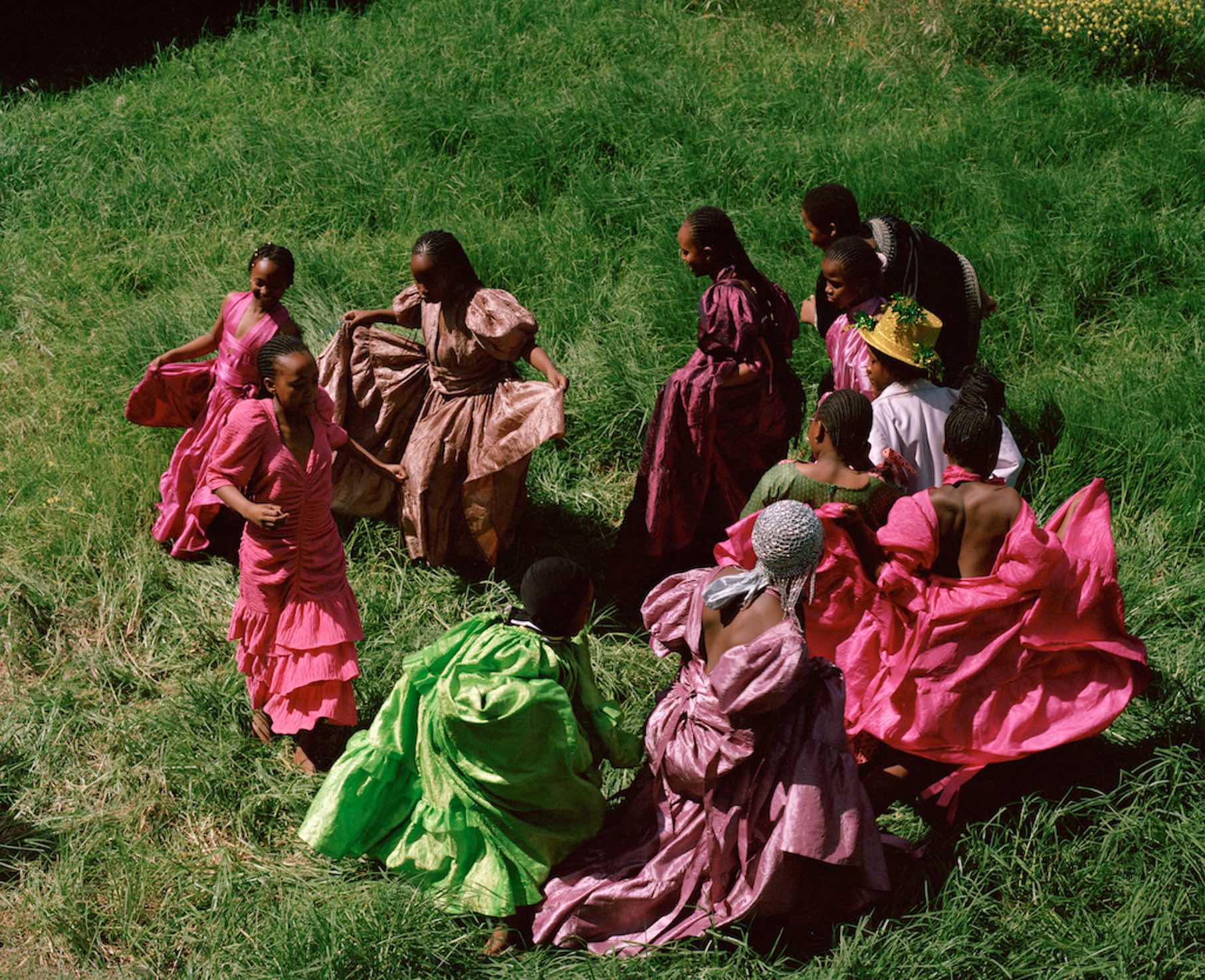
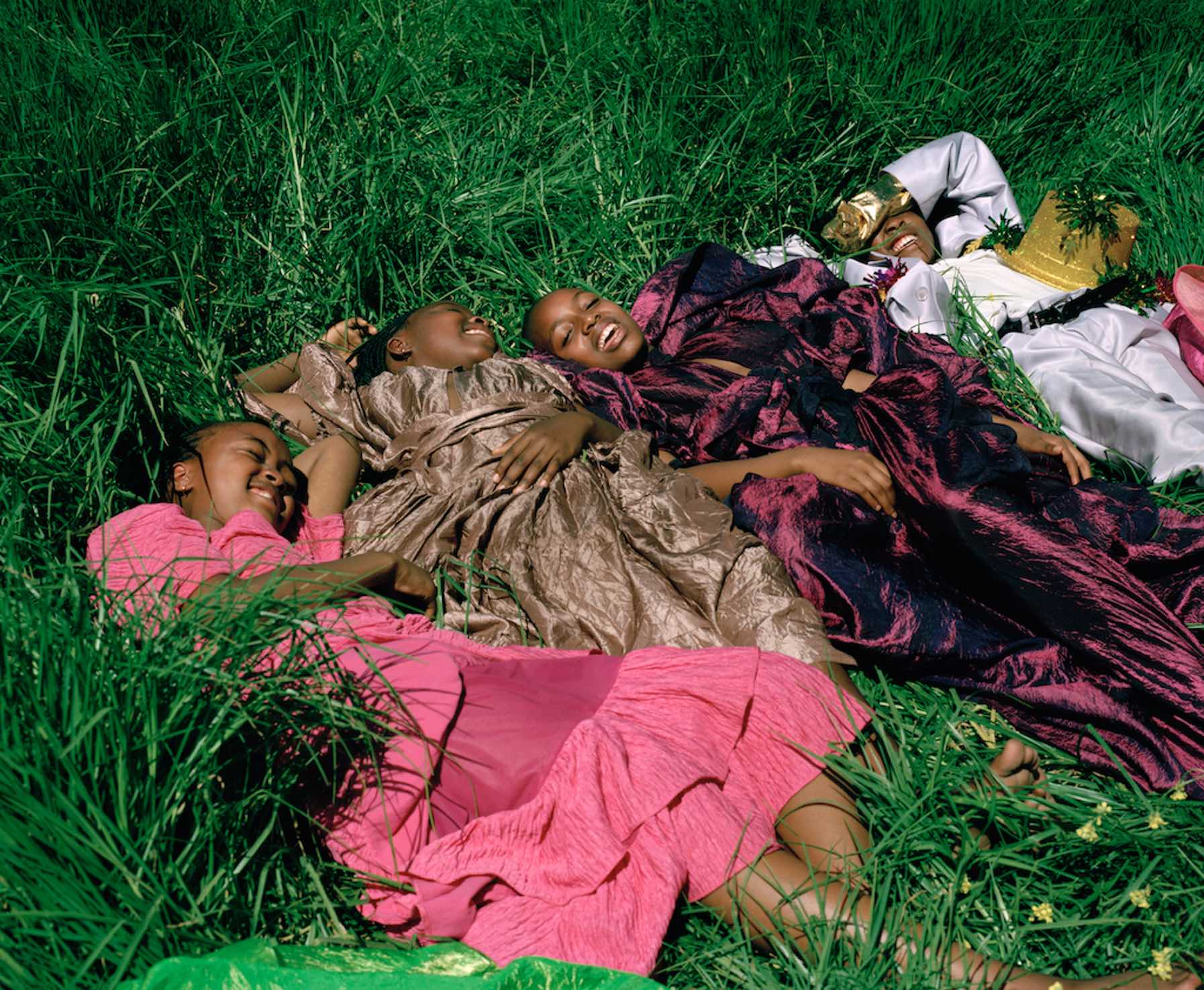
Though Mikhailia remains engaged in the realm of fashion, it is her fine-art photography that is bringing her the deepest sense of nourishment. I am struck by her portrayal of the Hanover Minstrels, the procession leaders of Tweede Nuwe Jaar and the annual Cape Minstrel Carnival. Capturing that inarticulable joy, energy and co-creation of this historical and cultural celebration, Mikhailia’s series statement explains thatTweede Nuwe Jaar is  “rooted in the city’s history of colonisation and struggle, it marks the one day off a year the city’s slaves were traditionally allowed, which they used to come together through music, costumes and dance. After emancipation in 1838, local communities formed bands, choirs and troupes and by the early 1900s new year processions became commonplace. Tweede Nuwe Jaar went on to survive Apartheid and has embedded itself into South African popular culture, becoming a celebration of togetherness.”

CAMISSA FOR ITC

Mikhailia shares that “I’m deeply inspired by the Hanover Minstrels. They’re the first minstrels from District Six, and they’ve led the whole procession throughout all these years. I really admire everything that they stand for in terms of community upliftment and their focus on encouraging kids to find their expression,” and that this project is one that will continue to form part of a long and open-ended body of work, “I actually didn’t know much about my own culture. Working with the Hanover Minstrels has been this incredibly enlightening way to engage with my culture – to see other coloured people engage in this precious and unique creative outlet. I’m hoping to shoot them for eight more years, so I can do a ten-year anniversary story series. Being able to build long-form, documentarian-style work with communities is something very special and dear to me.”

As a creative, Mikhailia’s notes that the act of collaboration is as simple as it is powerful, saying that “I believe in integrity as the foundation for any collaboration. With integrity, an intuitive process always seems to unfold between collaborators – and this has always led to the most beautiful work.” and that this moment, of Mikhailia’s creative expression, is perhaps her most attuned, “I have never felt so comfortable and so confused, in my entire life! I am so comfortable with myself at the moment and what I’m trying to say, and hopefully what I am going to leave behind one day as a legacy, and what my impact is creatively. It’s this really interesting tension of knowing that what I’m doing is precisely what I need to be doing, but not having the full knowledge of where it’s going. I think that’s the confusing part, but I’m trusting the process.”

WE ARE LOVED FOR LITTLE LIONS

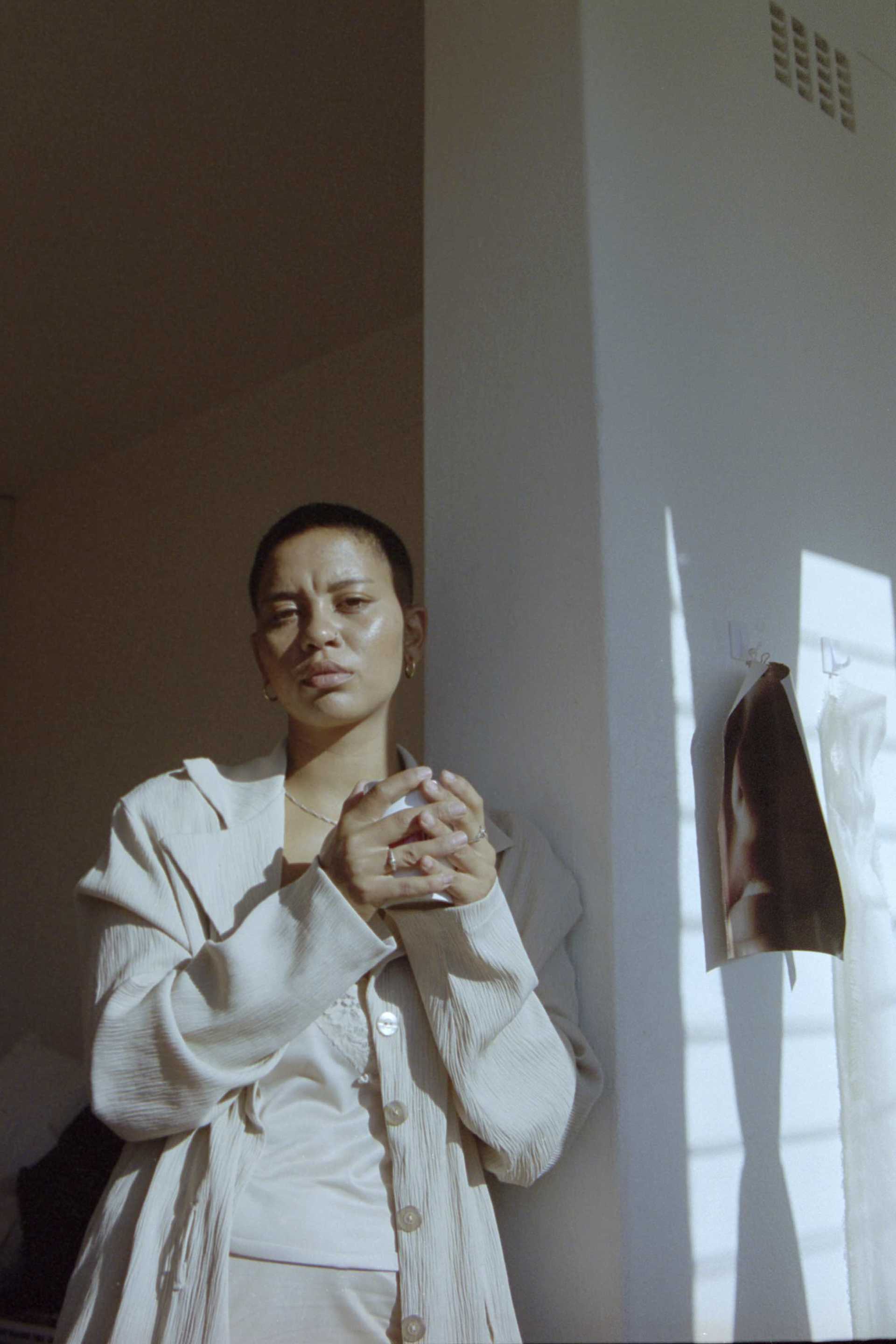
Mikhailia, photographed by Alice Mann

As for the future? Mikhailia’s sights are set on film-making – an organic consequence of mastery in the art of still imagery. Now, Mikhailiia is pursuing the art of movement; “My vision is to make more community work. I’m also going to make my own films – which is a really exciting, new frontier for me.” With a final anecdote for those called to a practice rooted in a multitude of disciplines and articulations, Mikhailia’s encouragement is that “when you feel like you want to quit – that’s when you have to keep going. To be able to tap into creativity is so special, but your story matters.”

WOODSTOCK

DISTRICT SIX

Written by: Holly Beaton

For more news, visit the Connect Everything Collective homepage www.ceconline.co.za

Unpacking the loneliness epidemic – Does being alone mean that you’re lonely?

Over the years, I’ve found that one of life’s great displeasures is that whenever you are single, it feels like people can’t fathom the idea that maybe it is actually by choice. “What are you looking for?”, “Have you ever met X? I think you’d get along”, “You should go on more dates”, “You need to give people a chance”, or the most dreaded of all, when your grandma asks when you’re going to “settle down”. 

See, here’s the thing: I think that in the noise of it all, in the chaos of the individual trying to navigate the collective, we have lost track of the fact that loneliness and being alone are factually very different things. It is so different; in fact, that for this article, I need to take a somewhat two-pronged approach. First, we need to talk about the very serious matter of loneliness before we resume our regularly scheduled broadcasting of funny little anecdotes and hard-hitting one-liners.

Why do I want to separate these terms so starkly, you ask? Well, in truth, the two do not correlate. Whereas being alone is a physical state, loneliness impacts us on an emotional level. We might be surrounded by amazing people, but still feel like we are the only person on the planet. Prisoners to our minds, detached and dejected from the wonder happening around us, caught in a feeling that we are misunderstood or not understood at all, without care, a partner or a community. The statistics regarding loneliness are a rather big cause for concern, with one in four adults across the world reporting that they feel very or fairly lonely. The highest rates of reported loneliness were from respondents between the ages of 19-29 at a staggering 27%. Statistics like these forced the US General Surgeon Dr Vivek H. Murthy to declare loneliness as a US epidemic, but the statistics show that it is by no means contained in the US.

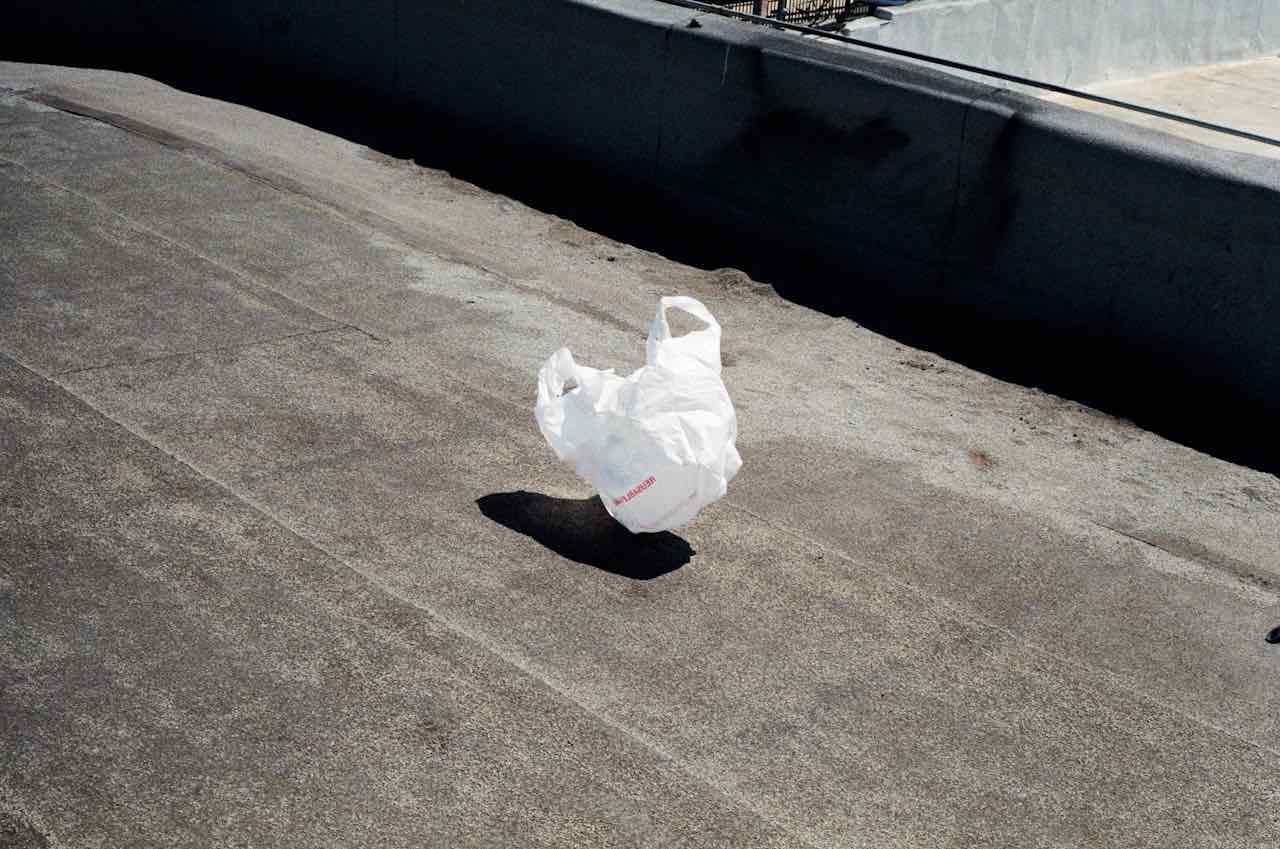
Lonely Plastic Bag DTS

Now, some may say everyone feels a bit lonely at different periods, that it is just “life”, but I’m here to report that it is actually happening at such an unprecedented scale and in such prolonged periods of time that the emotional turmoil of the loneliness epidemic is having a severe impact on our physical well being. It is reported that people between the ages of 15-24 are seeing their friends 70% less than two decades ago. 20 years ago always sounds like the 1980s, but we’re actually talking about the mid-2000s here, the same year Mean Girls was released. The stats get even more troubling: there is a  29% increased risk of heart disease; a 32% increased risk of stroke; and a 50% increased risk of developing dementia for older adults. Dr Murthy even went to the lengths of saying that the health risks simulate smoking 15 cigarettes a day and have a more profound impact on your health than obesity or physical inactivity. 

This may explain why people are so apprehensive towards those of us who choose to be alone or are simply content with being alone for extended periods, especially given that humans are inherently creatures of community. As Dr. Eglantine Julle-Daniere puts it, “All our lives are built around a certain amount of social interaction and physical proximity. Even the most introverted of us could enjoy a limited amount of social contact.” Choosing to be alone and being okay with being alone, however, is fundamentally a very healthy state of being. We need to be able to take a step back from the endless drag that modern dating often presents, and we need to be able to take time to be with ourselves and only with ourselves. We all know that friend who is a serial dater. Every story is a messy collection of fights, breakups, and makeup sex, all predicated by a pretty surface-level connection, evident by the fact that they always refer to their partner as simply “this one” online. So we let the serial daters go about their lives, but the ones who choose to be single are the weird ones, apparently?

It’s important to admit that regardless of having a partner, there will always be room for loneliness. According to a study by Harvard, it was reported that around 16% of people in committed relationships still report feeling chronically lonely for a plethora of reasons, including attachment insecurities, amongst the other challenges that love and affection bring. I am no different. Despite super strong support structures, I often feel lonely. That being said, I still think we should defend and protect our individual need for “aloneness”. Even with a partner that I love and a supportive set of friends, family, and colleagues, I often have an inherent need to be alone, quiet, and still. This may also be why the transition from city rat to mountain man has hit like a truck in the last few years. What’s that meme about the pills to hills pipeline?

In my opinion, there isn’t a set path that needs to be followed, no matter how hard society tries to push the “two kids, a pet and the white picket fence” idea. We are all individuals working on our own timelines, which are subject to change at any moment. Two years ago, I was single, very single and living my best life as a proudly self-proclaimed manwhore. I was having fun, meeting people and not taking anything seriously with regard to relationships. I was planning a move to Cape Town and had sort of made up my mind that seeing anyone seriously would only lead to heartbreak. Well, not even a week before my move, my mind shifted utterly when I met my now fiance and soon to be wife. This was most certainly not according to the plan. Before meeting her, I was very content on staying single, and marriage wasn’t even a thought that had ever crossed my mind, but hey, who the fuck are we to question what is meant to be. I was single and thriving, a term that, in conversations with peers, seems almost to bring a sense of resentment from married couples (I’ll be able to report to you all on that in November).

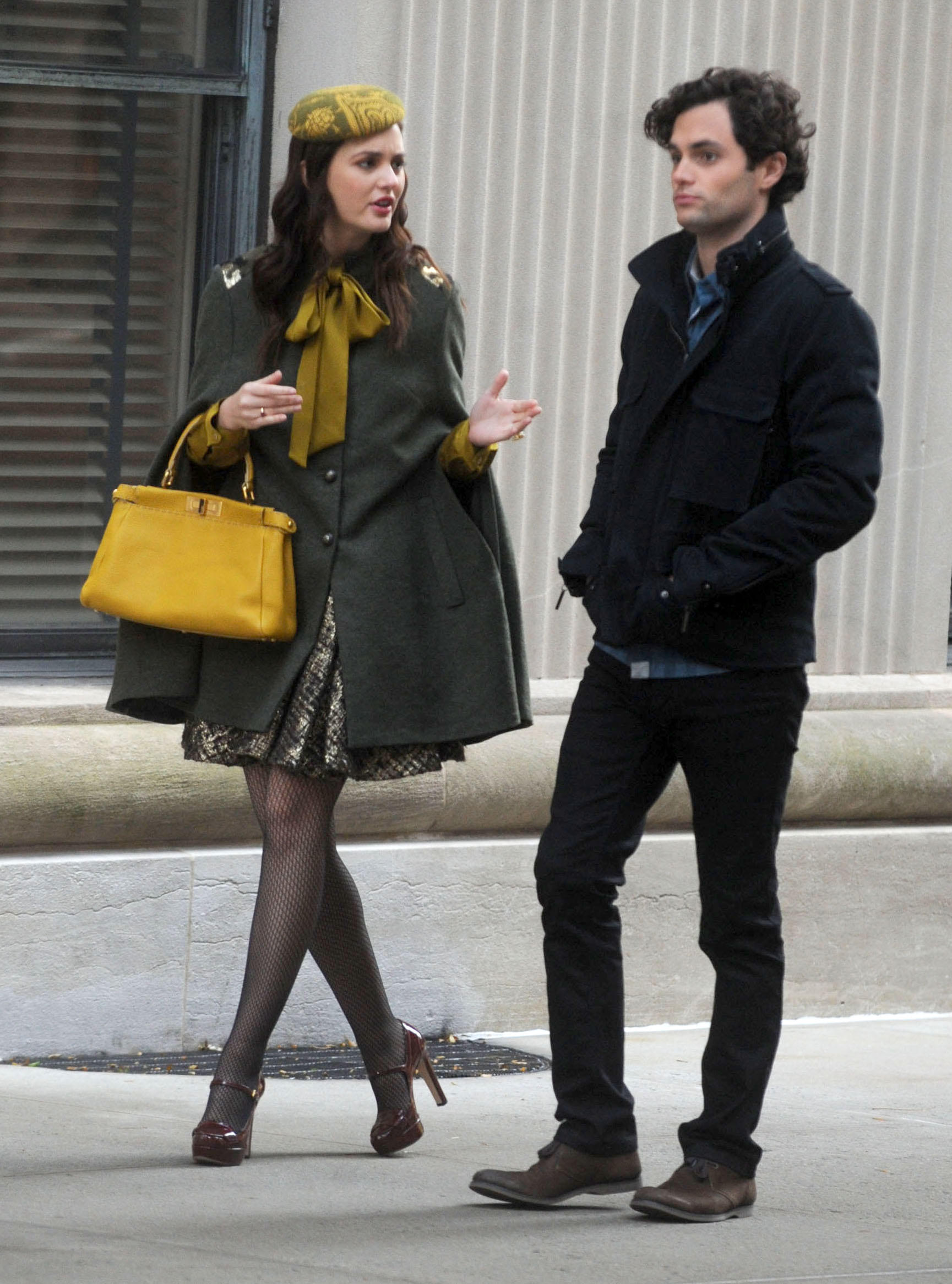
Lonely Boy Dan Humphrey Gossip Girl licensed Alamy

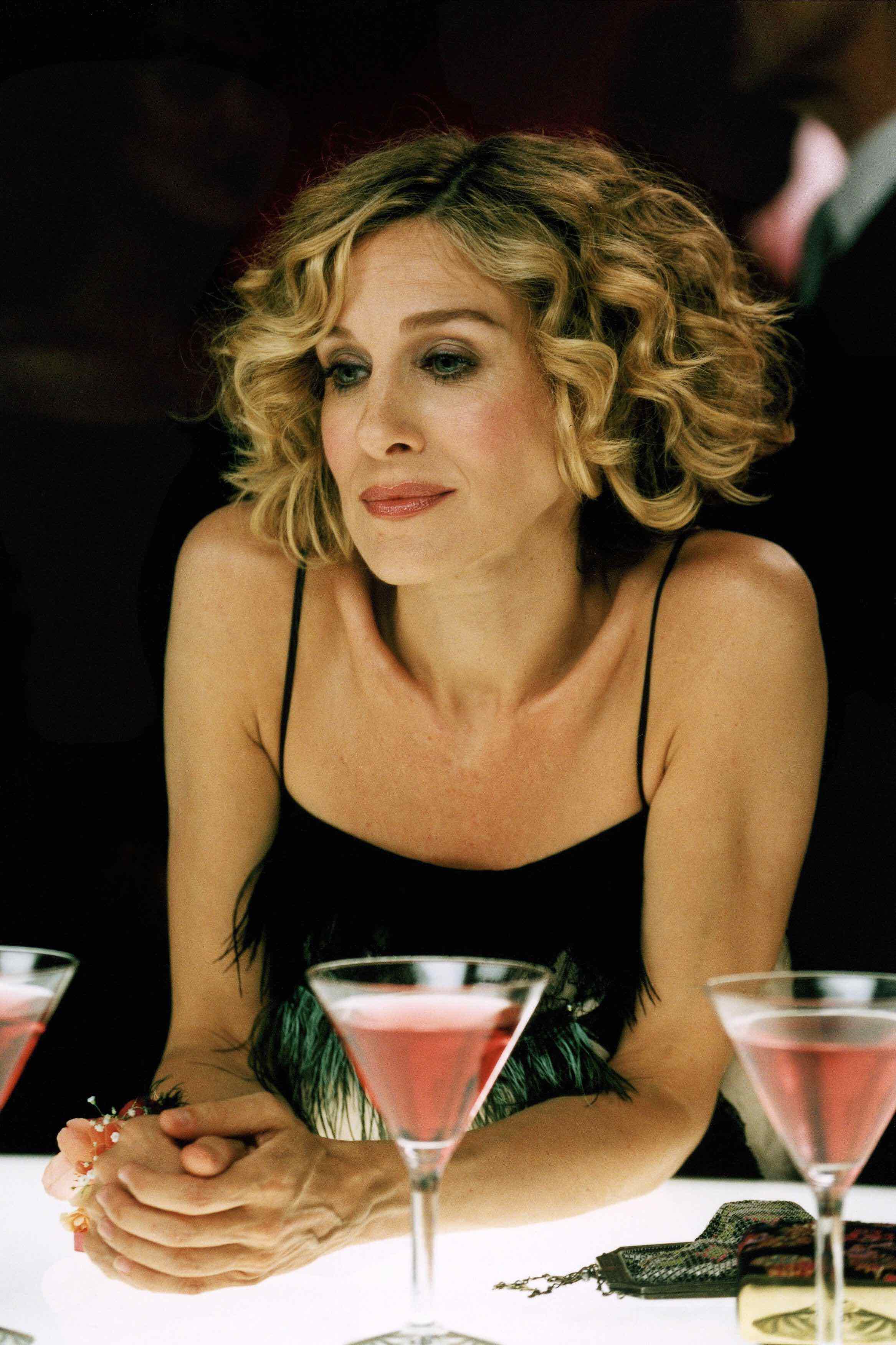
Sex and The City: Season 5, 2002, HBO licensed via Alamy

I think this paragraph by Dr Frank John Ninivaggi beautifully summarises the importance of mindful aloneness: “Viewing aloneness positively during certain life stages is crucial. Solitude holds significant value in both Eastern and Western traditions. Unlike loneliness, which implies deprivation, aloneness is empowering—a concept rich in meaning and practical application. Whether alone or with others, aloneness is viewed positively. Aloneness used wisely is a mindful growth mindset.” He goes on to state that we can reflect on the healthy aspects of social participation within these periods of mindful aloneness. At that moment, we see the bigger picture as if we were a bit too close to it before to appreciate and realise just how special it is. 

It is the time to internalise those feelings of gratitude, love and care, to plant the seeds that you are loved and seen and that you yourself strive to fill the same role in the lives of others. That you don’t need someone else but that you choose to spend time with others because you want to not because you’re forced to. You might be in bed, in a dimly lit room, awake later than you should be, and yes, you may be alone, but you can be alone and absolutely thriving. 

I want to end with this extract from Dr. Julle-Daniere, as it is something that I preach a lot in these pieces. 

”We are surrounded by noise, all day long. Our senses are stimulated at all times. Even during our sleep, our ears are still perceiving the sounds around us, which in turn can affect the quality of our sleep. Creating silence around us, acoustic silence, but also attentional silence (when we stop looking for stimulation and shut ourselves from the world) and finally, physical silence (by the absence of movement, remaining still or walking slowly), can be extremely beneficial. Our brain does not shut down in those silent times, on the contrary: our thoughts wander, we daydream and listen to our inner thoughts, and our brain uses this time to remove all the waste created during the day. This form of silence is about shifting your attention from the outside world towards the inside of your body and your mind. This silent state brings a calmness that allows your body and your mind to recharge. Meditating is not about (or not only about) anchoring yourself in the present time; it should be about creating the headspace for your thoughts to drift away, focus on your breathing as a way to stimulate the wander. Which in turn can make you more creative and develop your instincts.”

Written by: Casey Delport

For more news, visit the Connect Everything Collective homepage www.ceconline.co.za

South African Vocal Group, The Joy, Performed with Doja Cat During Her Coachella Headline Set

South Africa’s success under international spotlight is growing from strength to strength. Last week, we witnessed an even deeper musical tradition than pop music thrust into view; Zulu acapella, which under the auspices of South African vocal group, The Joy, took centre stage at Coachella in collaboration with Doja Cat.  

Hand-selected by Doja Cat as her headlining guest, The Joy provided lead vocals alongside the American rapper on two of her tracks; recent single, ‘Acknowledge Me’ and ‘Shutcho’, the latter which was reimagined to incorporate lyrics in Zulu. Doja Cat, whose real name is Amala Ratna Zandile Dlamini was born in California, USA – though she has South African heritage through her father, Dumisani Dlamini, famed ‘Sarafina!’ actor and producer. A collision of Mzansi-ism across continents and contexts; this performance not only brought South Africans to the stage, but Zulu as a lyrical language for global recognition.

The Joy are a five-piece vocal group that rely on no instrumental influence and purely their vocal abilities and harmonisation to shape their sound. With members – Pastor (Ntokozo Bright Magcaba), Duzie (Melokuhle Mkhungo), Guduza (Sphelele Hlophe), Sthombe (Phelelani Sithole) and Marcus (Sanele Ngcobo) – now internationally lauded for their transcendent vocal talent. The group shared on their IG, “it’s been so hard to keep this a secret! Tonight we performed with the amazing Doja Cat on Coachella main stage in front of 100 000 people. Thank you A mala, or rather Zandile.Thank you to the incredible team that made this moment happen. You made us feel very welcome! And thank you to everyone who reached out after watching the stream from all around the world.”

Drawing on the rich tradition of ‘isicathamiya’ and ‘mbube’ vocal techniques, the group’s music is informed by “Growing up in a part of South Africa, where the Zulu tradition of a cappella singing is central to the cultural identity of its people and Ladysmith Black Mambazo have been worshipped for decades – their Grammy-winning success an authentication of the fact that the magic of isicathamiya music isn’t restricted to the townships where it flourished – The Joy’s harmonies hark back to yet another vocal tradition. Mbube means ‘lion’, which gives some indication of the elemental power its practitioners summon when bursting into song. This seems to be the lineage into which lead vocalist Duzie seems to be tapping when he cuts loose from the intonations of his co-travellers, as if compelled to commune with the ancestral spirits whose music he invokes.” 

We couldn’t be more proud of the strides and standards being set by South African musicians – onwards and upwards.

Listen to The Joy’s latest single ‘You Complete Me’ HERE
Instagram: @thejoyofficialmusic
Facebook: The Joy
Tik Tok: @thejoyofficialmusic
Spotify: The Joy

Press release information derived from Sheila Afari PR

For more news, visit the Connect Everything Collective homepage www.ceconline.co.za

Echoes of Transformation in ‘THE FALL BEFORE THE CLIMB: an ODE to AFROGRUNGE’

In the bustling nexus of creativity that is Connect Everything Collective, we often receive submissions that spark curiosity, ignite inspiration, and challenge conventional boundaries.

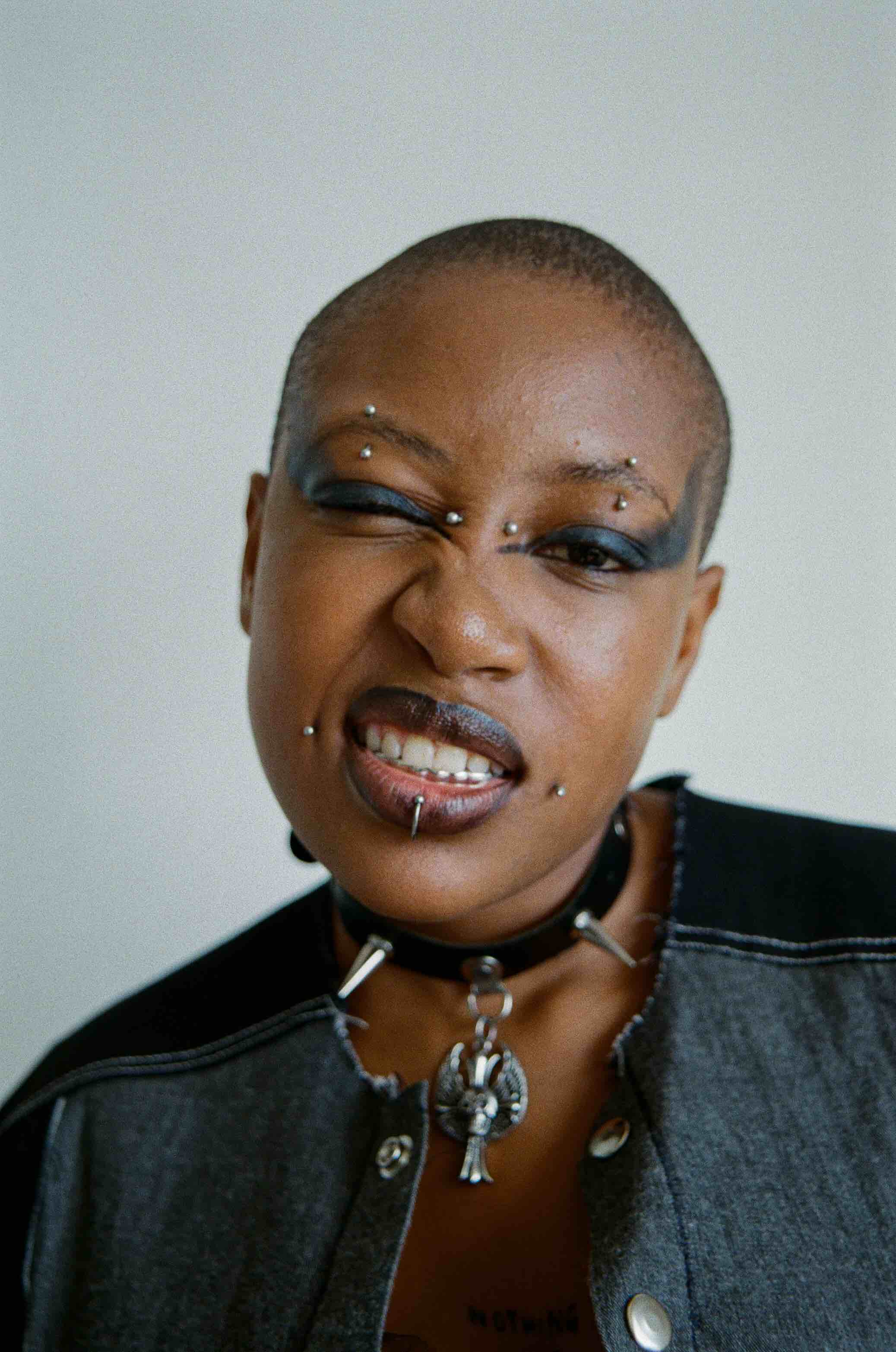
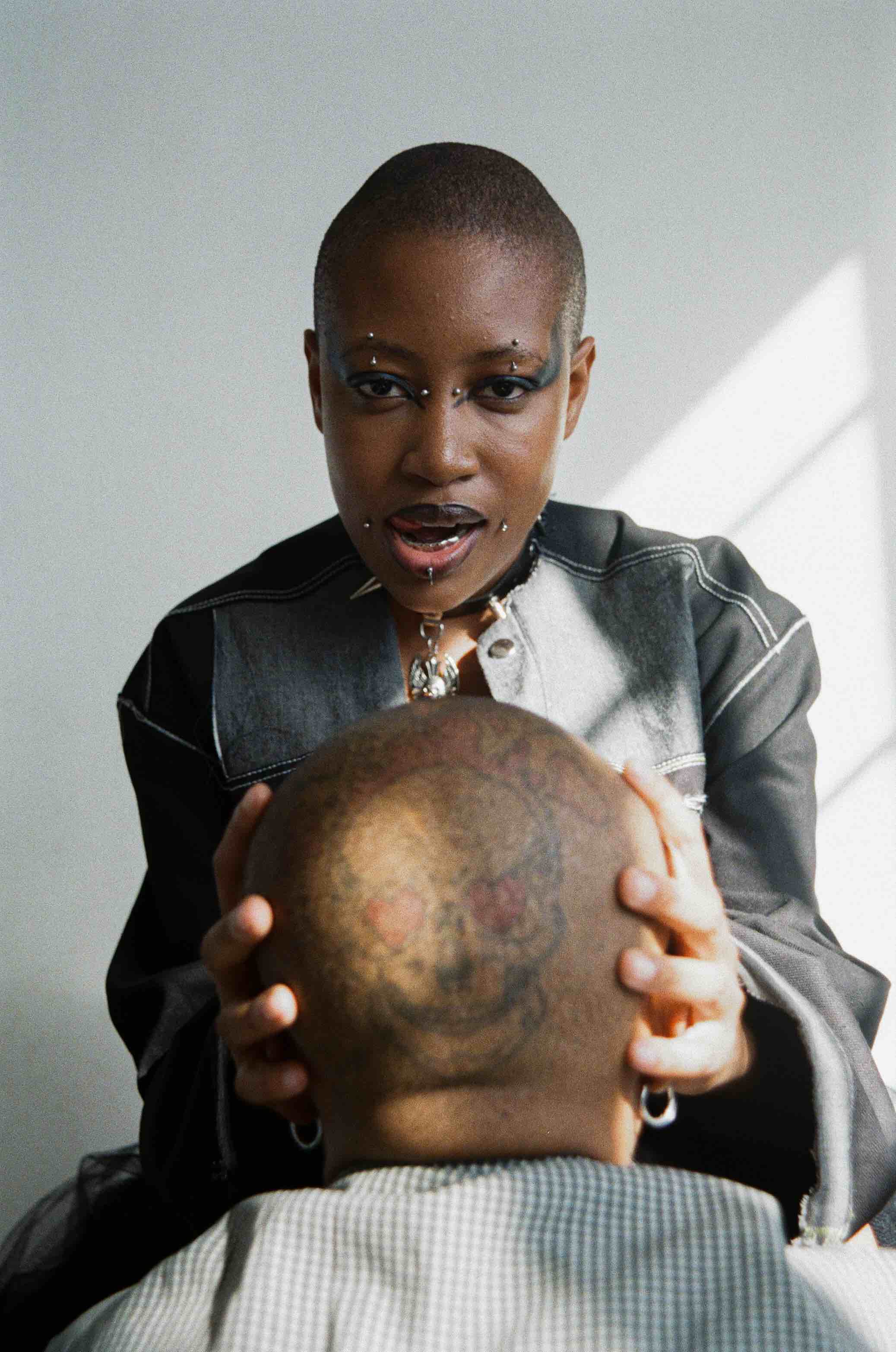
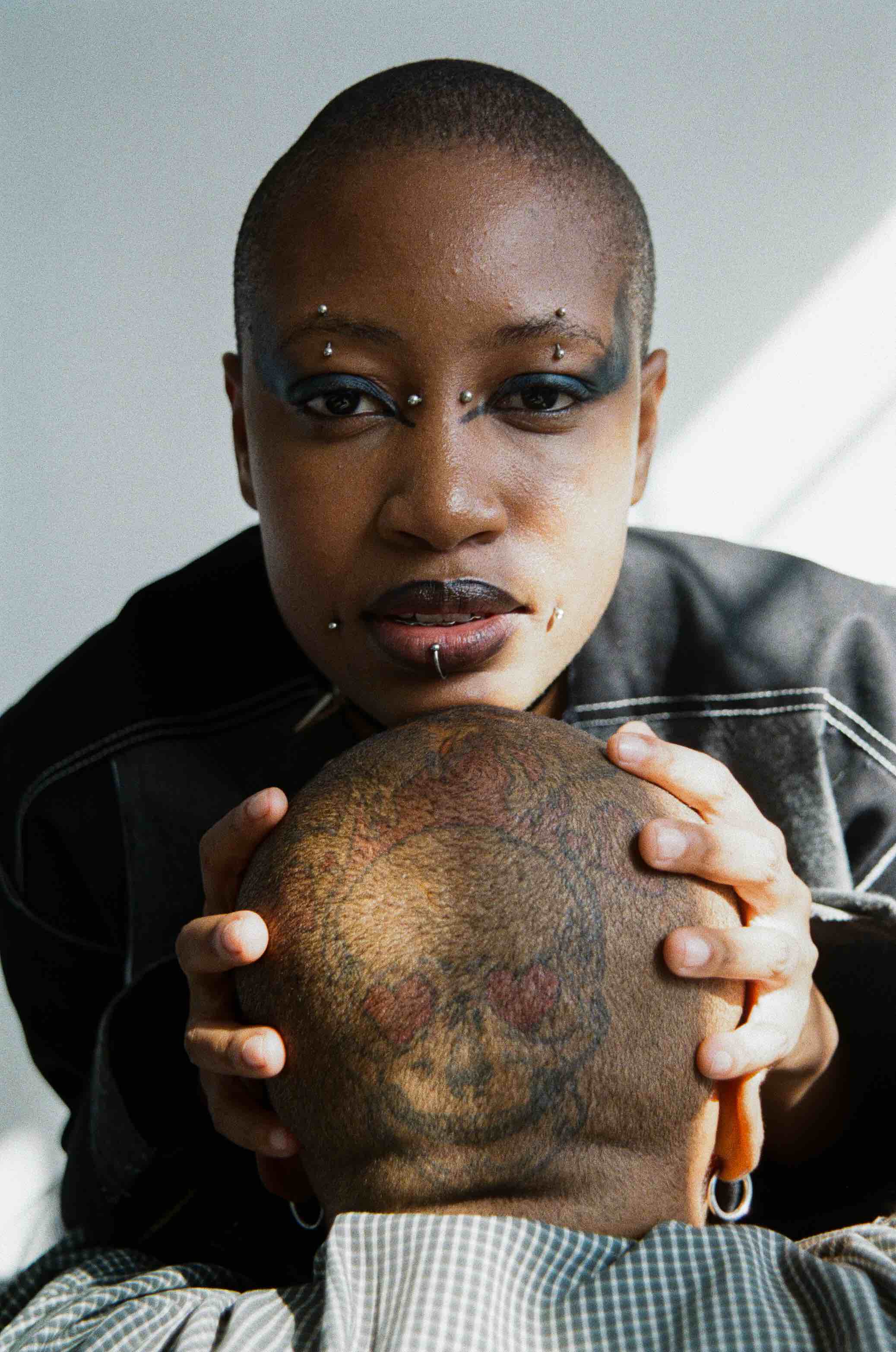
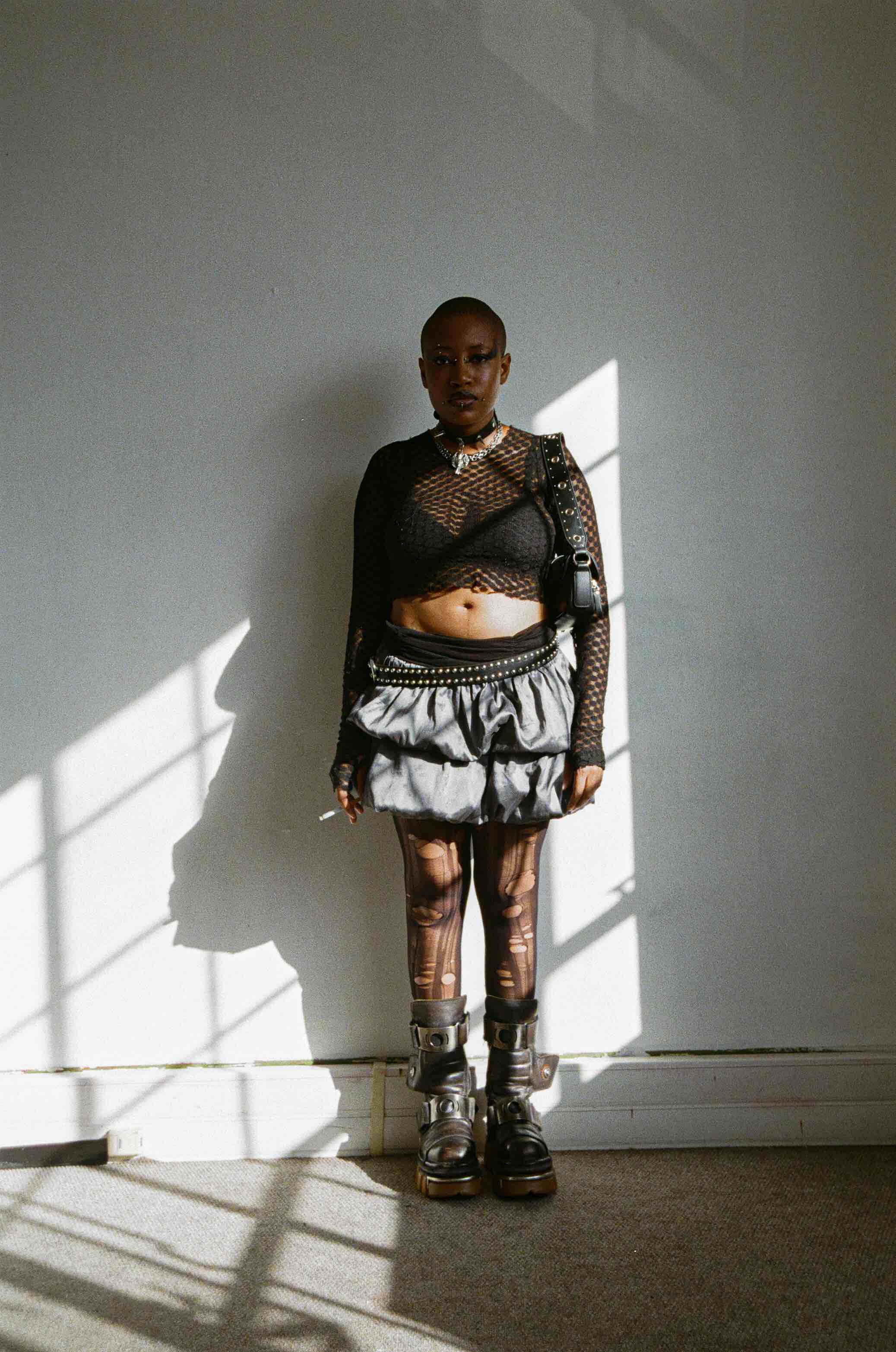
Today, we find ourselves captivated by Luxolo’s submission, titled “THE FALL BEFORE THE CLIMB: an ODE to AFROGRUNGE.”

Penned by Tando ‘Blue’ Skunana, this piece begins with the line, “I’m a crack in the skies before the Break of dawn,” evoking anticipation and transformation.

Luxolo’s submission delves into fleeting moments and collective strength, reflecting the spirit of Connect Everything Collective. Let’s journey into “THE FALL BEFORE THE CLIMB,” where words form an anthem, celebrating the boundless creativity of the human spirit.

 THE FALL BEFORE THE CLIMB. 
an ODE to AFROGRUNGE 
“I’m a crack in the skies before the Break of dawn 
I am a dream captured in a fleeting moment, a solar eclipse. I am the first spec of dust and with time there’ll be a mountain of us. This is the fall before the climb.”

Editorial Credits: 
Creative direction + photography: Luxolo Witvoet 
Model: Loabilwe Morale 
Head tattoo cameo: Kutlwano Kadesh Masisi 
Stylist: Akash Dayal 
Art Direction: Koketso ‘Coco’ Maruping 
MUA: Loabilwe Morake 
Set Assist: Kutlwano Kadesh Masisi 
Text: Tando ‘Blue; Skunana 

Style Notes:
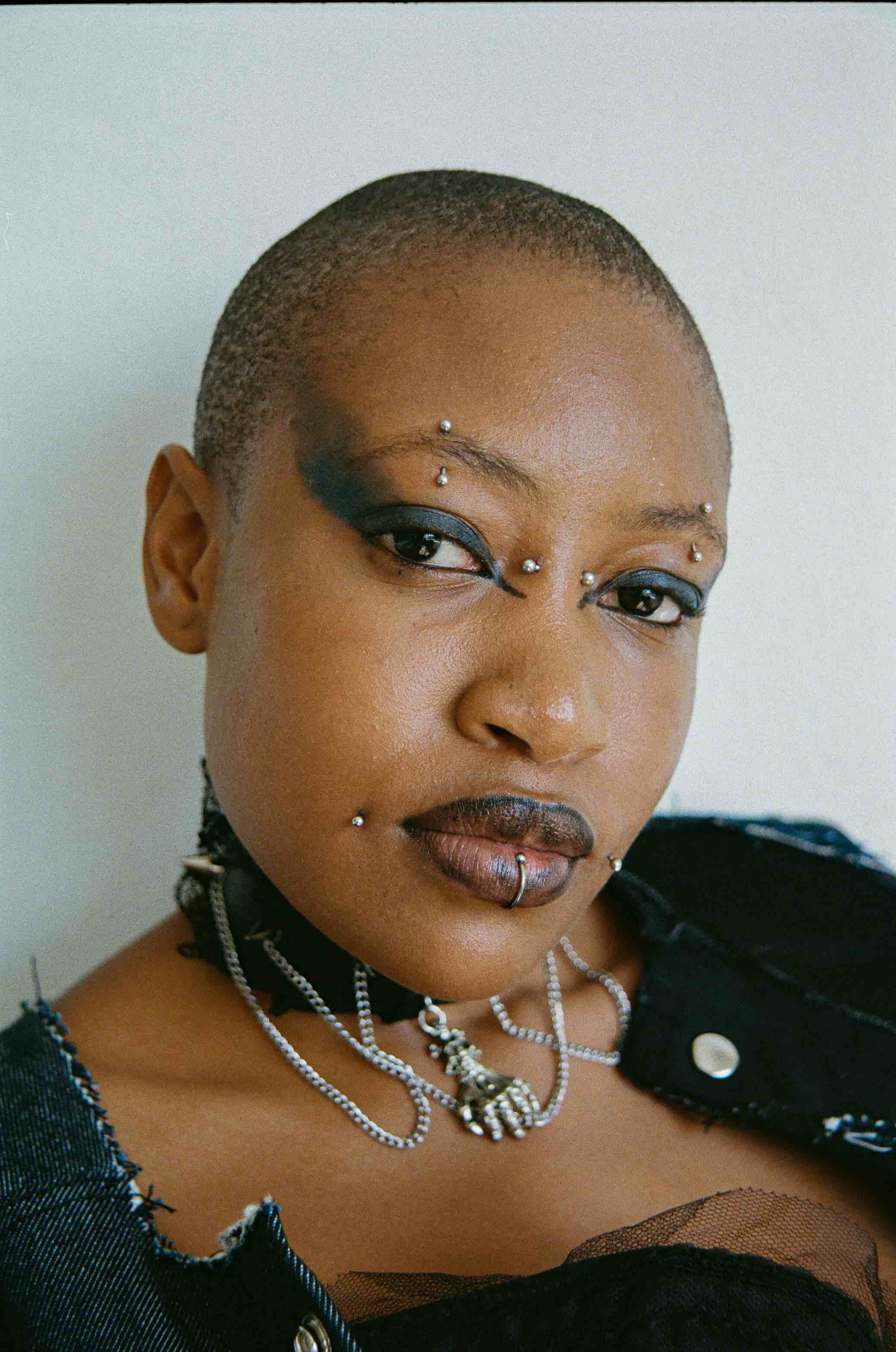
Loa wears Afrogrunge Re-Imagined Newness customized jackets. Jackets available www.afrogrunge.co.za 

Images photographed on location in Observatory, Cape Town. 
Filmed on KODAK Ultra Max 400.

For more news, visit the Connect Everything Collective homepage www.ceconline.co.za

Focalistic Unveils ‘Pressure’ – A Groundbreaking Anthem in Collaboration with adidas

Performance is an artform – one that forges the very best of human ingenuity. In a celebration of the brilliance, determination and discipline that make up South Africa’s cast of cultural changemakers, distinguished by artists and athletes alike, amaPiano star Focalistic has teamed up with adidas to portray the pressure of reaching the zenith of success. As part of adidas Originals’ continued campaign highlighting the role that brands cultural heritage has played in harmonising cultural waves locally, especially through the communities that have embraced classics like the Samba, Gazelle, and Handball Spezial silhouettes. 

Titled ‘Pressure’, the track is “inspired by the attitude to dismantle pressure, Foca has crafted a unique anthem blending elements of football heritage with the vibrant flair of amapiano music—a genre that resonates deeply with audiences worldwide. This collaboration marks a significant milestone, merging both cultural and sporting icons to create a distinctly South African music video to celebrate sport and the culture born from it.”

The music video brilliantly charts the synergy between athletes and artists, as they come together to reflect their experience of conquering pressure. Highlighting South African men’s football team captain Ronwen Williams, football legend Lucas Radebe, two-time rugby World Cup champion Damian Willemse, Olympians Akani Simbini and Boipelo Awuah, along with world-renowned fashion designer Rich Mnisi, musician Shekhinah, and numerous others, to name a few; this collaboration is reflective of adidas’ brand story of alleviating pressure for all who part of the brand family. 

As Foca describes on the vision for ‘Pressure’ , growing up in the dusty streets of Garankuwa, Pretoria all I did was play soccer and score goals, I was Messi, I showed no mercy. Fast forward to today and I am not the best football player but I have used the same disciplines I learned from the game to score more hits and build a record label whose name was inspired by soccer “18 Area”. I am also blessed that my love for music has granted me the opportunity to work with brands such adidas, so when the opportunity to fuse sports and fashion through music came about, we created “Becha” , a celebration of sports and culture. I hope this song will inspire and bring hope to those who are under pressure.” 

Rooted in their brand code, Adidas understands that their role in nurturing the cultural continuation of South Africa involves encouraging athletes and partners to tap into the joy that initially fueled their talents –  so that they can continue to express themselves freely, while reaching new levels of notoriety and achievement.

CREDITS /// 
Creative Director – Ashley Benn
Senior Strategist – Eden Toohey-Ogle
Concept Lead – Dune Tilley
Director – Monde Gumede
Producer – Chris Coetsee
Production Assistant – Lesiba Maleta
1st Assistant Director – De Villiers Fourie
DOP – Fabian Vettiger
Art Director – Sandile Mhlongo
Props Master – Papi Konopi
Props Assistant – Sizwe Mhlongo
Wardrobe Stylist – Amy Zama
Stylist Assistant – Nadia Omar
Stylist Assistant – Lesedi Mpotsang
Make-Up – Lungile Ngema
Make-Up Assistant – Nthabi Tshabalala
Hair Stylist – Mimi Duma
Written by: Holly Beaton
For more news, visit the Connect Everything Collective homepage www.ceconline.co.za

‘EVERY LITTLE DETAIL MATTERS’ – WOOLWORTHS PRESENTS #STYLEBYSA WITH KAY KAY RIBANE AND MILLANDRIE MOLOTSI
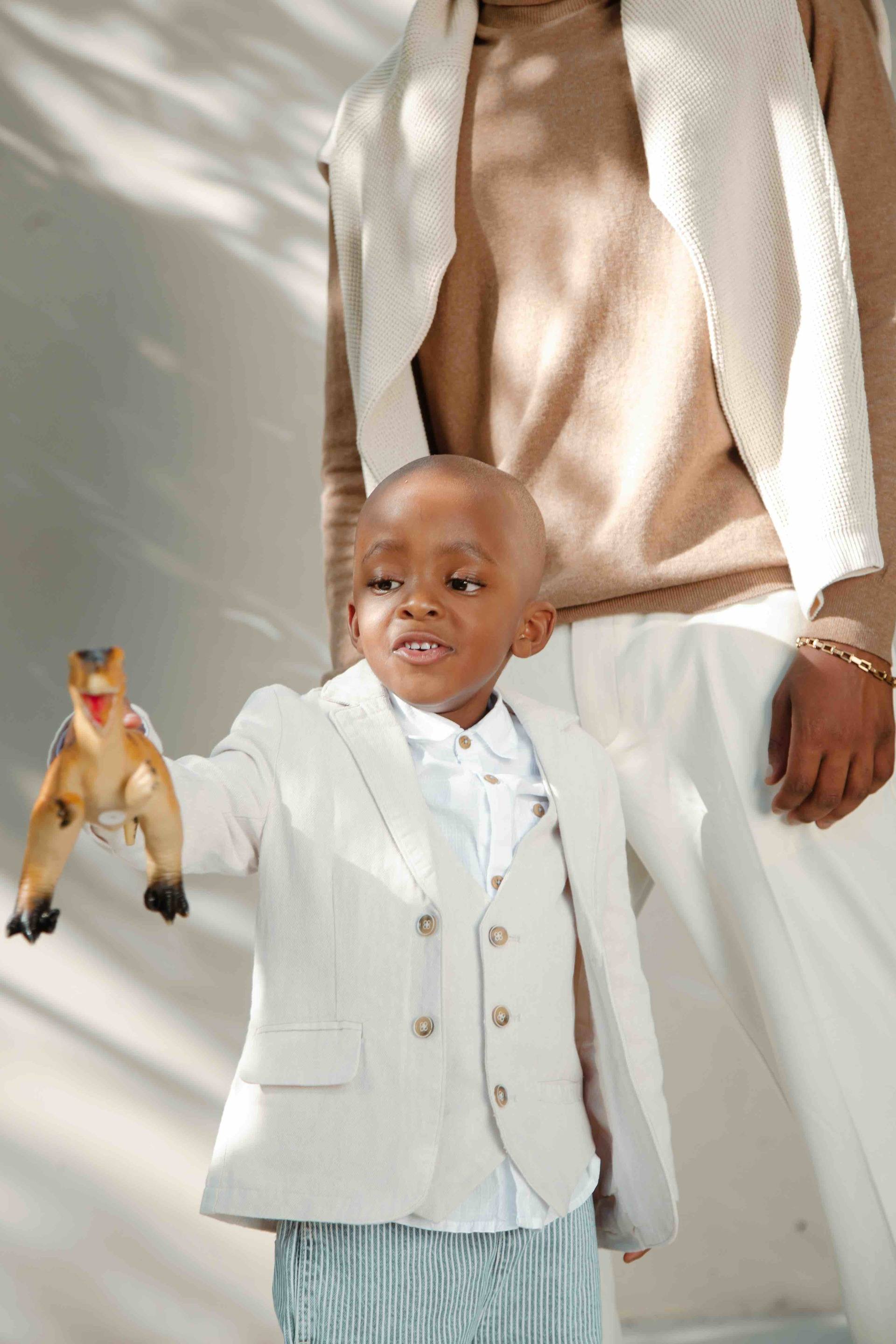
Woolworths have long understood the innate power among South Africa’s rich cast of creatives. When ‘Style By SA’ was launched a decade ago, this innovative approach reshaped our understanding of brand collaboration by harnessing the creativity and diverse perspectives of South Africans from all walks of life and across a variety of industries and disciplines. Now, #STYLEBYSA has launched as an evolution – rooted in the earliest foundation of its inception  – telling the tales of a new era, for a new frontier of collaboration. 
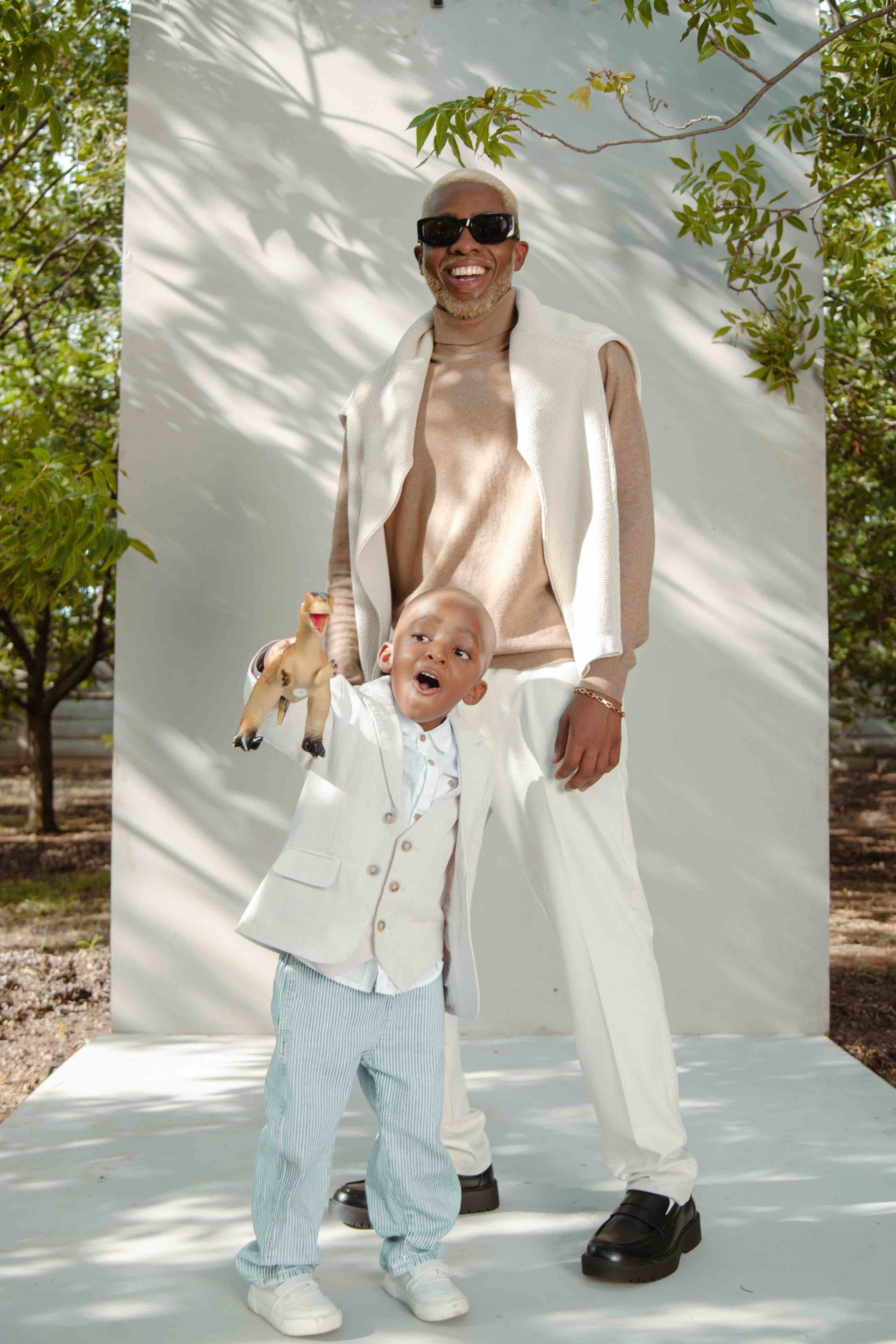
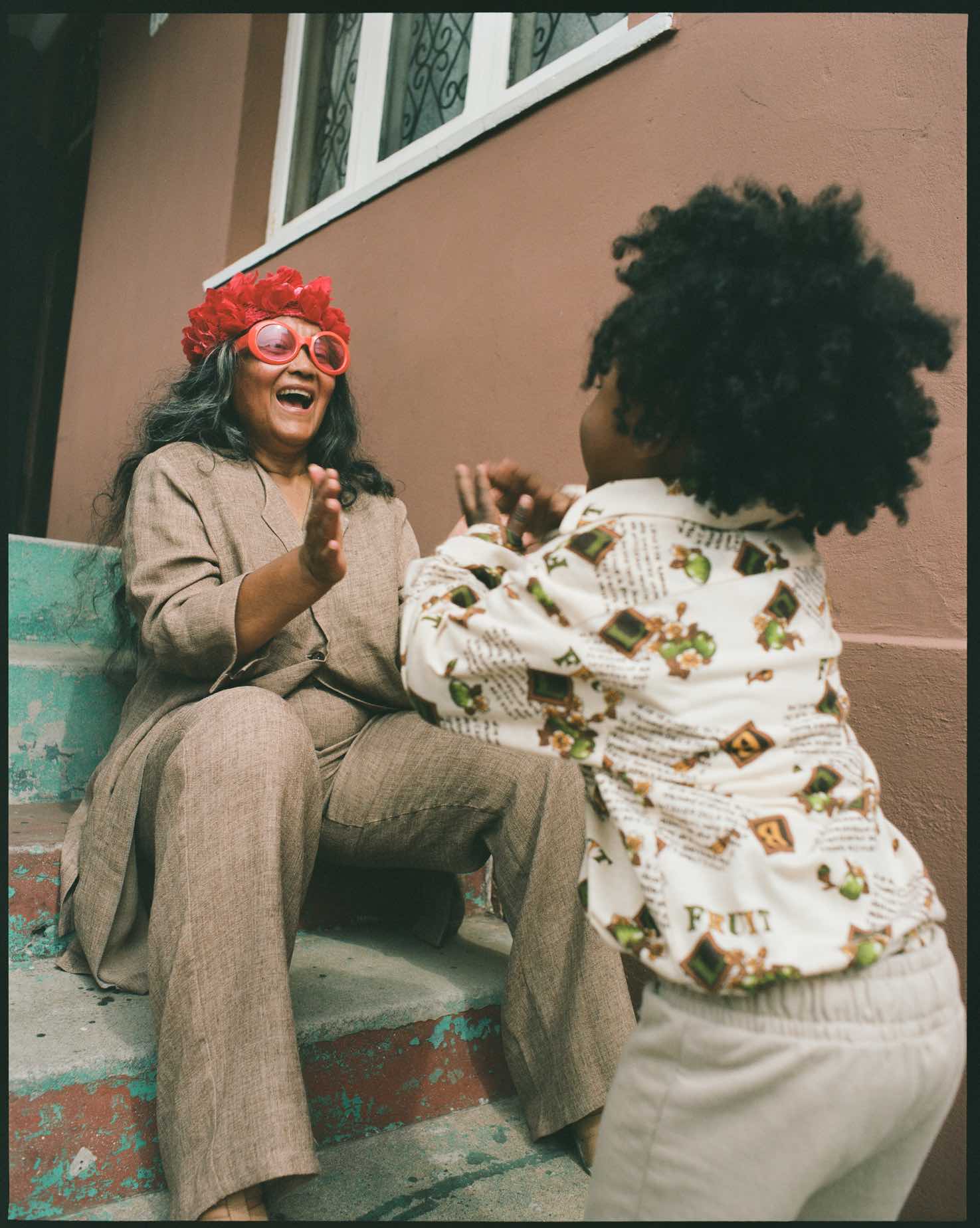
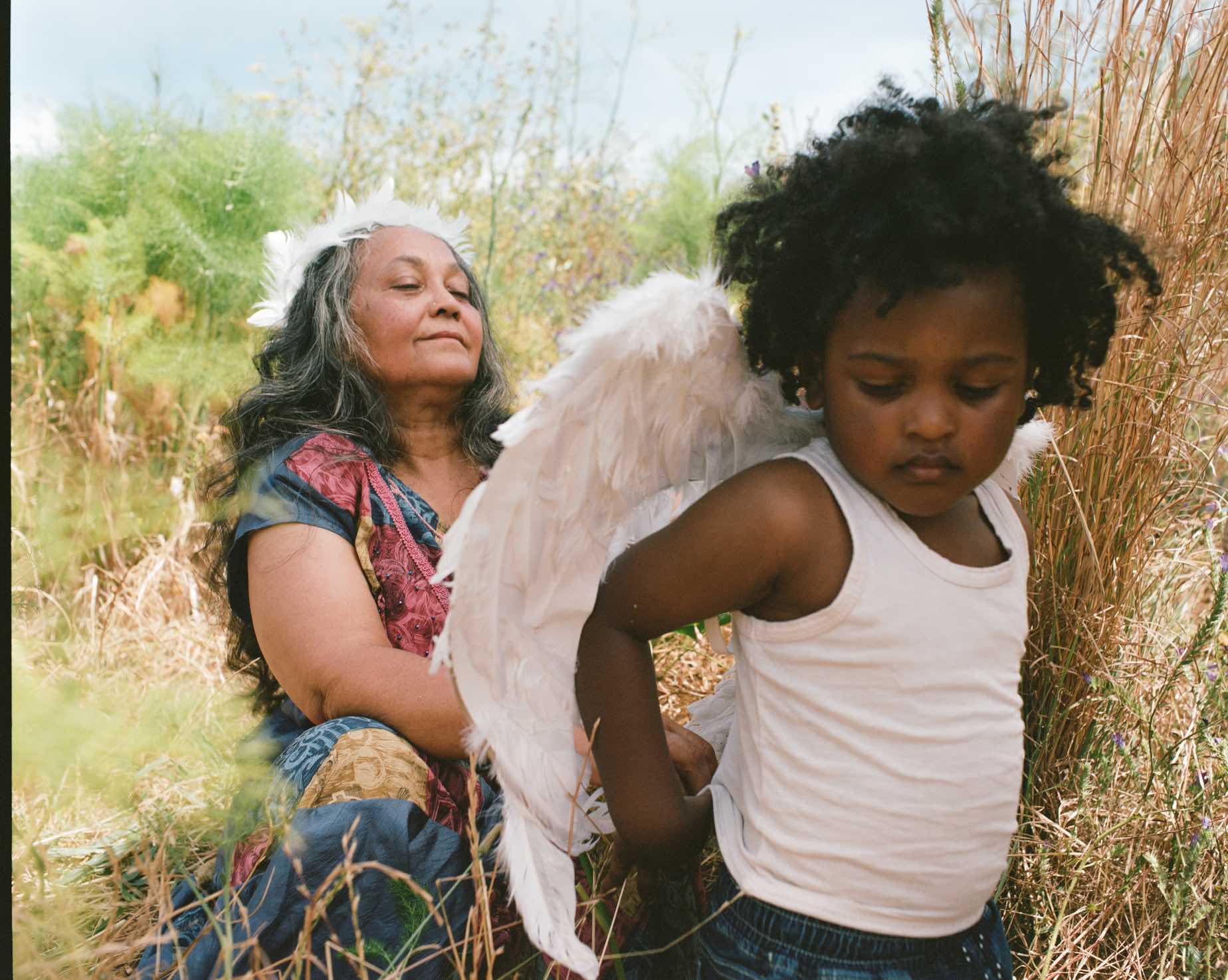
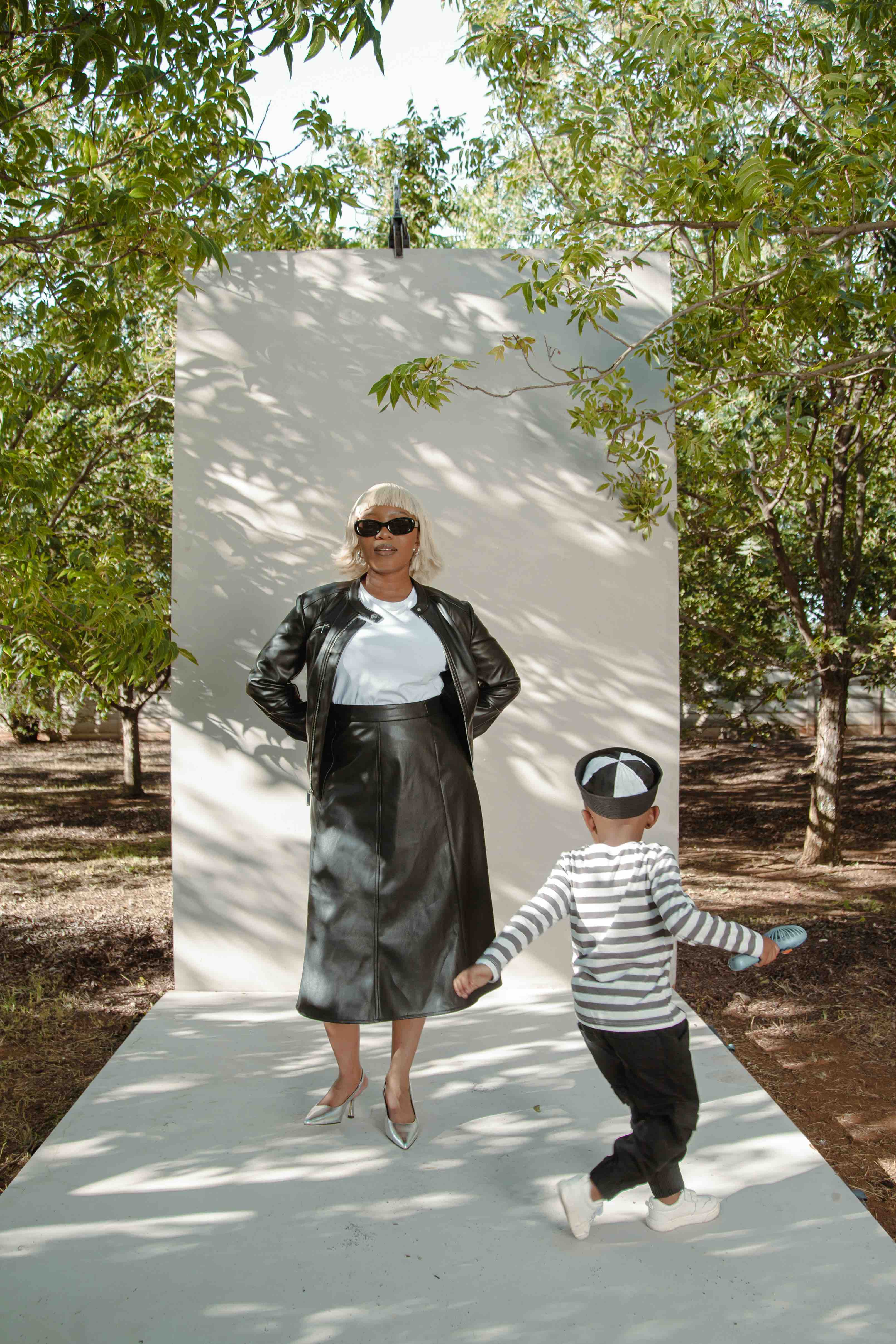
This autumn’s manifesto is grounded in the concept of time and memory – its fleetingness and preciousness, and the way these constructs enrich our lives, “the past, the future, the present, every second, every frame; every tiny, little detail matters.” For the latest edition of #STYLEBYSA, Woolworths welcomes a family at the very forefront of visioning the future into being in South Africa, and planetarily. Multi-disciplinary artists and entrepreneurs, Kay Kay Ribane and Millandrie Molotsi, are embodiments of the powerful intersection of fashion, creativity, art and family in a deeply moving and joyful self-realised campaign, with their gorgeous son, Kairo. For this iteration, every little detail truly comes together to immortalise a family for whom the term ‘cutting-edge’ is almost redundant when describing their impact and role across fashion, art, technology and business.

Few families are as culturally and artistically influential as the Ribane’s. Kay Kay Ribane is a co-founder of their family creative collective, Dear Ribane, while pioneering the first digitally-based fine art gallery in Africa, with Kay Kay’s platform USURPA. Together with his partner, artist Millandrie Molosti, they have developed possibly the coolest kids fashion brand to ever exist; Mungu. So – it’s suffice to say, this is a family for whom ideas, possibilities and dreams are abundant and manifest; now, and for the future. On creating their unique edition of #STYLEBYSA, Kay Kay shares that “the beauty of creating this story for Woolworths was connection – and how to bring that to life through nature, through structure and through family. The beauty was being in this refreshing and beautiful environment of connection, for our son.” 

For Millandrie, who describes herself as a ‘multi-dimensional creative mother’, she notes that “I strongly believe that everything that exists in this world, and that is made in this world, started off as an idea. As a creative, I am constantly generating ideas in my mind that I want to bring to life and share with the world.” and in the pursuit of idealism, Kay Kay offers a code by which their family lives, saying that “I’m definitely an idealist – I believe in a world in which infinite imagination can exist. Where we can think big, create big and have an endless sea of ideas that can really change the world.”

With Woolworth’s quality fabrications, thoughtfully curated and designed for cooler weather, the Ribane’s wear a variety of denims and knits – intentionally suited for stylistically expressive families. With warm jackets in a range of silhouettes, Kay Kay notes that “I am really excited for the neutral, earth-tone colours of this collection.” Capturing intimate moments between Kay Kay and Millandrie and their son Kairo, when asked what he loves most about his mommy and daddy, Kairo says  “I love my mommy’s eyes and when my daddy is happy and laughing.” When it comes to building a legacy rooted in truthfulness, love and creative abundance, the Ribane’s know that every, tiny, little detail matters. We stand in humble awe. 

SHOP THE RIBANE’S #STYLEBYSA EDIT IN
WOMENS
MENS

Written by: Holly Beaton
For more news, visit the Connect Everything Collective homepage www.ceconline.co.za

Photographer Steve Marais On Finding A New Creative Philosophy

Photographer Steve Marais is taking down his website soon. Ironically, for me, it’s one of the most interesting collections of personally conveying one’s work that I’ve seen in a long time. Yet, in the spirit of constantly revitalising his creative expression – bound by a newly formed creative philosophy. So, I’m prefacing our conversation with a call to action: immerse yourself in stevemarais.com – before it’s too late. 

The Berlin-based South African photographer is abides by storytelling as his root – and Steve’s act of self-publishing, through a collection digital zines, is one of the most thoughtful acts of resistance I have seen from a photographer – who is, by the very nature of their role, is ordered to release their craft into the hands of others. When so much of our autonomy as creatives is up for sale, Steve cites zine-making as a way to preserve the essence of his narrative, at the centre of his bodies of work.

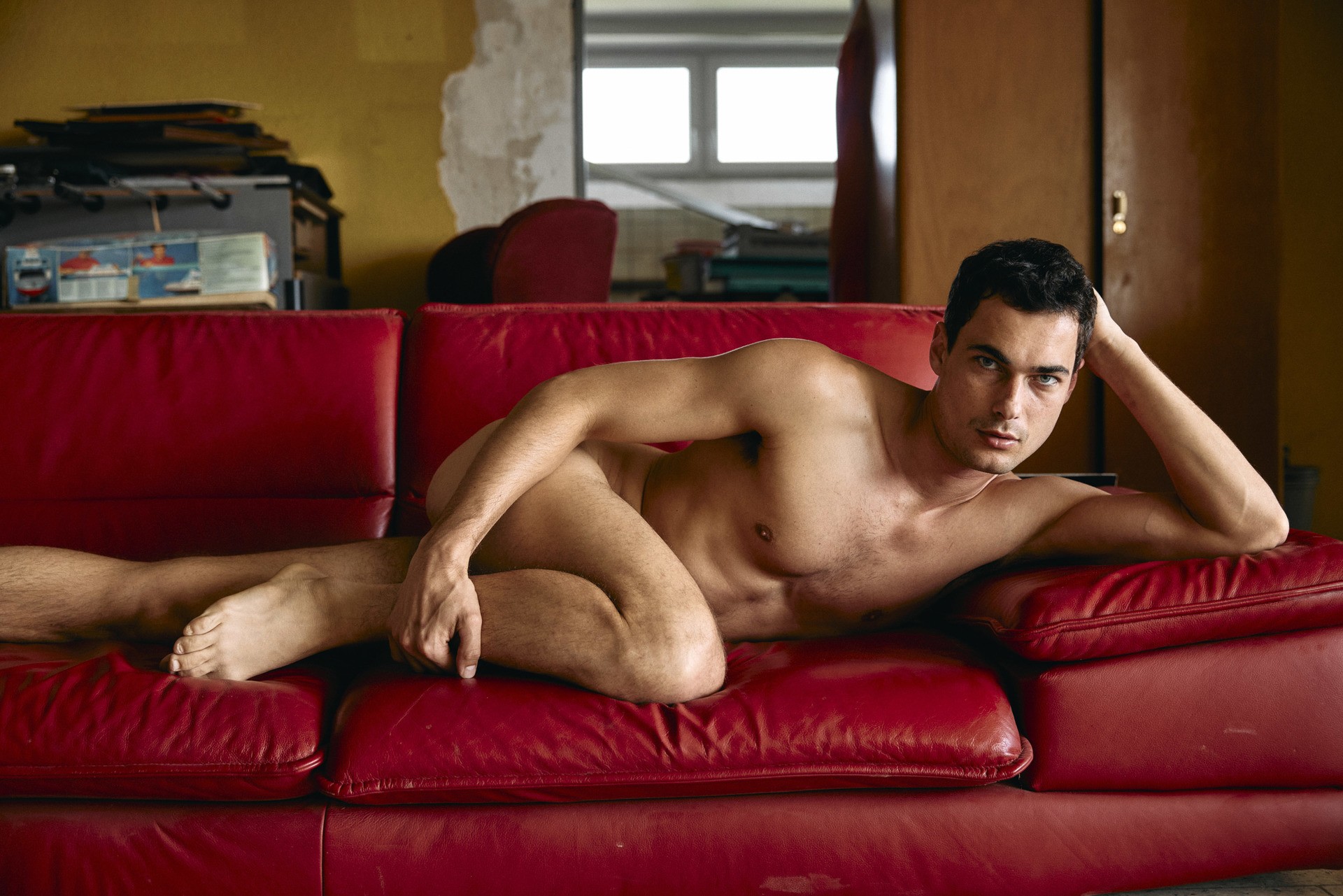
LAMPOON PROTOTIPO photographed by STEVE MARAIS

Steve explains that “I was supposed to do a bunch of meetings in Germany – ‘go-sees’ – and I just thought, ‘ugh…can’t I just make a bunch of prints?’. I started laying out elements and things I had saved, and as I was doing it – it became the idea of doing these zines and it felt such a nice way to share what I wanted, on the internet. It is definitely in resistance to splashing content out so fleetingly.” As a fashion and commercial photographer, Steve is reshifting his focus toward personal stories. Whether it be ‘Body Love’ – a celebration of the body positivity movement – or ‘The three of us’ – a tale of masculine friendship, Steve shares that “I’m not selling anything in my personal work. There’s no product to market, so it’s difficult to get picked up – this is the nature of commerce now, and the capitalistic social media culture that has been created over the last 15 years. I don’t try to step back in time – we are always moving forward – but these zines are a way to do something a little bit more real and tangible. I am putting my efforts into self-publishing. Interesting thoughts are developing – watch this space.”

Steve grew up in South Africa, but has lived in Europe for many years now. In asking about his creative origin – Steve explains that, “Photography kind of chose me. I’m from a very normal family – my dad was in mining, my mom was mostly a housewife. We went on a family holiday to the west coast when I was in high school, and a woman asked me to photograph her and her little boy with her camera. We played around a bit on the rocks and she was a newspaper editor, and she told my parents that I needed to be a photographer. So that’s what I became! My parents were cool with the idea.” Steve went onto study photography, an experience he credits as a foundation for his craft – though, most of his mastery has been born from relentless working, over many years. Steve notes that “I don’t think I was very good at it, in the beginning. I had no art training, I had not undergone any creative development yet – so creatively, I had to play catch up. I had the perseverance to see it through and now, I’ve honed it over a long time.”

ENIS photographed by STEVE MARAIS

Steve’s website features a ‘Visual Statement’ and it is one of the most pertinent artistic declarations that I have come across. Steve invites the use of the word ‘choose’ – and in turn, inviting consent and agency as the very essence of his craftsmanship. Found on Steve’s website, the statement reads: 

I choose to transform every ‘you’ and every life I touch by creating fresh, motivating and uplifting visuals.
I choose to illuminate the beauty of life by exposing human experiences that show their diversity and complexity.
I choose to challenge the status quo by reflecting the realities that we as humans face, not just the ones that are imposed on us.
I choose to embrace all kinds of people and encourage them to share their perspectives and insights so that together we can create new ones.
I choose to portray the everyday by making variety and choice a conscious part of my visual journey.
I choose to simplify the complexity of the world by applying my artistic vision to  authentic storytelling.

I ask Steve, how did the essential role of ‘choice’ come to define his artistic practice? To which he says, “I built up that manifesto over time – it’s been a work in progress and those statements are very much part of my process. Things have shifted. This new creative philosophy that I’ve adopted was developed during the pandemic years. That time stopped us all in our tracks and for me, it cleared out some space internally. I started doing creative projects photographing real people. I started focusing on relationships, connectivity and the need for human connection – and out of that, came my emphasis on choice.” Self-determination is one of the most important keys to unlocking any kind of future – and Steve’s creative charter hinges on this very idea. It also forms part of a deeper ethical, perhaps even existential, metamorphosis that Steve has undergone; having previously forged his creative sword in the depths of highly stylised, commercial work. As Steve explains, “I choose to include people – I choose to include people’s different perspectives – I choose to invite people to share their stories with me. My output has totally shifted from this approach and where I’m standing now, I’m questioning whether I even want to move forward with commercial work? I think eventually I will step away from commercial entirely. Right now, I’m working on how to develop a sustainable business around the choice and the freedom of telling stories around people.”

Pedro e Flavio photographed by STEVE MARAIS

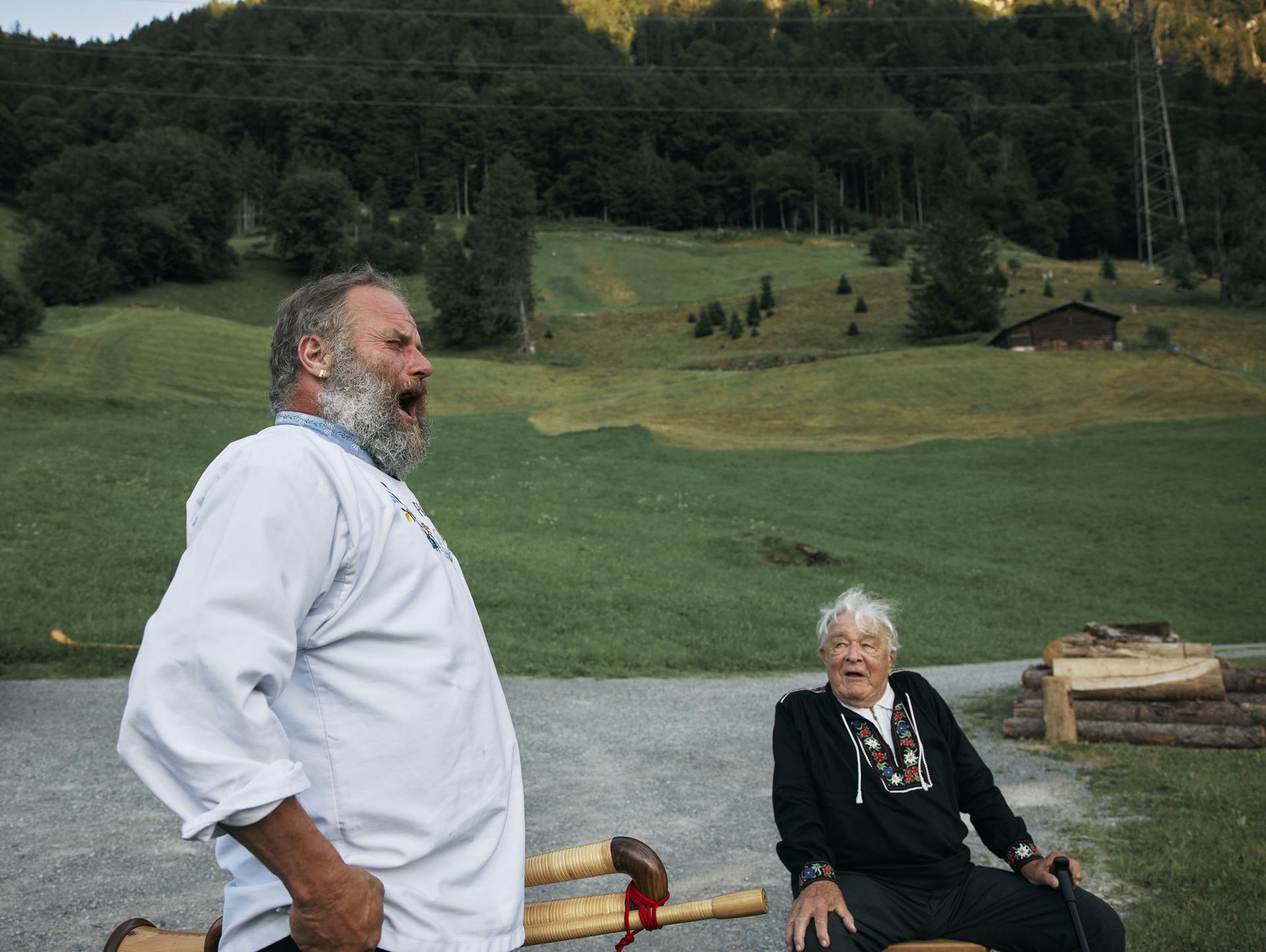
Karl und Fridli photographed by STEVE MARAIS

In her seminal work ‘No Logo’, author and thinker Naomi Klein pre-empted a deep, cultural need for resistance against corporatism and its aim to consume, quite literally, the expression of all creative and cultural production in our society. In talking to Steve, I think of Naomi’s quote in the book“what haunts me is not exactly the absence of literal space so much as a deep craving for metaphorical space: release, escape, some kind of open-ended freedom.” It is precisely at this juncture, of the need for metaphorical space in which to create, that Steve has found himself and it is where his most exciting frontier as an artist is being born from. Steve explains that, “the brave brands are the ones who allow stories to develop and to be told. The selling of mass-products and my part in that, has become something of a moral issue to me. We step onto set as service providers – and you have to provide that service, most often to create disposable imagery for the sake of selling products to consumers. The shareholders get richer, but the work itself has no shelf-life. There is no importance to it after a week. That’s why I need to focus on stories and people.” and that “I think that’s where AI will come in, to create that kind of disposable content. I think it should, in some ways, cause many people to be out of a job – me included. Authenticity will reign supreme and it will become more and more exclusive, and desired.”

Steve’s work is a love-letter to light, tenderness and conveying people precisely as they are. It’s surprising, then, that composition is not Steve’s primary focus – thorough, colour is – “it’s quite organic.” he says, “I do like ‘pops of colour’ and light. My biggest strength is people – that’s my talent, not photography, but people. Second to that is, my understanding of colour. I don’t shoot anything but digital. The adaptability of a really good digital file is great – I put a lot of work into conceptualising a photographic series, especially colour grading. I don’t do photoshop unless it’s very, very necessary.”

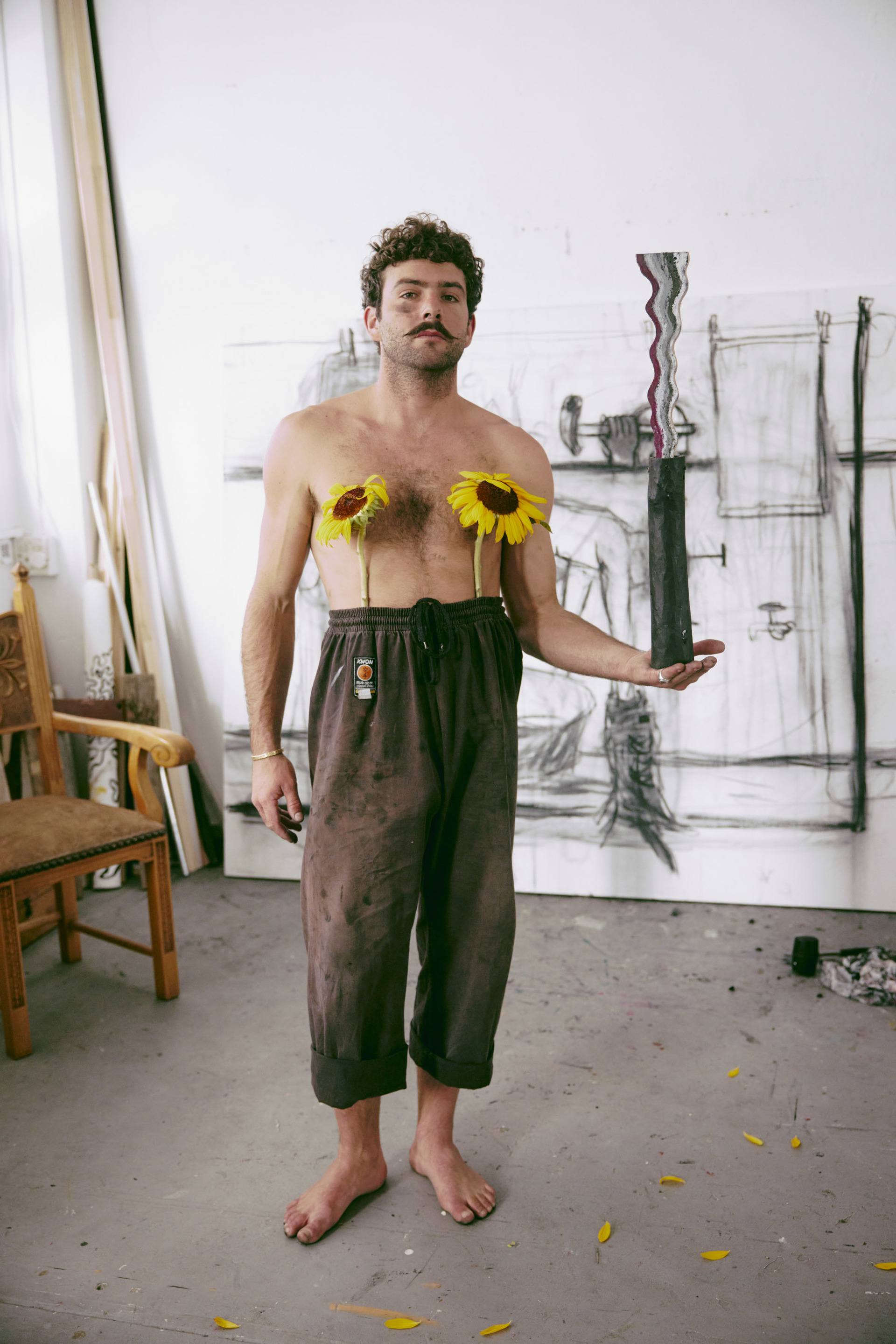
yummyzine2, peoplegrapher photographed by STEVE MARAIS

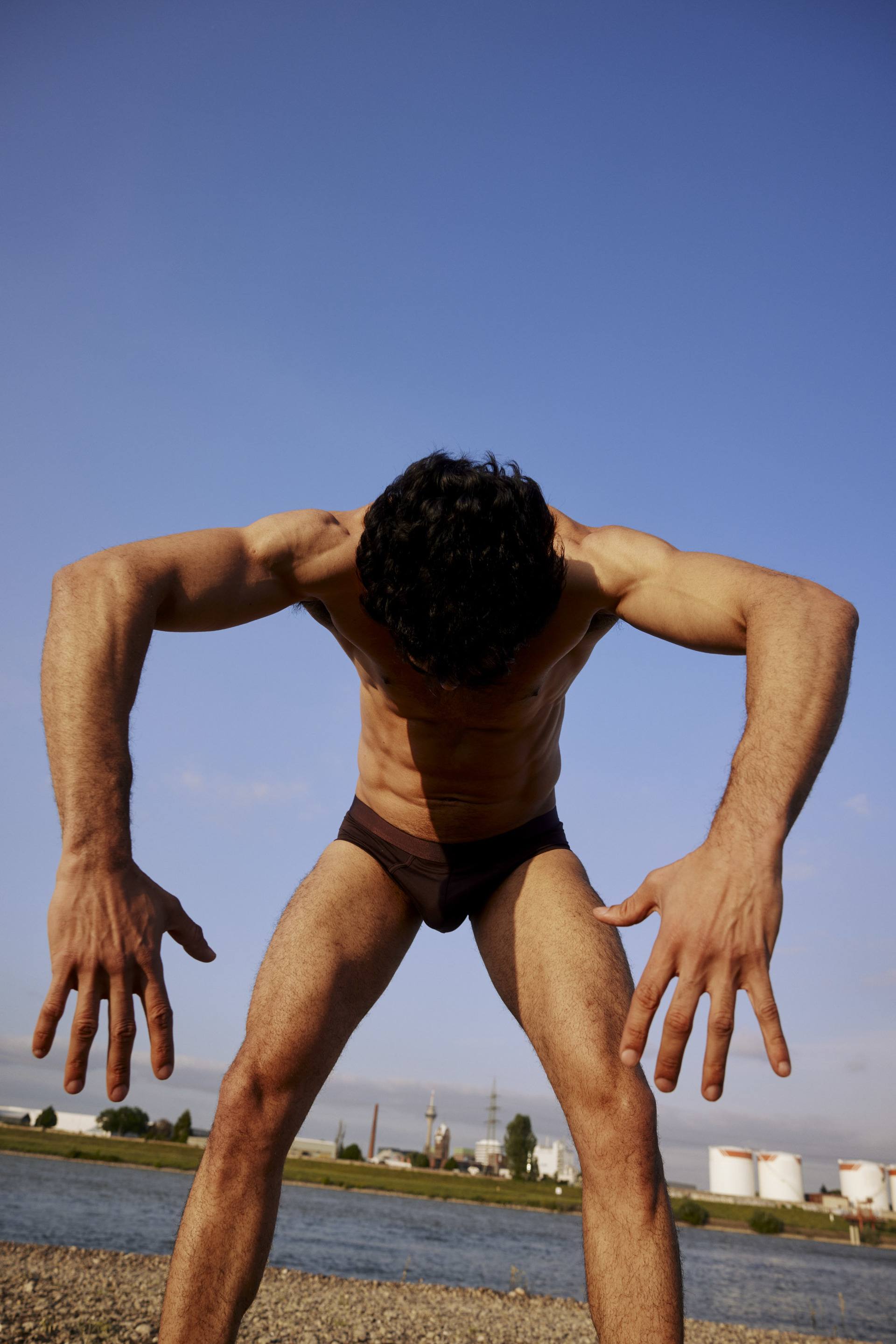
FINAL REFRESH STUART DODDS & FELIPE YUMMY photographed by STEVE MARAIS

Steve’s experience living in Europe, and finally settling in Berlin, points to an increasing movement of South African creatives heading around the world. Might as well make use of globalisation – right? Steve notes that “I needed to leave South Africa. I recommend travelling to everyone – it’s one of the most important investments you can acquire. I think South Africans often undersell themselves creatively; we are some of the coolest, smartest and most creative people in the world. I had to realise how cool South Africa was and even how cool I was, by leaving. It’s only once you step out of your own bubble, that you realise your creative relevance.”

Right now, the path is clear for Steve – the world is requiring our courage. With his point of view as the energetic and intellectual mediation between him, the work and the viewer –  Steve’s manifesto, rooted in choice, is a lesson on pursuing the call that we might feel internally; “we can’t just rely on making beautiful images anymore. We have to stand for something. Thank the gay heavens that I’m gay – I am really leaning into my homosexuality and queerness in general. You have to stand for something and put yourself out there, and have a vision and a voice.”

Written by: Holly Beaton

For more news, visit the Connect Everything Collective homepage www.ceconline.co.za

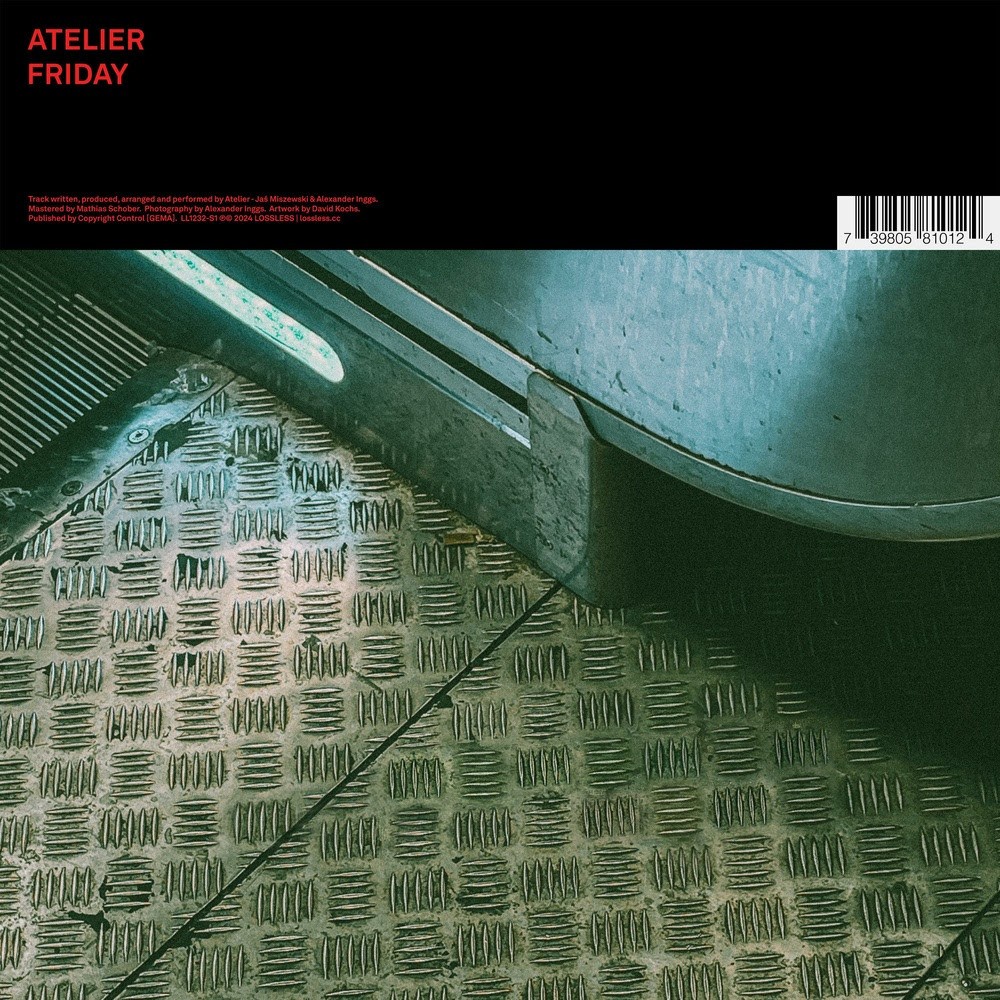
Atelier Drops “Friday,” The First Tease From Their Upcoming Studio Album, “Lights Towards The Exit,” Through Lossless

Atelier drops “Friday,” the first musical tease from their upcoming second full-length studio album, “Lights Towards The Exit,” scheduled for release on May 31, 2024, through Lossless.

Switching seaside ambience for a sound, shaped by inner-city living and the new surroundings in the duo’s adoptive city Berlin, this is an ode to first-time experiences, new languages, challenges, club culture and the shift from youth to maturity, as well as a balm to those stuck somewhere in between. Atelier’s previous releases gained big support by the likes of the Keinemusik and Innervisions Crews and their debut LP’s lead single ‘Can I Speak’ garnered more than 1.2 million streams (and counting).

About Atelier:
Heralding from Cape Town, South Africa, and now based in Berlin, Electronic duo Atelier excel at riding chillwave to a cooler, moodier sound. Atelier was conceptualized by childhood friends Alexander Inggs and Jaś Miszewski whose love of analog synths, drum machines and effects pedals is revealed in a hardware-heavy live show. The project is a platform for combining their differing musical backgrounds – a blend of house, indie, folk and techno – and has an underlying maturity that emerges in their frank performances and honest productions.

In September 2018 they released their debut EP, ‘Something To Fill An Hour’, through the Berlin-based imprint LOSSLESS owned by Mathias Schober and Thomas Herb. Their first album, ‘Varsam Court’, was issued by Muting the Noise, owned by electronic heavyweights Dixon and Âme of Innervisions.

Listen to ‘Friday’ HERE

Press release courtesy of Only Good Stuff