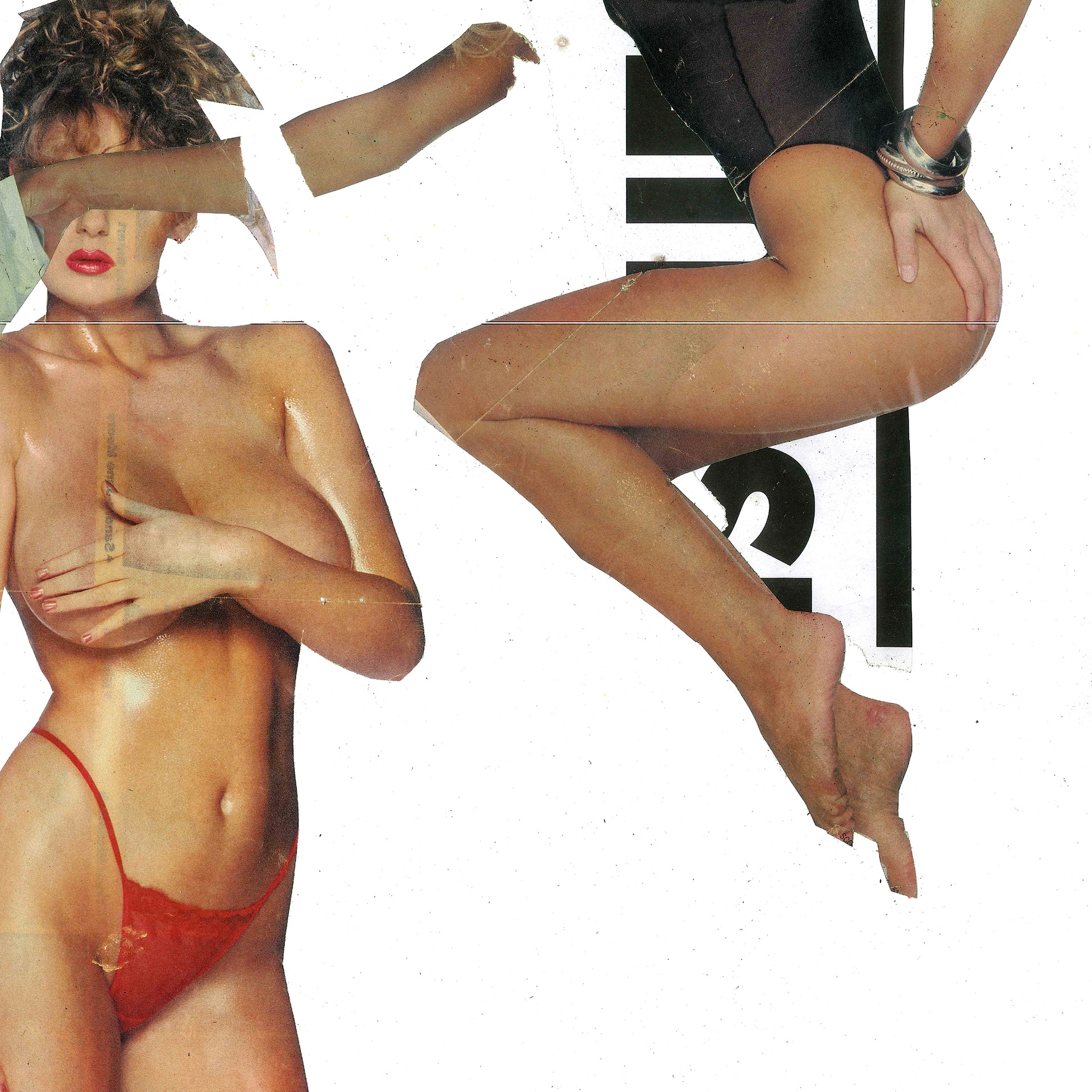
MSAKI x TUBATSI Debut Their Latest Album ‘SYNTHETIC HEARTS’

Fast-rising South African solo star Msaki (a double winner at the 2022 South African Music Awards) and Tubatsi Mpho Moloi of Johannesburg band Urban Village (and also a member of the Keleketla! collective alongside Tony Allen, Shabaka Hutchings and Joe Armon-Jones) – release their debut album ‘Synthetic Hearts’ through Nø Førmat! records (Ballaké Sissoko, Oumou Sangaré). The record also features French cellist Clément Petit (who’s previously collaborated with Aloe Blacc, Ballaké Sissoko and Blick Bassy) – the 3 artists originally encountered each other when Msaki & Petit guested on Urban Village’s critically acclaimed 2021 debut ‘Udondolo’ (drawing praise from Uncut, Loud & Quiet, The Quietus, Sunday Times), which examined both the contemporary experience of black South Africans and the horrors of Apartheid.    

The first words you hear on ‘Synthetic Hearts’ are “Come with me”. Ushered in by Clément Petit’s rhythmically plucked cello, Tubatsi Mpho Moloi and Msaki issue an invitation to the listener and lover to journey to another place – where hearts, experiences and sounds meet, shift and evolve across an inventive nine track album. Experimental, playful and complex, ‘Subaleka’ – the first track on their collaborative project – introduces a merging of voices and instruments, across geographies and genres, in sparse, yet lush atmospherics.    

As individual artists in their own rights, the discographies of Msaki, Moloi and Petit attest to an ability to shapeshift across genres. Born in East London, South Africa, self-described “songcatcher” Msaki moves across electronic dance, folk, pop and amapiano with ease – rooting her sound in heartfelt lyrics that express the entangled personal and political. Msaki’s sophomore album ‘Platinum Heart’ (2021), won her both Female Artist of the Year and Best Adult Contemporary Album at the 2022 South African Music Awards, and she’s also known for multiple chart-topping collaborations (Black Coffee, Diplo, Prince Kaybee, Sun-El Musicia). Similarly, as part of the four-piece collective Urban Village, vocalist and multi-instrumentalist Tubatsi Mpho Moloi’s music digs into the strata of the post-apartheid reality, grounding itself in the quotidian experiences of township life in Soweto and moving across and beyond folk, rock, mbaqanga and maskandi and more.     

Msaki and Moloi’s folk sensibilities are present on ‘Synthetic Hearts’, even as it too defies easy categorisation, mixing live and electronic elements, as Petit teases out distinct textures from his cello. Raised in a diverse, community-based Parisian banlieue, Petit’s approach reflects his early immersion in Afro-American, Caribbean and electronic music, vast experience in contemporary and improvised music, and quest to continually reinvent instruments, rewrite the rules and find new musical languages. “He doesn’t treat the cello like a classical cellist”, Msaki notes.   

The album is both introspective and conversational – disentangling emotions held within, and considering what is shared and private in the messiness of our relationships with ourselves and others. The album “speaks about having an equal responsibility to look after each other” and questions how “we express feelings of love towards each other”, Moloi explains. Love, longing, confusion, sorrow and despondency, are opened up and negotiated. The themes of the album echo the process of its creation, as two voices and three artists find ways to balance their sounds, find each other, compromise and journey alongside each other in these songs.
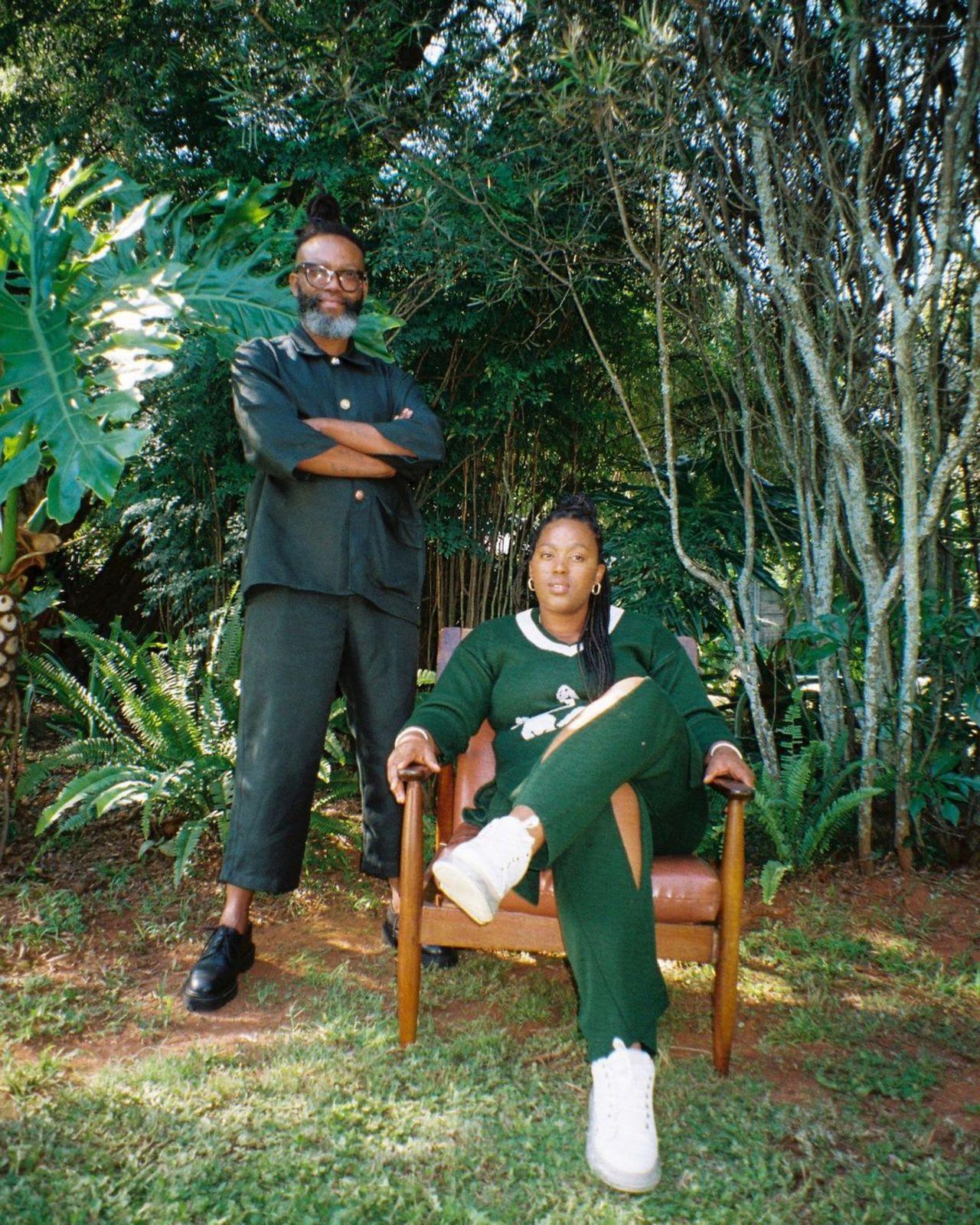
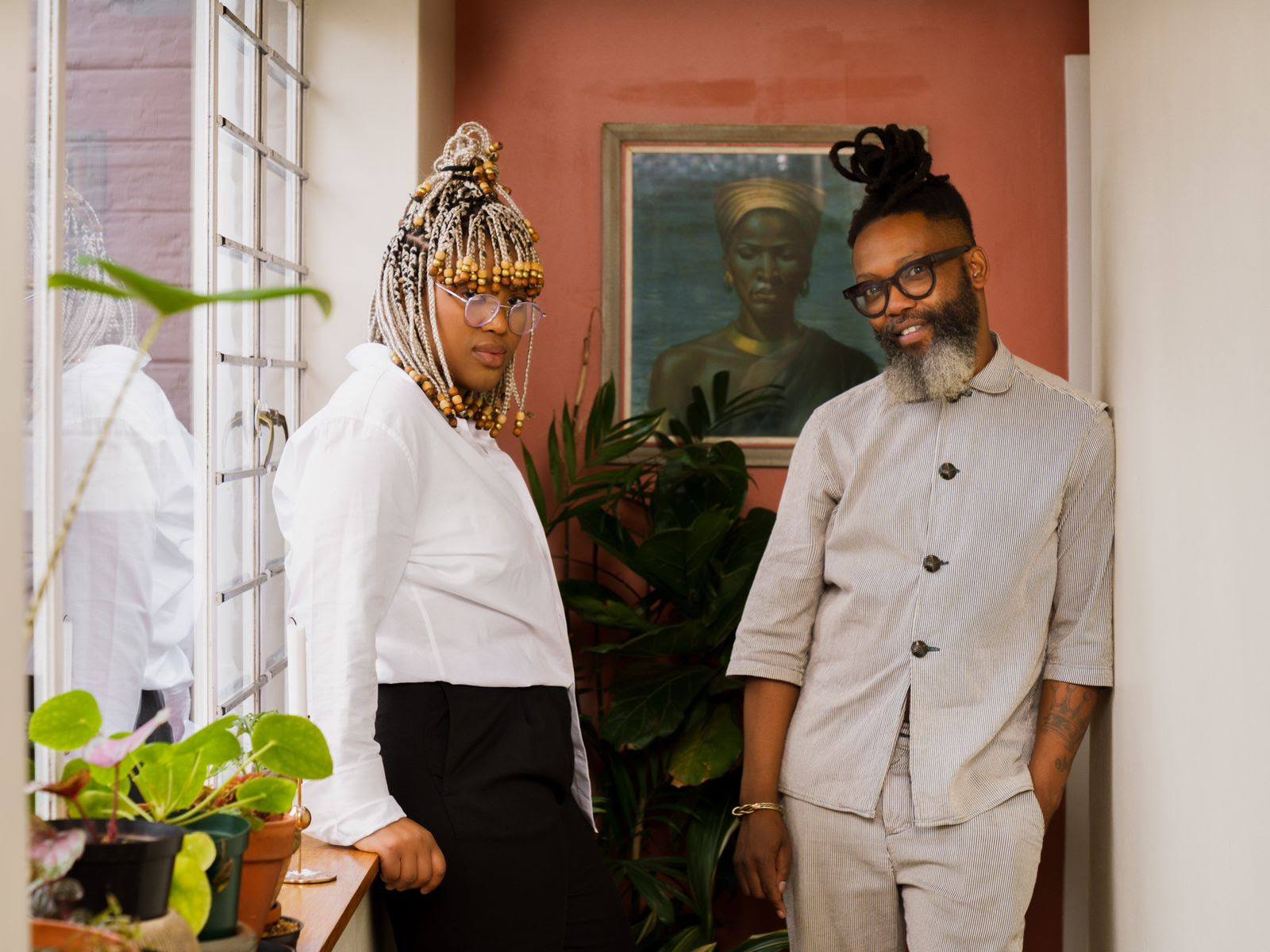
‘Synthetic Hearts’ began with ideas from Petit’s archives, with Msaki and Moloi selecting the songs that resonated, to forge something new together over a week-long residency in April 2021. Composed at Nirox Sculpture Park, just outside Johannesburg, the music is a witness to the changing seasons – literally, as they sing of leaves turning colour in ‘Madonna’, and in life too, as relationships move in and out of ease across the album. Created in an organic and unprescribed process, the music naturally moved towards explorations of love’s knotty realities, in what they describe as a productive and unlaboured creative process. To the project, Moloi brought ‘Zibonakalise’, a song created in response to Covid-19 and resonating beyond it. Translated as “show yourself”, the track plays out a prayer to ancestors, asking them to rise up and seeking solutions to all that feels unclear. Similarly, Msaki wrote ‘Fika’ after the Nirox residency and offered it for the album. The prophetic album-closer calls for a loved one to arrive back home, to a time of ceremony and communion. Finding their way through the collaboration, Msaki describes how the music is coloured through the “three paintbrushes” of their approaches. With minimalistic production and an embrace of space, she adds that “restriction [became] a beautiful way to give the project a language”.  

Recorded at Jazzworx, Johannesburg and co-produced by Petit and Frédéric Soulard, it’s a body of work that intentionally reveals the inescapable brokenness at the heart of what it means to be human, and the inescapable risk of what it means to love. The songs on the album, enquire, examine and implore in their unadorned disclosures. ‘Madonna’ sensually sings of distance and detachment – ‘Stay As You Are’, on the other hand, is intimate in its proximity, asking a lover to remain the same “till the day you can no longer”, promising to lean into the feeling too.   

This sense of revelation is threaded through ‘Synthetic Hearts’, sometimes as the slow, sore sound of a heart about to break. The poetic ‘Hearteries’ finds the reasons for rupture in one’s own reflection, as Msaki sings “Can’t face the ending / Brittle bitter bending / How your pain stays twisted inside you / Coz you can’t forgive / Yourself”. At other times, it lays bare the glistening hope of romance’s thrilling beginnings, or simply promises only the present moment, and nothing more. But at its core, it’s a willingness to love, through it all, that is the emotional centre of the album. It’s an attitude most clearly reflected in ‘Come In’, where Moloi and Msaki’s stunningly complementary voices drift into each other with ease, singing “So come in / I love you / take off your chains / kiss me again” with determined, uncomplicated assurance. 

These are not clear love songs, sticky with sentiment. The tracks on ‘Synthetic Hearts’ twist and shift in the thorny complexities of the feeling instead. “It feels like the beginning of the end or the end of the beginning, it’s not very clear. But there are a lot of invitations, and there’s a lot of vulnerability, which is probably reflective of where we were as well”, Msaki says. Blending voices, styles and experiences, Synthetic Hearts pulses with the immense respect and appreciation the three artists have for each other, finding musical chemistry in the willingness to let go and simply be: in music, just as in lov

/// Stream ‘Synthetic Hearts’ HERE. 
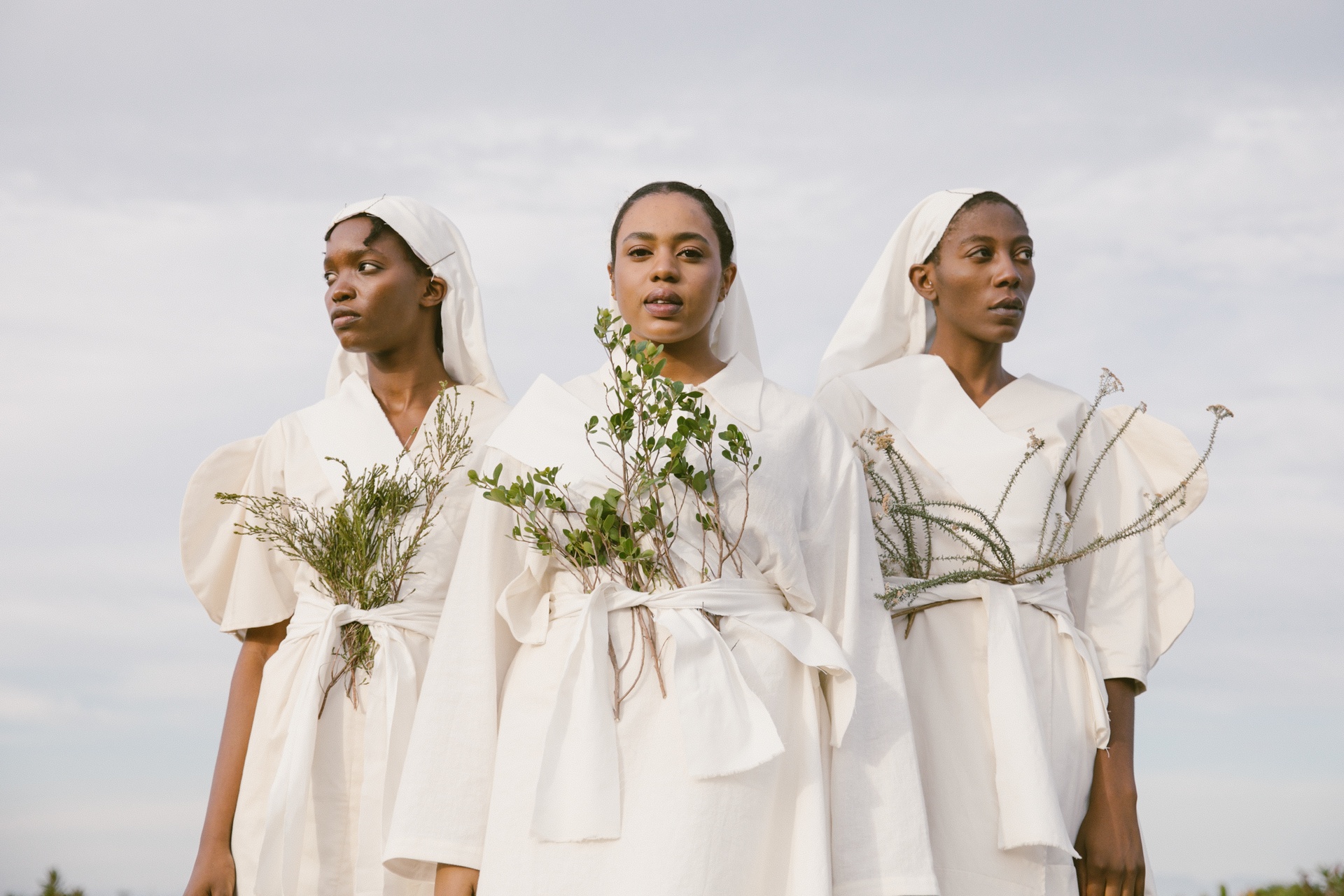
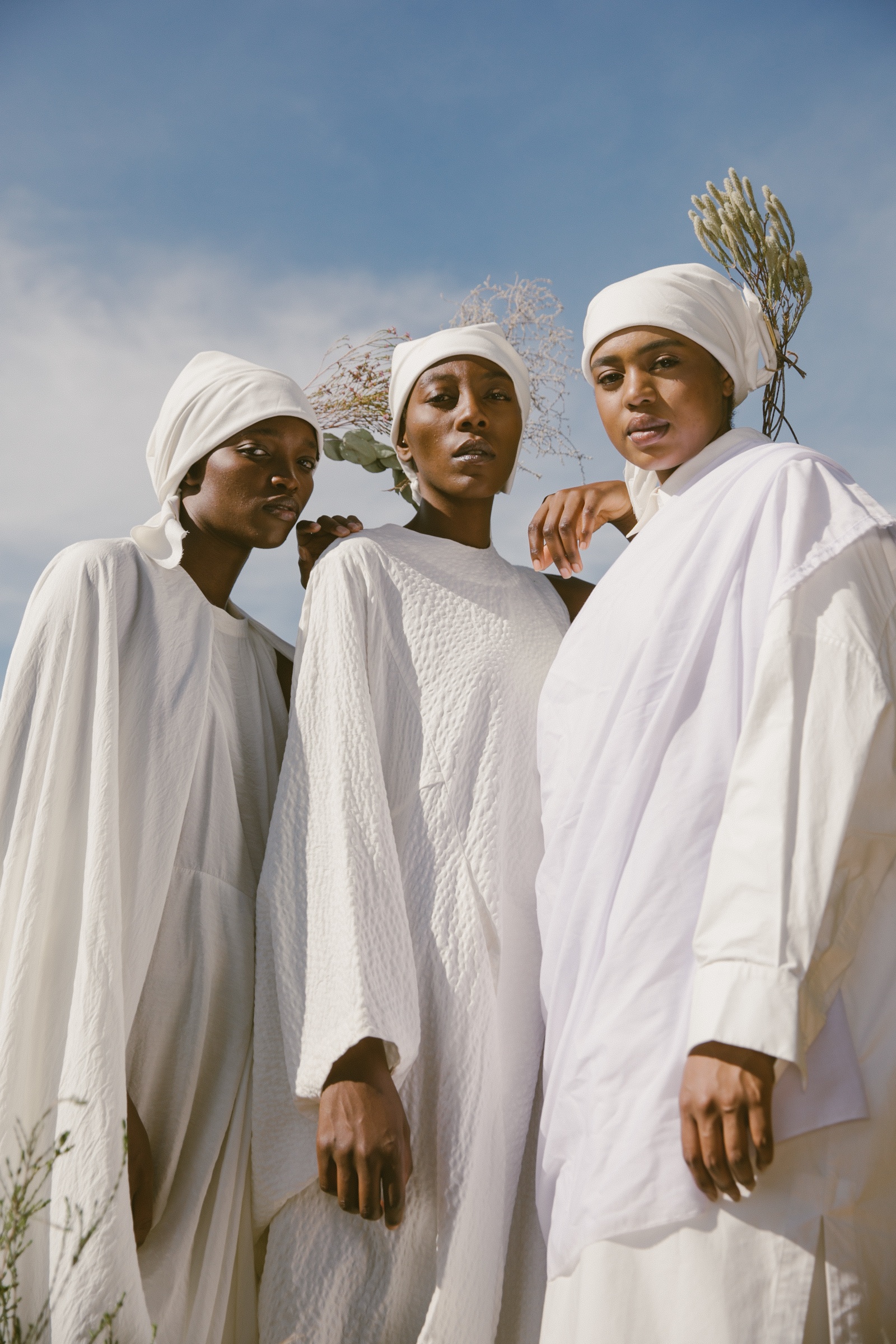
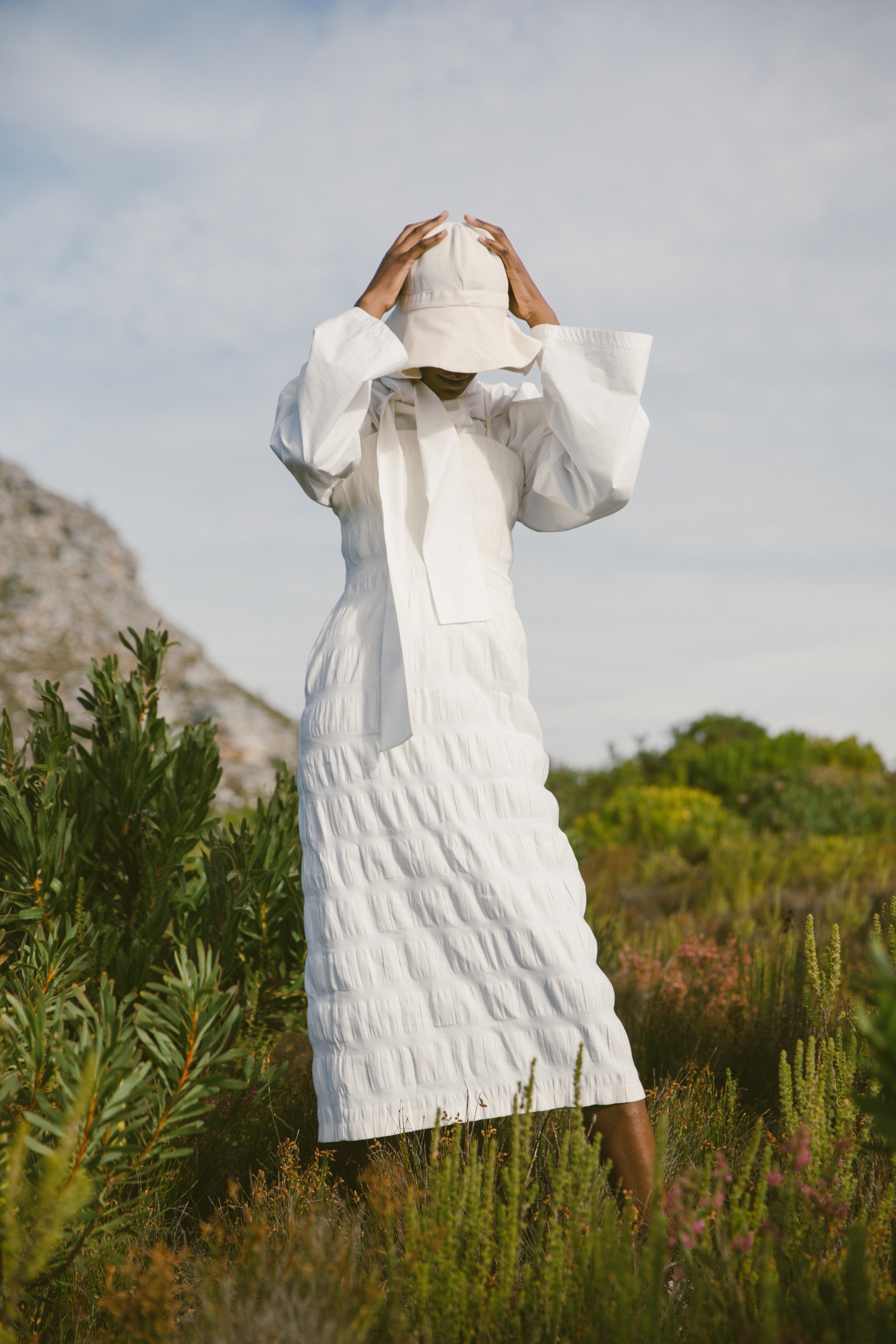
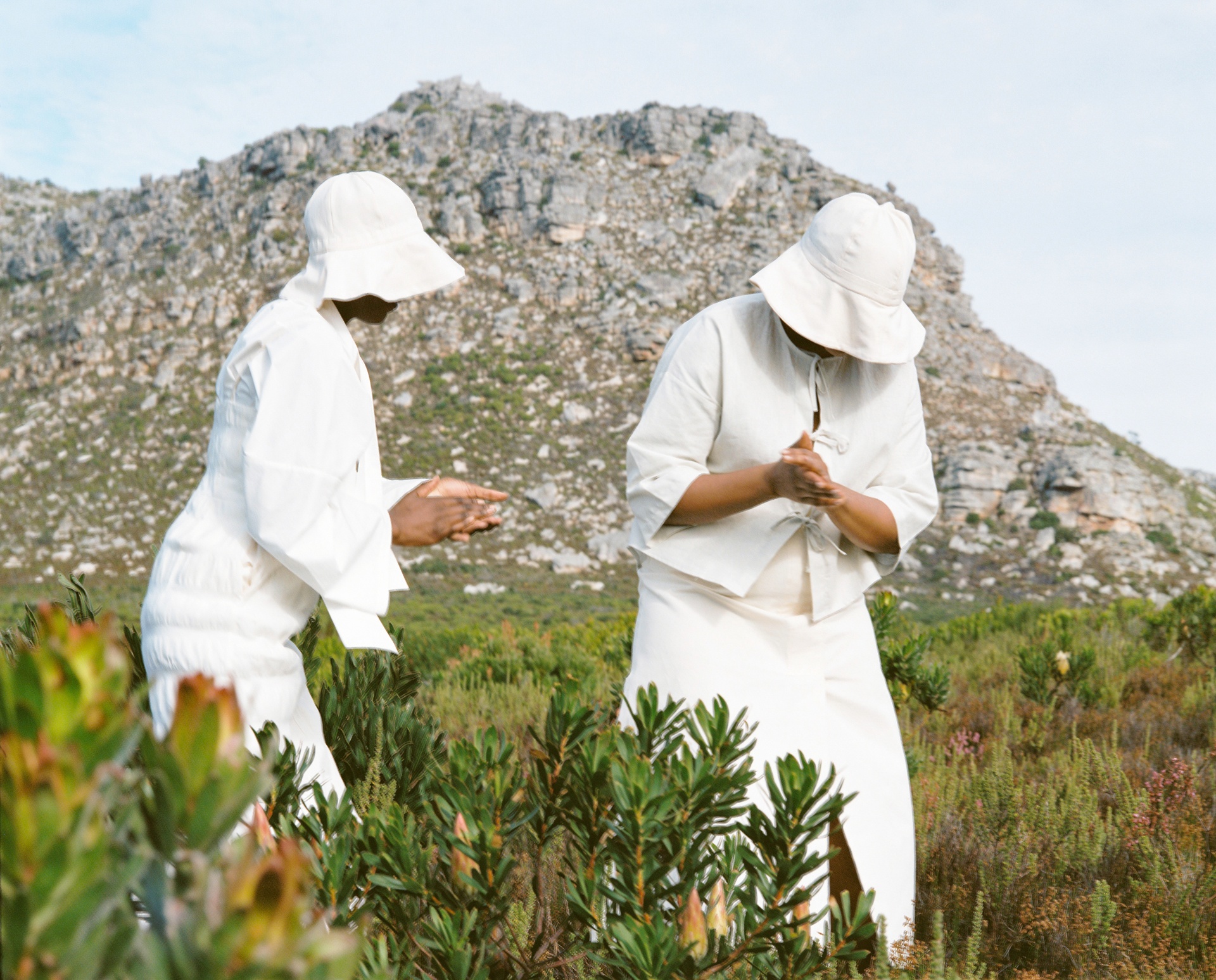
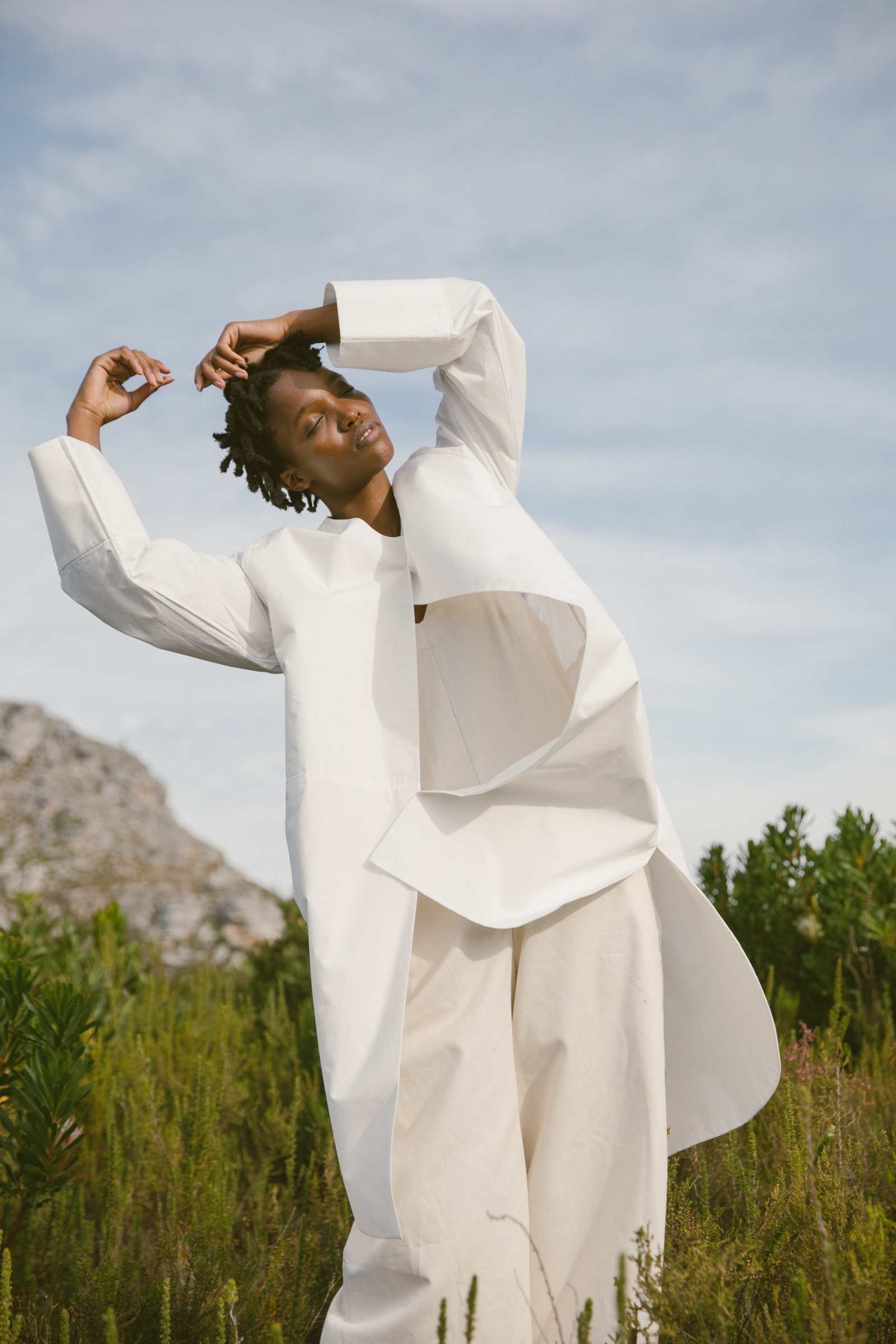
Celebrating sartorial, spiritual traditions with ‘AmaZayoni – An Ode to Uniformity’

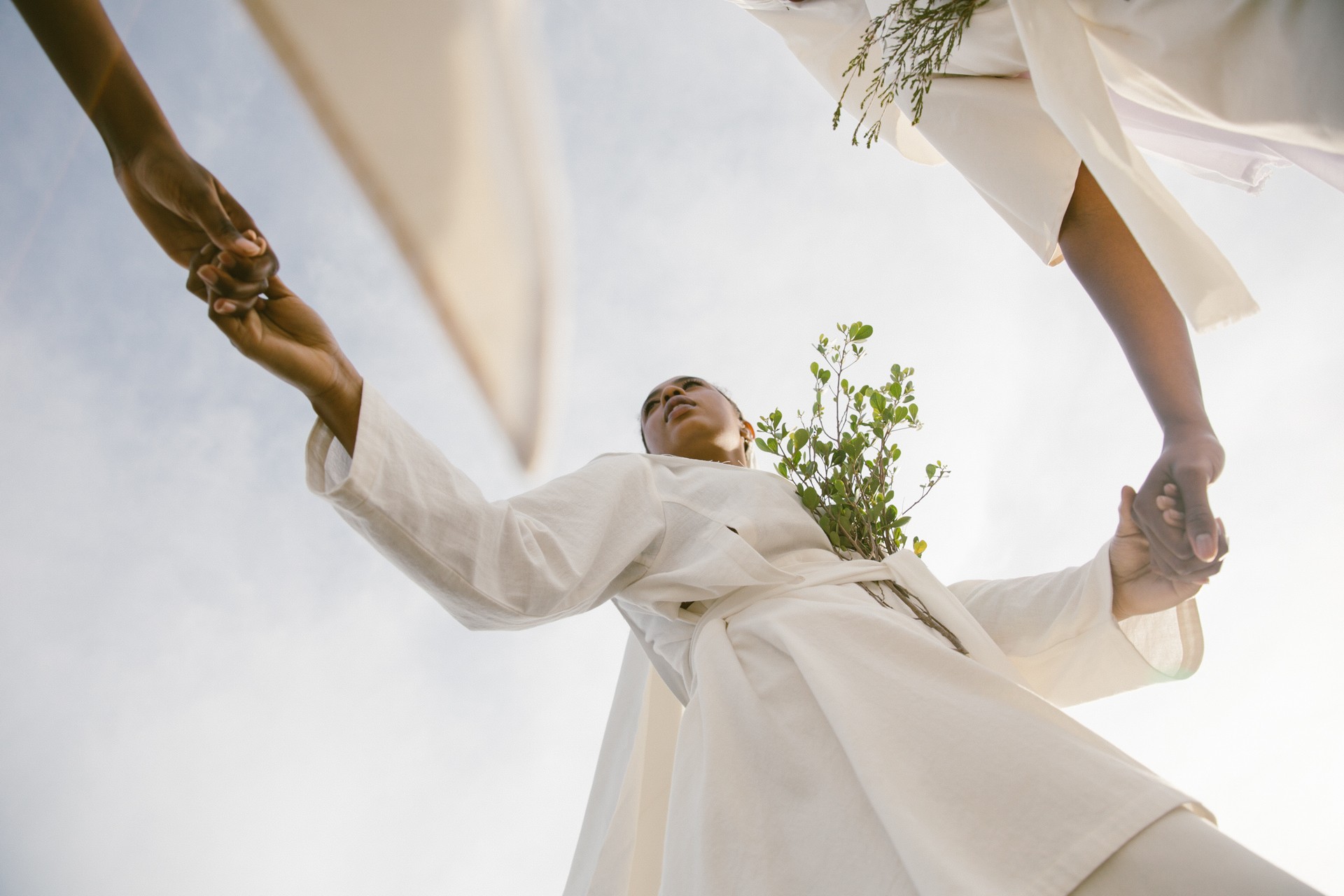
This is a very special piece to write, in conversation with friend, sister and sartorial co-collaborator Duduza Mchunu. In 2021, we made this work at a time when the world was still, and we needed to move and create. We reached out to Cris Fragkou, and spent a day on the Ou Kaapse Weg mountain bringing the vision together of Duduza’s spiritual heritage. We cannot thank Cris enough for the effortless resonance of her way of working, and capturing this work in the most beautiful way. We also want to thank Luke Radloff and UNIFORM, and Celeste Arendse and SELFI, for lending us the most exceptional pieces to bring this to life; we believe they are two of the most important designers in building the design language of South Africa.

The three of us hope that in the decades to come, the spiritual power of fashion will come to be known more and more; fashion is identity, fashion is heritage, fashion is culture, fashion is consciousness.

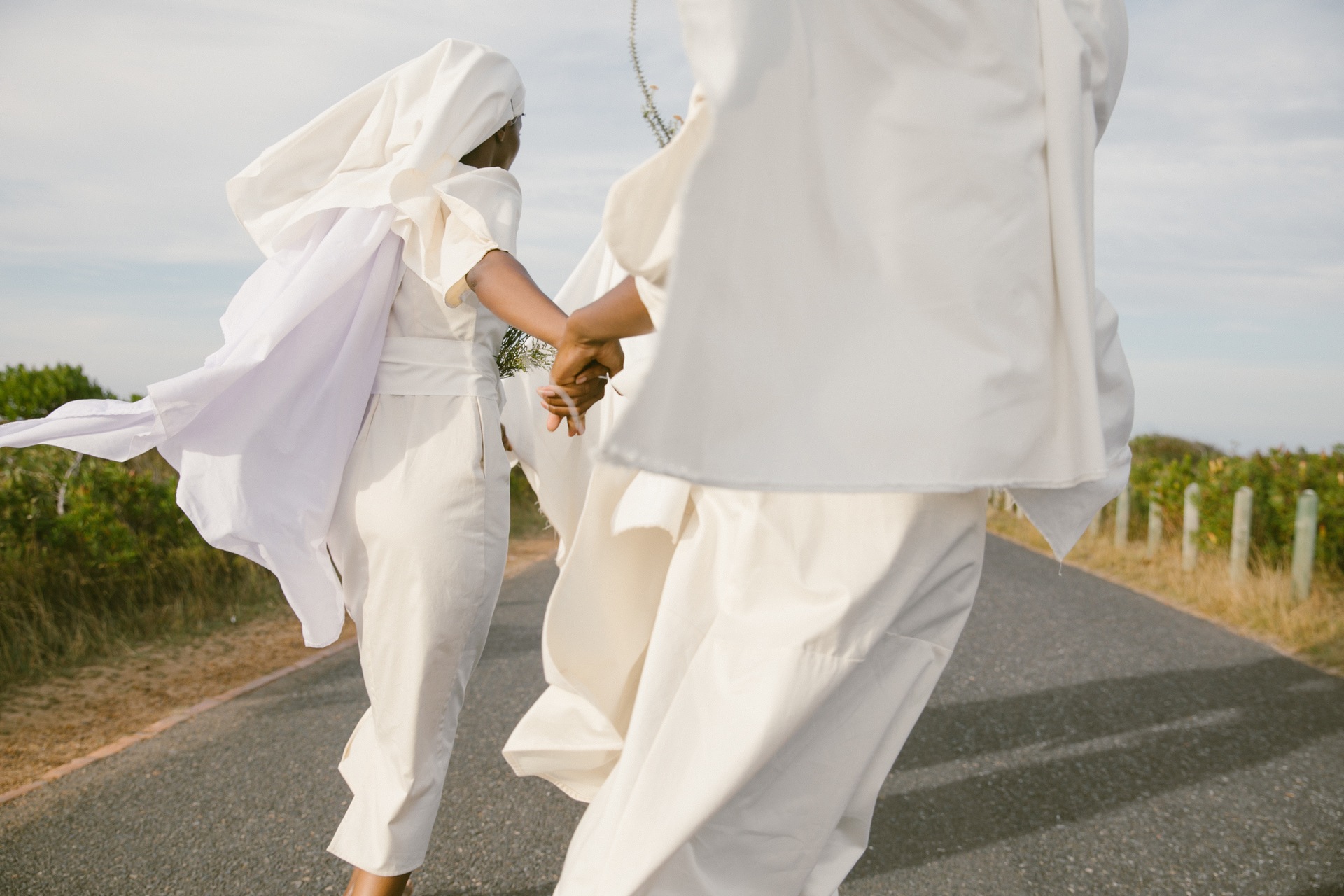
Spiritual practices are deeply woven into the fabric of life throughout the continent of Africa. Honing in on creative director Duduza Mchunu’s lineage, we witness an ode to the women of the AmaZayoni church; in which the attire is punctuated by crisp white fabrics, layered in specific iterations as garments of protection. Duduza explains her connection to the AmaZayoni church, “it all connects back to the women in my family. Specifically my grandmother, Gogo – without her, I don’t think I would have any sense of the spiritual relationship that I have with myself and life. She was a spiritual healer and prayer woman, and this all happened within the AmaZayoni church, where she had undergone her initiation. Growing up, my mother would take me to Durban to see Gogo, and to the church. My mom would then go onto have own calling and undergo initiation, so the church has always been a constant thread throughout my life towards God, the Universe and spiritual practices. My grandmother was an Arch-Bishop of the church at one point, so it is an intimate experience of how I’ve experienced home.” When colonial missionaries brought Christianity to the continent, their plan for it was to subsume the varying and innate indigenous spiritual practices of people across Africa, but Duduza explains that rather, a fusion took place, “within AmaZayoni, there is no division between using the spiritual teaching or framework of Christianity, with our own practices. I think of how the drum, songs and dancing is critical in the church – which are used to support people in heightened states of awareness, so that Spirit can come and take over, working through them and healing them – relaying messages from the different realms. With AmaZayoni, and in my own initiation, we connect with ‘ingilozi’ in Zulu, which is an angel – beings that have never been human before, that are pure energy and spiritual entities. With more of a traditional aspect of religion, it might be more ancestral practices.”

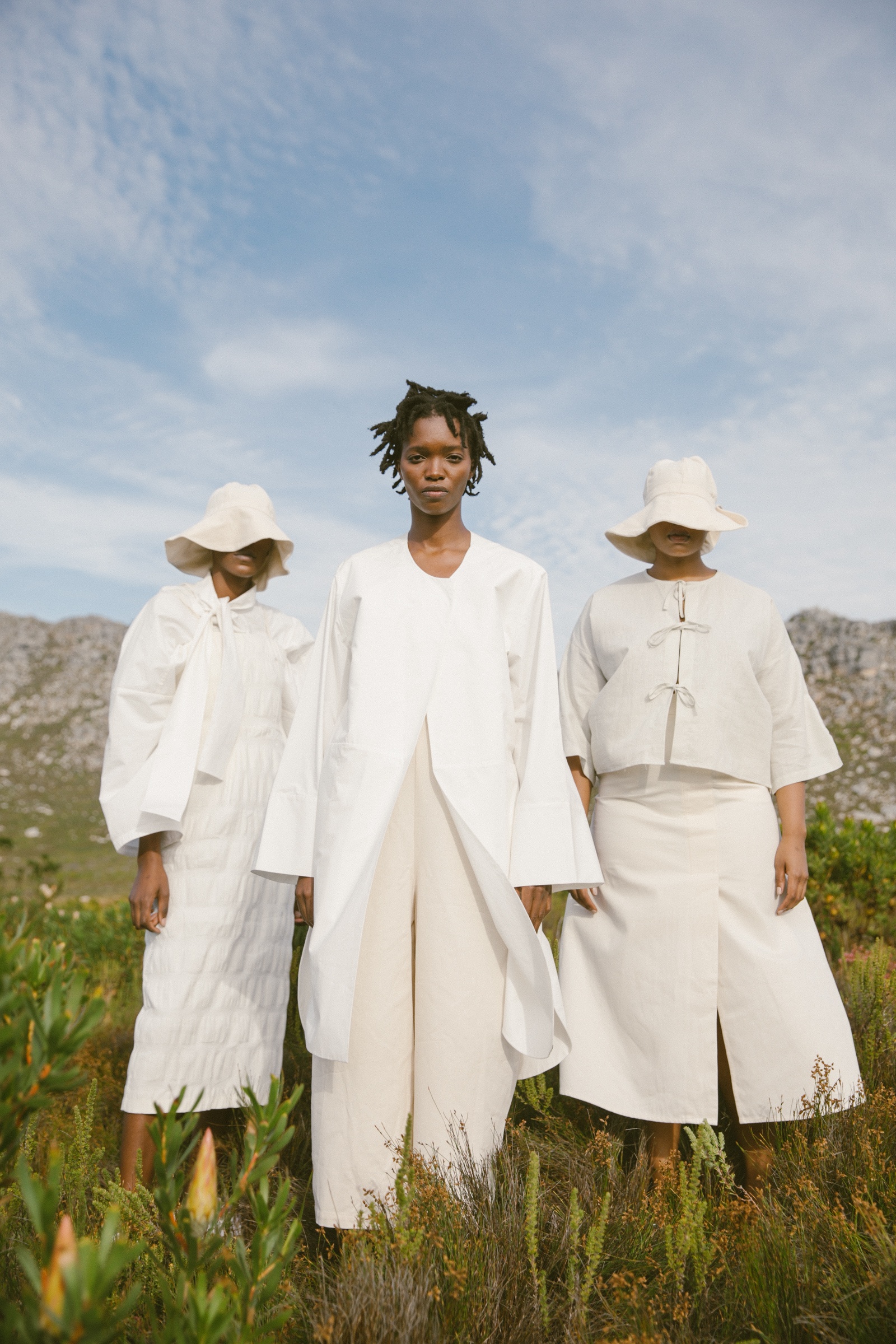
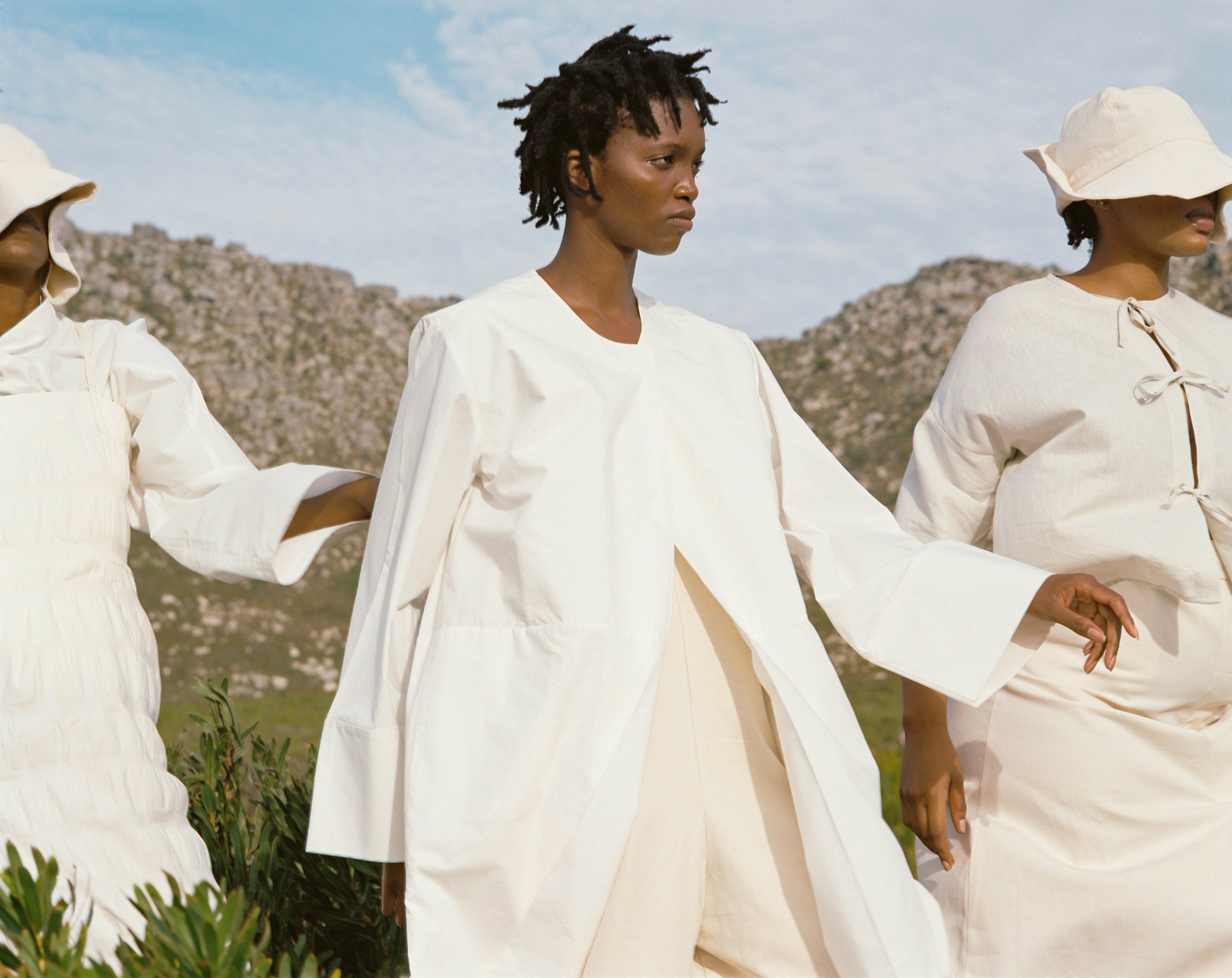
We tend to think of uniformity as linear, and the reductionist view is that similarities in dress codes challenge individual expression. In deconstructing the essence of the uniform, as a dialogue of community, these images express a common and sacred bond between the wearers. It demonstrates the power of aligning with others in the pursuit of a shared practice; and in this context, it is the cultivation of spiritual connection and insight; as Duduza says, “I wanted to show that uniformity in this context is a very powerful way of showing many as ‘one’ – so we find in the sartorial tradition of the church, a sense of community and connectedness. It was really important to bring nature, so we use indigenous plants to adorn the models, and to reference the way that women in the church are of the earth, and how they would incorporate things from the natural world into their practice.” Using the landscape of indigenous flora in the mountains of Cape Town as the backdrop, photographer Christina Fragkou captured the strength laden within the outer and inner world of uniformity, with the clean layering accessorised with plants convey the intrinsic connection of women to the earth; as an expression of Nature herself.

Using garments from prolific South African labels, UNI FORM and Selfi, artistic duo UBNYEHT (Duduza Mchunu and Holly Beaton) sought to pay homage to the liberating nature of dress practices among women, with these acts conveying a demarcation of alignment under the notion of sartorial consciousness; in which fashion lends itself as physical act of uniting under the same values and motivations. Within the AmaZayoni sartorial tradition, Duduza explains the spiritual functions of how the attire is worn, “everything is put together very intentionally – from the fabric belt across the shoulder, to the way these women who wake up at 6am to iron and starch their fabric down to the tee, engaging in a meditation and ceremony before they even arrive at church; this deep preparation to commune with Spirit, and so these garments are critical to being able to enter a holy space to meet God. The headwraps, and placement, contain their energy in order to do this. When we were putting this editorial together, I knew we had to have these incredibly strong, clean looks that paid respect to the elements of how they dress, but in a way that spoke to the modernity and transience of African fashion Of course, they had to be barefoot – I always say that there’s nothing more chic than a bare-foot. Using the colour white with the two different looks, showcase the church’s affinity for colour theory. We use colour in varying ways and for different purposes, but white is the purest for the purposes of spiritual interaction.” 

This editorial perfectly describes Duduza’s vision as fashion creator, finding her visual language centred precisely at the intersection of contemporary African expression and living, with the preservation and celebration of ancient, indigenous traditions. For the styling, Duduza and I sought the work of Celeste Arendse’s Selfi, and Luke Radloff’s UNI FORM to articulate this intersection between minimalism, modernity, and the richness and flow of spiritual dressing. Selfi is noted for their use of biodegradable, rayon weighted fabrics; adding a sense of proportion and depth, while UNI FORM’s cascading dresses and crisp shirts create silhouettes in line with purification; both labels coming together as celebrations of the uniform.

Written by: Holly Beaton

For more news, visit the Connect Everything Collective homepage www.ceconline.co.za

Alexander James – Memory as the Artist’s Muse

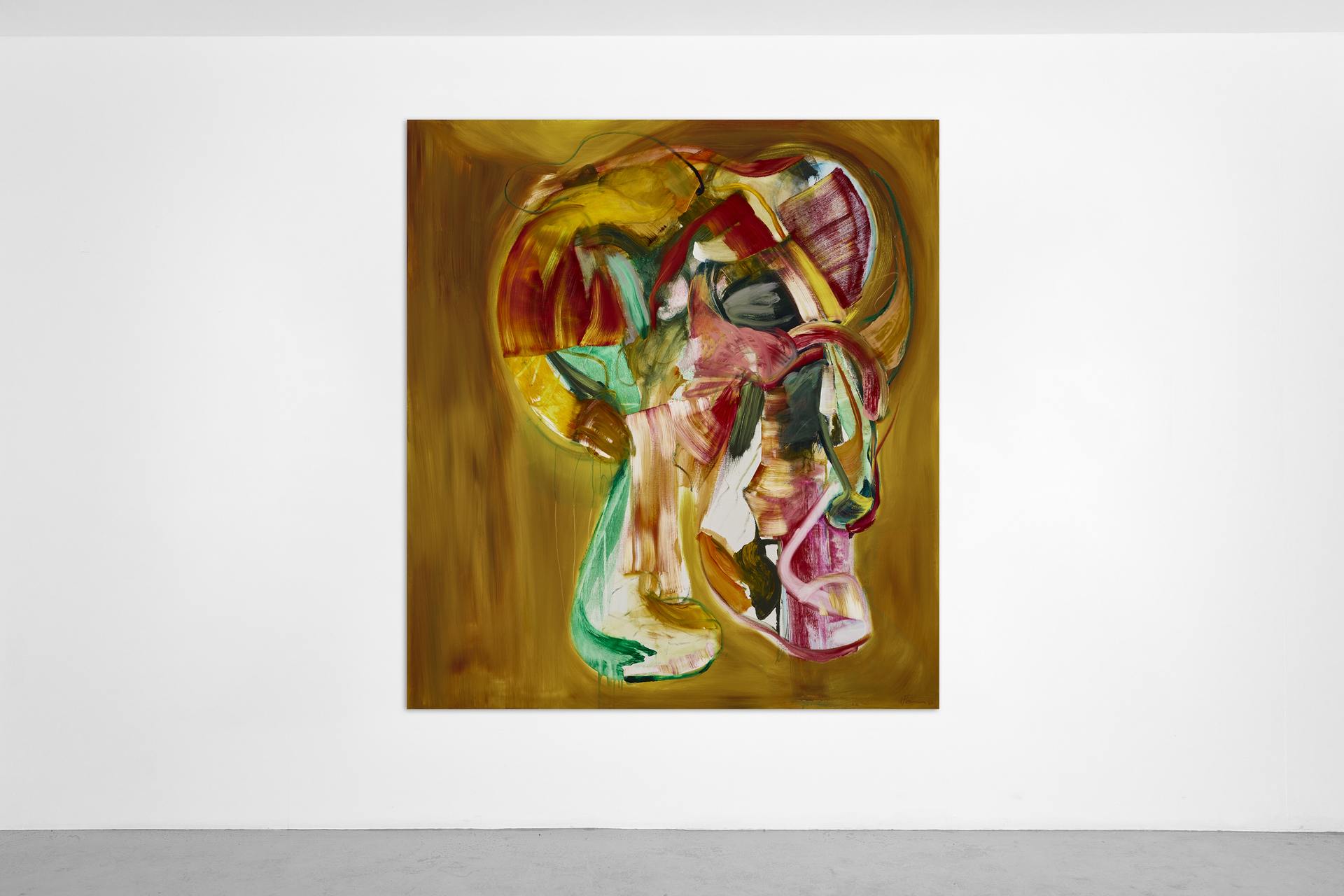
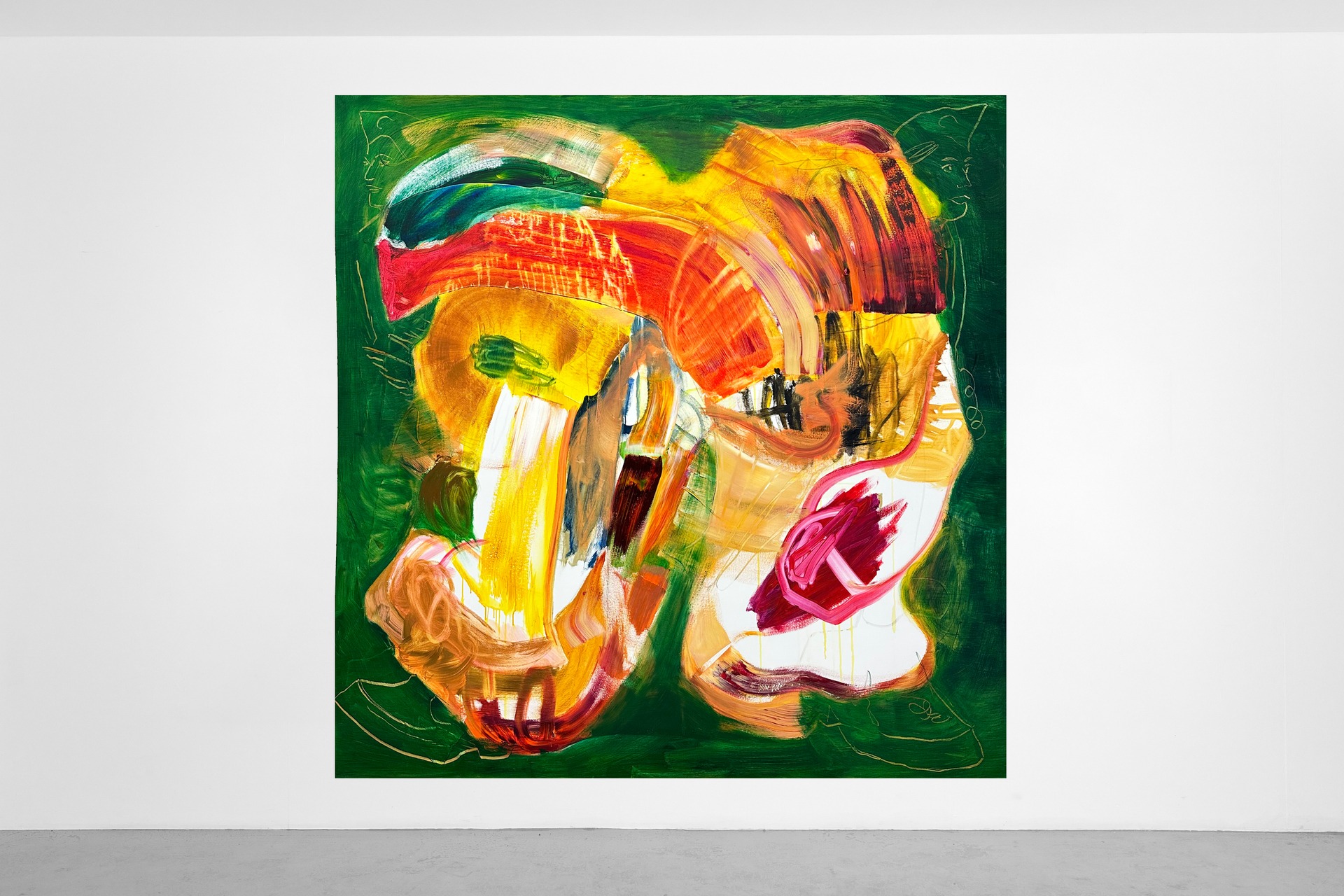
It is not often that I get to interview someone for a second time, but it is a special thing to do, particularly in lieu of the transformative-driven nature of changing practices for artists and creatives. When Alexander James spent time in Cape Town two years ago, for a residency with THEFOURTH Gallery, our conversation focused on the immensely energising 60 piece outcome of his experience in a new studio, and time spent in a new city – and this ability to create up to 60 paintings, of varying sizes and visage, is an integral component of Alexander’s process; he is never not painting, or working on a painting, or archiving, documenting and journaling his surroundings as references for later paintings. This insatiable curiosity, and its subsequent thirst, are perhaps reasons as to why when I look at his work now, only two years later, there is an even deeper intensity of technique and characterisation. This is the gift of time and commitment to one’s process wrapped up together, and spread through the thread of Alexander’s vision as an artist. 

Alexander’s thematic centre can be summed up by ‘memory’ – this subjective epitaph within the experience of being human is something he had begun to excavate during his residency in Cape Town, and continues to shape and inform the dialogue inherent in each body of work thereafter. In the Greek myths, the titan Mnemosyne (memory) was born from the union of Uranus (Sky) and Gaia (Earth) – she, among the twelve primordial children of creation, is one of the first experiential constructs ascribed with divinity, ranked in importance among the physical elements such as her sister Thea (light & the sun) or Oceanus (the sea & water) – this is how critical the role of memory has played in the perception of living itself, by ancient human beings. Mnemosyne would later go on to birth the nine Muses, and it is in this narrative that we see the inextricable and primaeval link between memory and the arts; and as such, for artists themselves. Art historian, Eleanor Stephenson, wrote of this connection with Alexander’s work and memory, likening his process to Frances A. Yate’s interrogation of ‘the method of loci’, as Eleanor describes “The basic principles of this mnemonic technique, described by Yates, involves imprinting upon one’s memory a series of ‘loci’ or places, usually architectural spaces, and within each room of this metaphysical space, an image of a memory. If one were to walk through the loci in their imagination, each place would activate an image representing a memory, thus producing a complex and ordered story which, in Cicero’s words, is tangibly akin to ‘a wax writing-tablet and the letters written on it’. The method of loci, and the historiography of memory more broadly, can be used to garner a deeper understanding of the concepts and visual language Alexander James has used in his recent body of work.”

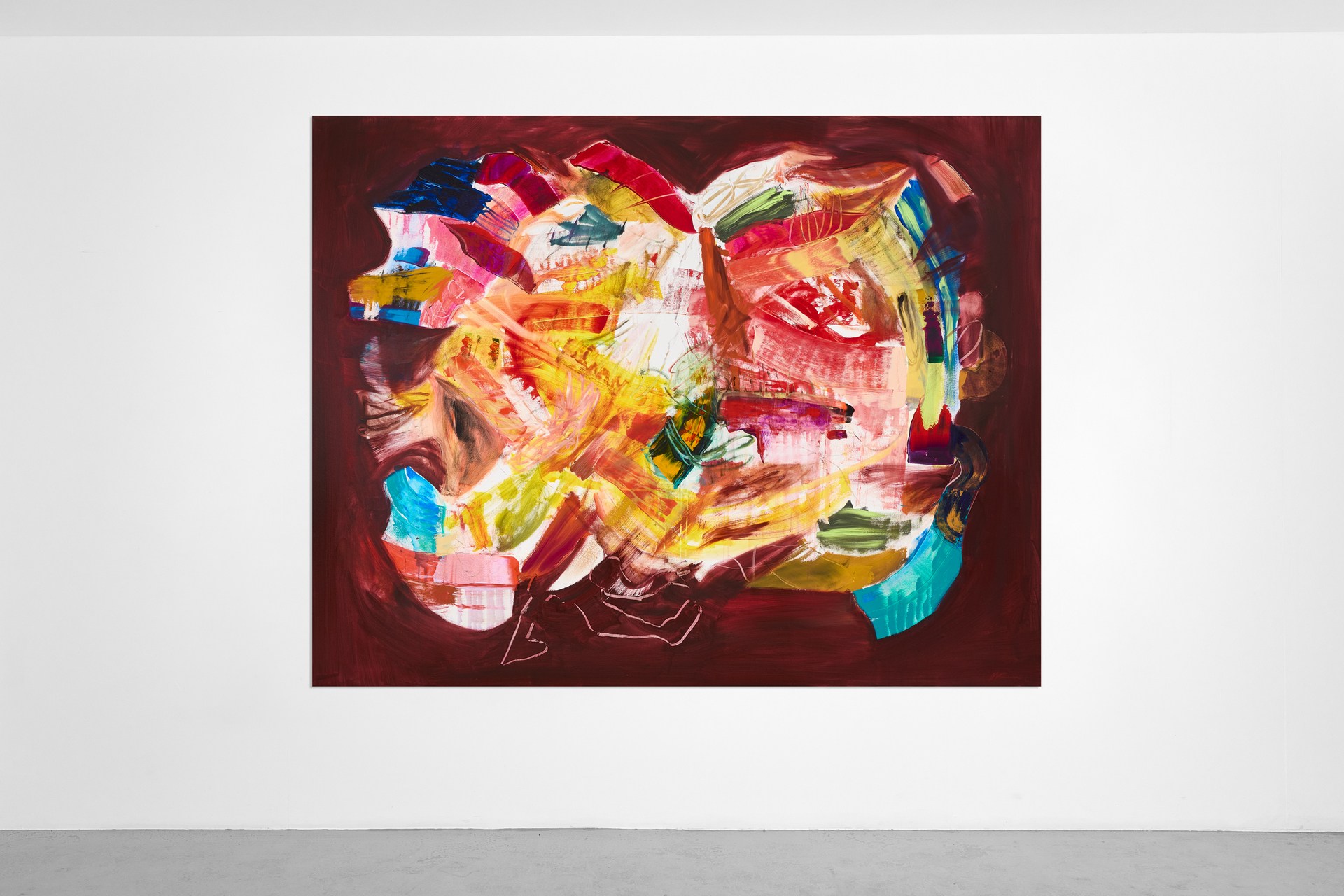
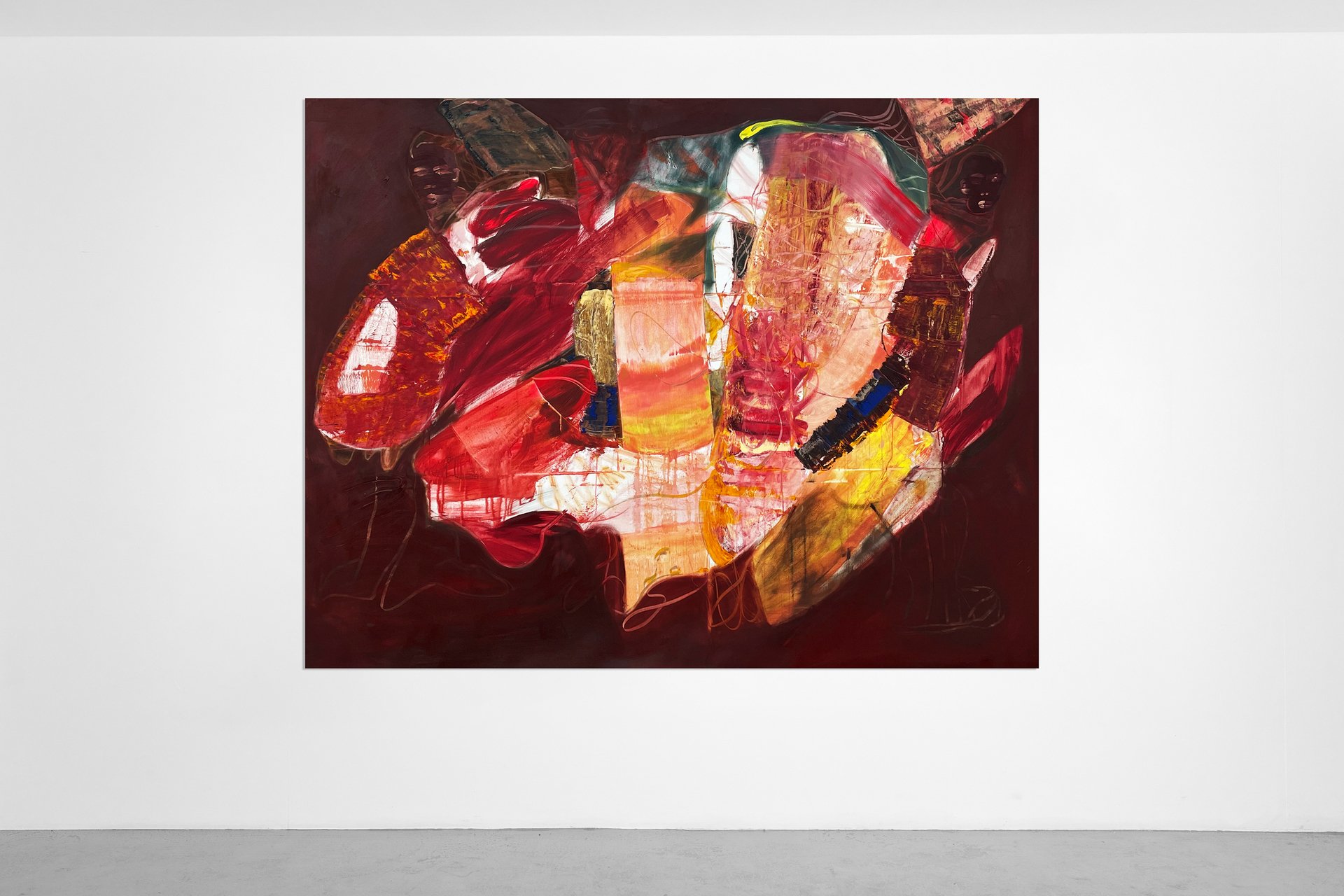
Alex James, Heartbeat, 2022, Oil on canvas, 180 x 240 cm.
Alex James, King Cobra, 2022, Oil on canvas, 180 x 240 cm.

For Alexander, the family and lineage he was born into form an intrinsic portal through which he contextualises his work ,whether it’s those he knows, or family members he has heard stories of – this thread and web of human beings that maketh the remain critical, “memory is ever-evolving into my practice. It’s something I look at from a psychological perspective, but also in relation to my experience – and also a data perspective, too. I mean ‘data’ as information that has been passed down to me, and especially within my own lineage. I started this project in Cape Town, and when I moved back to London – it remained this very intricate part of how I work now, and I would say it’s at the forefront of what I do.” When Alexander’s show in Cape Town ‘Keep It In The Family’ showed, he had placed himself as the immediate observer of his experience – from childhood, and so forth – alongside family members. Now, in the more recent part of this mnemonic exploration, Alexander has begun to dig deeper, and further back, into realms of his familial context outside of his own memory. On this, he says, “my grandfather started opening up to me about his father, who I only met when I was very young – so I have no memory of him that I can recall. My great-grandfather moved from eastern europe to London during WW2, and about this salon called ‘Henry’s Gents Salon’, and he was this hungry, entrepreneur type character, and his space in east London became a kind of hot-spot for a lot creatives, who would roll in – like colourful characters, local gangsters, who even though they might not get their hair done, would hang around. This story began to open my eyes to this idea of memory beyond my own, which has its set of subjectivity and limitations, and into memory as a function of story-telling. It brought me to my grandfather as my primary source of research, who is 88 years old; and it’s amazing that he told me this information now, as it could have just ended up as untold stories, you know?”

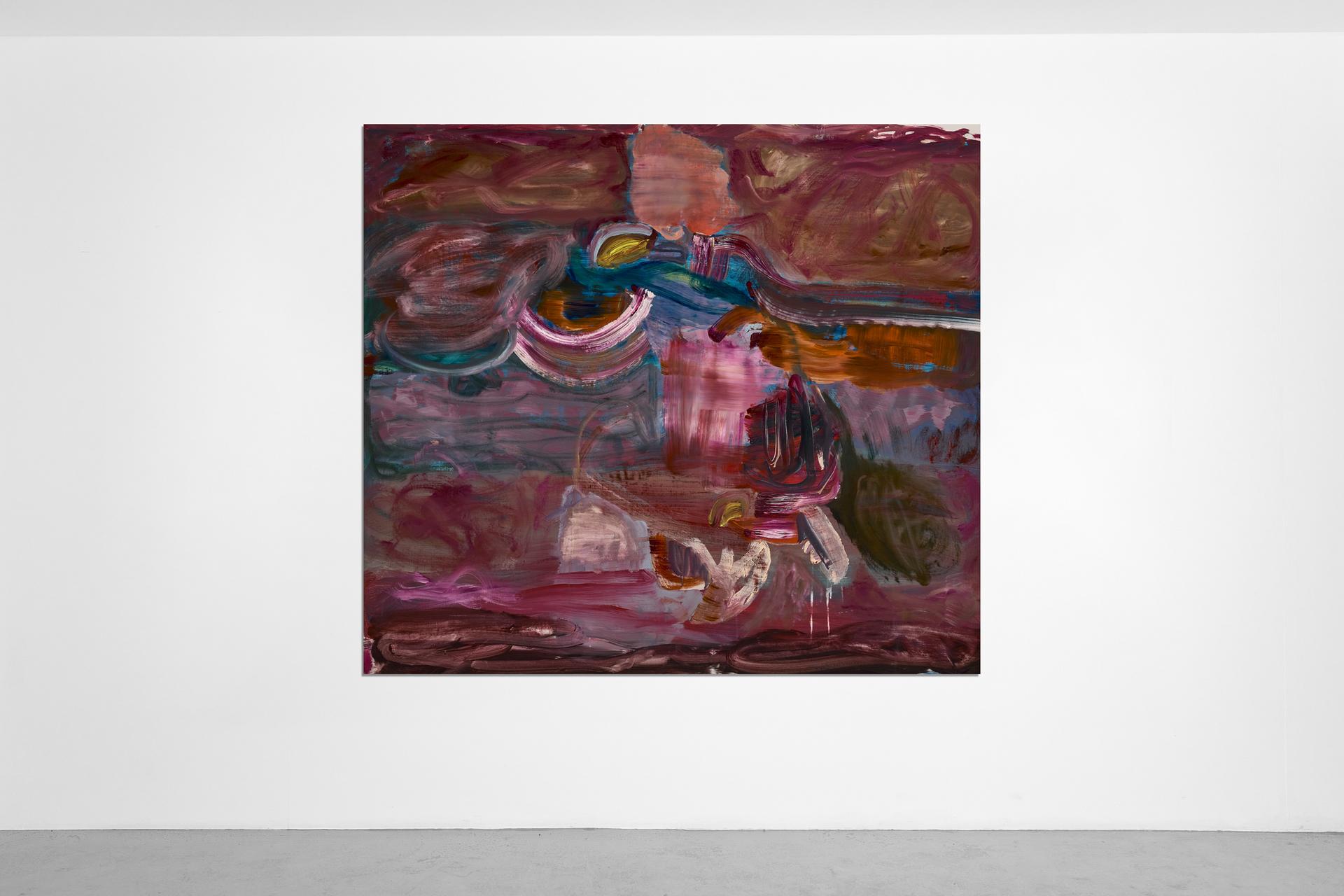
Anchor, 2022, Oil on canvas, 140 x 140 cm.
Dream Walker, 2022, Oil on canvas, 130 x 130 cm.
Frankenstein, 2022, Oil on canvas, 140 x 130 cm.

I ask Alexander what ‘family’ as a vehicle of memory has to come to mean for him in this moment of his career, to which he says, “I’m really interested in how family reveals ‘life before us’, before we come to be who we are, and how research can show more of who we are, but also where we come from. There are infinite moments that lent themselves to our own births or arrival in this world, and I find that fascinating. I think we all become consumed by the day-to-day details of our own lives, and in doing so we can forget to view the larger picture of what has led us to where we are. I also think this is why I am constantly screenshotting, taking pictures and observing my surroundings, wherever I am in the world – or looking at old photographs, or films, and finding references in whatever I can. I always want to be able to go back, and have an archive of my experience, and of the world as I saw it. It’s made me a lot more present in my everyday life to be observing and documenting whatever I can.” The orientation of detail in Alexander’s paintings originates from his research, and its outcome are some of the most rich, and colourfully hued edifications of memory I have seen in current contemporary art. I think of the violet-gazing portrait of ‘The Butterfly Effect’, or the figure emerging out of ‘Anchor’, bound by conflicting swathes of brush-strokes in a warm, kaleidoscope of shades. For Alexander, memory arrives on the canvas in tensions of subtlety (the figures) and passion (the colour) – all defined by the inimitable requirement of oil-based paint for patience. In how colour informs his work, Alexander explains, “A lot of my memory is tempered by colour and texture, so those two elements are crucial to my paintings. My work lies in between the realms of figuration and abstraction, and once I’ve decided what the narrative is going to be, I then leave colour and texture quite freely to happen as it happens. I really enjoy the movement of that, being able to remove and add as the painting unfolds. I’ve definitely become a lot more patient with myself – I’m not rushed to finish paintings, and I really allow myself to leave work for a week or two, to really sit on it.” Within this space of appreciation for the artistic process; Alexander finds his working meditation as an artist. The sacred space, or altar, of the studio is as he says, ‘a pleasure to go into, to switch off from everything’ – this propensity to work, to create, and to research define Alexander as one of the most exciting painters right now – a guardian of the tradition of painting itself in 2023 and beyond. With shows ahead in London and New York, I anticipate interview number three with Alex in a few years time, imagine what will be then?

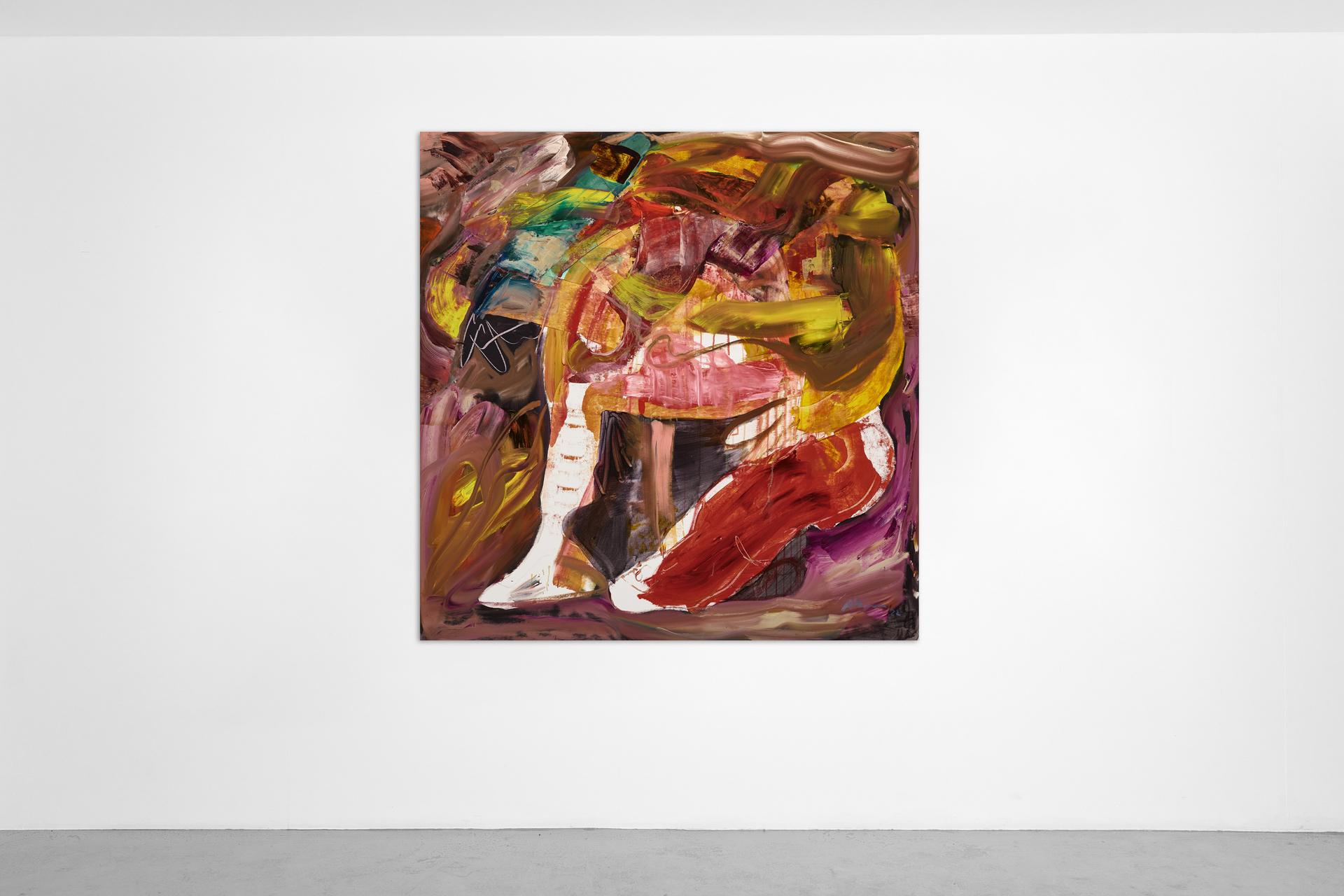
Left Foot Captain, Oil on canvas, 200 x 200 cm, 2022​.
Featured Image by Brynley Odu Davies.

Written by: Holly Beaton

For more news, visit the Connect Everything Collective homepage www.ceconline.co.za

Savanna Cider X Wanda Lephoto release their ‘Dry Goods, Waterproof Apparel’ collaboration

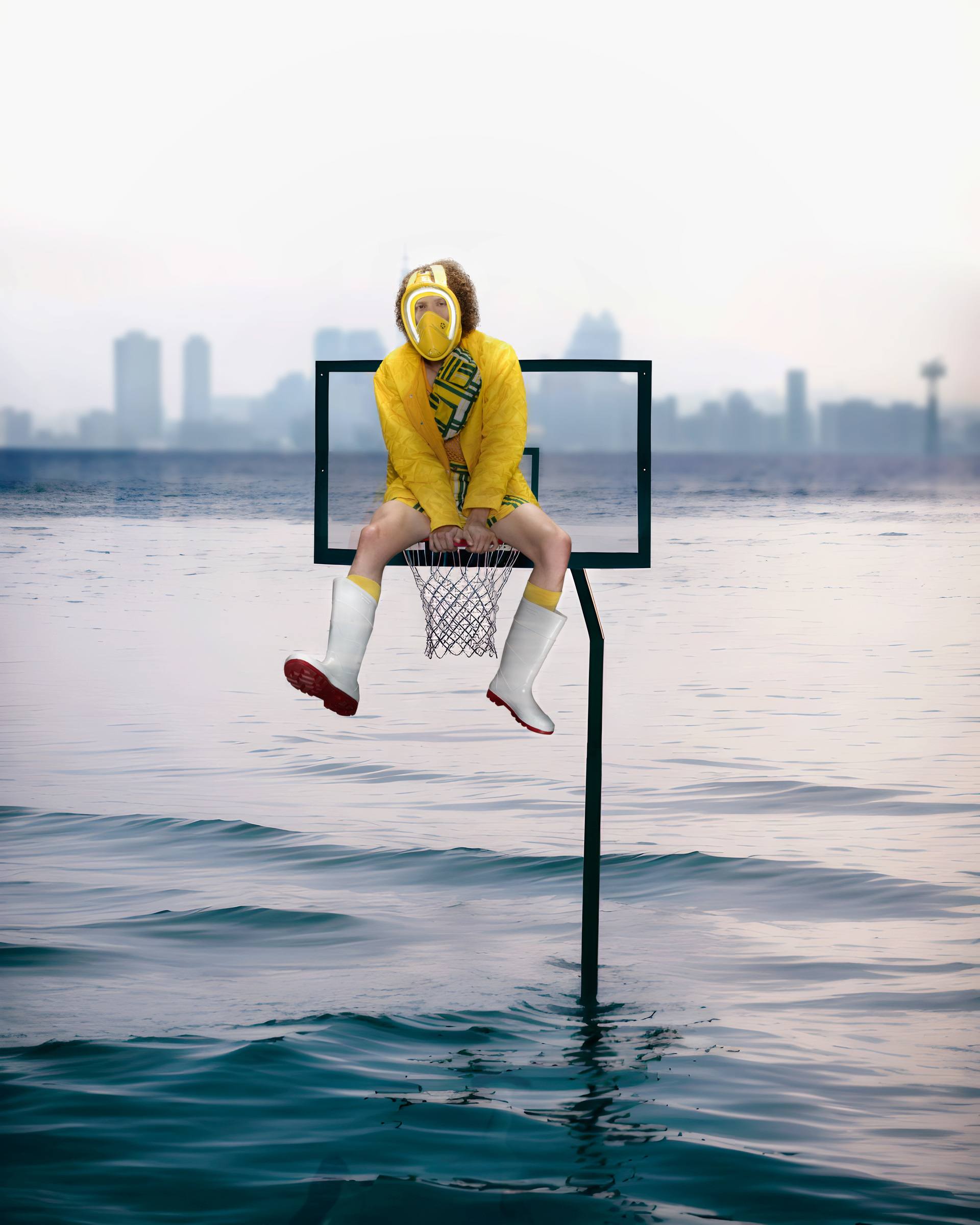
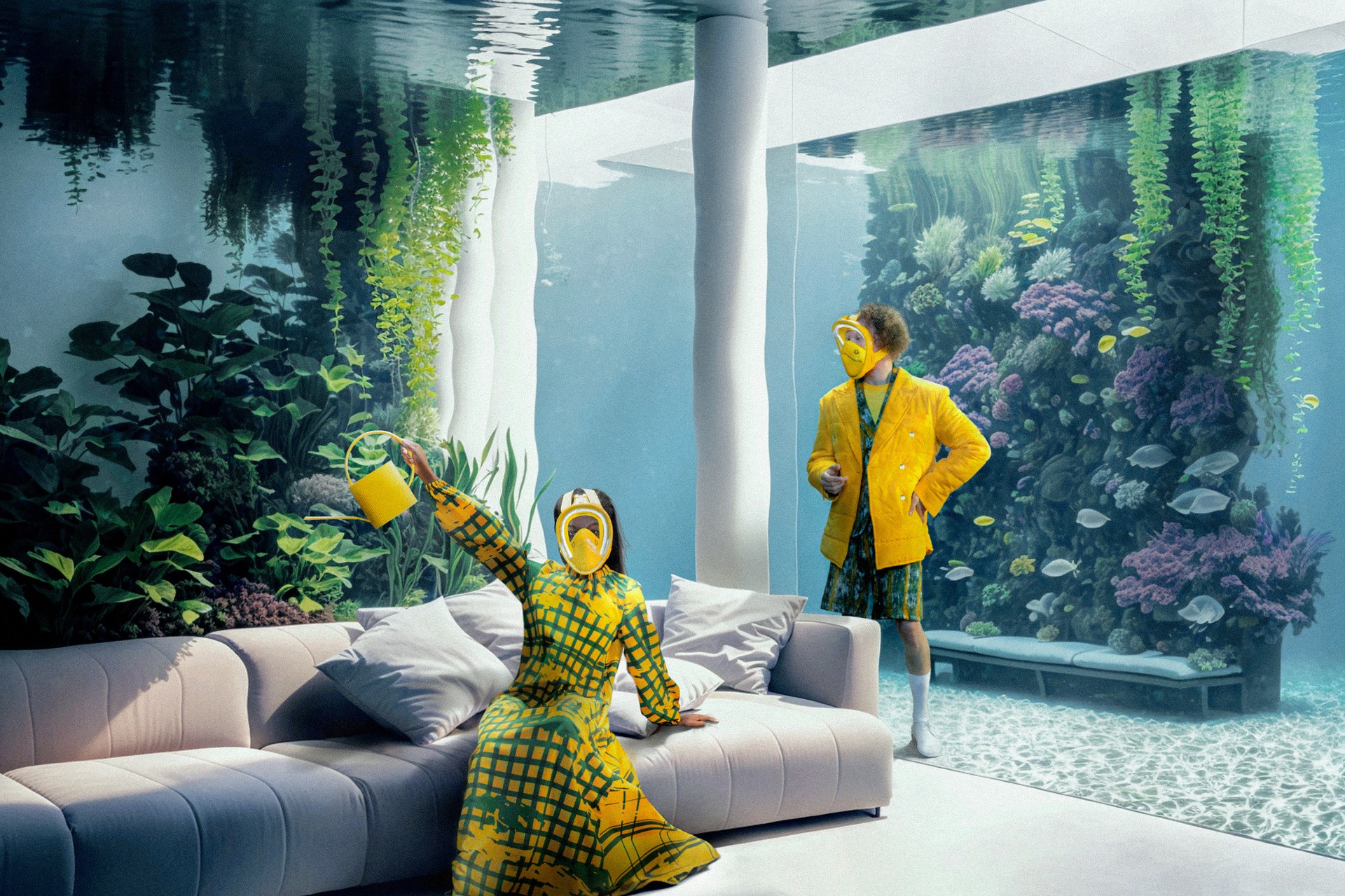
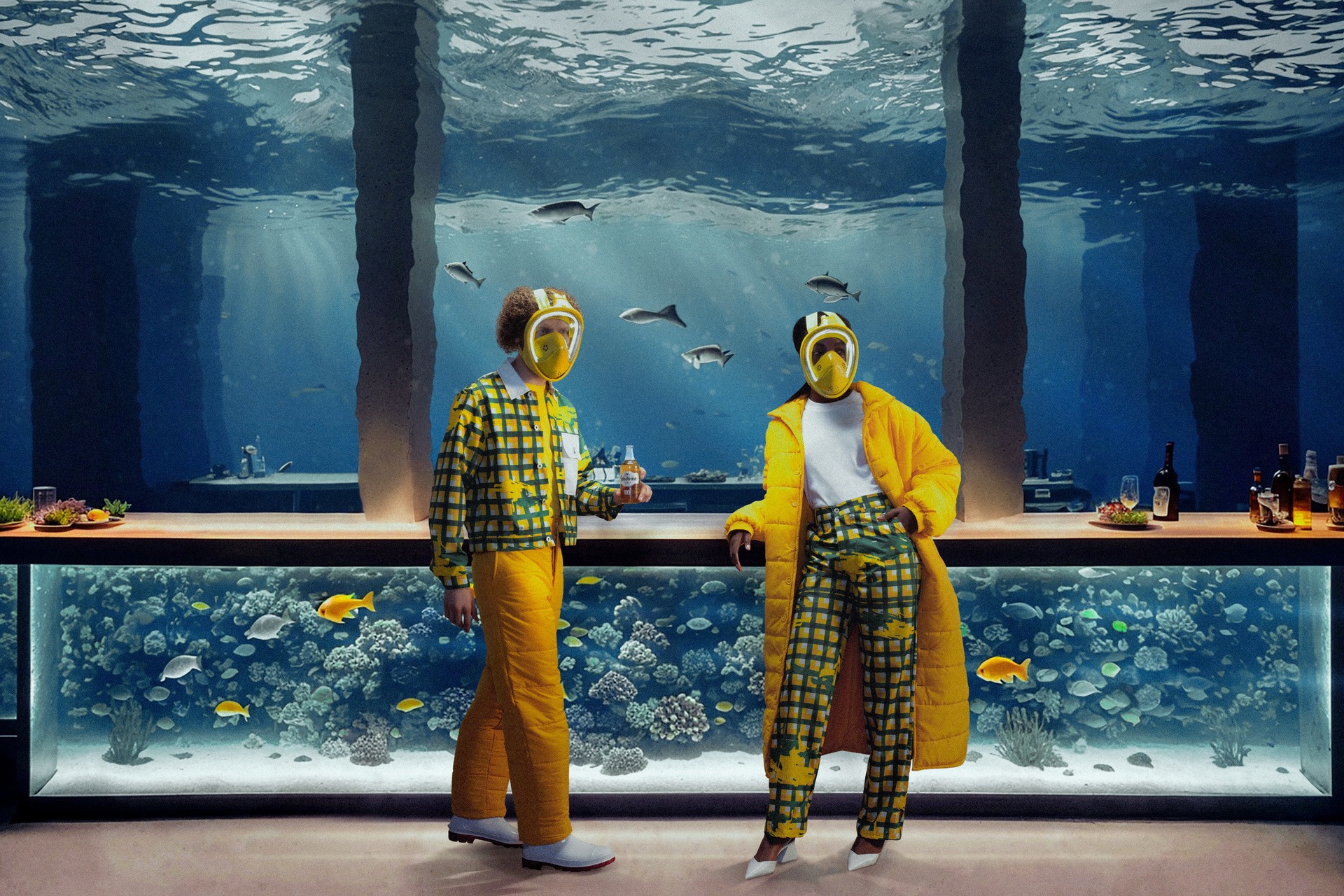
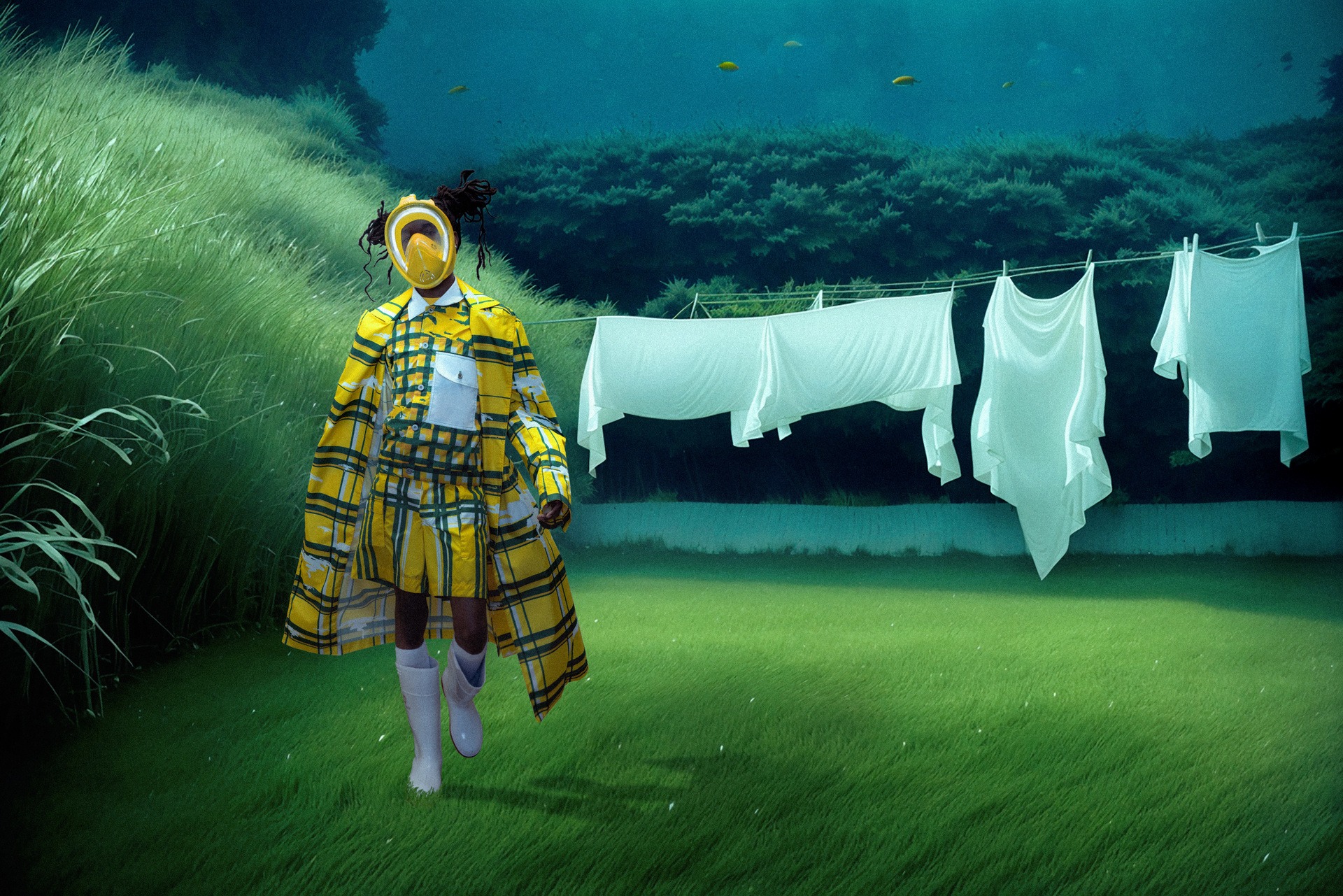
This morning we woke up to a visually stunning collaboration between iconic South African brands, Savanna Cider and Wanda Lephoto. While we may know Savanna as one of the most refreshing drinks, their vision has been expanding as of late to include collaborations focused on sustainability and community. 

Now, with Wanda Lephoto – one of our favourite designers at Connect Everything Collective – the ‘Dry Goods, Waterproof Apparel’ collection is a limited-edition fashion collection, with sustainably produced and beautifully designed pieces by Wanda Lephoto, as a means to embrace the inevitability of climate change. We love to see brands being honest and authentic in speaking about climate change as already occurring. The collection is ‘waterproof apparel, for an underwater world’, and includes a ‘as sustainability-possible created NFT’ – with images and film utilising digital landscapes as a way to envision the future. 

To further their commitment to this conversation, 100% of the proceeds will go to Green Up –a leading organisation focused on climate action, environmental education, and community resilience.

Head HERE to view the collection portal, alongside more information and to shop the collection.

Nabihah Iqbal Shares New Single and Video ‘Sunflower’ From Forthcoming Album ‘Dreamer’

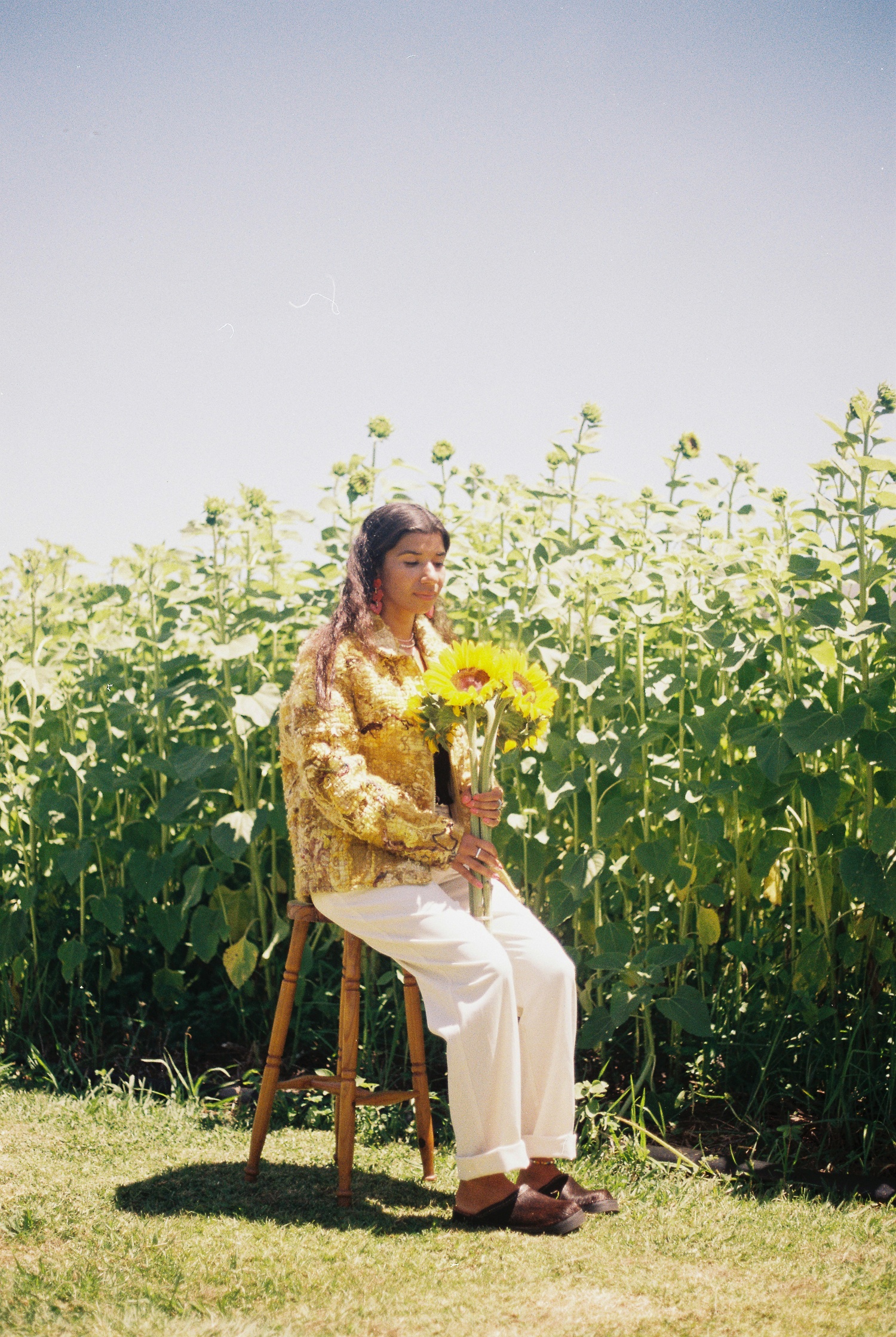
‘Sunflower’ is the new single from Nabihah Iqbal, marking the second track to be shared after recent shoegaze inspired single “This World Couldn’t See Us” from her long awaited new album ‘DREAMER’ (out 28th April on Ninja Tune). The new track, inspired by a William Blake poem and “about those who die young and leave their art behind” comments Nabihah, arrives alongside an official music video directed by Luh’ra, shot in South Africa earlier this year. 

Speaking on the creation of the video, director Luh’ra commented, “The album is very visual and a lot of imagery came to mind while listening. There were a couple of references to sunflowers on the album so we landed on the track, Sunflower. I had heard rumours of a beautiful sunflower field which seemed an ideal location. The idea was simple, something to boost the summer of Cape Town. I’ll always be a bit of a DIY-kinda-guy and I got that sense from Nabihah too which was why it was fun to have fun making the video, nothing too fancy”

‘DREAMER’ arrives five years on since the London-born artist, curator, broadcaster and lecturer’s debut ‘Weighing Of The Heart’ was released and two years in the making, ‘DREAMER’ is Nabihah’s most raw and most reflective work to date. 

The record arrives at a pivotal time for Nabihah who has made her prolific work rate look effortless with a resume as varied as her music having recently collaborated with artist Zhang Ding, been commissioned to compose music for the Turner Prize, collaborated with Wolfgang Tillmans as part of his Tate Modern exhibition and was recently involved in a group performance at the Barbican as part of its major Basquiat retrospective. She has also contributed to Serpentine’s recent book ‘140 Artists’ ideas for Planet Earth’ and has given guest lectures at the Royal College of Art. In 2022 Nabihah was announced as a guest director for England’s largest multi-arts festival, Brighton Festival, in 2023, her “biggest, most challenging and exciting curatorial position” to date.

‘DREAMER’ see’s Nabihah reflect on her experiences during the early months of 2020, when her studio was burgled. All her work was lost, including her long-awaited album. Already suffering from a broken hand and a severe case of burnout, she felt helpless. While the forensic police looked for fingerprints in her studio, she received a call. It was her grandmother; her grandfather had suffered a brain haemorrhage. Nabihah got on a plane to Karachi, Pakistan the next day. “Going to Pakistan turned into a blessing in disguise,” she says. “It affected my perspective on music. At the time, being forcefully removed from the whole scenario of the burglary felt frustrating, but it was the best thing that could have happened.” Nabihah spent those months remembering why she made music in the first place. She went back to basics and bought an acoustic guitar and a harmonium.

Using broader concepts, ‘DREAMER’ is “more introspective, because it’s about things that I’ve been through over the last few years,” she says. The album is an intimate journey through snapshots and memories of Nabihah’s life. Exploring personal identity and grief through the soft-focus lens of melancholy, the album is not one specific sound. Her left-field lo-fi aesthetic twirls itself throughout as she manages to skate between tracks without ever sounding disjointed.

It is a wrenchingly intimate and sweetly playful project. There is a pronounced melancholy underpinning the album, but cracks of sunlight make their way out. Ultimately, ‘DREAMER’ signals a shift, elevating Nabihah’s work to new heights as she adds new colours to her palette.

Nabihah has hosted radio shows on NTS and BBC networks like Radio 1, 1Xtra, Asian Network, World Service and 6Music since 2013. Since her debut album was released on Ninja Tune in 2017, Nabihah has toured the world extensively as both a live act and DJ. Performance highlights include the V&A Museum, MoMA PS1 and SXSW as well as Glastonbury Festival, Warehouse Project, Printworks, Boiler Room, Worldwide Festival and Sonar. Nabihah will perform at various UK festivals this summer including Lost Village Festival, We Out Here, Junction 2 and Stowaway Festival.

Nabihah Iqbal will release ‘DREAMER’ on the 28th April on Ninja Tune, with “Sunflower” out now. Nabihah will play an album listening party on the Thurs 27th April ahead of an album launch show on the 13th May, both taking place at the ICA.

Credits ///
Song: Sunflower by Nabihah Iqbal (@nabihahiqbal)
Director: Luh’ra (@luh.ra)
DoP: Jonathan Hendricks 
Assist DoP: Jayson Geland
Handycam: Luh’ra 
Editor: Francesco Mbele (@franadilla)
Stills: Keith Virgo (@iamkeithvirgo)

Beatkozina present Eastern-influenced Deep/Afro House single ‘Nusrat Passion’

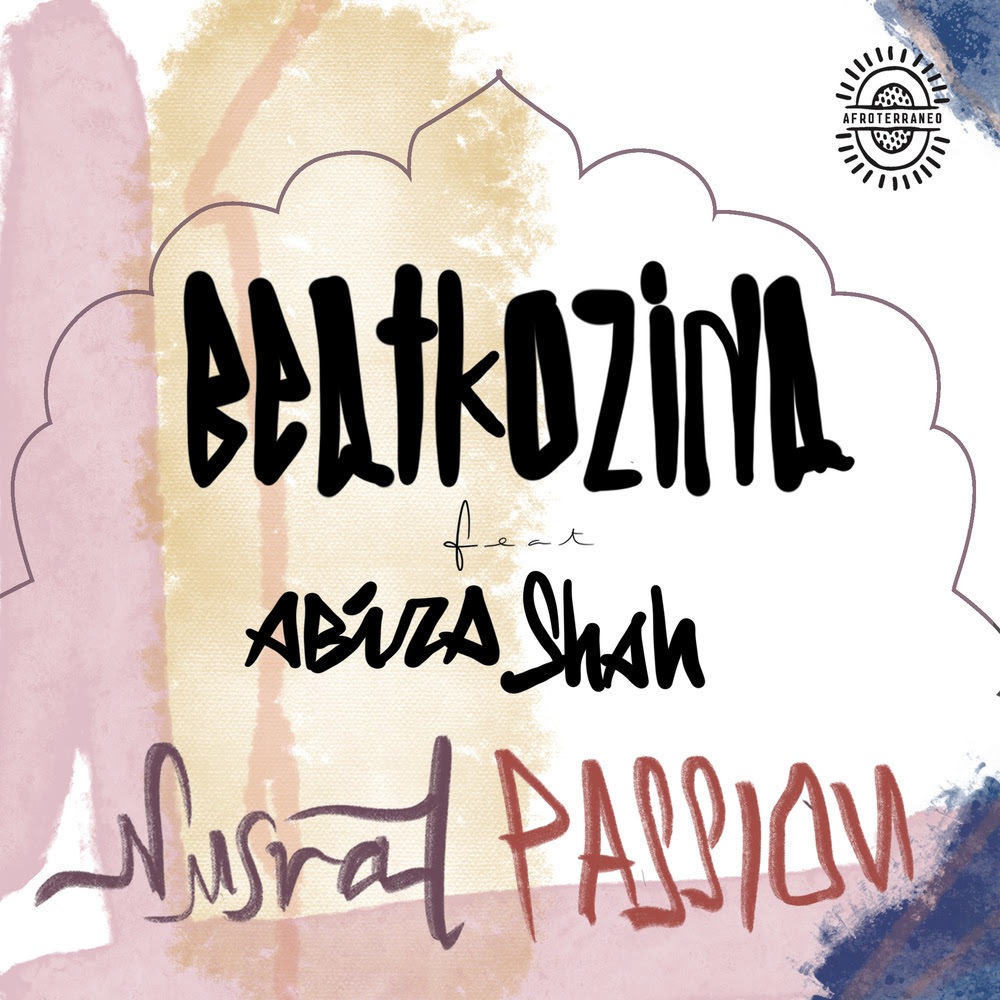
Issued on Kiko Navarro’s Afroterraneo imprint, Beatkozina present Eastern-influenced Deep/Afro House single ‘Nusrat Passion’, featuring the breathtaking voice of Abirah Shah and a remix by Navarro himself. 

Comprising Mehdi Naami and Gregory Jouandon, the electronic / world music Beatkozina duo reside in Marrakech and London respectively. Both multi-instrumentalists, the pair met when jazz drummer Jouandon travelled to Morocco on a quest for North African rhythms, soon connecting with Naami, resident DJ at the Buddha Bar in Marrakech. Placing traditional African, Arabic and Indian aesthetics alongside contemporary Deep House vibes, ‘Nusrat Passion’ is a flawless production brimming with spiritual flavour, topped off with a truly show-stopping performance from UK/Pakistani artist Abirah Shah. 

Kiko Navarro’s rework infuses ‘Nusrat Passion’ with added drama and intensity, opening with meditative tanpura and tabla before taking flight into arpeggiated atmospheres, with subtle strings and filtered synths playing hide and seek with the song’s acrobatic vocal. 

Titled in tribute to the great Ustad Nusrat Fateh Ali Khan, internationally renowned performer of Qawwali (spiritual music of the Sufis), ‘Nusrat Passion’ invites an intriguing mix of musical cultures to dance together. We hope you feel moved to join them.

Listen to ‘Nusrat Passion’ HERE.
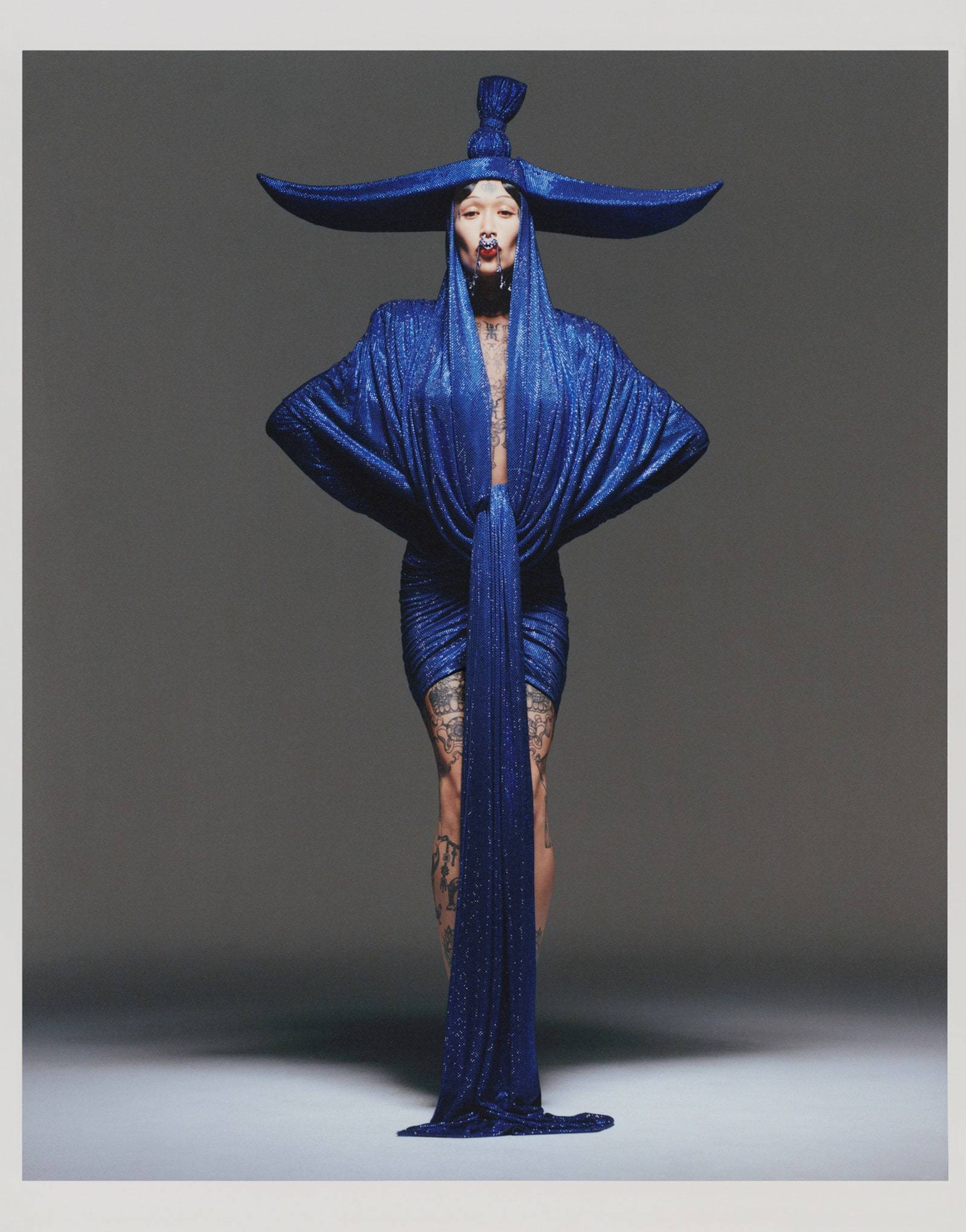
Beyoncé and Balmain introduce collaborative collection ‘Renaissance Couture’

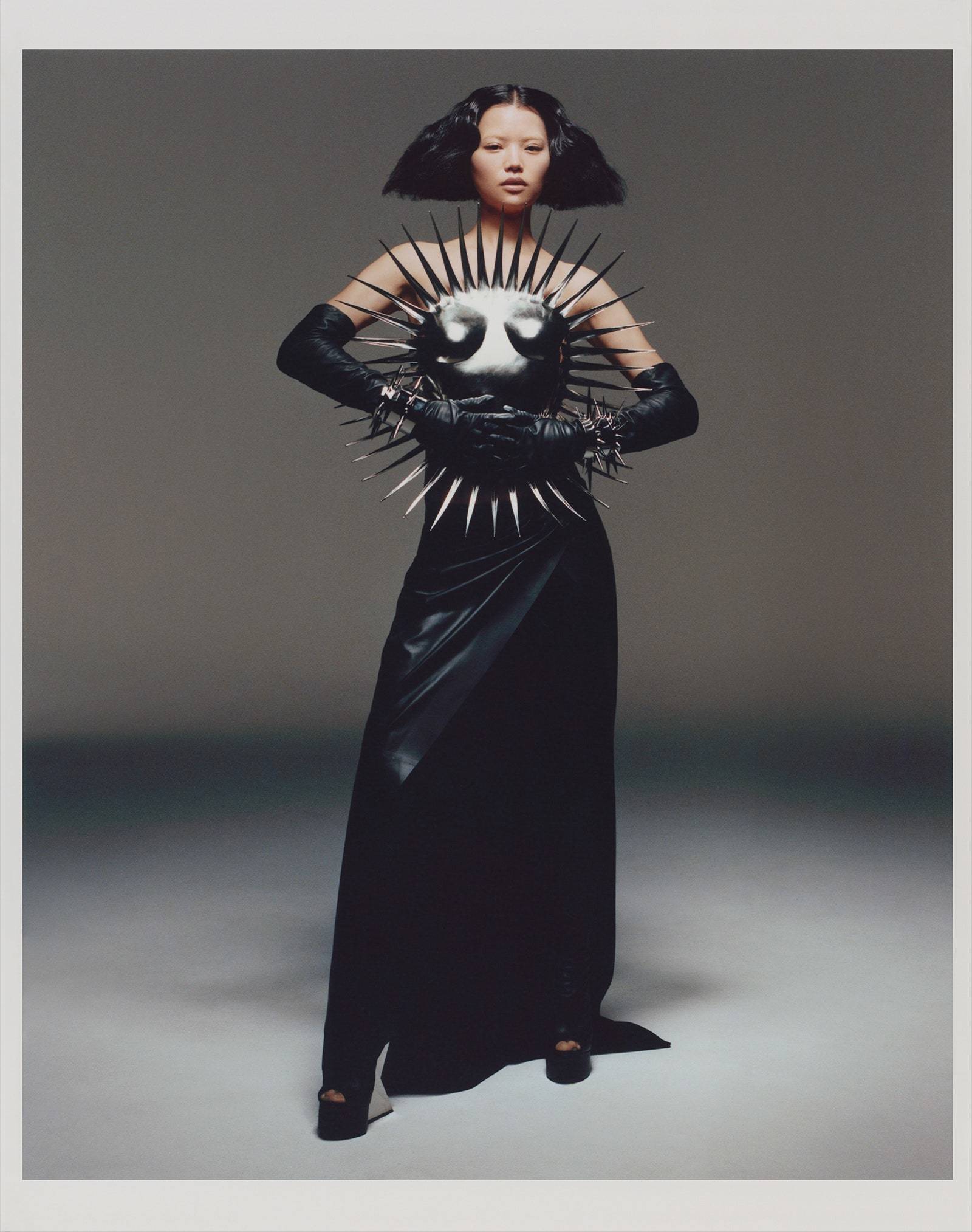
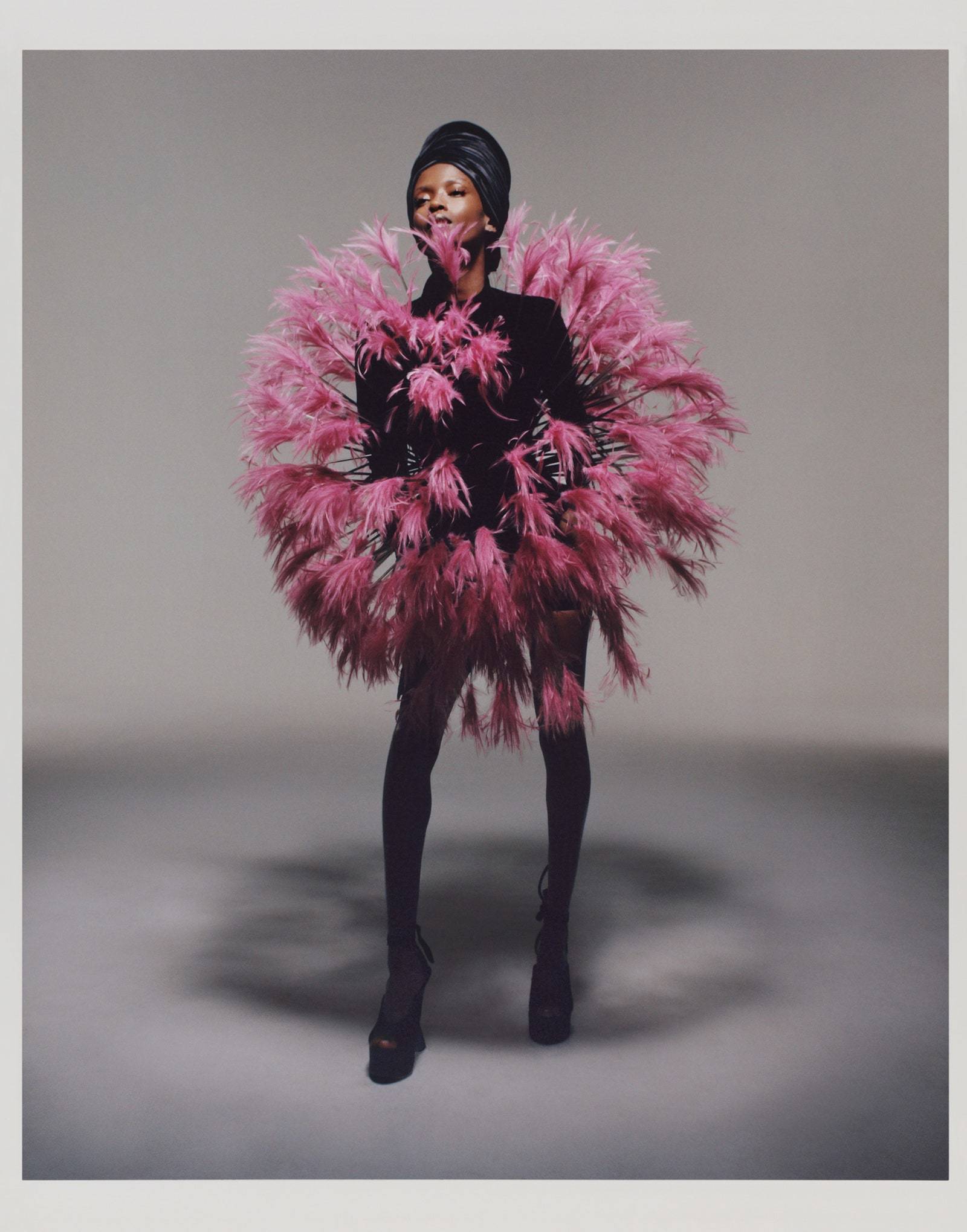
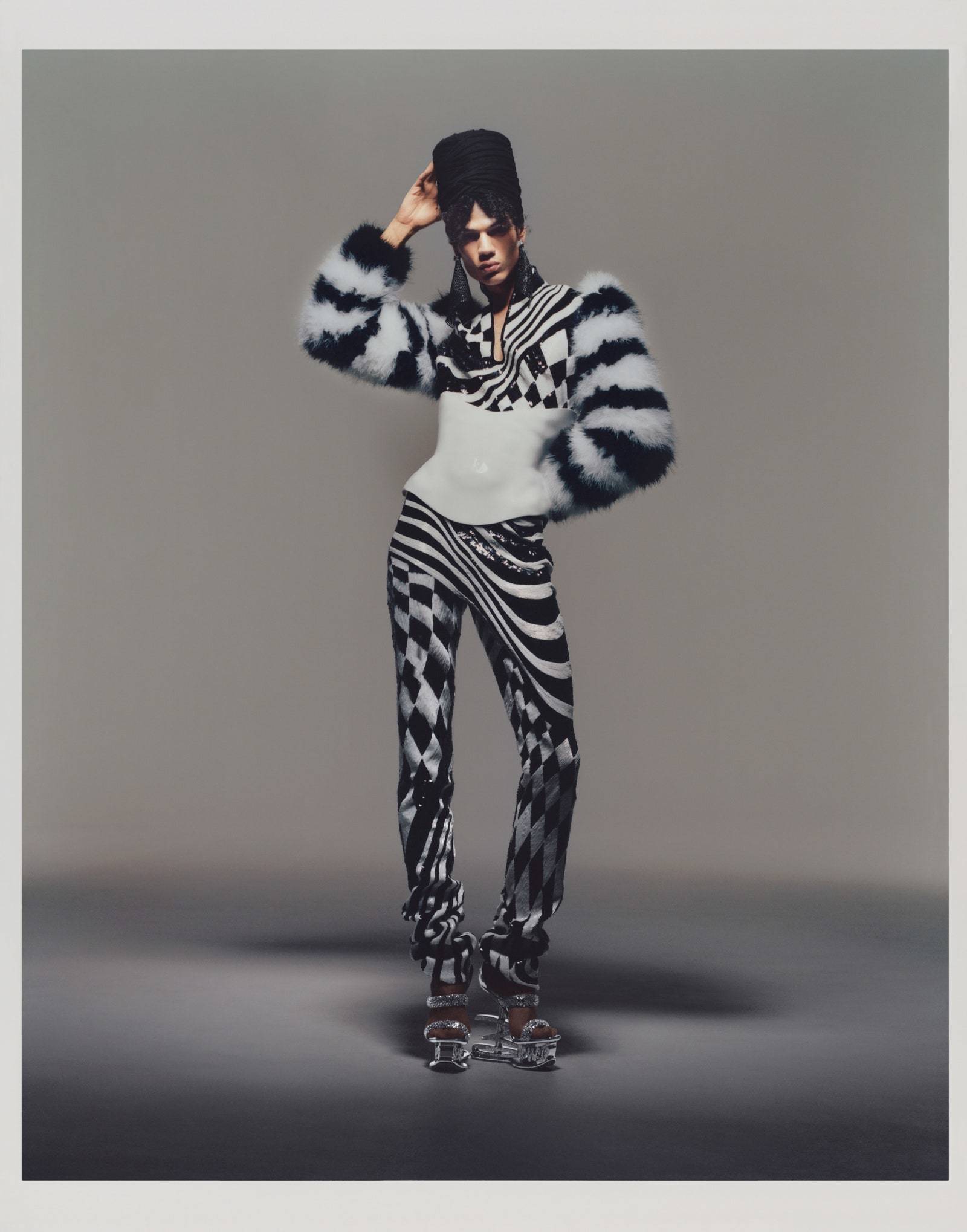
Queen Bey is apparently an immense perfectionist – and considering she’s a Virgo, and one of the most successful artists of all time, we believe it. In a continuation of one of her most perfection-driven creative collaborations, Beyoncé and Olivier Rousteing have teamed up to bring a sartorial component to her seventh studio album, the highly anticipated ‘Renaissance’. In 2018, Balmain (of which Olivier remains at the helm) was responsible for every garment across that iconic headlining of Coachella – so, ‘Renaissance Couture’ expands on this, sanctifying the rich, visual language that has embellished Beyoncé’s decades long career. 

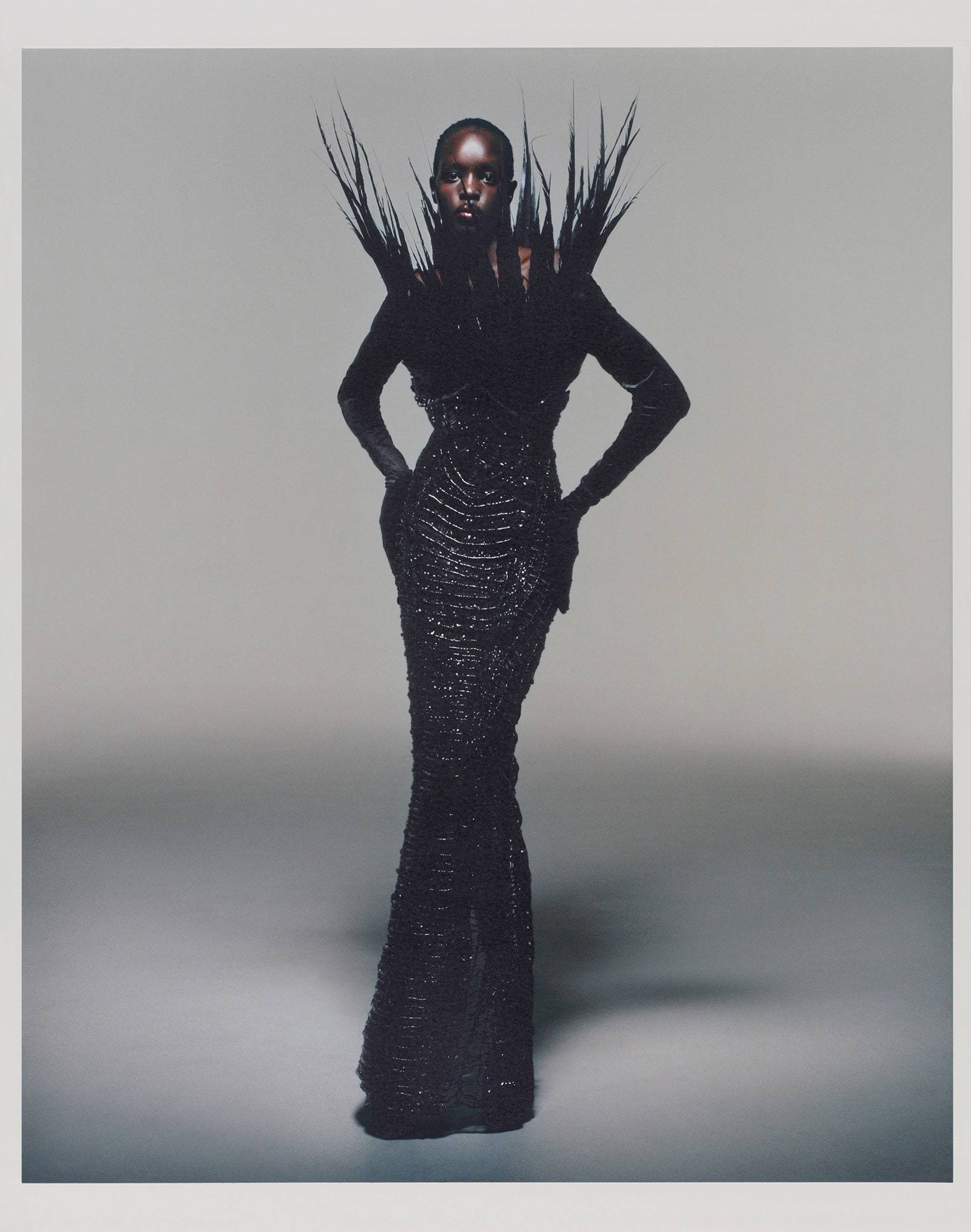
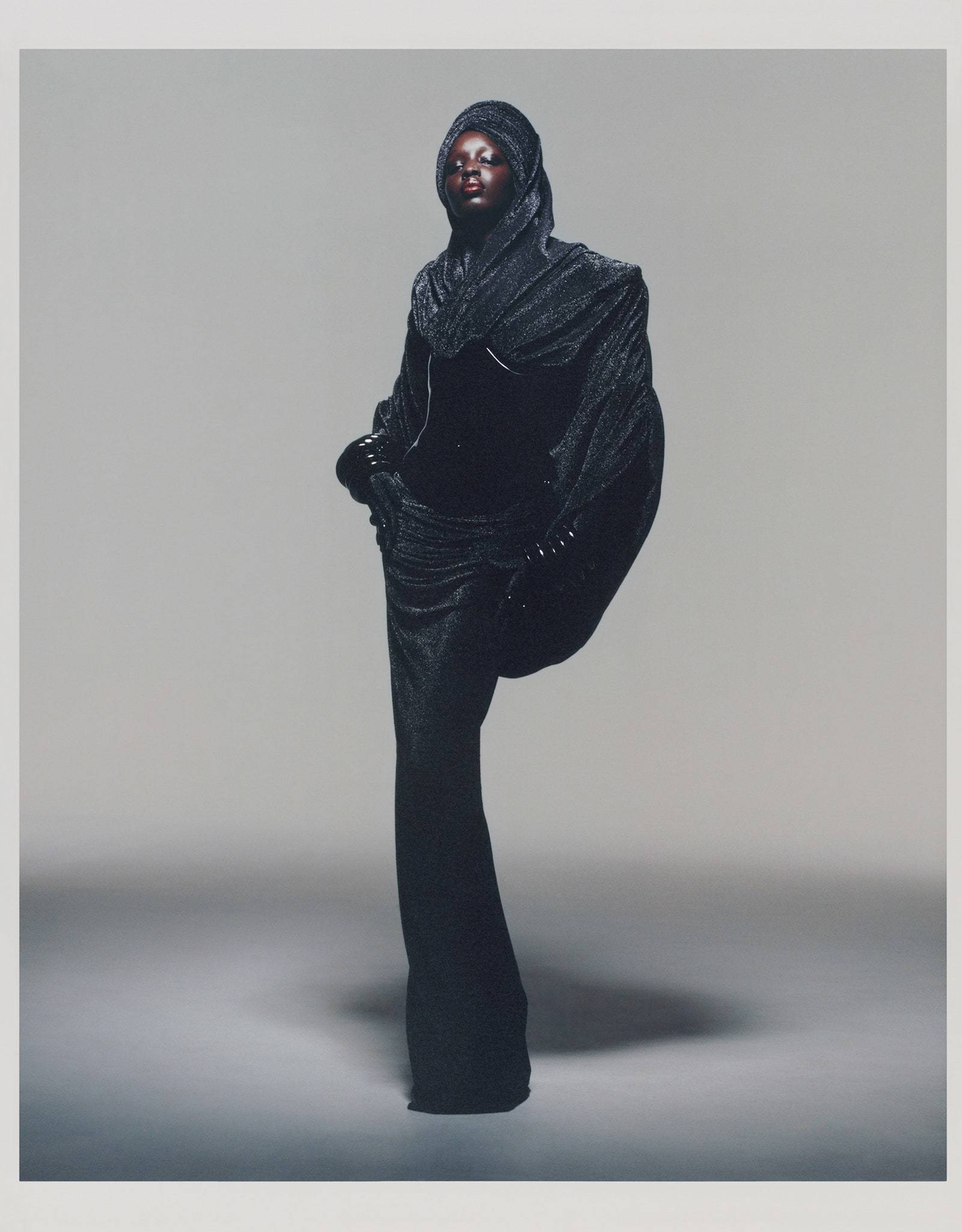
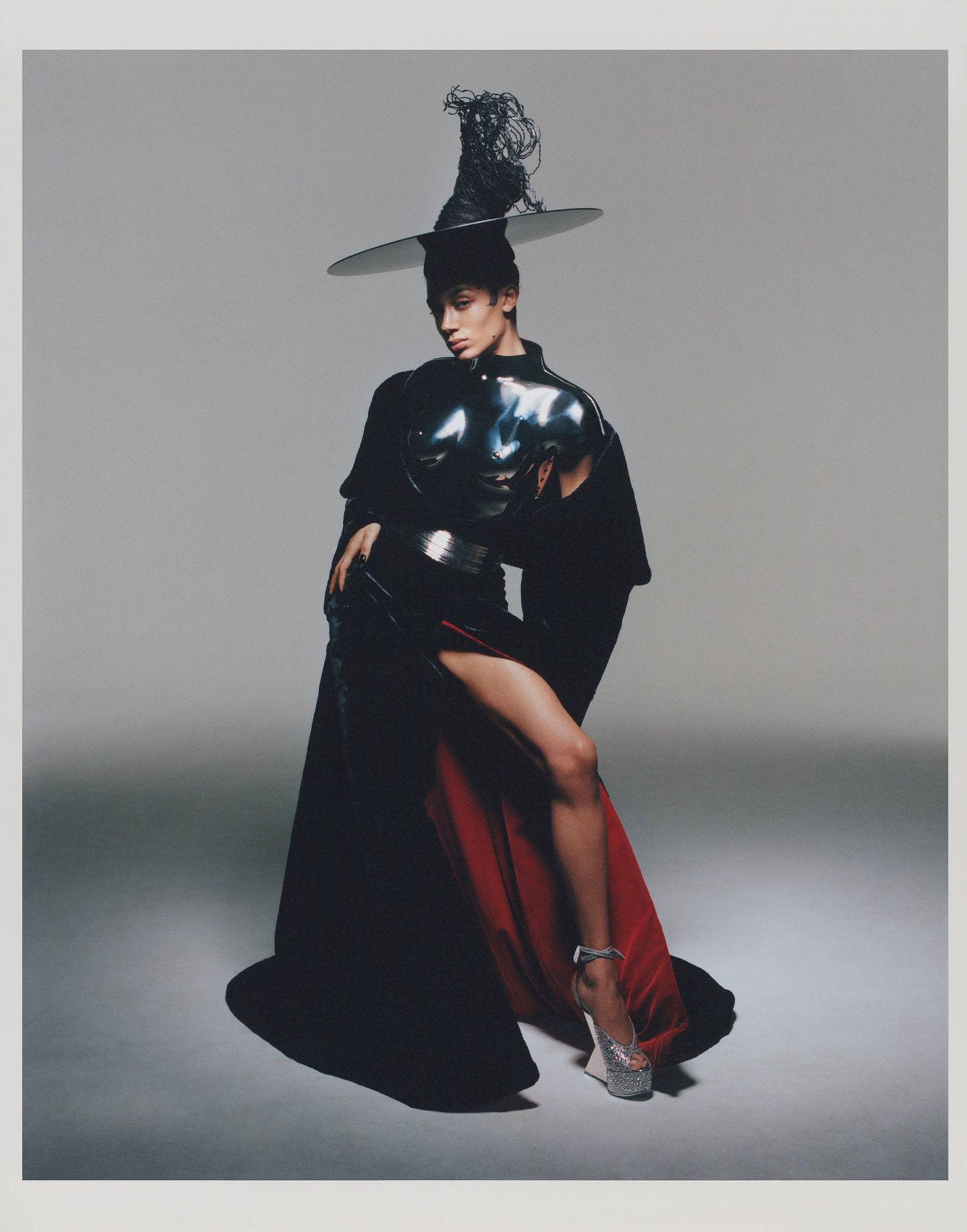
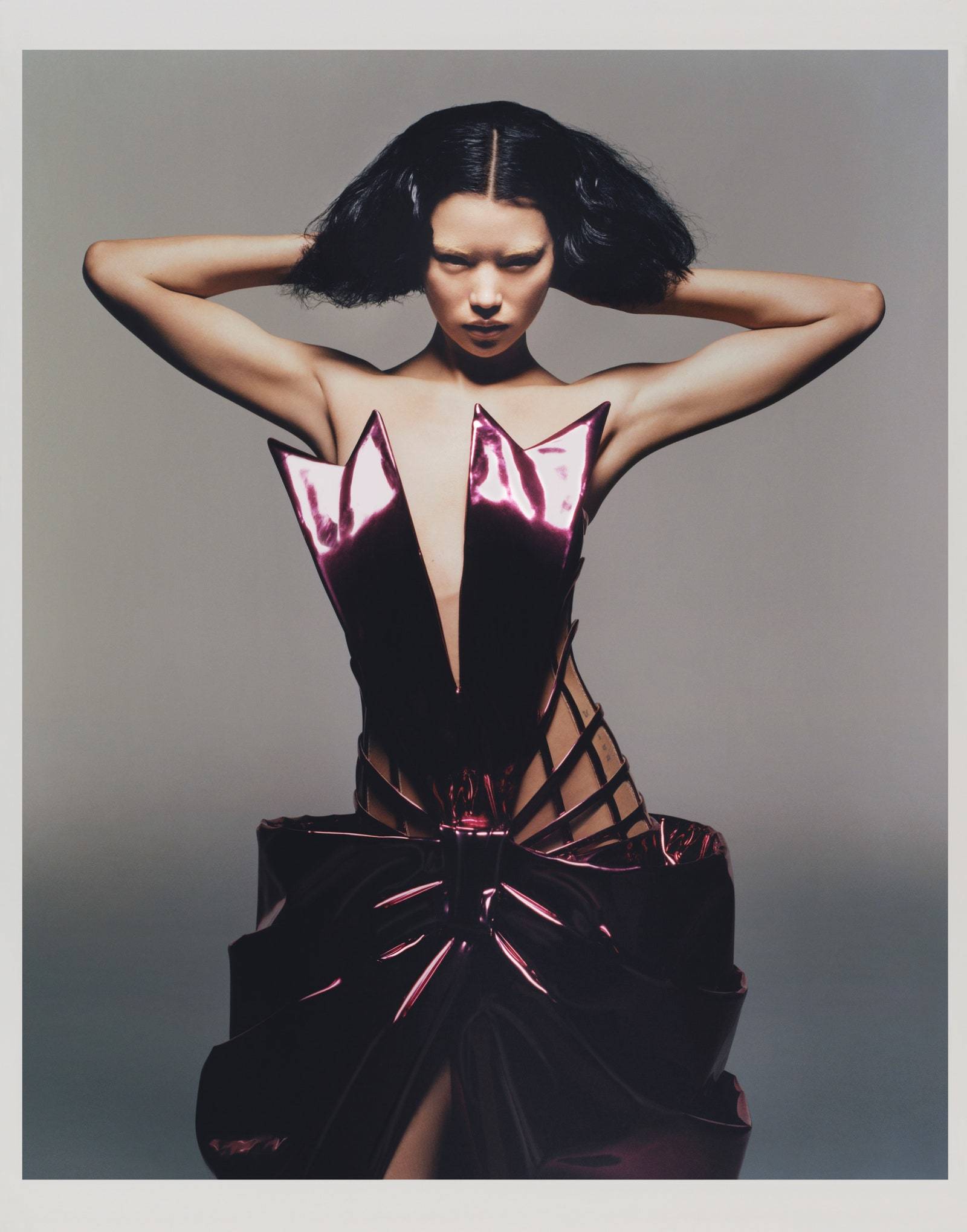
The story goes like this; Olivier found himself immersed in Renaissance while sketching – the album, a backdrop to the last few days before European summer holidays. Out of nowhere, he began to weave the lyrics around the sketches; imbuing each one with the energy of what each song was revealing to him in sartorial form.  As Olivier explains to Vogue, he was not willing to simply sit on them, “I contacted Marni [Senofonte, Beyoncé’s stylist ] and B. And I said, ‘honestly, I want to create a couture collection with you.’ And they were like: ‘Wow, that’s a big surprise.’” What ensued thereafter was a dream for Olivier – not only did Beyoncé co-sign the idea, she and Marni embarked on an intimate co-designer partnership with Balmain; taking them from 50 looks, down to a tightly edited 17 looks as companion visions of the track-list of Renaissance. The result is a feat of fashion-saturated dreams, least not accompanied by the cultural significance of the collection, as Olivier stated, “This appears to be the first time that a Black woman has overseen the couture offering from an historic Parisian house. And those designs were created in partnership with the first Black man to ever oversee all the collections at an historic Parisian house. Let’s hope those two firsts help inspire plenty of others…Thank you, Beyoncé.” Historical – huge – major. We absolutely love to see it. 

Head to Vogue to read the full and exclusive breakdown by Olivier of 12 of the 17 looks.

Look 1 “I’m That Girl”, Look 2 “Cozy”, Look 5 “Energy (01)”, Look 6 “Break My Soul”, Look 7 “Church Girl”, Look 8 “Plastic Off the Sofa”. 
Look 16 “Summer Renaissance”.
Look 9 “Virgo’ Groove”, Look 10 “Move”, Look 12 “Thique”, Look 13 “All Up In Your Mind”, Look 15 “Pure Honey”.
All images via Vogue and Courtesy of Balmain.

Written by: Holly Beaton

What is ‘De-Influencing’ anyway?

I want to try a little experiment; something that will illustrate a very pressing point without me even having to put it so plainly on a page. Open up a new tab on your phone or browser and navigate your way to your most used social media platform. Whether it’s TikTok, Instagram or even a fossilised Facebook – then, I want you to scroll down and see how long it takes for a post to pop up where an individual has an affiliate link in the comments, or, they are promoting some product in the attempt of trying to “sell” you something. I’m guessing it didn’t take very long? So, what is the point I’m trying to make here? Well, simply put, whether we like it or not and whether we’re conscious of it or not, we are undoubtedly living at the height of the influencer era.

I think it’s important to distinguish here what the differences are between advertising, influencer marketing strategies and influence as a whole separate term. I’m not talking about mega advertising and endorsement deals signed by celebrities, sports stars or even reality television stars. It’s not about A-listers, B-listers or even C-listers. It’s not George Clooney for Nespresso or the ridiculous cash thrown at Super Bowl ads, it’s not even influencers with tons of followers, but rather, well, all of us. See, in a modern social media landscape where virality is at least a slight possibility on any random post we make, we become the whole market. We as individuals can have immense influence without necessarily being influencers. We can not only influence the spending, buying and sometimes behavioural habits of those around us but also consume content that has the same effect on us. God, how meta.

This trend is something marketing companies have noticed and are actively using, creating the illusion that we, as consumers, are now in a more powerful position than ever. We seek out more “authentic” and “independent” content that we amusingly trust more than content produced by the corporations themselves. It seems all we need in terms of transparency here is a little #ad added right at the end of a post. Let’s not kid ourselves, regardless of the kind of strategy, paid media, advertising, or influencer marketing, the end goal is essentially the same: buy more shit you probably don’t need. 

This more “authentic” kind of strategy even reads like some inside joke on Marketing agencies’ websites, almost like they cannot believe how easy and cheap it can be to reach an absolutely massive audience. For example, one company’s information reads like this, “short, easy-to-digest clips have proven highly shareable and can be created with minimal effort by anyone with a smartphone camera and some editing software (which you can download for free).

With the rise of influencer marketing and social media influencers becoming more prolific than ever, brands are looking for new ways to reach audiences through user-generated content (UGC). UGC is any content consumers create instead of professional talent or paid advertising dollars—proliferating! More than 60% of people say they would rather watch authentic video content created by individuals than traditional brand ads.” 

We’re all being influenced all the time by the sheer amount of media we consume. Whether it is the evil megacorp or the holistic guru on TikTok pushing Ashwagandha as some miracle cure, the Kardashians or that trust fund bombshell showing you their Shein haul. Whether it’s the beauty influencer that vowed that these products would clear your acne or the cooking profiles that make you think that cooking without an air fryer would be nothing short of archaic, it’s really all one and the same; and the end-goal that I mentioned, remains.  And here, I’m generally only referring to buying and spending habits, but it only takes a look at doccies like The Great Hack or The Social Dilemma to see how far and how nefariously the influence of the algorithm could be stretched.

DTS, Balance by Chris Abatzis.
DTS, Our Summer by Daniel Farò. 

So with the sheer amount of user and corporate-generated content present, what are we even meant to do?  Enter de-influencing. The trend in which we are told that we don’t need that expensive skincare product, that ridiculous on-the-go fruit-blender or those new pair of sneakers that seemed to pop up on every single video out of nowhere one day. Now in a world saturated with influencers and the constant barrage of paid-for (at least in part, content), it was only a matter of time before a phenomenon like de-influencing arose. Samatha Colliers even goes as far as to distinguish between different kinds of de-influencing. She lists five basic approaches – Buy less, Buy better, Buy cheaper, Don’t buy this and Debunking the hype. This may be good, and I think in parts, de-influencing can be beneficial, particularly amid a cost of living crisis, as we recently discussed. But don’t get it twisted either, de-influencing is a huge trend. In February, The Guardian stated that the hashtag alone had more than 159.6m views and that, according to Jago Sherman, head of strategy at the social media marketing agency Goat, the trend really fed off our disdain for being told we need this or that when basic needs have become increasingly unaffordable. “We’ve reached a point of critical mass when it comes to consumerism,” he said. “People are kind of fed up with going on social media and being told: ‘You need this and this’, especially with the cost of living.”

However, I want us all to take this trend with a massive pinch of salt. As Colliers, amongst others, mentions, “The trend may alarm businesses investing in influencer marketing, but it’s not that dramatic. De-influencing is not the end of influencers. It’s more of a rebrand. De-influencers still drive purchase decisions. When they recommend against buying a product, influencers often promote alternatives as more effective or a better value.”

The irony is that it’s not a trend to criticise consumerism, but rather a trend that tries to shape and frame our consumerist habits in a slightly different way that makes us feel less guilty – with “You don’t need Skims, but here is some alternative shapewear that you most certainly do, be sure to follow the link in my bio.” being the kind of rhetoric one can find under the #de-influencing hashtag.

DTS, NOWSTALGIA by Debora Spanhol.

In a material world in which our needs and desires are driven by external objects, we will probably never get to a place where we truly only purchase exactly what we need. I am another cog in this consumerist machine ordering imported Korean skincare products off Takealot in the hope that my acne will finally go away, even though it probably won’t. Like all of us, a bit of retail therapy shoots a burst of short-lived serotonin through my skull and leaves me with shit I don’t need and will most likely throw away with my next spring clean. 

So maybe de-influencing is just another marketing scheme, but I don’t know if I necessarily blame creators for securing the bag. Maybe there’s a question of ethics to be raised here, but who are we kidding? The world of social media never has and never will be some ethical utopia. With content and influencer culture growing ever more ingrained into our everyday lives, I would much rather see someone showing me some cheaper or more ethically produced versions of a product than see another video of a military e-girl trying to get Gen-z to join the army or spreading propaganda (and yes this is somehow a real thing).

Written by: Casey Delport

For more news, visit the Connect Everything Collective homepage www.ceconline.co.za

Alexander Alien on building his digital and musical ‘off-world’ visions

The term ‘multi-hyphenate’ can feel like a nondescript buzz word, thrown around to evoke a layer of complexity to a person’s ability. Yet, when searching for an adjective rich or functional enough to introduce Alexander Alien, suddenly the term took shape in its rightful place – Alexander Alien, formerly known as Gourmet Spaghetti Boy, is a multi-hyphenate in the truest sense of the word. As an art director and musician specialising in sonic and visual languaging, Alex’s work fosters an emphasis on how the auditory art informs the creation and visibility of world-building, and as one of the foremost alumni of the Cape Town to Berlin pathway, he has carved out beautiful successes working across varying industries, all the while introducing himself as an artist unconstrained by genre or technique. In his first iteration as Gourmet (Spaghetti Boy), the wave forms lent by a mastery over synths run as threads across his discography, and since the early 2010s, a Gourmet video proved to be one of the preeminent examples of experimental-videography-meets-performance-art, forming the underground, electrico-indie scene that has come to define independent music in Cape Town and Berlin. Now, in the last few months, a change to his moniker (something he had felt he needed to do for a long time) was plucked from a dream he had, and signifies a new chapter for the artist. 

“I think the starting point for me was 1991, a label that I ran with two other people, for about 3 or 4 years. We didn’t have any money, and we didn’t really know what we were doing, but we had huge ambition. We couldn’t afford lights to make films, so we were making lights out of cut-up property signs, and going to Eagle Lighting to figure out how we could pay the least amount of money for the highest wattage. I had started studying advertising, but I ended up dropping out because I was super unwell at the time, and so I actually stopped both my studies and the record label because I was so unwell, just before I went to Berlin for the first time. I feel like I learnt everything doing 1991 – that was my university.” Alex explains, expanding on how his sonic and visual disciplines came to form, “there was so much emphasis at the time on creating these worlds in which to place one’s music. I think we sometimes forget that the last two decades have really been the testing ground for the internet, and so suddenly musicians and artists had all these mediums at their disposal. I was in this liminal space with my illness, and at that point was really encouraged by Thor Rixon and Alice Phoebe Lou to come to Berlin, and when that chapter of my life started, I started doing a lot more art direction and design alongside music. I arrived in Berlin with, like, a month of rent, so I had to try and make it work – and I think I cold-emailed like 200 clubs, introducing myself and asking if I could make posters for them. I got one reply, but really that’s sometimes all you need.”

“Before, if someone asked what I do, I would say well, I design album covers so I guess I’m a designer, but I also do a bit of animation, but I really want to be making more music and music videos – it was kind of a bit all over the place. I’ve been doing all those things for like six or seven years, and now I feel like I’ve managed to build all these obsessions and skills into a unified vision. Now, I would call myself a freelance creative director.” As I see or experience Alexander Alien, it is evident that his visual and musical work are totally inclusive and interdependent on one another. Alex’s style is strongly dosed with an identity, and while the core emanates from his personal vision as an artist – he has offered his skill sets to a variety of incredible clients. I think of the music he lent to Fendi’s Baguette Bag commercial featuring Amanda Seyfriend and Emma Roberts, or the myriad of posters he has designed that need no definition; with a client list that includes Lenny Kravitz, Alexander McQueen, Carhartt and so on – Alex’s work is distinct, precise and saturated in the kind of colours and complexity that I link back to our days running riot in Kirstenbosch Gardens, bodies full of fungi and eyes widened by the dancing light across flowers and foliage. 

Recently, Alexander shed his ‘Gourmet Spaghetti Boy’ skin, finding himself disconnected to his former moniker. For any artist, this is a hard task – there is a sense of exposure that comes with transmuting a former iteration of self. I ask Alex about the shift, and how it has felt, to which he says “I had the name for a very long time, and for a long time it didn’t feel quite right, but I didn’t know why. At the time I was trying to put things under different names, but I’m very bad at being consistent with things like Instagram – and I was like, if I can’t even do one account, why am I trying to do multiple? I had this dream one night, and the name ‘Alexander Alien’ came into my head. The problem had been that I was doing brand identities for like, venture capital companies, but they’re speaking to me under the Gourmet Spaghetti Boy name – and it was hilarious, but at the same time, I want to be able put out music, but also booked to do a brand, or buy a painting, but to have it under all one banner. I feel like ‘Alexander Alien’ fits well, because it’s my first name, but it has that Hollywood-sounding name like ‘Rob Zombie’ – that sense of obscurity in it, too.” The name changing is also fitting for a new era in Alex’s creative individuation; and it releases him from any confines previously projected onto Gourmet. Now, dance-music is Alex’s focus; and under Alexander Alien, there is room to build worlds within worlds. This year of 2023 experienced by those of us born in 1993, 1995 and 1996, is astrologically marked as our Saturn return – in a zodiacal sense, it is an initiation from our childhood, teenage years and early twenties, into a bigger space of maturity, wisdom and expression. I can’t think of a more apt moment for an alien to jump planets, and explore new dimensions of his internal cosmos. During this evolution, Alex describes his latest work and the feeling of the name change, “I’ve got this 14 song album called Volcano Brain and a 7 minute film with long time collaborator, Kent Andreasen, that we made to go with it. I was actually saying to someone the other day, though, that when I was younger and I felt like this – heartache and pain – I was chasing myself, and grabbing at ropes. Now, though, I can recognise that I have built this foundation and resilience as an artist, and that things don’t have to fall apart. I feel like I’ve spent the last six or seven years sharpening tools, and I’ve had such a good time sharpening tools, and making a life out of doing that. Now, I have this really sick toolbox, but I haven’t really been building anything, and now I can get going on that – that’s what Alexander Alien is, it’s the thing I am going to focus my tools on building.”

Artwork for Alexander’s upcoming single ‘Soapy’.

We are in the midst of digital and analogue hybridization insofar as creative manifestation is concerned. While artists like Alexander seem to be experienced in cyberspace, the potential for exhibitions, zines and paintings only seek to ground the experimental ability of a world like Alexander Alien’s. On this digital/physical fusion for artists in the 21st century, Alex says “I think it’s quite confusing being a person, but specifically confusing being an artist because everything before the 21st century – it was about focusing on one thing. I think we are going into a world where it is non-negotiable to have a handle on various mediums. I mean, if you can make your album covers, and make your videos, and do your own website – and mix and master your music – you can save so much money, but more interestingly you can have a total command of your own body of work, and then you can apply those skills for others; so I think the idea of being an independent or DIY artist becomes so much deeper and more useful in that way. At the same time, you need so much discipline to learn to do more than one thing with a certain level of proficiency – and these possibilities are contrasted by the fact that concentration is really syphoned by apps, and the way we receive and process information and creativity online. When we did 1991, our biggest focus was trying to create a tangible reality in a digital space – so a lot of our work was translating physical objects online, like album covers with stamps and so on. Now, the kind of scanning, or creating textures that you can do are incredible. You know, I think today we have to treat our art like actual jobs – no matter how weird or strange it may be. There is no road map, but there is a way to be successful.” Something Alex points out, is that the promise of cyberspace has come with its perils; the idea, for example, that a changing algorithm on Instagram could be the difference between a creative being seen, or having their work requested – this governance by technology is contentious, and a continual conversation among creatives, artists and writers. The antidote, though, Alex assesses as “relationships are the thing that are really what it’s about, so I think if we can utilise these things for what they are; tools of communication; but that we maintain the essence of creating relationships, then I think we will figure out these contrasts.” Alex is about to head back to Berlin, a place he finds deeply invigorating as an artist. With a new era well underway, we are excited to see Alexander Alien’s planetary worlds unfold.

Written by: Holly Beaton

For more news, visit the Connect Everything Collective homepage www.ceconline.co.za

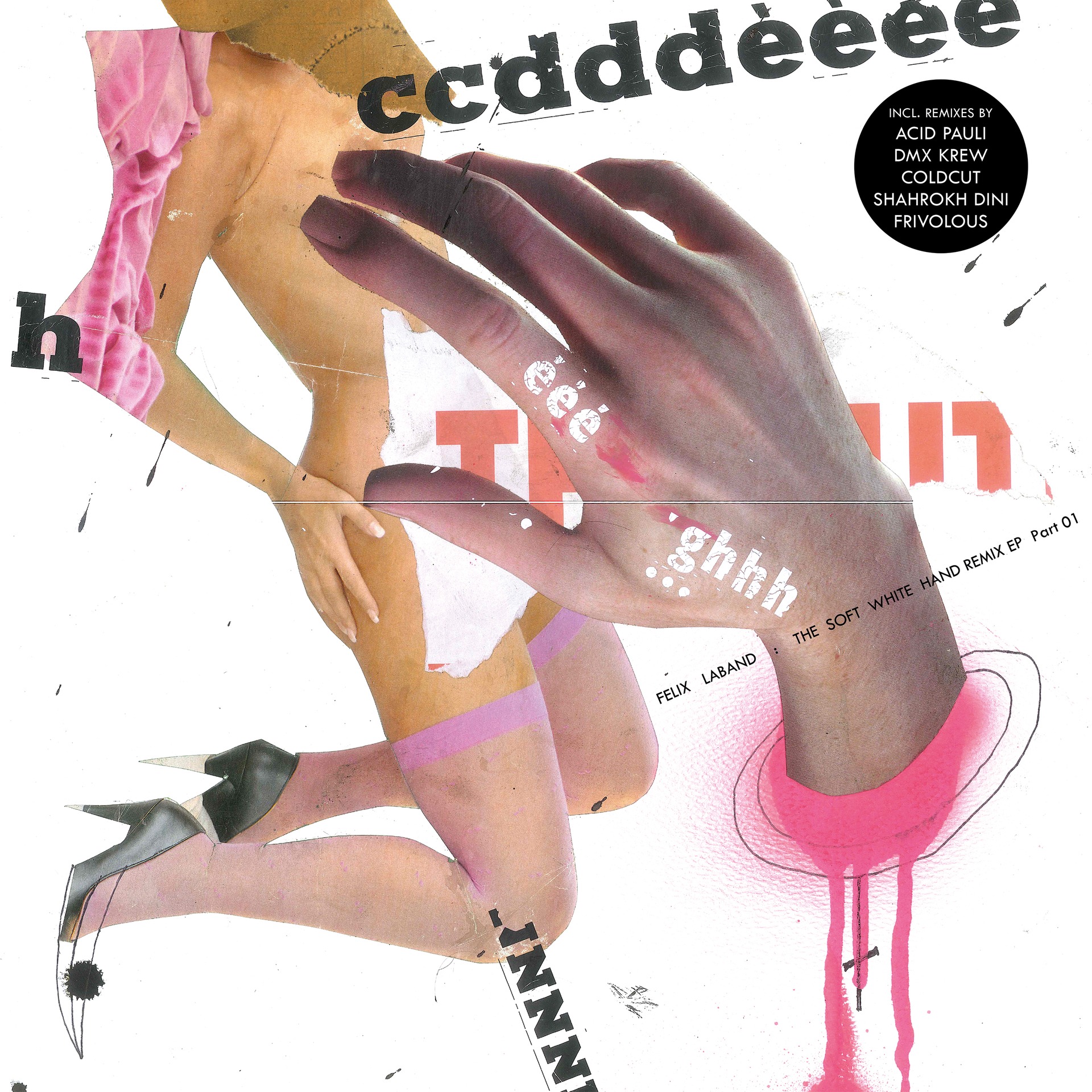
Felix Laband releases ‘5 Seconds Ago’ (Coldcut Just Say No Remix)

UK production heroes and Ninja Tune founders Matt Black and Jonathan More, AKA Coldcut, turn in an incredibly atmospheric, dubby, cinematic reworking of ‘5 Seconds’ by electronica maestro Felix Laband, with all the genre-hopping brilliance you might expect from the veteran pair. From their origins as “the first Brit artists to really get hip-hop’s class-cutup aesthetic,” they introduced rap to ravers, creating a heady blend of hip-hop production aesthetics and proto-acid house grooves, and became a precursor for scenes as diverse as electronica, breakbeat, ambient and baggy. They soon took the pop world by storm, introducing Yazz and Lisa Stansfield to the world, and producing both artists’ most memorable hits. They chose their collaborations based on a shared, renegade musical spirit, rather than a sound, and in so doing, they created sounds unlike anyone else, and somehow found room at the table for Queen Latifah, Mark E. Smith and Jello Biafra’ (SPIN). More recently, Coldcut have made interactive, cut n’ paste installations for an exhibition of work by one of their own precursors, William S Burroughs.


When their thrilling, experimentally minded productions fell out of favour with major label, carbon-copy conservatism, the duo founded Ninja Tune, which turns 25 in 2015. With a remit simply to release the future gazing records that excited them most, the label is still doing the same exactly that – a quarter of a century later.

Coldcut are as restlessly creative as ever. Having launched their Ninja Jamm app in 2012, 400,000 downloads later it has become a sophisticated instrument the duo use live alongside other software inventions. Coldcut’s long term relationship with Greenpeace continues with DJ sets for the organisation at Glastonbury for the last three years. Also they’ve become go to DJs for Avaaz’s huge climate change marches in London, and Paris COP In the same vein. Coldcut’s long-standing political art activism finding itself ever relevant in these turbulent times.

Stream the track HERE

 /// Coldcut
Website 
Instagram 
Facebook 
Bandcamp 
Youtube 
Spotify 

/// Felix Laband 
 Facebook 
Instagram 
Soundcloud
Bandcamp
Spotify