A brief glance at Fall/Winter 23 trends at Paris Fashion Week

We don’t know about you, but we love seeing the continuity of staples in both silhouettes and materiality on the runways. With nearly every second month feeling like it’s fashion week again, this recent week of Fall/Winter 2023 in Paris proved to be no exception; but now, firm favourites appeared across varying houses and labels, all of which are essentials that speak to building longevity in the proverbial winter wardrobe of consumers and observers. We’ll probably be thrifting and buying local when our autumn hits in the next few months and not Givenchy, and although our cycle seems to be ‘later’ because we are in the southern hemisphere: in a digitised world with the kind of peeks we see into fashion through our screens, these are trends that we can get a head start on as we edge neared to autumn in South Africa. Remember, though, trends are not rules; more importantly, they’re a view into the collective, sartorial consciousness.

Blazers
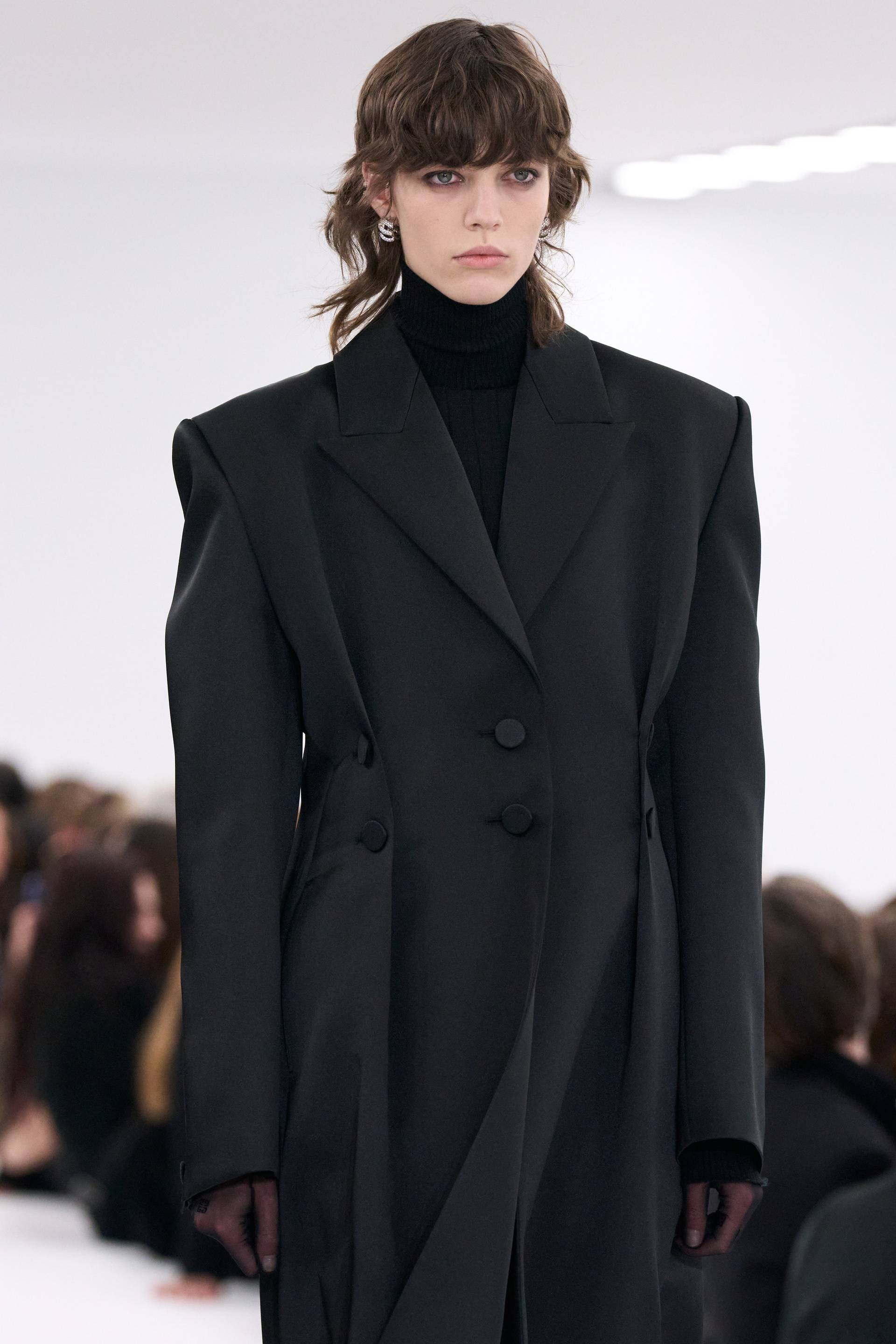
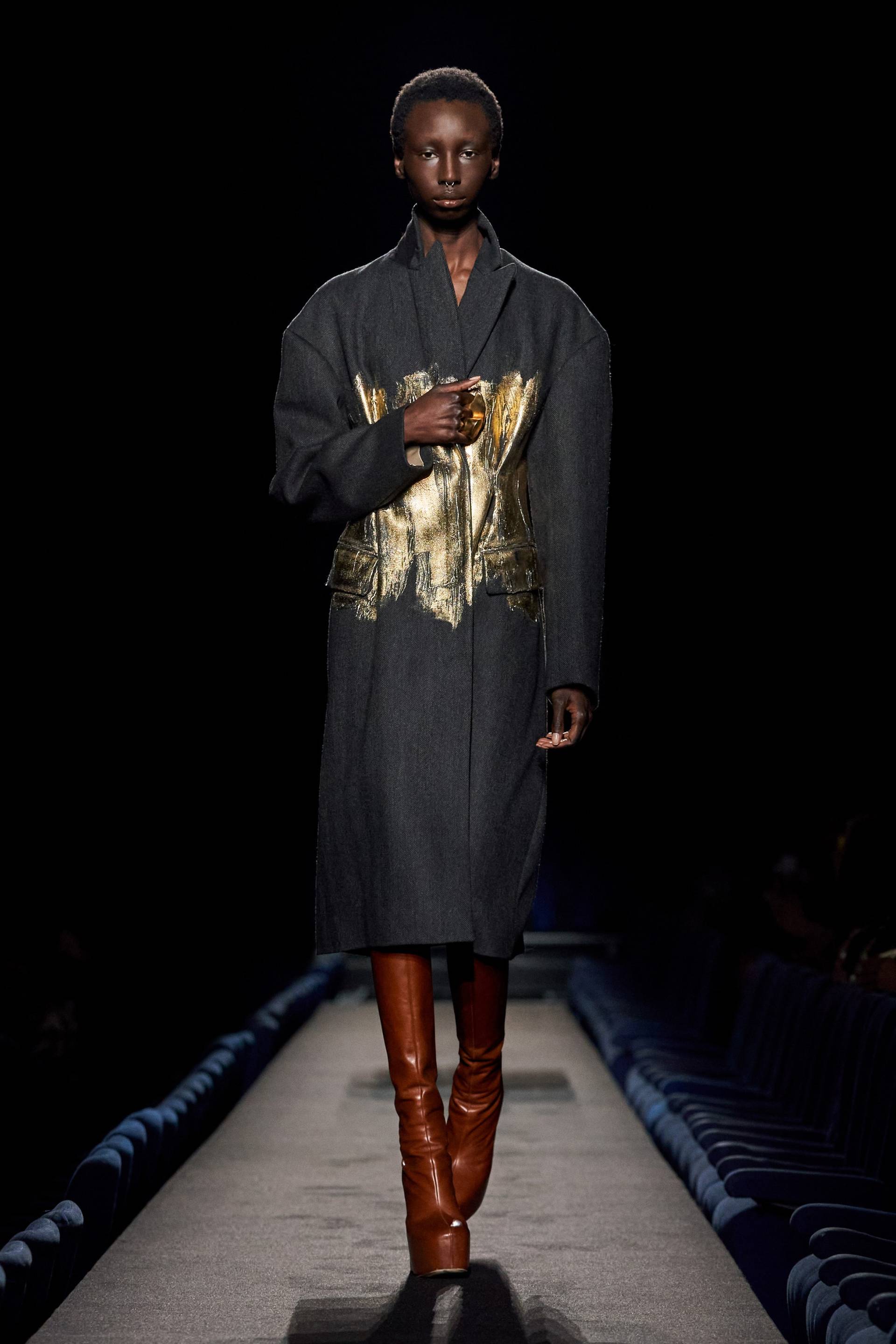
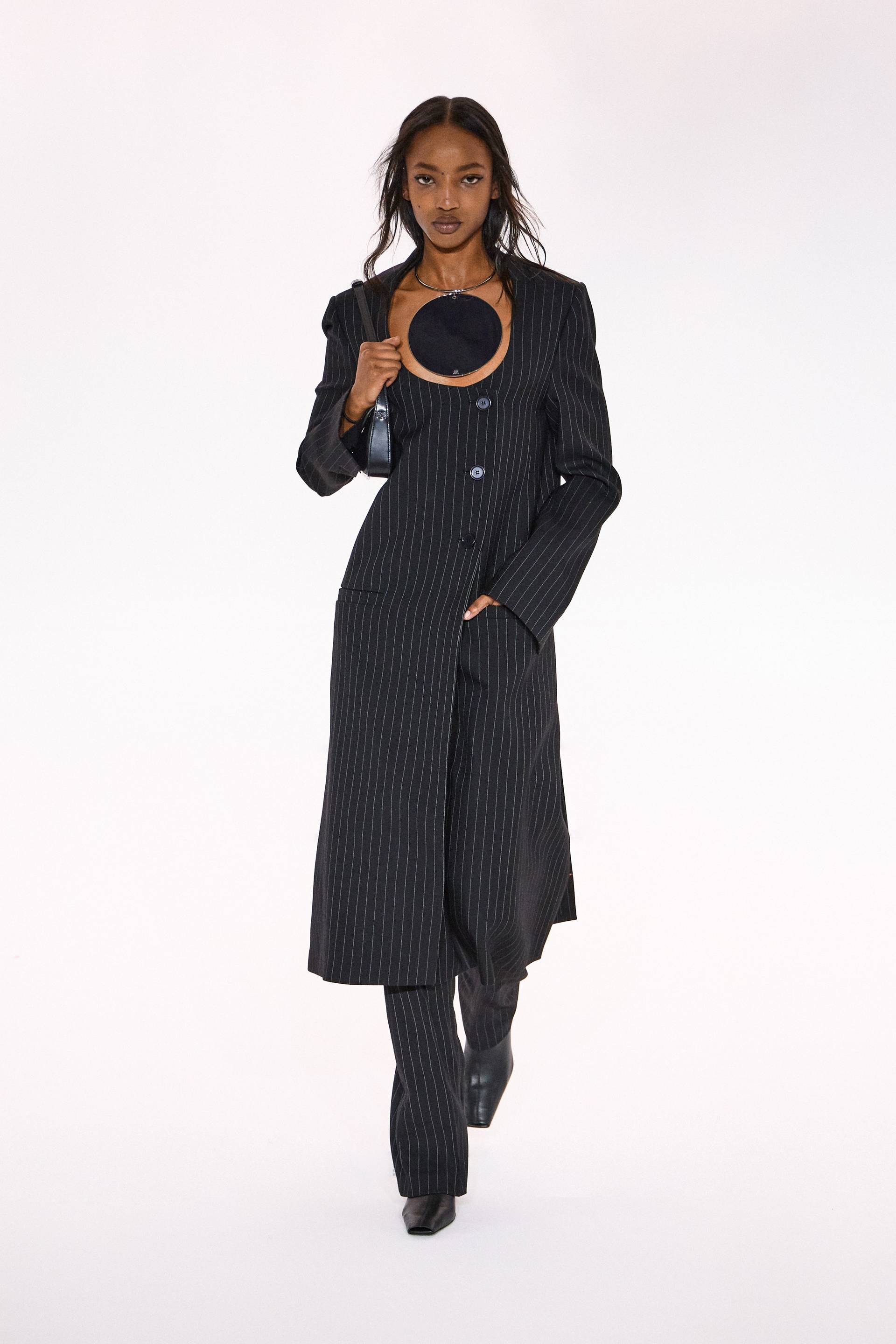
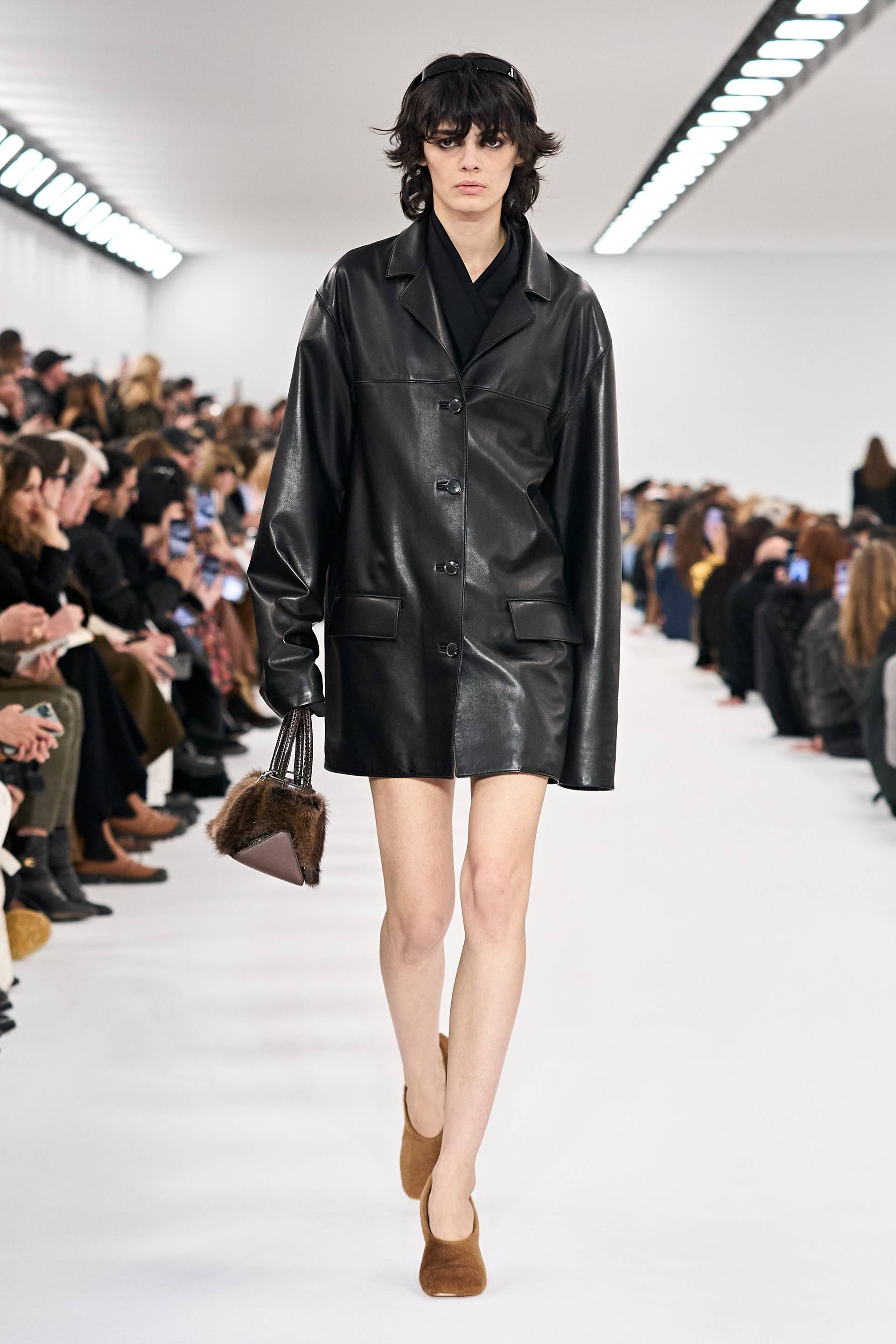
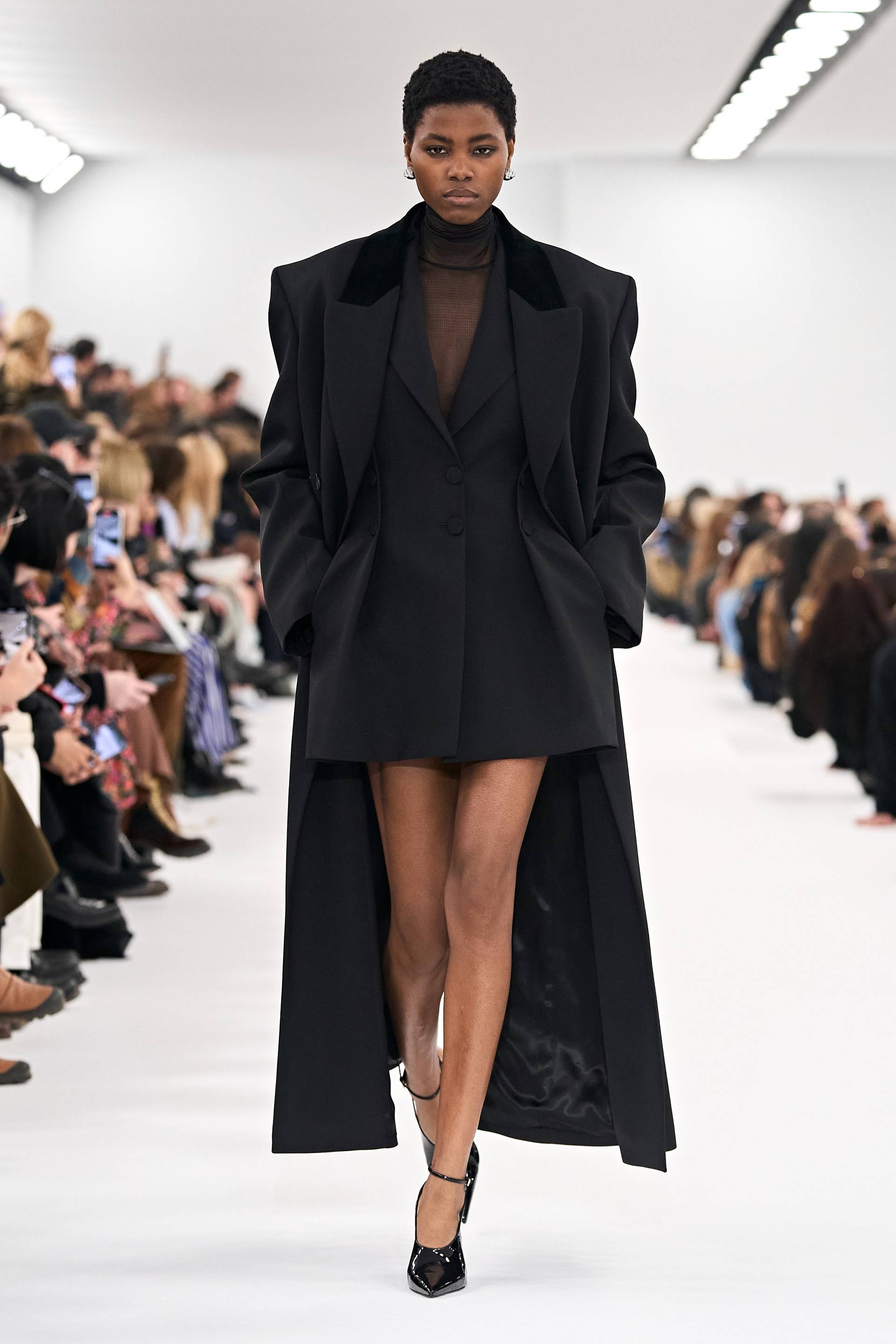
Tailoring is eternal. A blazer never really goes out style; and while iterations might change, the blazer or suit jacket remains an absolute essential. This season, bigger is still better; oversized blazers seen at Stella McCartney, Givenchy and Dries Van Noten in shades of charcoal and root vegetable plaid are perfect for layering and finalising a look, and for those of us thrifters; men’s blazers hit the spot. Head to your nearest charity store and play with different sizes.
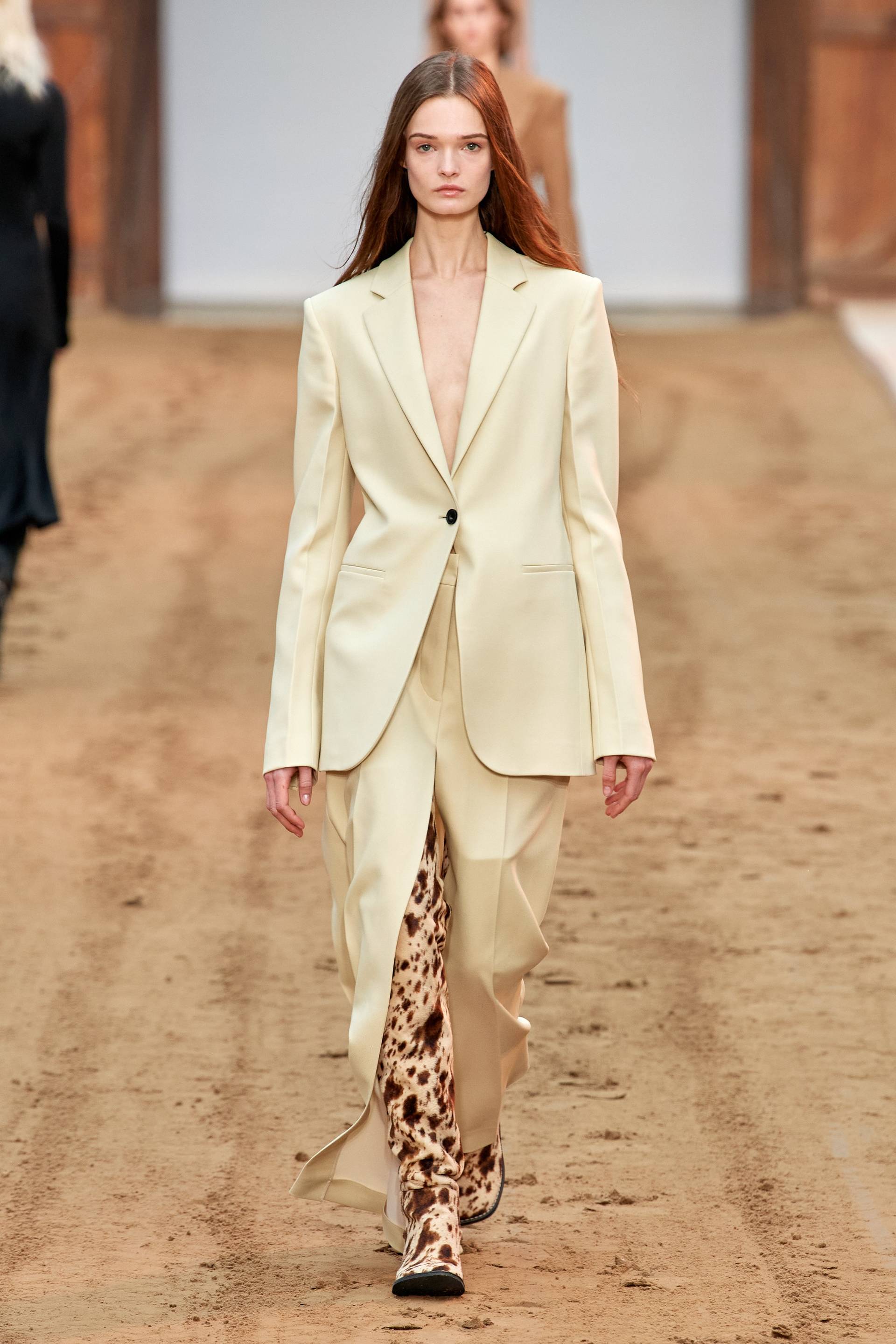
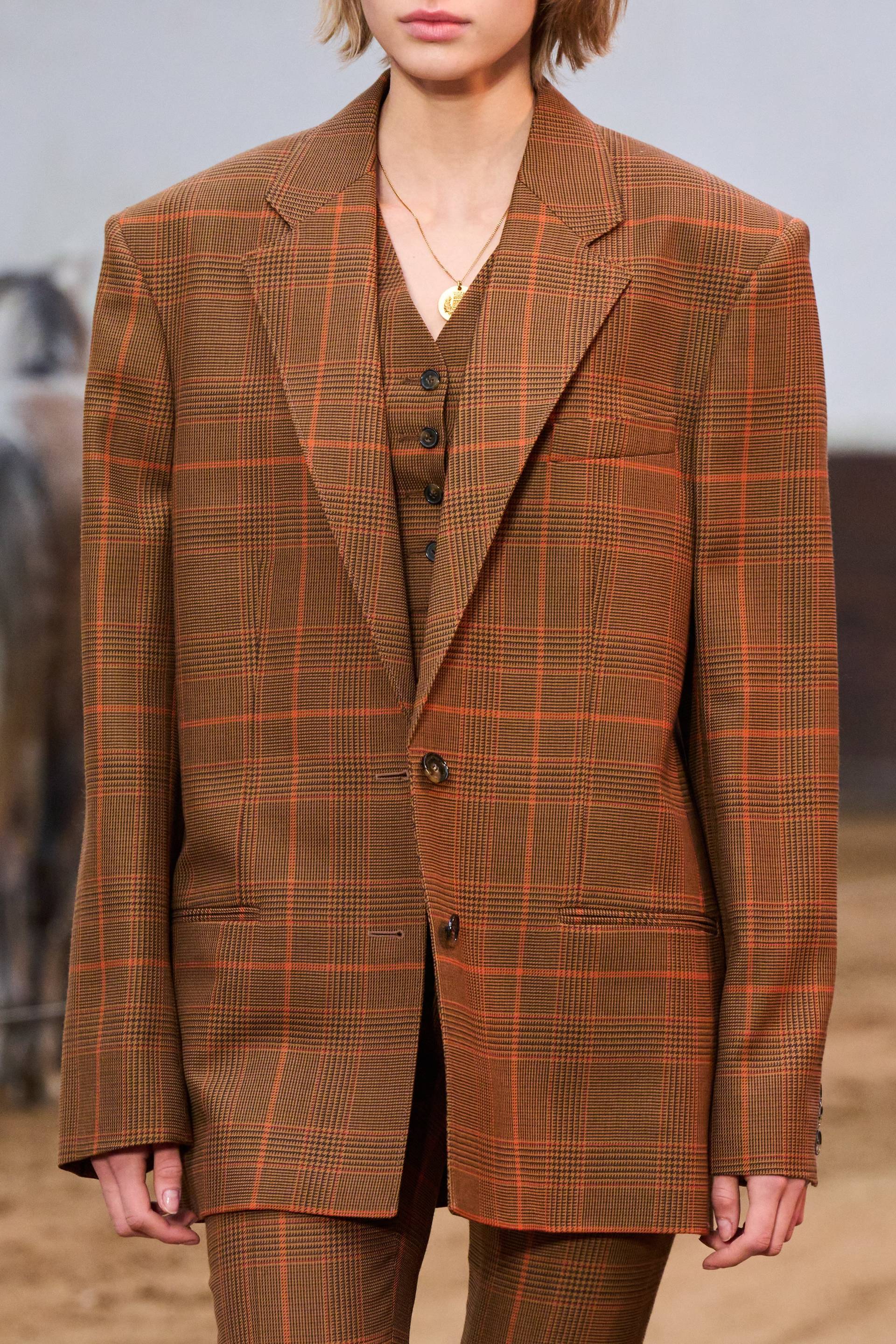
Images: Isidore Montag, Stella McCartney.
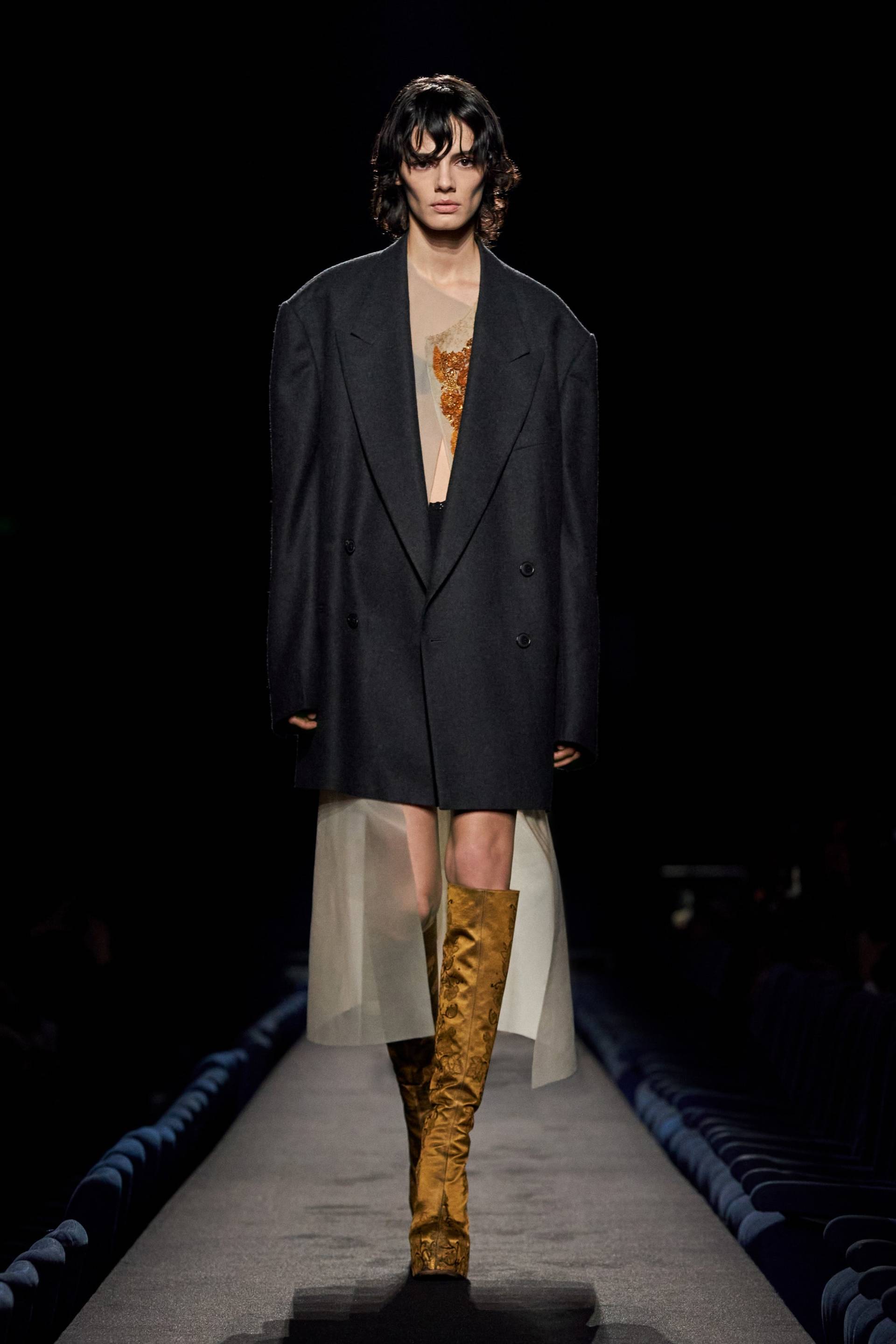
Images: Alessandro Lucioni, Dries Van Noten, Givenchy.

Long Coats
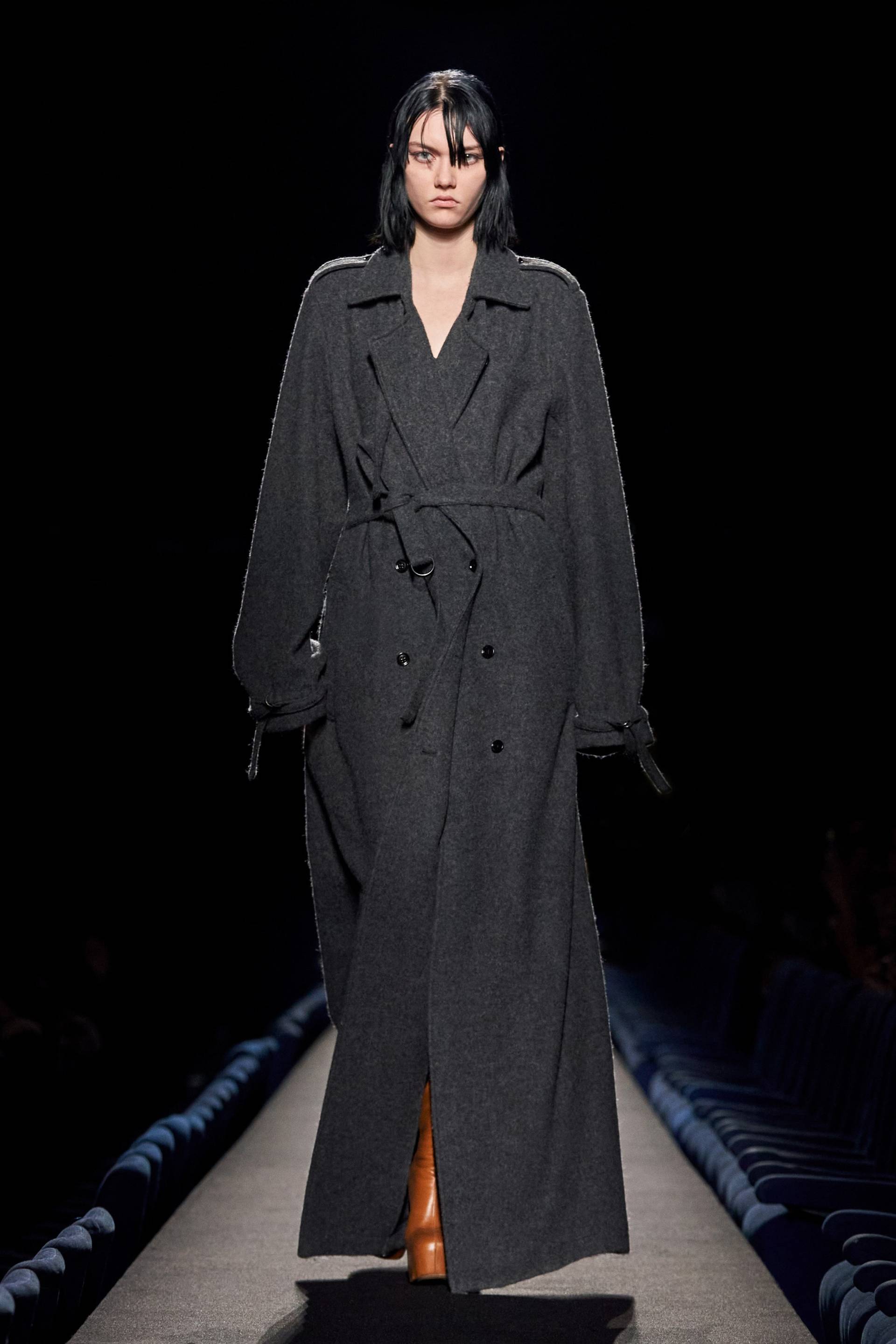
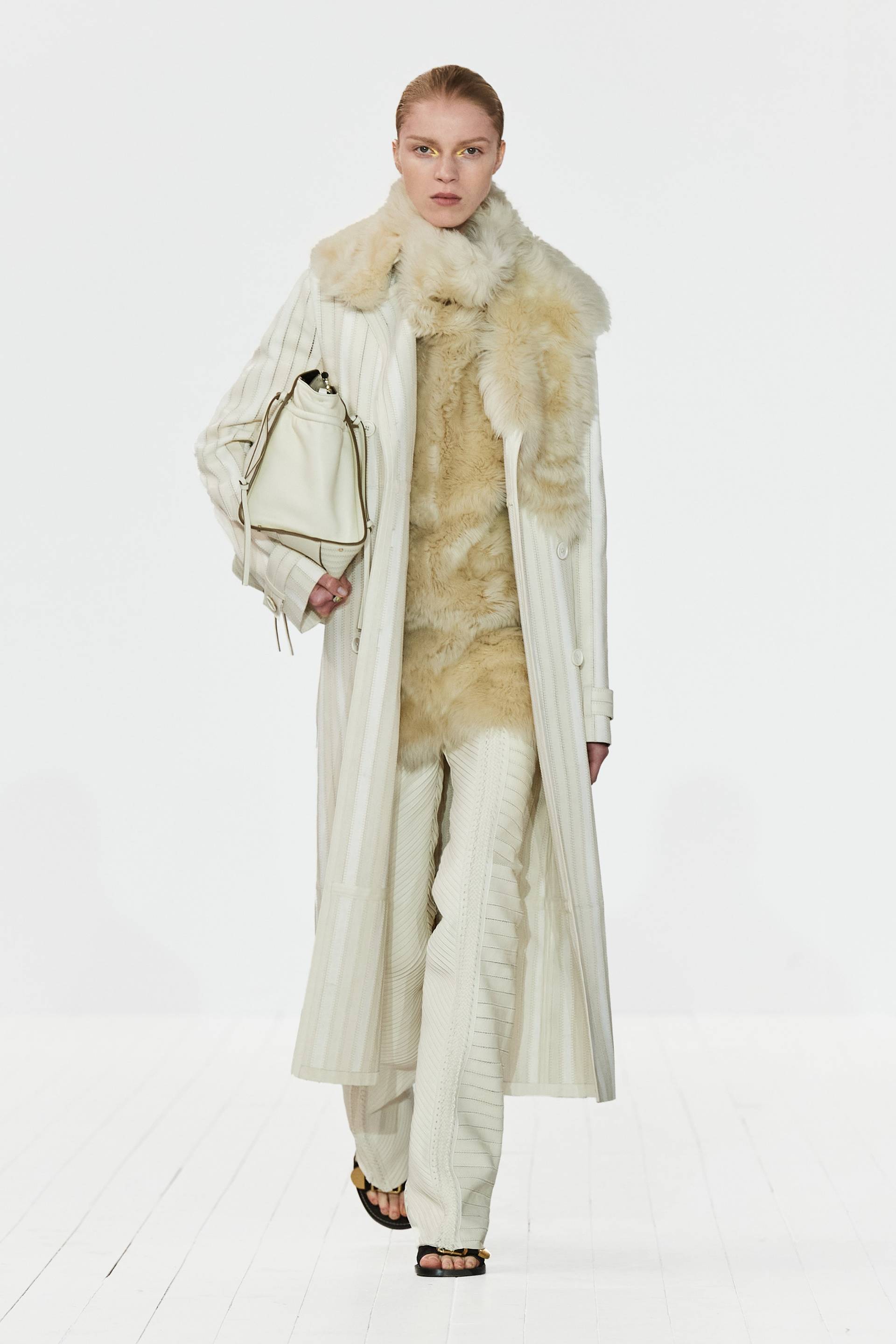
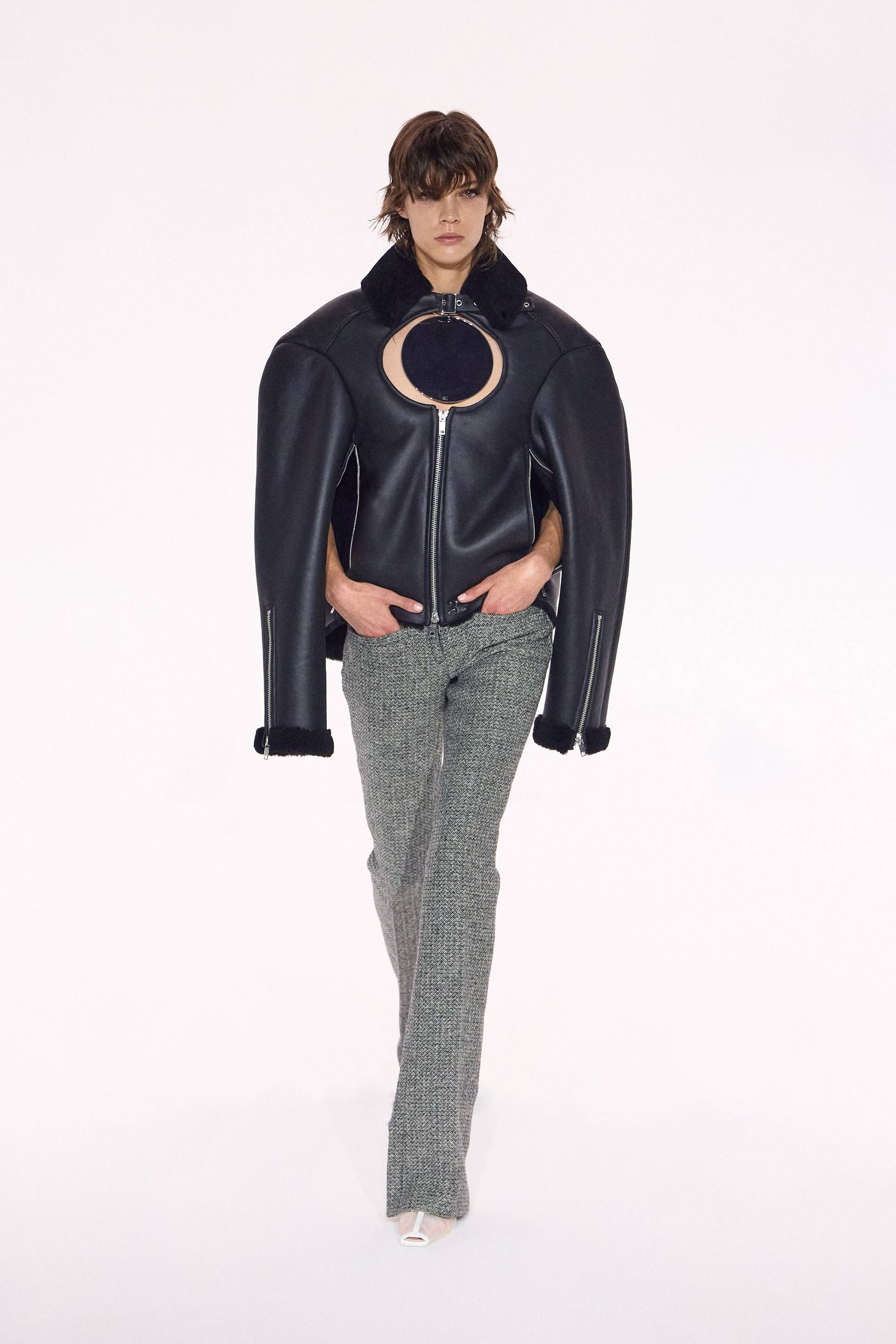
Coats, for winter? Groundbreaking. With that said, a coat is very important – and an investment piece worth taking care of for years to come. It seems the trench coat with its usual accents of a belt and oversized collar is a firm favourite; with Paco Rabbane and Chloé going one step further into the realm of fur in a trench-coat silhouette. Courrèges A-line, pin-stripe coat with a rounded neckline was a flex on the importance of dynamic coat shapes – chic, cute, clever.

Images: Alessandro Lucioni, Dries Van Noten.
Images: Carlo Scarpato, Chloé and Courtesy of Courrèges.
Images: Alessandro Lucioni, Paco Rabbane.

Faux fur
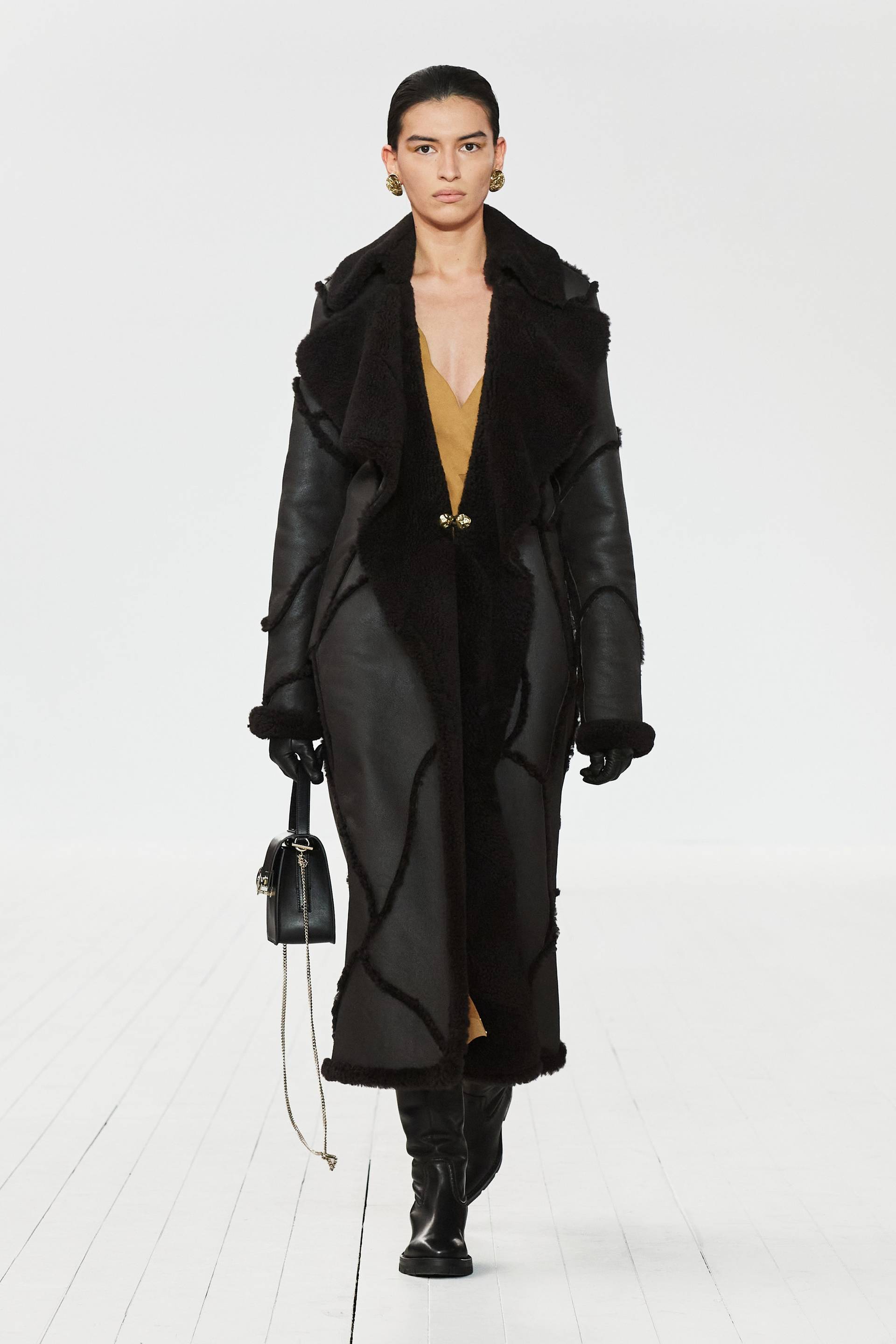
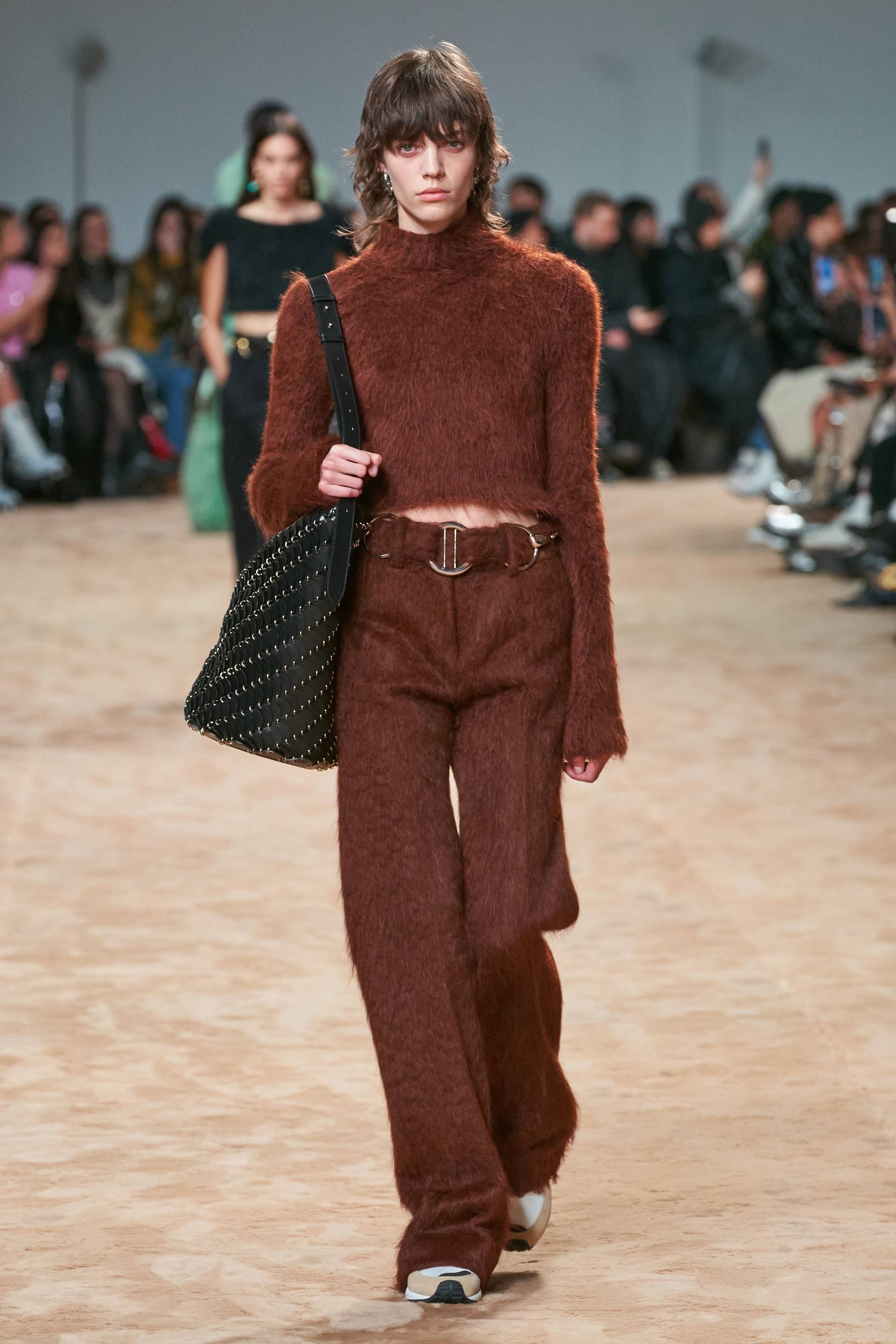
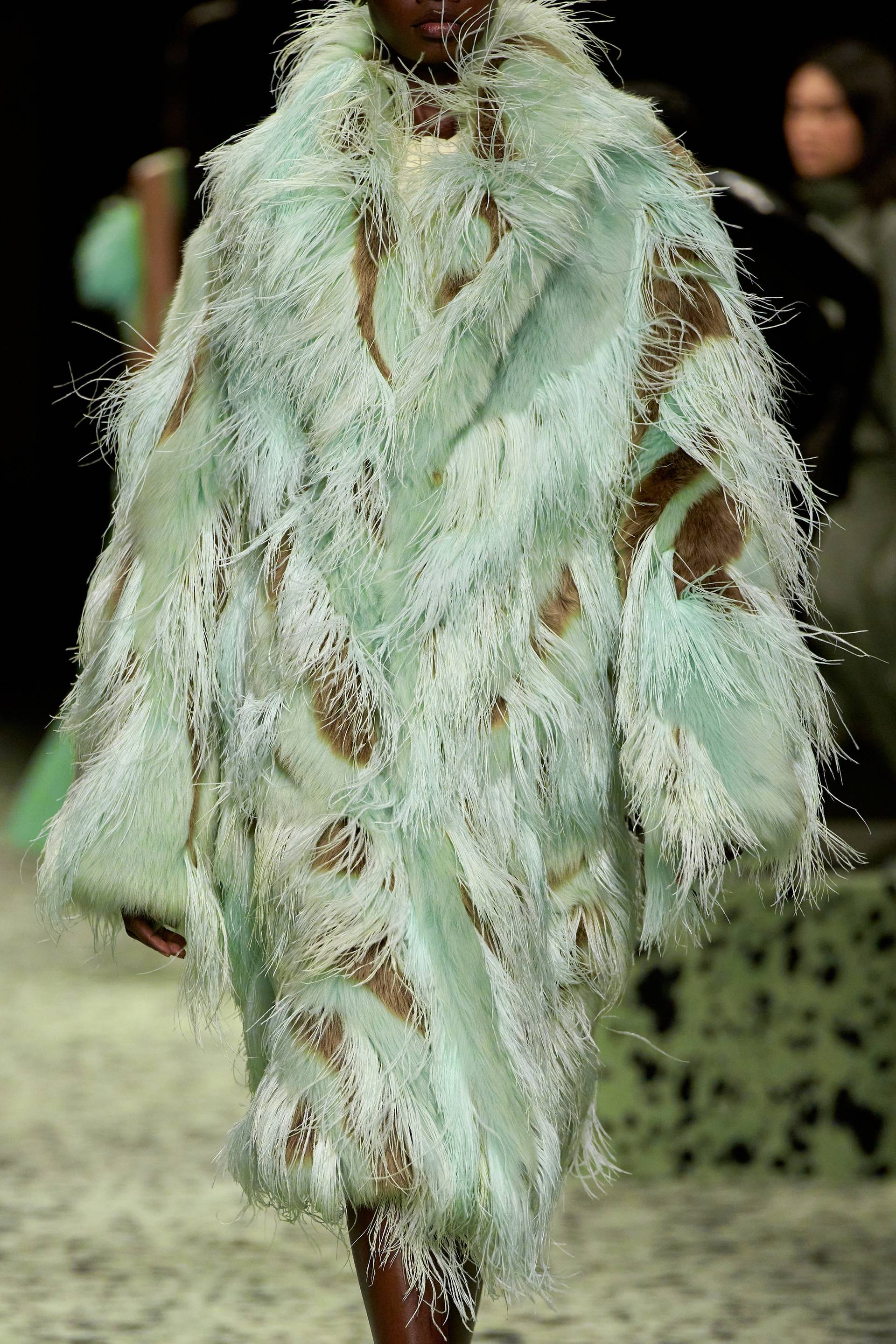
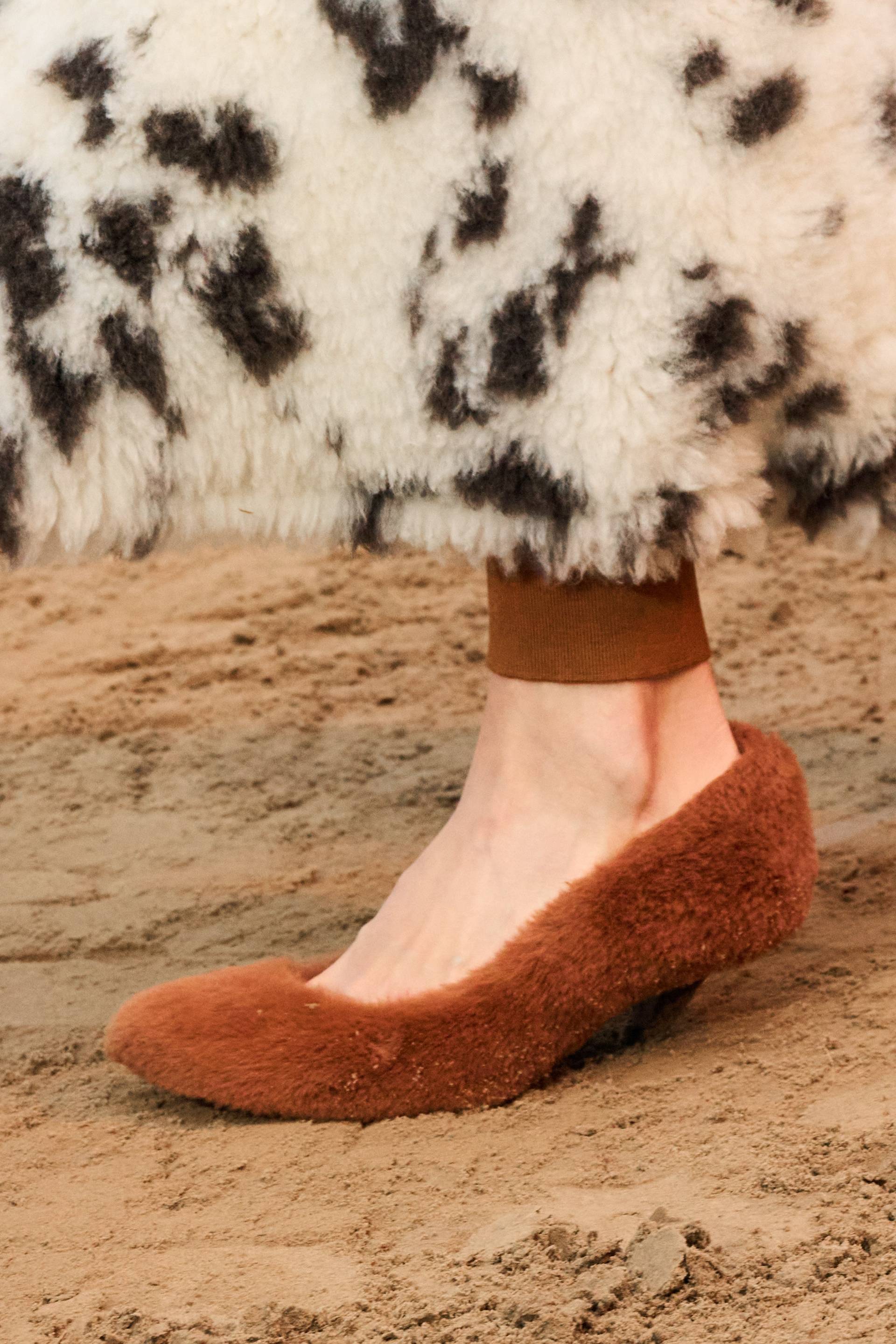
There are varying views on fur – of course, the standard anti-cruelty regarding fur skins from animals, but it appears the perceived luxuriousness of fur has returned largely in the form of ‘faux’ fur. This means, however, that many houses who have made the great exotic animal exodus, are now using polyester-rich fur replicas; which is just plastic. While not cruel to animals directly, it does beg the question as to whether ecologically harmful materials are still cruel, particularly if they harm entire ecosystems. Fashion’s sustainability darling, Stella McCartney, is one of the labels that has never used fur – being raised vegan, Stella herself is vehemently opposed to using animal skins in any way. With lots of furs on the runway, Stella McCartney made the most noise as far as innovative fabric development; as their faux-fur manifesto explains,Our Fur-Free Fur looks and feels luxurious, and is completely animal-free. Plus, we are doing our best to make it even better; we have been working with our partners to develop a new plant-based material called KOBA® that will help us reduce the amount of virgin polyester we use.” Chloé has also shown faux fur in the last week, having banned exotic animal skins since 2018, along with Bottega Veneta and Paco Rabbane.

Images: Alessandro Lucioni, Paco Rabbane and gorunway.
Images: Filippo Fior, Bottega Veneta and Carlo Scarpato, Chloé.
Images: Isidore Montag, Stella McCartney.
Leather
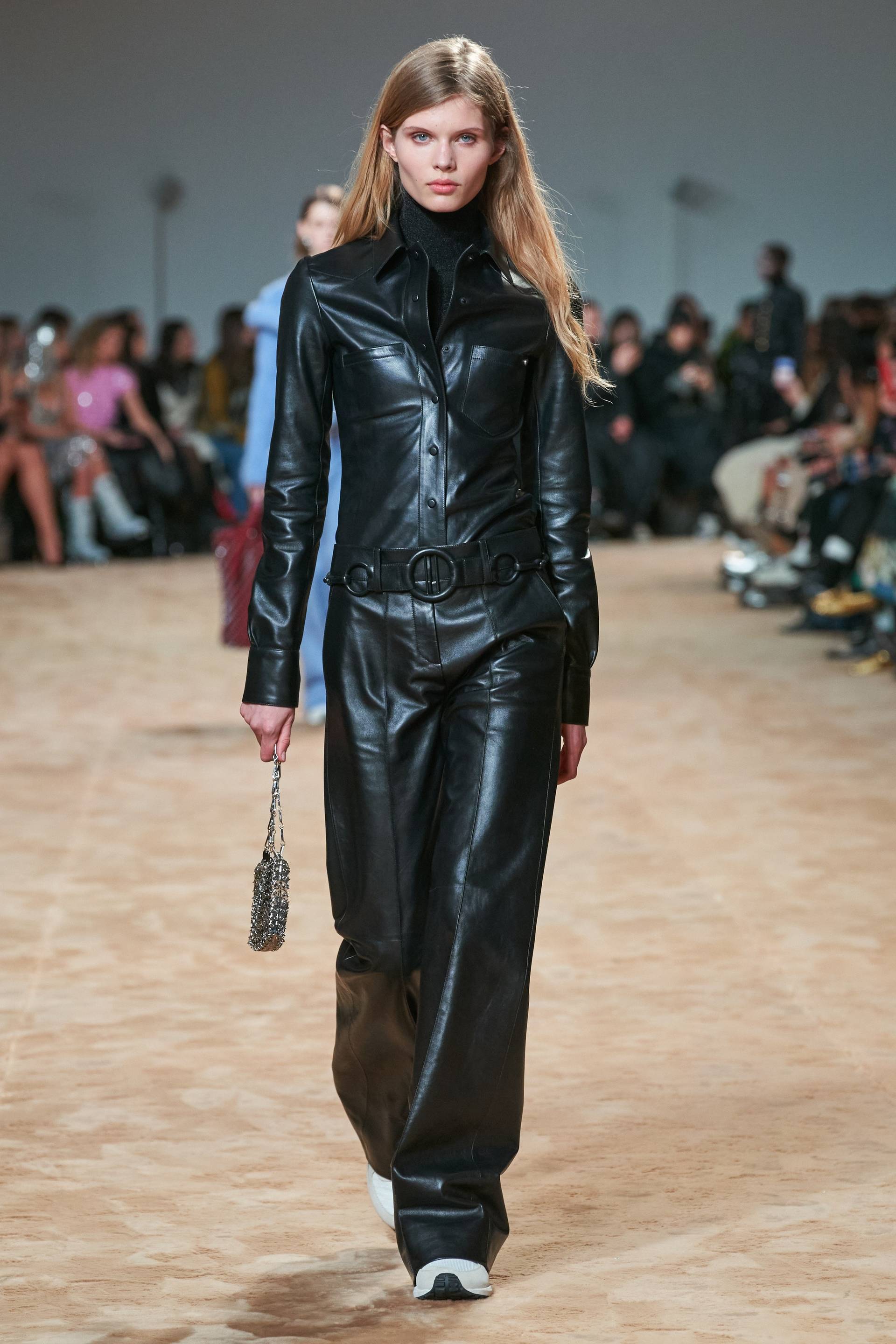
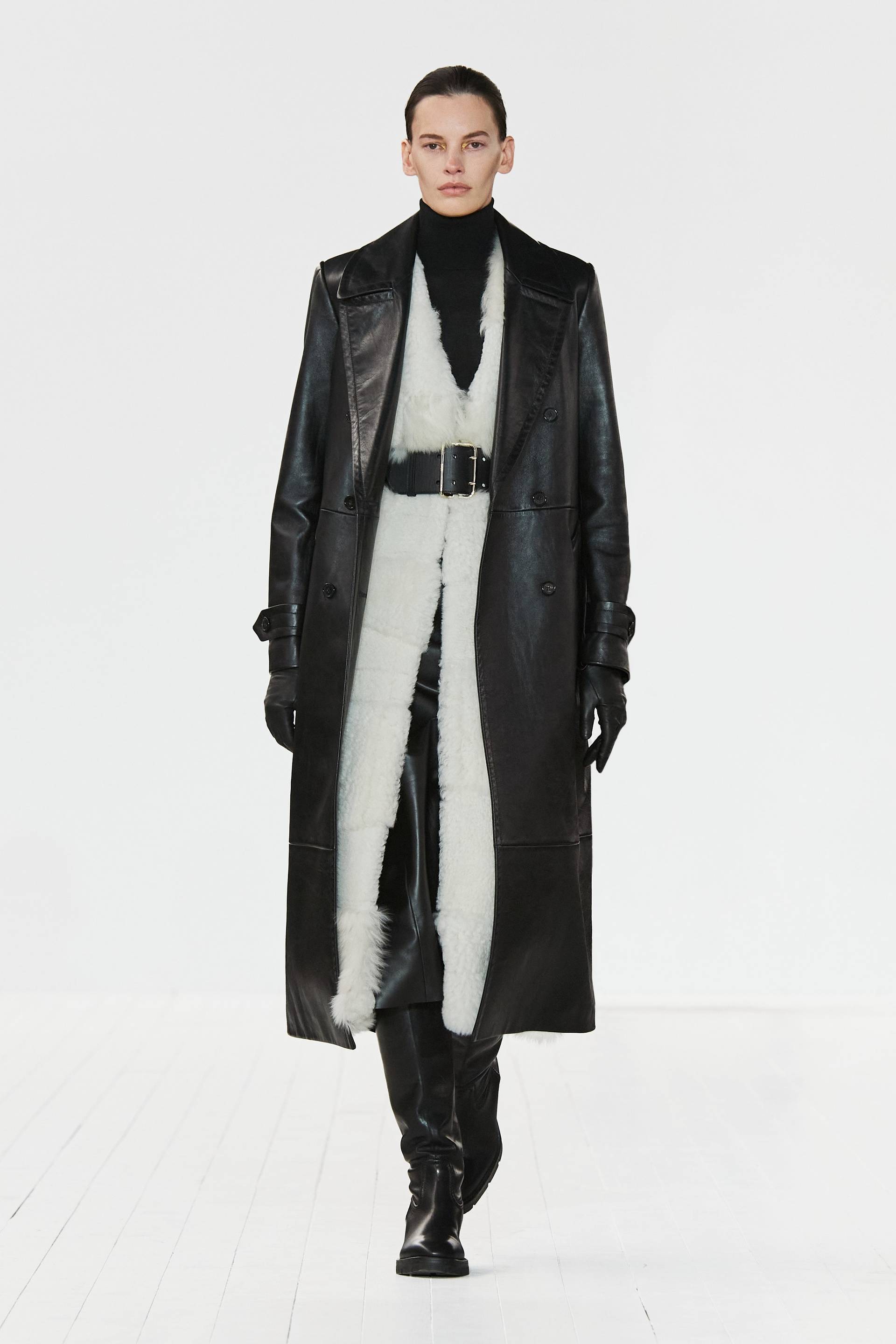
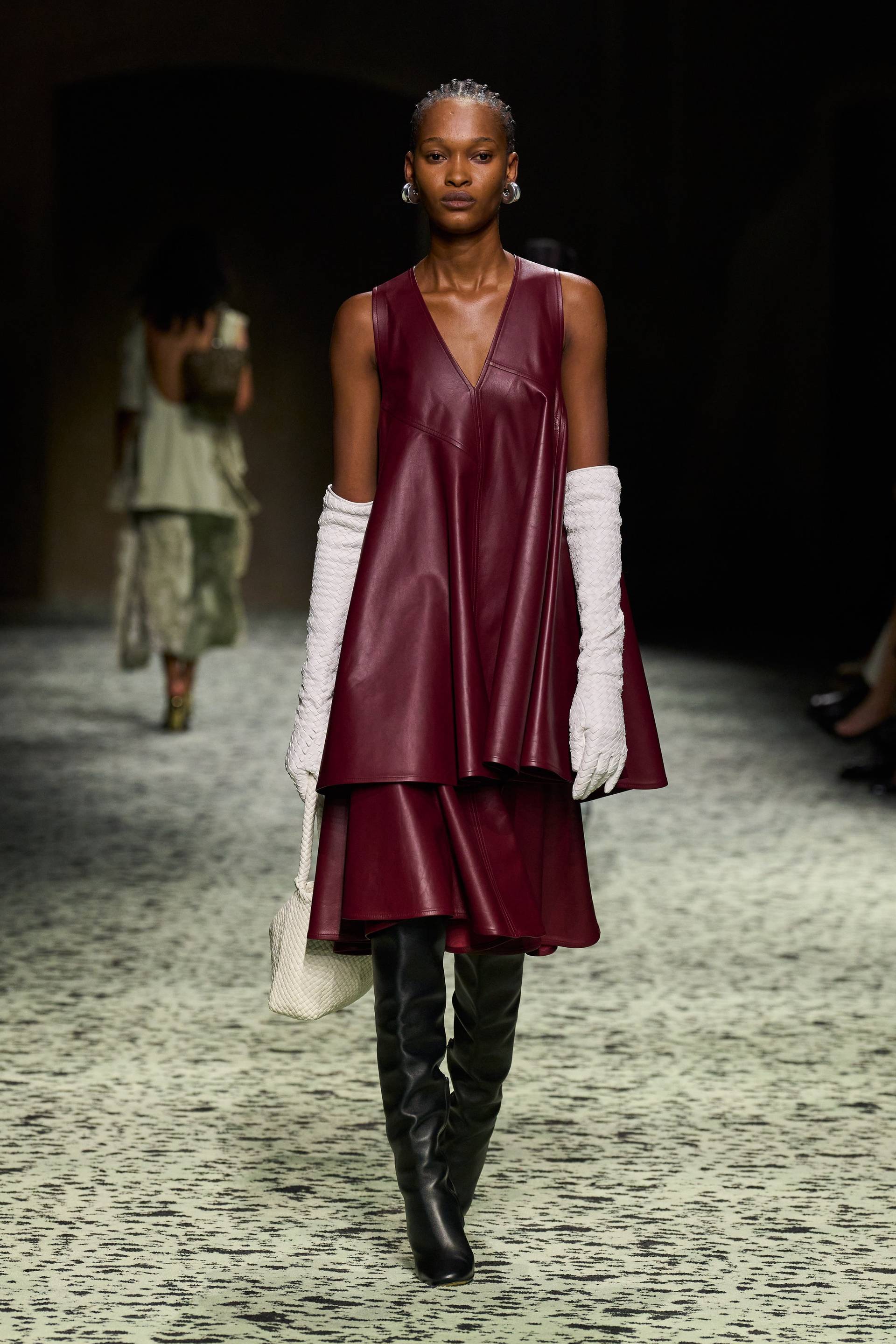
Leather will always be a winter fabric – and in the realm of luxury, too. In different forms at FW23, Matthieu Blazy’s use of leather at Bottega Veneta was a standout success. With oxblood skirts and top sets, or ochre leather trenches, seeing leather in a variety of ways brought what can sometimes feel like an overdone fabric, back into a space of nuance and complexity. Matthew Williams’ leather vision at Givenchy was perhaps a bit safer, but in the realm of deep charcoals with a slightly subversive twist.

Images: Alessandro Lucioni, Givenchy and Paco Rabanne.
Images: Carlo Scarpato, Chloé and Courtesy of Courrèges.
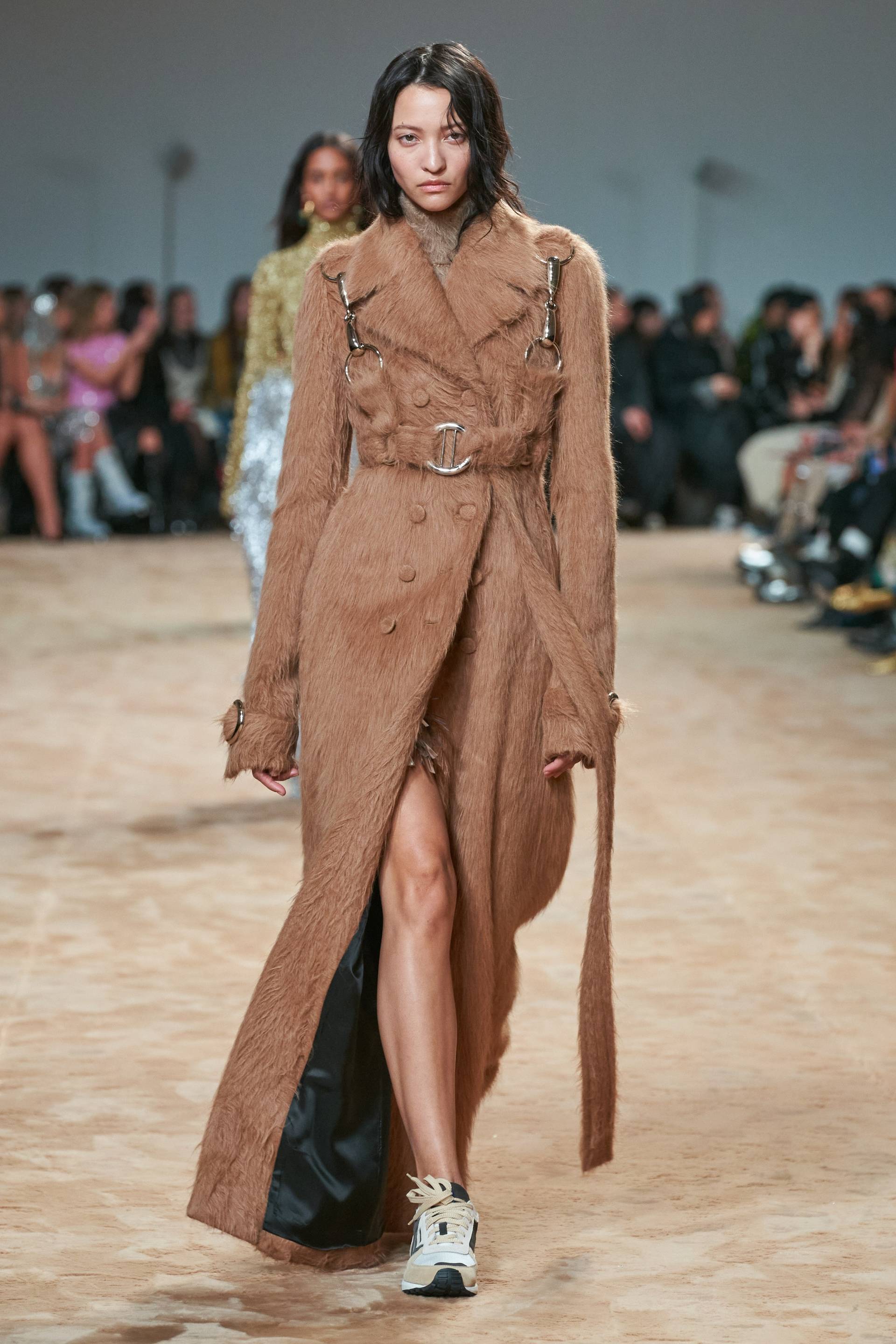
Images: Filippo Fior, Bottega Veneta.
All images sourced via VogueRunway.com.

Written by: Holly Beaton

For more news, visit the Connect Everything Collective homepage www.ceconline.co.za
Crafting The Vision with Shaquille-Aaron Keith

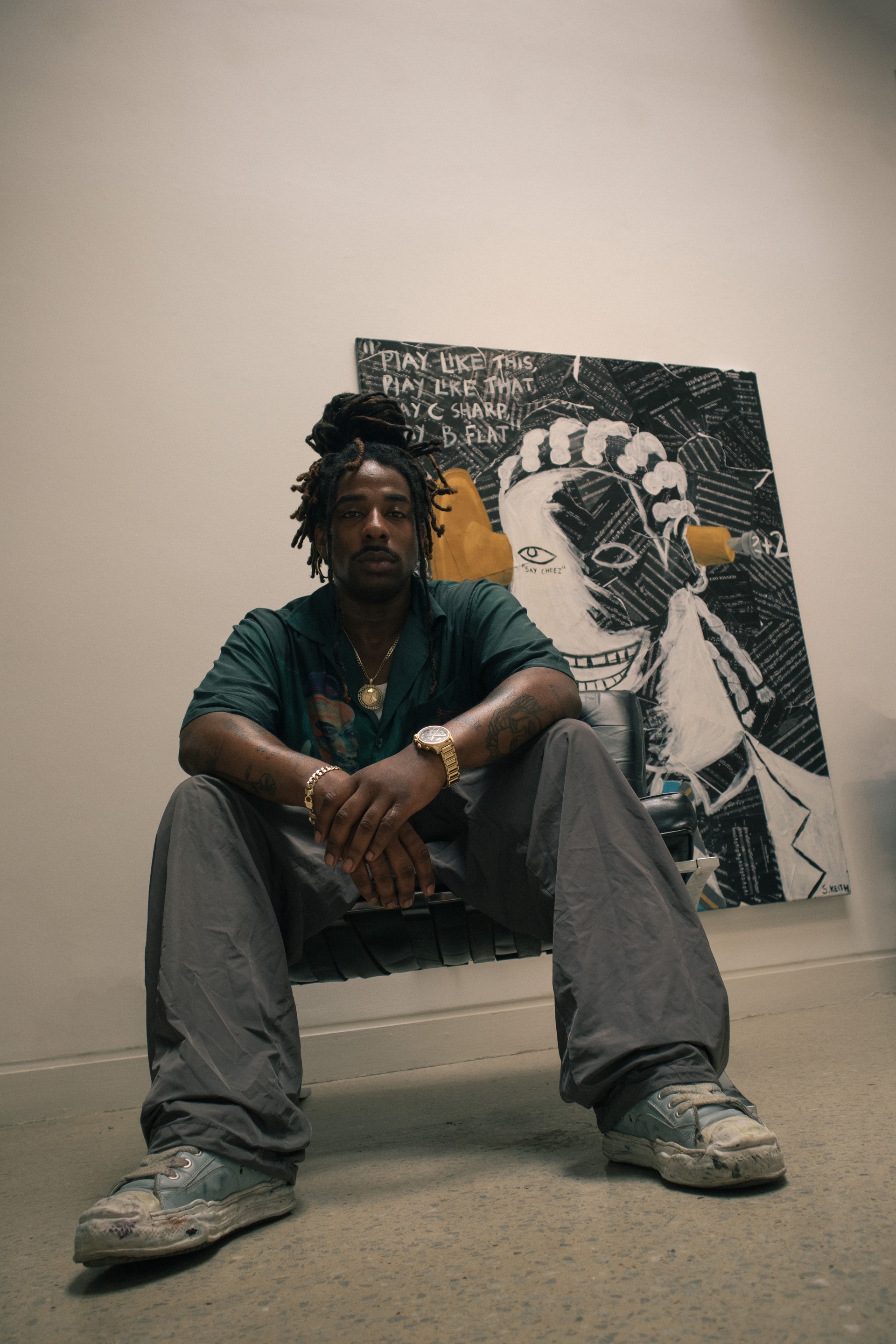
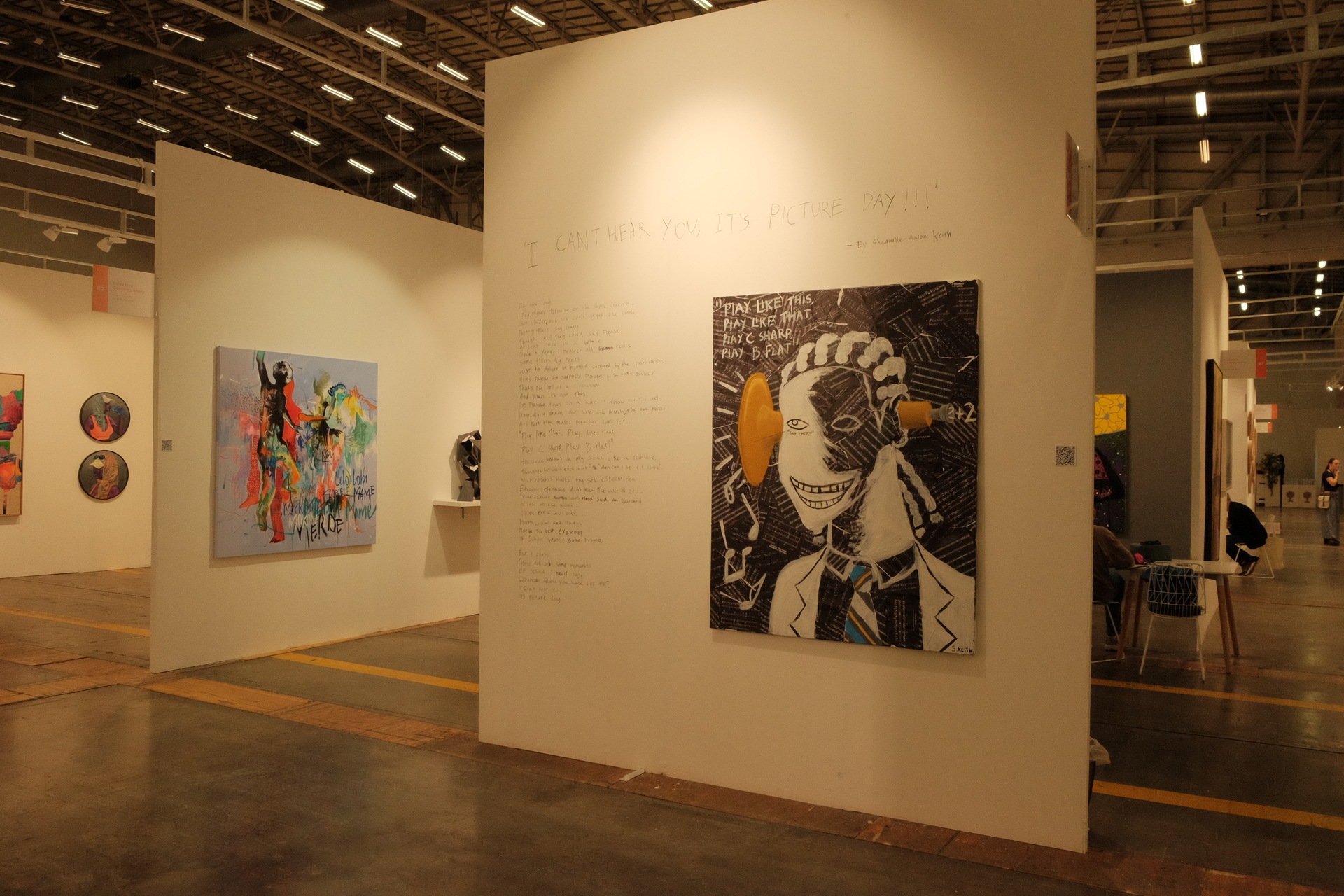
Shaquille-Aaron Keith is a polymath in the true sense of the word. It is one thing to be creative and to have a handle on one’s chosen medium; it’s another thing entirely to utilise multiple mediums of expression, and for these threads to weave indistinguishably into a unified expression – for Shaquille, this expression is as honest and heartfelt as he is. To be an artist in the 21st century is to navigate all manner of digital and physical realities; and to be an artist today, is to squarely face constraints in the face, and walk straight past them and effortlessly into the proverbial sunset. You may know Shaquille from the cult-status Youtube channel PAQ; a space where streetwear reverberated across the screens of nearly a million subscribers, and one of the first of its kind to showcase our generation as defining fashion content production, discussion and dissemination. Its archive, with the show being on a tentative hiatus, is a goldmine; and its four presenters have splintered off to make their solo mark on the world. Shaquille’s current work is a rich intersection between fashion and art; as a painter, poet, animator, model and cultural archivist; and his most recent stop along the way was right in Cape Town, for Investec Cape Town Art Fair 2023, exhibiting for Eclectica Contemporary.

Image Courtesy of Eclectica Contemporary.

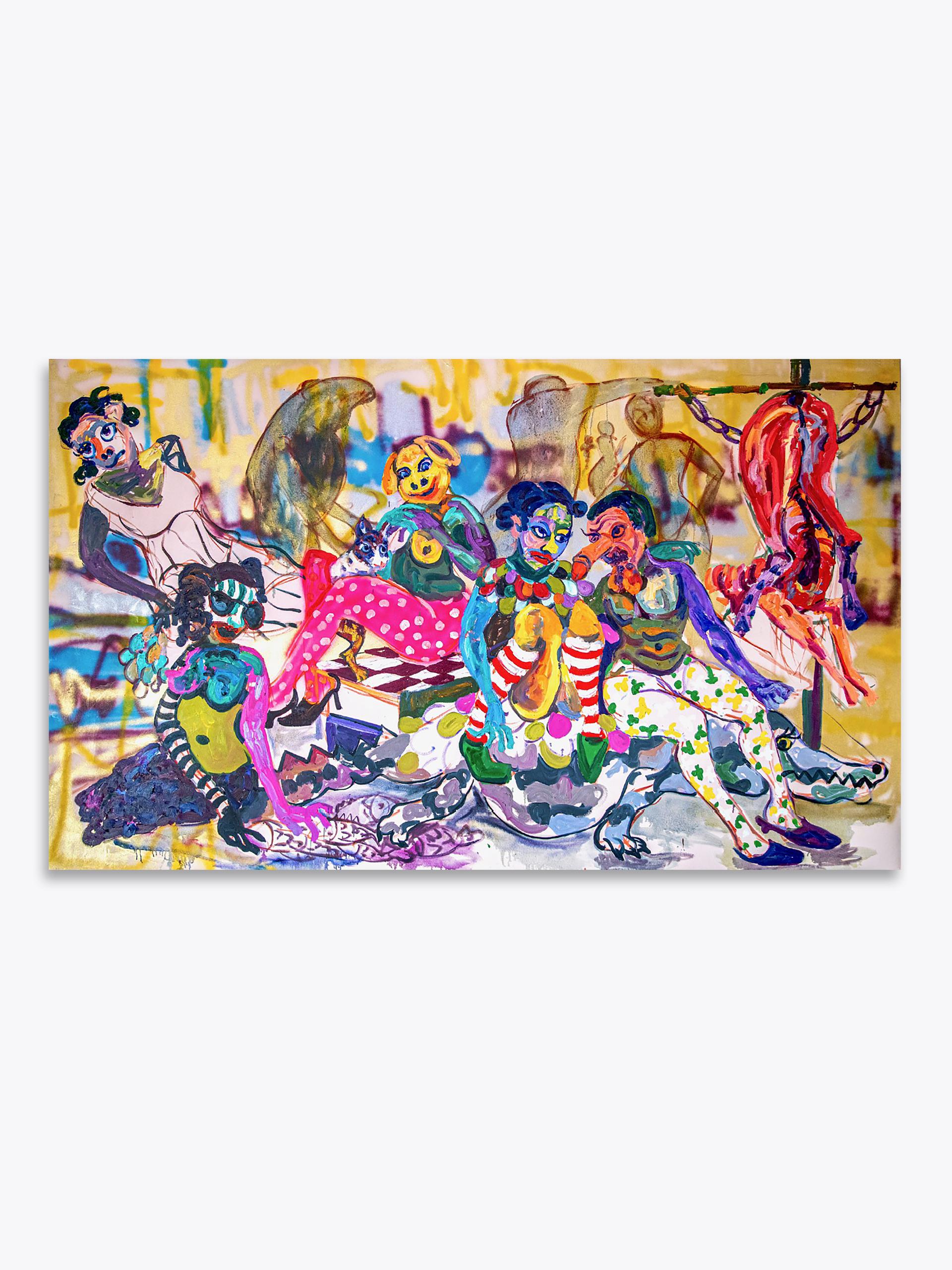
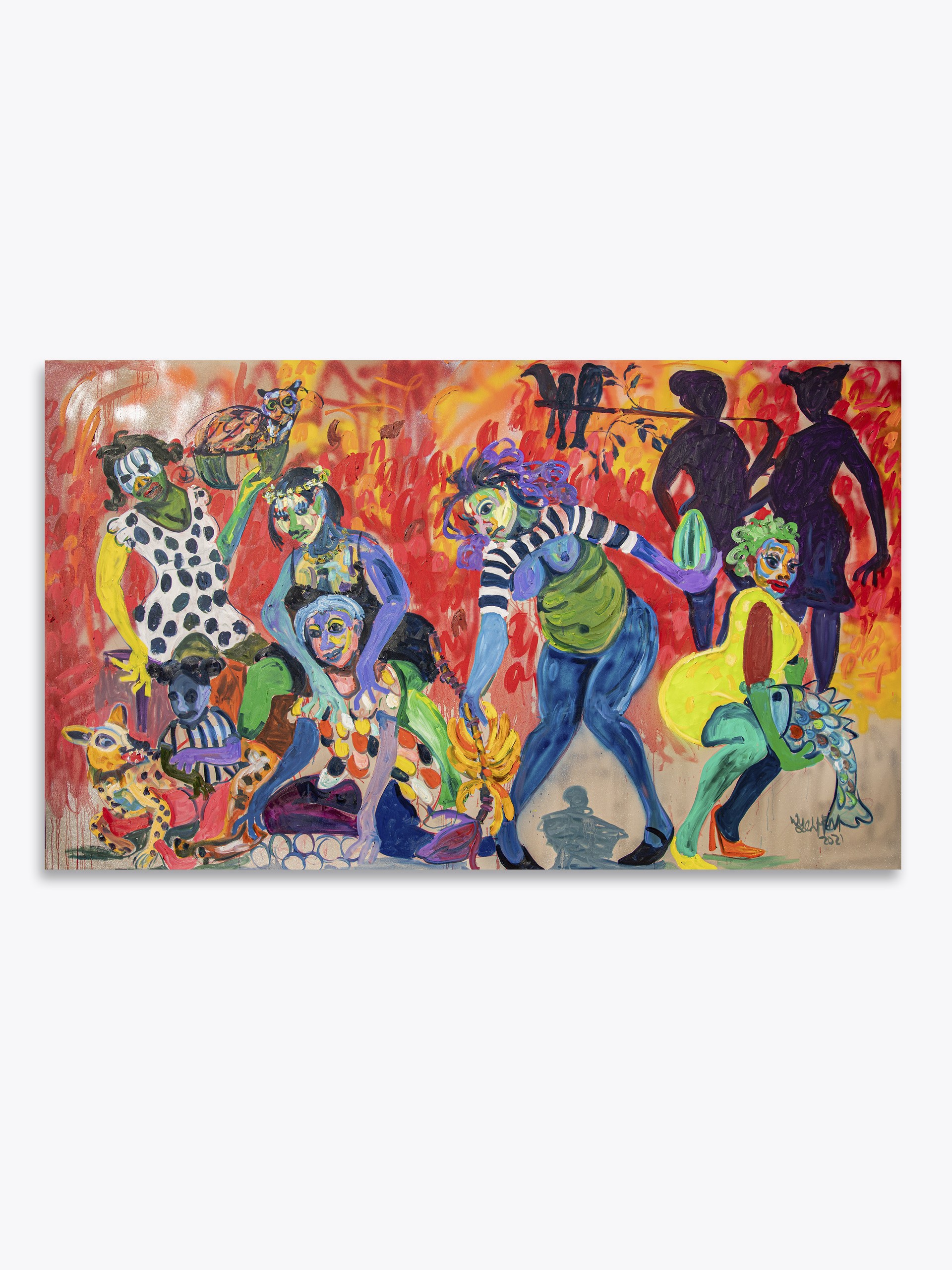
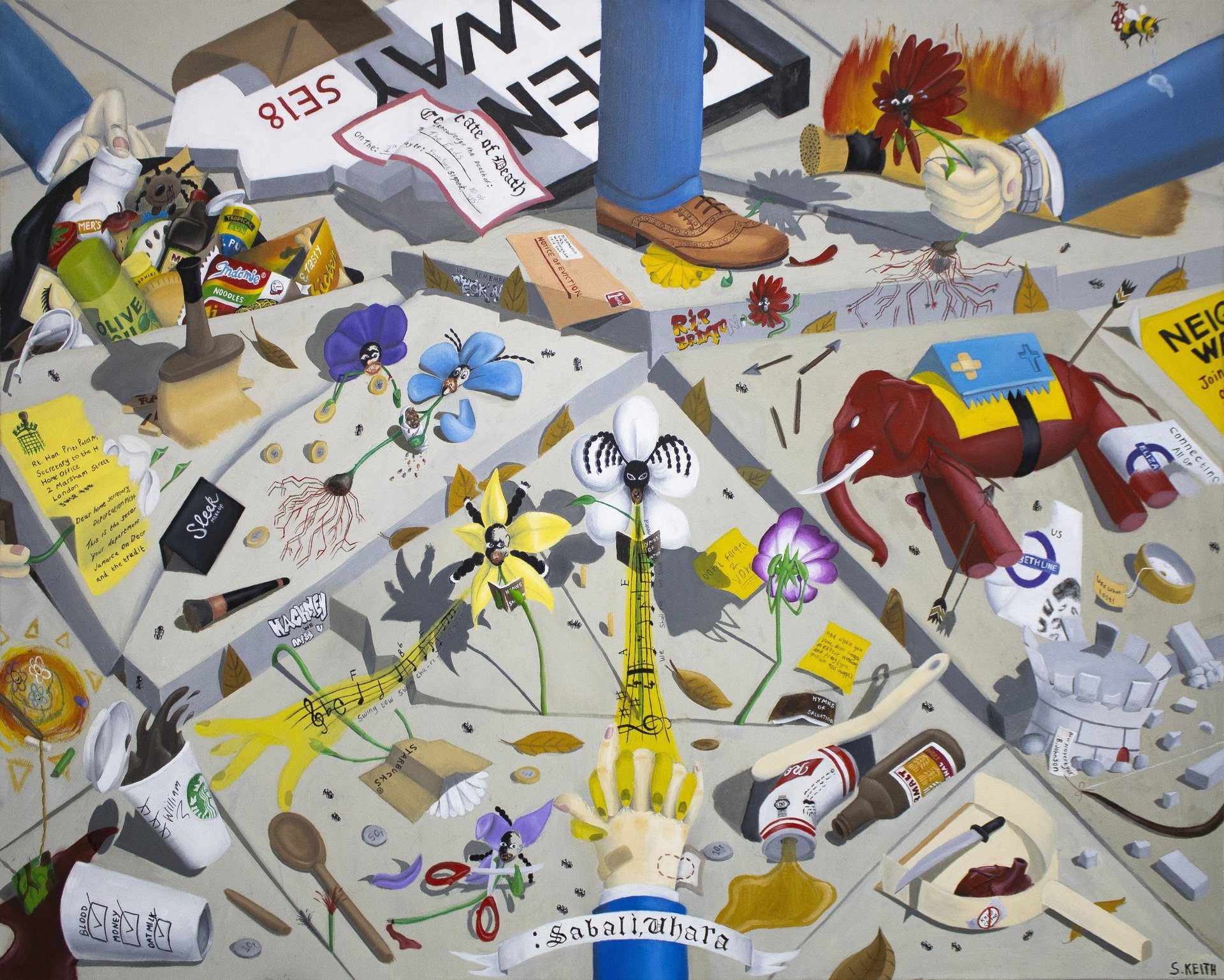
“I used to watch a lot of anime with my older siblings, I’m the youngest of four. My two older brothers introduced me to Dragon-Ball Z, and I used to try and draw Goku when he went Super Saiyan; obviously they were really bad, but I liked how my interpretation was coming out, and seeing how I could distil a moment in animation that contains many frames, into one picture. I think those years of my childhood drawing with friends, surrounded by tons of pencils, are some of the most important moments to me until this day.” Shaquille reminisces, and the nuance of TV as hand-drawn, digitised worlds are something almost inarticulable to those of us raised on cartoons and anime. I still count Beerus, Dragon-Ball Z’s God of Destruction, as one of my patron saints. For Shaquille, his creativity hasn’t stopped flowing since those formative years – whether it was the first art-kit given to him by his mum, or his introduction to the mindful, soothing nature of brush strokes and paint. Drawing, though, was a mainstay throughout school, “I used to draw in every class, except for art class – because I knew I could learn something in art class. I used to get detention all the time, and letters sent home, saying ‘Shaquille is drawing pictures in class that he thinks is good’ and what bothered me about each letter is that they made a point to say that ‘he thinks’ it’s good. Man, those were my first critics, and it was my first challenge.” Growing up in South London, Shaquille’s version of grade 10 meant that students are able to specialise through ‘GCSEs’ – an education framework which for British kids, is a version of matriculation that we know here in South Africa. When his teachers advised his mum that he should follow the GCSE art pathway, all those years of drawing came to be recognised – finally, “when I went to college, I wanted to try something different – I’d been drawing for 12 years, and I wanted to see how that would translate digitally. So media studies was a beautiful, broad overview that taught me to develop varying skills, with animation being the stand-out medium that I found. I remember learning to do a GIF, and it blew my mind; if I didn’t loop the frames at the end, I had a consistent animation. That opened up a whole new realm for me.” Phantasia(i) in Motu depicts Shaquille’s animation style – hand drawn illustration, evoking flow that binds together the movement of a body dancing, and it’s from this place that his style had begun to develop. A style that is underpinned by pop cultural references, and deepening as it moves into Shaquille’s symbology-heavy works depicting Blackness, British-ness, culture, love, pain and memory. A stand-out work from 2022 is titled ‘Gentrification (Communal Genocide)’. The painting hides within it varying, surrealist style depictions of a changing neighbourhood of his youth, Lewisham in South-east London. When I describe Shaquille as a cultural archivist, this is precisely what I mean – in his observation and contemplation of his surroundings, everywhere in the world, he uses his calling and purpose as an artist to comment and cultivate dialogue. Shaquille did this with PAQ, and he does so with his artistic practice.

GENTRIFICATION (COMMUNAL GENOCIDE). 2022.

Shaquille’s primary form of written dialogue is poetry. Initially, this was the art-form that he was approached for by VSCO for a campaign, but around this time, three years ago, Shaquille began to share the multiplicity of his skills.“Poetry and painting are one in the same to me, and because I don’t separate them, I find that they add weight to each other. I really like being able to have each of them inform the other. When it comes to poetry, it is more directly in my paintings than just as accompanying text. My favourite artist of all time, Nas, is a poet and every time he tells a story, it’s incredibly detailed. I reference his art-form of rap in the way that I work. The background is the beat, and towards the foreground is the first verse – second verse is how the background and foreground interact with each other, and then the hook is the little details that the viewer might have to look at twice, and maybe that showcases a kind of technical ability. When it comes the work ‘Gentrification’ for example, I’ve been thinking a lot lately about how there’s no lines I won’t cross, really, in the name of art and to tell a message.’’ 

As a self-professed romantic, Shaquille owes his poetry to wanting to woo girls at 16 years old; and the kind of poignant, heart centred tone remains in his work today, gripping the reader. This caught the attention of Gucci Beauty, too – when Shaquille was invited to create a series of original poetry for a series of lipsticks, “with Beauty Papers Magazine, I got to work with Gucci, which was so surreal. I got to see how my work can exist in a commercial space, and Gucci in particular is amazing in allowing their creators and collaborators to have free-reign. I really felt I could be as abstract as I could be, and they showcased my poems in my handwriting. It felt very earnest.”

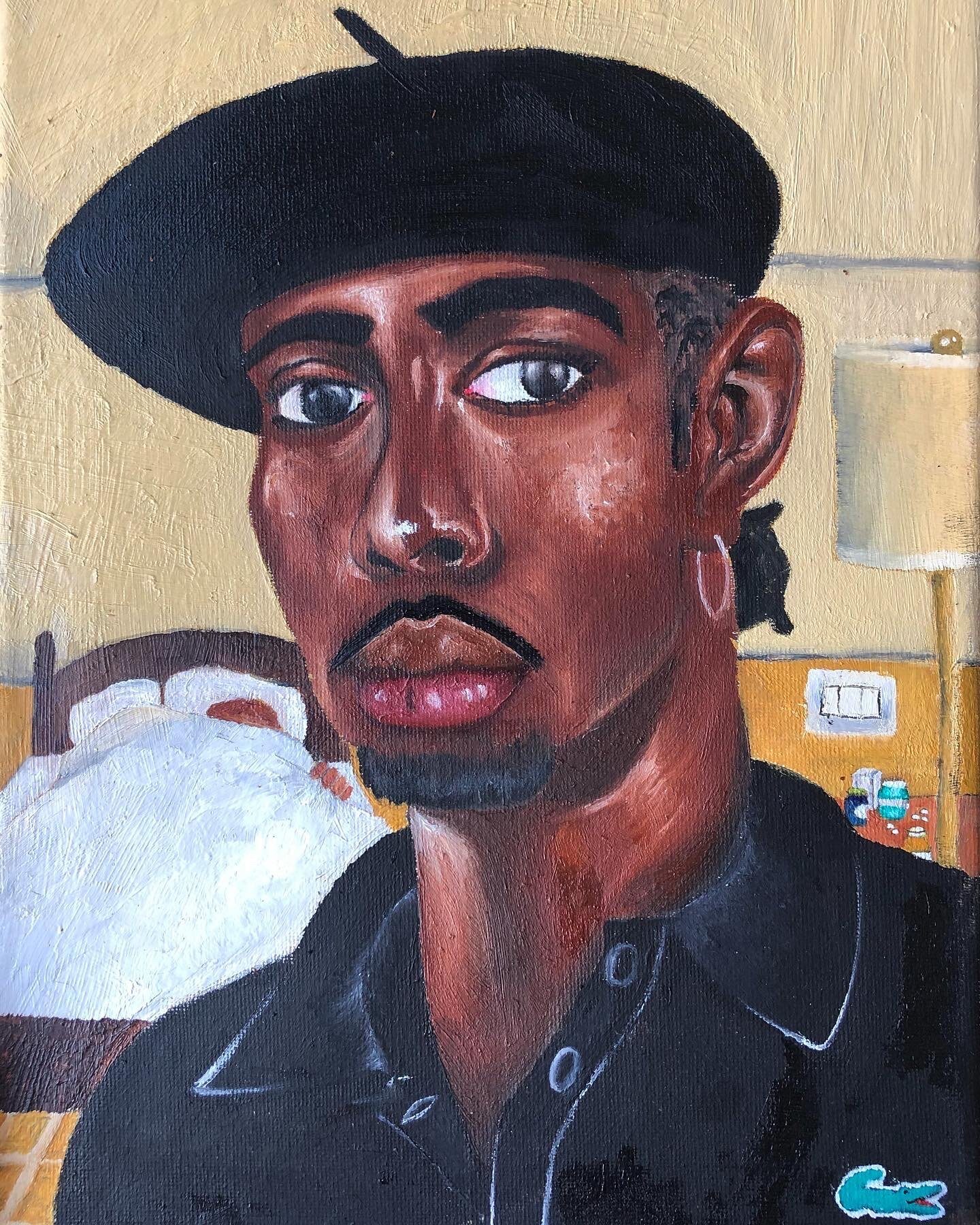
‘SELF PORTRAIT (NO. 1) WITH MY MOTHER AND HER MEDICINE’. 2017-2020.
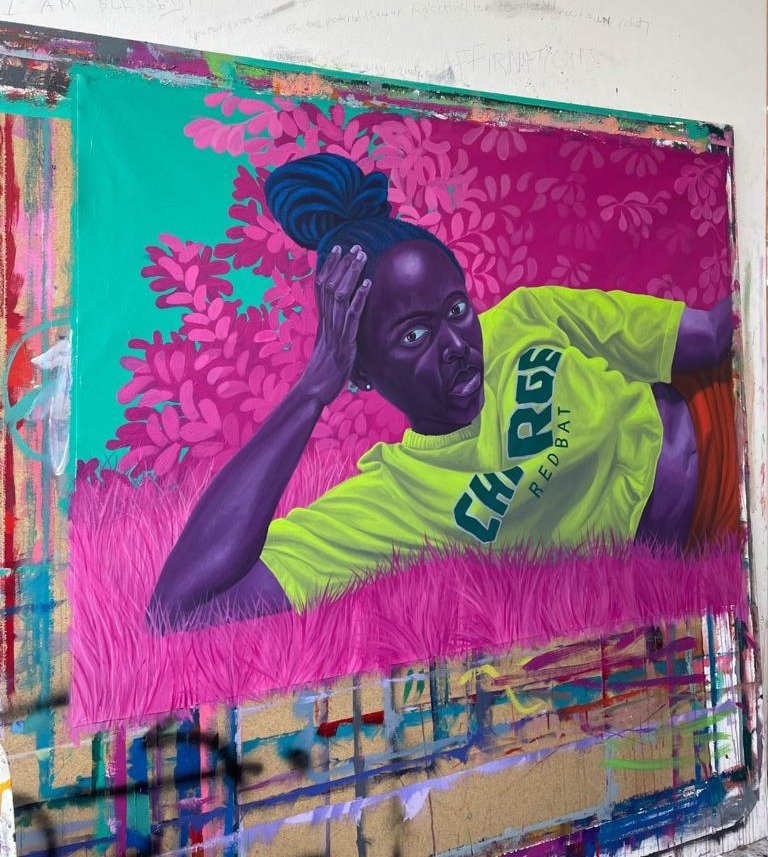
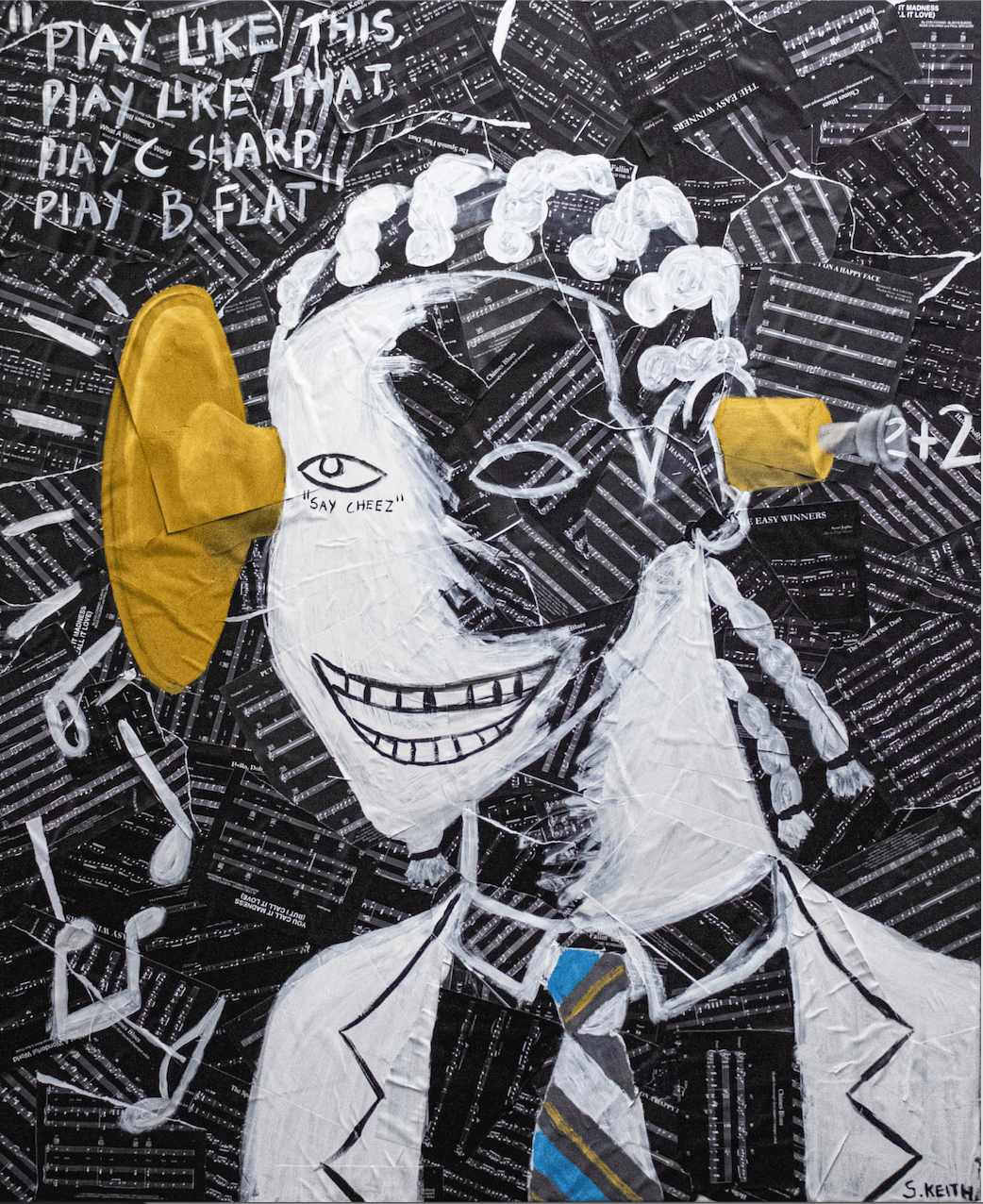
 I can’t hear you, It’s Picture day. 2023. Mixed media on board, 120 x 150 cm.

It’s Shaquille’s first time in Africa, so being here has been deep, “I think when I knew I hit heaven, was when I was on Chapman’s Peak, wedged between this great ocean and the mountain. I think the artwork out here is so vibrant, and I feel like the colours of Cape Town in general are just on another level. I didn’t see Cape Town as being a part of my plans for 2023, but when I met Marli and Shamiela in Paris at AKAA, it led to them being invited to the Investec Art Fair. I’ve met so many incredible artists and people – and I’ve even extended my stay. I was supposed to fly home, today; and honestly? I want to rent a place and come and be here for a few months. I can see myself creating here, and travelling through the country.” Shaquille speaks of his experience here in the way that he speaks of his career; with excitement, and the energy of purpose. Art, in all its forms beckoned Shaquille as a young kid, pencils in hand, and now; the vision continues to be revealed, wherever in the world this purpose might take him.

Images by Robin Jones and Nicholas Farmer, with gratitude to Eclectica Contemporary.

Written by: Holly Beaton

For more news, visit the Connect Everything Collective homepage www.ceconline.co.za
Shesaid.so South Africa Workshop, Grant Programme Panel and Mixer

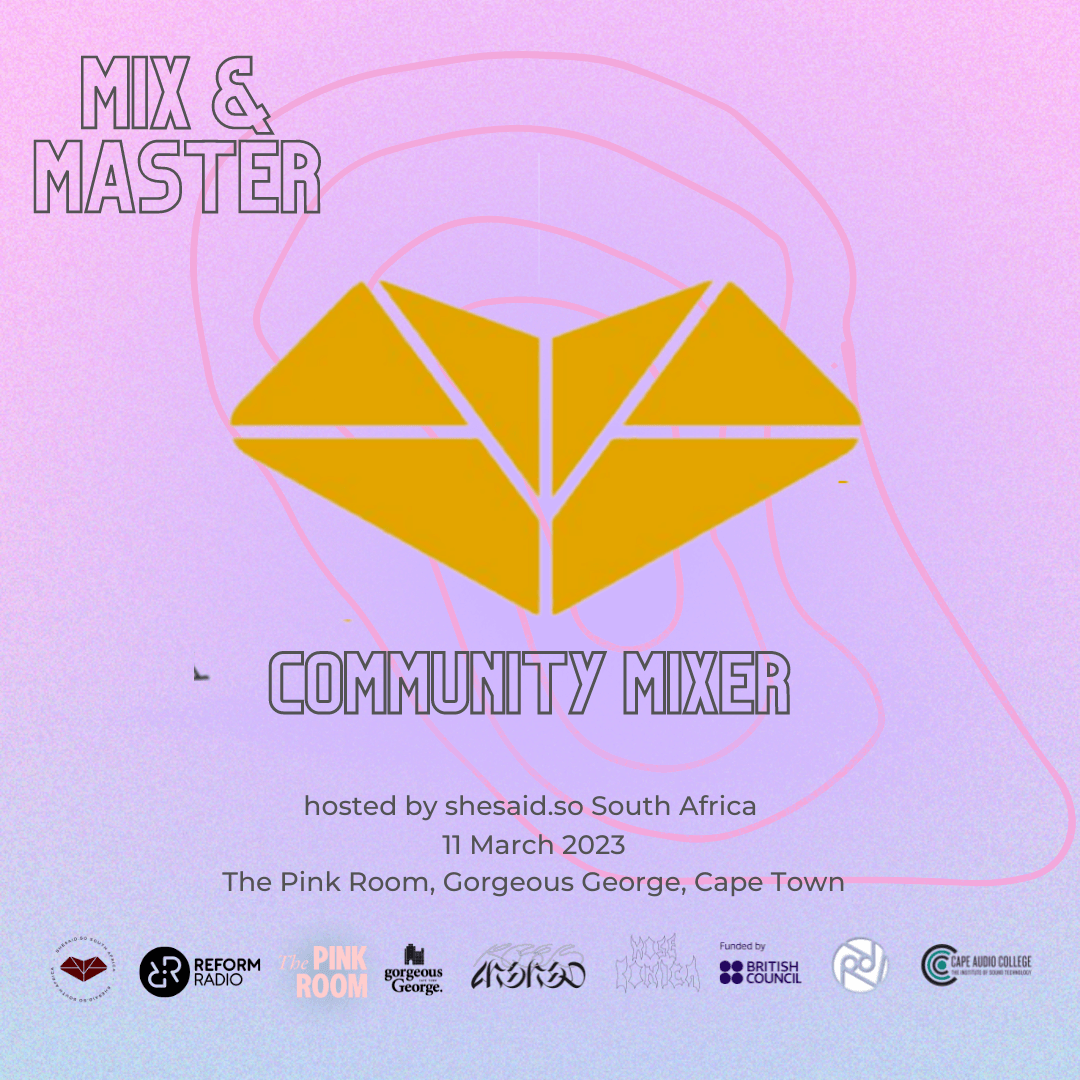
shesaid.so is a global community of women and gender minorities in the music industry. Their vision is to create an environment that supports collaboration, creativity, and positive values. The South African division was established in 2017, pulling focus on the unity of women and LGBTQI+ individuals within the music industry.

shesaid.so South Africa is honoured to host this community mixer where they will share insights from their ‘Music Production and Online Radio Training Programme’ funded by British Council, their partnership with Rocking The Daisies in 2022 for the launch of the Oasis camp site as well as the work that they will be doing in 2023.

It is an opportunity for industry peers, artists and members of the music community, and they will be looking to sign up new members and allies to support the work that they do. 

///
11 March 2023
The Pink Room, Gorgeous George Hotel, Cape Town
15:00 – 17:00 
FREE ENTRY
Sign up here to RSVP to the event.
Spaces are limited.

Africa Rising Music Conference announces esteemed Ambassador Programme for 2023

The Africa Rising Music Conference (ARMC) announces its highly anticipated Ambassador Program, which recognizes and celebrates five women who are making a significant impact within their respective fields. The program highlights their influence and impact on various communities and movements. ARMC has partnered with Mtn BushFire Festival, Mint Digital, Lift Airlines and Bridges for Music to provide attendees with a well-rounded experience that includes exciting speakers, workshop and activation curation.  The conference is set to return on May 23 and 24, 2023, at Hallmark Hotel in Johannesburg. “The Africa Rising Music Conference is more than just a conference, it’s a platform to bring together a diverse group of women who are making a real impact in the music industry and beyond,” said Naimah Global, one of the ambassadors selected for the program.

This year’s conference will feature a diverse mix of local and international delegates, with a focus on Zambia and Germany. It will offer a dynamic mix of workshops, activations, and performances centred around the hip hop, indie and electronic music industries, as well as the Afro-Euro connection.

MEET THE AMBASSADORS

Megatronic /// DJ and Culture Curator
Representing /// Femme Fest   

Always finding a way to provide a colourful palette or lyrics, melody, and stage dramatics, Megatronic has asserted herself into the global dance scene as a DJ, musician, and above all else, a vibrant culture producer. With over 20 years of self-taught industry experience under her belt, including time spent as a consultant, artist manager, and even a radio host, Megatronic has earned her stripes as one of the industry’s leading forces.

Fundi /// Artist and Producer 
Representing /// Bridges for Music

Fundiswa Mbambani better known as Fundi was born and bred in the oldest township in Cape Town known as Langa, surrounded and inspired by musical legends and heroes such as Brenda Fasssie. Having drawn inspiration from all those legendary people, music became a calling to her. She is a DJ, budding tour guide/ tourism entrepreneur, some-times isiXhosa teacher, intercultural expert, Bridges academy alumni and Langa local. Two of her biggest highlights being opening for the duo “GoldFish” in 2021 and then in 2022 playing sets at Amsterdam Dance Event.

Naimah Global ///Artist and Activist 
Representing /// New Future Records 

Naimah, a Zambian Afro Fusion singer-songwriter residing in South Africa, has the ability to fuse her uniquely soothing vocals into different genres that resonate with urban and afro genres. This can be noted in her most recent RnB infused EP Goal Digger. Her refreshing writing ability has made way for her to collaborate with some of the finest musical talents in the Southern African region, including Grammy award winning producers and artists.

Namakau Star /// Artist, Producer and Singer Songwriter
Representing /// ARMC 

Rhema Stephanie Namakau Socika, popularly known as Namakau Star is a South African born singer-songwriter, rapper, speaker award winning copywriter and creative director.  Namakau Star is an alternative RnB and Hip-Hop artist with a sharp pen and a refreshing vocal approach to music, she weaves words together with soulful melodies, switching effortlessly between lyricism and singing.

Phelisa /// Community and Network Developer 
Representing /// Viva Con Agua

Phelisa is a representative of Viva Con Agua South Africa and her role within the organisation is Community and Network Developer she plays a hands-on role at, an organisation that inspires and connects all for water. This mission goes beyond raising funds but is deeply rooted in strategic education and awareness programs that seek to impact underserved communities.

Tickets are now available here: ARMC 2023 Tickets

///

Connect with ARMC: 
Facebook: Africa Rising Music Conference
Instagram: @africa_rising_music_conference  
YouTube: https://youtu.be/ToMmDTzkxHs
Website: www.africarisingmusicconference.com

For more news, visit the Connect Everything Collective homepage www.ceconline.co.za

Porky Hefer’s Evocative Ability for Humour

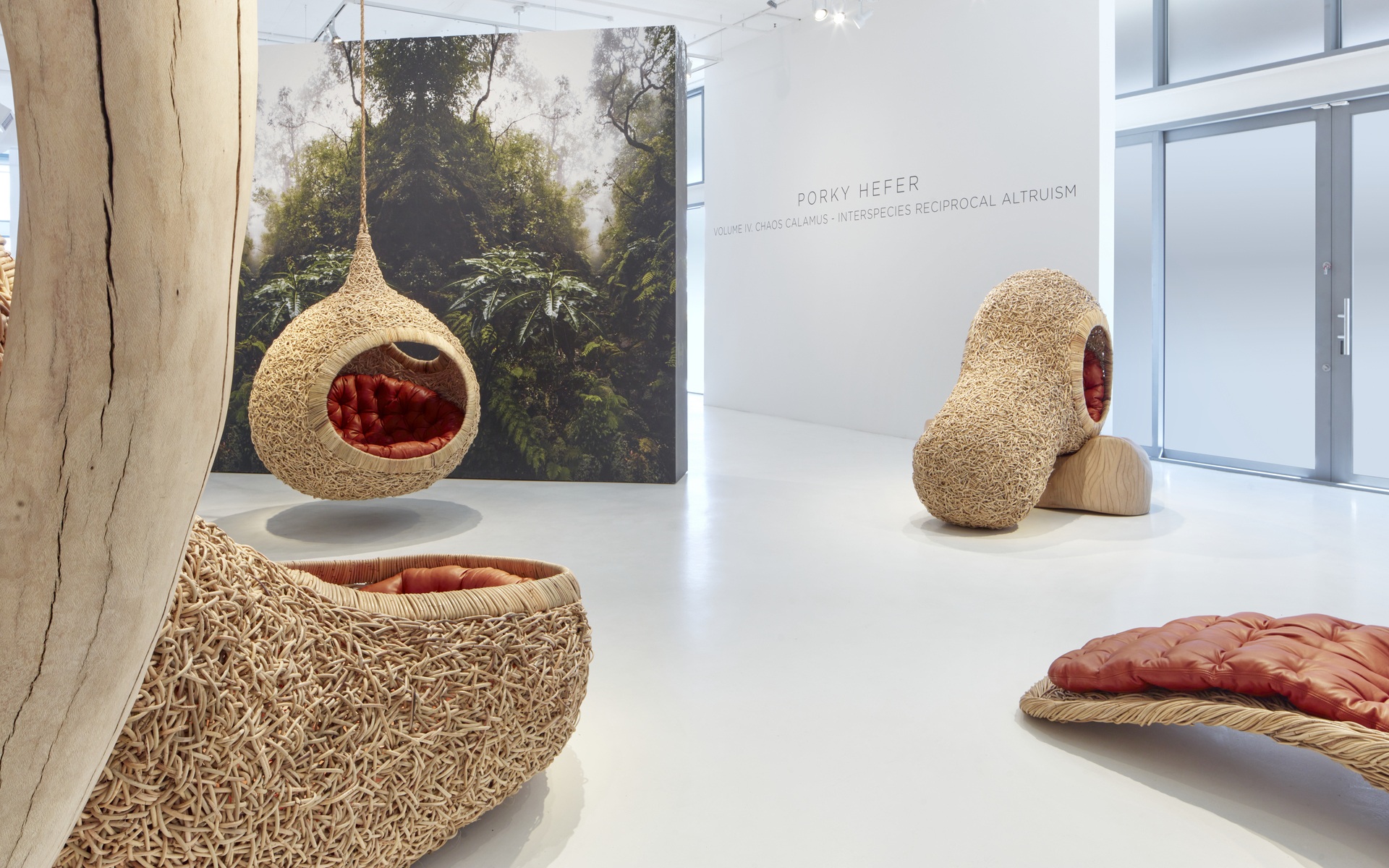
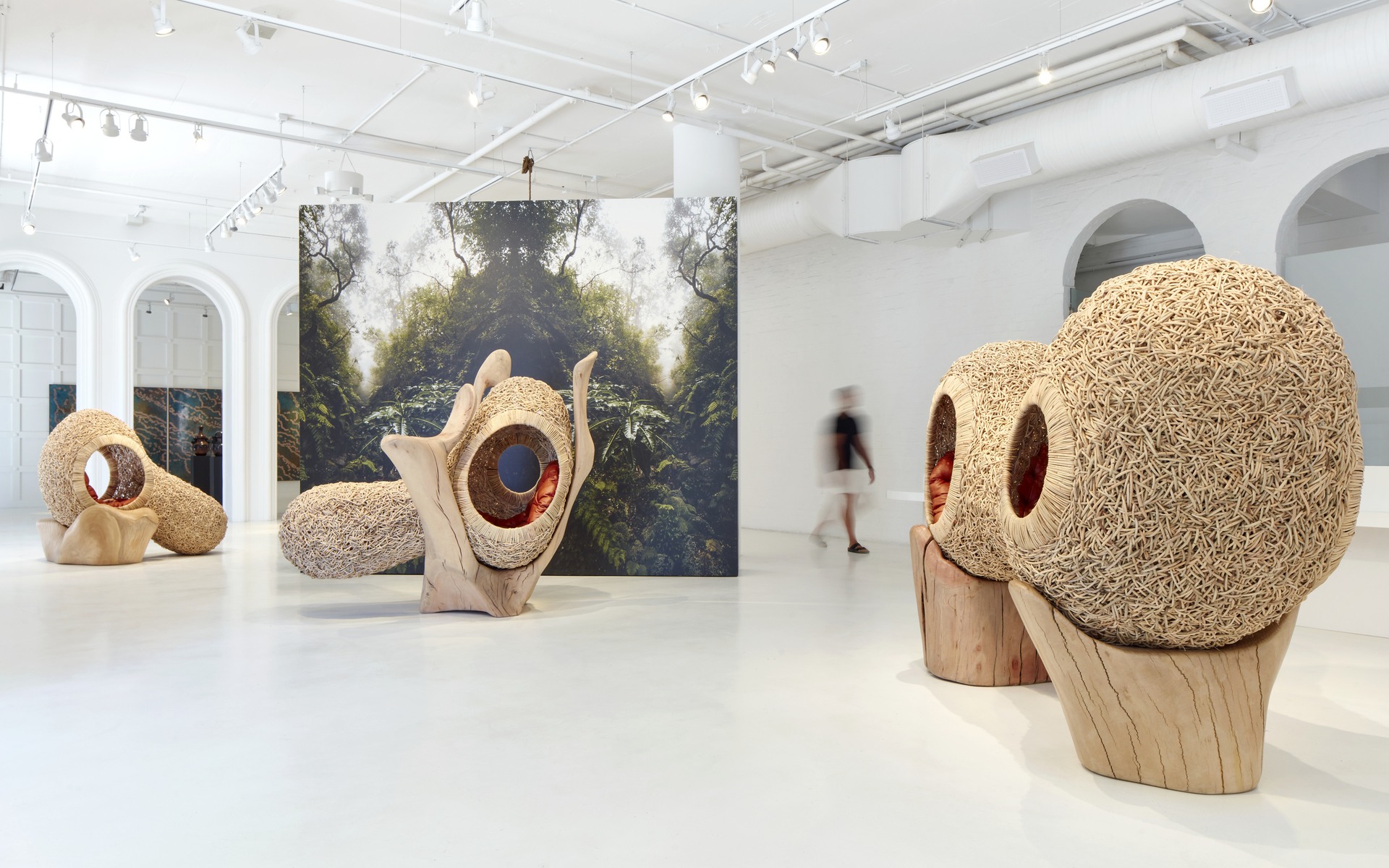
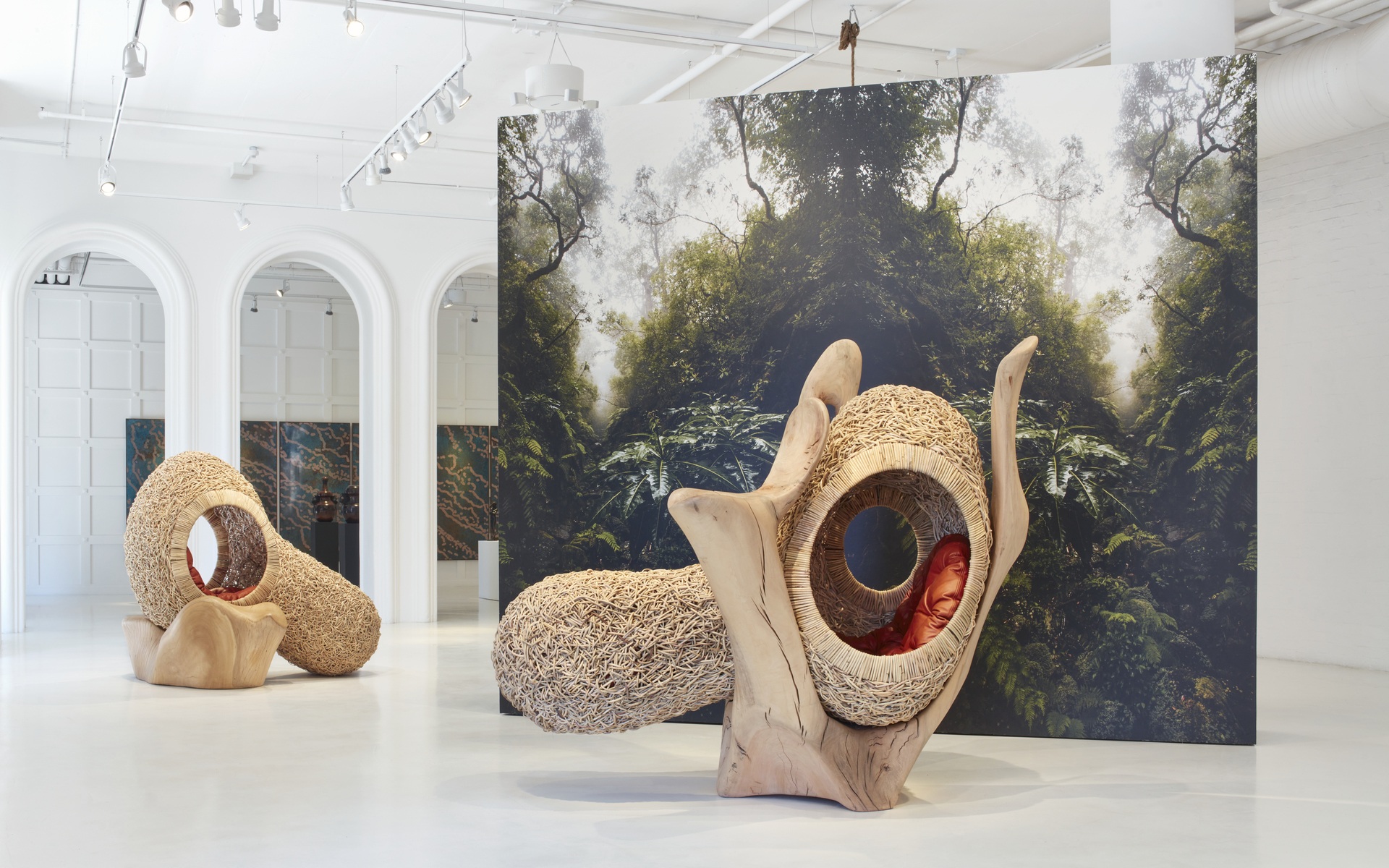
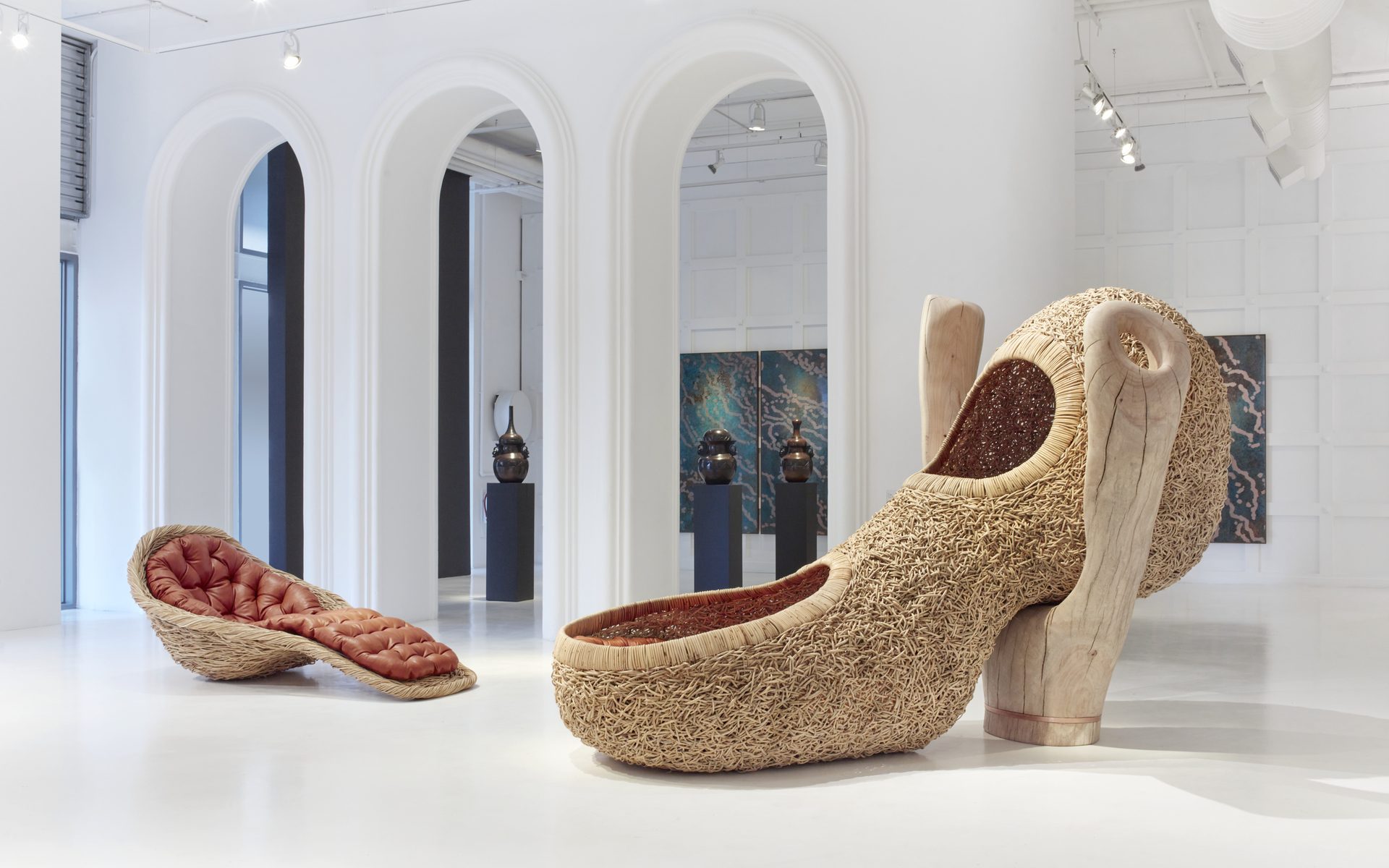
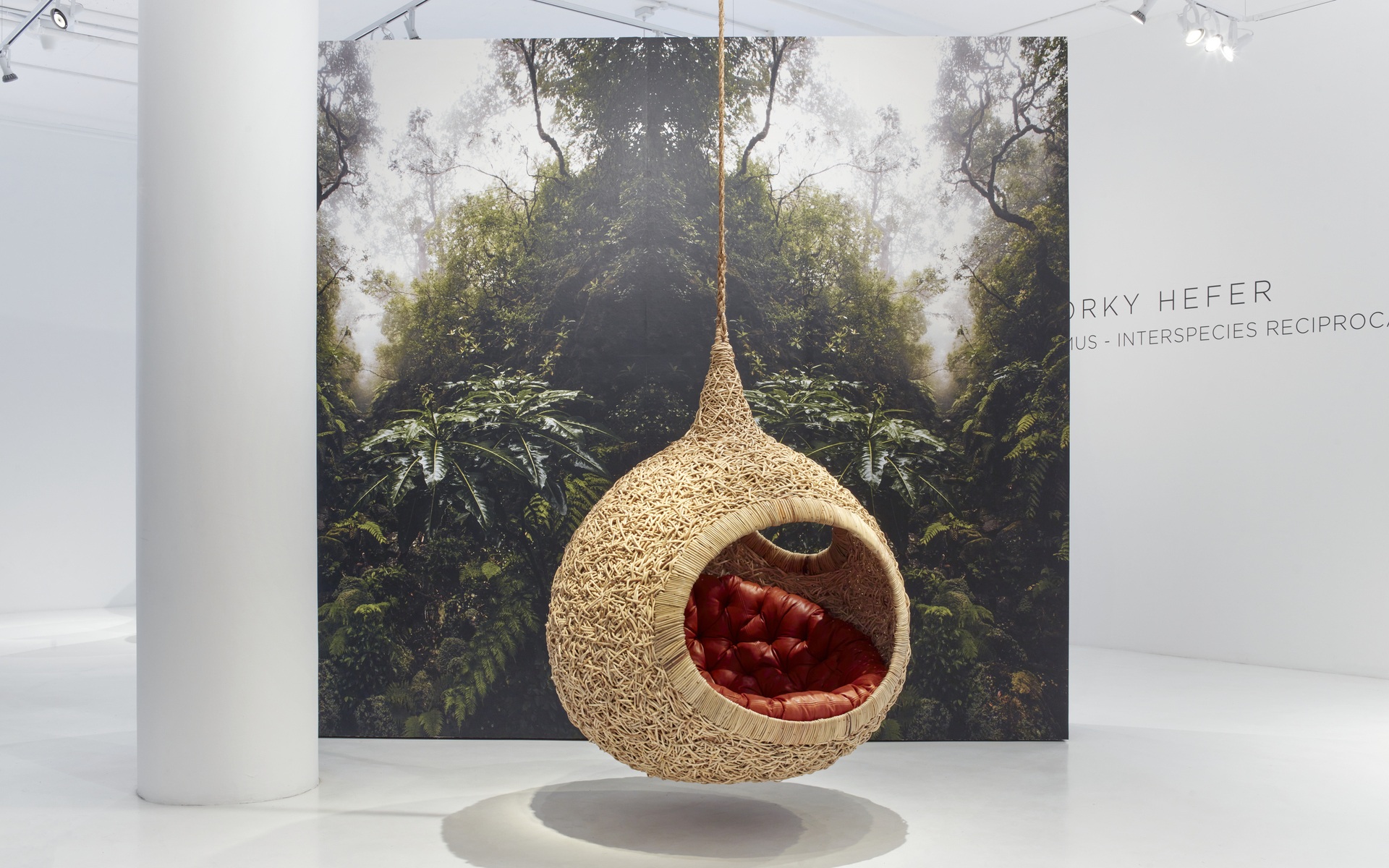
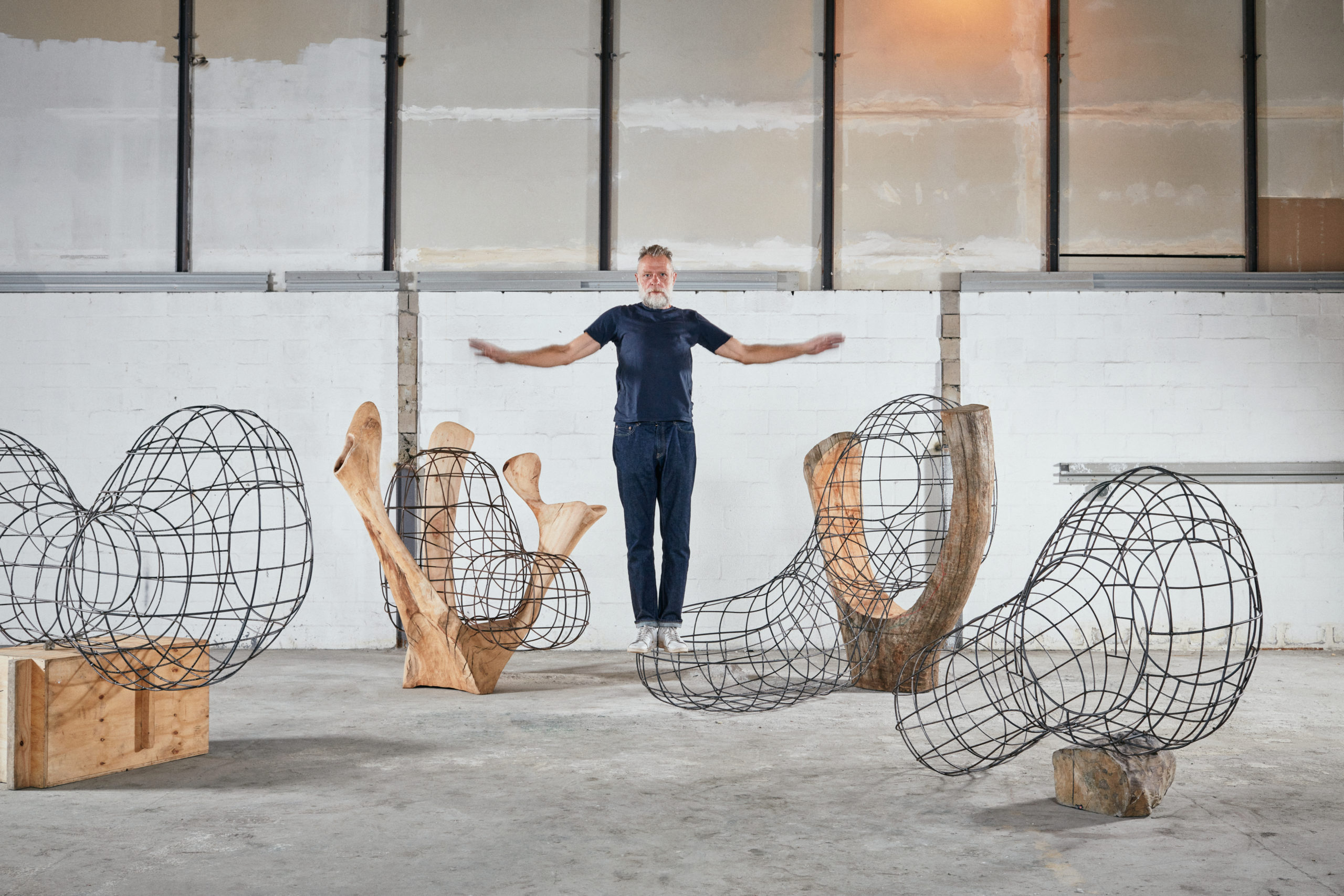
Porky Hefer’s work exists as a bridge between the natural world and us humans – our need for design, and incisive penchant for biomimicry. There is perhaps no more a truthful or practical, or regal and hilarious, reference than that offered to us by nature; even in our bricked homes and concrete city-scapes; we are always seeking out the seedling that’s erupting through the pavement cracks. Porky has built his entire reality around this; himself, an antenna for receiving codes and caveats from the natural world. I’m not sure if it’s intentional or that for Porky, it’s the only authentic way to create the way he does; that is, to reflect natural phenomena in startling designs such as his ever-evolving Weaver’s Nest chairs and pods, and to do so through mostly hand-made methods and using indigenous materials. It is this simplistic honesty in Porky’s work – to reference and mimic nature and to do so compassionately towards nature – that sets the designer apart in a very serious, contemporary design landscape. I feel, when looking at his work, the inner-child leaps out of me; that little kid who still dreams of living in a tree-house. This evocative ability, among Porky’s technical and creative brilliance, marks a genius. 

On the back of a very busy art week, and his fourth solo exhibition at Southern Guild Gallery, we asked Porky a few questions.

Porky Hefer, Chaos Calamus, 2023. Cr. Hayden Phipps, S Guild.

Your shift from being an acclaimed creative director to a designer is incredible – in reflection, how did your former career initiate the artist that you are today?

Advertising is/was an incredible industry. It’s very tough; crazy deadlines, late hours and very, very, competitive. I definitely met the most creative and talented people I have ever encountered. People like John Hunt and many others taught me everything and how to implement it, and it really affected the way that I think and approach problems. Mainly, it taught me how to think quickly and to vary my thinking process over and over, rather than approaching problems in the same way every time. I learnt how to create concepts with a past and a future, and that had a life, rather than just a moment or an object. I learnt about being strategic and understanding a market or demographic. I learnt how to sell. I learnt about craft and making things the best they can possibly be, rather than just simply making it. I learnt about being prepared and having your shit together. I learnt how to drink tequila until 4am and be at work at 6am. I learnt about working together with the best. I learnt about cooperation. I learnt to say no. I learnt how to delegate. I learnt how to disrupt. I learnt about competition and how to be competitive. I learnt to be not just good, but great.


Nature is your most critical reference – how do you consider the natural world throughout your process?

I stare at the small things that most people would walk past. I find nature fascinating and incredible – it constantly blows my mind. The small things’ habits, their societies, their beauty, their intelligence, their resilience, their strength, their love, their innocence. It is endless. Their inspiration is never-ending. In truth, I love animals more than humans.


The playful, tongue-in-cheek energy in your work sets you apart from the often-austere contemporary design language of today. Can you talk about having a sense of humour in your work?

I find humour the most important aspect of my work. I try to design my pieces so they will elicit a smile, a laugh, or a wow from the viewer or user. I always attempt to shift the state of mind or body into a happier state. Quite often, my pieces make people feel like a child again, and that’s a powerful thing. In fact, very often, children are my biggest fans: they love my work. More often than not, my work has a message I am trying to convey – I find it easier to win someone over if you start off on a positive note rather than trying to shock someone into opening up their mind.

Porky Hefer, Chaos Calamus, 2023. Cr. Hayden Phipps, S Guild.

Your latest solo exhibition, Volume 4. Chaos Calamus – Interspecies Reciprocal Altruism, is a study on the magnificence and essentiality of the microbial world. Could you offer any thoughts on how the microscopic revealed itself to you, leading to this body of work?

I once read that early sci-fi writers, because of the fact that they had zero information about the universe, planets, or even the moon, had to rely on their own imaginations for source material for inventing their new worlds. Some would study nature, such as insect colonies and behaviour for their inspiration, and some went a bit deeper into the microscopic communities – and that’s what I decided to do: to delve into these microscopic worlds to see what I could find.

The first image of an amoeba was produced by August Johann Rösel von Rosenhof in 1755, who named his discovery “the little Proteus”, after Proteus, the shape-shifting sea-god of Greek mythology. The amoeba is the ultimate shape-shifter and can change its form at will simply by changing the state of its outer-walls and the fluids in its body. It extends in a desired direction by creating extensions called pseudopods, or false feet. These finger-like shapes balloon outwards, pulling the rear of its cell forward. They are adapting their shape constantly, evolving according to the immediate context or environment they find themselves in. This absolutely blew my mind. it’s the ultimate sci-fi creature.

The show starts with a round simplistic form which is typical of my first nests. But as we see the other pieces in the show, they start growing pseudopods and oozing off in different directions for different reasons. I wanted to evolve my shapes and forms, and oozing them out seemed the natural way to go. Cyclosis and Sol-Gel are first stages of the shape shift and these extensions provide space for you to slip your feet into. 

In Pseudopodium, the extension has oozed down onto the floor, creating a seating area to accommodate another occupant. Binary Fission is the point when a cell divides into two – this piece is the moment just before splitting, creating two ends where people can sit facing each other, feet touching.

Porky Hefer, Portait, 2022. Cr. Hayden Phipps, SGuild.

Volume 4. Chaos Calamus – Interspecies Reciprocal Altruism is on at Southern Guild until 1 April 2023.

Image credit: courtesy of Hayden Phipps/Southern Guild

Written by: Holly Beaton

For more news, visit the Connect Everything Collective homepage www.ceconline.co.za
Vans Enters the World of Collina Strada with their anticipated collaboration

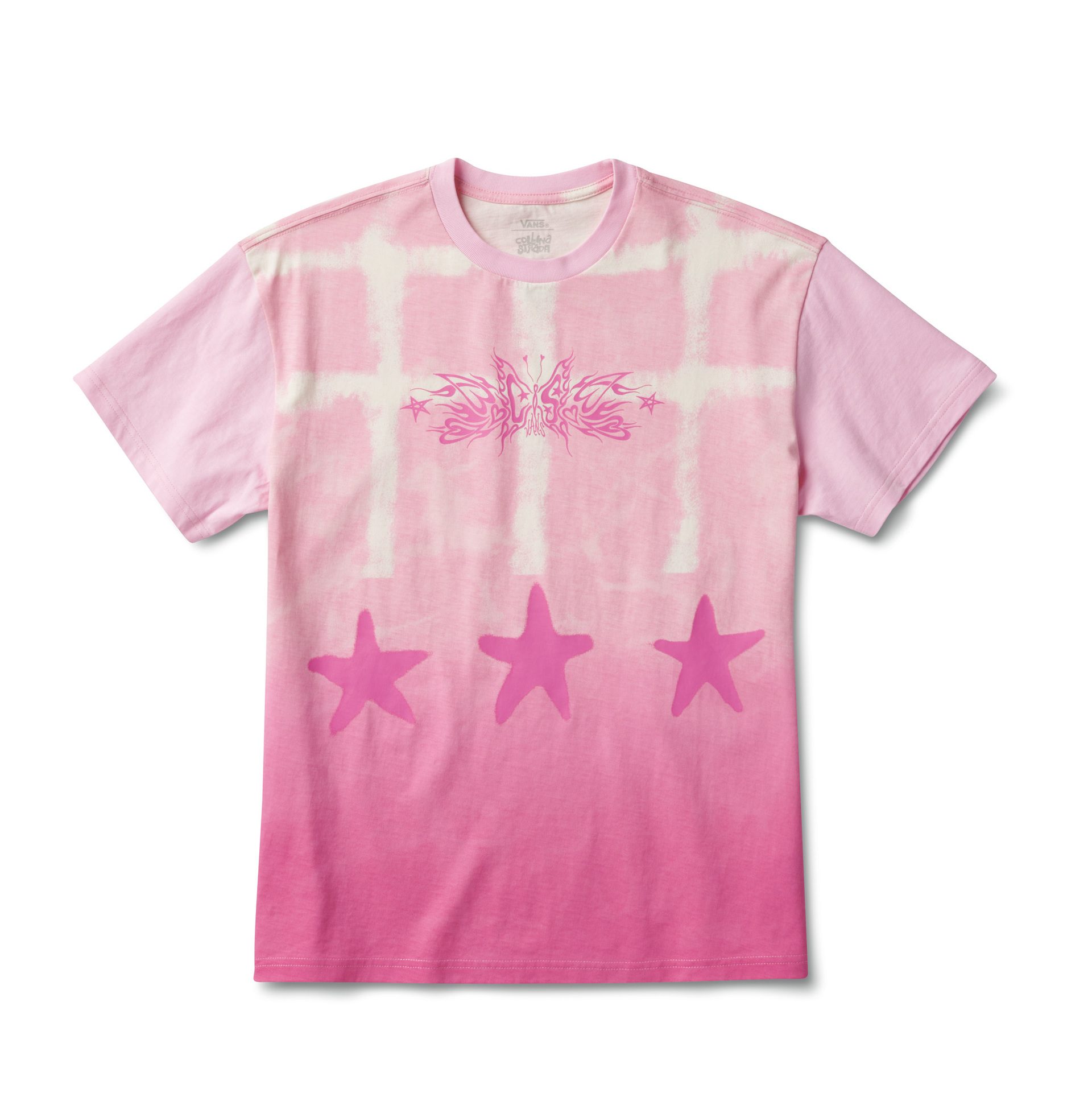
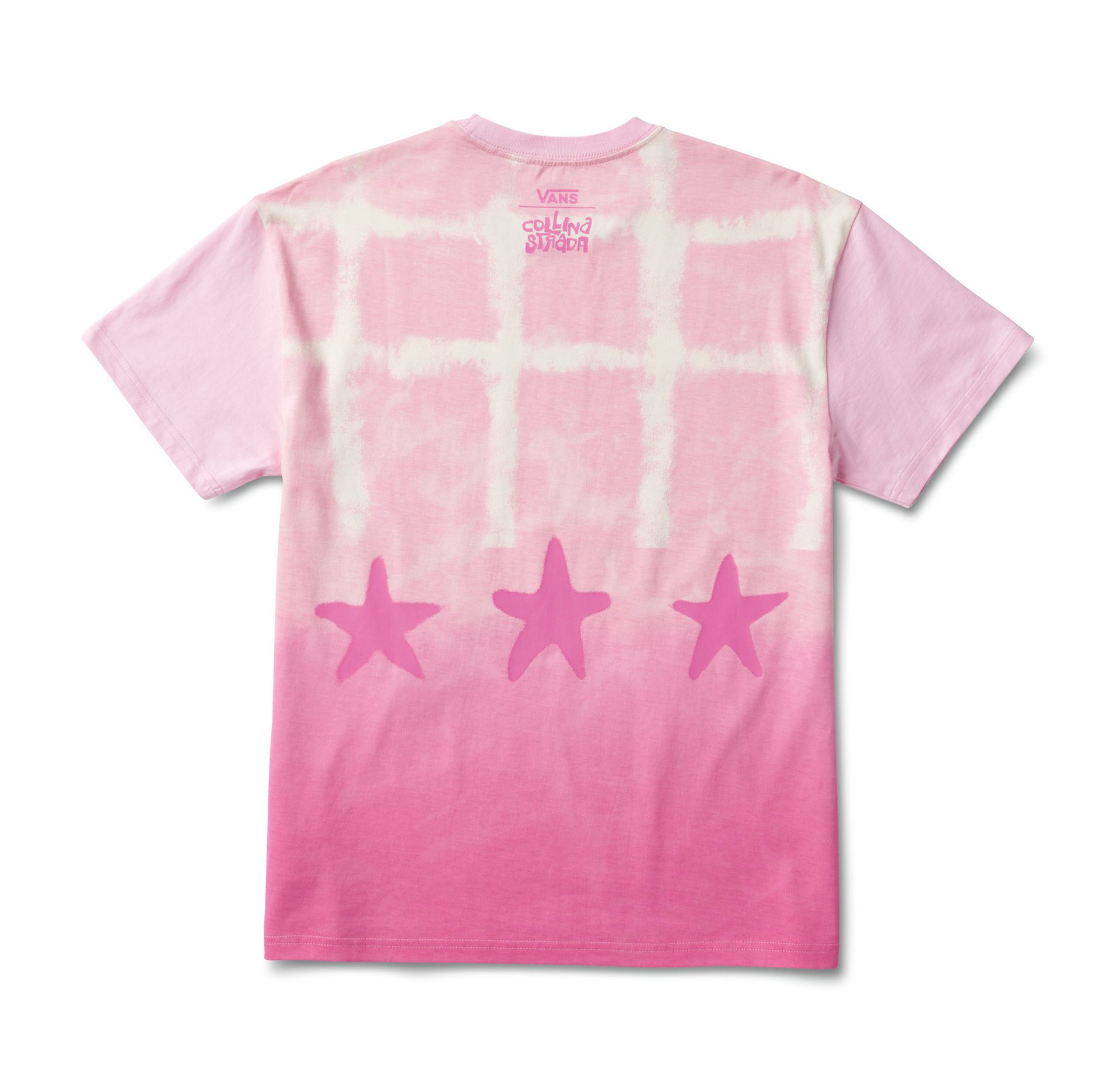
Vans, the original skateboarding footwear brand and icon of creative exploration, is proud to partner with Collina Strada, the New York-based fashion label committed to authenticity and inclusivity, for a collection of footwear, apparel and accessories for the Spring 2023 season. 

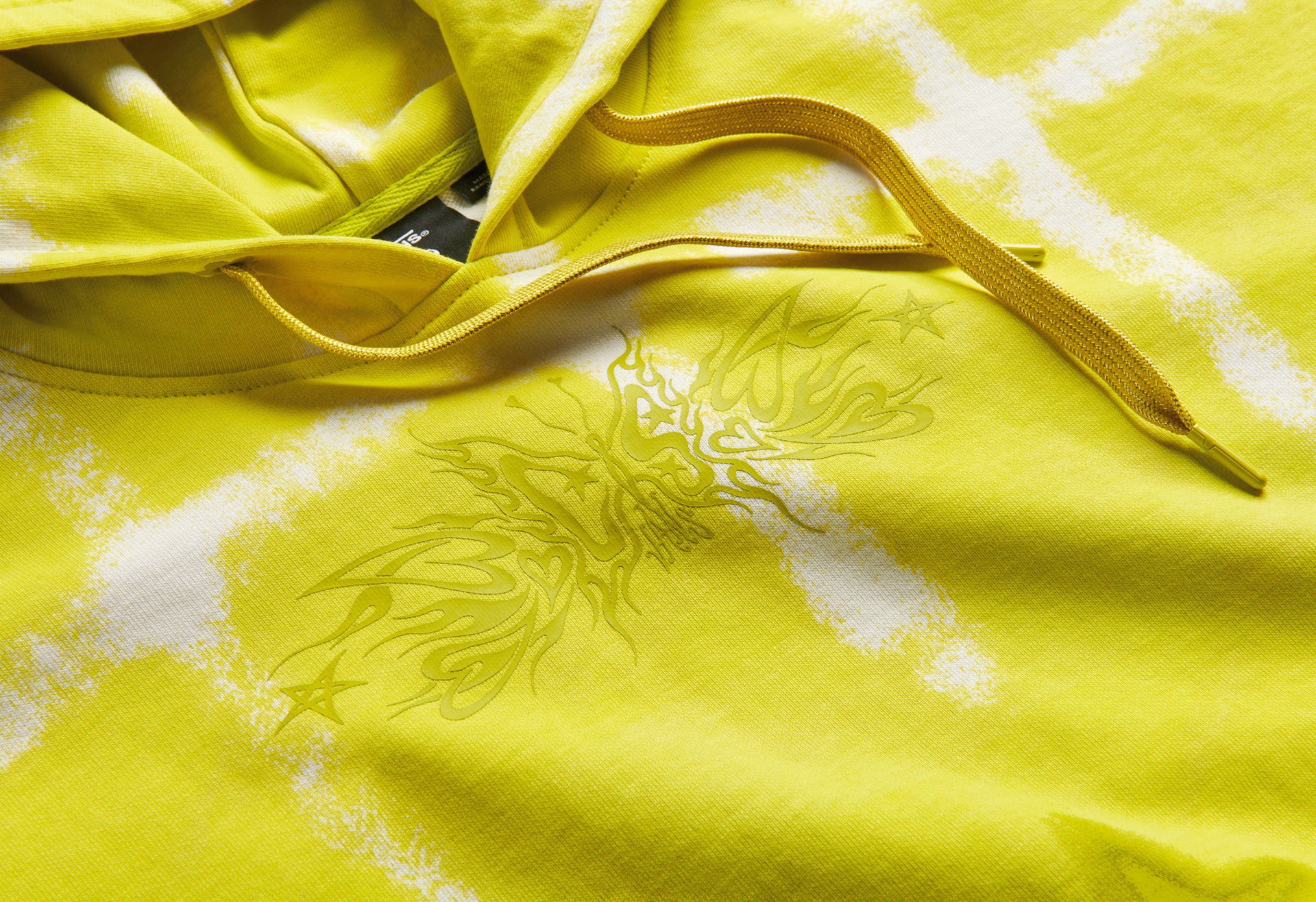
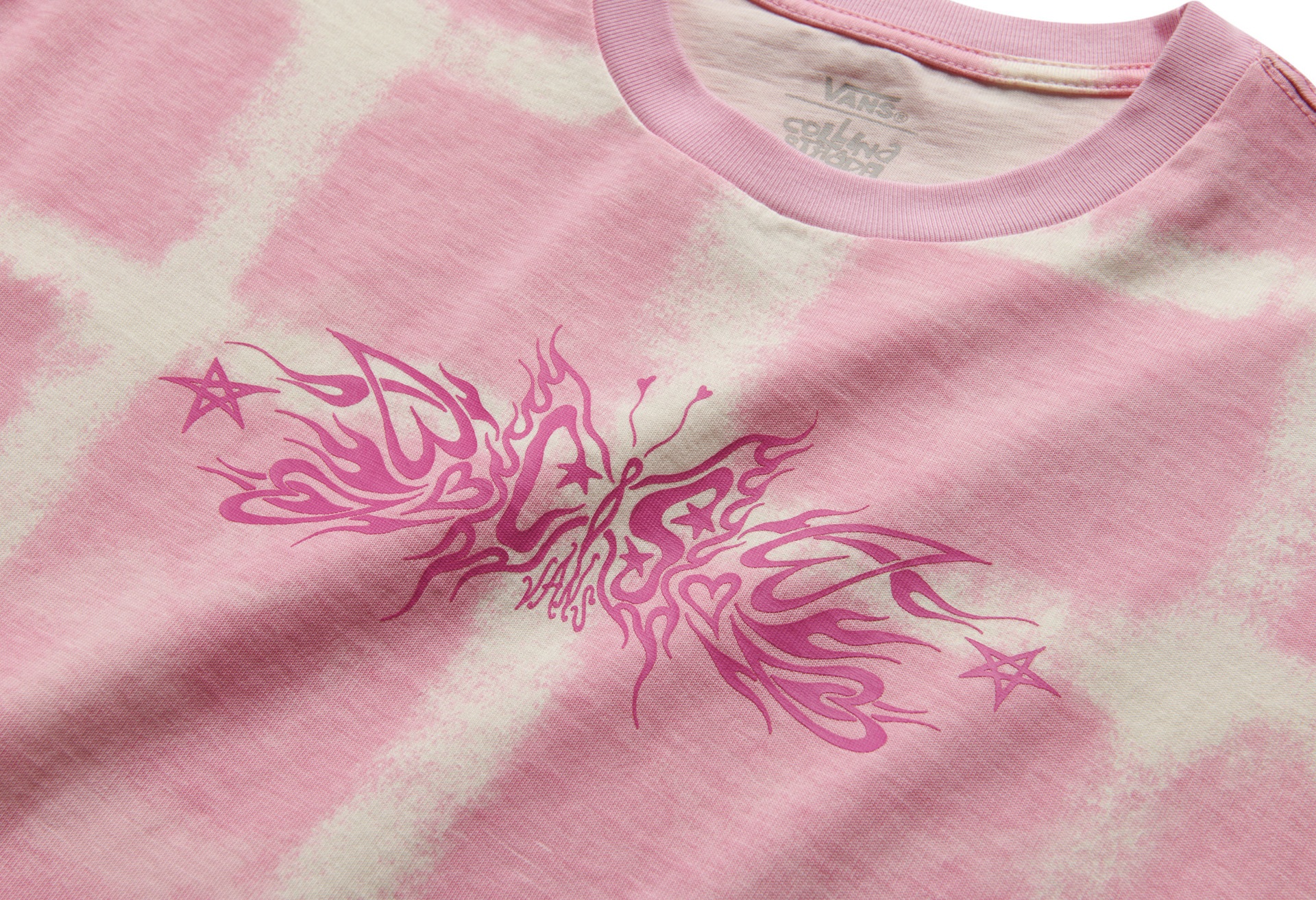
The collection reflects Collina Strada’s core ethos of playful expression and each piece is designed to highlight individuality and champion positivity. Core motifs of the Collina Strada world, including butterflies, freehand drawings, and psychedelic metallics permeate the collection, allowing standout wear across an array of styles. “I grew up in Southern California and I’ve been wearing Vans my whole life,” says Hillary Taymour, Creative Director and Founder of Collina Strada. “I wore Slip-Ons skateboarding on the pier and to the barn before putting on my boots, so it is such an honor to get to create a collection with the brand.”

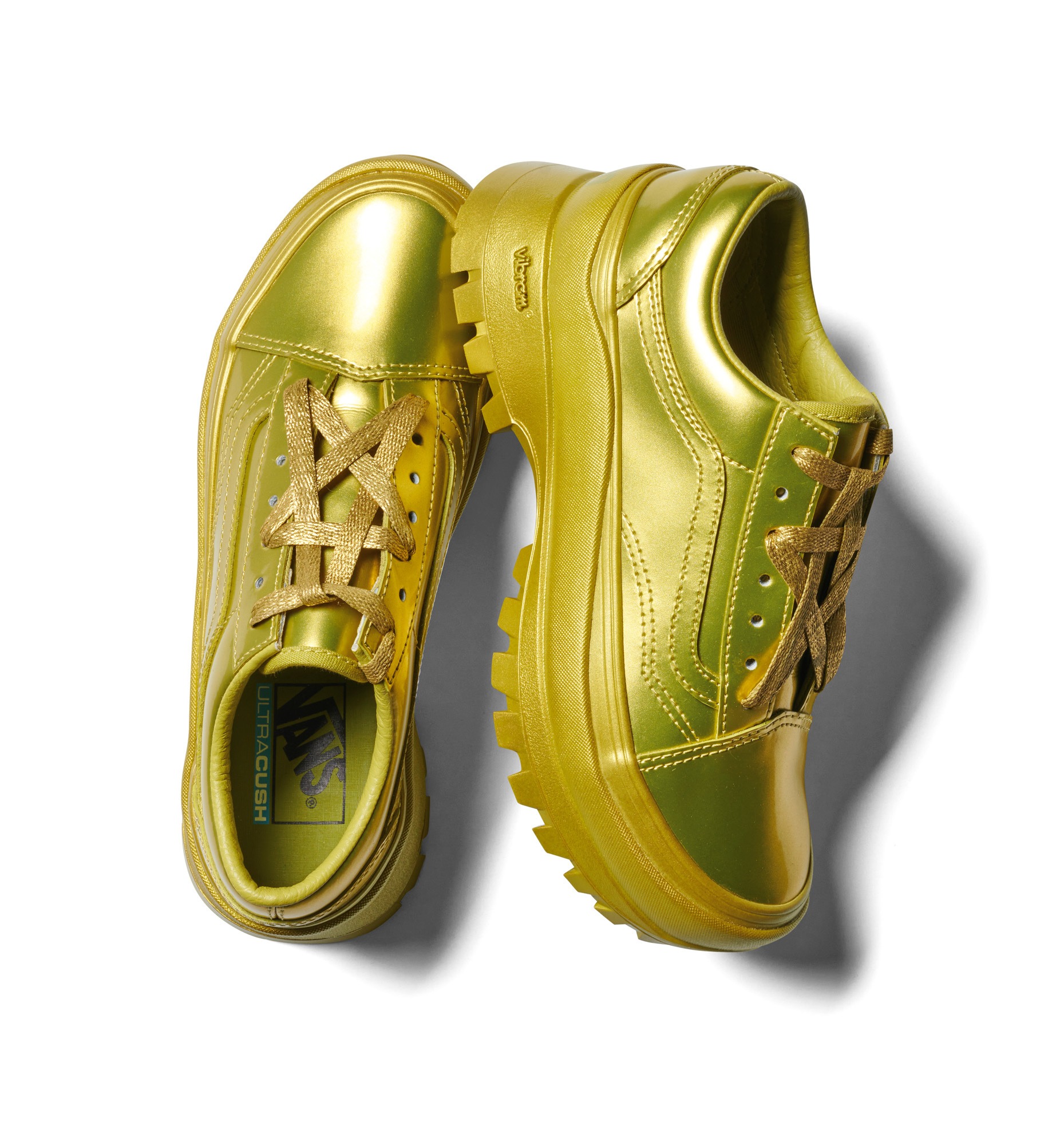
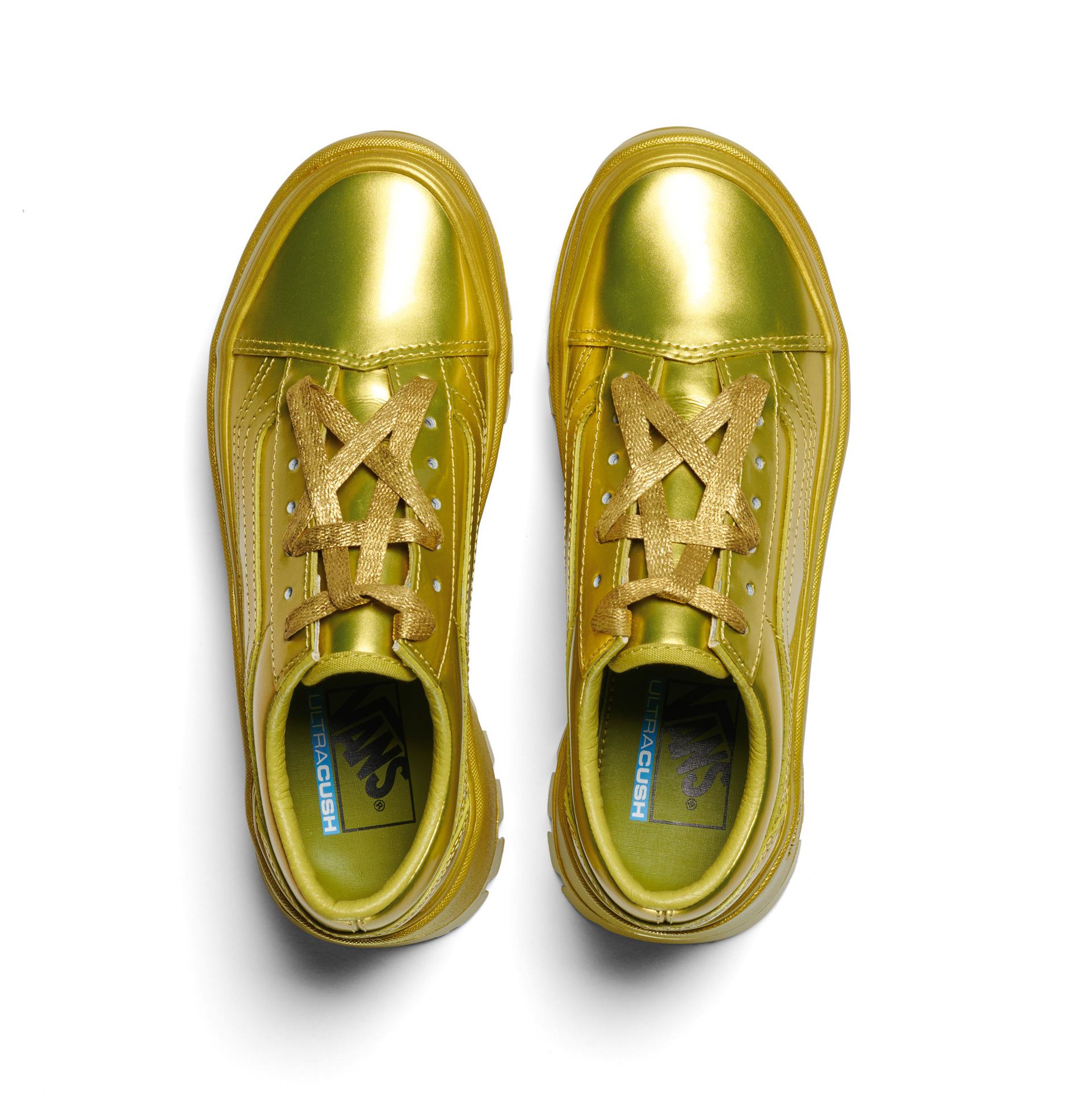
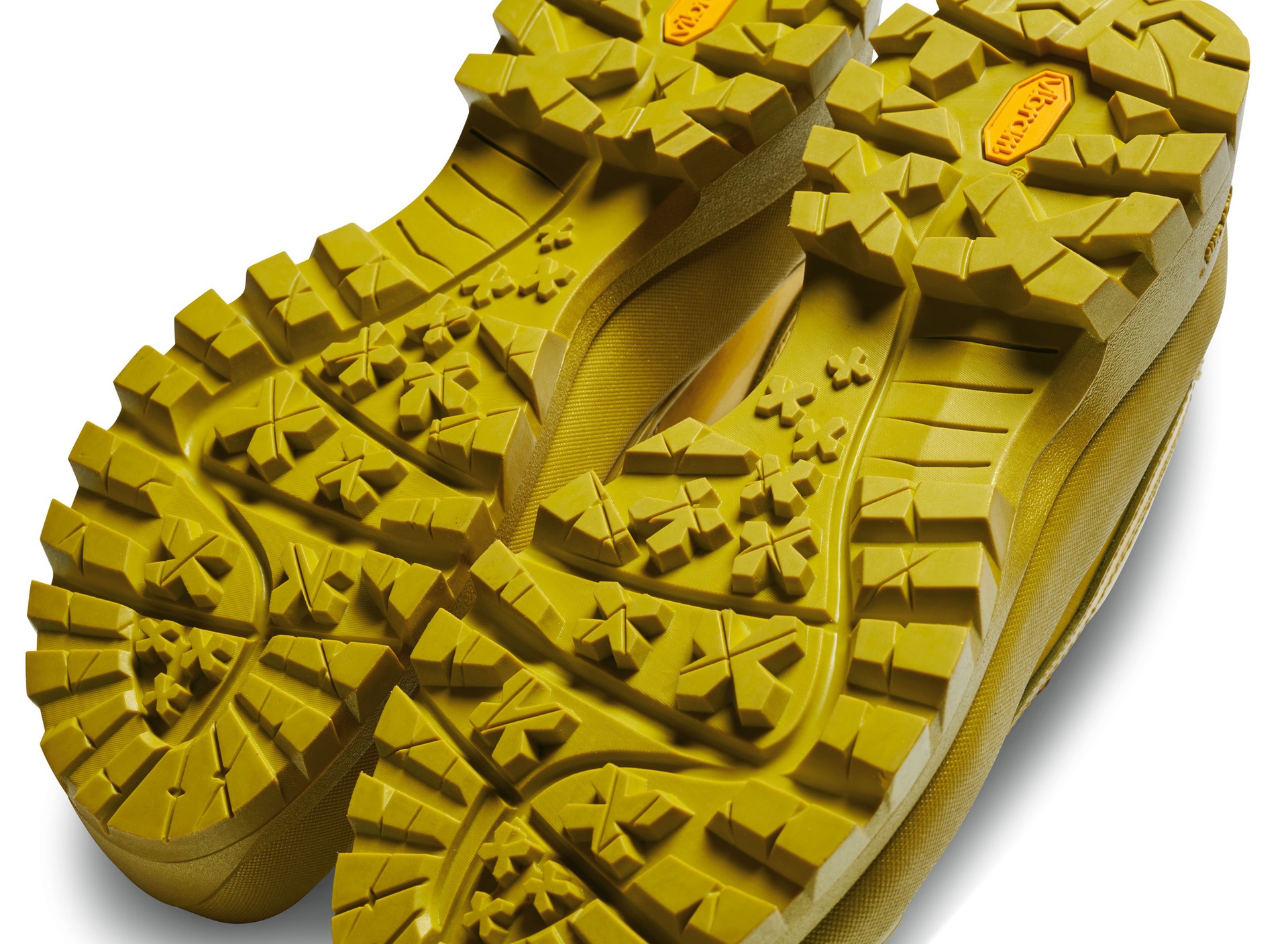
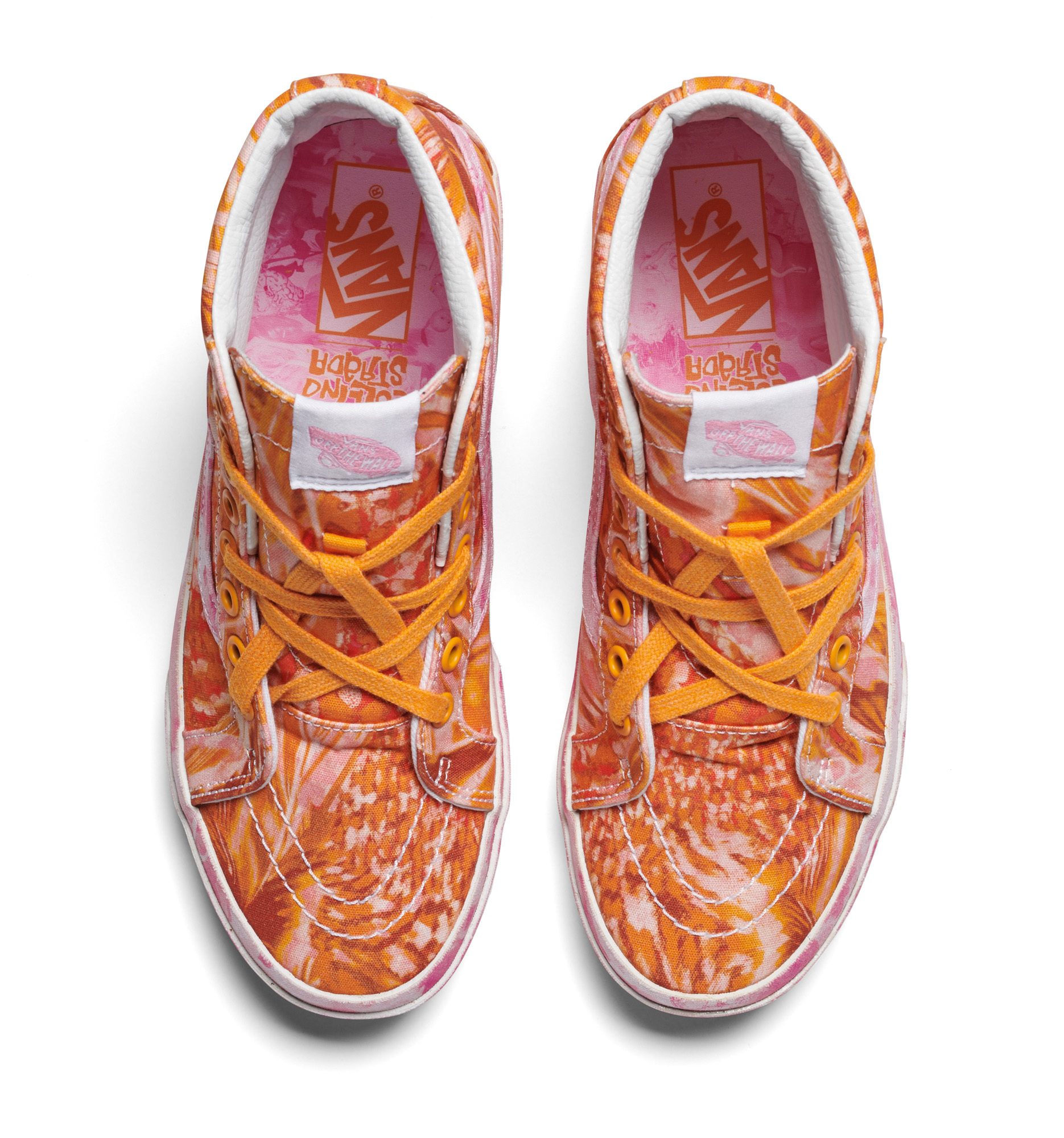
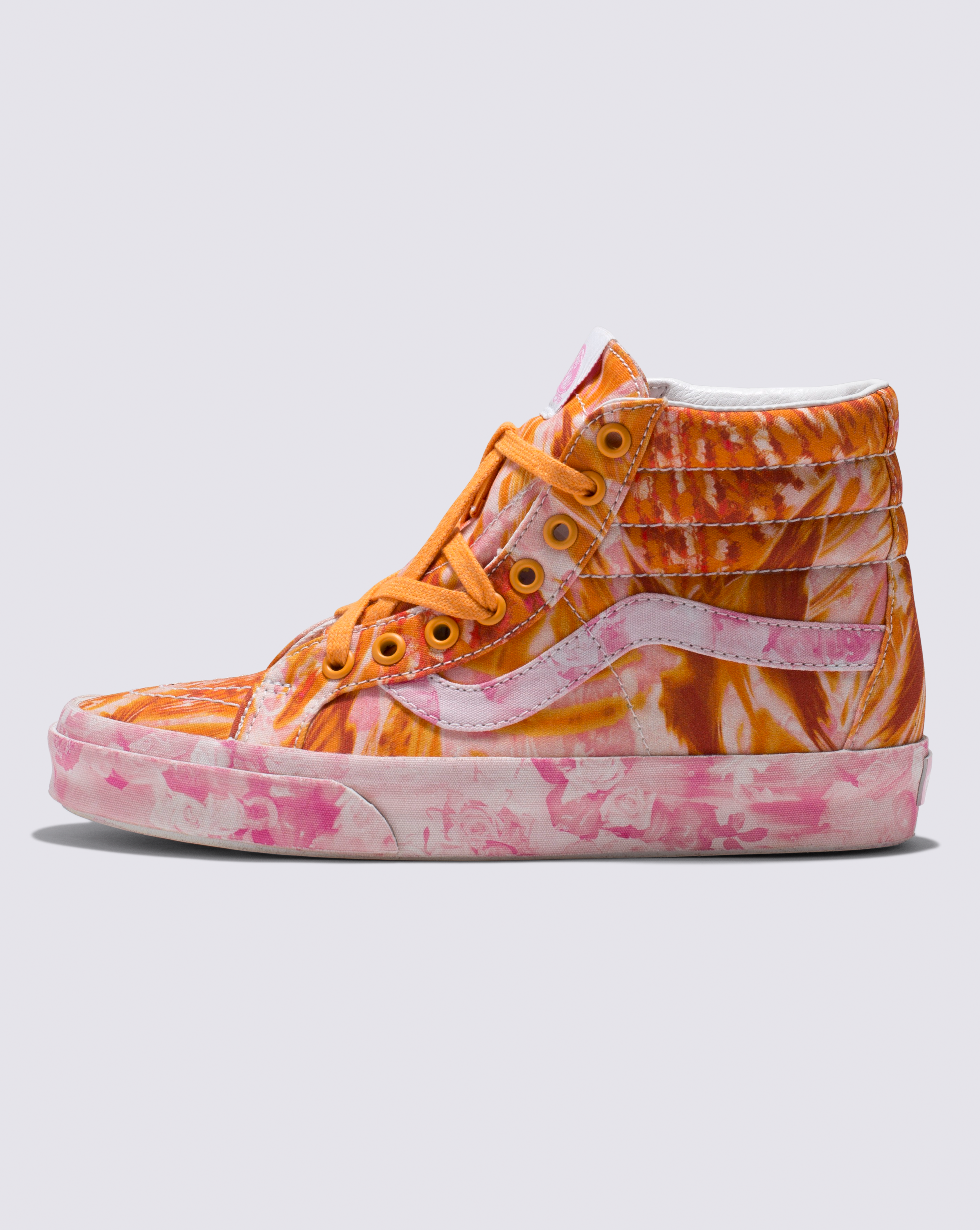
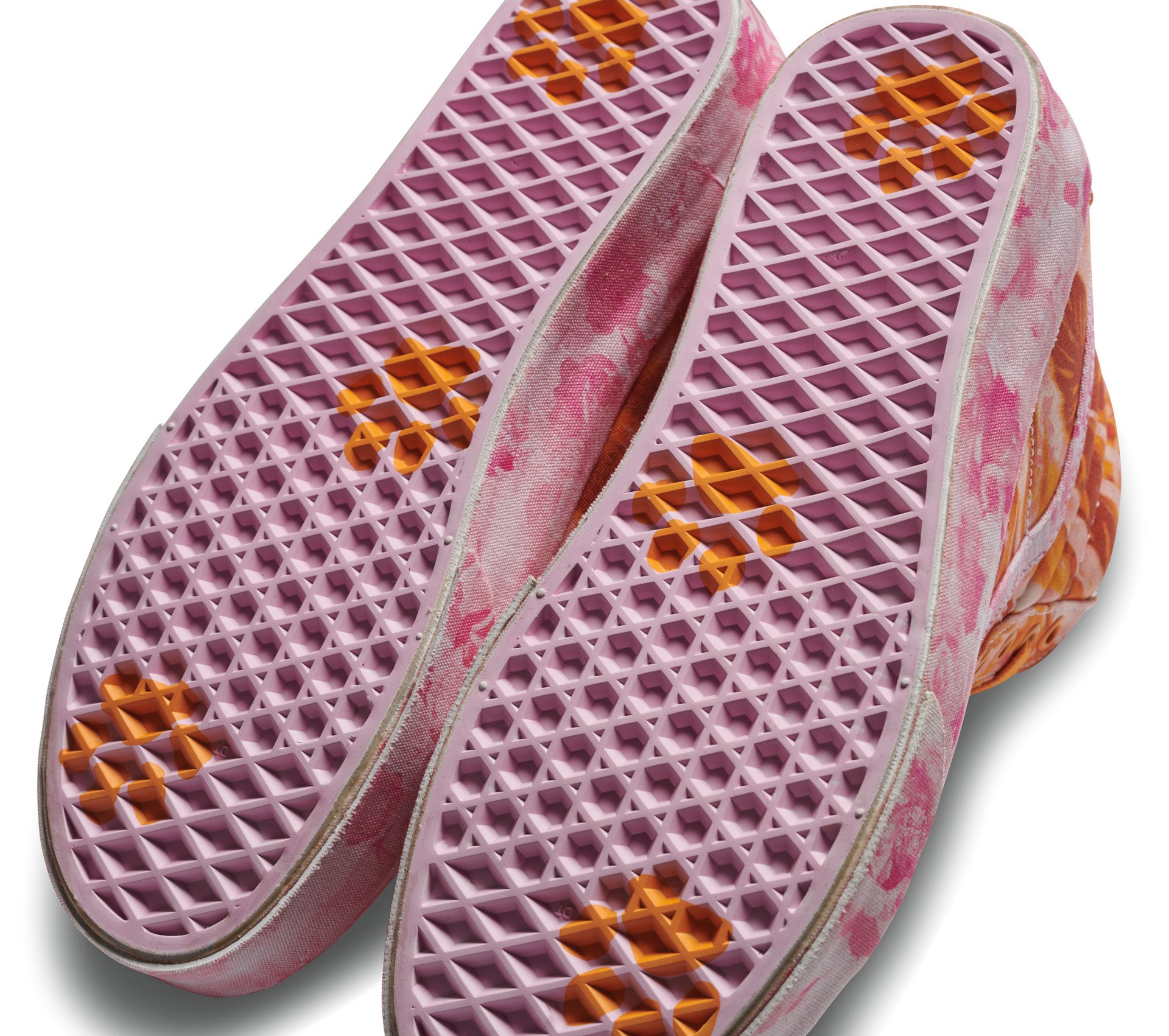
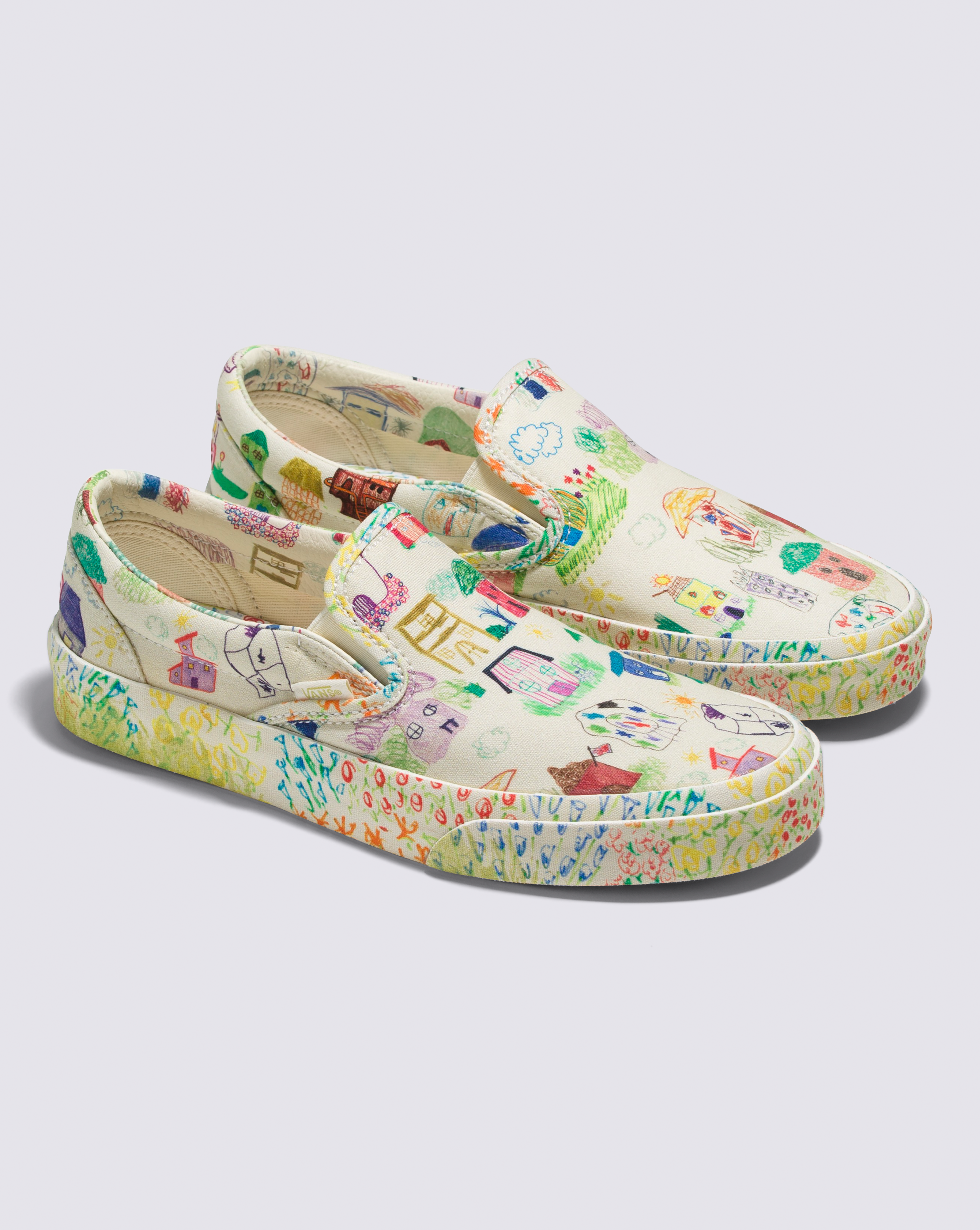
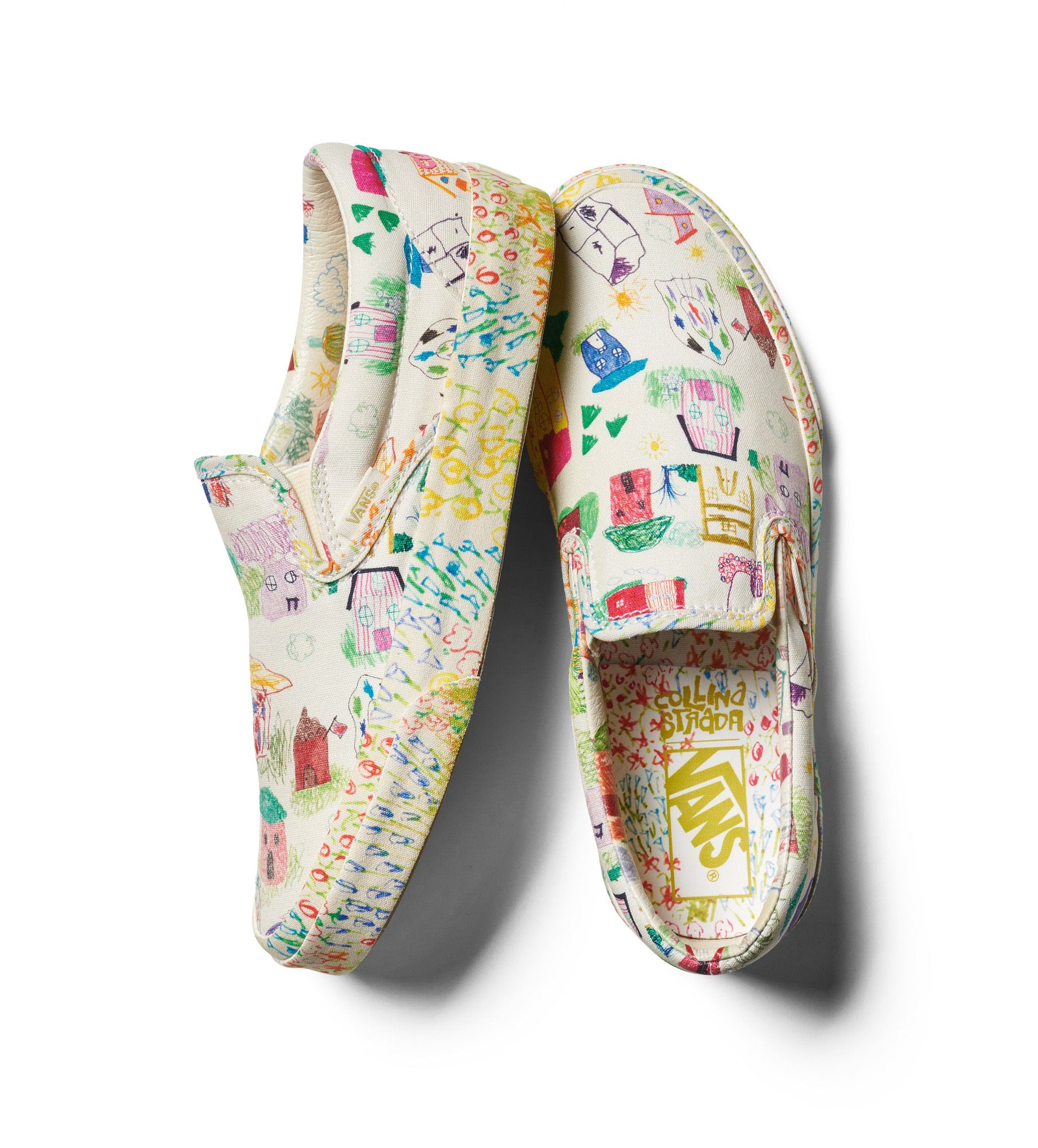
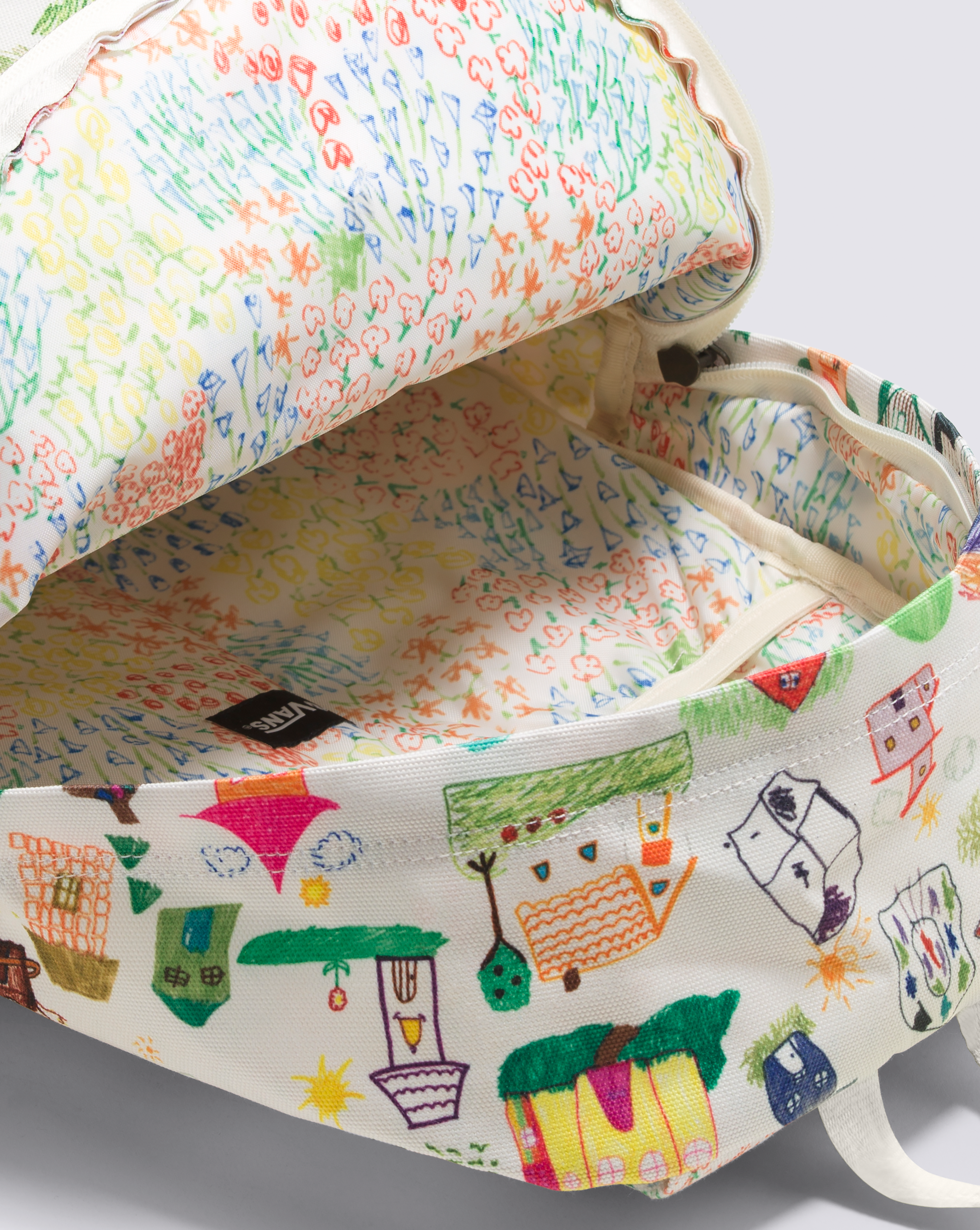
The Sk8-Hi 38 DX leads the footwear collection, featuring a warped butterfly printed upper, cherub floral sidewall screenprint and Collina Strada branded heels. Additional footwear styles include the Classic Slip-On 98 DX in all over hand-drawn artwork depicting fields of flowers on the outsole and an idyllic neighbourhood scene across the canvas upper – Taymour invited collaborators and visitors in the Collina Strada studio to draw their dream home, and the resulting neighbourhood became the print for the collection. The bold Old Skool Vibram DX anchors the footwear offering with an update to the Classic silhouette complete with an outsized Vibram outsole in metallic Citronelle.

Old Skool Vibram DX COLLINA STRADA CITRONELLE
SK8 Hi DX COLLINA STRADA MULTI
Classic Slip On DX COLLINA STRADA MULTI
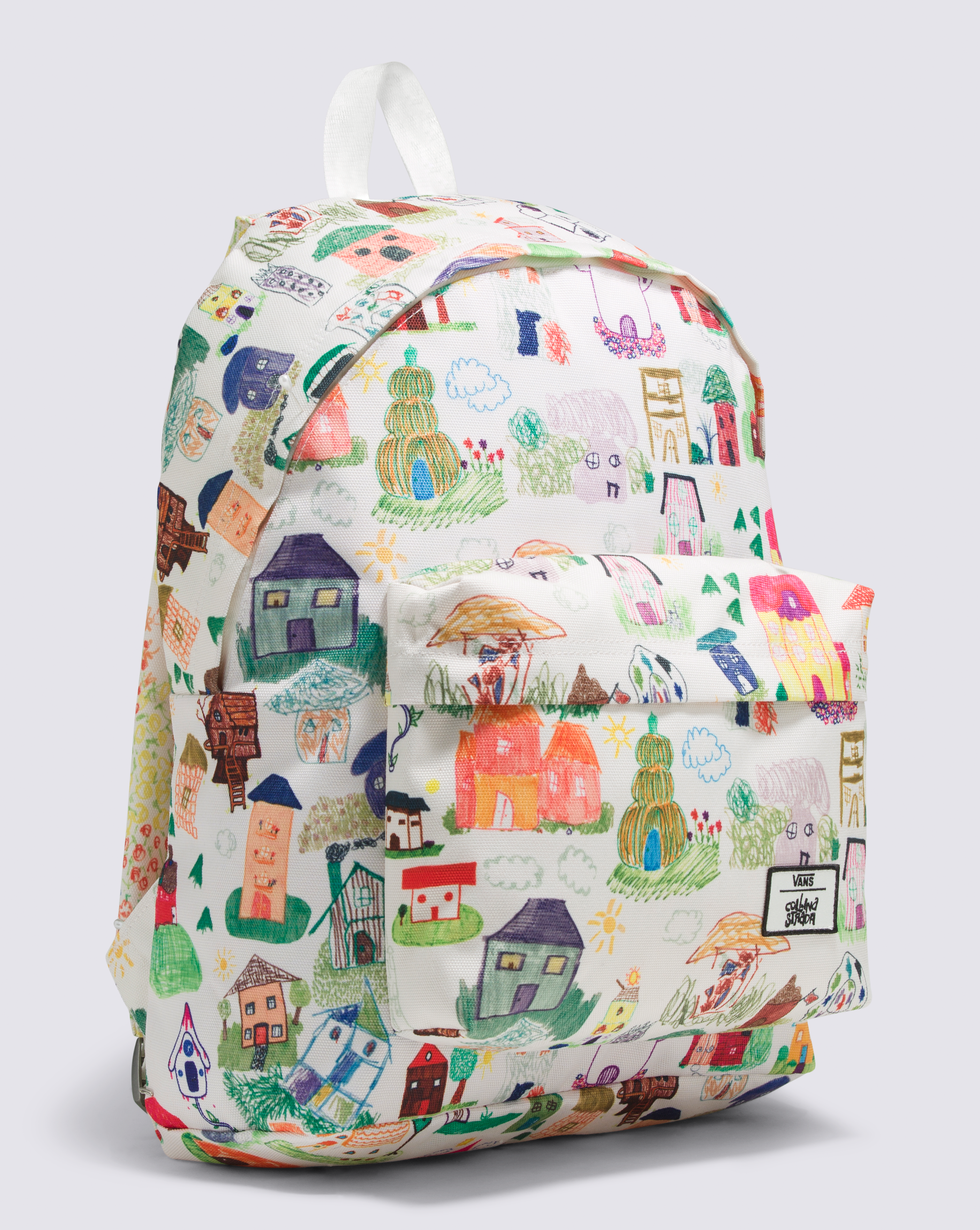
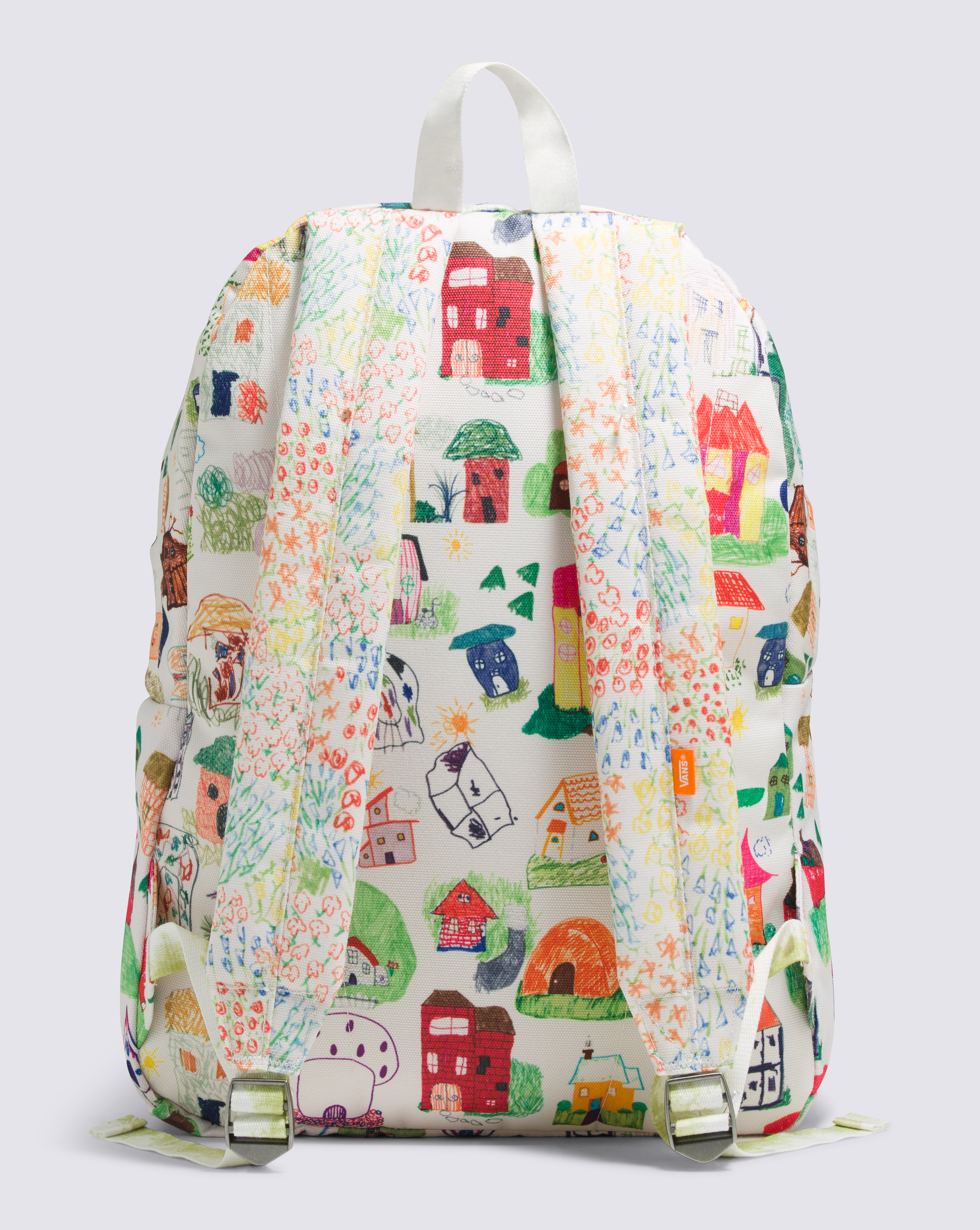
COLLINA STRADA BACKPACK ANTIQUE WHITE
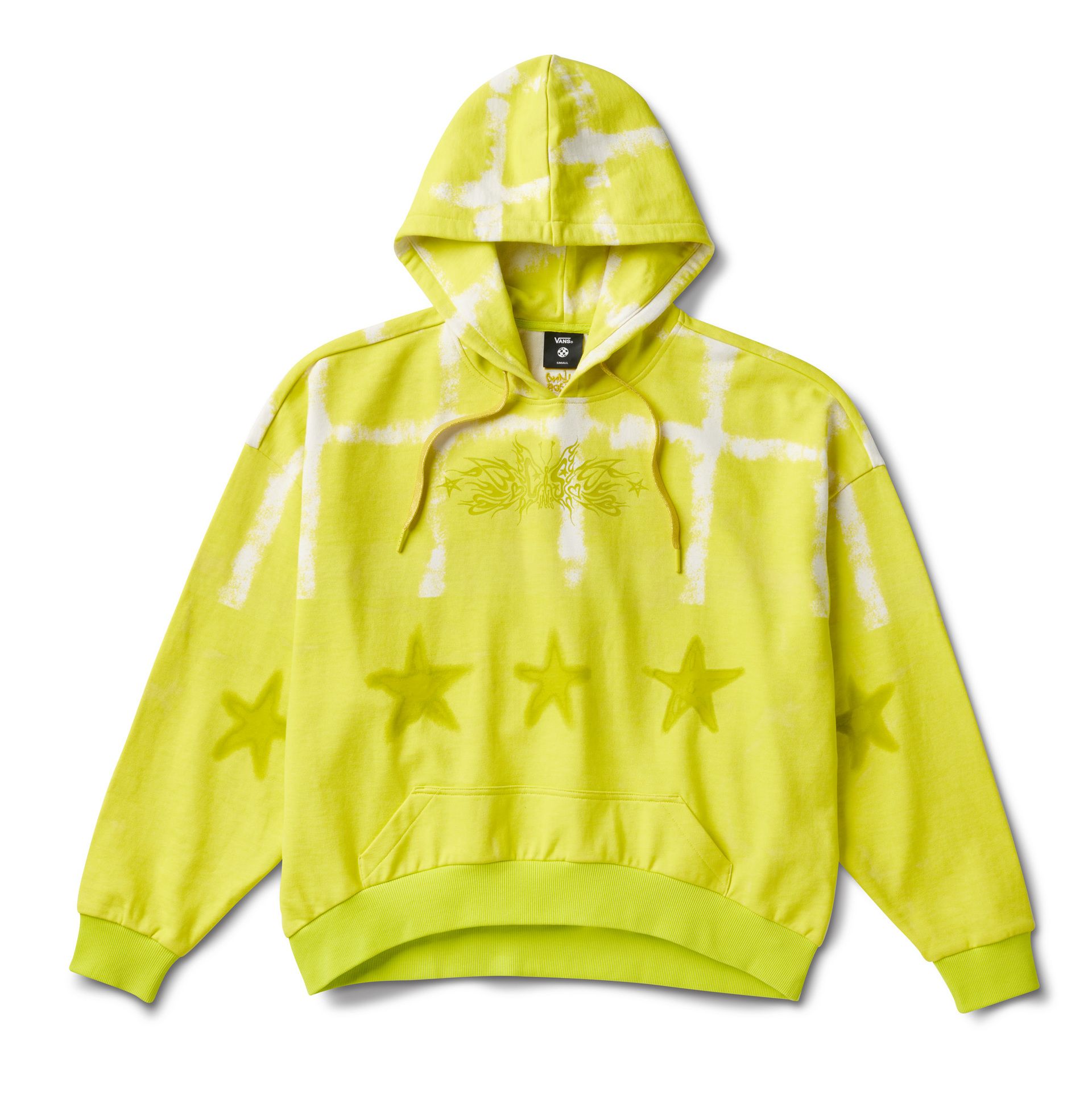
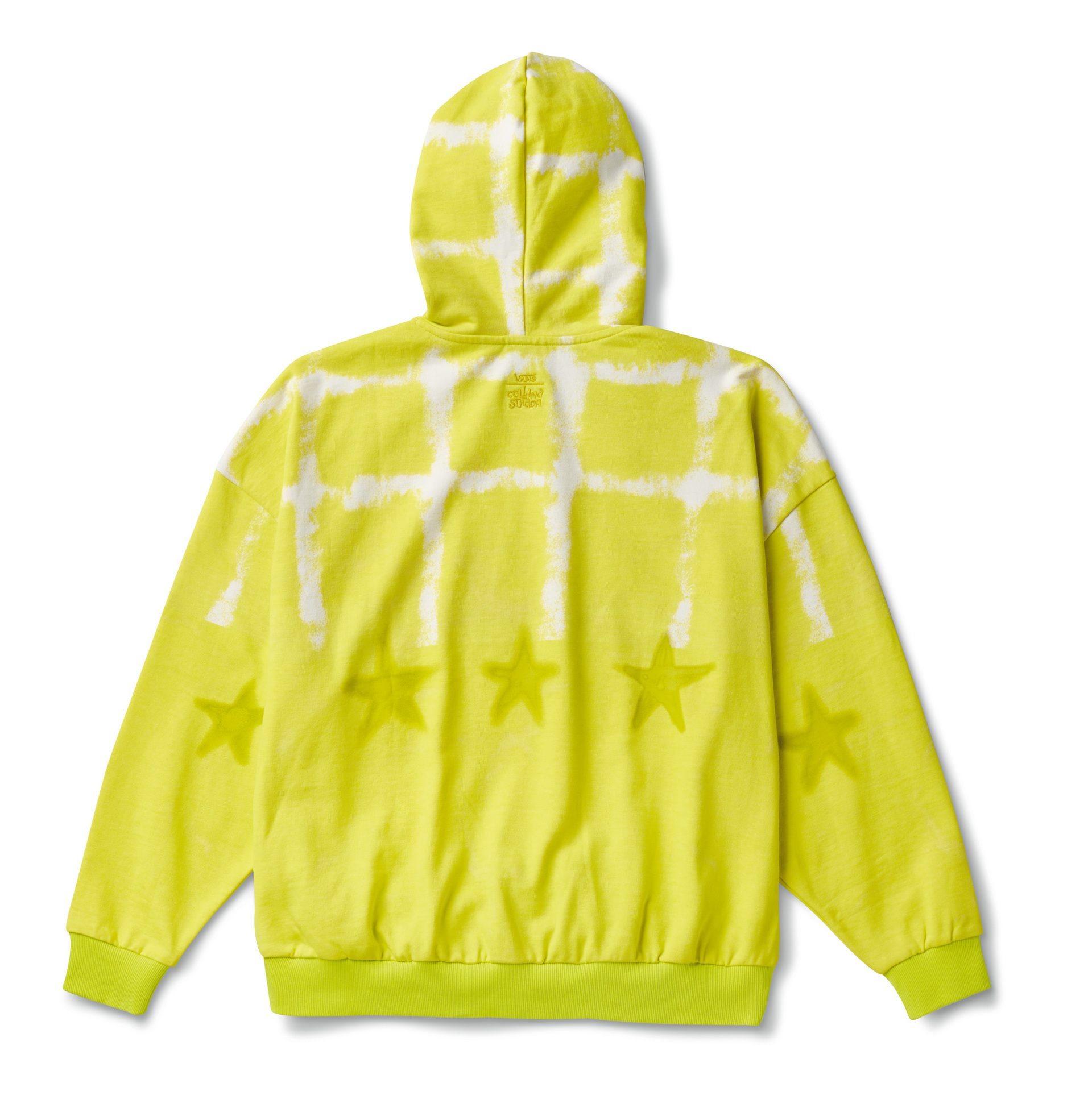
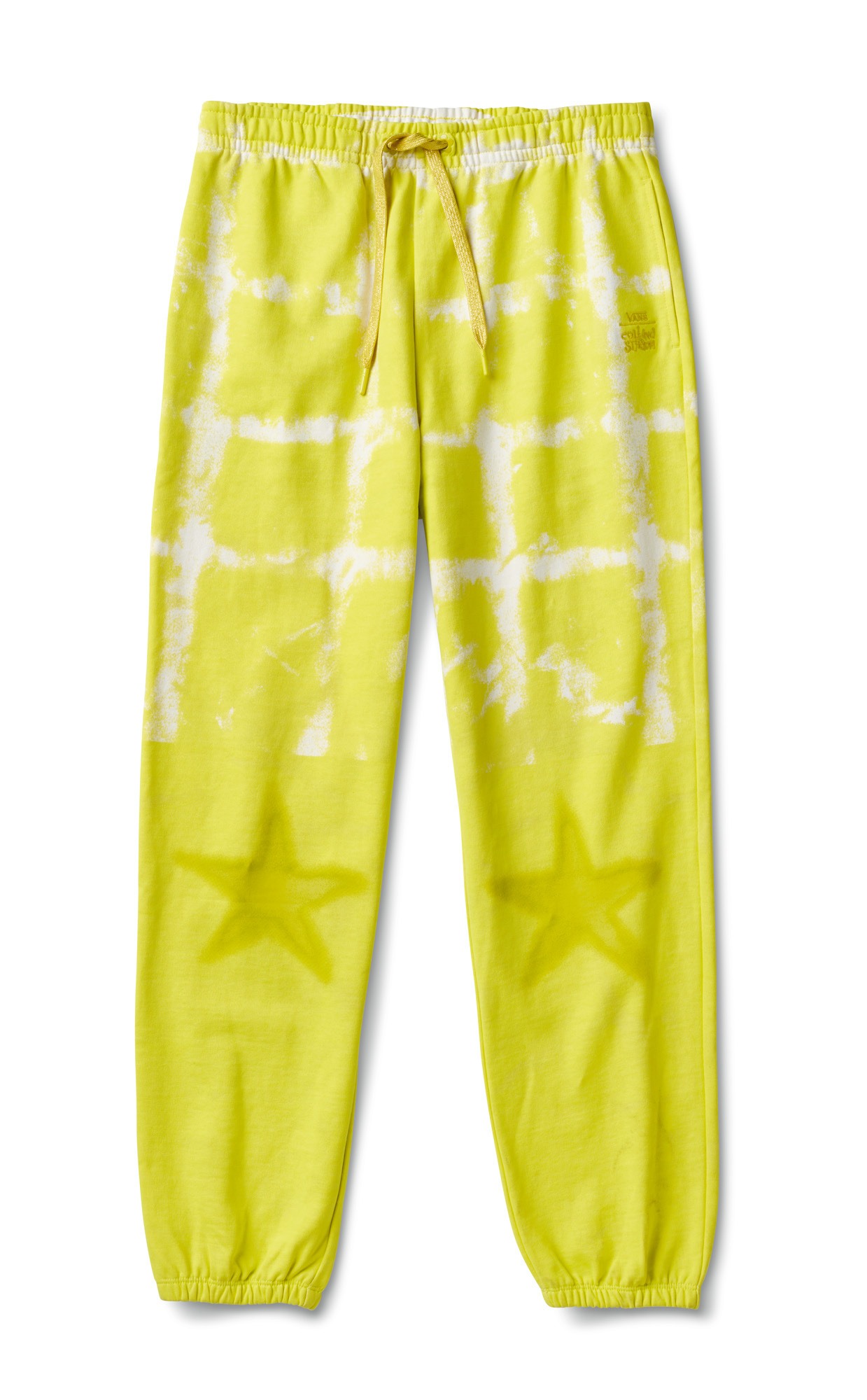
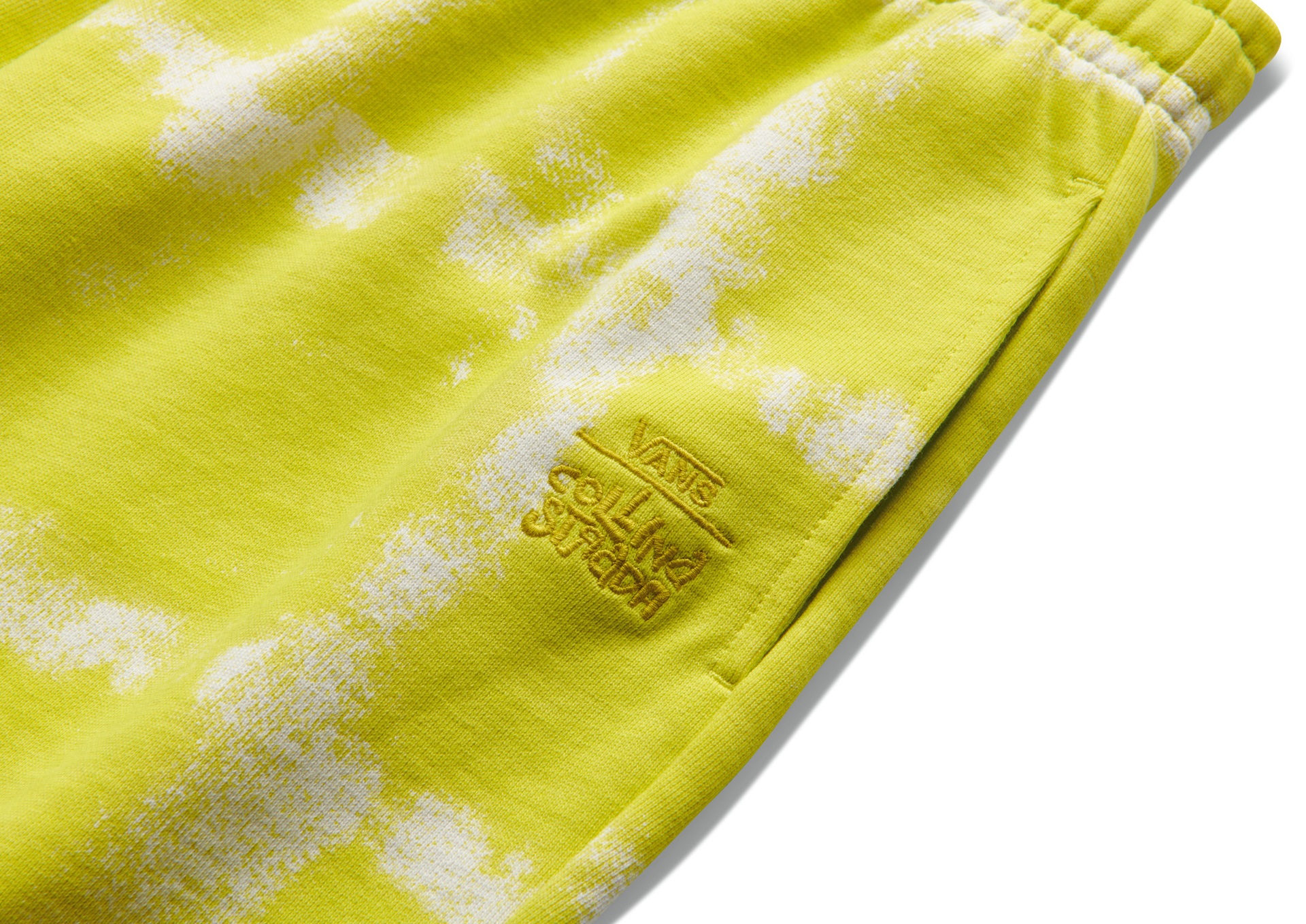
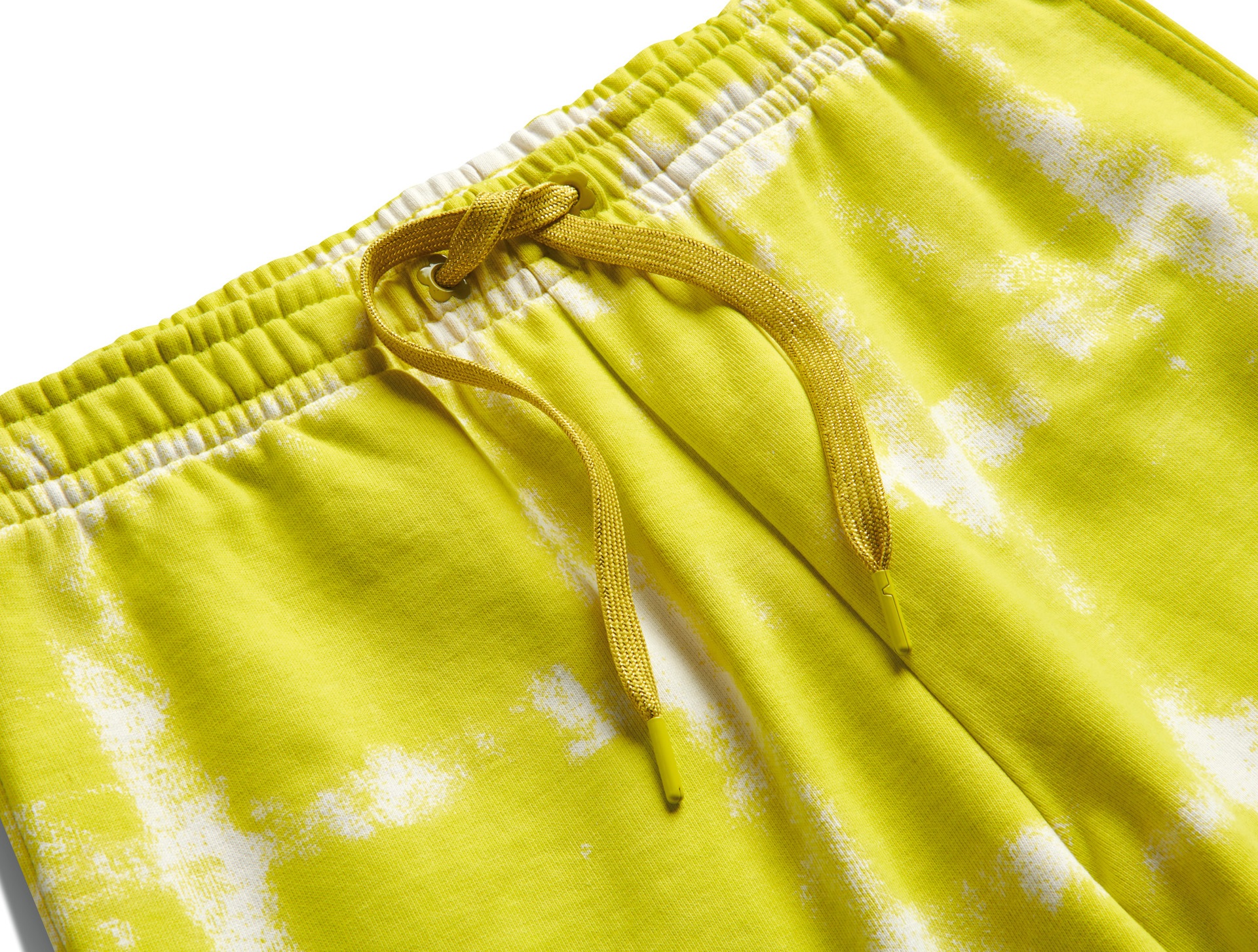
The imagination of Vans x Collina Strada extends through the accompanying apparel range, led by the matching set of the Collina Strada Hoodie and Sweatpant in Sulphur Spring, cut from overdyed organic French Terry and featuring curved hems and floral eyelets. A woven shirt, tee, and an all-over doodled backpack in Antique White caps off the collection.

Vans x Collina Strada debuted at New York Fashion Week as part of the designer’s Fall/Winter 2023 runway show on February 10, where models and front row guests wore pieces from the collection.

The Vans x Collina Strada collection is now available at Vans.co.za and select Vans retail stores.

COLLINA STRADA HOODIE SULPHUR SPRING
COLLINA STRADA SWEATPANT SULPHUR SPRING COLLINA STRADA TEE SWEET LILAC
Vans, “Off The Wall” Since ’66 
vans.co.za/surf
facebook.com/VansSouthAfrica/
Instagram.com/vans_za
youtube.com/vans
Follow Vans on Spotify Here


For more news, visit the Connect Everything Collective homepage www.ceconline.co.za

H&M announce Mugler as their latest luxury collaborator

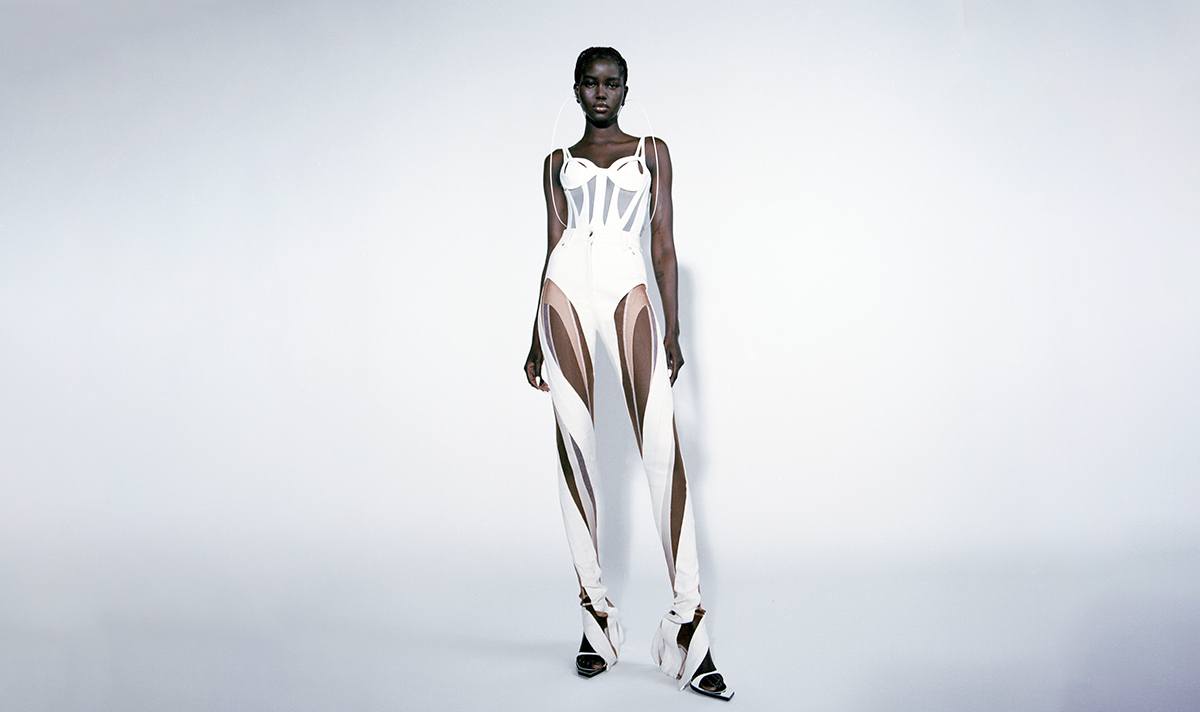
Behemothic Swedish retailer H&M has a long history of collaborations with designers ranging from Maison Martin Margiela to Kenzo, Commes de Garçon and Simone Roche. Tatler Asia provides a fantastic review here of the top 10 collaborations in the last two decades. As announced this weekend; the latest alumni of a luxury and fast-fashion hybrid welcomes the house of Mugler, as led by Casey Cadwallader – one of fashion’s current darlings touting sexiness as essential in womenswear. The house, founded by the late and great Manfred Thierry Mugler, was once a mainstay of intense creative experimentation; for now, its focus is marketability, and in this respect – the rotation of bodysuits and leggings symbolic of Cadwallader’s Mugler is perhaps the perfect fit for H&M. As someone said, “isn’t Mugler by H&M just Fashion Nova?’ and to this we say…basically. 

The official press statement by H&M stated, H&M is proud to share that its next designer collaboration will be with the house of Mugler. The Mugler H&M collection, crafted under the direction of Mugler’s creative director Casey Cadwallader, will encapsulate the unique and vibrant spirit of Mugler. H&M’s history of designer collaborations is legendary and pioneering. For nearly two decades, H&M has been democratizing high-fashion by offering global audiences the chance to own special pieces of high-end designer history.” and indicates precisely the vision of H&M’s strategy. By providing brands and designers some sort of direct share in the trickle-down effect of fashion from any place other than just at the top (the runway, to magazine, to fast-fashion rack purchasable by the cycling and copying of designs) – this enticing opportunity is dressed as an altruistic motivation for all of us to partake directly in the glory too, so we too can purchase Mugler. Kind of. We will have to wait and see.

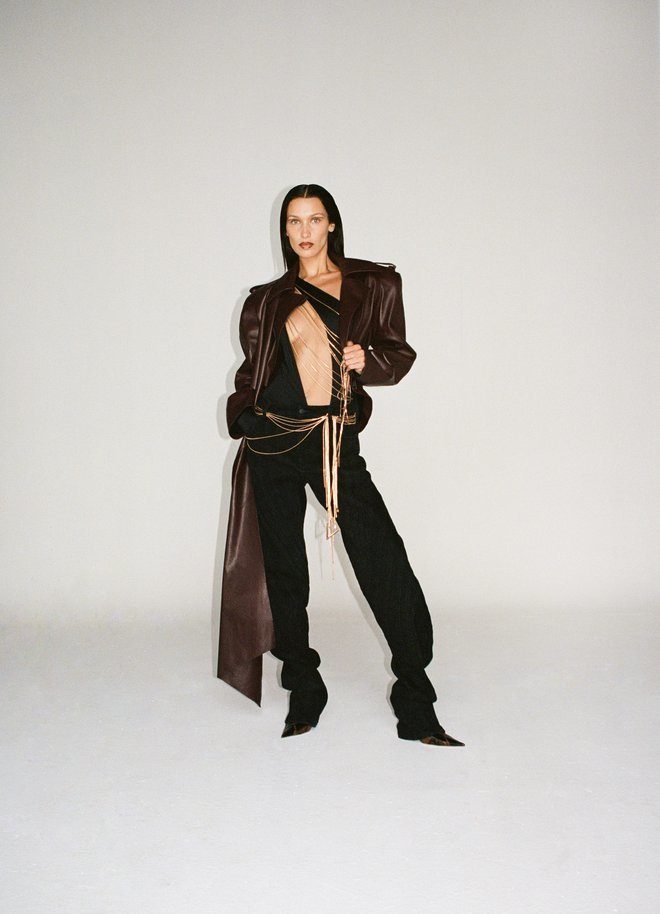
Bella Hadid for Mugler A/W 21 via showstudio.com
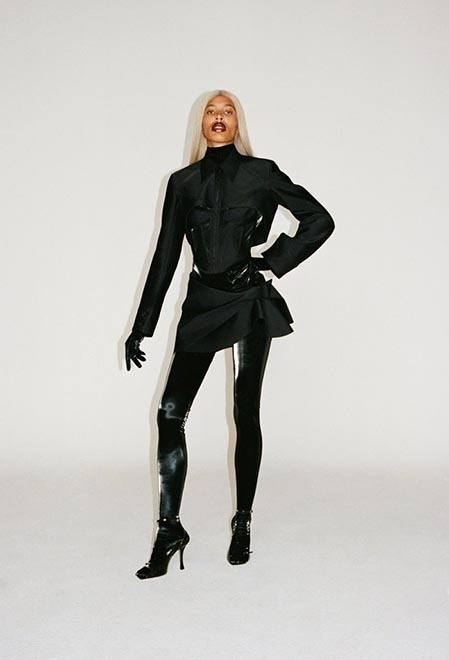
Kai-Isaiah Jamal for Mugler A/W 21 via showstudio.com
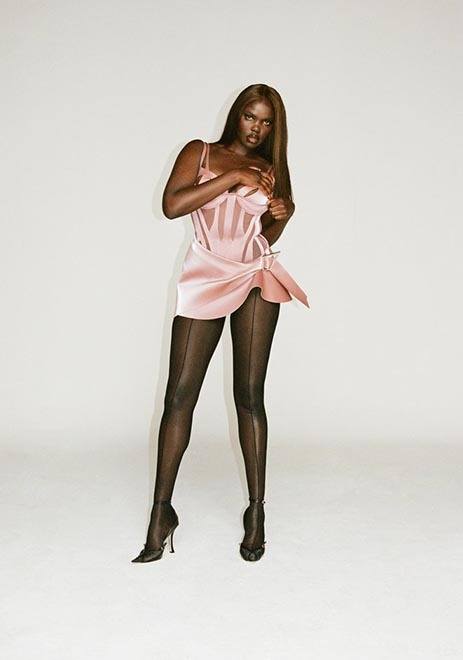
Ariish Wol for Mugler A/W 21 via showstudio.com 

The Mugler H&M Collection will be available online and in selected stores in (European) Spring 2023.

Kai-Isaiah Jamal for Mugler A/W 21 via showstudio.com

Written by: Holly Beaton

For more news, visit the Connect Everything Collective homepage www.ceconline.co.za
INTO THE GLOOSH: what does ‘wellness’ even mean anymore?

We’ve come a long way since Scott’s Emulsion was the only thing that could help us to grow. These days we live in a sea of wellness brands with names that sound like ‘Sexy Onomatopoeia’; their packaging all couched in beautiful pastel colours and fun typography. It’s hard not to want everything, or worse, to feel like you need everything in order to truly embody your best self. That is the common rhetoric sold in the wellness industry; with an estimated market value of $1.5 trillion – taking care of ourselves has never been more lucrative. Between all the superfoods, flat tummy teas, vagina eggs, IV drips, and protein powders – where is the line between what is good and necessary for our bodies, and what is a feel-good indulgence? 

How do you choose which wellness brand is ‘The One’ for you? Or do you choose to build your personal brand on turning your nose down at all of them? Nevermind the Instagram of it all, how is it possible to know what is actually good for your body? The reality is that probably anything you do for your body to give it some extra love is good [not a medical opinion], and “wellness” – whatever form that might take for you – is more about identity than health choices. Beyond eating your five-a-day and exercising, it can be fun embellishing your routine with any kind of wellness practises from 16-step skincare routines to supplements, from gratitude journals to saging your apartment. Just like pretty much everything else in the world these days, wellness operates on a trend-based cycle of never-ending newness (or ancient practices rebranded as new) that we can pick and choose in order to distinguish ourselves. Just like in music, fashion or food, it feels so good to very selectively be a part of something that allows you to have fun and feel slightly smug – and I mean, it is important to engage in self-care practice. I think the important thing to remember is that not everything has to be incorporated into our daily lives; nor should we amass any shame for sticking to our tried and tested favourites. When navigating wellness trends, or brands, consumer intelligence is more important than ever; with a lot of brands presenting quick fixes and solutions, rather than overall and holistic tools to complement our lives.

It requires a fine-balance to navigate the wellness space; and a lot of it can be very useful. I personally love to have in-depth skincare chats with my girlies where we’ll name drop ingredient names all night long (retinol, niacinamide, anyone?) – but I also love to have a horrified gab with my mother about the crazy things Tiktok is telling us to do next, or even better, roll our eyes at something we’ve been doing for years in our Indian household becoming a trend – such as the latest wave of hair oiling, which is a long-kept tradition of South Asian women. Despite this, and what makes ‘wellness’ so tantalising, is that there’s fun to be had for both cynics and optimists, and ultimately no one can argue that there is anything wrong with trying to better your overall mental, physical and spiritual wellbeing, right? After all, you can choose to have a laugh at the expense of the ladies doing Wim Hof at Seapoint but they’re emerging from the icy water feeling brand new – who wouldn’t want that? I hear that every cold-immersion is like being born a-new.  

The irony though, is that there’s a sinister side of wellness culture these days that doesn’t make us feel or act very well at all. There’s an insidious cultishness to many of these wellness brands – like Goop for example – and their ability to take over our brain spaces and convince us that their word is gospel. Through the use of language and a sense of community, they can take advantage of the human tendency to go 160% when we love something. We’ll defend it to our detriment, and unfortunately, when wellness brands don’t stay in their lane, it can get dangerous. The podcast Sounds Like A Cult does a great job of dissecting how brands like Goop can get, well, culty. At their convention in New York in 2018 for example, they platformed a well known AIDS denialist and conspiracy theorist, Dr Kelly Brogan, who they also cite as an ‘expert’ on their site. Brogan has also made claims that depression isn’t real, and most recently, that the Coronavirus pandemic is a ploy to cover up the rollout of 5G, and it seems Covid was like a dog whistle for every conspiracy theorist masquerading as a wellness influencer. Wellness groups on social media and particularly wellness influencers contributed hugely to the swell of misinformation that led to the anti-vax movement during the pandemic; it seems that the far-right conspiracy theorists and wellness realms intersected to a very harrowing effect. With the wellness industry presenting as a solution to a population disenchanted by ‘Big Pharma’ and medical care; it has left a vacuum for people to adopt unscientific, fringe theories. One particularly crazy example is an influencer, Amanda Hesser, who even went as far as asserting that non-vaccinated women could experience changes in their menstrual cycle by merely spending time with vaccinated people. I feel insane even typing that!

Image 1: Vogue Scandinavia, Instagram
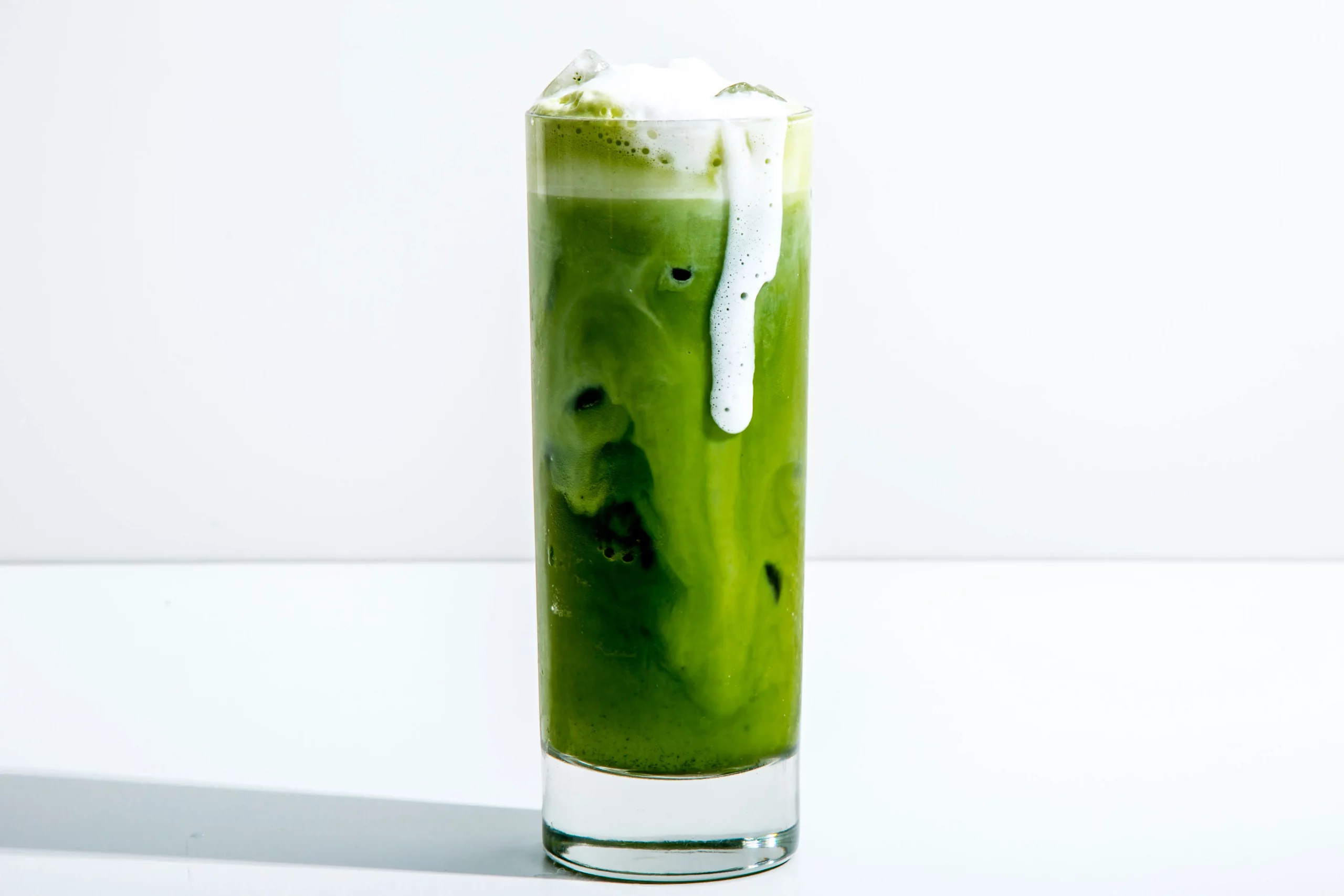
Image 2: Iced Matcha Latte, bonapptit.com

Then, there’s toxic diet and weight loss advice parading as wellness; in which wellness is the perfect veneer to hide all manner of disordered-thinking around eating and body shame. Brands like Kourtney Kardashian’s Poosh post content of extremely thin models and influencers, sex advice and juicing recipes, and then have the audacity to post a mantra like “don’t let anyone destroy your inner peace”; like an illusion, in which being perfect is the only way to find serenity. Basically, the toxic shit mentioned is not actually wellness and it sucks that they can take away from what makes wellness practises so wholesome and fun. In their article for Dazed, Alex Peters makes the point that the inaccessibility and extreme tendencies of these brands has pushed people away from wellness culture completely. It’s disappointing that the entire industry is getting a bad rep from a few bad guys – but it also speaks to the inevitably of nearly every industry that achieves lucrative status. Well-meaning, healthy lifestyles make perfect targets for the algorithm, ads and profit. 

Although the world of wellness can seem super overwhelming – when you take a step back and look at it for what it is, the rules of engagement seem simple: Drink an anti-ageing matcha latte if you like it, don’t if you don’t. As with anything, the trick is not to go too far down the rabbit hole. Wellness is just that – a set of practises that make you feel well – happy, healthy and glad to be alive. Wellness is not a lifestyle, a personality or a medical practice. Please keep going to doctors, and also talk about other things at dinner parties – being ‘well’ comes in many, many forms.

Images: DTS Remedy by Fanette Guilloud

Written by: Devaksha Vallabhjee-Nel

For more news, visit the Connect Everything Collective homepage www.ceconline.co.za

Wycliffe Mundopa’s technicolour triumphs of Zimbabwean contemporary life

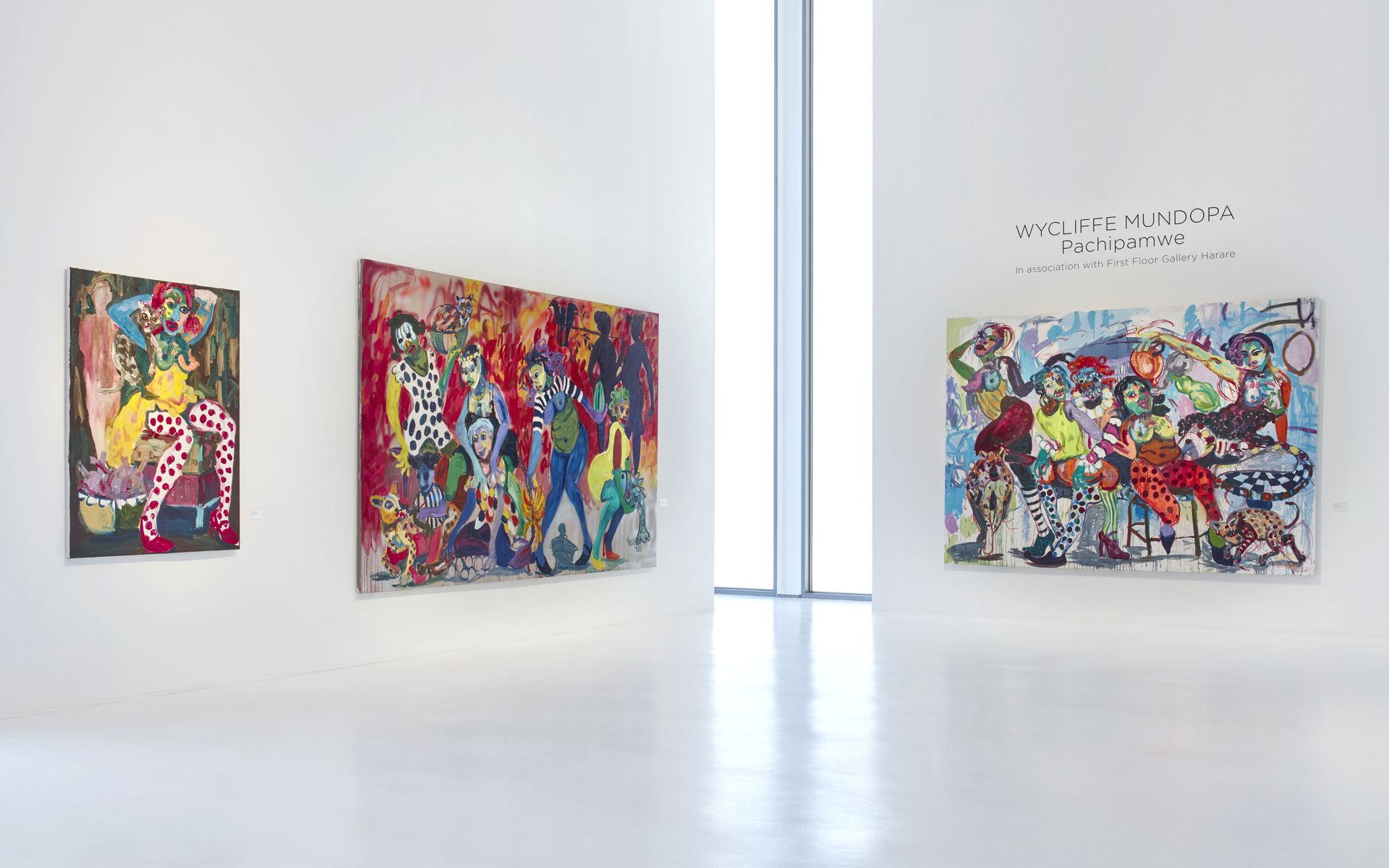
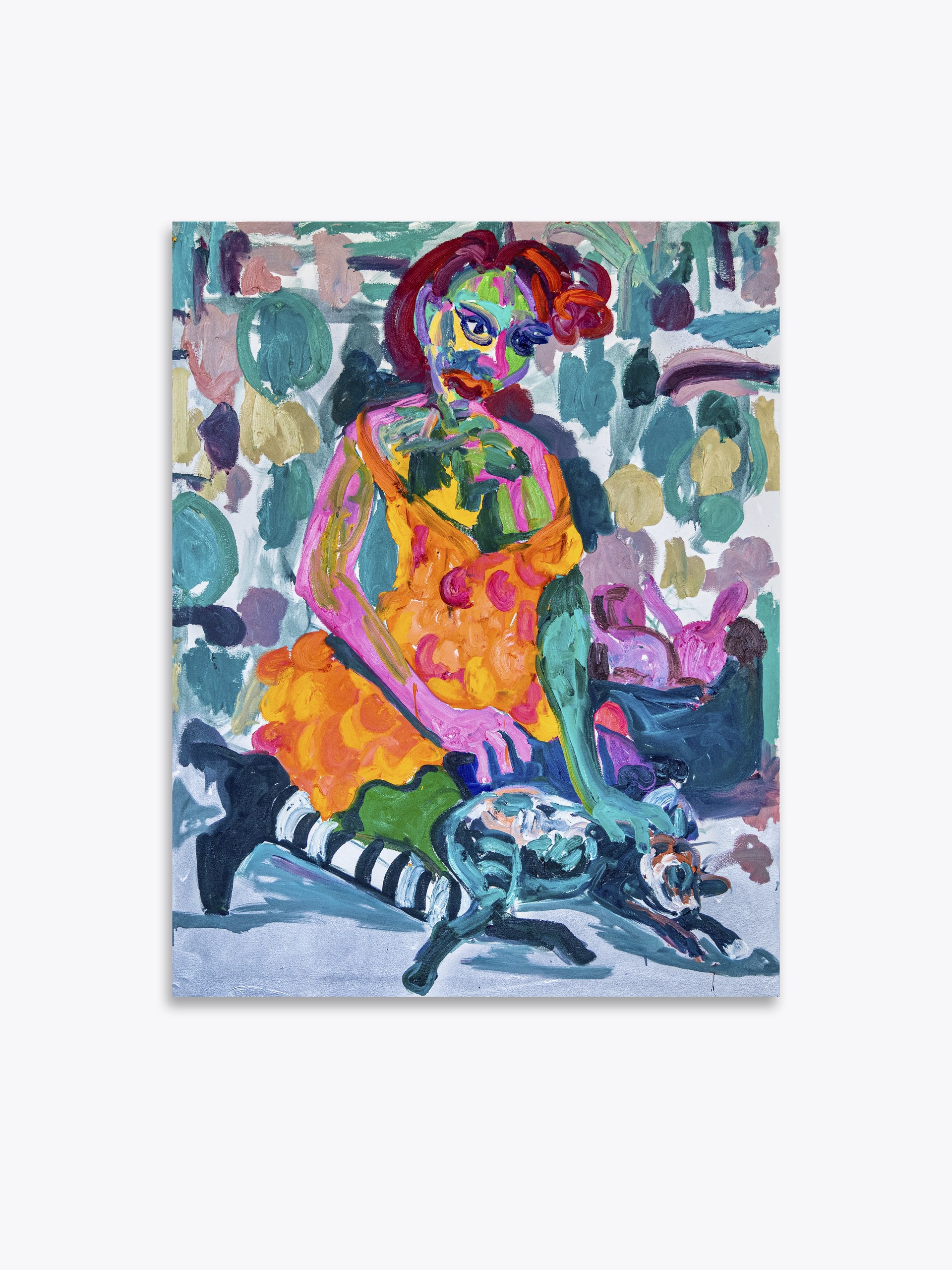
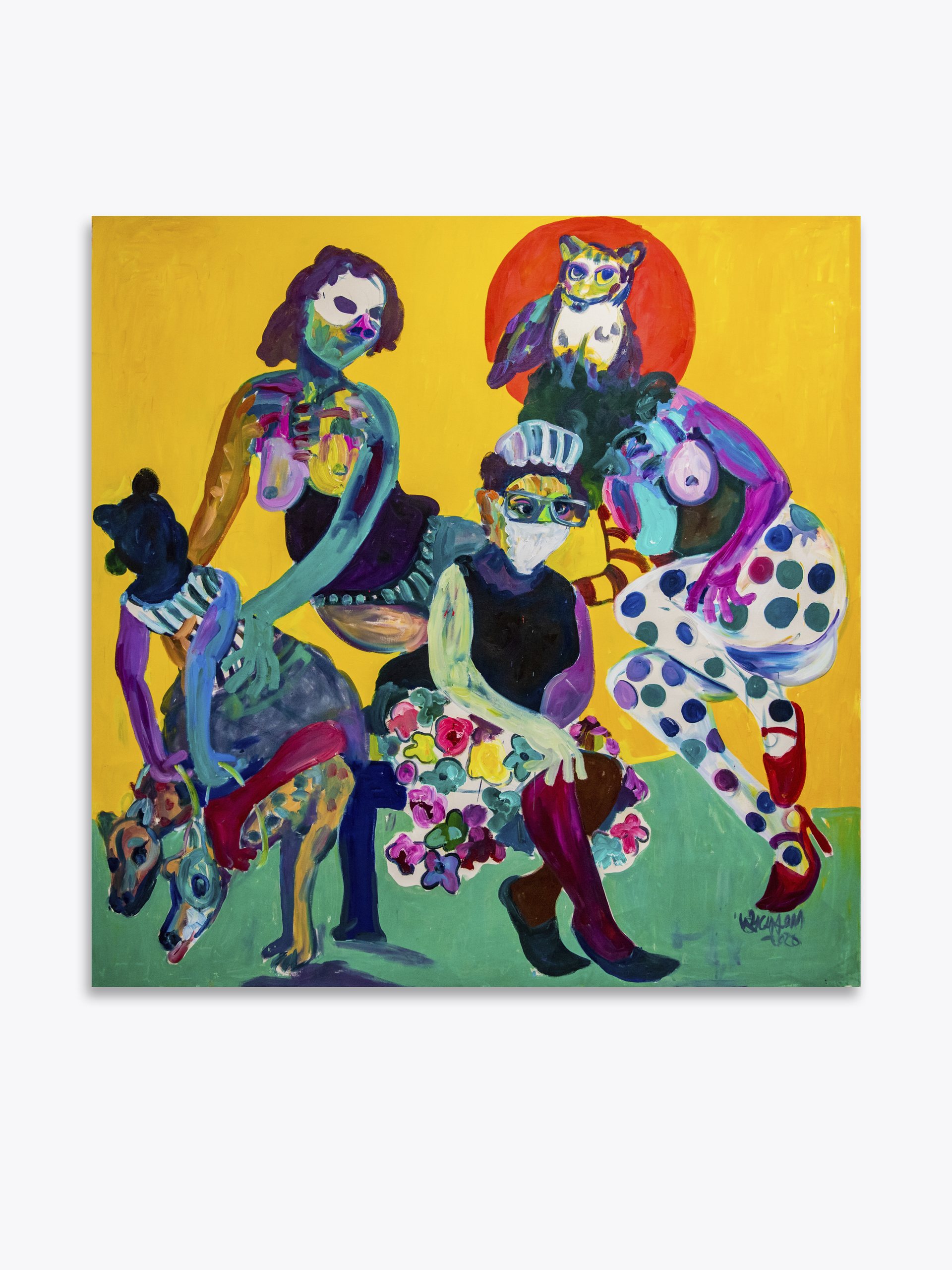
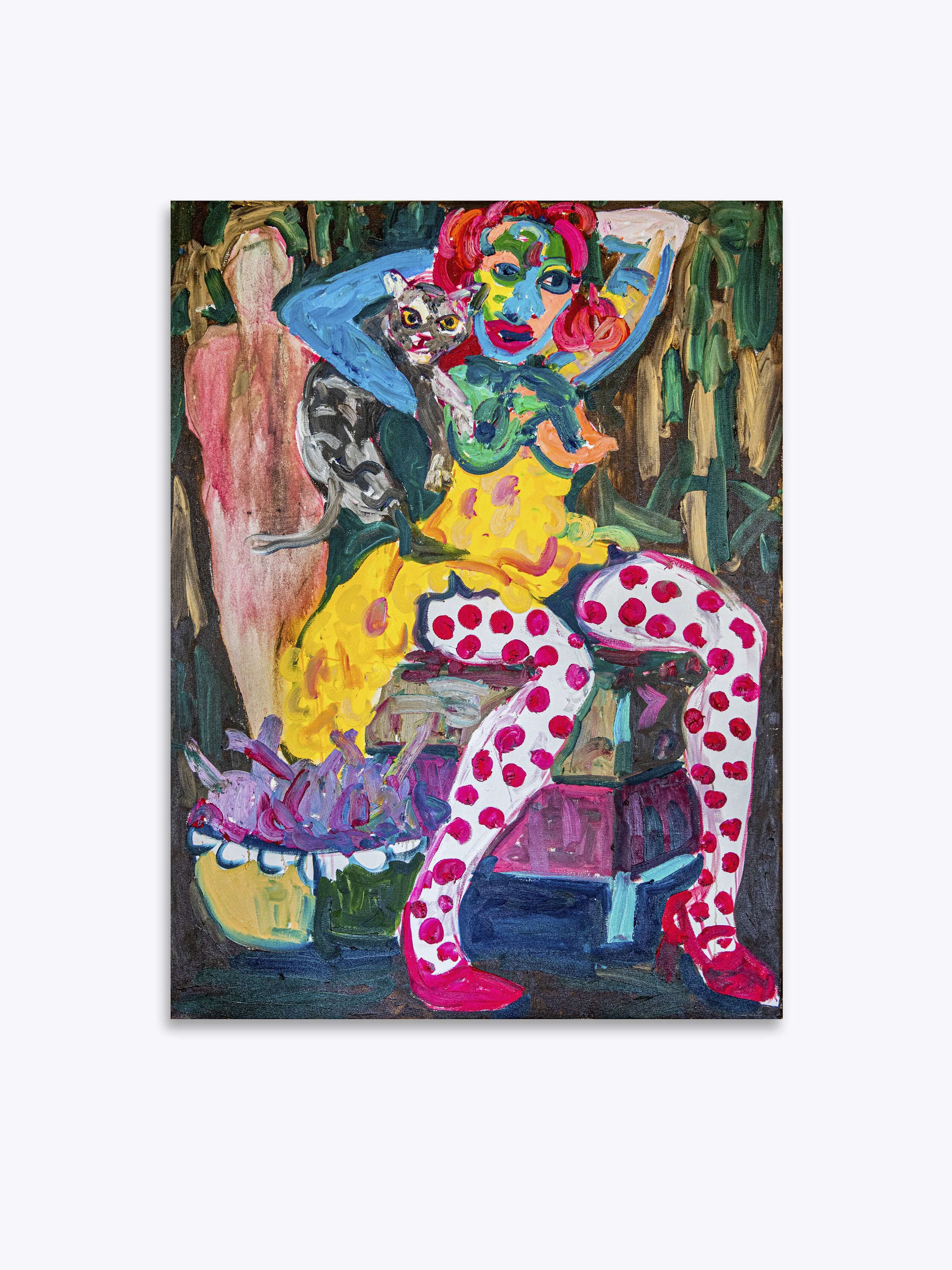
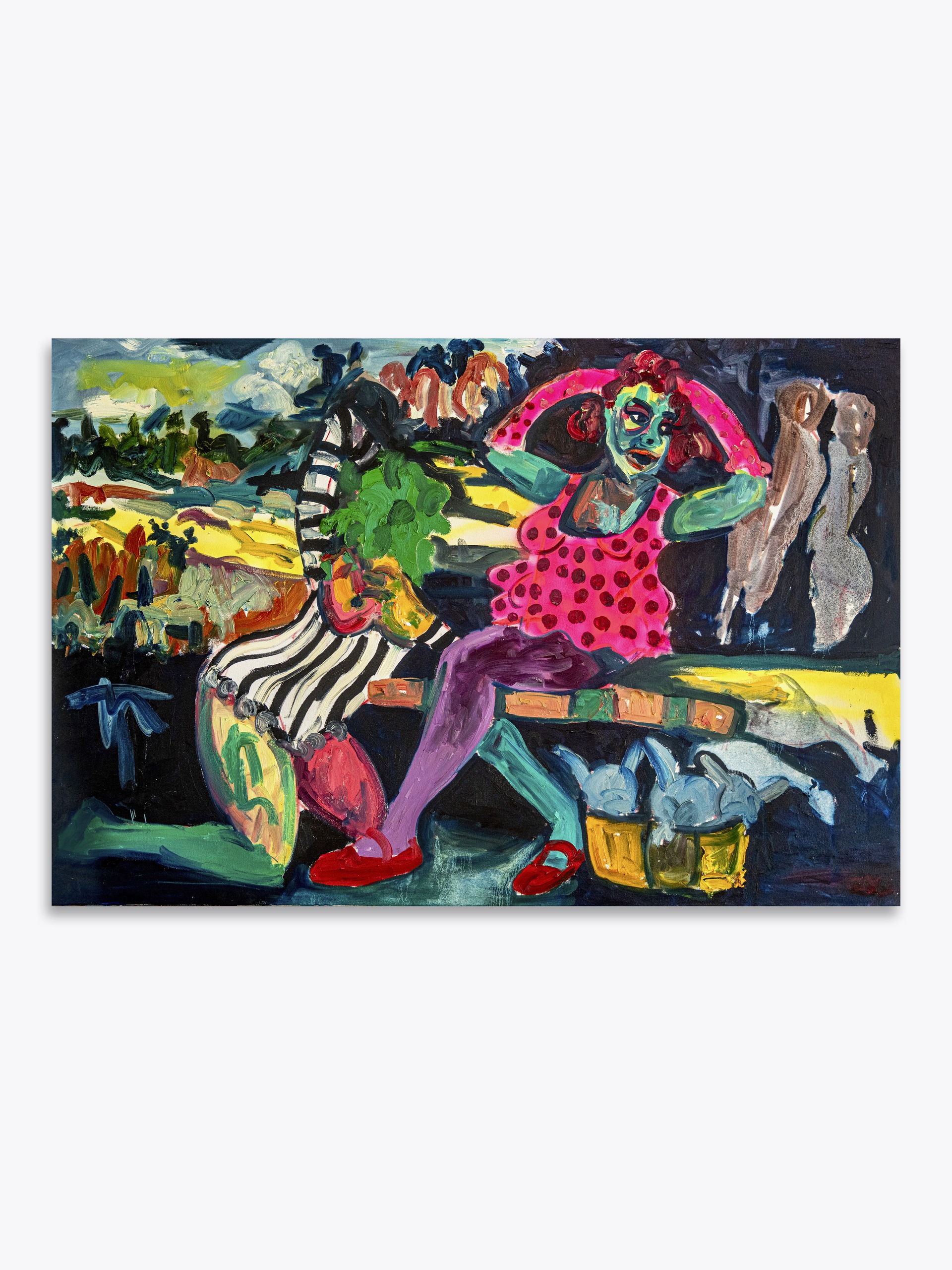
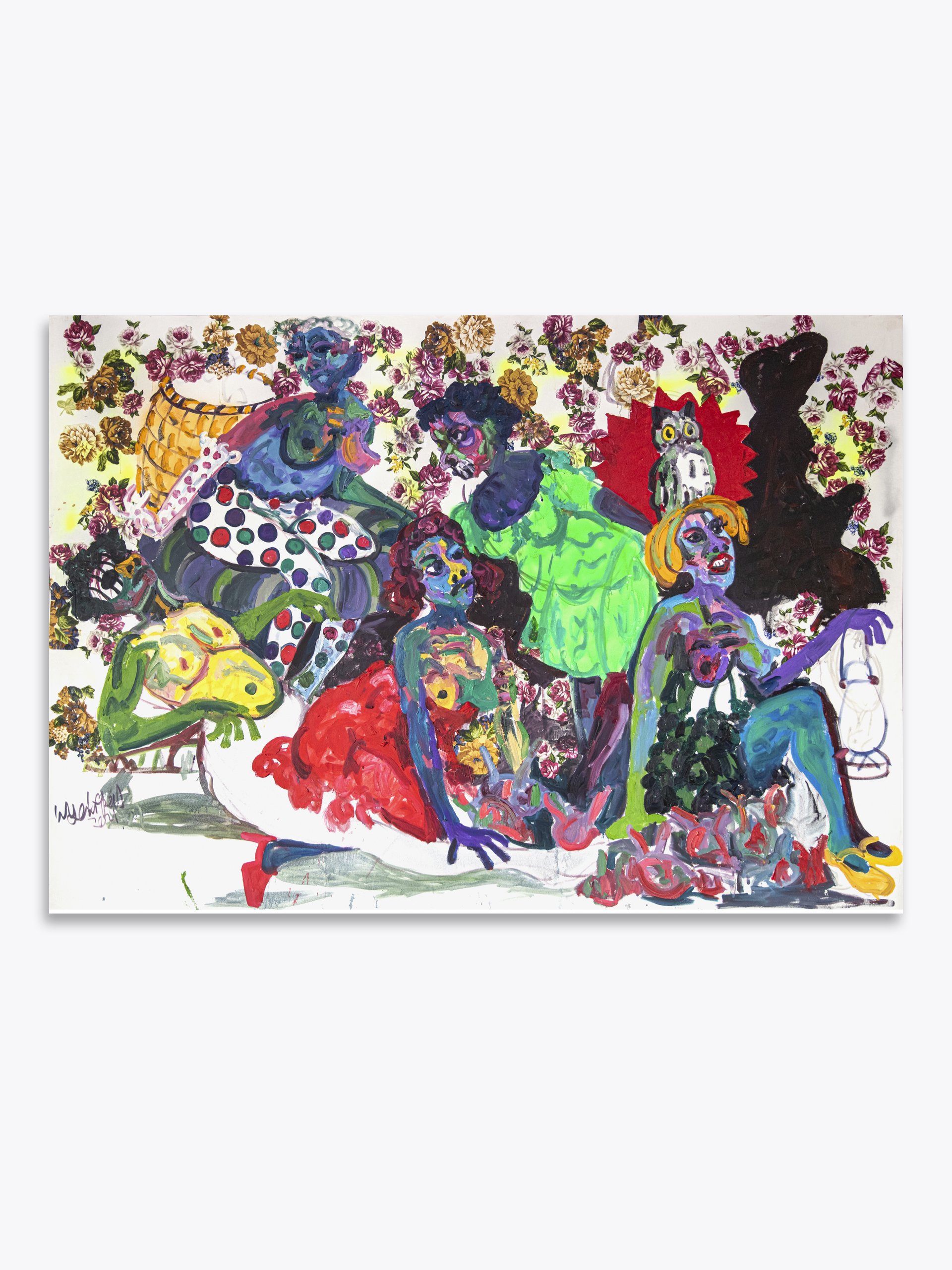
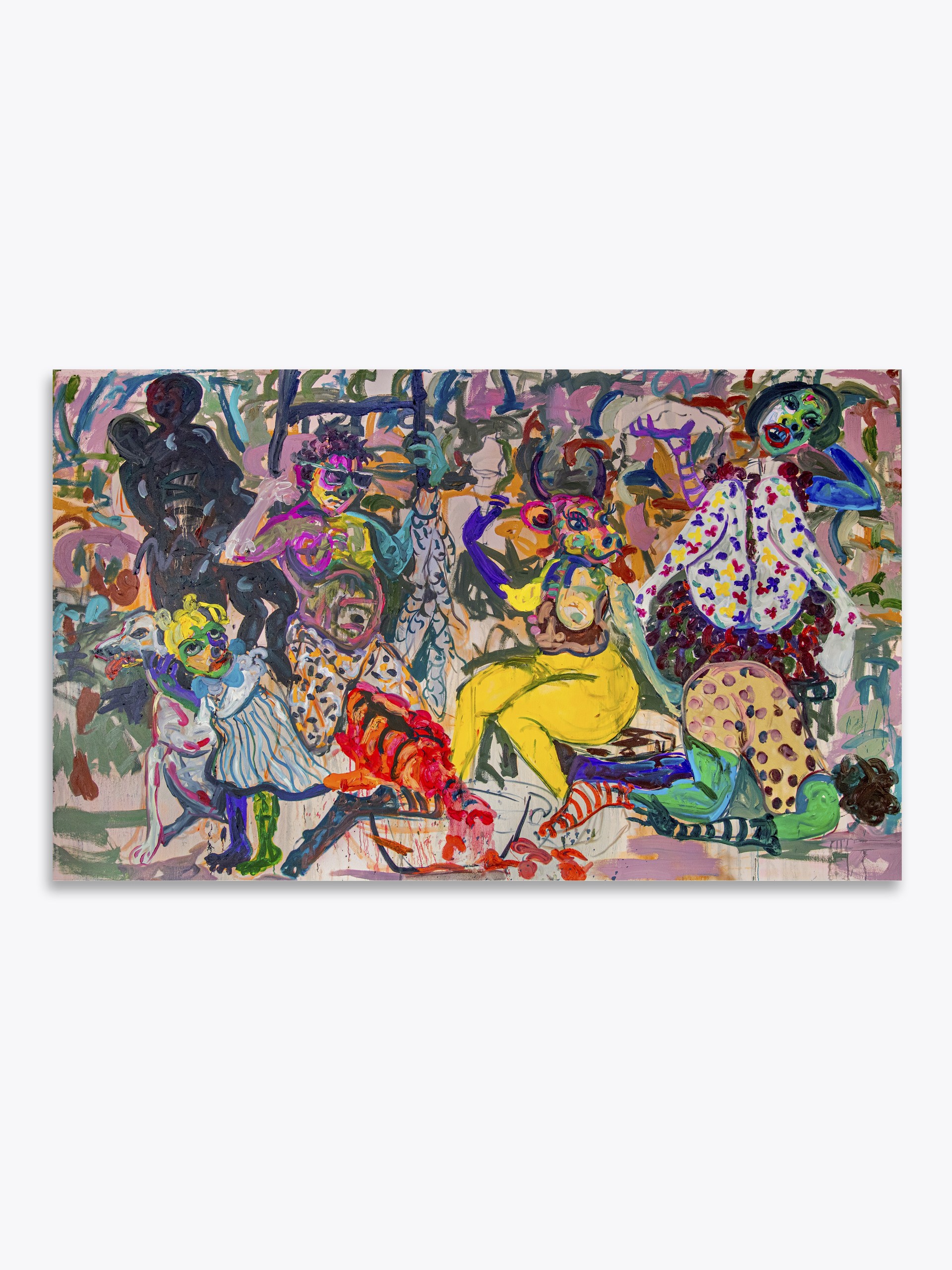
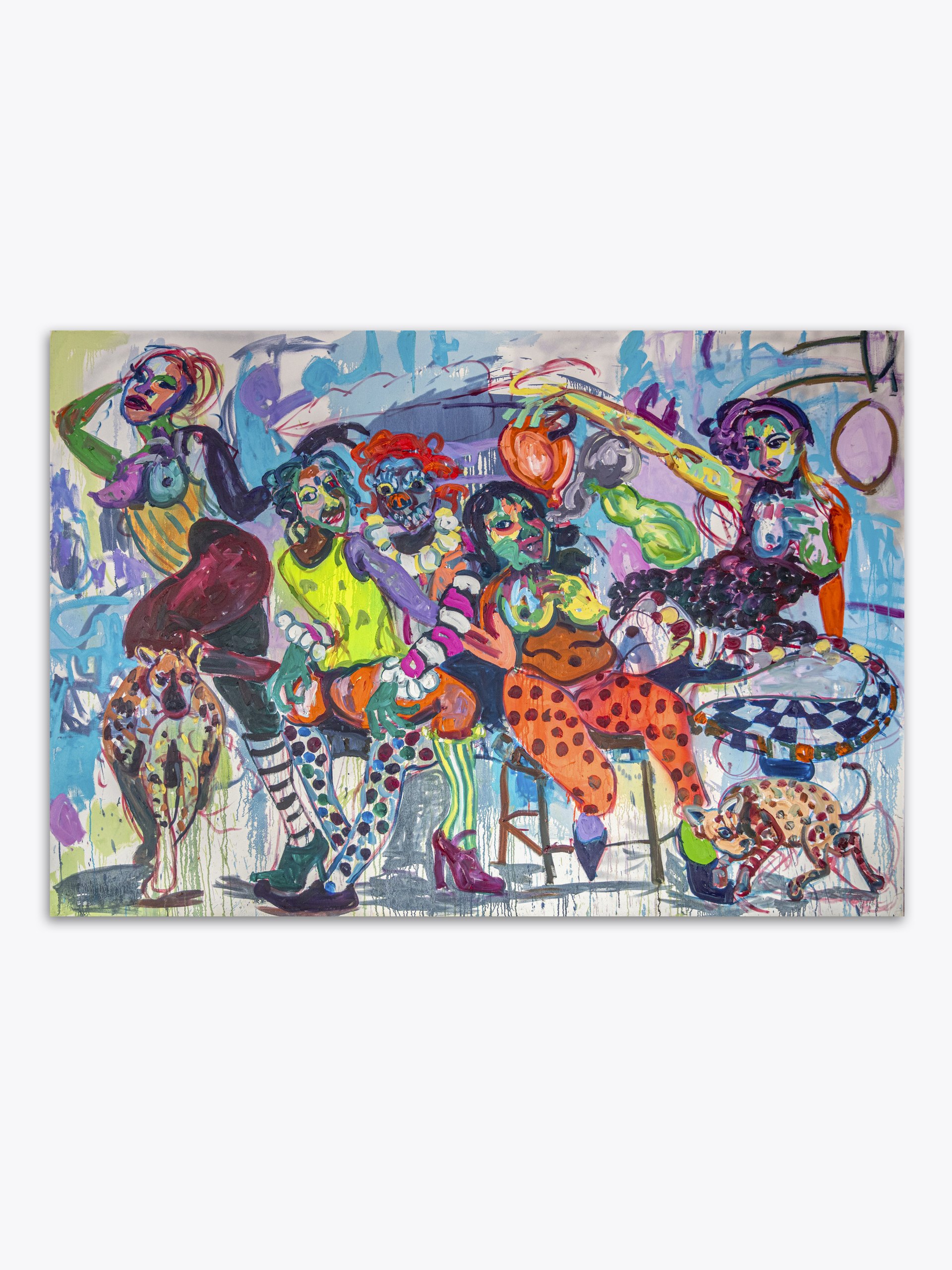
The colours embellishing Wycliffe Mundopa’s works are kaleidoscopic; as if he were showing us, the viewers, the prism of technicolour that triumphs over his thematic concerns. Such concerns, for a Zimbabwean artist, are steeped in the post-colonial realities of his land; Wycliffe is an archivist of the heart that continues to beat between the changing hands of imperialism and the country’s current political proceedings. This heart, the women of Zimbabwe, are presented in Wycliffe’s work as literal – the women themselves – and metaphorical. For Wycliffe, the country itself is a woman; a feminine being wronged and disrespected, subjugated and still – the embodiment of compassion, resilience, foresight. In our Q+A with Wycliffe below, he makes the painstaking admission of why his work feels so illuminating, “I want to celebrate the beauty of real Zimbabwean women the way they are: passionate, bright, full of fire and energy and uncompromising in the face of difficulty, but also full of laughter and celebration. They don’t live with rose-coloured glasses on and that is what I want to paint.” It is in this wildly authentic and grounded ability to present almost-surrealist colourscapes as wholly realistic and reflective of truth that showcases Wycliffe as a contemporary master. As the 2021 FNB Art Joburg Prize winner, Wycliffe’s solo exhibition titled Zva Nyadza, (Shona for “to bear witness”) was so aptly named; he has received the mantle of responsibility relegated to artists very seriously, with honour, to continue telling the stories that must be told.

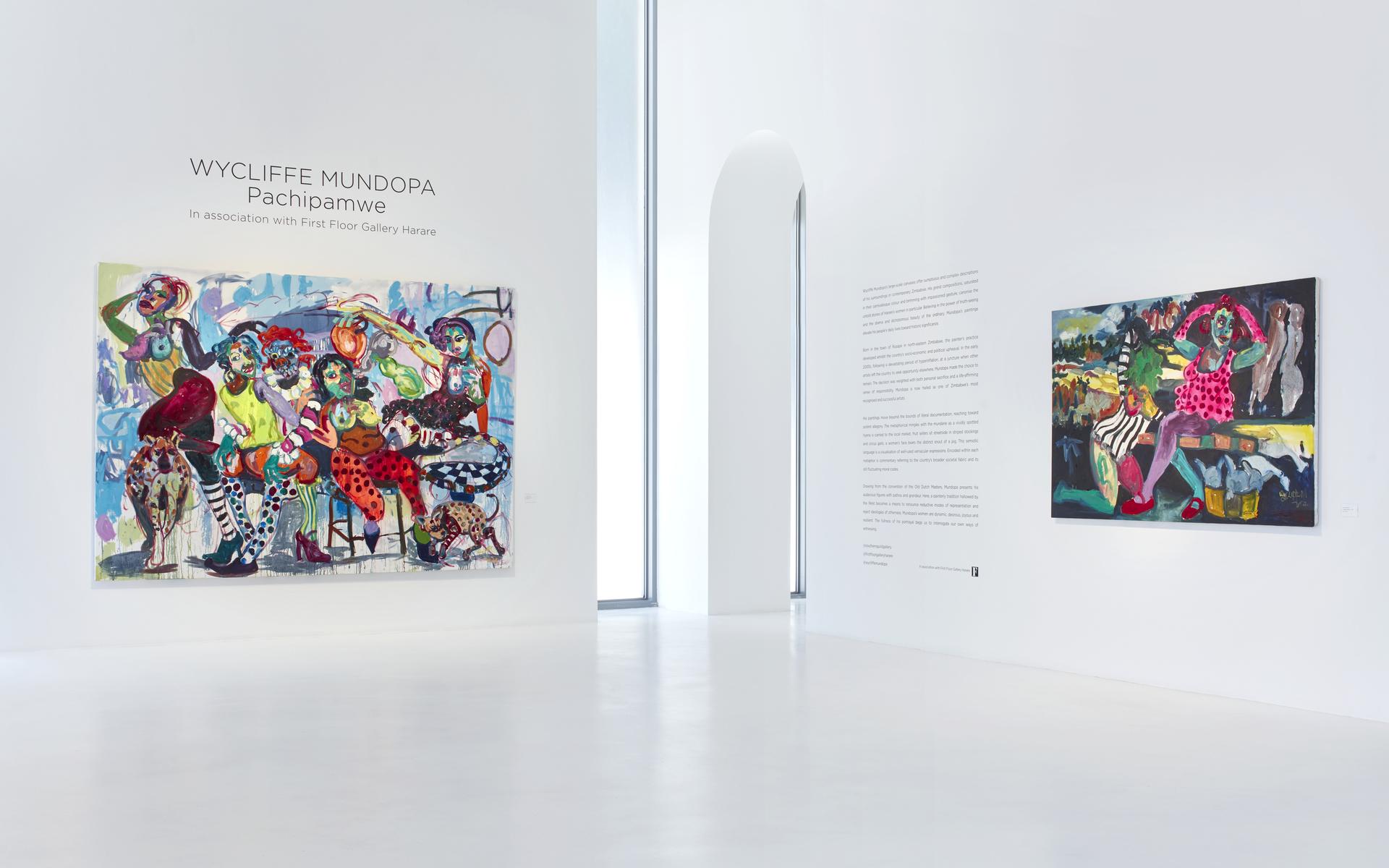
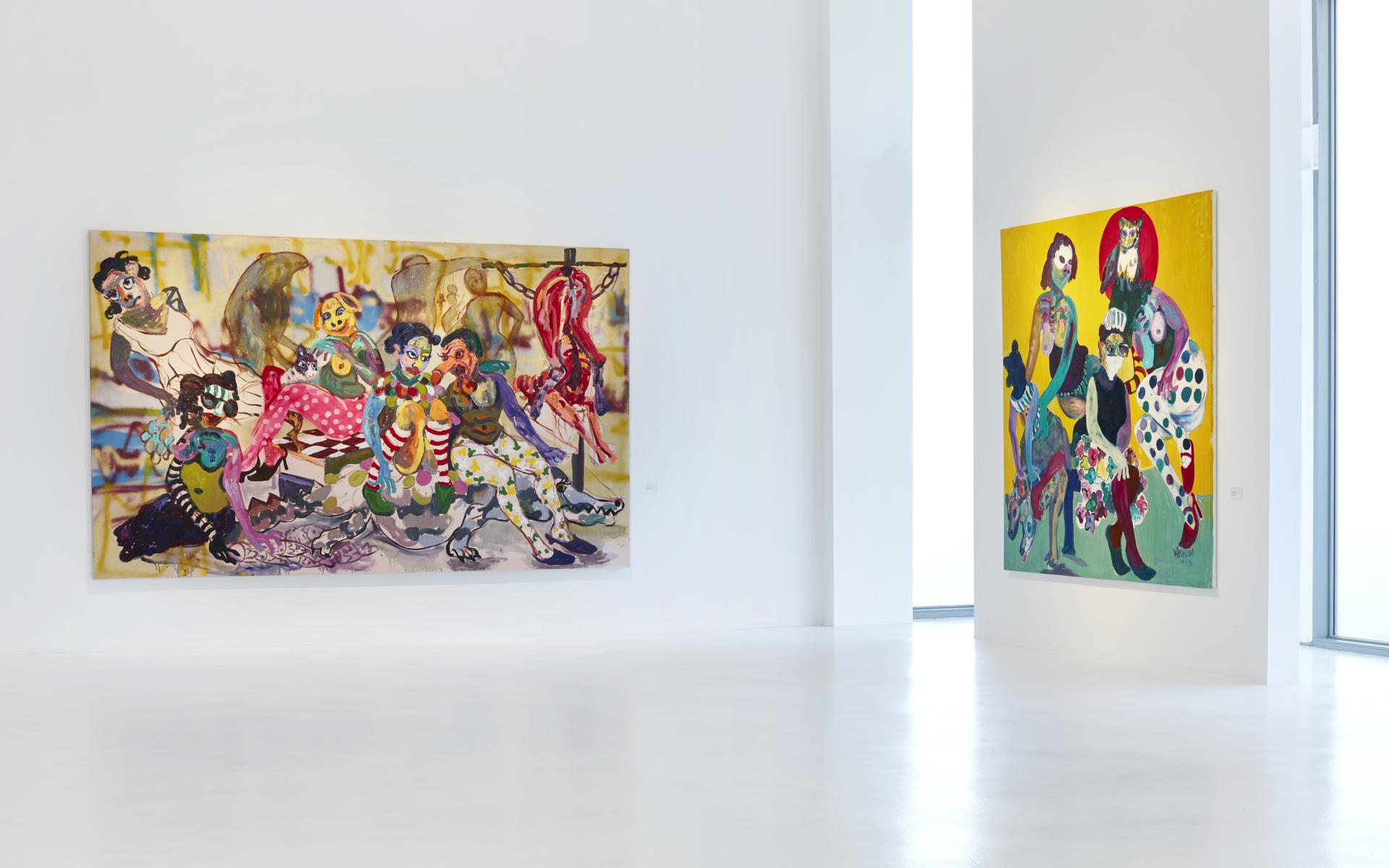
Wycliffe Mundopa’s latest exhibition is currently showcasing in a double solo alongside Porky Hefer at Southern Guild Gallery. Pachiwampwe is a continued effort for Wycliffe to ‘be at one with the people of my life’. We are grateful for the opportunity to chat briefly to Wycliffe as he continues to move.

Wycliffe Mundopa, Pachipamwe (We Meet Again). 2023. Cr. Hayden Phipps, Southern Guild.

Your artistic process has been informed by the socio-political upheaval of Zimbabwe; why is canonising women in Harare through your work so critical as a means of resistance? 

I see my role as an artist as a compassionate witness and champion of the lives of ordinary people. Women in my practice are not literal but allegorical. The scenes of life in my paintings are infused with metaphor, and the figures of people and animals are as much symbolic as they are representative. In many ways for me to say woman is to say Zimbabwe of the common people. I am particularly interested in pushing back against moral pressures and judgement that women face, even though they are overwhelmingly the backbone of our society and also frequently the breadwinners. Patriarchal society, dominated by colonially imposed Christian moral codes expects women to be pure, perfect, quiet and demure, and hypocritically judges them when they are forced into morally dubious occupations to fulfil their duties as mothers, wives and providers. I want to celebrate the beauty of real Zimbabwean women the way they are: passionate, bright, full of fire and energy and uncompromising in the face of difficulty, but also full of laughter and celebration. They don’t live with rose-coloured glasses on and that is what I want to paint.


The richness of your paintings – the colour, form and emotion – where does that arise from within you during your process?

The colours I use are the colours I see, no more and no less. Harare is called the ‘Sunshine City’ and the nature of its dwellers is as vibrant as its colours. The brightness is both a celebration and a defiance to hardship. The way we face challenges is not in darkness – we don’t forget the beauty of life even in the most difficult of times.

Wycliffe Mundopa, Afternoon Delight Part 2. 2022. Cr. First Floor Gallery.
Wycliffe Mundopa, Blind Wisdom Part 2. 2020. Cr. First Floor Gallery.
Wycliffe Mundopa, Afternoon Delight Part 1. 2022. Cr. First Floor Gallery.

What should our readers know about the artistic landscape in Zimbabwe, in 2023?

Zimbabwe has a long history of contemporary art practice. In terms of painting, we have had masters like Kingsley Sambo and Marshall Baron, recognised internationally as early as the 1950s, and who are present in museums like MOMA. While very small and facing challenges in terms of access to resources, the Zimbabwean contemporary artist community is really dynamic and resourceful, and punches well above its weight compared to other art scenes in Africa. We’ve all had to invent ourselves and our practices, and most of us are committed to staying in Zimbabwe despite the challenges of life.


Pachipamwe (We Meet Again) is a deeply poignant reflection of contemporary life in Harare; what were the precious things for you to communicate in this body of work? 

I see being an artist as a job and a vocation. For me, working in the studio is not about inspiration, but it’s actually intrinsic to how I live my life, so work happens all the time, with ideas evolving slowly over time as well. Continuity of practice is also crucial for me to never stop developing my practice technically. In this body of work, I am developing some new approaches to painting as well as also revisiting some ideas and visual vocabulary I have been working with over the past fifteen years. Being at one with the life of my people through art is my life’s work and ambition. Every exhibition is a segment of that journey and Pachipamwe is no exception.

Wycliffe Mundopa, Nostalgia Revisited Part 1. 2022. Cr. First Floor Gallery.
Wycliffe Mundopa, Flesh Pots Part 2. 2022. Cr. First Floor Gallery.
Wycliffe Mundopa, Prize Bride. 2022. Cr. First Floor Gallery.
Wycliffe Mundopa, Flesh Pots Part 3. 2022. Cr. First Floor Gallery.
Wycliffe Mundopa, Better The Devil You Know. 2022. Cr. First Floor Gallery.
Wycliffe Mundopa, A Rose by Every Other Name Part 1. 2021. Cr. First Floor Gallery Harare.

Pachipamwe (We Meet Again) is showing at Southern Guild Gallery until 1 April 2023.

Image credits:
Installation shots courtesy of Hayden Phipps/Southern Guild.
Artwork images courtesy of First Floor Gallery Harare.

Written by: Holly Beaton

For more news, visit the Connect Everything Collective homepage www.ceconline.co.za
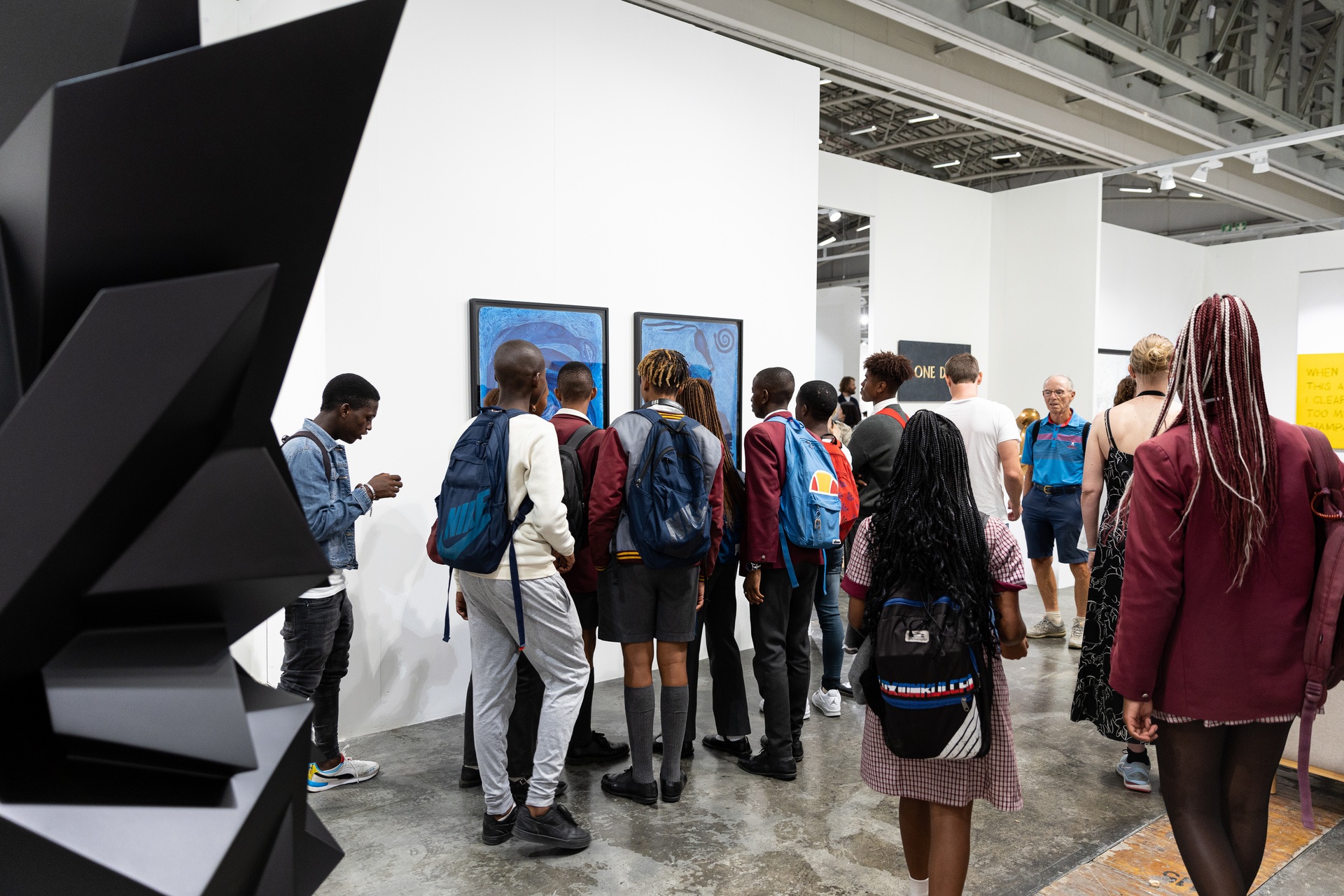
This Year’s Investec Cape Town Art Fair Was Steeped in Joy

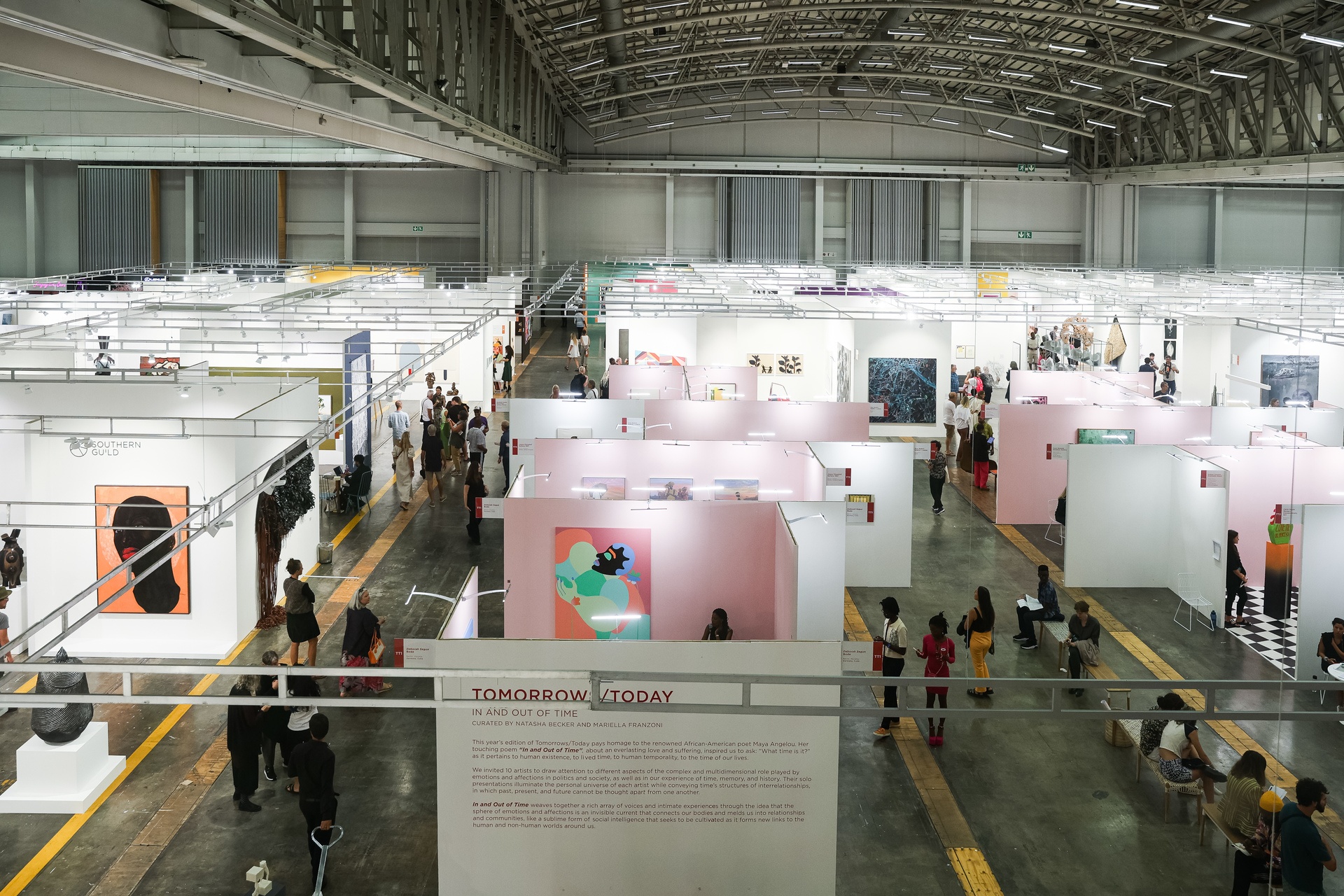
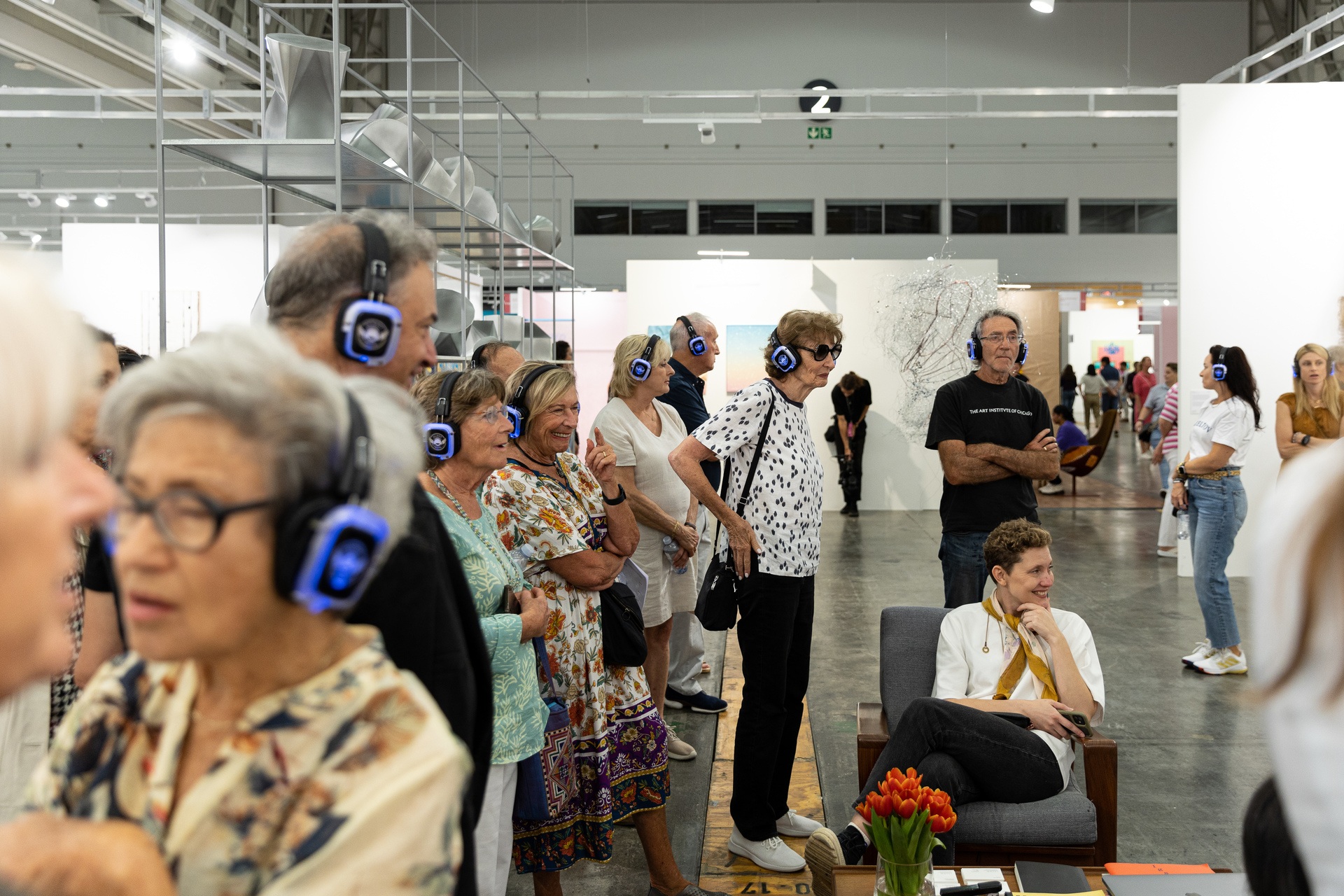
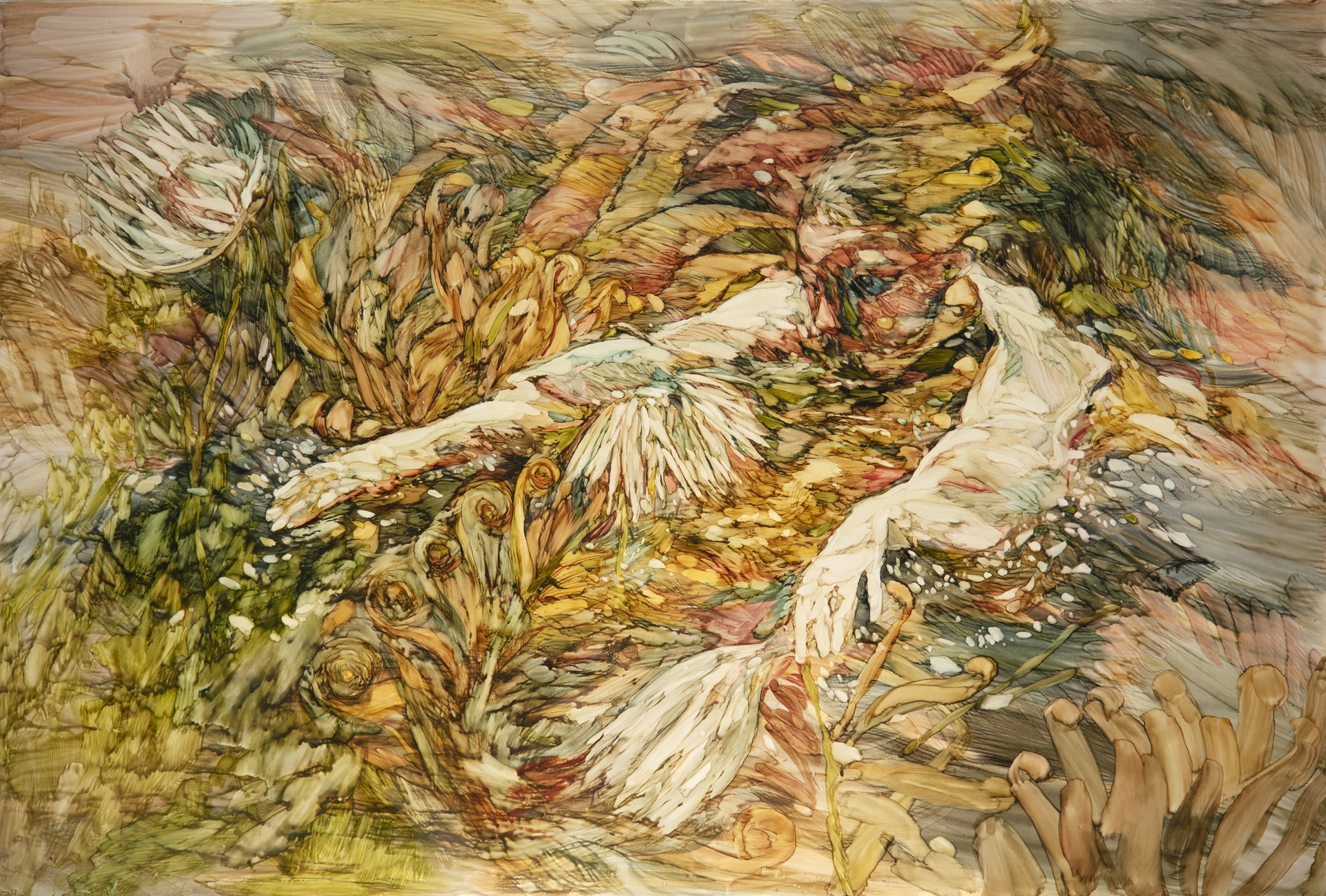
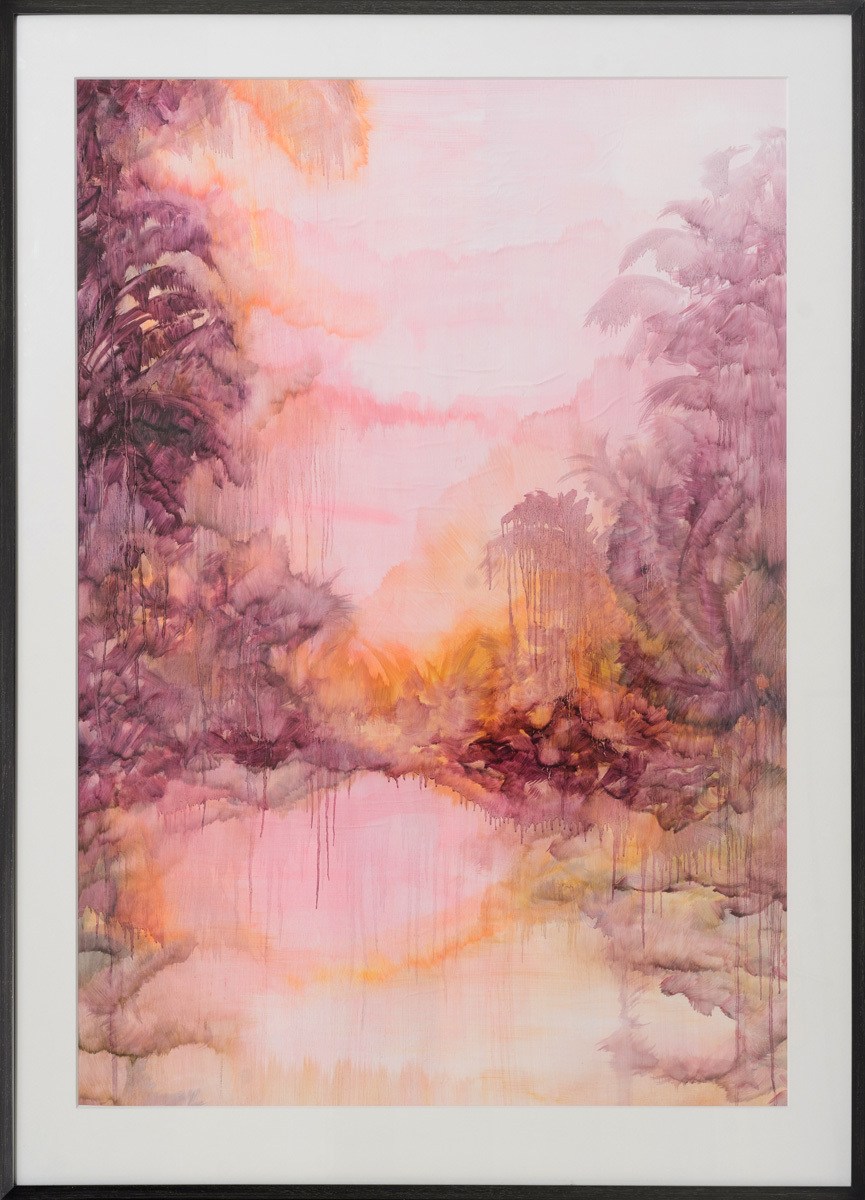
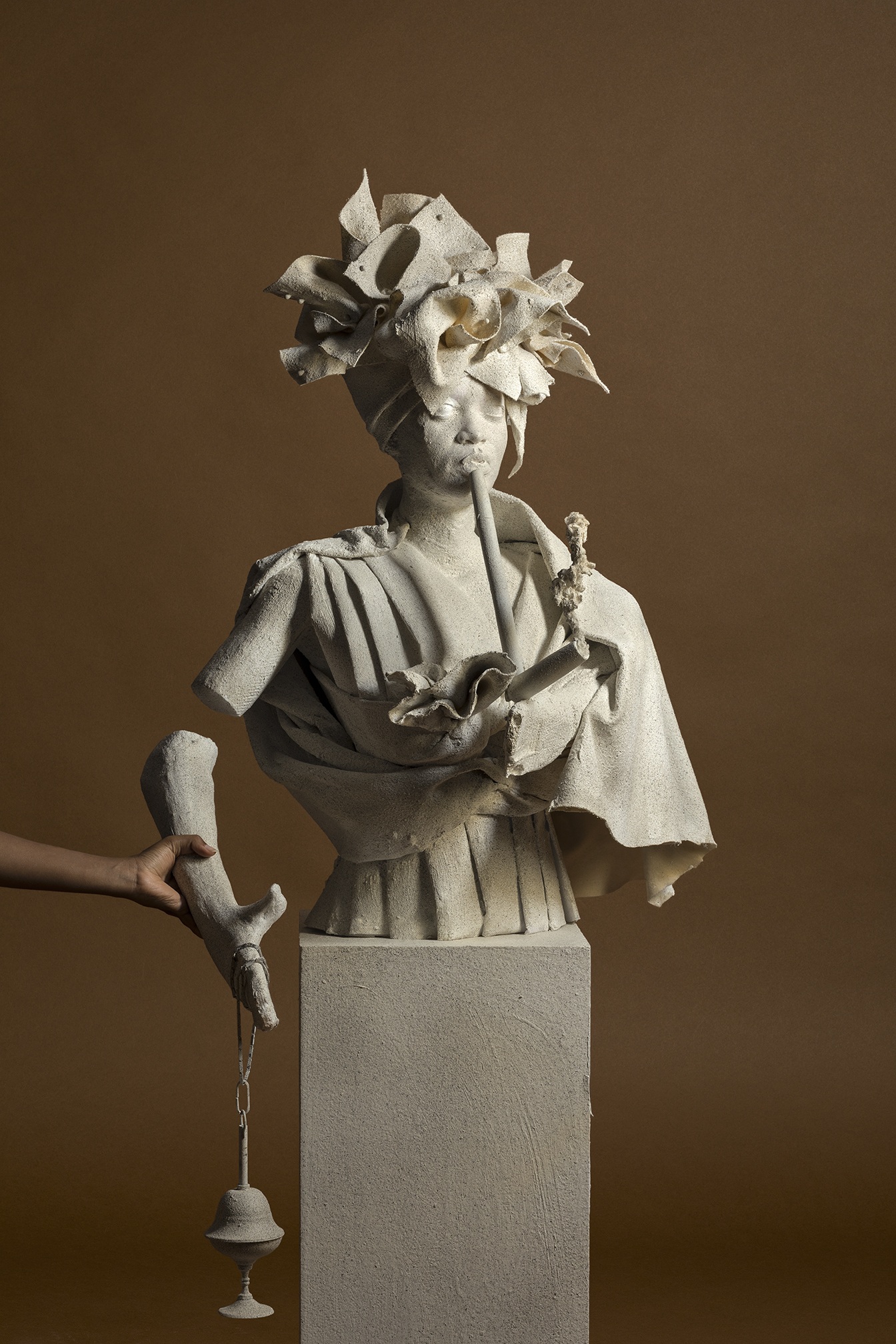
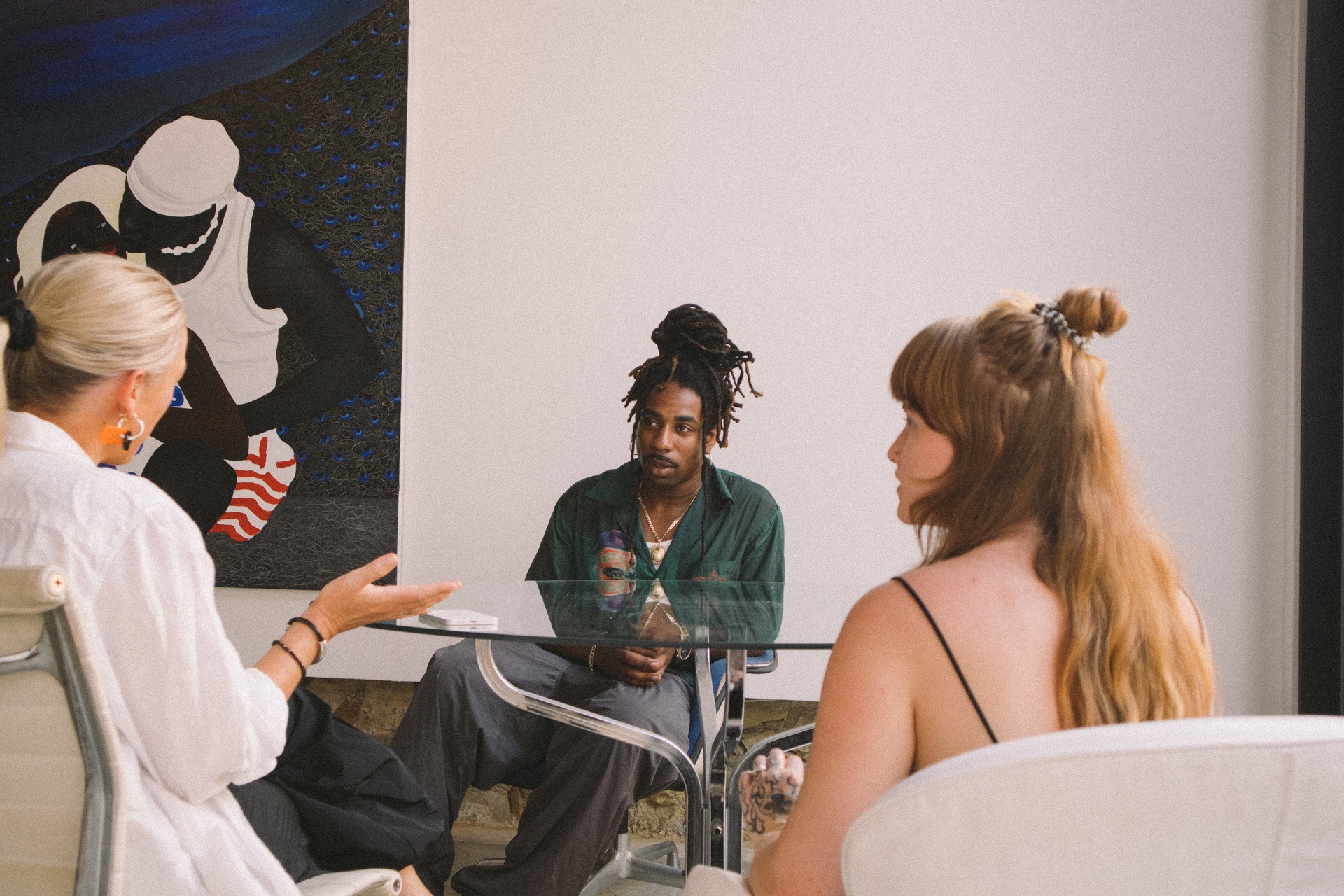
The city was flourishing last week. With the anticipation of the 10th Investec Cape Town Art Fair that kicked off on Thursday, 16th February, and officially to the public on Friday, it was a stark contrast to the heaviness of last year, in which we had just begun to emerge from the pandemic this time last year. Then, with only a finely dosed sense of normalcy returning, and the possibility of large-scale events like the art fair being able to showcase, the works of 2022 were deeply interrogative of our world. This is somewhat of the duty of the artist; to reflect, deeply and searchingly, on the state of consciousness as it arises through them. This year, I was fortunate enough to attend the preview of the fair before 6pm on Thursday; and found myself totally enamoured by the mood of moment; we seem to all be feeling, from artists, to collectors, curators, writers and so on – a varying sense of hope, or surrender, despite the ongoing and embattling scarification of being a human on this planet right now. With 88 contributors divided among galleries from Cape Town and Johannesburg, up to Accra and Dakar, and up to Milan and Berlin (and then some) : there was colour, texture, impeccable techniques on display – humour – sex – intimacy – self-inquiry – and the reflection of continual decolonial practices among many African artists, turning to joy and creative vivacity as the reservoir for expressing and liberating Blackness. This, in addition to the myriad of diverse viewpoints, showcase the continent as a deeply enriched source of creative genius.
As the largest contemporary art fair in Africa – the annual event is an intrinsic anchor for the burgeoning and accelerating creative landscape on the continent, and beyond. Hosted by Investec and produced by Fiera Milano Exhibitions Africa (global leaders in exhibition management), the 10th edition felt like the light at the end of a dark tunnel. It is spaces like this that contribute to our city and country’s notoriety on the world stage, and simply for that – it’s worth adding to your calendar every year.

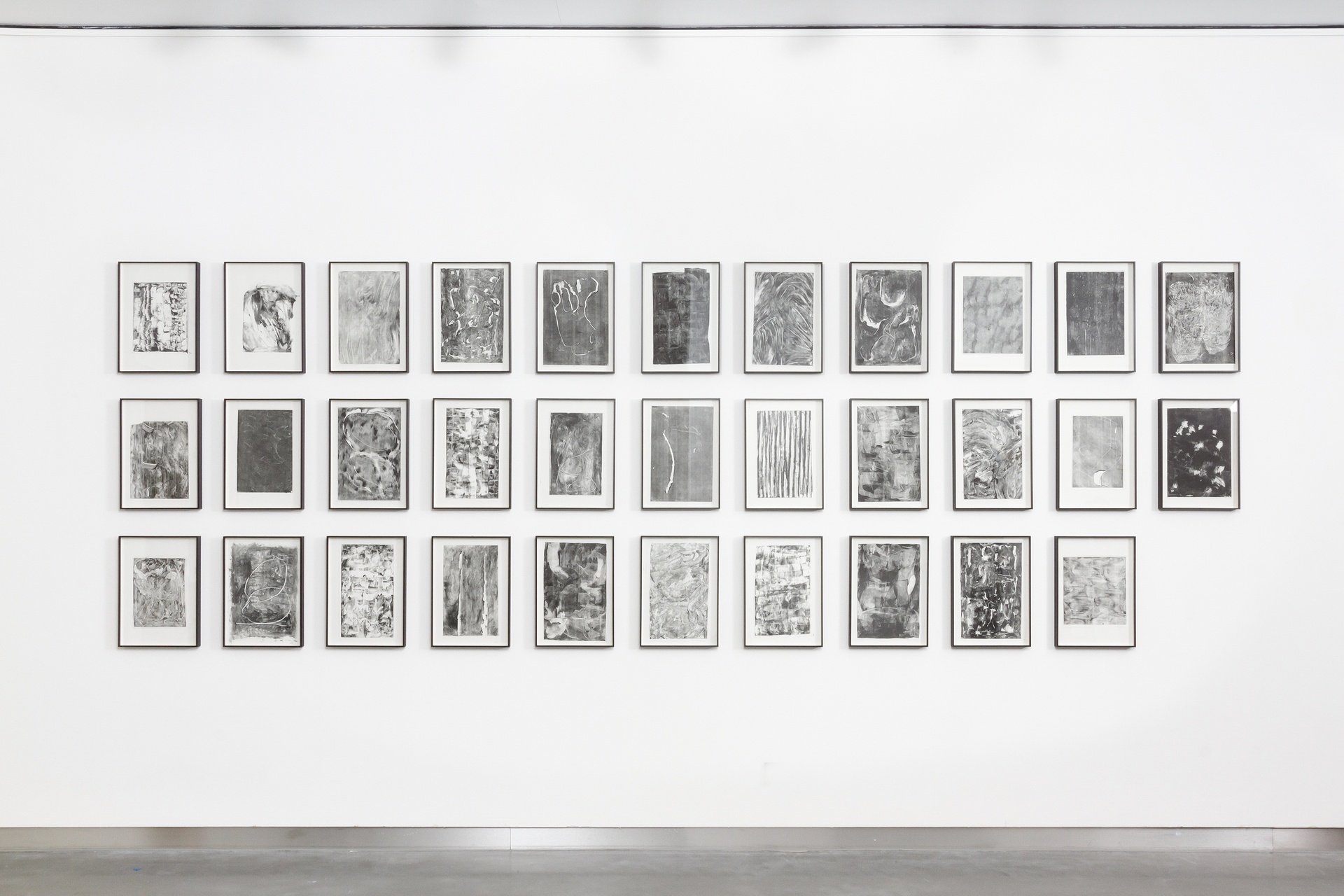
From the ALT section:
Reservoir, Dale Lawrence, Lockdown Monotypes, 2020-21, Monotype on paper.
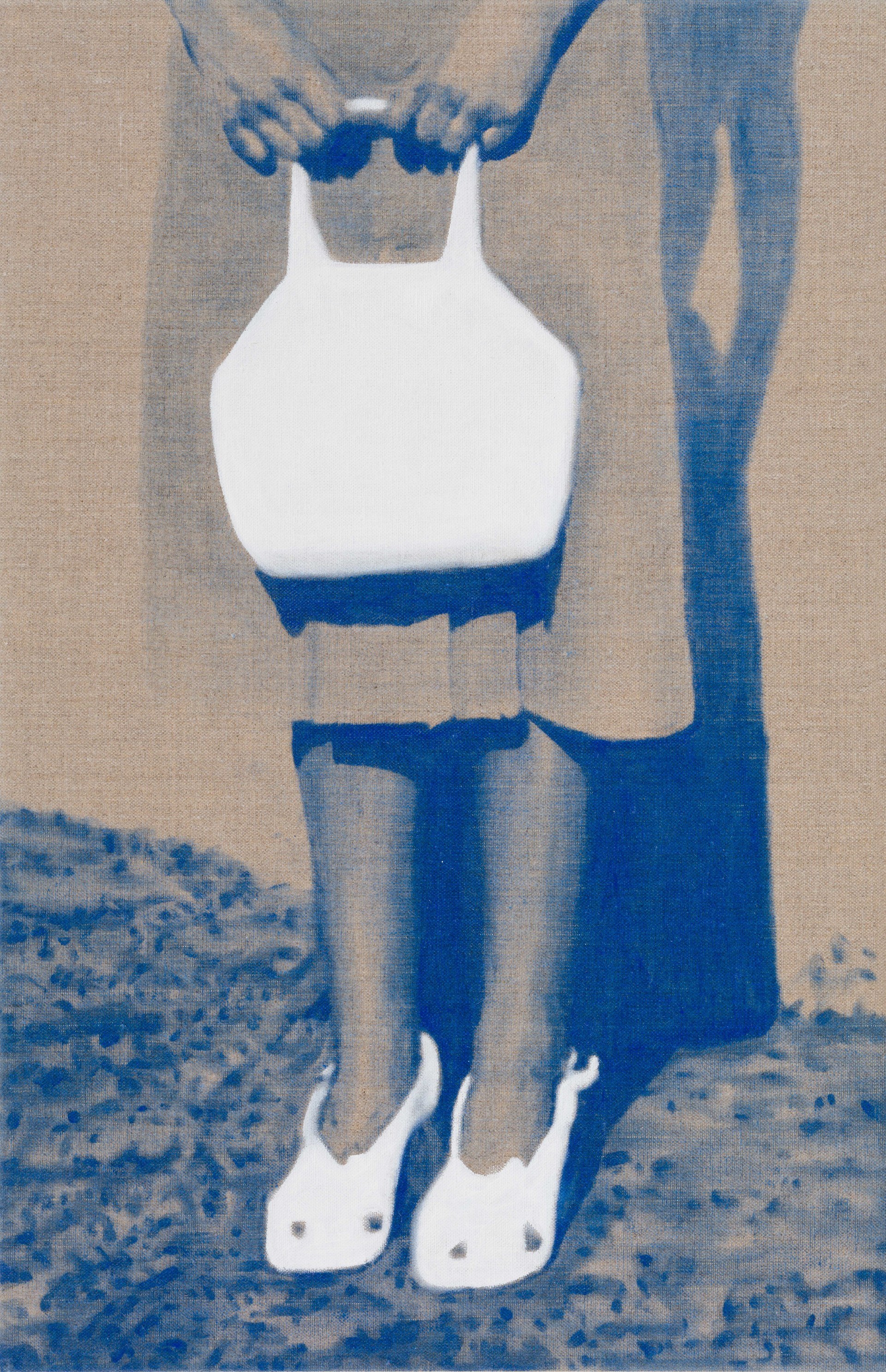
Untitled, Marsi van de Heuvel, Sunday Best.
From the MAIN section:
99 Loop Gallery, Heidi Fourie, gedaanteverwisseling, metamorphosis, 2022.
99 Loop Gallery, Zarah Cassim, Nice Views, 2020.
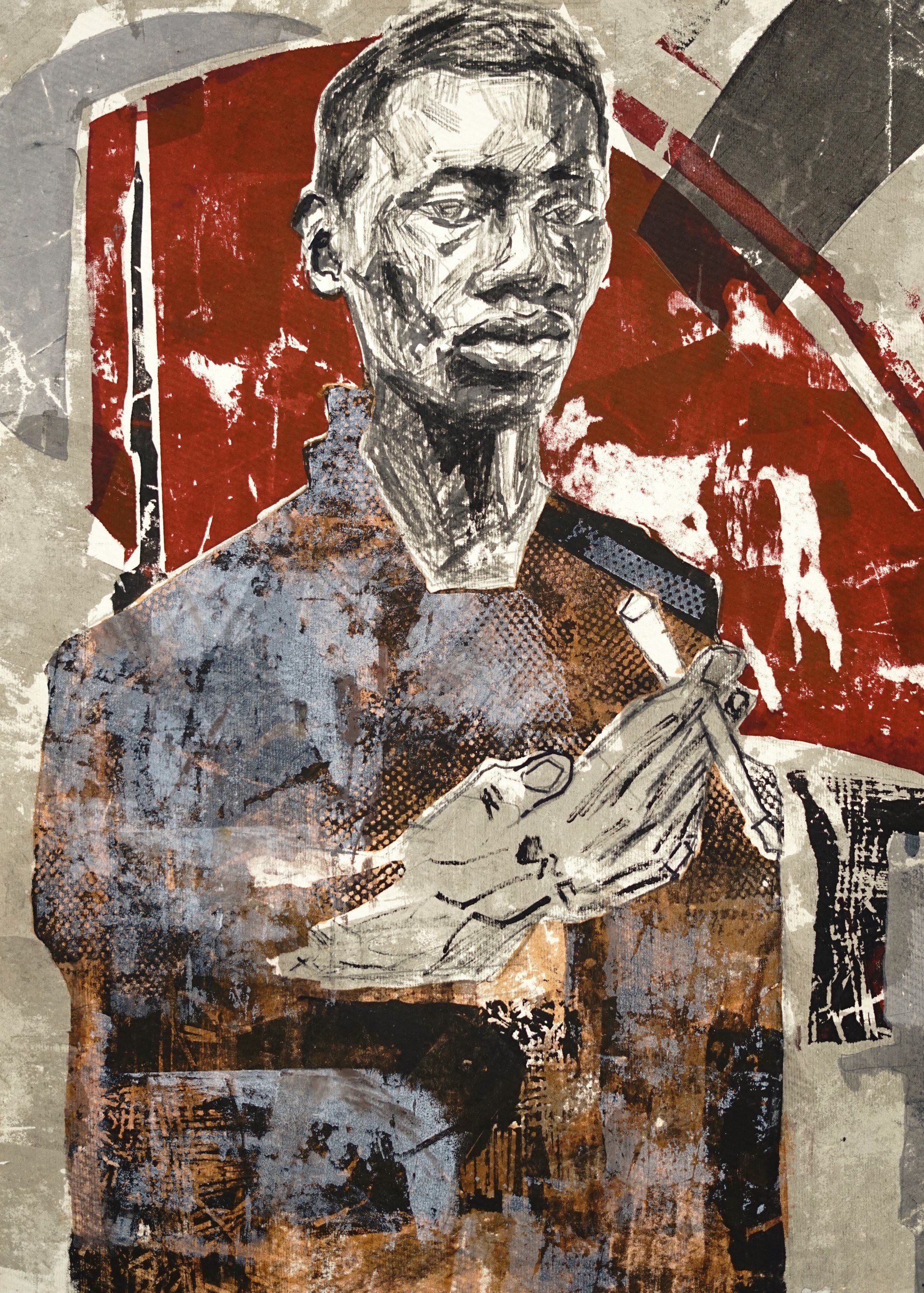
Kaleab Abate, The in between 3, 2022, Mixed Media on Paper, 60x42cm, 
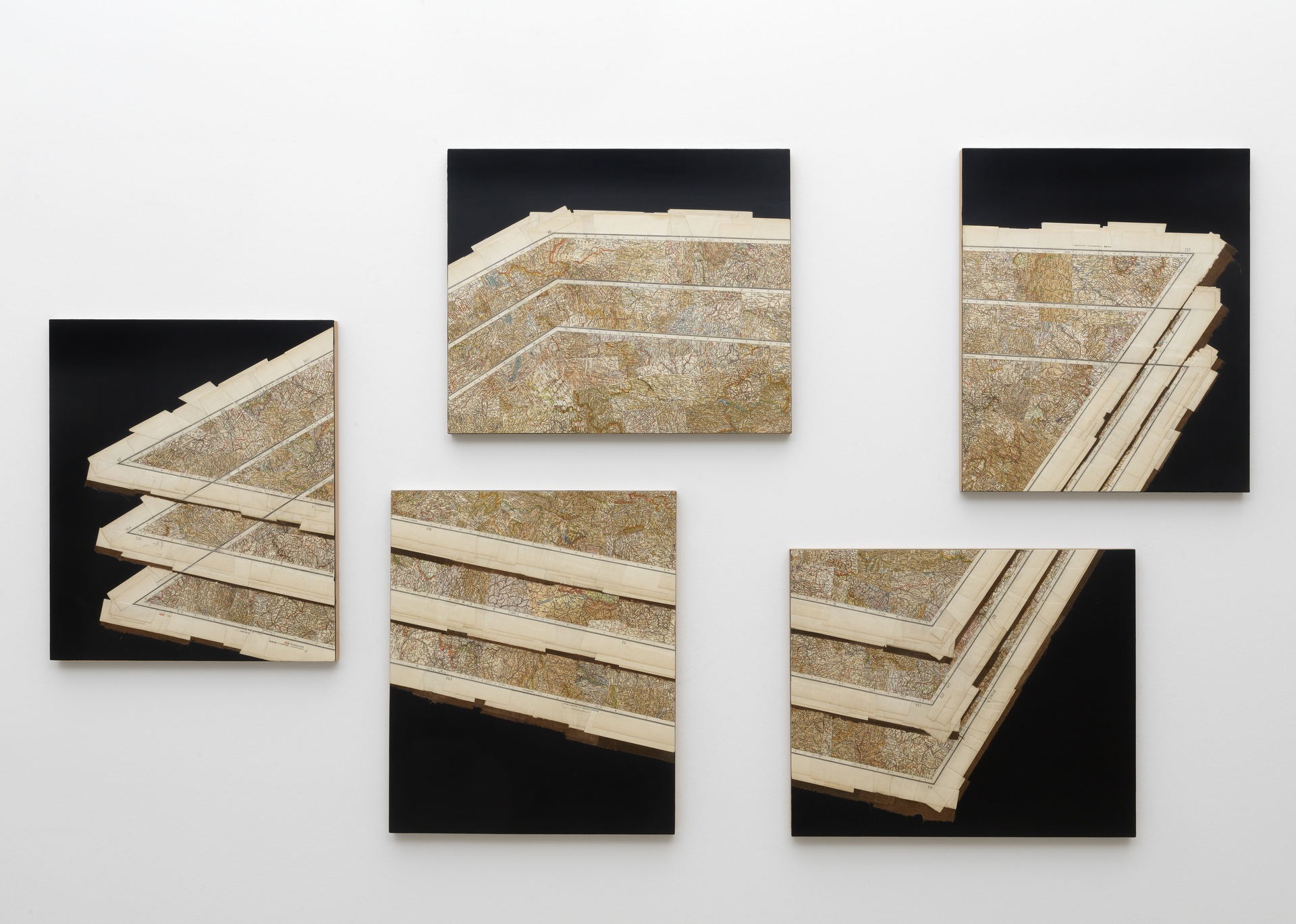
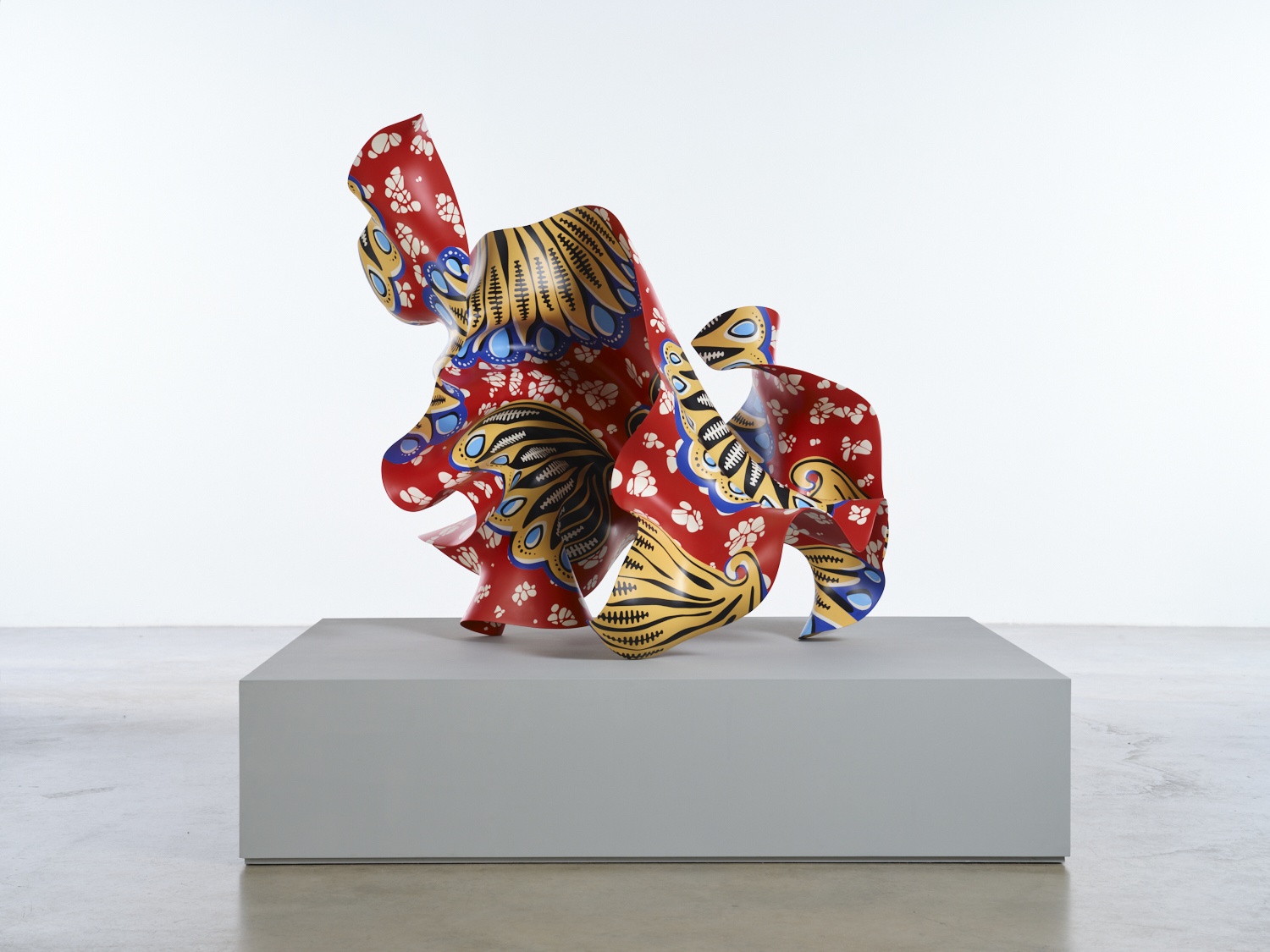
Courtesy of Afriart Gallery. Christopher Moller Gallery ,Tony Gum, Ama Mpondomise. Everard Read, Gerhard Marx, terraterraterra, RECONFIGURED MAP FRAGMENTS
ON PU GROUND ON BOARD, 120 x 210 cm. Goodman Gallery, Yinka Shonibare CBE, Fabric Bronze (Red, Yellow, Blue),
2022, Bronze hand-painted with Dutch wax pattern, 95.5 x 98 x 78 cm.
99 Loop Gallery, Qhamanande Maswana, Studio image 4.
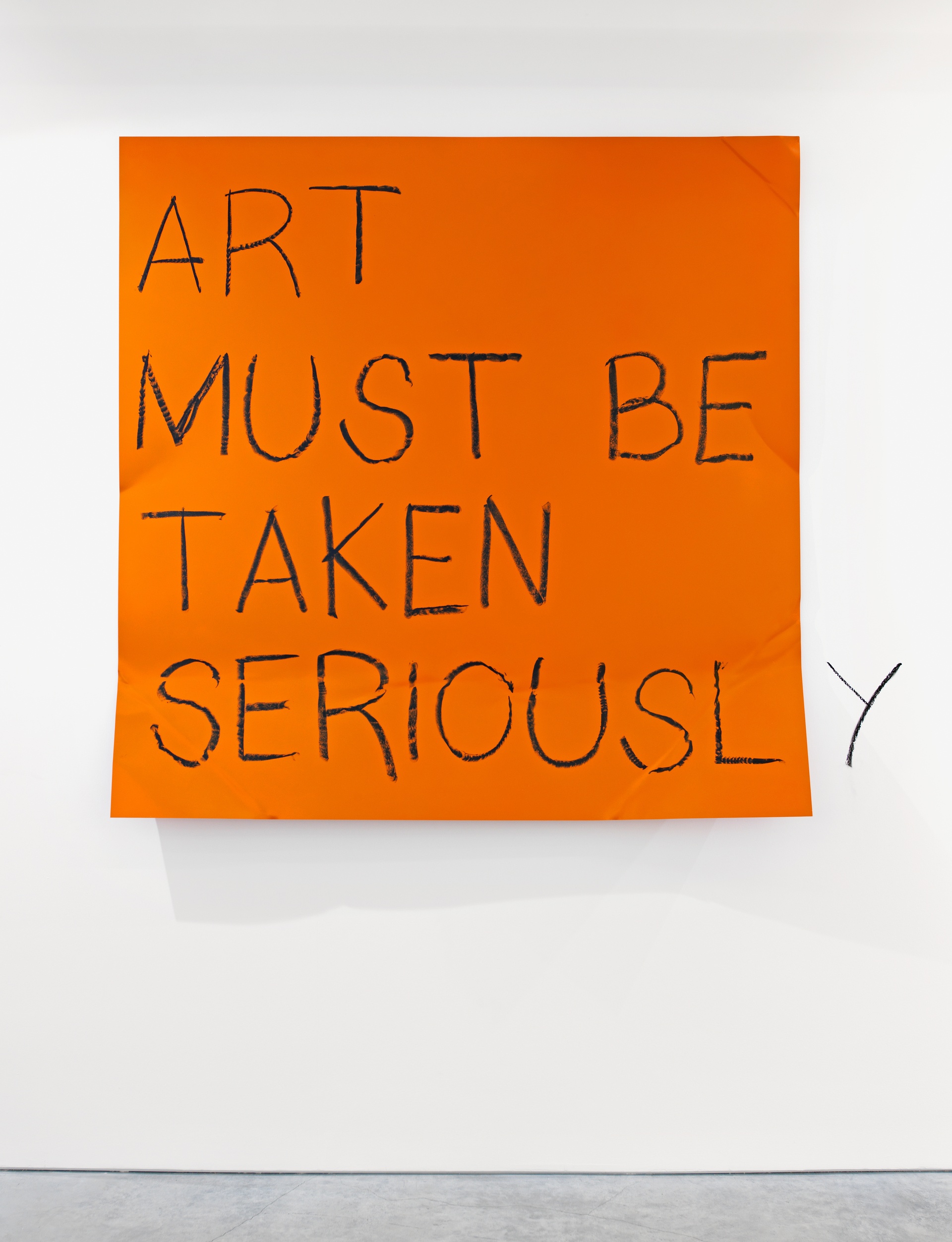
Anna Laudel, Daniele Sigalot, Orange, 2022 Oil pastel and acrylic 
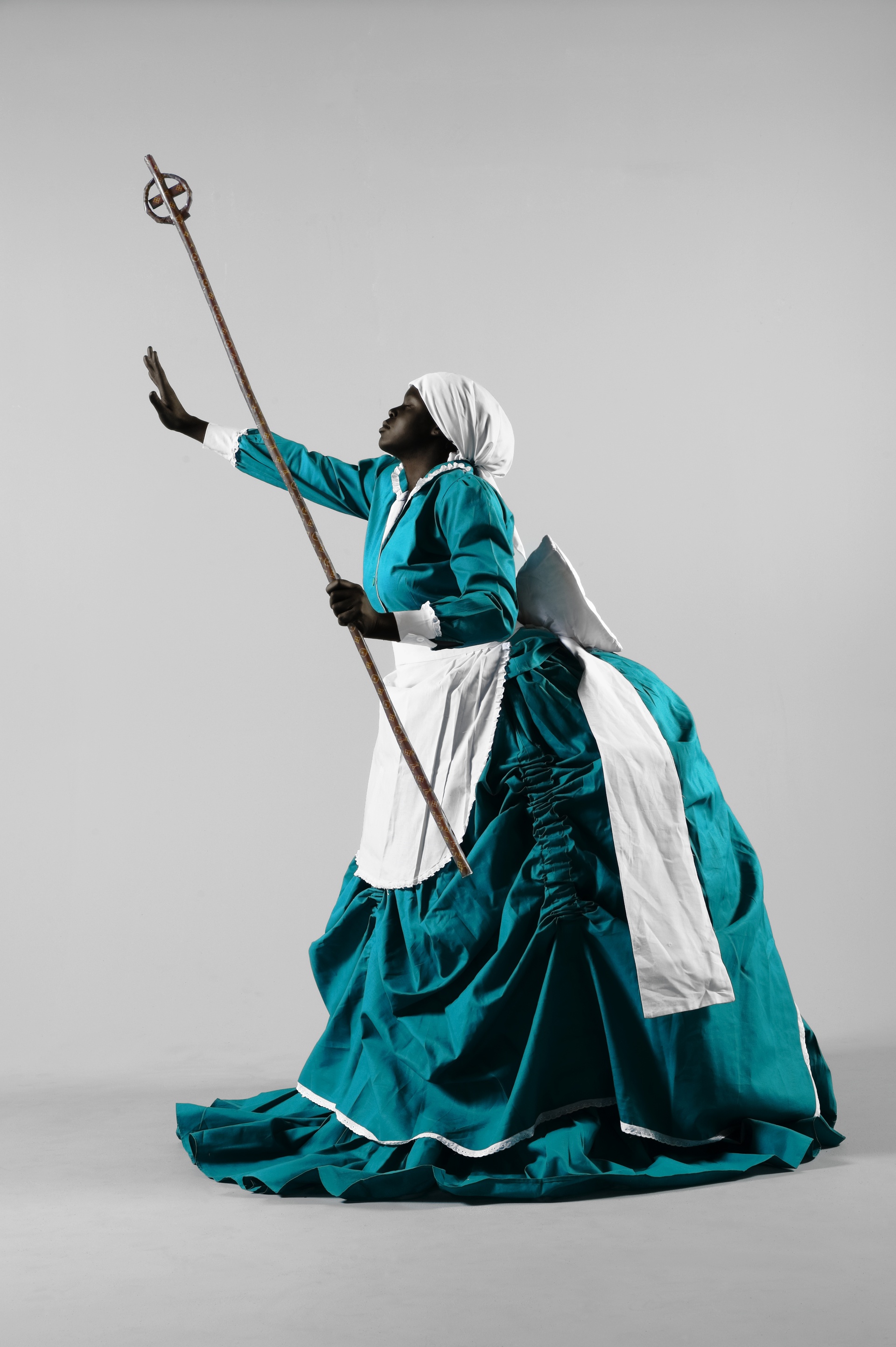
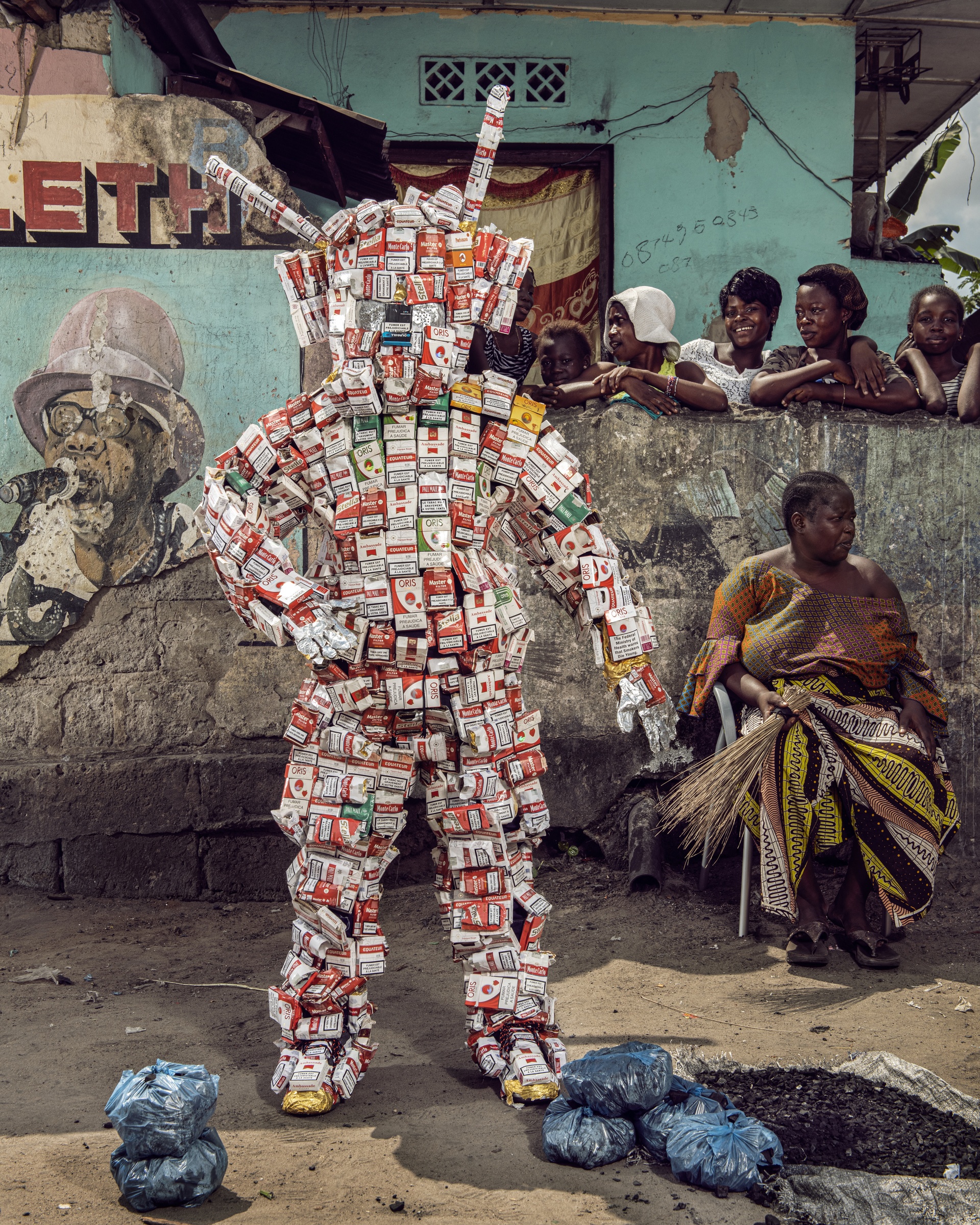
varnish on aluminum 150h x 150w cm. ARTCO, Stephan Gladieu, Cigarette Pack Man. SMAC Gallery, Mary Sibande, I put a spell on me, 2009. Archival
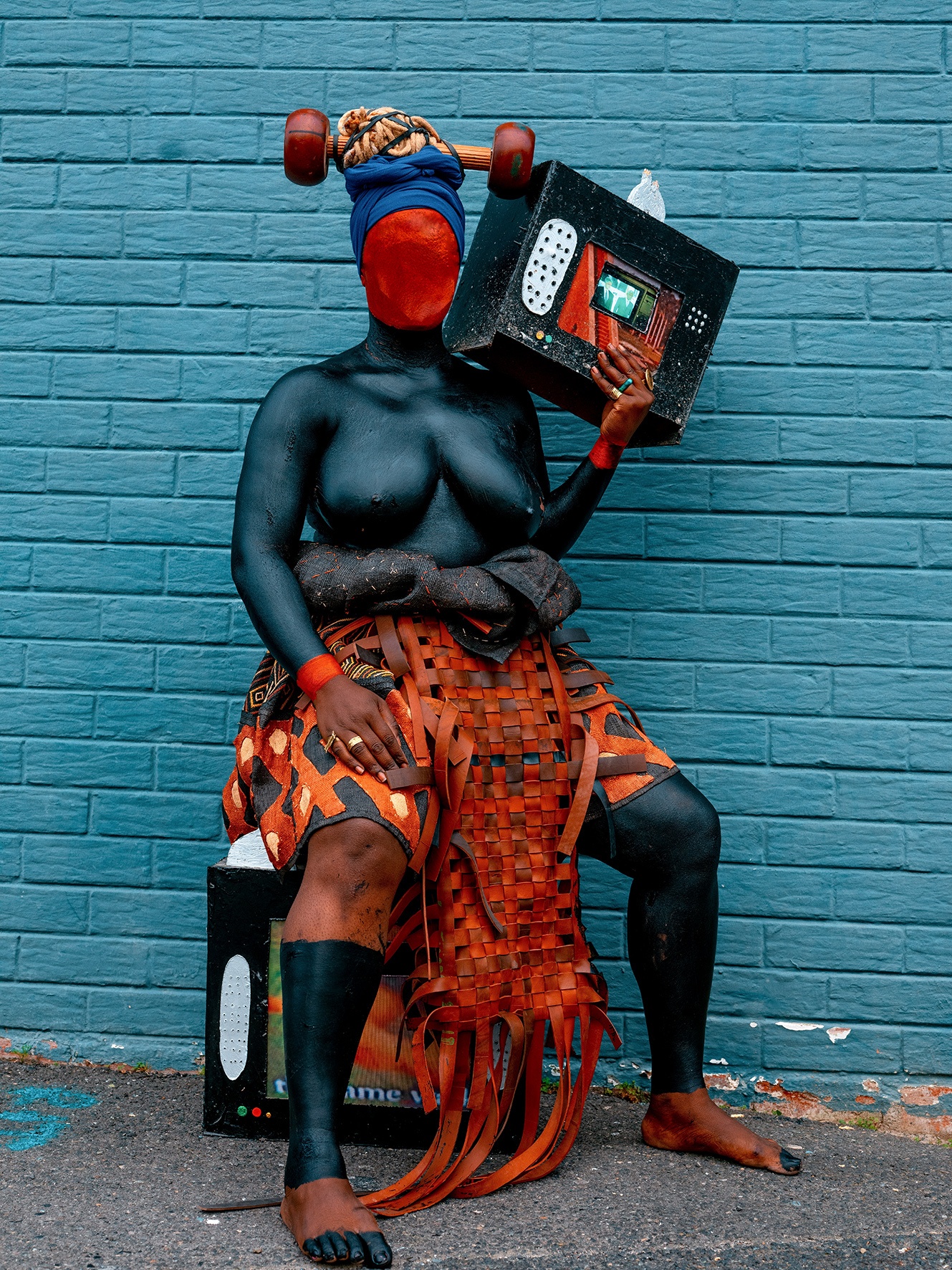
Digital Print, 120 x 79 cm, HR. THIS IS NOT A WHITE CUBE Art Gallery, Nicole Rafiki, Past is Present,
Present is Future (2022), Glicée print on Fine Art Baryta paper (ed).
From the PAST/MODERN section:
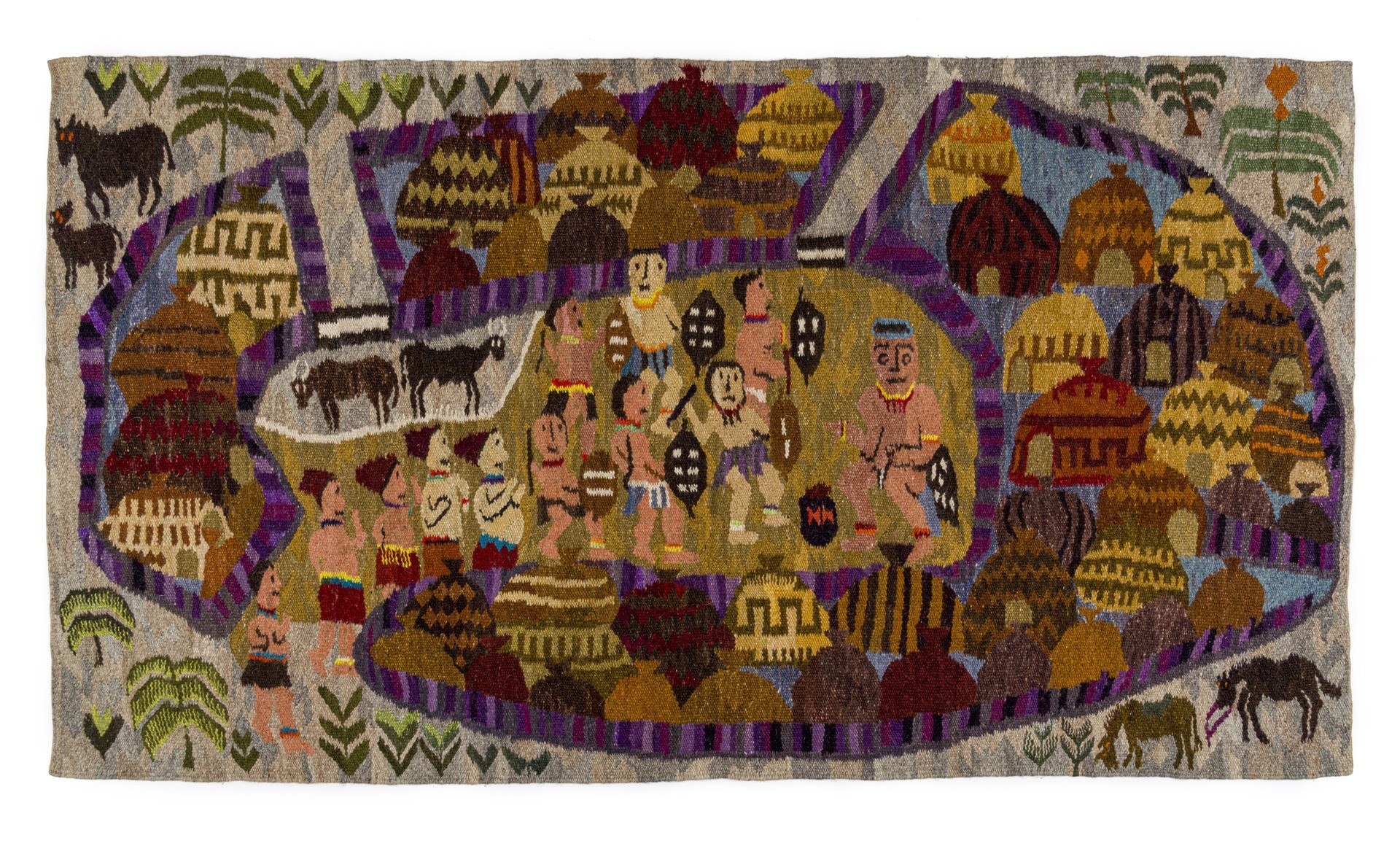
Riaan Bolt, Jesse Dlamini, Dingaan's Kraal.
From the TOMORROWS TODAY section:
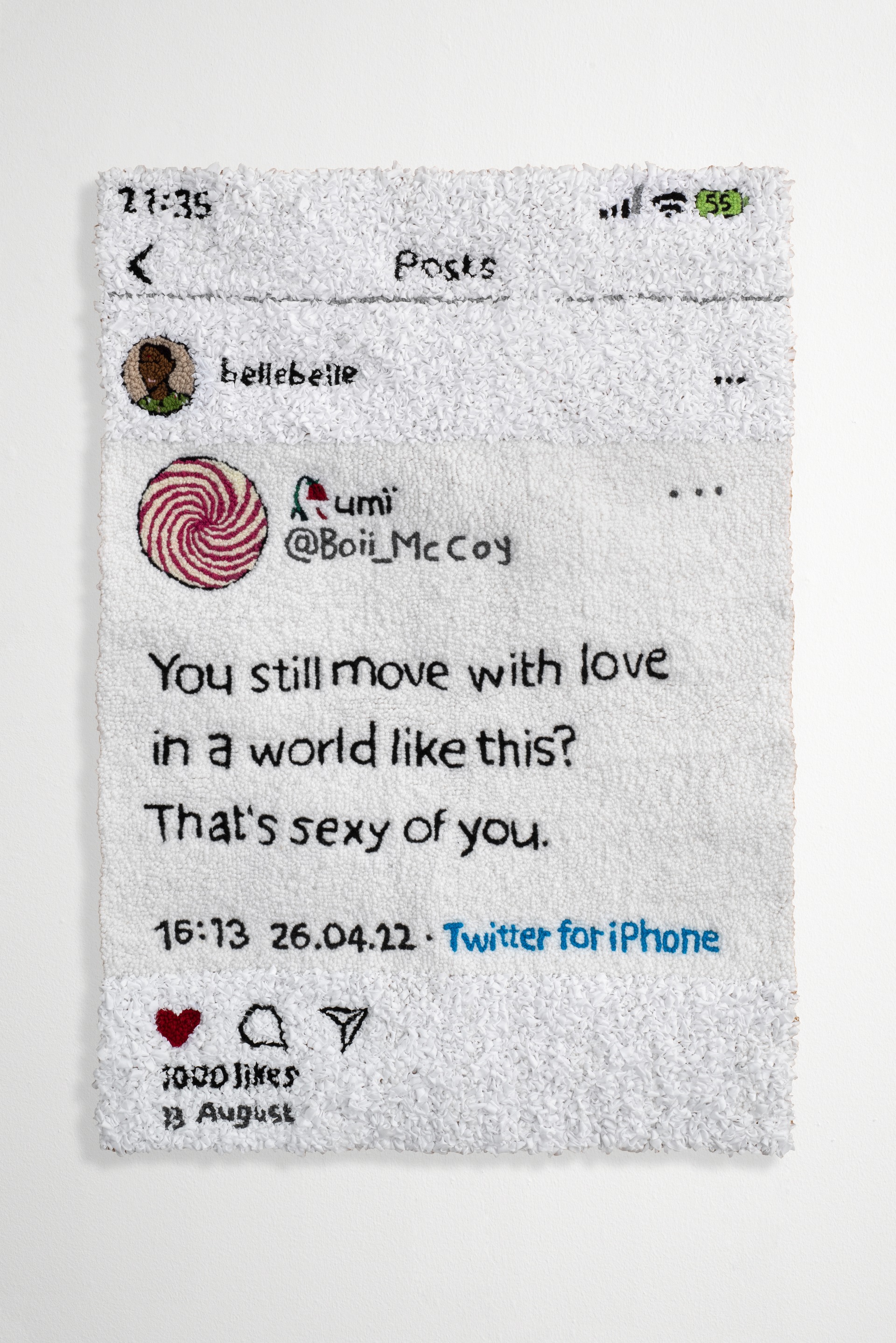
BKhz Gallery, Talia Ramkilawan, I Miss You, 
Wool and Cloth on Hessian, 87 x 61 x 4.4cm, Photographed by Paris Brummer.
Art Fair images by photographer Stephanie Veldman.

Written by: Holly Beaton

For more news, visit the Connect Everything Collective homepage www.ceconline.co.za