Chapter 13 | Essential South African womenswear brands for your wardrobe

In an age where consumption continues to peak beyond what could ever have been predicted, it can be really difficult to navigate the onslaught of sartorial choices presented to us everyday via adverts and algorithms. There are so many trends, styles and silhouettes via every post or story, and it can be really exhausting. Yet, I find that our local design market offers the perfect antidote to this dilemma – and I will continue to say a sentiment I live by as an ardent supporter of South African fashion; we are uniquely positioned as a young, emerging design market to be intrinsically sustainable. Many designers are making smaller-batch collections, and preserving local craft and tailoring practices; with this kind of key-trends being adopted elsewhere in Europe as a return to quality supply chains; many South African brands have never strayed from this, out of pure availability and necessity. I think this is worth celebrating, alongside the incredible array of brands who contribute to a beautifully-growing picture of South African design. 

In putting together our thirteenth chapter of Interlude, I was retrospecting on the nature of womenswear as a fundamental to fashion’s overall development. Historically, fashion is the one arena and industry where women have reigned; and for better or worse, we have been at the forefront of every designers or label’s mind. Menswear has become so much more diverse and interesting in recent years, which is incredible, but I wanted to return to looking at womenswear through a South African lens; and what better way to do so, than with nine local and  women-owned brands? The following labels, in their own way, design as women for women (and anyone along the gender spectrum) to embody the spirit of creativity and chicness – and I think each label hosts a variety of absolute essentials for your wardrobe. These are spaces that create investment pieces; and focus quality and intention that speak to our country’s innate sartorial consciousness. I hope you will consider them next time you find yourself needing to add to your archive – remembering that buying local, is supporting the dreams of South Africans. Right now, with everything going on in our country and planet, there are few better ways to stand in solidarity for a better, chicer world.

Fikile Sokhulu /// 

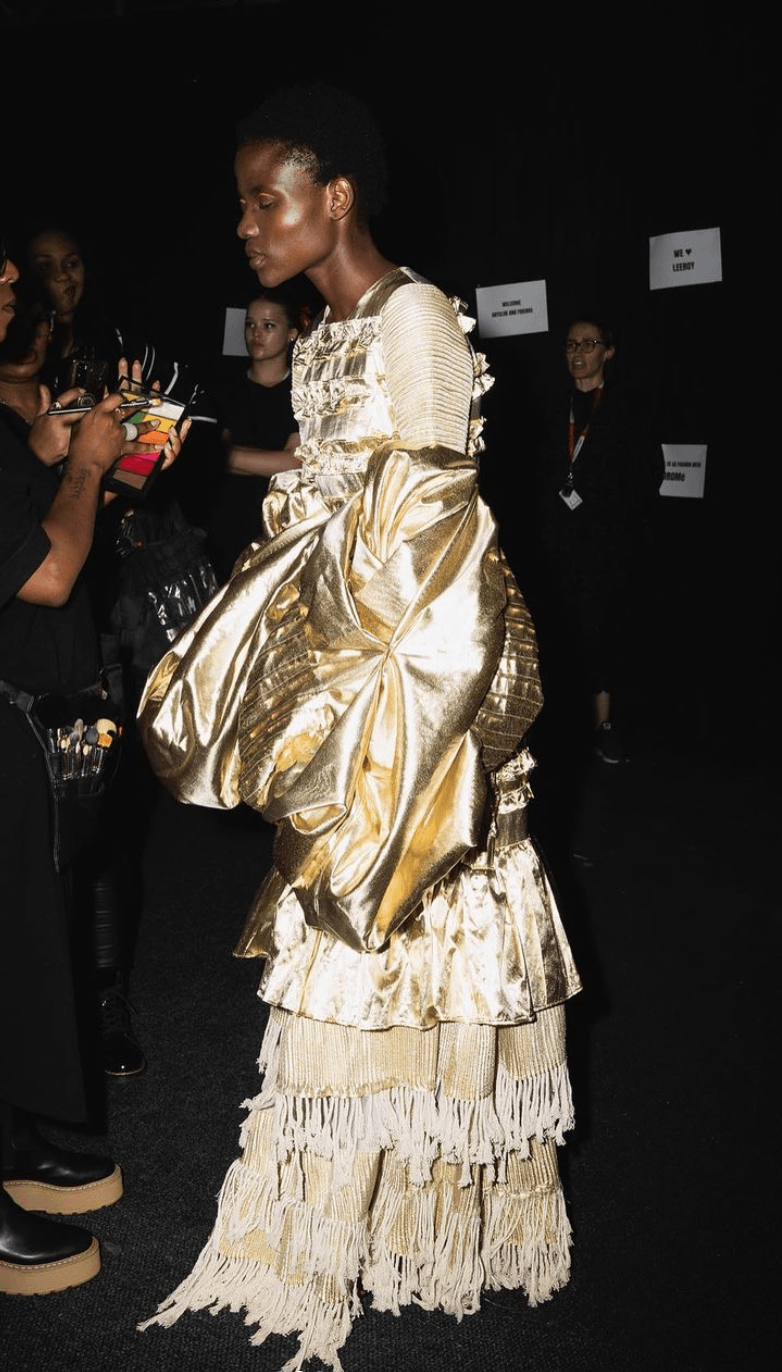
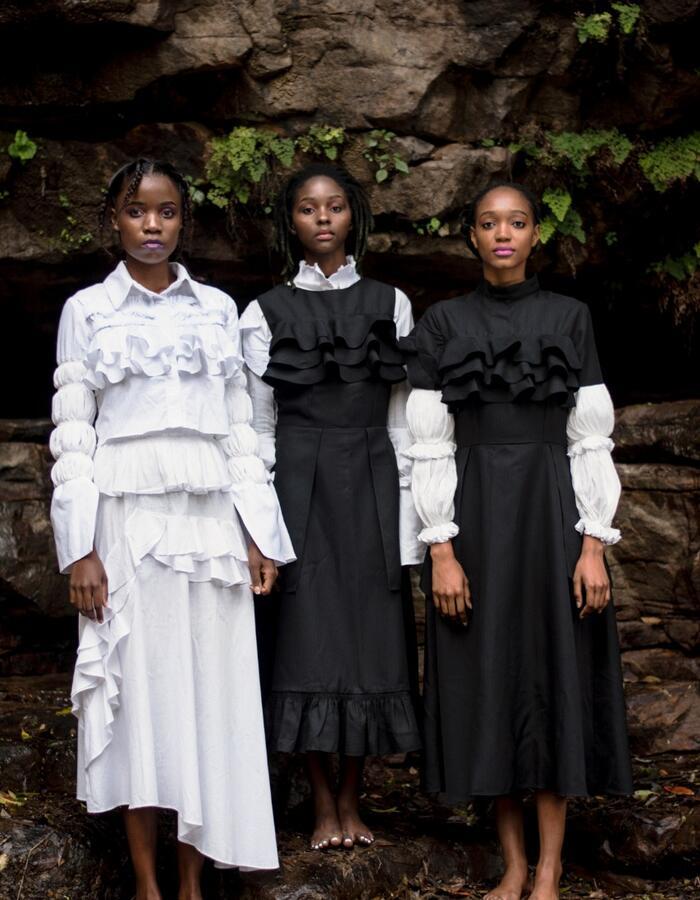
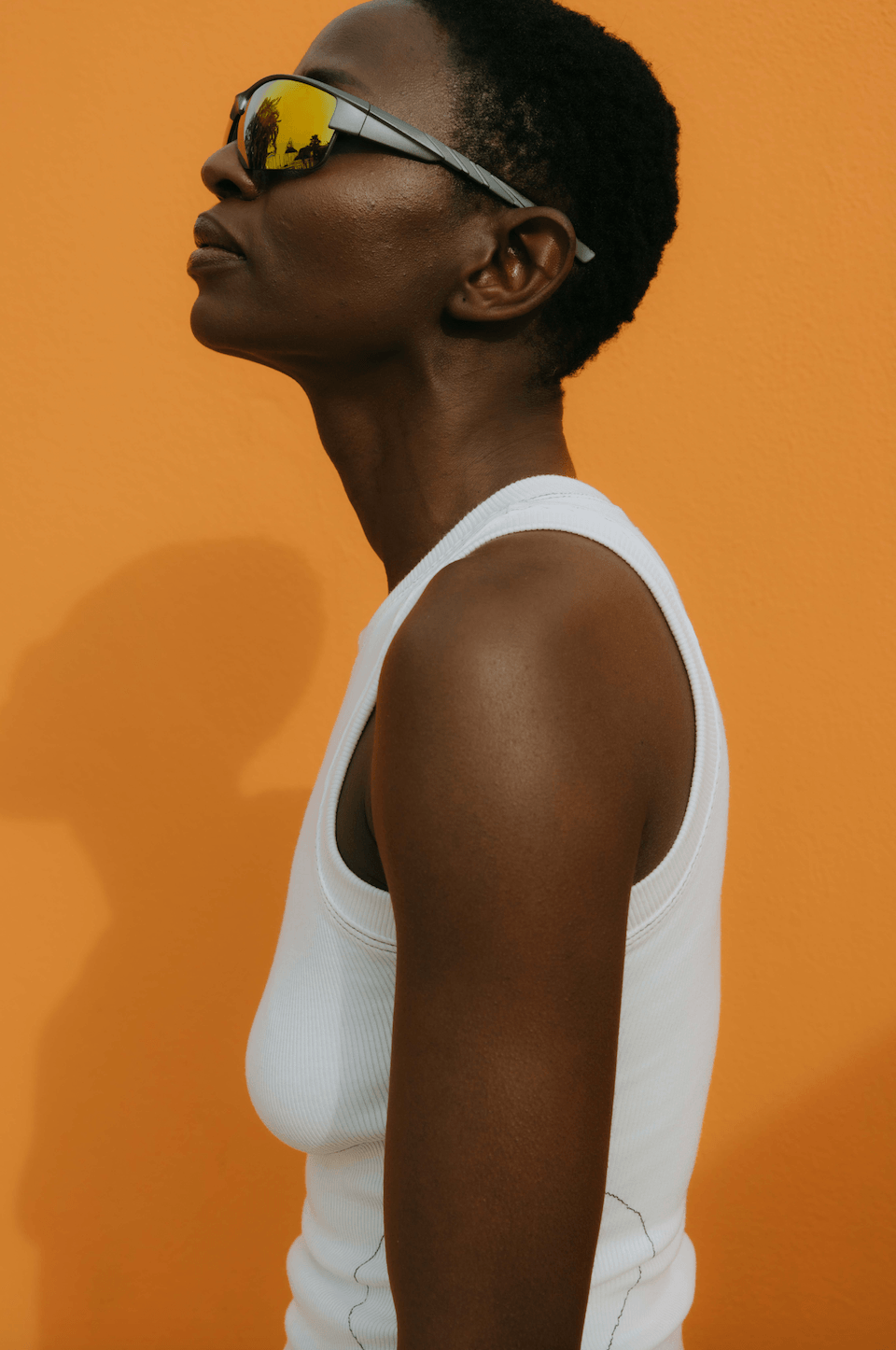
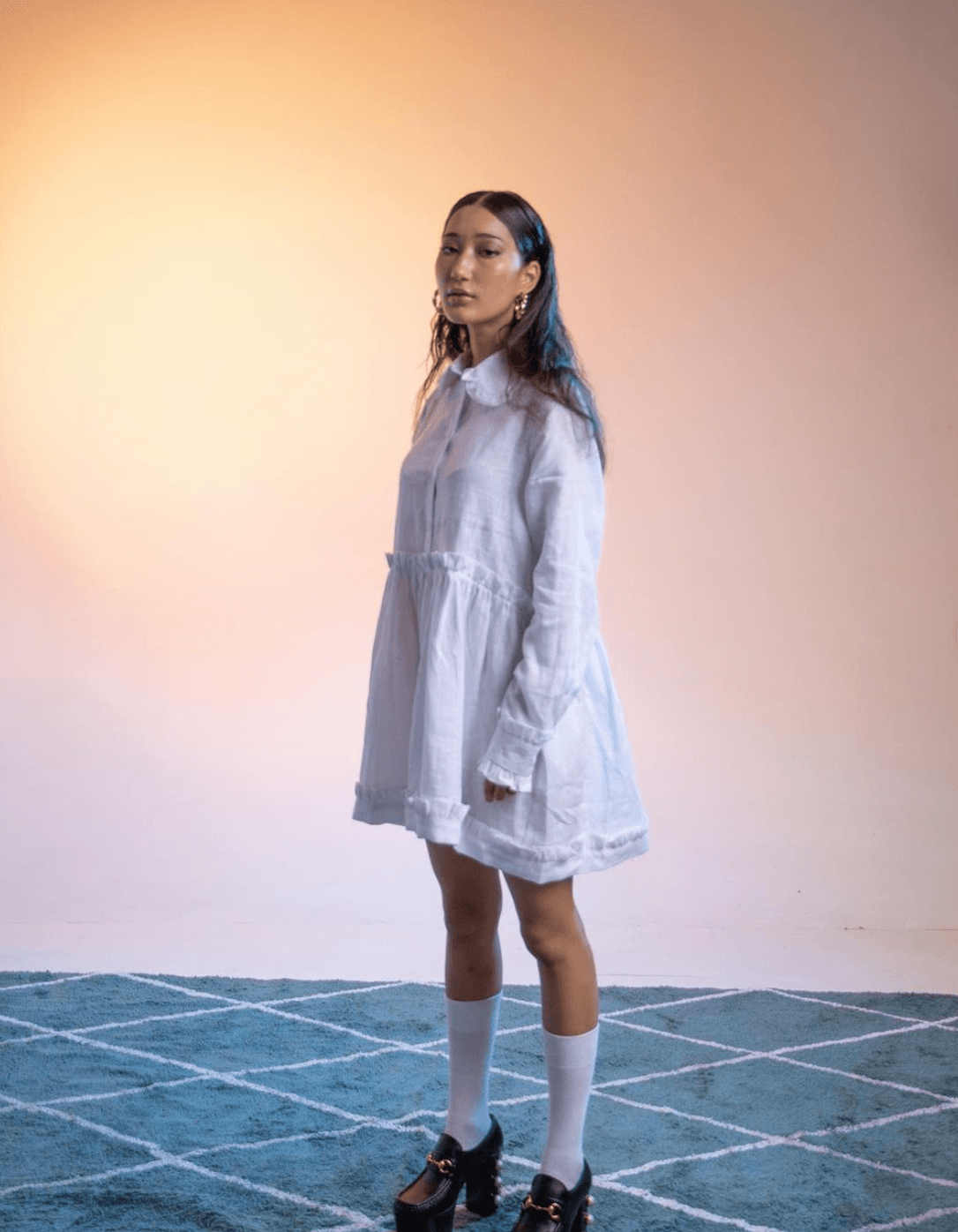
If you’re a long-time reader of Interlude, you’ll know that I adore the Durban University of Technology graduates. I don’t feel like Durbs always get their dues, so I’ll be whispering ‘DUT’ to anyone who will listen (or read). Fikile Sokhulu is one such graduate. As a finalist for the South African Fashion New Talent Search, Fikile is now a regular fixture on the scene, and has participated in international projects in Italy and China. Her design approach is rooted in feminine expressions and organic shapes, and Fikile is a growing mastere at fabric manipulation. Romantic ruffles, pleats and exaggerations don’t just happen – they’re an expression of painstaking and thoughtful technical ability. The label is precise and innovative – and I am reminded of Simone Rocha’s work, but entirely Fikile’s own. I think everyone should have a Fikile Sokhulu ruffled moment in their wardrobe.
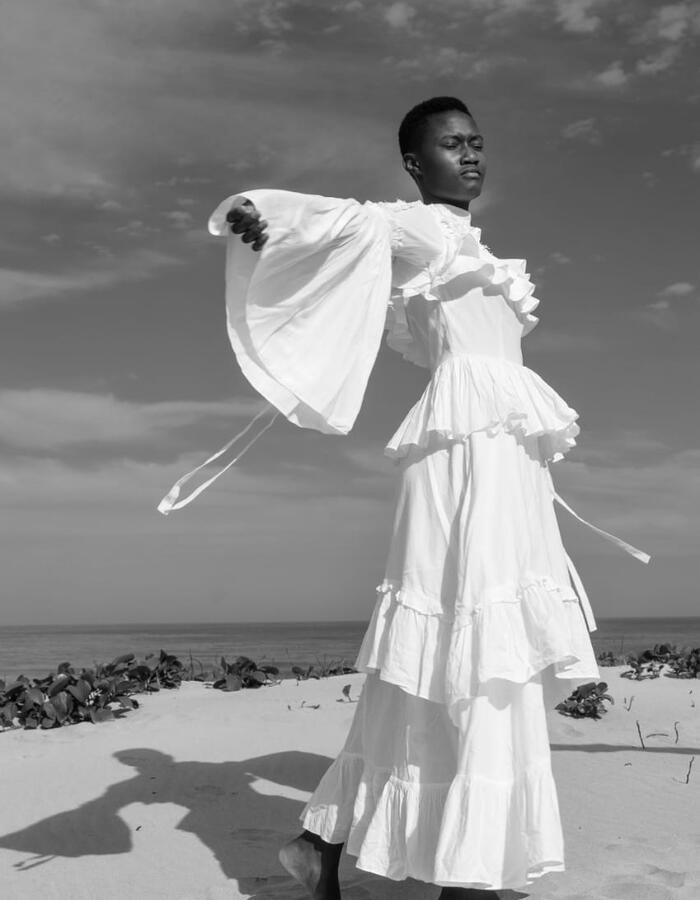
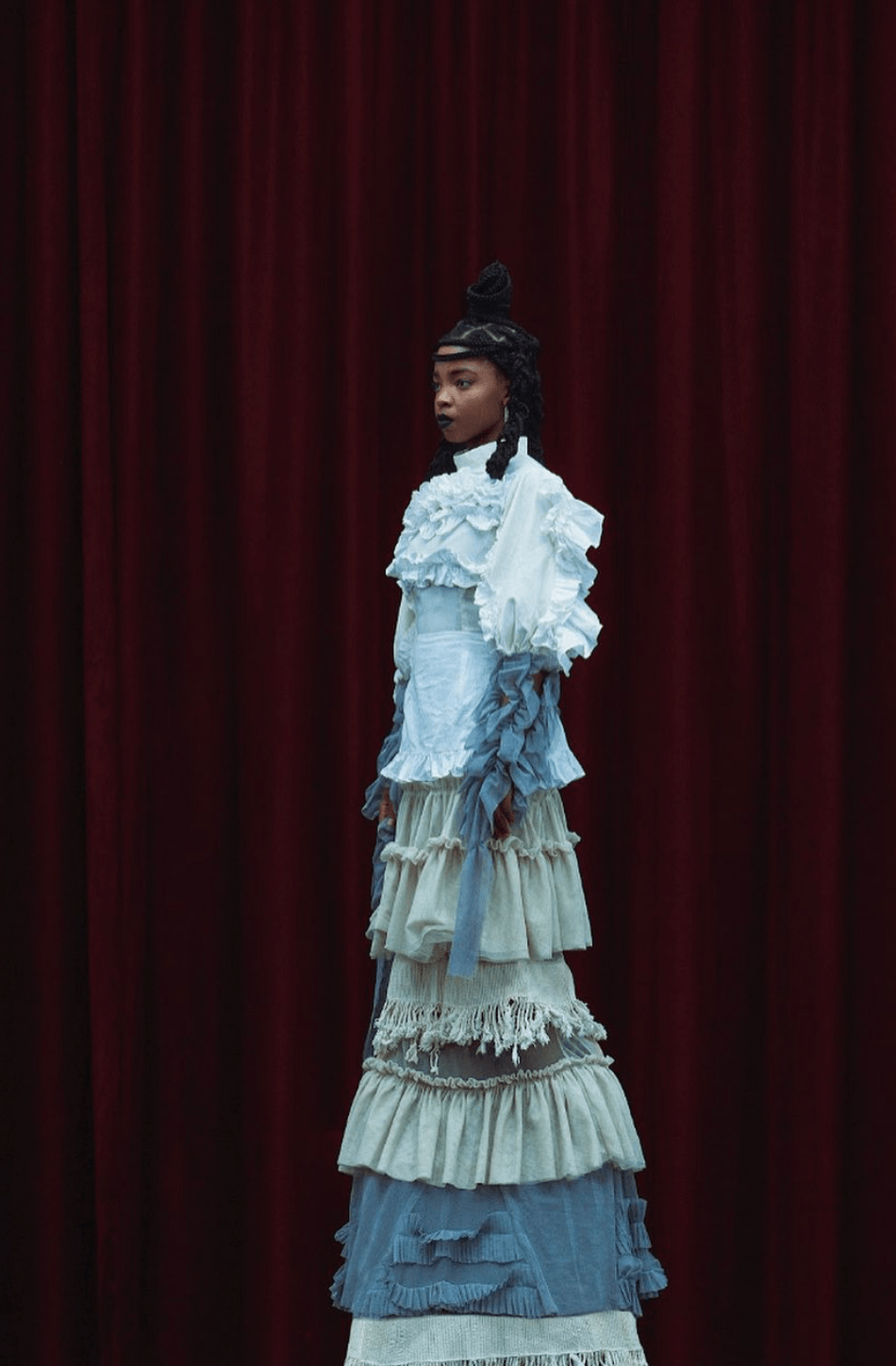
Images courtesy of Fikile Sokhulu

Connade /// 

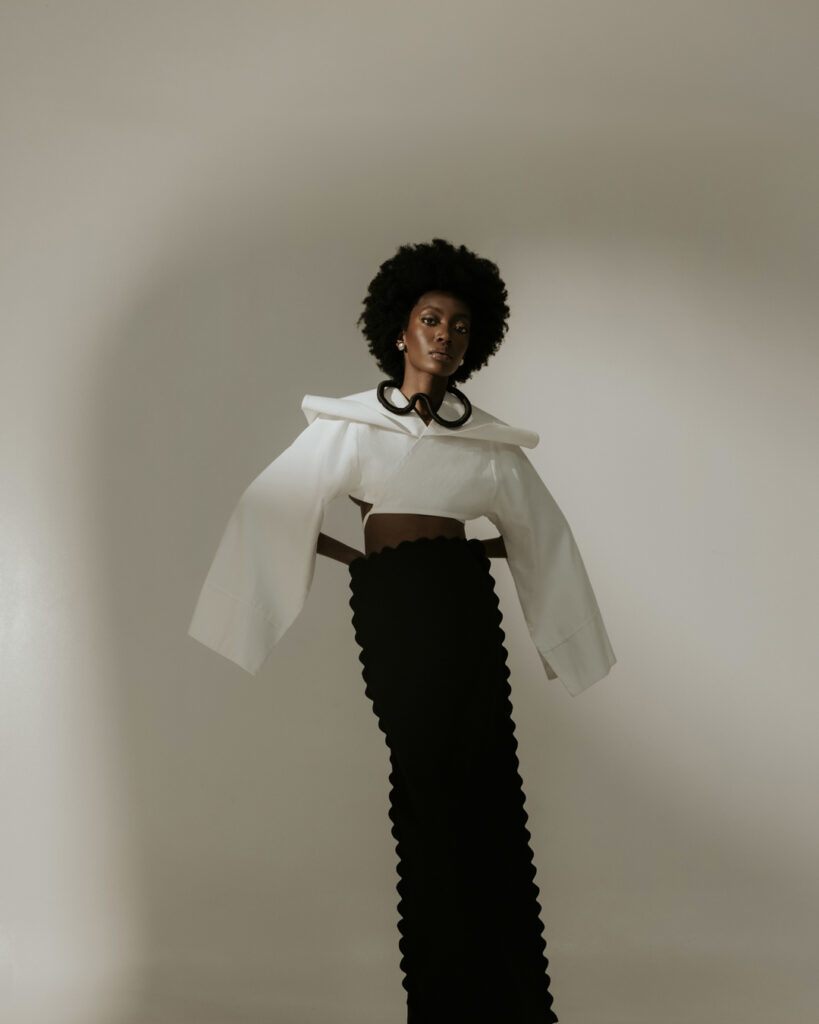
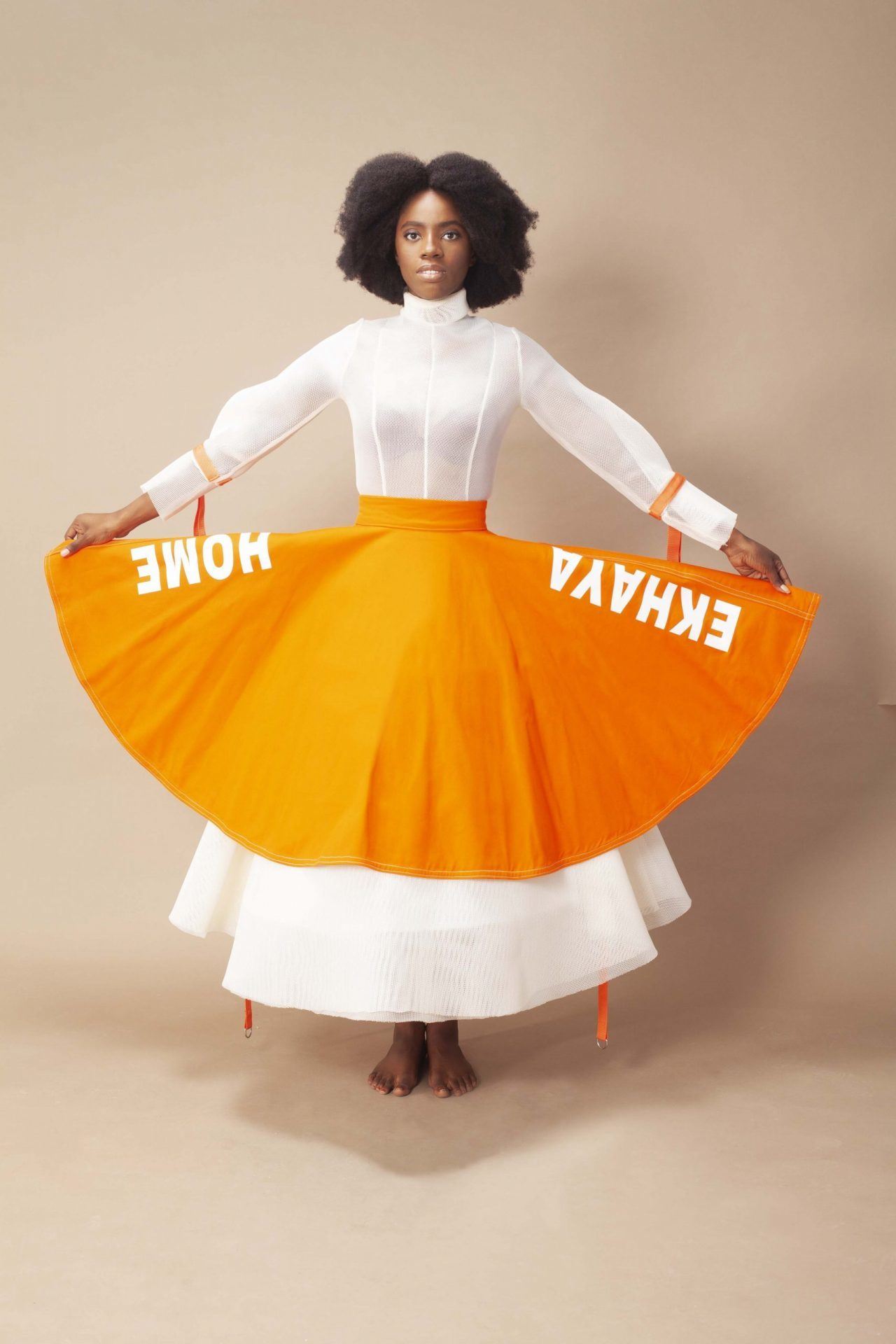
Connade is the lovechild of Shelley Mokoena – possibly one of the chicest women in the whole country. I have been fortunate enough to work with some of her pieces in a styling context; and they are more incredible than even Connade’s stunning campaigns can showcase. With unusual construction, Connade is a case study in the art of sculptural pattern making and execution; with piping being used to form incredible feats of height and structure. All this, in a garment? Incredible. Their SS23 collection, The Antecedent, is an ode to the journey of the self – with the campaign notes, readingThe collection creatively dissects the rediscovery of the designers’ timeline, inspired by the makeup of her childhood. Mokoena offers the wearer, spiritual keys of African numerology, and an overall profound grace in the investigation of the fallacies, fears, and misinterpretations that have created the narratives that have become her identity. The garments undress shadows of familiarity, roles, blind routine appropriateness and societal appropriation where we have traded the sight of the world, a transaction that left our true selves othered.” A Connade statement piece or three? Absolutely essential.
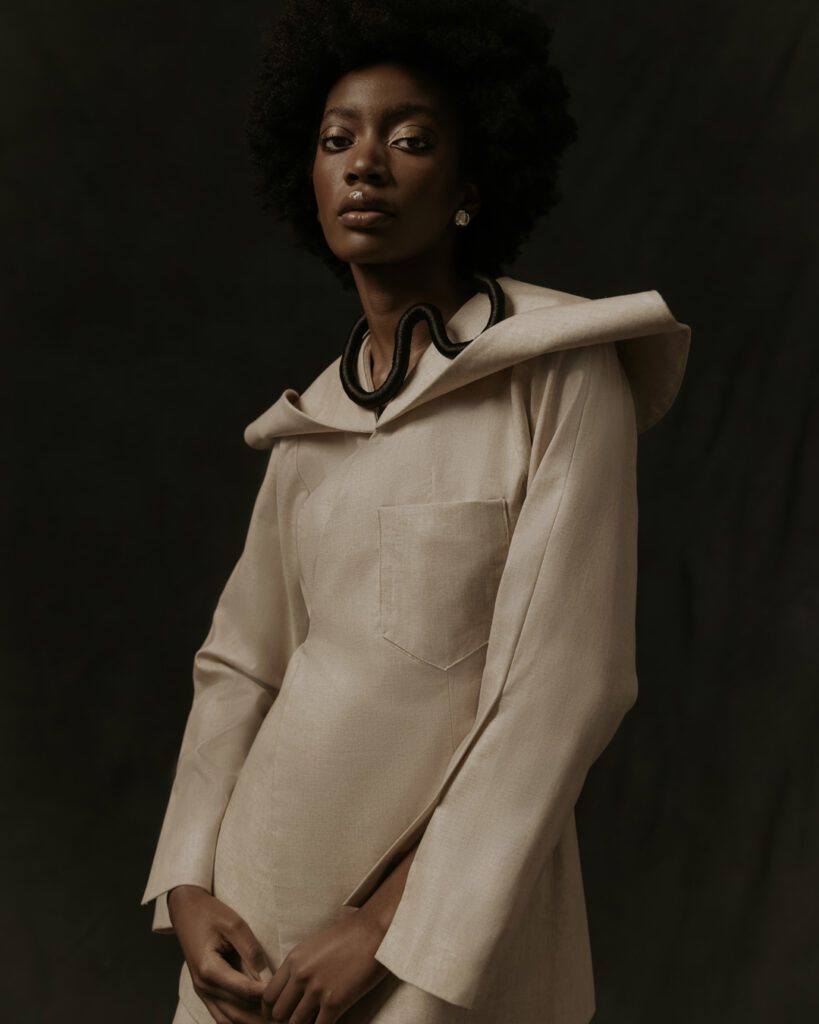
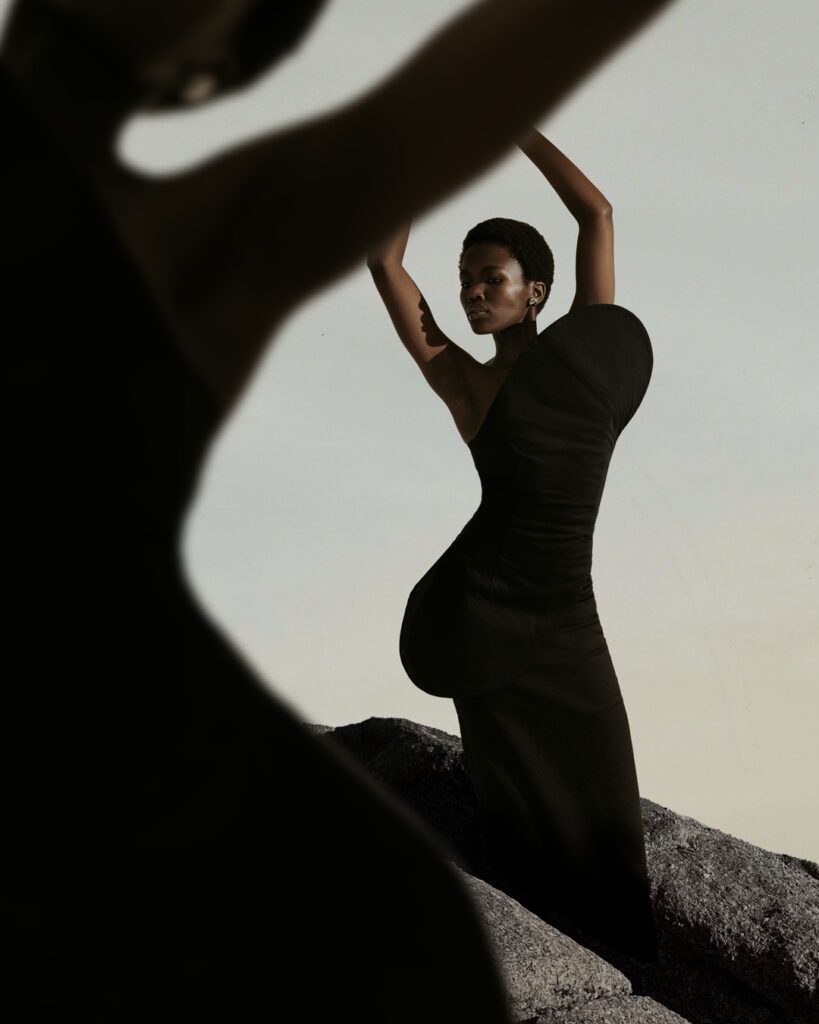
Images by Michael Oliver Love

Rethread /// 

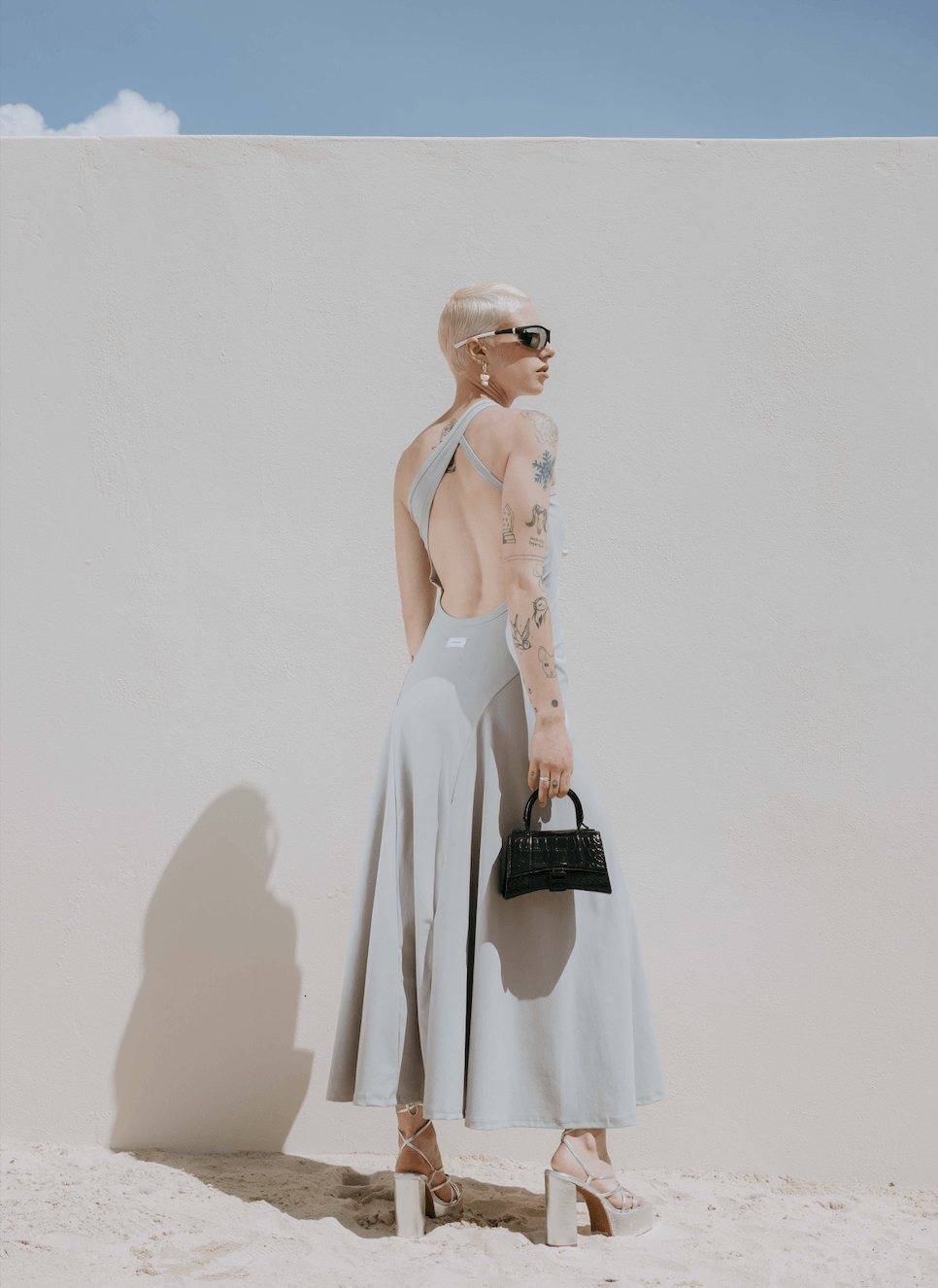
Alexa Schempers is KILLING it. As founder and creative director of Rethread, the up-cycling orientated label continues to excel with their inventive and sustainable pieces locally, and made by women, serve part of a long-term, permanent collection. Alexa really said, sustainable has to be boring? Never. Piquing the interest of Lagos Fashion Week, Rethread participated last year in their Woven Threads Exhibition, focused on highlighting circular fashion brands on the continent. Then, there’s Alexa’s growing command of TikTok – in which her personable, deep love and affection for what she does is showcased to an audience of 21k + both locally and internationally. To finish it off, even though Rethread has only just got going, was this absolutely iconic moment when Julia Fox stumbled across Rethread.
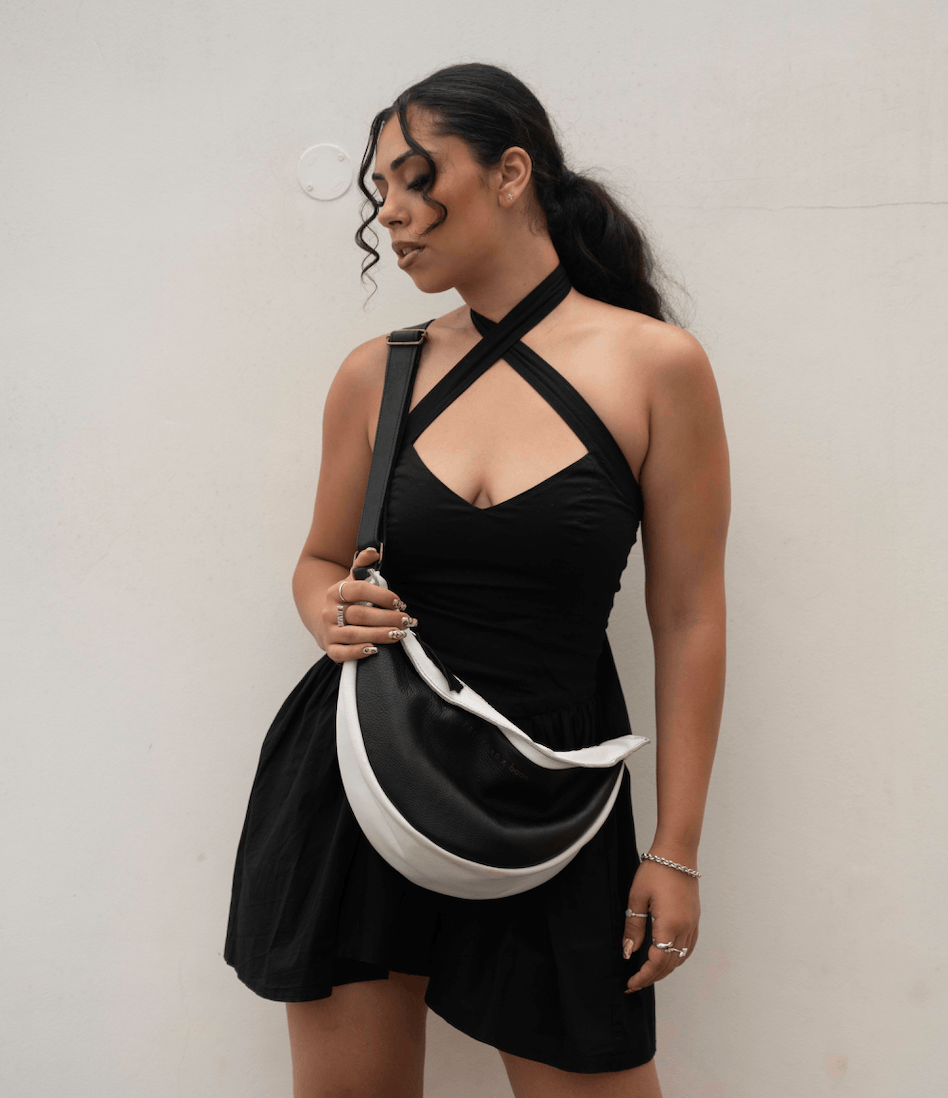
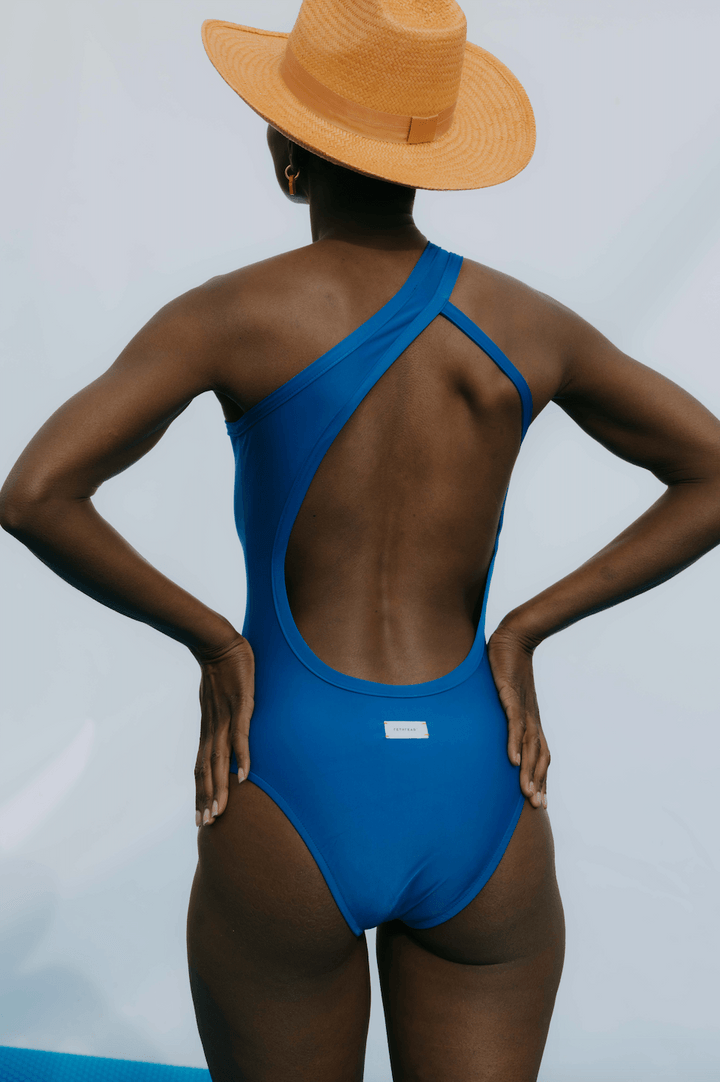
Images from rethread.store

SELFI /// 

Celeste Arendse has been leading the sartorial charge in South Africa for nearly a decade. As an alumni of CPUT, Celeste was one of the first designers in the country to pivot to biodegradable and sustainable fabrications; and finding that fabrication is the surest way, alongside construction, to elevate her brand SELFI to the space she wanted it to be. Celeste has said that ‘she never wanted to make clothes that couldn’t return to the earth somehow’ – and in our conversation last year, SELFI’s vision for womenswear was explained by Celeste I needed to create something with my own hands. I trained for that, and learned a lot working after I graduated, but by 2012 I was looking to channel everything towards a vision I had for womenswear in South Africa. I wasn’t finding much of what I wanted to wear, or see my friends wearing. I think any creative or designer will tell you there is a certain frustration in seeing so much inspiration everywhere – and not being able to transform those referential moments into a body of work testament to that flow of creative energy from observing, internalising and then creating.” This push to create something of her own gave birth to SELFI – a continual and exceptional expression of womenswear, designed and made in Cape Town.
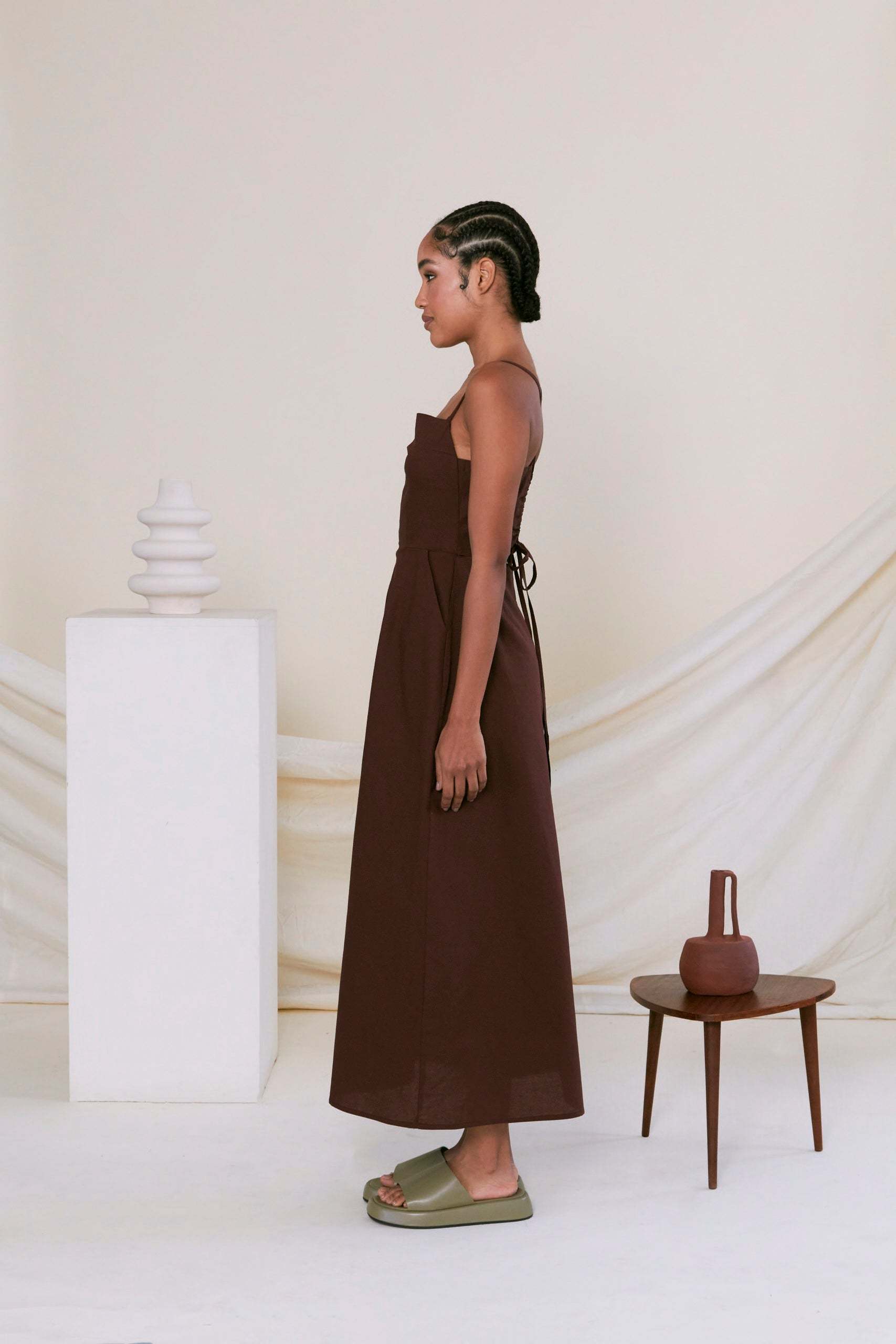
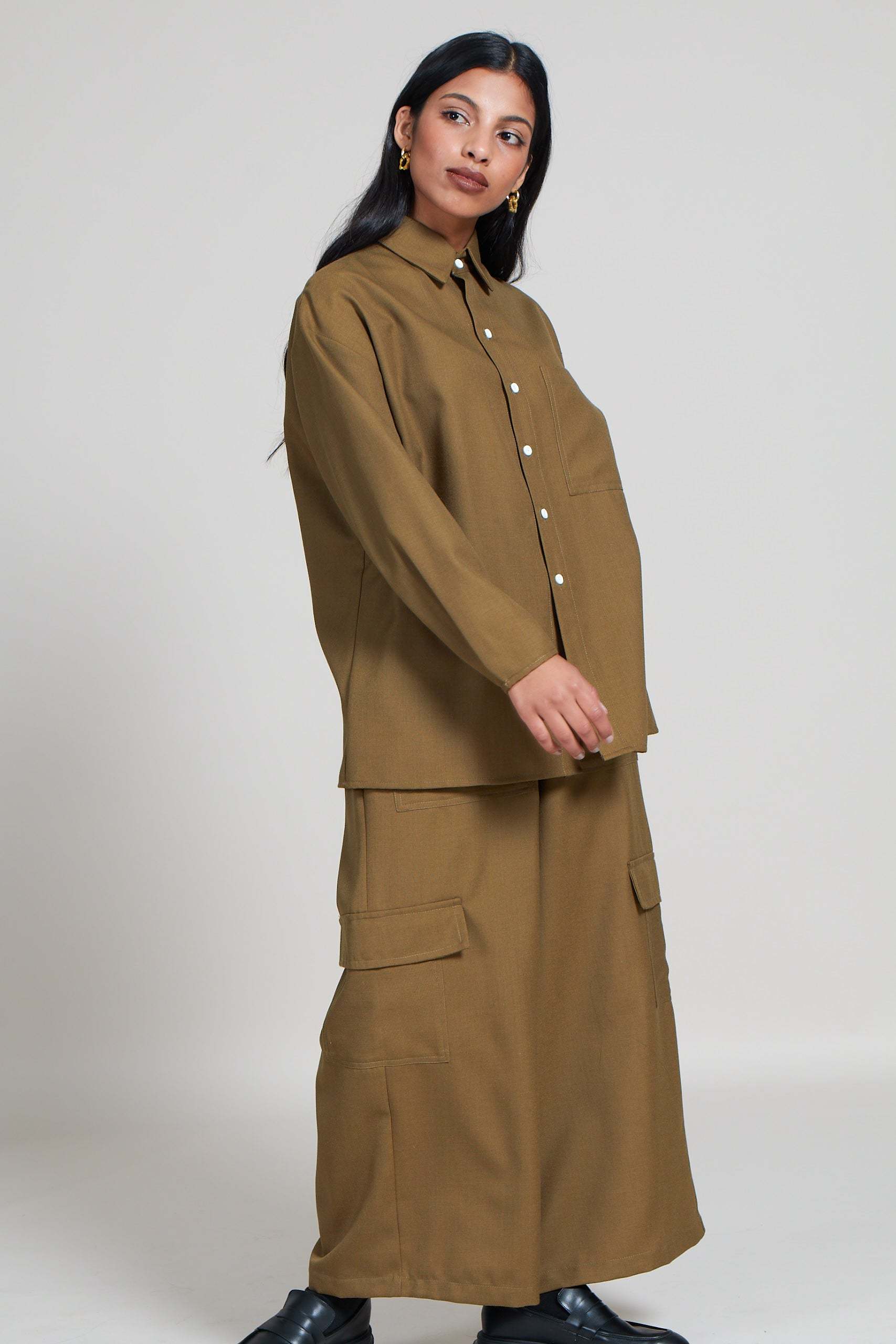
Images courtesy of selfi.co.za 

MUNKUS /// 

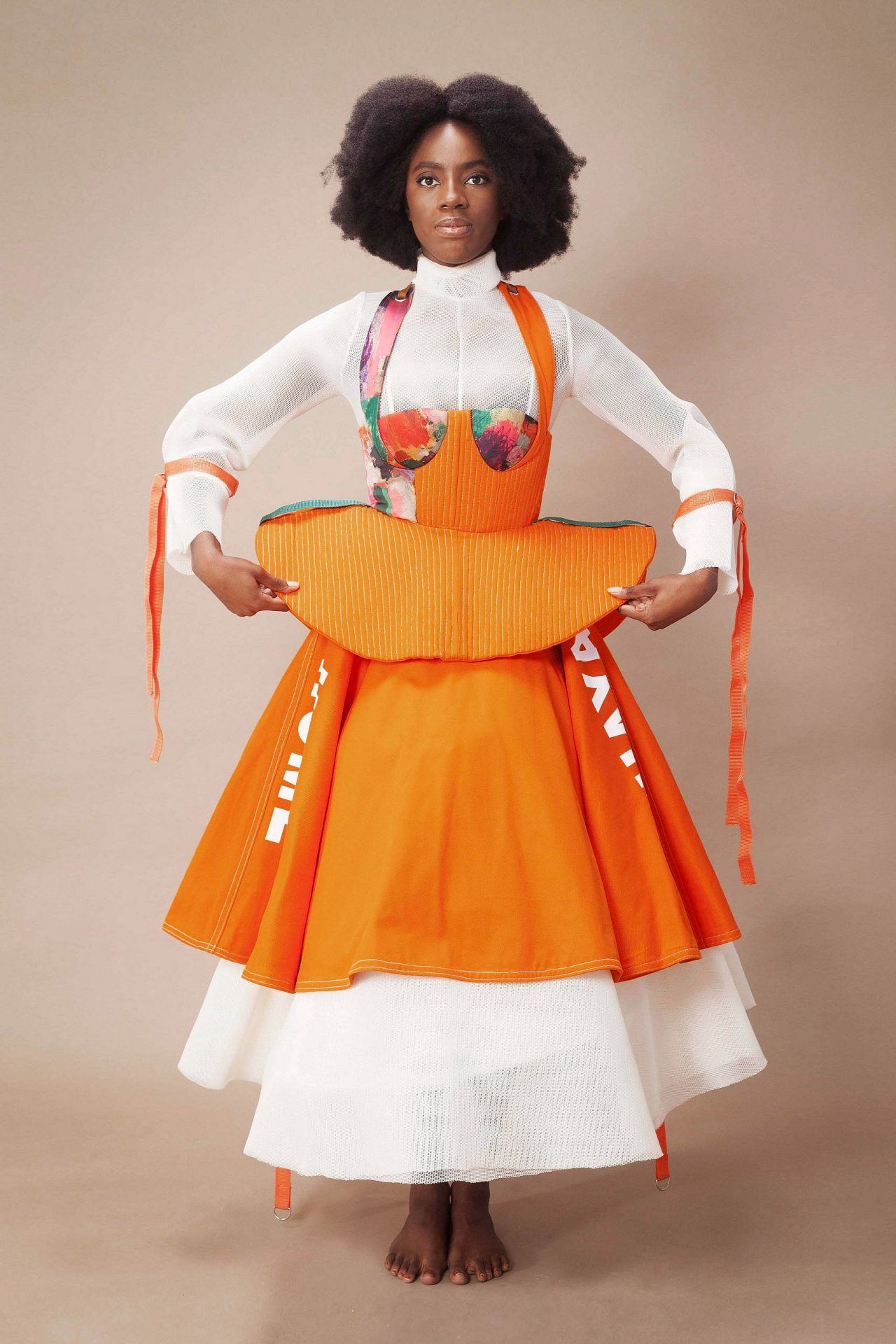
Thando Ntuli’s brand MUNKUS takes its name from her family nickname, ‘munkus’ – and the brand reflects this personal adoration emanating from her childhood in Soweto. As is written about Thando’s vision for South African Fashion Week, “As the creative director and owner of the brand, Thando uses the power of storytelling, through her clothing, to allow women to be their most colourful, comfortable, and loud self. Taking inspiration from the generational line of mothers in her life, she wants to raise the voice of the everyday woman through craftsmanship.” This blueprint for the brand’s outstanding success since inception in 2019 makes MUNKUS one to support, deeply. The brilliance of MUNKUS shines through in its multi-functional pieces; designed to be worn singularly or layered, as shown in the images below. Every piece designed by Thando is such that a vision for one’s wardrobe is the ability to style and re-use timeless, energetic garments over and over again in new ways – simply genius. Last year, Thando won the SAFW New Talent competition with her collection titled ‘Umama Wami’ (My Mother) – an homage to her very first fashion icon, her mama – “Using her mother as a metaphor she explores the feminine capacity to adopt a multitude of personas to remain the nurturing centre despite restrictions and challenges.” This, to me, is the power of fashion.

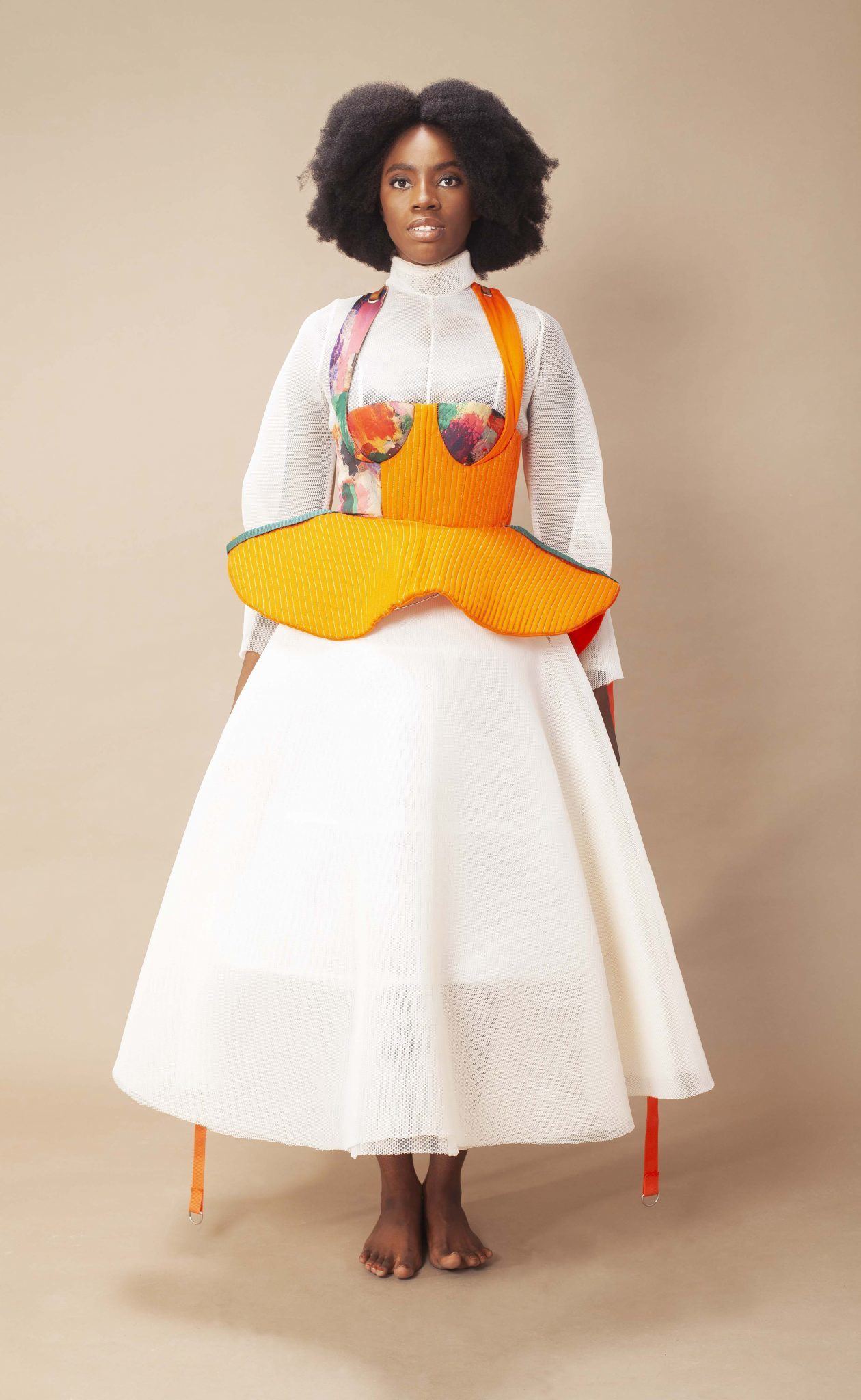
Newe /// 

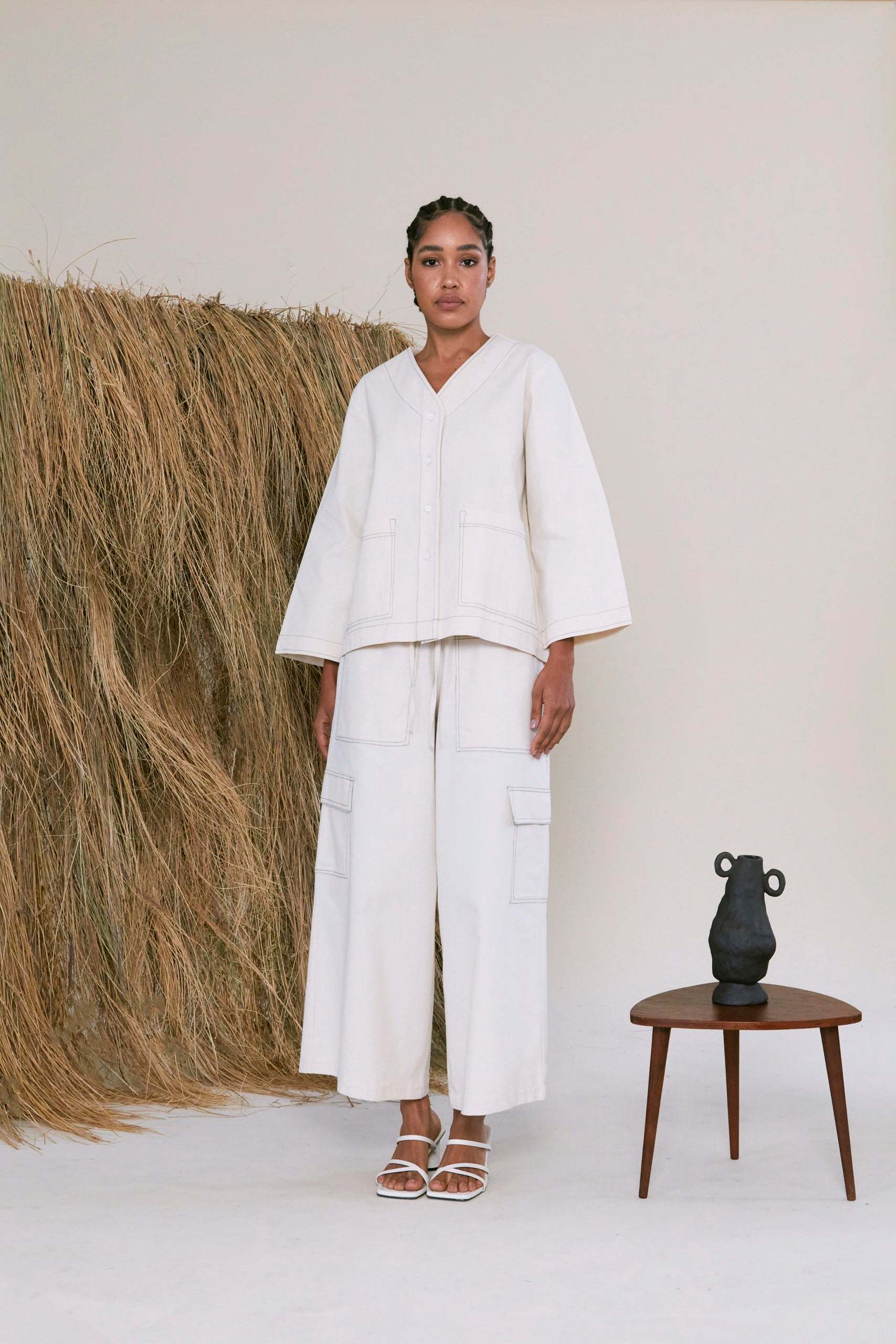
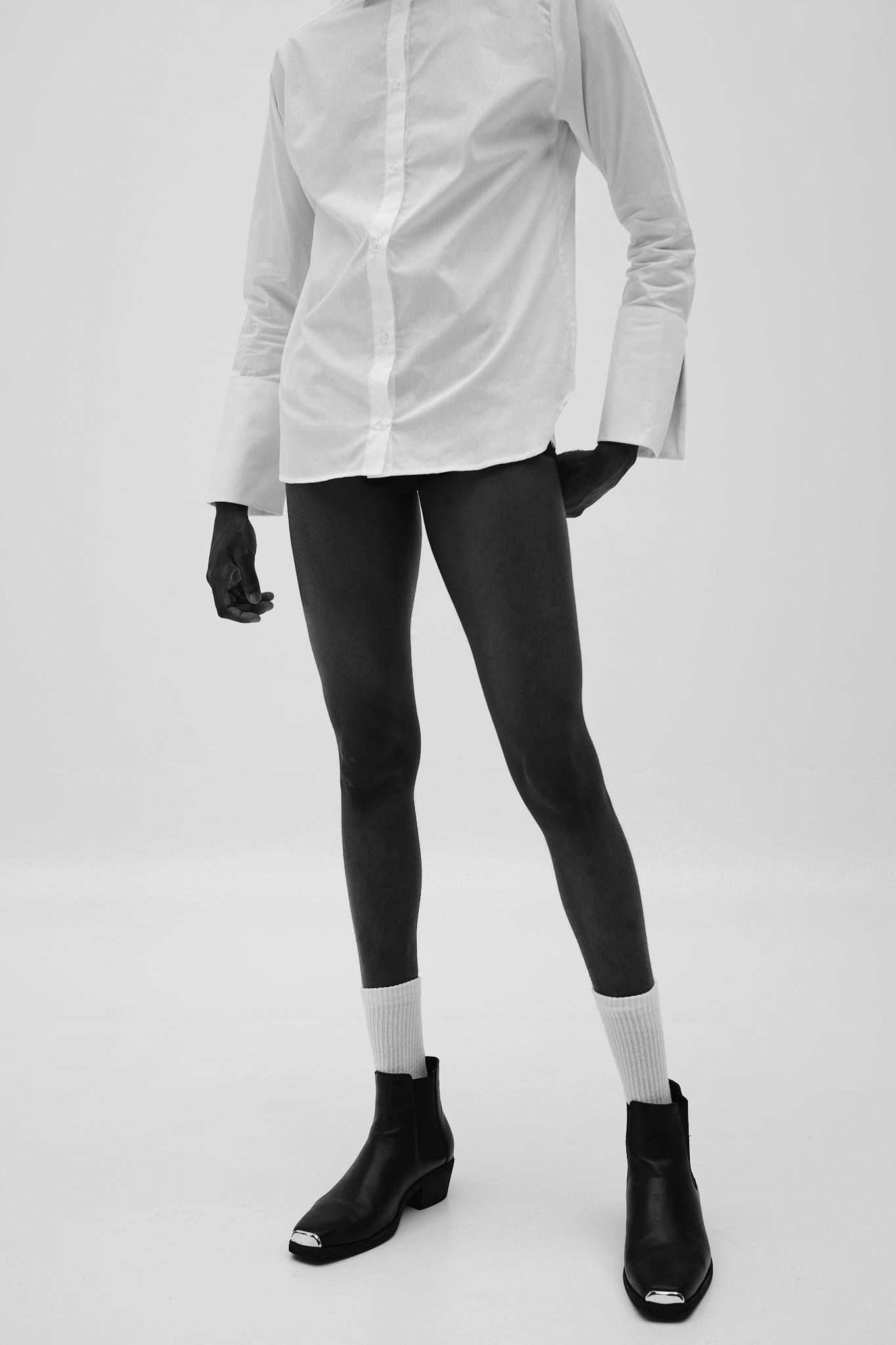
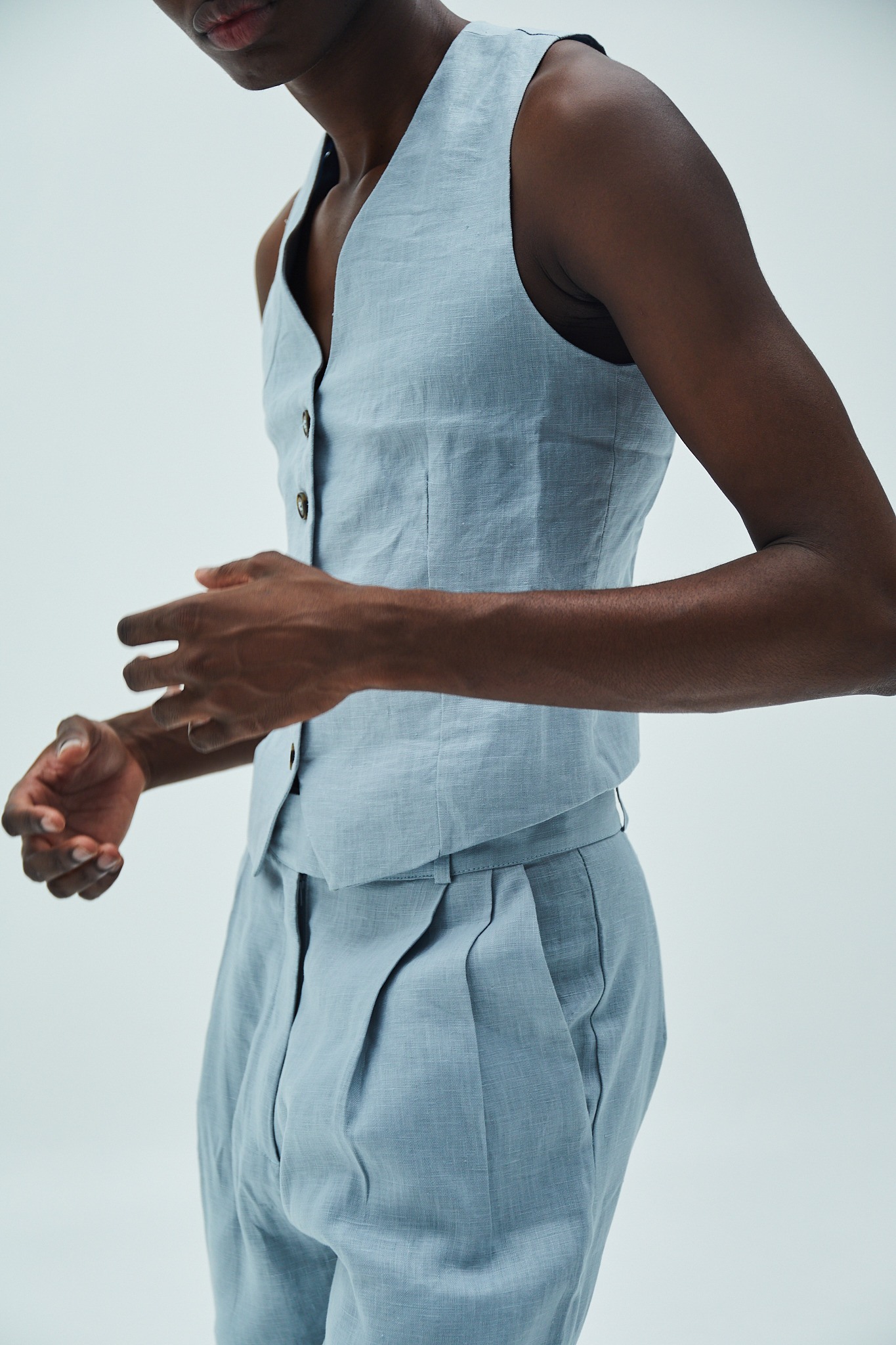
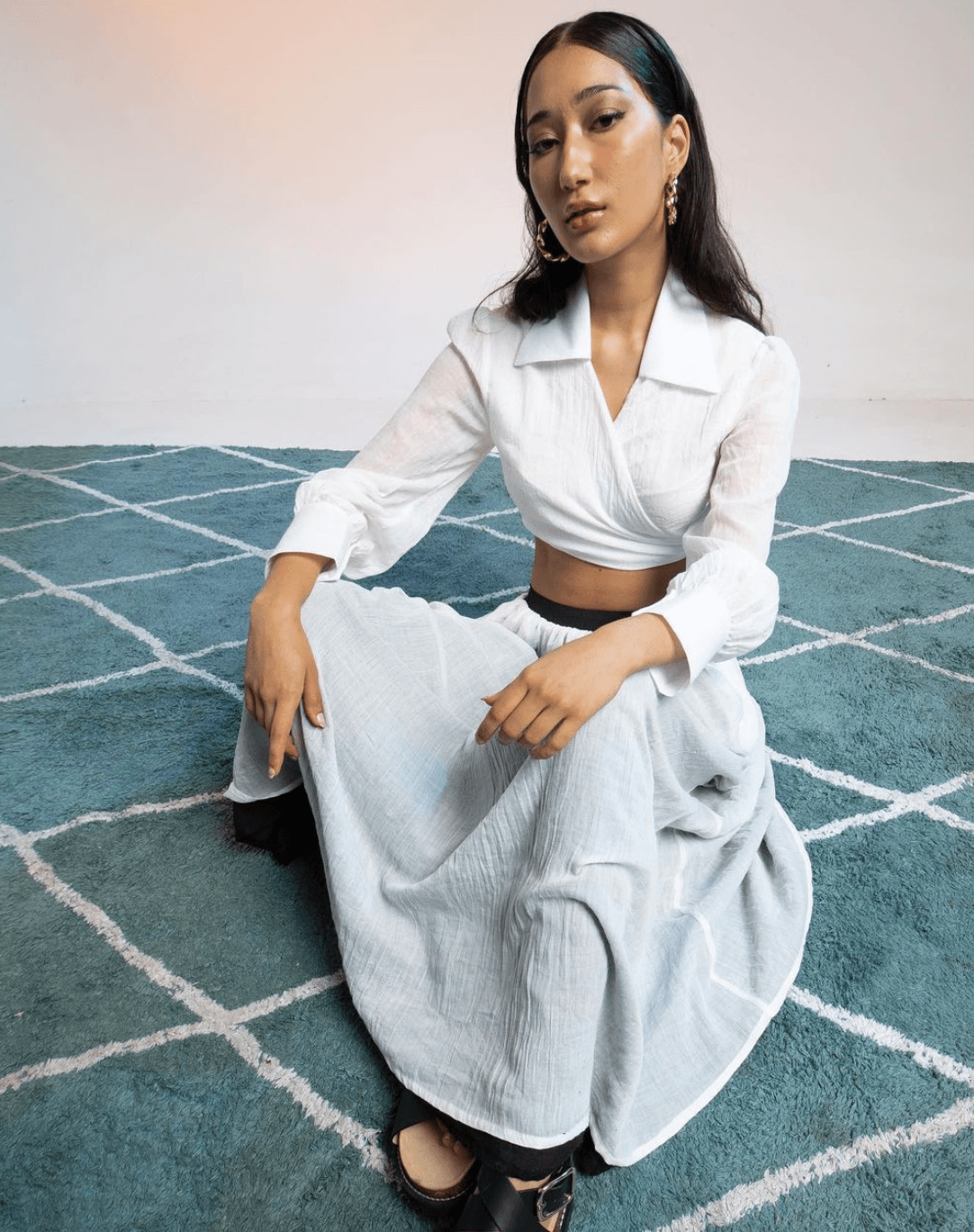
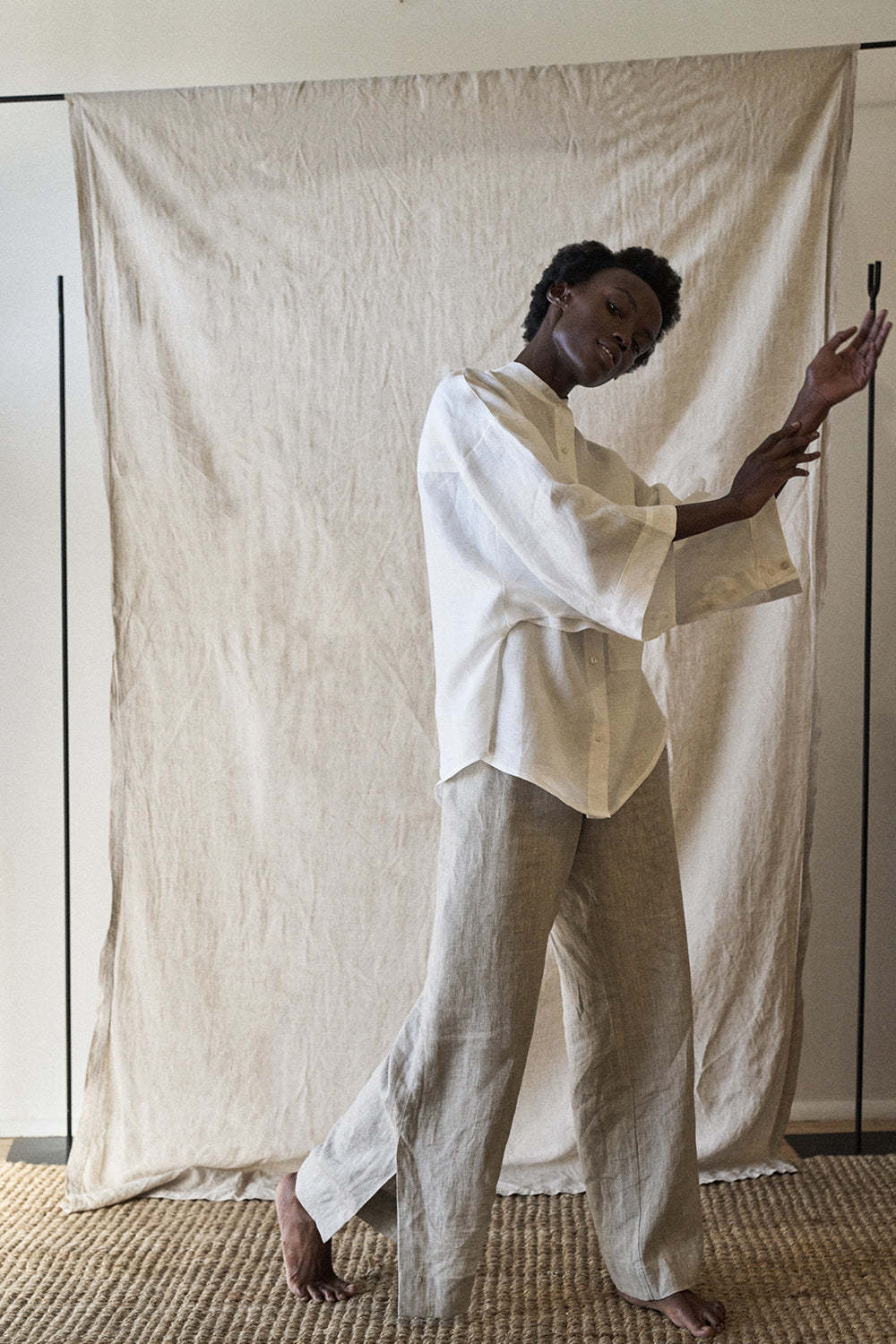
Newe is an ode to linen – with designer Mikayla McClean as an ardent lover of 100%, and no less. Pieces like the beautiful waistcoats and tailored trouser sets and the perfect white shirt form part of the label’s core vision for luxury and simplicity as interdependent concepts. Campaigns by Newe feature the unisex nature of the garments on both men and women; making the brand a dynamic offering for anyone who wishes to be adorned in the lightness of Newe’s commitment to textiles. The brand is stocked by Lemkus – and the collection is available to view at The Exchange Building, right next to Mikayla’s partner John’s brand, Human By Nature. We love a powerful fashion couple.
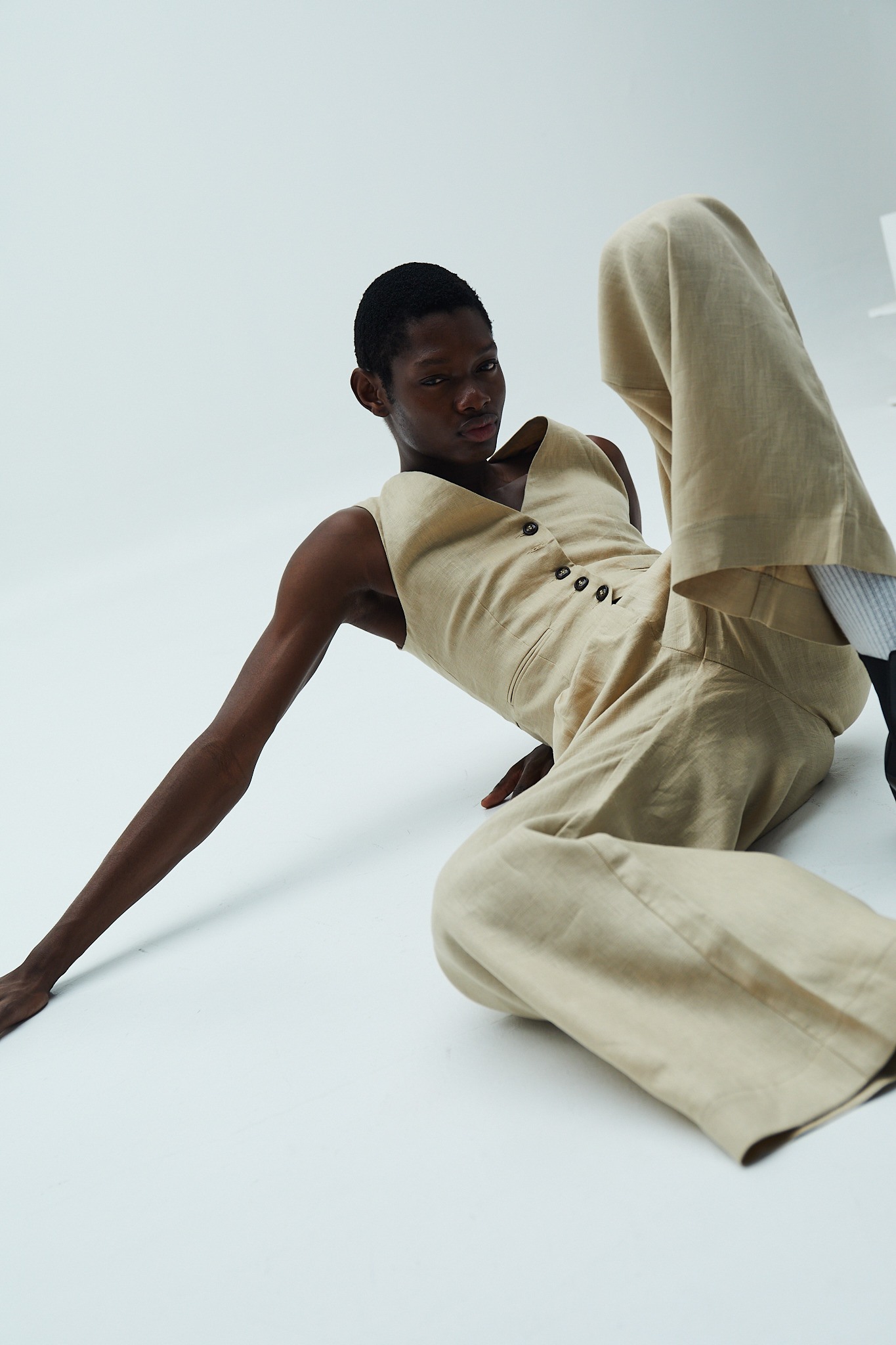
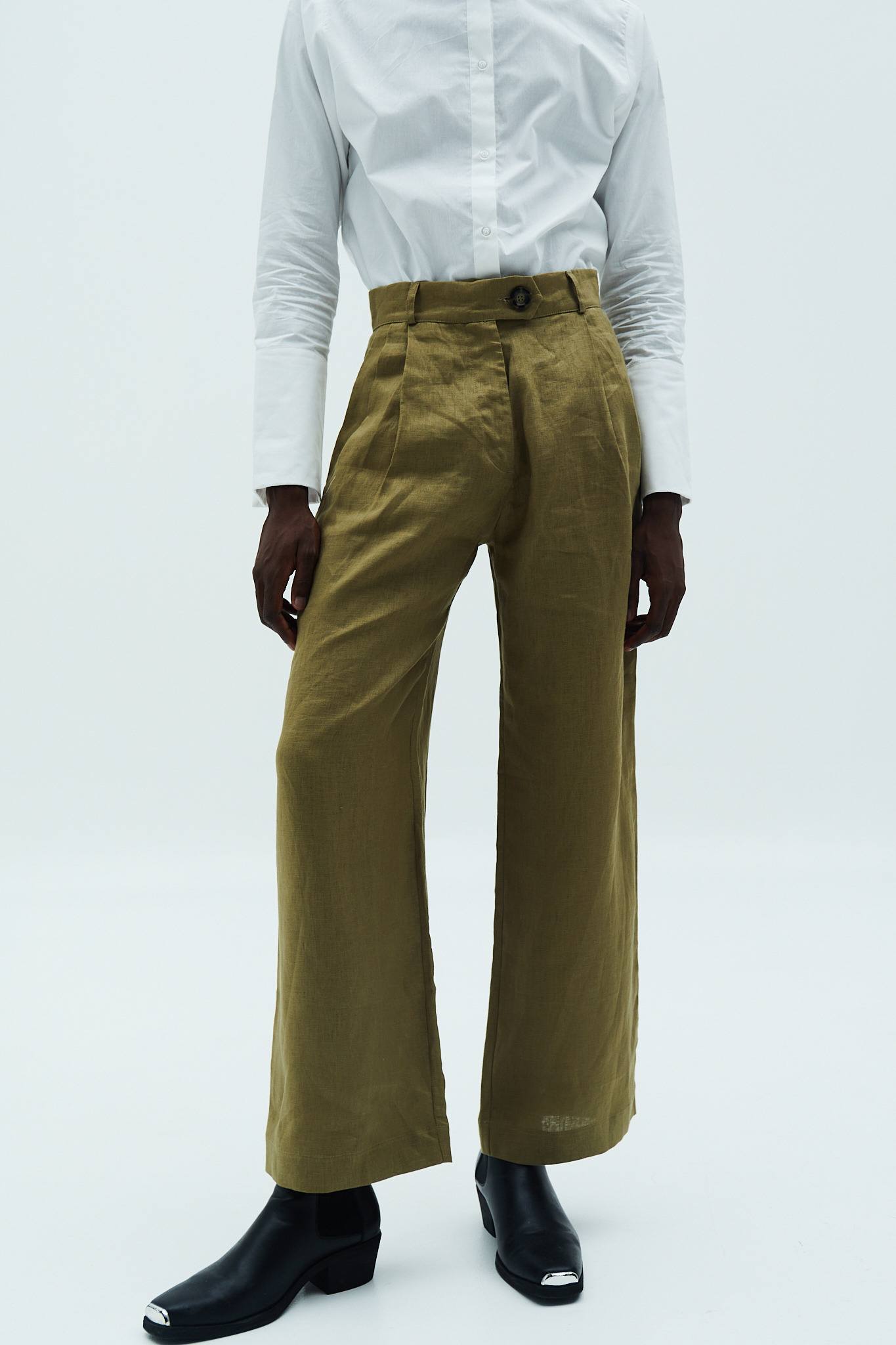
Images by Eduan Prince 

SiSi /// 

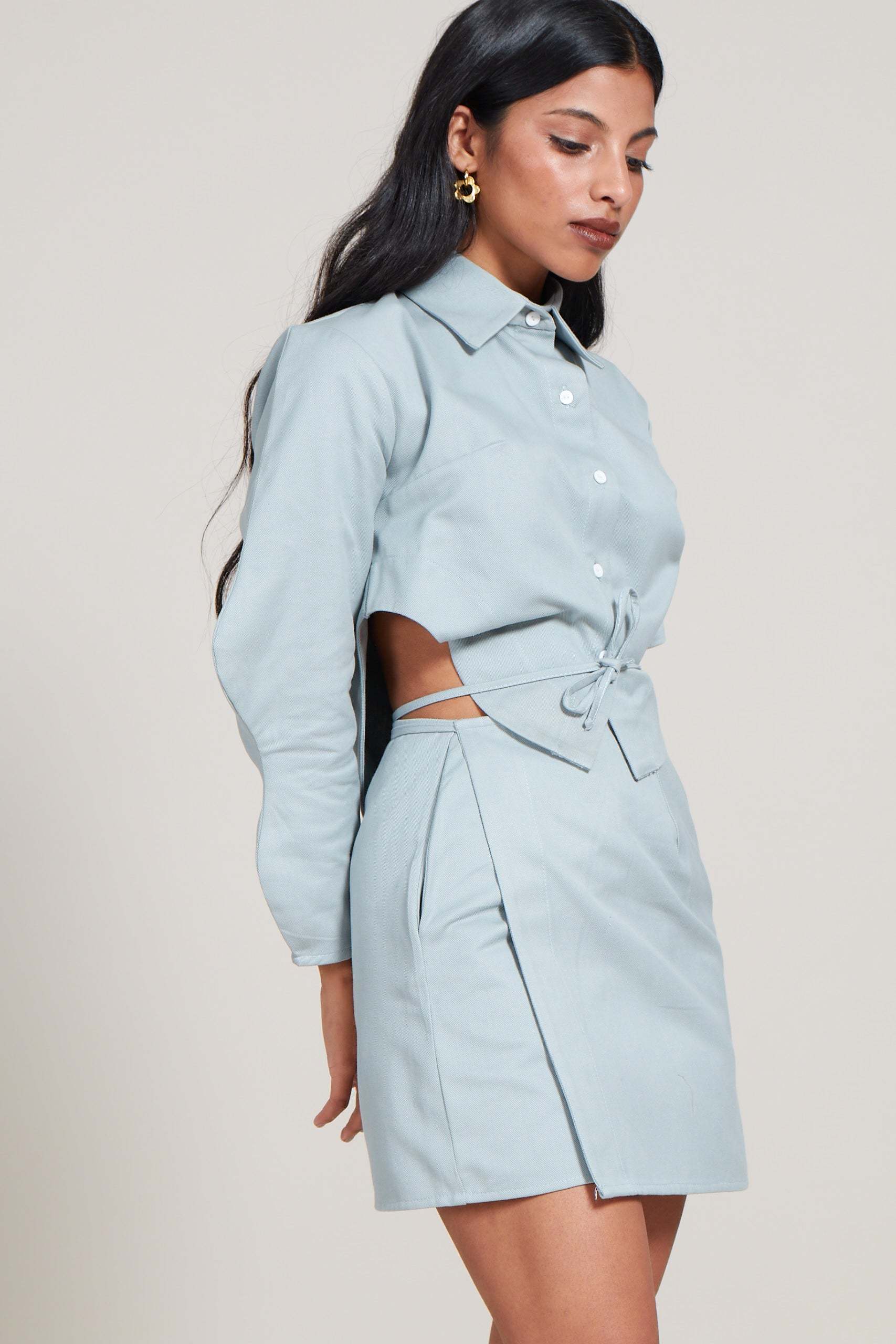
SiSi is the story of best-friendship and style. Yasmin Furmie and Cynthia Allie believe so deeply in the power of the perfect shirt – and the innumerable ways it can be adapted – that Sisi was born, for them to explore this together. They are also best friends; which makes the whole brand so beautifully sincere. Recently, SiSi has been venturing into shirt-dresses – all keeping within their vision to play with fabric and tailoring, while still offering their made-to-order initial collections. Notably, they have no website – DMs to order – and there is something so personal about this direct experience. Personally, I believe you can never have too many shirts…least not SiSi’s.
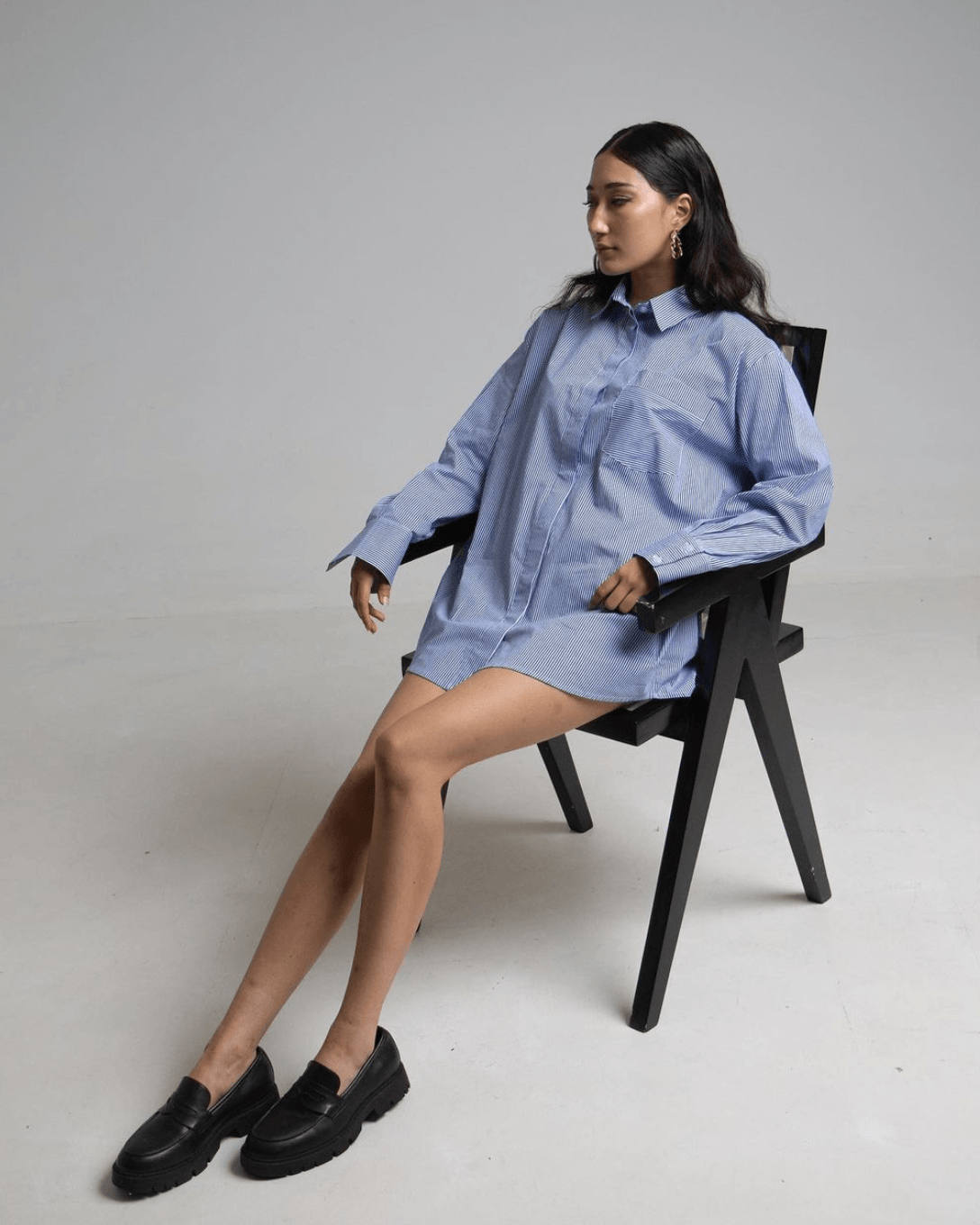
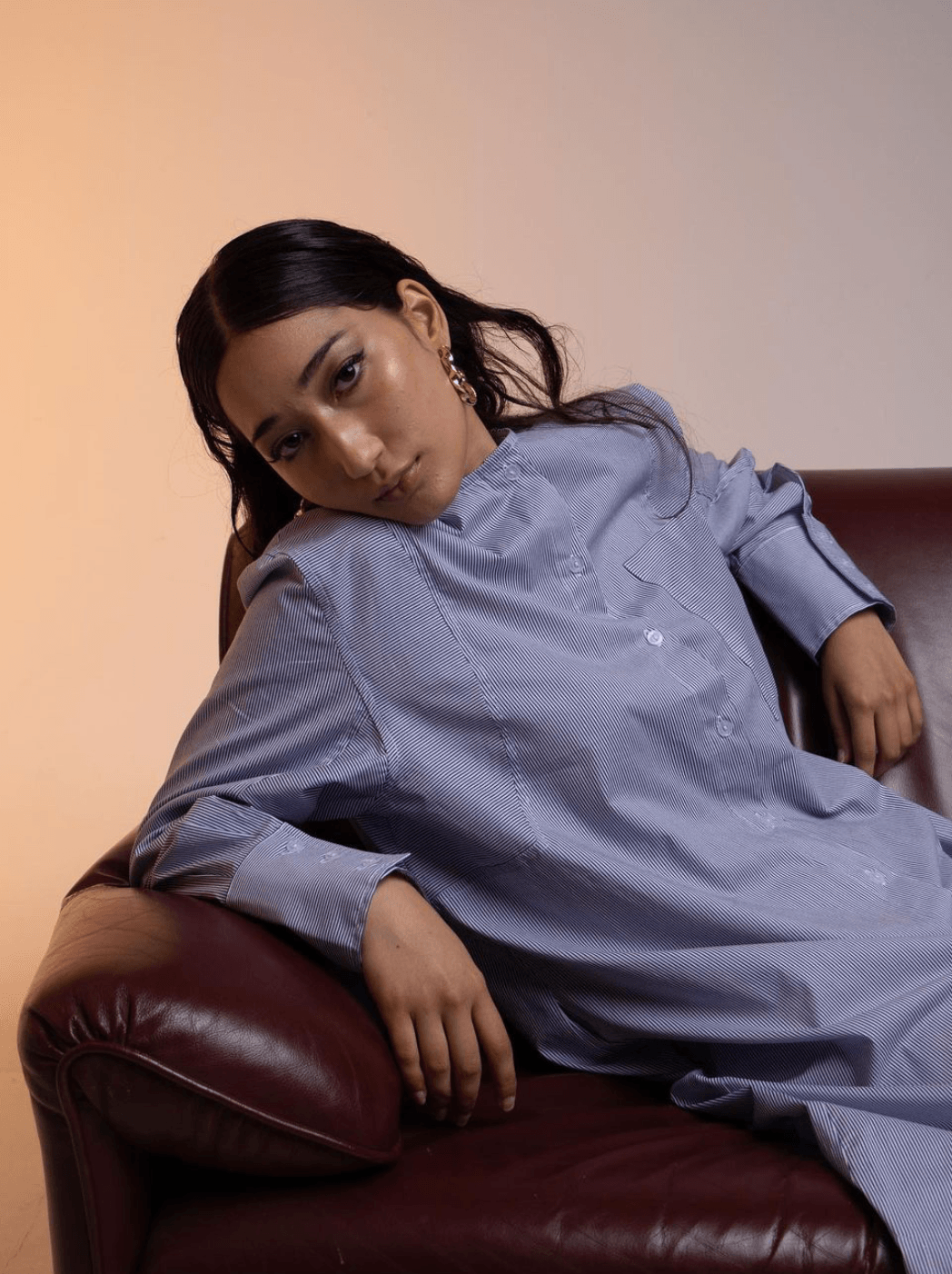
Images courtesy of Sisi The Collection’s IG.

Beagle + Basset /// 

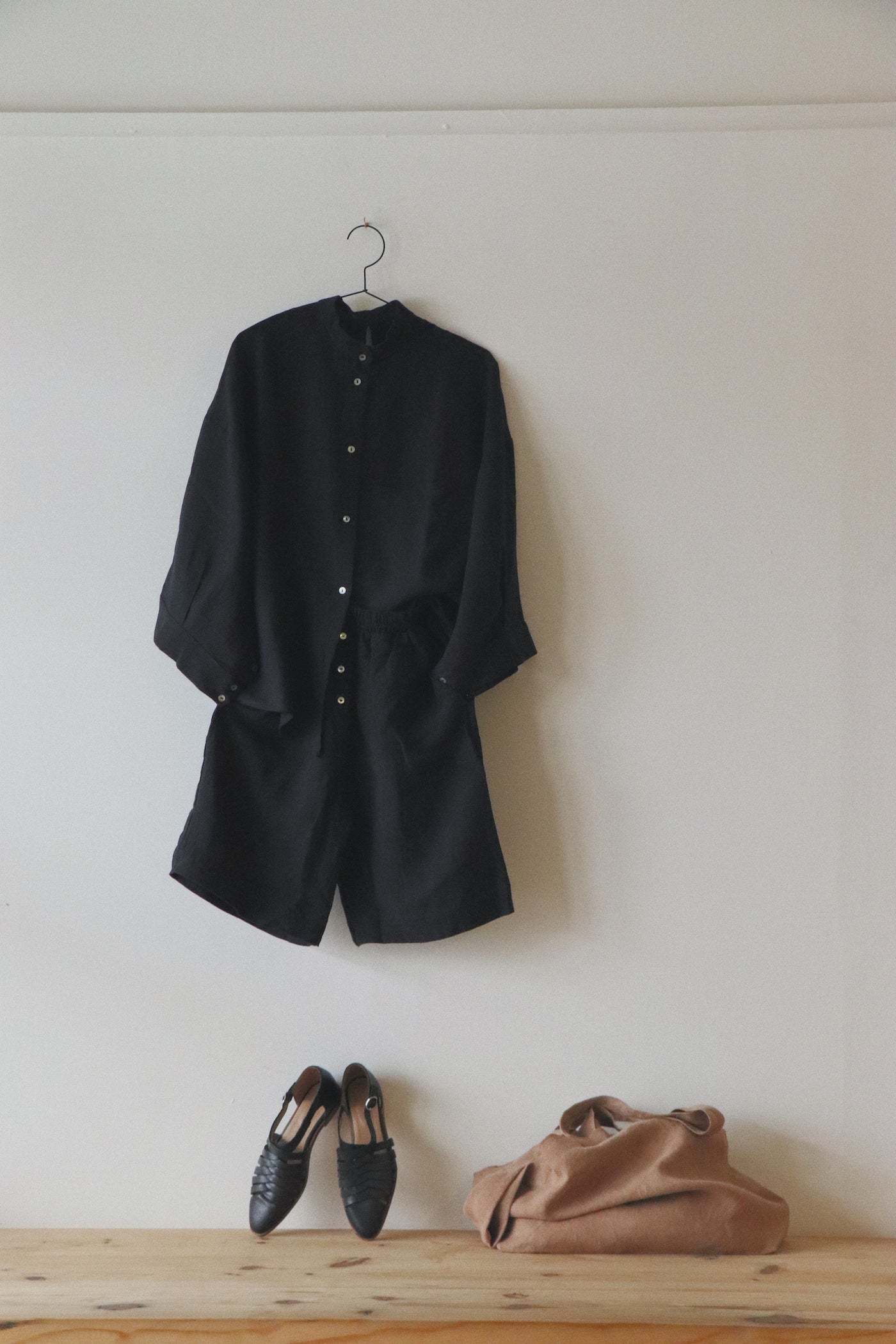
Beagle and Basset is a botanical dye-studio, primarily, with owner Genna Shrosbree’s obsession with her experimental results reaching across all manners of textiles – from homeware lines, right through to the brand’s non-seasonal clothing. Genna’s mantra, ‘from Earth to Earth’, summarises the fully-biodegradable nature of their products, dyed using foraged foliage and plants local to South Africa. I think Beagle + Basset’s shirt and shorts set is an absolutely critical duo for spring – summer – or literally, anytime. With beautiful collaborations like this one for Mungo, Genna stokes the flame of creation and textiles as an artistic, sacred practice.
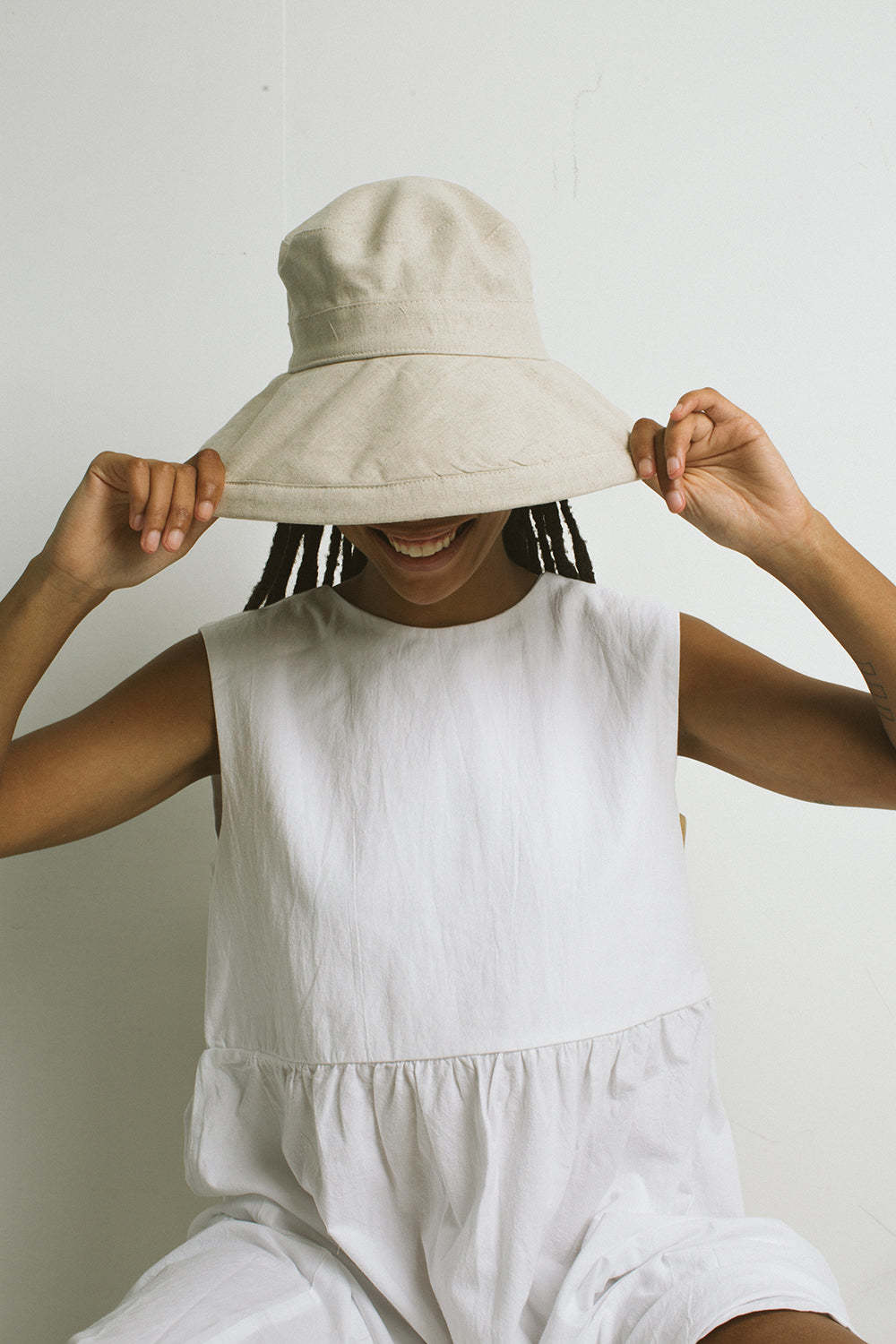
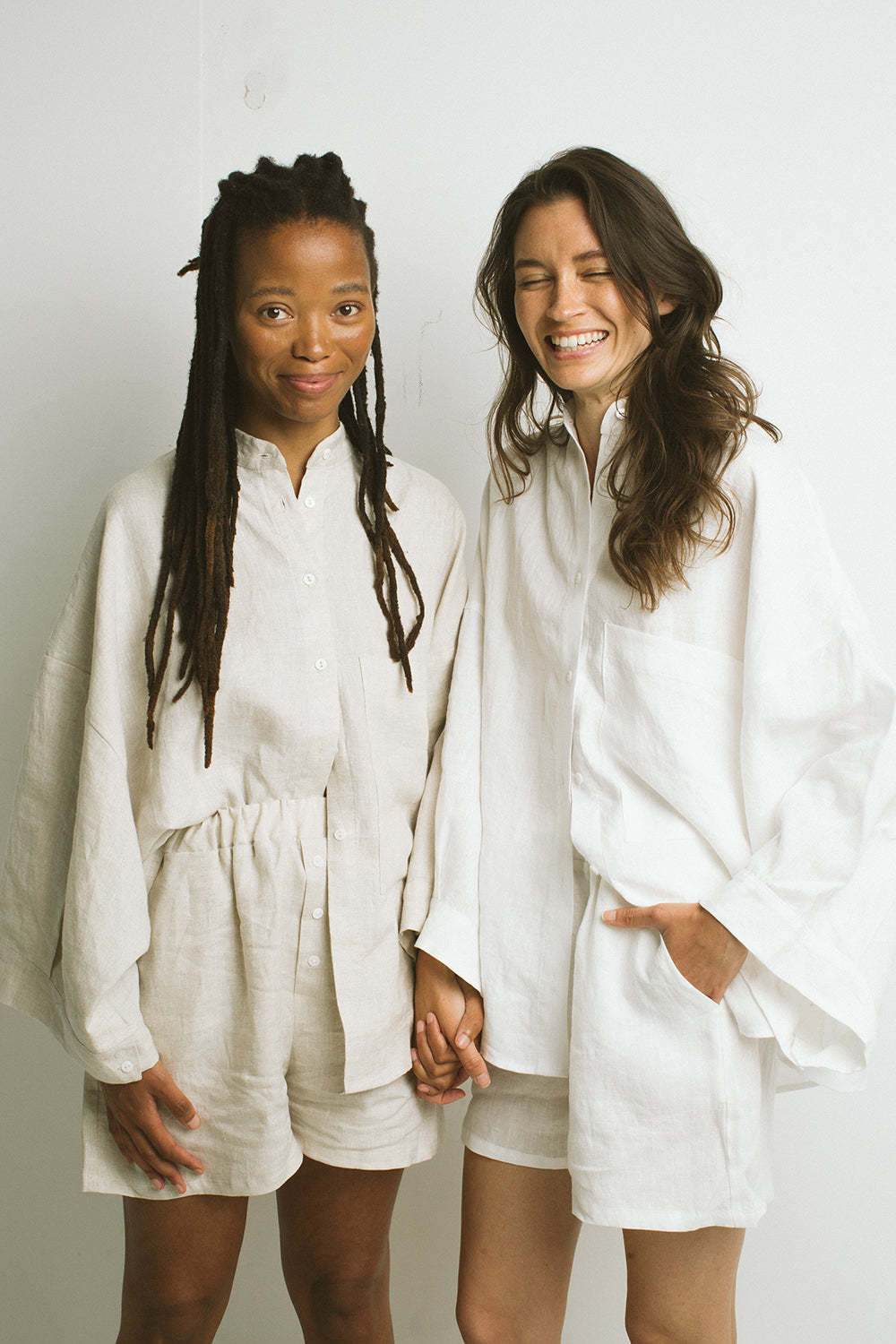
Images courtesy of beagleandbasset.com

Amble ///

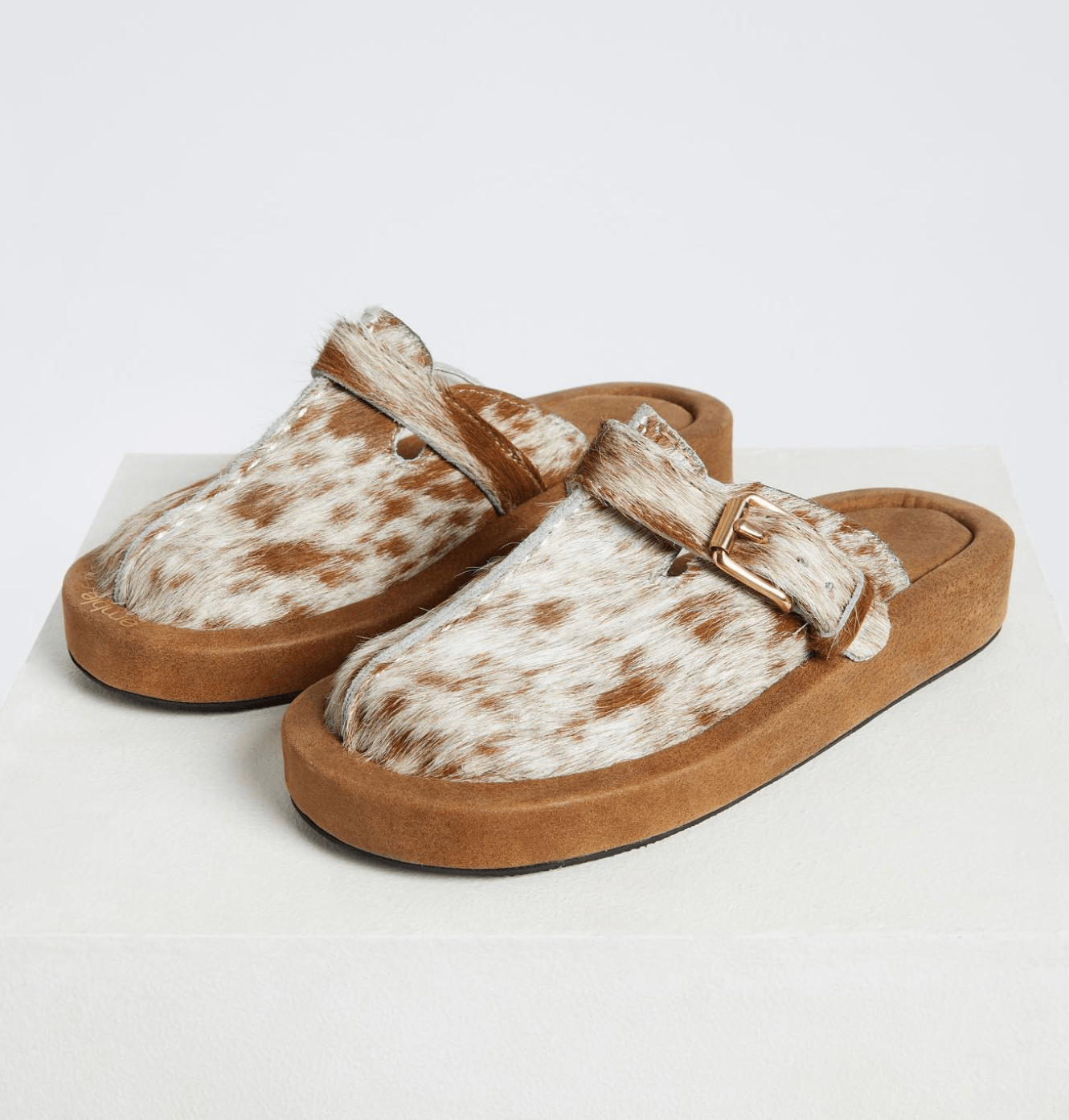
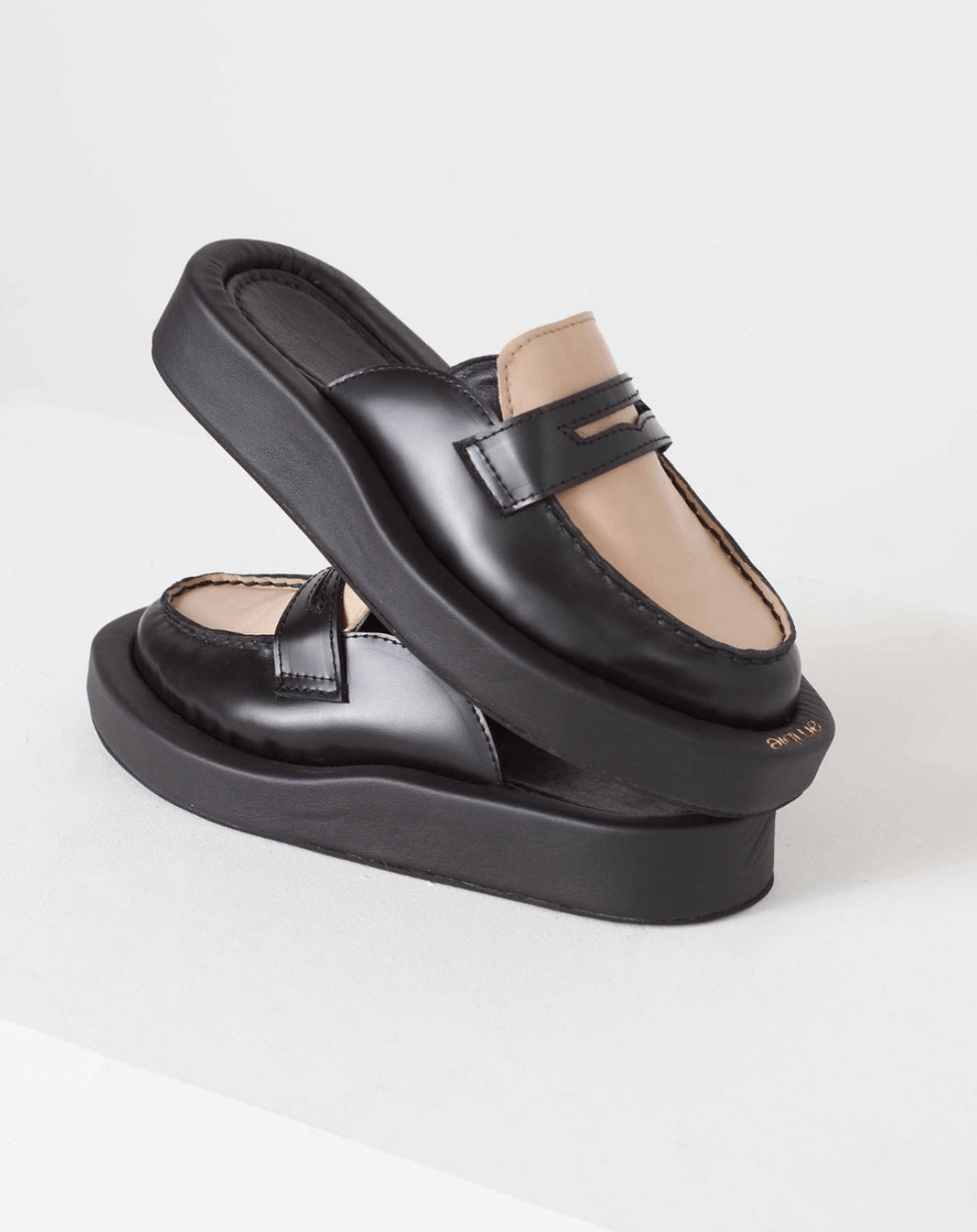
Although not technically clothing (debatable), I had to put Amble on this list. Locally made shoes? Yes, please – we need more local footwear, and founder, Amber Barker, is doing it so unbelievably well. Handmade in Cape Town using upcycled leather, Amble is making slip-on loafers and sandals like no other in the country; and the limited run of Nguni-hide slip-ons made their way into my shoe closet almost immediately as they dropped. Truly the most comfortable, delicious shoes; I cannot wait to see what Amber continues to do with this exceptionally clever brand. Eliminating waste, the shoes have a lead time of 2 – 3 weeks to be made once ordering; this kind of slow-consumption speaks to the innate craftsmanship within the brand’s ethos.
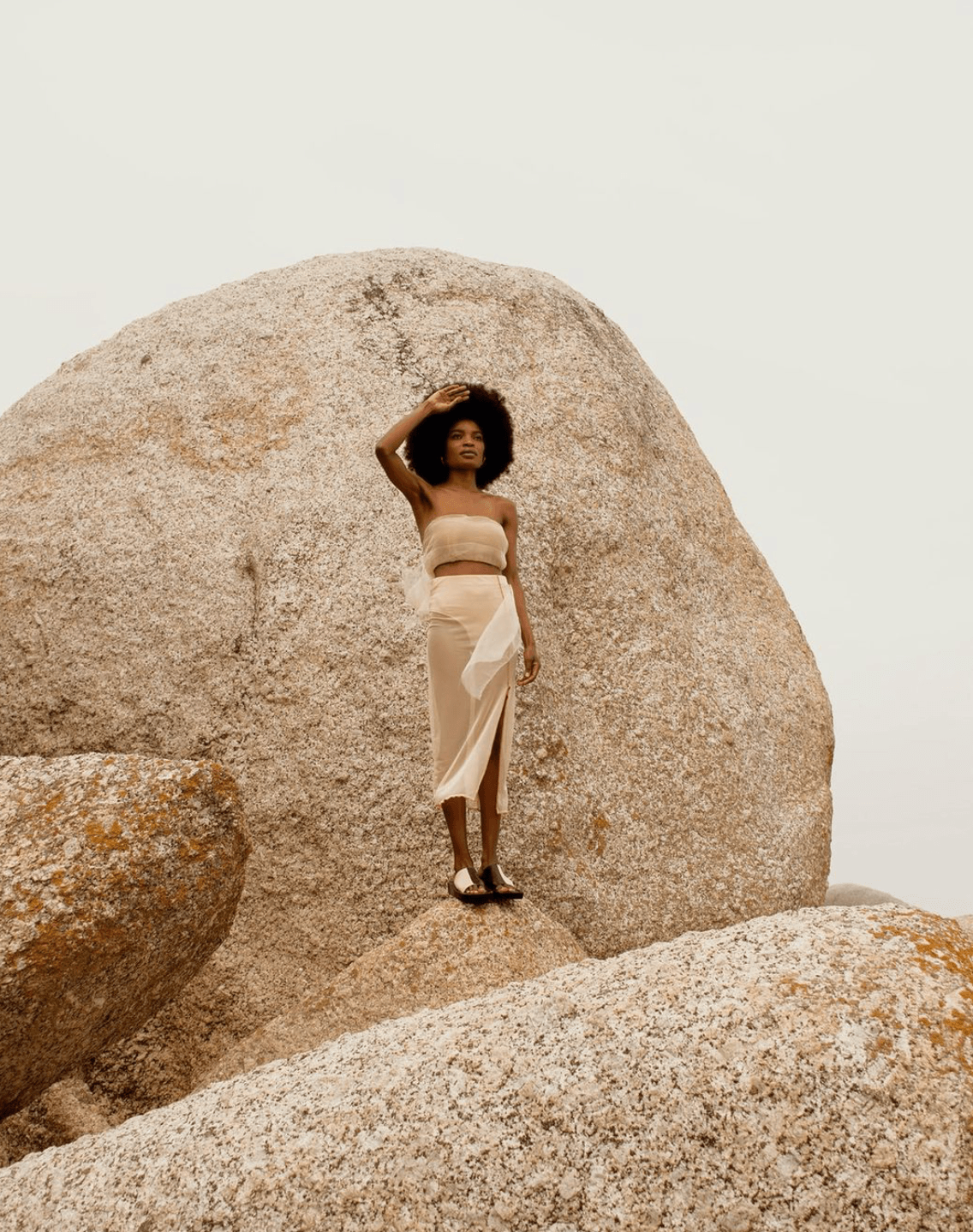
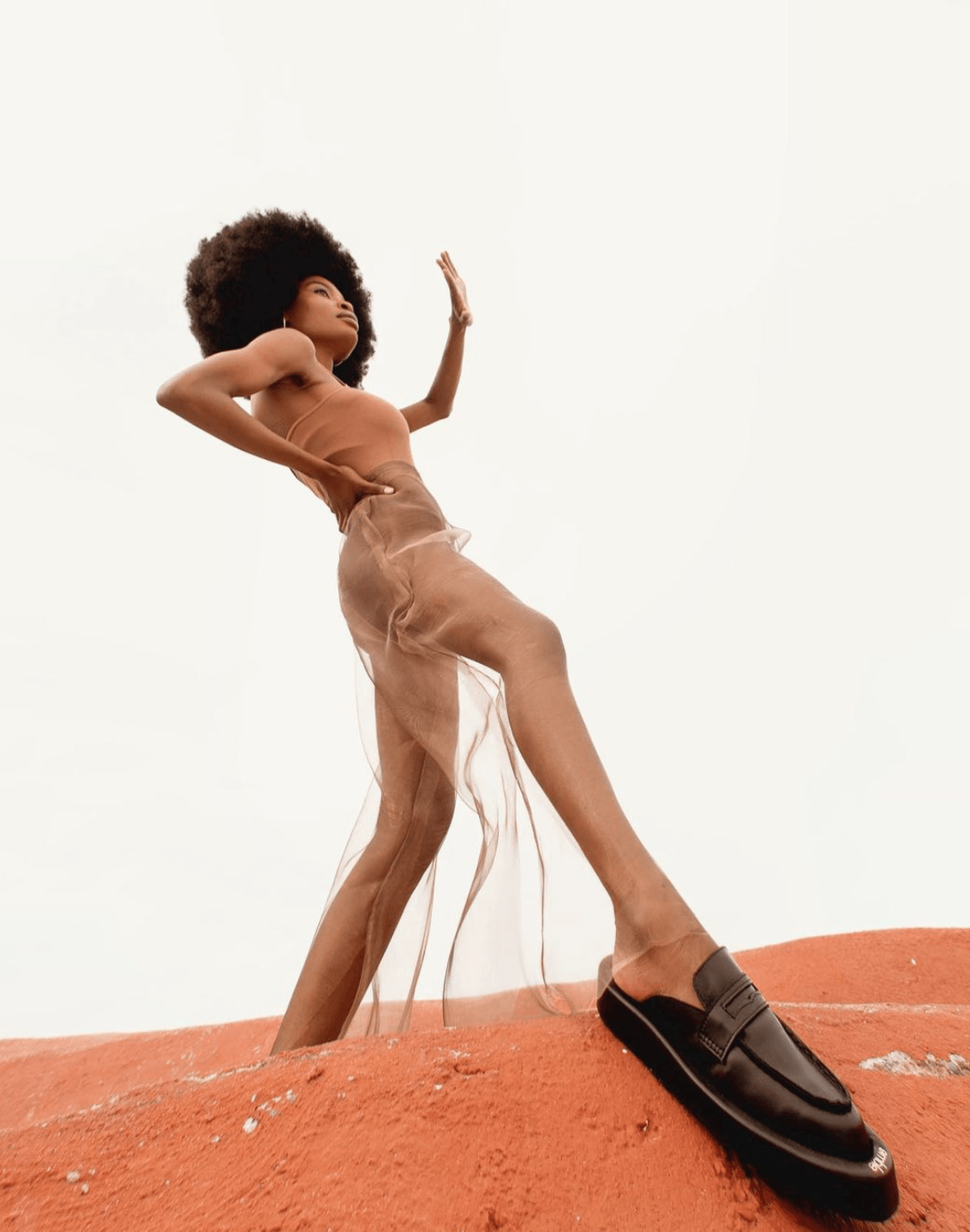
Images courtesy of ambleshoes.com
Written by: Holly Bell Beaton

For more news, visit the Connect Everything Collective homepage www.ceconline.co.za
Can artists and creatives survive Artificial Intelligence?

I find the subject of Artificial Intelligence extremely intimidating, and I’m not sure I ever imagined putting together some array of perspectives on it. Like for many of us outside of the tech bubble (no matter how deeply influenced by said bubble that we may be), AI has, until recently, felt like a far-off dream; and yet, it is perhaps the singular force of futurism that we can conceive, and one of the wildest frontier of human evolution thus far – apart from space travel, and in my opinion, learning to cultivate fire; which pretty much set the tone for all of our advancements thereafter. Although the internet stands as the most analogous structure that we have created to the human brain – as a neurologically-like driven network of information reception and dissemination – Artificial Intelligence is the next step and in the last few months, its presence has ramped up – particularly in the creative and arts industries. With AI being a vast conversation, and having implications for so many different spheres of our life; I will be focusing mainly on the perspectives of artists, experts and its relationship to the creative industry. I will be focusing on the aspect of artificial intelligence that we are most acquainted with as the public; machine-learning.

Machine-learning AI, in its raw definition, is the simulation of human intelligence through the use of machinery. Artificial intelligence requires a base software that is programmed by people; and until (or  if, obviously) AI gains sentience (that’s a whole different ball game), when we speak of AI – we are speaking of a system that derives its entire basis from the fine-tuning of human beings, through algorithmic coding. In the way that AI is useful, is its ability to somewhat transcend our own limitations of time and singular focus – as well as  analyse incredible sweeps of information, arriving at conclusions of systems and processes, or in the case of this article – digest and generate art and writing based off near-infinite numbers of examples already created by human beings. Basically, very basically, we are teaching a system to mimic sentient human-thinking and thus teach itself, better than we can, to perform tasks, faster than we can. This may  inevitably lead to the obsolescence of jobs and tasks.  The fundamental question that keeps occuring to me in the AI-discourse is, are there any aspects of human life and ingenuity that we can deem truly sacred, such as art? And if so , is AI in direct opposition to this? These are ongoing questions and as subjective as the human experience is, so too is the debate on AI. There are those who are vehemently against it, those who are neutral, impartial and curious – and then there are those who are excited at this new frontier.

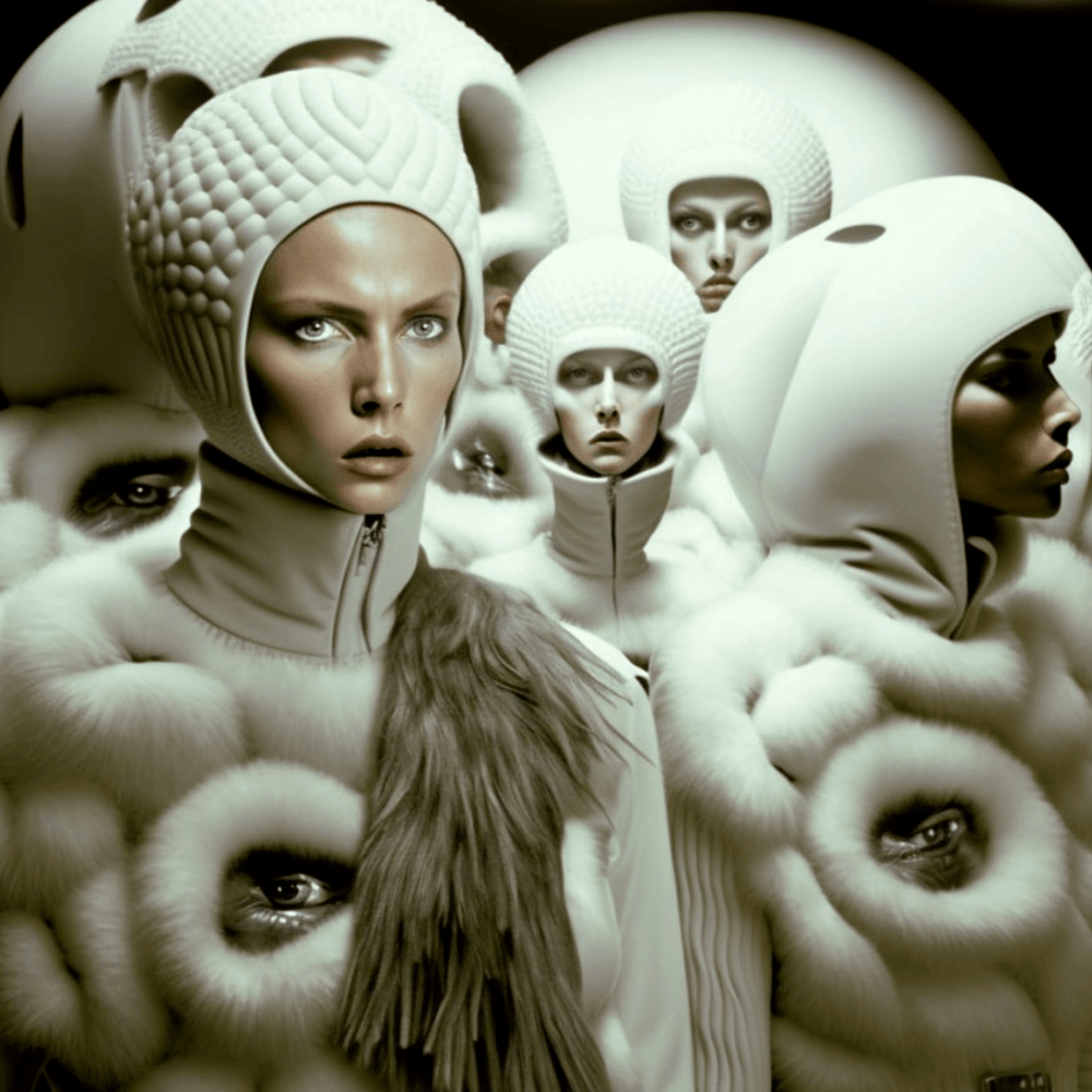
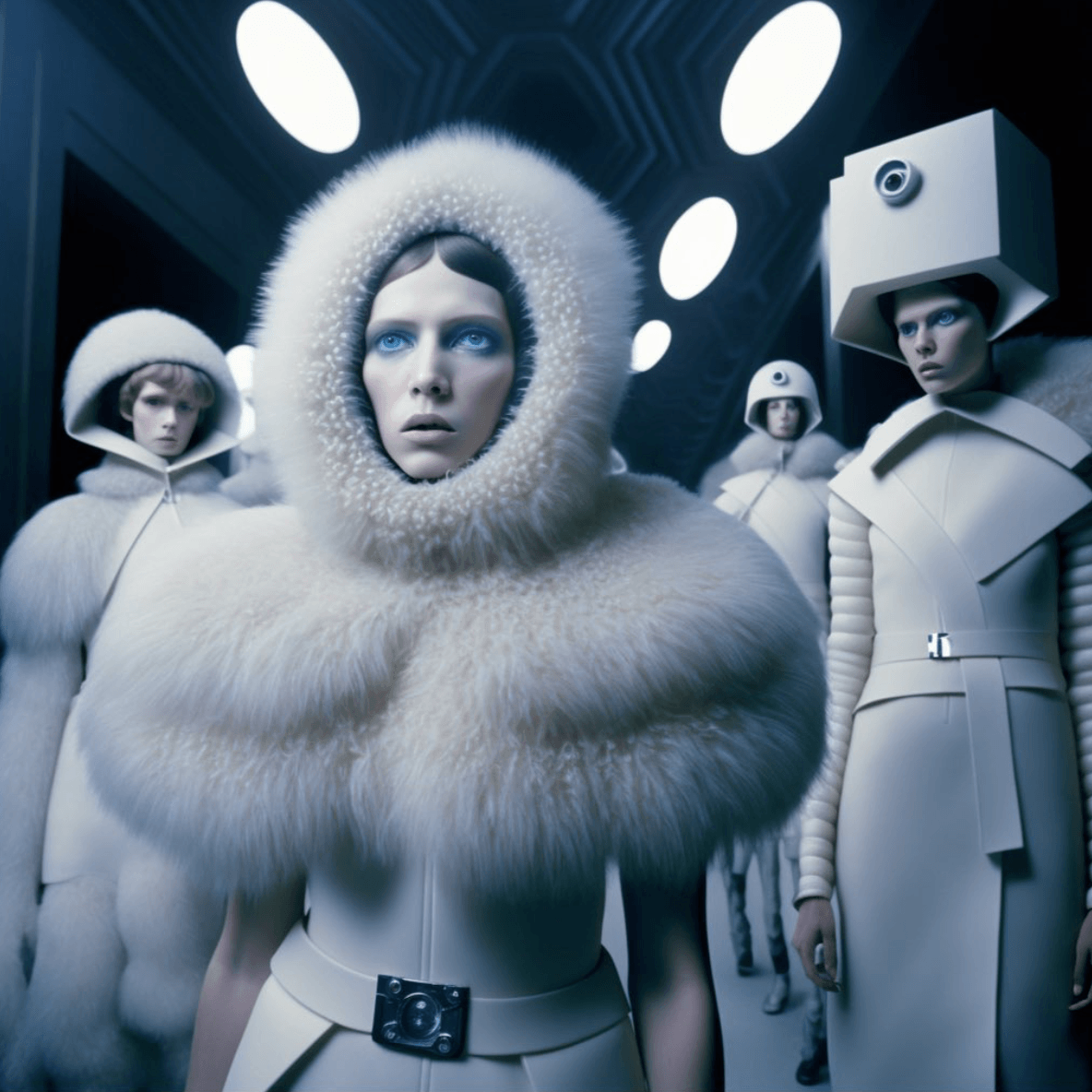
Images: Joshua Ben Longo

Early in January of 2023, news broke of a class-action lawsuit by a group of artists against Midjourney, Stable Diffusion and DeviantArt’s new AI art-generator, DreamUp; with each of these companies playing their roles in the creation of AI-art tools. As stated by Polygon.com, “The suit alleges that these companies “violated the rights of millions of artists” by using billions of internet images to train its AI art tool without the “consent of artists and without compensating any of those artists.” These companies “benefit commercially and profit richly from the use of copyrighted images,” the suit alleges. “The harm to artists is not hypothetical,” the suit says, noting that works created by generative AI art are “already sold on the internet, syphoning commissions from the artists themselves.” With no legal precedent as to navigate the very delicate issue of intellectual property rights, this is a landmark assertion by artists of the viewpoint that AI, as utilised by corporations and in the climate of late-stage capitalism, is a terrifying future. In a world where multi-nationals seem hellbent on sucking up resources and rights in the name of growth of profit, why would they ever want to consider the perspective of artists, least not their right to protection? As artist Natalie Paneng says, “I think with every technological advancements that we as artists have early exposure to, it always seems quite scary – the unknown is overwhelming. There seems to be a reactivity to it, especially the idea of a machine taking over the job of a person. For me, I feel very torn. A lot of my work springs from my lived experience growing up in the cyber-age, and I employ a lot of digital tools in my practice digitally, and physically. I am interested in AI as a tool, not as a generator of art; for me, what makes art interesting is that all these methods, mediums and themes link directly back to a person, and an individual’s mind, labour, effort and hands. So in that sense, AI-generated art is not valuable to me. AI-art looks like AI-art; and I’ve seen some cool stuff, but it lacks that essence that runs through every artist and their work.” 

While AI doesn’t seem likely to offer any kind of the extra-dimensional quality of art itself – the inarticulate nature of how creativity manifests through us – this is not to say that it cannot be used (and is already being used) to dilute the participation of people in the very act of creating – if a company can use ChatGPT to write copy instead of paying a writer, why wouldn’t they? If a brand can generate a logo using an AI-tool, instead of paying a graphic designer, why would they concede to the overhead of hiring human beings? It is very difficult to have this conversation without understanding the hyper-competitive, cutthroat economic environment that we find ourselves in; and as such, AI is a dream come true for the exponential growth required for businesses, brands and their income-generation in a globalised, capitalist world.

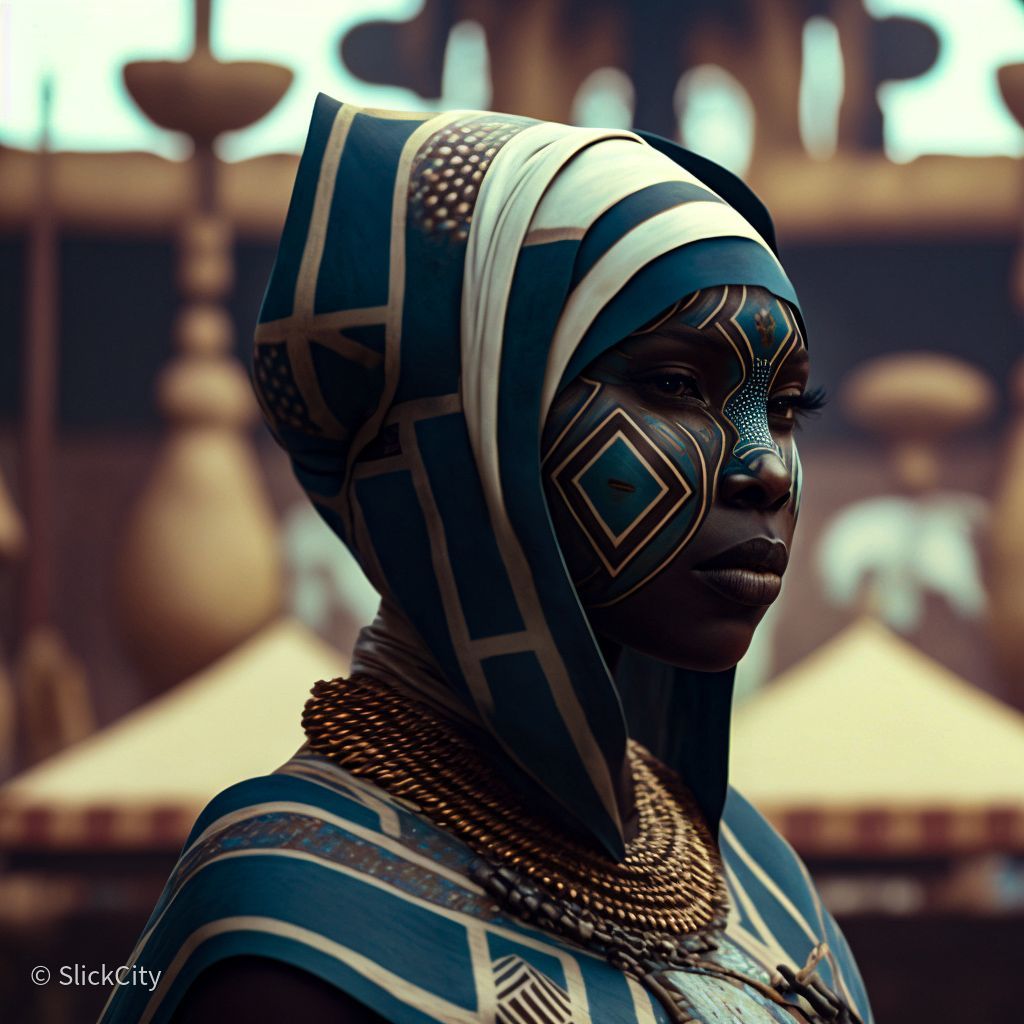
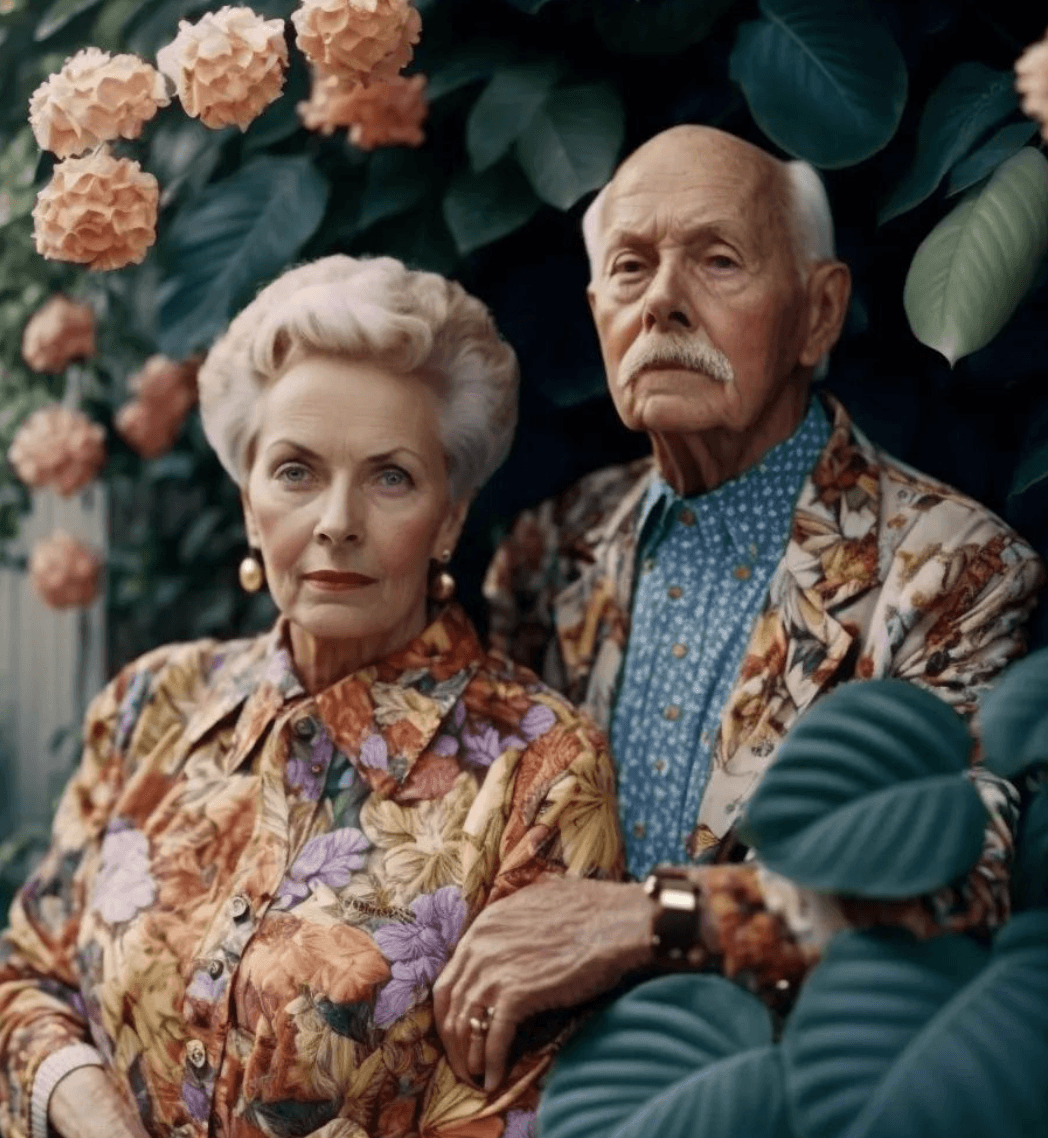
Images: Malik Afegbua

There a few schools of thought around the future of AI in this way – for one, that AI has the potential to free us from the means of production entirely – as Josh Hall puts it so seductively for Dazed, “Fully Automated Luxury Communism is the utopian idea that we’ll all fulfil our true human potential while robots do the work.’’  The other scenario is that AI will be used to facilitate the unchecked growth of our economic system, to the extent that much of the population in society are left utterly redundant to society’s creation, participation or benefit. It is difficult to extract any technology from its context; and much like the world wide web was intended to set us free, so any seemingly utopian and unimaginable technologies like AI would require a social, cultural and political landscape in which to be developed and nurtured. In a world where, despite being ‘richer’ (financially, technologically and resource-wise) than ever as a species, the largest swathes of economic divisions continue to worsen. When we speak of AI being able to assist creatives in their jobs tasks; it is easy to understand why there exists the fear that AI will overtake such jobs, entirely. As the wealthiest elite seek to get wealthier at whatever cost, AI perhaps presents a future where the overhead of paying labourers and workers ceases to exist completely – and it is hard to think of the idea of ‘fully automated luxury communism’ as, though sexy as it sounds, being remotely possible. Why would class divisions suddenly melt away because of AI, if AI is largely being expanded by elitist-strongholds in Silicon Valley – and a sudden change of heart is hard to imagine when the richest people in the world, like Elon Musk, hoard billions of dollars created by the labour of enslaved cobalt-miners in the DRC

The anger and passion of artists has been a strong feature of the online discourse around AI-generated art. Keith Vlahakis is a Cape Town-based illustrator and artist, who counts digital methods as his primary mediums – however, the recent evocation by machine-learning artificial intelligence in the creative landscape is one that speaks to a larger, systemic technocracy, as he says, “I am strongly against AI art and all the software behind it, I don’t believe it should actually be called AI. This is more like “forgery” and theft on a global tech level. Several high level artists have already filed lawsuits against the tech companies developing the software. Stable diffusion is just a fancy word for a program that collages stolen work together, without consent. This topic is so nuanced that it needs to be unpacked at multiple levels, it’s not just about art – or the product generated by AI – it’s about the implications of ethical sacrifices. I also feel that it has revealed that there are a lot of imposters in our creative industry. Years ago I heard about “imposter syndrome” in art, and I always felt it was a way to over justify doubt and an unnecessary term really, but now as I see creatives who are willing to sacrifice the entire creative process in all its beauty to a “prompt?” It’s honestly appalling, heartbreaking and disappointing, and I never thought I would live to see such times. There are some imposters out there who are solely out to make a dollar off the skills and culture humanity collectively has taken thousands of years to develop.” As someone whose practices exist within the digital space, it has also sparked Keith to question some co-occurring themes, saying, “I will never endorse AI art and to a certain extent, I have lost all my respect for the NFT market.”

Images: Floral Fiction by David Schild

It became clear in my research and communication with artists on this subject that there are two scenarios cascading into the creative community – often, the two are imperceptible. These are the application of AI technology by artists themselves, in the way that a designer employs Photoshop or InDesign; and then there are the companies using the referential material of artists’ work, to generate copy and paste style graphics. As Natalie says, “The thing I fear the most, is AI generating the style of artists. I think there needs to be education and discourse around how we can protect our work as artists, while not allowing fear to be a barrier to exploring AI as a methodology in our practices. It is bigger than us, but we need to find ways to cultivate that AI can be actually useful and not harmful.” Designer, photographer and artist Koos Groenewald undertook his own process of diving into AI as a way to quell his own anxieties, explaining, “I mostly knew about all of this superficially, only the top layer of noise, and this recent rumbling of noise made me super scared. Before getting stuck into it,  it just seemed like AI could  basically do anything that we as artists, designers and writers can do, and so it would obviously replace us all by the end of the next year. After joining the MidJourney Discord and navigating the initial confusion – I actually got super excited. It’s just so damn impressive what it can do in basically no-time. Especially if you consider what people my age had to do in ad agencies to make comps of people doing things,  bad stock libraries and so on – all those days of work in seconds, really.”

With the spirit of curiosity and open mindedness, Koos soon realised something which I had not understood yet myself – that AI as a technology for creative pursuits, still a requires highly skilled artist, “With this excitement I messed around and tried to copy some of the famous AI artists to see how ‘easy’ it is to create ‘the work’. With some better and worse results – and made  me realise that the artists using the AI are still super skilled and that the best ones take time, skill and originality in creating and guiding the AI. I then had big stars in my eyes because I had a massive illustration job to start and I assumed Midjourney could easily create the brief, a ‘Fictional Utopian Future city-scape of Amsterdam’, for me to work from – but after 4 hours of trying to get it, I really hadn’t gotten anywhere useful or useable and realised that, ironically, if I’d just drawn for 4 hours I’d probably have been done by now. So for now my job feels safe – and like all tools it still needs a creative ‘wrangler’ to get certain and required creative results. As long as humans are the audience the human ‘touch’ is a valuable translation, I think when the AI starts making art for itself then maybe – damn – then who knows what kind of fucked we’ll even be? I went from scared to excited, to disappointed, back to scared but also realistically excited. I guess it weirdly also made me see how much AI has  been in our lives already with less outrage, which makes this feel reassuringly like an evolution.” 

Koos’ experience speaks to the source of the fear, perhaps, for us who are outside of AI and particularly those of us outside of the tech industry; these are unknowable terrains that present multiple timelines and outcomes and with such little relative agency that we all have in an ever-changing, hyper-fast timeline – what happens if and when AI is no longer a system that needs human beings? Tim Jamboula, an innovation consultant & disruptive technology researcher, with an extensive background in AI – comments that this fear, and our inability to comprehend it, is precisely the point of why AI can exist so impactfully in our lives, “our brain does not operate, work, or think exponentially. We, human beings do not have the ability to comprehend the full extent of exponentials. AI from now on, with all the data it has at its disposal will accelerate technological and human progress in various ways, within just the next 2-5 years. An imaginary vision of the state of the world by then is hard to fathom, due to our inability to process information exponentially.” While this may be exciting, Tim and other experts in his field believe that legal due process such as lawsuits, are actually a necessary building block to the regulation and streamlining of AI as integrated into our lives, saying, “as much as it brings forth great opportunities, it, like everything else, gives birth to new challenges, we as a society have to face. Of course, we will need regulations to counter IP rights and further infringements, or other ethical issues. The new Bing + ChatGPT fusion will most definitely lead to further lawsuits down the line, once website owners or bloggers or others do not get as much traffic onto their websites, as they used to. Deep fakes, digital identity thefts, and fake news among others are topics that are going to be of serious concern. Hence, regulators need to increase their efforts in comprehending this disruptive technology faster than before, in order to regulate it with clear boundaries. Besides, AI is here already. It regardless will affect all our lives. Thus posing the question of how to prepare for it?’’

Images: Past Futures by David Schild

I heard recently on the radio – and I forget who said it – that, “AI won’t take over the world, but people who can yield AI really well, might.” If there is one thing I have come to understand as I grow up on planet earth – it’s that letting go and surrendering, is sometimes all we can do. This is not to say that we should abide by whatever arises in the world; but rather, that there is a measure of embrace to be had, but also righteous anger and questioning, especially when it comes to technology as a tool of governments and institutions. I find AI eerie, still, but profoundly less so than before; I suppose that could be a consequence of Google Drive being the full summary of my technological abilities. Perhaps it’s also because I interact with brilliant creatives everyday, and to me – it’s going to take a lot more than a machine (however brilliant) to triumph over the magic of human beings. Maybe I’m an eternal optimist – and maybe I have to be in order to get by – but I will leave you with a last piece of advice by Tim, on how industry professionals can start adapting to this new frontier, should they wish, “It all starts with recognising AI as what it is. It is a helper and an assistant in its simplest form. Meaning it will not completely replace you, but rather take over big chunks of your work. Moreover, professionals have to evaluate their field of work and their daily tasks, to determine the tasks that can be automated and taken over by AI. The ones that turn out to be difficult to automate, which are most of the time, generalistic tasks, should be focused on and built upon. Subsequently, it does not hurt to maybe acquire future-orientated qualifications or skills, because AI creates new jobs too. Apart from that, professionals should aim to become better at asking questions/prompts and connecting patterns or identifying related connections.”


/// For Further Reading:

Artificial Intelligence Art from African and Black Communities 
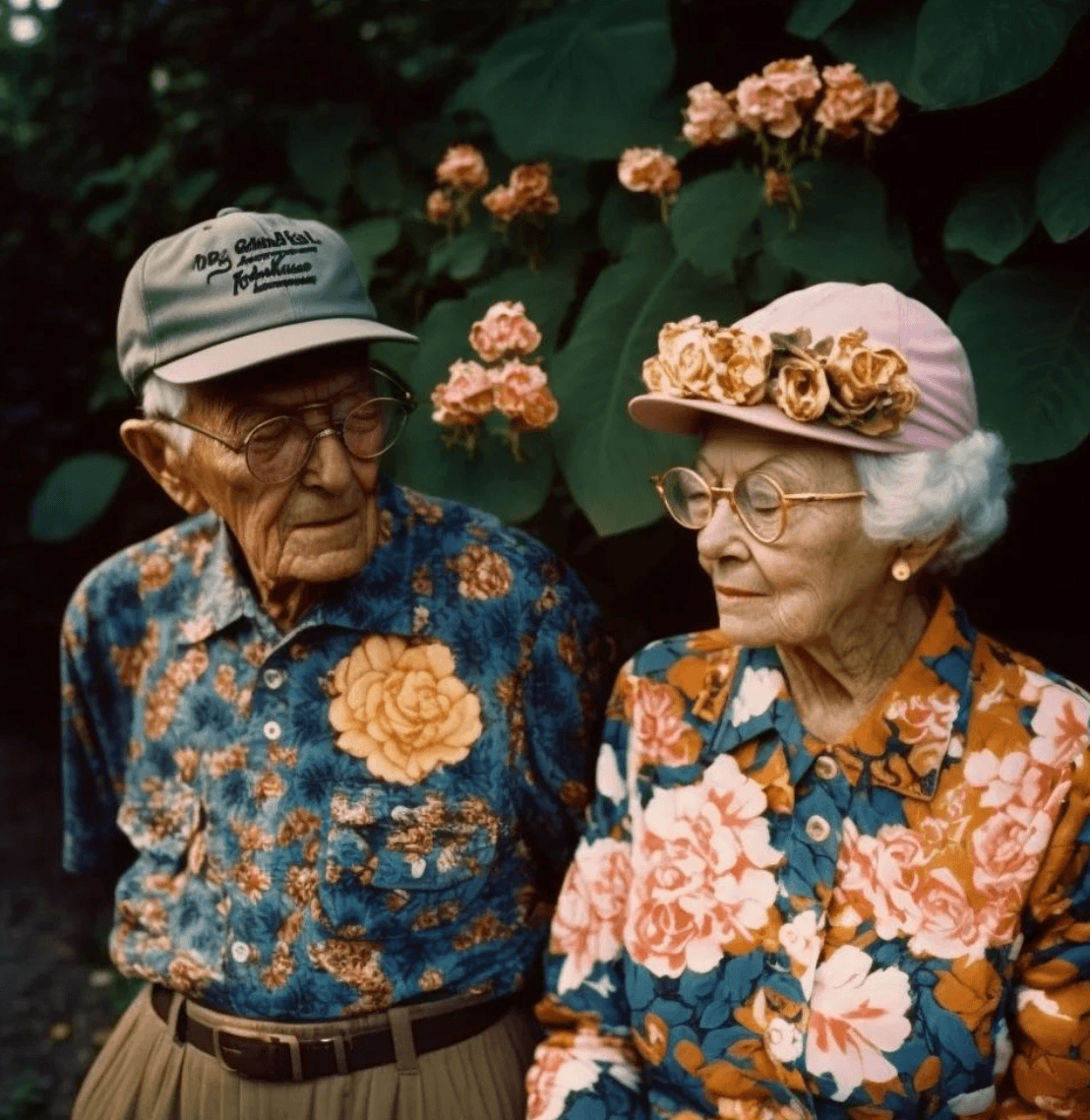
Nigerian Artist Malik Afegbua uses AI to celebrate the Elderly
MidJourney Sued for Severe Copyright Infringements 
How To Spot AI Art, According to Artists 
What is the next frontier or AI and Robotics? 
Unpacking The Legal Side of AI in South Africa

Images by the following AI artists: 
Koos Groenewald @koooooos Joshua ben Longo @longoland
Malik Afegbua @slickcityceo David Schild @diewithregret

Written by: Holly Beaton

Published: 21 February 2023

For more news, visit the Connect Everything Collective homepage www.ceconline.co.za
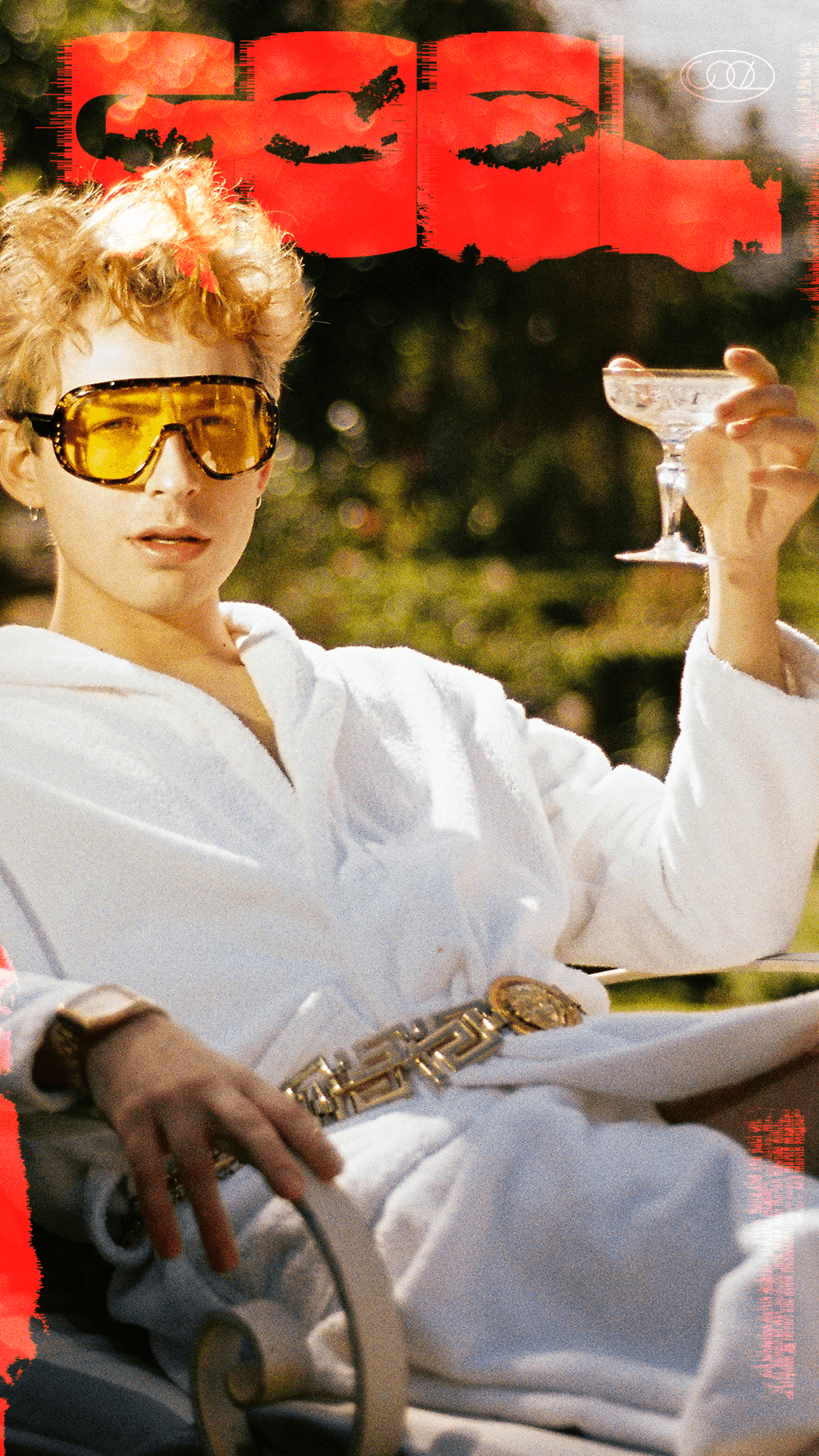
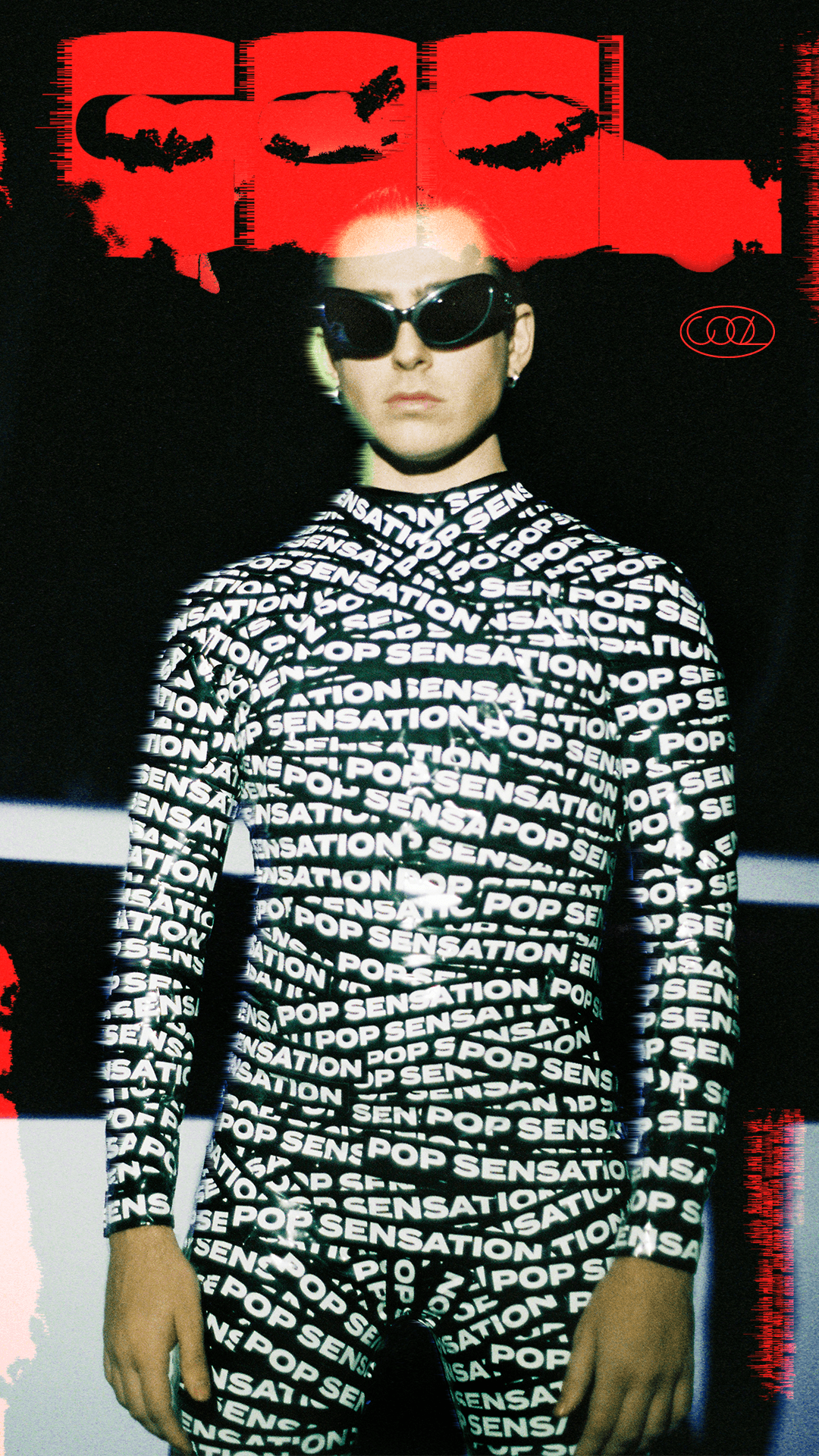
Martin Magner™ drops his 4th single, ‘Cool’

As Philip K. Dick said, do not assume that order and stability are always good, in a society or universe. The old, the ossified, must always give way to new life and the north of new things. Before the new things can be born, the old must perish. This is a dangerous realisation, because it tells us that we must eventually part with much of what is familiar to us. And that hurts. But that is part of the script of life. Unless we can psychologically accommodate change, we ourselves begin to die, inwardly. Objects, customs, habits and ways of life must perish so that the authentic human being can live. And it is the authentic human being who matters most, the viable, elastic organism which can bounce back, absorb and deal with the new.

The next evolution of Martin Magner™ was born from a time where I questioned every hand touch, hung onto every word said, and created a narrative in my mind that built me up and broke me down at the same time. My self doubt blossoming into self love (thanks to my delusional dream to be a star) has been an adventure, one that has no destination, but multiple iconic viewpoints along the way.

This is COOL, a thank-you to the past, as I continue to shift into the new. The hyper pop Gwen Stefani cover that makes me extremely happy and sad all at once was produced by MISSU and a film by Hana Sho immortalising a decade of me.

xx Martin Magner™ © 2023.


/// Listen to ‘Cool’ HERE and watch the Official Music Video HERE

CREDITS ///

Performance — Martin Magner™  (@martinmagner)
Music Production — MISSU (@missu2missu)
Director — Hana Sho (@hanajaynesho)
DOP — Paul Ward + Hana Sho (@iampaulward @hanajaynesho)
Offline Edit — Hana Sho (@hanajaynesho)
Online Edit — Ramon Mellett (@ramonmellett)
Mix — MISSU (@missu2missu)
Master — Mike Zietsman (@phfat_official)
Stylist — Peter Georgiades (@petergeorgiades)
Photography – (@hanajaynesho)
Design + Creative Direction — Martin Magner™  (@martinmagner)
Special Guests — Jana Babez, Nash Mariah, Mavuso Mbutuma, GG Ferrari, Ané Strydom, Danté Francesconi
(@jana_babez @nasmariah @mavusomabuso @gg.ferrari @ane_strydom @loveedante)

Rishi Love & JT Donaldson release their collaborative track “Take You”

Rishi Love and JT Donaldson collaborative track ‘Take You’ drops today, 17 February 2023- as the two prominent DJs collide in this enigmatic collaboration through iconic label, SoulCandi.  

JT Donaldson is considered one of the leading figures in the house music genre, with a career spanning over two decades. He has released numerous tracks on renowned record labels such as Classic Music Company, A Personal Music, and many others.

Rishi Love has also built a successful career in the music industry, with a number of highly acclaimed releases on record labels such as For The Love Of House, Grind City Recordings, and now SoulCandi – the record label behind this latest collaboration. Both Rishi Love and JT Donaldson have earned a reputation for their innovative and unique take on house music, and their latest collaboration promises to be no exception. With their combined musical talents and passion for the genre, the track is an energising essential for the season ahead. 


Artist Bios /// 

Rishi Love is a DJ, Producer and Clothing Designer hailing from Johannesburg, South Africa. As a DJ, she specialises in deep house music and is known for composing music entirely from scratch & creating sound-escapes using vintage instruments and synths. She also co-owns a streetwear label named RAION and co-owns a streetwear store, SPRMRKT, in Cape Town, South Africa. 

JT Donaldson is a house music producer from Texas. He has a long-standing career in the house genre, with a number of acclaimed releases on renowned record labels such as Classic Music Company, A Personal Music, and others. JT Donaldson is considered to be one of the leading figures in the house music industry and is known for his innovative and unique take on the genre.


/// Listen to ‘Take You’ HERE 

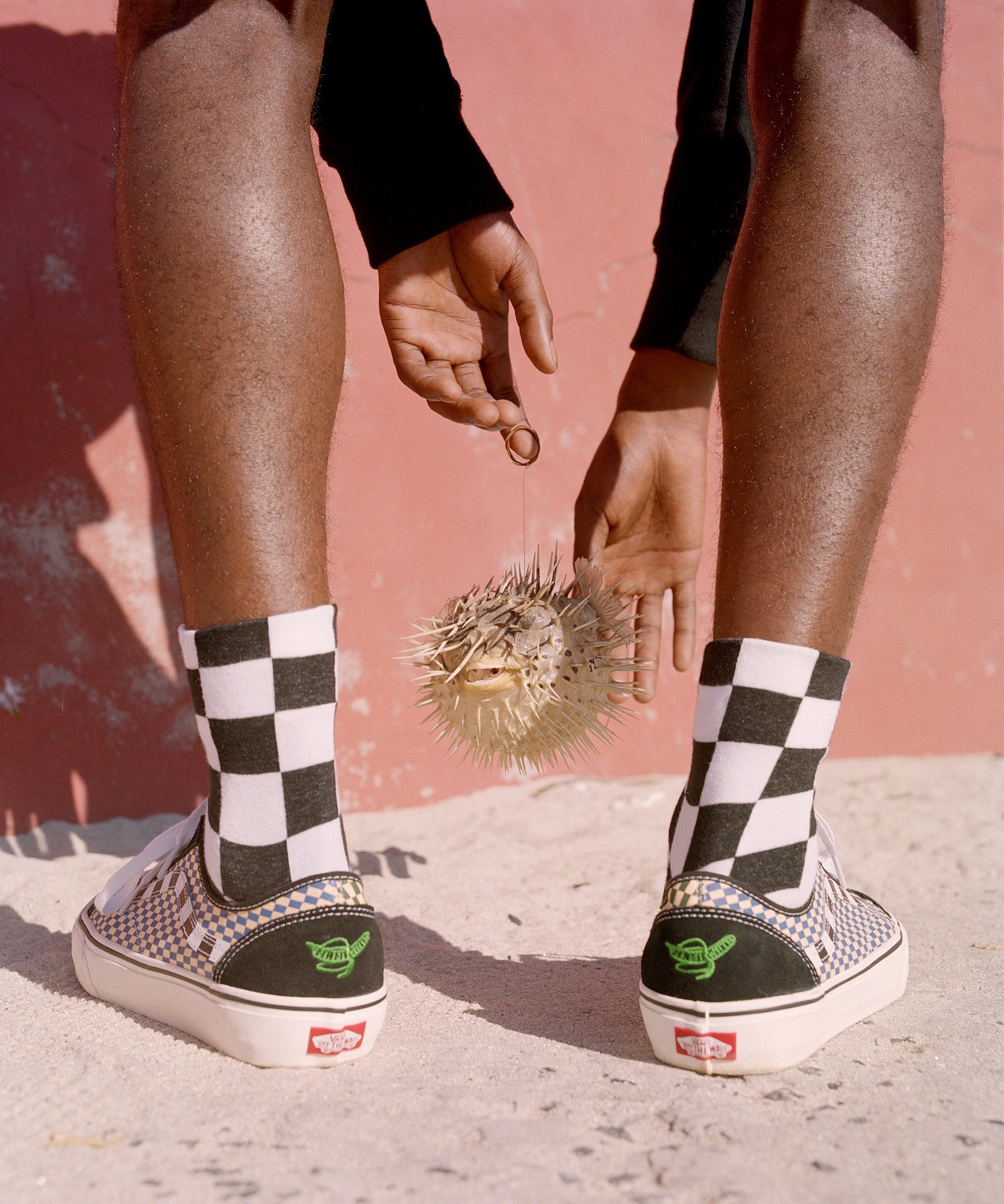
Vans Surf x Mami Wata Collection Celebrates African Surf Culture

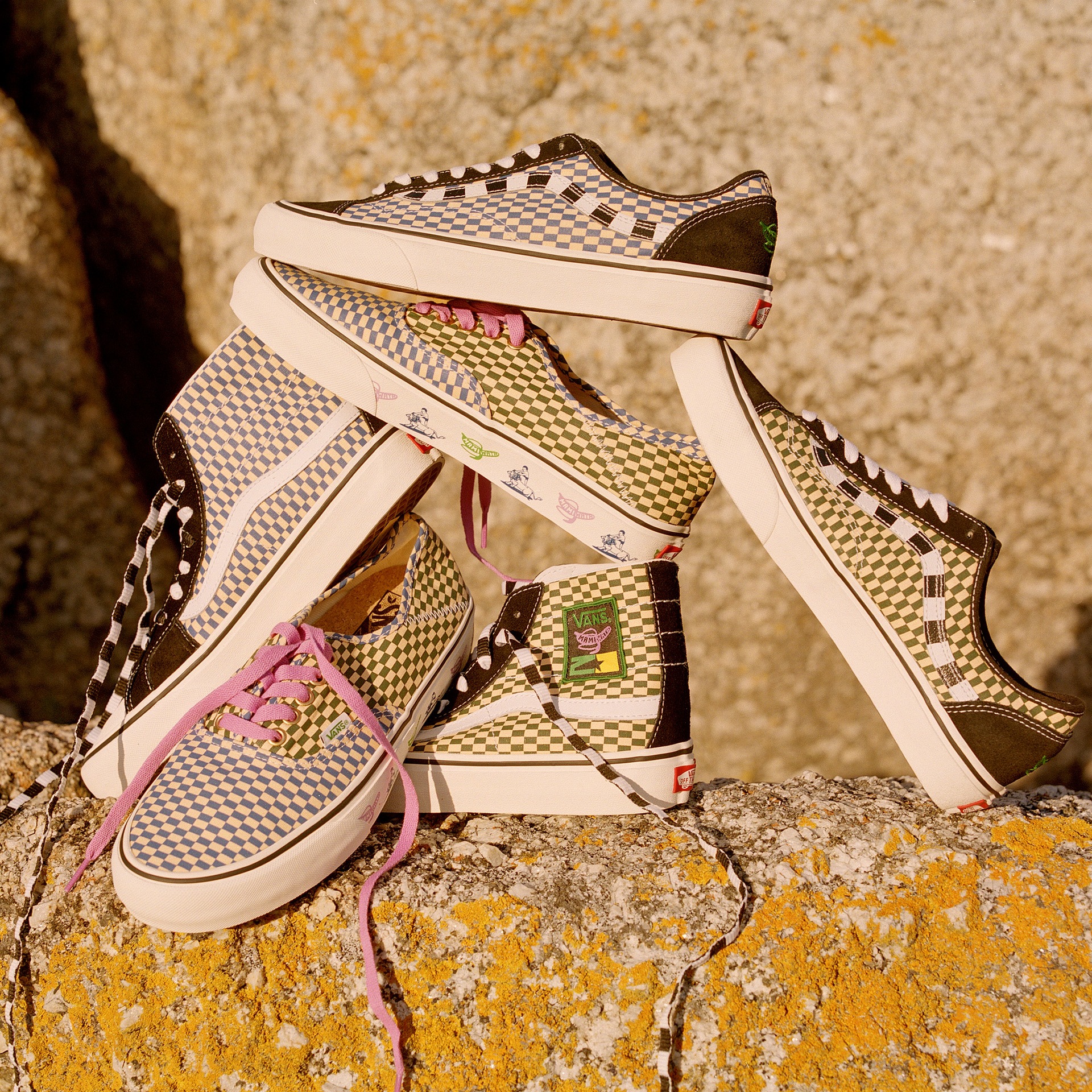
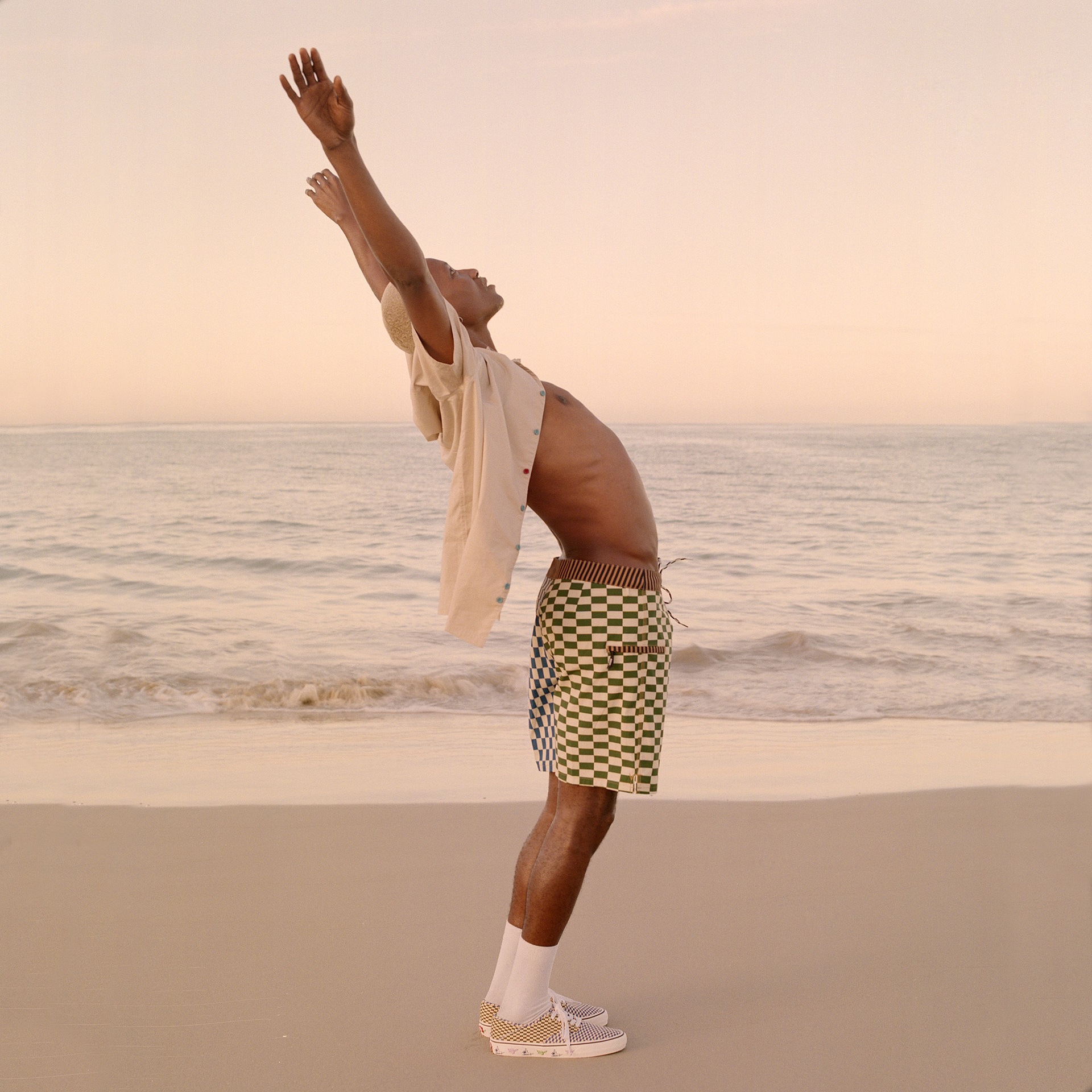
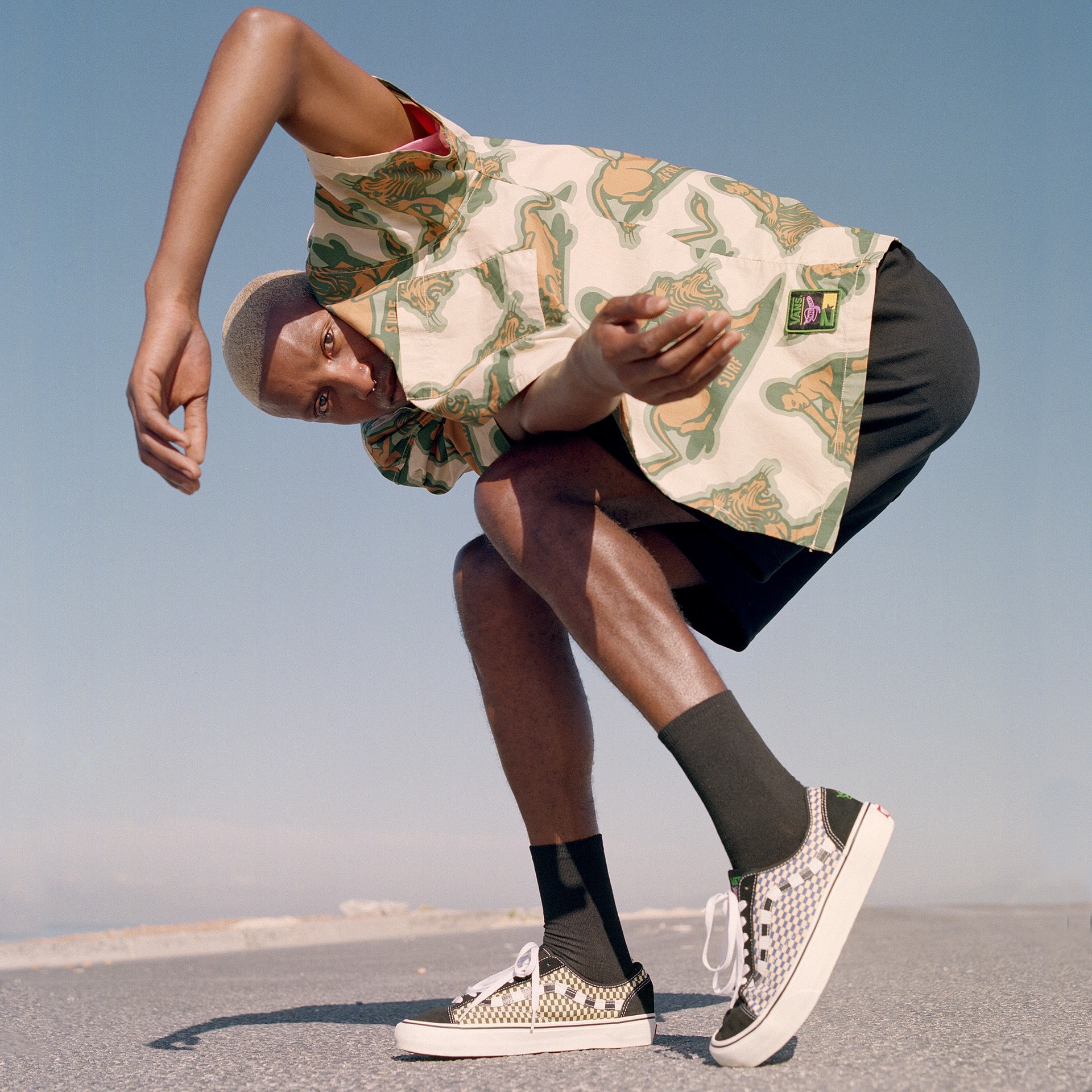
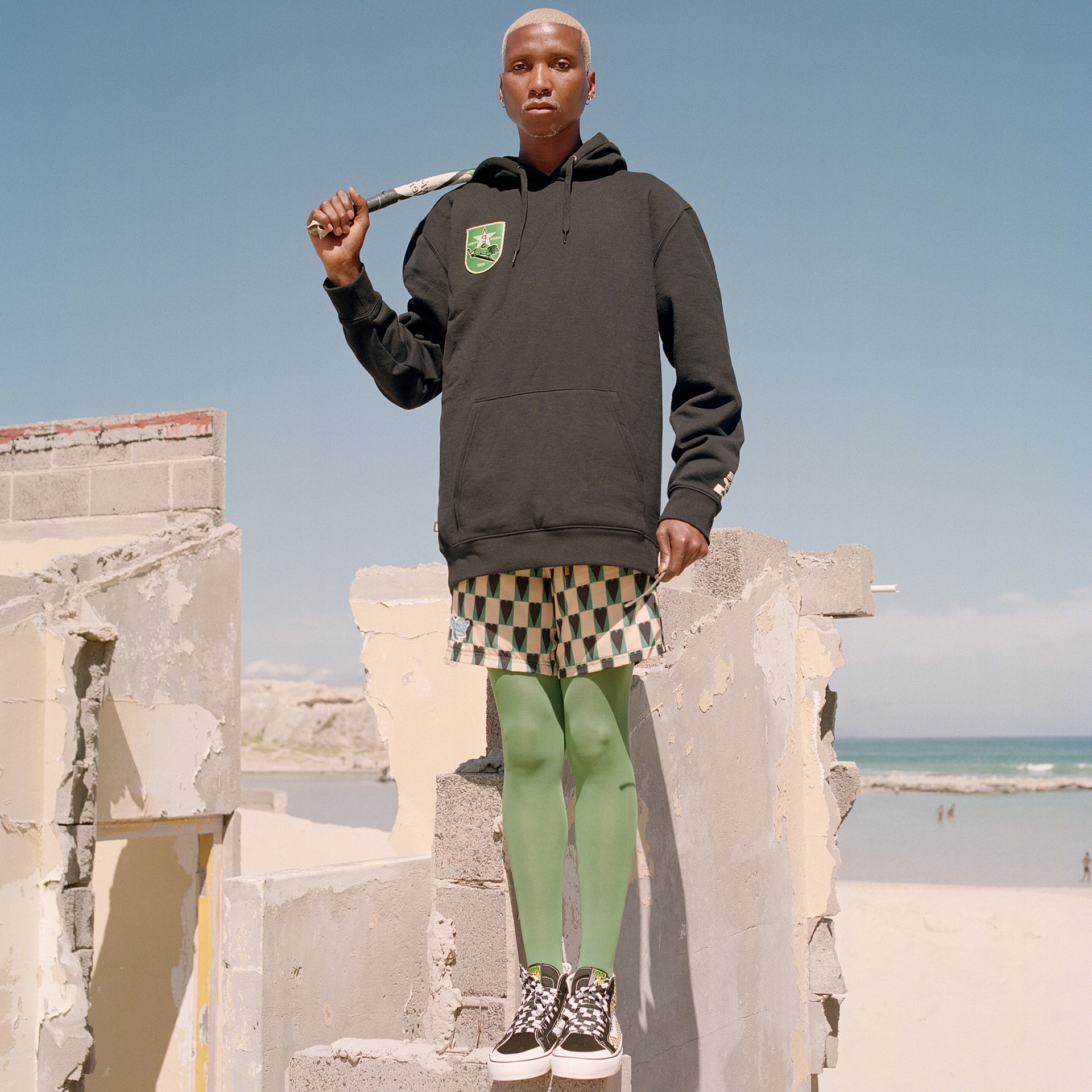
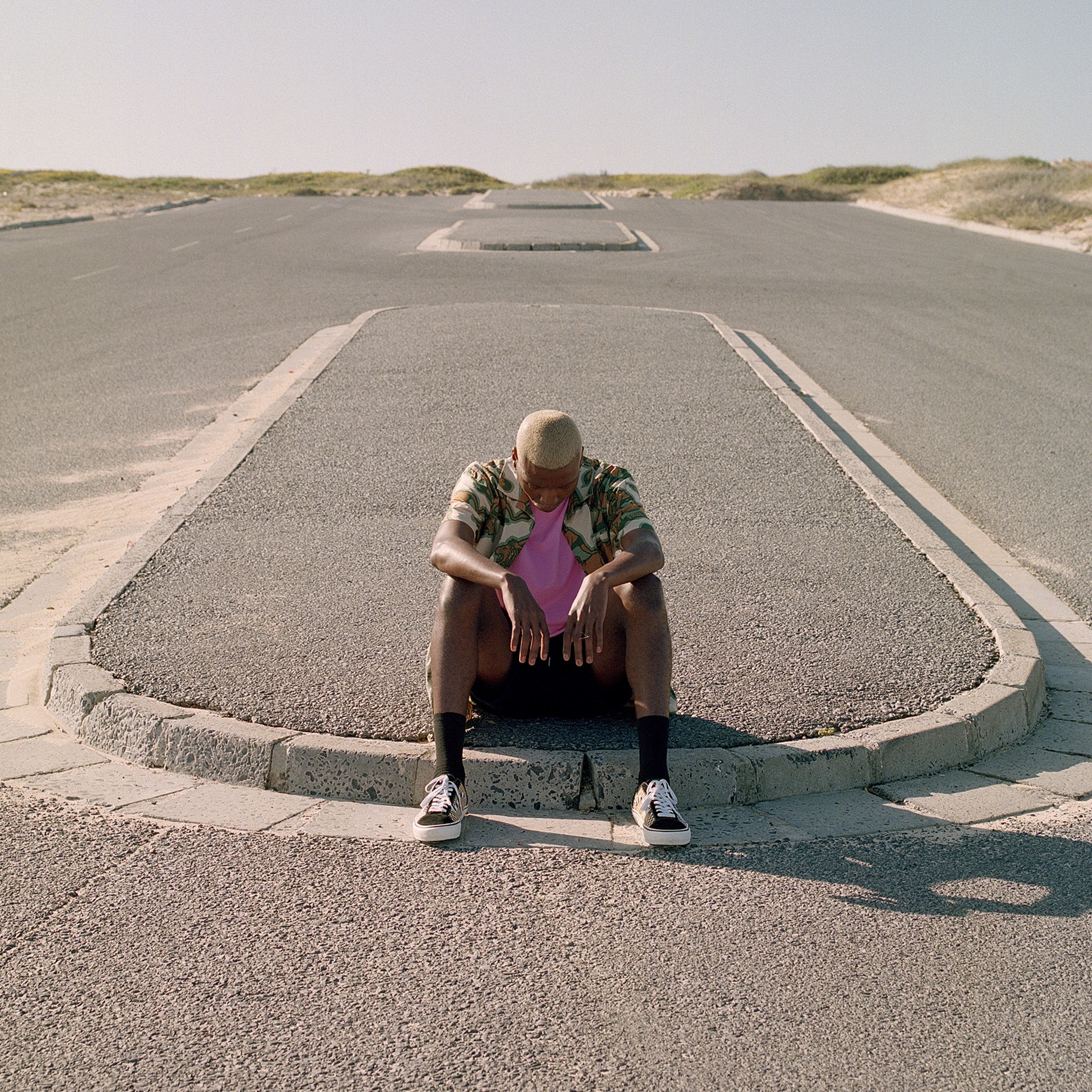
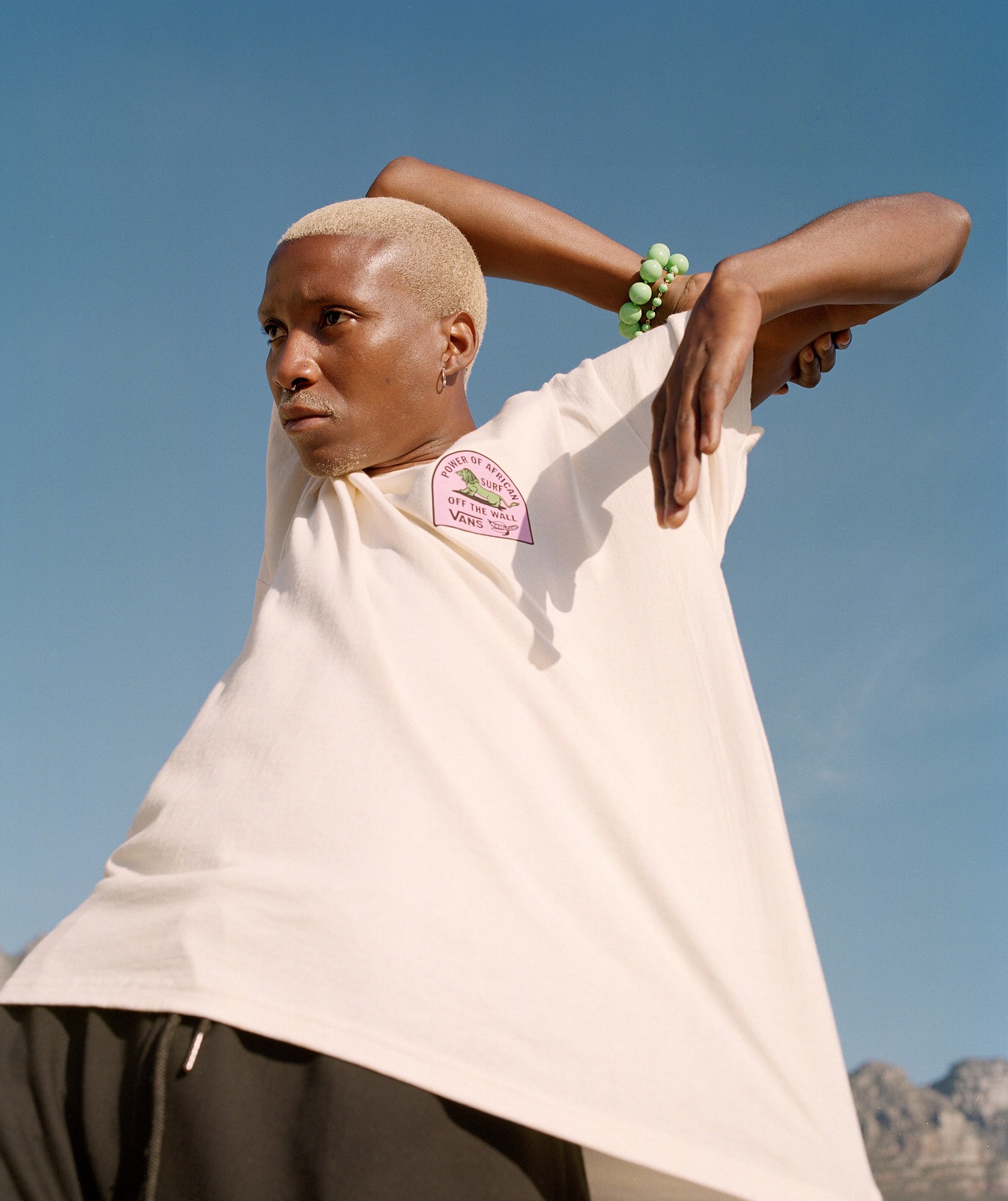
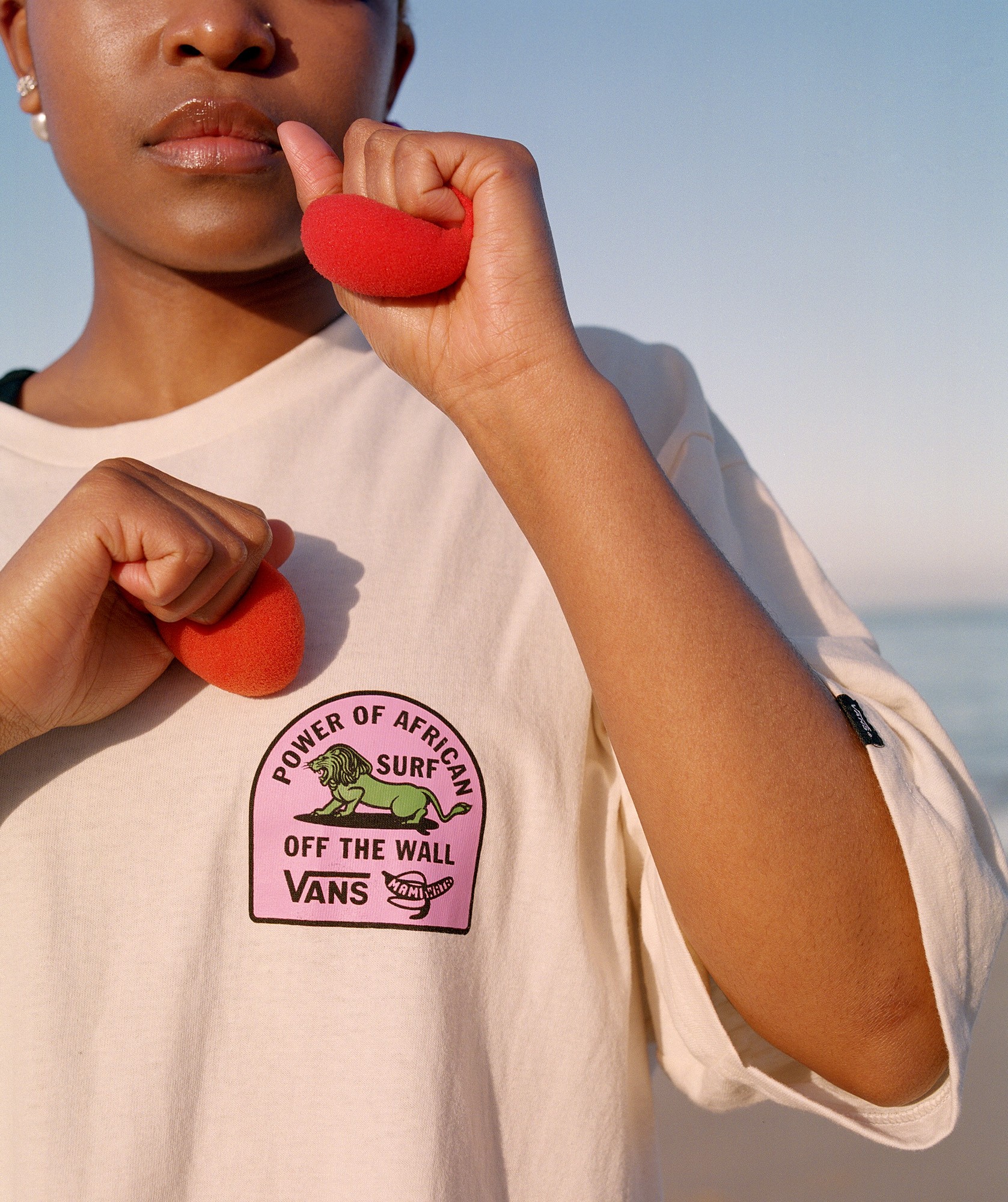
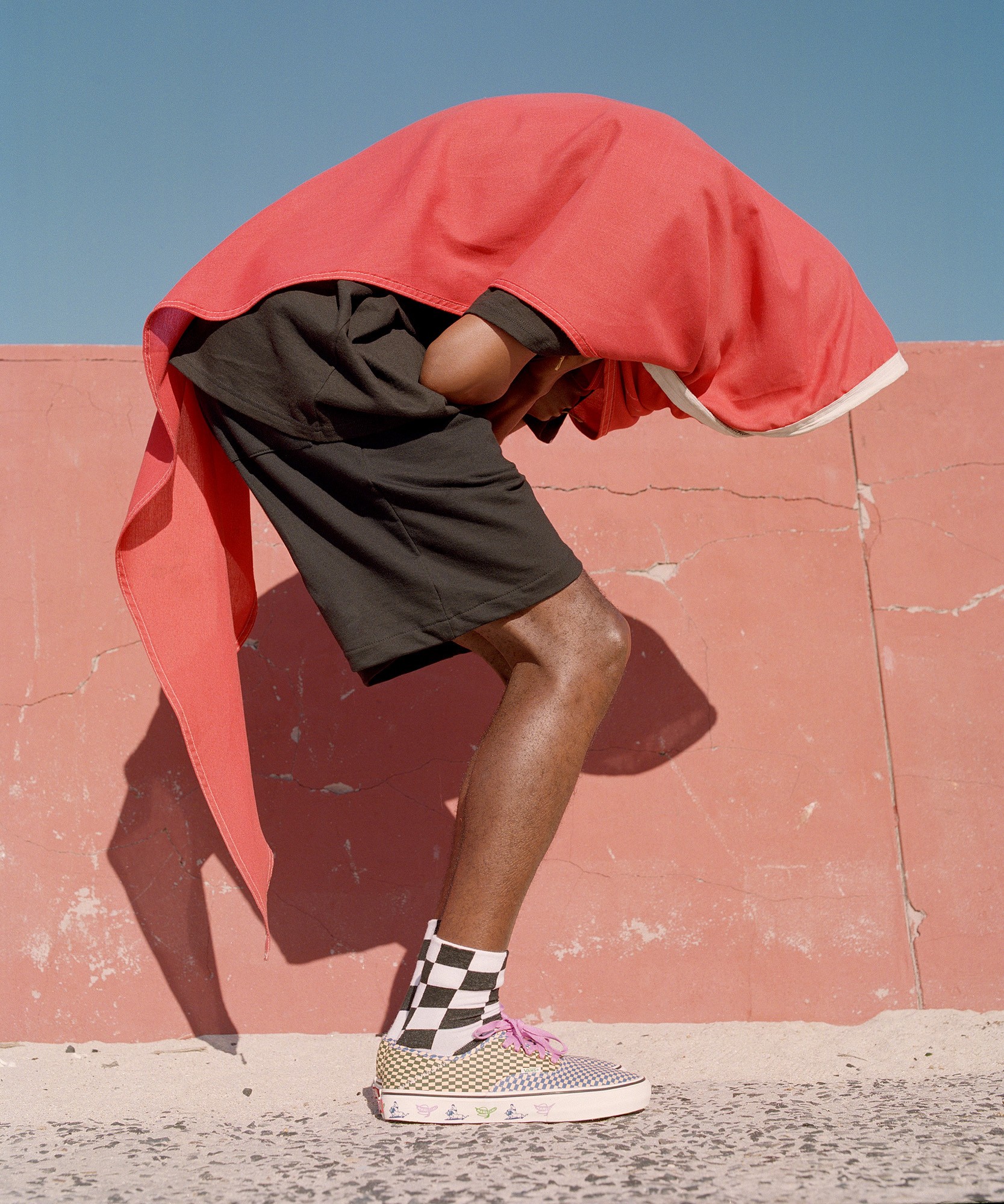
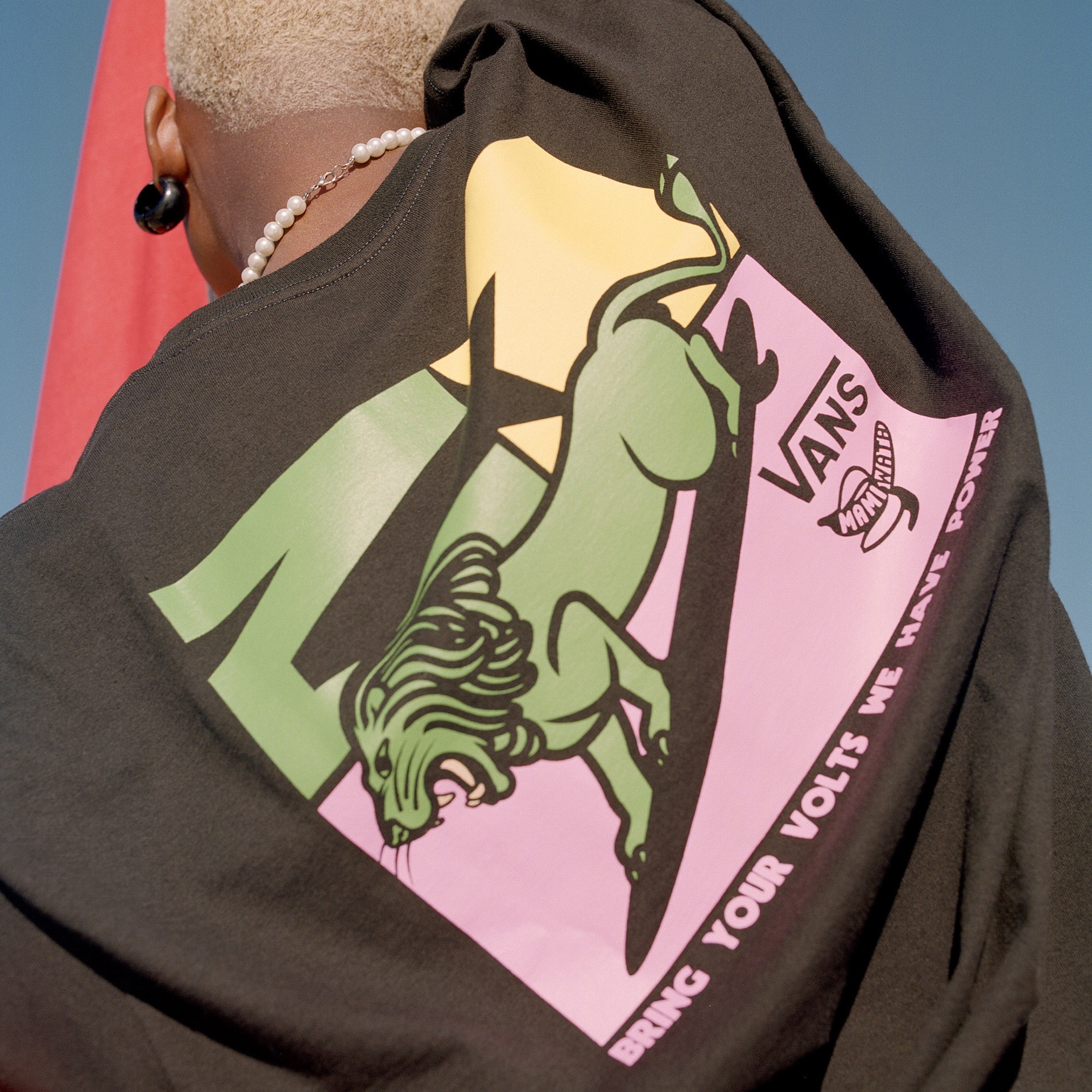
Vans Surf is proud to announce its latest head-to-toe collection with African surf lifestyle brand Mami Wata, which draws inspiration from African surf culture, key historical and cultural events, and the power and positivity of surfing. The collection leads with Vans Authentic VR3 SF and a curated assortment of additional footwear styles, apparel, and accessories. 

Founded in 2017, Mami Wata is translated in West African Pidgin English as “Mama Water” or Mother Ocean. Based out of Cape Town, the brand is focused on furthering manufacturing diversity and surf development in Africa and supporting world-leading African surf therapy organizations Waves for Change and Surfers Not Street Children. Mami Wata’s mission is to offer a different narrative of surfing and Africa to the world and to educate and share the positive effects of surfing with everyone. This season, Vans partners with Mami Wata to deliver a collection founded on these principles and inspired by important cultural moments in Africa’s history.

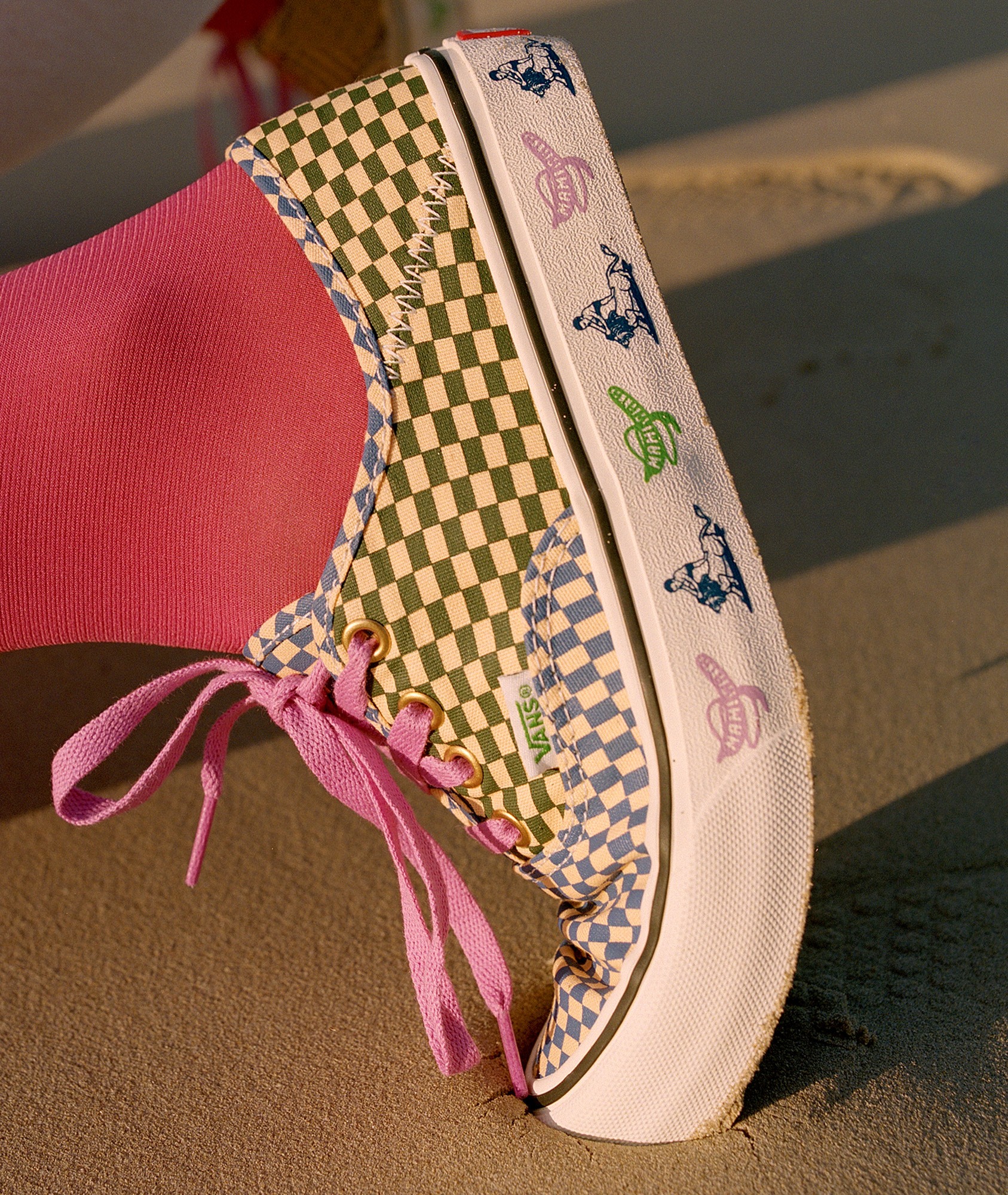
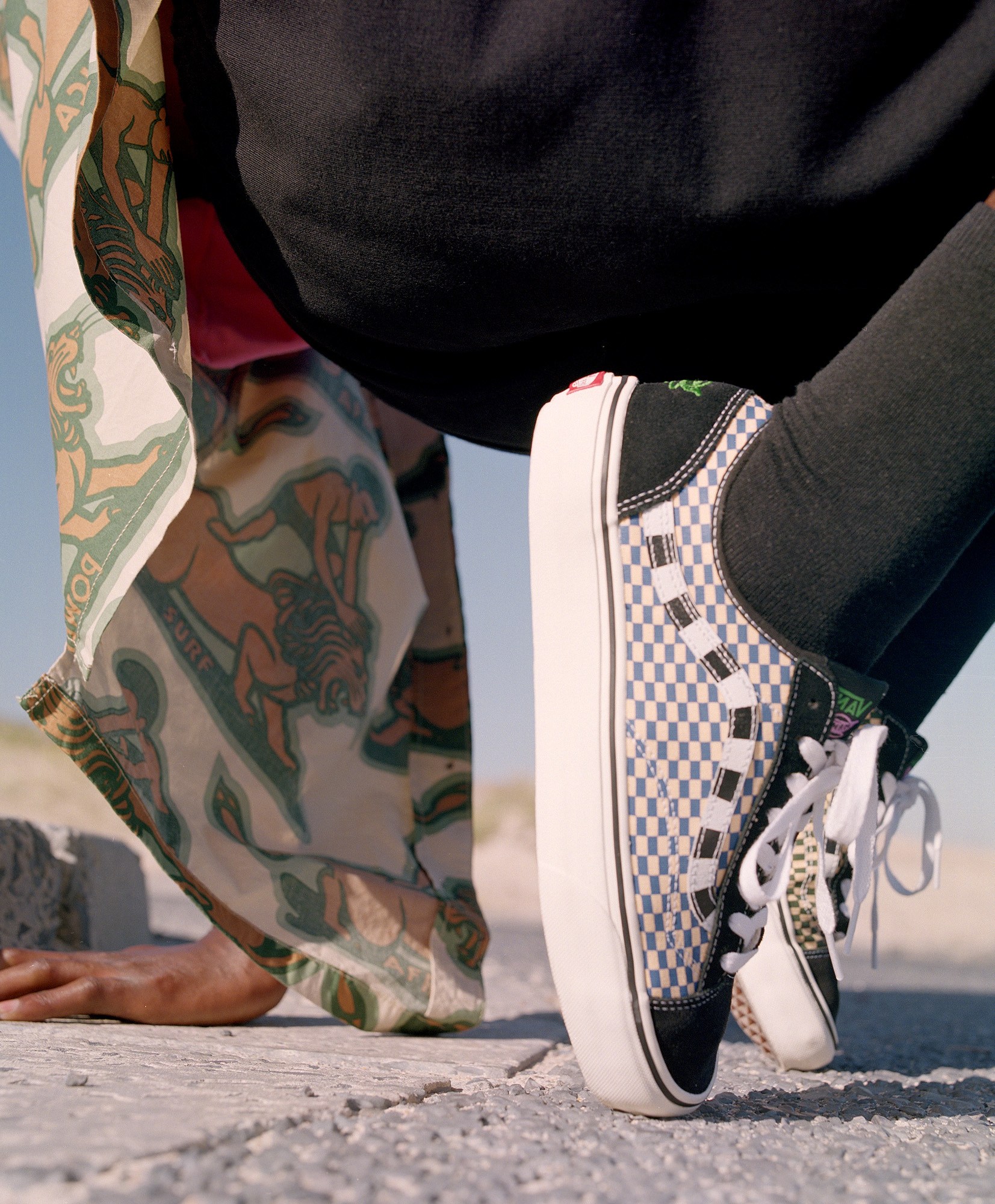
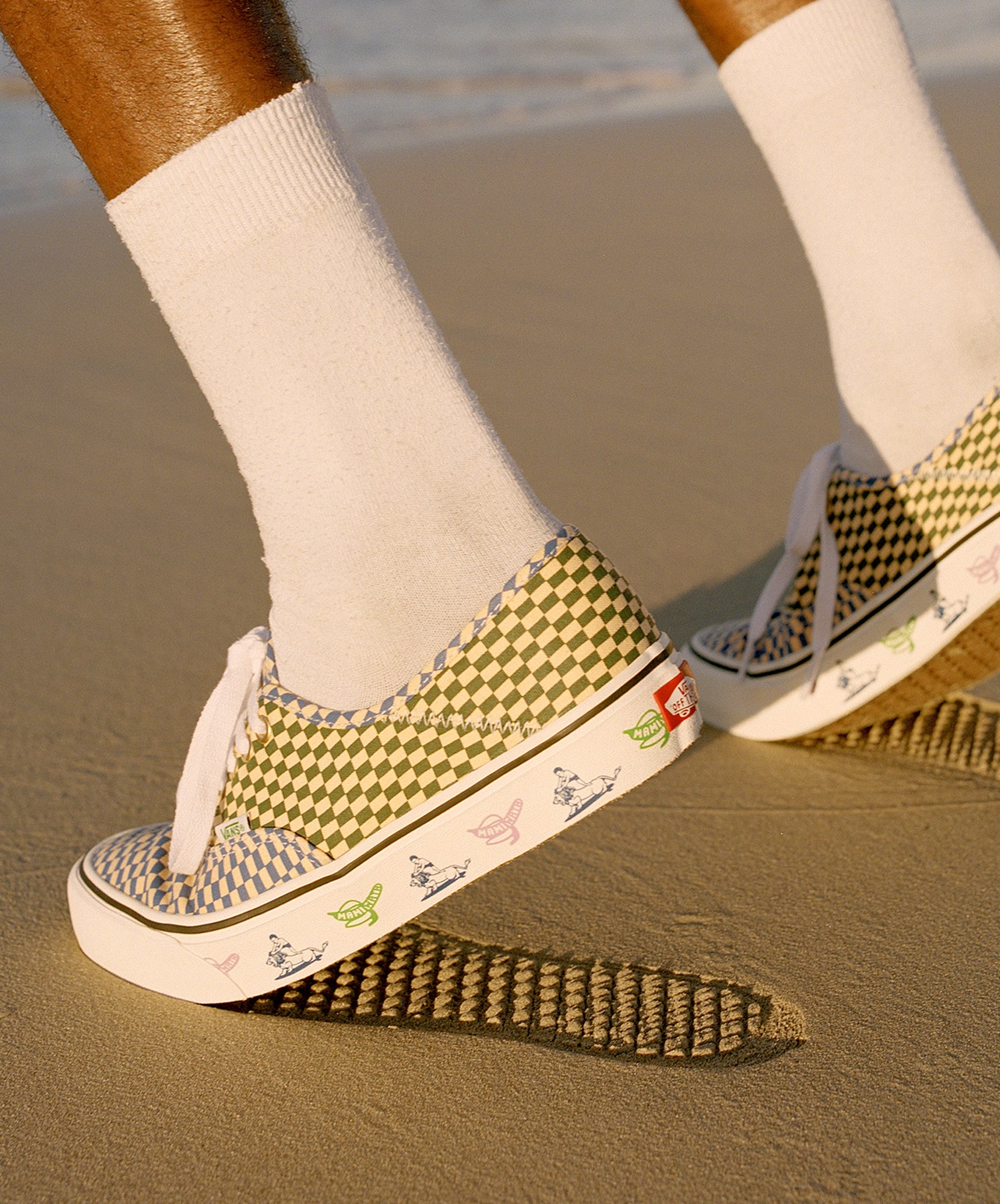
From Zaire’s “Rumble in the Jungle” in 1974 and Nigeria’s “Festac ‘77” to other iconic local music festivals, this new head to toe collection takes the bold and graphic imagery of these cultural events and adds a modern Vans twist, tying back to Vans’ heritage Checkerboard prints. Vans Authentic VR3 in Mami Wata Cream is the hero of the collection and follows Vans’ strict materials guidelines with one or a combination of regenerative, responsibly sourced, renewable, and recycled materials making up at least 30% of the product.

The upper features leather (Vans leather products support responsible manufacturing via the Leather Working Group) and organic cotton on the Style 36 Decon VR3 SF and Sk8-Hi 138 Decon VR3 SF, respectively. The outsole across all footwear features Vans’ all-new VR3 Waffle™ rubber compound. All the rubber used to make this outsole (60% of the compound) is regeneratively grown natural rubber sourced from farms utilizing agricultural practices intended to promote biodiversity, enhance water cycles, improve soil health, and/or sequester carbon. The brand-new VR3Cush™ drop-in footbed uses 25 percent biobased EVA foam partially derived from plants.

Along with the Mami Wata Authentic VR3 SF, the new collection also features a Style 36 Decon VR3 SF and the Sk8-Hi 138 Decon VR3 SF, both in Mami Wata Cream.

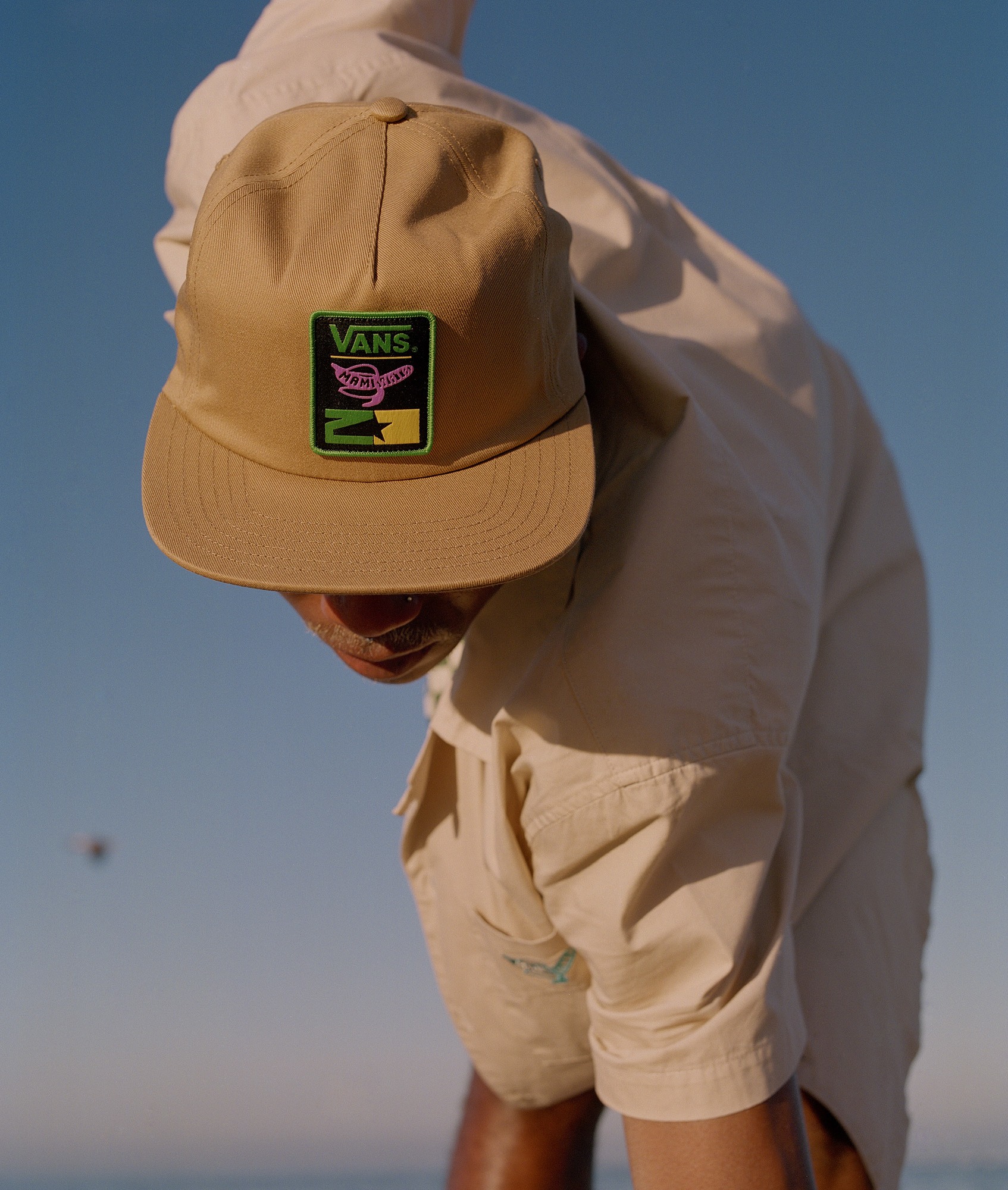
By utilizing bold graphic details in contrast to a micro-Checkerboard, inspired by hand-woven fabrics popular throughout Africa, this collection pays homage to the past while giving a vibrant nod to the future generations that will live and define African surf culture. The new apparel features a Mami Wata Pullover, short sleeve tees, woven shirt, boardshorts, and a hat.

The Vans x Mami Wata Collection will be available in South Africa, in line with the global launch, beginning February 16, 2023 at Vans Surf retail locations and Vans.co.za/surf.

Vans, “Off The Wall” Since ’66

vans.co.za/surf
facebook.com/VansSouthAfrica/
Instagram.com/vans_za
youtube.com/vans

Follow Vans on Spotify Here

Published: 16 February 2023

For more news, visit the Connect Everything Collective homepage www.ceconline.co.za
Pharrell takes the helm at Louis Vuitton menswear

When Virgil Abloh passed away unexpectedly (to us, the public) in 2021 – a huge vacuum was left, both in his personal capacity as a mentor and wayshower to his peers, colleagues and the broader culture; and also professionally, with his acclaimed role heading up Louis Vuitton’s menswear. Virgil’s appointment to the role of artistic director in 2018 was historical; he was the first Black person to head up the luxury brand, and one of the first of few Black designers in any fashion house, in Europe, ever. This was and still is historical; and Virigl’s legacy is one the reverberates across many creative industries, and into the cultural and socio-political intersection of society; giving rise to the determination of young, Black youth that their dreams are possible, and their voices as progenitors and preserves of culture is essential. What many might forget today, though, is how fitting the recent appointment of multi-hyphenate Pharrell Williams to the vacant role actually is.

To premise this discussion, it’s important to note how the fashion industry exists today in the practical sense. Yes, it would be wonderful if it was just about the clothes; if fashion brands today existed solely to produce and sell clothing, and to titillate our sense of wonder and fantasy through sartorial powers. This is not what fashion is anymore (and I mean, specifically the brands under big conglomerates like LVMH and Kering) and for some purists, it would be great if technically trained designers were the only viable options for these positions. But in the interest of shifting our naivety, the point of fashion brands like Louis Vuitton is a complex web of capitalism and cultural narratives; that harken to its own 150 year historical and nostalgic view of luxury fashion, in order to mythologise the fashion house, and to ultimately; sell products. I am not saying this in a moralistically critical sense – nor is this a critique of the system – it is literally the fact, and that is the agenda. Once we can recognise the singular modus operandi of Louis Vuitton – to increase growth and profitability beyond what has ever been conceived of in the fashion industry – then we can begin to understand why someone as multi-talented like Pharrell is the new head at Louis Vuitton, and not someone who traditionally and literally is able to design clothing. 

The moment luxury fashion houses began mass-manufacturing and selling perfumes, accessories – cell phone covers – the more critical it is that we recognise what these brands exist to do. Louis Vuitton’s commercial success in the last few years is a the stuff of fairytales for capitalist-magnates like Bernard Arnault (according to Forbes, currently the richest man in the world) and the appointment of an artistic director to lead this charge, requires someone who is uniquely positioned to create synergy between a commercial audience, conceive and create products, and to have that translated through the codes of the brand in runway shows, stores, and in marketing campaigns. As a creative director, there is very little requirement to be sketching – or to be sewing – those technical abilities are roles served by the ateliers, whom Pharrell will be in close collaboration to excuse his vision. Virgil himself was never a ‘fashion designer’ in the traditional sense of the term, and in fact – it was a point of confidence for him that he had not been shaped by a linear model of thinking as a fashion designer. As a trained architect, with vast experience in product development, Virgil’s success at Louis Vuitton was crucial because he had the widest scope across design and culture; from furniture, to clothing, to interiors, architecture, music, art and experiences. What Virgil did, within all of this, is to legitimize a brand like Louis Vuitton for a Black audience and beyond; and all of his work serves as eternal iconographies  of the intersection between streetwear and luxury fashion, that today seems almost indistinguishable. To continue this thread of impact and the culturally relevancy of Louis Vuitton, Pharrell makes perfect sense; because he was literally one of the first to ever do it. Pharrell’s career and life is streetwear, hip-hop, luxury and artistic cultural lore. Pharrell and Louis Vuitton’s relationship is also older than Virgil’s was – with Pharrell being one of the first hip-hop artists to collaborate with a luxury brand, in 2004 and 2008.  With WWD reporting; ‘Upon the announcement of Williams’ appointment as artistic director, Pietro Beccari, the brand’s chairman and CEO, issued a statement saying, “I am glad to welcome Pharrell back home, after our collaborations in 2004 and 2008 for Louis Vuitton, as our new Men’s Artistic Director. His creative vision beyond fashion will undoubtedly lead Louis Vuitton towards a new and very exciting chapter.”

In speaking to fellow fashion writer Ulindelwe Ratsibe, he raises an interesting point around the criticisms of this appointment,I am not going to question Pharrell’s capability. He’s done work with Chanel and many other brands. I think he would be a phenomenal creative director. I think the celebrity of it all is disappointing because we are trying to recreate all of the Virgil magic which I know can create the continuity. What I think is the problem is, do we need to recreate the Virgil magic? Virgil made a mark on LV because of what he introduced to the universe as a Black man doing street wear. I don’t think we need a continuation. I think we need to break new ground. People like Martine Rose and Grace Wales Bonner who would have broken new ground at LV with access to an atelier and all of the resources, and with them the potential of being the first Black women CD’s at a legacy house.” I wonder though, with LVMH’s competitive streak, if they are willing to take risks when Virgil’s success remains commercial gold, even today?

For those who don’t remember, Pharrell and NIGO (founder of A Bathing Ape and currently head of Japanese luxury fashion brand, Kenzo) founded Billionaires Boys Club; one of the first, luxury-style streetwear brands, in 2003. With its sub labels like Ice Cream and Bee Line, this moment in cultural history is one where hip-hop was emerging out of the 90s underground status it had held – no longer purely countercultural, the early 2000s is the era of MTV, of music videos, and of rap redefining itself as an aspirational movement beyond just music. Producers like Pharrell are one of the most shining successes of this time; demonstrating an immense ability to use music as a segue into a myriad of creative disciplines. It appears this is his next chapter, and one that I am incredibly excited to see unfold. I have no doubt that when Virgil found himself at Louis Vuitton, he had Pharrell to look to as a vanguard of the cultural trajectory and empowerment of Black culture as the blueprint and source. What we deem as cool and covetable – most often leads back to the Black, African people of the continent and diaspora, but that’s a deep conversation for another day, but it’s important to remember when we are watching fashion history being made. Fashion is indiscernible from culture or politics, and it is a necessary agent for a world that no longer must facilitate the rules of racial or cultural exclusivity. Whether fashion commentators like it or not, whether they want a “real’’ fashion designer or not, Virgil’s legacy defies all the rules of luxury fashion – the idea that his legacy is more important right now than the legacy of the house of Louis Vuitton – is unprecedented, and LVMH recognises this. Pharrell feels like the right fit, and I’m excited to see how it makes the role his own. 

Pharrell’s first inaugural show will be in June this year, at Paris Men’s Fashion Week.

Feature Images Credits: Pharrell, LV Blanket images - courtesy of Louis Vuitton 

Written by: Holly Beaton

Published: 15 February 2023

For more news, visit the Connect Everything Collective homepage www.ceconline.co.za

What is gaslighting, actually?

As summer celebrations satiate our bodies with bursts of serotonin, and we are left with sun-kissed skin, slightly sticky from sunblock and spilt seltzer strewn across the streets of South Africa – with love and lust reaching a summer- fling fever pitch…is there potentially, a feeling of doubt? A grey cloud just starting to loom ominously over the summer romance? One of the hardest questions we may ever have to ask ourselves suddenly visits quicker than a Cape Town gust of wind; Am I being gaslit? 

Ahh, I hear you asking, “that seems so harsh. Not everyone is a narcissistic piece of shit?”, and I actually agree. Still, questions have to be raised when the dictionary-magnates at  Merriam-Webster declared “gaslighting” as their official word of the year in 2022, after searches for the term spiked by 1740%. Take a look at that again. Not 100%, a full 1740% increase in people searching for a phrase that has become alarmingly casual by now, particularly amongst a younger generation. So what is gaslighting, actually? 

A good starting point is to define what is meant when someone refers to gaslighting. Merriam-Webster themselves define the term as “psychological manipulation of a person usually over an extended period of time that causes the victim to question the validity of their own thoughts, perception of reality, or memories and typically leads to confusion, loss of confidence and self-esteem, uncertainty of one’s emotional or mental stability, and a dependency on the perpetrator”. This definition in of itself sheds a pretty clear light on just how damaging gaslighting can be. It is not simply the art of white lies and deceit but rather a form of emotional abuse.

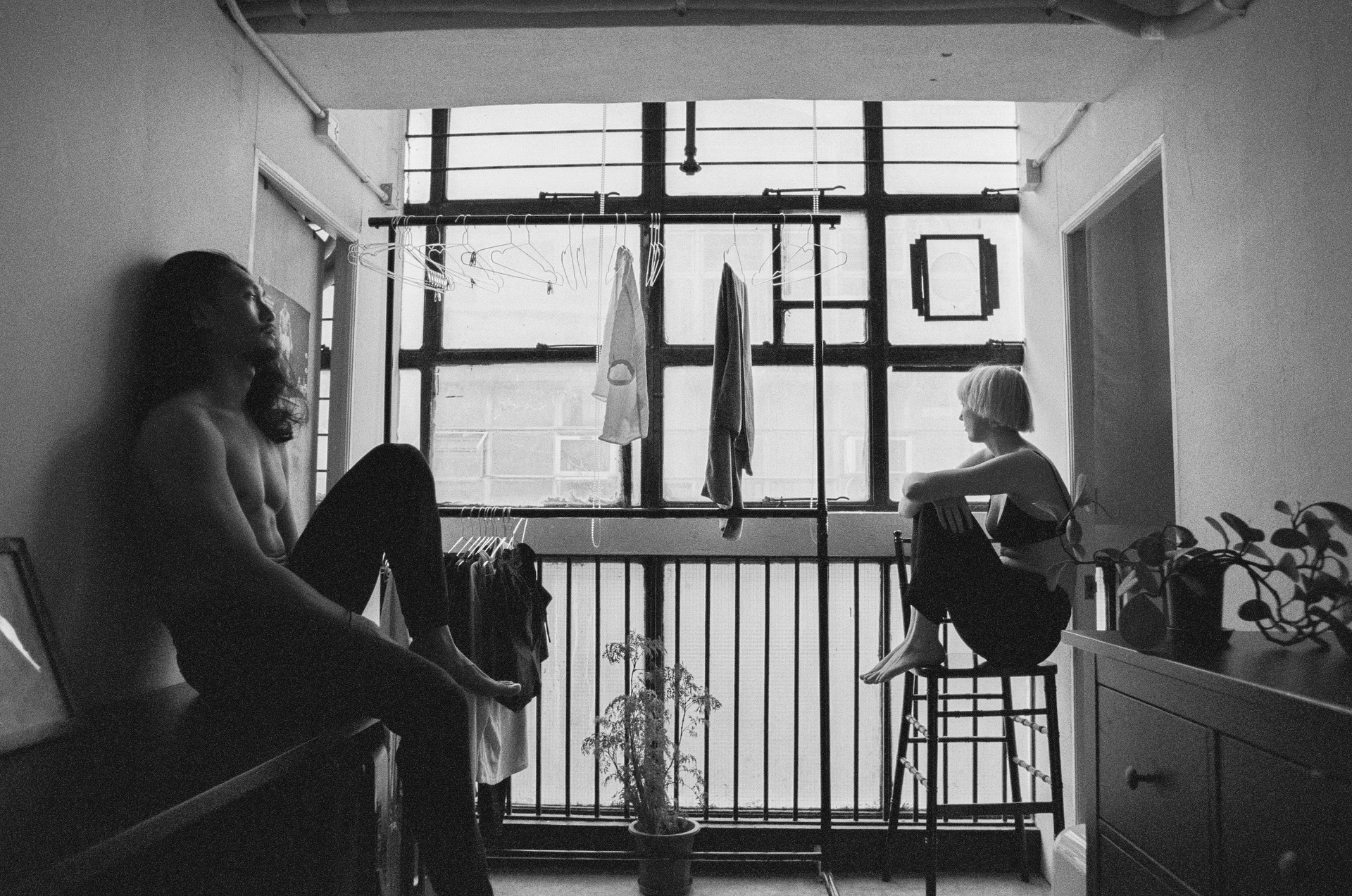
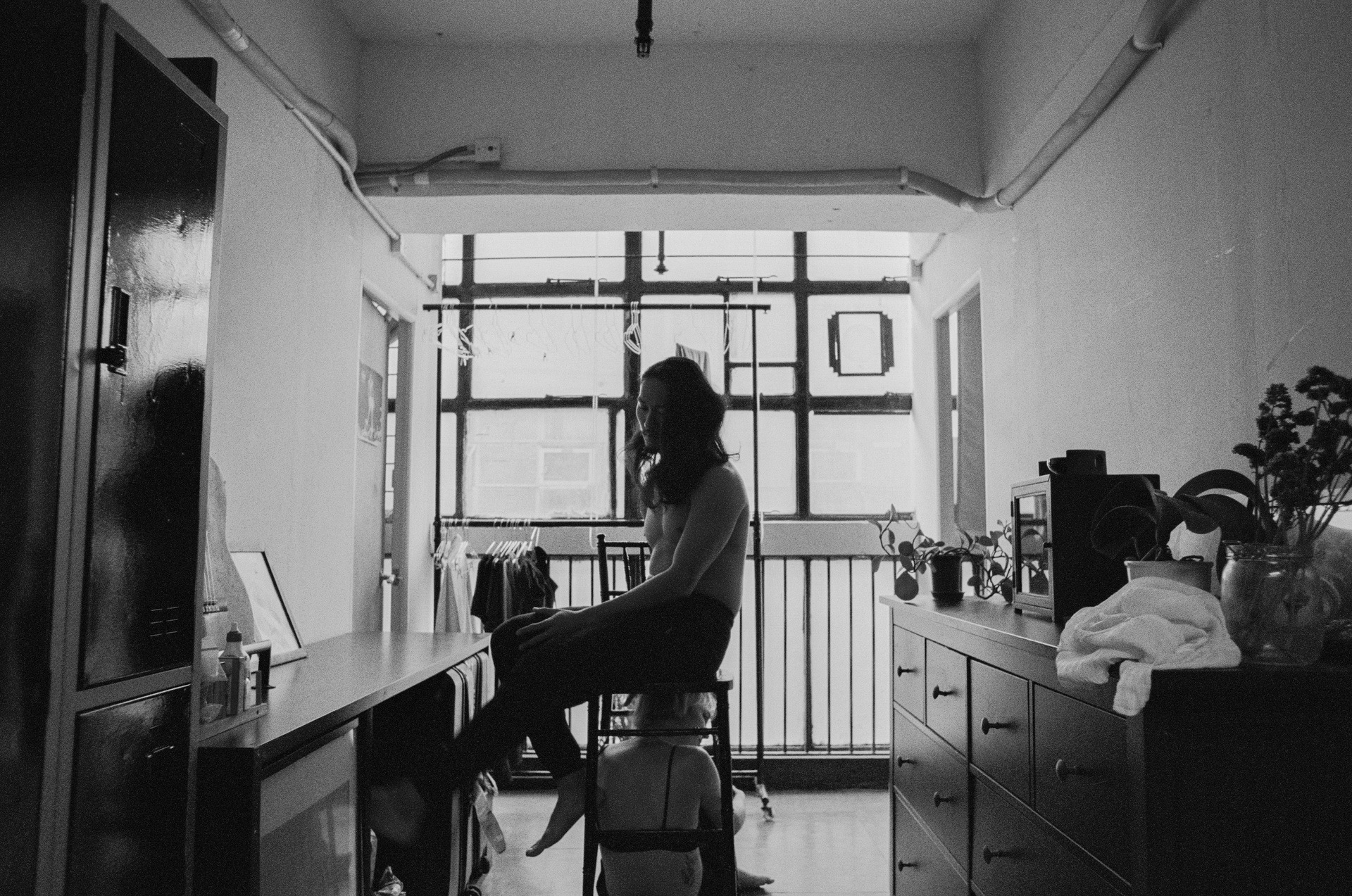
Images: Sune, Adam Shek. 2019. Hong Kong.

A form of abuse that doesn’t leave physical scars and wounds but should not for a second be discredited as somehow being less valid – ironically, if anyone tries to convince you that it is less painful, less traumatic, less valid, they are, in fact, gaslighting you – Here’s the thing: although the dictionary entry serves as a good point of departure and does summarise what gaslighting is all about, it lacks the nuances necessary when discussing topics such as these. Who could be the perpetrator? How do you spot gaslighting, and most importantly, how do you deal with being gaslit? 

Although our minds are immediately cast to gaslighting scenarios within romantic relationships, it’s important to note that it can take place on a broad spectrum. Perpetrators could be anyone, including friends, family, colleagues, politicians, medical professionals and, depressingly ourselves. So what are some signs to look out for when it comes to gaslighting? Different platforms will give you different answers simply because it is rather difficult to condense down the broad scope of gaslighting behaviours that people exhibit. Clinical psychologist Dr Becky Spelman lists five common gaslighting techniques that are often used.

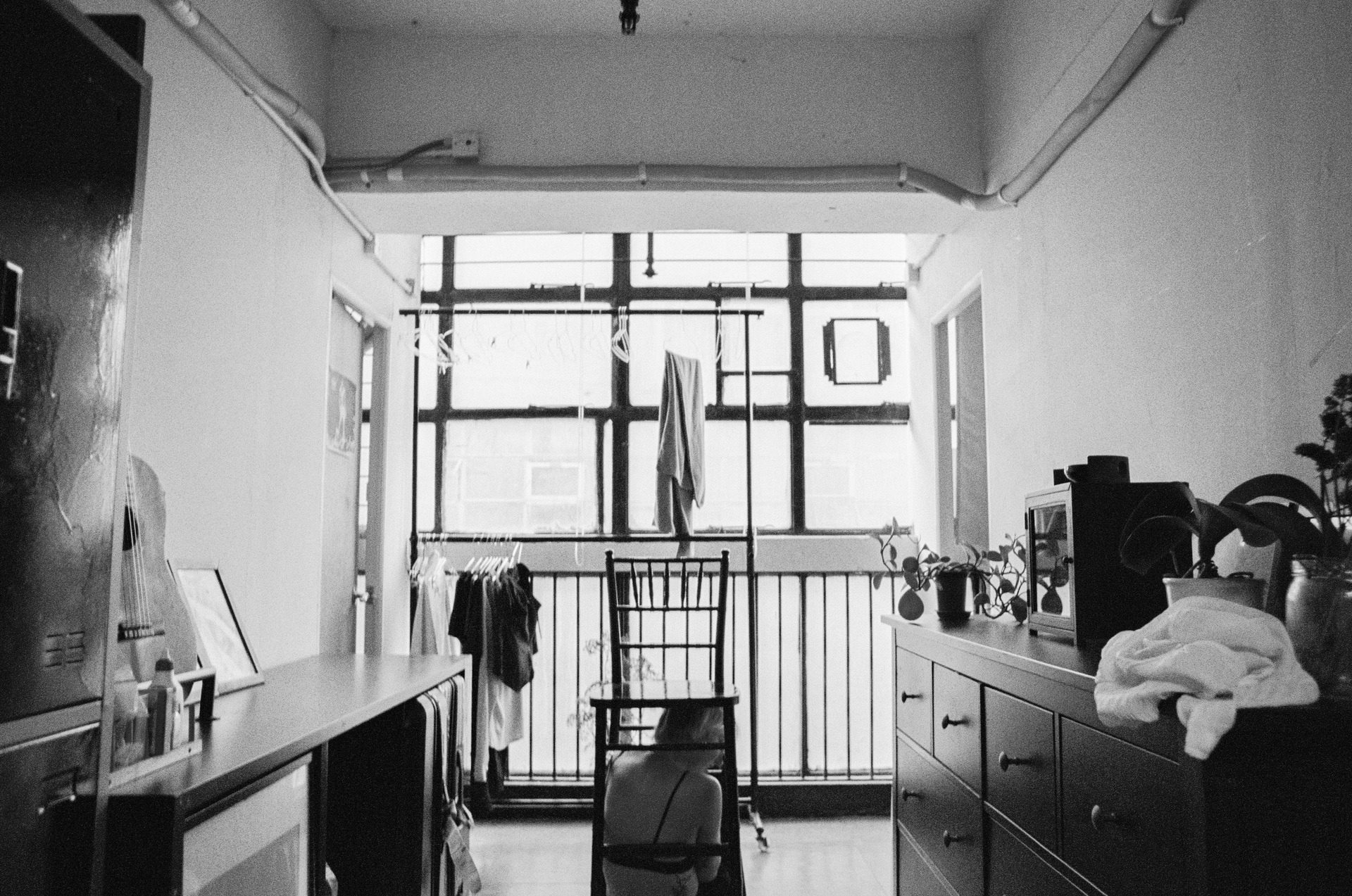
Image: I should have pulled away sooner but you had me stuck. 2021. Hong Kong.

/// Withholding 
Here the gaslighter either refuses to listen to the victim’s concerns or simply pretends that they do not understand. (You’re not making any sense, what you’re saying is crazy.)


/// Countering 
Here the gaslighter not only questions the victim’s memory but often introduces new information that never happened as a means to protect themselves. (I did tell you, you just can’t remember.) 


/// Forgetting/Denial
The gaslighter claims that an event simply didn’t happen or that they forgot about it. (That never happened, I would remember something like that.)


/// Diverting
The gaslighter completely changes the course of a conversation by bringing up often overly dramatic stories that may or may not be true in an attempt to completely derail the train of thought of the victim, leaving them extremely confused. (You know, when I was your age, I couldn’t complain about my feelings because we were too poor to afford any food)


/// Trivialising
The gaslighter makes the feelings and emotions of the victim feel insignificant. (I don’t think it’s as bad as you think. Remember, there are starving children all across the world, so pull yourself together)

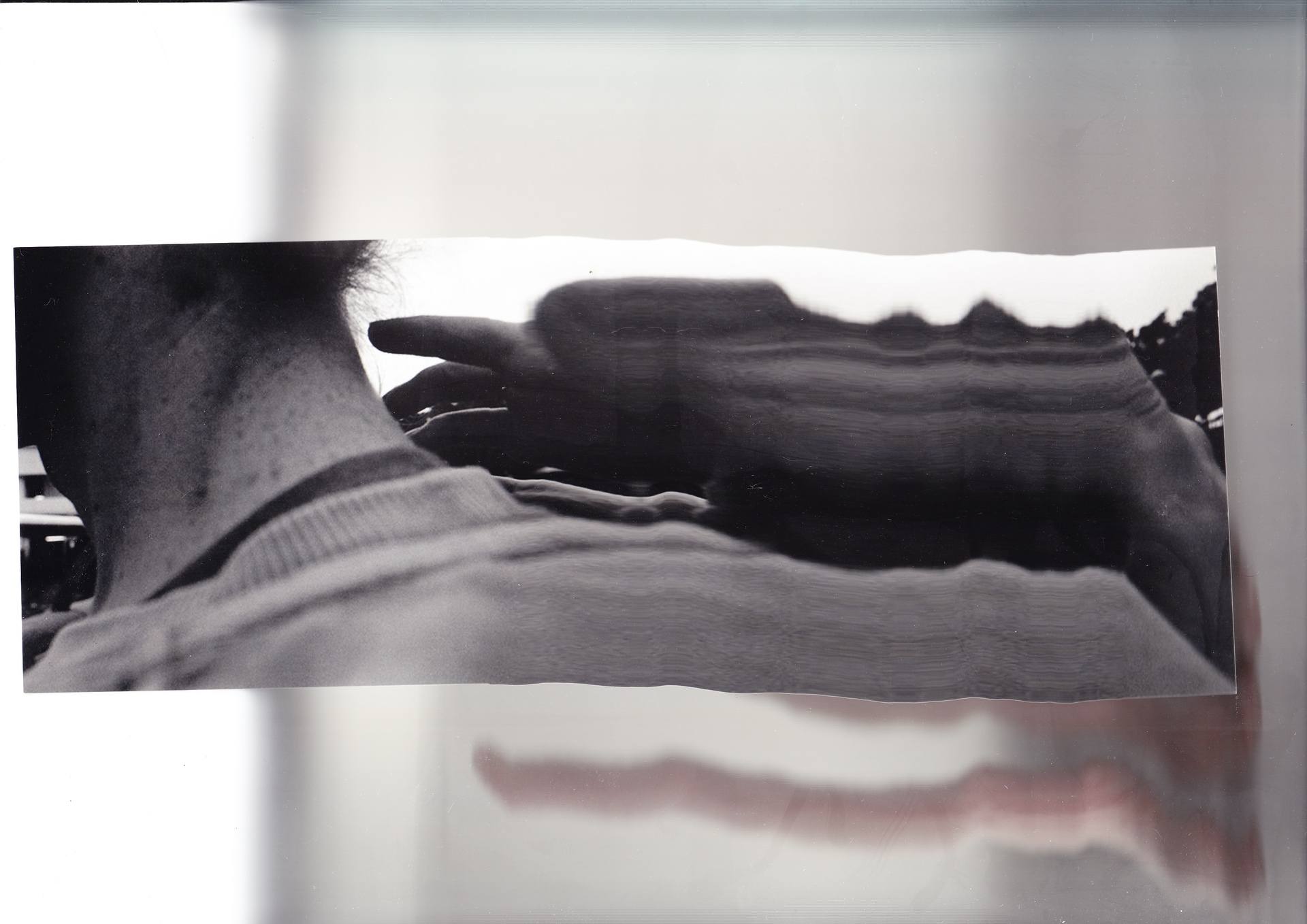
Carousel: Put me back together b. 2022. Self portrait.
Sticky fingers. 2022. Self portrait.
Image: Anyway. Jan Bond. 2022.

Gaslighting is a narcissist manipulation tactic, and although gaslighting isn’t only perpetrated by narcissists, practically all narcissists gaslight as an attempt to be in the absolute control they need to protect their unbelievably fragile sense of self. So to all those Patrick Bateman-loving “sigma males”, you’re not so sigma. I think the more accurate term is socially inept, as pointed out by Dr Ramani Durvasula, a clinical psychologist whose work primarily revolves around narcissism. As a side note, I know it’s hookup season, so I’m going to leave this link here to Dr Spelman’s description of how to tell if you’re sleeping with a narcissist, you can’t be too safe out in these scary streets. 

Now that we can spot some of the common tactics used by gaslighters, what do we do when we realise that we are, in fact, being gaslit? Well, when it comes to dealing with a gaslighter, Dr Durvasula has some suggestions. Now, this may seem harsh, but one piece of advice that she hammers home is the need to simply end the conversation. Simply put, the narcissist will under no circumstances actually take on board the information you are so carefully, so painstakingly trying to curate for them. She mentions that it is critical here to take a step back and to really evaluate what you would like from the relationship going forward. 

Image 1: Am I being clear enough_ 2021. Self portrait.
Image 2: You’ve got a pretty mouth but I can see through you. 2021. Self portrait.

In the beautifully written 2018 Vox piece by Robin Stern, I think we find the most comprehensive list of steps to take to protect yourself within a gaslighting situation.

1) Identify the problem. 
2) Sort out truth from distortion.
3) Figure out if you are in a power struggle with your partner. 
4) Engage in a mental exercise to encourage a mindset shift: Visualise yourself without the relationship or continuing it at much more of a distance.
5) Give yourself permission to feel all your feelings. 
6) Give yourself the okay to give something up. 
7) Talk to your close friends. 
8) Focus on feelings instead of right and wrong. 
9) Remember that you can’t control anyone’s opinion, even if you are right.
10) Have compassion for yourself.

I think Stern also brings up a beautiful point with which I’d love to conclude this article. “People aren’t born gaslighters like they are born introverts or extroverts. A gaslighter is a student of social learning. They witness it, feel the effects of it, or stumble upon it and see that it is a potent tool. It’s a cognitive strategy for self-regulation and co-regulation. To be frank, it works.” All with the memes of ‘gatekeep, gaslight, girl boss’ aside, I think it’s crucial that we take note of this. We aren’t predisposed to this abusive behaviour and can try to unlearn it. Maybe we’ve gaslit and I’m pretty sure we’ve all been a victim of gaslighting, but I think we all can agree that it is imperative that we take a good hard look at ourselves before we all become a point of trauma to someone we may have once held dear.

Image 1: Stop crying. 2020. Self portrait.
Image 2: Static. 2023. Self portrait.
In-article images by Sune van Tonder, an emerging South African photographer, detailing intimacy and relationships.
Models
: Jan Bond & Adam Shek.

Published: 15 February 2023

Written by: Casey Delport

For more news, visit the Connect Everything Collective homepage www.ceconline.co.za
A brief 2023 load-shedding update

We first experienced load shedding for two weeks in January, 2008. For fifteen years; the question of our energy-grid has loomed large in the background of South African life – and distinctly at the forefront for some periods, and most critically right now. With 2022 being the most load-shedding intensive year so far, it can be agreed that 2023 is already outdoing that; we have had loadshedding every single day since 1st January 2023. 

In a complicated web of corruption, sabotage, crime-syndication, break-downs, political and economic failings; our capacity to produce and supply electricity has dwindled to dire straits, and it appears that things are going to get much worse before things get better. In an article by Business Tech, the publication details the scenario of how much electricity (termed as megawatts, or MW) our country requires, and how much is actually available, “South Africa’s Integrated Resource Plan of 2019 (IRP 2019), which outlines the technologies needed to ensure supply security to 2030, assumes an EAF of at least 70%, rising to 75% by mid-decade (2025), and a shortfall supply of around 2,000 MW. The reality, however, is a horror show. The supply deficit is between double and triple than initially planned, with Eskom calculating the shortfall to be between 4,000 MW and 6,000 MW. Updates from Eskom show how bad the situation has become. Of about 50,000MW of installed capacity on Sunday (1 October 2022), only 26,486MW was available (53%). Meanwhile, demand was closer to 27,430MW.” Alongside this, is the requirement for Eskom to supplement grid supply using diesel; costing the country billions of rands every day. We simply do not have the economic projections to ensure this as a viable pathway.

Once the EFF’s attempted scuffle onto stage at SONA 2023 had been subdued by the ‘white shirts’ (it was all very theatrical), President Cyril Ramapohosa finally took to the long-awaited ‘family meeting’ (remember during lockdown, when it was a weekly event?) – and declared a ‘National State of Disaster’. After COVID, this is the second time this has happened in the space of five years; unprecedented, to say the least. Daily Maverick summed up the key takeaways of SONA regarding load-shedding as “Minister of Cooperative Governance and Traditional Affairs Nkosazana Dlamini Zuma had gazetted the declaration of the State of Disaster, which began with immediate effect. He would expand his Cabinet by appointing a minister of electricity in the Presidency. The role of the minister would be to take full responsibility for overseeing all aspects of the electricity crisis response, including the work of the National Energy Crisis Committee. This year, the president would ensure the Electricity Regulation Amendment Bill was passed to transform the energy sector and establish a competitive electricity market.”

A ray of light did shine down, indeed – as it seems that for the first time, in all seriousness, both the government and Eskom are going to concede to solar power as a necessary component of the overall energy supply. For those who are able to install solar power, a roll-out of a tax-back incentivisation program will allow people to participate directly in a feed-back loop of energy production. In a Daily Maverick report piece by Ed Stoddard, the only known specifics of this is : ‘The tax incentives, which Finance Minister Enoch Godongwana will outline in his Budget speech in two weeks, would aim “to unleash businesses and households to invest in rooftop solar. As indicated in July last year, and with a view to addressing the load shedding crisis, we are going to proceed with the roll-out of rooftop solar panels. In his Budget Speech, the Minister of Finance will outline how households will be assisted and how businesses will be able to benefit from a tax incentive,” Ramaphosa said, “National Treasury is working on adjustments to the bounce-back loan scheme to help small businesses invest in solar equipment, and to allow banks and development finance institutions to borrow directly from the scheme to facilitate the leasing of solar panels to their customers,” he said.

Without delving into the political or economic tensions of this time; there are a few stand-out caveats that speak to a wider sense of malaise and outright distrust by the public. The espionage-like news that Eskom CEO Andre De Ruyter comes off the back an attempted assisination attempt by poisoning reads like a dark comedy, expect that our country is art stake, and the worry that a ‘state of disaster’ declaration could leave a lot of power consolidated to a very people (Dlamini-Zuma and Ramaphosa in particular) – despite this, we remain eternal optimists, even when it gets quite bleak.

Images: stock photos.
Image of power utility by Brand South Africa.

Written by: Holly Beaton

Published: 13 February 2023

For more news, visit the Connect Everything Collective homepage www.ceconline.co.za
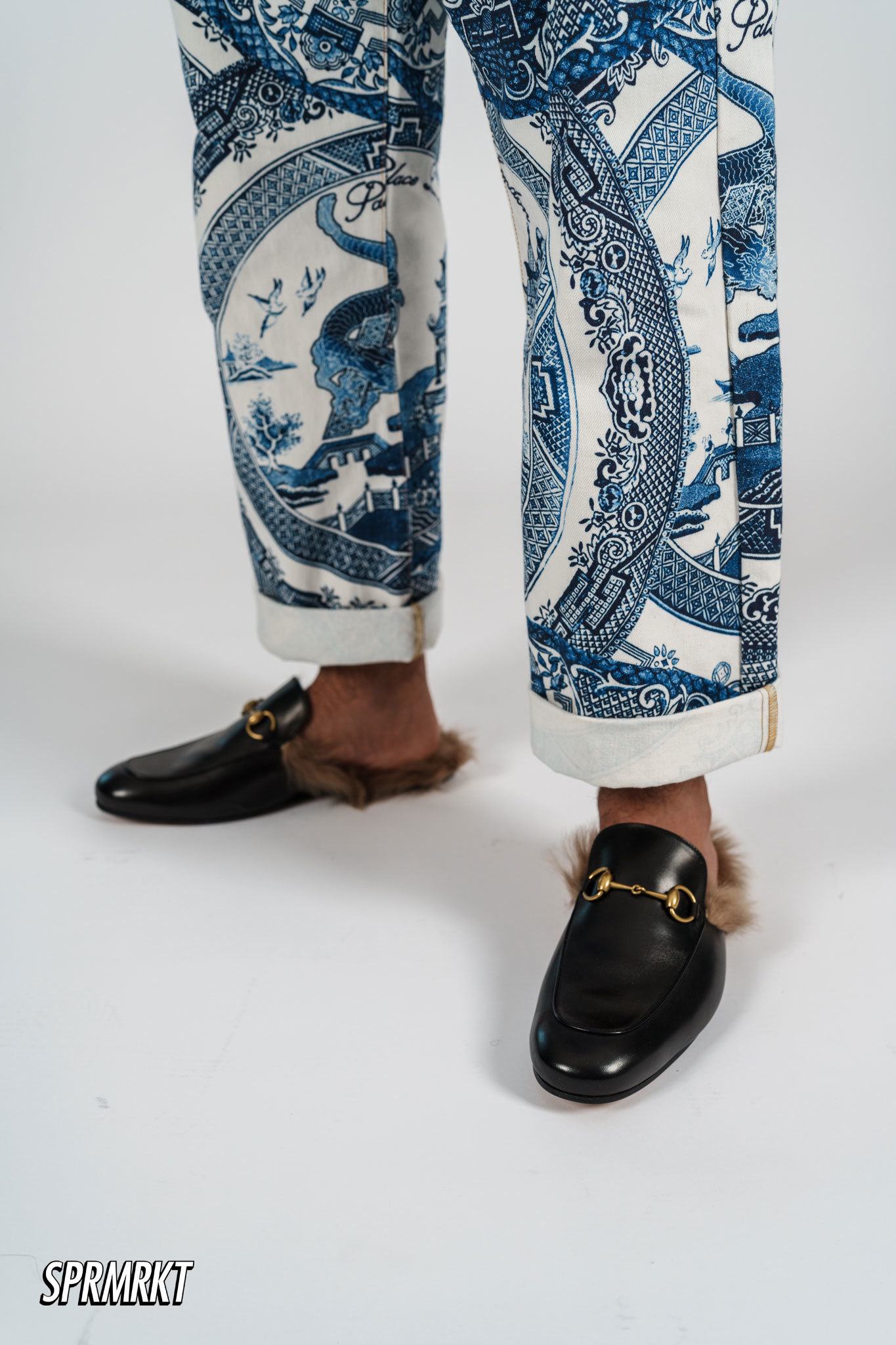
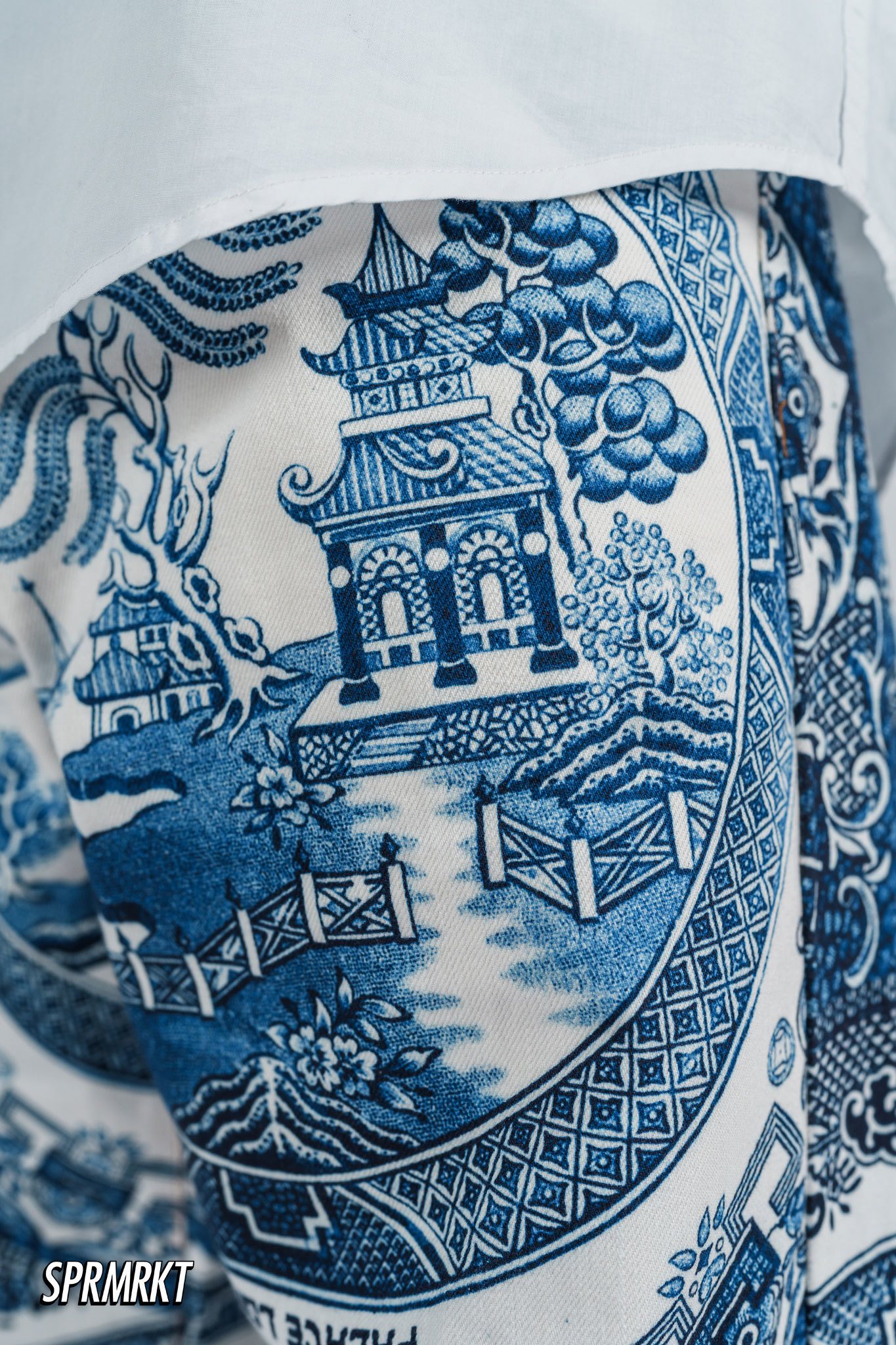
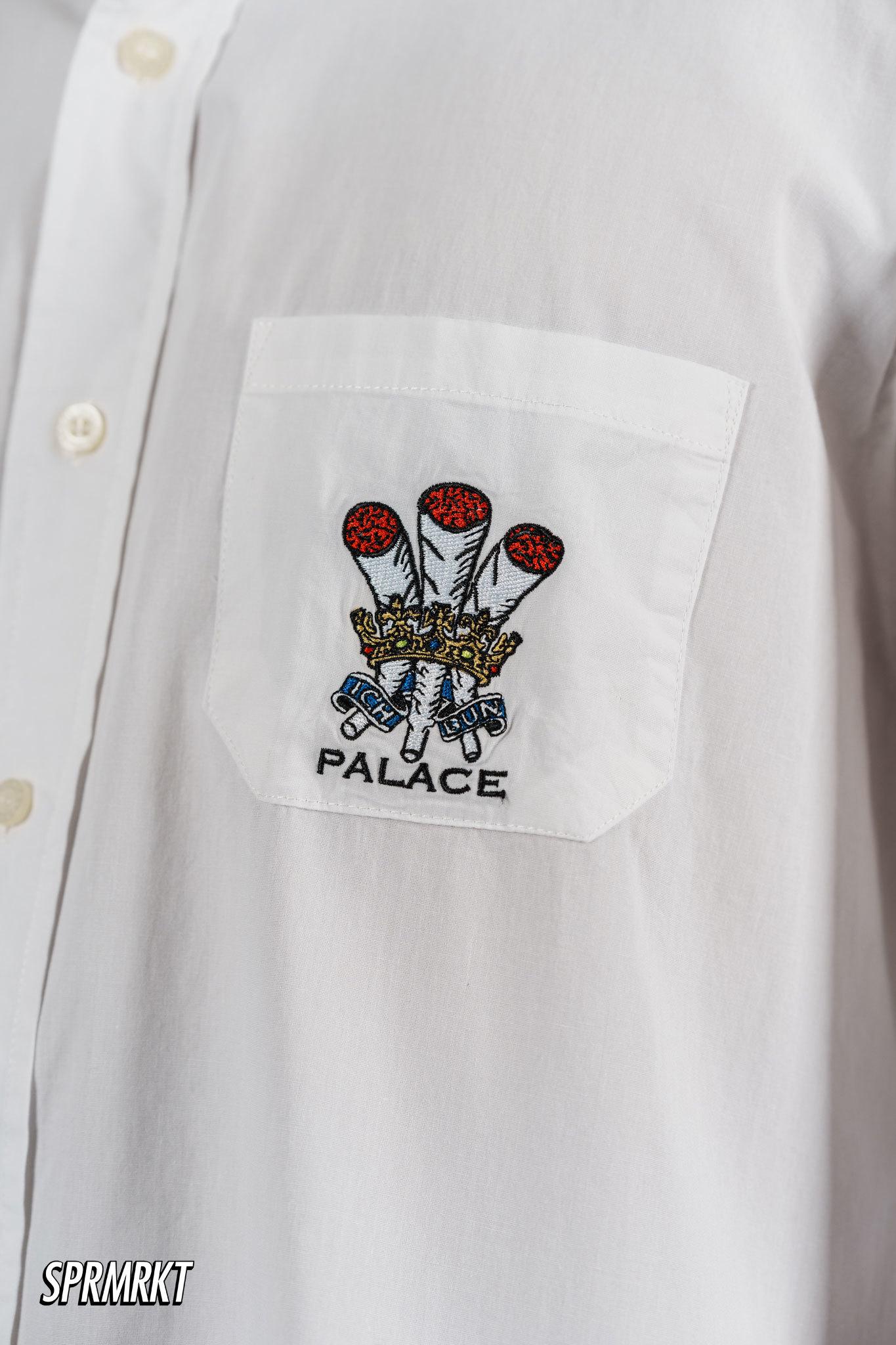
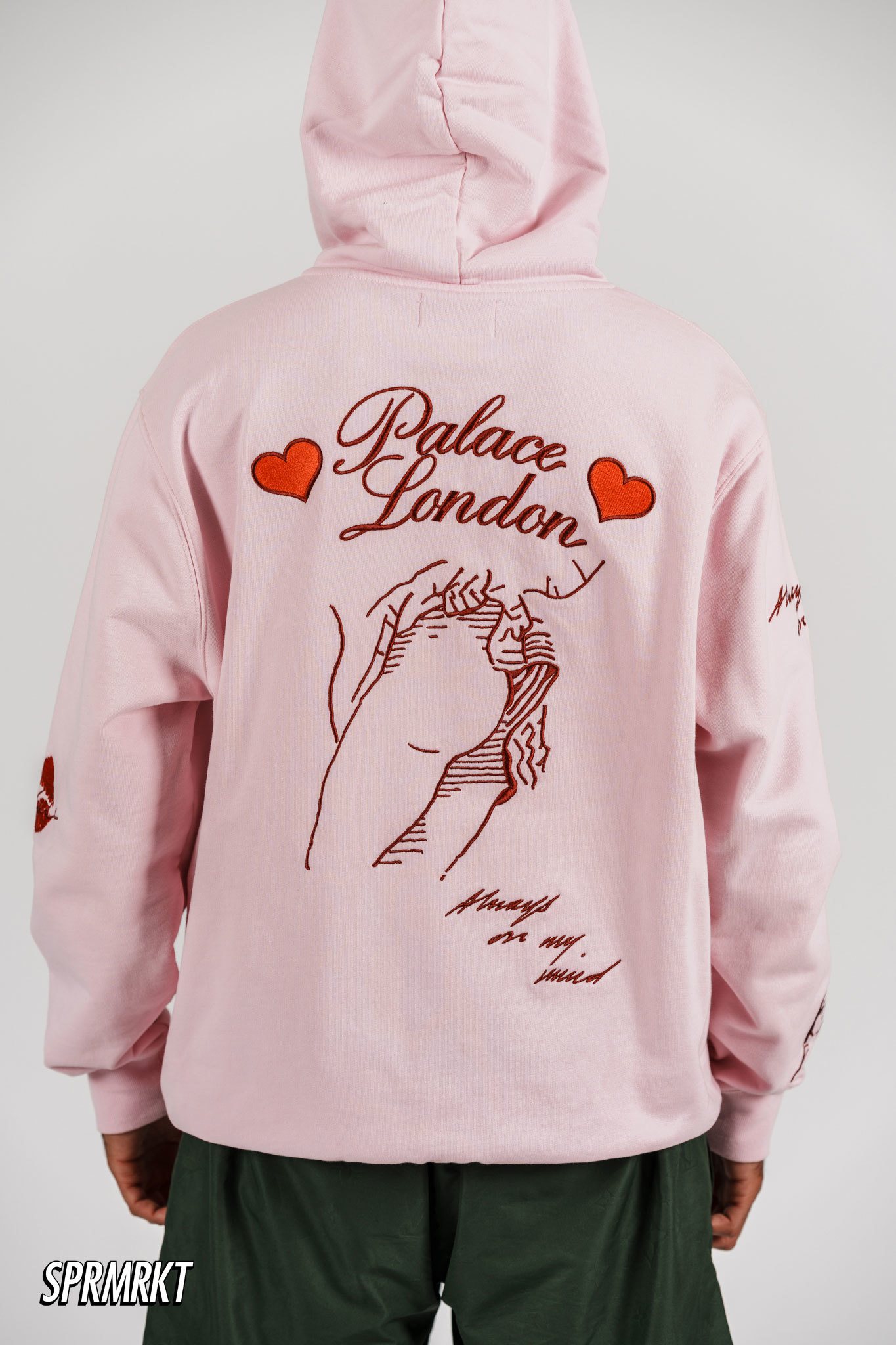
SPRMRKT drops their Palace Love Letter Hoodies as the ultimate Valentine’s Day gift

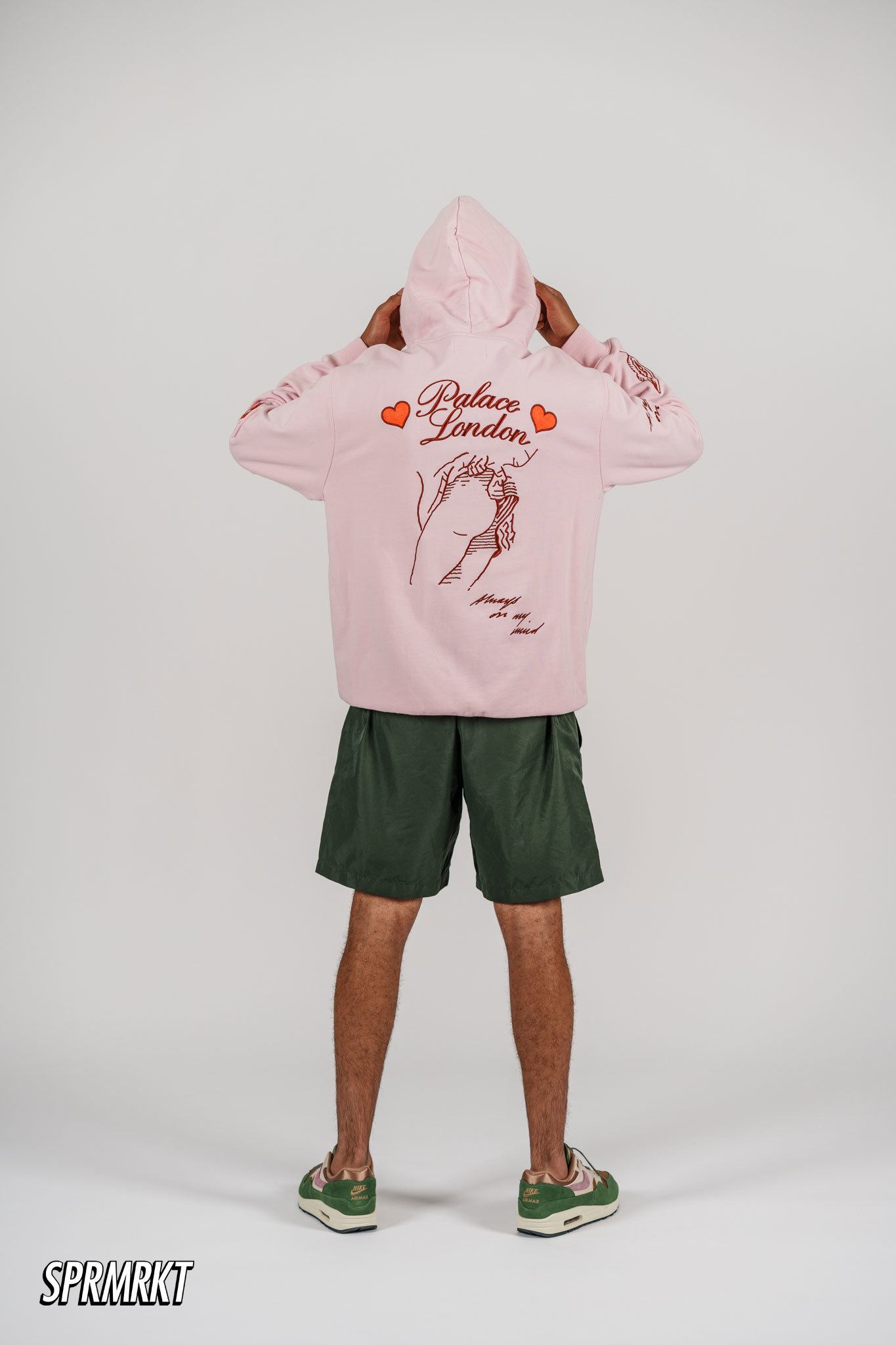
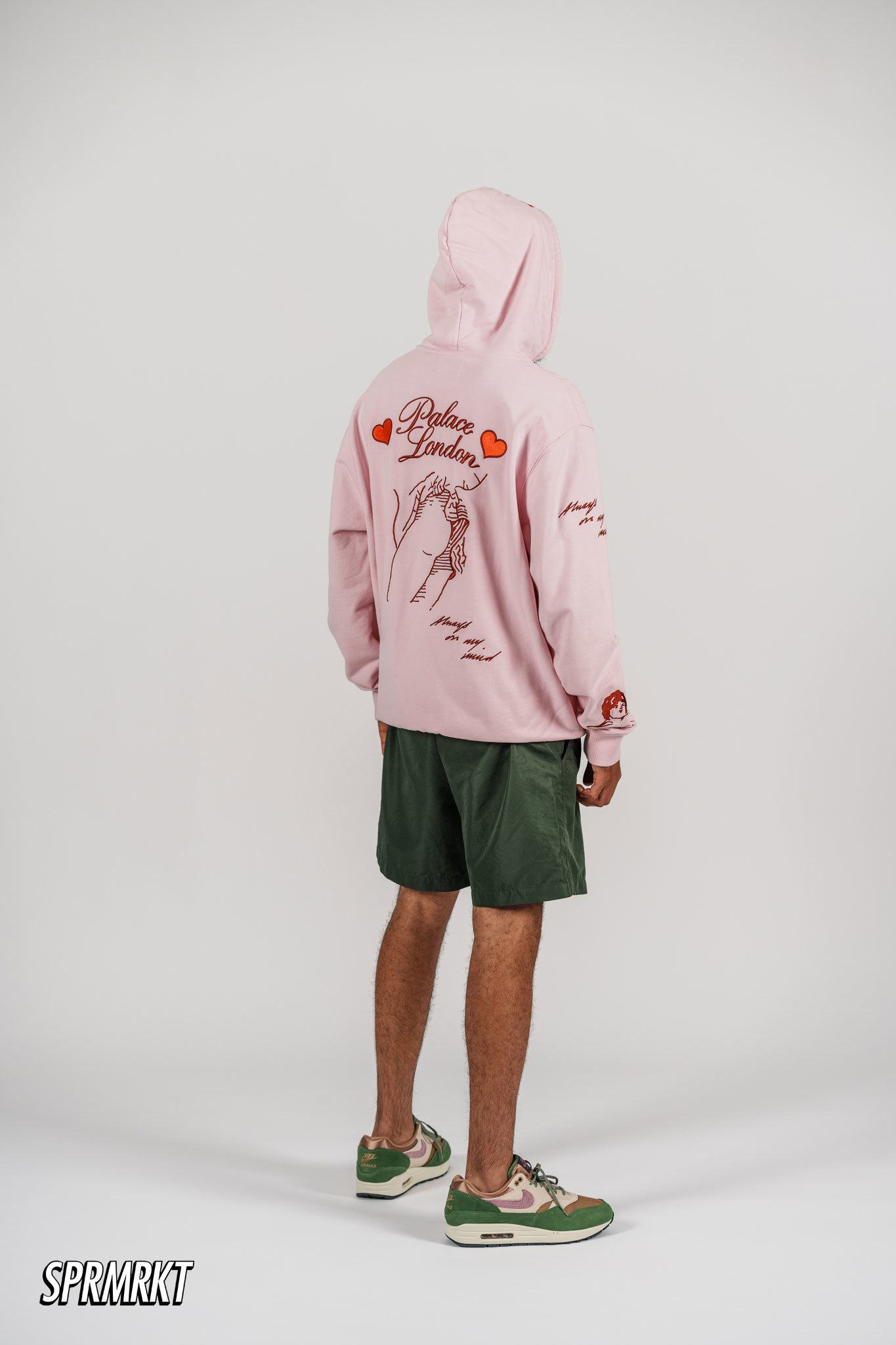
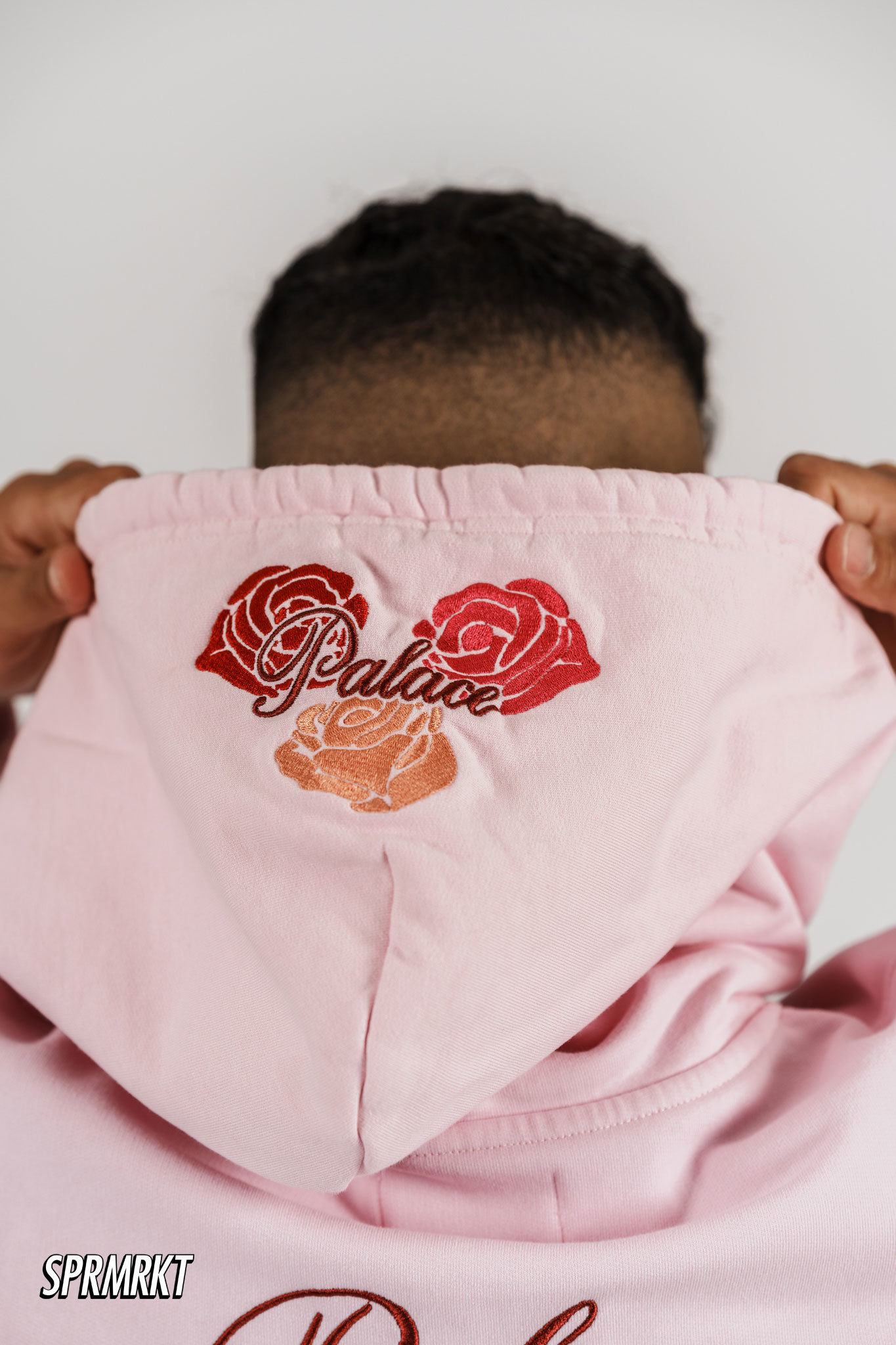
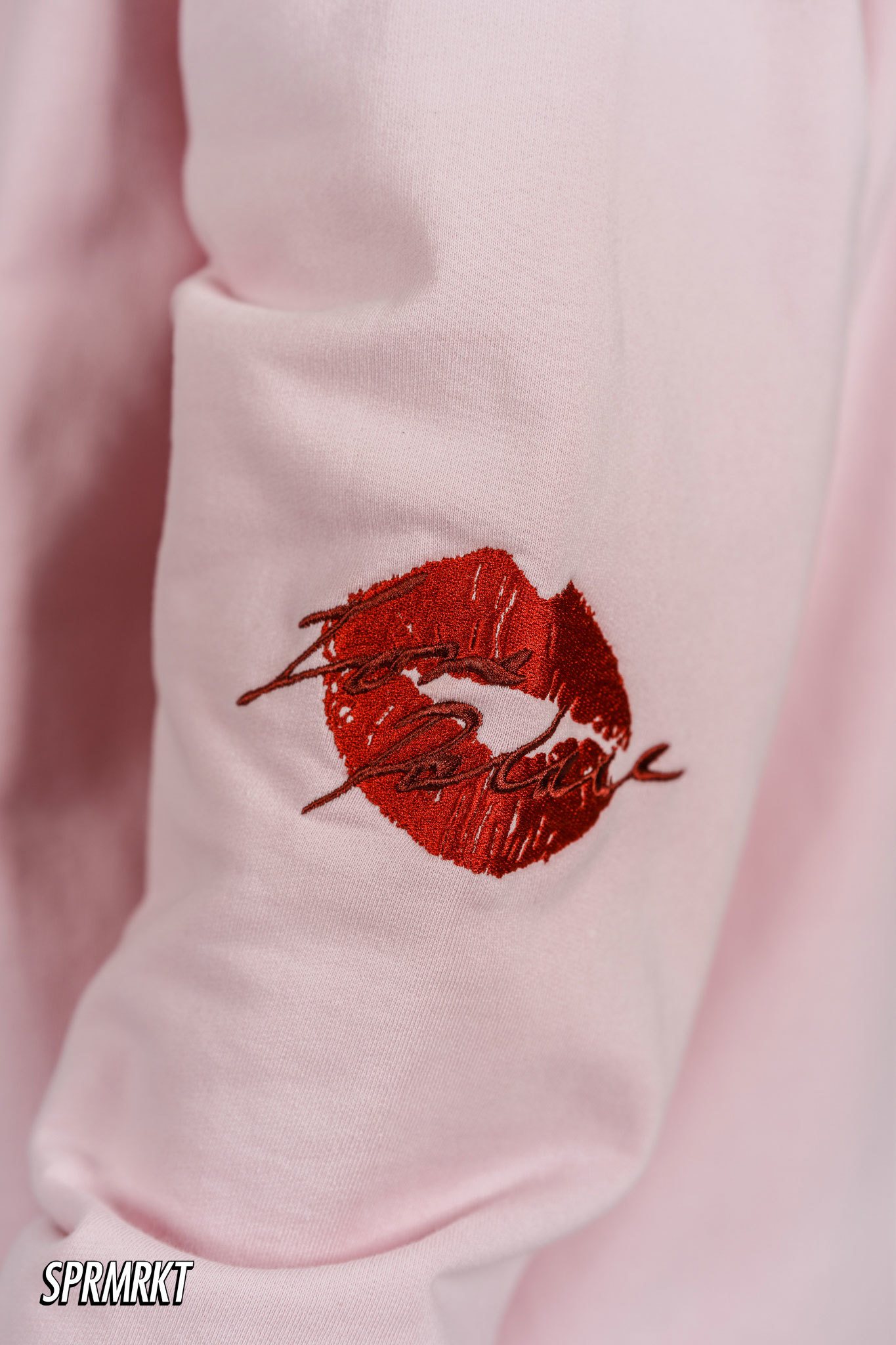
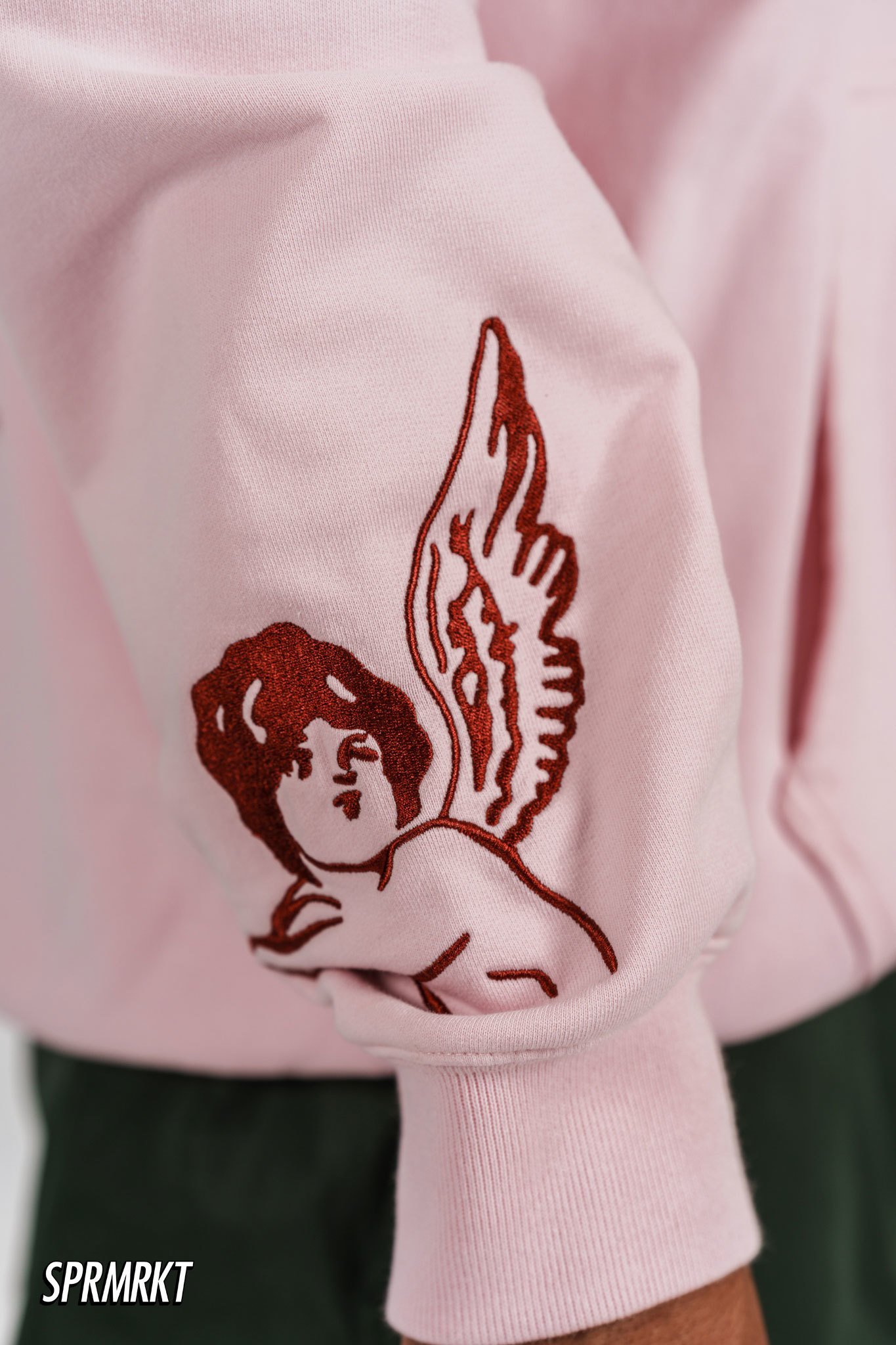
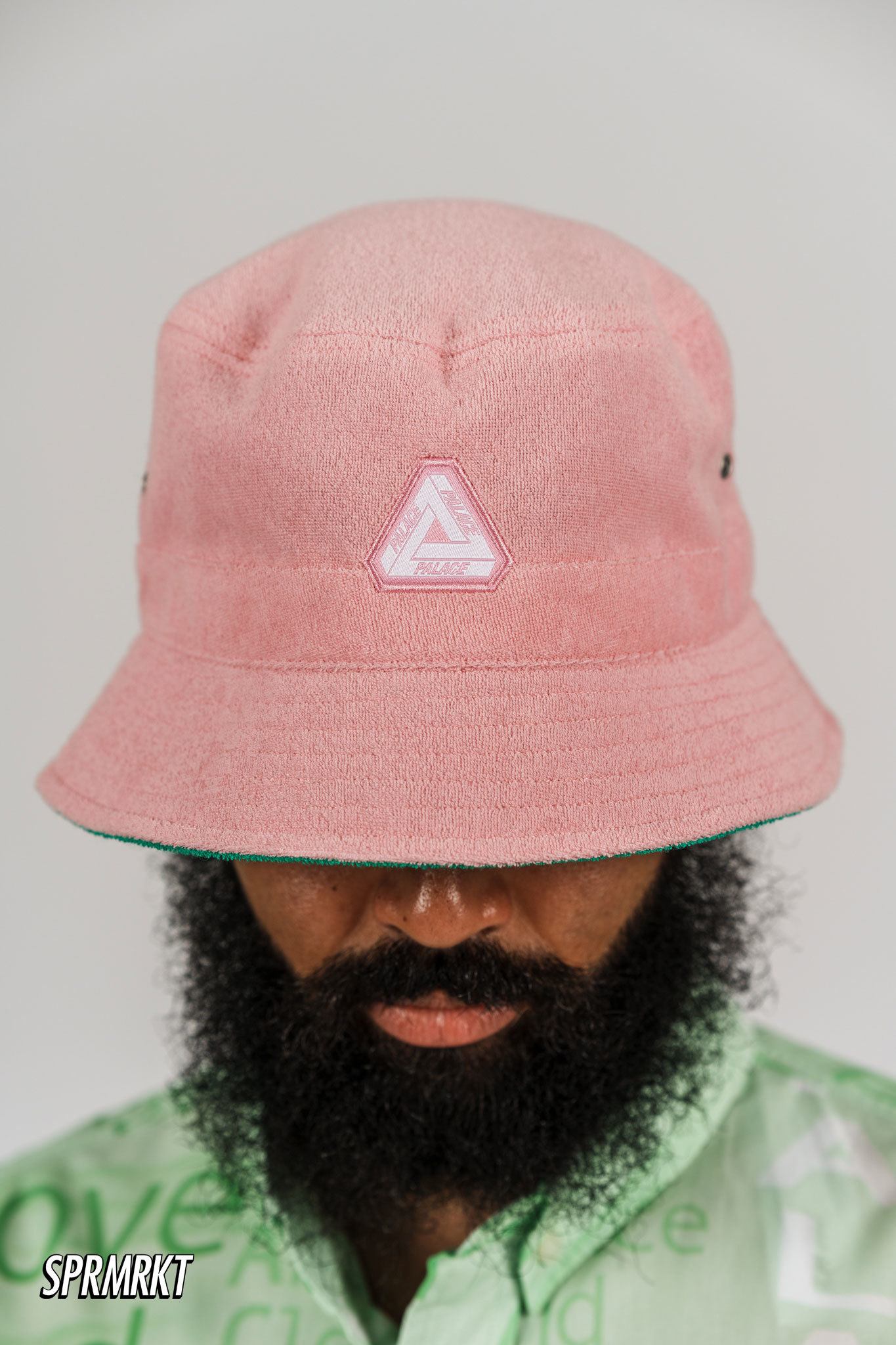
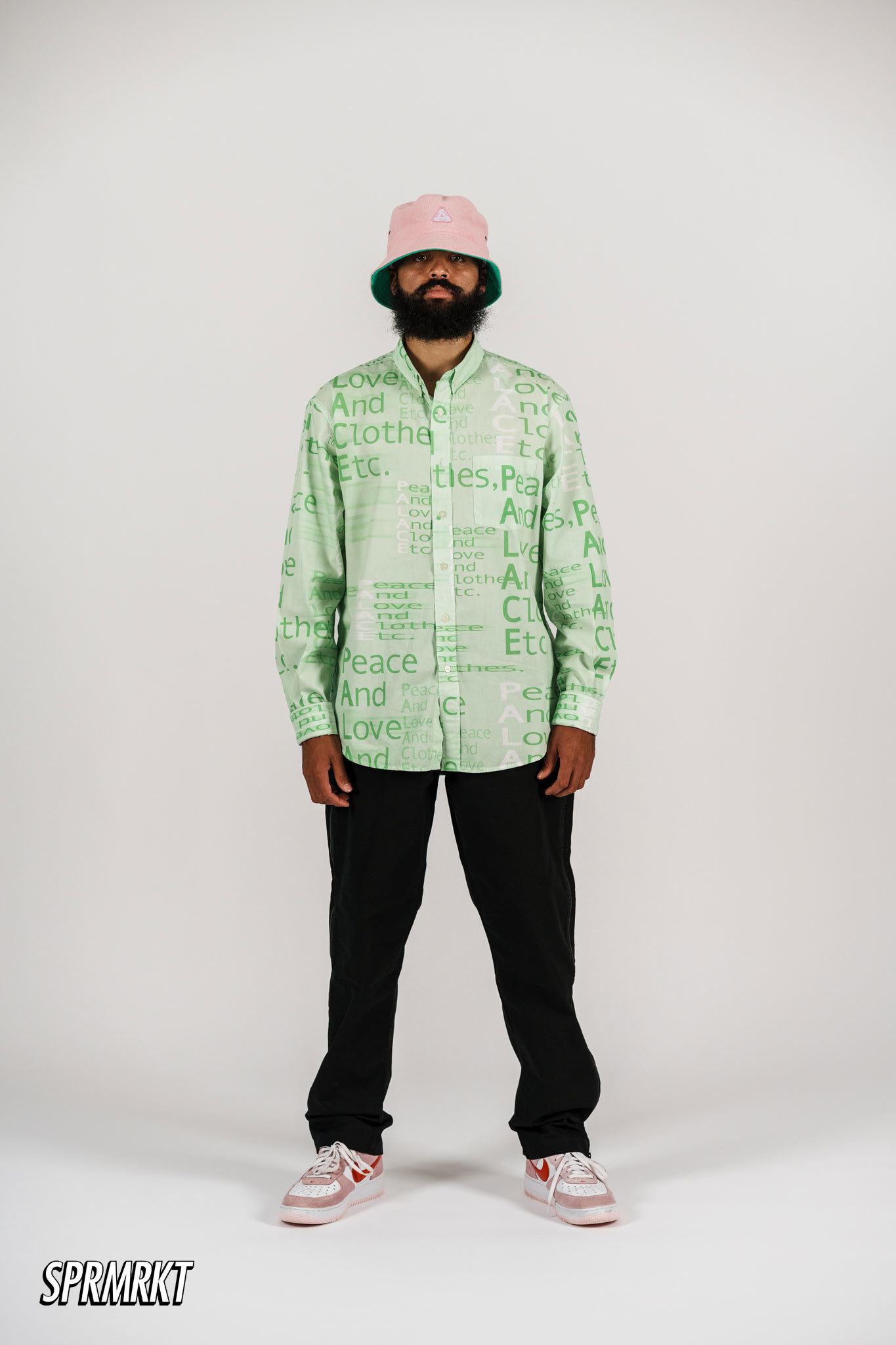
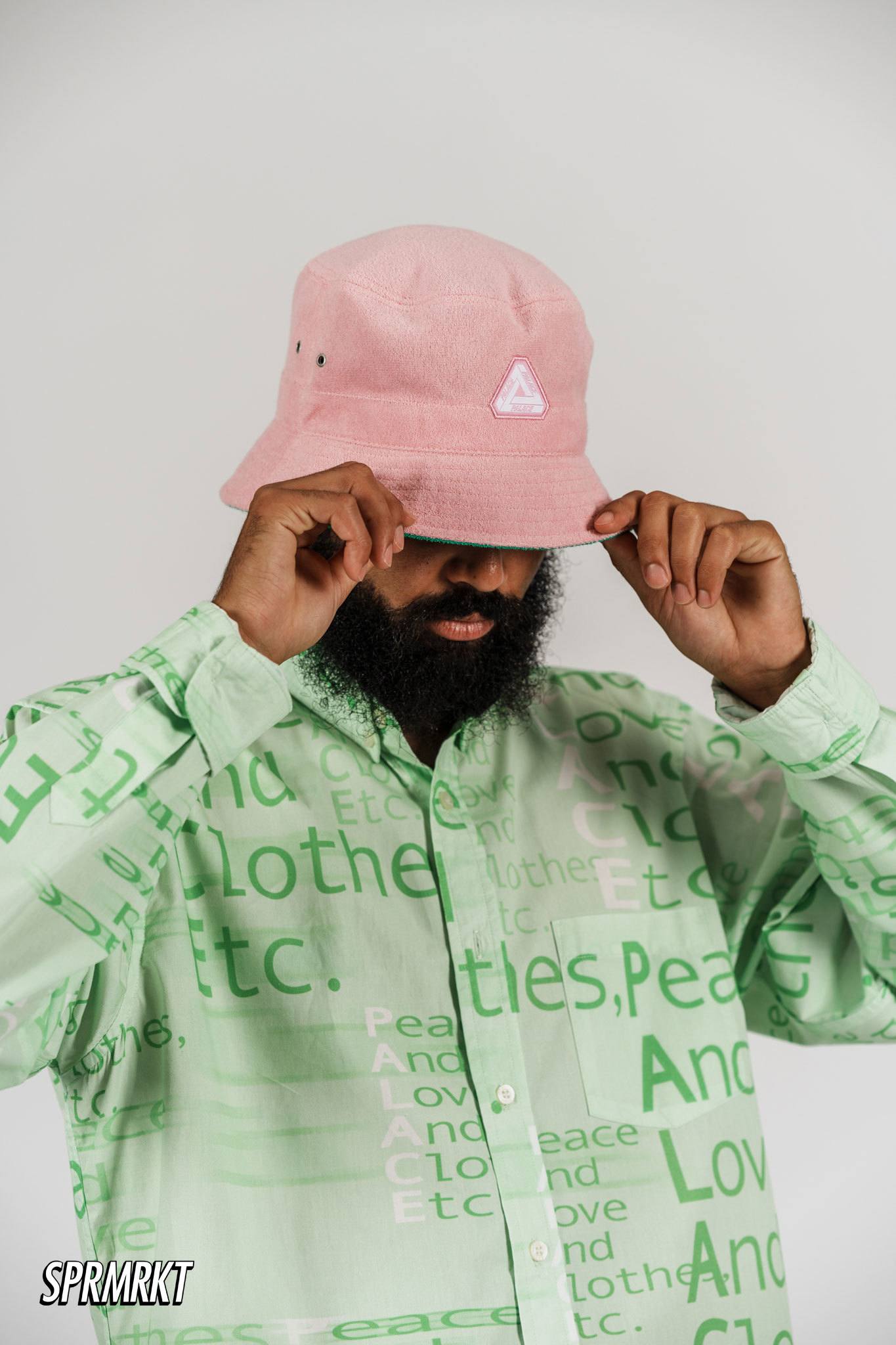
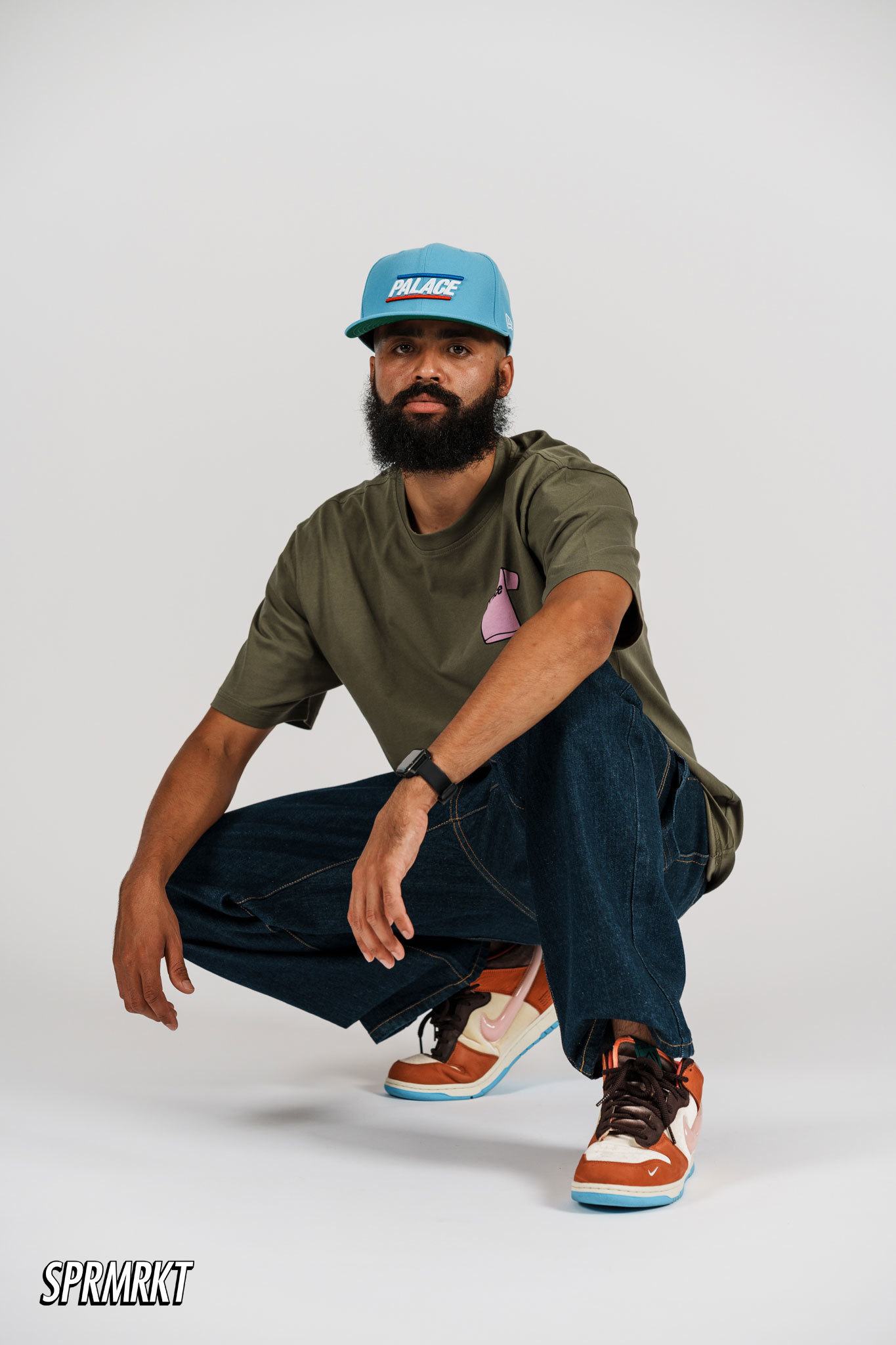
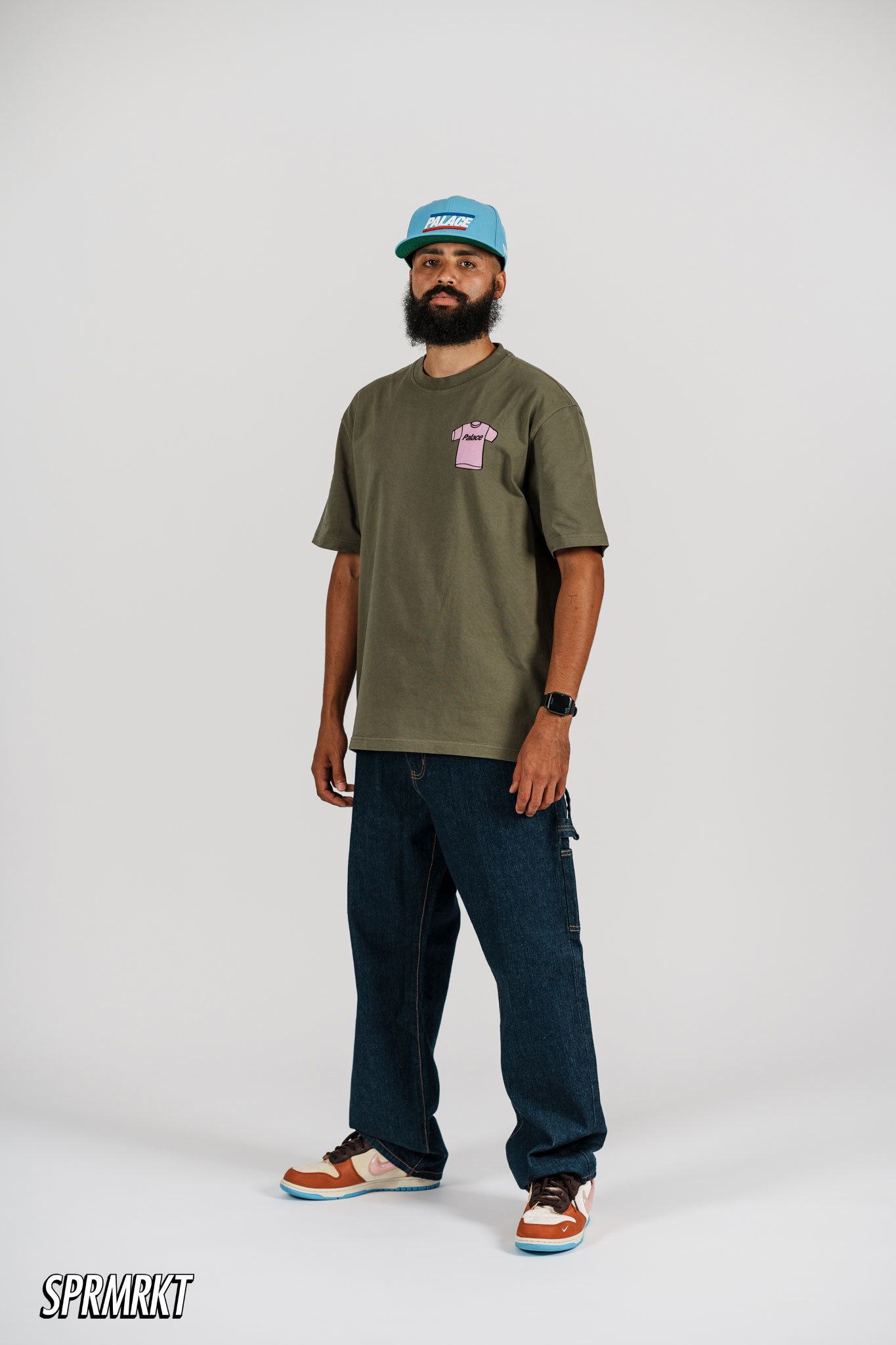
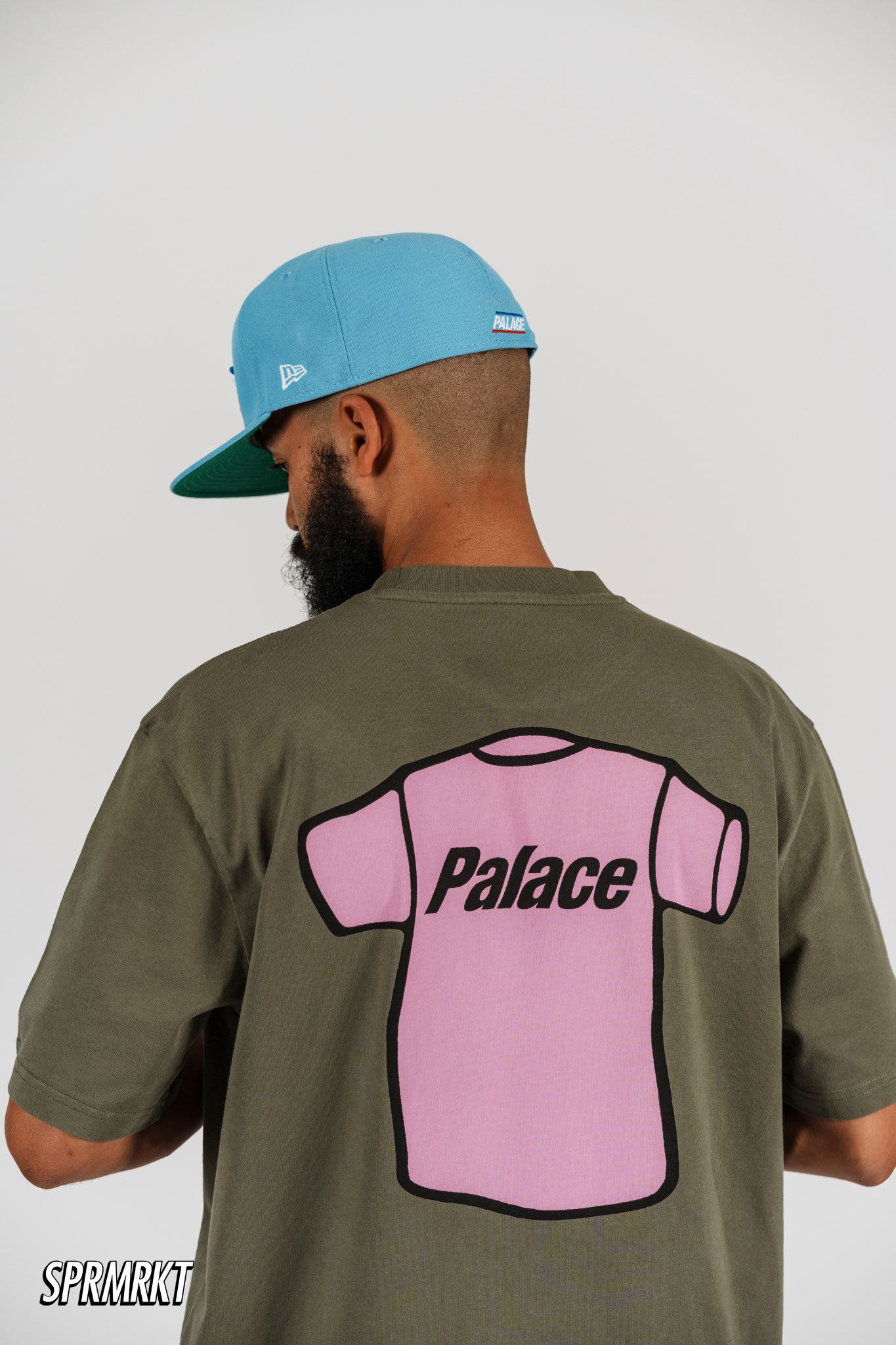
SPRMRKT is the streetwear brainchild of partners Sheree Vida Tigre (AKA Rishi Love) and Ryan Sexton. As purveyors of some of the most coveted streetwear brands in the world – their mission is to bring largely inaccessible or unavailable brands like Palace, right here to South Africa. In a special Valentine’s Drop, the brand has launched the love-infused and rare ‘Palace Love Letter Hoods’ – alongside some other key pieces. Cult-status streetwear brand Palace, founded by Lev Tanju, remains a wayshower in streetwear’s sartorial domination in the world; in which clothing serves as the unifier between music, art, skating and culture. With this V-Day drop, Sheree and Ryan say, This particular drop is a special one as these hoods are incredibly rare. The peeps who acquired them on the day of the initial launch have held on to them. Don’t believe us, check out StockX or Grailed for pricing and availability. We want to remain dedicated to sourcing and carefully curating the most exceptional and uncommon pieces such as these Love Letter hoods, as well as collaborating with like-minded individuals to produce campaigns that showcase the South African streetwear narrative.”

The campaign features their friend Matthew Wareley, brought on as both the photographer and model. The hoodies come in a trio of colours – pink, white and black, crafted in Palace’s signature heavy-weight design, with intricately embroidered hearts, cherubs and roses. As Ryan says, “These hoods serve as the ultimate symbol of love and affection, making them the ideal statement piece for Valentine’s Day. We are also dropping the “This is what Palace stands for Shirt.” available in Pink, Blue, and Green, this shirt features the words ‘Peace, And, Love, And, Clothes Etc’ – a fitting declaration of the values that Palace and SPRMRKT represents.”

When Cape Town’s hypebeast it-couple, Sheree & Ryan, bring in a drop; we know it’s going to be sublime. SPRMRKT has love and positivity woven into their operational and collaborative network, with the brand and their suppliers being a close-knit team for whom streetwear runs in their veins. Their focus on sourcing rare, exceptional pieces – and SPRMRKT recognises the transformative power of streetwear as occurring all over the world. In South Africa, we are at the forefront of honouring this cultural phenomenon. Sheree says, we are dedicated to fostering a connection with our customers and promoting this lifestyle in meaningful ways. Through sourcing rare and exceptional international streetwear pieces and making them accessible to the South African market, we aim to foster a sense of community and encourage self-expression. SPRMRKT hopes to spread love and positivity, as well as provide a platform for individuals to showcase their unique style and personality.”

Images courtesy of SPRMRKT and Matthew Wareley.

Shop the Palace collection now at www.sprmrkt.co.za

Published: 14 February 2023

For more news, visit the Connect Everything Collective homepage www.ceconline.co.za
Khanyisile Masina on being a shape-shifting game character
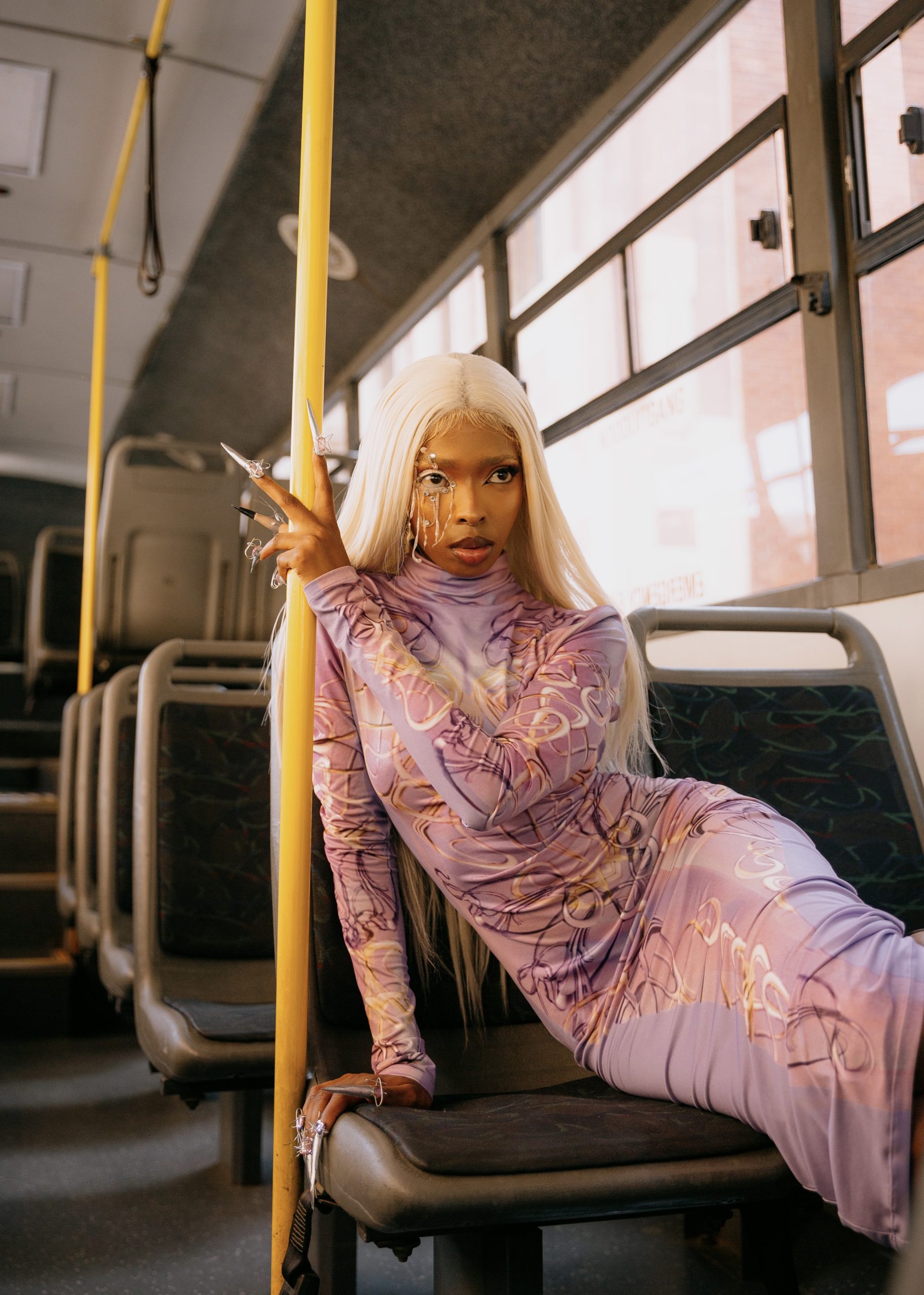
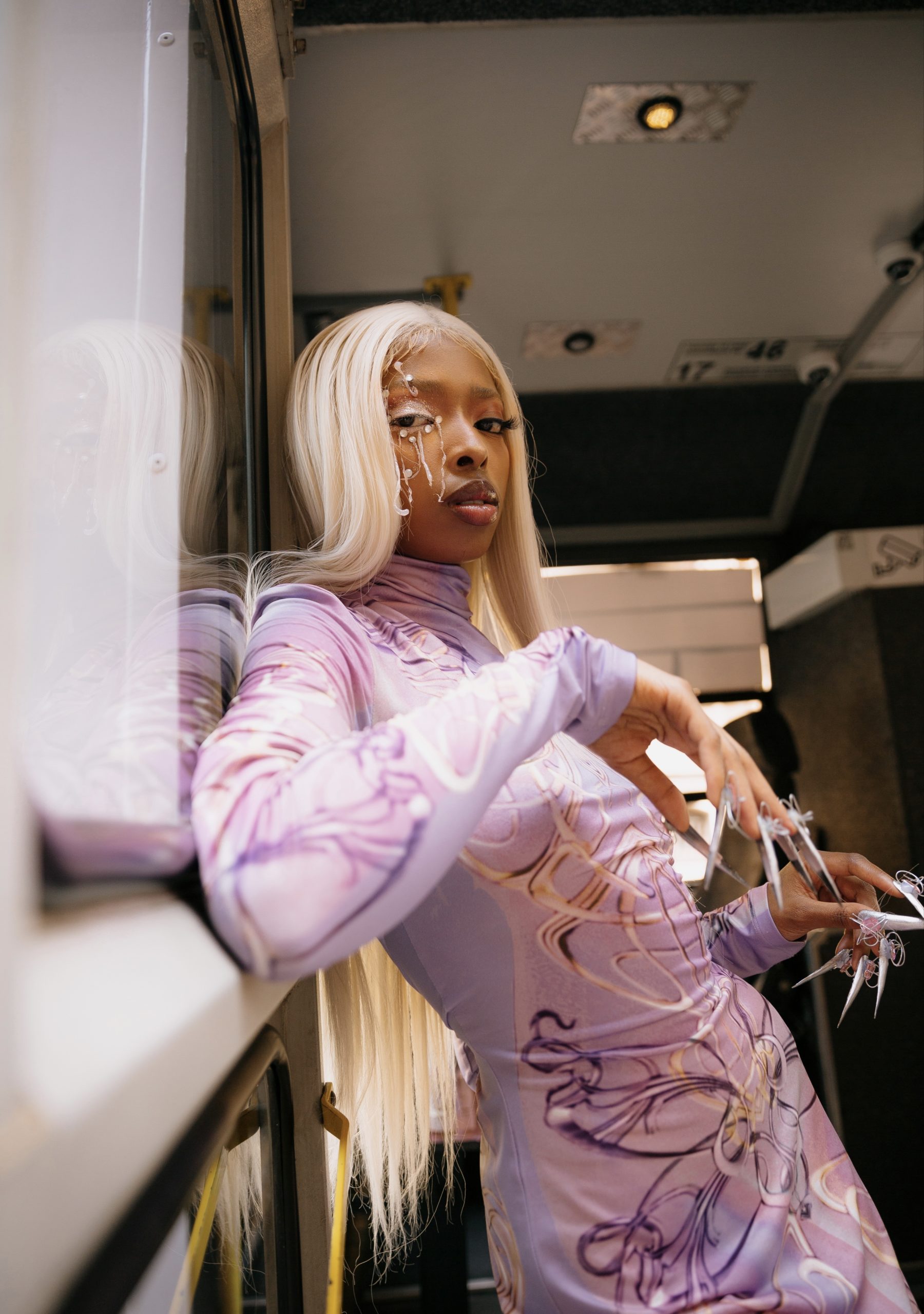
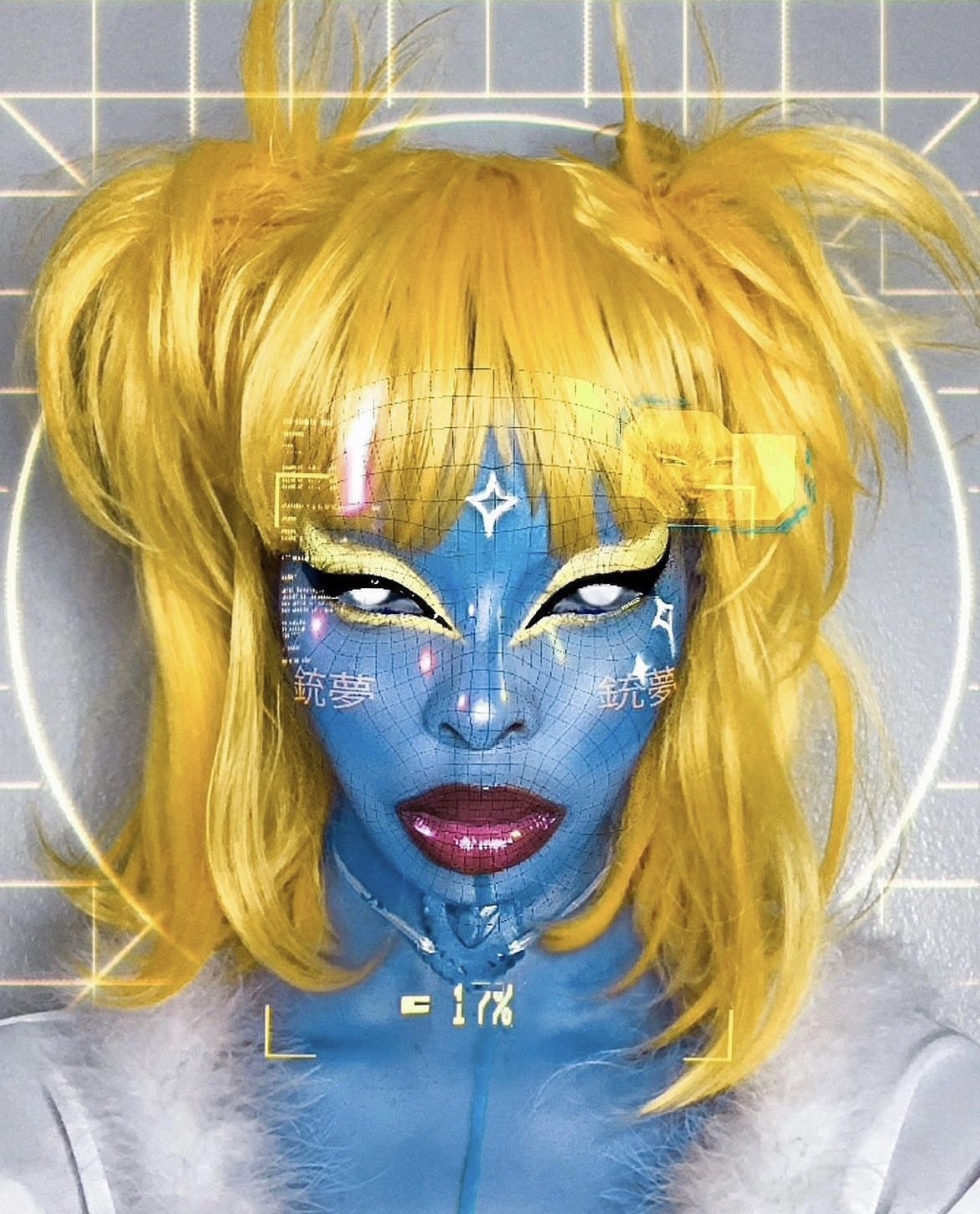
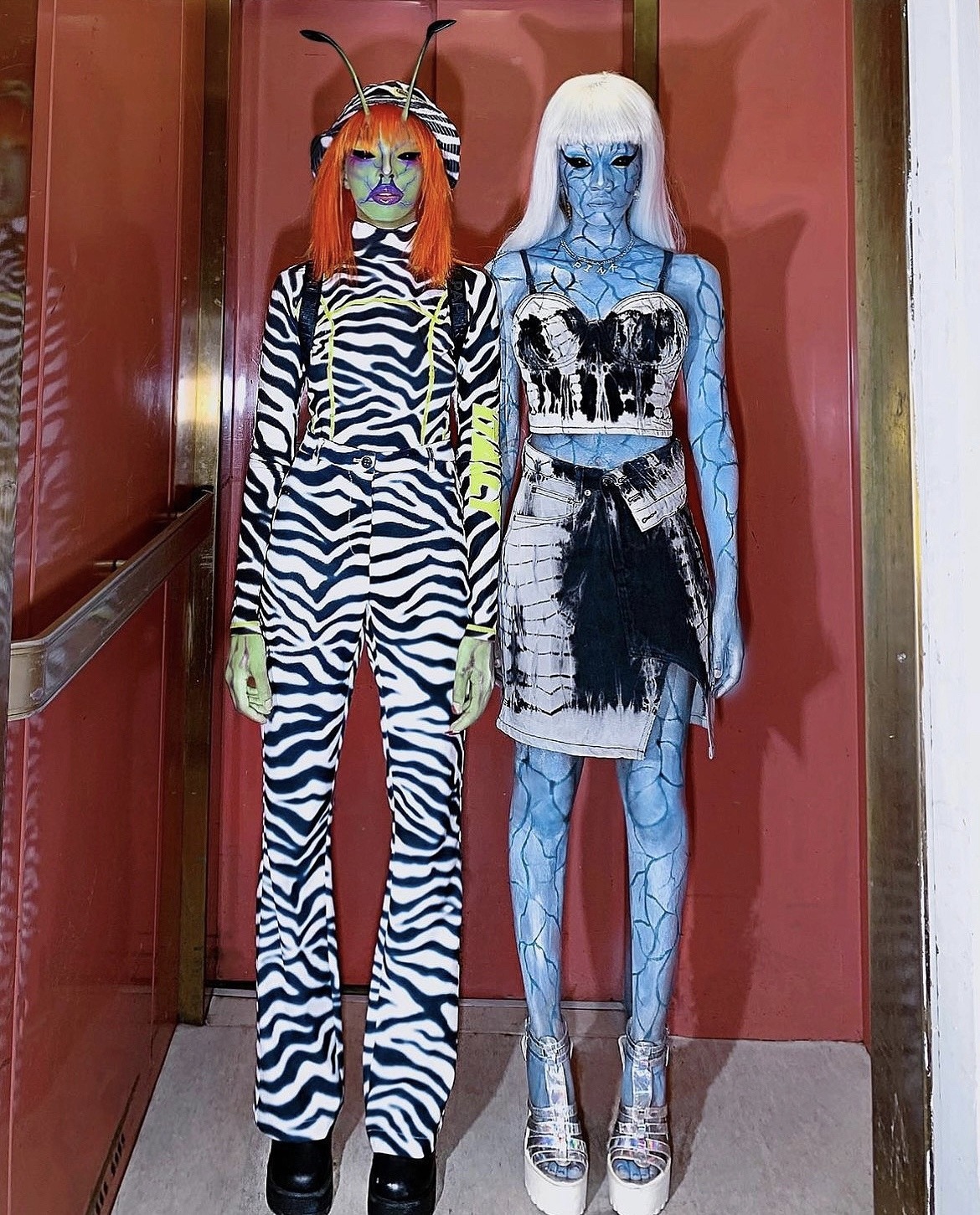
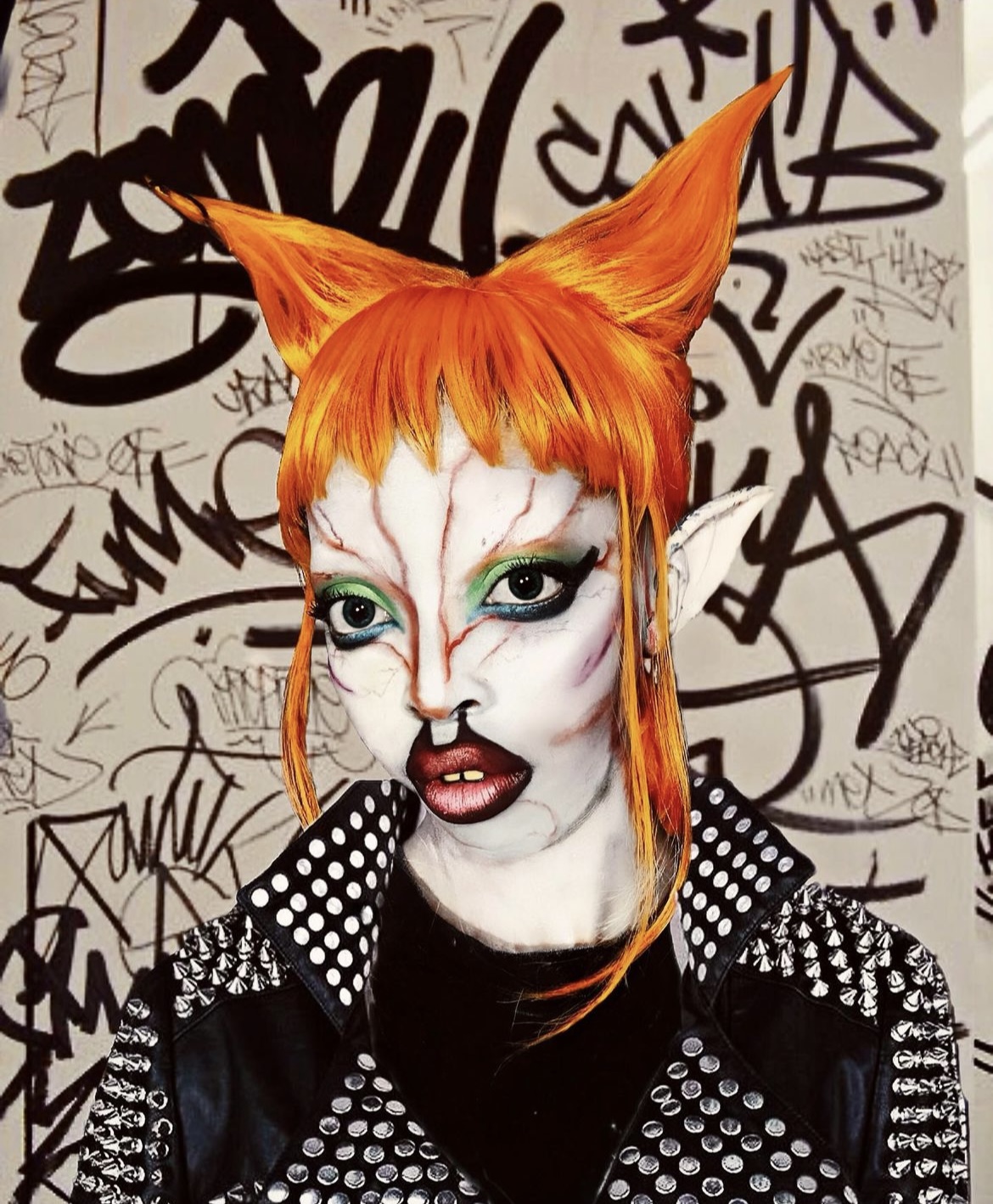
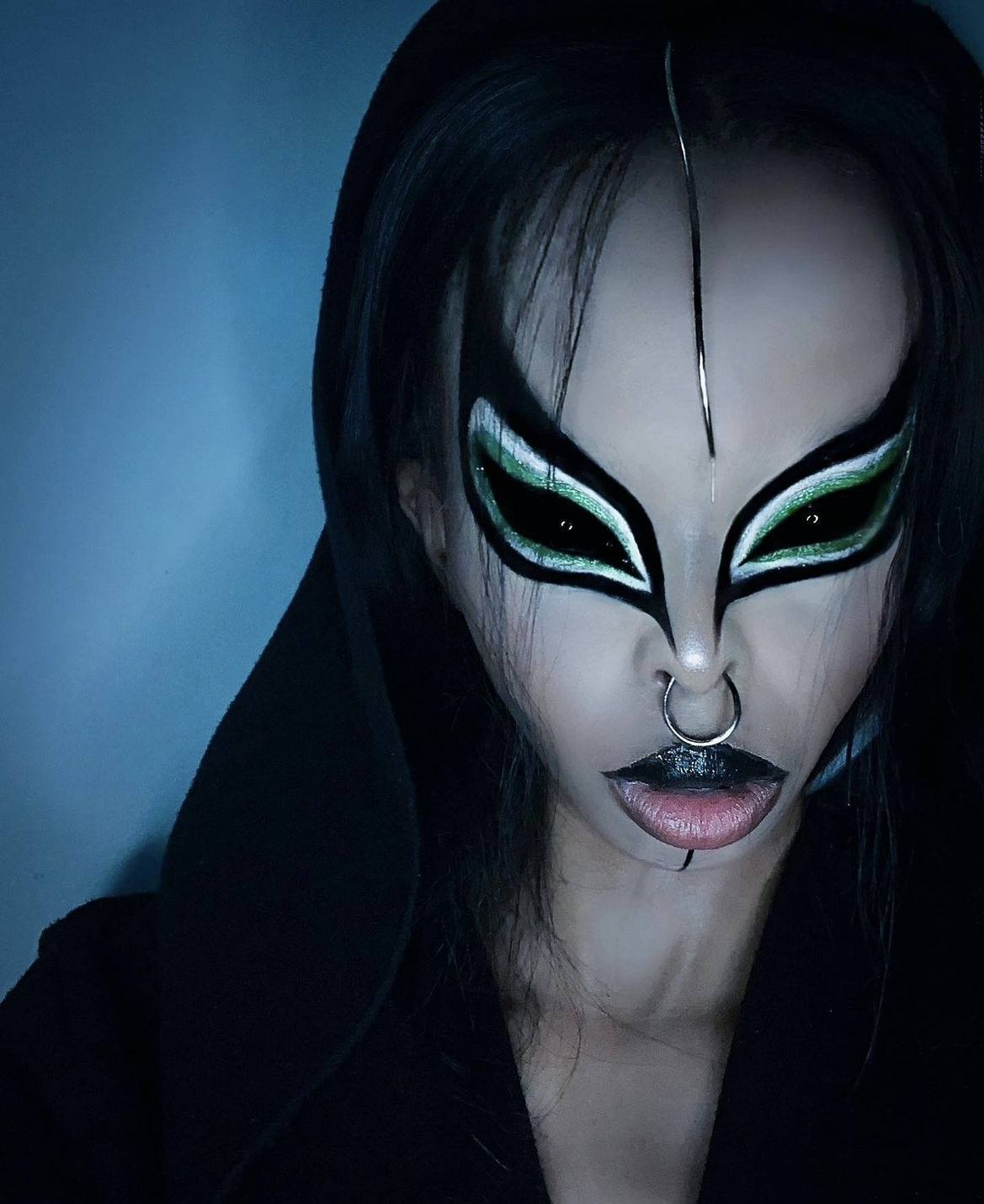
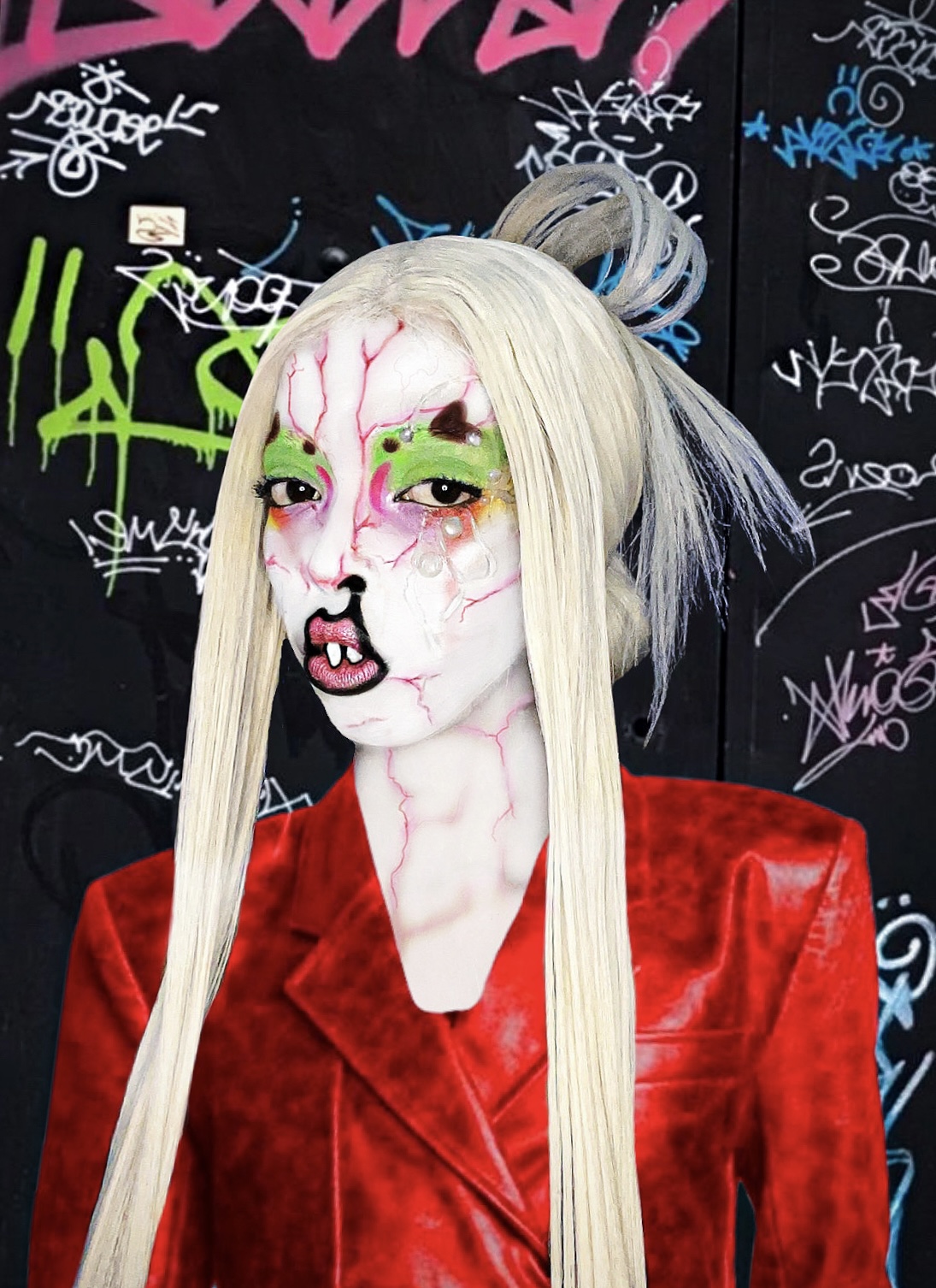
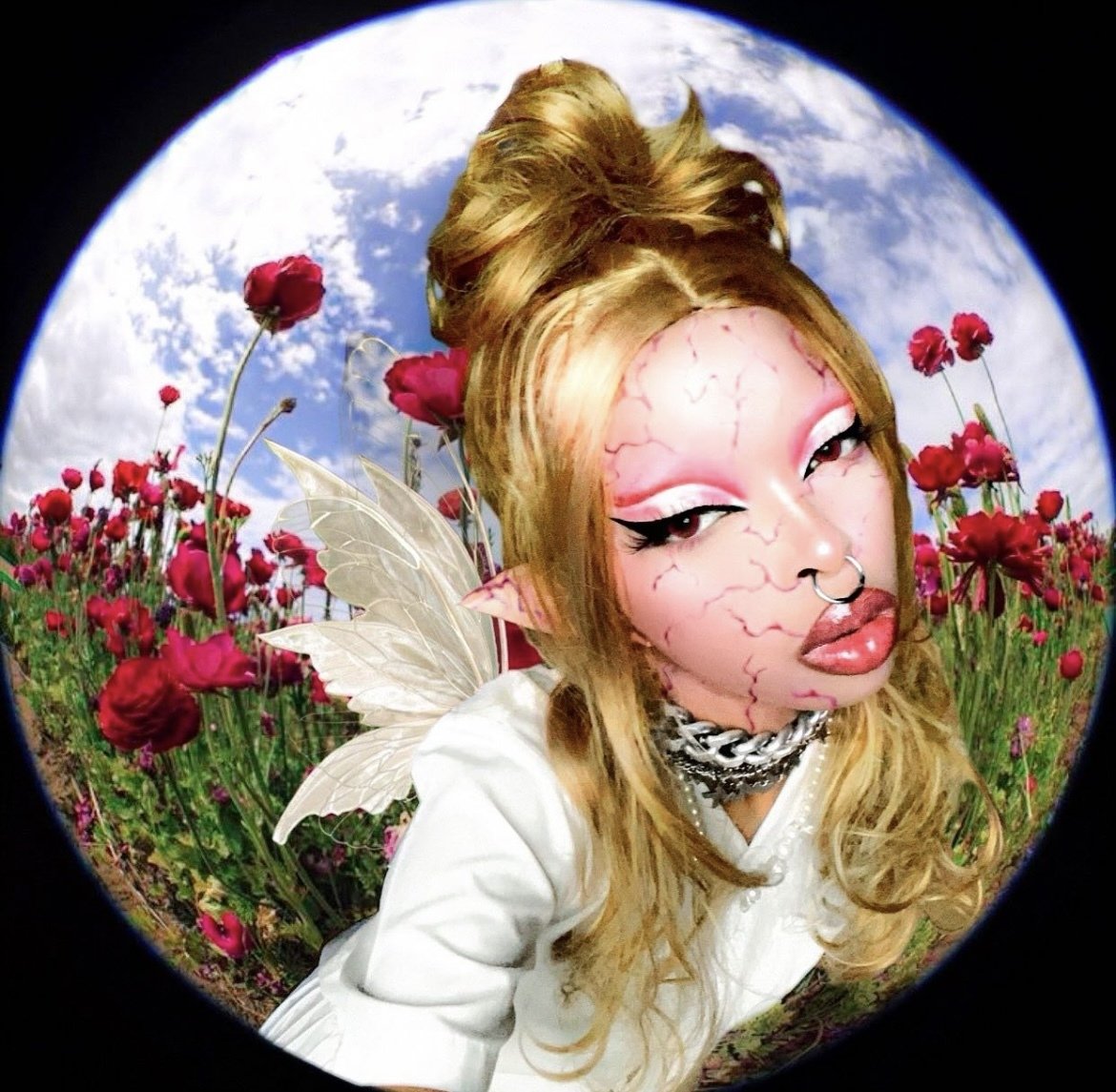
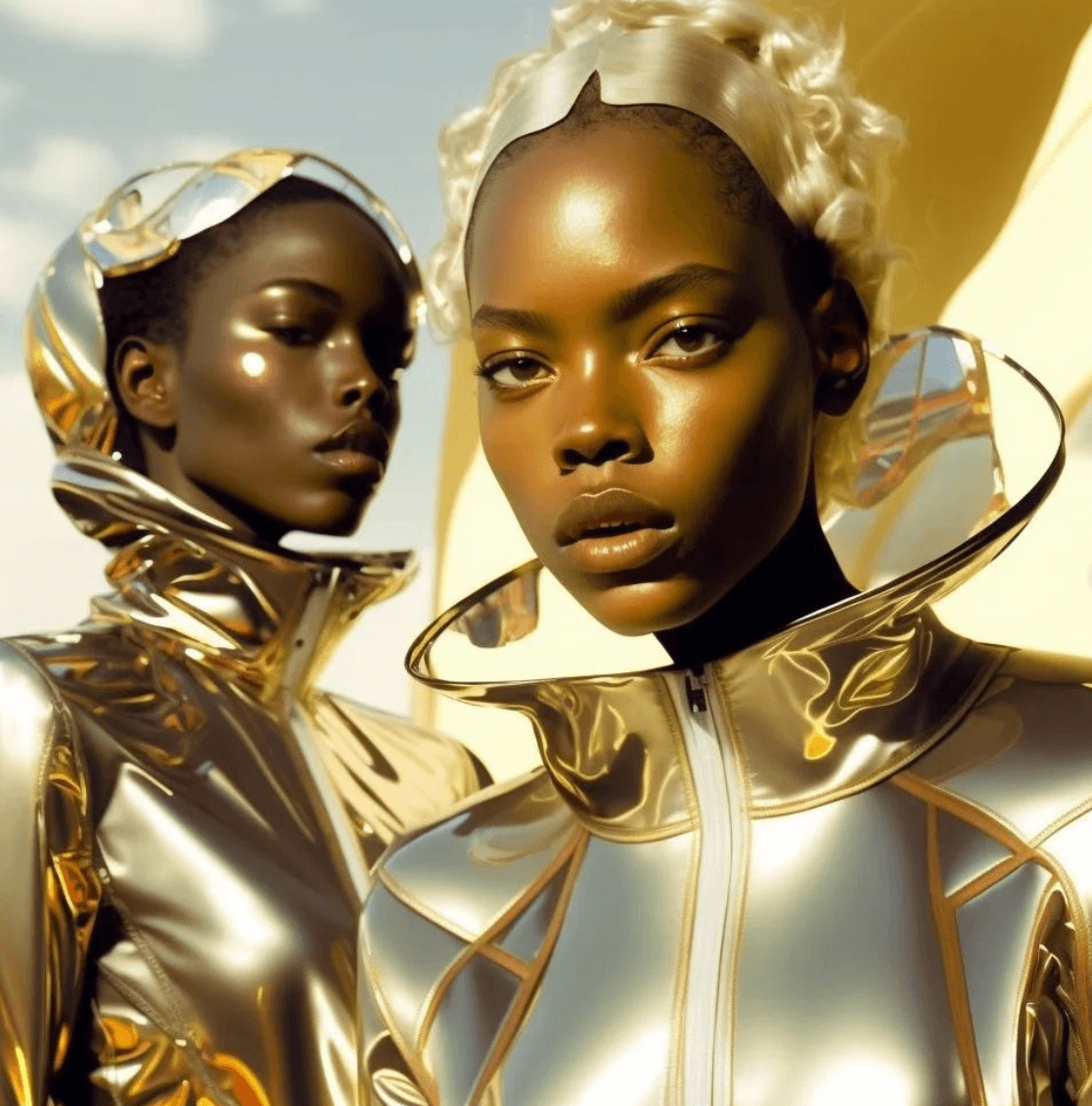
Khanyisile Masina is in her post-influencer era. The profession, considered by many to be the digital age’s version of a ‘princess fairytale’ – is still coveted and aspired to by many. Imagine being asked to attend events, or be paid, simply for being you? For Khanyisile, this was a dream come true at first; until it wasn’t. There is still a requirement for influencers/models to be moulded by brands; a blank canvas, as it were, who can express the brand’s products or intentions through the popularity and esteem of a person’s online fame. The young model and make-up artist wanted something different; to express herself in the multitude of ways that she had felt, bubbling up to the surface. When COVID hit, it provided the perfect refuge in which make-up and fashion could be a testing ground for Khanyisile – and now, she is most known for her unbelievable array of characters, looks and moments; no longer bound just by brands, but rather whatever mood Khanyisile is in. That’s a kind of profound growth and liberation for a young Gen-Z growing up in cyberspace. 

“When I started off in the industry, it was with a group of friends and it was a lot of influencer gigs. I had this conversation with someone who pointed out that my friend and I were like a package deal, we all came together – and it hit me that I didn’t want that. I wanted my uniqueness to come through, and be my own person. It was dope, and it was my starting point, but I have always wanted my originality to stand out. That was my entry into being an artist, and using myself as a canvas for what I want to express.” Khanyisile says, and I am reminded of the infamous quote by Nigerian artist Oroma Elewa, who said “I am my own muse. I am the subject I know best. The subject I want to know better.” Khanyisile spends a lot of time in her own space these days, creating looks – and I ask, where does it come from within Khanyisile to express herseful to the fullest? On this, she says “I have actually been thinking about it a lot, lately. I didn’t really go to school for art, but I think my exposure to being on set – doing shoots – and seeing how fashion and beauty can create dreams, allows me to be the many versions of myself that I feel on the inside, in the outside world.”

In asking what kind of career titles Khanyisile aligns with, I am challenged in my own thinking – and understand why her job epitaph on IG is ‘GAME CHARACTER.’ Khanysile says, “I’m still trying to figure out who I am or what I want to do. I definitely align with being called a make-up artist, and I use a multimedia approach in creating, styling, shooting and editing all my own content. I also make a lot of my own clothing. It’s like a full time creative job. ” In this way, I think it’s important to know that content-creators and influencers run full time jobs and careers; we only see the final image or reel, but so much work goes into it. As for Khanyisile’s favourite characters that she’s created at the moment, she reflects, “My favourite character at the moment are the versions I did of myself as the Powerpuff Girls. I love Bubbles, Buttercup and Blossom; but I was wanting to elevate them to a cyber-vibe, in my way of expressing who these girl-powered, crime-fighting characters are. I like that costume-style makeup that you see in films, and can be a whole world of play.” With the beauty and makeup industries constantly selling us this idea of being the hottest versions of ourselves; it is wonderful to be in conversation with a young creative like Khanyisile, for whom these are merely tools to achieve bringing her own essence into the world. Yes, it can be about getting the perfect brow; but it can also be so much more.

With an impressive modelling resume for brands like Rich Mnisi, Diesel, Dickies and as a regular attendee for events by Daily Paper, H&M and adidas – it is wild to consider that Khanyisile has only just finished her undergraduate studies in fashion – with her brand DDMMYY being one to seriously watch. Now, 2023 is a year in which she can let the universe show her the way. Whether it’s modelling, fashion, beauty or art – Khanyisile Masina is an example of dissolving the boundaries across all of these into one, visually stunning career. We love to see it.

Written by: Holly Beaton

Published: 13 February 2023

For more news, visit the Connect Everything Collective homepage www.ceconline.co.za