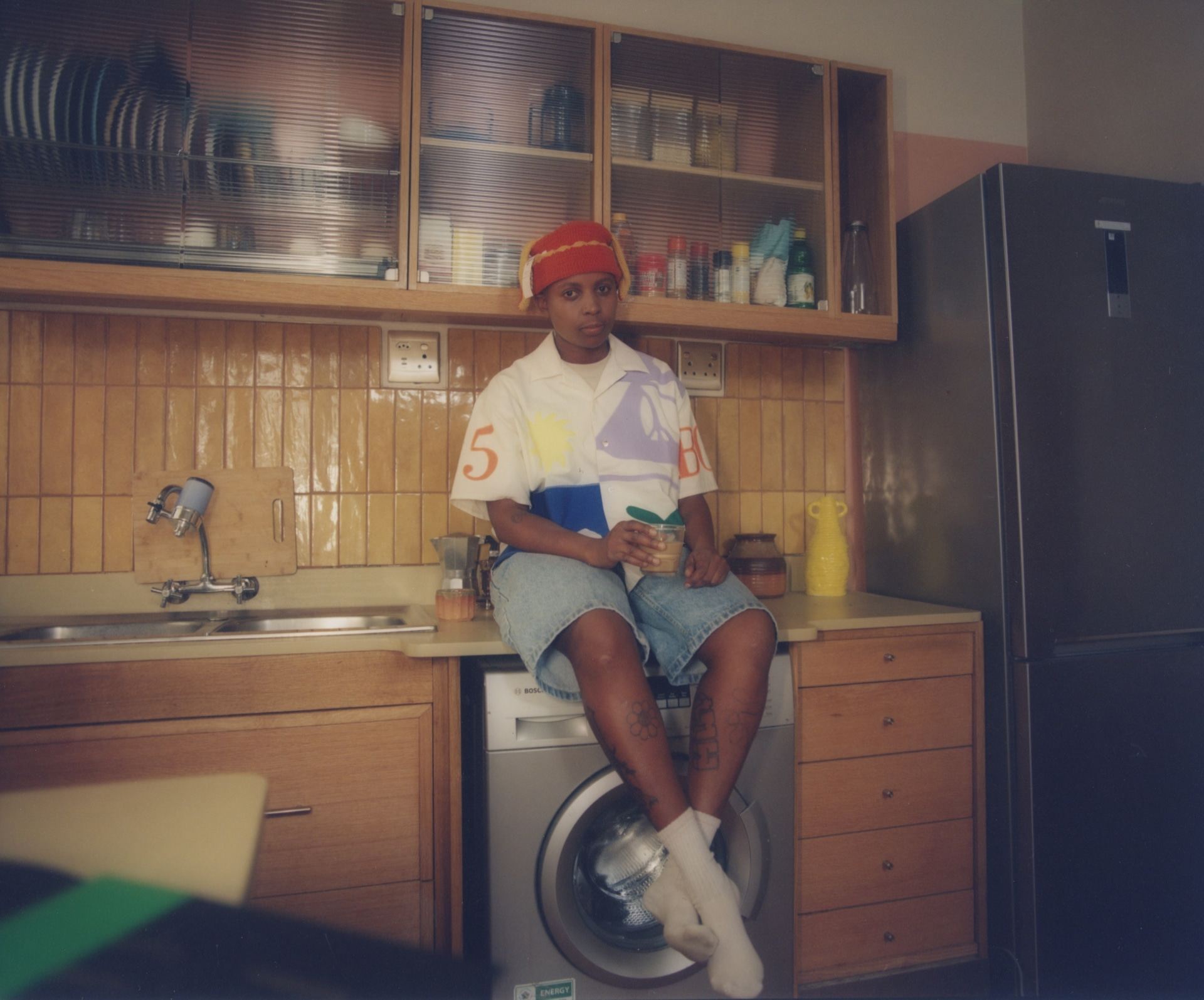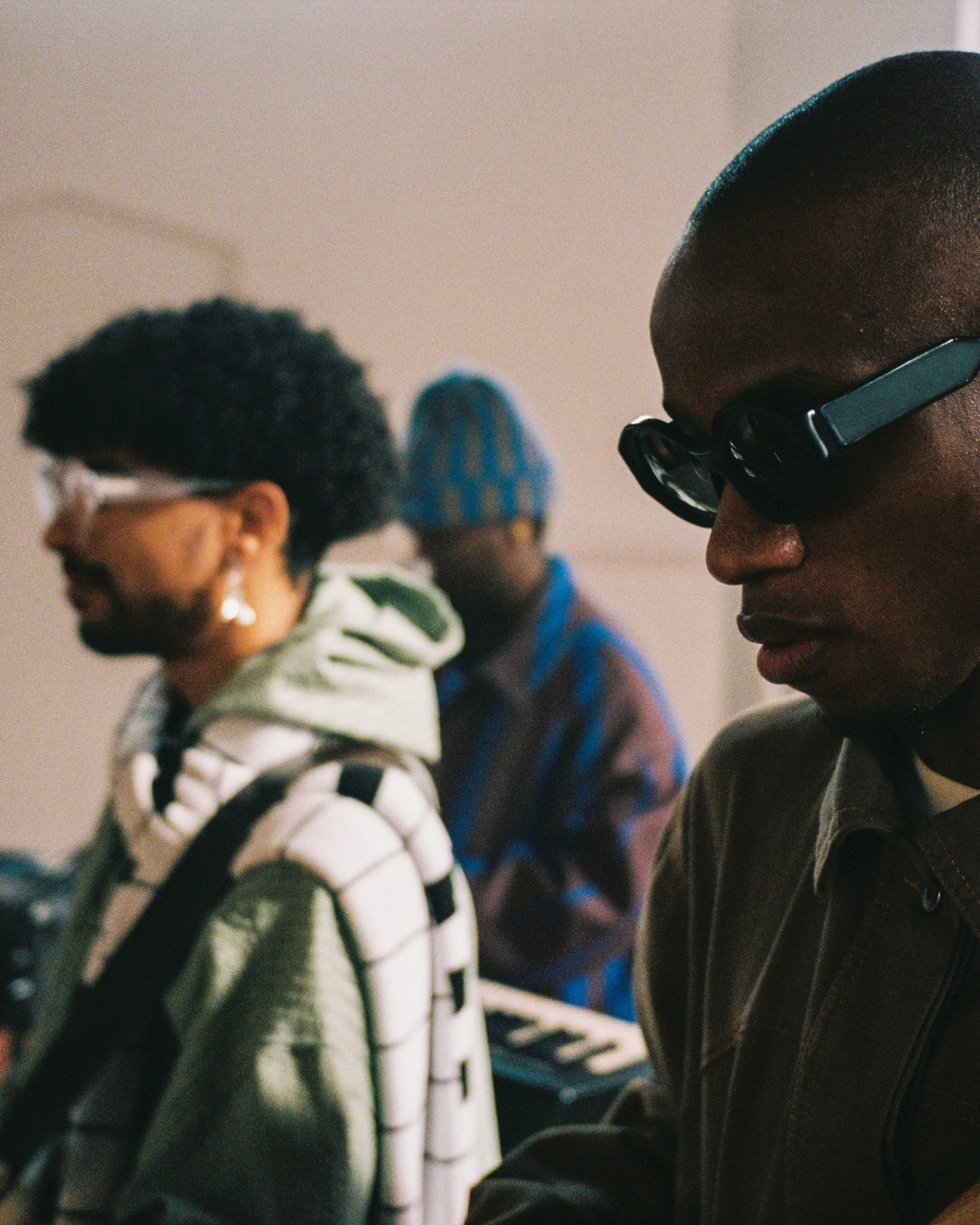
BULLYBOY ft. creative duo OSKI’s campaign is a love-letter to soft skaters

BULLYBOY is part of a new generation of skate brands reshaping what the culture looks and feels like; rooted in the ethos of Escape the Ordinary, their mantra reads more akin to a dare than a slogan. This is a brand that sees skateboarding as a living archive of rebellion, tenderness, punk lineage, and graphic experimentation, all at once serious—but mostly, the freedom to make and do cool shit with your friends. Born from Francesco’s frustration with the generic grip tape options on the market—“none of them looked like me”—BULLYBOY emerged first as a DIY fix, and has since grown to be a cult label steadily gathering a loyal following. 

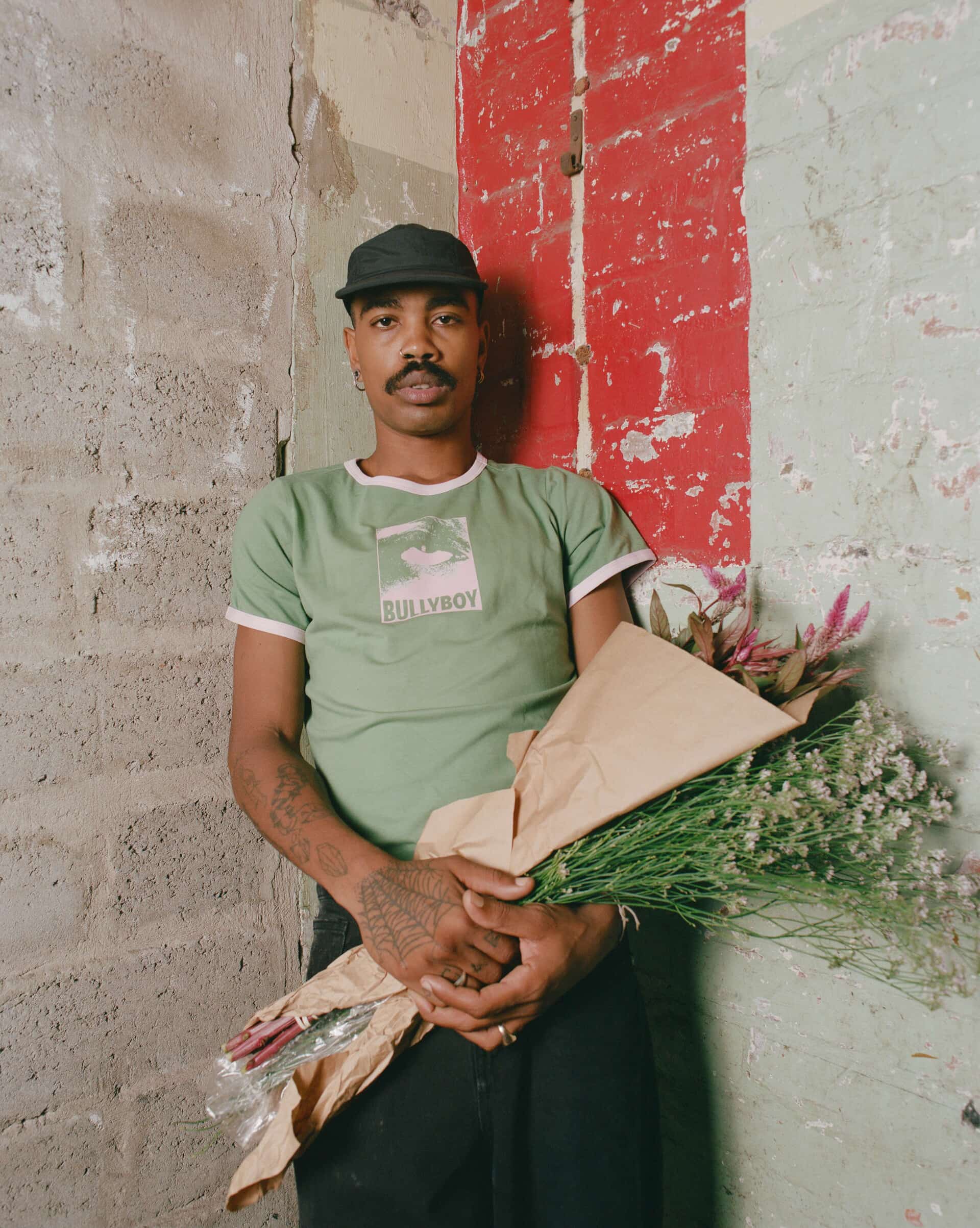
BULLYBOY, despite the name, is anything but aggressive. The brand’s latest campaign—shot in collaboration with creative duo OSKI, creative director Grace Mettler and photographer Nick Farmer—leans into a different energy. 

“I run BULLYBOY. It’s actually a one-person show—I do the marketing, design the products, shoot the campaigns, manage the social… the whole shtick. But I kind of like to make it seem like it’s a whole team behind it,” Francesco admits. That contradiction—the illusion of a team, the reality of one person doing everything—echoes the DIY ethos at the core of the brand. Though Francesco is not out there alone; BULLBOY is part of an ecosystem of brands and projects between Francesco and his friends, “With BULLYBOY, I’ve got this whole crew—graffiti artists, photographers, videographers—we all help each other out. So it’s a ‘we’ in that sense.”
All imagery courtesy of BULLYBOY and OSKI
That ‘we’ includes OSKI, a collaborative pairing cemented by creative chemistry. Of their relationship with the brand, “we met through Grace’s sister,” says Nick. “Our first shoot together was sometime last year by the train tracks. From there, we just kept hanging out, doing more shoots, and eventually became friends.”

“I’m a creative director, and Nick’s a photographer,” Grace adds. “He’s gotten me into photography too—mainly film. I think we bring two different styles: Nick’s more documentary, and I bring more of an editorial eye. When we come together, we create something a bit more fun and different.”

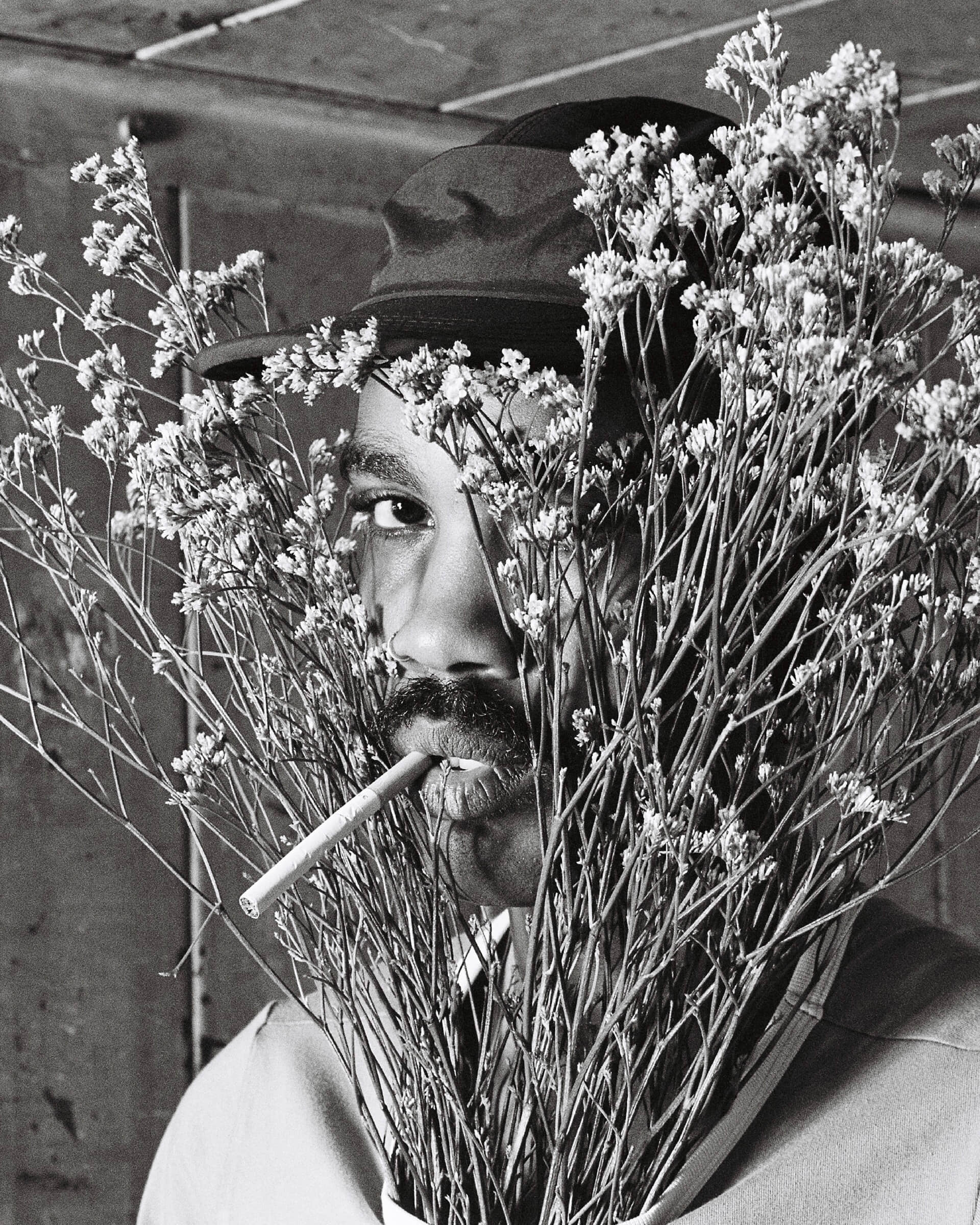
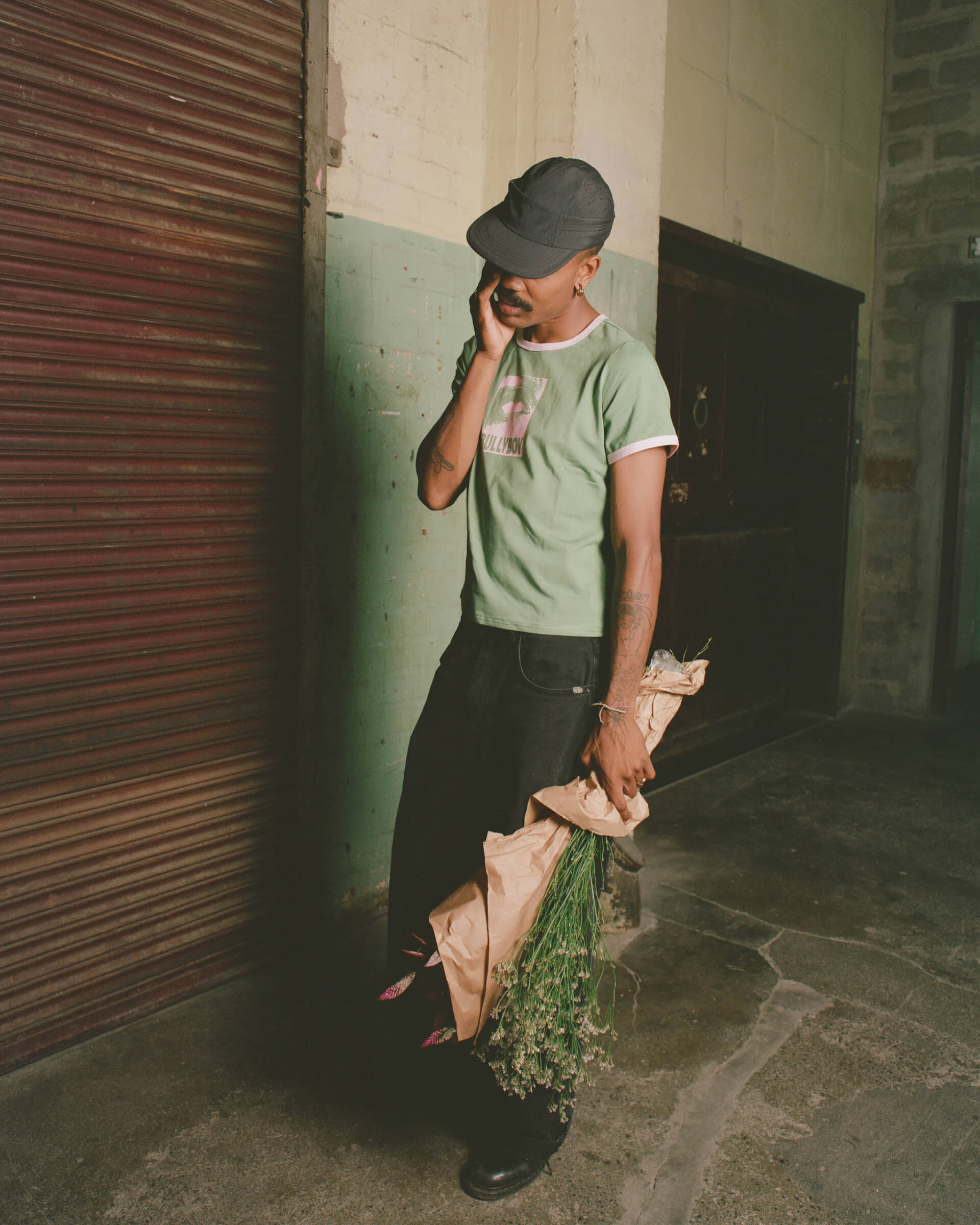
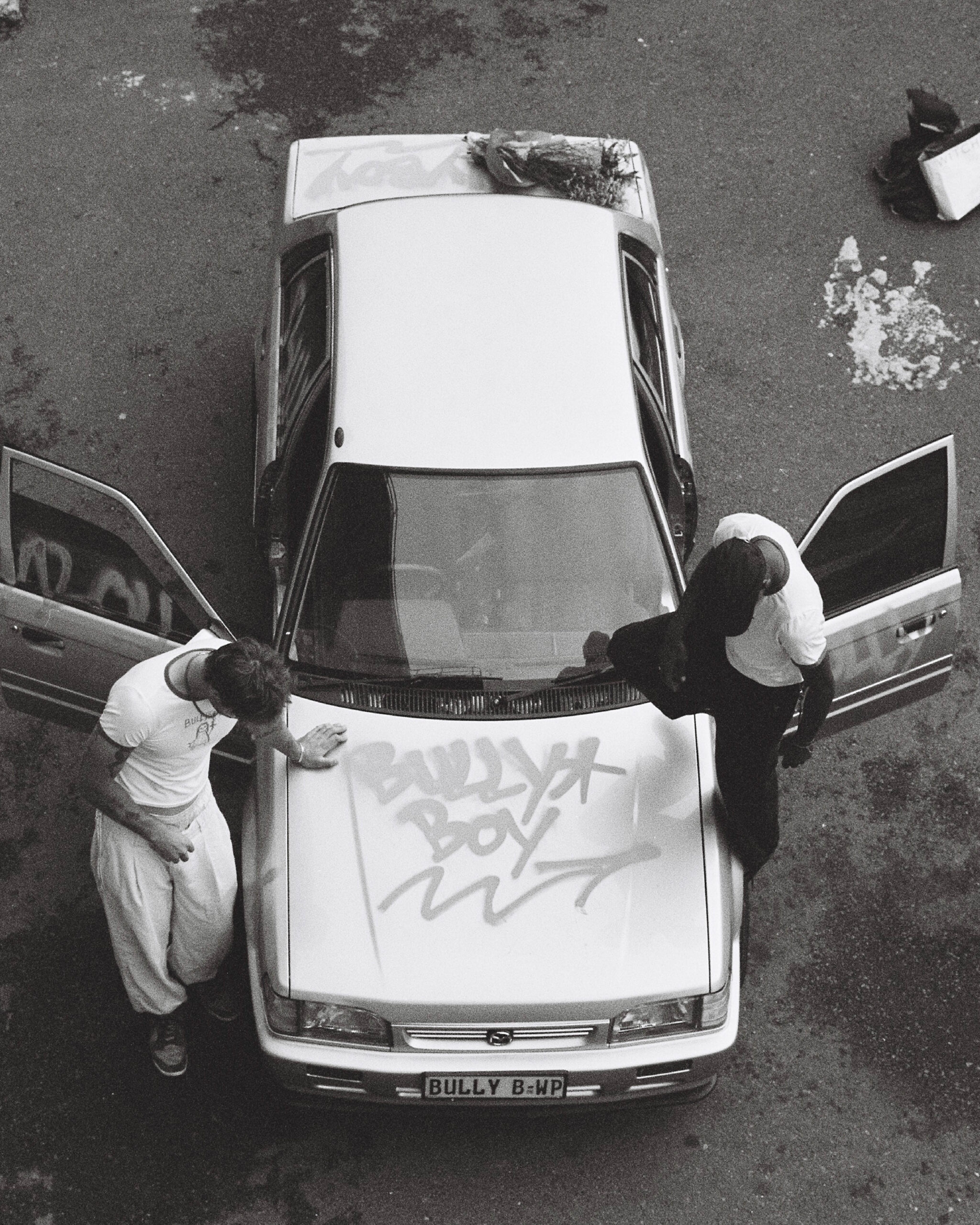
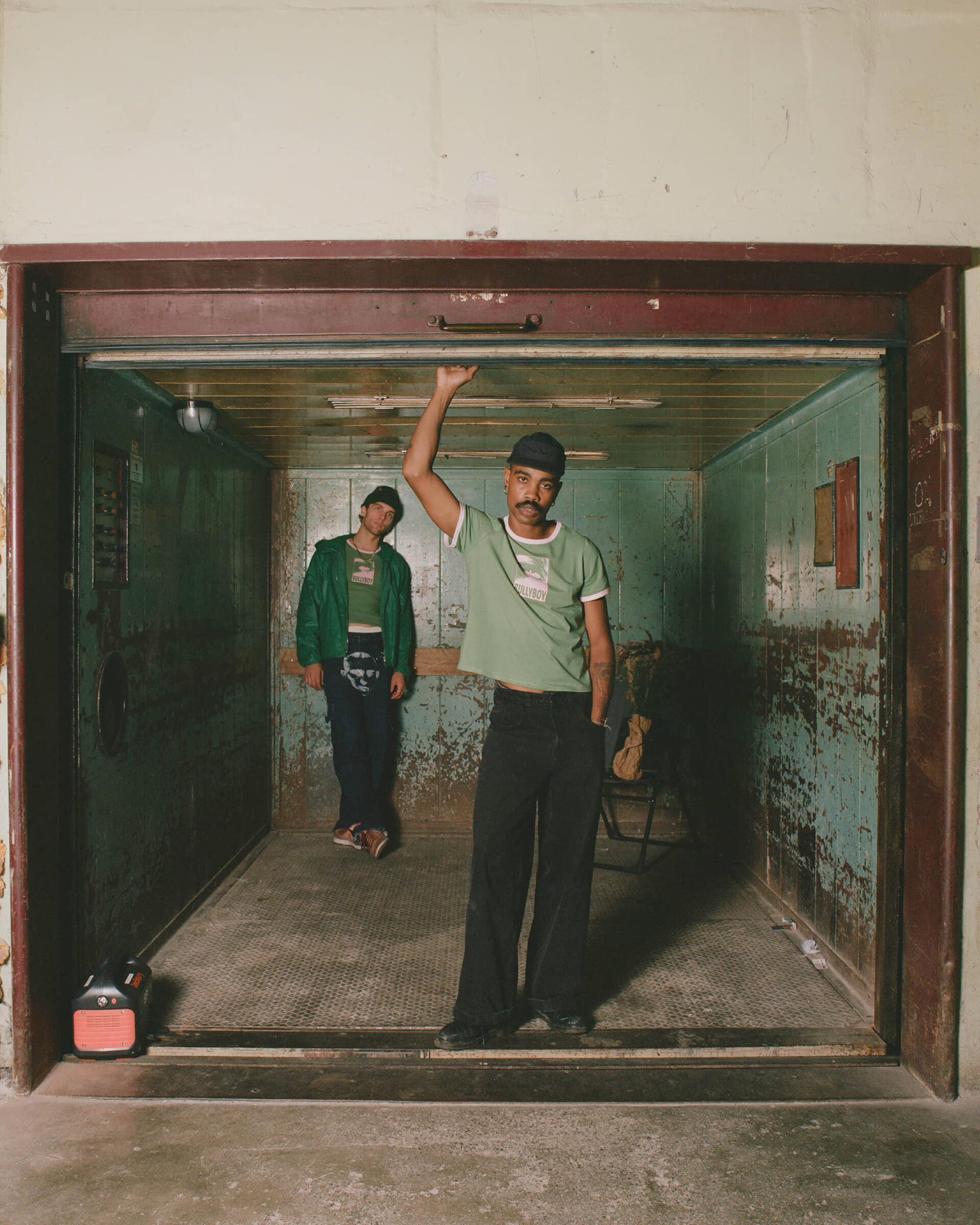
The shoot for BULLYBOY’S latest drop is full of dreamy contrasts: the gritty environment of their old apartment block, washed in soft light, alongside tough poses softened by floral arrangements. The campaign is a visual love letter to the skate world’s lesser-seen sides, featuring Francesco himself along with Salvador, BULLYBOY’S brand ambassador. “For the creative direction of this shoot, I wanted to show skaters in a softer light,” Grace explains. “They’re often portrayed as aggressive or rebellious, but I wanted to highlight their gentleness and humanity—making it more about the people than the act of skating.”

OSKI did just this, using only a basic setup: one softbox, one strobe, and two cameras—Grace’s trusty Nikon F3 and Nick’s RB67 medium format. “We try to keep things extremely natural,” says Nick. “A lot of the time, we don’t edit our photos at all, and if there are imperfections, we usually embrace them.”

In true BULLYBOY fashion, the guerilla-marketing aspect of the shoot is true to the vision; such as the team using a remote to sneak into an old apartment building, or shooting on film, printing in the darkroom, and saying no to the fast-paced, algorithm-chasing grind that defines so much of content creation today. “The idea for this shoot worked out perfectly,” Nick continues. “Francesco wanted to shoot new content, and Grace and I were building our portfolio. We had a location in mind—our old apartment—but moved out before the samples arrived. Luckily, I had a good relationship with the building security and still had a remote, so we just went in and shot it there.”

“What drew me to BULLYBOY from the start was Francesco’s marketing strategy,” Grace says. “It’s so fresh and grassroots—graffiti, fast-paced fisheye clips of them skating through the city, just being absolute menaces. But if you know them—Francesco and Salvador—they’re the sweetest guys ever. That contrast really shows in the photos.”

At a time when skate brands are either going full-corporate or full-nostalgia, BULLYBOY occupies a rare in-between: forward-looking, punk-rooted, and deeply human. 
All imagery courtesy of BULLYBOY and OSKI
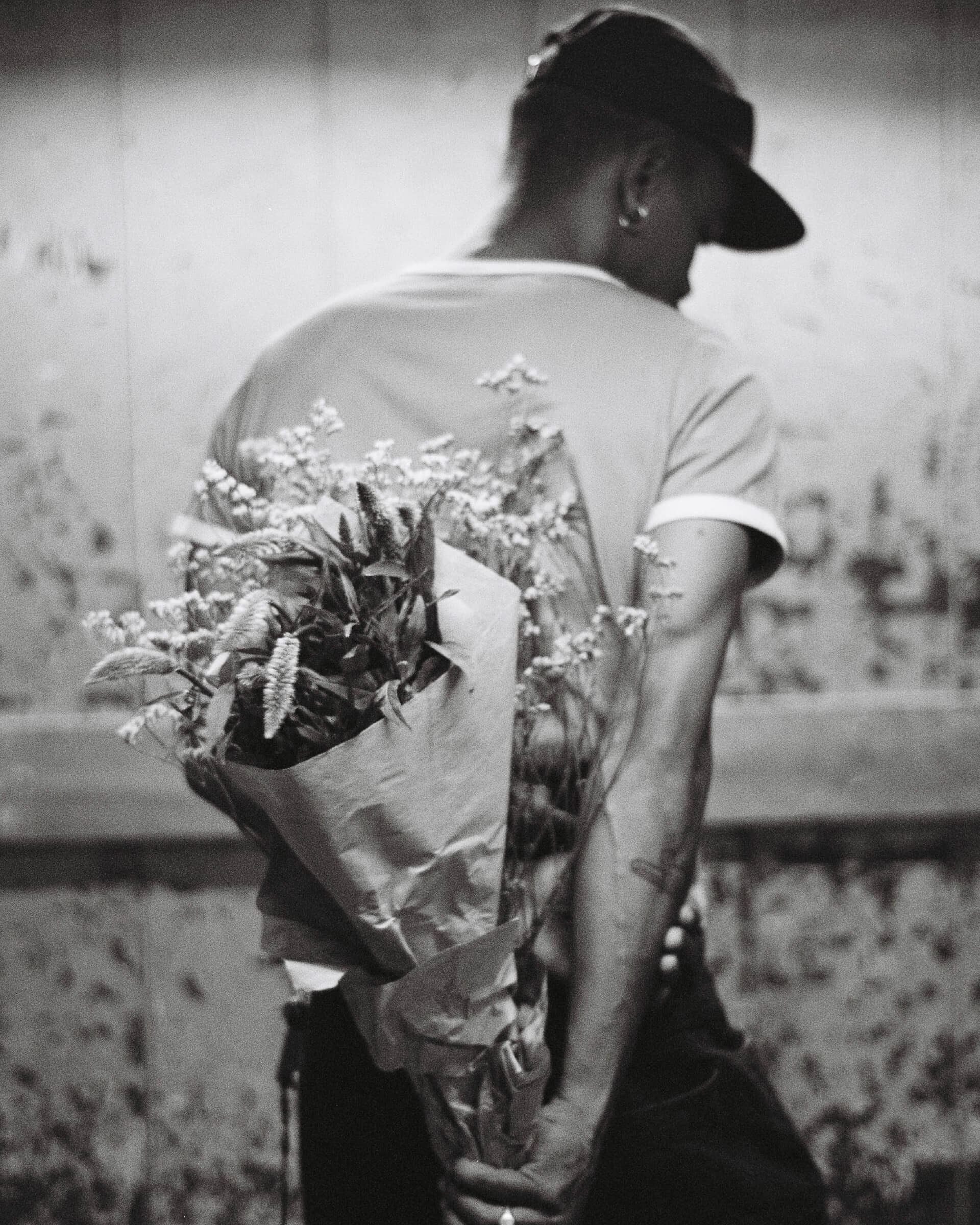
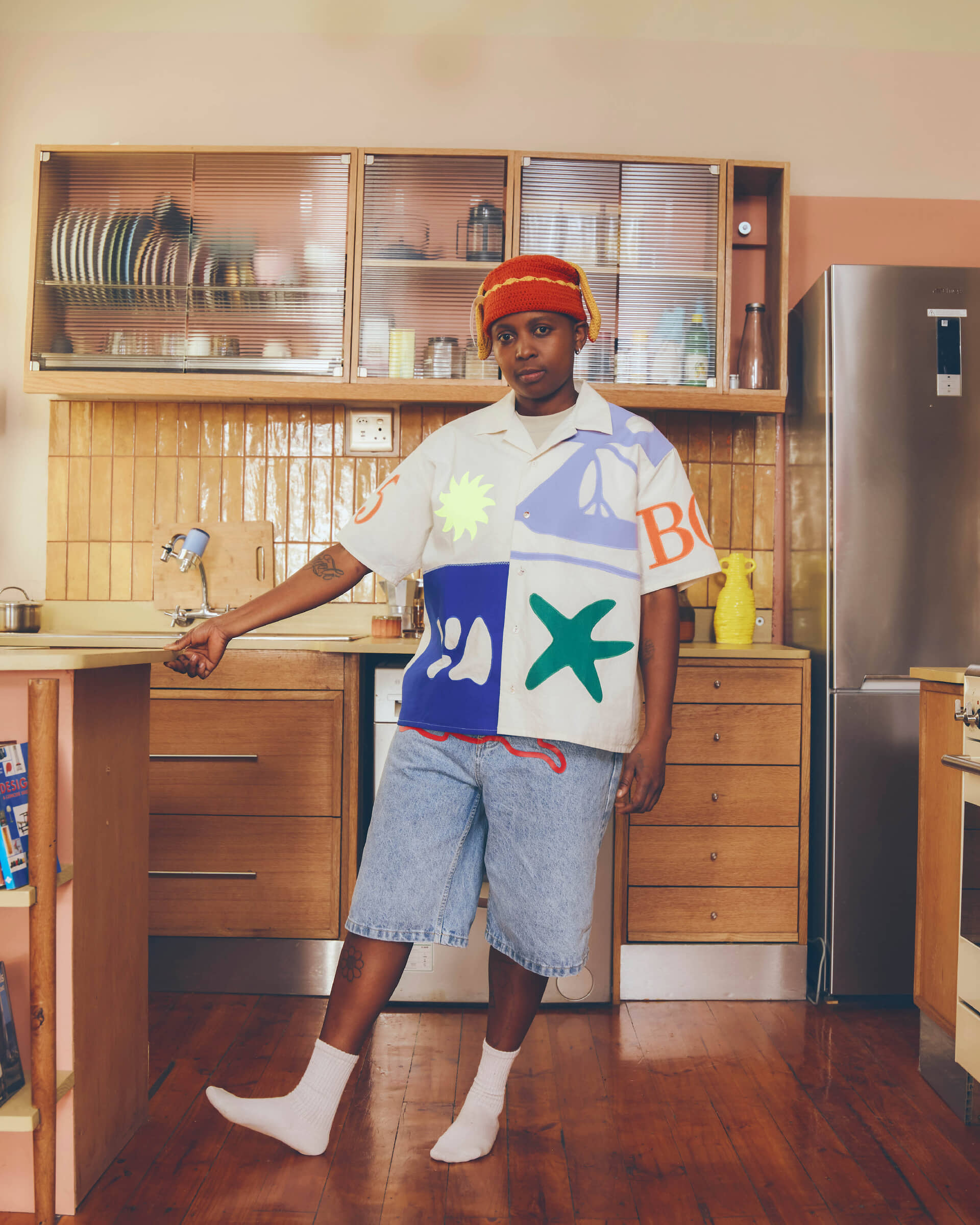
As for the drop itself, it features a unisex update of BULLYBOY’S signature baby tee, alongside a cropped menswear piece that blurs the lines between femme and masc. It’s fashion-centric with a dose of cheekiness, “This drop’s for the girly-pops,” Francesco laughs. “I’m over the box tee that everyone is doing right now. We will do a box tee run soon, but the crop is what I wanted to create right now.” There aren’t many skate brands putting the girlies front and centre, and “it’s inspiring to work with a brand that’s doing things for the love of it,” Nick says. “They’re not chasing investors or crazy engagement tactics, it’s just Francesco having fun with something he cares about.”

This spirit is so critical for 2025: genuinely, deeply, stubbornly caring about your craft in a world that rewards shortcuts. BULLYBOY and OSKI are proof that creating, and doing the things you want to do, is felt by your community in ways that go beyond the work itself; ultimately reminding others that they can do the same. 

Shop the collection at bullyboy.shop

Check out OSKI’s work here

Written by Holly Beaton

For more news, visit the Connect Everything Collective homepage www.ceconline.co.za
Follow CEC on Instagram

The Offline Revival Is Asking Us To Care For Our Digital Wellbeing

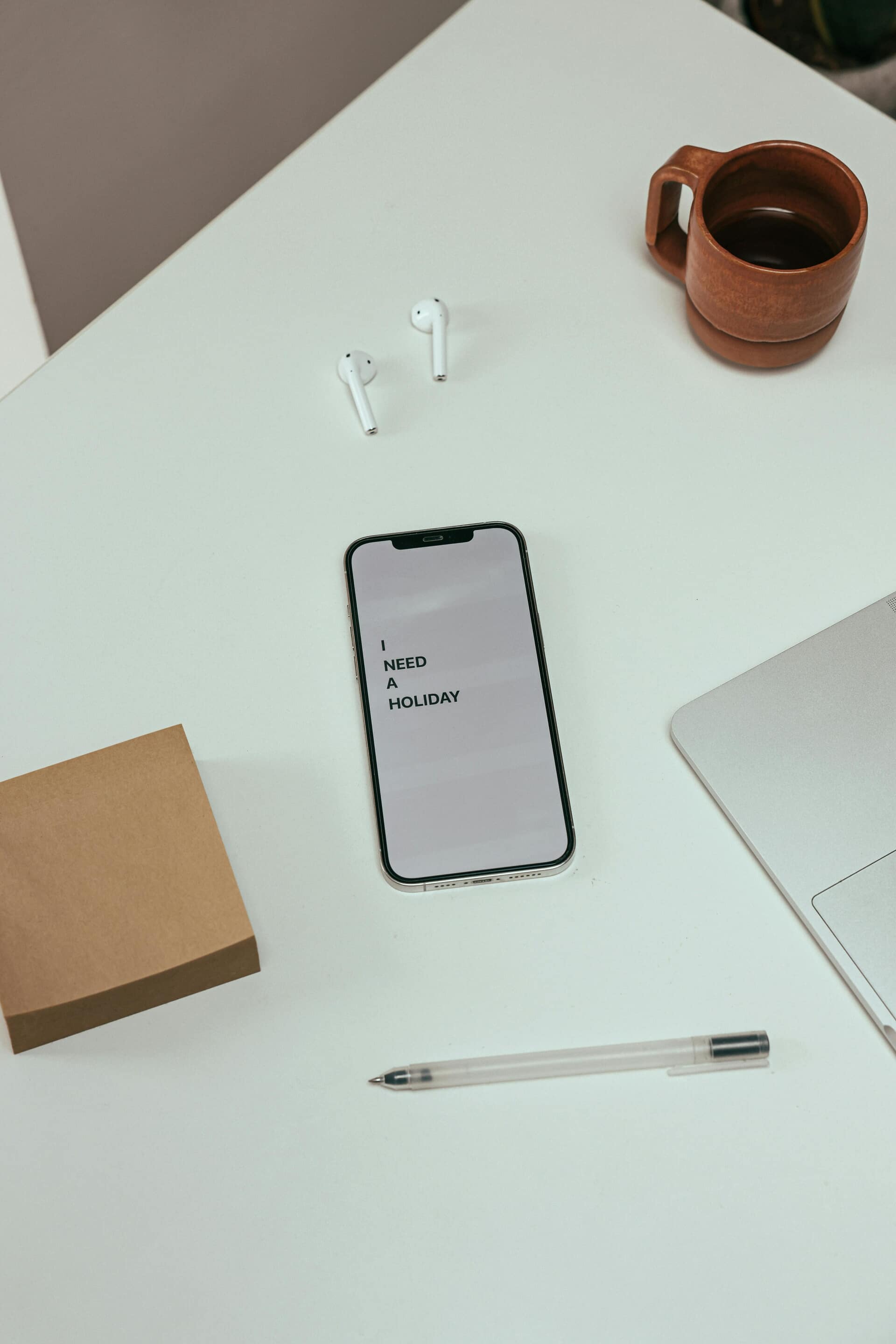
While much of modern life continues to unfold through our screens, behind passwords and pings, there’s a parallel impulse drawing us back to the physical. This, I believe, is instinctive to the moment we’re living in. As writer Rebecca Solnit so poignantly wrote, “the mind, like the feet, works at about three miles an hour. If this is so, then modern life is moving faster than the speed of thought, or thoughtfulness.” We’re exhausted with pixelated visions, and the gnawing sense that we’re always slightly out of sync with ourselves—our bodies lagging behind the pace of our screens. While the digital world offers infinite access and stimulation, it often leaves us overstimulated and undernourished. 

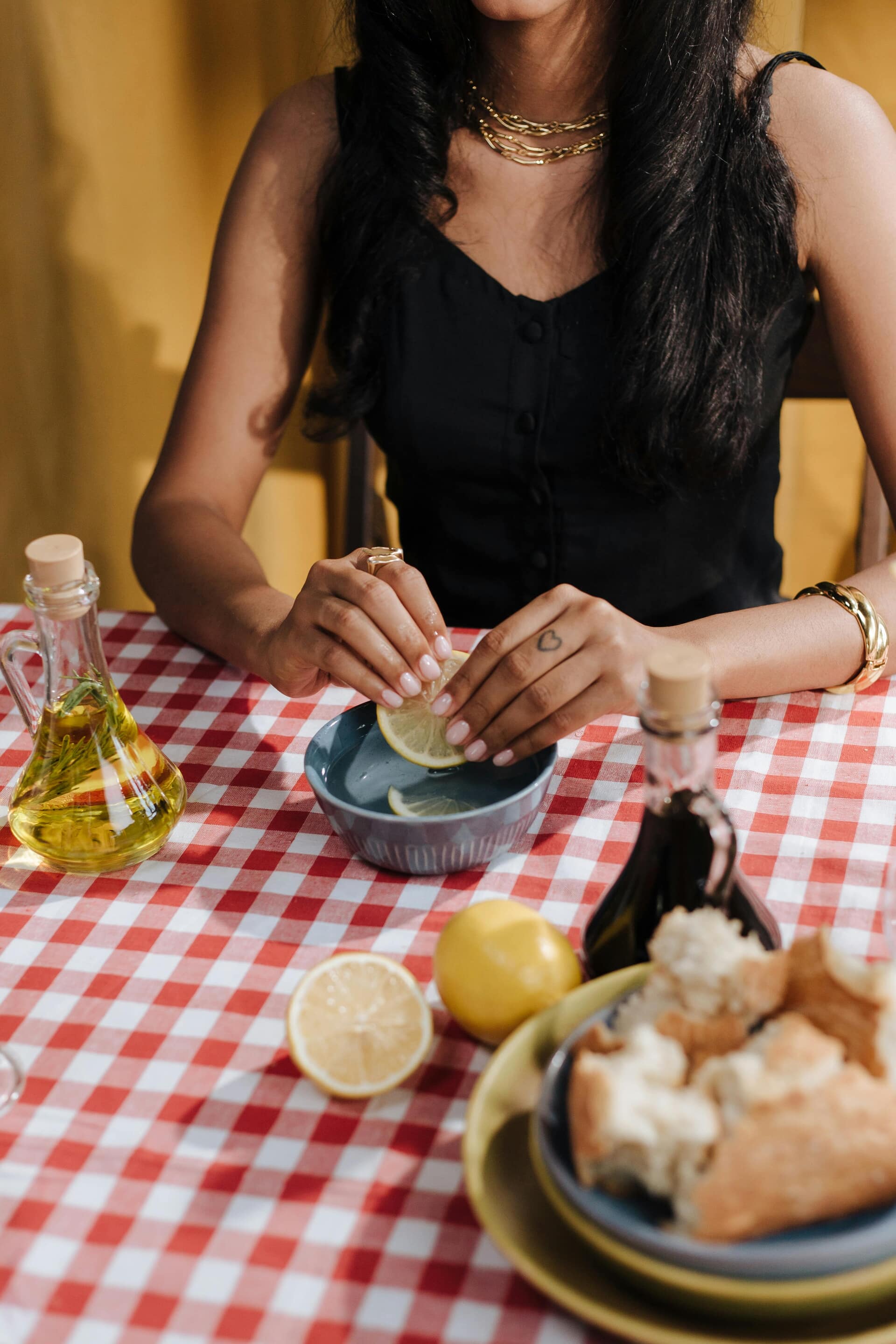
With every swipe, a dopamine hit arises in our brain; and while the information and curated visuals feel nourishing, the endless consumption truly is not. It feels as though we are at a point in our digital adoption in which a return to the physical is inevitable. Of course, we’ve always been immersed in our own realities—but from the very real revival of supper clubs and journaling to the rising popularity of community gardening, pottery workshops, and even handwritten letters, a quiet resurgence of offline culture is gathering momentum. I’d hesitate to explain this as a whimsical return to the past or some purist rejection of technology—rather, this is a counterbalance, or a recalibration. Digital hygiene is as prescient as ever, and after years of acceleration into the virtual, many are feeling their way back to something more grounded. 

The rise in digital fatigue is well documented. A 2024 report by the World Health Organization identified excessive screen time and ‘digital overstimulation’ as growing mental health concerns, particularly among younger generations. The average adult now spends more than seven hours a day engaging with screens, and for many, this is starting to feel less like connection and more like confinement. We are, it seems, reaching the limits of our digital absorption, and the promise of limitless access and perpetual efficiency is giving way to a growing sense of psychic clutter: the result being our fractured attention spans, algorithm-induced anxiety, and a creeping dissatisfaction that no amount of content can seem to cure us. 

WGSN have been reporting on this shift through the lens of brand-building, framing it around the emerging emotional state they call ‘Witherwill’—a word coined by John Koenig, author of The Dictionary of Obscure Sorrows. Defined as a longing to be free from responsibility, Witherwill is predicted to be a key consumer emotion and coping mechanism by 2027, as people increasingly grapple with pressure on multiple levels.

Imagery by Ron Lach, via Pexels
Imagery by Cup Of Couple, via Pexels
In their report, WGSN note: “Witherwill will be a reaction against the great exhaustion, with workplace and digital stressors creating a pervasive sense of burnout and overwhelm. As people push back to explore a slower existence with lower stakes, fewer to-do lists, more meaningful connections and less loneliness, brands have an opportunity to offer them the respite they need.”

While this is, naturally, presented in the context of helping brands sell their products, it clarifies that our collective digital fatigue has become so widespread, so culturally significant, that even marketing strategies are now being shaped by our need to slow down.

Across cities and small towns alike, the desire for real-life engagement is manifesting in all sorts of ways. We see it in the return of supper clubs and communal dinners. We see it in the uptick of local workshop attendance—from floral arranging, to jewelry making, book clubs and more. We see it in the return of tactile pleasures like letter writing, bookbinding, or simply walking without headphones. As crazy as it sounds, I think one of my proudest achievements over the last few years has been to train myself to work without headphones and be totally present, daily, with my dog. This is to say; digital hygiene requires our self-motivating discipline, as tough or obvious as it may seem to achieve. 

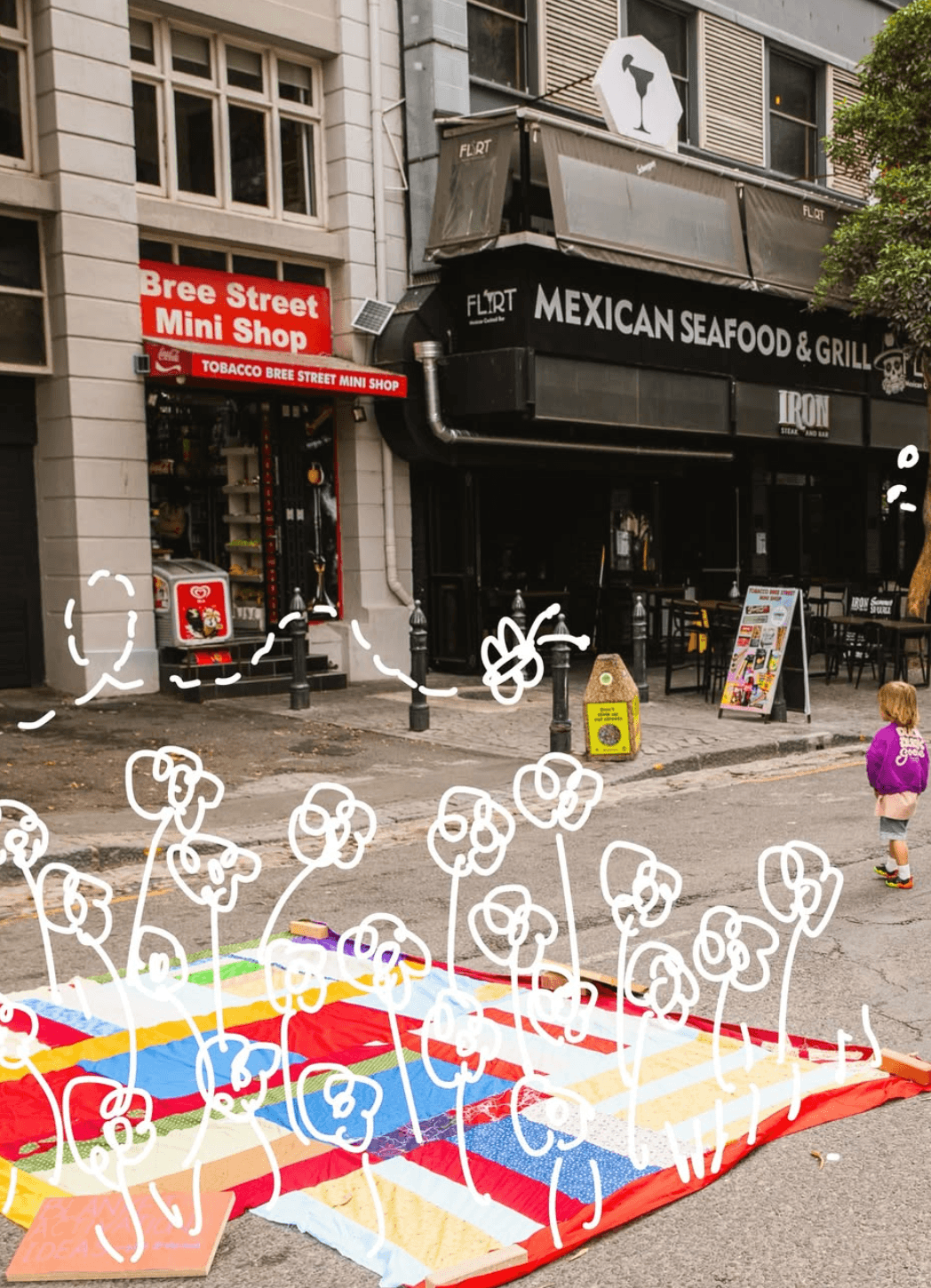
A compelling example of this shift recently played out on Bree Street in Cape Town. During March this year, the Young Urbanists initiated a bold experiment: the entire street was shut to vehicular traffic for every Sunday  and turned into a pedestrian-only cultural hub. The goal was to see what might happen when space was reimagined for people, and critically, no commercial activities were permitted. Instead, activities included free bike rentals for kids, community blanket making sessions with The Maak, graffiti workshops with Brother Love Studio, chess clubs and even a silent book club, with people perched on the road all reading together. 

This reclamation of public space for non-commodified community purposes proved what a slower, more connected urban life could look like. The Young Urbanists are a phenomenal space that challenges the enduring apartheid legacies shaping South African cities. Rooted in principles of economic, social, environmental, and spatial justice, the group empowers its members—across all disciplines and backgrounds—to become change agents in their fields. With a strong focus on inclusivity, the platform initiates critical conversations and imaginative solutions for building more equitable cities across the country. 

The return to the offline is similar in the world of commerce and brand culture, it’s increasingly clear that physical experience still matters—and may, in fact, matter more than ever. I don’t know about you, but I’m increasingly reluctant to buy online; instead, I prefer to try on clothes in real time, or take the trip to meander stores than predict something will be fitting for my home, wardrobe or fridge through a screen. 

Imagery of Bree Street Community Blanket Making via @the.maak IG
Imagery by Eva Bronzini, via Pexels
Despite years of predictions about the demise of physical retail, many brands are doubling down on brick-and-mortar stores. Physical spaces offer something that no online interface can replicate; atmosphere, human interaction, and the possibility of surprise. Meta, the very company pushing virtual and augmented realities, has recently expanded its retail presence with physical stores for showcasing its tech. The irony is rich but telling—even the architects of the metaverse understand that we want to touch, ask, linger. Fashion brands are similarly following suit and independent labels like Rethread have just expanded to a bigger showroom space in Woodstock, with founder Alexa Schemper’s intention to host community gatherings within a multiple-purpose space.

To understand this impulse at a deeper level, cultural theory is ever my go-to. French philosopher Jean Baudrillard’s concept of hyperreality, developed in the 1980s, offers a prescient lens for the mood of this moment; as he argued that in late capitalist societies, signs and representations begin to replace reality itself. In the hyperreal, we no longer engage with the real world directly, instead we engage with simulations of it. Case in point as we fast-forward to today’s social media-driven culture, and Baudrillard’s ideas feel uncannily accurate. A dinner is rendered a photo opportunity, and ‘the self’ becomes a brand. The more time we spend in simulation—curated, flattened, algorithmically manipulated—the more we crave what the simulation will never deliver: texture, nuance, unpredictability and presence.

This is not to say that digital life has no value and the connectivity it offers remains transformative. There is no going back, however there is integration; we are beginning to see its limits, and to notice what our digital lives displaces. In some ways, the return to offline culture is a reckoning with the costs of relentless digitalism: attention fatigue, disembodiment, and the loss of shared, physical spaces. It is also a return to the idea that meaning is created through conversation, through making, through being together. The rise of “slow living” dovetails with these cultural shifts. Practices like journaling, analogue photography, gardening, and knitting are becoming central to how many people resist burnout and reclaim time. These activities slow us down and invite a deeper kind of attention, and in these slow-paced acts, efficiency is discarded; this is precisely the point. 

Offline revival is also taking root in new business models that emphasise intentionality and connection over scale. Small-run magazines, zines, and locally hosted lectures and salons are vanguards of the future in the attention economy. At CEC, we’re committed to the long-form word and the art of the conversation, even amidst the waning attention spans of internet users. Artist-run spaces like The Drawing Room, or ceramics studios that offer monthly classes like Han Studio, are using skills transference as a form of community-kindling. 

Even among Gen Z—a generation raised online—there’s a growing appetite for IRL engagement. Despite growing up digitally native, this generation is increasingly drawn to analogue tools and face-to-face experiences; perhaps because they know, better than anyone, how exhausting and performative the online self can become; the novelty having worn off by the time they’re forming their adult identities. 

It’s easy to misread this moment as a cultural regression, or a nostalgic return to some imagined pre-digital purity. In reality, it’s a complex synthesis; we simply need to layer our lives with more balance, and this is the necessity of practicing digital hygiene as a function of our day to day. 

Ultimately, the resurgence of offline culture is a hopeful sign. It suggests that, even amidst technological acceleration, our human need for connection and physicality persists. In the 21st century, we still get to inhabit a future that remembers the body, honours the senses, and values presence as a luxury— while being wildly connected to the broader world, and embedded in the complex swathes of culture and creation taking place all around the planet. 

In this reality, being continually distracted is our challenge, while choosing to be present is our resistance. Every effort is required to find our place in this hybridised world. 

What will you do with your time spent offline? 


Written by Holly Beaton

For more news, visit the Connect Everything Collective homepage www.ceconline.co.za
Follow CEC on Instagram

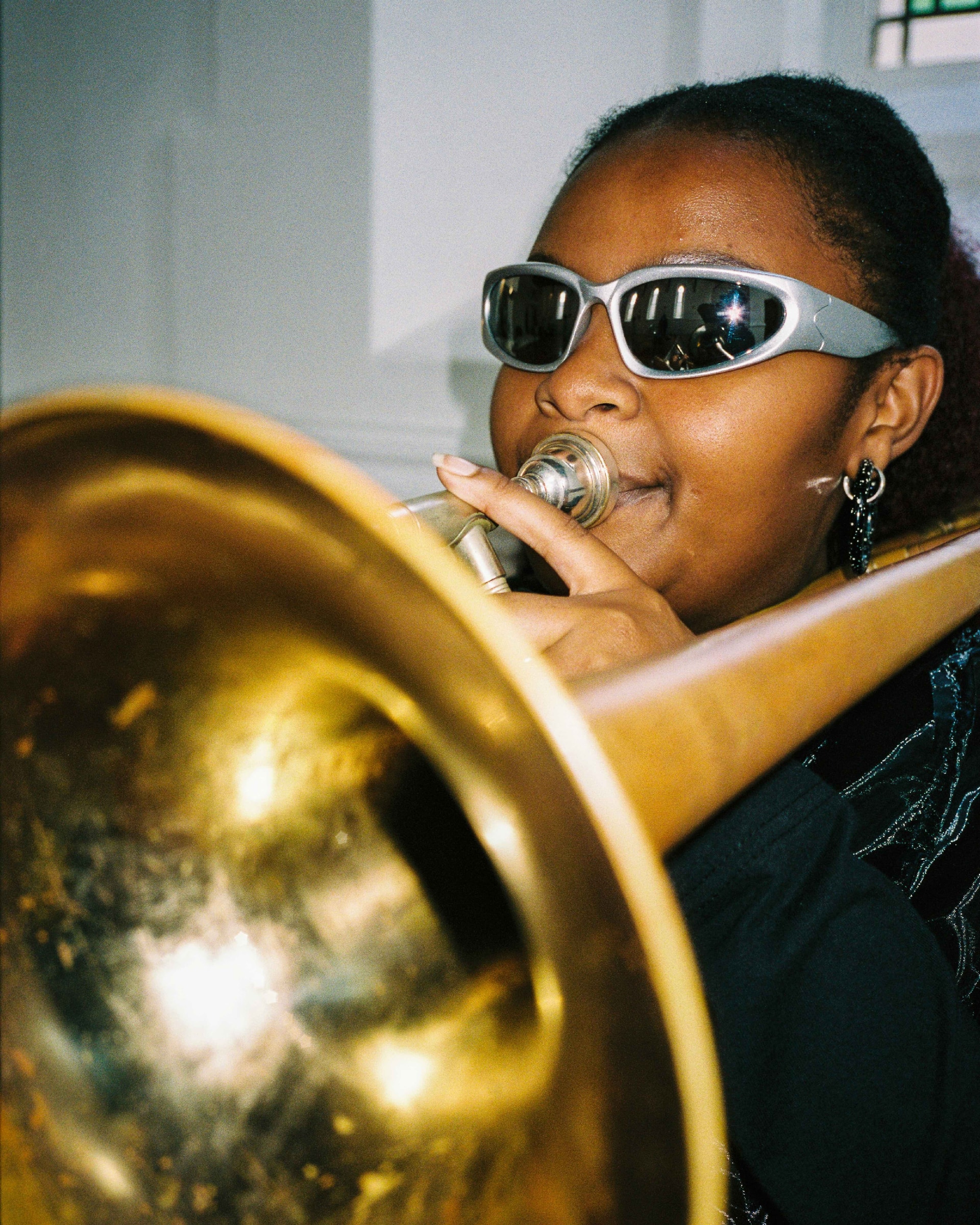
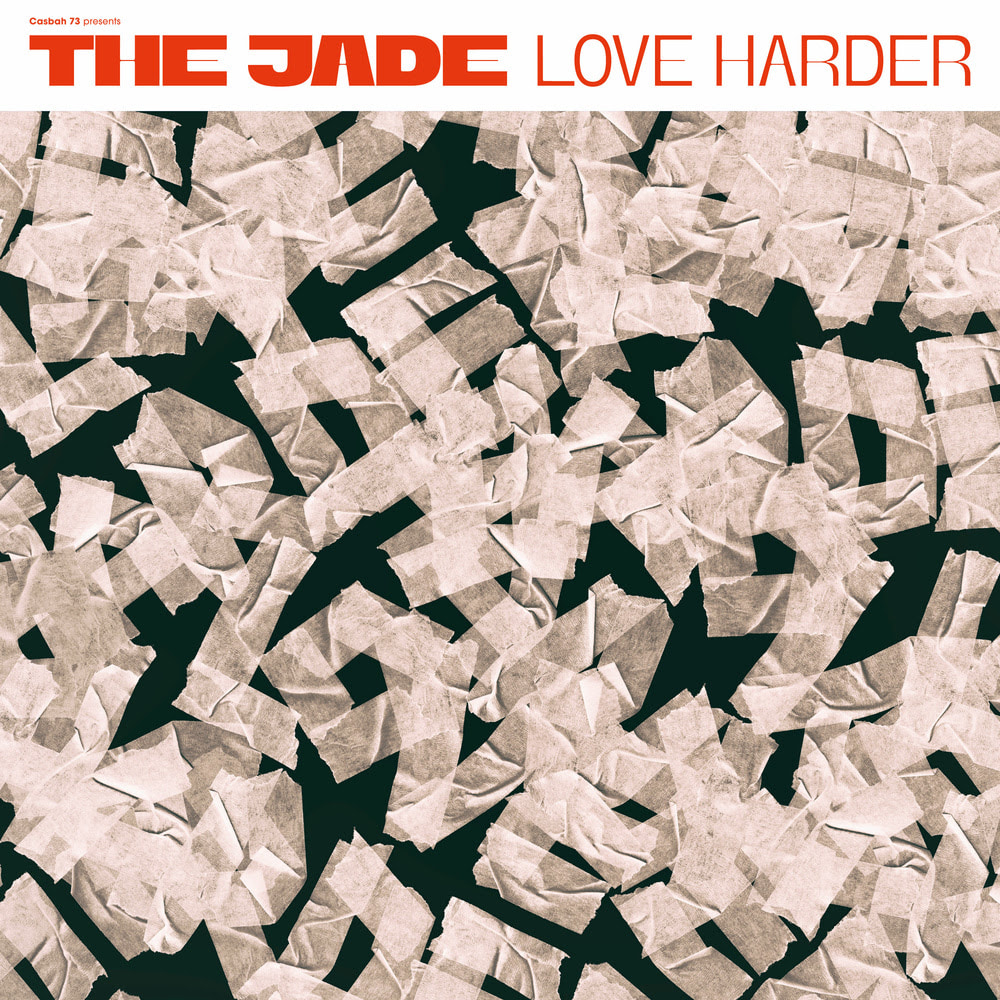
The Jade releases their live ensemble album, ‘Love Harder’

Having carved out a place in the contemporary club scene with releases on Glitterbox/Defected, Boogie Angst & Lovemonk Records amongst others, Madrid’s Casbah 73 recently shed his skin and is now ready to introduce The Jade, a live ensemble that prioritises emotion, excitement and the art of the song. Led by Oli Stewart (Casbah 73), the project brings together a remarkable group of players. At its core, this is about people: musicians in dialogue, shaping rhythms and melody, singing songs from the heart, that shared pulse based on a timeless musical vocabulary.

The Jade’s sound is post-pout, studs up, raw soul, free from modern dancefloor tyranny. It’s intimate disco, dead-selfie freedom, Afro-Latin jazz-dance and Iberian funk all rolled into one, rooted in emotion and shot through with a healthy dose of funky bad ass groovism. Genres that blend and bleed into each other following one simple idea: songs and the expressive power of live instrumentation.


Coming from Madrid and spearheading the resistance, you’ll find Chavi Ontoria on keys and David Salvador on bass, forming the rhythmic foundation. They’re joined by the rousing horns of Josué García and Dani Herrera, and the vibrant voices of Deborah Ayo and Nia Martin. All the way from Montevideo, guitarist Nico Ibarburu weaves his spell-binding grooves, while top-notch artists such as Josh Hoyer, Angela Gooding, Ale Gutiérrez, jazz trumpet player Malcolm Strachan and others broaden and enrich the project’s emotional and musical range. The Jade is a celebration of the human touch. 

Listen to ‘Love Harder’ here 

Press release courtesy of Only Good Stuff

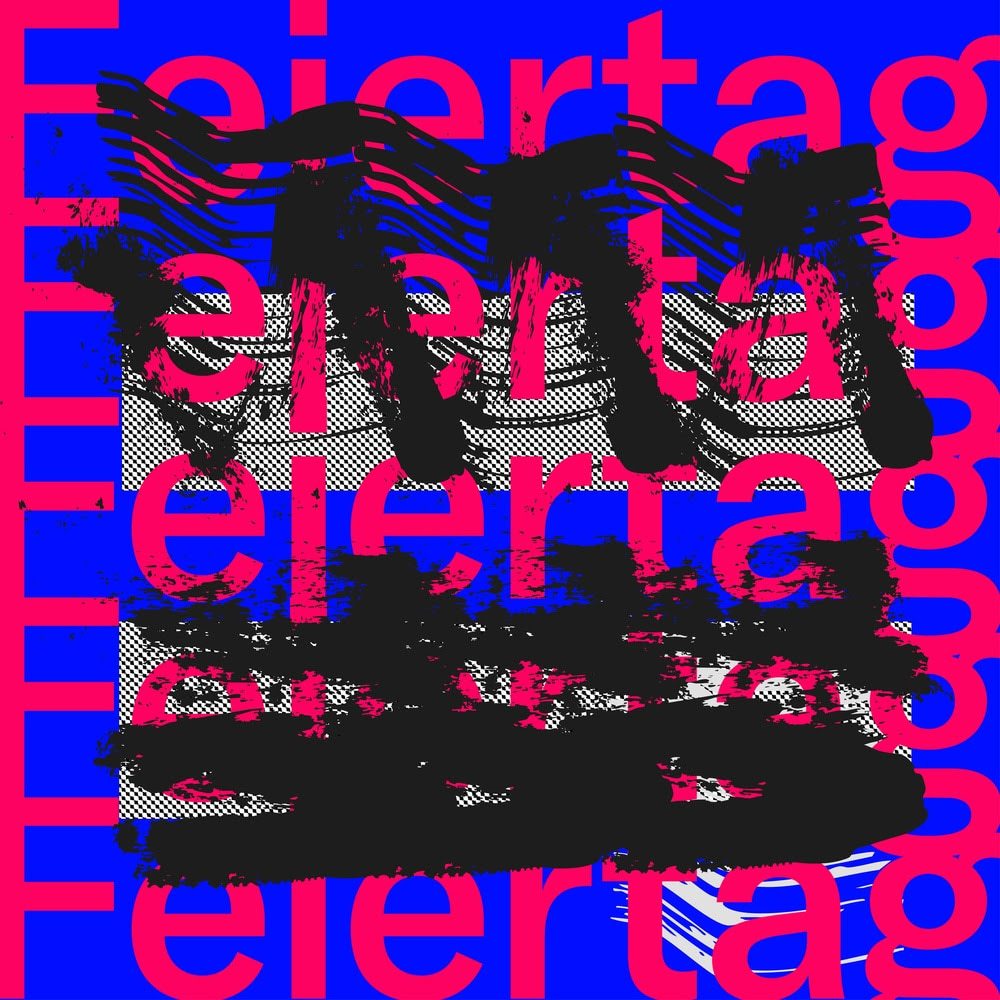
Joris Feiertag releases his latest EP, ‘Embers’

Dutch producer & live act Joris Feiertag unveils his latest offering, the Embers EP, a five-track journey released on Sonar Kollektiv. This marks his first release on SK since 2024’s ON/OFF EP and reaffirms his signature beat-driven sound, blending lush textures with a refined interplay of organic and synthesised elements. 

The Embers EP begins with a bang through its eponymous opening track. ‘Embers’ is a dense and electrifying statement, bursting with energy. Wordless vocals soar alongside swirling synths, deep basslines, and chugging drums, creating a dynamic and invigorating piece that sets the tone for the EP.

Feiertag reflects on the project: “I’m really proud of how the EP has come together; it feels like a complete journey and a true reflection of where I am as a producer right now. Creating it has been a transformative and rewarding process. My goal has always been to craft tracks that feel at home both on the dancefloor and in your living room, and I believe this EP achieves that balance.”

With three albums and numerous singles and EPs already under his belt, including releases on R&S and Anjunadeep, Feiertag continues to impress. The Embers EP showcases his mastery of balancing acoustic and electronic elements, reaffirming his ability to create music that resonates in both intimate and high-energy settings.

Listen to ‘Embers’ here 


Press release courtesy of Only Good Stuff 

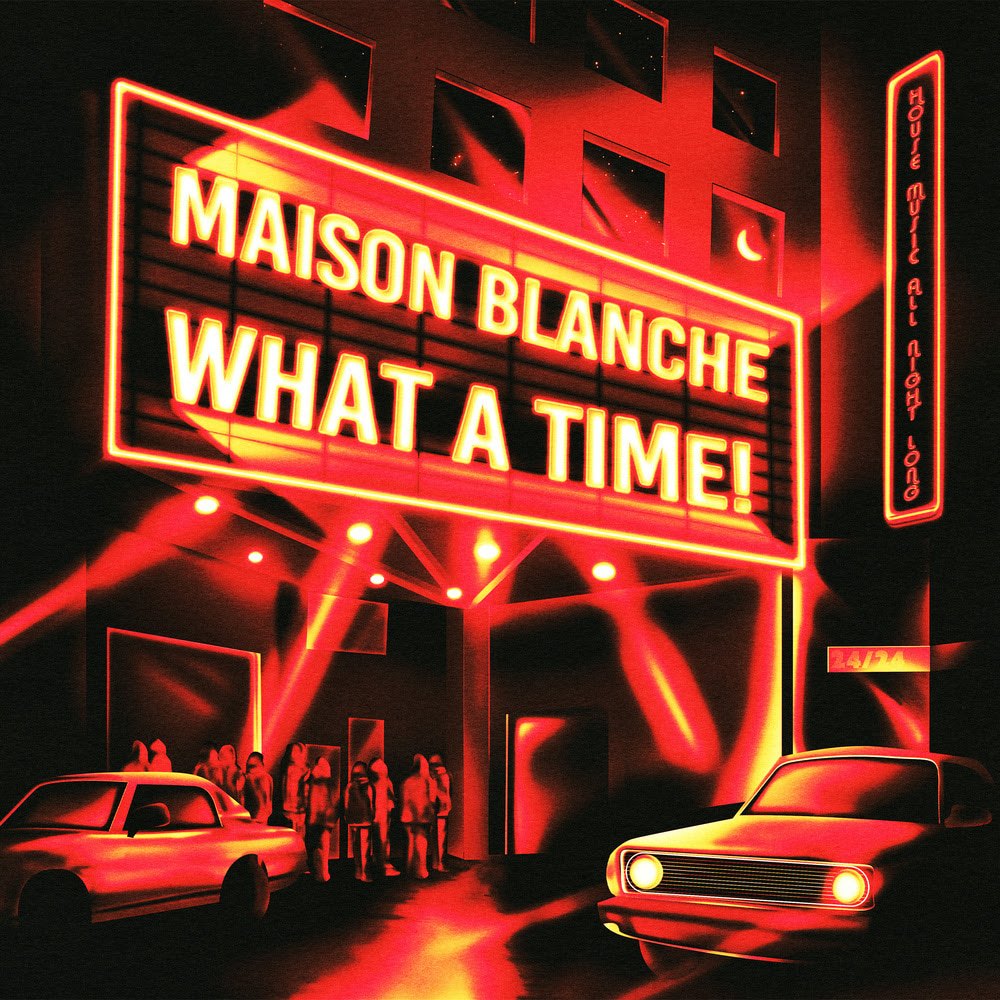
Maison Blanche releases their new EP ‘What a Time!’

Maison Blanche, a figure of the Parisian underground scene, returns in 2025 with a new EP ‘What A Time!’ on Pont Neuf Records

“I’ve always been influenced by many musical genres that involve sampling, like hip hop, house, and the genres where producers like DJ Mehdi or DJ Premier went to dig references, making classics from jazz and funk. For this EP, I really wanted to push this musical puzzle concept by pulling from many references in my universe to create more modern, danceable tracks for the clubs, with an energy halfway between house and dance, always with that funky influence that allows me to share a positive and euphoric energy on the dancefloor.” Maison Blanche.

Basking in the legacy of Chicago and Detroit house, Maison Blanche is a regular at iconic Parisian clubs such as Rex Club, Djoon, La Machine, and Badaboum, making him an essential figure on the local underground scene. His productions, tinged with soulful house and French Touch influences, have also attracted a growing audience, with several hundred thousand streams, making him one of the French artists in the genre to watch. In 2025, he returns with a new EP on Pont Neuf Records that promises to make club audiences dance all summer long.

Listen to ‘What a Time’ here 


Press release courtesy of Only Good Stuff

At Home With Dada Khanyisa

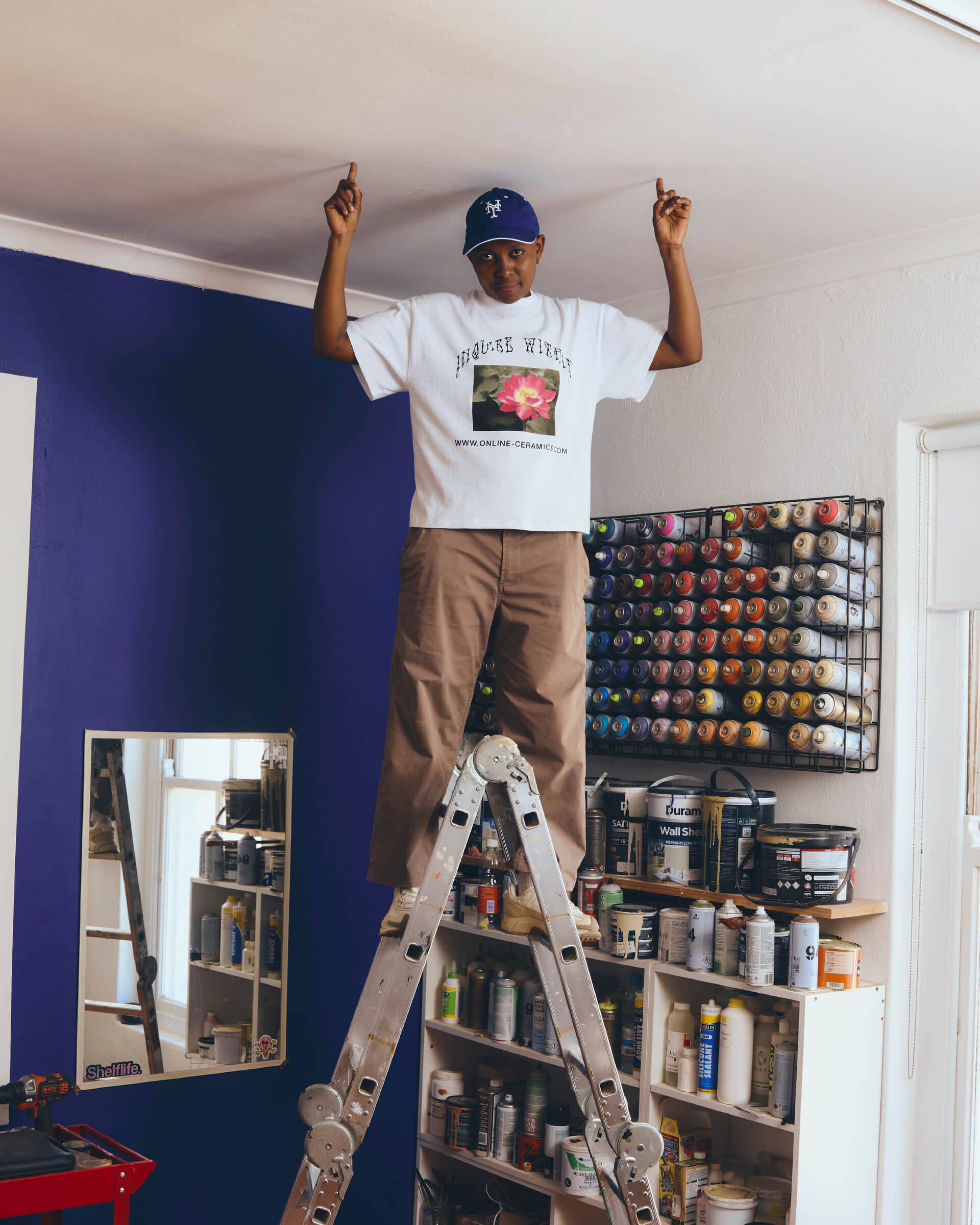
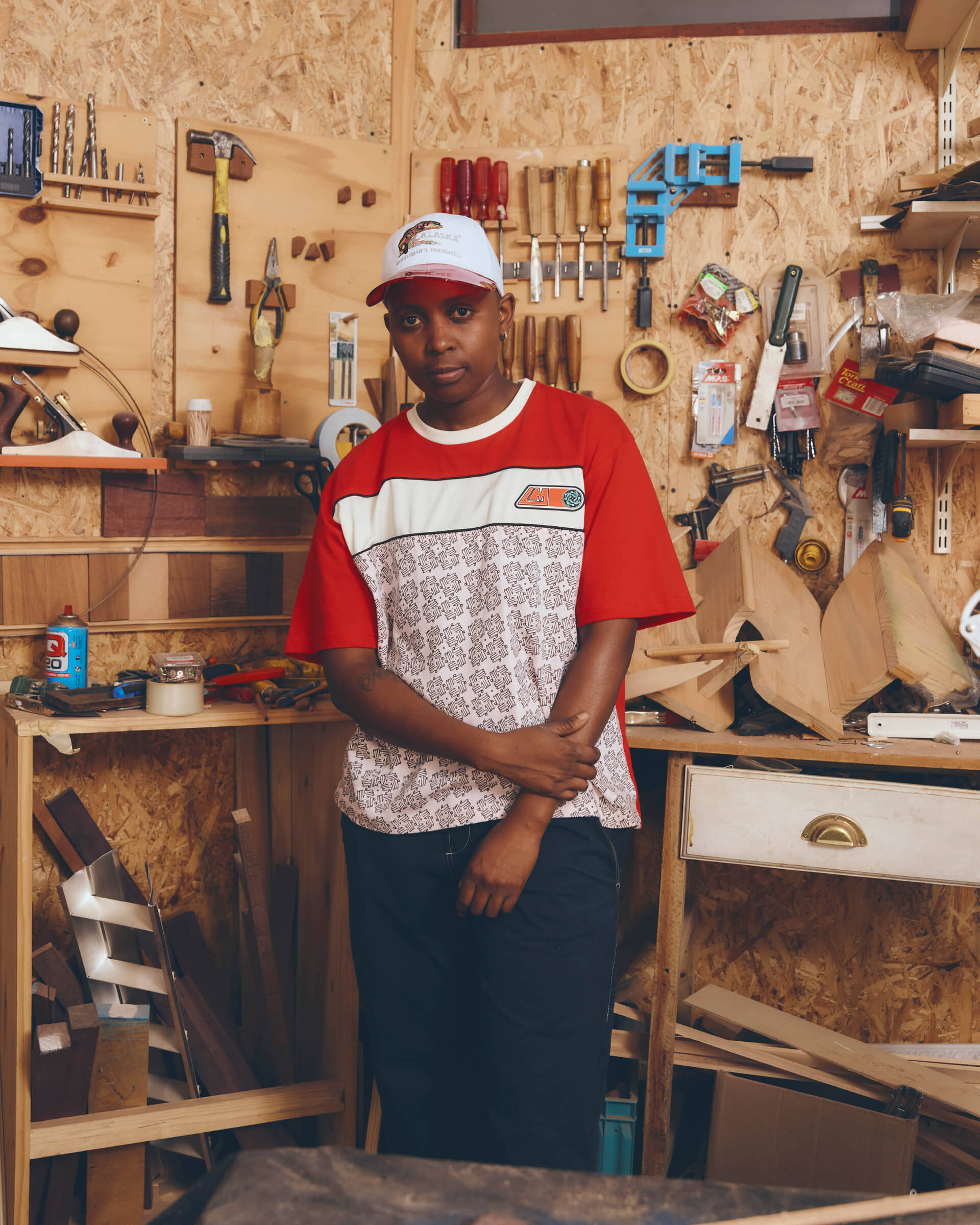
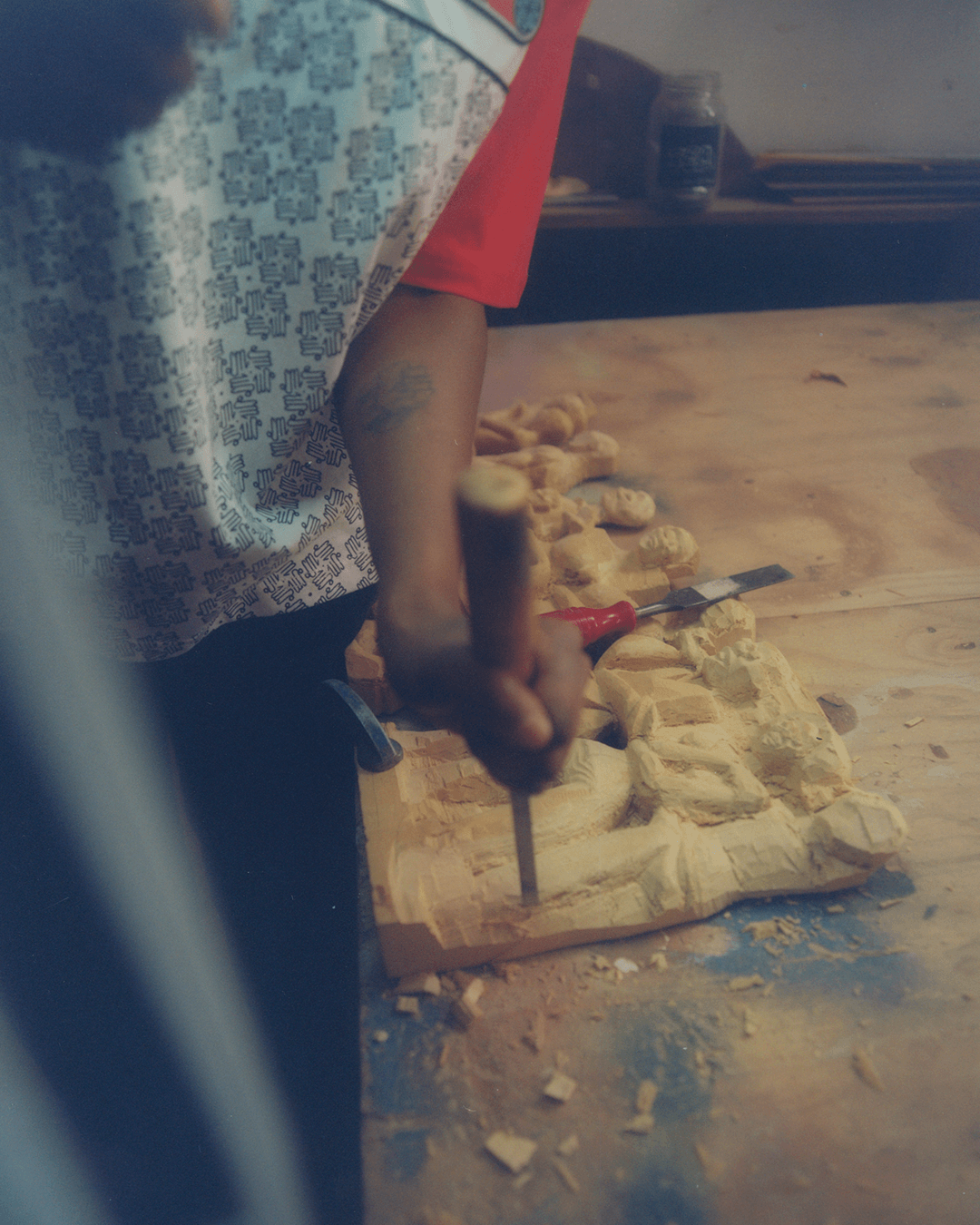
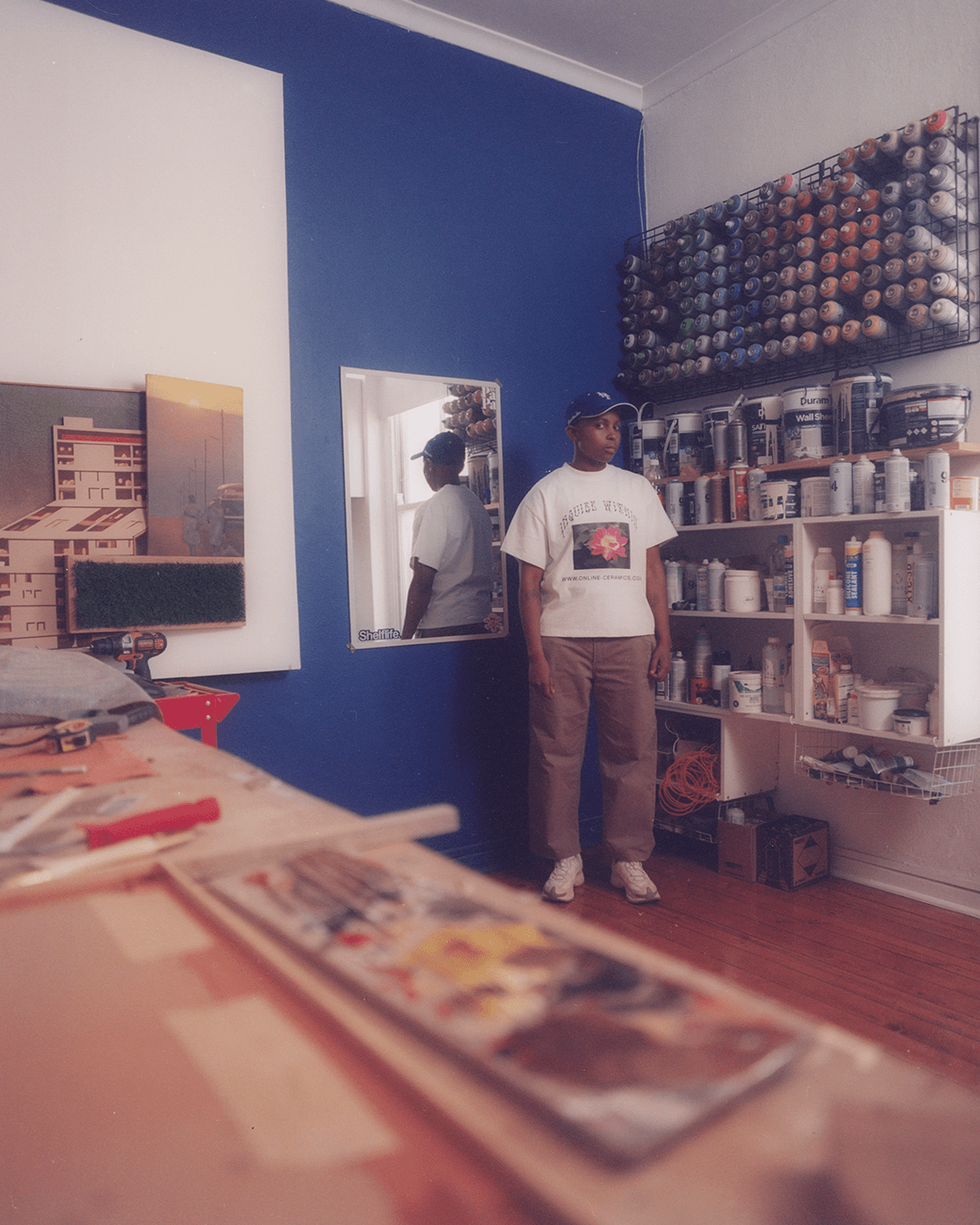
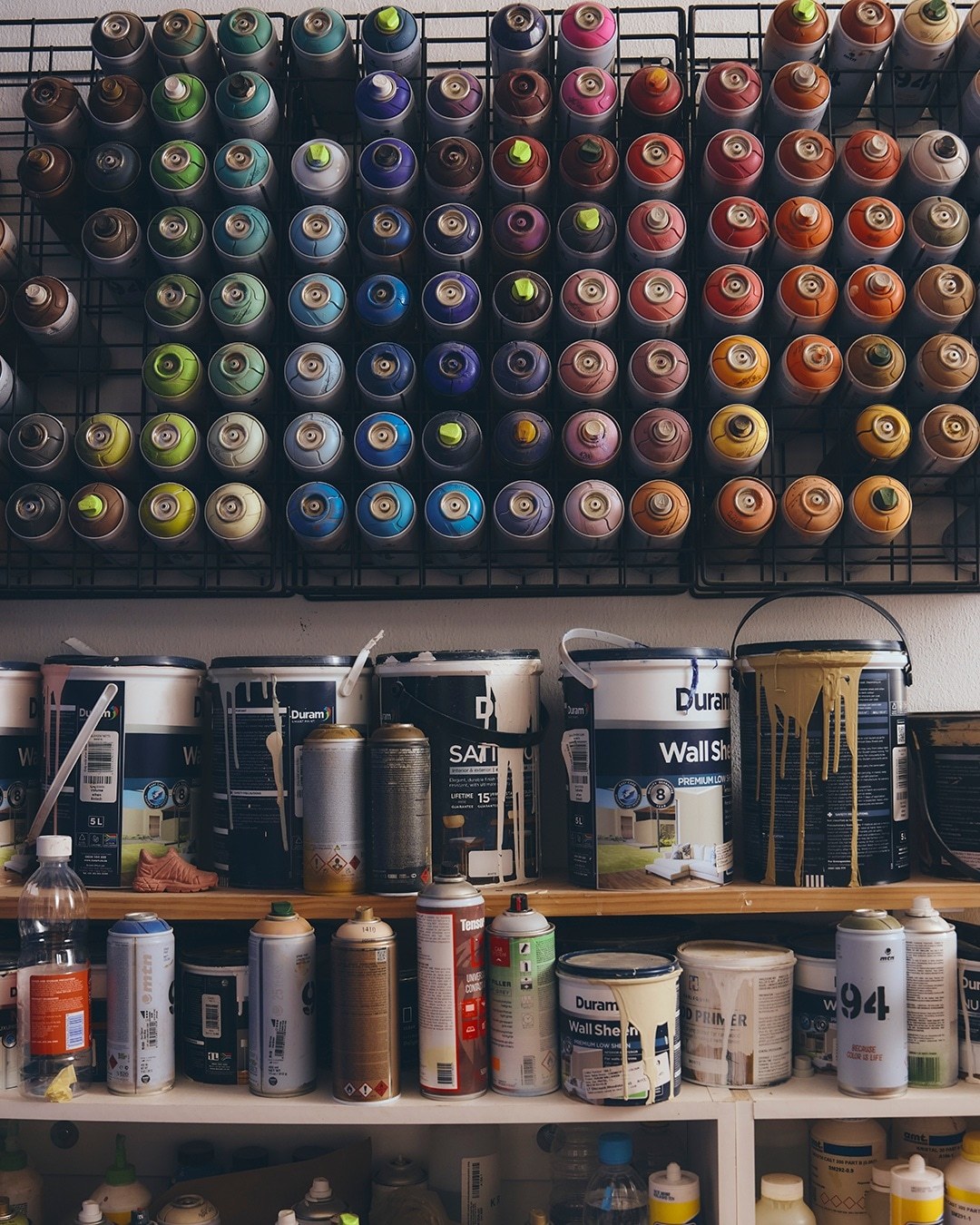
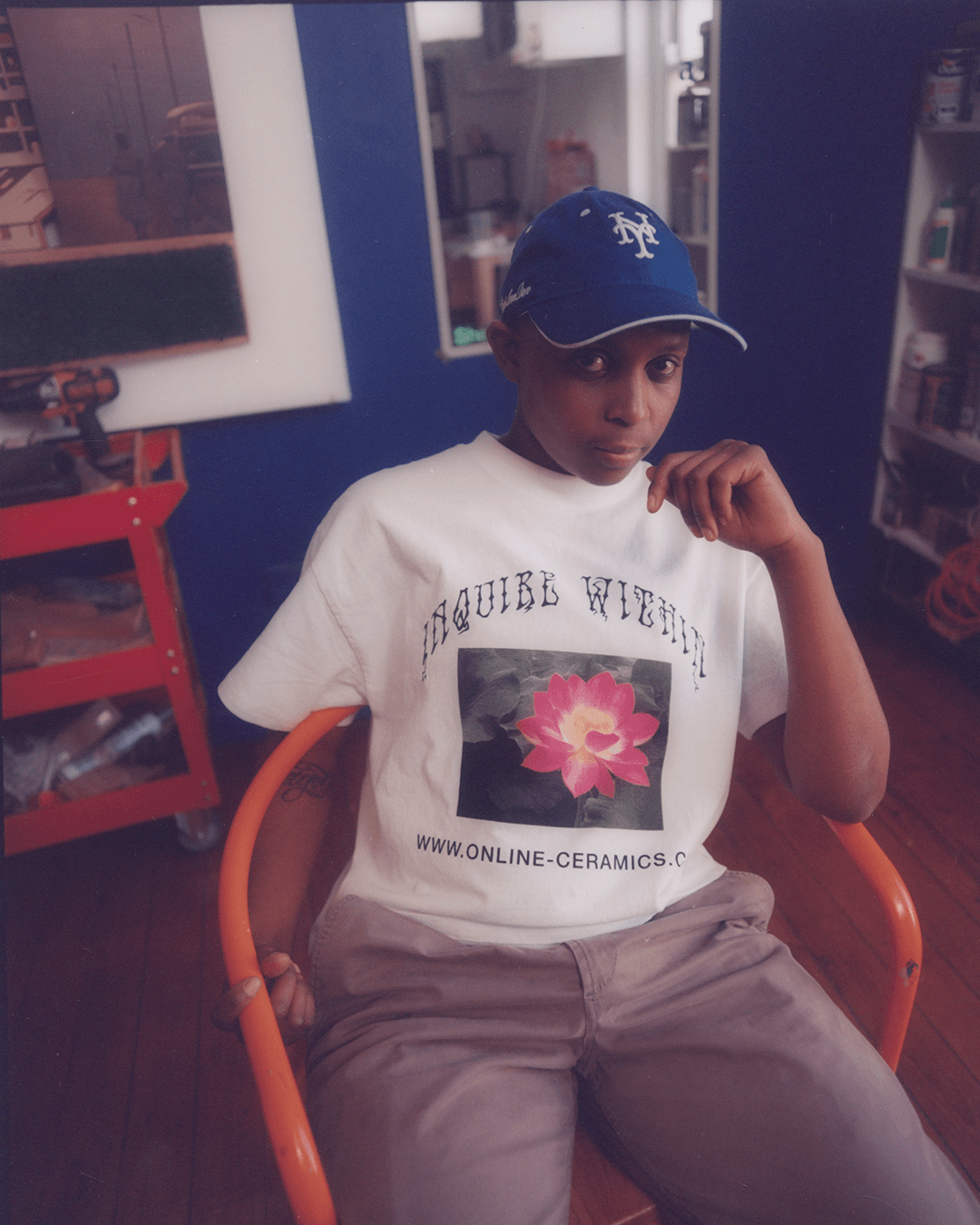
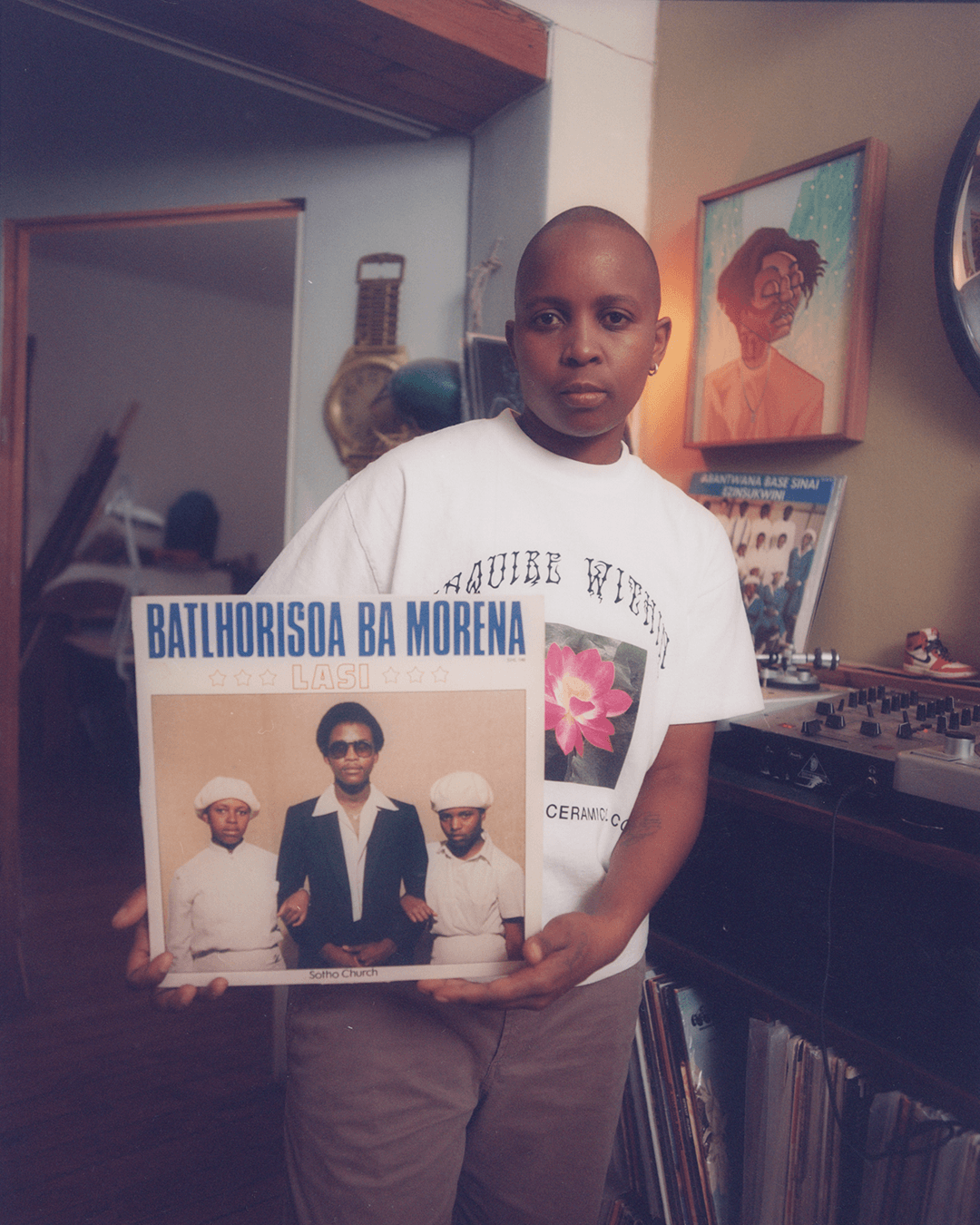
Dada Khanyisa has integrated their workshop and home space into one. For them, there are few boundaries required; as a ‘maker of things’ for whom making is truly, and earnestly, their life’s greatest pleasure. Tucked away, out of view, on a busy street in Woodstock—Dada’s home is a sanctuary, with a direct view to the external, chaotic world that so informs their thematic focus. Social scenes, human interactions, rituals of everyday life and cityscape mythologies; Dada has situated themselves where they feel most comfortable. With a slight distance, and privacy, and proximity to the pulse of the city, they maintain both observation and immersion. 

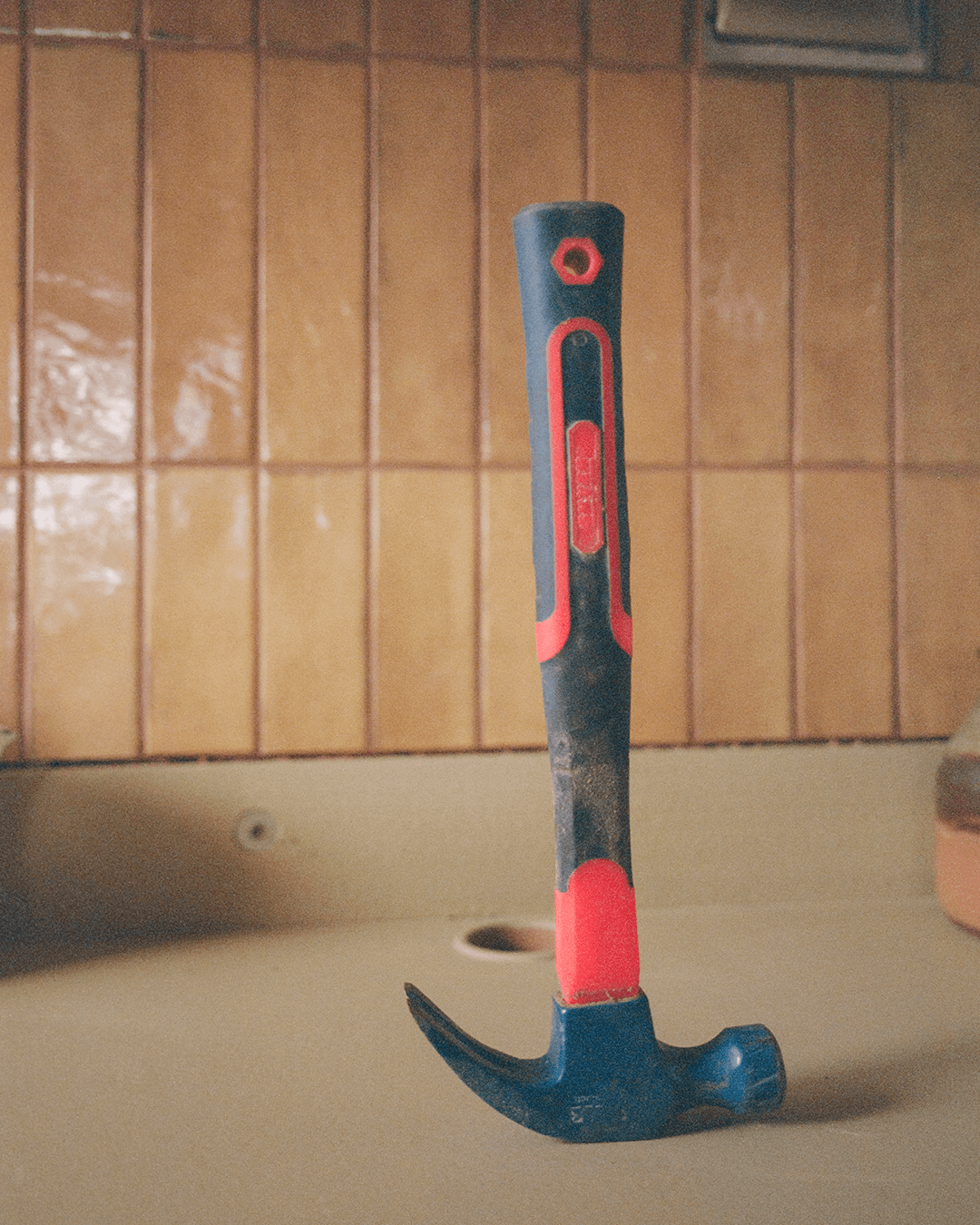
Dada’s home is a feat of their ingenuity and self-initiated fate as a tinkerer of anything and everything—“I was six when I started apprenticing with my older cousins. They were always working with their hands—woodwork, tools, fixing things. I was assigned the task of sorting the nails and handing over tools. Through that I learnt how to use hammers, pinchers and a leather sewing awl” they tell me. “They never doubted I could do it, and because of that, I never doubted myself either.”

Dada’s pathway as an artist is the result of many things: raw talent, a hunger for experimentation, and a deep respect for process—but perhaps most significantly, they are a testament to what being raised to nurture one’s creativity can do. For Dada, there was only the possibility of how far they wanted to go. “My grandmother would show me off at family gatherings—she’d hand me a piece of paper and a pencil and ask me to sketch someone on the spot,” Dada muses, “that kind of encouragement made it feel natural to pick up a hammer, to paint, to build. No one was surprised when I pursued this path.”

Dada Khanyisa, Photographed by Cris Fragkou, Produced for and by CEC

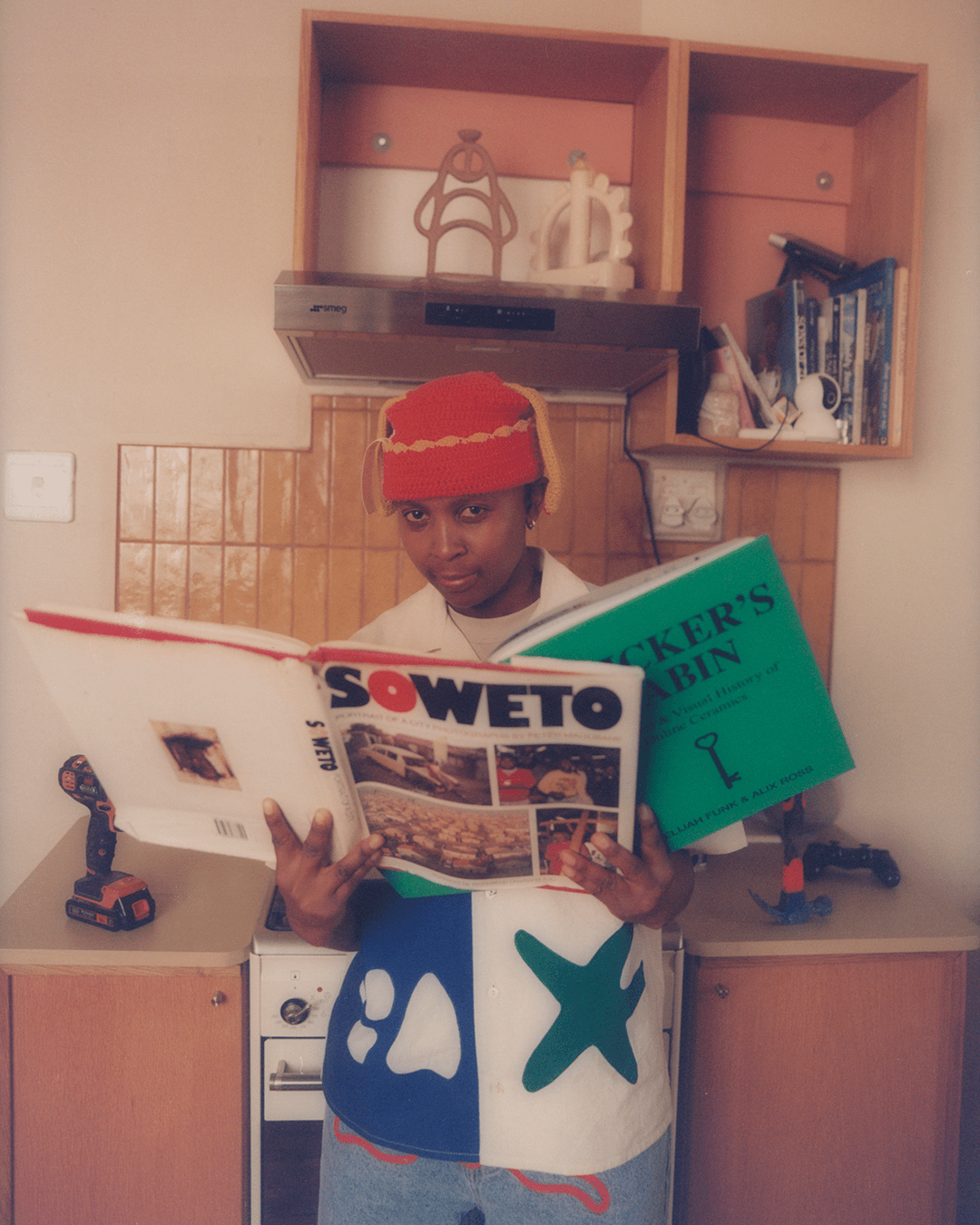
Dada’s space is both living and working. Their kitchen—and almost all their furniture—was forged in the workshop just off the living room. They had tasked themselves with the carpentry of the kitchen units and the TV console I’d mistaken for a rare mid-century find. The space is imbued with the colours of Dada’s world: mustard, ochre, hints of green and brown—a rich, autumnal palette that tempers so much of their work and, clearly, reflects their personal taste. As Dada tells me, they were pleased when they tackled the kitchen cupboards— and realised they could actually make almost anything they wanted. This is a rare kind of power and skill in a world that demands our allegiance to consumption, and outsourcing all of our desires and needs.

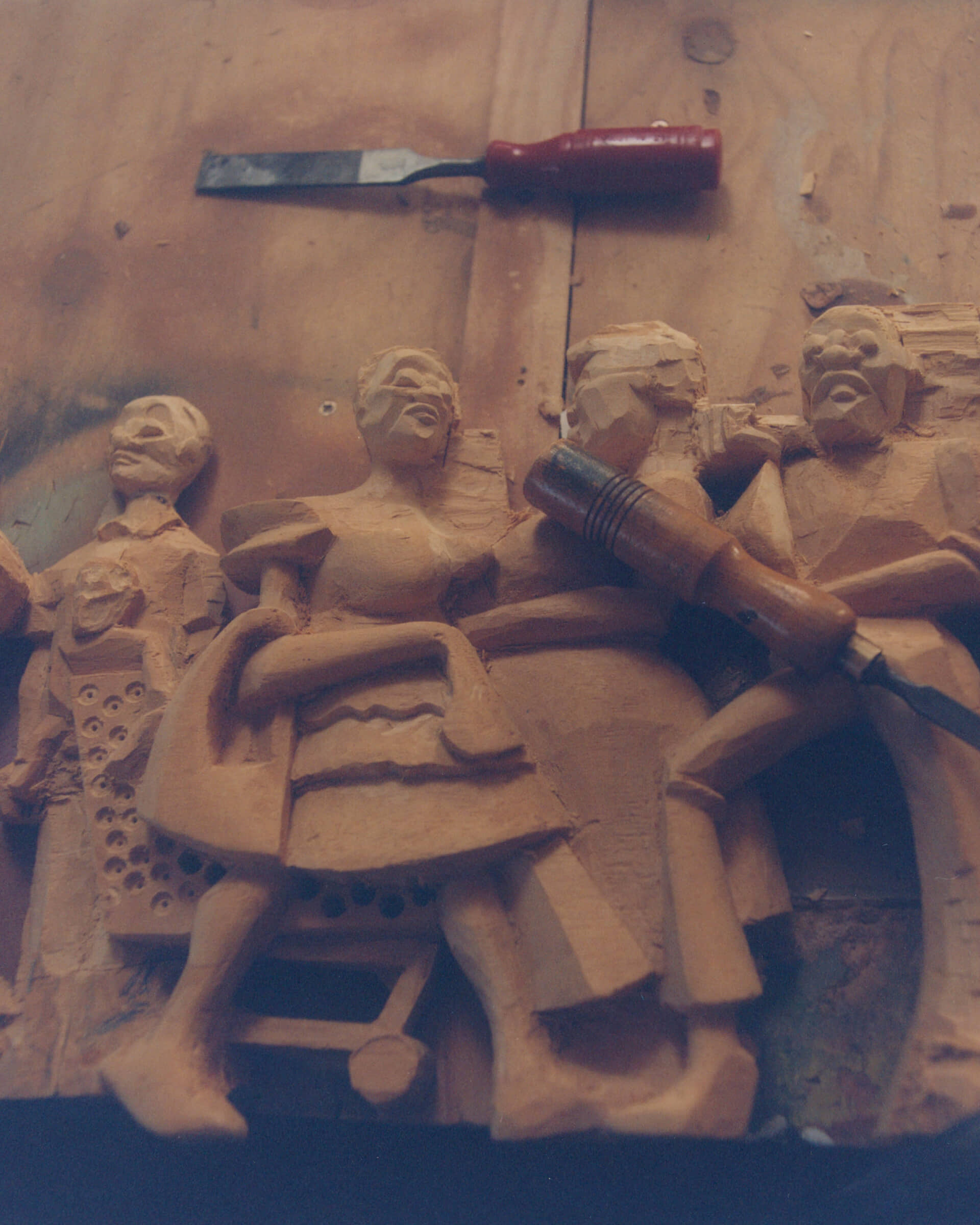
Dada’s artistic practice is multi-disciplinary in the truest sense of the word. Their works can, quite literally, involve numerous processes and skill sets—layering technique and materials to build the sculpture-meets-painting-meets-installation that has become their signature. Each piece is a convergence of elements: carved wood, hand-painted surfaces, and found objects, often unified within a single composition. There’s a tactile complexity to their work—one that invites the viewer to consider the labour, intuition, and experimentation embedded in its making. It’s a practice that feels alive, ever-evolving, and deeply personal. “I tried to do the ‘practical’ thing and study animation,” Dada notes on their formative years, “the narrative was that there was no money in art. Animation gave me something valuable—it helped me form a visual language. As part of the animation programme, we did storyboarding and that taught me how to pose figures, how to communicate through the body.”

Dada Khanyisa, Photographed by Cris Fragkou, Produced for and by CEC

Dada Khanyisa, Photographed by Cris Fragkou, Produced for and by CEC

Surprisingly, Dada’s understanding of the so-called ‘efficiency’ of digital art was completely subverted, leading them to find their practice as it stands today. “At Michaelis, we had an elective that involved digital fabrication—CNC routers, laser cutters. Because I could model in 3D, I leaned into that. I sculpted a figure digitally, but the process was so long—over six hours of modelling and rendering time. Then I tried carving it by hand and finished in 30 minutes. That changed everything.”

“We’re told digital is quicker, more efficient—but that experience flipped the script,” they explain. “I realised that working with my hands is more true to how I want to create.”

Candice, CEC’s editor in chief and founder, points out that when shooting this cover with photographer Cris Fragkou, Dada’s sculpting of wood was like witnessing a choreographed meditation; so mesmerising and focused. It is a hard-earned process, harkening back to Dada’s earliest memories as an apprentice to her cousins, and that “In art school, there was a lot of direct referencing, I think it’s because we were all studying the same artists, the same techniques. It was important for me to establish a visual language, I didn’t want to replicate anyone. I wanted to push it so far that copying me would be pointless. You’d have to just go and make your own thing.”

Dada’s style is instantly recognisable—playful yet poignant, grounded in lived experience yet elevated through formal experimentation. Their use of 3D forms has become a way to collapse boundaries between painting, sculpture, and design, and their portraiture of figures emerge in low relief, sometimes fully sculpted, often embedded into flat surfaces or architectural structures. These forms, of snapshots into Dada’s mind and memory as they observe South African youth culture, feel tactile and bodily, inviting attention and emotional proximity. You are with the work itself, rather than viewing into a flat painting or scene, and this dimensionality gives their work a visceral presence—one that anchors narrative and form in the same physical space. Of this, “I arrived at this very three-dimensional, layered way of working, Dada explains. “It was selfish in a way—I didn’t want anyone to  easily do what I do. My use of materials, my technical processes, even my visual language is designed to stretch beyond imitation.”

Dada thinks of themselves first and foremost as a maker of things—but also, more quietly, as a student of human patterns. Their work is deeply observational, a way of mapping energy in urban spaces, tracking how people connect, and uncovering what drives them. “I believe you have to live in order to make meaningful work,” they tell me. “I go out, I experience, I overlive—and then I retreat and make work to process it. Sometimes the work is healing. Sometimes I’m wounded when I start.”

Dada Khanyisa, Photographed by Cris Fragkou, Produced for and by CEC

For Dada, making is a survival mechanism. “There’s a link between my spirals and my productivity. When I’m spiralling, it means I’m not working. But when I’m not working, I start to spiral. So my practice keeps me tethered. It’s how I stay grounded.” They reflect that their need to be in motion is constant—“I think I’m one of those people—maybe it’s ADHD—who has to be doing something. I can’t really go on vacation. Sitting still doesn’t work for me. I become a better person when I’m working with my hands.”

This rhythm—of outward immersion and inward reflection—runs through all of Dada’s work. “My practice is rooted in documentation,” they explain. “Observing, noticing, absorbing youth culture, people, environments. It’s not always about direct portraiture.” Instead, their pieces function like condensed social encounters—layered, vivid, and vibrational, offering glimpses of life as it’s lived and felt, “sometimes it’s just a visual that sticks with me. Sometimes it’s a moment that unsettles me.”

Most recently, Dada has found their work becoming a vessel to process and reconcile with history. While they never set out to be overtly political, they’ve come to feel that, “being a Black artist in South Africa, I think your work is inherently political”—and embracing this has opened up new thematic terrain. One such thread began with a photograph pulled from apartheid-era archives, showing a moment during the prohibition of alcohol for Black South Africans. “I learned about the prohibition of alcohol to the natives,” Dada explains. “There was a prohibition in the 1950s, and people were brewing their own alcohol, which created this huge demand. So when the ban was lifted, people got drunk for seven years.” They describe the period as one of calculated chaos, “it was a way to disarm people, by restricting alcohol and then lifting the restriction.”

Dada draws a parallel between this and contemporary marketing strategies, pointing to the ways major corporations like SAB used cultural influencers, even back then. “They were working with Alf Kumalo, a photographer for Drum, and they’d use these figures to promote alcohol—just like today’s influencers.” This historical thread, rooted in control and trauma, became a lens through which Dada began to view their own fascination with club culture. “Growing up in Joburg, it’s like we’re groomed to spend time outside drinking,” they reflect. “I only really became aware of it when I moved to Cape Town—it’s slightly different here.”

Alcohol, in their eyes, is both social currency and a survival mechanism. “It was a lubricant for the conversations they were having—a meeting point—and a medicine for trauma.” They point to the 2020 alcohol ban during lockdown, where domestic violence and trauma-related hospital admissions dropped significantly. “The direct link was quite distinct,” they say. And yet, despite the glaring public health consequences, accountability is elusive. “I’m so curious why SAB hasn’t been held accountable. Tobacco companies fund research into lung cancer—but SAB? Nothing.” They note how SAB quietly relocated their head office to London after lobbying to change a four-year restriction. “If we wanted to protest, we wouldn’t even know where to go anymore.”

Still, Dada insists this isn’t a crusade. “I’m not saying alcohol is bad—I’m just questioning the relationship we have with it as a nation.” It’s this tension—between historical harm and cultural ritual—that Dada continues to unpack through their work, holding space for discomfort and curious reflection.

Part of what makes Dada’s practice so magnetic is their refusal to be boxed in—by medium, expectation, or market logic. “Part of my fate, I think, is to tell stories—my own, and those of others,” they explain. “That’s why I don’t confine myself to a single medium. My style is the throughline. The hands, the stories—they’re what drive the work.

Dada Khanyisa, Photographed by Cris Fragkou, Produced for and by CEC

Their hands are deeply intentional, pushing against the sleekness of mass production, imbued with their own intelligence that Dada often surrenders to. Dada lights up describing their obsession with handmade objects and ‘third-world’ ingenuity: “I was going through my timeline and I’m noticing that people are drawn to handmade items or objects from supposed third world countries. I was obsessed with those—the teapots, the people who build houses with bamboo sticks. Building pools. A whole setup on a time loop.” 

For Dada, making by hand is a kind of affirmation—a way to stay human in an accelerating world. “It’s such a fulfilling process to actually do it by hand. I’ve had to remind myself that I’m a person—I’m not chasing a machine finish. There must be something that reminds you that, oh, this is handmade. There’s a mistake or it’s what the hand intends.”

Dada is grown-up now. Signed to a gallery in London and incredibly accomplished, they reflect on the visibility of their journey, aware that they’ve grown in front of an audience; “It’s interesting now because I feel like I was a child star. My career is unfolding in real time, in full view. People have seen me from my early days as an animation student. I used to make these small miniature shoes because I was obsessed with sneakers.” 

Back then, they weren’t out to change the world—they were simply making. “I hadn’t studied a BA so I didn’t have the ‘change the world’ approach. I could make things, ‘let me just make this!’” This spirit, of simply making, is continual, yet, “It feels like I’m an adult now. I feel established. Now I understand my language. Sometimes it’s just muscle memory—I can zone out and my body will make and carve. My hands definitely have their own intelligence. It’s like when you’re driving and you can zone out—you don’t think about it. You just drive.”

This confidence shows up in how they speak about decision-making. “Now it’s easier to trust my decisions. I just say, ‘This is what I’m working on.’ I do not motivate for it.” It’s a far cry from the early days, “when I started my BA, I decided I would never put my destiny in someone else’s hands. I have to be certain about my ideas and present them from a place of certainty—not asking, ‘Is this okay?’”

While many artists expand into teams or studios, Dada is clear that their solitary process is central to their integrity. “For me, the whole thing is personal. That’s why I don’t work with people—not from a place of hoarding skills. I’m an only child. That was an escape for me—being in my room, drawing, on the computer. There was no one else interfering.” That childhood solitude has become their adulthood respite in this world, as Dada notes that “you embody all the skills you need. Some artists need assistance or technical hands to execute an idea, but I’m in a unique position where I can do it all.” 

Dada smiles, “I think I’ll always be the sole artist creating my works, because if not, I’ll be a very horrible person!” Their deeply personal, fiercely independent approach is exactly what gives their work its power. Within each carved surface and layered form, Dada invites us into a world that is entirely theirs, and Dada’s process reminds us that creativity is, in truth, about knowing precisely who one is at their core; and respecting this every step of the way.

I leave Dada’s home looking down at my own hands, questioning whether I’ve allowed them the space to actually make — this, I think, is what Dada’s work really teaches; alongside observation and the art of playfulness. 

Creative Credits

Dada Khanyisa

Photographed by Cris Fragkou 

Produced for and by CEC 

Editor in Chief: Candice Erasmus

MUA: Xola Makoba

First assist: Alex Birns

Production assistant: Grace Crooks

Written by Holly Beaton

For more news, visit the Connect Everything Collective homepage www.ceconline.co.za
Artclub and Friends release their AW25 Collection ‘Crescendo’ in collaboration with Kujenga

Artclub and Friends has announced the launch of their latest Autumn/Winter collection: Crescendo. A term most commonly found in the world of music, “crescendo” means a gradual increase in intensity. A concept that captures not just the tone of this collection, but the very moment that Artclub finds itself in now – in its 9th year, the independent design studio steps confidently into their next act. 

Born from a conversation inside the studio and amplified through a collaboration with Cape Town jazz ensemble Kujenga, Crescendo is both a metaphor and a mission. Like the steady build-up in a musical composition, this collection represents a climactic chapter in Artclub’s journey and Kujenga’s, intertwining sound and style in celebration of creative momentum. Crescendo is for artists, thinkers, and celebrators. It’s for gallery nights, last songs, performances and pause-worthy everyday moments. Designed to be worn and lived in, the collection embodies anticipation, joy, and a deep sense of self.

All imagery courtesy of Artclub and Friends

Unlike traditional fashion houses, Artclub operates more like a jazz session than a boardroom. Crescendo was shaped in studios, on balconies, during rehearsals and everyday moments with its creative community. Director Royd Ringdahl, photographer Tseliso Monaheng, Kujenga, as well as local manufacturers all brought their unique voices into the room. The result is a collection that feels deeply communal. 

The collection features 30 original pieces, each designed with intention, wearability, and movement in mind. From soft tailoring to expressive silhouettes, Crescendo is a full expression of the studio’s evolving creative language. Garments reference the structure of instruments, with brushstroke motifs, soundwave-inspired pleats, and textures that mimic tempo. Think midnight blues, brass, and deep embers. Silhouettes are built for motion, just like the people they’re made for. 

Inspired by jazz, improvisation, repetition, and rhythm, the collection is also shaped by the visual poetry of Santu Mofokeng, the structural storytelling of Kofi Ofosu-Yeboah, and cultural moments like Tyla’s rise on the global stage. Crescendo is less commentary and more celebratory.

Every collection supports more than just aesthetics. This season, Artclub supported Kujenga in recording and releasing previously unreleased music. Garments were created in close collaboration with local manufacturers, many of whom have partnered with the brand for years. Each is considered part of the studio’s extended artistic ecosystem.

Following their successful collaboration with Mr Price, Artclub proved that scale need not dilute purpose. Crescendo continues this ethos: design without compromise, access without erasure. With full creative control, the team reaffirmed their mission to uplift African artistry at every level. 

From humble beginnings in 2016 to now, Crescendo marks Artclub’s most expansive creative leap. No longer just surviving, they are composing. The studio is clearer than ever on its mission: to grow, stay rooted, and serve as a platform for global, intentional design from Africa.


All imagery courtesy of Artclub and Friends

Shop Crescendo here

Follow Artclub and Friends on Instagram here


Creative Credits:

Photography by Tseliso Monaheng (@melanateyourmood)

Director: Royd Ringdahl (@roydr_)⁠

⁠DOP: Vahid Davids (@vahiddavids)⁠

⁠Editor: Luke Veysie (@luke_veysie )⁠

⁠Grade: Daniel de Villiers (@danielde.villiers)⁠

⁠Sound: Concept Records (@concept_records)


Press release courtesy of Artclub and Friends 


For more news, visit the Connect Everything Collective homepage www.ceconline.co.za

Follow CEC on Instagram

June is Men’s Mental Health Month in South Africa

June marks Men’s Mental Health Month, a critical time to examine the emotional landscape of men in South Africa with compassion and care. Instead of diminishing the needs of women or queer communities—whose mental health concerns remain critically important—this awareness drive is designed to understand how patriarchal systems harm everyone, including men, and how redefining masculinity in a way that allows for vulnerability, connection, and emotional honesty can lead to better outcomes for all citizens; especially in a country such as ours, which is so deeply plagued by Gender-Based Violence. 

In South Africa, mental illness is widespread and men are far less likely to seek help. According to the South African Stress and Health Survey, only 6.6% of men with mood disorders sought treatment in the past 12 months, compared to 18.5% of women. Suicide statistics reveal a grim pattern internationally; where it is reported by the World Health Organisation that nearly 80% of suicides world-wide are by men. Plagued by social stigma, the pressures to ‘man up,’ and the persistent myth that strength equals silence all contribute to this devastating reality. 

South African society often associates masculinity with emotional stoicism, resilience without support, and the pressure to provide at all costs. These outdated norms isolate men from one another and from themselves. For Black and Coloured men, the situation is often compounded by economic pressures, systemic inequality, and intergenerational trauma, while for Queer and Trans men, the path is complicated further by homophobia, marginalisation, and lack of tailored mental health resources.

What if masculinity could mean something different? What if being a man didn’t mean suppressing fear or sadness but instead, it meant learning how to move through those feelings with integrity and support? Healthy masculinity centres empathy and accountability; it honours relationships, acknowledges pain, and allows men to be fully human.

Mental health support that is tailored for men is a crucial part of this shift. PHOLA, founded by internationally renowned Narrative Therapist and Psychosocial Specialist Ncazelo Ncube-Mlilo, is a South African non-profit organisation dedicated to community-based healing and mental health support. Their Narrative Therapeutic methodologies are culturally sensitive and have been adopted in over 30 countries worldwide, and their flagship programme, PHOLA BABA, focuses on supporting men—both adults and young men—as they address the psychological impact of violence, abuse, and crime in their lives. The programme creates safe, structured spaces for men, and “the programme provides opportunities for conversations with men that deconstruct harmful constructs about masculinity and manhood and forces men to be silent about their psychological and emotional pain born out of experiences of violence and abuse.”

The organisation notes that unresolved anger in men and boys is a key driver of violence and abuse, and the programme actively addresses this root cause. Through individual and group counselling, community dialogues, therapeutic camps, and a dedicated men’s shelter. These grassroots initiatives are powerful reminders that healing can begin in the community, and PHOLA demonstrates the importance of culturally relevant, peer-led approaches that build trust and safety.

Emotional literacy must be normalised in schools, workplaces, and homes. Boys should be taught that there’s no shame in crying, that there is no weakness in therapy, and there is no failure in asking for help. Role models—whether public figures or fathers and uncles—play an essential role here; when men see other men embracing emotional wellbeing, it opens the door for them to do the same.

We desperately need our public health infrastructure to rise to meet the challenge. Currently, mental health care in South Africa receives only about 5% of the national health budget, and most of that is spent on hospital-based care rather than community or preventative services. To truly support men, we need mental health resources integrated into everyday life: accessible, affordable counselling; support groups in townships and rural areas; mobile clinics; and digital platforms that reduce the stigma of walking into a therapist’s office.

Reimagining masculinity also means listening—to the experiences of queer men, men living with disabilities, working-class men, and those whose traumas are often invisible. It means holding space for grief and rage, for healing and growth, for softness and strength. When men move toward fuller, more emotionally available versions of themselves, the entire fabric of society can be strengthened.

If you or someone you know is struggling, there are many places to turn. The South African Depression and Anxiety Group (SADAG) offers 24/7 support, while organisations like PHOLA and the South African Federation for Mental Health provide community-based interventions and education. The LGBT+ Health Division at Groote Schuur Hospital in Cape Town is a leading space in public health advocacy and high-level care services, and offers a comprehensive range of services tailored to meet the unique health needs of gay, bisexual, transgender, and queer men, alongside its overall focus on all people across the gender identity and sexuality spectrum. Psychiatric facilities such as Akeso Netcare offer private mental health support, with most health care insurances in South Africa covering a portion of inpatient and outpatient mental health services, depending on your specific plan and benefits structure. 

For public mental health care services, Valkenberg Hospital in Cape Town, Tara Hospital (H Moross Centre) in Johannesburg and Addington Hospital Psychiatric Unit in Durban are some of the key tertiary psychiatric facilities serving their respective regions, offering inpatient and outpatient support for individuals with serious mental health conditions. Here is a guide from National Government for the process on how to admit yourself to a government hospital, and there are multiple region-specific programs and non-profits that are seeking to bridge the gap in psycho-social education and support in South Africa. 

This June, we hope to see a continued, progressive shift towards greater mental health awareness. 


For more news, visit the Connect Everything Collective homepage www.ceconline.co.za
Follow CEC on Instagram

Durban native Nasty C releases hip-hop single ‘Soft’

With his latest single “Soft”, South African hip-hop star Nasty C steps into full creative control handling both production and performance. Entirely self-produced, the track is a bold, sharply executed statement that fuses hard-hitting beats with lyrical swagger. It’s a declaration of growth, confidence, and self-made excellence.

Joining him on “Soft” is fellow Durban native Usimamane, whose presence adds weight and raw authenticity to the track. His verse is gritty, unapologetic, and deeply rooted in the come-up bringing a fresh voice that complements Nasty C’s polished delivery. Together, the two artists represent different shades of Durban’s hip-hop energy: refined and rugged, global and grounded.

“Soft” weaves street-rooted bravado with aspirational luxury. It’s a soundtrack for the grind and the glow-up, mirroring the journey from hungry beginnings to hard-earned comfort.
Thematically, the track resonates with Gen Z and young hustlers across the world: those who live in the tension between struggle and success, dreaming big while staying real. “Soft” is about showing what’s possible, flexing without apology, and celebrating the payoff of relentless ambition.

With “Soft”, Nasty C and Usimamane deliver an anthem for the present moment where authenticity, artistry, and ambition meet in perfect sync.

Listen to ‘Soft’ here

Connect with Nasty C:
Facebook: @nastyczzle
X: @nasty_csa
Instagram: @nasty_csa
TikTok: @nasty_csa
YouTube: @NastyC

Press release courtesy of Sheila Afari PR

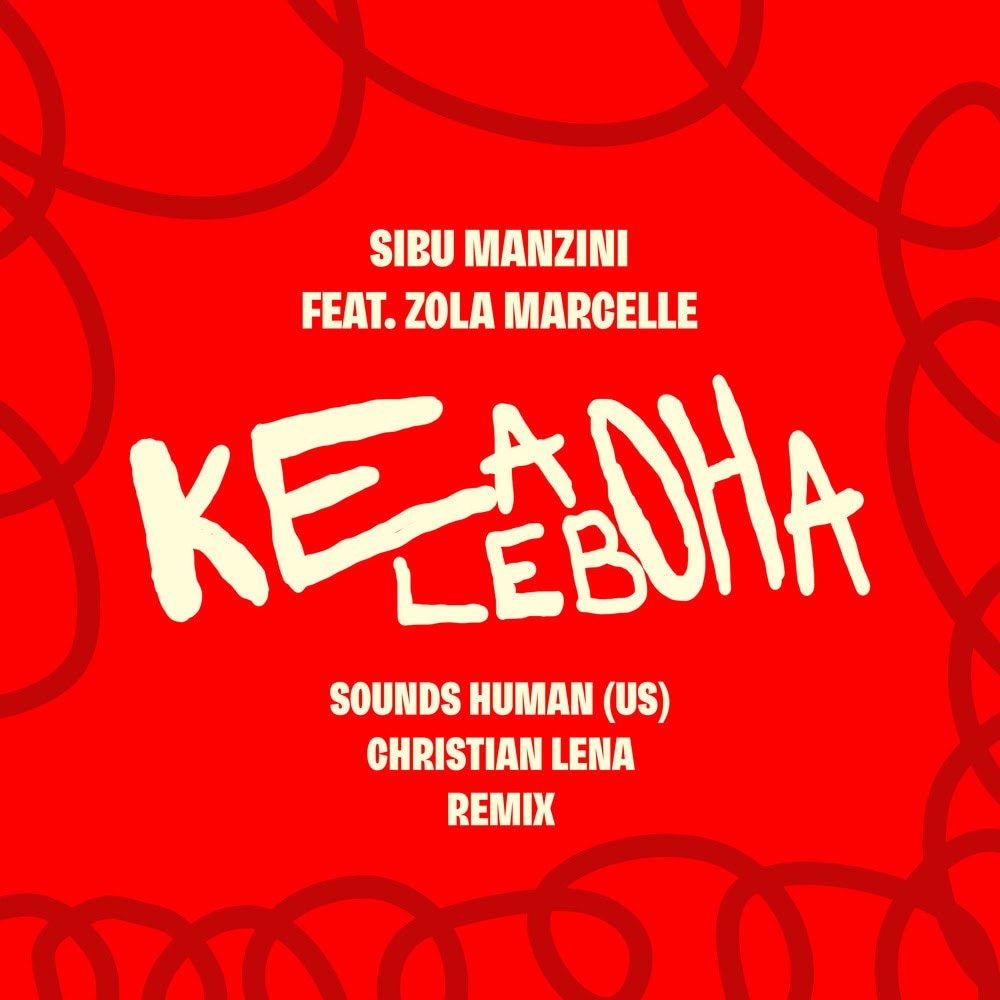
Sounds Human and Christian Lena release a remix of ‘Kea Leboha’

The remix of Sibu Manzini and Zola Marcelle‘s single “Kea Leboha” by Sounds Human (US) and Christian Lena maintains the emotional depth of the original. The original track, a lush, understated production evokes a heartfelt, emotional response as it’s dedicated to Sibu’s late mother, Grace. 

In their remix, Sounds Human (US) and Christian Lena pay homage to this by preserving the same energy and mood, while adding a dynamic drum drive that injects a fresh, rhythmic pulse into the song.

Listen to ‘Kea Leboha’ remix here 

Press release courtesy of Antidote Music