Q: From “Kolobe Ya Pitori” to “Sunshine in Pitori”, you are heavily rooted in odes to Pretoria. How influential was the traditional and contemporary landscape of the city to your creative outlook and diverse palette for production?
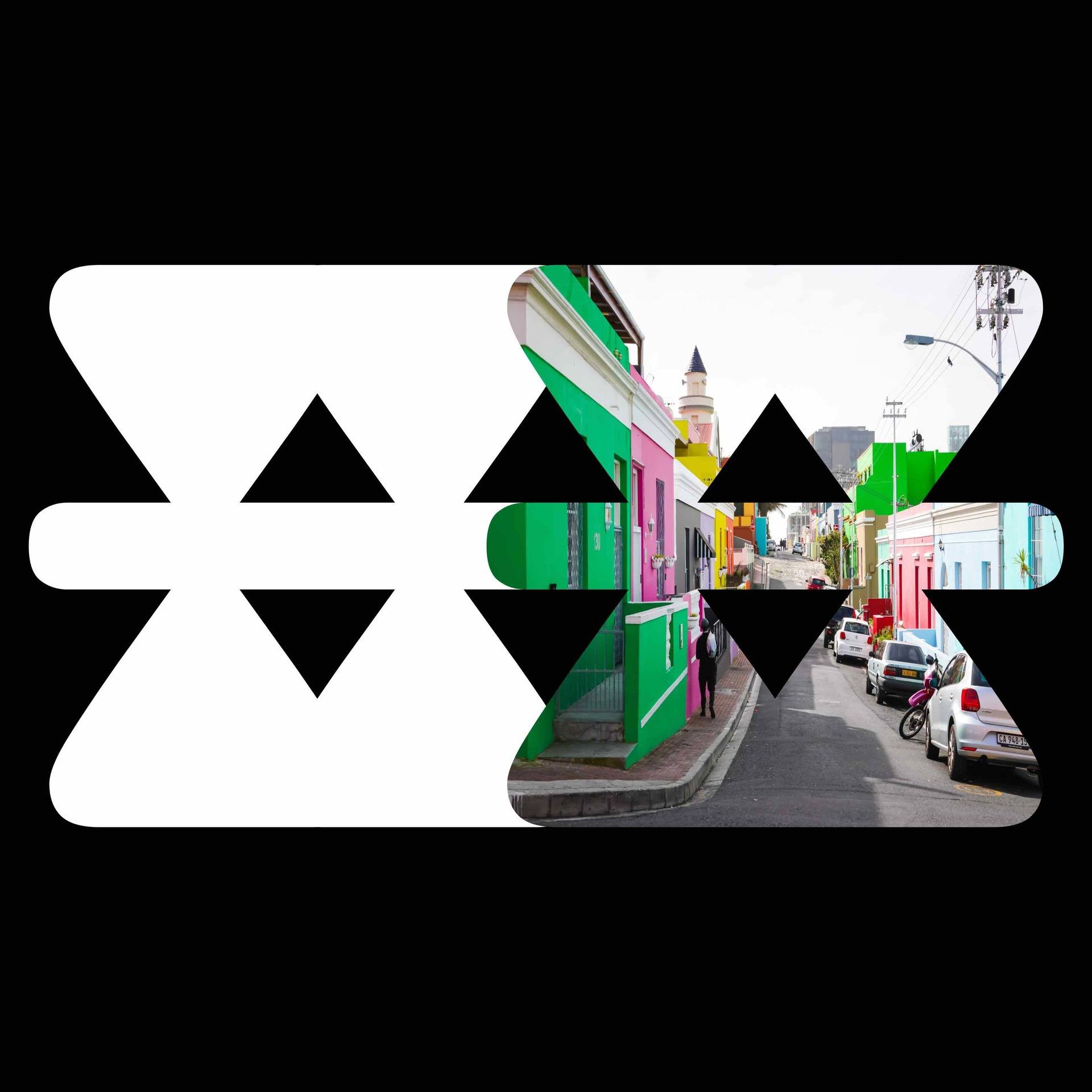
Saul: Oh, man, Pretoria’s impact on my music is massive. I’m a total patriot. Wherever I go, I want people to know where I’m from because Pretoria is amazing – beautiful and packed with talented, great people. Growing up there really shaped my sound and my ear. It’s like, from my time in church, the vibes were different, you know? It was a quiet church, but they sang a lot, and we had these traditional instruments – trumpets, drums, the whole deal.
Pretoria is unique because you meet so many diverse people. I’ve heard some seriously unique music that others might find weird, but it’s all thanks to the people I’ve met here. From primary school to varsity, the folks around me really shaped my sound. Pretoria is a melting pot of influences, you know? House music is huge here and always has been. That’s why you catch a bit of that in my sound. Jazz, too – the shows at the State Theatre were a big deal, and my dad used to take me. People think Jazz is for old folks, but my dad was like, “Let’s go,” and I ended up falling in love with it. Jazz has this universal appeal that inspires other genres, and I owe that to the shows I caught in Pretoria.
This place has a groove, man, and I try to bring that into my music. It’s also cool to have different roots – my ancestors are from Botswana. When I make music there, it’s a whole different vibe from what I create in Pretoria. Every place has its own energy. When we travel, I always say tap into that energy and let it shape what you create. Pretoria’s energy is huge on me – I carry it wherever I go, and I let people know about this groovy place called Pretoria every chance I get.
Q: From ‘Tsela Ya Batsamayi’ on ‘Motherland Jazz’ to ‘Thando’s Prayer’ on ‘The Crossover II’, there has been a consistency in an opening prayer of sorts to lead the albums. What role does spirituality play in the creative direction of your music?
Saul: Well, it’s all about tuning into the spirit for me. I wouldn’t be able to make music if my spirits were empty. It’s like the core of why I even make music in the first place. It’s crucial to translate or transcend that through the music. Track one, for me, is always a prayer. Opening with a prayer is a nod to how I was raised. Church had a massive influence on me, especially musically. I even learned my first instrument there.
It’s about silencing yourself and listening. Getting that idea that comes from “nowhere” and tapping into it. Beyond culture, it’s like a universal experience of energy. I go with that energy; that’s how I create. I don’t want to lose that because it’s pure. It becomes so pure, and I think that’s what people need in the world. We need to listen to that kind of frequency of music.
Q: My favourite cut on ‘Ditoro Tsa Kolobe’, your first EP, is ‘Mama’ is a fitting ode to every child’s relationship with their parent(s), especially their mothers. What are some of your childhood memories with your mother that inspired the song and your journey as a young father?
Saul: Oh, man, what a beautiful question! You know, one thing that really stands out from my childhood with my mom is the awesome road trips we used to take. Escaping the neighbourhood and driving to places like Durban or PE – those were the days. But hustling makes it harder to keep up with those adventures as you get older. Still, those road trips are some of my fondest memories, bro. I really miss the travels, like, if there’s anything I miss a lot, it’s gotta be the travels.
That track was inspired by thinking about how much my mom has had my back. She thought I was crazy when I said I wanted to do the music thing, but even though she might have been like, “What is this guy saying?” she supported me anyway. When I crafted the track, I reflected on all the times she’s been there for me, you know? It was a gratitude trip for everything she’s done while I was growing up. My parents, both mom and dad, really shaped who I am – there’s no denying that.
And now, being a parent myself, it’s a whole different, beautiful experience. The creative process has a unique flavour to it. I’ve got another track on the same album dedicated to my daughter. She’s a massive inspiration for my music. You’ll surely catch more of that vibe on my upcoming projects. Right now, she’s practically my studio buddy. I’m always in the studio, just trying to immerse her in music. Who knows, maybe one day she’ll pick it up, but the advantage she has that I wish I had is learning instruments from such a young age. So, I’m making sure she gets that opportunity, you know? Whether she uses it or not doesn’t matter. I just want to feel like I passed on that skill because it’s what I know.
Q: Your music ‘Motherland Jazz’ has been featured on the NY Times Square Billboard multiple times, in addition to being playlisted on HBO’s “In Treatment” series and BBC Radio. As an independent artist and label owner, how has this affected your brand recognition and development?
Saul: It’s been a game-changer. You know how it is for indie artists – it’s like having a killer CV for a job application. Without it, you’re just not getting through the door. Initially, it was wild because no one knew who we were. It’s like shouting into the void, you know? But, and this is the crazy part, making music with genuine intent has a way of getting noticed. We snagged a spot on an HBO playlist through Apple Music. Some guy at an agency heard our track on that playlist and hit us up. Talk about a lucky break!
Sure, fate and luck play a role, but once you’re in, you’re in. It did wonders for our brand, giving us this edge. It even came in handy when labels came knocking. I wasn’t eager to sign with just anyone. I wanted to see how far I could take things solo, and I wasn’t about to be someone’s puppet. Luckily, I found a company that gets it, a real partnership, not some toxic mess. But, let’s be real, they wouldn’t have given me the time of day if they hadn’t checked out our track record.
My advice to fellow artists? Shoot your shot everywhere. You never know where it might land. Even interviews like this one add some serious street cred. It’s like, “Hey, we’re rolling with the big dogs.” So, yeah, it’s been a real game-changer for us.

























Recent Comments